A colleague of mine — let’s call him Marcus — showed up to the office last spring with a brand-new electric scooter, grinning like he’d cracked the code on urban commuting. Three weeks later, the scooter was gathering dust in his hallway. Dead battery after a cold night, a flat tire on a cobblestone shortcut, and a near-miss with a car door had thoroughly killed the romance. Sound familiar? That gap between the glossy YouTube unboxing and the real daily grind is exactly what this guide is about.
So let’s actually dig into what electric scooter commuting looks like in 2025 — the wins, the very specific frustrations, and whether it genuinely makes sense for your situation.
The Real Numbers Behind the “Cheap Commute” Promise
The pitch is always the same: ditch the car, save money, save the planet. And honestly, the math can work — but only if you’re honest about the full cost picture.
A mid-range commuter scooter in 2025 (think Segway Ninebot Max G2, Xiaomi Electric Scooter 4 Pro, or Apollo City Pro) runs between $600 and $1,100 upfront. Annual maintenance — tire replacements, brake pads, occasional motor controller issues — averages around $80–$150/year based on real owner reports from forums like Reddit’s r/ElectricScooters and Scooter Nation community data.
Compare that to a monthly transit pass in a major US city averaging $112/month ($1,344/year) or car commuting costs averaging $8,000–$10,000/year when you factor in fuel, insurance, and depreciation. If your commute is under 10 miles one-way, the payback period on a quality scooter is typically 8–14 months. That math genuinely holds up.
But here’s where people trip up: range anxiety is real, and it’s temperature-dependent. A scooter rated at 40 miles range? Expect 25–28 miles in winter at sub-40°F temperatures. Lithium-ion cells lose 20–30% capacity in cold conditions — that’s not a bug, it’s battery chemistry. If you don’t account for this, you will be pushing a 30-pound scooter uphill at 7:45 AM. Marcus learned this the hard way.
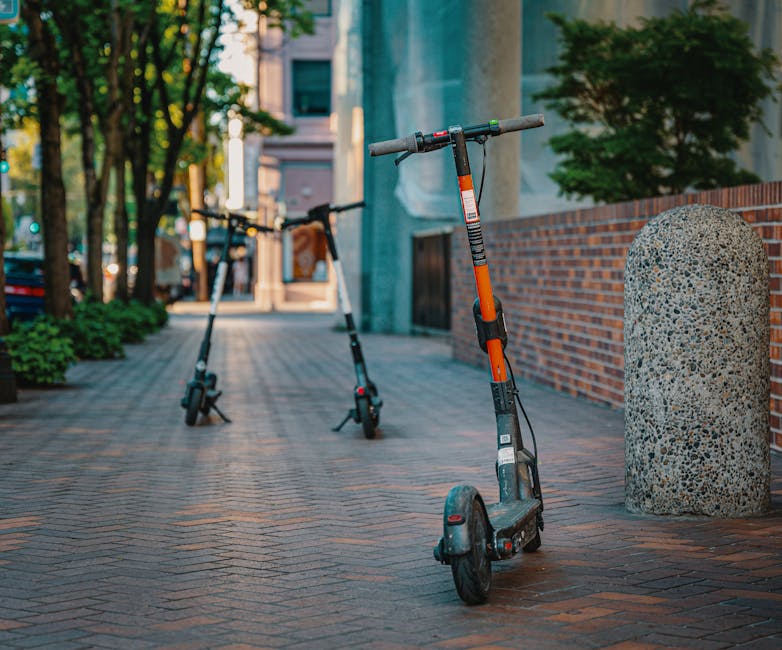
Model Breakdown — Matching Scooter to Commuter Type
Not all scooters are built for the same rider. Here’s a practical breakdown of what actually matters in 2025:
- Segway Ninebot Max G2 (~$850): Best all-rounder for flat-to-moderate terrain. 10-inch self-healing tires dramatically reduce flat tire incidents. Real-world range: 28–35 miles. Folded weight: 29.8 lbs. Weak point: suspension is minimal, rough pavement is punishing.
- Xiaomi Electric Scooter 4 Pro (~$699): Excellent build quality for the price. Dual braking system (disc + eABS regenerative). App connectivity is genuinely useful for diagnostics. Real-world range in mild weather: 25–30 miles. Watch for Error Code 14 (motor hall sensor fault) on early units — a firmware update resolves it in most cases.
- Apollo City Pro (~$1,099): Best choice if your commute includes hills (8%+ grade). Front and rear suspension makes a noticeable difference over 5+ miles. 960Wh battery holds up better in cold. Heavier at 36 lbs — carrying it upstairs daily gets old.
- Unagi Model One Evolve (~$990, subscription also available): Premium design, carbon fiber frame, surprisingly powerful dual motors. But: proprietary parts make DIY repair very difficult. If you’re not near a service center, this creates real problems.
- Budget pick — Hiboy S2 Pro (~$499): Acceptable for light, flat commutes under 8 miles. Motor controller failures are reported more frequently past the 18-month mark. Fine as a starter, but plan to upgrade.
The Infrastructure Reality Check Nobody Talks About
Here’s something that took me longer than I’d like to admit to fully appreciate: your city’s infrastructure matters more than your scooter’s specs.
In 2025, cities like Portland, Austin, and Denver have made genuine strides in protected bike lane mileage (Portland now sits at 385+ miles of bike infrastructure). In these cities, scooter commuting is legitimately pleasant and statistically safer — injury rates drop by roughly 40% on protected lanes versus shared roadways, per National Association of City Transportation Officials (NACTO) data.
But if you’re in a city where you’re sharing a door-zone bike lane on a 45 mph arterial road, that risk calculus changes significantly. The number one cause of serious scooter accidents in 2025 remains car door strikes and right-hook turns at intersections, not equipment failure. Your route choice is your most important safety decision — more important than your helmet, though please still wear the helmet.
A few hard-won practical rules worth building into your routine:
- Never ride in the door zone — position yourself at least 4 feet from parked cars, even if it feels awkward.
- Charge to 80–90% for daily use, not 100%. This meaningfully extends battery longevity (reduces calendar degradation by up to 20% over two years).
- Check tire pressure weekly. Under-inflated tires are the leading cause of scooter flats — most tubeless pneumatic tires want 40–50 PSI.
- In rain: reduce speed by at least 30%, brake earlier, and treat metal surfaces (manhole covers, painted lane markings, bridge grating) as black ice.
- Carry a basic repair kit: a CO2 inflator, tire plugs, and a folding multitool. You’ll use them eventually.
Legal Landscape in 2025 — Still a Patchwork
One thing that genuinely frustrates regular scooter commuters: the legal framework in the US is still a state-by-state, sometimes city-by-city maze. As of 2025, most states cap scooter speed limits on public paths at 15–20 mph, with motor wattage limits typically set at 750W–1000W for street-legal operation without registration.
New York City still prohibits privately-owned scooters on sidewalks (Class 2 e-bikes and scooters are road/bike lane only), while Los Angeles allows them on bike paths under 15 mph. Some HOAs and office buildings are beginning to restrict charging inside — a genuine inconvenience worth researching before you buy.
If your commute crosses city or county lines, check each jurisdiction separately. It’s annoying. It shouldn’t be this complicated. But it is, and getting ticketed or having your scooter confiscated will ruin the economics quickly.
When It Actually Makes Sense — Conditional Recommendations
Let me be direct about this, because vague enthusiasm doesn’t help anyone:
- If your commute is 3–8 miles on mostly flat terrain with protected bike infrastructure: A quality mid-range scooter is genuinely excellent. Payback within a year, daily ride is enjoyable, maintenance is manageable.
- If your commute is 8–15 miles with hills: You need a higher-spec scooter (Apollo City Pro range), and you should realistically consider an e-bike instead — more comfortable, better range retention in cold, legally clearer in most jurisdictions.
- If you live in a third-floor walk-up with no storage and must carry it daily: Weight and portability become paramount. The Xiaomi 4 Pro’s 26.9 lb folded weight is about the practical limit for most people carrying stairs daily.
- If your city has no protected bike infrastructure and heavy traffic: Honestly, the risk-reward calculation shifts unfavorably. A used e-bike with wider tires and better visibility might be a safer long-term choice.
Electric scooter commuting in 2025 isn’t a magic solution — but for the right setup, it genuinely is one of the most cost-effective, enjoyable, and low-carbon ways to move through a city. The key is matching the tool to your actual route, not the route you wish you had.
💬 Drop a comment below: What’s your commute distance and city, and what’s been the biggest friction point you’ve hit? I’d genuinely love to hear what’s working (and what isn’t) for people on the ground — every city is a different puzzle.
📚 관련된 다른 글도 읽어 보세요
- Why I Almost Gave Up on Keto — A Real {year} Guide to Making It Actually Work
- 어릴 때 이것 키워주지 않으면 후회해도 소용없어요 — 2026년 기준 수학 사고력, 지금 시작 안 하면 진짜 늦습니다
- Why My Portable Solar Setup Failed in the Rain — Real 2025 Off-Grid Power Guide
태그: []
Leave a Reply