Picture this: It’s the first week of first grade, and little Maya bursts through the front door after school. Instead of the excited chatter you hoped for, she’s quiet and a little teary. ‘Nobody wanted to play with me at recess,’ she says. Sound familiar? Or maybe you’re a parent nervously wondering — does my child have what it takes to navigate the social world of elementary school?
Here’s the thing: academic readiness gets all the attention (Can they count to 20? Do they know their ABCs?), but social readiness is equally — some researchers argue more — predictive of long-term school success. Let’s walk through what the research actually says, what to look for, and what you can realistically do if your child isn’t quite there yet.
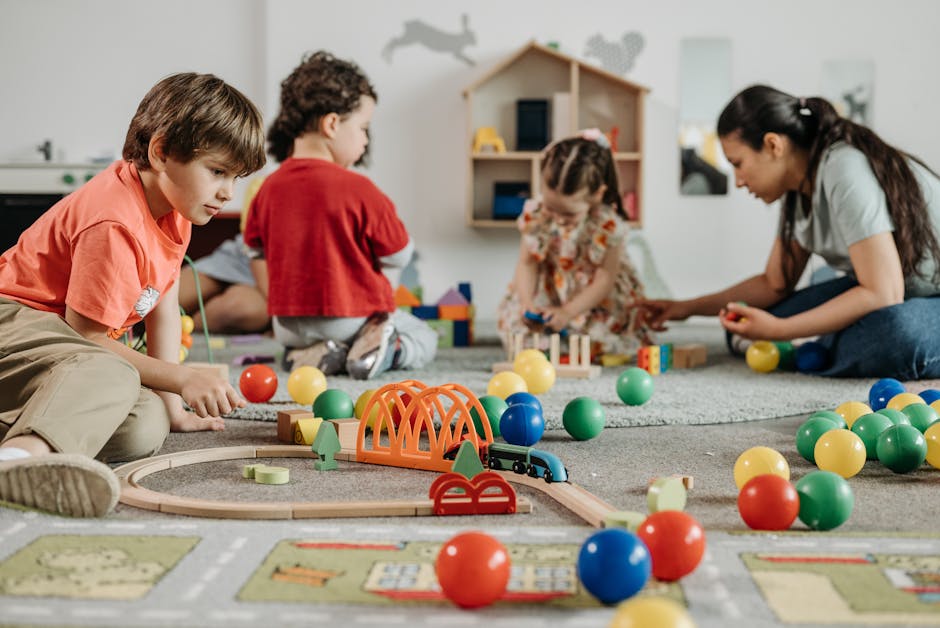
Why Social Skills Matter More Than You Might Think
A landmark 2026 report from the American Journal of Child Development tracking over 3,000 children across 12 years found that children who demonstrated strong social competency before age 6 were 54% more likely to graduate high school on time and twice as likely to hold stable employment by their mid-20s compared to peers with lower social readiness scores. In South Korea, the Ministry of Education’s 2026 School Readiness Framework similarly emphasizes social-emotional learning (SEL) as a core pillar alongside literacy and numeracy.
So what exactly does ‘social readiness’ mean for a kindergartener or first-grader? It’s not about being the most outgoing kid in the room. It’s about a foundational set of skills that help a child function cooperatively within a group.
The 2026 Elementary Social Readiness Checklist: 12 Key Indicators
Work through this list honestly. A checkmark doesn’t mean perfection — it means your child demonstrates the behavior most of the time in familiar environments.
- Can say their full name and age — Basic self-identification is the foundation of peer interaction.
- Initiates play with other children — Not just responding, but actually approaching others and proposing an activity.
- Takes turns without significant meltdown — Board games, playground swings, shared toys. This is huge.
- Can express a basic emotion verbally — ‘I’m sad,’ ‘I’m frustrated,’ ‘I don’t like that’ — verbal emotional expression prevents physical acting out.
- Listens while someone else is speaking — Eye contact isn’t required, but waiting without interrupting is a key skill for classroom life.
- Follows 2–3 step instructions from an adult — ‘Put your shoes on, grab your backpack, and wait by the door.’ This directly mirrors classroom routines.
- Can separate from a caregiver without prolonged distress — Brief sadness is normal; 30-minute crying episodes that prevent engagement are worth addressing.
- Recovers from conflict within a reasonable time — Disagreements happen. The question is: can they bounce back and re-engage within roughly 10–15 minutes?
- Understands basic ‘fairness’ concepts — ‘It’s your turn now’ and ‘We should share’ are concepts they should grasp, even if they don’t always love them.
- Shows empathy in basic situations — Noticing when a friend is crying, offering a toy, saying ‘are you okay?’ — simple, but meaningful.
- Can play independently for 15–20 minutes — Counter-intuitive, but self-directed play is actually a social skill. It prevents clingy behavior and supports classroom independence.
- Uses words instead of physical actions when upset — Hitting, biting, or pushing as a first response (rather than talking) signals an area to work on before entry.
International Benchmarks: What Are Other Countries Doing?
Finland — consistently ranked among the top education systems globally — doesn’t formally start structured academics until age 7, but their preschool curriculum from ages 3–6 is almost entirely focused on collaborative play, conflict resolution, and emotional vocabulary building. The result? Finnish children typically enter first grade with exceptionally strong turn-taking and group problem-solving skills.
In Japan, hoikuen (nursery schools) use a practice called soji (communal cleaning) as early as age 4, where children work together to clean their classrooms. This isn’t just tidiness training — it’s structured cooperation with shared responsibility, which directly builds the ‘group functioning’ muscles needed for school life.
South Korea’s updated 2026 누리과정 (Nuri Curriculum) for ages 3–5 now explicitly includes a ‘Relationship Skills’ domain, with teachers tracking each child’s ability to negotiate, express needs verbally, and participate in group decisions. This is a notable shift from earlier versions that leaned more heavily on cognitive development.
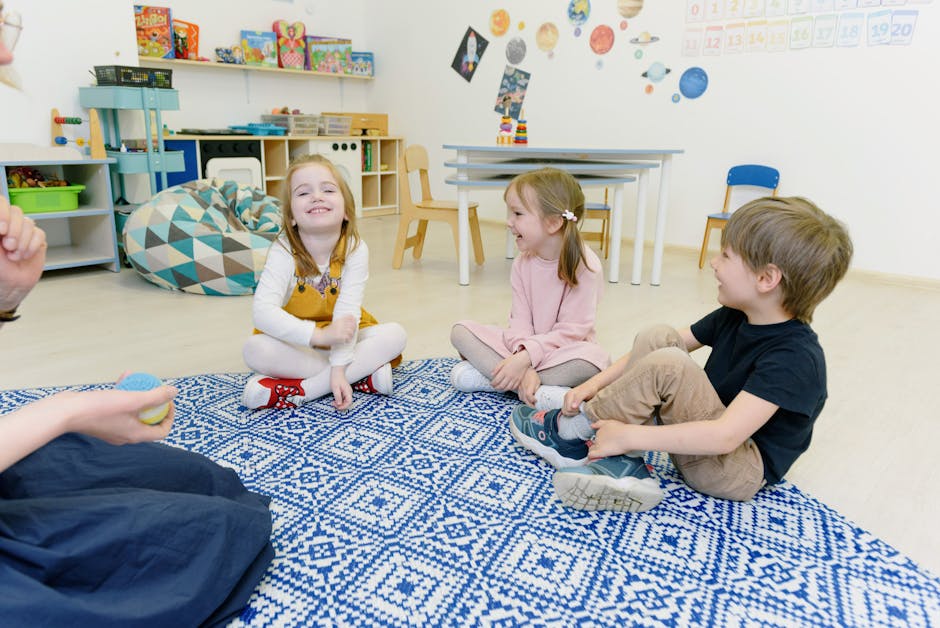
What If Your Child Isn’t Checking Many Boxes?
First — breathe. A checklist is a diagnostic tool, not a verdict. Children develop at genuinely different rates, and the goal here is to identify where to focus your energy before school starts, not to panic.
Here are realistic, low-pressure strategies depending on what you’re seeing:
- For children struggling with turn-taking: Simple board games like Uno Junior or Snakes and Ladders played daily are surprisingly powerful. The structured ‘my turn / your turn’ format builds the neural habit.
- For children who struggle to express emotions verbally: Try an ’emotion check-in’ at dinner — not forced, just modeling. ‘I felt frustrated in traffic today because…’ Children absorb emotional vocabulary by hearing it used naturally.
- For children who hit or push when upset: Role-play is your best friend. Act out scenarios: ‘What do we do when someone takes our toy?’ Physically rehearsing the verbal response (‘That’s mine, please give it back’) makes it more accessible under stress.
- For separation anxiety: Practice gradual, short separations — playdates where you leave for 30 minutes, then an hour. Build the evidence base in their nervous system that ‘you always come back.’
- For children who rarely initiate with peers: Parallel play setups (two children doing the same activity side by side without forced interaction) are a gentler on-ramp than structured group play.
When to Consider Professional Support
If your child consistently struggles with 5 or more items on the checklist despite regular practice, or if behaviors like hitting, extreme withdrawal, or severe separation distress are intensifying rather than improving, it’s worth a conversation with your pediatrician or a child development specialist. Early intervention — whether through play therapy, occupational therapy for sensory-related social challenges, or school-based support — is dramatically more effective before formal schooling begins than after.
This isn’t about labeling. It’s about giving your child the best possible runway.
The transition to elementary school is one of the most significant social leaps a young child makes. A little intentional preparation now — even just 15 minutes of focused play a day — can genuinely shift the trajectory of how your child experiences those first crucial weeks. And remember: a child who walks in socially prepared doesn’t need to be perfect. They just need enough of a toolkit to start building relationships. The rest? They’ll figure out together.
Editor’s Comment : As someone who’s spent years thinking about how children grow into confident social beings, the checklist above isn’t meant to create anxiety — it’s meant to create direction. The most powerful thing a parent can do in the months before school isn’t drilling letters or numbers. It’s playing board games, talking through feelings at dinner, and narrating the social world around you. That quiet, consistent investment pays dividends that last a lifetime.
태그: [‘elementary school readiness 2026’, ‘social skills checklist for kids’, ‘kindergarten social development’, ‘preschool emotional learning’, ‘child social readiness’, ‘SEL for young children’, ‘school transition tips for parents’]
Leave a Reply