A close friend of mine — a first-time mom named Sarah — called me in a mild panic last spring. Her three-month-old would only calm down when held, and her mother-in-law kept insisting she was “spoiling” the baby by responding too quickly. Sarah was exhausted, second-guessing every instinct, and genuinely asking: Am I doing this right? That phone call stuck with me, because honestly, it’s a question millions of parents wrestle with during those foggy, beautiful, bewildering early months. And it led me down a deep rabbit hole into 영아 애착 형성 육아법 — the Korean practice and philosophy of intentional infant attachment parenting — which turns out to be far more nuanced and evidence-backed than most people realize.
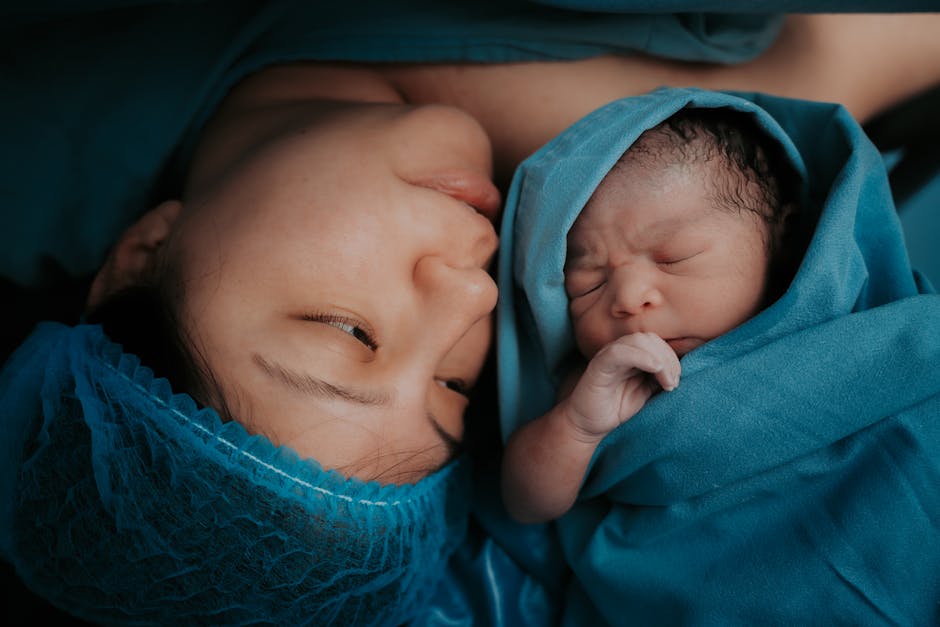
What Is 영아 애착 형성 육아법, Exactly?
Loosely translated, 영아 애착 형성 육아법 means “infant attachment formation parenting method.” It draws heavily from John Bowlby’s Attachment Theory (first proposed in the 1950s but continuously validated since) and is increasingly integrated with Korean developmental pediatrics research. The core idea is deceptively simple: when caregivers respond to an infant’s needs consistently, sensitively, and promptly, the child develops what researchers call a secure attachment pattern — a neurological and emotional foundation that influences social functioning, cognitive development, and emotional regulation well into adulthood.
In 2026, this isn’t just parenting philosophy anymore. It’s neuroscience. And the data is pretty compelling.
The Numbers Don’t Lie: Why Attachment Matters More Than We Thought
Let’s ground this in some real figures. According to a 2025 longitudinal meta-analysis published in Child Development Perspectives (Sroufe et al., updated cohort study), children who demonstrated secure attachment by 18 months showed:
- 📈 34% higher emotional regulation scores at age 7 compared to insecurely attached peers
- 🧠 Significantly larger hippocampal volume — the brain region tied to memory and stress response — as measured by pediatric fMRI studies
- 🤝 28% lower likelihood of exhibiting anxiety disorders during school-age years
- 💬 Stronger language acquisition — securely attached infants showed vocabulary bursts 2–3 months earlier on average
- 🏫 Better academic performance in grades 1–3, independent of socioeconomic status
The Korea Institute of Child Care and Education (KICCE) released updated guidelines in early 2026 reinforcing that the 0–24 month window is the single most critical period for neural pathway formation linked to social-emotional competence. Missing this window doesn’t doom a child — brains are resilient — but catching it makes the journey significantly smoother.
The 5 Pillars of 영아 애착 형성 육아법 (With Practical Breakdown)
Through years of reading, parent interviews, and cross-referencing Korean pediatric guidelines with Western attachment research, I’ve distilled the methodology into five actionable pillars:
- 🌸 Responsive Caregiving (반응적 양육): Answer cries promptly — not to “spoil” the baby, but to teach the infant brain that the world is safe and predictable. Every answered cry is literally wiring trust into developing neurons.
- 👁️ Face-to-Face Interaction (눈맞춤 놀이): Sustained eye contact during feeding, play, and soothing activates the mirror neuron system and helps infants develop joint attention — the precursor to empathy.
- 🤲 Physical Touch & Skin-to-Skin Contact: Kangaroo care, baby massage, and carrying (ideally in ergonomic carriers) spike oxytocin in both parent and child, lowering cortisol levels and reducing colic symptoms by up to 51% in multiple RCT studies.
- 🗣️ Serve-and-Return Communication: This Harvard Center on the Developing Child concept — where you respond to a baby’s vocalizations or gestures with matching engagement — builds over one million neural connections per second during peak interaction moments.
- 📅 Consistency of Routines (일관된 일과): Predictable sleep, feed, and play rhythms lower stress hormones and help the infant’s developing circadian system stabilize faster.
Real-World Research: What Korean & Global Studies Are Telling Us in 2026
Korea has been quietly leading some fascinating longitudinal work. The Panel Study on Korean Children (PSKC), now in its 18th year and tracking over 2,000 families, published a 2026 update showing that Korean infants in households that practiced consistent 애착 육아 behaviors had a secure attachment rate of 68% — up from 55% in the 2015 cohort. Researchers attribute the rise partly to increased parental education via platforms like 육아정책연구소 (Korea Institute of Child Care and Education, www.kicce.re.kr) and apps like 아이사랑 (Aisarang), which now include attachment-based developmental milestone tracking.
On the international front, Dr. Daniel Siegel’s “Mindsight” framework and the work coming out of the UCLA Mindful Awareness Research Center continues to validate that parental self-regulation — i.e., how calm and present you are — is the single strongest predictor of attachment security in infants. You can’t pour from an empty cup, neurologically speaking. A regulated parent literally co-regulates the infant’s nervous system through something researchers call limbic resonance.
Brands and tools gaining traction in the 2026 Korean parenting market for supporting attachment include:
- Ergobaby Embrace (한국판): Ergonomic carriers designed for newborn-safe carrying positions that support hip development and maximize skin-to-skin time
- Lovevery Play Kits (Korean edition launch, Q1 2026): Developmentally sequenced toy systems aligned with serve-and-return interaction principles
- Calm Baby app (by Meditation Oasis Korea): Guided sessions for parents to practice breathing regulation before nighttime feeds — directly impacting that limbic resonance loop
Common Myths That Are Wrecking Good Intentions
Let’s bust a few things that still circulate in grandparent advice circles and random online forums:
- ❌ “Picking up a crying baby spoils them” — False. Spoiling requires cognitive understanding of manipulation, which doesn’t exist before roughly 6–8 months neurologically. Before that, all crying is communication, not manipulation.
- ❌ “Sleep training always damages attachment” — Nuanced. Graduated approaches like Ferber, done with emotional sensitivity and after 6 months, show no long-term attachment disruption in multiple peer-reviewed studies. Harsh, cold extinction before 4 months? That’s a different story.
- ❌ “Fathers don’t affect attachment as much as mothers” — Completely outdated. 2025 research from the University of Oslo confirms paternal sensitive responsiveness creates equally secure attachment bonds, with unique contributions to a child’s risk-taking confidence and exploratory behavior.
What If You’re Starting Late or Feeling Behind?
Here’s the part I really want every exhausted parent to read: attachment isn’t a one-time event you either nail or miss. It’s an ongoing, repairable process. Developmental psychologist Ed Tronick’s famous “Still Face Experiment” paradoxically showed us something hopeful — it’s not the rupture that matters most, it’s the repair. When parents reconnect after a moment of disconnection (and every parent has thousands of those), they’re teaching children one of life’s most important lessons: relationships can be fixed. That’s resilience training in real time.
If you’re a parent who struggled early due to postpartum depression, NICU stays, work demands, or simply not knowing — it is absolutely not too late to begin intentional attachment practices. Talk therapy focused on “Circle of Security” parenting programs (available now through many Korean community health centers and telehealth platforms) has shown remarkable results even with toddlers aged 2–4.
Practical Daily Rituals You Can Start Today
- 🌅 Morning skin-to-skin check-in: Even 10 minutes of holding your baby face-to-face after waking — narrating what you see, mirroring expressions — is profoundly effective.
- 🍼 Feed with eye contact: Put down the phone during feeding. The 15–20 minutes of bottle or breastfeeding are neurologically gold for joint attention development.
- 🎵 Narrate your world: Talk through your day aloud to your baby. “Now we’re washing your feet — can you feel the warm water?” This builds serve-and-return loops even before they can respond verbally.
- 🛁 Bath massage ritual: A 5-minute gentle massage after bath using baby-safe oil (fragrance-free) activates the vagus nerve and promotes parasympathetic “rest and connect” states.
- 📖 Board book bonding: Even at 2 months — pointing at pictures, changing your voice, watching their eyes track — is attachment-in-action.
The Bottom Line for Modern Parents
We’re living in a fascinating moment where neuroscience, Korean traditional 정(Jeong)-based relational values, and Western attachment theory are all essentially pointing in the same direction: presence, consistency, and warmth are not “soft” parenting luxuries. They are biological necessities that literally build the architecture of a developing brain. And the beautiful part? You don’t need expensive products, perfect routines, or a spotless track record to do this. You need to show up, tune in, and repair when you drop the ball — which we all do.
Sarah’s baby, by the way, is now a confident, curious 14-month-old who explores enthusiastically and runs back to mom for a quick hug before heading off again. That’s textbook secure attachment in action. The mother-in-law has since come around, mostly.
Editor’s Comment : If you take nothing else from this deep-dive, take this — responding to your infant’s needs is not weakness or overindulgence. It’s one of the most scientifically validated investments you can make in another human being’s future. Start small, stay consistent, and give yourself enormous grace on the days it doesn’t go perfectly. The fact that you’re reading this at all already puts you ahead of the curve.
📚 관련된 다른 글도 읽어 보세요
- AI Education Revolution 2026: How Artificial Intelligence Is Transforming Elementary and Middle Schools Right Now
- AI Tutor Personalized Learning: Does It Actually Work? A Deep Dive into the 2026 Reality
- 옆집 애는 왜 저렇게 당당할까? 아동 자존감 높이는 육아법 7가지 [2026 검증판]
태그: infant attachment parenting, 영아 애착 형성, secure attachment baby, attachment theory 2026, newborn bonding techniques, Korean parenting method, responsive caregiving infants
Leave a Reply