A friend of mine — let’s call her Dana — texted me last month saying she’d been doing keto for three weeks straight, had lost exactly zero pounds, and was ready to throw her avocados out the window. Sound familiar? I’ve heard this story more times than I can count, and honestly, I’ve lived a version of it myself. The keto diet looks deceptively simple on paper: eat fat, cut carbs, watch the magic happen. But the gap between theory and your actual Tuesday lunch is where most people quietly give up.
So let’s dig into what’s really going on — not just the glossy success stories, but the friction points, the data, and the specific adjustments that actually move the needle.
What Keto Actually Is (And What It’s Not)
Ketogenic eating means restricting carbohydrates to roughly 20–50 grams of net carbs per day, pushing your body into a metabolic state called ketosis. In ketosis, your liver converts fatty acids into ketone bodies (primarily beta-hydroxybutyrate), which your brain and muscles use as fuel instead of glucose. Simple enough, right?
Here’s where people get tripped up: keto is not a high-protein diet. It’s a high-fat diet with moderate protein. The macronutrient split most practitioners target looks like this:
- Fat: 65–75% of total daily calories
- Protein: 20–25% of total daily calories
- Carbohydrates: 5–10% of total daily calories
Eating too much protein is one of the most common silent killers of ketosis — a process called gluconeogenesis converts excess protein into glucose, essentially kicking you out of the state you’re trying to maintain. If you’re using a standard “high protein, low carb” template, you may never actually reach ketosis.

The Data Behind Why People Quit in Week 3
Dana’s three-week plateau isn’t random. Research published in the Journal of Clinical Endocrinology & Metabolism shows a predictable adaptation curve: most people experience a sharp initial drop (largely water weight tied to glycogen depletion — roughly 1 gram of glycogen binds about 3 grams of water), followed by a stall around weeks 2–4 as the body recalibrates hormones like leptin, insulin, and ghrelin.
The infamous “keto flu” — headaches, brain fog, fatigue, muscle cramps — typically peaks between days 3 and 7 and results directly from electrolyte loss: sodium, potassium, and magnesium flush out rapidly when insulin drops. Supplementing with 2,000–4,000 mg sodium, 1,000–3,500 mg potassium, and 300–500 mg magnesium daily during this window makes a measurable difference. Most people skip this step entirely because it’s not mentioned on Pinterest recipe boards.
A 2022 meta-analysis in Nutrients covering 13 randomized controlled trials found that keto outperformed low-fat diets for weight loss at the 6-month mark, with an average advantage of 2.2 kg. However — and this is the risk-management caveat — adherence rates dropped significantly after month 3, making long-term outcomes comparable or sometimes inferior to more sustainable moderate-carb approaches.
Common Mistakes That Silently Derail Progress
After talking with dozens of people who’ve tried and stalled on keto, the failure patterns are remarkably consistent:
- Hidden carbs in “keto-friendly” products: Many commercial keto snack bars contain sugar alcohols like maltitol, which have a glycemic index of 35 — high enough to blunt ketosis in sensitive individuals. Erythritol and stevia are safer bets.
- Eyeballing portion sizes: Nuts are nutritionally dense and deceptively carby at scale. A “handful” of cashews can contain 15+ grams of net carbs — nearly a full day’s allowance for strict keto.
- Not tracking net carbs vs. total carbs: Net carbs = total carbs minus fiber minus certain sugar alcohols. Confusing these two numbers is extremely common and will stall progress.
- Undereating calories: Because fat is so satiating, some people eat far too little overall, suppressing thyroid function and stalling metabolism. A common threshold is staying above 1,200 kcal for women, 1,500 kcal for men.
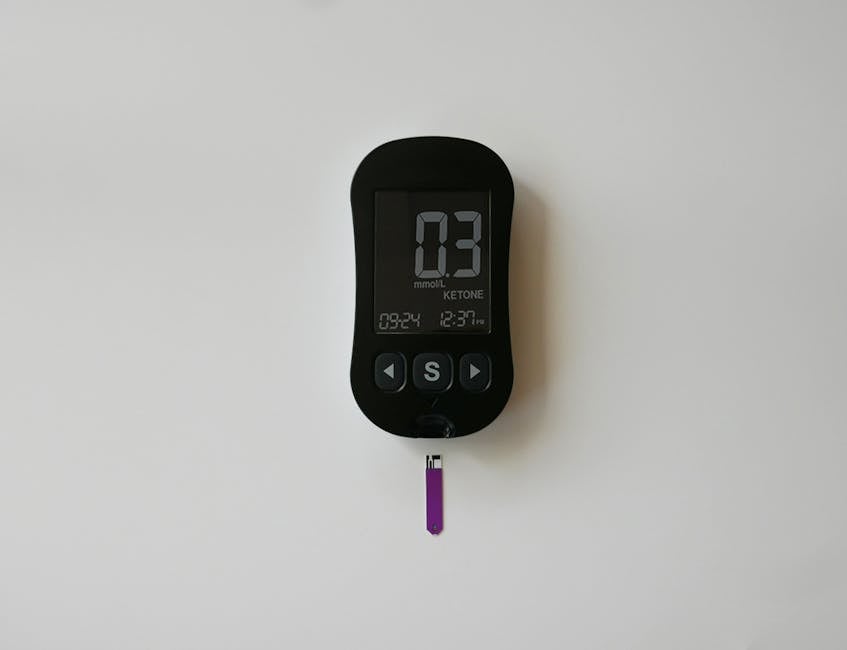
- Skipping blood ketone verification: Breath meters are convenient but notoriously inaccurate. Blood ketone meters (brands like Keto-Mojo or Precision Xtra) give actual beta-hydroxybutyrate readings. Nutritional ketosis is typically 0.5–3.0 mmol/L.
What the Research Says About Long-Term Keto
In 2025, the landscape of keto research is more nuanced than the early evangelism suggested. A landmark Stanford Medicine study (DIETFITS, though focused on low-fat vs. low-carb broadly) found that individual genetic and gut microbiome variation dramatically influences response. Some people are natural “fat responders” — their LDL-C spikes significantly on high saturated fat. If you’re going keto, getting a baseline lipid panel and repeating it at 90 days is genuinely important, not optional.
On the therapeutic side, the evidence is strongest for:
- Drug-resistant epilepsy: The Charlie Foundation reports 50% seizure reduction in roughly half of pediatric cases.
- Type 2 diabetes management: Virta Health’s 2-year data showed 53% of participants achieving HbA1c below diabetic threshold without medication.
- PCOS symptom reduction: Several small trials show improvements in insulin sensitivity and androgen levels.
For general weight loss in otherwise healthy adults? Keto works — but so does a well-structured Mediterranean diet, a caloric-deficit whole-food approach, or even intermittent fasting paired with flexible macros. The best diet is genuinely the one you can sustain past month 6.
Realistic Alternatives If Full Keto Feels Brutal
If Dana’s experience resonates with you — or if you’ve tried strict keto and it turned every social dinner into a logistical crisis — consider these evidence-backed middle paths:
- Modified Atkins Diet (MAD): Allows 20–40g net carbs daily with less emphasis on fat ratios. Often used in epilepsy management as a less restrictive keto variant.
- Cyclical Keto (CKD): 5 days strict keto + 2 days higher-carb “refeed.” Popular with athletes, though evidence for superior fat loss is limited.
- Low-carb Mediterranean hybrid: Cap carbs at 100g/day from vegetables, legumes, and whole grains while following Mediterranean food choices. Sustainable and cardioprotective according to multiple long-term cohort studies.
- Time-Restricted Eating (TRE): A 16:8 fasting window without strict macro tracking can achieve many of the insulin-sensitizing benefits of keto with significantly less friction.
None of these are “giving up.” They’re calibration based on your actual life, not an idealized diet app profile.
A Practical Starting Point for 2025
If you want to give keto a genuine shot — not just a Pinterest attempt — here’s a realistic week-one protocol:
- Use Cronometer (free tier) to track every meal for the first 14 days. Logging even 2 weeks gives you pattern awareness that’s hard to get otherwise.
- Start electrolyte supplementation from day one, not after you feel terrible.
- Order a blood ketone meter before you start so you have objective feedback instead of guessing.
- Plan 3 emergency “fallback meals” you can eat without thinking — this prevents panic-eating bread when you’re tired and hungry.
- Set a 30-day check-in, not a 7-day one. Metabolic adaptation takes time.
And if week three looks like Dana’s situation? Check your protein ratio first, then verify electrolytes, then test your actual ketone levels. In that order. It’s almost always one of those three.
한 줄 요약: Keto isn’t broken — but most people’s implementation of it is. Fix the macros, track the electrolytes, verify with a blood meter, and give it a full metabolic adaptation cycle before you judge results. If strict keto genuinely doesn’t fit your life, a lower-carb hybrid approach delivers most of the benefits with a fraction of the friction — and a diet you’ll actually stick to beats a perfect one you abandon every single time.
📚 관련된 다른 글도 읽어 보세요
- From Sage on Stage to Guide on the Side: How AI Is Radically Redefining the Teacher’s Role in 2026
- 어릴때 이것 키워주지 않으면 후회해도 소용없어요 — 2026년 기준 수학 사고력, 지금 시작 안 하면 진짜 늦습니다
- Why I Almost Gave Up on Keyword Research — The 2025 Honest Rethink
태그: []
Leave a Reply