A friend of mine — let’s call him Dave — bought his first pontoon boat last spring with absolutely zero research. He was sold on the idea of lazy Sunday afternoons, cold drinks, and the whole floating-patio fantasy. Two weekends in, he’d run aground twice, burned through more fuel than expected, and realized the “party package” trim level he bought was basically useless on a lake with any kind of chop. He called me almost defeated. Sound familiar? Let’s walk through this together, because pontoon boats are genuinely fantastic — but the gap between a dream purchase and a regret purchase comes down to about five very specific decisions.
What Actually Makes a Pontoon Boat Different (And Why That Matters Now)
Pontoon boats operate on a fundamentally different hull principle than V-hull runabouts or bass boats. Instead of cutting through water, they float on two (or three, for tri-toons) aluminum tubes called logs or toons. This gives you an enormous flat deck — great for passengers, terrible for rough water unless you spec the boat correctly.
In 2025, the pontoon market has matured significantly. According to the National Marine Manufacturers Association (NMMA), pontoon boats accounted for roughly 27% of all powerboat sales in recent years, making them the single most popular powerboat category in North America. Manufacturers like Bennington Marine, Manitou, Harris Boats, and Tahoe Pontoons have responded with serious engineering upgrades — performance lifting strakes, under-deck storage systems, and tri-toon configurations that change the ride quality equation entirely.
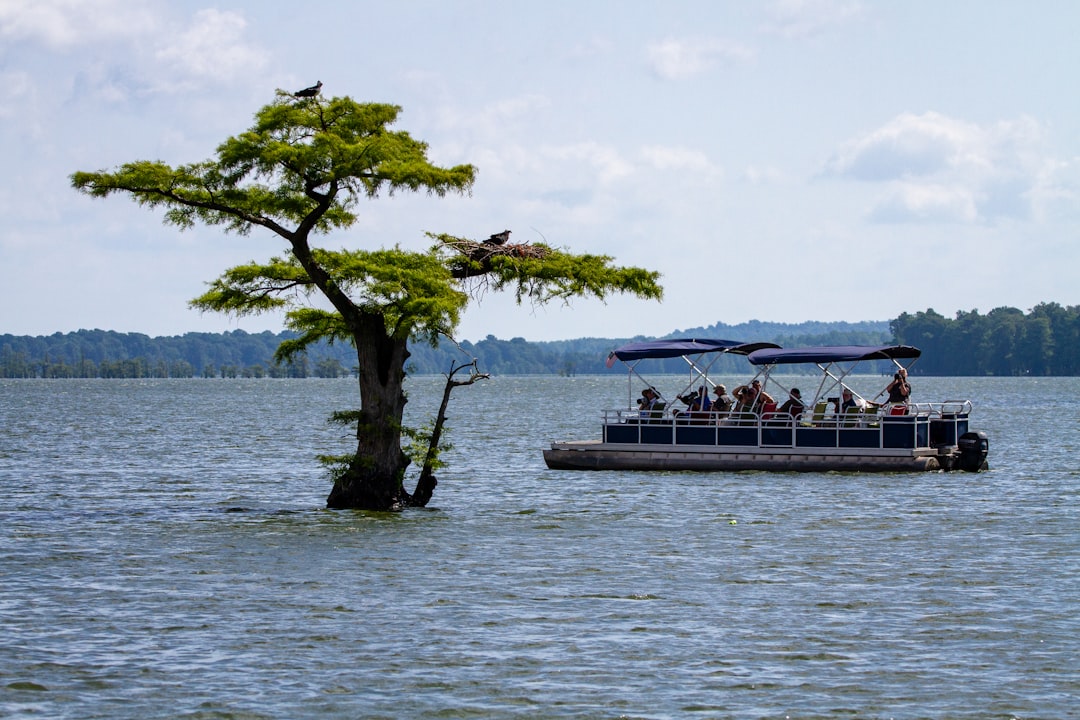
The 5 Specs That Actually Determine Whether You’ll Love or Hate Your Pontoon
- Log diameter: Standard logs run 23–25 inches in diameter. Performance models push 27 inches or more. Larger diameter = more buoyancy = better rough-water handling. Dave had 23-inch logs on a lake known for afternoon wind chop. That was mistake #1.
- Tri-toon vs. twin-toon: A third center log (tri-toon) dramatically improves stability and performance but adds $4,000–$8,000 to the base price. If you’re planning to tow tubers or ski, or if your lake runs 3+ foot waves regularly, this is not optional.
- Engine horsepower (HP) vs. payload: Matching HP to actual payload is critical. A 150 HP engine on a 24-foot pontoon with 12 adults is underpowered and dangerous. The ABYC and Coast Guard capacity plates are your floor, not your ceiling. For a 24-footer with regular full-capacity use, 200–250 HP is a realistic working range in 2025.
- Lifting strakes: These are angled fins welded to the underside of the logs. They redirect water flow to lift the bow during acceleration and improve plane speed. Without them, you’re essentially pushing a barge. Most mid-range and premium builds include them now, but always confirm.
- Furniture and flooring grade: Marine-grade vinyl matters. Cheap pontoon furniture UV-degrades within 2–3 seasons. Look for UV-inhibitor ratings and double-stitched seams. Pergo-style vinyl plank flooring has replaced carpet in many 2025 models and is far easier to maintain.
Real Cost Breakdown: What Dealers Don’t Lead With
The sticker price on a mid-range 22-foot pontoon in 2025 runs approximately $35,000–$55,000. But here’s what actually happens to your wallet over the first two years:
- Trailer: $2,500–$5,000 if not included (often sold separately)
- Engine break-in service (first 20 hours): $200–$400 at a certified marine dealer
- Annual winterization: $150–$350 depending on region and motor size
- Dock or dry storage fees: $1,200–$4,000/season depending on location
- Fuel: A 200 HP four-stroke outboard averages 6–8 GPH at cruise. On a busy summer weekend, $80–$150 per outing is realistic.
- Insurance: Typically $300–$700/year for a $45,000 vessel with liability coverage
Total first-year ownership cost (purchase aside): budget $5,000–$9,000 conservatively. Dave budgeted zero for this. That was mistake #2.
Brands Worth Seriously Considering in 2025
Bennington Marine remains the benchmark in quality construction, with their S-Series and Q-Series lines offering excellent welding quality and customization options. Their 22 SSBXP tri-toon configuration is frequently cited in owner forums like The Hull Truth as a top performer under $60,000.
Manitou (now part of Genco Industries) is the performance outlier — their VP (Performance Tube) hull design and SHP (Super High Performance) packages genuinely compete with bowriders for acceleration. If you want a pontoon that doesn’t feel like a pontoon at speed, Manitou is worth a test drive.
Harris Boats offers one of the best entry-level quality propositions, with their Solstice series providing solid construction at the $30,000–$40,000 price point without sacrificing key features like lifting strakes and proper foam flotation.
For budget-conscious buyers, Tahoe Pontoons and Sun Tracker (Bass Pro’s house brand) offer functional boats in the $22,000–$32,000 range — perfectly fine for calm lakes and light recreational use, but don’t expect them to handle rough water or heavy loads with grace.
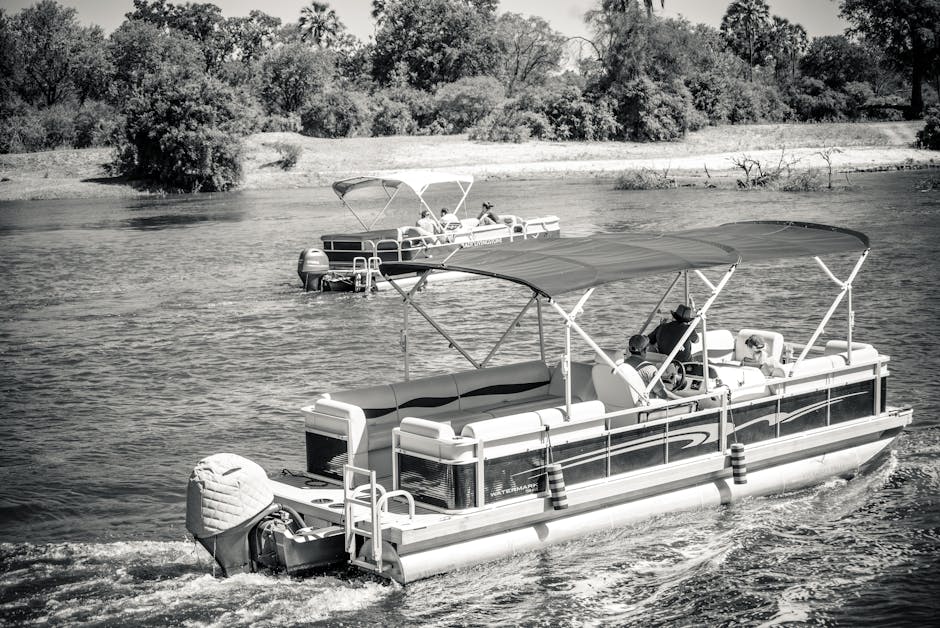
The Tri-Toon Question: When Is It Actually Worth It?
Here’s the honest answer: if your primary lake is under 500 acres, relatively sheltered, and you’re not towing water sports equipment, a quality twin-toon with proper lifting strakes will serve you completely fine. The tri-toon premium is real value when:
- You regularly load 8+ passengers
- Your body of water generates consistent wind waves (Great Lakes, large reservoirs)
- You want to tow a tube or skier at 25+ MPH
- You’re pairing with 200 HP or more
In any other scenario, the $5,000–$8,000 price difference is better spent on a stronger engine package or upgraded furniture/electronics.
What Dave Does Differently Now
After our conversation, Dave traded his underpowered twin-toon for a certified pre-owned 2022 Bennington 22 SSBXP tri-toon with 150 HP — a realistic match for his mid-size lake and family of four. The CPO (Certified Pre-Owned) route saved him roughly $12,000 versus new, and the boat came with a dealer inspection and 12-month drivetrain warranty. The key lesson: the CPO pontoon market in 2025 is actually quite healthy, with 2020–2022 models available at 25–35% below original MSRP as newer inventory floods dealers.
If your situation is a small, calm lake with 4–6 passengers max, a quality used twin-toon in the $22,000–$30,000 range is genuinely the smart play. If your situation involves large water, heavy loads, or water sports ambitions, budget $50,000+ and spec the tri-toon from the start — it’s cheaper than trading up in 18 months.
Here’s my honest take: Pontoon boats deliver on the promise — but only when the specs match the actual use case. The fantasy of the floating patio is real. The regret of underspeccing is also real. Do one test ride on rough water before signing anything, get the tri-toon question answered definitively for your specific lake, and always — always — budget for year-one ownership costs before you even look at boat prices. Dave’s now out every weekend and loving it. That outcome is 100% available to you too, just with a little more homework upfront.
📚 관련된 다른 글도 읽어 보세요
- Why I Almost Gave Up on Keyword Research — The 2025 Honest Rethink
- Why I Almost Gave Up on Keto — And What Actually Works in 2025
- 2026년 가성비 쩌는 싱글몰트 위스키 Top3 — 알고 마시면 10배 더 맛있다
태그: pontoon boat, pontoon boat buying guide, tri-toon vs twin-toon, best pontoon boats 2025, pontoon boat ownership costs, Bennington pontoon, pontoon boat tips
Leave a Reply