A friend of mine — let’s call her Sarah — texted me last month saying she’d been doing “16:8 intermittent fasting” for three weeks straight, felt exhausted, couldn’t sleep, and had somehow gained two pounds. Her frustration was palpable. “I followed everything exactly,” she said. Sound familiar? I’ve heard this story more times than I can count, and honestly, I’ve lived a version of it myself. So let’s dig into what intermittent fasting actually does, where people go wrong, and what the science — not just the Instagram gurus — actually says.
What Intermittent Fasting Really Is (And Isn’t)
Intermittent fasting (IF) is not a diet in the traditional sense — it’s a time-structured eating pattern. The core idea is that you cycle between periods of eating and fasting, which in theory shifts your body’s metabolic state. The most popular protocols include:
- 16:8 Method: Fast for 16 hours, eat within an 8-hour window (e.g., noon to 8 PM). Most popular for beginners.
- 5:2 Protocol: Eat normally 5 days a week; restrict calories to ~500–600 on 2 non-consecutive days.
- OMAD (One Meal A Day): Extreme 23:1 fasting. High adherence difficulty, not recommended without medical oversight.
- Alternate Day Fasting (ADF): Fast every other day. Strong research base but low long-term compliance rates.
- Eat Stop Eat: 24-hour fasts once or twice per week, popularized by Brad Pilon’s 2007 research.
The mechanism most researchers point to is metabolic switching — after roughly 12–14 hours without food, liver glycogen depletes and the body begins oxidizing fatty acids, producing ketone bodies as an alternative fuel source. This is different from full ketosis, but it does trigger measurable changes in insulin sensitivity and cellular repair processes like autophagy.
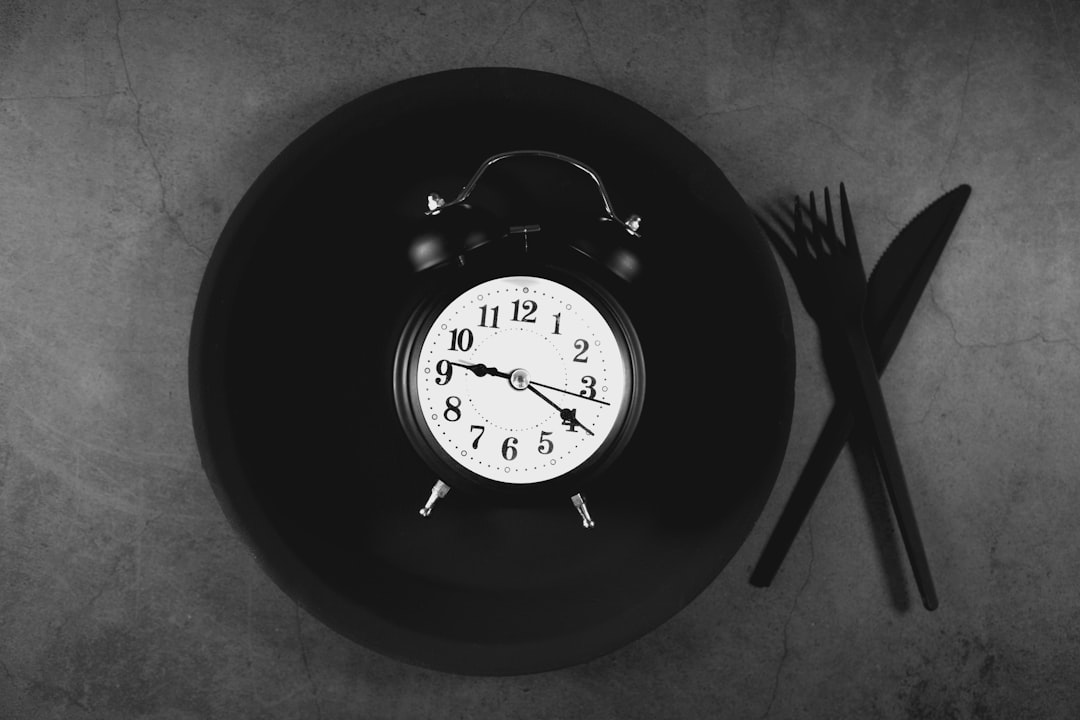
The Real Numbers: What Studies Actually Show in 2025
Here’s where we need to slow down and look at actual data, because the IF space is absolutely flooded with cherry-picked results.
A 2023 NEJM-published meta-analysis covering 27 randomized controlled trials found that 16:8 IF produced an average weight loss of 0.8–1.3% of body weight per week in the first 8 weeks — comparable to continuous caloric restriction, not dramatically superior. The key caveat? After 24 weeks, adherence to IF dropped to ~58% compared to 71% for standard caloric restriction. That gap matters enormously.
The American Heart Association released a fairly controversial observational study in early 2024 suggesting 8-hour eating windows correlated with a 91% higher risk of cardiovascular death — but this was quickly challenged because the study relied on two 24-hour dietary recalls to classify participants’ eating patterns, which is methodologically weak. It made headlines, but don’t use it to dismiss IF wholesale.
More robust data from the TREAT trial (Time-Restricted Eating in Adults with Obesity, 2020, NEJM) showed no significant difference in weight loss between a 16:8 group and an unrestricted eating group over 12 weeks when calories weren’t controlled — which tells us something crucial: the fasting window alone doesn’t create magic. Total caloric intake still dominates.
Why Sarah Gained Weight: The Common Traps
Let me map out the failure modes I see most often, because they’re predictable and avoidable:
- Compensatory eating: Breaking the fast with high-reward, calorie-dense foods because “you earned it.” A single post-fast meal at a restaurant can easily clock 1,500+ calories.
- Liquid calories during the fast: Bulletproof coffee (with butter and MCT oil) contains ~250–350 kcal per cup — technically not a clean fast, regardless of what keto communities claim.
- Cortisol spikes from fasting stress: For individuals with elevated baseline cortisol (common in people under chronic stress or sleep deprivation), extended fasting can actually increase cortisol further, promoting visceral fat retention. This is likely what was happening with Sarah.
- Ignoring the eating window quality: IF is a timing tool, not a food quality tool. Ultra-processed food eaten in a 6-hour window is still ultra-processed food.
- Wrong protocol for your chronotype: Skipping breakfast if you’re a morning chronotype can impair cognitive performance and increase evening overeating — a mismatch that kills results.
Protocol Matching: If Your Situation Is A, Choose X
This is the part most IF content skips entirely, and it’s arguably the most important. Different people need different approaches:
- If you’re a morning person who gets hungry early: Try early time-restricted eating (eTRE) — eat from 7 AM to 3 PM. Research from the University of Alabama (2022) found this pattern improved insulin sensitivity by 48% more than evening eating windows in pre-diabetic adults.
- If you have a history of disordered eating: Standard IF is high-risk. The structured restriction can trigger obsessive thought patterns. Consider consulting with a registered dietitian before starting any protocol.
- If you’re training for strength or muscle hypertrophy: Compress your eating window around your training session. A 2022 study in Cell Metabolism found that protein synthesis is significantly blunted in a fasted state post-resistance training. Eating protein within 2 hours post-workout matters more than fasting duration.
- If you’re a woman in perimenopause or menopause: Aggressive fasting (sub-500 kcal days) can exacerbate HPA axis dysregulation. A gentler 12:12 or 14:10 approach with attention to protein intake (~1.6g/kg body weight) tends to perform better here.
- If you’re primarily targeting longevity benefits: The autophagy research (largely from Dr. Yoshinori Ohsumi’s Nobel-winning work, extended by subsequent human studies) suggests meaningful autophagy induction begins around 18–24 hours of fasting in humans — not at 16 hours. Manage your expectations with 16:8 if that’s your primary goal.

Brands, Tools, and Resources Worth Looking At
The app ecosystem around IF has exploded, and a few are genuinely useful versus just gamified timers:
- Zero (app): Clean interface, integrates with Apple Health, has guided fasting programs developed in collaboration with researchers. Free tier is sufficient for most users.
- Levels Health: If you want to pair IF with continuous glucose monitoring (CGM), Levels provides CGM integration with dietary coaching. Expensive (~$200/month all-in) but gives you real-time metabolic feedback that no app can replicate.
- Cronometer: Not IF-specific, but essential for tracking micronutrient intake during eating windows. Many IF practitioners are unknowingly deficient in magnesium and vitamin D due to compressed eating, and Cronometer catches this.
On the research side, Diet Doctor (dietdoctor.com) and the Examine.com IF overview are the two best lay-accessible resources that actually cite primary literature. Peter Attia’s podcast (“The Drive”) has done several rigorous multi-hour breakdowns of fasting physiology if you want to go deep.
Practical Starting Framework for 2025
If you want to actually try this without repeating Sarah’s experience, here’s the minimal viable approach:
- Week 1–2: Start with 12:12. Don’t change what you eat, just tighten the window. Build the habit before adding difficulty.
- Week 3–4: Move to 14:10. Note energy levels, sleep quality, and hunger patterns honestly.
- Week 5+: If 14:10 feels comfortable and results are positive, consider 16:8 — but only if your eating window aligns with your natural hunger and activity rhythms.
- Throughout: Prioritize protein (aim for 30g+ per meal in the eating window), hydrate during fasting hours (water, black coffee, plain tea — that’s it for a clean fast), and track calories at least for the first two weeks to establish a baseline.
One more thing worth saying plainly: intermittent fasting isn’t magic, and it isn’t for everyone. The research is genuinely promising in several areas — insulin sensitivity, metabolic flexibility, and possibly longevity signaling — but it consistently shows that total caloric intake and food quality outweigh timing effects when those variables aren’t controlled. Use IF as a structure that helps you naturally eat less and make better choices, not as a cheat code that bypasses the fundamentals.
Honest take from someone who’s seen this work and fail: The people I’ve seen get the most out of intermittent fasting are the ones who treat it as a tool for self-awareness — learning when they’re actually hungry versus bored or stressed — rather than a rigid rule system to punish themselves with. Start gentle, track your data, and adjust based on what your own body tells you. That’s the actual protocol.
📚 관련된 다른 글도 읽어 보세요
- 여자애들은 왜 이과를 피할까? STEM 여학생 참여율 높이는 전략 7가지 + 2026 글로벌 데이터
- Best Personalized AI Learning Platforms in 2026: A Deep Dive Comparison for Real Learners
- 옆집 애는 다 하는데 우리 애만 혼자 노는 이유 있었다: 유치원 아동 사회성 발달 놀이 교육 완전정복 2026
태그: intermittent fasting, 16:8 fasting, time-restricted eating, fasting for weight loss, metabolic health, fasting science, IF protocols
Leave a Reply