A friend of mine — someone who’s been backpacking since before Instagram made it cool — called me last spring and said, “I nearly got stranded on Sal with no cash, no working SIM, and a ferry that just… didn’t show up.” That one story sent me down a 3-week rabbit hole researching Cape Verde properly before my own trip. And what I found was both reassuring and genuinely alarming for the unprepared traveler.
Cape Verde (officially Cabo Verde) is one of those destinations that looks deceptively simple on paper: a cluster of 10 volcanic islands off the West African coast, sunny 365 days a year, Portuguese-speaking, relatively safe. But the reality on the ground in 2025 is a lot more layered than the Instagram highlight reels suggest.
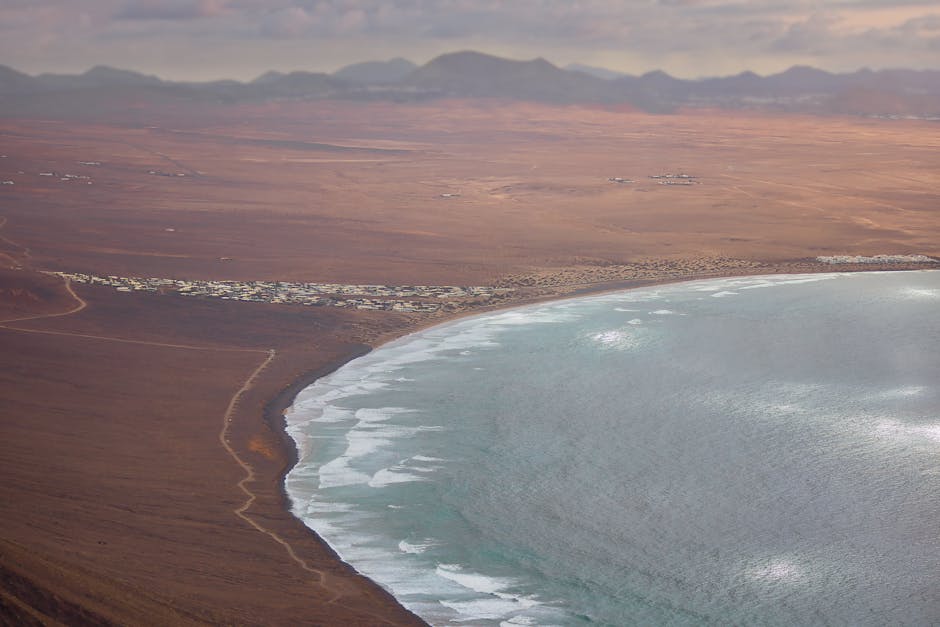
Getting There: Flights, Costs, and the Hub Problem
Most international visitors fly into either Sal (SAL) or Santiago (SID/RAI — Praia). In 2025, the most common European gateways are Lisbon (TAP Air Portugal, from ~€180 one-way), London Gatwick (TUI, easyJet seasonal, ~£220–320 return), and Amsterdam (TACV Cabo Verde Airlines, which has improved significantly after its 2023 restructuring). From North America, you’re almost certainly routing through Lisbon or sometimes Casablanca — budget at least $650–900 return from the US East Coast.
Here’s the catch nobody tells you: inter-island flights are expensive and often delayed. TACV and Bestfly operate inter-island routes, but a 40-minute hop from Sal to São Vicente (Mindelo) can run €80–130 one-way depending on timing. If your budget is tight, check ferry schedules first — but more on why that’s risky in a moment.
Island by Island: Which One Actually Matches Your Travel Style
- Sal: Best for beach-and-watersports seekers. Santa Maria has kitesurfing schools, consistent wind from November to June (avg 20–25 knots), and the most developed tourist infrastructure. Downside: it can feel like a resort bubble with little authentic local life.
- Santiago: The cultural and historical heart. Cidade Velha (a UNESCO site) is genuinely moving — the oldest European colonial city in the tropics. Praia has real urban energy but also higher petty theft risk; keep valuables secured.
- São Vicente (Mindelo): The music and arts capital. Morna music — Cape Verde’s soulful, melancholic genre — is alive here in ways it isn’t elsewhere. February’s Mindelo Carnival rivals Notting Hill in atmosphere at a fraction of the cost.
- Fogo: For hikers. The Pico do Fogo volcano (2,829m) is climbable with a guide in about 5–6 hours. The village of Chã das Caldeiras inside the caldera was partly destroyed in the 2014–15 eruption and has been partially rebuilt — staying there overnight is one of the most surreal experiences available in 2025.
- Santo Antão: Serious trekkers only. The Cova crater and Paul Valley trails are world-class, but infrastructure is basic. Bring cash — ATMs are unreliable.
- Boa Vista: Similar vibe to Sal but quieter and with sea turtle nesting beaches (loggerhead turtles, protected — do not disturb). Peak season is July–October for turtle watching.
The Ferry Situation: Where Things Go Wrong
This is where my friend’s near-disaster happened. Inter-island ferries are operated primarily by CV Interilhas, and the schedules in 2025 are more reliable than they were pre-pandemic — but “more reliable” doesn’t mean reliable by European standards. Cancellations happen, especially in summer when Atlantic swells increase. The Sal–Santiago route takes roughly 8–9 hours. The Santo Antão–São Vicente route (about 1 hour) is the most frequently used and generally dependable.
My hard rule: never book a ferry the day before an international flight. Build in at minimum a 24-hour buffer. If the ferry cancels and the next TACV flight is full, you will miss your connection. This is not hypothetical — it’s a documented pattern in Cape Verde travel forums and the r/solotravel subreddit going back years.
Money, SIM Cards, and Staying Connected
The local currency is the Cape Verdean escudo (CVE), pegged to the euro at approximately 110.27 CVE per €1 (stable as of 2025). Most tourist-facing businesses in Sal and Santiago accept euros and cards, but rural islands operate almost entirely on cash. ATMs in Mindelo and Praia are fine; in Santo Antão or Fogo, treat them as unreliable.
For SIM cards: CVMóvel and Unitel T+ are the two main providers. A 10GB data SIM from CVMóvel runs about 800–1,200 CVE (€7–11) and works reasonably well on Santiago and Sal. Coverage on Santo Antão’s hiking trails is patchy to nonexistent — download offline maps on Maps.me or OsmAnd before you go, not Google Maps which needs a data connection for most features.
Budget Breakdown for 2025
Cape Verde sits in an awkward middle ground — not Southeast Asia cheap, not Western Europe expensive. Here’s a realistic daily budget range:
- Budget traveler (guesthouses, local restaurants, ferries): €45–65/day
- Mid-range (3-star hotels, some activities, occasional flights): €90–140/day
- Comfort level (4-star resorts, guided tours, inter-island flights): €180–260/day
- A grogue (local sugarcane spirit) at a local bar: 100–200 CVE (~€1–2). Best cultural investment per euro available.
- Guided Fogo volcano hike with local guide: €25–40 per person — worth every cent, mandatory for safety.
- Kitesurfing lesson (Sal, 3 hours): €80–120 depending on school and season.
When to Go — And When Not To
The standard tourist season is November through June, driven by European winter sun seekers. But here’s the off-season tip most guides skip: September and October offer genuinely excellent conditions if you’re not fixated on kitesurfing. Temperatures hover around 27–29°C, crowds are minimal, accommodation rates drop 20–35%, and the turtle nesting season on Boa Vista is in full swing. The Saharan dust (Harmattan) can occasionally reduce visibility in February and March — not dangerous, but worth knowing if photography is a priority.
If you’re chasing Mindelo Carnival, it falls in late February or early March (dates vary by year) — book accommodation 3–4 months ahead minimum, as the city genuinely fills up.
Safety: The Honest Picture
Cape Verde is one of Africa’s more stable democracies with a low violent crime rate. The main concern for tourists is opportunistic petty theft, concentrated in Praia and to a lesser extent Santa Maria on Sal. Standard precautions apply: don’t leave valuables visible on beaches, use hotel safes, and be aware in busy markets. The US State Department and UK FCDO both rate Cape Verde at their lowest advisory level as of 2025 — essentially equivalent to many Southern European destinations.
One genuine risk that’s underreported: ocean currents. Cape Verde has some of the strongest and most unpredictable rip currents in the Atlantic. Multiple drownings occur each year, predominantly among tourists who underestimate them. Swim only on beaches with lifeguards when possible, and if a local tells you not to swim somewhere, listen without debate.
Practical Checklist Before You Go
- Yellow fever vaccination required if arriving from endemic countries; check current entry requirements at the Cape Verde consulate or IATA Travel Centre.
- Travel insurance with medical evacuation coverage — the nearest advanced trauma facility is in Lisbon or Las Palmas (Canary Islands).
- Download offline maps for every island you plan to visit.
- Carry at least €100 equivalent in CVE cash when visiting outer islands.
- Book Fogo and Santo Antão accommodation in advance — options are limited and fill quickly in peak season.
- Check CV Interilhas ferry schedules at cvinterilhas.cv and screenshot your booking; connectivity on some islands is spotty.
Cape Verde rewards travelers who do their homework and punishes those who assume it works like a package-holiday destination. The islands are genuinely extraordinary — the kind of place where you find yourself sitting on a black volcanic beach watching the Atlantic with a glass of ponche (passionfruit liqueur) wondering why you didn’t come sooner. But the logistics require active management, not passive trust.
If your situation is “I want guaranteed sun, easy logistics, and resort infrastructure”, then Sal or Boa Vista will serve you well with minimal pre-planning. If your situation is “I want authentic culture, serious trekking, and real local immersion”, then Santiago + Santo Antão + Fogo is a more rewarding — and more demanding — circuit that takes at least 12–14 days to do properly.
From the editor: The single most useful thing you can do before booking Cape Verde is join the Cabo Verde Travel Facebook group and read the last 30 days of posts — the collective real-time knowledge there is more current and specific than any guidebook, including this one. Come with flexibility built into your itinerary, and Cape Verde will almost certainly exceed your expectations.
📚 관련된 다른 글도 읽어 보세요
- Why I Almost Quit After Week One — Honest 2025 Keyword Research Guide for Real Humans
- Why I Almost Gave Up on Crypto — And What Actually Works in 2025
- 2026년 가성비 쩌는 싱글몰트 위스키 Top3 — 이거 모르면 돈 낭비입니다
태그: Cape Verde travel guide 2025, Cabo Verde islands, Cape Verde budget travel, Sal island kitesurfing, Fogo volcano hiking, Cape Verde ferry tips, Santo Antão trekking
Leave a Reply