A friend of mine — seasoned traveler, been to Southeast Asia four times — called me a few weeks ago in a mild panic. He’d booked a sleeper bus from Bangkok to Chiang Mai based on a blog post from three years ago, only to find the terminal had moved, the pricing had jumped nearly 40%, and the schedule he’d memorized was completely wrong. Three hours of scrambling later, he made it — barely. That call is basically why I decided to sit down and write this properly.
Getting from Bangkok to Chiang Mai is one of Thailand’s most iconic journeys, but it’s also one of the most deceptively complicated ones. There are four main options, each with wildly different trade-offs depending on your budget, timeline, and comfort threshold. Let’s actually think through them together.
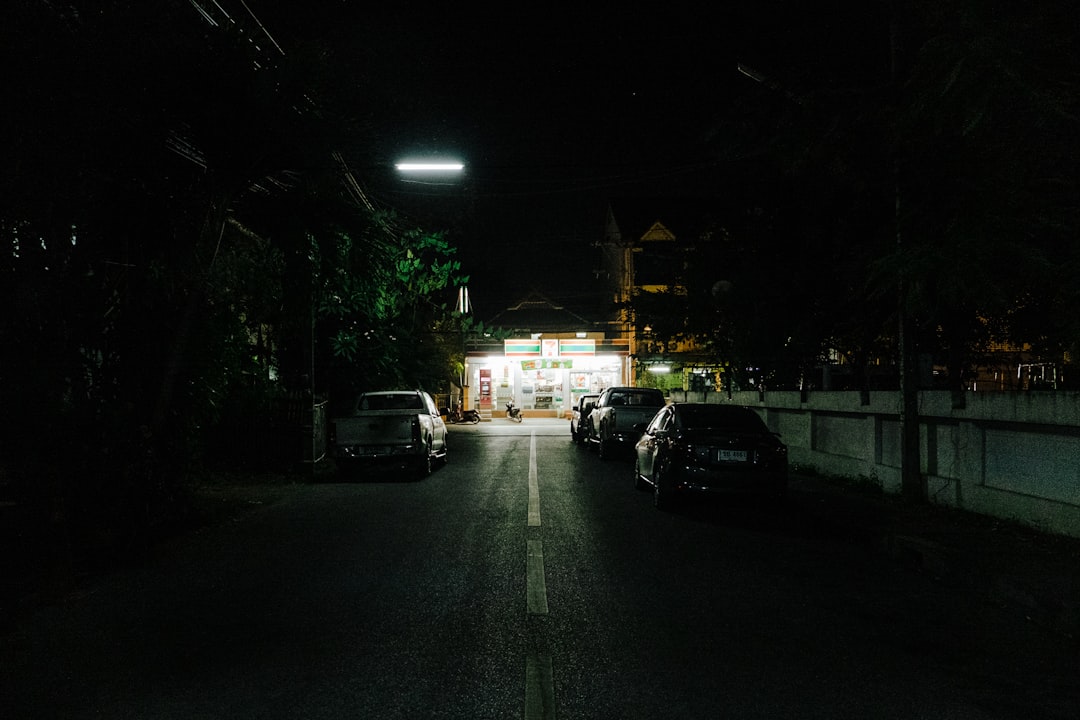
The Four Real Routes in 2025 — And What They Actually Cost
Here’s the honest breakdown as of mid-2025:
- Flight (Bangkok–CNX): AirAsia, Thai Lion Air, and Nok Air run this route multiple times daily. Budget fares during off-peak periods (May–August, excluding Thai holidays) run about ฿499–฿899 one-way if booked 3+ weeks out. Add airport transfer time on both ends and you’re looking at ~4.5 hours door-to-door from central Bangkok to Chiang Mai’s Nimman area. Key risk: bag fees can double the price if you’re not careful — AirAsia’s 20kg add-on runs ฿250–฿500 depending on booking timing.
- Overnight Train (Hua Lamphong → Chiang Mai): The SRT (State Railway of Thailand) No. 9 and No. 13 express trains depart Hua Lamphong around 18:00–19:30. A second-class air-conditioned sleeper berth runs ฿600–฿800 (lower bunk ฿50–฿100 more). Travel time is approximately 12–13 hours, arriving around 07:00–08:30. This saves a night of accommodation — genuinely useful math if you’re budget-conscious.
- VIP Bus (Mo Chit → Arcade Bus Terminal, Chiang Mai): Several operators including Transport Co. and Nakhonchai Air run overnight VIP coaches. Fares sit around ฿600–฿900 for a proper reclining seat. Journey time is roughly 9–10 hours but can stretch to 11+ during long weekends. My friend’s mistake was trusting an old terminal address — the Northern Bus Terminal (Arcade) is the correct drop-off in Chiang Mai, and Mo Chit 2 is the main Bangkok departure point, not the old Southern Terminal.
- Private Van or Minivan Share: Running ฿250–฿350 per seat, these depart from various spots including Victory Monument. They’re faster in theory (8 hours) but comfort is questionable and safety records are mixed. I’d only recommend this if you’re traveling in a group of 4+ and can book a whole van.
Train vs. Plane — The Real Decision Framework
Here’s how I’d frame it: if your time in Thailand is under 10 days, fly. The hour you save adds up when you factor in temples, cooking classes, and night markets. But if you’re traveling for 2+ weeks or you’re genuinely interested in the landscape (the stretch through Lopburi and the mountainous approach into Chiang Mai is legitimately beautiful), the overnight train earns its reputation.
The train’s practical advantage people overlook: Hua Lamphong station is right on the MRT Blue Line, making it genuinely accessible from Sukhumvit or Silom without a taxi. Don Mueang Airport (where most budget flights depart) requires a dedicated transfer — budget 60–90 minutes minimum from central Bangkok. That gap narrows the flight’s time advantage considerably.
Book train tickets through the official SRT online system (railway.co.th) or through 12Go.asia, which adds a small booking fee (~฿50–฿100) but has a more user-friendly interface and English-language support. Avoid third-party “agents” on Khao San Road charging double the rate.
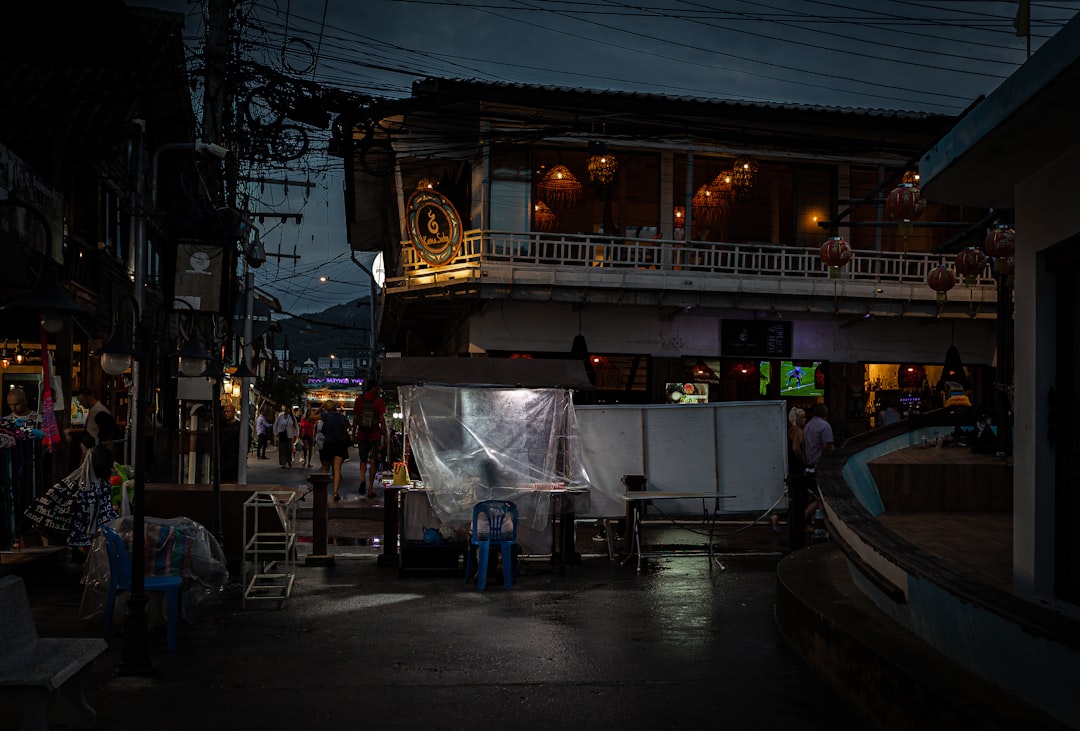
What the Blogs Don’t Tell You About Arriving in Chiang Mai
Both Chiang Mai Airport and the Arcade Bus Terminal are well-served by Grab (rideshare), and fares to the Old City or Nimman Rd run ฿80–฿150. The train station is even more central — it’s essentially walkable to the Night Bazaar area and a short Grab ride to Nimman (฿50–฿70).
Timing matters a lot here. If you’re arriving during Songkran (Thai New Year, usually April 13–15), expect every transport option to be fully booked 3–4 weeks out. Same goes for the Loy Krathong/Yi Peng lantern festival in November — Chiang Mai specifically draws massive crowds for that one. Book accommodation and transport simultaneously during those windows.
The rainy season (June–October) doesn’t actually kill the Bangkok-Chiang Mai route the way it does beach destinations. Chiang Mai stays relatively accessible, though northern trekking routes can get muddy and some mountain roads occasionally close. The upside: hotel prices in Chiang Mai drop 30–50% compared to high season, and popular sites like Doi Inthanon National Park are lush and less crowded.
Off-Season Reality Check — May Through August
If you can handle occasional afternoon downpours, May through August offers genuinely good value. A solid guesthouse in the Nimman area that runs ฿1,200–฿1,500/night in peak season can drop to ฿700–฿900. Airfare follows the same pattern. The temples (Doi Suthep, Wat Chedi Luang) are cool and misty in the mornings, and you’ll share them with a fraction of the high-season crowds. The main downside is occasional air quality concerns if controlled burns happen early in the season (March–April is worse, but residual haze can linger into May).
- Peak Season (Nov–Feb): Best weather, most expensive, most crowded. Book everything 4–6 weeks ahead.
- Shoulder (Mar–Apr): Hot and hazy but manageable. Songkran is uniquely fun if crowds don’t bother you.
- Off-Season (May–Oct): Budget-friendly, green, authentic. Afternoons are wet but mornings are often clear.
Quick Reference — Key Booking Resources
- SRT Train Booking: railway.co.th (official) or 12Go.asia (English-friendly)
- Budget Flights: airasia.com, nokair.com — set fare alerts 3–4 weeks before travel
- Bus Tickets: Transport Co. at Mo Chit 2 terminal; book in person or via thaiticketmajor.com
- Chiang Mai Accommodation: Hostelworld for budget; Agoda has strong Thailand inventory across all price points
- Local Transport in Chiang Mai: Grab app works reliably; songthaew (red shared trucks) run fixed routes for ฿30–฿50/person
There’s genuinely no single “best” way to make this trip. The overnight train is romantic and practical in the right circumstances. The flight is efficient when time is tight. The bus is fine if you’ve confirmed current terminal info (don’t trust posts older than 12 months). What really matters is matching your choice to your actual situation — not to what some algorithm decided was the default recommendation.
One last thing worth saying: whatever route you pick, build in one buffer day in Chiang Mai before any onward travel. The city has a way of expanding to fill whatever time you give it — a morning at the Warorot Market, an afternoon at a cooking school, a surprise conversation at a coffee shop on Nimman Soi 7. The journey up is just the beginning of it.
📚 관련된 다른 글도 읽어 보세요
- 어릴 때 이것 키워주지 않으면 후회해도 소용없어요 — 2026년 기준 수학 사고력, 지금 시작 안 하면 진짜 늦습니다
- 2026년 기준 전기차 충전기 설치, 이것 모르면 돈 날립니다 — 아파트·단독주택 완전 정복
- 아무도 안 알려주는 불매 위기 넘긴 코스트코 회원권 — 2026년 기준 진짜 본전 뽑는 법
태그: []
Leave a Reply