A friend of mine — seasoned traveler, frequent flyer, the kind of person who books window seats three months in advance — nearly missed a Tokyo departure last spring. Not because of traffic. Not because of a delayed train. Because she trusted a cached Google Maps result that routed her to the wrong terminal at Narita, with 55 minutes to spare. That story stuck with me, and honestly, it’s the whole reason I went down this rabbit hole on Narita Airport navigation in the first place.
So let’s think through this together, the way you’d want a well-traveled friend to walk you through it — with real numbers, real timings, and zero fluff.
Narita’s Three-Terminal Layout: The Detail That Trips People Up
Narita International Airport (NRT) operates across three terminals — Terminal 1, Terminal 2, and Terminal 3 — and they are not interchangeable. The inter-terminal distance is the single biggest source of missed flights and panicked passengers here.
- Terminal 1: Handles primarily international carriers — ANA international routes, Air France, KLM, Lufthansa, United, and others. Two wings: North Wing and South Wing, connected internally.
- Terminal 2: Home to Japan Airlines (JAL) international, Delta, Korean Air, and several Southeast Asian carriers. Has a satellite building accessible via underground walkway (~10 minutes on foot).
- Terminal 3: Budget carrier hub — Jetstar Japan, Peach Aviation, Spring Japan. No airbridge connection to T1 or T2; requires a free shuttle bus (officially 8–12 minutes, realistically 15–20 minutes during peak hours).
The inter-terminal shuttle runs approximately every 10–15 minutes, but here’s the critical detail: if you’re at T3 and need T1 or T2, budget at least 30 minutes minimum. Not 15. Especially during morning international departure windows (6:00–10:00 AM) and evening returns (5:00–9:00 PM).
Getting to Narita: The Real Cost-vs-Time Breakdown in 2025
Tokyo has two airports. Haneda (HND) is closer, faster, and increasingly popular for international routes. But if your flight is at Narita, here’s what you’re actually working with transport-wise:
- Narita Express (N’EX): Tokyo Station to Narita Airport T1/T2 — approximately 53 minutes. Standard adult fare around ¥3,070 one-way; ¥4,070 with reserved seat. Runs roughly every 30–60 minutes. Does NOT serve T3 directly — you must transfer via shuttle at T2.
- Keisei Skyliner: Nippori or Ueno to Narita Airport — 36–41 minutes, ¥2,570. Faster than N’EX for those staying near Ueno/Asakusa. Stops at T1 and T2 only.
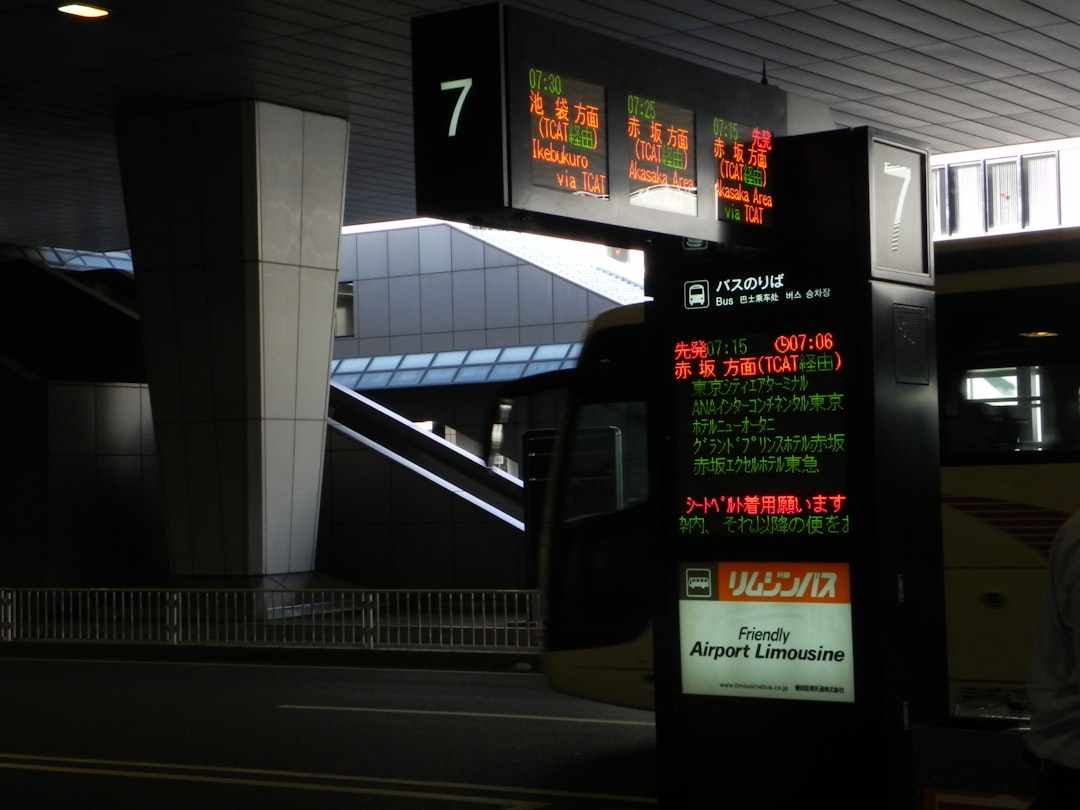
- Airport Limousine Bus: Departs from major hotels and Shinjuku/Ginza/Tokyo Station hubs. Journey time varies wildly — 70 minutes under ideal conditions, 2+ hours during highway congestion. Cost: approximately ¥3,200. Serves all three terminals but check your terminal’s stop order — some routes hit T3 first, others last.
- Taxi/Ride-share: Expect ¥20,000–¥30,000 from central Tokyo. Only makes sense if you have heavy luggage, mobility considerations, or a corporate expense account.
My honest take: if you’re staying anywhere near the Yamanote Line corridor, the Keisei Skyliner wins on speed and reliability. N’EX is better if you’re checking into a Tokyo Station-area hotel and want a direct connection with large luggage. Avoid the limousine bus for early morning international departures — the highway risk isn’t worth the hotel pickup convenience.
Security, Immigration & The Time Math Most Guides Skip
Here’s where most airport guides get vague, and that vagueness is what burns people. Let’s be specific:
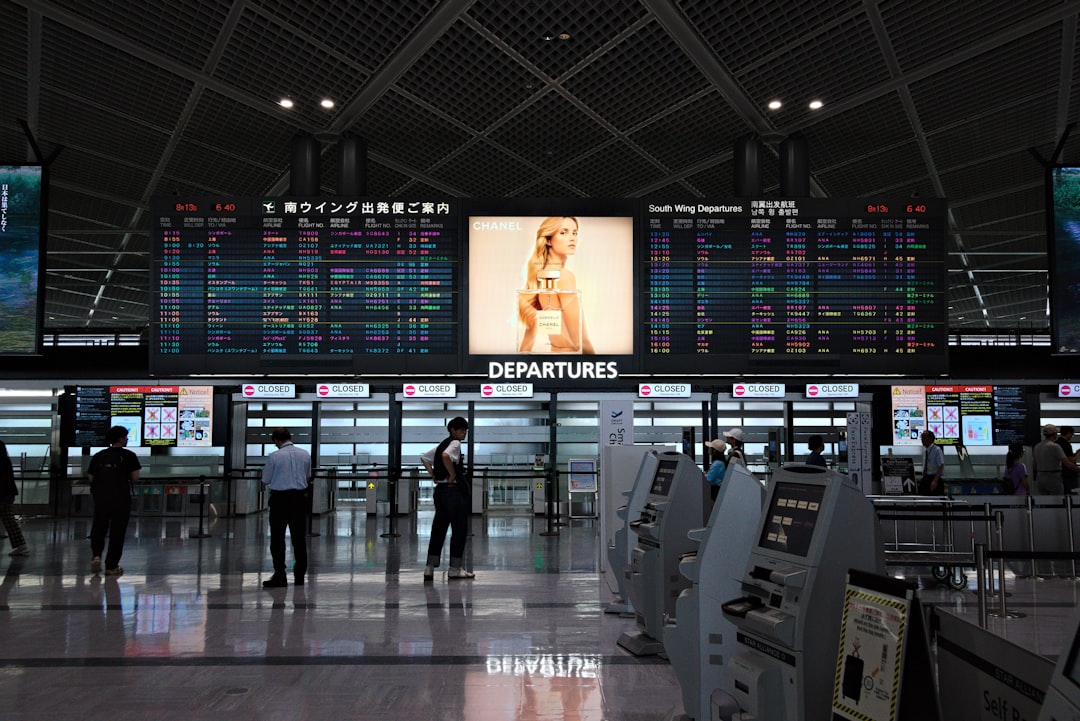
- Check-in close time: Most international carriers close check-in counters 60 minutes before departure. Some budget carriers (Peach, Jetstar at T3) close at 40 minutes. Verify per airline.
- Security queue at T1/T2: 15–25 minutes under normal conditions, up to 45 minutes on peak summer/Golden Week mornings.
- Immigration (departures): Japanese immigration for departing passengers typically moves fast — 10–15 minutes. But the automated gates have had occasional system issues in 2025; have your passport ready even if you’re a registered automated gate user.
- T3 consideration: T3 has fewer security lanes. During peak LCC departure windows (typically 6:00–8:30 AM), queues can stretch surprisingly long despite the terminal feeling “smaller.”
The math I use personally: terminal arrival time = departure time minus 3 hours for international, minus 2.5 hours for regional Asian routes. That sounds conservative, and it is. But the alternative — my friend’s 55-minute sprint to a wrong terminal — isn’t a story you want to tell.
Facilities Worth Knowing (Especially for Long Layovers)
Narita doesn’t have the lounge density of a Changi or a Incheon, but it’s more comfortable than its reputation suggests:
- Ippudo Ramen has a branch in T2 (airside, post-security) — genuinely worth the ¥1,100–¥1,500 price point if you have time.
- Narita’s duty-free: Strong on Japanese whisky and cosmetics. Suntory and Nikka expressions sometimes appear at prices slightly below street-level in Japan, and significantly below overseas retail.
- Rest rooms/nap spaces: T2 has capsule-style rest areas (¥1,500–¥2,000 per hour) operated by TIAT Lounge. No full shower unless you have lounge access.
- Free WiFi: Available throughout all terminals, no registration required as of early 2025. Connection quality is solid at T1/T2, somewhat inconsistent at T3 during peak hours.
- Currency exchange: Rates at airport counters are predictably worse than city rates. If you need yen, withdraw from the 7-Eleven ATMs inside the terminal — they accept foreign cards and offer competitive rates.
Practical Alternatives When Things Go Wrong
Flight delayed overnight? Narita Airport area hotels have improved meaningfully. The Narita Tobu Hotel Airport offers a connected shuttle and solid soundproofing; the ANA Crowne Plaza is closer to T1 and has a decent breakfast spread. Both run ¥15,000–¥25,000 per night in 2025 depending on season. For a budget option, the Flexstay Inn Narita is a 5-minute drive and significantly cheaper — worth it if you’re just sleeping before an early departure.
Missed a connection at Narita? Head immediately to the airline’s transfer desk before clearing immigration. If you’ve already cleared, the process becomes significantly more complicated. This is especially relevant for transit passengers — Narita’s transit hotel (TRANSIT HOTEL) inside T1 is an option for very short stopovers, no visa required if you stay airside.
Bottom line from someone who’s mapped this out the hard way: Narita rewards preparation and punishes assumptions. Confirm your terminal the night before, build in realistic buffer time (not Google’s optimistic estimates), and treat the T3 shuttle as a variable, not a constant. Do those three things and you’ll actually get to enjoy the whisky in duty-free instead of sprinting past it.
📚 관련된 다른 글도 읽어 보세요
- Why My First Solo Trip Fell Apart — Real Traveler’s Guide to Solo Travel Safety in 2025
- Why Most Brake Pad Guides Get It Wrong — Real-World Replacement & Selection in 2025
- Why I Almost Missed My Flight Trusting Bad Advice — Real 2025 Bangkok to Chiang Mai Travel Guide
태그: []
Leave a Reply