Let me paint a picture that might feel familiar. It’s a Tuesday evening in 2026, and your 8-year-old has, for the third time this week, dissolved into a 45-minute meltdown over something that seems tiny — a wrong-colored cup, a misplaced toy. You’re exhausted, confused, and quietly wondering: Is this just a phase, or is something deeper going on? That quiet wondering? That’s exactly where this conversation starts.
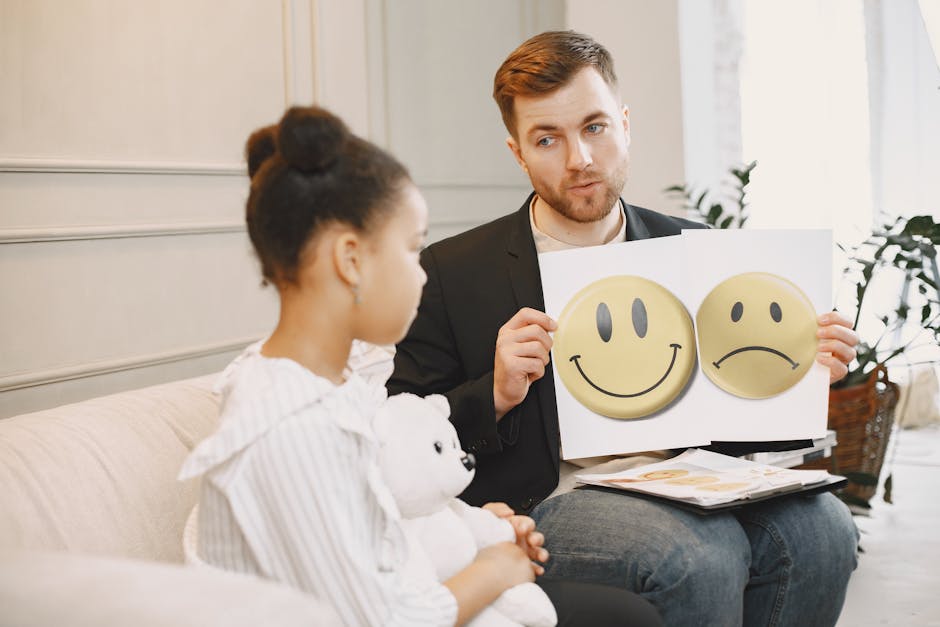
Child psychological counseling — sometimes called child therapy or pediatric mental health counseling — isn’t a dramatic last resort. It’s a tool, much like a pediatrician visit for a persistent fever. But knowing when to reach for that tool is where most parents feel genuinely lost. So let’s think through this together, logically and honestly.
📊 The Numbers Are Telling Us Something
According to the WHO’s 2025 global mental health update, approximately 1 in 7 children aged 10–19 experiences a mental health condition globally — and the majority go undiagnosed and unsupported. In South Korea, the National Mental Health Statistics (2024–2025 cycle) showed that children aged 6–12 presenting with emotional regulation difficulties increased by 23% compared to pre-pandemic baselines. In the U.S., the American Academy of Pediatrics continues to flag a sustained mental health crisis among school-age children, with anxiety and ADHD-adjacent behaviors topping referral lists in 2025–2026.
Here’s what these numbers tell us practically: childhood mental health challenges are common, they are real, and they rarely resolve on their own without some form of structured support. The stigma around seeking help, however, remains stubbornly high — particularly in East Asian cultural contexts — which means many children quietly struggle longer than they need to.
🚨 Clear Signs That Counseling Deserves Serious Consideration
Let’s get specific, because vague advice like “trust your gut” only goes so far. Here are the behavioral and emotional red flags that mental health professionals in 2026 consistently point to as warranting a professional evaluation:
- Duration matters: If a behavioral or emotional change has persisted for more than two to four weeks, it’s no longer just “a bad week.”
- Functional impairment: When school performance drops noticeably, friendships deteriorate, or the child avoids activities they previously loved.
- Regression: Bedwetting, thumb-sucking, or baby talk returning in older children (ages 7+) can signal significant stress or trauma response.
- Somatic complaints without medical cause: Frequent stomachaches, headaches, or nausea before school — when a pediatrician has ruled out physical causes — often signal anxiety.
- Sleep disturbances: Persistent nightmares, refusal to sleep alone well beyond the typical developmental stage, or chronic insomnia.
- Self-harm or expressions of worthlessness: Any mention of hurting oneself, or statements like “I wish I wasn’t here” — these require immediate professional attention, not a wait-and-see approach.
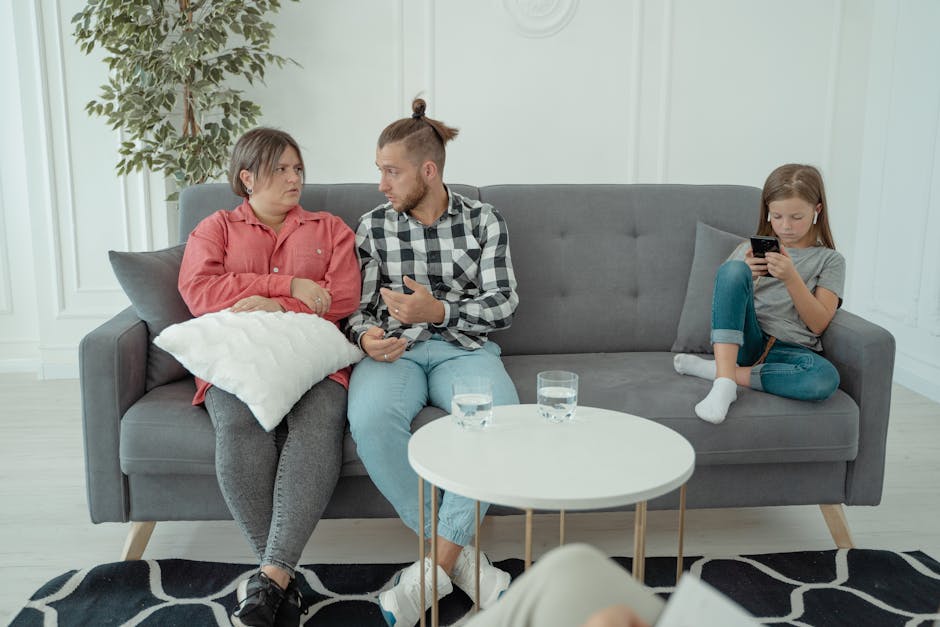
- Explosive or withdrawn behavior after a life event: Divorce, a move, a death in the family, bullying, or academic pressure can trigger responses that benefit enormously from professional processing.
🌍 How Different Cultures and Systems Handle This
It’s worth looking at how this plays out across different contexts, because the approach genuinely varies — and understanding that helps parents make more informed decisions.
In South Korea, the 2025 expansion of the Wee Project (위 프로젝트) — a school-based psychological support network — made counseling more accessible within the public school system. Yet parental uptake remains lower than professional recommendations suggest it should be, largely due to concerns about social stigma and academic labeling. Korean child psychiatrist Dr. Kim Ji-yeon, writing in the Korean Journal of Child and Adolescent Psychiatry (2025), noted that parents often seek help an average of 18 months after symptoms first appear — a significant delay.
In contrast, Scandinavian countries like Denmark and Sweden have embedded early psychological screening into routine pediatric care since the early 2010s. By 2026, Danish schools conduct structured emotional wellness check-ins quarterly for children aged 6–12, normalizing the conversation entirely. The result? Earlier intervention and significantly better long-term outcomes, according to the Nordic Council’s 2025 child welfare report.
In the United States, the telehealth revolution post-2020 has dramatically lowered access barriers. Platforms like Brightline and Little Otter now provide licensed child therapists via video sessions, making it feasible for families in rural areas or with demanding schedules to access support in 2026. The shift toward play therapy and parent-child interaction therapy (PCIT) has also made the process feel less clinical and more approachable for younger children.
🤔 “But Isn’t This Just Normal Kid Behavior?”
This is the question every parent asks, and it’s completely valid. Children are supposed to be emotionally messy — they’re literally building their nervous systems in real time. So how do you distinguish developmental messiness from something that needs outside support?
Think of it this way: context, intensity, and duration are your three filters. A child who cries at school drop-off for the first two weeks of a new school year? Developmentally expected. A child who cries at drop-off every single day for three months and starts refusing to eat breakfast? That’s a different conversation. Similarly, a six-year-old having tantrums is developmentally on-spectrum. A ten-year-old having tantrums daily that include property destruction or self-directed aggression? That’s worth exploring professionally.
Child psychologists also emphasize the importance of parental wellbeing as a signal. If you, as the parent, are consistently feeling helpless, frightened, or at a loss — that’s meaningful data. You know your child. When your instinct persistently says something is off, it usually deserves investigation.
💡 Realistic Alternatives and Entry Points (Not Everyone Needs Weekly Therapy)
Here’s where I want to offer something genuinely practical, because “go see a therapist” can feel like an overwhelming leap. There’s actually a spectrum of support, and you can start anywhere on it:
- School counselors: In 2026, most schools — especially in urban South Korea, the U.S., and the UK — have credentialed school counselors. A conversation with them costs nothing and can provide valuable outside perspective.
- Pediatrician screening: Ask your child’s doctor about the Pediatric Symptom Checklist (PSC) or similar validated tools. Many pediatric offices in 2026 now include brief mental health screenings in annual checkups.
- Parent coaching: Sometimes the most impactful intervention is working with a therapist yourself — not the child. Parent-focused behavioral coaching can shift family dynamics significantly without putting the “patient” label on your child.
- Group-based programs: Social skills groups, anxiety management workshops for kids, and mindfulness programs for children are increasingly available through community centers and hospitals in 2026.
- Books and bibliotherapy: Age-appropriate books about emotions (think: The Whole-Brain Child adaptations, or Korean publications like 감정 코칭 series) can open dialogue at home in non-threatening ways.
- Teletherapy for a one-time consultation: Many platforms now offer single-session consultations. You get a professional opinion without committing to a full course of therapy.
🔑 What to Expect From the Process If You Do Seek Counseling
Let’s briefly demystify what actually happens, because the unknown is often scarier than the reality. In a first session, a child psychologist or counselor will typically speak with the parents first, gather developmental history, and observe the child in a low-pressure environment. For young children (ages 3–7), much of the assessment and early therapy happens through play — because play is a child’s native language for processing experience. For school-age children (8–12), talk therapy combined with creative modalities (drawing, storytelling, games) is common. For adolescents, approaches closer to adult cognitive-behavioral therapy (CBT) or dialectical behavior therapy (DBT) skills are often used.
Most importantly: good child therapy involves you, the parent, as an active participant. You’re not dropping your child off to be “fixed.” You’re part of the therapeutic system — and that’s actually good news.
The bottom line? Seeking psychological support for your child in 2026 is an act of attentiveness, not failure. The earlier you explore what’s happening, the more options you have. And often, a few well-timed conversations with a professional can save a child — and a whole family — years of unnecessary struggle.
Editor’s Comment : If there’s one thing I want you to walk away with, it’s this — the threshold for getting a professional opinion should be much lower than the threshold for starting long-term therapy. A single consultation isn’t a diagnosis or a commitment; it’s just information. And in parenting, more information, gathered earlier, is almost always a gift. Trust what you’re noticing. Your child is lucky to have someone paying this much attention.
태그: [‘child psychological counseling’, ‘when to seek child therapy’, ‘children mental health 2026’, ‘child anxiety signs’, ‘pediatric mental health’, ‘child behavior problems’, ‘parent guide child counseling’]
Leave a Reply