Picture this: two kids sharing a bedroom, one carefully building a block tower while the other gleefully knocks it down — then both dissolving into giggles. Frustrating? Absolutely. But developmental psychologists will tell you that messy, chaotic moment is doing more for those children’s emotional brains than almost any structured activity could. Sibling relationships are one of the most underrated forces in child psychology, and in 2026, the research is clearer than ever about exactly how they shape who our kids become.
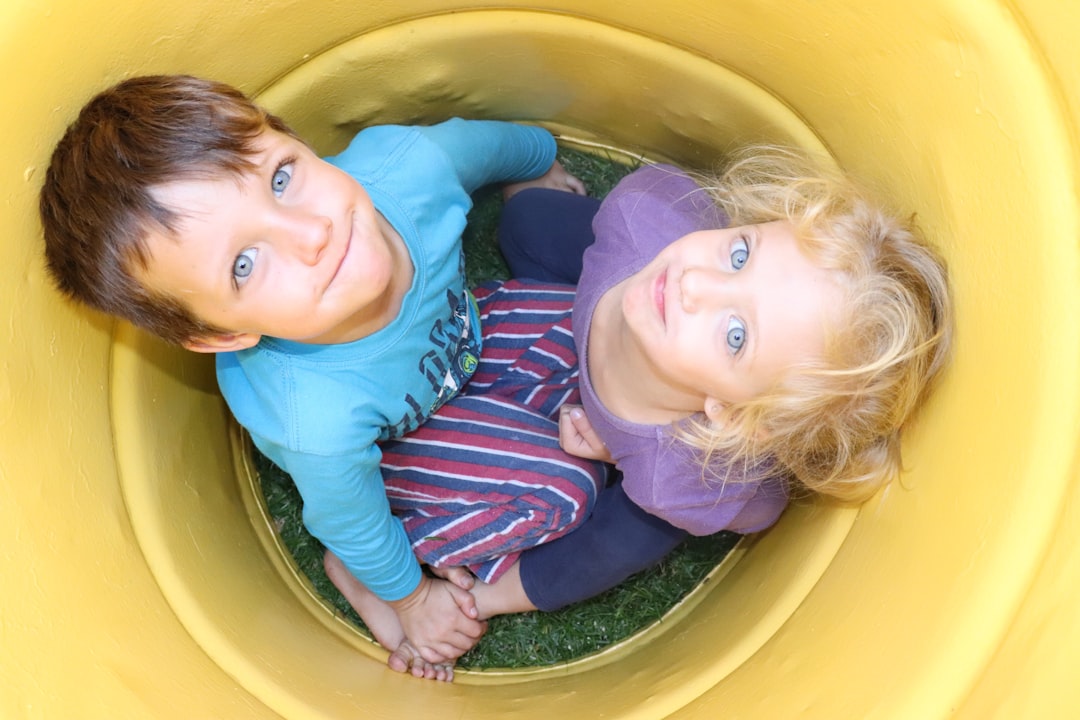
What the Data Actually Tells Us About Siblings and Development
Let’s dig into some numbers, because the evidence here is genuinely fascinating. A landmark longitudinal study tracking over 2,400 families found that children with at least one sibling demonstrated measurably stronger theory of mind — the ability to understand that other people have thoughts, feelings, and perspectives different from their own — compared to only children. Theory of mind typically develops between ages 3 and 5, but sibling interaction appears to accelerate and deepen this process.
More recently, a 2026 meta-analysis published in the Journal of Child Psychology and Psychiatry synthesized findings from 38 studies across 14 countries and found the following key patterns:
- Emotional regulation: Children with siblings showed a 23% higher baseline score on standardized emotional regulation assessments by age 7, likely because daily sibling conflict forces kids to practice managing frustration repeatedly.
- Conflict resolution skills: Older siblings, in particular, developed stronger negotiation and compromise skills — skills that directly translated to better peer relationships in school settings.
- Self-esteem variability: The relationship isn’t uniformly positive. Sibling rivalry, when poorly managed by caregivers, correlated with lower self-esteem in younger siblings, especially in households where comparison-based parenting (“Why can’t you be more like your sister?”) was common.
- Social cognition: Siblings who engaged in cooperative pretend play showed enhanced creativity and cognitive flexibility scores through middle childhood.
- Resilience markers: Children from multi-sibling homes reported higher scores on resilience indexes during adolescence, particularly when navigating peer rejection or academic stress.
The Birth Order Factor: More Nuanced Than You Think
Here’s where it gets interesting — and where a lot of popular psychology gets it a bit wrong. The old “firstborns are leaders, youngest are rebels” narrative is far too simplistic. What researchers are pointing to in 2026 is that birth order effects are highly context-dependent. Factors like the age gap between siblings, the gender composition of the sibling group, and parenting responsiveness all moderate how birth order actually plays out psychologically.
For example, a firstborn child gains significant early benefits from undivided parental attention and often develops strong verbal and academic skills. However, the arrival of a younger sibling introduces what psychologists call a dethronement experience — a disruption in the child’s secure attachment environment. How parents navigate this transition matters enormously. Families that involve the older child in caregiving (age-appropriately) tend to transform potential resentment into a sense of competence and responsibility.
Middle children — long the subject of “forgotten child” tropes — actually show some surprising strengths. Research consistently links middle-child positioning with greater peer social skills and adaptability, largely because they must negotiate relationships both upward and downward within the sibling hierarchy simultaneously.
International Perspectives: South Korean and Western Research in Conversation
South Korean developmental psychology research offers a culturally rich lens here. In collectivist family structures more common in East Asia, sibling relationships carry an explicit relational role — older siblings (형/오빠/언니/누나, depending on gender) are expected to model behavior and provide guidance, while younger siblings are socialized to show respect and deference. A 2025 study from Seoul National University’s Department of Child Development found that this structured relational dynamic correlated with stronger prosocial behavior in younger Korean siblings, but also occasionally with suppressed assertiveness — a double-edged outcome worth noting.
In contrast, Western developmental frameworks tend to emphasize individual autonomy within sibling relationships. Studies from the University of Cambridge’s Family Research Group in 2026 found that British children in sibling pairs who were given unstructured play time with minimal parental intervention developed more sophisticated conflict resolution vocabularies by age 9 — but also showed higher initial conflict rates. The takeaway? Neither cultural model is superior; each produces distinct psychological strengths and potential vulnerabilities.
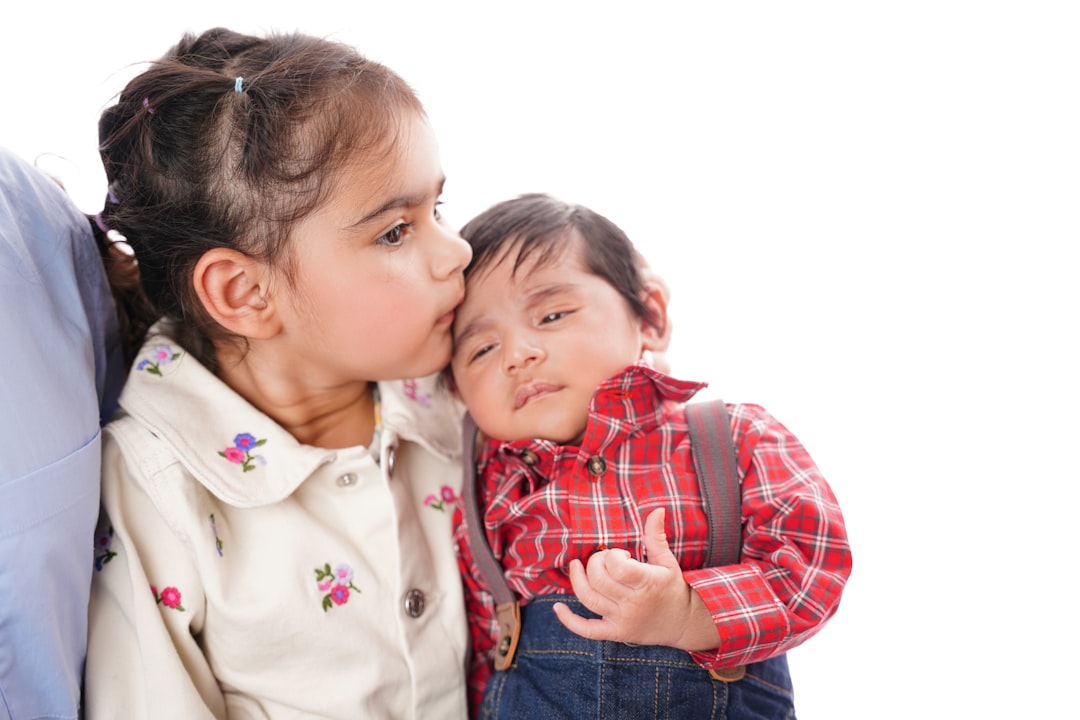
When Sibling Relationships Cause Harm: Recognizing the Red Flags
It would be incomplete to only celebrate sibling dynamics without acknowledging when they go sideways. Sibling bullying — distinct from normal rivalry — is a real and underreported issue. Unlike peer bullying, sibling bullying often occurs in the home where adult supervision is inconsistent, and it can be dismissed as “just kids being kids.”
Research from the University of New Hampshire’s Crimes Against Children Research Center has shown that children who experience chronic sibling victimization report similar levels of anxiety, depression, and self-worth damage as those bullied by peers. The key differentiators of harmful sibling bullying include: persistent power imbalance, repetitive targeting, and a pattern of emotional manipulation rather than typical conflict and resolution cycles.
Realistic Strategies for Parents: Building Healthy Sibling Ecosystems
So what can parents actually do with all of this? Here are some grounded, realistic alternatives to common parenting pitfalls:
- Avoid comparison parenting: Instead of “Your brother always finishes his vegetables,” try “What would make this easier for you?” This protects self-esteem while still encouraging behavior change.
- Create cooperative goals, not just competitive ones: Give siblings shared projects or chores. When they succeed together, it builds a sense of team identity.
- Name the conflict, don’t just stop it: Rather than immediately separating fighting children, briefly coach them: “It sounds like you both want the same thing — what’s one solution you both could live with?” Even at age 4-5, this scaffolding builds conflict resolution vocabulary.
- Give each child individualized attention: Research consistently shows that perceived parental fairness (not necessarily equal time, but equitable attention to each child’s needs) is the strongest buffer against destructive sibling rivalry.
- Watch for power imbalances: Rough play is normal. But if one child is consistently the “victim” and the other is always the aggressor across multiple contexts, that’s worth addressing directly with guidance from a family therapist.
- Celebrate the relationship itself: Point out moments of kindness between siblings explicitly. “Did you see how you helped her? That’s what siblings do for each other.” Narrative reinforcement shapes children’s identity around the relationship.
What About Only Children?
A fair question. Only children absolutely can and do develop all of the psychological capacities discussed above — but they typically need more intentional scaffolding through peer relationships, extracurricular group activities, and close cousin or family friend networks. The sibling environment provides a uniquely high-frequency, low-stakes practice ground for social-emotional skills. Without it, parents and educators may need to be more deliberate about creating equivalent opportunities. Playdates, team sports, collaborative school projects, and even multi-generational family interaction can serve as meaningful substitutes.
The bottom line is this: sibling relationships are neither a guaranteed gift nor a guaranteed source of damage. They’re a powerful developmental context — one that, with a bit of parental awareness and guidance, can become one of the most formative positive forces in a child’s entire psychological life.
Editor’s Comment : What strikes me most about this research is how it reframes those everyday sibling squabbles — the toy disputes, the tattling, the negotiating over who gets the window seat — as genuine developmental work. If you’re a parent exhausted by sibling conflict, try shifting your frame slightly: your kids aren’t just being difficult, they’re practicing some of the hardest emotional skills humans ever learn. Your job isn’t to eliminate the friction; it’s to make sure it stays productive rather than harmful. That’s a much more manageable goal, and honestly, a much more interesting parenting challenge.
태그: [‘sibling relationships child development’, ‘children psychology 2026’, ‘birth order effects’, ‘sibling rivalry parenting’, ’emotional development children’, ‘child psychology research’, ‘parenting strategies siblings’]
Leave a Reply