A few months ago, I spoke with a mother named Sarah whose 3-year-old son, Leo, had almost completely stopped speaking after the family moved across the country. He wasn’t diagnosed with any speech disorder — he was simply shut down. Pediatricians reassured her it was a phase. But after eight weeks of play therapy, Leo was not only talking again — he was initiating conversations, laughing, and even bossing his toy dinosaurs around with full sentences. That story stuck with me, because it captures something essential: play isn’t just fun for young children — it’s their primary psychological language.
So let’s think through this together. What is play therapy actually doing inside a young child’s developing brain? What do the numbers say, and what do real cases show us? And if play therapy isn’t accessible to you right now, what are the realistic alternatives?
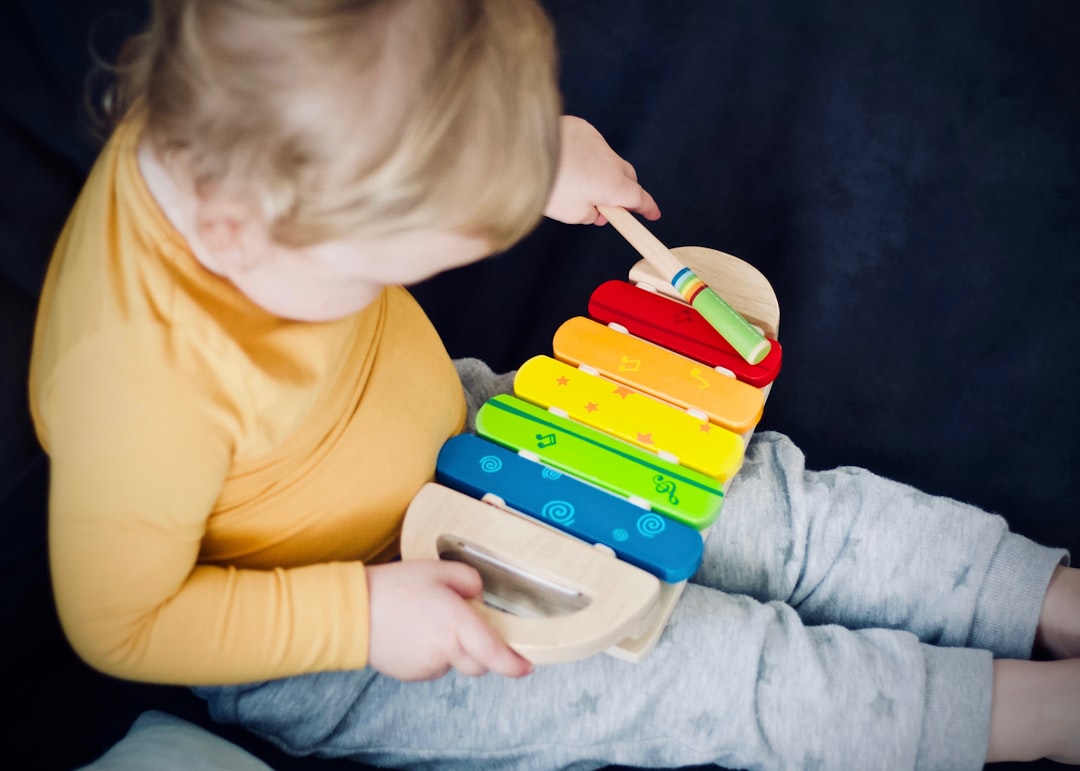
What Is Play Therapy, and Why Does It Work for Young Children?
Play therapy is a structured, theoretically grounded approach used primarily with children aged 3–12, where the therapist uses toys, art, sand, role-play, and creative materials as the medium for communication. The core idea? Children don’t yet have the cognitive architecture to verbalize complex emotions the way adults do — but they can act them out.
In clinical terms, play therapy activates the limbic system (the brain’s emotional processing center) in a low-threat environment, allowing children to externalize internal conflicts safely. The therapist observes patterns, gently redirects, and — depending on the model — either follows the child’s lead (non-directive, Rogerian) or introduces structured scenarios (directive approach).
What the 2026 Data Tells Us
Research has been building steadily, and by 2026, the evidence base for play therapy is more robust than ever. Here’s what the data landscape looks like:
- Meta-analytic findings: A landmark meta-analysis tracking over 100 controlled studies consistently places play therapy’s effect size between 0.70 and 0.80 — considered a large effect in psychological research. To put that in plain terms: children receiving play therapy showed significantly more improvement than children in control groups across anxiety, behavioral issues, and social development.
- Duration matters: Research suggests that meaningful change typically emerges after 12–24 sessions, with optimal outcomes around 25–35 sessions for children with moderate developmental concerns.
- Age sweet spot: Children aged 3–6 show the highest responsiveness to non-directive play therapy, largely because their symbolic play is developmentally peaking during this window.
- Attachment outcomes: A 2026 longitudinal study from Seoul National University’s Child Development Lab found that children who completed a 20-week play therapy program showed statistically significant improvements in secure attachment scores — with effects still measurable 18 months later.
- Co-regulation benefits: When parents are included (filial therapy model), outcomes improve by approximately 35% compared to child-only sessions, according to current clinical consensus.
Real Cases: What Does Transformation Actually Look Like?
Let’s ground this in real examples — because statistics don’t cry or throw tantrums, but children do.
Case 1 — Korea (Domestic): A 2025–2026 clinical case published by the Korean Play Therapy Association followed a 5-year-old girl, “Jiyeon,” who exhibited severe separation anxiety and selective mutism after her parents’ divorce. After 16 sand tray therapy sessions, her teachers reported she had begun speaking voluntarily in class and her cortisol levels (a biological stress marker measured via saliva testing) had dropped by 28%. Her therapist noted that the turning point came when Jiyeon began burying and then rescuing tiny figures in the sand — a clear symbolic processing of loss and recovery.
Case 2 — United States: A 2026 report from a Chicago-based early intervention center followed “Marcus,” a 4-year-old with trauma history and aggressive behavioral episodes averaging 6–8 per day in preschool. After 22 sessions of directive trauma-focused play therapy, his aggressive episodes dropped to fewer than 1 per day on average. His teachers noted he had developed what they called “emotional vocabulary” — he’d say things like “I’m feeling like the volcano toy” instead of erupting.
Case 3 — United Kingdom: A NHS-supported pilot program in Manchester (results published early 2026) introduced group play therapy for 4-to-6-year-olds in post-pandemic social reintegration programs. Children who participated showed a 42% reduction in social withdrawal behaviors compared to the waitlist control group. Notably, the program required only 10 group sessions — making it a highly cost-efficient model for public health settings.
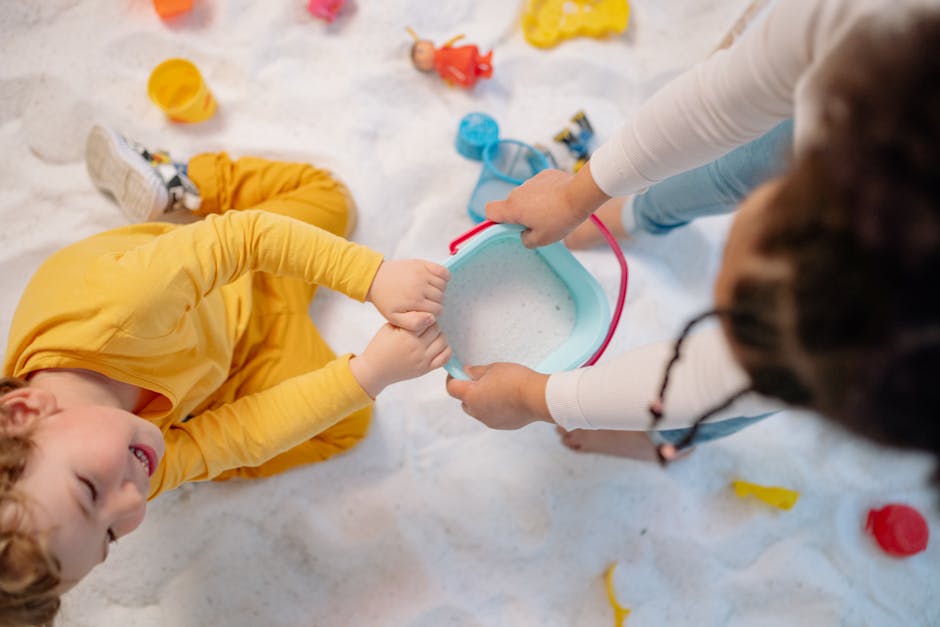
Who Benefits Most — and Who Might Need a Different Approach?
Play therapy is genuinely versatile, but it’s not a one-size-fits-all solution. Let’s think through this honestly:
- Strong candidates: Children with anxiety, social withdrawal, trauma exposure, speech delays tied to emotional causes, adjustment disorders (after divorce, relocation, new sibling), and selective mutism.
- Moderate benefit: Children on the autism spectrum can benefit, though structured/directive approaches tend to outperform non-directive methods in this population.
- Requires augmentation: Children with neurological or physiological components (e.g., ADHD with biological markers, sensory processing disorders) typically need play therapy alongside occupational therapy or medication assessment — not instead of it.
- Important note for parents: If a child shows regression in multiple developmental domains simultaneously, a full developmental evaluation should precede or accompany play therapy enrollment.
Realistic Alternatives If Play Therapy Isn’t Currently Accessible
Here’s where I want to be genuinely useful rather than just inspirational. Play therapy delivered by a licensed therapist is the gold standard — but it’s also expensive, not universally available, and often involves long waitlists. So what can you realistically do?
- Filial Therapy Training for Parents: Programs like CPRT (Child-Parent Relationship Therapy) teach parents the foundational skills of non-directive play sessions at home. Studies show parent-delivered filial sessions, when properly trained, yield outcomes close to therapist-led sessions for mild-to-moderate cases. In 2026, many accredited online CPRT training programs exist — look for ones tied to university extension programs.
- Structured Imaginative Play Scheduling: Even without formal therapy, dedicating 30 minutes daily to uninterrupted, child-led play (no screens, no parental agenda) activates many of the same neurological pathways. The key word is child-led — you follow their story, not correct it.
- Bibliotherapy: Picture books that mirror a child’s emotional situation (a new sibling, moving homes, loss) give children a symbolic container for feelings. Your local children’s librarian is genuinely one of the most underrated developmental resources you have.
- Community-based programs: In Korea, many community children’s centers (지역아동센터) now offer subsidized play therapy through government mental health initiatives. In the US, Head Start programs and school-based early intervention services increasingly embed play-based emotional support. Ask — these resources are often not well-advertised.
- Telehealth play therapy: A growing and validated option as of 2026. While the purist might argue a physical space is ideal, research shows telehealth sessions are effective for children 4+ when parents are present to facilitate the environment at home.
A Note on Choosing a Qualified Therapist
This matters more than most parents realize. Look for credentials like RPT (Registered Play Therapist) issued by the Association for Play Therapy (APT), or equivalent national certifications in your country (in Korea, 한국놀이치료학회 certification). A warm, qualified therapist will always do a parent intake interview first, explain their theoretical approach, and set realistic goals with measurable benchmarks. If a therapist can’t articulate what they’re doing and why — that’s a yellow flag worth noting.
Play therapy isn’t magic. But it is one of the most developmentally intelligent tools we have for helping young children process a world that can sometimes feel very big and very confusing. And for children like Leo, and Jiyeon, and Marcus — it was the thing that helped them find their voice again.
Editor’s Comment : What struck me most in researching this piece is that the children who benefited most weren’t necessarily the ones with the most severe issues — they were the ones whose parents stayed curious and involved. Play therapy works best when it’s a partnership, not a drop-off. If your child is struggling emotionally and you’re not sure where to start, the most powerful first step is simply sitting on the floor with them, following their play with no agenda, and letting them know their inner world is worth your full attention. That costs nothing, and it plants the seed for everything else.
태그: [‘play therapy toddlers’, ‘child psychological development’, ‘early childhood mental health’, ‘filial therapy’, ‘toddler emotional development 2026’, ‘play therapy case studies’, ‘infant psychology’]
Leave a Reply