A few years ago, a close friend of mine watched her seven-year-old son shut down completely after a difficult move across the country. He stopped talking at school, refused to eat dinner with the family, and had meltdowns that left everyone exhausted and heartbroken. Traditional talk therapy — the kind where a child sits across from an adult and answers questions — simply wasn’t working for him. Then his therapist introduced something called nature-based play therapy, and within three months, he was laughing again. That story stuck with me, and it’s exactly why I’ve been digging deep into the latest research on child psychological therapy in 2026. The field has changed dramatically, and if you’re a parent, educator, or caregiver, you’ll want to know what’s happening.
Why 2026 Is a Turning Point for Child Mental Health Research
The numbers are sobering. According to the World Health Organization’s 2026 Global Mental Health Report, approximately 1 in 5 children aged 5–17 now meets the clinical threshold for at least one mental health condition — a figure that has risen steadily since the early 2020s. Post-pandemic emotional dysregulation, increased screen dependency, and shifting family dynamics have all contributed to a generation of children who need nuanced, evidence-based support more than ever.
But here’s the genuinely exciting part: researchers and clinicians are rising to that challenge in creative and rigorous ways. Let me walk you through the most significant developments.
Key Research Findings Reshaping Child Therapy in 2026
Several landmark studies published in early 2026 are already changing clinical practice. Here’s what the data is telling us:
- Neurofeedback-Assisted CBT: A 2026 study from the Journal of Child Psychology and Psychiatry found that combining neurofeedback training with Cognitive Behavioral Therapy (CBT) reduced anxiety symptoms in children aged 6–12 by 42% more than CBT alone over a 16-week period. Neurofeedback essentially teaches the brain to self-regulate by providing real-time feedback through visual or audio cues — think of it as a video game where your brain learns to stay calm.
- Trauma-Informed Expressive Arts Therapy (TIEAT): Research published by Seoul National University’s Child Development Institute in February 2026 demonstrated that TIEAT — which blends drawing, music, and movement — showed statistically significant reductions in PTSD symptoms in children who had experienced domestic instability, with results holding at a 6-month follow-up.
- AI-Assisted Early Detection: Stanford’s Center for Digital Mental Health released a 2026 pilot study showing that AI behavioral observation tools — used in classroom settings with parental consent — could flag early signs of depression or anxiety in children with 78% accuracy, allowing for earlier intervention before symptoms escalate.
- Parent-Child Dyadic Therapy Gains Ground: Rather than treating the child in isolation, the latest clinical guidelines from the American Psychological Association (2026 revision) now strongly recommend dyadic therapy models — where the parent and child attend sessions together — particularly for children under age 10. The research shows attachment security improves far more rapidly when caregivers are active participants.
- Microbiome-Mental Health Connection: Emerging (though still preliminary) research from Harvard Medical School is exploring the gut-brain axis in children, suggesting that dietary interventions alongside therapy may amplify therapeutic outcomes. While this isn’t mainstream yet, it’s one of the most talked-about directions in 2026.
Real-World Examples: How Countries Are Applying These Findings
Theory is one thing — let’s look at what’s actually happening on the ground.
South Korea has been a fascinating case study. Following a national initiative called the 아동정신건강 2026 플랜 (Children’s Mental Health 2026 Plan), the Ministry of Health launched subsidized community child therapy centers in all 17 major metropolitan areas. These centers specifically integrate expressive arts therapy and dyadic parent-child models, making evidence-based care accessible to middle- and lower-income families who previously couldn’t afford private therapy. Early reports from Busan and Incheon pilot sites show a 31% reduction in school-reported behavioral incidents within the first academic semester of implementation.
The United Kingdom’s NHS expanded its Children and Young People’s Improving Access to Psychological Therapies (CYP IAPT) program in 2026 to include neurofeedback as a covered treatment option for ADHD and anxiety disorders in children — a significant policy shift that reflects how quickly research is influencing healthcare systems.
Canada’s Indigenous Mental Health Initiative has taken a culturally grounded approach, incorporating traditional healing practices — storytelling, land-based therapy, and community ceremony — alongside Western clinical models. A 2026 evaluation by the First Nations Health Authority found this integrated model produced significantly better engagement and retention compared to standard Western therapy alone, reminding us that cultural context is not optional — it’s therapeutic.

What This Means If You’re Navigating Your Child’s Mental Health Right Now
I know the research can feel overwhelming, especially when you’re in the middle of a difficult situation with your child. So let’s get practical. Not every family has access to a cutting-edge neurofeedback clinic or a specialized TIEAT therapist — and that’s okay. Here are some realistic alternatives based on where you might be starting from:
- If cost is a barrier: Look for university-affiliated training clinics — graduate students in supervised therapy programs often provide evidence-based treatment at significantly reduced or no cost. Most major cities have these programs, and the quality of supervision is high.
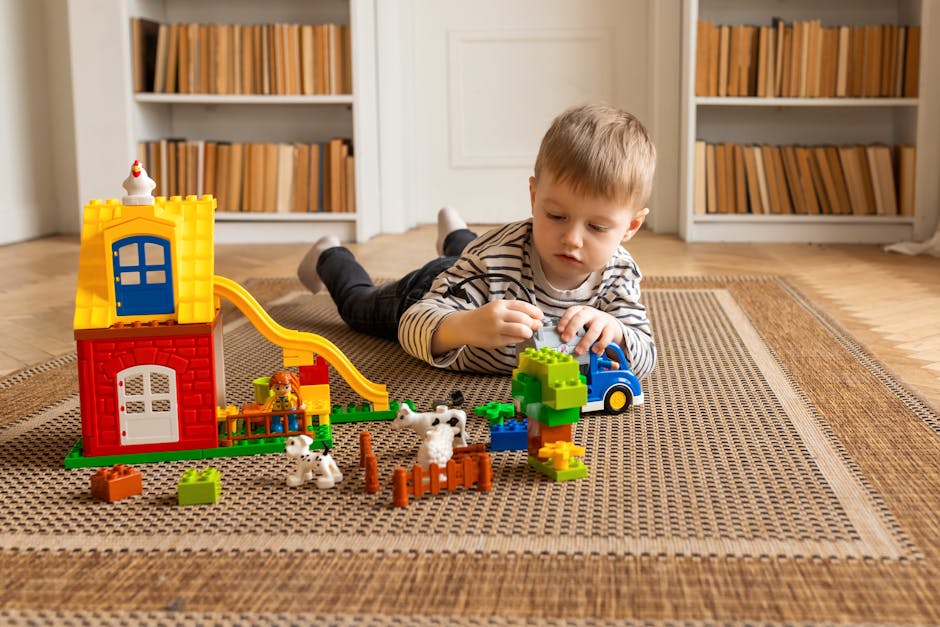
- If your child resists traditional talk therapy: Don’t force it. Ask specifically about play therapy, art therapy, or animal-assisted therapy options. These approaches don’t require your child to articulate their feelings verbally — which, developmentally, most young children can’t do reliably anyway.
- If you want to be actively involved: Request dyadic sessions or at minimum ask the therapist for structured “homework” activities you can do at home together. The research is crystal clear that parental involvement accelerates outcomes.
- If you’re in a rural area with limited access: Teletherapy for children has improved enormously. Platforms offering child-specific online therapy now incorporate interactive digital tools that replicate many elements of in-person play therapy — look for licensed platforms that list their evidence base explicitly.
- If you’re unsure where to start: A developmental pediatrician is often a more accessible first contact than a child psychologist, and they can provide referrals based on a clinical picture of your child’s specific needs.
The most important takeaway from all of 2026’s research is this: early intervention dramatically outperforms late intervention. If something feels off with your child’s emotional or behavioral patterns, trust that instinct and seek an assessment. You don’t need a crisis to justify getting support.
Editor’s Comment : What excites me most about where child psychology therapy stands in 2026 isn’t just the technological sophistication — it’s the philosophical shift. The field is moving away from a “fix the child” model toward a “support the whole child within their relationships and environment” model. That’s not just good science; it’s good humanity. If you’re a parent reading this, give yourself some grace too — seeking help for your child is one of the most loving things you can do, and the options available to you today are genuinely better than they’ve ever been.
📚 관련된 다른 글도 읽어 보세요
- 2026년 AI 기반 맞춤형 학습 플랫폼 추천 TOP 5 – 내 공부 스타일에 딱 맞는 서비스는?
- How Play Builds Your Toddler’s Social Skills: Science-Backed Methods Every Parent Should Know in 2026
- AI Ethics & Digital Literacy in Education: What Schools Must Get Right in 2026
태그: [‘child psychology therapy 2026’, “children’s mental health research”, ‘play therapy for kids’, ‘neurofeedback children’, ‘trauma informed therapy children’, ‘dyadic therapy parent child’, ‘child anxiety treatment’]
Leave a Reply