A few months back, I was chatting with a friend who runs a small e-commerce brand. She’d spent weeks stuffing her product pages with high-volume keywords she pulled from a free tool, hit publish, and then… crickets. Not a single meaningful bump in traffic. She called me frustrated, convinced that “SEO keyword research is just a scam for big brands.” Sound familiar?
Honestly, I’ve been there too. Early in my blogging career, I treated keyword research like a numbers game — the bigger the search volume, the better. Spoiler: that approach burned more hours than it ever returned. So let me share what I’ve actually learned, including the mistakes that still sting a little to admit.
The Volume Trap: Why Chasing Big Numbers Fails Most Bloggers
Here’s the uncomfortable truth that most “SEO guides” gloss over: a keyword with 100,000 monthly searches means almost nothing if the competition is dominated by Reddit, Forbes, and Amazon. When you plug a term into a tool like Ahrefs or Semrush and see a Keyword Difficulty (KD) score above 70, you’re essentially queuing behind players with domain authorities of 80+. For a site under two years old, that’s not a strategy — it’s a wish.
In 2025, the landscape has shifted even further. Google’s Search Generative Experience (SGE) now surfaces AI-generated summaries for a huge chunk of informational queries, which means organic click-through rates on head terms have dropped noticeably. Some studies tracking SGE rollout data show CTR reductions of 18–25% on top-of-funnel informational keywords compared to pre-SGE baselines. If you’re writing “What is keyword research” and expecting traffic, that snippet is being eaten alive.
What Actually Moves the Needle: Intent Clustering Over Isolated Keywords
The shift I made that genuinely changed my results was moving from targeting individual keywords to building intent clusters. Instead of optimizing one page for “best project management tools,” I’d map out the full decision journey:
- Awareness stage: “why teams miss project deadlines” (informational, low KD)
- Comparison stage: “Asana vs Notion for remote teams” (commercial, medium KD)
- Decision stage: “Asana pricing plans 2025” (transactional, often lower competition than you’d expect)
- Post-purchase: “Asana automation not working” (problem-solving, near-zero competition, high buying-signal audience)
When you cover the whole cluster, internal linking strengthens topical authority, and Google starts treating your domain as a reliable source on that subject. I’ve seen this approach lift a 6-month-old blog from zero to 4,000 monthly organic visitors within three content cycles — no black-hat tricks, no link schemes.
Tools Worth Your Money in 2025 — And One Free Setup That Surprises People
Let’s be practical. Not everyone has a $200/month Semrush subscription in the budget. Here’s how I’d tier the options:
- Ahrefs ($99–$199/month): Still the gold standard for backlink analysis and keyword explorer accuracy. Their “Traffic Share” feature is underrated for spotting clusters your competitors are winning.
- Semrush ($139+/month): Stronger for on-page auditing and PPC competitor data. If you run paid ads alongside SEO, this dual utility justifies the cost.
- Mangools KWFinder ($29–$79/month): Genuinely solid for bloggers and small agencies. KD scores can be slightly optimistic, so cross-reference with a manual SERP check.
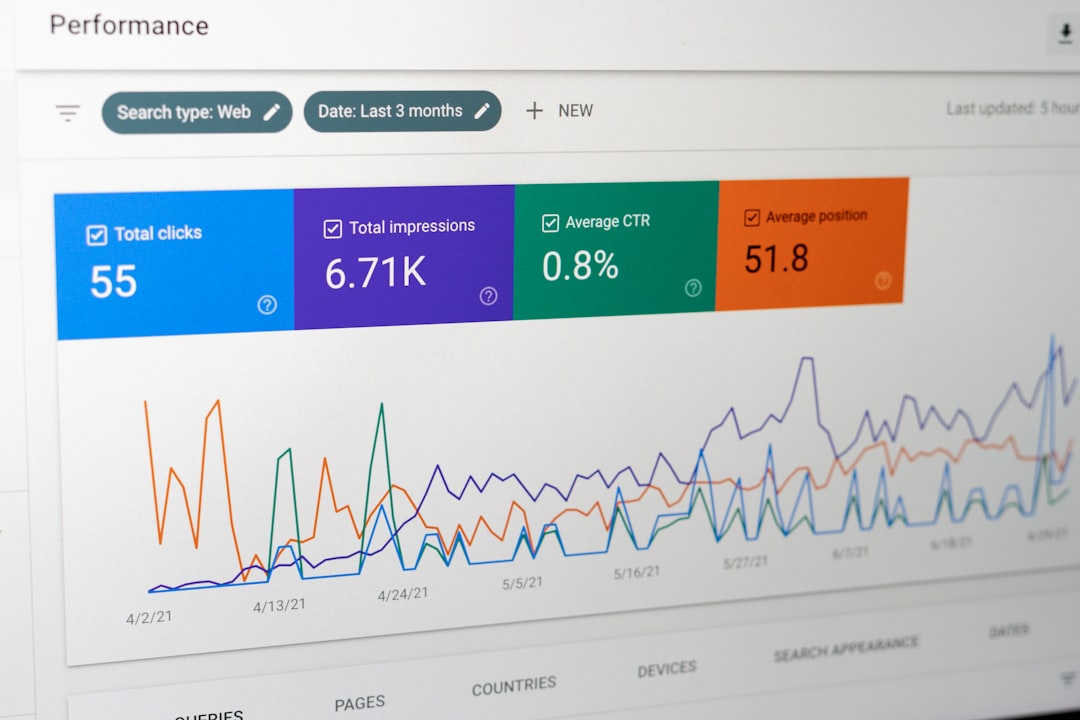
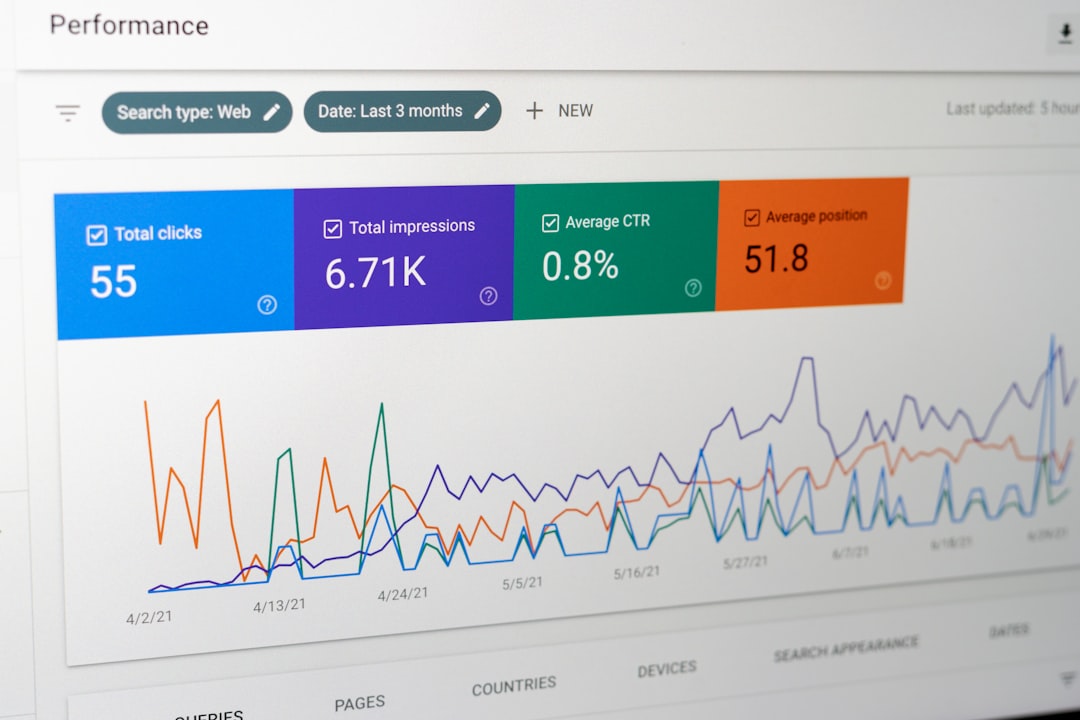
- Free combo — Google Search Console + AnswerThePublic (free tier) + Google Trends: Underestimated. Search Console shows you what you’re already ranking for but not capitalizing on. That’s found money. Pair it with AnswerThePublic’s question-format queries and you’ve got a content calendar that costs nothing.
One tool worth flagging specifically for 2025: Perplexity AI’s search patterns. Watching what questions get AI-generated answers (and where the answers are incomplete or hedged) tells you where there’s still an editorial gap a well-researched blog post can fill. It’s not a traditional keyword tool, but it’s become part of my weekly research ritual.
The Long-Tail Goldmine That Most People Ignore
Here’s a case study I’m happy to share. A travel blog I consult for was stuck at around 800 monthly sessions despite publishing twice a week. We audited their keyword targeting and found they were consistently going after 4–5 word phrases with KD scores between 45–65. We pivoted to 7–10 word ultra-specific queries — things like “budget solo travel Japan under 1500 dollars two weeks” — with search volumes of 200–800/month but KD scores below 20.
Within four months, those “tiny” keywords were pulling consistent traffic, the pages were ranking in positions 1–5, and because the intent was so specific, the bounce rate dropped from 78% to 51%. Advertisers and affiliate partners pay for intent, not raw impressions. That blog’s affiliate revenue grew by roughly 34% in the same window.
The lesson? A keyword with 400 monthly searches that you can own completely is worth more than a 40,000-volume keyword where you’ll fight for a page-three slot.
Common Mistakes That Still Hurt People in 2025
- Ignoring search intent mismatch: Ranking for a keyword where the SERP shows listicles when your page is a single-product review is an uphill battle. Match format to intent first.
- Over-optimizing for one exact-match keyword: With Google’s NLP improvements, semantic coverage matters more than keyword density. Write for humans, include related terms naturally.
- Skipping SERP analysis: Before writing anything, spend five minutes on the actual search results page. Who’s ranking? What format dominates? What angles haven’t been covered?
- Neglecting keyword cannibalization: If you have three pages accidentally competing for the same term, Google splits authority between them and none ranks well. A simple site:yoursite.com “your keyword” check catches this fast.
- Setting and forgetting: Keywords decay. A term that drove traffic in early 2024 might now be dominated by AI overviews or a newly viral competitor. Quarterly audits aren’t optional anymore.
A Realistic Starting Framework for 2025
If you’re rebuilding or starting fresh, here’s the simplified process I’d actually follow:
- Pick a niche topic and map 3–5 reader “jobs to be done” (what problem are they solving?)
- Use Google’s “People Also Ask” and autocomplete to surface real language — this is free and often more accurate than tool-generated suggestions for low-volume niches
- Filter by KD below 30 if your domain is under 12 months old; below 45 if you’re in year two or three
- Check monthly volume: aim for a sweet spot of 300–3,000 searches — enough to matter, not so competitive you’ll wait two years for traction
- Audit the top 5 ranking pages for word count, format, and missing subtopics — that gap is your edge
- Build in clusters of 5–8 related pieces before moving to a new topic
None of this is revolutionary, but the discipline of actually following it consistently is rarer than you’d think.
From one content strategist to another: keyword research in 2025 isn’t harder — it’s just more honest. The shortcuts that worked five years ago (exact-match stuffing, volume-first thinking, ignoring intent) have been systematically closed off. What’s left is the slower, more satisfying work of genuinely understanding what your reader is trying to accomplish and building content that serves that goal better than anything else on page one. If your friend’s product pages are still struggling, start by asking not “what keywords should I add?” but “what decision is my customer trying to make right now?” — the keywords will follow naturally from there.
📚 관련된 다른 글도 읽어 보세요
- 옆집 아이는 어떻게 고쳤을까? 아동 분리불안 극복 전문가 조언 7가지 [2026 최신]
- Future-Proof Your Kids: STEM Education Strategies That Actually Prepare Them for 2026 and Beyond
- Why Is My Child Not Talking Yet? Understanding Speech Delay Causes and Proven Solutions in 2026
태그: keyword research, SEO strategy 2025, long-tail keywords, search intent, content marketing, keyword tools, organic traffic
Leave a Reply