A friend of mine — sharp traveler, been to 30+ countries — nearly missed her Seoul connection last spring. Not because of traffic, not because of a delayed train. Because she trusted a routing app that didn’t account for the terminal transfer shuttle time at Incheon International Airport. She made it with four minutes to spare. Four. That story stuck with me, and it’s exactly why I wanted to put together a genuinely practical breakdown of how airport transfers actually work in 2025, with real timings, costs, and the stuff that doesn’t show up on any app.
Why Airport Transfers Are More Complicated Than They Look
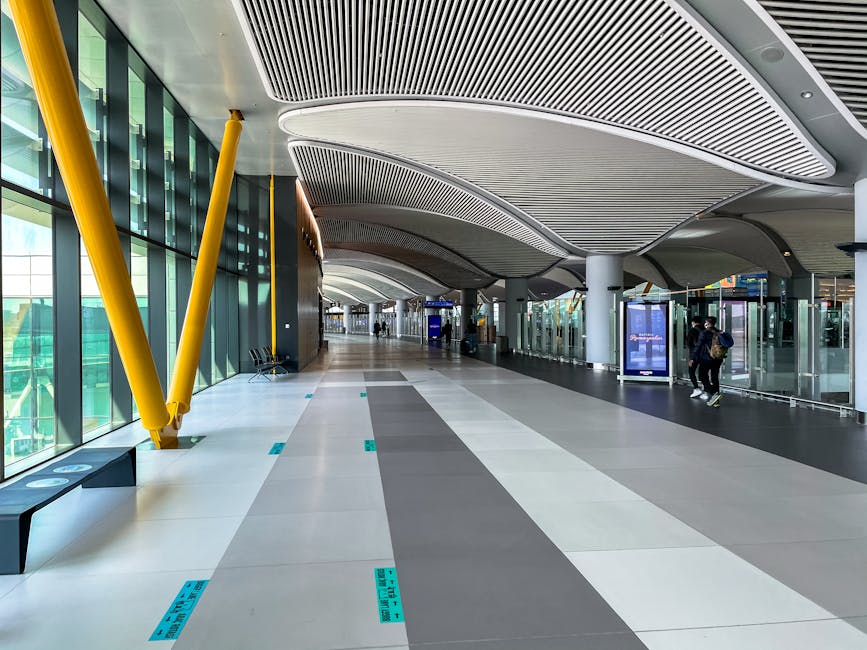
Let’s be honest — “airport transfer” sounds like the simplest part of any trip. You land, you get in something, you go where you need to go. But once you start digging, especially at major international hubs, it’s a layered logistics puzzle. Incheon (ICN), for example, operates across Terminal 1 and Terminal 2. Korean Air, Delta, and Air France use T2. Almost everything else uses T1. The inter-terminal shuttle runs every 5–8 minutes but takes 18 minutes one way — and that’s before you re-clear security.
This isn’t unique to Korea. London Heathrow has five terminals. Kuala Lumpur’s KLIA and KLIA2 are a 20-minute bus ride apart. Handling these gaps poorly is one of the most common reasons travelers miss connections or get stranded with a confirmed booking and zero options.
The Real Cost Breakdown in 2025
Here’s where I want to give you actual numbers, not ranges so wide they’re useless:
- AREX Express Train (Incheon → Seoul Station): ₩9,500 (~$7 USD) one way, 43 minutes, departs every 30 minutes. No stops. This is the move for city-center arrivals.
- AREX All-Stop Train: ₩4,950 (~$3.70 USD), takes 66 minutes, but connects to more subway lines mid-route — better if you’re heading to Hongdae or Suseo.
- Limousine Bus (KAL/Airport): ₩17,000–₩23,000 depending on destination zone, 60–90 min in normal traffic, but in rush hour (7–9am, 5–8pm) budget 2+ hours.
- Kakao/Uber-style Taxi (T-map Taxi or Kakao T): ₩65,000–₩85,000 to central Seoul. Flat-rate options available. Surge pricing applies after midnight.
- Private Transfer (pre-booked van/sedan): ₩90,000–₩130,000 depending on vehicle class. Recommended for groups of 3+ or with heavy luggage — cost-neutral and zero stress.
The math changes fast when you’re traveling in a group. Two people taking the express train still costs less than a taxi, but three people in a private transfer beats both on price and comfort. Run the numbers for your party size before defaulting to the train reflex.
International Comparisons: What Other Airports Do Right (and Wrong)
I’ve been pulling data from actual traveler reports and airport authority updates through early 2025, and a few patterns stand out:
Changi Airport (Singapore) remains the gold standard. The Skytrain between terminals is free, runs every 2–3 minutes, and the MRT to the city center (Jewel/T1 station) costs SGD $2.90 (~$2.15 USD) and takes 30 minutes. No decision fatigue. The infrastructure makes the right choice obvious.
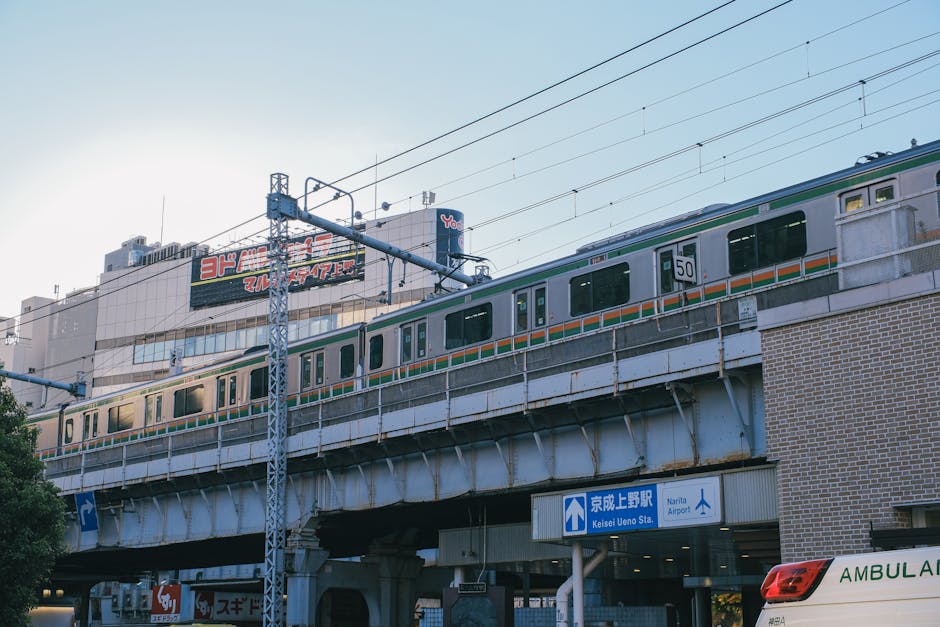
Tokyo Narita (NRT) is the cautionary tale. It’s 60km from central Tokyo, the Narita Express (N’EX) costs ¥3,070 (~$20 USD) and takes 60 minutes — but only if you’re going to Shinjuku or Tokyo Station. Going anywhere else, you’re transferring, and the last N’EX departs around 9:30pm. Miss it, and you’re looking at ¥20,000+ in taxi fares. Always check last-departure times at Narita.
Dubai DXB has arguably the best metro-to-airport integration in the Middle East. The Red Line connects directly to Terminal 1 and 3 for AED 11.15 (~$3 USD) in Gold Class, and runs until 1am (2am on Saturdays). Terminal 2 — used mostly by budget carriers — is not metro-connected, which catches people off guard.
The Situations Where You Should NOT Use Public Transit
I’m a big fan of trains and buses for airport transfers, but there are real scenarios where they’re the wrong call:
- Early morning departures (before 5:30am): Most metro systems don’t run. You’re looking at taxis or pre-booked private transfers. At Incheon, the first AREX Express departs Seoul Station at 5:20am — if your flight boards at 6:10am, do the math backwards.
- Large or fragile luggage: Musical instruments, ski gear, oversized photography equipment. Trains work, but you’ll be that person in the aisle apologizing for your cello case.
- Tight connections under 90 minutes: If you have less than 90 minutes between landing and your next departure at a multi-terminal airport, do not experiment. Take a taxi or airport shuttle. The predictability is worth the premium.
- Traveling with small children or elderly passengers: Escalator gaps, platform crowding, heavy bags — the physical toll adds up. Factor this honestly.
Booking Platforms and Tools That Actually Work in 2025
A few resources worth bookmarking:
- KKday and Klook both offer pre-bookable private transfers for major Asian airports with real-time driver tracking. Prices are often 15–20% cheaper than hotel concierge bookings.
- Rome2rio is still the best multi-modal comparison tool — just verify the transit times against the official operator’s site before committing.
- Google Maps is fine for city navigation but consistently underestimates airport transfer times by 20–30% because it doesn’t model terminal-switch delays or security re-entry queues.
- Official airport apps (Incheon Airport app, Changi Airport app) have real-time shuttle tracking and are worth downloading before you land.
Building Your Transfer Buffer: A Practical Framework
Here’s how I think about this now after too many close calls and one actual missed connection years ago:
- Domestic → Domestic connection at a single-terminal airport: 60 minutes minimum.
- International → Domestic at a multi-terminal airport: 2.5 hours minimum. You’re clearing immigration, customs, rechecking bags, and switching terminals.
- International → International at a multi-terminal hub: 90 minutes if same terminal, 2+ hours if different terminal. Always verify which terminal your onward flight departs from before you book, not after.
- Red-eye arrivals + morning city departure: Build in a hotel night. Seriously. The ₩80,000 airport hotel room beats a missed morning meeting every time.
The framework sounds obvious when you write it out, but the number of people who skip the terminal-check step is genuinely surprising. Airlines don’t always tell you. Booking platforms don’t always surface it. You have to look it up manually.
💬 One last thought from the road: The best airport transfer strategy isn’t the cheapest or the fastest — it’s the one you’ve actually verified against the real schedule and real terminal layout for your specific itinerary. Spend 10 minutes with the official airport site before every trip. It’s the highest-ROI travel prep habit I know, and it’s saved me from being the person sprinting through a terminal with their shoes untied more times than I’d like to admit.
📚 관련된 다른 글도 읽어 보세요
- 실제로 해보니 이렇더라 — 2026년 기준 한번에 성공하는 Cursor AI 실제 세팅법
- 옆집 애는 다 하는데 내 아이만 뒤처지나? 2026년 미래 직업 대비 STEM 교육 전략 완전 정복
- 어릴때 이것 키워주지 않으면 후회해도 소용없어요. — 2026년 부모가 반드시 알아야 할 수학 사고력의 진실
태그: airport transfer guide, Incheon airport tips, international travel 2025, airport transit comparison, travel logistics, airport connection tips, Seoul airport transfer
Leave a Reply