A friend of mine — sharp, motivated, runs a small e-commerce shop — told me she spent three full weeks writing blog posts before realizing almost nobody was actually searching for the phrases she’d been targeting. Three weeks. Twenty-something hours of work. Roughly zero organic traffic. Sound familiar? That story is exactly why I want to sit down with you and actually think through what keyword research looks like when it’s done in a way that connects to real people and real search behavior in 2025.
Because here’s the thing: the advice floating around hasn’t kept up. A lot of what you’ll read still treats keyword research like it’s a numbers game — find high volume, stuff it in, repeat. But search engines (and, more importantly, searchers) have gotten a lot more sophisticated. Let’s dig into what actually works right now.
What Keyword Research Actually Means in 2025
Keyword research is the process of identifying the specific words and phrases your target audience types into search engines when they’re looking for information, products, or solutions. But in 2025, it goes deeper than just finding popular search terms. Google’s Search Generative Experience (SGE) and AI-assisted SERP features mean that a page ranking for a keyword today needs to satisfy intent clusters, not just a single phrase.
Think of it this way: if someone searches “best running shoes for flat feet,” they’re not just looking for a product list. They want to understand why flat feet matter for shoe selection, what features to look for, maybe some brand comparisons, and ideally validation that they’re not alone in this struggle. That’s a cluster of related intents wrapped around one keyword.
The practical implication? Your keyword research needs to map to the full topic ecosystem, not isolated terms.
The Data Side: Numbers You Should Actually Care About
Let’s talk metrics, because not all keyword data is created equal. Here are the figures worth paying attention to:
- Search Volume: Monthly average searches for a term. Useful as a rough benchmark, but misleading in isolation. A keyword with 500 monthly searches and strong buyer intent can outperform a 10,000-search informational term for conversion goals.
- Keyword Difficulty (KD): Most tools score this 0–100. In 2025, anything above KD 60 realistically requires a domain authority of 40+ and a solid backlink profile to compete on page one. New sites should target KD 0–30.
- Click-Through Rate (CTR) Potential: With AI Overviews appearing on roughly 15–20% of Google SERPs as of early 2025 (per Search Engine Land data), some informational queries now see organic CTR drop below 2%. Factor this in when prioritizing purely informational keywords.
- Cost Per Click (CPC): Even if you’re not running ads, high CPC keywords signal commercial intent. A keyword with $4+ CPC in Google Ads is usually worth fighting for organically.
- Search Trend Direction: A keyword with 2,000 monthly searches that’s been growing 30% year-over-year is more valuable than one at 5,000 searches in slow decline. Google Trends is free and underused.
Tools Worth Using — And What Each One Is Actually Good For
Let me be direct here: no single tool gives you the complete picture. Here’s how the major players break down in 2025:
- Ahrefs: Still the gold standard for backlink data and keyword difficulty accuracy. Their “Keywords Explorer” is excellent for finding keyword clusters and SERP feature breakdowns. Pricing starts around $129/month, which is steep for solo operators.
- Semrush: Better than Ahrefs for competitive gap analysis and their “Keyword Magic Tool” for surfacing long-tail variations. Their free tier allows 10 searches per day, which is genuinely useful for getting started.
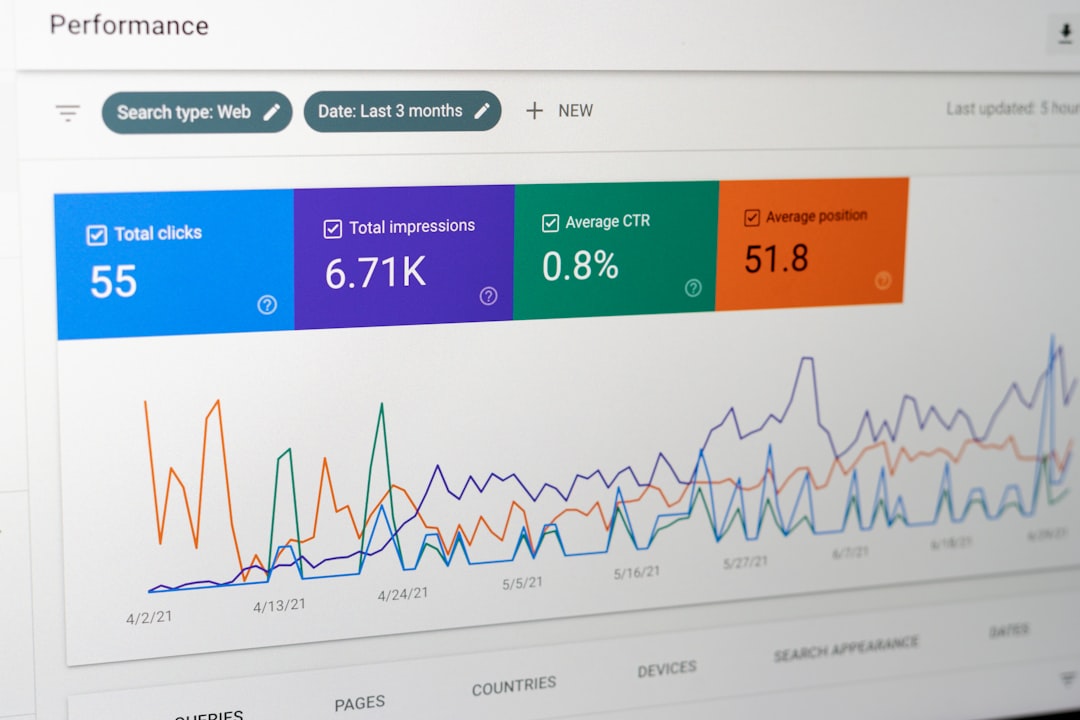
- Google Search Console (GSC): Completely free and criminally underrated. If your site has any existing traffic, GSC shows you exactly what queries triggered impressions and clicks — real data, not estimates. Always start here.
- Keyword Surfer (Chrome extension): Free, shows search volume inline as you browse Google. Great for quick gut-checks during research sessions.
- AlsoAsked.com: Surfaces “People Also Asked” data in a visual mind-map. Invaluable for understanding intent clusters and building out content structure.

The Long-Tail Strategy: Where New Sites Actually Win
Here’s the honest reality for anyone starting out in 2025: you’re not ranking for “coffee maker” anytime soon. But “best pour-over coffee maker for camping under $80”? That’s a different conversation. Long-tail keywords — typically 4+ words, lower volume, highly specific — are where you can actually gain traction while building authority.
The math works in your favor: a page ranking #2 for a 200-search/month long-tail term that converts at 8% is generating meaningful results. Aggregate 30 of those pages and you have a real business asset. Ahrefs research consistently shows that over 90% of all keywords get fewer than 10 searches per month — meaning the long tail is enormous and largely uncrowded.
Practical process for finding long-tail gold:
- Start with a “seed” keyword (e.g., “protein powder”)
- Run it through Semrush’s Keyword Magic Tool, filter by KD under 25
- Look for question-format variations — these often trigger Featured Snippets
- Cross-reference with AlsoAsked to understand the broader topic tree
- Check GSC for any existing queries your site already gets impressions for — these are low-hanging fruit to optimize
Understanding Search Intent: The Step Everyone Skips
Matching keyword to intent is where most people fall short. Google classifies search intent into four buckets, and getting this wrong means writing content that never ranks — even for terms you technically target.
- Informational: “How does protein synthesis work” — the user wants to learn. Best served by comprehensive guides, explainers, or how-to content.
- Navigational: “Myprotein login” — the user wants a specific site or page. Targeting these for your own brand is valid; targeting competitors’ navigational terms rarely converts.
- Commercial Investigation: “Best protein powder for muscle gain 2025” — the user is comparing options before buying. Comparison articles, reviews, and roundups work here.
- Transactional: “Buy whey protein 5lb tub” — the user is ready to purchase. Product pages and landing pages serve this intent.
The quick way to identify intent: look at the existing top-10 results for a keyword. If page one is all listicles, you need a listicle. If it’s all product pages, write a product page. Google is already telling you what intent it assigns to that query.
Real-World Case: How a Niche Blog Went from 0 to 40K Monthly Visitors
One well-documented case study from the SEO community involves a home improvement blog that launched in early 2024 with a strict long-tail, intent-matched strategy. Instead of targeting broad terms like “bathroom renovation,” the creator systematically went after phrases like “how to regrout shower tiles without removing old grout” (KD: 18, ~1,100/month) and “cost to install heated floor in small bathroom” (KD: 12, ~800/month).
By month eight, the site was pulling 40,000+ monthly organic visitors across 120 posts — averaging roughly 333 visitors per post. The revenue model was affiliate links and display ads. The key was ruthless intent-matching: every informational post included a “what to buy” section targeting transactional sub-intent. No keyword was chosen without first manually checking what the SERP looked like and confirming the intent fit.
The lesson isn’t that you need 120 posts. It’s that consistent, research-backed content creation compounds over time in a way that guesswork simply doesn’t.
Common Mistakes That Silently Kill Your Keyword Strategy
- Targeting keywords without checking SERP competitiveness manually: A KD of 30 in one tool might mean something entirely different if the top results are all high-authority sites with thousands of backlinks.
- Ignoring seasonal fluctuations: A keyword with “flat” annual volume might spike 400% in November. Google Trends reveals this; most keyword tools average it out.
- Keyword cannibalization: Two pages on your site targeting the same keyword compete against each other, splitting signals. Audit your content regularly and consolidate where necessary.
- Over-optimizing for exact match: In 2025, semantic relevance matters more than keyword density. Writing naturally around a topic tends to outperform mechanical keyword insertion.
- Neglecting your existing content: Updating a post that’s ranking on page two for a valuable keyword often delivers faster results than writing something entirely new.
A Realistic Starting Framework
If you’re building a keyword strategy from scratch right now, here’s a simplified process that actually holds up:
- Week 1: Identify 5–10 “seed” topics directly relevant to your niche. Use Semrush or Ahrefs to expand each into keyword lists. Filter aggressively for KD under 30 and clear intent match.
- Week 2: Prioritize 20–30 keywords from that list based on a simple scoring system: (volume × intent alignment) / difficulty. You’re looking for the sweet spot, not the highest number.
- Week 3 onward: Create content systematically. One piece per keyword cluster, structured around the intent you identified. Track rankings in GSC and revisit after 60–90 days.
This isn’t glamorous. It’s spreadsheets and patience. But the sites that grow consistently in 2025 are almost always the ones where someone sat down and did this work methodically rather than chasing trending topics or guessing.
The tools will get smarter. The AI features will evolve. But the underlying principle — understand what your audience is actually looking for, then create something that genuinely serves that need — that’s not going anywhere.
💬 Final thought: If your current content strategy feels like throwing things at a wall, keyword research isn’t a magic fix, but it is the map that tells you which wall to aim at. Start small, stay consistent, and let the data guide your next move rather than your gut. You’ve got more control over this than it sometimes feels like you do.
📚 관련된 다른 글도 읽어 보세요
- AI-Powered Personalized Learning Systems in 2026: The Future of Education Is Already Here
- 지금 모르면 진짜 손해 — 2026년 기준 화목보일러 선택부터 설치까지 완전 정복
- 우리 애만 말이 늦는 건가요? 아동 언어 발달 지연 원인 7가지 + 2026년 검증된 해결법
태그: []
Leave a Reply