A buddy of mine spent the better part of last spring building what he called his ‘ultimate off-grid cabin setup.’ Solar panels on the roof, a lithium battery bank in the shed, and a brand-new inverter wired up to power everything from the coffee maker to the router. Then the Pacific Northwest did what it does — three weeks of overcast, drizzly weather — and the whole system started throwing low-voltage cutoff errors he’d never seen before. He called me frustrated, convinced his panels were defective. Spoiler: they weren’t. This story is way more common than you’d think, and it’s exactly why I wanted to dig into how off-grid power systems actually behave versus how the spec sheets say they should.
The Numbers Gap: What Rated Wattage Actually Means in Real Conditions
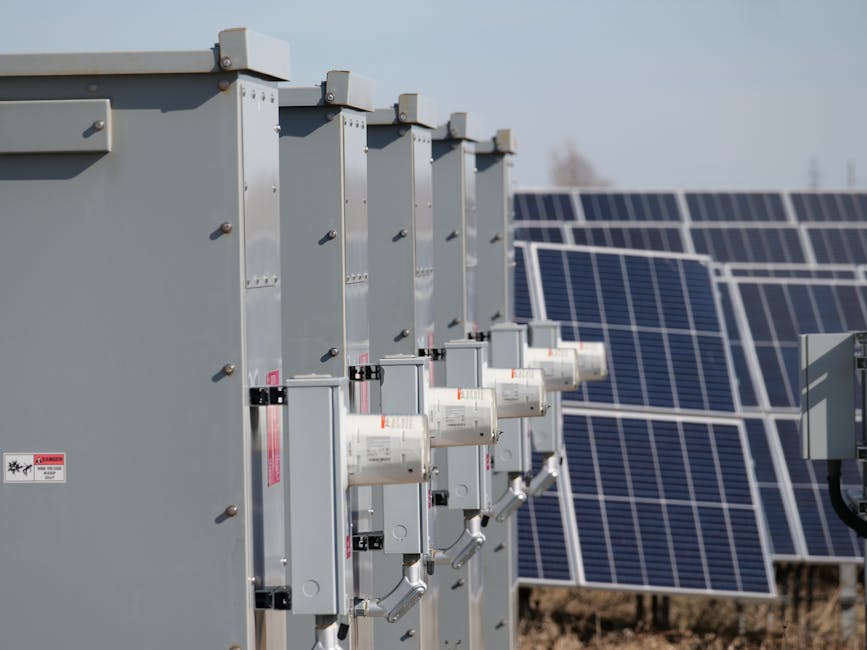
Here’s the thing most beginner guides gloss over: panel wattage ratings are measured under Standard Test Conditions (STC) — 1000 W/m² irradiance, 25°C cell temperature, and an air mass of 1.5. Real-world conditions almost never match this. In practical deployments, you can expect 70–80% of rated output on a clear summer day, and as low as 10–25% on heavy overcast days. A 400W panel sitting on your cabin roof in December in the Pacific Northwest might be producing 40–80W on a cloudy afternoon. That’s not a defect — that’s physics.
The error codes my friend was seeing — specifically a BMS (Battery Management System) low-voltage disconnect, usually around 10.5V for 12V systems or 44–46V for 48V LiFePO4 packs — were the battery’s self-protection kicking in. His panels simply weren’t generating enough to offset his daily consumption of roughly 1.8 kWh. When generation drops below consumption for multiple days straight, depth-of-discharge creeps past safe limits.
Sizing Your System: The Math You Can’t Skip
Let’s talk real numbers so you can actually size a system that won’t leave you in the dark. The foundational formula is:
Required Panel Wattage = (Daily kWh Consumption × 1000) ÷ (Peak Sun Hours × System Efficiency)
System efficiency for a well-built setup is typically 0.75–0.80 when you factor in MPPT controller losses (~3%), inverter losses (~5–8%), wiring resistance, and temperature derating. Peak sun hours vary dramatically by location — Phoenix averages about 6.5 PSH, Seattle drops to around 3.5 PSH in winter, and parts of Alaska can fall below 2 PSH in December.
- Daily Load Audit First: List every device, its wattage, and hours of daily use. Don’t guess — use a kill-a-watt meter or smart plug with energy monitoring.
- Size for your worst month: If you’re building a year-round system, design around your lowest PSH month, not the annual average.
- Battery bank sizing: Aim for 2–3 days of autonomy (consumption without any solar input) for a resilient system. For LiFePO4, you can safely use 80% depth of discharge; for lead-acid, keep it above 50%.
- MPPT vs PWM controllers: MPPT (Maximum Power Point Tracking) controllers like the Victron SmartSolar series or EPever Tracer pull 15–30% more energy from your panels compared to PWM — non-negotiable for anything beyond a tiny weekend setup.
- Inverter sizing: Match surge capacity to your largest motor load (well pumps, refrigerators). A 2000W continuous inverter should handle surges to at least 4000W.
Battery Chemistry: LiFePO4 vs AGM in 2025
This is where the market has shifted meaningfully. Three or four years ago, AGM (Absorbent Glass Mat) lead-acid batteries were the default recommendation for budget off-grid builds. In 2025, LiFePO4 (lithium iron phosphate) has become cost-competitive enough that it’s often the smarter long-term buy. Here’s the breakdown:
A quality AGM battery like the Trojan T-105 or Renogy Deep Cycle AGM costs roughly $150–$200 per kWh usable (at 50% DoD). A Battleborn 100Ah LiFePO4 or a EcoFlow DELTA Pro comes in around $400–$600 per kWh usable (at 80% DoD) — but it lasts 3,000–5,000+ cycles versus 400–800 cycles for AGM. Run the math on a 10-year lifespan and LiFePO4 is often cheaper per cycle by a factor of 2–3x.
The catch? Cold temperatures. LiFePO4 cells should not be charged below 0°C (32°F) without a built-in battery heater — doing so causes lithium plating on the anode and permanent capacity loss. If your battery bank sits in an unheated shed in Minnesota winters, either get a self-heating LiFePO4 pack (like the Renogy Smart Lithium series with integrated heating) or stick with AGM until you can climate-control the storage space.
Real-World Case Studies: What’s Actually Working
The off-grid community on platforms like diysolarforum.com and the r/SolarDIY subreddit has become a genuinely useful peer-review resource. A few patterns stand out from documented 2025 builds:
A homesteader in rural Vermont running a 1,200 sq ft cabin reported consistent year-round performance with a 3.6kW panel array (9 × 400W panels), a Victron Multiplus-II 48V/3000W inverter-charger, and 20kWh of LiFePO4 storage. Key to their success: a 3kW propane generator for backup during consecutive cloudy days, and a Victron Cerbo GX for real-time monitoring. Total system cost: approximately $14,000 installed. Their worst winter month averaged 3.2 PSH — right at the design threshold.
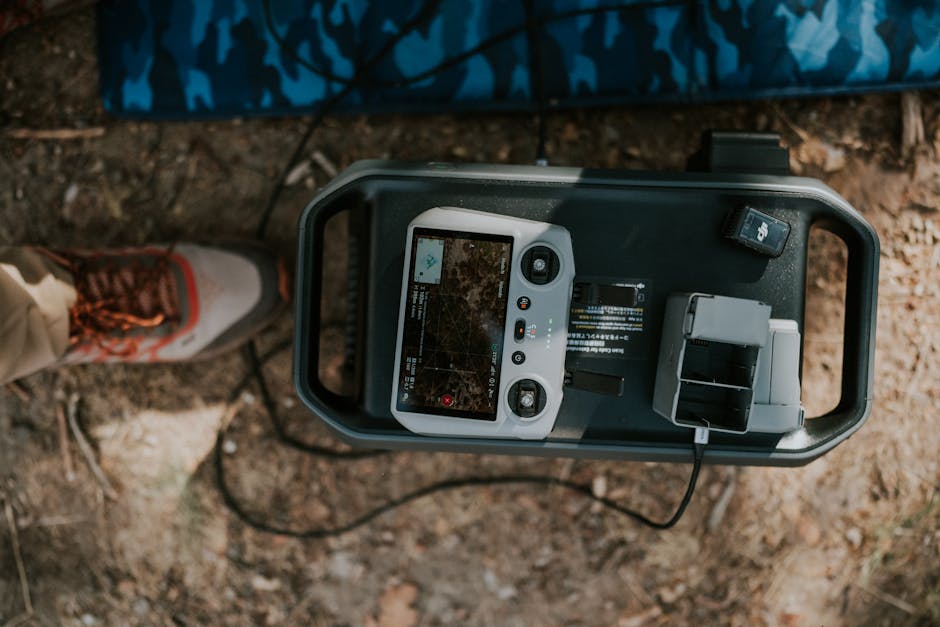
On the portable/van life end of the spectrum, builds using EcoFlow Power Stations (Delta 2 Max or Delta Pro) paired with 2–4 portable 200W panels have become popular because they sidestep complex wiring entirely. The trade-off is cost-per-kWh stored (EcoFlow charges a premium for the all-in-one convenience) and repairability — proprietary BMS systems are harder to service than DIY builds with modular components.
European off-grid builders have been early adopters of Pylontech US5000 rack-mount LiFePO4 modules paired with SMA Sunny Island or Victron equipment — a setup that scales cleanly from 5kWh to 50kWh by adding modules. This modular approach is gaining traction in North America through 2025 as battery prices continue dropping (the current industry benchmark is approximately $100–$120/kWh at the cell level for LiFePO4, down from $180+ in 2022).
The Mistakes That Actually Kill Off-Grid Systems
Beyond undersizing, here are the failure modes I see repeatedly in real builds:
- Wire gauge undersizing: Voltage drop on undersized wire between panels and controller causes power loss and heat buildup. Use a voltage drop calculator — for a 48V, 30A run of 20 feet, you want at least 10 AWG wire, preferably 8 AWG.
- Skipping a proper ground fault protection device (GFPD): Required by NEC 690.5 for roof-mounted systems, and genuinely important for safety — a ground fault in a DC system can sustain an arc that AC breakers won’t clear.
- Ignoring temperature coefficient: Solar panels lose roughly 0.3–0.5% output per °C above 25°C cell temperature. A panel in direct summer sun on a hot roof can hit 60–70°C cell temp, reducing output by 10–20% right when you expect peak production.
- No monitoring: Running blind is how systems silently degrade. A Victron SmartShunt ($60–$80) or similar Bluetooth battery monitor pays for itself in avoided failures.
- Series vs parallel wiring confusion: Wiring panels in series increases voltage (needed for MPPT efficiency on longer wire runs); wiring in parallel increases current. Mixing shaded and unshaded panels in series tanks output for the whole string — use microinverters or power optimizers if shading is unavoidable.
Realistic Alternatives When Full Off-Grid Is Too Much
If a full off-grid system feels like a bigger project than you’re ready for, there are staged approaches worth considering. A grid-tied system with battery backup (using something like the Enphase IQ Battery 5P or a Tesla Powerwall 3) gives you resilience during outages while the grid handles your baseline load. The permitting and interconnection process is more involved, but you get the safety net of utility power. If you’re in an RV, van, or cabin that’s used seasonally, an all-in-one unit like the EcoFlow DELTA Pro Ultra or Bluetti AC500+B300S might be the pragmatic sweet spot — no DIY wiring, firmware-managed BMS, and expandable capacity.
The honest answer is that off-grid power is a genuinely solvable engineering problem — but it requires doing the load audit, the sun-hours math, and the battery sizing exercise honestly rather than optimistically. My friend’s cabin system, by the way, got fixed with two additional 400W panels and a proper generator integration. He’s now running a monitoring dashboard on his phone and hasn’t seen a low-voltage cutoff since.
From the editor: If you’re just starting your off-grid journey in 2025, the single best investment before buying any hardware is two hours with a site-specific solar calculator like PVWatts (free, from NREL) and an honest 30-day load audit using a smart plug. The gear decisions get much easier once you have real numbers to work with — and you’ll avoid the expensive undersizing mistakes that frustrate so many first-time builders.
📚 관련된 다른 글도 읽어 보세요
- Why I Almost Missed My Flight Trusting Google Maps — Real 2025 Guide to Incheon Airport Terminal 1 vs Terminal 2
- Why I Almost Gave Up on Keto — A Real {year} Guide to Making It Actually Work
- Why I Almost Missed My Flight Trusting Google Maps — The 2026 Practical Guide to Narita Airport Transfer
태그: off-grid solar power, LiFePO4 battery system, portable solar setup, solar panel sizing guide, MPPT charge controller, DIY solar cabin, battery backup power 2025
Leave a Reply