So a friend of mine — seasoned traveler, mind you, someone who’s hopped between Tokyo and Seoul more times than I can count — nearly missed her JAL connection last spring because she blindly followed a transfer route she’d Googled the night before. The bus she planned on had been rerouted since a terminal renovation, and the app just… hadn’t caught up. That story stuck with me, because Narita Airport transfer options are genuinely more nuanced than any single travel blog makes them out to be. Let’s dig into this together and figure out what actually works in 2026.
The Narita Transfer Landscape Has Changed More Than You Think
Narita International Airport (NRT) isn’t Tokyo’s main airport anymore in terms of domestic connectivity — Haneda (HND) has eaten a lot of that market — but it remains Japan’s primary international gateway for budget carriers, charter flights, and a huge volume of long-haul traffic. As of 2026, three terminals are operational: Terminal 1 (T1), Terminal 2 (T2), and Terminal 3 (T3, budget terminal, primarily LCCs like Jetstar, Peach, and AirAsia Japan).
The critical mistake most visitors make is treating these terminals as interchangeable. They are not. T3 is roughly a 10–15 minute walk (or free shuttle) from T2, and T1 is a completely separate structure. Airside inter-terminal transfers exist but only between T1 and T2 — and only for certain airline alliances. If you’re on a codeshare and your two flights are on different terminals, budget at least 45–60 minutes for the landside transfer, not the 20 minutes the app estimates.
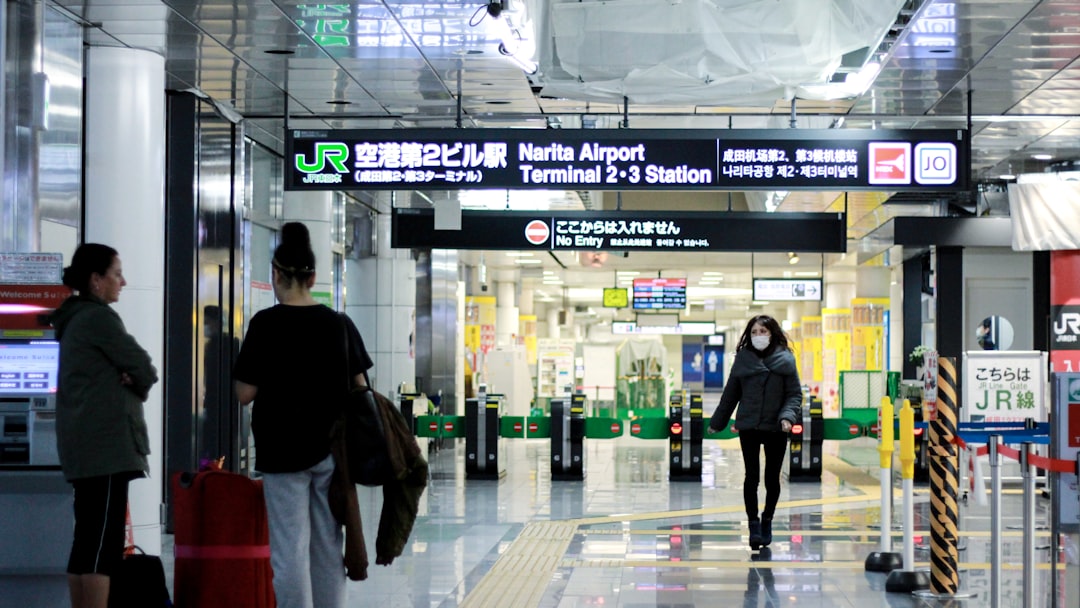
Breaking Down Every Transfer Mode — With Real Numbers
Let’s get concrete. Here are the main options from Narita to central Tokyo (around Shinjuku/Tokyo Station), updated for 2026 pricing and schedules:
- Narita Express (N’EX): ¥3,070 one-way to Tokyo Station (~55 min). IC card doesn’t work — you need a reserved ticket. Round-trip pass for foreign visitors: ¥5,000. Runs every 30–60 min depending on time of day. Best option if you have luggage and value reliability.
- Keisei Skyliner: ¥2,570 to Ueno (~41 min, fastest rail option). Combo passes with Tokyo Metro available from ¥2,900. Ideal if you’re staying in the east side of Tokyo (Asakusa, Akihabara, Ueno area).
- Keisei Limited Express (non-Skyliner): ~¥1,050 to Ueno, but takes 70–90 min with stops. Budget-friendly if time isn’t critical.
- Airport Limousine Bus: ¥3,200 to major hotels/Shinjuku. Takes 60–120 min depending on traffic. Huge advantage: drops you closer to specific hotels. Pre-booking online (limousinebus.co.jp) is strongly recommended in 2026 — cash-only queues during peak hours are brutal.
- Shared Taxi (MK Taxi / SKY Taxi): Fixed-price van service, roughly ¥27,000–¥32,000 for up to 9 passengers. Makes sense for groups of 4+, especially with heavy gear or odd hours.
- Regular Taxi: Metered, expect ¥20,000–¥30,000+ depending on destination. Do the math — almost never worth it solo.
The Transfer Trap Nobody Warns You About
Here’s where my friend’s story gets relevant to international transfers (not just city access). If you’re transiting at Narita — meaning you arrive on one international flight and depart on another without clearing immigration — the process is relatively smooth within T1 or T2. Both have dedicated transit lounges and clear signage in English. The Japan Airport Terminal Co. website (jal.co.jp/en and narita-airport.jp) both confirm transit passengers do not need a Japanese visa for stays under 72 hours in the transit zone.
However — and this is where things break down — if your arrival terminal and departure terminal differ (e.g., arrival at T2 on ANA, departure from T1 on a Star Alliance partner), you must clear immigration, collect bags, recheck, and go through security again. Immigration queues at Narita averaged 35–55 minutes during peak spring 2026 travel periods according to data shared by the Japan Tourism Agency. Factor this in if your layover is under 3 hours. The general rule: under 3 hours with terminal change = dangerously tight. Under 2 hours = consult your airline.
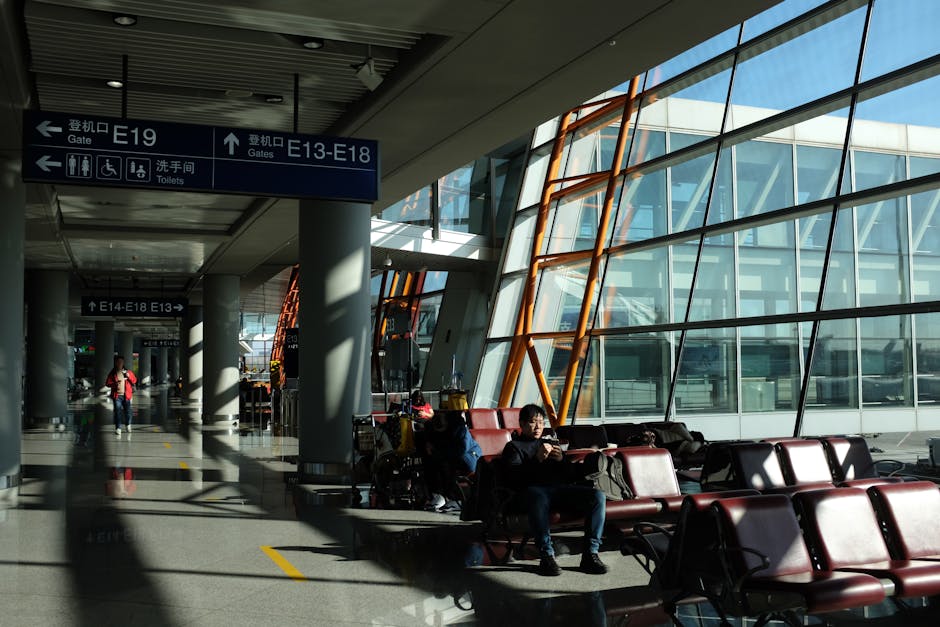
Practical Timing Benchmarks You Can Actually Use
I’ve compiled these from traveler reports, the official Narita Airport FAQ, and a few Japan travel forums (Japan Rail Pass community on Reddit and JapanTravel subreddit are gold mines for this kind of real-time data):
- Security (domestic connection): 15–25 min average, 35+ min during Golden Week or Obon
- Security (international departure): 20–40 min standard, 60+ min peak periods
- Baggage claim: 20–35 min for most international flights
- Immigration (arrival, non-Japanese passport): 30–60 min standard; automated gates for eligible nationalities cut this to ~10 min if you’ve pre-registered
- Inter-terminal shuttle T2 to T3: Free bus, runs every ~10 min, journey ~5 min but allow 20 min buffer
What the Locals and Long-Term Expats Actually Do
Here’s a pattern I’ve noticed from people who fly through Narita regularly: most of them book the Keisei Skyliner + Tokyo Metro combo pass, not the N’EX. The N’EX is marketed more heavily (it’s everywhere in tourist brochures), but the Skyliner is genuinely faster to Ueno, and from Ueno the metro reach is excellent. The combo pass deal at the airport costs around ¥2,900 and covers unlimited metro rides for 24–72 hours depending on the pass tier.
For the airport limousine bus, the trick locals use is pre-booking 2–3 days ahead on the official site rather than queuing at the counter. In 2026 the counter queues on Friday evenings and Sunday nights can stretch 30–40 minutes. Online booking takes 5 minutes and guarantees your seat.
If You’re Connecting to Another Asian City (Not Just Tokyo)
Narita functions as a hub for JAL and ANA connections across Asia — Seoul Incheon, Hong Kong, Singapore, Taipei Taoyuan. Minimum connection times (MCTs) posted by these airlines are typically 60–75 minutes for same-terminal, same-airline connections. In practice, given 2026 security staffing patterns and the occasional immigration tech glitch (the automated gate system had a documented outage in February 2026 that delayed processing by ~40 min), I’d personally never book under 90 minutes for any international-to-international connection here unless I had absolutely no checked luggage.
- Same terminal, same airline, no bags: 75 min is workable
- Different terminal, bags to recheck: 3 hours minimum, seriously
- Last flight of the day: If you miss it, Narita has two on-site hotels (Narita Tobu Hotel Airport, ANA Crowne Plaza) plus several shuttle-connected options — prices spike after 9pm so book ahead if your first leg is delayed-prone
A Note on Connectivity and Tech Tools in 2026
Free Wi-Fi at Narita (NRT_FREE_WIFI) requires a registration step that resets every 3 hours — annoying for long layovers. Most frequent visitors just get a SIM or pocket WiFi from the arrival-level counters (IIJmio, IFF, and several others have counters open roughly 7am–11pm). A 7-day data SIM runs about ¥2,000–¥3,500 and saves you the frustration of re-authenticating constantly. Google Maps works well for in-terminal navigation once you’re connected, but always cross-check bus departure times against the physical boards — the app refresh lag is real, as my friend would tell you.
Strong suggestion: download the Narita Airport official app before your trip. It has offline terminal maps and live flight status. Not glamorous, but functional in exactly the moments when glamour doesn’t matter.
Bottom line from someone who’s seen too many panicked sprints through Narita: The airport itself is well-designed and manageable — but only if you stop trusting estimates and start building buffers. If you’re transferring between terminals, add 45 min to whatever you think you need. If you’re heading into Tokyo, the Skyliner-Metro combo usually beats the N’EX unless you’re going to Shibuya/Shinjuku directly. And book that limousine bus online the night before — that one habit alone will save you a small but genuine amount of stress every single time.
📚 관련된 다른 글도 읽어 보세요
- Why My First Solo Trip to Cape Verde Almost Ended in Disaster — Honest 2025 Travel Guide
- 아직도 삽질 중? 2026년 기준 Docker + Nginx 리버스 프록시 한 번에 성공하는 실제 세팅법
- Why I Almost Missed My Flight Trusting Google Maps — Real 2025 Airport Transfer Guide for Incheon
태그: Narita Airport transfer, NRT transit guide, Tokyo airport access, Japan travel tips 2026, Narita Express vs Skyliner, airport connection time Japan, international transit Narita
Leave a Reply