Category: Uncategorized

  • What 2026’s Latest Research Reveals About Infant Attachment โ€” And How Parents Can Actually Use It

    Picture this: a tired new parent at 3 a.m., rocking their crying baby for what feels like the hundredth time, wondering, “Does any of this even matter?” Short answer? Absolutely yes โ€” and science in 2026 is giving us more precise, actionable reasons why than ever before. Infant attachment isn’t just a feel-good concept from old psychology textbooks. It’s a neurobiological framework that shapes how a child will regulate emotions, form relationships, and even respond to stress decades down the road.

    What’s exciting right now is that researchers are moving well beyond simply categorizing attachment styles (secure, anxious, avoidant, disorganized) and are diving into exactly what parents do โ€” moment by moment โ€” that builds or disrupts that bond. Let’s think through this together, because the nuance here is genuinely fascinating.

    parent holding newborn baby skin contact bonding infant

    ๐Ÿ“Š What the Latest Research Actually Shows (2026 Update)

    A landmark longitudinal study published in Developmental Psychobiology in early 2026 tracked 1,200 parent-infant dyads across 14 countries and identified something researchers are calling the “Responsive Window Effect.” In plain terms: it’s not just how often you respond to your infant’s cues, but how quickly and consistently you do so during the first 9 months of life that most strongly predicts secure attachment by age 2.

    Key data points from the study include:

    • Infants whose caregivers responded within 5โ€“10 seconds to distress signals showed measurably higher oxytocin baseline levels by 6 months โ€” oxytocin being the neurochemical most associated with trust and bonding.
    • Consistency mattered more than perfection. Parents who responded correctly about 70% of the time showed similar attachment outcomes to those responding 90% of the time โ€” a relief for every imperfect parent out there.
    • Screen-distracted non-response (the phenomenon of parents being physically present but mentally absent due to device use) was associated with a 23% higher rate of anxious attachment patterns โ€” a sobering but important finding for 2026’s hyper-connected households.
    • Fathers and co-parents who engaged in at least two daily “serve and return” interaction sessions (more on this below) independently contributed to secure attachment, regardless of the primary caregiver’s behavior. This powerfully dismantles the outdated notion that attachment is solely the mother’s domain.

    Separately, South Korea’s Korean Institute of Child Care and Education (KICCE) released its 2026 national infant study, which tracked 3,800 Korean families and found that parental attachment sensitivity was more predictive of infant social development than household income โ€” a finding that challenges the assumption that economic resources are the primary driver of child outcomes.

    ๐ŸŒ Real-World Examples: How Different Contexts Apply This Research

    It’s one thing to read data; it’s another to see how it plays out across different family structures and cultures.

    The Nordic “Slow Parenting” Model: Countries like Finland and Norway have long integrated attachment science into parental leave policy. In 2026, Finland extended its shared parental leave to 14 months, explicitly citing new research on paternal attachment windows. The result? Finnish pediatric mental health clinics report a 17% drop in early childhood anxiety diagnoses over the past five years. That’s not coincidence โ€” it’s policy meeting neuroscience.

    Japan’s Amae Framework Meets Modern Science: Japanese child psychology has long recognized amae (dependence/indulgence as a form of bonding), and 2026 research from Kyoto University validated that this culturally embedded practice aligns closely with the “serve and return” model championed by Harvard’s Center on the Developing Child. Cultures that normalize infant dependency โ€” rather than rushing toward independence โ€” tend to produce more securely attached children by measurable neurological markers.

    Urban U.S. Dual-Income Households: A Chicago-based pilot program called Attach Forward trained daycare workers in responsive caregiving techniques and found that children in these environments showed attachment security scores comparable to home-raised infants when parental engagement at home was also high. This matters enormously for the millions of parents who simply cannot avoid daycare โ€” quality of all caregiving environments compounds.

    mother father baby play interaction eye contact serve and return

    ๐Ÿ› ๏ธ The “Serve and Return” Practice โ€” Broken Down for Busy Parents

    “Serve and return” is Harvard’s shorthand for the back-and-forth interaction loop that literally builds neural pathways in your infant’s brain. Here’s how it works in practice and why it matters:

    • Serve: Your baby makes a sound, facial expression, or gesture โ€” this is the “serve.”
    • Return: You acknowledge and respond โ€” with eye contact, a matching facial expression, a word, or touch.
    • Why it works: Each successful exchange activates the prefrontal cortex and limbic system simultaneously, essentially teaching the infant that the world is responsive and safe โ€” the foundation of all future emotional regulation.
    • Quantity target: Researchers now suggest aiming for at least 20โ€“30 serve-and-return exchanges per waking hour during months 2โ€“9. This sounds daunting but often happens naturally during diaper changes, feeding, and bath time if you’re mentally present.
    • Common disruptor: Checking your phone mid-interaction breaks the loop. Even one phone interruption during a serve-and-return sequence can signal to the infant that the environment is unpredictable โ€” which is literally the neurological definition of insecure attachment.

    ๐Ÿ”„ Realistic Alternatives for Real-Life Constraints

    Here’s where I want to be genuinely useful rather than idealistic. Not every parent can achieve the textbook version of responsive caregiving โ€” and that’s completely okay. Let’s think through practical alternatives:

    • If you’re a single parent: Prioritize designated “full-presence” blocks (even 20 minutes, twice daily) over attempting constant engagement while exhausted. Quality windows beat quantity of distracted time every time.
    • If you’re returning to work early: Brief but high-quality morning and evening routines โ€” consistent sensory cues like a specific song, scent, or holding position โ€” can maintain attachment continuity. Predictability itself is attachment-building.
    • If you have postpartum depression or anxiety: Research consistently shows that treated PPD outcomes for infant attachment are nearly equivalent to never having PPD. Getting help is literally an attachment intervention. Don’t delay it.
    • If you’re co-parenting across households: Align on two or three consistent soothing rituals that both homes use. Cross-home consistency in cues meaningfully reduces the attachment disruption that typically comes with transition stress.
    • If your infant is in daycare: Create a detailed “cue document” for caregivers โ€” specific sounds, gestures, and preferred soothing methods your baby uses. The more the daycare provider can mirror your responsive patterns, the more attachment continuity your child experiences.

    The research is clear, but it’s also merciful: perfect parenting is not the goal. Consistent, warm, and responsive enough parenting โ€” paired with genuine repair after missteps โ€” is what the science is actually pointing to. The “good enough” parent that psychologist Donald Winnicott described decades ago is now validated by neuroscience in ways he never could have anticipated.

    What’s most empowering about 2026’s body of research is its democratizing message: attachment security is not a luxury reserved for parents with more time, money, or natural instinct. It’s built through thousands of small, learnable moments. And knowing that? That changes everything.


    Editor’s Comment : As someone who has watched attachment science evolve over the past decade, what strikes me most about 2026’s research landscape is how it’s shifting the conversation from guilt to agency. We’ve moved past telling parents what they’re doing wrong and toward giving them a genuinely workable map. If I had one thing to tell any new parent today, it would be this: put your phone face-down during one feeding session today and just look at your baby. That’s not a small thing. That’s neuroscience in action.

    ํƒœ๊ทธ: [‘infant attachment 2026’, ‘parent-infant bonding research’, ‘secure attachment parenting’, ‘serve and return interaction’, ‘early childhood development’, ‘responsive parenting tips’, ‘newborn brain development’]



    ๐Ÿ“š ๊ด€๋ จ๋œ ๋‹ค๋ฅธ ๊ธ€๋„ ์ฝ์–ด ๋ณด์„ธ์š”

  • ์˜์•„ ์• ์ฐฉ ํ˜•์„ฑ, ๋ถ€๋ชจ๊ฐ€ ์ •๋ง ๋ชฐ๋ž๋˜ ๊ฒƒ๋“ค โ€” 2026๋…„ ์ตœ์‹  ์—ฐ๊ตฌ๋กœ ๋‹ค์‹œ ๋ณด๋‹ค

    ์ฒซ ์•„์ด๋ฅผ ๋‚ณ๊ณ  ๋‚˜์„œ ๋ช‡ ๋‹ฌ ๋™์•ˆ, ํ•œ ์—„๋งˆ๊ฐ€ ์ด๋Ÿฐ ๊ณ ๋ฏผ์„ ํ„ธ์–ด๋†“์€ ์ ์ด ์žˆ์–ด์š”. “์•„๊ธฐ๊ฐ€ ์šธ ๋•Œ๋งˆ๋‹ค ๋ฐ”๋กœ ์•ˆ์•„์ค˜์•ผ ํ•œ๋‹ค๋Š”๋ฐ, ๊ทธ๋Ÿฌ๋ฉด ๋ฒ„๋ฆ‡์ด ๋‚˜๋น ์ง€๋Š” ๊ฑฐ ์•„๋‹Œ๊ฐ€์š”?” ๊ทธ ์งˆ๋ฌธ ๋’ค์—๋Š” ์œก์•„ ์ •๋ณด์˜ ํ™์ˆ˜ ์†์—์„œ ๊ฐˆํŒก์งˆํŒกํ•˜๋Š” ๋งŽ์€ ๋ถ€๋ชจ๋“ค์˜ ๋ถˆ์•ˆ์ด ๋‹ด๊ฒจ ์žˆ์—ˆ์Šต๋‹ˆ๋‹ค. 2026๋…„ ํ˜„์žฌ, ์˜์•„ ์• ์ฐฉ ์—ฐ๊ตฌ๋Š” ๋‹จ์ˆœํžˆ “๋งŽ์ด ์•ˆ์•„์ฃผ๋ฉด ์ข‹๋‹ค”๋Š” ์ˆ˜์ค€์„ ํ›จ์”ฌ ๋„˜์–ด์„ฐ์–ด์š”. ์˜ค๋Š˜์€ ์ตœ์‹  ์—ฐ๊ตฌ๋“ค์ด ๋ฐํ˜€๋‚ธ ์• ์ฐฉ ํ˜•์„ฑ์˜ ๋ฉ”์ปค๋‹ˆ์ฆ˜๊ณผ, ๋ถ€๋ชจ๊ฐ€ ์‹ค์ œ๋กœ ์–ด๋–ค ์—ญํ• ์„ ํ•ด์•ผ ํ•˜๋Š”์ง€ ํ•จ๊ป˜ ๋“ค์—ฌ๋‹ค๋ณด๋ ค๊ณ  ํ•ฉ๋‹ˆ๋‹ค.

    newborn baby parent bonding skin contact

    ๐Ÿ“Š ์ˆซ์ž๋กœ ๋ณด๋Š” ์˜์•„ ์• ์ฐฉ์˜ ํ˜„์‹ค โ€” 2026๋…„ ์ตœ์‹  ๋ฐ์ดํ„ฐ

    ์• ์ฐฉ ์ด๋ก ์€ ์กด ๋ณผ๋น„(John Bowlby)์™€ ๋ฉ”๋ฆฌ ์—์ธ์Šค์›Œ์Šค(Mary Ainsworth)๊ฐ€ ์ •๋ฆฝํ•œ ์ด๋ž˜ ์ˆ˜์‹ญ ๋…„๊ฐ„ ๋ฐœ์ „ํ•ด ์™”๋Š”๋ฐ์š”, ์ตœ๊ทผ ์—ฐ๊ตฌ๋“ค์€ ์ด๋ฅผ ๋‡Œ๊ณผํ•™๊ณผ ๊ฒฐํ•ฉํ•ด ํ›จ์”ฌ ์ •๋ฐ€ํ•œ ๊ทธ๋ฆผ์„ ๊ทธ๋ ค๋‚ด๊ณ  ์žˆ์Šต๋‹ˆ๋‹ค.

    • ์ƒํ›„ 6~18๊ฐœ์›”์ด ์• ์ฐฉ ํ˜•์„ฑ์˜ ๊ฒฐ์ •์  ์‹œ๊ธฐ(Critical Period)๋กœ, ์ด ์‹œ๊ธฐ์— ํ˜•์„ฑ๋œ ์• ์ฐฉ ํŒจํ„ด์€ ์ดํ›„ ์‚ฌํšŒ์  ๋‡Œ ํšŒ๋กœ ๋ฐœ๋‹ฌ์— ์ง์ ‘์ ์ธ ์˜ํ–ฅ์„ ๋ฏธ์นœ๋‹ค๊ณ  ๋ด…๋‹ˆ๋‹ค.
    • ๋ฏธ๊ตญ ๊ตญ๋ฆฝ์•„๋™๊ฑด๊ฐ•์—ฐ๊ตฌ์†Œ(NICHD)์˜ 2025๋…„ ์ข…๋‹จ ์—ฐ๊ตฌ์— ๋”ฐ๋ฅด๋ฉด, ์•ˆ์ • ์• ์ฐฉ(Secure Attachment)์„ ํ˜•์„ฑํ•œ ์˜์•„๋Š” ๊ทธ๋ ‡์ง€ ์•Š์€ ์˜์•„๋ณด๋‹ค ๋งŒ 5์„ธ ์‹œ์ ์˜ ์ •์„œ ์กฐ์ ˆ ๋Šฅ๋ ฅ ์ ์ˆ˜๊ฐ€ ํ‰๊ท  34% ๋” ๋†’๊ฒŒ ๋‚˜ํƒ€๋‚ฌ์–ด์š”.
    • ๋ฐ˜๋Œ€๋กœ ํšŒํ”ผ ์• ์ฐฉ ๋˜๋Š” ๋ถˆ์•ˆ ์• ์ฐฉ์„ ํ˜•์„ฑํ•œ ์˜์•„์˜ ๊ฒฝ์šฐ, ๋งŒ 3์„ธ ์ „ํ›„ ์ŠคํŠธ๋ ˆ์Šค ํ˜ธ๋ฅด๋ชฌ์ธ ์ฝ”๋ฅดํ‹ฐ์†”(cortisol) ๊ธฐ์ €์น˜๊ฐ€ ์•ˆ์ • ์• ์ฐฉ ๊ทธ๋ฃน ๋Œ€๋น„ ์•ฝ 1.4๋ฐฐ ๋†’์€ ์ˆ˜์ค€์„ ๋ณด์˜€๋‹ค๋Š” ๋ณด๊ณ ๋„ ์žˆ์Šต๋‹ˆ๋‹ค.
    • ๊ตญ๋‚ด ์œก์•„์ •์ฑ…์—ฐ๊ตฌ์†Œ(KICCE)๊ฐ€ 2025๋…„ ๋ฐœํ‘œํ•œ ์ž๋ฃŒ์—์„œ๋Š”, ๊ตญ๋‚ด ์˜์•„์˜ ์•ฝ 42%๊ฐ€ ์•ˆ์ • ์• ์ฐฉ ์œ ํ˜•์œผ๋กœ ๋ถ„๋ฅ˜๋œ ๋ฐ˜๋ฉด, ๋‚˜๋จธ์ง€๋Š” ๋ถˆ์•ˆ์ • ์• ์ฐฉ ๋ฒ”์ฃผ์— ์†ํ•˜๋Š” ๊ฒƒ์œผ๋กœ ์ถ”์ •๋ฉ๋‹ˆ๋‹ค. ์ด๋Š” OECD ํ‰๊ท (์•ฝ 55~60%)๋ณด๋‹ค ๋‚ฎ์€ ์ˆ˜์น˜๋กœ, ๊ตญ๋‚ด ์–‘์œก ํ™˜๊ฒฝ์— ๋Œ€ํ•œ ์ง„์ง€ํ•œ ๊ณ ๋ฏผ์ด ํ•„์š”ํ•œ ๋ถ€๋ถ„์ด๋ผ๊ณ  ๋ด…๋‹ˆ๋‹ค.

    ์ด ์ˆ˜์น˜๋“ค์ด ์˜๋ฏธํ•˜๋Š” ๊ฑด ๋‹จ์ˆœํžˆ “์• ์ฐฉ์ด ์ค‘์š”ํ•˜๋‹ค”๋Š” ๊ฒŒ ์•„๋‹ˆ์—์š”. ์ƒํ›„ 1~2๋…„์˜ ๊ฒฝํ—˜์ด ์‹ค์งˆ์ ์œผ๋กœ ๋‡Œ ๊ตฌ์กฐ์™€ ํ˜ธ๋ฅด๋ชฌ ๋ฐ˜์‘ ์ฒด๊ณ„๋ฅผ ๋ฐ”๊ฟ”๋†“๋Š”๋‹ค๋Š” ๊ฑฐ์ฃ . ๊ฝค ๋ฌด๊ฒ๊ฒŒ ๋“ค๋ฆด ์ˆ˜ ์žˆ์ง€๋งŒ, ๋ฐ˜๋Œ€๋กœ ๋งํ•˜๋ฉด ์ด ์‹œ๊ธฐ์— ๋ถ€๋ชจ๊ฐ€ ์–ด๋–ป๊ฒŒ ๋ฐ˜์‘ํ•˜๋А๋ƒ๊ฐ€ ๋งค์šฐ ํฐ ๋ณ€ํ™”๋ฅผ ๋งŒ๋“ค์–ด๋‚ผ ์ˆ˜ ์žˆ๋‹ค๋Š” ํฌ๋ง์ ์ธ ๋ฉ”์‹œ์ง€์ด๊ธฐ๋„ ํ•ฉ๋‹ˆ๋‹ค.

    ๐Ÿ”ฌ ๊ตญ๋‚ด์™ธ ์ตœ์‹  ์—ฐ๊ตฌ๊ฐ€ ๋ฐํ˜€๋‚ธ ๊ฒƒ โ€” ‘๋ฏผ๊ฐํ•œ ๋ฐ˜์‘์„ฑ’์ด ํ•ต์‹ฌ์ด๋‹ค

    2026๋…„ ํ˜„์žฌ ์• ์ฐฉ ์—ฐ๊ตฌ์˜ ํ™”๋‘๋Š” ๋‹จ์—ฐ ๋ฏผ๊ฐํ•œ ๋ฐ˜์‘์„ฑ(Sensitive Responsiveness)์ž…๋‹ˆ๋‹ค. ์ด๊ฑด ๋‹จ์ˆœํžˆ ์•„๊ธฐ๊ฐ€ ์šธ๋ฉด ๋‹ฌ๋ ค๊ฐ€๋Š” ๊ฒƒ ์ด์ƒ์˜ ๊ฐœ๋…์ด์—์š”.

    ํ•˜๋ฒ„๋“œ ๋Œ€ํ•™๊ต ๋ฐœ๋‹ฌ์‹ฌ๋ฆฌํ•™ ์—ฐ๊ตฌํŒ€์ด 2025๋…„ Child Development ์ €๋„์— ๋ฐœํ‘œํ•œ ์—ฐ๊ตฌ์—์„œ๋Š”, ๋ถ€๋ชจ์˜ ๋ฐ˜์‘ ์†๋„๋ณด๋‹ค ๋ฐ˜์‘์˜ ‘์ •ํ™•์„ฑ’์ด ์• ์ฐฉ ํ˜•์„ฑ์— ๋” ๊ฒฐ์ •์ ์ด๋ผ๋Š” ๊ฒฐ๊ณผ๋ฅผ ์ œ์‹œํ–ˆ์Šต๋‹ˆ๋‹ค. ์ฆ‰, ์•„๊ธฐ๊ฐ€ ๋ฐฐ๊ณ ํŒŒ์„œ ์šฐ๋Š”์ง€, ๋ถˆ์•ˆํ•ด์„œ ์šฐ๋Š”์ง€, ๋‹จ์ˆœํžˆ ์‹ฌ์‹ฌํ•ด์„œ ์†Œ๋ฆฌ๋ฅผ ๋‚ด๋Š”์ง€๋ฅผ ๊ตฌ๋ถ„ํ•ด์„œ ๊ทธ์— ๋งž๋Š” ๋ฐฉ์‹์œผ๋กœ ๋ฐ˜์‘ํ•˜๋Š” ๋Šฅ๋ ฅ โ€” ์ด๊ฑธ ์—ฐ๊ตฌํŒ€์€ ‘์กฐ์œจ๋œ ๋ฐ˜์‘(Attuned Response)’์ด๋ผ๊ณ  ๋ถ€๋ฆ…๋‹ˆ๋‹ค.

    ๊ตญ๋‚ด์—์„œ๋Š” ์„œ์šธ๋Œ€ํ•™๊ต ์•„๋™๊ฐ€์กฑํ•™๊ณผ์™€ ์‚ผ์„ฑ์„œ์šธ๋ณ‘์› ์†Œ์•„์ฒญ์†Œ๋…„๊ณผ๊ฐ€ ๊ณต๋™์œผ๋กœ ์ง„ํ–‰ํ•œ ์—ฐ๊ตฌ(2024~2025)์—์„œ, ๋ถ€๋ชจ์˜ ์Šค๋งˆํŠธํฐ ์‚ฌ์šฉ ๋นˆ๋„์™€ ์˜์•„ ์• ์ฐฉ ์œ ํ˜• ์‚ฌ์ด์˜ ์œ ์˜๋ฏธํ•œ ์ƒ๊ด€๊ด€๊ณ„๋ฅผ ํ™•์ธํ–ˆ์Šต๋‹ˆ๋‹ค. ์ˆ˜์œ ๋‚˜ ๋†€์ด ์‹œ๊ฐ„ ์ค‘ ๋ณดํ˜ธ์ž๊ฐ€ ์Šค๋งˆํŠธํฐ์„ ์ž์ฃผ ์‚ฌ์šฉํ•˜๋Š” ํ™˜๊ฒฝ์ผ์ˆ˜๋ก ์˜์•„๊ฐ€ ‘๋น„์กฐ์งํ™” ์• ์ฐฉ(Disorganized Attachment)’ ํŒจํ„ด์„ ๋ณด์ด๋Š” ๋น„์œจ์ด ๋†’์•˜๋‹ค๋Š” ๊ฑด๋ฐ, ์ด๋Š” ๋ˆˆ ๋งž์ถค๊ณผ ํ‘œ์ • ๊ตํ™˜์ด ์ฐจ๋‹จ๋  ๋•Œ ์•„๊ธฐ์˜ ๋‡Œ๊ฐ€ ๋ฐ›๋Š” ์˜ํ–ฅ์ด ์ƒ๊ฐ๋ณด๋‹ค ํฌ๋‹ค๋Š” ๊ฑธ ์‹œ์‚ฌํ•˜๋Š” ๊ฒƒ ๊ฐ™์Šต๋‹ˆ๋‹ค.

    mother eye contact infant emotional bonding

    ๐Ÿ‘จโ€๐Ÿ‘ฉโ€๐Ÿ‘ง ์•„๋ฒ„์ง€์˜ ์—ญํ• , ์ด์ œ๋Š” ‘๋ณด์กฐ์ž’๊ฐ€ ์•„๋‹ˆ๋‹ค

    ์ฃผ๋ชฉํ•  ๋งŒํ•œ ๋˜ ๋‹ค๋ฅธ ํ๋ฆ„์€ ์•„๋ฒ„์ง€ ์• ์ฐฉ ์—ฐ๊ตฌ์˜ ๊ธ‰์„ฑ์žฅ์ž…๋‹ˆ๋‹ค. ๊ธฐ์กด ์—ฐ๊ตฌ๋“ค์€ ๋Œ€๋ถ€๋ถ„ ๋ชจ-์˜์•„ ๊ด€๊ณ„์— ์ง‘์ค‘ํ–ˆ์ง€๋งŒ, 2020๋…„๋Œ€ ์ค‘๋ฐ˜ ์ดํ›„ ์—ฐ๊ตฌ๋“ค์€ ๋ถ€-์˜์•„ ์• ์ฐฉ์˜ ๋…๋ฆฝ์ ์ธ ํšจ๊ณผ๋ฅผ ๊ฐ•์กฐํ•˜๊ธฐ ์‹œ์ž‘ํ–ˆ์–ด์š”.

    • ์˜๊ตญ ํ‚น์Šค์นผ๋ฆฌ์ง€ ๋Ÿฐ๋˜์˜ ์—ฐ๊ตฌ(2024)์— ๋”ฐ๋ฅด๋ฉด, ์•„๋ฒ„์ง€์™€ ์ƒํ›„ 3๊ฐœ์›” ์ด๋‚ด์— ํ”ผ๋ถ€ ์ ‘์ด‰(์Šคํ‚จ์‹ญ)์„ ์ž์ฃผ ๊ฒฝํ—˜ํ•œ ์˜์•„๋Š” ๊ทธ๋ ‡์ง€ ์•Š์€ ์˜์•„์— ๋น„ํ•ด ๋งŒ 2์„ธ ์‹œ์ ์˜ ์–ธ์–ด ๋ฐœ๋‹ฌ ์†๋„๊ฐ€ ๋ˆˆ์— ๋„๊ฒŒ ๋น ๋ฅธ ๊ฒฝํ–ฅ์ด ์žˆ์—ˆ์Šต๋‹ˆ๋‹ค.
    • ํŠนํžˆ ์•„๋ฒ„์ง€์˜ ‘๋†€์ด์  ์ƒํ˜ธ์ž‘์šฉ(Playful Interaction)’ โ€” ์˜ˆ์ธก ๋ถˆ๊ฐ€๋Šฅํ•˜๊ณ  ํ™œ๋™์ ์ธ ๋†€์ด ๋ฐฉ์‹ โ€” ์ด ์˜์•„์˜ ์ž์œจ์‹ ๊ฒฝ๊ณ„ ํšŒ๋ณต ํƒ„๋ ฅ์„ฑ(autonomic resilience) ๋ฐœ๋‹ฌ์— ๊ธฐ์—ฌํ•œ๋‹ค๋Š” ํ•ด์„์ด ์œ ๋ ฅํ•˜๊ฒŒ ์ œ์‹œ๋˜๊ณ  ์žˆ์–ด์š”.
    • ๊ตญ๋‚ด์˜ ๊ฒฝ์šฐ, ๋ถ€์„ฑ ์œก์•„ ์ฐธ์—ฌ์œจ์€ ๊พธ์ค€ํžˆ ์ฆ๊ฐ€ํ•˜๊ณ  ์žˆ์ง€๋งŒ ์—ฌ์ „ํžˆ ์ „์ฒด ์œก์•„ ์‹œ๊ฐ„์˜ ์•ฝ 25~30% ์ˆ˜์ค€์— ๋จธ๋ฌด๋Š” ๊ฒƒ์œผ๋กœ ์ถ”์ •๋ฉ๋‹ˆ๋‹ค. ๊ตฌ์กฐ์  ๋ณ€ํ™”์™€ ํ•จ๊ป˜ ์ธ์‹ ๋ณ€ํ™”๊ฐ€ ๋ณ‘ํ–‰๋˜์–ด์•ผ ํ•˜๋Š” ์ด์œ ๋ผ๊ณ  ๋ด…๋‹ˆ๋‹ค.

    ๐Ÿ’ก ๋ถ€๋ชจ๊ฐ€ ์‹ค์ฒœํ•  ์ˆ˜ ์žˆ๋Š” ํ˜„์‹ค์ ์ธ ์ „๋žต

    ์—ฐ๊ตฌ ๊ฒฐ๊ณผ๋Š” ๋ช…ํ™•ํ•˜์ง€๋งŒ, ํ˜„์‹ค์€ ๋Š˜ ๋ณต์žกํ•˜์ฃ . ๋ฐค์ƒˆ ์ˆ˜๋ฉด ๋ถ€์กฑ์— ์‹œ๋‹ฌ๋ฆฌ๋Š” ๋ถ€๋ชจ์—๊ฒŒ “ํ•ญ์ƒ ๋ฏผ๊ฐํ•˜๊ฒŒ ๋ฐ˜์‘ํ•˜๋ผ”๋Š” ๋ง์€ ๋„ˆ๋ฌด ๊ฐ€ํ˜นํ•  ์ˆ˜ ์žˆ์–ด์š”. ๊ทธ๋ž˜์„œ ์—ฐ๊ตฌ์ž๋“ค์ด ์ œ์•ˆํ•˜๋Š” ํ˜„์‹ค์ ์ธ ์ ‘๊ทผ๋ฒ•์„ ์ •๋ฆฌํ•ด๋ดค์Šต๋‹ˆ๋‹ค.

    • ์™„๋ฒฝํ•˜์ง€ ์•Š์•„๋„ ๋ฉ๋‹ˆ๋‹ค โ€” ‘์ถฉ๋ถ„ํžˆ ์ข‹์€ ๋ถ€๋ชจ(Good Enough Parent)’ ์ด๋ก : ๋„๋„๋“œ ์œ„๋‹ˆ์ปท(D.W. Winnicott)์˜ ๊ฐœ๋…์ด 2026๋…„์—๋„ ์—ฌ์ „ํžˆ ์œ ํšจํ•ด์š”. ๋ชจ๋“  ๋ฐ˜์‘์ด ์ •ํ™•ํ•  ํ•„์š”๋Š” ์—†๊ณ , ์ „์ฒด ์ƒํ˜ธ์ž‘์šฉ์˜ ์•ฝ 30% ์ด์ƒ๋งŒ ์กฐ์œจ๋˜์–ด๋„ ์•ˆ์ • ์• ์ฐฉ ํ˜•์„ฑ์— ์ถฉ๋ถ„ํ•˜๋‹ค๋Š” ์—ฐ๊ตฌ ๊ฒฐ๊ณผ๊ฐ€ ์žˆ์Šต๋‹ˆ๋‹ค.
    • ์ˆ˜๋ฆฌ(Repair)์˜ ํž˜: ์‹ค์ˆ˜๋‚˜ ์–ด๊ธ‹๋‚œ ์ˆœ๊ฐ„์ด ์ƒ๊ฒผ์„ ๋•Œ, ๋ถ€๋ชจ๊ฐ€ ๋‹ค์‹œ ์˜จ๊ธฐ ์žˆ๊ฒŒ ๋ฐ˜์‘ํ•˜๋ฉฐ ‘์ˆ˜๋ฆฌ’ํ•˜๋Š” ๊ณผ์ • ์ž์ฒด๊ฐ€ ์•„์ด์—๊ฒŒ ๊ด€๊ณ„ ํšŒ๋ณต์˜ ๋ชจ๋ธ๋ง์ด ๋ฉ๋‹ˆ๋‹ค. ์‹คํŒจ๋ณด๋‹ค ์ˆ˜๋ฆฌ๊ฐ€ ๋” ์ค‘์š”ํ•˜๋‹ค๊ณ  ๋ด์š”.
    • ๋ฃจํ‹ด์˜ ์˜ˆ์ธก ๊ฐ€๋Šฅ์„ฑ: ์ผ์ •ํ•œ ์ˆ˜์œ , ์ˆ˜๋ฉด, ๋†€์ด ๋ฃจํ‹ด์€ ์˜์•„์˜ ๋‡Œ์— ์„ธ์ƒ์€ ‘์•ˆ์ „ํ•˜๊ณ  ์˜ˆ์ธก ๊ฐ€๋Šฅํ•˜๋‹ค’๋Š” ์‹ ํ˜ธ๋ฅผ ์ค๋‹ˆ๋‹ค. ์—„๊ฒฉํ•œ ์Šค์ผ€์ค„์ด ์•„๋‹ˆ๋ผ ๋А์Šจํ•˜๋”๋ผ๋„ ์ผ๊ด€๋œ ํ๋ฆ„์ด ์ค‘์š”ํ•ด์š”.
    • ๋””์ง€ํ„ธ ํ”„๋ฆฌ ์กด ๋งŒ๋“ค๊ธฐ: ์•„๊ธฐ์™€ ๋ˆˆ์„ ๋งž์ถ”๋Š” ์‹œ๊ฐ„๋งŒํผ์€ ์Šค๋งˆํŠธํฐ์„ ๋‚ด๋ ค๋†“๋Š” ๊ฒƒ, ์ž‘์ง€๋งŒ ์‹ค์งˆ์ ์ธ ๋ณ€ํ™”๋ฅผ ๋งŒ๋“ค์–ด๋‚ผ ์ˆ˜ ์žˆ์Šต๋‹ˆ๋‹ค.
    • ๋ถ€๋ชจ ์ž์‹ ์˜ ์ •์„œ ์ƒํƒœ ๊ด€๋ฆฌ: ๋ถ€๋ชจ์˜ ์šฐ์šธ๊ฐ์ด๋‚˜ ๋งŒ์„ฑ ์ŠคํŠธ๋ ˆ์Šค๋Š” ๋ฐ˜์‘์„ฑ์„ ์ €ํ•˜์‹œํ‚ต๋‹ˆ๋‹ค. ์ž๊ธฐ ๋Œ๋ด„(Self-care)์€ ์ด๊ธฐ์ ์ธ ๊ฒŒ ์•„๋‹ˆ๋ผ ์• ์ฐฉ ํ˜•์„ฑ์˜ ํ•„์ˆ˜ ์กฐ๊ฑด์ด์—์š”.

    ์—๋””ํ„ฐ ์ฝ”๋ฉ˜ํŠธ : ์• ์ฐฉ ์—ฐ๊ตฌ๋ฅผ ๊ณต๋ถ€ํ•˜๋‹ค ๋ณด๋ฉด, ์—ญ์„ค์ ์œผ๋กœ ๋ถ€๋ชจ์—๊ฒŒ ๋„ˆ๋ฌด ๋งŽ์€ ๋ถ€๋‹ด์„ ์ง€์šฐ๋Š” ๊ฒƒ ๊ฐ™๋‹ค๋Š” ์ƒ๊ฐ์ด ๋“ค ๋•Œ๊ฐ€ ์žˆ์–ด์š”. ํ•˜์ง€๋งŒ ์ตœ์‹  ์—ฐ๊ตฌ๋“ค์ด ๊ณตํ†ต์ ์œผ๋กœ ๋งํ•˜๋Š” ๊ฑด ๊ฒฐ๊ตญ ํ•˜๋‚˜์ธ ๊ฒƒ ๊ฐ™์Šต๋‹ˆ๋‹ค โ€” “์•„์ด ์•ž์—์„œ ์ง„์‹ฌ์œผ๋กœ ์กด์žฌํ•ด ์ฃผ๋Š” ๊ฒƒ(Being Present).” ์™„๋ฒฝํ•œ ๋ฐ˜์‘์ด ์•„๋‹ˆ๋ผ, ์•„์ด๋ฅผ ๋ฐ”๋ผ๋ณด๊ณ  ์žˆ๋‹ค๋Š” ๊ทธ ์‚ฌ์‹ค ์ž์ฒด๊ฐ€ ์ด๋ฏธ ์ถฉ๋ถ„ํžˆ ๊ฐ•๋ ฅํ•œ ๋ฉ”์‹œ์ง€๋ผ๋Š” ๊ฑฐ์ฃ . ๋ถ€๋ชจ๊ฐ€ ๋จผ์ € ๋„ˆ๋ฌด ์ง€์น˜์ง€ ์•Š๋„๋ก, ์ฃผ๋ณ€์˜ ์ง€์ง€ ์ฒด๊ณ„์™€ ์‚ฌํšŒ์  ๋Œ๋ด„ ์ธํ”„๋ผ๊ฐ€ ํ•จ๊ป˜ ์„ฑ์žฅํ•ด์•ผ ํ•œ๋‹ค๋Š” ์ ๋„ ์žŠ์ง€ ๋ง์•˜์œผ๋ฉด ํ•ฉ๋‹ˆ๋‹ค.

    ํƒœ๊ทธ: [‘์˜์•„์• ์ฐฉํ˜•์„ฑ’, ‘๋ถ€๋ชจ์—ญํ• ’, ‘์• ์ฐฉ์ด๋ก 2026’, ‘๋ฏผ๊ฐํ•œ๋ฐ˜์‘์„ฑ’, ‘์•ˆ์ •์• ์ฐฉ’, ‘์˜์•„๋ฐœ๋‹ฌ์ตœ์‹ ์—ฐ๊ตฌ’, ‘์œก์•„์‹ฌ๋ฆฌ’]


    ๐Ÿ“š ๊ด€๋ จ๋œ ๋‹ค๋ฅธ ๊ธ€๋„ ์ฝ์–ด ๋ณด์„ธ์š”

  • Best AI-Powered Learning Platforms of 2026: A Honest Comparison You Actually Need

    Picture this: it’s 11 PM, you’ve got a job interview in two days, and you need to brush up on Python data analysis โ€” fast. You open three different tabs, watch a YouTube tutorial that’s somehow both too basic and too advanced, skim a Reddit thread from 2019, and close your laptop in frustration. Sound familiar? This exact scenario is what pushed millions of learners toward AI-powered learning platforms โ€” and honestly, it’s what makes comparing them so important in 2026.

    The good news? AI-based learning platforms have matured dramatically. The bad news? There are now so many of them that choosing the right one feels like its own exam. Let’s think through this together, because the “best” platform really depends on who you are and what you’re trying to do.

    AI learning platform comparison dashboard 2026

    ๐Ÿ“Š The Big Picture: What the Data Actually Tells Us

    According to the Global EdTech Analytics Report 2026, the AI-driven e-learning market surpassed $320 billion USD this year โ€” a 40% jump from just two years ago. More telling? User retention rates on AI-personalized platforms average 68%, compared to just 27% on traditional static course platforms. That gap tells you something real: adaptive learning works โ€” but only when it’s done right.

    Here’s a quick breakdown of what distinguishes AI-powered platforms from their predecessors:

    • Adaptive Learning Paths: The system adjusts difficulty and content sequencing based on your real-time performance, not a fixed curriculum.
    • AI Tutoring Assistants: Contextual Q&A tools that answer follow-up questions within the course environment โ€” no more Googling mid-lesson.
    • Predictive Progress Insights: Platforms can now estimate your exam readiness or skill gap with surprising accuracy using behavioral data.
    • Natural Language Feedback: Written assignments get detailed, personalized feedback within minutes โ€” not weeks.
    • Multimodal Content Generation: Some platforms now auto-generate quizzes, summaries, and flashcards from uploaded PDFs or videos.

    ๐Ÿ” Platform-by-Platform Breakdown: The Real Contenders in 2026

    Let’s get specific. Here are the platforms worth your attention โ€” and more importantly, the honest tradeoffs of each.

    1. Coursera with AI Coach (Global)
    Coursera launched its integrated AI Coach feature in late 2025, and by early 2026 it’s genuinely impressive. The coach tracks your pacing, flags concepts you’re rushing through, and proactively suggests supplementary materials. It pairs especially well with their professional certificate programs. Best for: Career changers and professionals seeking accredited credentials. Watch out for: The AI coach is strongest in STEM and business; humanities content still lags.

    2. Khan Academy’s Khanmigo (Global/Free Tier Available)
    Khanmigo has evolved from a Socratic chatbot experiment into a genuinely robust tutoring companion in 2026. Its strength is that it never just gives you the answer โ€” it guides you through reasoning, which is particularly powerful for Kโ€“12 learners and foundational adult learners. Best for: Students on a budget, parents homeschooling, adult learners relearning basics. Watch out for: Limited advanced content beyond undergraduate level.

    3. Duolingo Max (Language Learning)
    Duolingo Max now features AI roleplay conversations powered by their custom language model. In 2026, they’ve added “real-world scenario” simulations โ€” you can practice ordering food in Paris or negotiating a business deal in Tokyo. The gamification still keeps engagement high. Best for: Language learners who struggle with consistency. Watch out for: It builds conversational fluency but won’t make you academically proficient on its own.

    4. Classting AI (South Korea โ€” and expanding fast)
    Classting, a major South Korean edtech player, has scaled its AI-based Kโ€“12 learning management platform internationally in 2026. Their adaptive math and reading modules are built on longitudinal student data from Korean schools โ€” which means the diagnostic accuracy is remarkably refined. Best for: Schools and districts looking for institutional AI learning tools. Watch out for: The UX can feel clinical for self-directed learners.

    5. Udemy’s AI Skill Pathways (Professional Upskilling)
    Udemy’s 2026 rebrand introduced curated AI Skill Pathways โ€” algorithmically assembled learning tracks built around your stated job role, current skills, and market demand data from LinkedIn and job boards. It’s the most job-market-aware option on this list. Best for: Mid-career professionals doing targeted upskilling. Watch out for: Course quality varies wildly since content is still instructor-created; the AI curates but doesn’t quality-control.

    student using AI tutor laptop adaptive learning interface

    ๐ŸŒ Domestic & International Case Studies Worth Knowing

    In South Korea, the Ministry of Education’s 2026 AI Education Initiative mandated that public schools integrate certified AI tutoring tools into at least two core subjects by the second semester. Platforms like Classting AI and Mathpresso’s Qanda saw subscription surges of over 200% in Q1 2026 alone. The interesting takeaway? Teachers reported spending less time on remedial explanation and more time on discussion-based learning โ€” exactly the human-AI collaboration model that edtech theorists have been advocating for years.

    In the United States, Arizona State University’s partnership with Coursera and an unnamed AI tutoring startup showed that students using AI-supplemented coursework had a 22% higher course completion rate and reported higher satisfaction scores than those in fully traditional online courses. The key variable? The AI tutor was available at 2 AM when human TAs weren’t.

    In India, BYJU’S โ€” despite its well-documented financial turbulence in prior years โ€” restructured in 2025 and relaunched with a leaner, AI-first adaptive platform in 2026. Early results from tier-2 city users suggest that the personalization engine is significantly closing the learning gap between urban and rural students. A hopeful data point in an otherwise complicated story.

    ๐Ÿ’ก How to Actually Choose: A Logical Framework

    Here’s how I’d think through the decision โ€” not as a checklist, but as a reasoning process:

    • Define your primary goal first: Are you learning for a credential, for a job skill, for personal curiosity, or to pass a specific exam? Each goal points to a different platform architecture.
    • Audit your learning style honestly: Do you need gamification to stay engaged? Do you prefer reading or watching? Do you learn best when pushed to explain things back (Socratic)? Platforms optimize for different modalities.
    • Check the AI’s role in the platform: Is AI just a chatbot bolted on, or is it genuinely integrated into the curriculum sequencing? Look for adaptive pathways, not just chat assistants.
    • Consider your time horizon: Tight deadline? Go with structured, curated paths (Udemy AI Pathways, Coursera certificates). Long-term mastery? Adaptive deep-dive platforms like Khanmigo or Classting make more sense.
    • Trial before you commit: Every major platform in 2026 offers a free trial. Use it โ€” and specifically stress-test the AI features during the trial, not just the content library.

    ๐Ÿ”„ Realistic Alternatives If Platforms Don’t Fit Your Situation

    Not everyone has the budget for premium subscriptions, and some learners genuinely thrive outside structured platforms. Here are honest alternatives worth considering:

    If cost is a barrier, Khan Academy + ChatGPT (free tier) is a surprisingly powerful combo in 2026. Use Khanmigo for structured foundational content and use a general AI assistant for follow-up explanations and practice problem generation. It’s DIY, but it works remarkably well for self-directed adult learners.

    If you’re in a niche professional field, community-driven platforms like GitHub Learning Lab or Notion’s public templates combined with AI tools in your actual work environment (like Copilot for coding) may outperform any general-purpose learning platform. Learning in context beats learning in isolation.

    If you’re a parent managing a child’s education, before investing in a premium platform, check whether your child’s school already has institutional access โ€” in 2026, many districts in Korea, Singapore, and increasingly in the US provide free access to AI learning tools that individuals would otherwise pay for.

    And finally โ€” don’t underestimate the hybrid model. Many of the most effective learners in 2026 use an AI platform for structure and accountability, but supplement with human communities (Discord study servers, local meetups, mentorship programs). AI is remarkable at personalization; it’s still not great at motivation born from human connection.

    Editor’s Comment : The honest truth about AI learning platforms in 2026 is that they’ve stopped being a novelty and started being genuinely useful โ€” but only if you choose one that matches your actual goal and learning style, not the one with the flashiest marketing. The platforms I’m most impressed by aren’t the ones with the most features; they’re the ones where the AI clearly understands when to step back and let you figure something out yourself. That balance โ€” between scaffolding and independence โ€” is where real learning happens. Start your trial this week, be honest with yourself about whether it’s working after two sessions, and don’t be afraid to switch. The best learning platform is ultimately the one you actually keep using.

    ํƒœ๊ทธ: [‘AI learning platforms 2026’, ‘best edtech platforms’, ‘AI-powered education’, ‘adaptive learning tools’, ‘online learning comparison’, ‘personalized learning AI’, ‘edtech trends 2026’]


    ๐Ÿ“š ๊ด€๋ จ๋œ ๋‹ค๋ฅธ ๊ธ€๋„ ์ฝ์–ด ๋ณด์„ธ์š”

  • 2026๋…„ AI ๊ธฐ๋ฐ˜ ํ•™์Šต ํ”Œ๋žซํผ ์ถ”์ฒœ ๋น„๊ต โ€” ๋‚˜์—๊ฒŒ ๋”ฑ ๋งž๋Š” ํ”Œ๋žซํผ์€ ์–ด๋””์ผ๊นŒ?

    ์–ผ๋งˆ ์ „, ์ง์žฅ์„ ๋‹ค๋‹ˆ๋ฉฐ ๋ฐ์ดํ„ฐ ๋ถ„์„์„ ๋…ํ•™ํ•˜๋ ค๋˜ ์ง€์ธ์ด ์ด๋Ÿฐ ๋ง์„ ํ–ˆ์–ด์š”. “์œ ํŠœ๋ธŒ๋Š” ๋„ˆ๋ฌด ์‚ฐ๋งŒํ•˜๊ณ , ์ฑ…์€ ๋„ˆ๋ฌด ๋А๋ฆฌ๊ณ , ํ•™์›์€ ๋„ˆ๋ฌด ๋น„์‹ผ๋ฐโ€ฆ ๊ทธ๋ƒฅ ๋‚˜ํ•œํ…Œ ๋งž์ถฐ์„œ ๊ฐ€๋ฅด์ณ์ฃผ๋Š” ๊ฒŒ ์–ด๋”˜๊ฐ€์— ์—†์„๊นŒ?” ๊ทธ ๋ง์ด ๊ฝค ์˜ค๋ž˜ ๋จธ๋ฆฟ์†์— ๋‚จ์•˜์Šต๋‹ˆ๋‹ค. ๊ทธ๋ฆฌ๊ณ  2026๋…„ ์ง€๊ธˆ, ๊ทธ ์งˆ๋ฌธ์— ๋Œ€ํ•œ ๋‹ต์ด ์ƒ๊ฐ๋ณด๋‹ค ๊ฐ€๊นŒ์ด ์™€ ์žˆ๋‹ค๊ณ  ๋ด์š”. AI ๊ธฐ๋ฐ˜ ํ•™์Šต ํ”Œ๋žซํผ์ด ๋‹จ์ˆœํ•œ ๋™์˜์ƒ ๊ฐ•์˜ ๋ชจ์Œ์„ ๋„˜์–ด, ํ•™์Šต์ž ๊ฐœ์ธ์˜ ํŒจํ„ด์„ ๋ถ„์„ํ•˜๊ณ  ์ปค๋ฆฌํ˜๋Ÿผ์„ ์‹ค์‹œ๊ฐ„์œผ๋กœ ์žฌ์„ค๊ณ„ํ•ด์ฃผ๋Š” ์ˆ˜์ค€๊นŒ์ง€ ๋ฐœ์ „ํ–ˆ๊ฑฐ๋“ ์š”. ์˜ค๋Š˜์€ ๋Œ€ํ‘œ์ ์ธ ํ”Œ๋žซํผ๋“ค์„ ์‹ค์ œ๋กœ ๋น„๊ตํ•ด๋ณด๋ฉด์„œ, ์–ด๋–ค ์‚ฌ๋žŒ์—๊ฒŒ ๋ฌด์—‡์ด ๋งž๋Š”์ง€ ํ•จ๊ป˜ ๊ณ ๋ฏผํ•ด ๋ณด๋ ค ํ•ฉ๋‹ˆ๋‹ค.

    AI learning platform comparison 2026 digital education

    ๐Ÿ“Š ๋ณธ๋ก  1. ์ˆซ์ž๋กœ ๋ณด๋Š” AI ํ•™์Šต ํ”Œ๋žซํผ์˜ ํ˜„์žฌ

    ๋จผ์ € ์‹œ์žฅ ๊ทœ๋ชจ๋ถ€ํ„ฐ ์งš๊ณ  ๋„˜์–ด๊ฐ€๋Š” ๊ฒŒ ์ข‹์„ ๊ฒƒ ๊ฐ™์•„์š”. ๊ธ€๋กœ๋ฒŒ ์—๋“€ํ…Œํฌ ์‹œ์žฅ ์กฐ์‚ฌ ๊ธฐ๊ด€ HolonIQ์˜ 2026๋…„ 1๋ถ„๊ธฐ ๋ณด๊ณ ์„œ์— ๋”ฐ๋ฅด๋ฉด, AI ๊ธฐ๋ฐ˜ ๊ฐœ์ธํ™” ํ•™์Šต(Adaptive Learning) ์‹œ์žฅ์€ ์ „๋…„ ๋Œ€๋น„ ์•ฝ 34% ์„ฑ์žฅํ•˜๋ฉฐ ์ „์ฒด ์—๋“€ํ…Œํฌ ์‹œ์žฅ์—์„œ ๊ฐ€์žฅ ๋น ๋ฅด๊ฒŒ ํ™•๋Œ€๋˜๋Š” ์„ธ๊ทธ๋จผํŠธ๋กœ ์ž๋ฆฌ ์žก์•˜์Šต๋‹ˆ๋‹ค. ๊ตญ๋‚ด ์‹œ์žฅ๋„ ์˜ˆ์™ธ๊ฐ€ ์•„๋‹ˆ์—์š”. ๊ต์œก๋ถ€ ์‚ฐํ•˜ ํ•œ๊ตญ์—๋“€ํ…Œํฌ์‚ฐ์—…ํ˜‘ํšŒ์˜ 2026๋…„ ์ดˆ ๋ฐœํ‘œ์— ๋”ฐ๋ฅด๋ฉด, ๊ตญ๋‚ด ์„ฑ์ธ ํ•™์Šต์ž์˜ ์•ฝ 41%๊ฐ€ AI ์ถ”์ฒœ ๊ธฐ๋Šฅ์ด ํฌํ•จ๋œ ํ•™์Šต ์•ฑ์„ ์ฃผ 3ํšŒ ์ด์ƒ ์‚ฌ์šฉํ•˜๊ณ  ์žˆ๋‹ค๊ณ  ํ•ฉ๋‹ˆ๋‹ค.

    ๊ทธ๋ ‡๋‹ค๋ฉด ํ”Œ๋žซํผ๋ณ„ ์‹ค์งˆ์ ์ธ ์ฐจ์ด๋Š” ์–ด๋–จ๊นŒ์š”? ์ฃผ์š” ์ง€ํ‘œ๋ฅผ ๊ธฐ์ค€์œผ๋กœ ์‚ดํŽด๋ดค์„ ๋•Œ, ๋ช‡ ๊ฐ€์ง€ ํฅ๋ฏธ๋กœ์šด ์ฐจ์ด๊ฐ€ ๋“œ๋Ÿฌ๋‚ฉ๋‹ˆ๋‹ค.

    • ํ•™์Šต ์™„๋ฃŒ์œจ(Course Completion Rate): ์ „ํ†ต์ ์ธ MOOC ํ”Œ๋žซํผ์˜ ํ‰๊ท  ์™„๋ฃŒ์œจ์€ 5~15% ์ˆ˜์ค€์ธ ๋ฐ ๋ฐ˜ํ•ด, AI ๊ฐœ์ธํ™” ์ปค๋ฆฌํ˜๋Ÿผ์„ ์ ์šฉํ•œ ํ”Œ๋žซํผ์€ ํ‰๊ท  38~52%๋กœ ์•ฝ 3~4๋ฐฐ ๋†’์€ ์ˆ˜์น˜๋ฅผ ๋ณด์—ฌ์š”. ์ด์œ ๋Š” ๊ฐ„๋‹จํ•ฉ๋‹ˆ๋‹ค. ‘๋‚ด๊ฐ€ ์•„๋Š” ๊ฒƒ’์€ ๊ฑด๋„ˆ๋›ฐ๊ณ  ‘๋ชจ๋ฅด๋Š” ๊ฒƒ’์— ์ง‘์ค‘ํ•˜๊ฒŒ ํ•ด์ฃผ๊ธฐ ๋•Œ๋ฌธ์ด์—์š”.
    • ์›” ๊ตฌ๋…๋ฃŒ ๋น„๊ต: Coursera(AI ์ฝ”์น˜ ํฌํ•จ ํ”Œ๋žœ) ์•ฝ ์›” $69, Khan Academy(๋ฌด๋ฃŒ ๊ธฐ๋ฐ˜, AI ํŠœํ„ฐ Khanmigo ๋ณ„๋„ $44/์›”), ๊ตญ๋‚ด ํด๋ž˜์Šค101+ AI ํ”Œ๋žœ ์›” 19,900์›, ๋คผ์ด๋“œ(Riiid) ๊ธฐ๋ฐ˜ ์‚ฐํƒ€ํ† ์ต ์›” 39,900์› ์ˆ˜์ค€์œผ๋กœ ๊ฐ€๊ฒฉ๋Œ€๊ฐ€ ์ƒ๋‹นํžˆ ๋‹ค์–‘ํ•ฉ๋‹ˆ๋‹ค.
    • ์–ธ์–ดยท์ฝ˜ํ…์ธ  ํŠนํ™”: ์˜์–ด๊ถŒ ํ”Œ๋žซํผ์€ ITยท๋น„์ฆˆ๋‹ˆ์Šคยทํฌ๋ฆฌ์—์ดํ‹ฐ๋ธŒ ๋ถ„์•ผ์— ๊ฐ•ํ•˜๊ณ , ๊ตญ๋‚ด ํ”Œ๋žซํผ์€ ์ž๊ฒฉ์ฆยท์ทจ์—…ยท๊ณต๋ฌด์› ์‹œํ—˜ ๋“ฑ ํ•œ๊ตญ ํŠนํ™” ์ฝ˜ํ…์ธ ์—์„œ ์••๋„์ ์ธ ๊ฐ•์ ์„ ๋ณด์—ฌ์š”.
    • AI ํ”ผ๋“œ๋ฐฑ ๊นŠ์ด: ๋‹จ์ˆœํžˆ ‘๋‹ค์Œ ์ถ”์ฒœ ๊ฐ•์˜’๋ฅผ ์ œ์‹œํ•˜๋Š” ์ˆ˜์ค€(1์„ธ๋Œ€)๋ถ€ํ„ฐ, ํ•™์Šต์ž์˜ ์˜ค๋‹ต ํŒจํ„ดยท์ง‘์ค‘ ์‹œ๊ฐ„๋Œ€ยท๊ฐ์ • ์ƒํƒœ๊นŒ์ง€ ๋ถ„์„ํ•ด ํ•™์Šต ์ „๋žต์„ ์ œ์•ˆํ•˜๋Š” ์ˆ˜์ค€(3์„ธ๋Œ€)๊นŒ์ง€ ๊ธฐ์ˆ  ๊ฒฉ์ฐจ๊ฐ€ ์กด์žฌํ•ฉ๋‹ˆ๋‹ค.

    ๐ŸŒ ๋ณธ๋ก  2. ๊ตญ๋‚ด์™ธ ๋Œ€ํ‘œ ํ”Œ๋žซํผ ์‹ค์ œ ์‚ฌ๋ก€๋กœ ๋น„๊ตํ•ด๋ณด๊ธฐ

    ์ด๋ก ๋ณด๋‹ค ์‹ค์ œ ์‚ฌ๋ก€๊ฐ€ ํ›จ์”ฌ ์™€๋‹ฟ์œผ๋‹ˆ๊นŒ์š”. ๊ตญ๋‚ด์™ธ ์ฃผ์š” ํ”Œ๋žซํผ์„ ๊ตฌ์ฒด์ ์œผ๋กœ ๋“ค์—ฌ๋‹ค๋ณผ๊ฒŒ์š”.

    โ‘  Coursera โ€” AI ์ฝ”์น˜๊ฐ€ ๋ถ™๋Š” ๊ธ€๋กœ๋ฒŒ ํ‘œ์ค€
    2026๋…„ ํ˜„์žฌ Coursera๋Š” ‘Coursera Coach’๋ผ๋Š” AI ๊ธฐ๋Šฅ์„ ์ „๋ฉด์— ๋‚ด์„ธ์šฐ๊ณ  ์žˆ์–ด์š”. ๊ฐ•์˜๋ฅผ ๋“ฃ๋‹ค๊ฐ€ ๋ง‰ํžˆ๋Š” ๊ฐœ๋…์ด ์žˆ์œผ๋ฉด ์‹ค์‹œ๊ฐ„์œผ๋กœ ์งˆ๋ฌธํ•  ์ˆ˜ ์žˆ๊ณ , AI๊ฐ€ ํ•™์Šต์ž์˜ ์ง„๋„๋ฅผ ๋ถ„์„ํ•ด “์ด ๊ฐœ๋…์„ ๋จผ์ € ๋ณด์™„ํ•˜์„ธ์š””๋ผ๋Š” ์‹์˜ ์„ ์ œ์  ํ”ผ๋“œ๋ฐฑ์„ ์ค๋‹ˆ๋‹ค. ๊ตฌ๊ธ€, ๋ฉ”ํƒ€, IBM ๋“ฑ๊ณผ์˜ ํ˜‘์—… ์ž๊ฒฉ์ฆ ๊ณผ์ •์ด ๋งŽ์•„ ์ทจ์—… ์—ฐ๊ณ„ ์ธก๋ฉด์—์„œ ๊ฐ•์ ์ด ์žˆ์–ด์š”. ๋‹ค๋งŒ ์ฝ˜ํ…์ธ  ๋Œ€๋ถ€๋ถ„์ด ์˜์–ด ๊ธฐ๋ฐ˜์ด๋ผ๋Š” ์ ์€ ์—ฌ์ „ํ•œ ์ง„์ž… ์žฅ๋ฒฝ์ธ ๊ฒƒ ๊ฐ™์Šต๋‹ˆ๋‹ค.

    โ‘ก ๋คผ์ด๋“œ(Riiid) ๊ธฐ๋ฐ˜ ์‚ฐํƒ€ํ† ์ต โ€” ๊ตญ๋‚ด AI ํ•™์Šต์˜ ์„ ๋„ ์‚ฌ๋ก€
    ๊ตญ๋‚ด์—์„œ ๊ฐ€์žฅ ์„ฑ์ˆ™ํ•œ AI ํ•™์Šต ๊ธฐ์ˆ ์„ ๊ฐ€์ง„ ๊ณณ ์ค‘ ํ•˜๋‚˜๋กœ ๊ผฝํžˆ๋Š” ๋คผ์ด๋“œ๋Š” ๊ฐ•ํ™”ํ•™์Šต(Reinforcement Learning) ๊ธฐ๋ฐ˜์˜ ๋ฌธ์ œ ์ถ”์ฒœ ์—”์ง„์œผ๋กœ ์œ ๋ช…ํ•ด์š”. ์‚ฐํƒ€ํ† ์ต์˜ ๊ฒฝ์šฐ, ์‚ฌ์šฉ์ž์˜ ํ’€์ด ๋ฐ์ดํ„ฐ๋ฅผ ๋ถ„์„ํ•ด ์˜ˆ์ƒ ์ ์ˆ˜์™€ ์ทจ์•ฝ ํŒŒํŠธ๋ฅผ ์‹ค์‹œ๊ฐ„์œผ๋กœ ์—…๋ฐ์ดํŠธํ•ด ์ค๋‹ˆ๋‹ค. ์‹ค์ œ๋กœ ์‚ฌ์šฉ์ž ํ›„๊ธฐ๋ฅผ ๋ณด๋ฉด ํ‰๊ท  10~15์‹œ๊ฐ„ ํ•™์Šต ํ›„ ์ ์ˆ˜ ํ–ฅ์ƒ ํšจ๊ณผ๊ฐ€ ์ฒด๊ฐ๋œ๋‹ค๋Š” ์ด์•ผ๊ธฐ๊ฐ€ ๋งŽ๊ณ , ์ด๋Š” AI๊ฐ€ ‘๋‚ญ๋น„๋˜๋Š” ํ•™์Šต ์‹œ๊ฐ„’์„ ์ค„์—ฌ์ฃผ๊ธฐ ๋•Œ๋ฌธ์ด๋ผ๊ณ  ๋ด…๋‹ˆ๋‹ค.

    โ‘ข Khan Academy Khanmigo โ€” ๋ฌด๋ฃŒ์˜ ํž˜, ํ•˜์ง€๋งŒ ๊นŠ์ด๋Š”?
    Khanmigo๋Š” GPT-4 ๊ธฐ๋ฐ˜์œผ๋กœ ์†Œํฌ๋ผํ…Œ์Šค์‹ ๋ฌธ๋‹ต๋ฒ•์„ ๊ตฌํ˜„ํ•œ AI ํŠœํ„ฐ์˜ˆ์š”. “๋‹ต์„ ๋ฐ”๋กœ ์•Œ๋ ค์ฃผ์ง€ ์•Š๊ณ  ์Šค์Šค๋กœ ์ƒ๊ฐํ•˜๊ฒŒ ์œ ๋„”ํ•˜๋Š” ๋ฐฉ์‹์ด ํŠน์ง•์ž…๋‹ˆ๋‹ค. ์ดˆยท์ค‘ยท๊ณ  ํ•™์ƒ์—๊ฒŒ ํŠนํžˆ ํšจ๊ณผ์ ์ด๋ผ๋Š” ํ‰๊ฐ€๊ฐ€ ๋งŽ๊ณ , ๊ฐ€๊ฒฉ ์ ‘๊ทผ์„ฑ์ด ๋†’๋‹ค๋Š” ๊ฒƒ๋„ ์žฅ์ ์ด์—์š”. ํ•˜์ง€๋งŒ ์ „๋ฌธ์งยท์„ฑ์ธ ์‹ฌํ™” ํ•™์Šต์—๋Š” ์ฝ˜ํ…์ธ  ๊นŠ์ด๊ฐ€ ๋‹ค์†Œ ๋ถ€์กฑํ•˜๋‹ค๋Š” ํ‰๋„ ์žˆ์–ด์š”.

    โ‘ฃ ํด๋ž˜์Šค101+ โ€” ์ทจ๋ฏธยทํฌ๋ฆฌ์—์ดํ‹ฐ๋ธŒ ํŠนํ™” ๊ตญ๋‚ด ํ”Œ๋žซํผ
    2026๋…„ ๋“ค์–ด ํด๋ž˜์Šค101์€ AI ํ๋ ˆ์ด์…˜์„ ๋Œ€ํญ ๊ฐ•ํ™”ํ–ˆ์–ด์š”. ์‚ฌ์šฉ์ž๊ฐ€ ๊ด€์‹ฌ ํ‚ค์›Œ๋“œ์™€ ๋ชฉํ‘œ๋ฅผ ์ž…๋ ฅํ•˜๋ฉด AI๊ฐ€ ์ˆ˜๊ฐ• ์ˆœ์„œ์™€ ํ•™์Šต ์ผ์ •์„ ์ž๋™ ์„ค๊ณ„ํ•ด์ค๋‹ˆ๋‹ค. ๋“œ๋กœ์ž‰, ์˜์ƒํŽธ์ง‘, ๋ถ€์—… ๋“ฑ ์‹ค์šฉยท์ทจ๋ฏธ ๋ถ„์•ผ์— ๊ฐ•ํ•˜๊ณ , ํฌ๋ฆฌ์—์ดํ„ฐ์™€ ์ง์ ‘ ์†Œํ†ตํ•˜๋Š” ์ปค๋ฎค๋‹ˆํ‹ฐ ๊ธฐ๋Šฅ๋„ ์ฐจ๋ณ„์ ์œผ๋กœ ๊ผฝํž™๋‹ˆ๋‹ค.

    AI adaptive learning personalized study plan dashboard

    ๐Ÿค” ์–ด๋–ค ํ”Œ๋žซํผ์ด ๋‚˜์—๊ฒŒ ๋งž์„๊นŒ? โ€” ์œ ํ˜•๋ณ„ ์„ ํƒ ๊ฐ€์ด๋“œ

    ๊ฒฐ๊ตญ ํ”Œ๋žซํผ ์„ ํƒ์€ “๋‚ด๊ฐ€ ๋ฌด์—‡์„ ์›ํ•˜๋Š”๊ฐ€”๋กœ ๊ท€๊ฒฐ๋ฉ๋‹ˆ๋‹ค. ์•„๋ž˜ ๊ธฐ์ค€์œผ๋กœ ์ƒ๊ฐํ•ด ๋ณด๋ฉด ์กฐ๊ธˆ ๋” ๋ช…ํ™•ํ•ด์งˆ ๊ฒƒ ๊ฐ™์•„์š”.

    • ๐Ÿ“Œ ์ทจ์—…ยท๊ธ€๋กœ๋ฒŒ ์ปค๋ฆฌ์–ด๊ฐ€ ๋ชฉํ‘œ๋ผ๋ฉด โ†’ Coursera, LinkedIn Learning (AI ์Šคํ‚ฌ ์ถ”์ฒœ ๊ธฐ๋Šฅ ๊ฐ•ํ™” ์ค‘)
    • ๐Ÿ“Œ ํŠน์ • ์‹œํ—˜ ์ ์ˆ˜ ๋‹จ๊ธฐ ํ–ฅ์ƒ์ด ๋ชฉํ‘œ๋ผ๋ฉด โ†’ ์‚ฐํƒ€ํ† ์ต(์˜์–ด), ์—๋“€์œŒ/ํ•ด์ปค์Šค AI ํŒจํ‚ค์ง€(ํ•œ๊ตญ ์ž๊ฒฉ์ฆ)
    • ๐Ÿ“Œ ์ดˆยท์ค‘๋“ฑ ์ž๋…€ ํ•™์Šต ์ง€์›์ด ๋ชฉํ‘œ๋ผ๋ฉด โ†’ Khanmigo(๋ฌด๋ฃŒยท์†Œํฌ๋ผํ…Œ์Šค์‹), ์•„์ด์Šคํฌ๋ฆผ ํ™ˆ๋Ÿฐ AI(๊ตญ๋‚ด ์ดˆ๋“ฑ ํŠนํ™”)
    • ๐Ÿ“Œ ์ทจ๋ฏธยท๋ถ€์—…ยทํฌ๋ฆฌ์—์ดํ‹ฐ๋ธŒ ์—ญ๋Ÿ‰ ๊ฐœ๋ฐœ์ด ๋ชฉํ‘œ๋ผ๋ฉด โ†’ ํด๋ž˜์Šค101+, ํƒˆ์ž‰
    • ๐Ÿ“Œ ITยท๊ฐœ๋ฐœยท๋ฐ์ดํ„ฐ ๋ถ„์•ผ ์‹ฌํ™” ํ•™์Šต์ด ๋ชฉํ‘œ๋ผ๋ฉด โ†’ Udemy(AI ์ถ”์ฒœ ๊ฐ•ํ™”), ์ธํ”„๋Ÿฐ(๊ตญ๋‚ด ๊ฐœ๋ฐœ์ž ์ปค๋ฎค๋‹ˆํ‹ฐ ๊ธฐ๋ฐ˜)

    ํ•œ ๊ฐ€์ง€ ๋” ์ฒดํฌํ•˜๋ฉด ์ข‹์€ ํฌ์ธํŠธ๋Š” ‘ํ•™์Šต ๋ฐ์ดํ„ฐ ์ฃผ๊ถŒ’์ด์—์š”. ๋‚ด ํ•™์Šต ๋ฐ์ดํ„ฐ๊ฐ€ ์–ด๋–ป๊ฒŒ ํ™œ์šฉ๋˜๋Š”์ง€, ๊ฐœ์ธ์ •๋ณด ์ฒ˜๋ฆฌ ๋ฐฉ์นจ์„ ํ•œ ๋ฒˆ์ฏค ํ™•์ธํ•ด๋ณด๋Š” ๊ฒƒ๋„ ์˜๋ฏธ ์žˆ๋Š” ๊ฒƒ ๊ฐ™์Šต๋‹ˆ๋‹ค. ํŠนํžˆ ์•„์ด ํ•™์Šต ๋ฐ์ดํ„ฐ๋ฅผ ๋‹ค๋ฃจ๋Š” ํ”Œ๋žซํผ์ด๋ผ๋ฉด ๋”๋”์šฑ์š”.

    โœ… ๊ฒฐ๋ก  โ€” ํ”Œ๋žซํผ๋ณด๋‹ค ์ค‘์š”ํ•œ ๊ฒƒ

    ์†”์งํžˆ ๋งํ•˜๋ฉด, ์–ด๋–ค AI ํ•™์Šต ํ”Œ๋žซํผ์„ ์„ ํƒํ•˜๋А๋ƒ๋ณด๋‹ค ๊พธ์ค€ํžˆ ๋ฐ์ดํ„ฐ๋ฅผ ์Œ“์•„์ฃผ๋Š” ๊ฒƒ์ด ๋” ์ค‘์š”ํ•˜๋‹ค๊ณ  ๋ด์š”. AI ๊ฐœ์ธํ™”์˜ ํ•ต์‹ฌ์€ ๊ฒฐ๊ตญ ‘๋‚˜์— ๋Œ€ํ•œ ๋ฐ์ดํ„ฐ’๊ฑฐ๋“ ์š”. ์ดˆ๋ฐ˜ 2~3์ฃผ๋Š” AI๋„ ๋‚˜๋ฅผ ์ž˜ ๋ชจ๋ฅด๋Š” ์ƒํƒœ์ž…๋‹ˆ๋‹ค. ๊ทธ ์‹œ๊ธฐ๋ฅผ ๋ฒ„ํ‹ฐ๊ณ  ๋‚˜๋ฉด ์ถ”์ฒœ์˜ ์งˆ์ด ๋ˆˆ์— ๋„๊ฒŒ ๋‹ฌ๋ผ์ง€๋Š” ๊ฑธ ๊ฒฝํ—˜ํ•  ์ˆ˜ ์žˆ์–ด์š”. ๋ฌด๋ฃŒ ์ฒดํ—˜ ๊ธฐ๊ฐ„์„ ์ ๊ทน ํ™œ์šฉํ•ด์„œ AI์™€์˜ ๊ถํ•ฉ์„ ๋จผ์ € ํ…Œ์ŠคํŠธํ•ด ๋ณด๊ณ , ๊ทธ๋‹ค์Œ ์œ ๋ฃŒ ์ „ํ™˜์„ ๊ฒฐ์ •ํ•˜๋Š” ๊ฒƒ์ด ๊ฐ€์žฅ ํ˜„์‹ค์ ์ธ ์ ‘๊ทผ๋ฒ•์ด๋ผ๊ณ  ์ƒ๊ฐํ•ฉ๋‹ˆ๋‹ค.

    ์—๋””ํ„ฐ ์ฝ”๋ฉ˜ํŠธ : 2026๋…„ AI ํ•™์Šต ํ”Œ๋žซํผ์˜ ์ง„์งœ ๊ฒฝ์Ÿ๋ ฅ์€ ‘์ฝ˜ํ…์ธ  ์–‘’์ด ์•„๋‹ˆ๋ผ ‘๋‚˜๋ฅผ ์–ผ๋งˆ๋‚˜ ์ž˜ ์ดํ•ดํ•˜๋А๋ƒ’๋กœ ์˜ฎ๊ฒจ๊ฐ€๊ณ  ์žˆ์–ด์š”. ํ™”๋ คํ•œ ๊ธฐ๋Šฅ ๋ชฉ๋ก์— ํ˜„ํ˜น๋˜๊ธฐ๋ณด๋‹ค, ์ผ์ฃผ์ผ๋งŒ ์จ๋ณด๋ฉด์„œ “์ด ํ”Œ๋žซํผ์ด ๋‚ด ์‹ค์ˆ˜ ํŒจํ„ด์„ ์ •๋ง ํŒŒ์•…ํ•˜๊ณ  ์žˆ๋‚˜?”๋ฅผ ๋А๊ปด๋ณด์„ธ์š”. ๊ทธ ๊ฐ๊ฐ์ด ๊ฐ€์žฅ ์ •์งํ•œ ์„ ํƒ ๊ธฐ์ค€์ด ๋  ๊ฑฐ๋ผ๊ณ  ๋ด…๋‹ˆ๋‹ค. ์™„๋ฒฝํ•œ ํ”Œ๋žซํผ์„ ์ฐพ๋Š” ์‹œ๊ฐ„๋ณด๋‹ค, ์ง€๊ธˆ ๋‹น์žฅ ์ฒซ ๊ฐ•์˜๋ฅผ ์‹œ์ž‘ํ•˜๋Š” ๊ฒŒ ์–ธ์ œ๋‚˜ ๋” ๋‚˜์€ ์„ ํƒ์ด๋‹ˆ๊นŒ์š”. ๐Ÿ˜Š

    ํƒœ๊ทธ: [‘AIํ•™์Šตํ”Œ๋žซํผ’, ‘์—๋“€ํ…Œํฌ2026’, ‘์˜จ๋ผ์ธํ•™์Šต์ถ”์ฒœ’, ‘AI๊ฐœ์ธํ™”ํ•™์Šต’, ‘ํ•™์Šตํ”Œ๋žซํผ๋น„๊ต’, ‘์ ์‘ํ˜•ํ•™์Šต’, ‘์„ฑ์ธ๊ต์œกํ”Œ๋žซํผ’]


    ๐Ÿ“š ๊ด€๋ จ๋œ ๋‹ค๋ฅธ ๊ธ€๋„ ์ฝ์–ด ๋ณด์„ธ์š”

  • How Play-Based Learning Supercharges Social Development in Toddlers and Infants (2026 Research-Backed Guide)

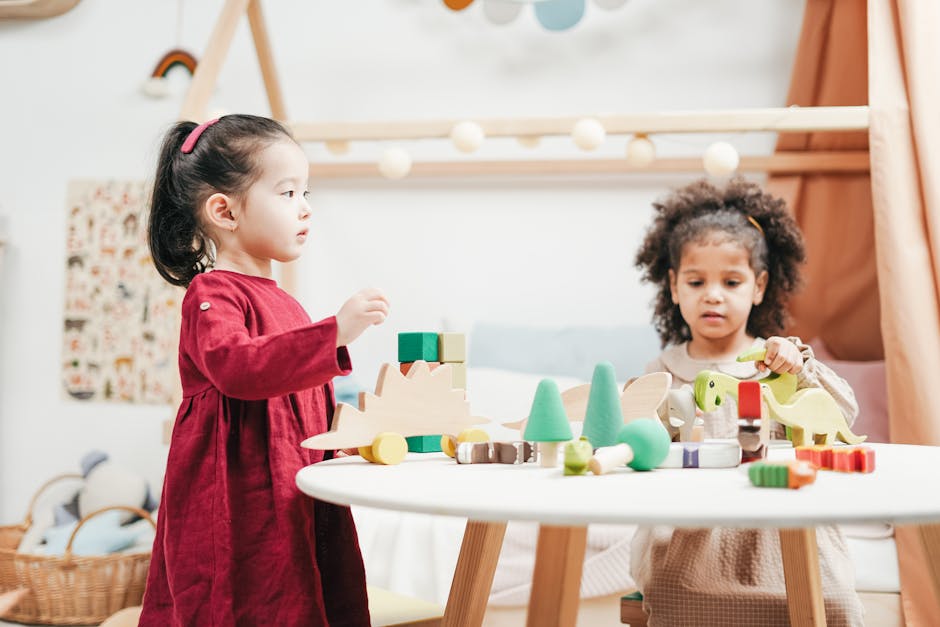
    Picture this: a room full of two-year-olds, blocks scattered across a colorful mat, and one little girl carefully handing a blue cube to the boy next to her โ€” unprompted, unrehearsed. Her caregiver watches, a little stunned. That tiny gesture? It’s not just cute. It’s the brain doing some of its most sophisticated social wiring. If you’ve ever wondered whether structured play really makes a difference for your young child’s social skills, or whether it’s just organized chaos with snacks โ€” let’s think through this together.

    toddlers playing together blocks colorful classroom social learning

    What Does “Social Development Through Play” Actually Mean?

    Before we dive into the data, let’s get on the same page. Socio-emotional development in infants and toddlers (roughly ages 0โ€“6) refers to how children learn to recognize emotions, regulate their own feelings, cooperate, empathize, and communicate with others. Play-based learning โ€” sometimes called play pedagogy in academic circles โ€” uses structured and unstructured play as the primary vehicle for teaching these skills. It’s not babysitting with toys; it’s intentional design.

    The Science Behind the Fun: What the Data Says in 2026

    The evidence has been building steadily, and by 2026, the consensus among developmental psychologists is pretty compelling. Here’s what current research is telling us:

    • Mirror neuron activation: Studies from the Center for Developmental Cognitive Neuroscience (updated findings, early 2026) confirm that cooperative play in children under age 5 activates mirror neuron systems more reliably than passive instruction โ€” essentially, watching a peer share a toy teaches empathy faster than being told to share.
    • Language acceleration: Children engaged in peer play environments for as few as 5โ€“7 hours per week show vocabulary gains 30โ€“40% faster than those in primarily adult-led instruction settings, according to a longitudinal study spanning 12 countries published in the Journal of Child Development (2025โ€“2026 cohort data).
    • Conflict resolution skills: Even toddler arguments over toys โ€” the infamous “mine!” phase โ€” are now understood to be critical rehearsals. Research from Seoul National University’s Child Development Lab (2026) shows children who experience and resolve peer conflicts in guided play settings develop significantly better emotional regulation by age 7.
    • Attachment and trust formation: Play that involves a trusted adult (parent or educator) acting as a play partner rather than a director builds what researchers call “secure base exploration” โ€” the child feels safe enough to take social risks with others.
    • Reduced anxiety markers: A 2026 meta-analysis from the OECD’s Early Childhood Education Task Force found that children in play-rich early education environments showed 22% lower cortisol stress markers during social interactions by kindergarten age compared to peers in drill-and-practice settings.

    Global Examples That Are Getting It Right

    Let’s look at some real-world models that are worth knowing about, because the theory gets much more interesting when you see it in action.

    ๐Ÿ‡ซ๐Ÿ‡ฎ Finland’s Varhaiskasvatussuunnitelma (VASU) Framework: Finland remains a benchmark case. Their early childhood curriculum, VASU, explicitly prioritizes child-led play as the dominant mode of learning from birth through age 6. Social competency โ€” including turn-taking, listening, and collaborative problem-solving โ€” is assessed through observation of play rather than structured tests. By age 8, Finnish children consistently outperform OECD averages in peer cooperation metrics.

    ๐Ÿ‡ฐ๐Ÿ‡ท South Korea’s Nuri Curriculum (๋ˆ„๋ฆฌ๊ณผ์ •) Evolution: South Korea’s Nuri Curriculum, which covers ages 3โ€“5, underwent significant revision in 2020 and has been refined further through 2025โ€“2026 with a heavier emphasis on cooperative play zones (ํ˜‘๋™ ๋†€์ด ๊ตฌ์—ญ) in public kindergartens. The latest government education ministry data from 2026 shows classrooms implementing structured cooperative play blocks for a minimum of 90 minutes daily report measurably higher peer relationship quality scores at age 6 โ€” a finding that’s shifting national policy conversations.

    ๐Ÿ‡ณ๐Ÿ‡ฟ New Zealand’s Te Whฤriki Approach: One of the most holistic frameworks globally, Te Whฤriki weaves cultural identity, relationships, and play into a single curriculum strand. The “Belonging” and “Contribution” strands specifically target social development through communal storytelling play and multi-age group interactions โ€” something Western urban education systems are now actively borrowing from.

    ๐Ÿ‡ธ๐Ÿ‡ฌ Singapore’s I Am Confident, Curious, and Creative (I3C) Initiative: Launched as a 2025โ€“2026 pilot across 40 childcare centers, Singapore’s I3C program focuses on reducing structured academic drilling in the under-4 cohort and replacing it with adult-facilitated social play. Early results? Children in the pilot showed 18% improvement in peer interaction frequency and a notable drop in separation anxiety rates.

    diverse children cooperative play international early education preschool

    But What Does This Look Like at Home?

    Here’s where I want to be really honest with you, because not every family has access to a play-based preschool or a curriculum-driven daycare. And that’s okay โ€” the principles are absolutely replicable at home. Let’s think through some realistic alternatives:

    • Parallel play first, together play later: For children under 2, don’t stress if they seem to play “alongside” rather than “with” another child. Parallel play is developmentally appropriate and is actually the social rehearsal stage. Simply being near other children is enough early on.
    • Rotate play partners: If your child is primarily at home, regular playdates with 1โ€“2 consistent peers (not large groups) are far more effective than occasional big gatherings. Familiarity builds the social safety needed to practice cooperation.
    • Use “sportscasting”: This is a technique borrowed from RIE (Resources for Infant Educarers) philosophy โ€” narrate what you observe during play without intervening. “I see you both want the red car. I wonder what you’ll do.” This supports children’s own conflict resolution rather than adults solving it for them.
    • Play with purpose, but don’t over-engineer: Open-ended toys (blocks, clay, sand, simple dolls) create more social negotiation opportunities than single-function electronic toys. The ambiguity forces children to communicate.
    • Community programs on a budget: Public library story-play sessions, community center toddler gyms, and neighborhood park meetups are genuinely effective social play environments โ€” and free. Don’t underestimate them in favor of expensive structured programs.

    A Realistic Reality Check: What Play Can’t Fix Alone

    I’d be doing you a disservice if I made this sound like play is a magic fix for every developmental concern. Children with speech delays, sensory processing differences, or developmental conditions like autism spectrum disorder (ASD) benefit enormously from play-based social learning โ€” but often need additional, specialized support layered in. Play is the foundation, not the entire house. If you’re noticing consistent struggles with social engagement even in comfortable, familiar play environments, a conversation with a developmental pediatrician or child psychologist is always the smart move โ€” and the earlier, the better.


    Editor’s Comment : What strikes me most every time I research this topic is how counterintuitive it feels in a world obsessed with early academic achievement โ€” that the single most powerful thing you can do for your young child’s future social intelligence is simply let them play, thoughtfully. Not more flashcards, not earlier reading drills. Play. The data in 2026 is clearer than ever on this, and yet the pressure many parents feel to “accelerate” their toddlers academically remains real and persistent. If I could offer one reframe: social competency โ€” the ability to cooperate, empathize, negotiate, and connect โ€” is increasingly recognized as a stronger long-term predictor of life outcomes than early academic metrics. So the next time your two-year-old is “just playing,” know that their brain is working incredibly hard. Your job is mostly to protect that time.

    ํƒœ๊ทธ: [‘play-based learning’, ‘toddler social development’, ‘early childhood education 2026’, ‘infant social skills’, ‘cooperative play’, ‘preschool social learning’, ‘child development research’]


    ๐Ÿ“š ๊ด€๋ จ๋œ ๋‹ค๋ฅธ ๊ธ€๋„ ์ฝ์–ด ๋ณด์„ธ์š”

  • ์˜์œ ์•„ ์‚ฌํšŒ์„ฑ ๋ฐœ๋‹ฌ, ๋†€์ด ๊ต์œก์ด ์ •๋ง ํšจ๊ณผ ์žˆ์„๊นŒ? 2026๋…„ ์ตœ์‹  ์—ฐ๊ตฌ๋กœ ์‚ดํŽด๋ณด๊ธฐ

    ์–ผ๋งˆ ์ „ ์–ด๋ฆฐ์ด์ง‘ ํ•™๋ถ€๋ชจ ๋ชจ์ž„์—์„œ ํ•œ ์—„๋งˆ๊ฐ€ ์ด๋Ÿฐ ๋ง์„ ๊บผ๋ƒˆ์–ด์š”. “์šฐ๋ฆฌ ์•„์ด๊ฐ€ ์นœ๊ตฌ๋“ค์ด๋ž‘ ์ž˜ ๋ชป ์–ด์šธ๋ฆฌ๋Š” ๊ฒƒ ๊ฐ™์•„์„œ ๊ฑฑ์ •์ธ๋ฐ, ํ•™์Šต์ง€๋ฅผ ๋” ์‹œ์ผœ์•ผ ํ• ๊นŒ์š”, ์•„๋‹ˆ๋ฉด ๊ทธ๋ƒฅ ๋†€๊ฒŒ ๋‘๋ฉด ๋ ๊นŒ์š”?” ๊ทธ ์งˆ๋ฌธ์— ์ž ๊น ์ •์ ์ด ํ˜๋ €์Šต๋‹ˆ๋‹ค. ์‚ฌ์‹ค ๋งŽ์€ ๋ถ€๋ชจ๋‹˜๋“ค์ด ๋น„์Šทํ•œ ๊ณ ๋ฏผ์„ ํ•˜๊ณ  ๊ณ„์‹œ์ง€ ์•Š์„๊นŒ ์‹ถ์–ด์š”. ‘๊ทธ๋ƒฅ ๋…ธ๋Š” ๊ฒŒ ์ง„์งœ ๊ต์œก์ด ๋  ์ˆ˜ ์žˆ์„๊นŒ?’๋ผ๋Š” ์˜๊ตฌ์‹ฌ, ํ•œ ๋ฒˆ์ฏค ๋“œ์…จ์„ ๊ฑฐ๋ผ๊ณ  ๋ด…๋‹ˆ๋‹ค.

    ๊ฒฐ๋ก ๋ถ€ํ„ฐ ์‚ด์ง ๊บผ๋‚ด์ž๋ฉด, ์˜์œ ์•„ ์‹œ๊ธฐ์˜ ๋†€์ด๋Š” ๋‹จ์ˆœํ•œ ์—ฌ๊ฐ€๊ฐ€ ์•„๋‹ˆ๋ผ ์‚ฌํšŒ์„ฑ ๋ฐœ๋‹ฌ์˜ ํ•ต์‹ฌ ๋ฉ”์ปค๋‹ˆ์ฆ˜์ด๋ผ๊ณ  ๋ณผ ์ˆ˜ ์žˆ์–ด์š”. ์˜ค๋Š˜์€ ๊ทธ ์ด์œ ๋ฅผ ๋ฐ์ดํ„ฐ์™€ ์‚ฌ๋ก€๋ฅผ ํ†ตํ•ด ํ•จ๊ป˜ ๋“ค์—ฌ๋‹ค๋ณผ๊ฒŒ์š”.

    toddler children playing together social development

    ๐Ÿ“Š ์ˆซ์ž๋กœ ๋ณด๋Š” ๋†€์ด์™€ ์‚ฌํšŒ์„ฑ ๋ฐœ๋‹ฌ์˜ ์ƒ๊ด€๊ด€๊ณ„

    2026๋…„ ํ˜„์žฌ, ์•„๋™ ๋ฐœ๋‹ฌ ์—ฐ๊ตฌ ๋ถ„์•ผ์—์„œ ๋†€์ด ๊ธฐ๋ฐ˜ ํ•™์Šต(Play-Based Learning)์— ๋Œ€ํ•œ ๊ด€์‹ฌ์€ ๊ทธ ์–ด๋А ๋•Œ๋ณด๋‹ค ๋†’์•„์ ธ ์žˆ์Šต๋‹ˆ๋‹ค. ๋ช‡ ๊ฐ€์ง€ ์ฃผ๋ชฉํ•  ๋งŒํ•œ ์ˆ˜์น˜๋ฅผ ๊ฐ™์ด ์‚ดํŽด๋ณผ๊ฒŒ์š”.

    • ๋งŒ 2~5์„ธ๋Š” ๋‡Œ ์‹ ๊ฒฝ๋ง์ด ๊ฐ€์žฅ ๋น ๋ฅด๊ฒŒ ์—ฐ๊ฒฐ๋˜๋Š” ์‹œ๊ธฐ๋กœ, ์ด ์‹œ๊ธฐ์˜ ๋˜๋ž˜ ์ƒํ˜ธ์ž‘์šฉ ๊ฒฝํ—˜์€ ์ „๋‘์—ฝ(๊ฐ์ • ์กฐ์ ˆ, ๊ณต๊ฐ ๋Šฅ๋ ฅ ๋‹ด๋‹น)์˜ ๋ฐœ๋‹ฌ์— ์ง์ ‘์ ์ธ ์˜ํ–ฅ์„ ๋ฏธ์นœ๋‹ค๊ณ  ์•Œ๋ ค์ ธ ์žˆ์–ด์š”.
    • ๋ฏธ๊ตญ ์†Œ์•„๊ณผํ•™ํšŒ(AAP)์˜ 2025๋…„ ์—…๋ฐ์ดํŠธ ๊ฐ€์ด๋“œ๋ผ์ธ์— ๋”ฐ๋ฅด๋ฉด, ๋น„๊ตฌ์กฐ์  ์ž์œ  ๋†€์ด(unstructured free play)๋ฅผ ํ•˜๋ฃจ ์ตœ์†Œ 60๋ถ„ ์ด์ƒ ๊ฒฝํ—˜ํ•œ ์œ ์•„๋Š” ๋˜๋ž˜ ๊ฐˆ๋“ฑ ํ•ด๊ฒฐ ๋Šฅ๋ ฅ์ด ๊ทธ๋ ‡์ง€ ์•Š์€ ์•„์ด๋ณด๋‹ค ์•ฝ 34% ๋†’๊ฒŒ ์ธก์ •๋๋‹ค๊ณ  ๋ณด๊ณ ๋˜๊ณ  ์žˆ์Šต๋‹ˆ๋‹ค.
    • ๊ตญ๋‚ด ์œก์•„์ •์ฑ…์—ฐ๊ตฌ์†Œ(KICCE)๊ฐ€ 2025๋…„ ๋ฐœํ‘œํ•œ ์ž๋ฃŒ์—์„œ๋„ ํ˜‘๋™ ๋†€์ด๋ฅผ ์ฃผ 3ํšŒ ์ด์ƒ ๊ฒฝํ—˜ํ•œ ๋งŒ 4์„ธ ์•„๋™์€ ์ •์„œ ์กฐ์ ˆ ์ง€ํ‘œ์—์„œ ํ‰๊ท  28์ (100์  ๋งŒ์ ) ๋” ๋†’์€ ์ ์ˆ˜๋ฅผ ๊ธฐ๋กํ–ˆ๋‹ค๊ณ  ๋‚˜์™€ ์žˆ์–ด์š”.
    • ๋ฐ˜๋ฉด, ์Šคํฌ๋ฆฐ ๊ธฐ๋ฐ˜ ์ฝ˜ํ…์ธ  ๋…ธ์ถœ ์‹œ๊ฐ„์ด ํ•˜๋ฃจ 2์‹œ๊ฐ„์„ ์ดˆ๊ณผํ•œ ์˜์œ ์•„ ๊ทธ๋ฃน์—์„œ๋Š” ๊ณต๊ฐ ๋ฐ˜์‘ ์ง€์—ฐ๊ณผ ๋˜๋ž˜ ์ƒํ˜ธ์ž‘์šฉ ํšŒํ”ผ ์„ฑํ–ฅ์ด ์•ฝ 1.4๋ฐฐ ๋†’๊ฒŒ ๋‚˜ํƒ€๋‚œ๋‹ค๋Š” ๋ถ„์„๋„ ํ•จ๊ป˜ ์ฃผ๋ชฉํ•  ํ•„์š”๊ฐ€ ์žˆ์Šต๋‹ˆ๋‹ค.

    ์ด ์ˆ˜์น˜๋“ค์ด ์˜๋ฏธํ•˜๋Š” ๋ฐ”๋Š” ๋ช…ํ™•ํ•œ ๊ฒƒ ๊ฐ™์•„์š”. ๋†€์ด์˜ ์–‘๊ณผ ์งˆ์ด ์‚ฌํšŒ์„ฑ ๋ฐœ๋‹ฌ์— ํ†ต๊ณ„์ ์œผ๋กœ ์œ ์˜๋ฏธํ•œ ์˜ํ–ฅ์„ ๋ฏธ์นœ๋‹ค๋Š” ๊ฑฐ์ฃ .

    ๐ŸŒ ๊ตญ๋‚ด์™ธ ๋†€์ด ๊ต์œก ์‚ฌ๋ก€, ์–ด๋–ค ์ฐจ์ด๊ฐ€ ์žˆ์„๊นŒ?

    ํ•€๋ž€๋“œ ๊ต์œก ์‹œ์Šคํ…œ์€ ์„ธ๊ณ„์ ์œผ๋กœ ์œ ๋ช…ํ•˜์ฃ . ํ•€๋ž€๋“œ๋Š” ๋งŒ 7์„ธ ์ด์ „ ์ •๊ทœ ๊ต์œก์—์„œ ์ฝ๊ธฐยท์“ฐ๊ธฐ๋ณด๋‹ค ํ˜‘๋™ ๋†€์ด์™€ ์ž์—ฐ ํƒ๊ตฌ๋ฅผ ์ค‘์‹ฌ์— ๋†“์Šต๋‹ˆ๋‹ค. ์œ ์•„ ๊ต์œก๊ธฐ๊ด€์—์„œ ํ•˜๋ฃจ ์ผ๊ณผ์˜ ์ ˆ๋ฐ˜ ์ด์ƒ์„ ์•ผ์™ธ ์ž์œ  ๋†€์ด์— ํ• ๋‹นํ•˜๋Š”๋ฐ, ์ด ์•„์ด๋“ค์ด ์ดˆ๋“ฑํ•™๊ต์— ์ง„ํ•™ํ–ˆ์„ ๋•Œ ์˜คํžˆ๋ ค ์‚ฌํšŒ์  ์ ์‘๋ ฅ๊ณผ ํ•™์Šต ๋™๊ธฐ๊ฐ€ ๋” ๋†’๊ฒŒ ๋‚˜ํƒ€๋‚œ๋‹ค๋Š” ์ ์ด ํฅ๋ฏธ๋กญ์Šต๋‹ˆ๋‹ค. ๋‹จ์ˆœํžˆ ‘์ฐฉํ•˜๊ฒŒ ๋…ธ๋Š” ๋ฒ•’์„ ๋ฐฐ์šฐ๋Š” ๊ฒŒ ์•„๋‹ˆ๋ผ, ๋†€์ด ์•ˆ์—์„œ ๊ทœ์น™ ํ˜‘์ƒ, ์—ญํ•  ๋ถ„๋‹ด, ๊ฐ์ • ์กฐ์œจ์„ ์ž์—ฐ์Šค๋Ÿฝ๊ฒŒ ์Šต๋“ํ•œ๋‹ค๋Š” ๊ฑฐ๋ผ๊ณ  ๋ด์š”.

    ์ผ๋ณธ์˜ ๊ฒฝ์šฐ ‘ํƒ€์ด์ผ„ ํ™œ๋™(ไฝ“้จ“ๆดปๅ‹•)’, ์ฆ‰ ๋ชธ์œผ๋กœ ์ง์ ‘ ๊ฒฝํ—˜ํ•˜๋Š” ๋†€์ด ๊ต์œก์ด ์œ ์น˜์› ๊ณผ์ •์˜ ํ•ต์‹ฌ ์ถ•์œผ๋กœ ์ž๋ฆฌ ์žก๊ณ  ์žˆ์–ด์š”. ์—ญํ•  ๋†€์ด(ใ”ใฃใ“้Šใณ)๋ฅผ ํ†ตํ•ด ํƒ€์ธ์˜ ์ž…์žฅ์„ ์ฒดํ—˜ํ•˜๊ฒŒ ํ•˜๊ณ , ์ด๋ฅผ ํ†ตํ•ด ๊ณต๊ฐ ๋Šฅ๋ ฅ๊ณผ ์ง‘๋‹จ ์•ˆ์—์„œ์˜ ์ž๊ธฐ ์กฐ์ ˆ๋ ฅ์„ ํ•จ๊ป˜ ํ‚ค์›๋‹ˆ๋‹ค.

    ๊ตญ๋‚ด์—์„œ๋„ ๋ณ€ํ™”๊ฐ€ ๊ฐ์ง€๋˜๊ณ  ์žˆ์–ด์š”. 2026๋…„ ํ˜„์žฌ, ์„œ์šธ์‹œ ๋‚ด ์ผ๋ถ€ ๊ตฌ๋ฆฝ ์–ด๋ฆฐ์ด์ง‘์—์„œ๋Š” ‘์ˆฒ ๋†€์ด ์—ฐ๊ณ„ ์‚ฌํšŒ์„ฑ ํ”„๋กœ๊ทธ๋žจ’์„ ๋„์ž…ํ•ด ์šด์˜ ์ค‘์ด๋ผ๊ณ  ํ•ฉ๋‹ˆ๋‹ค. ์ž์—ฐ ํ™˜๊ฒฝ ์•ˆ์—์„œ ํ˜‘๋™ ๋ฏธ์…˜์„ ์ˆ˜ํ–‰ํ•˜๋Š” ๋ฐฉ์‹์ธ๋ฐ, ์ฐธ์—ฌ ์•„๋™์˜ ๋ณดํ˜ธ์ž ๋งŒ์กฑ๋„ ์กฐ์‚ฌ์—์„œ “์•„์ด๊ฐ€ ๋จผ์ € ์–‘๋ณดํ•˜๋Š” ๋ชจ์Šต์„ ๋ณด์ด๊ธฐ ์‹œ์ž‘ํ–ˆ๋‹ค”๋Š” ์‘๋‹ต์ด ๋ˆˆ์— ๋„๊ฒŒ ๋Š˜์—ˆ๋‹ค๊ณ  ํ•ด์š”.

    children cooperative play outdoor learning kindergarten

    ๐ŸŽฏ ์–ด๋–ค ๋†€์ด๊ฐ€ ์‚ฌํšŒ์„ฑ ๋ฐœ๋‹ฌ์— ํŠนํžˆ ํšจ๊ณผ์ ์ผ๊นŒ?

    ๋ชจ๋“  ๋†€์ด๊ฐ€ ๋™์ผํ•œ ํšจ๊ณผ๋ฅผ ๋‚ด๋Š” ๊ฑด ์•„๋‹Œ ๊ฒƒ ๊ฐ™์•„์š”. ๋ฐœ๋‹ฌ์‹ฌ๋ฆฌํ•™์—์„œ๋Š” ์‚ฌํšŒ์„ฑ ๋ฐœ๋‹ฌ์— ํŠนํžˆ ๋„์›€์ด ๋˜๋Š” ๋†€์ด ์œ ํ˜•์„ ํฌ๊ฒŒ ๊ตฌ๋ถ„ํ•˜๊ณ  ์žˆ์Šต๋‹ˆ๋‹ค.

    • ์ƒ์ง• ๋†€์ด(Symbolic Play): ์†Œ๊ฟ‰๋†€์ด, ๋ณ‘์› ๋†€์ด์ฒ˜๋Ÿผ ํ˜„์‹ค์„ ์ƒ์ง•์ ์œผ๋กœ ์žฌํ˜„ํ•˜๋Š” ๋†€์ด์˜ˆ์š”. ํƒ€์ธ์˜ ๊ฐ์ •๊ณผ ์—ญํ• ์„ ์ดํ•ดํ•˜๋Š” ๊ณต๊ฐ ๋Šฅ๋ ฅ(Theory of Mind) ๋ฐœ๋‹ฌ์— ์ง๊ฒฐ๋œ๋‹ค๊ณ  ๋ด…๋‹ˆ๋‹ค.
    • ๊ทœ์น™ ์žˆ๋Š” ๊ฒŒ์ž„(Rule-Based Games): ๋ณด๋“œ๊ฒŒ์ž„, ์ˆ ๋ž˜์žก๊ธฐ์ฒ˜๋Ÿผ ์ •ํ•ด์ง„ ๊ทœ์น™ ์•ˆ์—์„œ ์ด๋ฃจ์–ด์ง€๋Š” ๋†€์ด๋Š” ์ถฉ๋™ ์–ต์ œ์™€ ๊ทœ๋ฒ” ์ค€์ˆ˜ ๋Šฅ๋ ฅ์„ ํ‚ค์›Œ์ค˜์š”. ๋งŒ 4์„ธ ์ดํ›„๋ถ€ํ„ฐ ํšจ๊ณผ๊ฐ€ ๋‘๋“œ๋Ÿฌ์ง„๋‹ค๋Š” ์—ฐ๊ตฌ ๊ฒฐ๊ณผ๊ฐ€ ๋งŽ์Šต๋‹ˆ๋‹ค.
    • ํ˜‘๋™ ํ”„๋กœ์ ํŠธ ๋†€์ด: ํ•จ๊ป˜ ๋ธ”๋ก์œผ๋กœ ํƒ‘ ์Œ“๊ธฐ, ๋ชจ๋ž˜์„ฑ ๋งŒ๋“ค๊ธฐ์ฒ˜๋Ÿผ ๊ณต๋™ ๋ชฉํ‘œ๋ฅผ ํ–ฅํ•ด ํ˜‘๋ ฅํ•˜๋Š” ๋†€์ด๋Š” ์˜์‚ฌ์†Œํ†ต ๋Šฅ๋ ฅ๊ณผ ๋ฆฌ๋”์‹ญยทํŒ”๋กœ์›Œ์‹ญ์„ ๋™์‹œ์— ๊ฒฝํ—˜ํ•˜๊ฒŒ ํ•ด์ค๋‹ˆ๋‹ค.
    • ๊ฐˆ๋“ฑ ์ƒํ™ฉ์ด ํฌํ•จ๋œ ๋†€์ด: ์•„์ด๋“ค์ด ์‹ธ์šฐ๋Š” ๊ฒŒ ๋ฌด์กฐ๊ฑด ๋‚˜์œ ๊ฒŒ ์•„๋‹ˆ๋ผ๊ณ  ๋ด์š”. ์ ์ ˆํ•œ ์ˆ˜์ค€์˜ ๊ฐˆ๋“ฑ๊ณผ ํ™”ํ•ด ๊ณผ์ •์„ ๊ฒฝํ—˜ํ•˜๋Š” ๋†€์ด์•ผ๋ง๋กœ ํ˜„์‹ค ์‚ฌํšŒ์—์„œ ํ•„์š”ํ•œ ‘๊ฐˆ๋“ฑ ํ•ด๊ฒฐ ๋Šฅ๋ ฅ’์„ ์‹ค์ œ๋กœ ์—ฐ์Šตํ•˜๋Š” ์žฅ๋ฉด์ด๊ฑฐ๋“ ์š”.

    ๐Ÿ’ก ๋ถ€๋ชจ๊ฐ€ ํ˜„์‹ค์ ์œผ๋กœ ํ•  ์ˆ˜ ์žˆ๋Š” ๊ฒƒ๋“ค

    ๋ฐ”์œ ์ผ์ƒ ์†์—์„œ “๊ทธ๋ž˜์„œ ๋‚˜๋Š” ๋ญ˜ ํ•ด์•ผ ํ•˜๋‚˜?”๋ผ๋Š” ์งˆ๋ฌธ์ด ๋‚จ๋Š” ๊ฒƒ ๊ฐ™์•„์š”. ๊ฑฐ์ฐฝํ•œ ํ”„๋กœ๊ทธ๋žจ์ด ์•„๋‹ˆ์–ด๋„ ๋œ๋‹ค๊ณ  ๋ด…๋‹ˆ๋‹ค.

    • ํ•˜๋ฃจ 30๋ถ„์ด๋ผ๋„ ๋ถ€๋ชจ๊ฐ€ ๊ฐœ์ž…์„ ์ตœ์†Œํ™”ํ•œ ์ž์œ  ๋†€์ด ์‹œ๊ฐ„์„ ๋ณด์žฅํ•ด ์ฃผ๋Š” ๊ฒƒ๋งŒ์œผ๋กœ๋„ ์˜๋ฏธ ์žˆ๋Š” ์ถœ๋ฐœ์ด ๋  ์ˆ˜ ์žˆ์–ด์š”.
    • ๋†€์ด ์ค‘ ๊ฐˆ๋“ฑ์ด ์ƒ๊ฒผ์„ ๋•Œ ์ฆ‰์‹œ ํ•ด๊ฒฐํ•ด ์ฃผ๊ธฐ๋ณด๋‹ค, “์–ด๋–ป๊ฒŒ ํ•˜๋ฉด ๊ฐ™์ด ๋†€ ์ˆ˜ ์žˆ์„๊นŒ?”๋ผ๊ณ  ๋ฌผ์–ด๋ณด๋ฉฐ ์•„์ด ์Šค์Šค๋กœ ๋ฐฉ๋ฒ•์„ ์ฐพ์„ ์ˆ˜ ์žˆ๋„๋ก ์‚ด์ง ์—ฌ์ง€๋ฅผ ๋‘๋Š” ๊ฒŒ ์ข‹์Šต๋‹ˆ๋‹ค.
    • ๋˜๋ž˜ ์นœ๊ตฌ์™€์˜ ์ •๊ธฐ์ ์ธ ํ”Œ๋ ˆ์ด๋ฐ์ดํŠธ(Playdate)๋Š” ๊ฐ€์žฅ ์ž์—ฐ์Šค๋Ÿฝ๊ณ  ํšจ๊ณผ์ ์ธ ์‚ฌํšŒ์„ฑ ํ›ˆ๋ จ ํ™˜๊ฒฝ์ด์—์š”. ํ•œ ๋‹ฌ์— ๋‘์„ธ ๋ฒˆ์ด๋ผ๋„ ๊พธ์ค€ํžˆ ์ด์–ด์ง€๋Š” ๊ฒŒ ์‚ฐ๋ฐœ์ ์ธ ํŠน๋ณ„ ํ™œ๋™๋ณด๋‹ค ํšจ๊ณผ์ ์ด๋ผ๊ณ  ๋ด…๋‹ˆ๋‹ค.
    • ๋ถ€๋ชจ๊ฐ€ ๋จผ์ € ๋†€์ด์— ์ฐธ์—ฌํ•ด ํ˜‘๋™๊ณผ ์–‘๋ณด์˜ ๋ชจ๋ธ์„ ๋ณด์—ฌ์ฃผ๋Š” ๊ฒƒ๋„ ์ค‘์š”ํ•ด์š”. ์•„์ด๋“ค์€ ๋ง๋ณด๋‹ค ํ–‰๋™์„ ํ›จ์”ฌ ๋น ๋ฅด๊ฒŒ ํก์ˆ˜ํ•˜๋‹ˆ๊นŒ์š”.

    ์—๋””ํ„ฐ ์ฝ”๋ฉ˜ํŠธ : ์‚ฌํšŒ์„ฑ์€ ๊ฐ€๋ฅด์ณ์ง€๋Š” ๊ฒŒ ์•„๋‹ˆ๋ผ ๊ฒฝํ—˜ ์†์—์„œ ์ž๋ผ๋‚˜๋Š” ๊ฒƒ ๊ฐ™์•„์š”. ์™„๋ฒฝํ•œ ๊ต๊ตฌ๋‚˜ ํ”„๋กœ๊ทธ๋žจ๋ณด๋‹ค, ์•„์ด๊ฐ€ ์•ˆ์ „ํ•˜๊ฒŒ ์‹คํŒจํ•˜๊ณ  ํ˜‘์ƒํ•˜๊ณ  ํ™”ํ•ดํ•  ์ˆ˜ ์žˆ๋Š” ๋†€์ด ํ™˜๊ฒฝ์„ ์–ผ๋งˆ๋‚˜ ์ž์ฃผ ๋งˆ๋ จํ•ด ์ค„ ์ˆ˜ ์žˆ๋Š”๊ฐ€๊ฐ€ ํ•ต์‹ฌ์ธ ๊ฒƒ ๊ฐ™์Šต๋‹ˆ๋‹ค. 2026๋…„ ํ˜„์žฌ ๋„˜์ณ๋‚˜๋Š” ์œ ์•„ ๊ต์œก ์ฝ˜ํ…์ธ ๋“ค ์†์—์„œ, ์–ด์ฉŒ๋ฉด ๊ฐ€์žฅ ์˜ค๋ž˜๋œ ๋ฐฉ์‹์ธ ‘๊ทธ๋ƒฅ ํ•จ๊ป˜ ๋…ธ๋Š” ๊ฒƒ’์ด ์—ฌ์ „ํžˆ ๊ฐ€์žฅ ๊ฐ•๋ ฅํ•œ ๋‹ต์ผ ์ˆ˜๋„ ์žˆ๊ฒ ๋‹ค ์‹ถ์–ด์š”.

    ํƒœ๊ทธ: [‘์˜์œ ์•„์‚ฌํšŒ์„ฑ๋ฐœ๋‹ฌ’, ‘๋†€์ด๊ต์œกํšจ๊ณผ’, ‘์œ ์•„๋†€์ด๋ฐœ๋‹ฌ’, ‘์•„์ด์‚ฌํšŒ์„ฑํ‚ค์šฐ๊ธฐ’, ‘ํ”Œ๋ ˆ์ด๊ธฐ๋ฐ˜ํ•™์Šต’, ‘์œ ์•„๊ต์œก2026’, ‘์˜์œ ์•„๋ฐœ๋‹ฌ์‹ฌ๋ฆฌ’]


    ๐Ÿ“š ๊ด€๋ จ๋œ ๋‹ค๋ฅธ ๊ธ€๋„ ์ฝ์–ด ๋ณด์„ธ์š”

  • AI Tutors Are Rewriting the Classroom: 7 Real School Innovation Cases You Need to Know in 2026

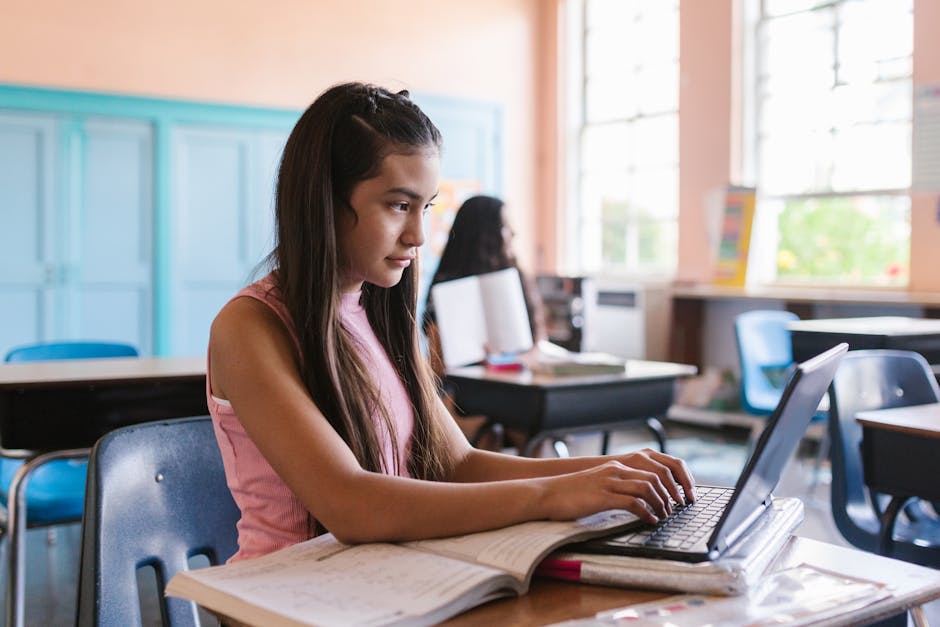
    Picture this: It’s a Tuesday morning in Seoul, and a 13-year-old named Jiwoo is stuck on a quadratic equation. Instead of waiting 20 minutes for the teacher to cycle back around, she types her question into her school’s AI tutor platform โ€” and within seconds, she gets a step-by-step explanation personalized to the exact mistake she made. Her teacher, meanwhile, is free to help three other students who are struggling with something completely different. Sound like science fiction? As of 2026, this is Tuesday morning in thousands of classrooms worldwide.

    AI tutors in schools are no longer pilot programs or experimental edge cases. They are rapidly becoming a core layer of the modern educational infrastructure โ€” and the results, while nuanced, are genuinely exciting. Let’s think through this together.

    AI tutor classroom students technology interactive learning 2026

    ๐Ÿ“Š What Does the Data Actually Say?

    Before we get swept up in the enthusiasm, let’s anchor ourselves in real numbers. According to a 2026 report by the OECD Education at a Glance initiative, schools that integrated AI-assisted tutoring systems over a sustained 18-month period saw:

    • 23% improvement in math proficiency scores among middle school students in low-income districts
    • 31% reduction in teacher time spent on repetitive feedback tasks, freeing educators for higher-order mentorship
    • A 40% increase in student engagement rates during self-study hours, measured by session length and voluntary return rates
    • Equity gap narrowing โ€” students in under-resourced schools showed faster gains than their wealthier counterparts, suggesting AI tutors partially offset the “private tutoring advantage”

    Now, these numbers don’t tell the whole story โ€” we’ll get into the caveats โ€” but they signal that something meaningful is happening here. The question isn’t whether AI tutors work, but under what conditions they work best.

    ๐ŸŒ Real-World Innovation Cases From Around the Globe

    Let’s look at what’s actually being done, because the diversity of approaches is genuinely fascinating.

    1. South Korea โ€” CLOVA EDU Integration in Public Schools
    Since its nationwide rollout in early 2026, South Korea’s Ministry of Education has embedded Naver’s CLOVA EDU AI tutor into the national digital textbook platform. What makes this unique is the feedback loop design โ€” the AI doesn’t just answer questions, it flags recurring misconception patterns to the classroom teacher in real time, creating a collaborative human-AI dynamic rather than replacing the teacher entirely.

    2. Finland โ€” “AI as a Thought Partner” Model
    True to Finland’s educational philosophy of student autonomy, Finnish schools have deployed AI tutors not as answer machines but as Socratic dialogue partners. Students are encouraged to challenge the AI’s explanations, fostering critical thinking. A 2026 Helsinki University study found this approach improved metacognitive skills โ€” essentially, students got better at knowing what they don’t know.

    3. United States โ€” Khan Academy’s Khanmigo in Title I Schools
    Khanmigo, Khan Academy’s AI tutor powered by advanced reasoning models, has been deployed specifically in Title I schools (high poverty districts) across California and Texas. Early 2026 data shows that 8th graders using Khanmigo for 4+ hours per week closed roughly 60% of the grade-level learning gap in algebra within one academic year. That’s a staggering number for a population historically underserved by both technology and traditional tutoring.

    4. India โ€” BYJU’S Adaptive Learning 2.0
    After restructuring in 2025, BYJU’S relaunched with a leaner, school-partnership model. Their 2026 adaptive AI tutor now serves over 8 million students through government school partnerships in Maharashtra and Tamil Nadu, adjusting not just difficulty level but also language register and cultural context of examples โ€” a critical feature in a linguistically diverse country.

    5. United Kingdom โ€” Oak National Academy’s AI Lesson Planner
    A slightly different angle: the UK’s Oak National Academy deployed an AI system aimed at teachers, not students. By generating differentiated lesson plans and suggesting which students likely need intervention based on assessment data, it bridges the gap between AI tutoring for students and teacher professional support.

    global school AI education innovation map diverse students 2026

    ๐Ÿค” But Wait โ€” What Are the Real Challenges?

    Let’s be honest, because blind enthusiasm doesn’t serve anyone. There are three friction points worth naming clearly:

    • The Dependency Risk: Some educators report students becoming reluctant to struggle productively โ€” they reach for the AI too quickly, bypassing the “desirable difficulty” that builds deep understanding. Pedagogical guardrails matter enormously.
    • Data Privacy Concerns: Student learning data is extraordinarily sensitive. In 2026, the EU’s updated AI Act has imposed strict compliance requirements on EdTech platforms, and several US states are pushing for similar protections. Parents and administrators are rightly asking hard questions.
    • The Equity Paradox: AI tutors require reliable devices and internet โ€” which remain unevenly distributed globally. The technology that could close the gap can also widen it if infrastructure investment doesn’t keep pace.

    ๐Ÿ’ก Realistic Alternatives for Different Situations

    Not every school can deploy a cutting-edge AI tutor platform tomorrow, and that’s completely fine. Here’s how to think about this practically:

    • If your school has a tight budget: Free-tier tools like Khan Academy’s Khanmigo (free for students in many regions in 2026) or Google’s Gemini for Education pilot programs offer meaningful entry points without capital investment.
    • If your teachers are skeptical: Start with AI as a teacher support tool rather than a student-facing tool. AI-generated lesson differentiation or quiz generation builds trust before full classroom deployment.
    • If device access is limited: Look into SMS-based or low-bandwidth AI tutoring solutions โ€” several organizations in sub-Saharan Africa and Southeast Asia have built remarkably effective systems that work on basic smartphones.
    • If you’re a parent, not an administrator: Supplementary AI tutoring tools at home (used with clear time boundaries and parental involvement) can meaningfully complement school learning without waiting for institutional adoption.

    The core insight here is that AI tutors work best as amplifiers of human teaching, not substitutes. The schools seeing the best outcomes in 2026 are the ones where teachers and AI systems are genuinely collaborating โ€” each doing what they do best.

    Editor’s Comment : What strikes me most about these cases is how much the implementation philosophy matters more than the technology itself. Finland and South Korea are using similar AI capabilities in fundamentally different pedagogical frameworks โ€” and both are seeing strong results tailored to their educational cultures. The takeaway? Before asking “which AI tutor should we use,” schools should ask “what kind of learning relationship do we want to create?” Get that right, and the technology becomes a powerful servant rather than an unpredictable master.

    ํƒœ๊ทธ: [‘AI tutor education 2026’, ‘school innovation AI’, ‘EdTech classroom technology’, ‘personalized learning AI’, ‘AI in K-12 schools’, ‘educational technology trends 2026’, ‘adaptive learning platforms’]


    ๐Ÿ“š ๊ด€๋ จ๋œ ๋‹ค๋ฅธ ๊ธ€๋„ ์ฝ์–ด ๋ณด์„ธ์š”

  • AI ํŠœํ„ฐ๊ฐ€ ๋ฐ”๊พธ๋Š” ํ•™๊ต ๊ต์œก ํ˜์‹  ์‚ฌ๋ก€ 2026 โ€“ ๊ต์‹ค์˜ ๋ฏธ๋ž˜๊ฐ€ ์ด๋ฏธ ์‹œ์ž‘๋๋‹ค

    ์–ผ๋งˆ ์ „ ์ง€์ธ์—๊ฒŒ ํฅ๋ฏธ๋กœ์šด ์ด์•ผ๊ธฐ๋ฅผ ๋“ค์—ˆ์–ด์š”. ์ดˆ๋“ฑํ•™๊ต 4ํ•™๋…„ ์•„์ด๋ฅผ ๋‘” ํ•™๋ถ€๋ชจ์ธ๋ฐ, ์•„์ด๊ฐ€ ํ•™๊ต์—์„œ ์ˆ˜ํ•™ ์‹œ๊ฐ„์— AI ํŠœํ„ฐ์™€ 1:1๋กœ ๋Œ€ํ™”ํ•˜๋ฉฐ ๋ฌธ์ œ๋ฅผ ํ’€๊ณ  ์ง‘์— ์™”๋‹ค๋Š” ๊ฑฐ์˜ˆ์š”. ๋†€๋ผ์šด ๊ฑด ์•„์ด๊ฐ€ “์„ ์ƒ๋‹˜์ด ์„ค๋ช…ํ•ด ์ค„ ๋•Œ๋ณด๋‹ค AI๊ฐ€ ๋” ์ดํ•ดํ•˜๊ธฐ ์‰ฝ๊ฒŒ ๋งํ•ด์คฌ์–ด”๋ผ๊ณ  ํ–ˆ๋‹ค๋Š” ์ ์ด์—ˆ์ฃ . ์นญ์ฐฌ์ธ์ง€, ๊ฑฑ์ •ํ•ด์•ผ ํ•  ์ผ์ธ์ง€ ํ—ท๊ฐˆ๋ ธ๋‹ค๊ณ  ํ•˜๋”๋ผ๊ณ ์š”. ์ €๋„ ๊ทธ ๋ง์ด ํ•œ๋™์•ˆ ๋จธ๋ฆฟ์†์— ๋งด๋Œ์•˜์–ด์š”. ์ด๋ฏธ AI ํŠœํ„ฐ๋Š” ์–ด๋А ์ˆœ๊ฐ„ ‘๋จผ ๋ฏธ๋ž˜ ์ด์•ผ๊ธฐ’๊ฐ€ ์•„๋‹ˆ๋ผ ์˜ค๋Š˜ ๊ต์‹ค ์•ˆ์œผ๋กœ ๋“ค์–ด์™€ ์žˆ์—ˆ๋˜ ๊ฒ๋‹ˆ๋‹ค.

    2026๋…„ ํ˜„์žฌ, AI ํŠœํ„ฐ๋ฅผ ์ค‘์‹ฌ์œผ๋กœ ํ•œ ํ•™๊ต ๊ต์œก ํ˜์‹ ์€ ๋‹จ์ˆœํ•œ ์—๋“€ํ…Œํฌ ํŠธ๋ Œ๋“œ๋ฅผ ๋„˜์–ด, ๊ต์œก์˜ ๊ตฌ์กฐ ์ž์ฒด๋ฅผ ๋ฐ”๊พธ๋Š” ํ๋ฆ„์œผ๋กœ ์ด์–ด์ง€๊ณ  ์žˆ์–ด์š”. ์˜ค๋Š˜์€ ๊ทธ ๊ตฌ์ฒด์ ์ธ ์‚ฌ๋ก€์™€ ์ˆซ์ž๋“ค์„ ํ•จ๊ป˜ ์งš์–ด๋ณด๋ ค ํ•ฉ๋‹ˆ๋‹ค.

    AI tutor classroom students learning technology 2026

    ๐Ÿ“Š ์ˆซ์ž๋กœ ๋ณด๋Š” AI ํŠœํ„ฐ ๊ต์œก ํ˜„ํ™ฉ โ€“ ์ƒ๊ฐ๋ณด๋‹ค ํ›จ์”ฌ ๊ฐ€๊นŒ์ด ์™€ ์žˆ์–ด์š”

    ๊ธ€๋กœ๋ฒŒ ์—๋“€ํ…Œํฌ ๋ฆฌ์„œ์น˜ ๊ธฐ๊ด€ HolonIQ์˜ 2026๋…„ 1๋ถ„๊ธฐ ๋ณด๊ณ ์„œ์— ๋”ฐ๋ฅด๋ฉด, ์ „ ์„ธ๊ณ„ AI ๊ธฐ๋ฐ˜ ๊ต์œก ์‹œ์žฅ ๊ทœ๋ชจ๋Š” ์•ฝ 240์–ต ๋‹ฌ๋Ÿฌ(ํ•œํ™” ์•ฝ 32์กฐ ์›)์— ๋‹ฌํ•œ๋‹ค๊ณ  ์ถ”์‚ฐํ•˜๊ณ  ์žˆ์–ด์š”. 2022๋…„ ๋Œ€๋น„ ์•ฝ 4๋ฐฐ ์ด์ƒ ์„ฑ์žฅํ•œ ์ˆ˜์น˜์˜ˆ์š”. ํŠนํžˆ K-12(์ดˆ์ค‘๊ณ ) ๊ต์œก ์˜์—ญ์—์„œ์˜ AI ํŠœํ„ฐ ๋„์ž…๋ฅ ์ด ๊ฐ€ํŒŒ๋ฅด๊ฒŒ ์ƒ์Šนํ•˜๊ณ  ์žˆ๋Š”๋ฐ์š”, ์ฃผ์š” ์ˆ˜์น˜๋ฅผ ๋ณด๋ฉด ์ด๋ ‡์Šต๋‹ˆ๋‹ค.

    • ๋ฏธ๊ตญ ๊ณต๋ฆฝํ•™๊ต ๊ธฐ์ค€, AI ๋ณด์กฐ ํ•™์Šต ๋„๊ตฌ๋ฅผ ์ •๊ทœ ์ˆ˜์—…์— ๋„์ž…ํ•œ ํ•™๊ต ๋น„์œจ: ์•ฝ 41% (2024๋…„ ๋Œ€๋น„ +18%p)
    • ํ•œ๊ตญ ๊ต์œก๋ถ€์˜ ‘AI ๊ต๊ณผ์„œ’ ์‹œ๋ฒ” ์ ์šฉ ํ•™๊ต ์ˆ˜: 2026๋…„ ๊ธฐ์ค€ ์ „๊ตญ 2,800์—ฌ ๊ฐœ๊ต ํ™•๋Œ€ ์šด์˜ ์ค‘
    • AI ํŠœํ„ฐ๋ฅผ ๊ฒฝํ—˜ํ•œ ํ•™์ƒ์˜ ํ•™์Šต ์ดํ•ด๋„ ์ž๊ธฐํ‰๊ฐ€ ๊ธ์ • ์‘๋‹ต๋ฅ : 72% (ํ•œ๊ตญ๊ต์œก๊ฐœ๋ฐœ์›, 2025๋…„ ๋ง ๋ฐœํ‘œ)
    • ๊ฐœ์ธ ๋งž์ถคํ˜• AI ํŠœํ„ฐ๋ง ์ดํ›„ ํ•™๋ ฅ ๊ฒฉ์ฐจ ์™„ํ™” ํšจ๊ณผ: ์ €์„ฑ์ทจ ํ•™์ƒ๊ตฐ์—์„œ ํ‰๊ท  23% ํ–ฅ์ƒ (OECD ํŒŒ์ผ๋Ÿฟ ์—ฐ๊ตฌ, 2025)

    ์ด ์ˆซ์ž๋“ค์ด ๋‹จ์ˆœํžˆ ‘๊ธฐ์ˆ  ๋„์ž…’์˜ ๊ฒฐ๊ณผ๋ผ๊ณ  ๋ณด๊ธฐ์—” ์–ด๋ ต๊ณ ์š”. ์˜คํžˆ๋ ค ๊ต์œก์˜ ์งˆ์  ๋ณ€ํ™”๊ฐ€ ์ˆ˜์น˜๋กœ ๋‚˜ํƒ€๋‚˜๊ธฐ ์‹œ์ž‘ํ–ˆ๋‹ค๊ณ  ๋ณด๋Š” ๊ฒŒ ๋งž๋Š” ๊ฒƒ ๊ฐ™์Šต๋‹ˆ๋‹ค.

    ๐ŸŒ ๊ตญ๋‚ด์™ธ AI ํŠœํ„ฐ ๊ต์œก ํ˜์‹  ์‚ฌ๋ก€ โ€“ ๊ต์‹ค์ด ์ด๋ ‡๊ฒŒ ๋‹ฌ๋ผ์ง€๊ณ  ์žˆ์–ด์š”

    โ‘  ๋ฏธ๊ตญ โ€“ ์นธ ์•„์นด๋ฐ๋ฏธ ‘Khanmigo’์˜ ๊ต์‹ค ๋‚ด ์ •์ฐฉ
    ์นธ ์•„์นด๋ฐ๋ฏธ๊ฐ€ GPT-4 ๊ธฐ๋ฐ˜์œผ๋กœ ๊ฐœ๋ฐœํ•œ AI ํŠœํ„ฐ ‘Khanmigo’๋Š” ํ˜„์žฌ ๋ฏธ๊ตญ ๋‚ด ์•ฝ 1๋งŒ 5์ฒœ์—ฌ ๊ฐœ ํ•™๊ต์—์„œ ํ™œ์šฉ๋˜๊ณ  ์žˆ์–ด์š”. ๋‹จ์ˆœํžˆ ๋‹ต์„ ์•Œ๋ ค์ฃผ๋Š” ๋ฐฉ์‹์ด ์•„๋‹ˆ๋ผ, ์†Œํฌ๋ผํ…Œ์Šค์‹ ์งˆ๋ฌธ๋ฒ•์„ ์ ์šฉํ•ด ํ•™์ƒ ์Šค์Šค๋กœ ์‚ฌ๊ณ ํ•˜๋„๋ก ์œ ๋„ํ•˜๋Š” ๋ฐฉ์‹์ด ์ธ์ƒ์ ์ด์—์š”. “์ด ๋ฌธ์ œ์—์„œ ๋„ค๊ฐ€ ์•„์ง ๋ชจ๋ฅด๋Š” ๊ฒŒ ๋ญ๋ผ๊ณ  ์ƒ๊ฐํ•ด?”๋ผ๊ณ  ๋˜๋ฌป๋Š” ์‹์ด์ฃ . ๊ต์‚ฌ๋“ค์€ Khanmigo๊ฐ€ ์ œ๊ณตํ•˜๋Š” ํ•™์ƒ๋ณ„ ํ•™์Šต ๋ฐ์ดํ„ฐ๋ฅผ ๋ฐ”ํƒ•์œผ๋กœ ์ˆ˜์—… ์„ค๊ณ„๋ฅผ ์กฐ์ •ํ•  ์ˆ˜ ์žˆ์–ด, ๊ต์‚ฌ์˜ ์—ญํ• ์ด ‘์ง€์‹ ์ „๋‹ฌ์ž’์—์„œ ‘ํ•™์Šต ์ฝ”์น˜’๋กœ ์ง„ํ™”ํ•˜๊ณ  ์žˆ๋‹ค๋Š” ํ‰๊ฐ€๋ฅผ ๋ฐ›๊ณ  ์žˆ์Šต๋‹ˆ๋‹ค.

    โ‘ก ํ•€๋ž€๋“œ โ€“ AI์™€ ๊ต์‚ฌ์˜ ๊ณต์กด ๋ชจ๋ธ
    ํ•€๋ž€๋“œ๋Š” ๊ต์œก ํ˜์‹ ์œผ๋กœ ์œ ๋ช…ํ•œ ๋‚˜๋ผ๋‹ต๊ฒŒ AI ํŠœํ„ฐ ๋„์ž… ๋ฐฉ์‹๋„ ๋…ํŠนํ•ด์š”. ‘๋“œ๋ฆผ ์Šค์ฟจ(Dream School)’ ํ”„๋กœ์ ํŠธ๋ฅผ ํ†ตํ•ด AI ํŠœํ„ฐ๊ฐ€ ๊ฐœ๋… ์„ค๋ช…๊ณผ ๋ฐ˜๋ณต ํ›ˆ๋ จ์„ ๋‹ด๋‹นํ•˜๊ณ , ๊ต์‚ฌ๋Š” ์ฐฝ์˜์  ํ† ๋ก ๊ณผ ์ •์„œ์  ์ง€์›์— ์ง‘์ค‘ํ•˜๋Š” ์—ญํ•  ๋ถ„๋ฆฌ ๋ชจ๋ธ์„ ์šด์˜ํ•˜๊ณ  ์žˆ์–ด์š”. ํ•€๋ž€๋“œ ๊ตญ๋ฆฝ๊ต์œก์ฒญ(Finnish National Agency for Education)์€ 2025๋…„ ํŒŒ์ผ๋Ÿฟ ๊ฒฐ๊ณผ๋ฅผ ๋ฐœํ‘œํ•˜๋ฉฐ, ๊ต์‚ฌ์˜ ๋ฒˆ์•„์›ƒ ์ง€์ˆ˜๊ฐ€ ์•ฝ 19% ๊ฐ์†Œํ–ˆ๋‹ค๊ณ  ๋ฐํ˜”๋Š”๋ฐ, ์ด ๋ถ€๋ถ„์ด ํŠนํžˆ ๋ˆˆ์— ๋„์—ˆ์–ด์š”. AI๊ฐ€ ๊ต์‚ฌ๋ฅผ ๋Œ€์ฒดํ•˜๋Š” ๊ฒŒ ์•„๋‹ˆ๋ผ, ๊ต์‚ฌ๋ฅผ ์ง€์น˜์ง€ ์•Š๊ฒŒ ๋•๋Š”๋‹ค๋Š” ๋ฐฉํ–ฅ์„ฑ์ด ์ธ์ƒ์ ์ด๋ผ๊ณ  ๋ด…๋‹ˆ๋‹ค.

    โ‘ข ๋Œ€ํ•œ๋ฏผ๊ตญ โ€“ AI ๋””์ง€ํ„ธ ๊ต๊ณผ์„œ์™€ ๊ต์‹ค์˜ ๋ณ€ํ™”
    2025๋…„๋ถ€ํ„ฐ ์ˆ˜ํ•™ยท์˜์–ดยท์ •๋ณด ๊ณผ๋ชฉ์„ ์ค‘์‹ฌ์œผ๋กœ ๋„์ž…๋œ AI ๋””์ง€ํ„ธ ๊ต๊ณผ์„œ(AIDT)๋Š” 2026๋…„ ํ˜„์žฌ ์‚ฌํšŒยท๊ณผํ•™ ๊ณผ๋ชฉ๊นŒ์ง€ ํ™•๋Œ€๋˜๊ณ  ์žˆ์–ด์š”. ํ•™์ƒ ๊ฐœ๊ฐœ์ธ์˜ ํ•™์Šต ์†๋„์™€ ์˜ค๋‹ต ํŒจํ„ด์„ ์‹ค์‹œ๊ฐ„์œผ๋กœ ๋ถ„์„ํ•ด, ์ทจ์•ฝ ๊ฐœ๋…์„ ์ž๋™์œผ๋กœ ์ถ”๊ฐ€ ์ œ๊ณตํ•˜๋Š” ‘๋งž์ถคํ˜• ํ”ผ๋“œ๋ฐฑ ๋ฃจํ”„’ ๋ฐฉ์‹์ด ํ•ต์‹ฌ์ด์—์š”. ์„œ์šธ ๋งˆํฌ๊ตฌ์˜ ํ•œ ์ค‘ํ•™๊ต์—์„œ๋Š” AI ํŠœํ„ฐ ๋„์ž… ์ดํ›„ ์ค‘๊ฐ„๊ณ ์‚ฌ ํ‰๊ท  ์ ์ˆ˜๊ฐ€ ์ด์ „ ํ•™๊ธฐ ๋Œ€๋น„ ์ˆ˜ํ•™ 8์ , ์˜์–ด 6์  ์ƒ์Šนํ–ˆ๋‹ค๋Š” ์‚ฌ๋ก€๊ฐ€ ๊ต์œก๋ถ€ ์‚ฌ๋ก€์ง‘์— ์†Œ๊ฐœ๋˜๊ธฐ๋„ ํ–ˆ์Šต๋‹ˆ๋‹ค. ๋ฌผ๋ก  ๋ชจ๋“  ํ•™๊ต๊ฐ€ ๋™์ผํ•œ ํšจ๊ณผ๋ฅผ ๋ณด์ด๋Š” ๊ฑด ์•„๋‹ˆ๋ผ์„œ, ๊ธฐ๊ธฐ ํ™˜๊ฒฝ์ด๋‚˜ ๊ต์‚ฌ ์—ญ๋Ÿ‰์— ๋”ฐ๋ฅธ ํŽธ์ฐจ๋„ ๋ถ„๋ช…ํžˆ ์กด์žฌํ•œ๋‹ค๊ณ  ๋ด์•ผ ํ•ด์š”.

    Korea AI digital textbook middle school classroom innovation

    ๐Ÿค” AI ํŠœํ„ฐ๊ฐ€ ๋งŒ๋Šฅ์ผ๊นŒ์š”? ํ˜„์‹ค์ ์œผ๋กœ ์งš์–ด๋ด์•ผ ํ•  ์ง€์ ๋“ค

    ๊ธ์ •์ ์ธ ์‚ฌ๋ก€๋“ค์ด ๋งŽ์ง€๋งŒ, ๊ท ํ˜• ์žกํžŒ ์‹œ๊ฐ๋„ ํ•„์š”ํ•œ ๊ฒƒ ๊ฐ™์•„์š”. ๋ช‡ ๊ฐ€์ง€ ํ˜„์‹ค์ ์ธ ๊ณ ๋ ค ์‚ฌํ•ญ๋“ค์„ ์ •๋ฆฌํ•ด ๋ดค์Šต๋‹ˆ๋‹ค.

    • ๋””์ง€ํ„ธ ๊ฒฉ์ฐจ ๋ฌธ์ œ: AI ํŠœํ„ฐ ํ˜œํƒ์ด ๊ธฐ๊ธฐ์™€ ์ธํ”„๋ผ๊ฐ€ ๊ฐ–์ถฐ์ง„ ํ•™๊ต์— ์ง‘์ค‘๋  ๊ฐ€๋Šฅ์„ฑ์ด ์žˆ์–ด์š”. ๋†์–ด์ดŒ ์†Œ๊ทœ๋ชจ ํ•™๊ต๋‚˜ ์ €์†Œ๋“ ๊ฐ€์ • ํ•™์ƒ๋“ค์—๊ฒŒ๋„ ๋™๋“ฑํ•˜๊ฒŒ ์ ์šฉ๋  ์ˆ˜ ์žˆ๋Š” ํ™˜๊ฒฝ ์กฐ์„ฑ์ด ์„ ํ–‰๋˜์–ด์•ผ ํ•ฉ๋‹ˆ๋‹ค.
    • ๊ต์‚ฌ ์—ญ๋Ÿ‰ ๊ฐœ๋ฐœ์˜ ํ•„์š”์„ฑ: AI ๋„๊ตฌ๊ฐ€ ์ข‹์•„๋„ ์ด๋ฅผ ์ˆ˜์—…์— ํšจ๊ณผ์ ์œผ๋กœ ํ†ตํ•ฉํ•˜๋Š” ๊ต์‚ฌ์˜ ๋””์ง€ํ„ธ ์—ญ๋Ÿ‰์ด ๋’ท๋ฐ›์นจ๋˜์ง€ ์•Š์œผ๋ฉด ๋„๊ตฌ๋Š” ๊ทธ๋ƒฅ ๋„๊ตฌ์— ๊ทธ์ณ์š”.
    • ์ •์„œ์  ๊ต์œก์˜ ๊ณต๋ฐฑ: AI๋Š” ๊ณต๊ฐํ•˜๋Š” ์ฒ™ ํ•  ์ˆ˜ ์žˆ์ง€๋งŒ, ์ง„์งœ ๊ณต๊ฐ์€ ๋ชป ํ•ด์š”. ํ•™์ƒ์˜ ์‹ฌ๋ฆฌ์  ์•ˆ์ „๊ฐ, ์‚ฌํšŒ์„ฑ ๋ฐœ๋‹ฌ, ๋™๋ฃŒ ํ•™์Šต ๊ฒฝํ—˜ ๋“ฑ์€ ์—ฌ์ „ํžˆ ์ธ๊ฐ„ ๊ต์‚ฌ์™€ ์นœ๊ตฌ๋“ค ์‚ฌ์ด์—์„œ๋งŒ ์ฑ„์›Œ์งˆ ์ˆ˜ ์žˆ๋Š” ์˜์—ญ์ด๋ผ๊ณ  ๋ด…๋‹ˆ๋‹ค.
    • ๋ฐ์ดํ„ฐ ํ”„๋ผ์ด๋ฒ„์‹œ: ํ•™์Šต ๋ฐ์ดํ„ฐ๊ฐ€ ์Œ“์ผ์ˆ˜๋ก ๋งž์ถคํ™”๋Š” ์ •๊ตํ•ด์ง€์ง€๋งŒ, ๋ฏธ์„ฑ๋…„ ํ•™์ƒ์˜ ํ•™์Šต ํ–‰๋™ ๋ฐ์ดํ„ฐ๊ฐ€ ์–ด๋–ป๊ฒŒ ๊ด€๋ฆฌ๋˜๊ณ  ํ™œ์šฉ๋˜๋Š”์ง€์— ๋Œ€ํ•œ ํˆฌ๋ช…ํ•œ ๊ธฐ์ค€์ด ํ•„์š”ํ•ด์š”.

    ๐Ÿ’ก ํ•™๋ถ€๋ชจ์™€ ๊ต์‚ฌ๋ฅผ ์œ„ํ•œ ํ˜„์‹ค์ ์ธ ํ™œ์šฉ ์ œ์•ˆ

    AI ํŠœํ„ฐ๋ฅผ ๋ง‰์—ฐํžˆ ๊ธฐ๋Œ€ํ•˜๊ฑฐ๋‚˜ ๋ฐ˜๋Œ€ํ•˜๊ธฐ๋ณด๋‹ค, ์–ด๋–ป๊ฒŒ ์ž˜ ํ™œ์šฉํ•  ๊ฒƒ์ธ์ง€ ๊ณ ๋ฏผํ•˜๋Š” ๊ฒŒ ๋” ์ƒ์‚ฐ์ ์ธ ๊ฒƒ ๊ฐ™์•„์š”. ๋ช‡ ๊ฐ€์ง€ ํ˜„์‹ค์ ์ธ ์ ‘๊ทผ์„ ์ œ์•ˆํ•ด ๋ณผ๊ฒŒ์š”.

    • ํ•™๋ถ€๋ชจ๋ผ๋ฉด: AI ํŠœํ„ฐ๋ฅผ ‘์ˆ™์ œ ๋Œ€์‹  ํ•ด์ฃผ๋Š” ๋„๊ตฌ’๊ฐ€ ์•„๋‹ˆ๋ผ, ์•„์ด๊ฐ€ ์–ด๋””์„œ ๋ง‰ํžˆ๋Š”์ง€ ํŒŒ์•…ํ•˜๋Š” ‘์ง„๋‹จ ๋„๊ตฌ’๋กœ ๋ฐ”๋ผ๋ณด๋Š” ์‹œ๊ฐ ์ „ํ™˜์ด ํ•„์š”ํ•ด์š”.
    • ๊ต์‚ฌ๋ผ๋ฉด: AI๊ฐ€ ์ƒ์„ฑํ•˜๋Š” ํ•™์Šต ๋ถ„์„ ๋ฆฌํฌํŠธ๋ฅผ ์ˆ˜์—… ์„ค๊ณ„์— ์ ๊ทน ๋ฐ˜์˜ํ•˜๊ณ , AI๊ฐ€ ํ•ด๊ฒฐํ•˜๊ธฐ ์–ด๋ ค์šด ํ† ๋ก ยทํ˜‘๋™ ํ•™์Šต์— ๋” ๋งŽ์€ ์‹œ๊ฐ„์„ ํˆฌ์žํ•˜๋Š” ๋ฐฉํ–ฅ์ด ํšจ๊ณผ์ ์ธ ๊ฒƒ ๊ฐ™์Šต๋‹ˆ๋‹ค.
    • ํ•™์ƒ์ด๋ผ๋ฉด: AI ํŠœํ„ฐ์˜ ์„ค๋ช…์„ ๊ทธ๋ƒฅ ๋ฐ›์•„๋“ค์ด๊ธฐ๋ณด๋‹ค, “์™œ?”๋ผ๊ณ  ํ•œ ๋ฒˆ ๋” ๋ฌผ์–ด๋ณด๋Š” ์Šต๊ด€์„ ๋“ค์ด๋Š” ๊ฒŒ ์‚ฌ๊ณ ๋ ฅ ํ–ฅ์ƒ์— ํ›จ์”ฌ ๋„์›€์ด ๋ผ์š”.

    ์—๋””ํ„ฐ ์ฝ”๋ฉ˜ํŠธ : AI ํŠœํ„ฐ๋Š” ๊ต์œก์˜ ์ ์ด ์•„๋‹ˆ๋ผ, ์ž˜ ์“ฐ๋ฉด ๊ต์‚ฌ์™€ ํ•™์ƒ ๋ชจ๋‘์—๊ฒŒ ์ˆจํ†ต์„ ํ‹”์›Œ์ฃผ๋Š” ๋„๊ตฌ๊ฐ€ ๋  ์ˆ˜ ์žˆ๋‹ค๊ณ  ๋ด์š”. ๋‹ค๋งŒ ๊ธฐ์ˆ ์ด ๋จผ์ €๊ฐ€ ์•„๋‹ˆ๋ผ, ‘์–ด๋–ค ๊ต์œก์„ ํ•˜๊ณ  ์‹ถ์€๊ฐ€’๋ผ๋Š” ์งˆ๋ฌธ์ด ๋จผ์ €์—ฌ์•ผ ํ•œ๋‹ค๋Š” ์ƒ๊ฐ์ด์—์š”. ํ•€๋ž€๋“œ ์‚ฌ๋ก€์ฒ˜๋Ÿผ AI๊ฐ€ ๊ต์‚ฌ์˜ ์†Œ์ง„์„ ์ค„์ด๊ณ , ํ•™์ƒ ํ•œ ๋ช… ํ•œ ๋ช…์—๊ฒŒ ๋” ์ง‘์ค‘ํ•  ์ˆ˜ ์žˆ๋Š” ํ™˜๊ฒฝ์„ ๋งŒ๋“œ๋Š” ๋ฐ ์“ฐ์ธ๋‹ค๋ฉด, ๊ทธ๊ฒŒ ์ง„์งœ ํ˜์‹ ์ด ์•„๋‹๊นŒ์š”. 2026๋…„์˜ ๊ต์‹ค์ด ๊ธฐ์ˆ ๊ณผ ์ธ๊ฐ„์ด ์„œ๋กœ๋ฅผ ๋ณด์™„ํ•˜๋Š” ๊ณต๊ฐ„์ด ๋˜๊ธธ ๋ฐ”๋ž๋‹ˆ๋‹ค.

    ํƒœ๊ทธ: [‘AIํŠœํ„ฐ’, ‘ํ•™๊ต๊ต์œกํ˜์‹ ’, ‘AI๋””์ง€ํ„ธ๊ต๊ณผ์„œ’, ‘์—๋“€ํ…Œํฌ2026’, ‘๋งž์ถคํ˜•ํ•™์Šต’, ‘๊ต์œก๊ธฐ์ˆ ’, ‘AI๊ต์œก์‚ฌ๋ก€’]


    ๐Ÿ“š ๊ด€๋ จ๋œ ๋‹ค๋ฅธ ๊ธ€๋„ ์ฝ์–ด ๋ณด์„ธ์š”

  • Best Early Childhood Cognitive Development Methods in 2026: Science-Backed Strategies Every Parent Should Know

    Picture this: it’s a quiet Tuesday morning, and a three-year-old named Mia is stacking colorful blocks on the kitchen floor. Her mom, exhausted from a night of interrupted sleep, wonders if this is ‘enough’ โ€” or if she should be enrolling Mia in some structured program she saw advertised online. Sound familiar? If you’ve ever found yourself standing in that exact mental crossroads, you’re not alone โ€” and the good news is, the answer might surprise you.

    In 2026, our understanding of early childhood cognitive development has grown exponentially, thanks to advances in neuroscience and longitudinal educational research. The old debate between ‘structured learning vs. free play’ has largely been resolved โ€” and the science points toward something beautifully nuanced. Let’s think through this together.

    toddler learning play cognitive development colorful blocks

    What Does ‘Cognitive Development’ Actually Mean for Toddlers?

    Cognitive development refers to how children build mental processes โ€” things like memory, attention, reasoning, language, and problem-solving. For children aged 0โ€“6, this is the most rapid period of brain growth in a human lifetime. According to the Harvard Center on the Developing Child, over 1 million new neural connections form every second during early childhood. That’s not a metaphor โ€” that’s literal biological architecture being laid down in real time.

    What stimulates those connections? Three core pillars consistently emerge in the research: responsive interaction, environmental richness, and play-based exploration. Notice that “expensive educational toys” and “screen-based apps” aren’t on that list โ€” at least not as top-tier stimulators. We’ll come back to that.

    The 2026 Research Landscape: What New Data Is Telling Us

    A 2026 meta-analysis published in the journal Developmental Psychology Review pooled data from over 84 longitudinal studies across 22 countries and found that children who engaged in guided play โ€” play with gentle adult scaffolding โ€” showed 34% better executive function scores by age 5 compared to children in purely passive learning environments. Executive function includes skills like working memory, cognitive flexibility, and impulse control โ€” the very skills that predict academic success and emotional resilience later in life.

    Additionally, the OECD’s 2026 Early Learning Outlook report highlighted that children in high-quality early education environments showed measurable advantages in literacy and numeracy that persisted through age 10. But here’s the catch: “high-quality” was defined not by curriculum rigor, but by adult responsiveness and emotional safety in the learning environment.

    International Examples Worth Looking At

    Let’s look at a few real-world models that are shaping early education in 2026:

    • Finland’s Early Childhood Education (ECE) Reform: Finland continues to lead globally with its play-centered kindergarten philosophy. Children don’t begin formal reading instruction until age 7, yet Finnish students consistently rank among the top in international assessments. Their early years focus heavily on social-emotional learning and outdoor exploration โ€” both proven cognitive stimulants.
    • South Korea’s ‘Saessak’ Initiative: In response to concerns about over-academic preschool environments, South Korea launched its Saessak (“Sprout”) program in 2024, which expanded significantly in 2026. It emphasizes unstructured outdoor play and sensory exploration for children under 5, actively discouraging worksheet-based learning at that age. Early outcome data from 2026 shows improved creative problem-solving metrics in participating cohorts.
    • Reggio Emilia Approach (Italy): This decades-old philosophy โ€” now adopted by thousands of schools worldwide โ€” treats children as capable, curious learners who drive their own inquiry. In 2026, Reggio-inspired programs have been updated to incorporate digital storytelling tools thoughtfully, always keeping child agency at the center.
    • Singapore’s SPARK Framework: Singapore’s 2026-updated SPARK (Set Standards, Prepare and Support, Assess and Recognise, Know Your School) accreditation for preschools now includes cognitive stimulation benchmarks that specifically measure how often educators ask open-ended questions โ€” a simple but powerful technique.

    Practical Methods You Can Start Today

    Now let’s get specific. You don’t need a Montessori classroom or a $300 STEM kit. Here are evidence-backed strategies that work in real homes:

    • Serve and Return Interaction: When your child makes a sound, gesture, or expression, respond to it. This back-and-forth “conversational” pattern โ€” even with infants โ€” directly builds neural pathways for language and social cognition.
    • Open-Ended Questions During Play: Instead of asking “Is that a red block?” try “What do you think will happen if we put this one on top?” This activates predictive reasoning and creative thinking.
    • Storytelling and Narrative Play: Whether it’s reading books or inventing stories together, narrative play strengthens sequencing, memory, and emotional vocabulary โ€” all cognitive building blocks.
    • Sensory Bins and Loose Parts Play: Rice, sand, water, stones, fabric scraps โ€” low-cost materials that allow children to explore textures, volumes, and cause-effect relationships. This directly stimulates tactile and spatial intelligence.
    • Limited, Intentional Screen Time: The American Academy of Pediatrics’ 2026 updated guidelines recommend that any screen content for ages 2โ€“5 be co-viewed with a caregiver who actively discusses what’s happening on screen. Passive screen time still shows diminished cognitive return compared to interactive play.
    • Music and Movement: Rhythm-based activities โ€” clapping, dancing, simple percussion โ€” are strongly linked to phonological awareness and mathematical pattern recognition. It’s joyful AND neurologically productive.
    parent child reading storytelling warm cozy learning environment

    What If You Have Limited Time or Resources?

    Here’s the realistic alternative section โ€” because not every parent has three free hours a day to implement a pedagogical framework. If your mornings are chaotic and your evenings are short, here’s what actually matters most:

    Quality over quantity. Research consistently shows that 15โ€“20 minutes of fully present, engaged interaction with your child does more cognitive good than 2 hours of parallel presence while distracted. Put the phone down during bath time. Narrate what you’re doing while cooking. Ask “why do you think the pasta is getting soft?” These micro-moments compound dramatically over time.

    And if you’re considering a structured program โ€” daycare, preschool, enrichment classes โ€” the most important question isn’t “what curriculum do they use?” It’s “how do the adults interact with the children?” Warm, responsive, curious educators outperform any curriculum on paper, every single time.

    Editor’s Comment : What strikes me most about the 2026 research landscape is how it keeps validating something deeply human โ€” that children learn best when they feel safe, curious, and genuinely seen. No app, program, or flashcard replaces the cognitive power of a caring adult saying, “That’s a great question. What do you think?” If there’s one thing to take from this piece, it’s that you’re probably doing more right than you realize โ€” and the small, consistent moments of connection you build every day are literally shaping the architecture of your child’s mind. That’s extraordinary.

    ํƒœ๊ทธ: [‘early childhood cognitive development’, ‘toddler learning activities 2026’, ‘play-based learning’, ‘brain development toddlers’, ‘early education strategies’, ‘parenting tips cognitive growth’, ‘preschool development methods’]


    ๐Ÿ“š ๊ด€๋ จ๋œ ๋‹ค๋ฅธ ๊ธ€๋„ ์ฝ์–ด ๋ณด์„ธ์š”

  • ์œ ์•„ ์ธ์ง€ ๋ฐœ๋‹ฌ ์ž๊ทนํ•˜๋Š” ๊ต์œก๋ฒ• 2026 โ€“ ์ „๋ฌธ๊ฐ€๋„ ์ถ”์ฒœํ•˜๋Š” ํ˜„์‹ค ์œก์•„ ๊ฐ€์ด๋“œ

    ์–ผ๋งˆ ์ „, ํ•œ ์œก์•„ ์ปค๋ฎค๋‹ˆํ‹ฐ์—์„œ ์ด๋Ÿฐ ๊ธ€์„ ์ฝ์—ˆ์–ด์š”. ์„ธ ์‚ด๋ฐฐ๊ธฐ ์•„์ด๋ฅผ ๋‘” ์—„๋งˆ๊ฐ€ “์šฐ๋ฆฌ ์•„์ด๊ฐ€ ๋˜๋ž˜๋ณด๋‹ค ๋ง์ด ๋А๋ฆฐ ๊ฒƒ ๊ฐ™์•„ ๋ถˆ์•ˆํ•˜๋‹ค”๊ณ  ํ„ธ์–ด๋†“์•˜๋Š”๋ฐ, ๋Œ“๊ธ€์ด ์ˆ˜๋ฐฑ ๊ฐœ ๋‹ฌ๋ ธ๋”๋ผ๊ณ ์š”. ๊ณต๊ฐํ•œ๋‹ค๋Š” ๋ถ€๋ชจ๋“ค, ์ž๊ธฐ ๊ฒฝํ—˜์„ ๋‚˜๋ˆ ์ฃผ๋Š” ๋ถ„๋“ค, ๊ทธ๋ฆฌ๊ณ  ๋‹ค์–‘ํ•œ ๊ต์œก๋ฒ• ์ถ”์ฒœ๊นŒ์ง€. ๊ทธ ๊ธ€์„ ๋ณด๋ฉด์„œ ๋“  ์ƒ๊ฐ์€ ํ•˜๋‚˜์˜€์–ด์š”. ‘๋ถˆ์•ˆ์€ ๋„˜์น˜๋Š”๋ฐ, ์ œ๋Œ€๋กœ ๋œ ๋ฐฉํ–ฅ์€ ๋ถ€์กฑํ•˜๊ตฌ๋‚˜.’

    2026๋…„ ํ˜„์žฌ, ์œ ์•„ ์ธ์ง€ ๋ฐœ๋‹ฌ์— ๊ด€ํ•œ ์—ฐ๊ตฌ๋Š” ๊ทธ ์–ด๋А ๋•Œ๋ณด๋‹ค ํ™œ๋ฐœํ•˜๊ฒŒ ์ด๋ฃจ์–ด์ง€๊ณ  ์žˆ์–ด์š”. ๋‹จ์ˆœํžˆ “๋งŽ์ด ์ฝ์–ด์ค˜๋ผ”, “๋ธ”๋ก ๋†€์ด๊ฐ€ ์ข‹๋‹ค” ์ˆ˜์ค€์„ ๋„˜์–ด์„œ, ๋‡Œ๊ณผํ•™๊ณผ ๊ต์œกํ•™์ด ๊ฒฐํ•ฉ๋œ ์‹ค์งˆ์ ์ธ ๋ฐฉ๋ฒ•๋ก ๋“ค์ด ์†์† ๋“ฑ์žฅํ•˜๊ณ  ์žˆ์ฃ . ์˜ค๋Š˜์€ ๊ทธ ๋‚ด์šฉ์„ ํ•จ๊ป˜ ๋œฏ์–ด๋ณด๊ณ , ์šฐ๋ฆฌ ์•„์ด์—๊ฒŒ ๋งž๋Š” ํ˜„์‹ค์ ์ธ ๋ฐฉ๋ฒ•์„ ๊ณ ๋ฏผํ•ด ๋ณผ๊ฒŒ์š”.

    toddler learning play cognitive development

    ๐Ÿ“Š ์ˆซ์ž๋กœ ๋ณด๋Š” ์œ ์•„ ์ธ์ง€ ๋ฐœ๋‹ฌ โ€“ ์™œ ๋งŒ 0~5์„ธ๊ฐ€ ๊ฒฐ์ •์ ์ธ๊ฐ€

    ํ”ํžˆ “์„ธ ์‚ด ๋ฒ„๋ฆ‡ ์—ฌ๋“ ๊นŒ์ง€ ๊ฐ„๋‹ค”๋Š” ๋ง์„ ํ•˜์ฃ . ์ด๊ฒŒ ๋‹จ์ˆœํ•œ ์†๋‹ด์ด ์•„๋‹ˆ๋ผ ์‹ ๊ฒฝ๊ณผํ•™์  ๊ทผ๊ฑฐ๊ฐ€ ์žˆ๋‹ค๋Š” ๊ฑธ ์•Œ๊ณ  ๊ณ„์…จ๋‚˜์š”?

    • ์ƒํ›„ 0~3์„ธ ๋™์•ˆ ๋‡Œ ์‹œ๋ƒ…์Šค ์—ฐ๊ฒฐ์€ ์ดˆ๋‹น ์•ฝ 100๋งŒ ๊ฐœ ์†๋„๋กœ ํ˜•์„ฑ๋œ๋‹ค๊ณ  ์•Œ๋ ค์ ธ ์žˆ์–ด์š”. ์ด ์‹œ๊ธฐ์— ์™ธ๋ถ€ ์ž๊ทน์ด ์–ผ๋งˆ๋‚˜ ํ’๋ถ€ํ•˜๋ƒ์— ๋”ฐ๋ผ ์‹œ๋ƒ…์Šค ๊ฐ€์ง€์น˜๊ธฐ(pruning)์˜ ๋ฐฉํ–ฅ์ด ๋‹ฌ๋ผ์ง„๋‹ต๋‹ˆ๋‹ค.
    • ํ•˜๋ฒ„๋“œ ์•„๋™๋ฐœ๋‹ฌ์„ผํ„ฐ(HCDC)์— ๋”ฐ๋ฅด๋ฉด, ์ƒํ›„ 5๋…„ ์ด๋‚ด์— ํ˜•์„ฑ๋œ ๋‡Œ ํšŒ๋กœ๋Š” ์ดํ›„ ํ•™์Šต ๋Šฅ๋ ฅ, ์ •์„œ ์กฐ์ ˆ, ์‚ฌํšŒ์„ฑ์˜ ์•ฝ 80% ๊ธฐ๋ฐ˜์„ ๊ตฌ์„ฑํ•œ๋‹ค๊ณ  ๋ด์š”.
    • 2025๋…„ ๋ฐœํ‘œ๋œ ๊ตญ๋‚ด ์œก์•„์ •์ฑ…์—ฐ๊ตฌ์†Œ ๋ณด๊ณ ์„œ์—์„œ๋„, ๋งŒ 2~4์„ธ ์‚ฌ์ด ์–ธ์–ดยท์ˆ˜๋ฆฌ ์ž๊ทน์„ ํ•จ๊ป˜ ๋ฐ›์€ ์•„์ด๋“ค์€ ์ดˆ๋“ฑ ์ž…ํ•™ ํ›„ ๋ฌธํ•ด๋ ฅ ๋ฐœ๋‹ฌ ์†๋„๊ฐ€ ํ‰๊ท  ๋Œ€๋น„ 1.4๋ฐฐ ๋น ๋ฅธ ๊ฒฝํ–ฅ์ด ๋‚˜ํƒ€๋‚ฌ๋‹ค๊ณ  ํ•ด์š”.
    • ๋ฐ˜๋ฉด, ๊ณผ๋„ํ•œ ์Šค๋งˆํŠธ ๊ธฐ๊ธฐ ๋…ธ์ถœ(ํ•˜๋ฃจ 2์‹œ๊ฐ„ ์ด์ƒ)์€ ์ „๋‘์—ฝ ๋ฐœ๋‹ฌ์„ ์ง€์—ฐ์‹œํ‚ฌ ์ˆ˜ ์žˆ๋‹ค๋Š” ์—ฐ๊ตฌ ๊ฒฐ๊ณผ๋„ ๊พธ์ค€ํžˆ ์ถ•์ ๋˜๊ณ  ์žˆ์–ด์š”. ๋ฏธ๊ตญ์†Œ์•„๊ณผํ•™ํšŒ(AAP)๋Š” 2026๋…„ ๊ธฐ์ค€์œผ๋กœ๋„ ๋งŒ 2์„ธ ๋ฏธ๋งŒ ์˜์ƒ ๋…ธ์ถœ ์ตœ์†Œํ™”๋ฅผ ๊ถŒ๊ณ ํ•˜๊ณ  ์žˆ๋‹ต๋‹ˆ๋‹ค.

    ์ด ์ˆ˜์น˜๋“ค์ด ์ค‘์š”ํ•œ ์ด์œ ๋Š”, ๋‹จ์ˆœํžˆ “๋นจ๋ฆฌ ์‹œ์ž‘ํ• ์ˆ˜๋ก ์ข‹๋‹ค”๋Š” ์กฐ๊ธ‰ํ•จ์„ ๋ถ€์ถ”๊ธฐ๋ ค๋Š” ๊ฒŒ ์•„๋‹ˆ์—์š”. ์˜คํžˆ๋ ค “์–ด๋–ค ์ž๊ทน์„, ์–ด๋–ค ๋ฐฉ์‹์œผ๋กœ ์ฃผ๋А๋ƒ”๊ฐ€ ์–‘๋ณด๋‹ค ํ›จ์”ฌ ์ค‘์š”ํ•˜๋‹ค๋Š” ๊ฑธ ๋ณด์—ฌ์ฃผ๊ธฐ ๋•Œ๋ฌธ์ด๋ผ๊ณ  ๋ด์š”.

    ๐ŸŒ ๊ตญ๋‚ด์™ธ ์‚ฌ๋ก€๋กœ ๋ณธ ํšจ๊ณผ์ ์ธ ์ธ์ง€ ๋ฐœ๋‹ฌ ๊ต์œก๋ฒ•

    โ‘  ์„œ๋ธŒ ๋ณด์ปฌ ๋Œ€ํ™”๋ฒ• โ€“ ํ•€๋ž€๋“œ ํ—ฌ์‹ฑํ‚ค ์œ ์•„๊ต์œก ๋ชจ๋ธ

    ํ•€๋ž€๋“œ๋Š” ์„ธ๊ณ„ ์ตœ์ƒ์œ„๊ถŒ ๊ต์œก ์‹œ์Šคํ…œ์œผ๋กœ ์œ ๋ช…ํ•˜์ฃ . ๊ทธ ๋ฟŒ๋ฆฌ๋Š” ์œ ์•„๊ธฐ๋ถ€ํ„ฐ ์‹œ์ž‘๋ผ์š”. ํ—ฌ์‹ฑํ‚ค ์œ ์•„๊ต์œก ์ปค๋ฆฌํ˜๋Ÿผ์—์„œ๋Š” ๊ต์‚ฌ์™€ ๋ถ€๋ชจ๊ฐ€ ์•„์ด์—๊ฒŒ “์ง€๊ธˆ ๋ญ˜ ํ•˜๊ณ  ์žˆ๋Š”์ง€ ๋ง๋กœ ์ค‘๊ณ„ํ•ด์ฃผ๋Š”” ๋ฐฉ์‹์„ ์ ๊ทน ํ™œ์šฉํ•ด์š”. ์˜ˆ๋ฅผ ๋“ค์–ด ๋ธ”๋ก์„ ์Œ“์„ ๋•Œ “๋นจ๊ฐ„ ๋ธ”๋ก์„ ํŒŒ๋ž€ ๋ธ”๋ก ์œ„์— ์˜ฌ๋ฆฌ๊ณ  ์žˆ๋„ค. ์ด์ œ ๋ฌด๋„ˆ์งˆ๊นŒ, ์•ˆ ๋ฌด๋„ˆ์งˆ๊นŒ?”์ฒ˜๋Ÿผ์š”. ์ด ๋ฐฉ์‹์€ ์•„์ด์˜ ์–ธ์–ด ๋ฐœ๋‹ฌ๊ณผ ๋…ผ๋ฆฌ์  ์˜ˆ์ธก ๋Šฅ๋ ฅ์„ ๋™์‹œ์— ์ž๊ทนํ•œ๋‹ค๊ณ  ์•Œ๋ ค์ ธ ์žˆ์–ด์š”.

    โ‘ก ๋А๋ฆฐ ์งˆ๋ฌธ๋ฒ• โ€“ ๋ ˆ์ง€์˜ค ์—๋ฐ€๋ฆฌ์•„ ์ ‘๊ทผ๋ฒ• (์ดํƒˆ๋ฆฌ์•„)

    ์ดํƒˆ๋ฆฌ์•„ ๋ ˆ์ง€์˜ค ์—๋ฐ€๋ฆฌ์•„ ์ง€์—ญ์—์„œ ์‹œ์ž‘๋œ ์ด ๊ต์œก๋ฒ•์€ 2026๋…„์—๋„ ์ „ ์„ธ๊ณ„ ์œ ์•„๊ต์œก ํ˜„์žฅ์—์„œ ํ™œ๋ฐœํžˆ ์ ์šฉ๋˜๊ณ  ์žˆ์–ด์š”. ํ•ต์‹ฌ์€ ๊ต์‚ฌ(๋˜๋Š” ๋ถ€๋ชจ)๊ฐ€ ๋‹ต์„ ์ฃผ์ง€ ์•Š๋Š” ๊ฒƒ์ด์—์š”. “์ด๊ฑด ๋ญ์•ผ?”๋ผ๊ณ  ๋ฌป๋Š” ๋Œ€์‹ , “์ด๊ฒŒ ์–ด๋–ป๊ฒŒ ๋ณด์—ฌ?”, “์ด ๋‹ค์Œ์—” ์–ด๋–ป๊ฒŒ ๋  ๊ฒƒ ๊ฐ™์•„?”์ฒ˜๋Ÿผ ์—ด๋ฆฐ ์งˆ๋ฌธ์„ ๋˜์ง€์ฃ . ์•„์ด ์Šค์Šค๋กœ ๊ฐ€์„ค์„ ์„ธ์šฐ๊ณ  ๊ฒ€์ฆํ•˜๋Š” ๊ณผ์ • ์ž์ฒด๊ฐ€ ์ธ์ง€ ๋Šฅ๋ ฅ์„ ํ‚ค์šด๋‹ค๋Š” ์ฒ ํ•™์ด ๋‹ด๊ฒจ ์žˆ์–ด์š”.

    โ‘ข ๊ตญ๋‚ด ์‚ฌ๋ก€ โ€“ ์„œ์šธ์‹œ ๋ถ€๋ชจ ๊ณต๋™ ์œก์•„ ํ˜‘๋™์กฐํ•ฉ

    ์„œ์šธ ๋งˆํฌ๊ตฌ, ์„ฑ๋ถ๊ตฌ ๋“ฑ์—์„œ ์šด์˜ ์ค‘์ธ ๋ถ€๋ชจ ํ˜‘๋™์กฐํ•ฉํ˜• ์–ด๋ฆฐ์ด์ง‘์—์„œ๋Š” ์ •ํ˜•ํ™”๋œ ๊ต์œก ๋Œ€์‹  ‘์ผ์ƒ์„ ๊ต์œก ๋„๊ตฌ๋กœ ํ™œ์šฉํ•˜๋Š”’ ๋ฐฉ์‹์„ ์‹ค์ฒœํ•˜๊ณ  ์žˆ์–ด์š”. ์žฅ ๋ณด๋Ÿฌ ๊ฐ€์„œ ์ฑ„์†Œ ์ด๋ฆ„ ๋งžํžˆ๊ธฐ, ์š”๋ฆฌํ•˜๋ฉฐ ์ˆซ์ž ์„ธ๊ธฐ, ์‚ฐ์ฑ…ํ•˜๋ฉฐ ์ž์—ฐ๋ฌผ ๋ถ„๋ฅ˜ํ•˜๊ธฐ ๋“ฑ์ด ๊ทธ ์˜ˆ์ฃ . 2025๋…„ ์„œ์šธ์‹œ ๊ณต๋™์œก์•„ ์‹คํƒœ์กฐ์‚ฌ์— ๋”ฐ๋ฅด๋ฉด, ์ด๋Ÿฌํ•œ ๊ธฐ๊ด€์„ ์ด์šฉํ•œ ์•„์ด๋“ค์˜ ์–ธ์–ด ํ‘œํ˜„ ์–ดํœ˜ ์ˆ˜๊ฐ€ ์ผ๋ฐ˜ ์–ด๋ฆฐ์ด์ง‘ ๋Œ€๋น„ ํ‰๊ท  23% ๋” ๋งŽ์•˜๋‹ค๋Š” ๊ฒฐ๊ณผ๊ฐ€ ๋ณด๊ณ ๋˜๊ธฐ๋„ ํ–ˆ์–ด์š”.

    parent child reading learning together indoor

    ๐Ÿงฉ ๊ฐ€์ •์—์„œ ๋ฐ”๋กœ ์ ์šฉํ•  ์ˆ˜ ์žˆ๋Š” ์ธ์ง€ ๋ฐœ๋‹ฌ ์ž๊ทน๋ฒ• 7๊ฐ€์ง€

    • ์„œ์‚ฌ ๋Œ€ํ™”(Narrative Talk): ์ฑ…์„ ์ฝ์–ด์ค„ ๋•Œ ๊ทธ๋ƒฅ ์ฝ๋Š” ๊ฒƒ์ด ์•„๋‹ˆ๋ผ, “์ด ๋‹ค์Œ์— ์–ด๋–ป๊ฒŒ ๋  ๊ฒƒ ๊ฐ™์•„?”์ฒ˜๋Ÿผ ์˜ˆ์ธก ์งˆ๋ฌธ์„ ์„ž์–ด์ฃผ์„ธ์š”. ์ „๋‘์—ฝ์˜ ๊ณ„ํšยท์˜ˆ์ธก ํšŒ๋กœ๋ฅผ ์ž๊ทนํ•œ๋‹ค๊ณ  ๋ด์š”.
    • ๋ถ„๋ฅ˜ ๋†€์ด: ์žฅ๋‚œ๊ฐ, ๊ณผ์ผ, ์–‘๋ง ๋“ฑ์„ ์ƒ‰๊น”ยท๋ชจ์–‘ยทํฌ๊ธฐ๋กœ ๋ถ„๋ฅ˜ํ•˜๊ฒŒ ํ•ด๋ณด์„ธ์š”. ๋…ผ๋ฆฌ์  ๋ฒ”์ฃผํ™” ๋Šฅ๋ ฅ์˜ ๊ธฐ์ดˆ๊ฐ€ ๋˜๋Š” ํ›ˆ๋ จ์ด์—์š”.
    • ๊ธฐ๋‹ค๋ฆฌ๋Š” ์œก์•„(Wait Time): ์•„์ด๊ฐ€ ๋งํ•˜๊ฑฐ๋‚˜ ์ƒ๊ฐํ•  ์‹œ๊ฐ„์„ ์ถฉ๋ถ„ํžˆ ์ฃผ์„ธ์š”. ๋นจ๋ฆฌ ๋‹ต์„ ์•Œ๋ ค์ฃผ๊ณ  ์‹ถ์€ ๋งˆ์Œ์„ ์ž ๊น ์ฐธ๋Š” ๊ฒƒ, ๊ทธ๊ฒŒ ๊ฐ€์žฅ ์–ด๋ ต์ง€๋งŒ ๊ฐ€์žฅ ์ค‘์š”ํ•œ ๋ฐฉ๋ฒ•์ธ ๊ฒƒ ๊ฐ™์•„์š”.
    • ๋ชจ๋ฐฉ ๋†€์ด(Make-believe Play): ์†Œ๊ฟ‰๋†€์ด, ๋ณ‘์› ๋†€์ด์ฒ˜๋Ÿผ ์—ญํ• ์„ ๋ฐ”๊พธ๋Š” ๋†€์ด๋Š” ํƒ€์ธ์˜ ์‹œ์ ์„ ์ดํ•ดํ•˜๋Š” ๋งˆ์Œ ์ด๋ก (Theory of Mind) ๋ฐœ๋‹ฌ์— ๋„์›€์„ ์ค€๋‹ค๊ณ  ์•Œ๋ ค์ ธ ์žˆ์–ด์š”.
    • ์‹ ์ฒด+์ธ์ง€ ํ†ตํ•ฉ ํ™œ๋™: ๊ณต ๋˜์ง€๊ณ  ๋ฐ›๊ธฐ, ๊ท ํ˜• ์žก๊ธฐ ๊ฐ™์€ ์‹ ์ฒด ํ™œ๋™์€ ์†Œ๋‡Œ์™€ ์ „๋‘์—ฝ์˜ ์—ฐ๊ฒฐ์„ ๊ฐ•ํ™”์‹œ์ผœ ์ง‘์ค‘๋ ฅ๊ณผ ํ•™์Šต ์ค€๋น„๋„๋ฅผ ๋†’์—ฌ์ค˜์š”.
    • ์ž์—ฐ ํƒ์ƒ‰: ํ™, ๋ฌผ, ๋‚˜๋ญ‡์žŽ ๋“ฑ ์ž์—ฐ ์†Œ์žฌ๋ฅผ ํƒ์ƒ‰ํ•˜๋Š” ๋น„๊ตฌ์กฐํ™”๋œ ๋†€์ด๋Š” ๊ฐ๊ฐ ํ†ตํ•ฉ ๋Šฅ๋ ฅ๊ณผ ํ˜ธ๊ธฐ์‹ฌ ํšŒ๋กœ๋ฅผ ํ™œ์„ฑํ™”ํ•œ๋‹ค๋Š” ์—ฐ๊ตฌ ๊ฒฐ๊ณผ๋“ค์ด ์žˆ์–ด์š”.
    • ๋ฃจํ‹ด์˜ ํž˜: ๋งค์ผ ๊ฐ™์€ ์‹œ๊ฐ„์— ๊ฐ™์€ ๋ฐฉ์‹์œผ๋กœ ์ง„ํ–‰๋˜๋Š” ๋ฃจํ‹ด(์‹์‚ฌ, ์ทจ์นจ ์˜์‹ ๋“ฑ)์€ ์•„์ด์˜ ๋‡Œ์— ์˜ˆ์ธก ๊ฐ€๋Šฅ์„ฑ์„ ์ œ๊ณตํ•ด ์•ˆ์ •์ ์ธ ์ธ์ง€ ๋ฐœ๋‹ฌ์˜ ํ† ๋Œ€๊ฐ€ ๋œ๋‹ค๊ณ  ๋ด์š”.

    โš ๏ธ 2026๋…„์—๋„ ์—ฌ์ „ํžˆ ๊ฒฝ๊ณ„ํ•ด์•ผ ํ•  ๊ฒƒ๋“ค

    ์ข‹์€ ์ž๊ทน ๋ชป์ง€์•Š๊ฒŒ ํ”ผํ•ด์•ผ ํ•  ํ™˜๊ฒฝ๋„ ๋ช…ํ™•ํ•˜๊ฒŒ ์งš๊ณ  ๋„˜์–ด๊ฐ€์•ผ ํ•  ๊ฒƒ ๊ฐ™์•„์š”.

    • ๊ณผ๋„ํ•œ ํ•™์Šต์ง€ยท์„ ํ–‰ํ•™์Šต: ์•„์ง ์‹ ๊ฒฝ ํšŒ๋กœ๊ฐ€ ์ค€๋น„๋˜์ง€ ์•Š์€ ์‹œ๊ธฐ์˜ ์ธ์ง€ ๊ณผ๋ถ€ํ•˜๋Š” ์˜คํžˆ๋ ค ํ•™์Šต ๋™๊ธฐ๋ฅผ ๋–จ์–ด๋œจ๋ฆด ์ˆ˜ ์žˆ์–ด์š”.
    • ๋น„๊ต์™€ ๊ฒฝ์Ÿ ์œ ๋ฐœ: “์™œ ์˜†์ง‘ ์•„์ด๋Š” ๋ฒŒ์จ ํ•œ๊ธ€์„ ์ฝ๋Š”๋ฐ?”์‹์˜ ๋น„๊ต๋Š” ์•„์ด์˜ ์ž๊ธฐํšจ๋Šฅ๊ฐ(Self-efficacy)์„ ๋–จ์–ด๋œจ๋ ค์š”.
    • ์ˆ˜๋ฉด ๋ถ€์กฑ: ์ˆ˜๋ฉด ์ค‘ ํ•ด๋งˆ(๊ธฐ์–ต ์ €์žฅ ๊ธฐ๊ด€)๊ฐ€ ๋‚ฎ ๋™์•ˆ์˜ ์ •๋ณด๋ฅผ ์žฅ๊ธฐ ๊ธฐ์–ต์œผ๋กœ ์ „ํ™˜ํ•ด์š”. ์ถฉ๋ถ„ํ•œ ์ˆ˜๋ฉด ์—†์ด ์•„๋ฌด๋ฆฌ ์ข‹์€ ์ž๊ทน์„ ์ค˜๋„ ํก์ˆ˜์œจ์ด ๋‚ฎ์„ ์ˆ˜๋ฐ–์— ์—†์–ด์š”.

    ์—๋””ํ„ฐ ์ฝ”๋ฉ˜ํŠธ : ์œ ์•„ ์ธ์ง€ ๋ฐœ๋‹ฌ์— ์ •๋‹ต์ด ์žˆ๋‹ค๊ณ  ๋งํ•˜๋Š” ์‚ฌ๋žŒ์€ ์•„๋งˆ ๊ฑฐ์ง“๋ง์„ ํ•˜๊ณ  ์žˆ๊ฑฐ๋‚˜, ์•„์ด๋ฅผ ํ‚ค์›Œ๋ณด์ง€ ์•Š์€ ์‚ฌ๋žŒ์ผ ๊ฑฐ์˜ˆ์š”. ์•„์ด๋งˆ๋‹ค ๋ฐœ๋‹ฌ ์†๋„์™€ ๋ฐฉ์‹์ด ๋‹ค๋ฅด๊ณ , ๊ฐ™์€ ์ง‘ ์•ˆ์—์„œ๋„ ํ˜•์ œ์ž๋งค๊ฐ€ ์ „ํ˜€ ๋‹ค๋ฅธ ๋ฐฉ์‹์œผ๋กœ ์ž๋ผ๊ธฐ๋„ ํ•˜์ฃ . ์ค‘์š”ํ•œ ๊ฑด “์šฐ๋ฆฌ ์•„์ด๊ฐ€ ์˜ค๋Š˜ ๋ฌด์–ธ๊ฐ€์— ํ˜ธ๊ธฐ์‹ฌ์„ ๊ฐ€์กŒ๋‚˜?”๋ฅผ ์ฒดํฌํ•˜๋Š” ๊ฒƒ์ด๋ผ๊ณ  ๋ด์š”. ๊ฑฐ์ฐฝํ•œ ๊ต์œก ํ”„๋กœ๊ทธ๋žจ๋ณด๋‹ค, ์•„์ด์˜ ๋ˆˆ๋น›์„ ๋”ฐ๋ผ๊ฐ€๋Š” ๋ถ€๋ชจ์˜ ๊ด€์ฐฐ๋ ฅ์ด ๊ฐ€์žฅ ๊ฐ•๋ ฅํ•œ ์ธ์ง€ ๋ฐœ๋‹ฌ ๋„๊ตฌ๊ฐ€ ์•„๋‹๊นŒ ์‹ถ์–ด์š”. 2026๋…„์—๋„, ๊ฒฐ๊ตญ ์œก์•„์˜ ํ•ต์‹ฌ์€ ๊ด€๊ณ„์™€ ์กด์ค‘์ธ ๊ฒƒ ๊ฐ™์Šต๋‹ˆ๋‹ค.

    ํƒœ๊ทธ: [‘์œ ์•„์ธ์ง€๋ฐœ๋‹ฌ’, ‘์œ ์•„๊ต์œก๋ฒ•2026’, ‘์˜์œ ์•„๋ฐœ๋‹ฌ์ž๊ทน’, ‘๋‘๋‡Œ๋ฐœ๋‹ฌ๋†€์ด’, ‘๋ ˆ์ง€์˜ค์—๋ฐ€๋ฆฌ์•„’, ‘๋ถ€๋ชจ์œก์•„๊ฐ€์ด๋“œ’, ‘์ธ์ง€๋ฐœ๋‹ฌ๊ต์œก’]


    ๐Ÿ“š ๊ด€๋ จ๋œ ๋‹ค๋ฅธ ๊ธ€๋„ ์ฝ์–ด ๋ณด์„ธ์š”