Picture this: It’s Monday morning, and your five-year-old is wrapped around your leg like a determined little koala, sobbing as you try to hand them off to their kindergarten teacher. You’re already late for work, your heart is breaking, and you’re quietly wondering — is this normal? Am I doing something wrong?
First, take a breath. Separation anxiety is one of the most common childhood developmental challenges, and you’re far from alone in navigating it. But “common” doesn’t mean you just have to live with it indefinitely. Let’s think through this together — what’s actually happening in your child’s brain, what the research tells us, and what you can realistically do about it in 2026.
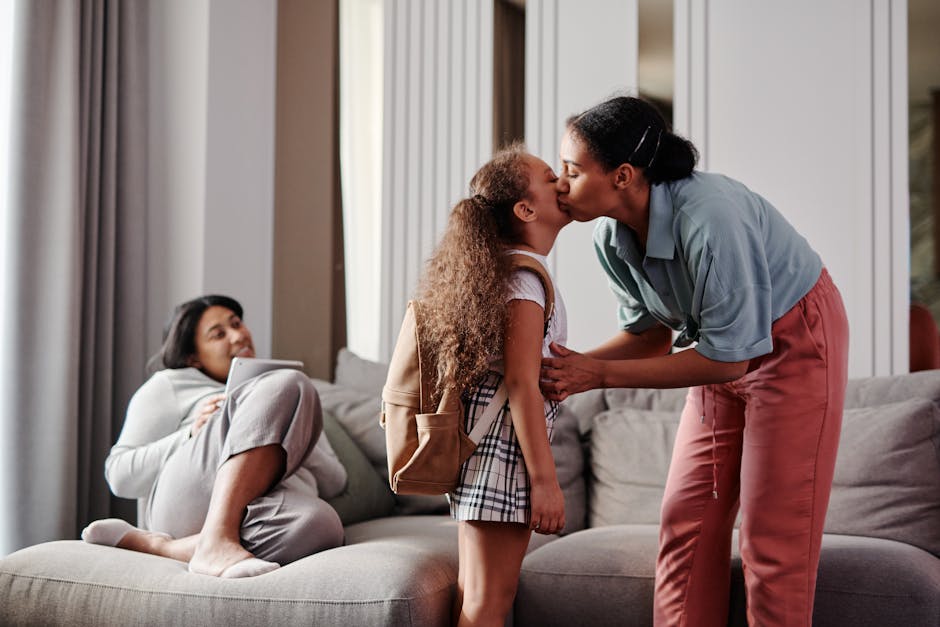
What Is Separation Anxiety, Really?
Separation anxiety disorder (SAD) is clinically defined as excessive fear or distress when a child is separated from their primary caregiver. While mild separation anxiety is a completely normal developmental phase — typically peaking between ages 8 months and 3 years — it can persist or intensify in some children, becoming genuinely disruptive to daily life.
According to the American Academy of Pediatrics (AAP) and updated 2025–2026 child psychology surveys, approximately 4–5% of children aged 5–12 experience clinically significant separation anxiety disorder. That’s roughly 1 in every 20 school-age children. The numbers spike slightly post-pandemic, as many researchers now attribute residual social-emotional disruption to extended periods of home isolation experienced during early childhood development windows.
Why Does It Happen? The Neuroscience Behind the Clinginess
Children’s brains aren’t just “smaller adult brains” — the prefrontal cortex (responsible for rational thought and emotional regulation) isn’t fully developed until the mid-20s. What this means practically is that a 4-year-old genuinely cannot self-soothe the way adults can. Their amygdala — the brain’s alarm system — fires intensely when they perceive threat, and separation from a trusted caregiver registers as a genuine threat signal.
Contributing factors in 2026 that clinicians are increasingly noting include:
- Screen-mediated attachment patterns: Children who primarily bond through co-viewing content may struggle more when that shared digital world disappears at school drop-off.
- Inconsistent routines: Remote/hybrid work schedules that shift week to week can undermine a child’s sense of predictability.
- Parental anxiety transfer: Research from the University of Amsterdam (2024, updated 2026 follow-up) confirms that children with anxious parents are 3x more likely to develop anxiety disorders themselves — including SAD.
- Temperament: Some children are simply biologically predisposed to higher emotional sensitivity, and that’s okay.
Real-World Examples: How Families and Schools Are Handling It
In South Korea, elementary schools in Seoul have introduced what educators call a “Hello Corner” (안녕 코너) — a designated transition space near school entrances where a familiar staff member greets children, helps them engage with a small activity, and physically bridges the gap between parent and classroom. Schools piloting this model in 2025–2026 reported a 34% reduction in morning separation distress episodes within 8 weeks.
In the United States, the Child Mind Institute in New York has been advocating for a technique called Graduated Exposure Therapy for Children (GET-C) — a structured, step-by-step approach where children are incrementally exposed to separation scenarios in a controlled, supportive environment. Unlike older approaches that relied on “just leaving quickly,” GET-C emphasizes co-creating the separation experience with the child, giving them a sense of agency.
In the UK, NHS guidelines updated in early 2026 now recommend that parents avoid prolonged goodbye rituals — not because they’re cruel, but because drawn-out farewells actually reinforce the child’s belief that separation is something to be feared rather than managed.
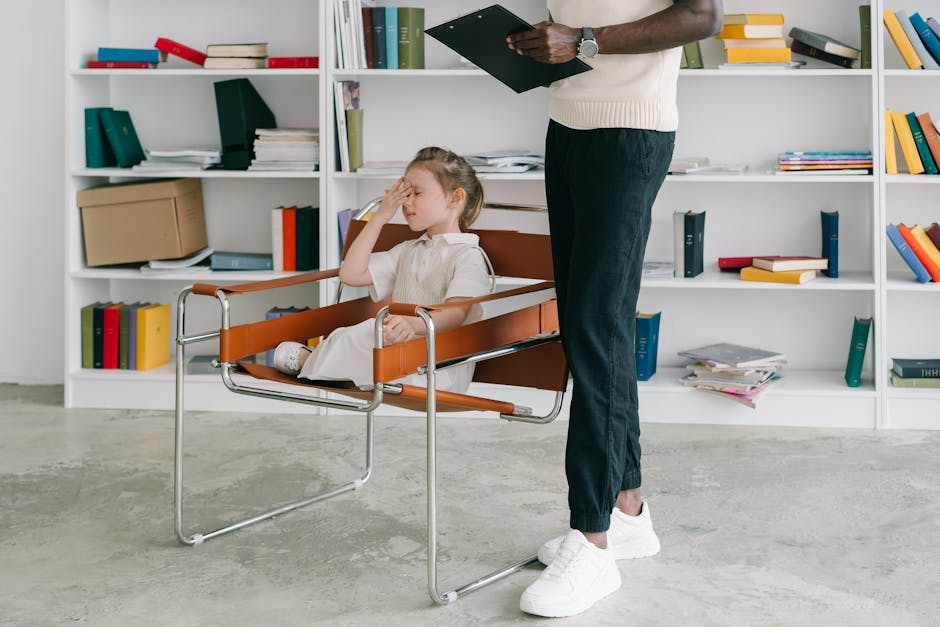
Practical Strategies You Can Start Today
Here’s where we get actionable. These strategies are grounded in current behavioral psychology and are realistic for everyday parents — not just therapists with structured clinic time.
- Create a consistent goodbye ritual: Keep it short (under 2 minutes), warm, and predictable. A special handshake, a whispered phrase, or three quick kisses — whatever works. Consistency is the magic ingredient, not the specific action.
- Use a “transition object”: A small, comforting item from home (a parent’s hair tie, a mini photo card) can serve as a tangible reminder that connection persists even during separation.
- Practice “mini separations” at home: Before big separations happen, normalize small ones. “I’m going to the other room for 10 minutes — you’re safe, and I’ll be right back.” Build the trust muscle gradually.
- Validate without catastrophizing: There’s a difference between “I know you miss me, and that’s okay — you’re safe here and I’ll pick you up at 3pm” and “Oh no, don’t cry, it’s terrible, I’m so sorry!” The first acknowledges feelings without amplifying threat perception.
- Avoid sneak exits: Slipping away while your child is distracted may feel easier in the moment, but it erodes trust over time and often worsens anxiety. Always say goodbye, even briefly.
- Involve teachers and caregivers: Share your child’s comfort strategies with school staff. A consistent handoff protocol between you and the teacher can dramatically reduce transition distress.
- Consider professional support if it persists: If anxiety is significantly impairing your child’s daily function for more than 4 weeks, a child psychologist or pediatric therapist can make a real difference. Cognitive Behavioral Therapy (CBT) adapted for children has strong evidence behind it.
Realistic Alternatives for Different Family Situations
Not every family has the same resources, schedule, or access to professional support. Here are some honest alternatives based on your situation:
If you have a tight morning schedule: Invest time on weekends to practice the goodbye ritual in low-stakes environments (grandparent’s house, a playdate). The weekday payoff is worth the weekend prep.
If professional therapy isn’t accessible or affordable: Look into school counselors (often free), community mental health programs, or evidence-based apps like GoZen! or Calm Kids that use animated CBT-based exercises designed for ages 4–10.
If your child is highly sensitive or has a diagnosed anxiety disorder: Medication is occasionally recommended alongside therapy for severe cases — not as a first resort, but as a genuine option worth discussing with a pediatric psychiatrist without shame.
If you, the parent, are also anxious: That’s not a moral failing — it’s a data point. Addressing your own anxiety (through therapy, mindfulness, or even peer support groups) is genuinely one of the most impactful things you can do for your child’s anxiety. You can’t pour from an empty cup, but more importantly, your nervous system literally co-regulates theirs.
The Bottom Line
Separation anxiety is not a parenting failure, and it’s not a permanent sentence for your child. It’s a signal — sometimes developmental and temporary, sometimes requiring a bit more structured support. The key is not to panic alongside your child, but to be the calm, consistent presence that teaches them: I go, and I come back. You are safe. You can do this.
That message, delivered patiently and repeatedly, is the most powerful intervention of all.
Editor’s Comment : As someone who’s watched countless families navigate this exact morning-door struggle, I want to gently remind you — your child’s anxiety often mirrors the emotional undercurrents in the home more than any single parenting mistake. The fact that you’re researching this, thinking about it, and looking for better approaches? That already puts you miles ahead. Give yourself credit, stay consistent, and trust that small, steady steps genuinely do compound into big changes over time. You’ve got this. 💛
태그: [‘separation anxiety in children’, ‘child anxiety treatment 2026’, ‘how to help kids with separation anxiety’, ‘school separation anxiety tips’, ‘parenting anxious children’, ‘childhood anxiety disorder’, ‘kindergarten separation strategies’]
Leave a Reply