Blog

  • 미래 직업 대비 STEM 교육 전략 2026 – 우리 아이 진로를 바꾸는 핵심 로드맵

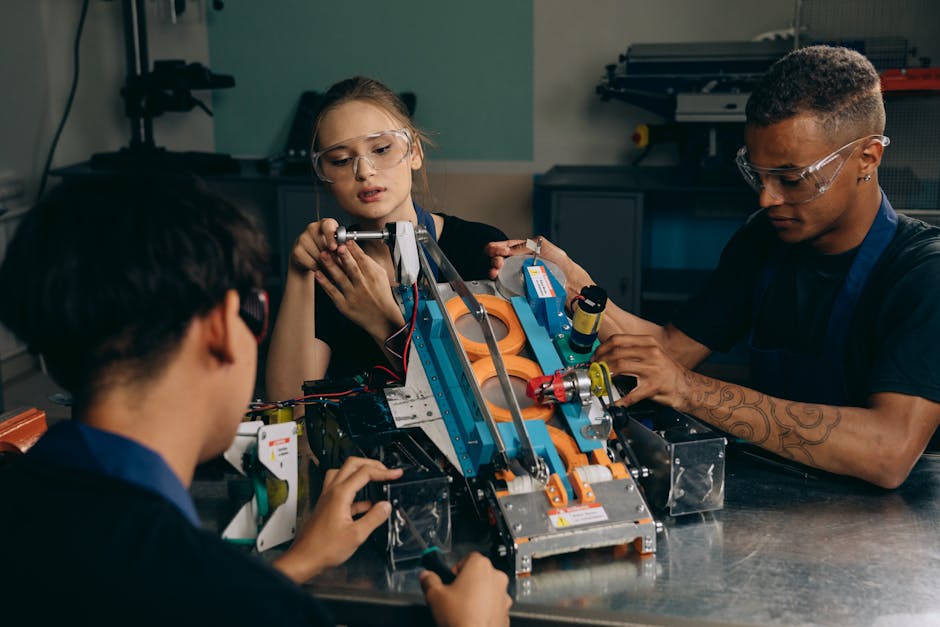
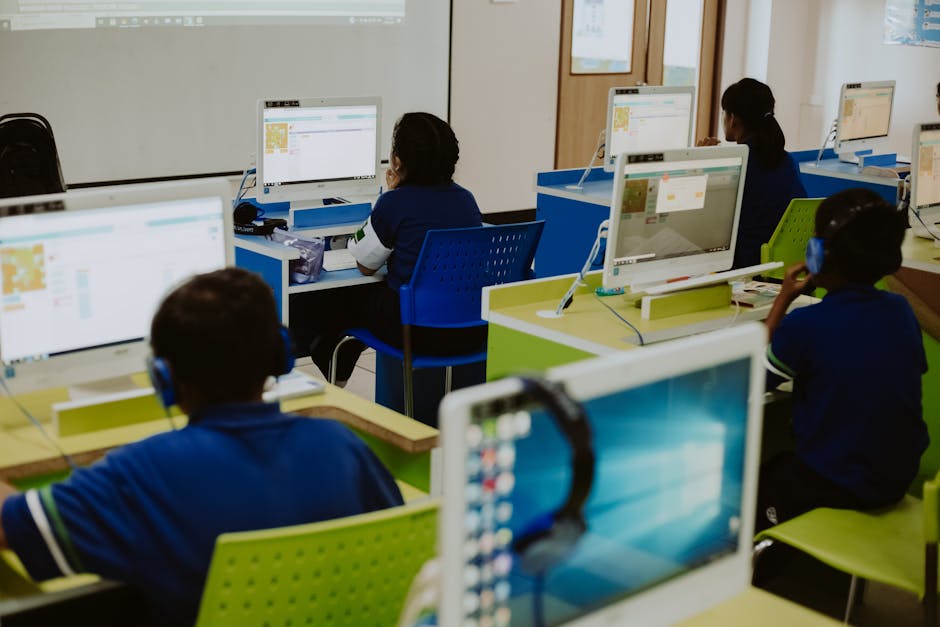
    얼마 전, 한 학부모 커뮤니티에서 이런 글을 읽었어요. “아이가 코딩 학원을 3년째 다니고 있는데, 막상 뭘 배우는지 모르겠다”는 하소연이었습니다. 댓글에는 비슷한 고민을 가진 부모님들의 공감이 수백 개 달렸죠. STEM 교육이 중요하다는 말은 이제 너무나 익숙하지만, 정작 ‘어떻게’, ‘왜’, ‘무엇을 향해’ 해야 하는지는 여전히 안갯속인 경우가 많은 것 같습니다. 2026년 현재, AI와 자동화 기술이 직업 시장을 빠르게 재편하고 있는 상황에서 STEM 교육 전략을 제대로 다시 들여다볼 필요가 있다고 봅니다.

    📊 숫자로 보는 미래 직업 지형 변화

    먼저 현실적인 수치부터 함께 살펴볼게요. 세계경제포럼(WEF)이 발표한 Future of Jobs Report 2025에 따르면, 2030년까지 전 세계적으로 약 8,500만 개의 일자리가 자동화로 대체되는 반면, 새롭게 9,700만 개의 신규 직종이 생겨날 것으로 전망됩니다. 단순히 “일자리가 사라진다”는 공포가 아니라, 어떤 역량을 갖추느냐에 따라 기회가 달라진다는 뜻이라고 볼 수 있어요.

    국내 상황도 비슷합니다. 한국고용정보원의 2026년 직업 전망 보고서에 의하면, 향후 5년 내 수요가 크게 증가할 직종 상위 10개 중 7개가 STEM 관련 분야인 것으로 나타났습니다. 특히 AI 엔지니어링, 바이오인포매틱스(생물정보학), 사이버보안 전문가, 그리고 기후테크(Climate Tech) 분야의 수요 증가율이 두드러지는 편이에요. 반면 단순 데이터 입력, 반복적 회계 처리 등의 직무는 자동화 대체율이 60~70%에 육박한다고 합니다.

    이 수치들이 말해주는 핵심은 하나예요. STEM은 ‘이공계 진학을 위한 과목’이 아니라, 문제를 발견하고 기술로 해결하는 사고방식 자체를 기르는 교육이라는 점입니다.

    🌍 국내외 STEM 교육 사례 – 어떻게 다른가

    핀란드의 현상 기반 학습(Phenomenon-Based Learning)은 2026년 현재 전 세계 교육 혁신의 벤치마크로 자주 인용됩니다. 수학, 과학, 기술을 각각 독립된 과목으로 가르치는 대신, ‘기후변화’나 ‘스마트시티’처럼 실제 현상을 중심에 두고 여러 과목을 통합해 탐구하는 방식이에요. 학생들이 스스로 질문을 만들고 데이터를 수집하며 해결책을 제안하는 과정에서 STEM 역량이 자연스럽게 내면화된다고 봅니다.

    미국의 P-TECH(Pathways in Technology Early College High School) 모델도 주목할 만해요. IBM이 뉴욕시 공립학교와 협력해 시작한 이 프로그램은 고등학교 과정과 준학사 학위를 동시에 이수하면서 실제 기업 현장에서 멘토링을 받는 구조입니다. 2026년 현재 미국 내 700개 이상의 학교로 확산되었고, 졸업생의 취업률과 임금 수준 모두 일반 졸업생 대비 유의미하게 높다는 결과가 나오고 있어요.

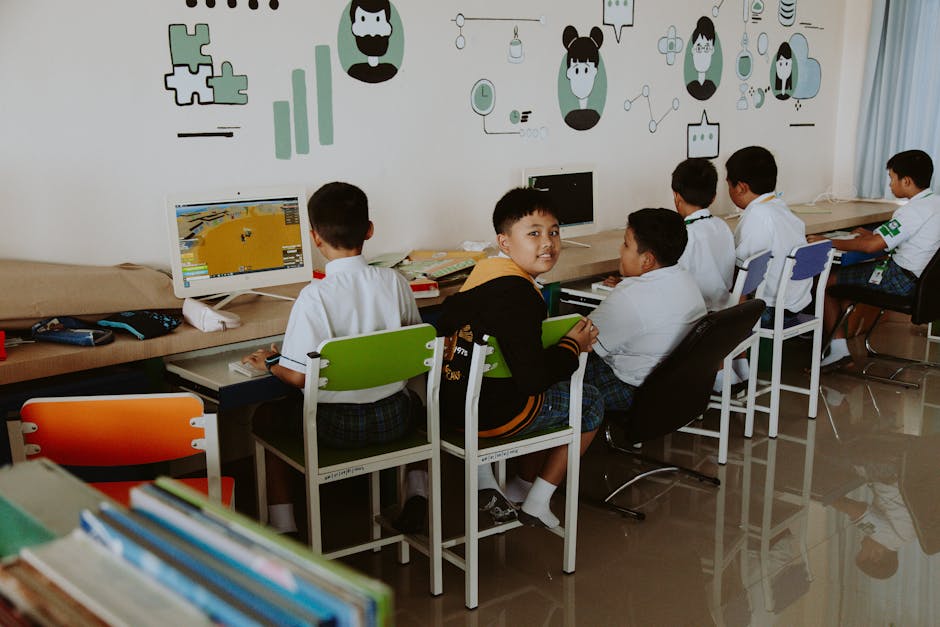
    국내에서는 2025년부터 확대 시행된 ‘디지털 새싹’ 캠프와 초·중등 AI 교육 의무화 정책이 중요한 변화라고 할 수 있어요. 하지만 여전히 입시 중심 구조 속에서 STEM 교육이 ‘문제풀이 훈련’에 머무는 경우가 많다는 점은 아쉬운 현실인 것 같습니다.

    🛠 2026년 현재, 가정에서 실천할 수 있는 STEM 전략

    학교 커리큘럼을 바꾸는 건 단기간에 어렵지만, 가정에서의 접근 방식은 지금 당장 바꿀 수 있어요. 다음은 연령대별로 적용 가능한 현실적인 전략들입니다.

    • 초등 저학년 (7~9세) – 호기심을 구조화하기: 레고 마인드스톰, 스크래치 주니어 같은 블록 코딩 도구로 ‘만들고 부수는’ 경험을 반복해 주세요. 정답을 찾는 게 아니라 시도하는 과정 자체가 목적입니다.
    • 초등 고학년 (10~12세) – 프로젝트 중심 탐구: ‘우리 동네 미세먼지 데이터를 직접 수집해 보기’처럼 일상의 문제를 과학적 방법론으로 접근하는 경험을 만들어 주는 게 좋습니다. 엔트리(Entry)나 마이크로비트 같은 도구가 유용해요.
    • 중학생 – 융합적 사고 훈련: 단순 코딩을 넘어서 ‘왜 이 알고리즘이 효율적인가’, ‘이 기술이 사회에 어떤 영향을 미치는가’를 토론하는 시간이 중요합니다. STEM에 인문학적 시각을 더하는 STEAM 접근법이 효과적인 시기예요.
    • 고등학생 – 실제 문제 해결 포트폴리오: 캐글(Kaggle) 같은 데이터 분석 플랫폼이나 깃허브(GitHub)에 자신의 프로젝트를 공개하고 피드백을 받는 경험이 대학 입시와 취업 양쪽에서 강력한 경쟁력이 됩니다.
    • 공통 – 기후·바이오·사이버 분야 관심 키우기: 2026년 현재 가장 빠르게 성장하는 STEM 직종은 기후테크, 합성생물학, 사이버보안 세 분야라고 봅니다. 관련 유튜브 채널, 팟캐스트, 온라인 강좌(예: 코세라, K-MOOC)를 생활 속에 자연스럽게 녹이는 것이 출발점이에요.

    💡 부모와 교사가 놓치기 쉬운 함정

    STEM 교육을 논할 때 자주 간과되는 부분이 있어요. 바로 ‘실패를 다루는 방식’입니다. 과학적 사고의 핵심은 가설이 틀렸을 때 그것을 데이터로 인정하고 수정하는 과정에 있거든요. 그런데 입시 환경에서는 틀리는 것 자체를 두려워하도록 훈련받기 쉬워요. 실험이 실패했을 때 “왜 그렇게 됐을까?”를 함께 탐구하는 태도가 어떤 교재보다 강력한 STEM 교육이라고 봅니다.

    또 하나는 다양성의 문제예요. STEM 분야의 성별 격차는 2026년에도 여전히 유의미하게 존재합니다. 여학생들이 이공계에 흥미를 잃는 시점이 통계적으로 중학교 1~2학년에 집중된다는 연구 결과는 오래전부터 있었어요. 롤모델 노출, 협업 중심 프로젝트 구조, 경쟁보다 기여를 강조하는 학습 환경이 격차 해소에 효과적이라는 사례들이 쌓이고 있습니다.

    에디터 코멘트 : STEM 교육을 ‘미래 직업 대비용 스펙’으로만 바라보면 결국 또 다른 형태의 입시 준비가 될 수밖에 없는 것 같아요. 핵심은 아이가 세상을 “왜?”라는 질문으로 바라보는 습관을 갖도록 돕는 것이라고 봅니다. 거창한 커리큘럼이 없어도 괜찮아요. 오늘 저녁 식탁에서 아이에게 “오늘 뭔가 이상하다고 느낀 게 있었어?”라고 한 번 물어보는 것, 그게 어쩌면 가장 좋은 STEM 교육의 시작일 수 있습니다.


    📚 관련된 다른 글도 읽어 보세요

  • How to Help Your Child Overcome Separation Anxiety in 2026: A Parent’s Practical Guide

    Picture this: It’s Monday morning, and your 5-year-old is clinging to your leg at the preschool gate, tears streaming down their face, screaming “Don’t go, Mommy!” You’re already late for work, your heart is breaking, and the teacher is gently trying to peel little fingers off your jeans. Sound familiar? You’re absolutely not alone — and more importantly, there’s a real, research-backed path through this.

    Separation anxiety is one of the most emotionally charged challenges parents face, but understanding why it happens is the first step to helping your child move through it with confidence rather than fear.

    What Exactly Is Separation Anxiety — And Is It Normal?

    Separation anxiety is a developmentally expected response in children, typically peaking between ages 8 months and 3 years, though it can resurface or intensify during school transitions, family changes, or stressful events. When a child cries, clings, or has physical complaints (stomachaches, headaches) before separating from a caregiver, their nervous system is essentially sounding an alarm: “My safe person is leaving — danger!”

    According to the American Academy of Pediatrics (AAP), up to 40% of children experience significant separation anxiety at some point, and the Diagnostic and Statistical Manual of Mental Disorders (DSM-5-TR) recognizes it as an anxiety disorder when symptoms persist beyond 4 weeks and significantly interfere with daily functioning. In 2026, post-pandemic data continues to show elevated rates among children aged 4–9, largely attributed to disrupted socialization patterns during early development years.

    The Neuroscience Behind the Clinging

    Here’s something that might reframe how you see your child’s behavior: separation anxiety is rooted in the amygdala — the brain’s threat-detection center. Young children’s prefrontal cortex (the rational, calming part of the brain) is still under construction well into adolescence. So when you walk out the door, your child literally cannot yet self-regulate the flood of cortisol and adrenaline that follows. They’re not being manipulative. They’re being human.

    Research from the University of California’s Child Development Lab (2024–2026 longitudinal study) found that children with secure attachment who underwent gradual exposure techniques showed a 62% reduction in separation distress within 6 weeks, compared to 28% in control groups using avoidance-based strategies.

    Proven Strategies That Actually Work

    Let’s dig into what the evidence — and real families — tell us works best:

    • The Goodbye Ritual: Create a consistent, brief, and upbeat goodbye routine. A special handshake, a kiss on the palm your child can “hold,” or a simple phrase like “I’ll be back after snack time” gives predictability. Predictability = safety for a child’s brain.
    • Gradual Exposure (Desensitization): Start with short separations and build up. Leave for 5 minutes, return, celebrate the success. Slowly extend the time. This teaches the child’s nervous system that separation is survivable and that you always come back.
    • Emotion Coaching, Not Dismissing: Instead of “You’re fine, stop crying,” try “I see you’re really scared right now. That feeling is okay. And I know you can handle this.” Validating emotions doesn’t reinforce anxiety — dismissing emotions actually makes it worse.
    • Transition Objects: A small photo of the family, a parent’s worn t-shirt, or a special bracelet that “connects” child and parent can serve as a tangible bridge during the day.
    • Empower the Child With Choice: “Would you like to wave goodbye from the window or the door?” Small choices restore a sense of control, which directly counters the helplessness that fuels anxiety.
    • Consistent, Confident Drop-offs: Children are extraordinarily good at reading parental energy. If you linger, look guilty, or return multiple times, you inadvertently signal that there is something to worry about. Brief, warm, and confident sends a very different message.
    • Read Books About Separation: Books like The Invisible String by Patrice Karst or Llama Llama Misses Mama by Anna Dewdney use storytelling to normalize feelings and offer children a framework for understanding the temporary nature of separation.

    Real-World Examples: How Families Have Navigated This

    In South Korea, where academic pressure creates early school transitions, the “Haengbok School” (Happy School) program implemented in Seoul’s public kindergartens uses a structured 2-week “adjustment period” where parents gradually reduce their presence in the classroom. By 2025, participating schools reported a 55% decrease in severe separation distress cases during the first month of school.

    In the United States, the CALM (Child Anxiety Learning Modules) program developed by Boston Children’s Hospital has been widely adopted in pediatric clinics and school counseling settings through 2026. It combines parent coaching with child-directed CBT (Cognitive Behavioral Therapy) techniques, showing strong outcomes particularly for children aged 5–12. Parents who completed the 6-session program reported feeling significantly more confident managing their child’s anxiety without inadvertently reinforcing it.

    In the UK, the National Health Service’s (NHS) CAMHS (Child and Adolescent Mental Health Services) introduced a digital companion app in early 2026 that guides parents through separation anxiety exercises at home, reducing waitlist pressure while still delivering evidence-based support.

    When Should You Seek Professional Help?

    Most separation anxiety is developmentally normal and responds well to consistent home strategies. However, consider consulting a pediatric psychologist or your child’s pediatrician if:

    • Symptoms persist for more than 4 weeks without improvement
    • Your child is experiencing physical symptoms (vomiting, severe stomachaches) regularly before separations
    • The anxiety is preventing school attendance or significantly disrupting family life
    • Your child is showing signs of panic attacks or extreme avoidance behaviors
    • The anxiety seems to be intensifying rather than improving over time

    A licensed child therapist trained in CBT or Play Therapy can make an enormous difference — and getting help early is always better than waiting and hoping it resolves on its own.

    Realistic Alternatives When Ideal Strategies Aren’t Possible

    Let’s be honest — not every family has the luxury of a two-week gradual school transition, a flexible work schedule for extended goodbye rituals, or immediate access to a child therapist. Here’s what you can do with real-life constraints:

    If you can’t do gradual exposure due to work schedules, consistency becomes your superpower. The same goodbye phrase, the same warm handoff to a trusted caregiver, every single day, is enormously powerful even in a 60-second window. If therapy isn’t accessible, free resources like the Anxiety and Depression Association of America (ADAA) website and YouTube channels from licensed child psychologists offer evidence-based guidance at zero cost. If your child resists transition objects, try a shared activity instead — “I’m going to be thinking about what we’ll make for dinner when I pick you up. You think about it too, okay?” This creates a mental bridge rather than a physical one.

    Editor’s Comment : Separation anxiety is one of those parenting challenges that can feel deeply personal — like somehow your child’s distress is a reflection of something you’ve done wrong. It’s not. It’s actually a sign of secure, meaningful attachment. The goal was never to raise a child who doesn’t miss you. It’s to raise a child who misses you and knows they can handle it until you return. That’s a gift worth every tearful morning. Be patient with them — and with yourself.


    📚 관련된 다른 글도 읽어 보세요

  • 아동 분리불안 극복 방법 총정리 | 2026년 최신 육아 전문가 가이드

    아동 분리불안 극복 방법 총정리 | 2026년 최신 육아 전문가 가이드

    어린이집 첫날 아침, 아이가 엄마 다리를 꼭 붙잡고 놓아주지 않던 장면을 기억하시나요? 울음을 터뜨리는 아이를 억지로 떼어놓고 발걸음을 돌려야 했던 그 순간, 부모의 마음도 함께 무너져 내렸을 거예요. 이런 상황을 겪는 가정은 생각보다 훨씬 많습니다. 분리불안은 아이가 성장하는 과정에서 자연스럽게 나타나는 현상이지만, 그 정도가 지나치거나 오래 지속된다면 아이의 일상생활과 사회성 발달에 영향을 미칠 수 있다고 봅니다. 오늘은 분리불안이 왜 생기는지, 그리고 어떻게 현실적으로 접근할 수 있는지 함께 차근차근 살펴볼게요.

    분리불안이란 정확히 무엇인가요?

    분리불안(Separation Anxiety)은 애착 대상, 즉 주로 부모나 주 양육자와 떨어지는 상황에서 아이가 극도의 불안과 공포를 느끼는 상태를 말해요. 생후 6~8개월경부터 자연스럽게 나타나기 시작해서 만 3세 전후에 가장 강하게 표출되는 경향이 있습니다. 이 시기에 어느 정도의 분리불안은 건강한 애착 형성의 증거이기도 해요. 문제는 아이가 만 4~5세를 넘어서도 일상적인 분리 상황에서 지속적으로 심한 고통을 호소하거나, 신체 증상(두통, 복통 등)까지 동반될 때입니다.

    📊 분리불안, 얼마나 흔한 일일까요? — 수치로 살펴보기

    생각보다 많은 아이들이 이 과정을 겪고 있다는 사실이 조금 위안이 되지 않을까요? 국내외 연구 자료를 종합해 보면 다음과 같은 수치를 확인할 수 있습니다.

    • 전체 아동의 약 4~5%가 임상적 진단이 필요한 수준의 분리불안 장애(Separation Anxiety Disorder, SAD)를 경험하는 것으로 추정됩니다. (미국 정신의학협회, DSM-5 기준)
    • 대한소아청소년정신의학회(2025년 조사)에 따르면, 국내 만 3~7세 아동 중 약 15~20%가 등원·등교 거부 등 분리불안 관련 행동을 보인다고 보고되었어요.
    • 팬데믹 이후 재택·돌봄 환경 변화로 인해 2022~2025년 사이 분리불안 호소 아동 비율이 팬데믹 이전 대비 약 1.3배 증가한 것으로 나타났습니다. (국제아동정신건강연구컨소시엄, 2025)
    • 분리불안이 적절히 해소되지 않을 경우, 학령기 이후 사회불안 장애로 이어질 확률이 약 30% 높아진다는 연구 결과도 있어요.

    이 수치들이 말해주는 핵심은, 분리불안은 “의지로 극복해야 할 버릇”이 아니라 신경생리학적, 심리적 기반을 가진 실제 반응이라는 점입니다. 아이를 탓하거나 다그치는 방식이 왜 역효과를 낳는지, 이 수치만 봐도 충분히 짐작이 가는 것 같습니다.

    🌍 국내외 사례로 보는 분리불안 대처의 실제

    핀란드의 경우, 공립 유아교육기관에서는 입학 초기 ‘부모 동반 적응 기간(Familiarization Period)’을 공식 제도로 운영하고 있어요. 아이가 새 환경에 완전히 노출되기 전, 부모와 함께 어린이집 공간을 탐색하는 시간을 1~2주 정도 갖는 방식입니다. 이 방법을 도입한 기관에서는 적응 후 분리불안 지속 사례가 약 40% 감소했다는 현지 교육부 보고가 있어요.

    국내에서도 유사한 변화가 감지되고 있습니다. 서울시 육아종합지원센터는 2025년부터 ‘서울형 부드러운 입학 프로그램’을 시범 운영 중인데, 입학 첫 2주간 보호자가 하루 1~2시간 함께 머무르는 것을 허용하는 방식이에요. 참여 기관의 교사들은 “아이가 스스로 ‘여기는 안전한 곳’이라고 인식하는 속도가 눈에 띄게 빨라졌다”고 평가하고 있습니다.

    미국 아동심리학자 다니엘 시겔(Daniel J. Siegel) 박사의 ‘뇌과학 기반 애착 육아’ 접근법도 주목할 만합니다. 그는 아이가 분리 공포를 느낄 때 “네 감정은 괜찮아, 엄마는 반드시 돌아와”라는 메시지를 반복적·일관되게 전달하는 것이 핵심이라고 강조해요. 감정을 억누르거나 무시하는 게 아니라, 감정을 인정하면서도 현실적인 안전감을 심어주는 방식인 거죠.

    ✅ 지금 당장 집에서 실천할 수 있는 분리불안 극복 방법

    • 예측 가능한 이별 루틴 만들기: 매일 같은 방식으로 작별 인사를 하세요. “엄마가 저녁 밥 먹을 때 데리러 올게”처럼 아이가 이해할 수 있는 구체적인 시간 개념을 활용하는 게 효과적이에요.
    • 몰래 사라지지 않기: 아이가 울까봐 모르는 사이에 나가는 건 오히려 신뢰를 무너뜨려요. 짧더라도 반드시 눈을 마주치고 작별 인사를 해야 합니다.
    • 전환 대상(Transitional Object) 활용: 좋아하는 인형이나 부모의 손수건처럼 애착 대상의 냄새가 나는 물건을 들고 다니게 해주세요. 이는 애착 이론에서도 검증된 방법이에요.
    • 짧은 분리 연습부터 시작하기: 처음부터 긴 시간을 분리하려 하지 말고, 10분 → 30분 → 1시간처럼 점진적으로 늘려가는 것이 좋습니다.
    • 돌아올 때 과도한 반응 자제하기: 재회 시 지나치게 흥분하거나 미안해하면, 아이는 분리 자체가 큰 사건이라고 학습할 수 있어요. 자연스럽고 따뜻하게 안아주는 것으로 충분합니다.
    • 아이의 감정에 이름 붙여주기: “엄마가 없어서 많이 무서웠겠다”처럼 감정을 언어화해 주면, 아이가 자신의 감정을 조절하는 능력을 키워나갈 수 있어요.
    • 전문가 상담 적극 고려하기: 위 방법들을 꾸준히 실천해도 6개월 이상 증상이 지속되거나 일상생활에 심각한 지장을 준다면, 소아청소년 정신건강의학과나 놀이치료 전문가의 도움을 받는 것을 추천드립니다.

    결론 — 분리불안, ‘고쳐야 할 문제’가 아니라 ‘함께 건너야 할 과정’

    분리불안은 아이가 부모를 충분히 사랑한다는 증거이기도 합니다. 문제는 그 감정의 크기를 아이 스스로 감당하지 못하는 것이고, 부모의 역할은 그 감정을 억누르는 게 아니라 조금씩 감당할 수 있도록 옆에서 안전망이 되어주는 것이라고 봐요. 조급하게 생각하지 말고, 오늘 하루 루틴 하나부터 바꿔보는 것도 충분히 의미 있는 시작이 될 수 있습니다.

    에디터 코멘트 : 분리불안을 다루다 보면 사실 부모 자신의 분리불안도 함께 들여다보게 되는 것 같아요. “내가 자리를 비우면 아이가 무너지지 않을까” 하는 불안감, 어쩌면 그게 아이에게도 고스란히 전달되고 있는 건 아닐까요? 아이의 독립심을 키우는 첫걸음은 부모가 먼저 “우리 아이는 괜찮다”는 신뢰를 갖는 것에서 시작한다고 봅니다. 우리 함께 조금씩, 천천히 나아가 봐요. 😊


    📚 관련된 다른 글도 읽어 보세요

  • 유아 발달 단계별 특징 2026 — 0~6세 월령별 성장 포인트 완전 정리

    어느 날 놀이터에서 만난 한 엄마가 이런 말을 했어요. “우리 아이가 또래보다 말이 늦는 것 같아서 걱정인데, 어디서부터 봐야 할지 모르겠어요.” 그 짧은 한마디에 수많은 부모들의 공통된 고민이 담겨 있다고 봅니다. 아이의 발달은 교과서처럼 딱 맞아떨어지지 않기 때문에 더욱 헷갈리죠. 2026년 현재, 소아청소년과학회와 세계보건기구(WHO)의 최신 가이드라인을 바탕으로 유아 발달 단계별 핵심 특징을 함께 살펴보려고 합니다. “우리 아이가 정상 범주 안에 있는 걸까?”라는 물음에 조금이나마 실마리가 되었으면 해요.

    baby developmental stages milestone chart infant toddler

    📌 발달 단계를 이해하기 전에 — ‘정상 범위’란 무엇인가요?

    발달 전문가들은 특정 기술이 나타나는 시점을 발달 이정표(Developmental Milestone)라고 부릅니다. 중요한 건, 이 이정표는 ‘평균’이 아니라 ‘범위’라는 점이에요. 예를 들어 걷기 시작하는 시기는 통계적으로 생후 9~15개월 사이가 정상 범주로 봅니다. 즉, 12개월에 걷지 못한다고 해서 곧바로 이상이 있다고 결론짓는 건 성급한 판단일 수 있어요. 아이마다 각 영역(운동·언어·사회·인지)의 발달 속도가 다르고, 한 영역이 빠르면 다른 영역이 잠시 느려 보이는 경우도 흔하다고 봅니다.

    🍼 0~6개월: 감각이 세상을 여는 시기

    신생아는 태어나자마자 생각보다 훨씬 많은 것을 인지합니다. 생후 1개월 내에 양육자의 목소리를 다른 소리와 구별하고, 약 20~30cm 거리의 얼굴에 시선을 고정하기 시작해요.

    • 0~2개월: 반사 운동(파악 반사, 모로 반사) 활발. 울음이 주된 소통 수단.
    • 2~4개월: 사회적 미소 출현. 옹알이(쿠잉, Cooing) 시작. 목 가누기 완성(약 3개월).
    • 4~6개월: 손으로 물건 잡기 시도. 뒤집기 시작. 자신의 이름에 반응. 웃음소리 명확해짐.

    이 시기 가장 중요한 자극은 눈 맞춤과 대화입니다. 뇌 신경 연결(시냅스 형성)이 폭발적으로 증가하는 시기로, 생후 첫 3개월 동안 매일 약 100만 개의 신경 시냅스가 새롭게 형성된다는 연구 결과도 있어요.

    🐣 6~12개월: 이동의 시작과 첫 소통

    이 시기부터 아이는 본격적인 탐색가가 됩니다. 대근육 발달이 두드러지면서 환경과의 상호작용이 급격히 늘어나요.

    • 6~8개월: 혼자 앉기 가능. 옹알이가 자음+모음 조합으로 발전(“바바”, “마마”). 낯가림(stranger anxiety) 본격화.
    • 8~10개월: 기기 시작. 집게 손가락으로 물건 집기(pincer grasp). 까꿍 놀이에 반응 — 이는 대상 영속성(Object Permanence) 개념이 형성된다는 신호예요.
    • 10~12개월: 붙잡고 서기, 첫 걸음마 시도. “엄마”, “아빠” 등 의미 있는 첫 단어 등장. 손가락으로 가리키기(pointing) 시작.

    ‘가리키기’는 단순한 동작 같지만, 자폐 스펙트럼 조기 선별에서 중요한 지표로 활용됩니다. 12개월에도 가리키기가 전혀 나타나지 않는다면 전문가 상담을 고려해볼 만하다고 봅니다.

    🚶 12~24개월: 언어 폭발과 자아의 탄생

    돌 이후부터는 발달 속도의 개인차가 더욱 두드러집니다. 특히 언어 발달에서 “언어 폭발(Vocabulary Spurt)” 현상이 나타나요. 평균적으로 18~24개월 사이에 어휘가 급증하여 20개월에 약 50개 단어를 사용하고, 24개월 전후로 두 단어 조합(“엄마 줘”, “더 먹어”)이 가능해집니다.

    • 18개월 기준: 최소 10~20개 단어 표현이 권장 이정표.
    • 24개월 기준: 두 단어 이상 조합, 약 200~300개 어휘 이해.
    • 자기 주장과 “싫어!”, “내 거!” 표현 증가 → 자아 개념 형성의 증거.
    • 평행 놀이(Parallel Play): 같은 공간에서 놀지만 상호작용은 적음 — 정상적인 발달 양상이에요.
    toddler playing language development speech 2-year-old learning

    🎨 2~4세: 상상력과 사회성의 개화

    이 시기를 “마법적 사고(Magical Thinking)”의 시기라고도 불러요. 인형이 살아있다고 믿고, 구름이 자기를 따라온다고 느끼는 게 바로 이 나이대의 특징입니다. 이는 인지 발달상 완전히 자연스러운 과정이에요.

    • 2~3세: 세 단어 이상 문장 구사. 달리기, 계단 오르기(두 발 모아). 또래와의 놀이 관심 증가. 배변 훈련 시작 가능 시점.
    • 3~4세: 4~5단어 문장. 자기 이름과 나이 말하기. 협동 놀이(Cooperative Play) 시작. 원·삼각형 등 기본 도형 그리기. “왜?” 질문 폭발 시기.

    “왜?” 질문이 끊이지 않아 지칠 수 있지만, 이는 인과관계를 이해하려는 인지적 도약의 신호라고 봅니다. 귀찮더라도 성실하게 대답해 주는 것이 인지 발달에 실질적인 영향을 준다는 연구들이 꾸준히 나오고 있어요.

    🏫 4~6세: 학습 준비도와 실행 기능의 성장

    취학 전 마지막 단계로, 인지·사회·정서 발달이 통합되는 시기입니다. 실행 기능(Executive Function) — 즉 충동 억제, 작업 기억, 인지적 유연성 — 이 본격적으로 발달하기 시작해요.

    • 자기 이름 쓰기, 단순한 글자 인식 시작.
    • 5~6세: 약 2,000개 이상의 어휘 이해. 복잡한 문장과 이야기 구조 파악.
    • 규칙 있는 게임 이해 및 참여. 감정 어휘 사용 증가(“속상해”, “무서워”).
    • 또래 관계에서 우정(friendship)의 개념 형성 — 특정 친구를 선호하고 지속적 관계 유지.
    • 한 발로 5초 이상 서기, 줄넘기, 자전거(보조바퀴) 등 소·대근육 협응력 발달.

    🌍 국내외 연구 사례로 보는 발달 지원의 중요성

    세계보건기구(WHO)는 2026년 현재도 “반응적 양육(Responsive Caregiving)”을 영아기 발달 지원의 핵심으로 강조합니다. 아이의 신호에 일관되고 따뜻하게 반응하는 것이 언어·인지·사회·정서 발달 모두에 긍정적 영향을 미친다는 다수의 종단 연구가 뒷받침하고 있어요.

    국내에서도 육아정책연구소의 ‘한국 아동 패널 연구’에 따르면, 영아기(0~24개월)에 양육자와의 안정 애착을 형성한 아동이 만 5세 시점에서 언어 발달 지수와 사회적 역량 모두 유의미하게 높게 나타났다고 보고됩니다. 단순히 비싼 교구나 영어 유치원보다, 양육자와의 질 높은 상호작용이 핵심이라는 결론이 반복해서 나오고 있는 것이라 봅니다.


    에디터 코멘트 : 발달 이정표를 알아두는 이유는 “뒤처짐을 발견하기 위해서”가 아니라, “우리 아이가 지금 어떤 세계를 경험하고 있는지 이해하기 위해서”라고 생각해요. 숫자와 기준이 불안의 도구가 되지 않도록, 조금 느리다 싶으면 먼저 주치의나 발달 전문가에게 가볍게 여쭤보는 게 가장 현실적인 대안이에요. 조기 개입은 빠를수록 효과적이지만, 대부분의 “느림”은 여전히 정상 범위 안에 있다는 것도 꼭 기억해 주세요. 아이를 가장 오래, 가장 가까이 본 사람은 결국 부모니까요.

    태그: [‘유아발달단계’, ‘아기발달이정표’, ‘영아발달특징’, ‘유아성장2026’, ‘발달이정표월령별’, ‘언어발달유아’, ‘육아정보2026’]


    📚 관련된 다른 글도 읽어 보세요

  • What the Latest 2026 Child Psychology Research Reveals — And What It Means for Your Parenting Today

    Last spring, a colleague of mine — a preschool teacher with nearly fifteen years of experience — told me something that stopped me mid-sip of my coffee: “The kids coming into my classroom now are fundamentally different from the ones I taught a decade ago. Not worse, not better — just different. And I’m not sure my old playbook works anymore.” She wasn’t being dramatic. She was observing something that researchers across the globe have been scrambling to document and understand.

    Child psychology and developmental science are in the middle of a genuinely exciting — and occasionally unsettling — period of discovery. The research emerging in 2026 is reshaping long-held assumptions about how children think, feel, connect, and grow. Whether you’re a parent, educator, or just someone who cares about the next generation, let’s think through what the data actually says and what we can realistically do with it.

    🧠 The Brain Is Even More Plastic Than We Thought — But There Are Limits

    For decades, developmental psychologists leaned heavily on the concept of neuroplasticity — the brain’s ability to rewire itself based on experience. The good news from 2026 research? That plasticity window is broader than previously estimated. A landmark longitudinal study published in Nature Human Behaviour (January 2026) tracked 4,200 children across 12 countries from birth to age 10 and found that meaningful cognitive and emotional recovery is possible well into middle childhood, even for kids who experienced early adversity.

    But here’s the nuance researchers are now stressing: plasticity doesn’t mean infinite malleability. The same study noted that while the brain can compensate and reorganize, the quality of caregiving relationships — not just stimulation or intervention programs — remained the single strongest predictor of healthy developmental outcomes. In other words, no app, no enrichment class, and no curriculum replaces the consistent, attuned presence of a trusted adult.

    📊 The Data on Screen Time Has Finally Gotten More Precise

    We’ve all heard the blanket warnings about screens, but 2026 research is finally moving past the binary “screens bad / screens fine” debate. A meta-analysis from the University of Melbourne (February 2026), aggregating data from over 38 studies involving 120,000 children aged 2–12, broke screen exposure into meaningful subcategories:

    • Passive consumption (scrolling short-form video, background TV): Associated with measurable delays in expressive language development when exceeding 90 minutes per day in children under 5.
    • Interactive co-viewing (watching with a caregiver who comments, questions, and engages): Showed neutral-to-positive outcomes across all age groups studied.
    • Creative/constructive digital play (building games, collaborative storytelling apps): Linked to modest gains in spatial reasoning and narrative thinking in ages 5–9.
    • Social media use in pre-adolescents (ages 9–12): Even light use (under 30 minutes daily) correlated with increased social comparison anxiety — a finding that has child psychiatrists paying close attention.

    The takeaway isn’t to throw devices out the window. It’s to be intentional about what kind of screen interaction your child is having, and with whom.

    🌍 International Examples: What Korea and Finland Are Getting Right

    Two countries are drawing particular attention in 2026 developmental research circles, for very different reasons.

    South Korea has implemented what’s being called the “Emotional Curriculum 2.0” framework in public kindergartens nationwide — a structured program that dedicates 20% of weekly classroom time to emotion identification, regulation modeling, and peer conflict resolution. Early outcome data from Seoul National University of Education (released in late 2025, with 2026 follow-up data now available) shows a 31% reduction in behavioral disruption incidents and a 27% improvement in teacher-reported peer empathy scores within 18 months of implementation. The Korean model is notable because it integrates parental coaching sessions alongside classroom work — recognizing that emotional development doesn’t stop at the school gate.

    Finland, meanwhile, continues to be the gold standard for play-based learning, but 2026 updates to their national early childhood education framework have added something new: explicit “boredom tolerance” periods. Yes, structured unstructured time. Finnish researchers at the University of Tampere found that children who had regular, unsupervised free-play periods with minimal adult direction showed significantly higher scores in divergent thinking and frustration tolerance by age 7. The research team’s conclusion? We may be over-scheduling children into cognitive and emotional fragility.

    🔬 The Gut-Brain-Emotion Connection in Children: 2026’s Most Surprising Frontier

    Perhaps the most genuinely surprising area of child psychology research in 2026 is coming not from psychologists, but from the intersection of neuroscience and pediatric gastroenterology. The gut-brain axis — the bidirectional communication network between the digestive system and the central nervous system — is now being studied specifically in developing children, with striking results.

    Research from Johns Hopkins Children’s Center (2026) found that children aged 3–8 with diverse gut microbiomes showed measurably better emotional regulation, lower incidence of anxiety behaviors, and faster recovery from social stressors compared to children with lower microbiome diversity. While the researchers are careful to avoid causal overclaiming, the implications are being taken seriously: diet, outdoor exposure to natural environments, and reduced antibiotic overuse may be influencing emotional development through biological pathways we’re only beginning to map.

    💡 Realistic Alternatives: What You Can Actually Do

    I know what it feels like to read a stack of research and come away feeling simultaneously informed and overwhelmed. So let’s be practical. Here’s what the 2026 evidence collectively points toward — no helicopter parenting required:

    • Prioritize relationship over programming. Before adding another enrichment activity, ask whether your child has enough consistent, low-pressure time with you or another trusted adult. Presence > performance.
    • Rethink screen rules by type, not time alone. 45 minutes of building something creative together with your child is very different from 45 minutes of solo scrolling. The content and context matter enormously.
    • Let boredom breathe. Resist the urge to immediately fill every quiet moment. Unstructured time is developmentally productive, even if it doesn’t look like it from the outside.
    • Talk about emotions with specificity. Instead of “How was your day?” try “Did anything feel unfair today?” or “Was there a moment today where you felt proud?” — helping children build a rich emotional vocabulary is one of the highest-return investments a parent can make.
    • Support gut health naturally. More varied whole foods, more outdoor play in natural environments, and a measured approach to antibiotics (in consultation with your pediatrician) may do more for emotional resilience than many dedicated “brain development” products.
    • Don’t panic about imperfection. The plasticity research is genuinely reassuring: children are more resilient than our anxiety about them suggests. Consistent warmth and repair after conflict are more important than never getting it wrong.

    Wrapping It Up: The Research Is Nuanced, And That’s Actually Good News

    What I find most encouraging about where child developmental science stands in 2026 is that it’s moving away from one-size-fits-all prescriptions and toward a more honest, contextualized picture of how kids actually grow. There’s no single “right” childhood. But there are some consistent threads — safe relationships, room to play and fail, diverse experiences, and caregivers who keep showing up — that appear across cultures, income levels, and family structures.

    The research doesn’t demand perfection from parents or teachers. It asks for attentiveness. And that, at least, is something all of us can work toward together.

    Editor’s Comment : What strikes me most about this wave of 2026 research is how much it validates things many thoughtful caregivers already intuited — that being present matters more than being perfect, that play is serious business, and that emotional vocabulary is just as important as academic vocabulary. The science is finally catching up to wisdom that many cultures have held for generations. If there’s one thing worth taking from all of this, it’s permission: permission to slow down, to let your child be bored sometimes, and to trust that your consistent, caring presence is doing more developmental work than any structured program ever could.


    📚 관련된 다른 글도 읽어 보세요

  • 2026년 아동 심리 발달 최신 연구 총정리 | 우리 아이 마음을 제대로 이해하는 법

    얼마 전, 지인 한 분이 이런 이야기를 하더라고요. 7살 아이가 갑자기 등원을 거부하기 시작했는데, 어린이집 선생님은 “그냥 고집이 세진 것”이라 했고, 소아과 의사는 “성장 과정에서 있을 수 있는 일”이라고만 했다는 거예요. 하지만 부모 입장에서는 뭔가 더 있을 것 같은 느낌, 그 막연한 불안감을 지울 수 없었다고 했어요. 사실 이런 상황, 생각보다 훨씬 많은 가정에서 겪고 있는 일이라고 봅니다. 아이의 행동에는 반드시 심리적 맥락이 있는데, 우리가 그 언어를 잘 모르는 경우가 많거든요. 그래서 오늘은 2026년 현재까지 발표된 아동 심리 발달 관련 최신 연구들을 함께 살펴보면서, 부모로서 혹은 아이를 곁에서 돌보는 어른으로서 어떤 시각을 가져야 할지 고민해 보려 해요.

    📊 숫자로 보는 2026년 아동 심리 발달 트렌드

    최근 몇 년간 아동 심리 연구의 흐름은 크게 두 가지 방향으로 수렴되는 것 같습니다. 하나는 디지털 환경이 뇌 발달에 미치는 영향이고, 다른 하나는 애착 이론(Attachment Theory)의 재해석이에요.

    2026년 초 미국 국립아동건강연구소(NICHD)가 발표한 대규모 종단 연구에 따르면, 만 2세 이전에 하루 평균 1시간 이상 스마트 기기에 노출된 아이들은 그렇지 않은 아이들에 비해 언어 발달 지연 가능성이 약 32% 높게 나타났다고 해요. 단순히 화면을 본다는 것 자체가 문제라기보다는, 상호작용 없는 수동적 시청이 언어 습득의 핵심인 ‘주고받는 대화(Serve and Return)’ 경험을 대체해 버린다는 게 연구자들의 분석이었어요.

    또한 서울대학교 아동가족학과 연구팀이 2025년 말에 발표한 국내 연구에서는, 초등학교 1~3학년 아동 1,200명을 대상으로 조사한 결과 전체의 약 41%가 ‘정서 조절 어려움’을 경험하고 있는 것으로 나타났어요. 특히 팬데믹 이후 사회적 상호작용이 줄어든 세대일수록 또래 관계에서의 감정 표현 능력이 유의미하게 낮았다는 점은 꽤 인상적인 결과라고 봅니다.

    한 가지 더 주목할 수치가 있어요. 영국 킹스칼리지런던(KCL)의 신경과학팀은 만 3~5세 아이들의 뇌 MRI 데이터를 분석한 결과, 부모와의 정서적 교류 빈도가 높을수록 전두엽 피질(prefrontal cortex)의 발달 속도가 평균 18% 빠르게 나타났다고 밝혔어요. 전두엽은 충동 조절, 의사 결정, 공감 능력과 직결된 부위라 이 결과는 단순히 “같이 많이 놀아줘라”는 이야기를 넘어, 신경과학적 근거를 제시한다는 점에서 의미가 크다고 봅니다.

    🌍 국내외 주목할 만한 연구 사례들

    이론적 수치를 넘어서, 실제 현장에서 어떤 변화가 일어나고 있는지도 살펴볼 필요가 있을 것 같아요.

    핀란드의 감정 언어 교육 프로그램은 최근 전 세계 아동 심리 전문가들 사이에서 큰 주목을 받고 있어요. ‘감정 코칭(Emotion Coaching)’을 유치원 정규 커리큘럼으로 편입한 핀란드는 2026년 현재 기준으로 해당 프로그램을 시작한 아이들의 학교 폭력 발생률이 도입 전 대비 약 27% 감소했다는 중간 보고서를 발표했어요. 아이들이 “나 지금 화가 났어” 라고 말하는 법을 배우면, 주먹을 쓸 필요가 줄어든다는 원리죠.

    국내에서도 비슷한 시도가 있어요. 경기도교육청이 2025년부터 시범 운영 중인 ‘정서·행동 발달 지원 통합 시스템(EBDS)’은 교사, 상담사, 부모가 같은 플랫폼 안에서 아이의 정서 상태를 기록하고 공유하는 방식이에요. 아직 초기 단계이지만, 시범학교에서 학부모 만족도가 78점(100점 만점)으로 상당히 긍정적인 반응을 얻고 있다고 해요.

    또 하나 흥미로운 연구는 일본 도쿄대에서 진행한 ‘형제 자매 관계와 사회성 발달’ 연구예요. 외동 아이와 형제가 있는 아이 사이의 공감 능력 차이가 과거에는 크게 났지만, 2020년대 이후에는 그 격차가 현저히 줄어들었다는 결과가 나왔어요. 연구팀은 이를 소그룹 놀이 교육, 공동체적 유치원 환경 등의 영향으로 해석했는데, 이는 “형제가 없으면 사회성이 부족하다”는 오래된 통념을 재고하게 만드는 결과라고 봅니다.

    ✅ 부모가 지금 당장 실천할 수 있는 것들

    연구 결과들을 종합해 보면, 결국 핵심은 거창한 교육 프로그램보다 일상 속 작은 상호작용에 있는 것 같아요. 다음은 최신 연구들이 공통적으로 제안하는 실천 방법들이에요.

    • 감정에 이름 붙여주기 (Emotion Labeling): 아이가 울거나 떼를 쓸 때 “왜 그래?” 대신 “지금 많이 속상하구나, 그렇지?”처럼 감정을 언어로 먼저 반영해 주세요. 이 단순한 행동이 전두엽 발달에 직접적인 자극을 준다는 게 신경과학적으로도 확인된 사실이에요.
    • 비구조적 놀이 시간 확보하기: 학습지나 수업 형태의 활동보다 아이 스스로 규칙을 만드는 자유 놀이가 실행 기능(Executive Function) 발달에 더 효과적이라는 연구가 2026년에도 꾸준히 발표되고 있어요. 하루 최소 30~40분은 완전한 자유 놀이를 보장해 주는 게 좋을 것 같아요.
    • 스크린 타임 ‘내용과 함께’ 관리하기: 단순히 시간을 제한하는 것보다, 함께 보면서 내용에 대해 이야기 나누는 것이 더 효과적이에요. “저 친구는 지금 어떤 기분일까?”라고 물어보는 것만으로도 미디어 리터러시와 공감 능력을 동시에 키울 수 있어요.
    • 일관된 루틴 유지하기: 아이의 뇌는 예측 가능한 환경에서 더 안정적으로 발달해요. 취침 시간, 식사 시간 등의 루틴은 안전감(Security)을 주고, 이는 스트레스 호르몬(코르티솔) 수치를 낮추는 데도 도움이 된다고 합니다.
    • “잘했어” 보다 “어떻게 했어?” 묻기: 결과 중심의 칭찬보다 과정을 탐구하는 질문이 성장 마인드셋(Growth Mindset)과 내재적 동기를 키우는 데 더 효과적이라는 스탠퍼드 심리학 연구팀의 후속 연구 결과가 2025년 말 다시 한번 재확인됐어요.

    💡 전문가에게 도움을 구해야 할 신호들

    물론, 부모의 노력만으로 해결되지 않는 경우도 분명히 있어요. 아래와 같은 신호들이 지속적으로 나타난다면 소아청소년 정신건강의학과나 아동 심리 전문가와의 상담을 고려해 보시는 게 좋을 것 같아요.

    • 만 2세가 넘었음에도 단어 수가 현저히 적거나, 이전에 하던 말을 갑자기 안 하는 경우
    • 또래와의 눈 맞춤이나 상호작용을 지속적으로 회피하는 경우
    • 특정 소리, 촉감, 냄새에 과도하게 예민하게 반응하는 것이 6개월 이상 지속되는 경우
    • 분리불안이 만 5세 이후에도 일상을 방해할 정도로 지속되는 경우
    • 자해 행동이나 극단적인 감정 폭발이 반복되는 경우

    이런 신호들은 “잘못된 육아”의 결과가 아니에요. 뇌 발달의 개인차, 감각 처리 방식의 차이, 유전적 요인 등 다양한 원인이 복합적으로 작용하는 경우가 많거든요. 빨리 도움을 구할수록 개입의 효과는 훨씬 커진다는 게 모든 연구들의 공통된 결론이에요.

    에디터 코멘트 : 아동 심리 발달 연구들을 들여다볼수록 느끼는 건, 결국 아이에게 가장 강력한 환경은 ‘완벽한 부모’가 아니라 ‘충분히 좋은 부모(Good Enough Parent)’라는 사실이에요. 모든 자극을 최적화하고, 모든 반응을 교과서대로 할 필요는 없다고 봅니다. 아이가 힘들 때 옆에 있어주고, 감정을 무시하지 않고, 함께 시간을 보내는 것 — 그 단순한 것들이 뇌과학적으로도 가장 강력한 개입이에요. 오늘 이 글이 완벽한 육아를 향한 불안감보다는, 지금 이 순간 아이와의 연결에 조금 더 집중하게 만드는 계기가 됐으면 좋겠어요.


    📚 관련된 다른 글도 읽어 보세요

  • Can You Eat Your Way to a Sharper Brain? The 2026 Guide to Dementia Prevention Through Diet and Lifestyle

    My neighbor Margaret, a sharp-as-a-tack 74-year-old, once told me she started worrying about her memory the day she forgot where she put her reading glasses — only to find them on her head. We laughed about it, but the concern behind her eyes was real. That moment stuck with me, and honestly, it’s a worry most of us either carry ourselves or hold quietly for the people we love.

    Here’s the thing: dementia isn’t an inevitable fate sealed by genetics alone. Research increasingly shows that up to 40% of dementia cases may be preventable or significantly delayed through lifestyle and dietary choices. So let’s sit down together and reason through what the latest science actually tells us — no fear-mongering, just practical thinking.

    🧠 What’s Actually Happening in the Brain — And Why Food Matters

    Before we dive into grocery lists, it helps to understand the battlefield. Dementia — particularly Alzheimer’s disease, which accounts for roughly 60–70% of cases — involves the accumulation of amyloid plaques and tau tangles in the brain, chronic neuroinflammation, and declining cerebral blood flow. Think of it like a city where the roads are getting clogged, the maintenance crews are overwhelmed, and the power grid is flickering.

    Diet influences all three of those processes. Certain foods reduce oxidative stress, support healthy blood vessels, and even promote neuroplasticity (your brain’s ability to rewire and adapt). Others — ultra-processed foods, excess saturated fats, high-glycemic carbs — accelerate the damage. It’s less about a single superfood miracle and more about a consistent dietary pattern over years.

    📊 The Data Behind Dementia Prevention Diets

    The most rigorously studied dietary framework for brain health is the MIND Diet (Mediterranean-DASH Intervention for Neurodegenerative Delay), developed by nutritional epidemiologist Martha Clare Morris at Rush University. A landmark study found that people who closely followed the MIND Diet had a 53% lower rate of Alzheimer’s disease compared to those who didn’t — even those who only moderately followed it saw a 35% reduction.

    A 2026 meta-analysis published in The Lancet Neurology consolidating data from over 180,000 participants across 22 countries further confirmed that adherence to Mediterranean-style eating patterns was associated with a 27% reduced risk of cognitive decline in adults over 65. These aren’t small numbers — they represent millions of quality life-years.

    • Leafy green vegetables (spinach, kale, collard greens) — aim for 6+ servings per week; rich in vitamin K, folate, and lutein which slow cognitive aging
    • Berries — especially blueberries and strawberries; at least 2 servings per week; flavonoids reduce neuroinflammation
    • Nuts — a handful daily; healthy fats, vitamin E, and polyphenols support synaptic health
    • Olive oil — use as your primary cooking fat; oleocanthal has been shown to clear amyloid proteins from the brain
    • Fatty fish (salmon, mackerel, sardines) — at least once a week; omega-3 DHA is literally a structural component of brain cell membranes
    • Whole grains — 3+ servings daily; steady glucose delivery prevents the blood sugar spikes that damage small cerebral blood vessels
    • Legumes — beans, lentils, tofu; 4+ meals per week; plant protein with brain-protective polyphenols
    • Poultry — 2+ times per week as a lean protein source
    • Red wine (optional) — the MIND Diet mentions up to one glass per day, though 2026 guidelines now suggest the benefit is likely from resveratrol sources, and non-drinkers can substitute grape juice or dark chocolate

    🌍 What We’re Learning From Global Examples

    Japan’s Okinawa Prefecture has long been studied as a “Blue Zone” — a region with exceptional longevity and historically low dementia rates. The traditional Okinawan diet is heavy in purple sweet potatoes (packed with anthocyanins), tofu, seaweed, and bitter melon, with very little refined sugar or red meat. Interestingly, as younger generations in Okinawa shifted toward Westernized fast food, dementia and metabolic disease rates began climbing — a cautionary tale playing out in real time.

    In South Korea, a 2024 cohort study by the Korea Institute of Science and Technology tracked over 30,000 adults aged 60–85 for eight years. Participants who consumed fermented foods daily — kimchi, doenjang (fermented soybean paste), and cheonggukjang — showed measurably better cognitive retention. The gut-brain axis, it turns out, is not just a trendy concept: gut microbiome diversity directly influences neuroinflammation pathways. By 2026, Korean public health authorities have integrated fermented food consumption into their national dementia prevention guidelines.

    Meanwhile, the FINGER Trial (Finnish Geriatric Intervention Study to Prevent Cognitive Impairment and Disability), which ran across Finland, Sweden, Germany, and France, demonstrated that a multimodal approach combining diet, exercise, cognitive training, and vascular risk management reduced cognitive decline risk by 31% compared to general health advice alone. The takeaway? Diet works best as part of a system, not in isolation.

    🏃 Lifestyle Habits That Amplify the Diet’s Power

    Diet is the foundation, but it needs the right building blocks around it. Let’s think through the lifestyle factors that research in 2026 consistently flags as critical:

    • Physical exercise: Aerobic exercise 150 minutes per week (brisk walking counts!) increases BDNF (Brain-Derived Neurotrophic Factor) — essentially a fertilizer for new brain cells. Even light daily movement reduces dementia risk meaningfully.
    • Quality sleep: During deep sleep, the brain’s glymphatic system flushes out amyloid and tau proteins. Consistently getting 7–9 hours isn’t a luxury; it’s neurological maintenance. Sleep apnea treatment, if needed, is one of the highest-ROI interventions available.
    • Social connection: Isolation is now classified as a dementia risk factor equivalent to smoking 15 cigarettes a day (per a landmark 2023 WHO report). Regular conversation, community participation, even phone calls — these keep the prefrontal cortex engaged and stress hormones in check.
    • Cognitive engagement: Learning a language, playing an instrument, solving puzzles, or even cooking new recipes builds “cognitive reserve” — essentially extra neural pathways that compensate when others begin to decline.
    • Stress management: Chronic stress elevates cortisol, which is directly neurotoxic over time. Meditation, tai chi, journaling, and time in nature all show measurable benefits in cortisol reduction studies.

    🛒 Realistic Alternatives for Every Budget and Kitchen

    Here’s where I want to be honest with you: not everyone can afford wild-caught salmon weekly or shop at a specialty health food store. That’s completely fine, and the research actually supports affordable alternatives.

    Frozen blueberries carry virtually identical antioxidant profiles to fresh ones, and they’re a fraction of the cost. Canned sardines in olive oil are nutritionally comparable to fresh salmon. Dried lentils and chickpeas are among the cheapest foods per nutrient-dense serving on the planet. Dark leafy greens like spinach and kale are widely available and inexpensive. The MIND Diet was specifically designed to be accessible — it’s not a boutique diet for the affluent.

    For those in food deserts or with mobility limitations, meal delivery services focused on senior nutrition have expanded dramatically by 2026, with many insurance plans in the US and public health programs in the EU partially subsidizing them. It’s worth checking what’s available in your area — the landscape has changed significantly.

    And for caregivers helping elderly family members: small, consistent changes outperform dramatic overhauls. Replacing white rice with whole grain brown rice, adding a handful of walnuts to a morning snack, swapping cooking oil to olive oil — these friction-low swaps compound meaningfully over months and years.


    Editor’s Comment : The most reassuring thing about dementia prevention in 2026 is that it doesn’t require perfection — it requires direction. You don’t need to overhaul your entire life overnight. Pick one meal today where you add leafy greens. Swap one snack for berries and nuts. Take a 20-minute walk with someone you love. These aren’t heroic acts; they’re quiet, consistent investments in the decades ahead. Your future self — sharp, curious, and still finding their glasses on their head — will thank you for every single one.


    📚 관련된 다른 글도 읽어 보세요

  • 노인 치매 예방 식단과 생활습관 2026년 최신 가이드 — 뇌를 지키는 7가지 실천법

    얼마 전, 지인의 어머니께서 갑자기 손자 이름을 기억 못 하셨다는 이야기를 들었어요. 처음엔 ‘그냥 깜빡하신 거겠지’라고 넘겼는데, 이후 반복되는 증상에 가족 모두가 걱정이 이만저만이 아니었다고 하더라고요. 치매는 ‘갑자기 찾아오는 병’이 아니라, 수십 년에 걸쳐 천천히 쌓여가는 뇌의 변화라는 점에서 지금 당장 생활습관을 돌아보는 것이 정말 중요하다고 봅니다. 오늘은 최신 연구 결과와 국내외 사례를 바탕으로, 실제로 실천 가능한 치매 예방 식단과 생활습관을 함께 살펴볼게요.

    📊 치매, 숫자로 먼저 이해해 봐요

    2026년 현재, 국내 65세 이상 노인 인구는 전체 인구의 약 20%를 넘어섰고, 중앙치매센터 자료에 따르면 국내 치매 환자 수는 약 100만 명에 육박하는 것으로 추산됩니다. 더 주목해야 할 점은, 치매의 전 단계라 할 수 있는 ‘경도인지장애(MCI·Mild Cognitive Impairment)’ 인구가 치매 환자의 약 3배에 달한다는 사실이에요.

    세계보건기구(WHO)는 치매 위험 요인의 최대 40%가 수정 가능한 생활습관 요인이라고 명시하고 있어요. 즉, 식단·운동·수면·사회활동만 잘 관리해도 치매 발병 위험을 상당 부분 줄일 수 있다는 뜻입니다. 뇌는 우리 몸 전체 에너지의 약 20%를 소비하는 기관인 만큼, 무엇을 먹고 어떻게 생활하느냐가 뇌 건강에 직접적인 영향을 미친다고 볼 수 있어요.

    🌿 뇌를 지키는 치매 예방 식단 — MIND 식단을 중심으로

    치매 예방에 가장 많이 언급되는 식단 중 하나가 바로 MIND 식단(Mediterranean-DASH Intervention for Neurodegenerative Delay)이에요. 지중해 식단과 고혈압 예방 식단인 DASH 식단을 결합한 방식으로, 시카고 러시 대학교 연구팀이 개발했습니다. 이 식단을 충실히 따른 그룹에서 알츠하이머 치매 발병 위험이 최대 53% 감소했다는 연구 결과가 있어요.

    MIND 식단의 핵심 원칙은 다음과 같아요.

    • 🥬 잎채소(녹색 엽채류): 시금치, 케일, 깻잎 등을 하루 1회 이상 섭취. 폴레이트(엽산)와 비타민K가 신경 보호에 관여해요.
    • 🫐 베리류: 블루베리, 딸기 등을 주 2회 이상. 안토시아닌 성분이 뇌의 산화 스트레스를 줄이는 데 도움이 된다고 봅니다.
    • 🐟 생선(오메가-3 지방산): 고등어, 연어, 참치 등을 주 1회 이상. DHA는 신경세포막의 주요 구성 성분이에요.
    • 🫘 콩류와 통곡물: 혈당을 안정시키고 뇌에 꾸준한 에너지를 공급하는 역할을 해요.
    • 🫒 올리브 오일: 버터, 마가린 대신 주 요리 오일로 사용. 올레오칸탈 성분이 아밀로이드 플라크 억제에 도움이 될 수 있다는 연구가 있어요.
    • 🍷 붉은 고기·튀김·패스트리 섭취 줄이기: 포화지방과 트랜스지방은 뇌 혈관에 악영향을 미칠 수 있어요.
    • 🧂 나트륨 줄이기: 하루 2,000mg 이하 유지. 뇌혈관 건강과 혈압 조절에 직결됩니다.

    🏃 식단만큼 중요한 생활습관 — 4가지 핵심 루틴

    식단 외에도 일상의 루틴이 치매 예방에 얼마나 큰 역할을 하는지, 구체적인 연구 결과와 함께 살펴볼게요.

    ① 유산소 운동 — 뇌를 직접 키운다
    하버드 의대 연구에 따르면, 주 3회 이상, 1회 30분의 유산소 운동(빠르게 걷기, 수영, 자전거)을 꾸준히 하면 해마(기억 담당 뇌 부위) 부피가 약 2% 증가한다고 해요. 노화로 인해 해마가 매년 1~2% 줄어드는 것을 감안하면, 운동이 사실상 뇌의 노화 속도를 늦추는 셈입니다.

    ② 수면의 질 — 뇌 청소 시스템 ‘글림프 시스템’
    수면 중에는 뇌의 노폐물 배출 시스템인 글림프 시스템(Glymphatic System)이 활성화되는데, 이때 알츠하이머의 주요 원인 물질인 베타-아밀로이드와 타우 단백질이 제거된다고 알려져 있어요. 권장 수면 시간은 7~8시간이며, 수면 무호흡증이 있다면 반드시 치료를 받는 것이 중요하다고 봅니다.

    ③ 사회적 관계와 인지 자극
    일본 도쿄대 연구팀의 2024년 발표에 따르면, 사회적으로 고립된 노인은 그렇지 않은 노인보다 치매 발병률이 약 1.5~2배 높다고 해요. 취미 활동, 독서 모임, 악기 배우기 등 뇌를 자극하는 활동이 ‘인지 예비력(Cognitive Reserve)’을 쌓는 데 도움이 됩니다.

    ④ 혈압·혈당·콜레스테롤 관리
    중년기의 고혈압은 노년기 치매 위험을 최대 60% 높인다는 연구 결과가 있어요. 혈관성 치매와 알츠하이머 모두 혈관 건강과 밀접하게 연결돼 있기 때문에, 정기 검진을 통한 수치 관리가 필수입니다.

    🌍 국내외 성공 사례 — 핀란드 FINGER 프로젝트와 국내 치매안심센터

    핀란드에서 진행된 FINGER(Finnish Geriatric Intervention Study to Prevent Cognitive Impairment and Disability) 프로젝트는 치매 예방 분야에서 세계적으로 주목받는 사례예요. 60~77세 노인 1,260명을 대상으로 2년간 식단, 운동, 인지 훈련, 혈관 위험 관리를 동시에 적용한 결과, 대조군 대비 인지 기능 저하 속도가 25% 이상 억제됐다는 결과를 발표했어요. 이 연구는 단일 요인이 아닌 ‘복합적 생활습관 개입’이 훨씬 효과적이라는 것을 보여준 첫 대규모 임상 연구라는 점에서 의미가 크다고 봅니다.

    국내에서는 보건복지부 산하 치매안심센터가 전국 256개소 운영 중이에요(2026년 기준). 인지강화 프로그램, 조기 검진, 가족 교육 등을 무료로 제공하고 있으니 가까운 센터를 적극 활용해 보시길 권합니다. 특히 ‘치매 파트너’ 양성 교육은 가족 구성원 누구나 참여할 수 있어요.

    ✅ 지금 당장 시작할 수 있는 현실적인 실천 체크리스트

    • ✔ 아침 식사에 블루베리나 딸기 한 줌 추가하기
    • ✔ 일주일에 최소 3번, 30분 빠르게 걷기
    • ✔ 저녁 스마트폰 사용 줄이고 취침 1시간 전 독서하기
    • ✔ 한 달에 한 번 가까운 치매안심센터에서 인지 선별 검사 받기
    • ✔ 매일 새로운 것 하나 배우기 (새 단어, 요리법, 악기 등)
    • ✔ 친구 또는 가족과 주 2회 이상 대화하기
    • ✔ 혈압, 혈당, 콜레스테롤 수치 6개월마다 확인하기

    에디터 코멘트 : 치매 예방은 ‘나이 들면 어쩔 수 없지’라는 체념에서 벗어나, 오늘의 작은 습관이 쌓여 10년 후의 뇌를 결정한다는 믿음에서 시작하는 것 같아요. 거창한 계획보다 오늘 저녁 식탁에 생선 한 토막, 내일 아침 10분 더 걷는 것부터 시작해 보세요. 우리 뇌는 생각보다 훨씬 유연하고, 꾸준한 자극에 분명히 반응한다고 봅니다. 가족 중 어르신이 계시다면 이 글을 함께 읽고, 작은 변화 하나를 같이 실천해 보시는 건 어떨까요.


    📚 관련된 다른 글도 읽어 보세요