Picture this: it’s 8:47 AM, you’re already running late for work, and your two-year-old has wrapped both arms around your leg like a tiny, tearful octopus. Sound familiar? You’re not alone — and honestly, neither is your child. Separation anxiety in toddlers is one of the most emotionally draining challenges parents face, yet it’s also one of the most developmentally normal things a young child can experience. The trick is knowing how to respond in a way that actually helps — not just gets you out the door faster.
Let’s think through this together, because the right approach really does depend on your child’s age, temperament, and daily routine.
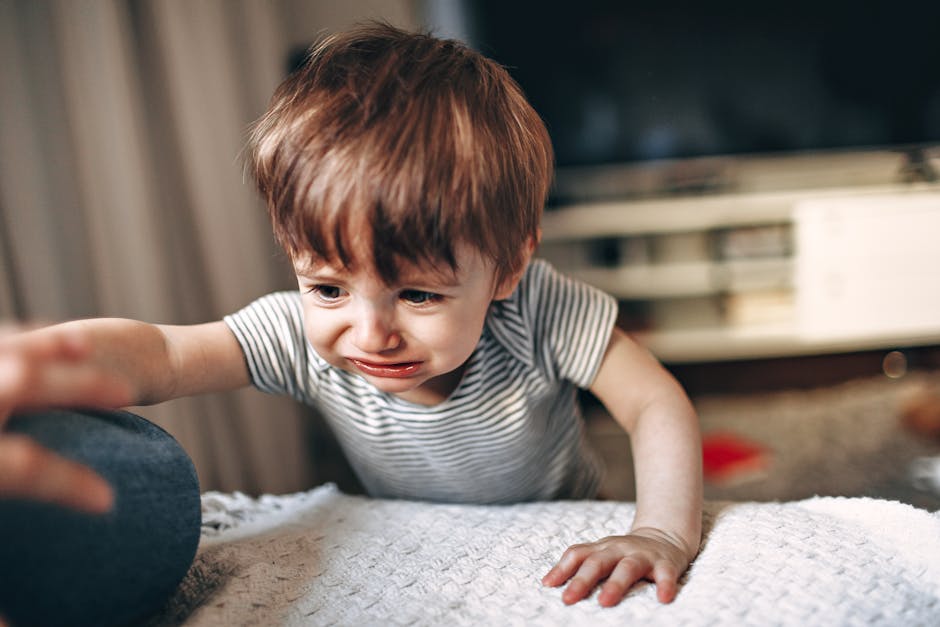
Why Separation Anxiety Happens: It’s Actually a Good Sign
Here’s something counterintuitive — separation anxiety peaks precisely because your child is developing normally. Between the ages of 8 months and 3 years, toddlers begin to understand object permanence (the concept that things exist even when out of sight), but their emotional regulation system is still wildly immature. So they know you’re gone, but they can’t yet reason through “Mom will come back.”
According to the American Academy of Pediatrics (AAP), separation anxiety typically peaks around 14–18 months and again around age 2–2.5. A 2026 meta-analysis published in Child Development Perspectives reviewed data from over 12,000 children across 18 countries and confirmed that approximately 65% of toddlers show moderate-to-severe separation distress at some point before age three — making this far more the norm than the exception.
What the Research Actually Says About Effective Strategies
Not all comfort strategies are created equal. In fact, some well-meaning approaches can accidentally reinforce the anxiety cycle. Here’s what the evidence supports:
- The “Goodbye Ritual” Method: Consistent, brief farewell routines (a special handshake, a kiss on the nose, a predictable phrase like “I’ll pick you up after snack time”) help children build a mental map of your departure and return. Research from the University of Minnesota’s Institute of Child Development found that children with consistent goodbye rituals adapted to separations 40% faster over a 6-week period compared to children with unpredictable farewells.
- Never Sneak Away: It’s tempting, but slipping out while your toddler is distracted damages trust over time. Even if the immediate tantrum is avoided, studies show it increases vigilance anxiety — meaning your child becomes hyperaware of your movements throughout the day, making separations harder in the long run.
- Transition Objects Work: A comfort item from home (a small stuffed animal, a photo of the family, even a piece of your worn clothing) provides what psychologists call a “secure base proxy.” This is especially effective for children aged 18 months to 3 years.
- Validate First, Redirect Second: Saying “You’re fine, don’t cry” dismisses the emotion. Instead, try: “I know you feel sad when I leave. That’s okay. I love you, and I’ll be back after lunch.” This co-regulation approach, grounded in attachment theory, helps children eventually self-regulate.
- Practice Separations at Home: Short, low-stakes separations — like stepping outside for two minutes while your toddler plays inside with another trusted caregiver — build tolerance incrementally. Think of it as emotional exposure therapy, toddler edition.
Real-World Examples: How Families Around the World Handle It
It’s worth looking at how different cultures approach this, because the strategies vary — and so do the outcomes.
Japan’s “Sayonara” System: In many Japanese hoikuen (daycare centers), teachers use a formalized “departure ceremony” where children wave from a designated window. The physical boundary (glass) creates visual contact while establishing a clear emotional endpoint. Japanese early childhood research from 2025 noted lower rates of prolonged distress in centers using this method versus those with open-door drop-off policies.
Scandinavian “Gradual Integration” Model: In Denmark and Sweden, many preschools require a 1–2 week tilvenning (settling-in period) where parents stay on-site for progressively shorter periods before full drop-off. This scaffolded approach mirrors what behavioral therapists call systematic desensitization and is widely considered one of the most evidence-based models globally.
South Korean Kindergarten Approaches (2026 Update): South Korea’s updated 2026 early childhood education guidelines now formally recommend that teachers send a brief “arrival photo” to parents via messaging apps within 10 minutes of drop-off, showing the child engaged in play. This simple intervention has reportedly reduced parental anxiety significantly — and interestingly, when parents feel less anxious, children often do too (our stress is contagious, after all).

When to Consider Professional Support
Most separation anxiety resolves naturally as children develop language skills and experience consistent, positive separations. However, there are signs worth discussing with a pediatrician or child psychologist:
- Distress that is intensifying rather than improving after age 3.5
- Physical symptoms like vomiting, severe sleep disruption, or appetite loss linked to separation
- Anxiety that is preventing normal developmental activities (playgrounds, birthday parties, visiting grandparents)
- A sudden onset of separation anxiety after a period of normal adjustment — this can sometimes signal an underlying stressor worth exploring
Cognitive Behavioral Therapy (CBT) adapted for young children, sometimes called PCIT (Parent-Child Interaction Therapy), has strong evidence behind it for cases that go beyond typical developmental anxiety.
Realistic Alternatives When You’re Short on Time
Look, not every parent has two weeks for a Scandinavian settling-in period. If your morning routine is chaos and your bandwidth is thin, here are practical micro-strategies that still work:
- Keep your goodbye under 60 seconds — long, drawn-out farewells amplify distress for both of you
- Use a visual countdown tool (a simple picture schedule showing “drop-off → snack → play → pickup”) so your toddler can see the day’s structure
- Connect with your child’s caregiver to establish a “transition activity” — something your child loves that begins the moment you leave (bubbles, Play-Doh, their favorite book)
- If you work from home, create a physical signal that means “work time” — a specific lamp on, a closed door — to help your child learn boundaries within the home environment
The goal isn’t to eliminate all distress (that’s neither possible nor necessary). It’s to help your child build the internal resources to move through the discomfort — and trust that you always come back.
Editor’s Comment : Toddler separation anxiety can feel like a daily emotional marathon, but remember — every tearful goodbye you handle with warmth and consistency is literally building neural pathways in your child’s brain that say “the world is safe and my people come back.” That’s not small. That’s everything. Be patient with yourself too; there’s no perfect goodbye script, just an honest, loving presence that shows up again and again.
태그: [‘toddler separation anxiety’, ‘separation anxiety tips 2026’, ‘daycare drop-off routine’, ‘toddler emotional development’, ‘parenting toddlers’, ‘child psychology tips’, ‘overcoming separation anxiety’]
Leave a Reply