It’s 3 a.m., and you’re swaying in the dark for the fourth time tonight, wondering if this is just… your life now. If you’ve been there — or you’re there right now — you’re absolutely not alone. Sleep deprivation is practically a rite of passage for new parents, but here’s the thing: understanding why your baby sleeps the way they do can make the whole journey feel a lot less like surviving and a lot more like navigating.
Let’s think through infant sleep development and sleep training together — what the science actually says, what works in the real world, and what realistic options look like depending on your family’s unique situation.
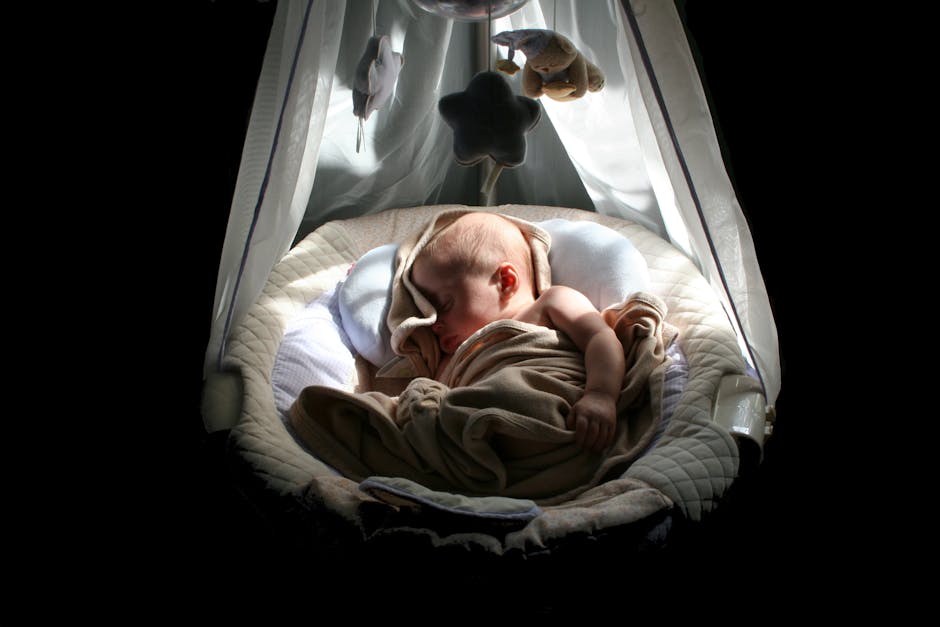
Why Do Babies Sleep So Differently From Adults?
First, a little biology — because this context changes everything. Newborns spend roughly 50% of their sleep in REM (Rapid Eye Movement) sleep, compared to about 20–25% in adults. REM sleep is neurologically active sleep, which is critical for brain development. It’s also the phase where babies are most easily roused — which is why that perfectly asleep baby in your arms suddenly wakes the moment you lower them into the crib. Sound familiar?
According to the American Academy of Pediatrics (AAP), newborns typically need 14–17 hours of sleep per day, but this is fragmented across many short cycles of 45–60 minutes each. A consolidated 6-hour stretch doesn’t typically appear until around 3–6 months of age, and even then, it varies enormously between individual babies.
Here’s a quick age-based sleep snapshot to anchor your expectations:
- 0–3 months: 14–17 hours/day, no circadian rhythm yet — day and night are genuinely the same to them.
- 3–6 months: 12–15 hours/day, melatonin production begins, longer nighttime stretches start to emerge.
- 6–12 months: 12–14 hours/day, most babies can physiologically sleep through the night — though many still don’t!
- 1–2 years: 11–14 hours/day, two naps transition to one, separation anxiety can cause sleep regressions.
- 2–3 years: 10–13 hours/day, single nap, but bedtime resistance often peaks around this stage.
Sleep Regressions: The Developmental Disruptions Nobody Warns You About
Just when you feel like you’ve cracked the code, your baby’s sleep falls apart again. Welcome to sleep regressions — and yes, they’re real, not just bad luck. Major regressions typically cluster around 4 months, 8–10 months, 12 months, and 18 months, coinciding with significant developmental leaps: rolling, crawling, walking, language acquisition.
The 4-month regression is particularly notorious because it’s actually permanent. At this stage, a baby’s sleep architecture shifts to more closely resemble adult sleep cycles. The good news? This is exactly the window when sleep training becomes both developmentally appropriate and, for many families, most effective.
Sleep Training Methods: A Logical Comparison
Sleep training is one of the most hotly debated topics in parenting — and in 2026, the conversation is more nuanced than ever. Let’s break down the major approaches without judgment, because the “best” method is genuinely the one that fits your family’s temperament, lifestyle, and values.
- Extinction (Cry It Out / CIO): Baby is placed in the crib awake and parents do not return until morning. Research — including a landmark 2016 study from Flinders University and follow-up longitudinal data — consistently shows no long-term psychological harm and rapid results (often within 3–7 nights). Not for every family, but scientifically well-supported.
- Ferber Method (Graduated Extinction): Parents check in at increasing intervals (5 min → 10 min → 15 min). Offers a middle ground — some parental presence, progressive independence. Works well for parents who struggle emotionally with full CIO.
- Chair Method (Sleep Lady Shuffle): Parent sits in a chair next to the crib and gradually moves it further away over 1–2 weeks. Slower process, but excellent for highly attachment-sensitive families.
- Fading / Pick Up-Put Down: Gradual reduction of parental intervention over time. Lower stress for baby but requires significant consistency and patience — often takes several weeks.
- No-Cry Solutions (Elizabeth Pantley method): Focuses on gentle adjustments to routines, feeding associations, and environment. Can work beautifully but is genuinely slower — realistic timeline is 4–8 weeks of very consistent effort.
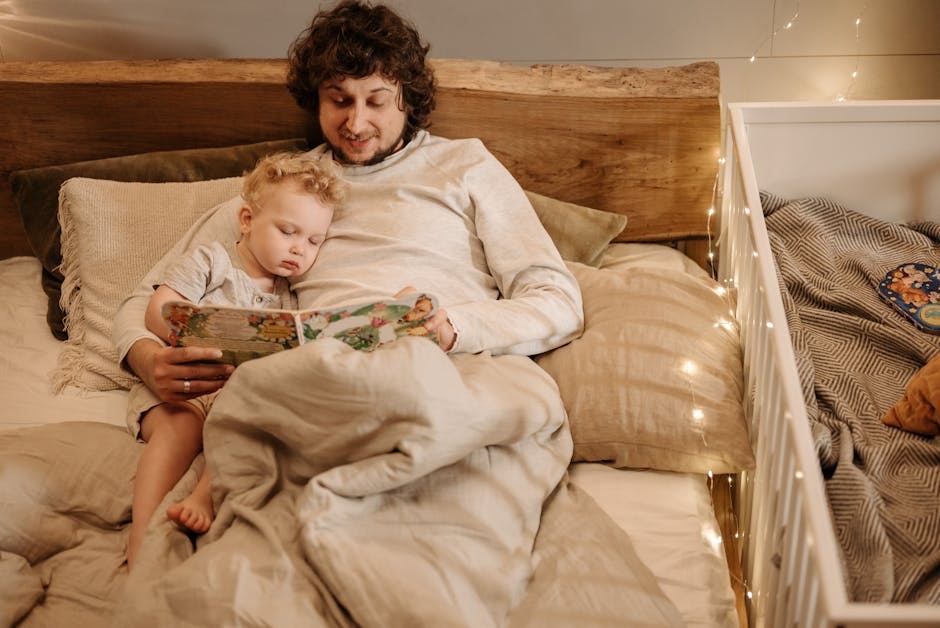
Global Perspectives: How Different Cultures Approach Infant Sleep
It’s worth zooming out, because Western approaches to sleep training are not the global norm — and that’s a fascinating piece of context.
In Japan and South Korea, co-sleeping (bed-sharing or room-sharing) remains extremely common, sometimes continuing well into toddlerhood. Korean developmental research has emphasized the role of parental proximity in emotional regulation development, and critics of Western sleep training often cite these cultures’ strong child wellbeing outcomes.
In contrast, Scandinavian countries — particularly Denmark and Sweden — have a fascinating tradition of putting babies in prams outside to nap in cold weather, believing fresh air promotes deeper, more restorative sleep. Studies from Nordic pediatric sleep researchers support the idea that cooler temperatures (around 16–20°C / 60–68°F) do correlate with longer sleep cycles.
Meanwhile, in the Netherlands, structured routines and independent sleep are introduced early and culturally normalized, contributing to what researchers have called the “Dutch Baby Advantage” — a statistically significant difference in infant sleep duration compared to American counterparts.
The takeaway? There is genuinely no universal right answer. Cultural context, family structure, living situation (apartment vs. house), parental work schedules — all of these shape what “success” looks like.
Practical Building Blocks That Work Across All Methods
Regardless of which sleep training philosophy resonates with you, certain environmental and routine-based strategies consistently show up in the research as beneficial:
- Consistent bedtime routine: A predictable sequence (bath → feed → book → song → crib) signals the brain to begin melatonin release. Aim for 20–30 minutes, same order every night.
- Wake windows: Putting a baby to bed at the right time — not too early, not overtired — is perhaps the single most underrated factor. An overtired baby produces cortisol, making sleep harder, not easier.
- Dark, cool room: Blackout curtains are genuinely worth the investment. Light suppresses melatonin; even a nightlight can make a meaningful difference for sensitive sleepers.
- White noise: Mimics the womb environment. Research supports 65 dB (about the level of a shower) as effective without risking hearing concerns.
- Safe sleep environment (AAP 2026 guidelines): Firm, flat surface; no loose bedding; baby on their back; room-sharing without bed-sharing for the first 6 months is the current recommendation.
When Sleep Training Isn’t Working: Realistic Alternatives to Consider
Sometimes sleep doesn’t improve despite doing everything “right” — and that deserves honest conversation. If your baby is past 6 months, you’ve been consistent for 2–3 weeks with a chosen method, and sleep is still significantly disrupted, it’s worth exploring:
- Pediatric sleep consultant: A certified pediatric sleep consultant (look for IPHI or CPS certification) can assess your specific situation. Many now offer virtual consultations, which has made this resource far more accessible in 2026.
- Ruling out medical causes: Reflux, milk protein intolerance, iron deficiency, and obstructive sleep apnea in infants are real, diagnosable, and treatable conditions that masquerade as behavioral sleep problems.
- Adjusting expectations temporarily: If your baby is in the middle of a developmental leap, illness, or major transition (new childcare, moving), pausing sleep training and returning to it in 2–3 weeks is a legitimate, thoughtful choice — not giving up.
- Parental sleep optimization: This is underrated. Splitting overnight shifts with a partner, strategic napping, and even temporary formula supplementation to allow one parent a longer sleep block are all valid survival strategies while you work toward a longer-term solution.
The most important reframe? Sleep training is a tool, not a moral test of parenting. Some babies respond to gentle methods beautifully. Others need more structured approaches. Your job isn’t to follow a philosophy perfectly — it’s to find what genuinely works for your specific baby and your specific family, then do that consistently.
Sleep will come. It really will. And when it does, you’ll be amazed at how different everything looks on the other side of a full night’s rest.
Editor’s Comment : After diving deep into infant sleep research and real-world family experiences, what strikes me most is how much pressure parents put on themselves to do sleep “correctly.” The honest truth in 2026 is that we have better science than ever before — and it tells us that multiple paths lead to well-rested, securely attached children. Start with your baby’s developmental stage, build a consistent routine, and choose a method that you can actually sustain. The perfect sleep training plan is the one you’ll stick with. You’ve got this.
태그: [‘infant sleep training 2026’, ‘baby sleep development’, ‘sleep regression babies’, ‘newborn sleep schedule’, ‘toddler sleep tips’, ‘pediatric sleep guide’, ‘sleep training methods’]
Leave a Reply