A neighbor of mine spent three weeks getting quotes for a new roof last spring, and by the end of it she was so overwhelmed by the wildly different numbers — we’re talking a $6,000 spread between bids — that she nearly just slapped some patches on and hoped for the best. Sound familiar? Roof replacement is one of those home projects that feels deceptively simple until you’re deep in the weeds of pitch multipliers, material grades, and contractor red flags. Let’s walk through this together so you’re not flying blind.
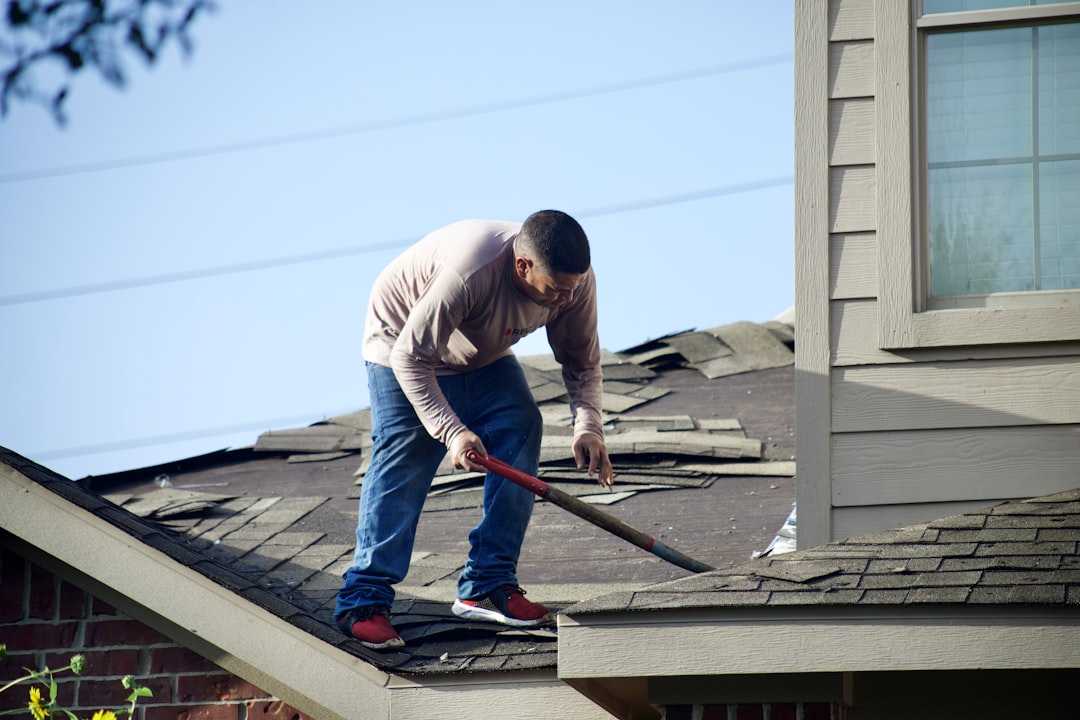
What’s Actually Driving Roof Replacement Costs in 2025?
The national average cost for a full asphalt shingle roof replacement in 2025 sits between $8,500 and $22,000 for a typical 1,500–2,500 sq ft home — a range that’s climbed roughly 12–18% since 2022, driven largely by labor shortages and lingering material supply chain pressure from post-pandemic logistics. Here’s the math that actually matters:
- Square footage: Roofers price by the “square” (100 sq ft). Expect $350–$700 per square installed for standard 3-tab asphalt, $500–$900 for architectural shingles.
- Pitch complexity: A steep roof (8:12 pitch or higher) adds 20–40% to labor. My neighbor’s Victorian-style home jumped a full $3,200 just because of pitch multipliers.
- Decking replacement: If your OSB or plywood sheathing is rotted, expect $75–$100 per panel replaced. Inspectors typically discover this after tear-off begins — always ask contractors to price this as a per-sheet contingency, not a fixed estimate.
- Underlayment and ice/water shield: Synthetic felt vs. peel-and-stick ice barrier — the latter adds $0.50–$1.00 per sq ft but is code-required in northern climates with freeze-thaw cycles.
- Disposal: Tear-off and dumpster fees run $500–$1,500 depending on your county. In states like California and Oregon, landfill fees for asphalt shingle waste have increased 30% since 2023 due to environmental regulations.
Material Showdown: Asphalt vs. Metal vs. Tile in 2025
The “best” roofing material genuinely depends on your climate, HOA rules, and how long you plan to stay in the house. Here’s a realistic breakdown:
- Architectural asphalt shingles: 25–30 year lifespan, $500–$900/square installed. Best value for most homeowners. Brands like GAF Timberline HDZ and Owens Corning Duration get consistently high marks from installers for dimensional stability and warranty backing.
- Standing seam metal: 40–70 year lifespan, $1,200–$2,100/square installed. Excellent in high-wind and heavy-snow regions. The energy savings (up to 25% cooling cost reduction per the Metal Roofing Alliance) can offset the premium over 10–15 years.
- Concrete tile: 40–50 years, $1,000–$1,800/square. Gorgeous in warm, dry climates (think Arizona, Florida). The caveat: your structure needs to support 900–1,200 lbs per square — always get a structural engineer’s sign-off before switching from asphalt to tile.
- TPO/flat roofing: For low-slope or flat sections, TPO membrane runs $300–$700/square and is far more durable than the torch-down felt many older homes have. Lifespan: 20–30 years with proper drainage design.
The Contractor Vetting Process — Where Most Homeowners Get Burned
In 2025, about 23% of roofing contractor disputes filed with the Better Business Bureau involve storm-chasing operations — companies that follow hail events, knock on doors, and push insurance claims hard before disappearing post-installation. Here’s how you vet properly:
- Verify manufacturer certification: GAF’s Master Elite designation and Owens Corning’s Preferred Contractor programs require ongoing training. These contractors can offer extended warranty coverage (up to 50 years on some systems) that non-certified installers simply cannot provide.
- Check state licensing: Roofing license requirements vary wildly — Texas has no state license requirement (county-level only), while Florida requires a Certified Roofing Contractor (CRC) license searchable on the DBPR website. Always verify this, not just their word.
- Ask for the specific crew: Large roofing companies frequently subcontract to day-labor crews. Ask directly: “Will your W-2 employees or a subcontracted crew do my installation?” The answer matters for accountability.
- Line-item bids only: Any contractor who gives you a single lump-sum number without breaking out materials, labor, disposal, permits, and contingency is a yellow flag. Insist on itemized quotes so you can compare apples to apples.
- Pull the permit yourself if needed: In most jurisdictions, homeowners can pull their own permits. If a contractor asks you to pull it (to reduce their liability) or says “we don’t need one for a re-roof,” walk away.
The Insurance Claim Angle — Realistic Expectations
If your roof has hail or wind damage, homeowners insurance may cover replacement — but the landscape shifted significantly in 2024–2025. Many major carriers (Allstate, State Farm, Farmers) have moved to ACV (Actual Cash Value) policies rather than RCV (Replacement Cost Value) in high-claim states like Texas, Colorado, and Oklahoma. The difference is massive:
- RCV policy: Pays the full cost to replace your roof with like materials at current prices. A 15-year-old roof gets a new one at today’s rates minus your deductible.
- ACV policy: Pays current value minus depreciation. That same 15-year-old roof might net you only 40–50% of replacement cost. Check your declaration page — look for “roof settlement” language.
If your policy is ACV and the damage is borderline, the math sometimes favors a repair over a claim (especially with $2,000–$5,000 deductibles now common). Run the numbers before filing.
Timing the Project — When to Schedule for Best Results
Late spring and early fall remain the sweet spots for scheduling: temperatures between 45–85°F are ideal for asphalt shingle adhesion (below 40°F, the self-sealing strips won’t properly bond). In 2025, contractor backlogs in the Midwest and Southeast are running 4–8 weeks, so getting estimates in late February or early August — before peak season — can save you 5–15% on labor and improve crew quality since experienced workers aren’t stretched across six simultaneous jobs.
DIY Reality Check
If your situation is a small, single-story home with a simple gable roof and you have some construction experience, a DIY asphalt shingle re-roof is feasible and can save $4,000–$8,000 in labor. You’ll need to rent a pneumatic nailer ($40–$60/day), factor in disposal costs, and be meticulous about flashing details around valleys, dormers, and penetrations — that’s where 80% of leaks originate. If your situation involves anything complex (multiple valleys, skylights, steep pitch over 8:12, or two-story access), hire it out. A $400 mistake on a DIY job can become a $6,000 water damage restoration claim.
Here’s the bottom line from someone who’s seen this go sideways more than once: The cheapest bid is almost never the right bid, but the most expensive one isn’t automatically the best either. Get three itemized quotes, verify licensing and manufacturer certification, ask specifically about the crew doing the work, and understand your insurance policy’s settlement method before anything else. A well-installed 30-year architectural shingle roof with proper ventilation and ice barrier will outlast two or three cheap re-roofs — and the math on that is pretty compelling when you sit down and do it.
📚 관련된 다른 글도 읽어 보세요
- Why I Almost Gave Up on Solar — Real 2025 Home Energy Setup Guide
- Why I Almost Missed My Flight Trusting Online Guides — Real 2025 Incheon Airport Terminal 1 vs 2 Guide
- 2026년 가성비 쩌는 싱글몰트 위스키 Top3 — 10만원대에서 진짜 명품 맛 나는 거 골라봤습니다
태그: roof replacement cost, roofing contractor tips, asphalt shingles vs metal roof, home improvement 2025, roofing insurance claim, DIY roof replacement, best roofing materials
Leave a Reply