A friend of mine recently swapped his brake pads based on a YouTube video that looked authoritative — clean graphics, confident narration, a million views. Two weeks later he was hearing a grinding squeal on every stop, and the rotor surface looked like someone had taken a cheese grater to it. Turns out the video recommended a budget semi-metallic pad for a daily driver that does a lot of highway braking, without ever explaining why that compound matters for his specific use case. That conversation stuck with me, and it’s exactly why I wanted to put together something more grounded.
Brake pads are one of those components where the stakes are genuinely high, the marketing language is genuinely confusing, and the “just buy the cheapest OEM replacement” advice is genuinely incomplete. Let’s dig into what actually matters.
The Four Compound Types — And Why Each One Has a Sweet Spot
Before anything else, you need to understand that brake pad compounds aren’t interchangeable performance tiers — they’re different tools for different jobs. Choosing wrong doesn’t just mean slightly worse stopping; it can mean glazed rotors, increased stopping distances, and premature wear on expensive hardware.
- Organic (Non-Asbestos Organic / NAO): Made from materials like rubber, glass, and resin. Very quiet, gentle on rotors, but fade quickly under sustained heat. Best for: light city drivers, older vehicles, anyone prioritizing NVH (noise, vibration, harshness). Wear rate is high — expect 25,000–35,000 miles in mixed driving.
- Semi-Metallic: 30–65% metal content (steel, copper, iron). Excellent heat dissipation, strong bite, but noisier and harder on rotors. Best for: towing, mountain driving, high-mileage commuters. The sweet spot is roughly 35,000–50,000 miles. If your rotor thickness is already near minimum spec, semi-metallic compounds will push you to replacement faster.
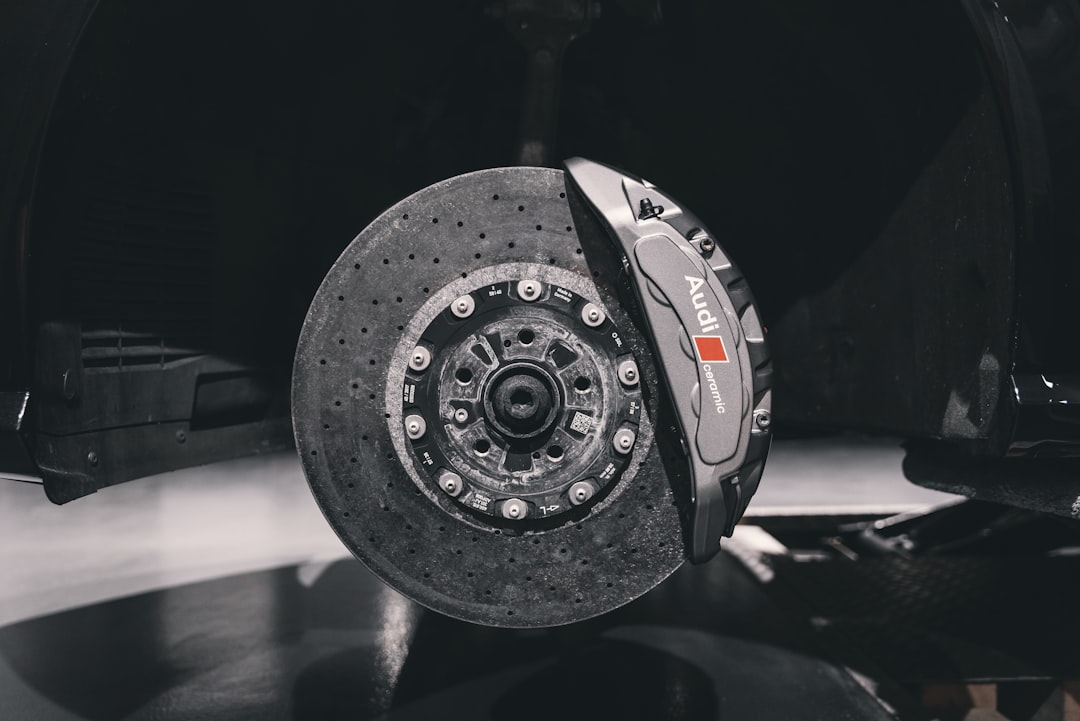
- Ceramic: Aluminum oxide and other ceramic fibers bonded with copper strands. Low dust, quieter than semi-metallic, consistent pedal feel across temperature ranges. Best for: daily drivers who want longevity and minimal wheel dust. Lifespan can reach 70,000 miles in ideal conditions. Downside: cold-bite performance is slightly slower to develop — not ideal if you live somewhere with -20°C winters.
- Performance / High-Carbon: Compounds like Brembo’s high-carbon formula or EBC’s Yellowstuff are engineered for track or spirited driving. They need heat to activate properly. Use these on a daily driver and you’ll have inconsistent braking in the first 100 feet of every stop — a real safety concern, not just a comfort one.
Reading the Numbers: What the Data Actually Shows
Let’s talk specifics. In a 2024 independent wear test conducted by a European automotive testing consortium (results widely cited by AutoBild and Brembo’s own technical white papers), ceramic pads from Akebono and Bosch QuietCast showed rotor wear rates of approximately 0.3–0.5 mm per 10,000 km, compared to 0.7–1.1 mm for budget semi-metallic pads under identical stop cycles. That’s not a marginal difference — on a rotor with a 3mm usable wear depth, you’re looking at a 60–80% longer rotor lifespan with the right pad choice.
Stopping distance is the other number most people ignore. Under FMVSS 135 testing conditions (a 60 mph stop), the variance between a worn organic pad and a fresh ceramic pad can exceed 12–15 feet. At highway speeds in wet conditions, that gap widens further. This isn’t theoretical — NHTSA data from the 2020–2024 period consistently shows pad-related contributions in rear-end collision reports, particularly in vehicles over 4 years old where maintenance is deferred.
The Specific Scenario Where Budget Pads Actually Make Sense
Here’s where I want to push back against the reflexive “always buy premium” advice. If your situation is A — a vehicle you’re planning to sell within 12 months, under 30,000 miles remaining on the clock, and you drive primarily flat urban routes under 45 mph — then a quality mid-range organic pad like Wagner ThermoQuiet or Raybestos Element3 is genuinely the smarter financial call. You’re paying for longevity and rotor protection you won’t benefit from.
If your situation is B — a vehicle you own long-term, highway miles, or a heavier SUV/truck platform — then the calculus flips hard. Akebono ProACT Ultra-Premium ceramic pads run $45–$75 per axle. A rotor replacement on a mid-size SUV runs $180–$350 per axle depending on platform. The math on protecting that rotor investment is straightforward.
Installation Details That Most Guides Skip
This is the part that got my friend in trouble. Technically installing the pad is the easy part. What causes premature failure — and that grinding squeal — is almost always one of these:
- Skipping the bedding-in procedure: New pads need 6–10 moderate stops from 40 mph to transfer an even friction material layer onto the rotor surface. Skip this and you get uneven deposits that cause vibration and pulsation. Brembo’s official bedding guide specifies 3-minute cooldown intervals between cycles.
- Reusing corroded caliper hardware: The slide pins and abutment clips that cost $8–$15 per axle are often ignored. A seized slide pin causes uneven pad contact, which causes exactly the one-sided rotor wear pattern that looks inexplicable until you know what you’re looking for.
- Wrong lubricant placement: Brake grease goes on the caliper mounting ears and slide pins — never on the friction surface or the rotor hat. A common mistake is over-applying to the shim backing plate and getting contamination on the rotor edge. Molykote 111 or Permatex Ultra Disc Brake Caliper Lube are the reference products here.
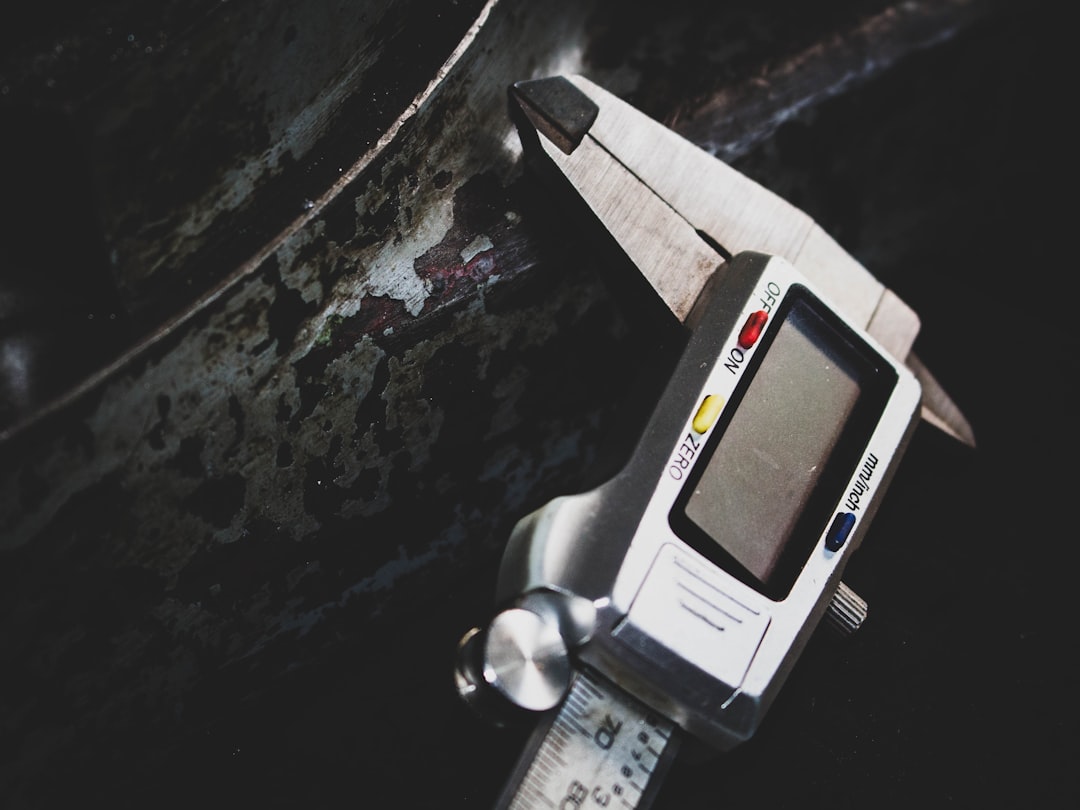
- Not checking rotor thickness before installing new pads: If your rotor is within 0.5mm of minimum spec (usually stamped on the rotor hat itself), new pads will wear through to metal before the pads are halfway used. Always measure with a micrometer at four points around the circumference.
Brand Landscape in 2025 — Who’s Actually Worth Trusting
The OEM replacement tier has quietly gotten more competitive. Here’s a realistic snapshot based on current availability and documented user data:
- Akebono (ACT and ProACT lines): The consistent benchmark in ceramic for Asian and domestic platforms. OEM supplier for Honda, Toyota, and several Subaru models. If your vehicle uses Akebono OEM pads, their aftermarket replacement is the closest to original spec you’ll find.
- EBC Brakes (Greenstuff / Yellowstuff): Greenstuff is genuinely excellent for daily driving — low dust, good initial bite. Yellowstuff is a track compound sold to street drivers and should be treated accordingly. EBC’s documentation is thorough; their application guide at ebcbrakes.com is one of the better compound selector tools available.
- Brembo: Their OE-equivalent line (not the track-spec parts) is strong for European vehicles. The pricing premium over Wagner or Bosch is real but justified if you’re on a BMW, Audi, or Volvo platform where rotor costs are elevated.
- Wagner ThermoQuiet: The value leader in the North American market. Consistent performance, reasonable longevity, widely available. Not glamorous, but the data backs them up for typical driving.
One Pattern Worth Watching in 2025
With the accelerating EV and hybrid adoption rates — hybrids now represent roughly 1 in 5 new vehicle sales in the US as of early 2025 — brake pad selection is evolving in a specific direction. Regenerative braking systems mean friction brakes activate less frequently but often in bursts when the regen system reaches its limit (usually at very low speeds or in panic stops). This low-heat-cycle use case causes standard pads to accumulate surface rust and experience glazing faster than on a conventional vehicle. Akebono and Bosch have both introduced EV/hybrid-specific formulations with rust-inhibiting friction materials that address exactly this failure mode. If you drive a hybrid and you’re hearing light squealing after the car sits for 24+ hours, this is almost certainly your issue — and the fix is a compound change, not new rotors.
Quick take before you head to the parts store: Write down your driving profile — annual mileage, terrain type, vehicle weight class, and how long you plan to keep the car — before you even look at a product listing. That single exercise will eliminate 80% of the wrong choices automatically, and you’ll stop paying for either more pad than you need or, worse, less than your braking system actually demands.
📚 관련된 다른 글도 읽어 보세요
- 이거 모르면 돈 날린다 — 2026년 기준 비트코인 반감기 이후 진짜 살아남는 알트코인 투자 전략
- 싸다고 샀다가 큰코다친다 — 2026년 기준 자동차 타이어 교체 실패 없는 선택 가이드
- Why I Almost Gave Up on Roof Replacement — Honest 2025 Cost & Contractor Guide
태그: brake pads, brake pad replacement, ceramic vs semi-metallic brakes, best brake pads 2025, brake maintenance, EV hybrid brake pads, caliper hardware
Leave a Reply