A friend of mine — let’s call him Daniel — spent three weeks setting up a validator node for a proof-of-stake network, only to watch his rewards get slashed because he missed a single configuration flag in the client software. He didn’t lose everything, but he lost enough to seriously question whether staking was worth the hassle. That conversation is exactly what pushed me to sit down and write a genuinely honest breakdown of how crypto staking rewards actually work in 2025 — not the glossy marketing version, but the nuts-and-bolts reality.
So let’s dig in together.
What Staking Actually Is (And What It Isn’t)
At its core, staking means locking up your cryptocurrency tokens to help secure a proof-of-stake (PoS) blockchain network. In return, the protocol pays you newly minted tokens or a share of transaction fees — this is your staking reward. Think of it like earning interest in a savings account, except the ‘bank’ is a decentralized protocol and the interest rate fluctuates based on network participation.
Here’s where most beginner guides skip something critical: staking rewards are not risk-free yield. They carry at least four distinct risk layers:
- Slashing risk: Validators who behave maliciously or go offline at the wrong time can have a portion of their stake destroyed. Ethereum’s Beacon Chain has slashed validators for amounts ranging from 1 ETH to entire 32 ETH deposits depending on the severity.
- Smart contract risk: Liquid staking protocols like Lido (LDO) or Rocket Pool (RPL) involve smart contracts that can be exploited. In 2023, multiple DeFi protocols lost hundreds of millions to contract bugs.
- Inflation dilution: If everyone stakes, the nominal APY you see might be offset by token inflation. A 12% APY on a token inflating at 10% annually is really only ~2% real yield.
- Liquidity lockup: Many networks impose unbonding periods. Cosmos (ATOM) has a 21-day unbonding period. If the market moves against you during that window, you can’t exit.
The Numbers Behind Staking in 2025
Let’s look at some real APY benchmarks as of early 2025. These shift constantly, so treat these as reference ranges rather than guarantees:
- Ethereum (ETH): ~3.5–4.2% APY for native staking via a solo validator. Liquid staking through Lido typically yields ~3.8% after the 10% protocol fee.
- Solana (SOL): ~6–7% APY through validators. Inflation rate is scheduled to decrease by 15% per year, compressing real yields over time.
- Cosmos (ATOM): ~14–17% APY, but ATOM’s inflation model is aggressive, and circulating supply growth partially erodes purchasing power gains.
- Polkadot (DOT): ~12–15% APY. Staking requires nominating validators, and backing a misbehaving validator triggers slashing.
- Cardano (ADA): ~3–4% APY with no slashing risk — a notable safety feature for conservative stakers.
One thing Daniel’s situation hammered home: the advertised APY number is almost never the number you actually pocket. Factor in gas fees, validator commissions (usually 5–20%), tax liability on rewards (in most jurisdictions, staking rewards are taxable income at the time of receipt), and the inflation dilution mentioned above.
Solo Staking vs. Liquid Staking vs. Centralized Exchange Staking
The method you choose dramatically affects both your yield and your risk profile. Here’s the honest breakdown:
Solo Staking (e.g., running your own Ethereum validator) requires 32 ETH (~$96,000+ at current prices), a dedicated machine with 99%+ uptime, and solid technical chops. The upside? You collect the full validator reward with no intermediary cut. The downside? Hardware failure, misconfiguration, or an accidental double-sign can trigger slashing. This is what happened to Daniel — he was running two validator clients simultaneously during a migration and triggered a slashing condition.
Liquid Staking protocols like Lido, Rocket Pool, or Frax ETH let you stake any amount and receive a liquid receipt token (stETH, rETH) that you can use elsewhere in DeFi while still earning rewards. Rocket Pool is particularly interesting because it’s more decentralized than Lido and requires node operators to post RPL collateral as a secondary slashing buffer. The trade-off: smart contract exposure and protocol fees.
Centralized Exchange Staking (Coinbase, Kraken, Binance) is the simplest entry point. No technical knowledge required, often no minimum. But you’re trusting a custodian with your keys, yields are lower after exchange fees, and regulatory risk is real — the SEC has targeted exchange staking products directly in the US market.
Case Studies: What the Data from Real Protocols Shows
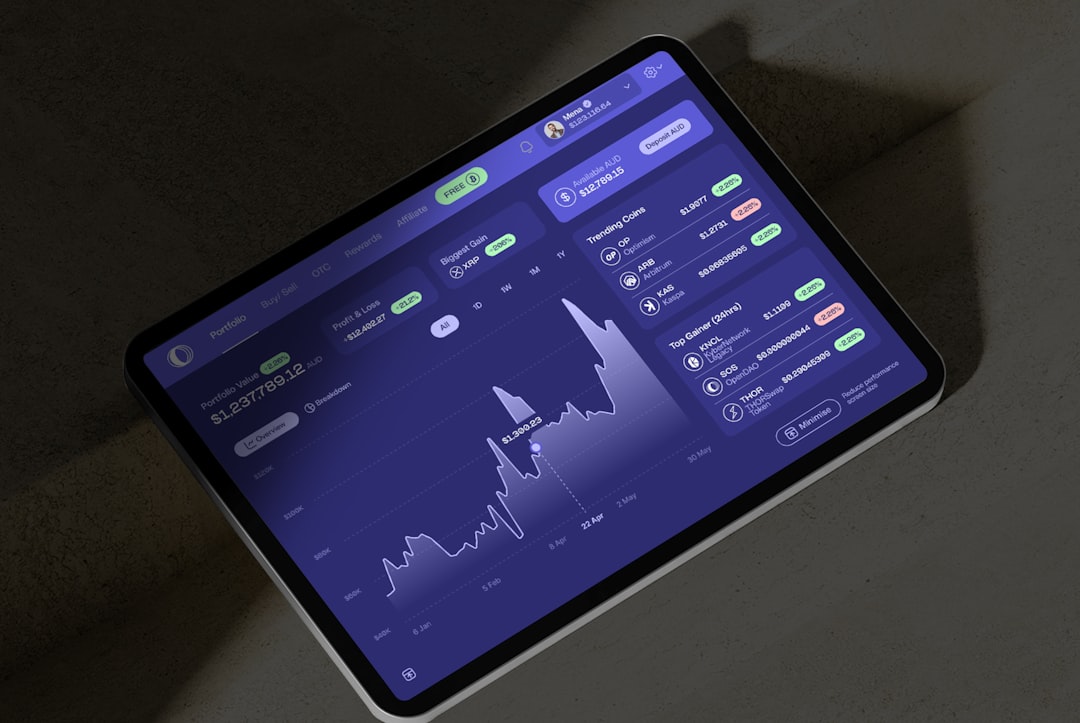
Rocket Pool’s community dashboard (accessible at rocketscan.io) shows a consistent node operator APY hovering between 5.5–6.8% in 2025, factoring in RPL rewards. What’s interesting is that during periods of high network activity (e.g., major NFT mints or DeFi protocol launches), MEV (Maximal Extractable Value) bonuses can push effective APY temporarily above 8%.
On the Cosmos side, projects like Stride offer liquid staking for ATOM with their stATOM token, yielding slightly below native staking rates but maintaining liquidity. Their on-chain data shows roughly $180M in total value locked as of early 2025, which speaks to real adoption but also concentrates systemic risk.
A useful independent aggregator worth bookmarking is stakingrewards.com — it tracks real-time APY across 200+ assets and accounts for validator commissions and network inflation, giving you a more honest ‘adjusted reward rate’ figure.
Tax and Compliance: The Part Nobody Wants to Talk About
In the US, the IRS treats staking rewards as ordinary income at fair market value when received — this was reinforced by the Jarrett v. United States case resolution. In the EU, treatment varies by country, but Germany’s 12-month holding rule (where crypto held over a year is tax-free) does NOT apply cleanly to staking rewards because each reward batch has its own acquisition date and cost basis.
Tools like Koinly, CoinTracker, or TaxBit can automate most of this, but expect complexity if you’re staking across multiple wallets and protocols simultaneously.
Realistic Alternatives If Staking Feels Too Risky
If the slashing risk or technical overhead puts you off, there are middle-ground options worth considering:
- If your situation is A (you want DeFi yield but hate lockups): Consider lending protocols like Aave or Morpho, where you maintain full liquidity and earn yield from borrowers. Rates are market-driven and currently sit around 3–6% on USDC/USDT.
- If your situation is B (you want exposure to PoS network growth without operating a node): Holding the liquid staking token (stETH, rETH) passively accrues rewards automatically without any active management.
- If your situation is C (you’re a beginner who just wants safe, simple yield): US Treasury-backed stablecoins like OUSG (Ondo Finance) are currently yielding ~4.8% backed by actual T-bills — far less smart contract risk than DeFi staking.
The bullish case for staking rewards in 2025 is real: ETH staking demand continues to grow post-Merge, Solana’s ecosystem is expanding aggressively, and new EigenLayer restaking primitives are creating additional yield layers on top of base staking. But every one of those upside scenarios has a specific condition under which losses occur — slashing events, token price depreciation during lockup, or smart contract exploits. Position sizing matters enormously here. Most risk managers I respect cap staking exposure at 20–30% of their total crypto portfolio.
Bottom line from where I’m sitting: Crypto staking rewards in 2025 are a legitimate yield strategy, but they’re an engineering and financial discipline problem disguised as passive income. Start with a liquid staking protocol on a well-audited platform before ever considering running your own validator. Track your adjusted real yield (APY minus inflation minus taxes), not the headline number. And please — if you’re migrating validator clients like Daniel was, use the official migration checklist and never run two signing clients simultaneously, even for a minute. That single rule could have saved him a very expensive lesson.
📚 관련된 다른 글도 읽어 보세요
- 아무도 안 알려주는 불매 위기 넘긴 코스트코 회원권 — 2026년 기준 진짜 본전 뽑는 법
- Why I Almost Missed My Flight Trusting Online Guides — Real 2025 Incheon Airport Terminal 1 vs 2 Guide
- Why I Almost Gave Up on Roof Replacement — Honest 2025 Cost & Contractor Guide
태그: crypto staking rewards, proof of stake, liquid staking, ethereum staking, staking APY, validator node, DeFi yield
Leave a Reply