Author: likevinci

  • How to Raise Creative Problem-Solvers in the AI Era (2026 Education Guide)

    Picture this: A 10-year-old confidently types a prompt into an AI tool, gets a polished essay in seconds, and hands it in — proud as can be. Sound familiar? If you’re a parent, educator, or anyone who cares about the next generation, this scene probably makes your stomach drop a little. Not because the kid did something wrong, but because we’re suddenly staring at a genuinely hard question: if AI can do the thinking, what exactly are we teaching children to do?

    Here in 2026, that question isn’t hypothetical anymore — it’s the defining challenge of modern education. Let’s think through it together, because the answer is more nuanced (and more hopeful) than most panic headlines suggest.

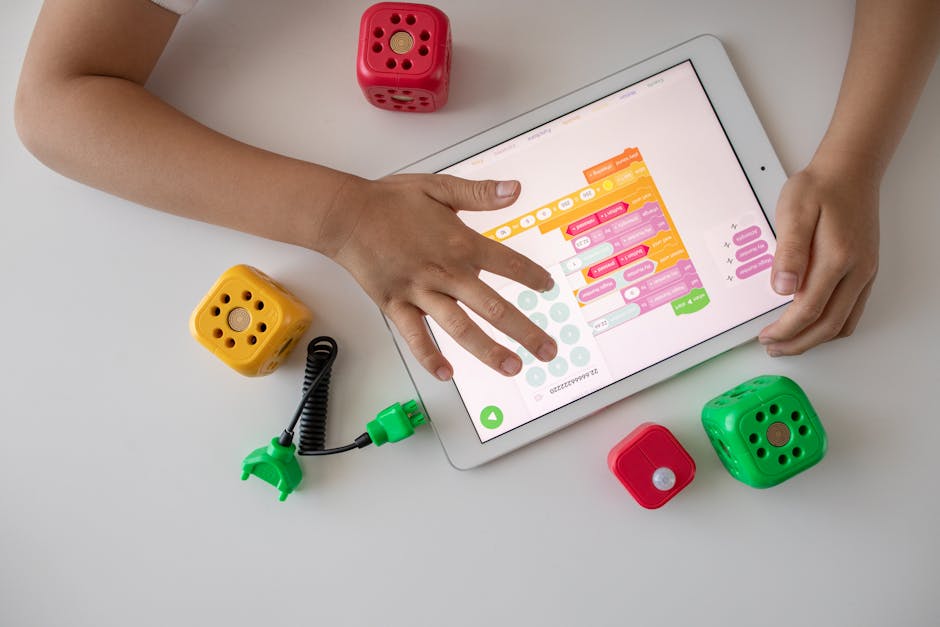
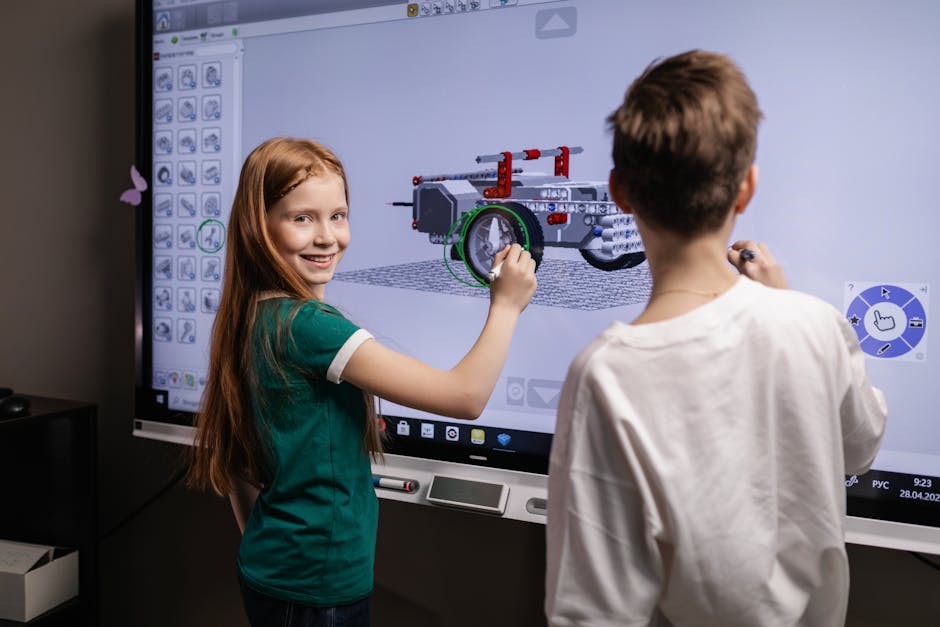
    child learning creative problem solving AI classroom 2026

    Why Creativity and Problem-Solving Are Now the Real Curriculum

    A 2026 report from the World Economic Forum’s Future of Jobs series ranks creative thinking, analytical reasoning, and socio-emotional skills as the top three competencies employers expect through the next decade — and notably, they’re also the three that current generative AI systems replicate least reliably. Meanwhile, rote memorization, basic coding, and formulaic writing have quietly moved down the list, because, well… AI handles those now.

    The implication for education is stark: schools that still reward regurgitation are, unintentionally, training kids for jobs that no longer exist. Schools that teach how to think — how to frame problems, challenge assumptions, iterate on ideas, and communicate original perspectives — are training kids for a world that’s just getting started.

    What the Data Actually Tells Us About Creative Learning

    Let’s ground this in some concrete findings:

    • Project-Based Learning (PBL) outcomes: A Stanford Research Institute study tracking students across six countries found that students in structured PBL environments scored 28% higher on open-ended problem-solving assessments compared to peers in lecture-only classrooms — and the gap widened in the presence of AI tools.
    • The AI-augmented creativity gap: A 2025–2026 longitudinal study from MIT’s Media Lab observed that students who were taught to question AI outputs critically generated measurably more original solutions in design challenges than those who simply used AI without critical scaffolding.
    • South Korea’s curriculum pivot: Since the 2025 national education reform, South Korean middle schools have replaced 30% of standardized test prep hours with “convergence thinking” labs — early metrics show a 19% improvement in student self-reported creative confidence.
    • Finland’s continuous evolution: Finland’s schools, long a benchmark, introduced “AI co-creation ethics” as a compulsory module in 2026, asking students not just to use AI but to debate its outputs — essentially building critical thinking into the tool itself.

    Real-World Examples Worth Paying Attention To

    🇰🇷 South Korea — The Convergence Thinking Lab Model: In Seoul’s Mapo-gu district, middle school students spend two hours weekly in labs where they’re given real civic problems (think: local traffic flow, elderly loneliness in apartment complexes) and asked to design solutions using a mix of analog brainstorming and AI-assisted research. The key rule? The AI can find data; only the student can propose the idea. Teachers report that students who initially struggled to separate “AI’s answer” from “my answer” develop a much sharper sense of personal intellectual ownership over just one semester.

    🇫🇮 Finland — Structured Questioning Protocols: Finnish educators introduced what they call the “But Why? But How? But Who?” framework — a simple three-question loop students apply to any AI-generated output before accepting it. It sounds almost too simple, but it’s producing students who instinctively interrogate information rather than absorb it passively. That habit? Wildly valuable in 2026’s information-dense environment.

    🇺🇸 United States — The Maker Movement Meets AI: Schools affiliated with the Fab Foundation network have expanded their maker spaces to include “AI + Hands” stations, where students prototype physical objects based on AI-generated concepts — then reverse-engineer why the AI’s suggestions were or weren’t practical. This loop of digital ideation and physical reality-testing is proving to be one of the richest creativity training grounds available right now.
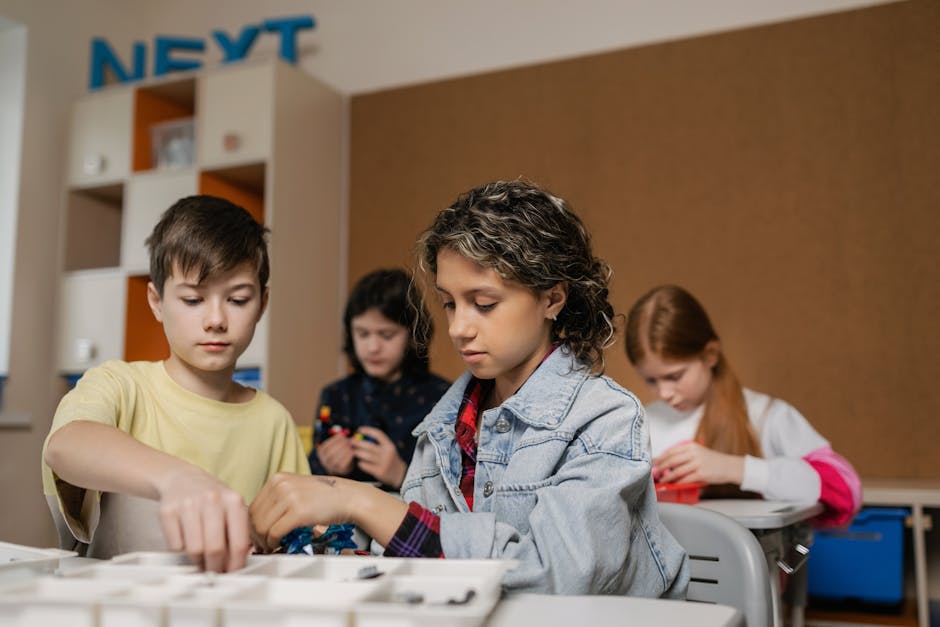
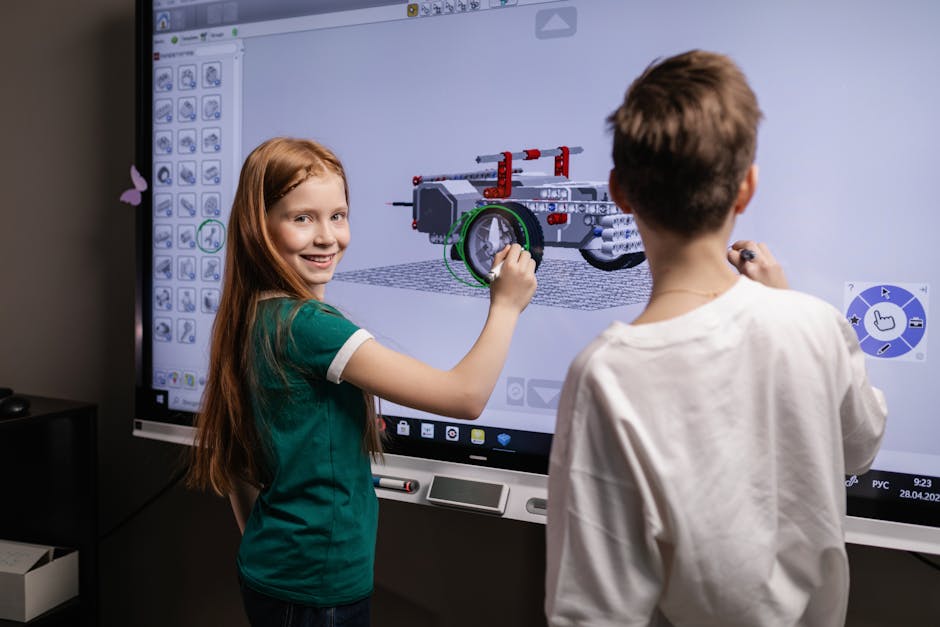
    students collaborative problem solving maker space technology education

    Practical Methods Parents and Educators Can Start Using Today

    Here’s where I want to be direct with you, because a lot of advice in this space is either too abstract or too tech-heavy. The most effective creativity and problem-solving education in 2026 doesn’t require expensive tools — it requires intentional friction.

    • Introduce “productive struggle” deliberately: Resist the urge to hand over AI tools the moment a child faces difficulty. A 10-minute struggle before using AI produces dramatically better learning outcomes than immediate AI assistance. Think of it like resistance training — the muscle builds in the struggle, not the solution.
    • Teach prompt engineering as a literacy: Rather than banning AI, teach children that how you ask a question determines the quality of the answer. Crafting a precise, creative prompt is itself a higher-order cognitive skill that builds analytical thinking.
    • Use the “Remix Challenge” technique: Give students an AI-generated solution and ask them to improve it, challenge it, or apply it to a completely different context. This builds divergent thinking — the ability to see multiple possibilities — which remains distinctly human.
    • Prioritize open-ended questions over closed answers: Replace “What is the capital of France?” with “If you were redesigning Paris for 2050, what would you change and why?” The AI can answer the first question in 0.3 seconds. The second requires a child to bring their own perspective, values, and imagination.
    • Create “no AI zones” strategically: Not as punishment, but as practice. Just like athletes train without equipment to build raw skill, children benefit from regular periods of unaided creative work — journaling, sketching, debating, building with their hands.
    • Model metacognition out loud: Adults thinking aloud about their own problem-solving process — “I’m not sure about this, let me think about what I actually know versus what I’m assuming” — teaches children the internal dialogue that underlies all creative work.

    The Realistic Middle Ground: AI as a Thinking Partner, Not a Thinking Replacement

    Here’s my honest take after exploring all of this: the goal isn’t to protect children from AI — that ship has sailed, and frankly, it was never the right destination. The goal is to raise children who use AI the way a master chef uses a sharp knife: as a powerful tool that amplifies skill, not a shortcut that replaces it.

    A child who learns to ask better questions, tolerate uncertainty, challenge assumptions, and find joy in the messy process of creating something original — that child will thrive with AI or without it. A child who learns only to prompt and accept? They’re one better model update away from irrelevance.

    The education methods we choose in 2026 will echo for decades. The good news is that the principles — curiosity, iteration, collaboration, critical thinking — are ancient. We’re not inventing a new pedagogy. We’re just finally being forced to take the old wisdom seriously.

    Editor’s Comment : The most powerful thing we can do for children right now isn’t choosing between AI and traditional education — it’s designing learning experiences where the struggle is the point. Every time a student wrestles with a problem before reaching for an AI tool, they’re building the one thing no model can replicate: a genuinely original mind. That’s the curriculum worth fighting for in 2026.

    태그: [‘AI education 2026’, ‘creative problem solving’, ‘future learning skills’, ‘project based learning’, ‘AI literacy for kids’, ‘creativity in education’, ‘critical thinking methods’]


    📚 관련된 다른 글도 읽어 보세요

  • AI 시대, 창의력과 문제해결력을 키우는 교육법 2026 완벽 가이드

    얼마 전, 지인의 초등학생 아이가 숙제로 ‘미래 직업 조사’를 해왔다는 이야기를 들었어요. 아이가 스스로 조사한 직업 목록 중 절반 이상이 GPT 같은 AI 도구로 이미 대체되고 있는 직종이었다고 하더라고요. 부모님도, 담임 선생님도 당황했다는 후일담이었는데, 그 장면이 오래 머릿속에 남았어요. 우리는 아이들에게 ‘어떤 직업을 가질지’를 가르치기 이전에, 어떻게 생각하고 어떻게 문제를 풀어나갈지를 먼저 가르쳐야 하는 시대에 와 있는 것 같습니다.

    2026년 현재, AI는 반복 업무를 넘어 초안 작성, 데이터 분석, 심지어 코드 디버깅까지 처리하고 있어요. 그렇다면 인간이 AI와 차별화될 수 있는 핵심 역량은 무엇일까요? 많은 교육 전문가들이 공통적으로 꼽는 두 가지가 바로 창의력(Creativity)문제해결력(Problem-Solving Ability)이라고 봅니다. 오늘은 이 두 가지 역량을 실제로 키울 수 있는 교육법을 함께 살펴볼게요.

    child creativity AI education future learning

    📊 숫자로 보는 AI 시대 교육의 현실

    먼저 현황부터 짚어봐야 할 것 같아요. 단순히 ‘창의력이 중요하다’는 말은 이미 수십 년 전부터 있었지만, 지금은 그 긴박함의 결이 다릅니다.

    • 세계경제포럼(WEF) 2025 보고서에 따르면, 2030년까지 전체 직업의 약 44%에서 핵심 직무 기술이 완전히 바뀔 것으로 전망했어요. 그 중 창의적 사고력과 비판적 분석 능력이 1·2위 핵심 역량으로 꼽혔습니다.
    • 한국교육개발원(KEDI)의 2025년 조사에서는 국내 초중고 교사의 68%가 ‘현행 교육과정이 AI 시대 문제해결력 교육에 충분하지 않다’고 답했어요.
    • 반면 핀란드, 싱가포르 등 교육 선진국에서는 이미 2020년대 초반부터 ‘프로젝트 기반 학습(PBL)’과 ‘디자인 씽킹(Design Thinking)’ 커리큘럼을 전면 도입했고, 2026년 현재는 국가 표준 교육과정으로 자리 잡은 상황입니다.
    • OECD PISA 2025 결과에서 문제해결력 상위 10개국의 공통점은 정답 외우기 방식의 수업 비중이 전체의 30% 미만이라는 점이었어요. 한국은 여전히 60%를 웃돌고 있다는 점이 씁쓸하게 다가옵니다.

    이 수치들이 보여주는 건 단순해요. 지금의 교육 방식은 AI가 가장 잘 하는 것, 즉 정보의 암기와 반복 처리를 훈련시키고 있다는 거예요. 우리는 방향을 바꿔야 할 것 같습니다.

    🌍 국내외 창의력·문제해결력 교육의 실제 사례

    📌 핀란드의 ‘현상 기반 학습(Phenomenon-Based Learning)’

    핀란드는 2016년부터 교과목 경계를 허무는 현상 기반 학습을 도입했어요. 예를 들어 ‘기후변화’라는 하나의 현상을 두고 과학, 사회, 수학, 언어를 동시에 탐구하는 방식이에요. 2026년 현재는 여기에 AI 리터러시 교육까지 통합해, 학생들이 실제로 AI 도구를 활용해 기후 데이터를 분석하고 솔루션을 제안하는 수업을 진행하고 있다고 합니다. 핵심은 ‘정답을 찾는 것’이 아니라 ‘질문을 설계하는 것’에 있다는 점이에요.

    📌 싱가포르의 ‘AI + 디자인 씽킹’ 통합 교육

    싱가포르 교육부는 2024년부터 중학교 과정에 ‘디자인 씽킹 + AI 협업’ 통합 과목을 필수로 편성했어요. 학생들은 실제 지역 사회 문제(예: 노인 고독사, 대중교통 불편)를 발굴하고, AI 도구를 활용해 프로토타입 솔루션을 만드는 과정을 경험하게 됩니다. 단순히 AI를 ‘사용’하는 게 아니라, AI로 무엇을 해결할 수 있는지 비판적으로 판단하는 능력을 기르는 게 목표라고 봐요.

    📌 국내 사례: 서울 혁신학교의 ‘메이커 교육’

    국내에서도 변화의 흐름이 생기고 있어요. 서울 일부 혁신학교에서는 ‘메이커 교육(Maker Education)’을 통해 학생들이 직접 문제를 정의하고, 3D 프린터·코딩·아두이노 등의 도구로 결과물을 만드는 과정을 경험하게 하고 있어요. 2026년 기준, 교육부의 ‘AI 교육 선도학교’ 지정 학교 수는 전국 1,200개를 넘어섰고, 단순 코딩 교육에서 벗어나 AI 도구를 활용한 프로젝트 기반 수업으로 빠르게 전환되고 있는 추세입니다.

    design thinking problem solving classroom collaboration workshop

    🛠️ 가정과 학교에서 바로 적용할 수 있는 창의력·문제해결력 교육법

    이론만 알면 아무 소용이 없죠. 실제로 일상에서 적용할 수 있는 방법들을 정리해 봤어요.

    • 질문 바꾸기 훈련: “정답이 뭐야?” 대신 “왜 그렇게 생각해?”로 질문을 바꿔보세요. 아이가 스스로 논리를 구성하는 습관을 들이는 데 가장 간단하면서도 효과적인 방법인 것 같아요.
    • 실패를 기록하는 ‘실패 일기’: 문제를 틀렸을 때 왜 틀렸는지, 다음엔 어떻게 접근할지를 짧게 기록하게 해보세요. 메타인지(meta-cognition), 즉 자신의 사고 과정을 돌아보는 능력은 문제해결력의 핵심 기반입니다.
    • AI 도구를 ‘파트너’로 활용하기: ChatGPT나 Claude 같은 AI 도구를 답을 얻는 도구가 아니라, ‘내 아이디어를 검증하고 반박하는 파트너’로 활용하도록 지도해 보세요. 예를 들어 “내 아이디어의 단점을 찾아줘”라고 프롬프트를 쓰는 훈련이에요.
    • 문제 재정의(Problem Reframing) 연습: 하나의 문제를 다양한 각도로 다시 정의해 보는 연습이에요. “왜 학교가 재미없을까?”를 “학교에서 어떤 순간이 그나마 즐거웠어?”로 바꿔보는 식이죠. 디자인 씽킹에서 말하는 ‘How Might We(HMW)’ 기법과 유사합니다.
    • 다학제적 독서 습관: 한 가지 분야 책만 읽는 것보다, 과학-역사-철학-예술을 넘나드는 독서가 창의적 연결고리를 만드는 데 훨씬 효과적이에요. 스티브 잡스가 캘리그래피 수업에서 영감을 얻어 맥의 폰트 디자인에 적용했던 사례가 좋은 예라고 봅니다.
    • 작은 프로젝트 완결 경험: 거창한 것 말고, ‘우리 집 반찬 낭비를 줄이는 방법을 설계해 봐’처럼 작고 구체적인 실생활 프로젝트를 완결하는 경험이 문제해결력을 체화시키는 데 더 효과적인 것 같아요.

    🤔 그래서, 부모와 교사가 먼저 바뀌어야 하는 이유

    사실 이 모든 교육법의 전제는 하나예요. 어른이 먼저 ‘틀려도 괜찮다’는 문화를 만들어야 한다는 거예요. 창의력은 안전한 환경에서 피어나거든요. 틀린 답을 냈을 때 핀잔을 받는 아이는 결코 엉뚱한 시도를 하지 않아요. 그리고 엉뚱한 시도를 하지 않는 아이는 창의적인 문제 해결을 할 수 없다고 봐요.

    AI는 이미 ‘정해진 범위 안에서 최적의 답’을 내는 데는 인간을 압도하고 있어요. 우리가 아이들에게 가르쳐야 할 건, 그 범위 자체를 새롭게 설정하고 아직 존재하지 않는 질문을 던지는 능력인 것 같습니다. 그건 여전히, 그리고 앞으로도 꽤 오랫동안, 인간만이 할 수 있는 일이라고 생각해요.


    에디터 코멘트 : 창의력과 문제해결력 교육이 거창하게 느껴진다면, 오늘 저녁 식사 자리에서 아이에게 이렇게 물어보는 것부터 시작해보는 건 어떨까요? “오늘 학교에서 이상하다고 느낀 게 있어?” 정답을 묻는 것이 아니라 낯섦을 포착하는 능력을 키워주는 첫 번째 질문, 그게 2026년 AI 시대에 우리가 아이들에게 줄 수 있는 가장 현실적인 선물인 것 같아요.

    태그: [‘AI시대교육’, ‘창의력교육’, ‘문제해결력’, ‘미래교육2026’, ‘디자인씽킹’, ‘프로젝트기반학습’, ‘AI리터러시’]


    📚 관련된 다른 글도 읽어 보세요

  • Best AI Coding Programs for Kids in 2026: What Actually Works (And What to Try Instead)

    Last spring, my neighbor’s eight-year-old walked up to me at a backyard barbecue and casually said, “I taught my robot to avoid walls today.” She wasn’t talking about a toy — she was describing a project from her after-school AI coding program. That moment stuck with me. We’re not in the era of “kids might learn to code someday” anymore. That someday is right now, in 2026, and the programs available today are genuinely remarkable.

    But here’s the thing: not every program is built the same, and not every child thrives in the same learning environment. So let’s think through this together — what’s actually out there, what the data says, and how you can find the right fit for your kid.

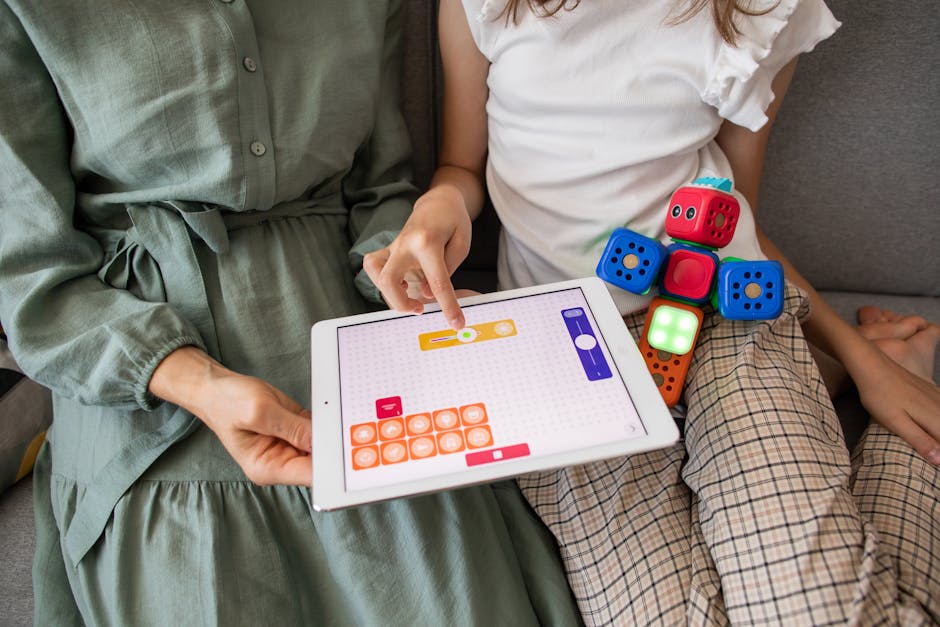
    children coding AI robots classroom colorful 2026

    Why AI Coding Education for Kids Is Exploding in 2026

    According to the World Economic Forum’s 2026 Future of Jobs Report, AI-adjacent roles are projected to represent over 40% of new job creation by 2030. That’s not a distant forecast anymore — it’s a four-year runway. Naturally, parents, educators, and governments have responded. Global investment in K-12 STEM and AI education platforms crossed $12 billion in 2025, with 2026 on track to surpass that significantly.

    But beyond job prep, research from MIT’s Media Lab consistently shows that children who engage in computational thinking — the logic behind coding — develop stronger problem-solving skills, better math reasoning, and even improved reading comprehension. AI coding programs take this a step further by introducing kids to concepts like machine learning, pattern recognition, and data — in age-appropriate, game-like formats.

    Top AI Coding Programs for Children Worth Exploring in 2026

    • Scratch AI Extensions (MIT, Ages 7–14): Scratch remains a gold standard, and its 2025–2026 AI extensions now let kids build basic image classifiers and train simple models using a drag-and-drop interface. It’s free, browser-based, and has a massive global community. Perfect for beginners.
    • Code.org AI for Oceans & Beyond (Ages 6–12): Code.org’s AI curriculum has expanded considerably. Their flagship AI module teaches machine learning concepts through interactive ocean-cleanup scenarios. It’s used in over 180 countries and is completely free.
    • Tynker AI Adventures (Ages 8–16): Tynker offers structured, curriculum-aligned courses that now include dedicated AI tracks. Kids can build chatbots, train image recognition models, and even explore generative AI basics. The platform has school and home editions, with pricing around $15–20/month for families.
    • AI Camp (Ages 10–17, US-Based): A more intensive option — AI Camp runs both online and in-person summer programs where kids build real AI projects over 1–4 weeks. Alumni have built apps that detect plant diseases and tools that assist visually impaired users. Tuition ranges from $500 to $2,500 depending on program length.
    • iCodeEdu & Similar Korean EdTech Platforms (Ages 6–13): For Korean-speaking families or those in Korea, platforms like iCodeEdu and Codingville have localized AI coding curricula aligned with the Korean Ministry of Education’s 2026 software education mandates. These are particularly strong in offline blended learning environments.
    • Raspberry Pi Foundation Courses (Ages 9–16, UK & Global): The Raspberry Pi Foundation’s free online courses now include an “Introduction to Machine Learning” path that pairs physical computing with AI concepts. Excellent for hands-on learners who enjoy building hardware projects alongside software.

    Domestic & International Programs Making Real Impact

    In South Korea, the government’s 2026 “AI Convergence Education” initiative has embedded AI literacy into public school curricula starting from 3rd grade. Programs like Samsung’s “Junior Software Academy” and KT’s AI coding camps have reached over 300,000 students since their expansion in 2025. These aren’t elective extras — they’re becoming foundational.

    Internationally, Finland continues to lead with its “Elements of AI for Kids” program, now adapted for ages 10 and up. Singapore’s Ministry of Education made AI modules compulsory in secondary schools in 2025, and early results show measurable gains in computational reasoning scores. In the United States, Google’s CS First program has integrated AI modules that are now active in 25,000+ schools.

    What’s common across successful programs? They all start with concepts before syntax — meaning kids understand why something works before they’re asked to write a single line of code. That pedagogical approach makes a real difference in long-term retention and enthusiasm.

    kids learning coding laptop tablet parent helping home 2026

    How to Choose the Right Program for Your Child

    Here’s where I want to slow down and think realistically with you, because the “best” program is deeply personal. Consider these factors:

    • Age & Attention Span: For kids under 8, visual block-based tools like Scratch or Code.org are ideal. Text-based coding (Python, JavaScript) is generally more appropriate from age 10–11 onward.
    • Learning Style: Does your child love building physical things? Look at Raspberry Pi or LEGO SPIKE with AI integrations. Does your child prefer storytelling and games? Tynker’s narrative approach works beautifully.
    • Budget: Free options like Scratch and Code.org are genuinely excellent — don’t feel pressured to spend money before trying them. Paid programs justify their cost mainly through structured curriculum, teacher feedback, and community.
    • Time Commitment: A 30-minute session twice a week is more sustainable and effective than a four-hour Saturday marathon. Consistency beats intensity for young learners.
    • Goal Clarity: Are you nurturing curiosity, preparing for competitions, or supplementing school? Each goal points to a different program type.

    Realistic Alternatives If Formal Programs Don’t Fit

    Not every child is ready for structured coding classes — and that’s completely fine. If your child feels overwhelmed or uninterested, here are meaningful alternatives that still build the same underlying skills:

    • AI-integrated games: Games like Minecraft Education Edition (with its AI NPC builder) and Roblox Studio teach logic and systems thinking without the pressure of “learning to code.”
    • Unplugged AI activities: CS Unplugged and similar resources teach machine learning concepts through card games and physical activities — no screen required. Great for younger children or those with screen fatigue.
    • YouTube + project-based exploration: Channels like “TechWithKids” and “CS Dojo Junior” (both updated through 2026) offer guided mini-projects that kids can follow at their own pace alongside a parent.
    • Library programs: Many public libraries in the US, UK, Canada, and Korea now run free monthly AI and coding workshops for children. These are often overlooked and genuinely well-run.

    The goal isn’t to create a room full of future software engineers (though some will become that). The goal is to raise kids who are comfortable thinking computationally — who see problems as things that can be broken down, tested, and improved. That mindset is valuable in medicine, design, writing, and every field imaginable.

    So whether your child builds their first chatbot this month or just plays a logic puzzle game before bed, they’re already on the path. The best program is the one they’ll actually look forward to.

    Editor’s Comment : In 2026, AI coding education for children is no longer a niche extracurricular — it’s becoming as fundamental as reading comprehension. But the sheer number of options can feel paralyzing. My honest advice? Start free (Scratch or Code.org), observe what excites your child, and then invest in a paid or intensive program if the spark is there. The technology will keep evolving, but a child who loves to build and problem-solve will always find their way forward.

    태그: [‘AI coding for kids’, ‘children coding programs 2026’, ‘best kids coding apps’, ‘AI education elementary school’, ‘learn coding at home kids’, ‘STEM programs children’, ‘machine learning for beginners kids’]


    📚 관련된 다른 글도 읽어 보세요

  • 2026년 어린이 AI 코딩 교육 프로그램 추천 TOP 5 | 우리 아이 첫 코딩, 어디서 시작할까?

    얼마 전, 초등학교 3학년 아이를 둔 친구에게 이런 연락을 받았어요. “요즘 학교에서 AI 수업을 한다는데, 집에서도 뭔가 시켜야 할 것 같은데 뭐부터 시작해야 할지 모르겠어.” 사실 이 고민, 2026년 현재 학부모들 사이에서 정말 흔하게 들려오는 이야기라고 봅니다. 교육부가 2025년부터 초등 정보 교육 시수를 두 배 이상 확대한 데 이어, 2026년부터는 AI 리터러시를 정규 교육과정에 본격 편입시키면서 ‘코딩 교육’에 대한 관심이 그 어느 때보다 뜨거워졌거든요.

    그런데 막상 찾아보면 선택지가 너무 많아서 오히려 혼란스럽죠. 블록 코딩이 맞는지, 텍스트 코딩부터 시작해야 하는지, AI 개념은 도대체 어떻게 가르치는 건지… 오늘은 그 물음들을 하나씩 같이 풀어보려 해요.

    children coding AI education classroom colorful

    📊 숫자로 보는 어린이 AI 코딩 교육 시장 현황 (2026년 기준)

    먼저 시장 규모부터 살펴볼게요. 글로벌 에듀테크 리서치 기관 HolonIQ에 따르면, 2026년 글로벌 K-12(유치원~고등) AI 코딩 교육 시장 규모는 약 148억 달러(한화 약 20조 원)에 달할 것으로 추산되고 있어요. 2022년 대비 약 3.2배 성장한 수치입니다.

    국내 상황도 비슷한 흐름이에요. 한국교육학술정보원(KERIS)이 발표한 ‘2026 디지털 교육 전환 보고서’에 따르면, 국내 초등학생의 약 61%가 학교 밖에서 별도의 코딩 또는 AI 관련 사교육을 받고 있는 것으로 나타났어요. 특히 AI 관련 프로그램 수요는 전년 대비 38% 증가했는데, 이는 단순 코딩 학원 수요(약 12% 증가)를 훨씬 앞지르는 수치라는 점이 인상적이에요.

    이런 흐름이 나타나는 이유는 간단한 것 같아요. 이제 부모님들이 ‘코딩을 할 줄 아는 것’보다 ‘AI가 어떻게 작동하는지 이해하고 활용하는 능력’이 더 중요하다는 걸 피부로 느끼기 시작했기 때문이라고 봅니다.

    🌍 국내외 주목할 만한 어린이 AI 코딩 교육 사례

    [해외 사례] MIT의 ‘Scratch + AI 확장팩’
    MIT 미디어랩이 개발한 스크래치(Scratch)는 이미 전 세계 어린이 코딩 교육의 대명사가 됐죠. 2025년부터는 ‘ML for Kids’와 연동한 AI 확장 모듈이 정식으로 통합되면서, 아이들이 블록 코딩으로 직접 이미지 인식 모델을 학습시키고 간단한 챗봇을 만들 수 있게 됐어요. 미국, 영국, 핀란드 등 30개국 이상에서 초등 교육과정에 공식 채택된 상태입니다.

    [국내 사례] 네이버 커넥트재단 ‘엔트리 AI’
    국내에서는 네이버 커넥트재단의 엔트리(Entry)가 AI 교육 기능을 지속적으로 강화하고 있어요. 2026년 현재 엔트리에는 텍스트 분류, 이미지 인식, 음성 인식 등 총 8가지 AI 블록 기능이 탑재되어 있으며, 전국 초등학교 교사 약 2만 3천 명이 엔트리 기반의 AI 수업을 진행 중이라고 합니다. 무엇보다 한국어 환경에 최적화되어 있다는 점이 가장 큰 장점이라고 봅니다.

    kids learning AI robot program tablet home

    ⭐ 2026년 추천 어린이 AI 코딩 프로그램 TOP 5

    • 🥇 엔트리(Entry) AI 코딩 — 국내 최적화, 입문용 필수
      대상: 초등 1~6학년 / 비용: 무료(기본), 유료 심화 과정 월 2~4만 원대
      한국어 환경에서 블록 코딩으로 AI 모델을 직접 만들어볼 수 있어요. 학교 수업과 연계성이 높아서 예습·복습 용도로도 활용도가 높습니다.
    • 🥈 스크래치 + ML for Kids — 글로벌 표준 AI 교육 플랫폼
      대상: 초등 2학년 이상 / 비용: 무료
      직접 AI 모델을 훈련시키는 경험을 블록 코딩으로 체험할 수 있어요. 영어 인터페이스지만 한국어 패치가 잘 되어 있고, 전 세계 커뮤니티가 활성화되어 있어 다양한 프로젝트 참고가 가능합니다.
    • 🥉 코드닷오알지(Code.org) AI 모듈 — 개념 이해 중심
      대상: 초등 전 학년 / 비용: 무료
      게임처럼 진행되는 커리큘럼이 특징이에요. AI가 ‘어떻게 학습하는가’에 대한 개념적 이해를 재미있게 쌓을 수 있어서, 본격적인 코딩 전 첫 입문으로 추천할 만합니다.
    • 🏅 뤼이드 튜터(Riiid Tutor) Kids AI 코딩 과정 — 개인화 학습
      대상: 초등 3~6학년 / 비용: 월 5~8만 원대
      AI가 아이의 학습 속도와 이해도를 분석해 커리큘럼을 자동 조정해 주는 방식이에요. 자기 주도 학습 능력이 중요한 고학년에게 특히 효과적이라고 봅니다.
    • 🏅 마이크로소프트 ‘MakeCode + AI Builder’ — 하드웨어 연동 가능
      대상: 초등 4학년 이상 / 비용: 무료(기본)
      마이크로비트(Micro:bit) 등 하드웨어와 연동해 AI 프로젝트를 실물로 구현할 수 있어요. ‘눈에 보이는 결과물’이 있어서 아이들의 학습 동기를 유지하는 데 탁월한 것 같습니다.

    💡 연령대별 현실적인 시작 전략

    무조건 ‘좋은 프로그램’을 고르는 것보다, 아이의 연령과 관심사에 맞는 접근이 훨씬 중요해요.

    • 유치원~초등 1~2학년: 코딩 개념보다 ‘논리적 사고’를 키우는 언플러그드(컴퓨터 없이 하는) 활동이나 코드닷오알지 입문 과정부터 시작하는 걸 추천해요.
    • 초등 3~4학년: 엔트리나 스크래치로 블록 코딩을 시작하고, AI 블록 기능을 활용해 간단한 AI 프로젝트를 만들어보는 단계가 적합한 것 같아요.
    • 초등 5~6학년: 파이썬(Python) 입문과 함께 실제 AI 모델 학습 원리를 이해하는 수준으로 넘어갈 수 있어요. MakeCode 하드웨어 연동 프로젝트도 이 시기에 특히 효과적입니다.

    에디터 코멘트 : 솔직히 말하면, 지금 당장 어떤 프로그램을 선택하느냐보다 ‘아이가 흥미를 잃지 않게 하는 것’이 훨씬 더 중요한 것 같아요. 비싼 유료 과정을 시작하기 전에 무료 플랫폼(엔트리, 스크래치, 코드닷오알지)으로 먼저 한 달만 탐색해 보세요. 그 과정에서 아이가 뭘 재미있어하는지, 어디서 막히는지를 파악한 뒤에 유료 과정을 선택해도 절대 늦지 않아요. AI 코딩 교육의 핵심은 결국 ‘도구’가 아니라 문제를 발견하고 해결하려는 태도를 길러주는 것이라고 봅니다.

    태그: [‘어린이AI코딩교육’, ‘AI코딩프로그램추천’, ‘초등코딩교육2026’, ‘엔트리AI’, ‘스크래치코딩’, ‘어린이코딩입문’, ‘AI리터러시교육’]


    📚 관련된 다른 글도 읽어 보세요

  • How to Spot Emotional Development Problems in Children Early: A Parent’s Practical Guide for 2026

    Picture this: A kindergarten teacher pulls a parent aside after class and gently mentions that their 5-year-old has been unusually withdrawn lately — not playing with other kids, not responding to simple instructions, and sometimes crying without an obvious reason. The parent is surprised. At home, the child seems “fine.” Sound familiar? This gap between what we see at home and what unfolds in social settings is one of the most telling — and most commonly missed — early signs of emotional development challenges in children.

    In 2026, child mental health awareness has grown significantly, yet early detection remains one of the biggest hurdles for families worldwide. The good news? You don’t need to be a psychologist to notice the warning signs. You just need to know what to look for — and we’re going to think through that together.

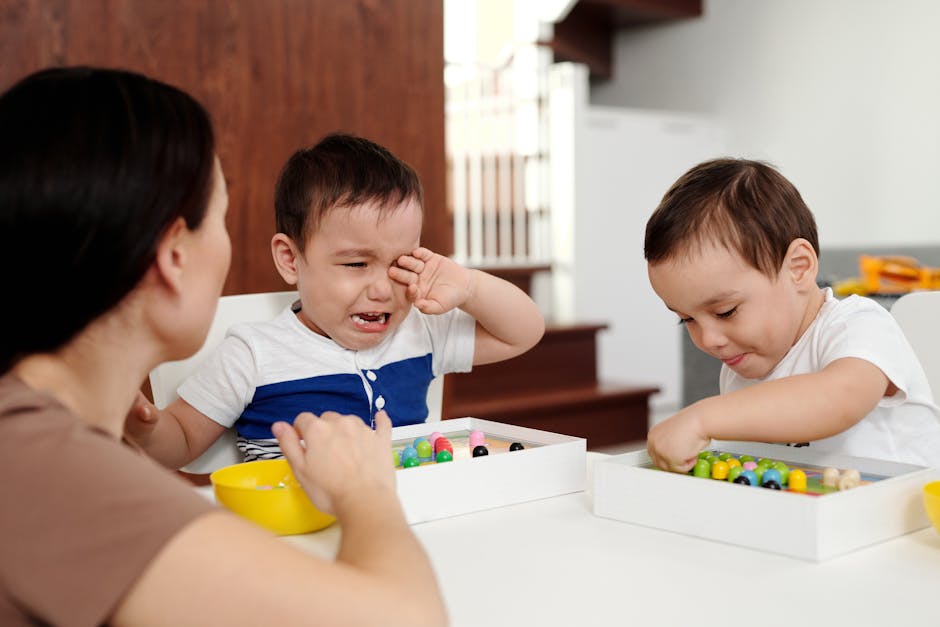
    child emotional development, parent child connection, early childhood behavior

    Why Early Detection Matters More Than You Think

    Let’s start with some grounding data. According to the World Health Organization’s updated 2026 global child health brief, approximately 1 in 7 children between ages 2 and 17 experiences a mental health condition, and emotional disorders (like anxiety, mood dysregulation, and attachment difficulties) make up the largest share. What’s striking is that the average delay between the onset of symptoms and a child receiving professional support is still 3 to 5 years in many developed countries — and longer in regions with fewer resources.

    Why does this lag matter? Because the brain is extraordinarily plastic during the early years. Neural pathways related to emotional regulation, empathy, and stress response are actively being shaped between ages 0–8. Early intervention during this window doesn’t just help — it can fundamentally redirect a child’s developmental trajectory in a positive direction.

    What “Normal” Emotional Development Actually Looks Like

    Before we can spot what’s off, we need a baseline. Emotional development isn’t a straight line — it’s more like a spiral staircase. Children revisit similar emotional challenges at different developmental stages, but with growing sophistication. Here’s a rough framework:

    • Ages 0–2: Attachment-seeking behavior, basic emotion expression (joy, fear, distress), and beginning to read caregiver facial cues.
    • Ages 3–5: Emerging empathy, imaginative play as emotional processing, beginning to name feelings, occasional intense tantrums (which are actually developmentally expected).
    • Ages 6–9: Understanding complex emotions like embarrassment or pride, peer relationships becoming central, early signs of moral reasoning.
    • Ages 10–12: Managing conflicting emotions, navigating group dynamics, heightened self-consciousness as puberty approaches.

    Deviations from these markers — especially when persistent and appearing across multiple settings — are worth paying attention to.

    Key Early Warning Signs to Watch For

    Think of these signals not as a checklist of deficits, but as your child’s way of communicating something they can’t yet put into words:

    • Persistent emotional flatness or withdrawal: A child who rarely laughs, shows little excitement about play, or avoids eye contact consistently — not just on “off days.”
    • Extreme difficulty with transitions: While all kids resist change to some degree, a child who has prolonged, intense meltdowns over minor routine shifts may be showing signs of anxiety or sensory processing difficulties.
    • Regression to earlier behaviors: Bedwetting after toilet training, baby talk in a 7-year-old, or sudden clinginess can signal emotional stress or trauma response.
    • Disproportionate fear responses: Fears that are far beyond what peers experience and significantly interfere with daily functioning (e.g., refusing school for weeks due to fear of a specific situation).
    • Aggression or self-harm: Biting, hitting, or scratching themselves, particularly when unable to verbalize distress.
    • Somatic complaints without medical cause: Frequent stomachaches or headaches before school or social events are often the body’s language for anxiety.
    • Lack of imaginative or symbolic play by age 3–4: This can be an early marker related to social-emotional processing challenges, including those on the autism spectrum.

    What Research and Real-World Cases Are Teaching Us in 2026

    In South Korea, the National Center for Child and Adolescent Mental Health released a landmark study in early 2026 showing that children who received social-emotional learning (SEL) programs in preschool had a 34% lower rate of anxiety diagnoses by age 10 compared to control groups. This reinforces what researchers like Dr. Stuart Ablon at Harvard have been arguing for years: emotional literacy is a skill that can — and should — be taught proactively.

    In the UK, the Anna Freud National Centre for Children and Families has been running a community-based early detection program called “Thrive” in London schools since 2022. By 2026, their data shows that teachers trained in emotional development screening can flag at-risk children an average of 18 months earlier than traditional referral pathways. That’s 18 more months of potentially life-changing support.

    In the United States, the American Academy of Pediatrics updated its developmental screening guidelines in 2025 to explicitly include emotional and social-emotional screening at every well-child visit from 12 months onward — a shift that reflects growing consensus in the pediatric community.

    child therapy session, school counselor child, emotional literacy activity

    Practical Steps Parents and Caregivers Can Take Right Now

    Here’s where we get realistic. You don’t need to become an expert overnight, but you can build habits that make early detection far more likely:

    • Keep a simple “emotion log”: Even a few notes per week about recurring behaviors, triggers, and your child’s emotional responses can be invaluable when speaking with a pediatrician or counselor. Patterns become visible over time.
    • Use feeling vocabulary intentionally: Instead of “Are you okay?” try “It looks like you might be feeling frustrated right now — am I reading that right?” This models emotional labeling and invites dialogue.
    • Connect with teachers proactively: Don’t wait for parent-teacher conferences. A quick monthly check-in with a teacher or daycare provider gives you data from a different environment — crucial for spotting inconsistencies.
    • Use validated screening tools: The Strengths and Difficulties Questionnaire (SDQ) is free, research-backed, and available in many languages. It takes about 5 minutes and is appropriate for ages 2–17. Ask your pediatrician about it.
    • Trust the discomfort: If something feels off and it persists for more than 2–3 weeks, bring it up with a professional. You’re not being an anxious parent — you’re being an attentive one.

    When to Seek Professional Help — And What That Looks Like

    There’s sometimes a stigma around “getting your child evaluated” — as if it’s a label, a failure, or an overreaction. Let’s reframe that. Seeking an evaluation is essentially saying, “I want to understand my child better so I can support them more effectively.” That’s not dramatic — it’s smart parenting.

    A good first step is your child’s pediatrician, who can conduct or refer out for developmental and emotional screening. From there, a licensed child psychologist or child and adolescent psychiatrist can provide a more comprehensive assessment if needed. In many countries, school psychologists are also a free, accessible resource worth tapping into.

    Therapy for young children often doesn’t look like traditional talk therapy — it might be play therapy, art therapy, or parent-child interaction therapy (PCIT), all of which are evidence-based and highly effective for emotional development challenges.

    A Realistic Alternative Path: When Formal Services Aren’t Accessible

    We’d be doing a disservice to skip over the reality that professional mental health resources aren’t equally accessible everywhere. Long waitlists, cost barriers, and geographic limitations are real. If you’re in this situation, here are some realistic bridges:

    • Community-based parenting programs: Many nonprofits and community centers offer free or low-cost parenting workshops grounded in child development science.
    • Library and school SEL programs: Many public libraries in 2026 now offer structured social-emotional learning storytimes and parent education sessions.
    • Telehealth child therapy: The expansion of telehealth since 2020 means that qualified child therapists are now more geographically accessible than ever before.
    • Peer support groups: Connecting with other parents navigating similar concerns can reduce isolation and often surfaces practical, real-world strategies.

    The key insight here: early detection doesn’t require a clinical setting. It starts at home, in the classroom, and in the communities we build together.

    Children are remarkably resilient — but resilience isn’t passive. It’s cultivated through attentive relationships, safe environments, and timely support. The earlier we notice, the more we can do. And doing something — even something imperfect — is always better than waiting until things get louder.

    Editor’s Comment : As a lifestyle blogger and parent advocate, I want to be honest: this topic makes me a little emotional (pun intended). We spend enormous energy monitoring our children’s physical health — growth charts, vaccines, nutrition — but emotional health often gets left to chance. In 2026, we know better. The science is clear, the tools are available, and the stakes are high. If this post prompts even one parent to have a different kind of conversation with their child today, that’s everything. You’re not overreacting. You’re paying attention. Keep doing that.

    태그: [‘child emotional development’, ‘early childhood mental health’, ’emotional development warning signs’, ‘parenting tips 2026’, ‘child behavior problems’, ‘social emotional learning’, ‘child psychology’]


    📚 관련된 다른 글도 읽어 보세요

  • 아동 정서 발달 문제 조기 발견 방법 | 2026년 부모가 꼭 알아야 할 신호와 체크리스트

    얼마 전 한 지인이 조심스럽게 물어왔어요. “우리 아이가 요즘 유독 짜증이 많고, 친구들이랑 잘 안 어울리려고 하는데… 그냥 예민한 성격인 건지, 아니면 뭔가 문제가 있는 건지 모르겠어.” 그 말이 오래 마음에 남았습니다. 아이를 키우는 부모라면 한 번쯤은 비슷한 고민을 해봤을 거예요. 아이의 감정 기복이나 사회적 행동 변화가 ‘그냥 크면서 생기는 일’인지, 아니면 전문가의 도움이 필요한 신호인지를 구분하는 건 생각보다 훨씬 어렵거든요.

    오늘은 아동 정서 발달 문제를 조기에 발견하는 방법에 대해 함께 살펴보려고 합니다. 무겁게 접근하기보다는, 일상에서 체크할 수 있는 신호들을 중심으로 이야기해볼게요.

    child emotional development parent observation home

    📊 수치로 보는 아동 정서 발달 문제의 현실

    먼저 현황부터 짚어보는 게 좋을 것 같아요. 숫자가 다소 놀라울 수도 있거든요.

    보건복지부가 2025년 말 발표한 아동·청소년 정신건강 실태조사에 따르면, 국내 만 6~12세 아동 중 약 14.3%가 임상적으로 유의미한 수준의 정서·행동 문제를 보이는 것으로 나타났습니다. 이 수치는 2020년(11.8%)과 비교했을 때 약 2.5%p 증가한 수치예요. 팬데믹 이후 사회적 상호작용 기회가 줄고, 스크린 타임이 늘어난 것이 주요 원인 중 하나라고 봅니다.

    더 중요한 건 이런 통계예요. 정서 발달 문제가 있는 아동 중 전문 기관을 방문한 비율은 29% 수준에 불과했습니다. 나머지 70% 이상은 문제를 인식하지 못했거나, 인식했더라도 ‘지켜보자’며 넘어간 경우라고 해요. 조기 개입이 얼마나 중요한지를 보여주는 수치라고 할 수 있죠.

    미국 CDC(질병통제예방센터)의 2025년 자료에서도 비슷한 흐름이 보입니다. 3~17세 아동 중 약 1/5이 진단 가능한 수준의 정신건강 문제를 가지고 있으며, 이 중 조기(만 8세 이전)에 개입받은 아이들은 장기적 예후가 그렇지 않은 경우보다 2.4배 더 긍정적이었다고 합니다. 빠른 발견이 결과를 크게 바꾼다는 거죠.

    🌍 국내외 사례로 보는 조기 개입의 힘

    핀란드의 ‘NECU(신경발달 조기 지원)’ 모델은 국제적으로 많이 인용되는 사례입니다. 핀란드는 만 4세 이전 정기 건강검진에 정서·사회성 발달 평가를 의무적으로 포함시키고 있어요. 덕분에 정서 발달 문제의 조기 발견율이 OECD 평균 대비 약 1.8배 높다고 알려져 있습니다. 특히 주목할 점은 단순히 ‘문제 있음/없음’으로 분류하는 게 아니라, 부모와 교사가 함께 참여하는 관찰 기록 시스템을 운영한다는 점이에요.

    국내에서도 긍정적인 변화가 생기고 있습니다. 서울시는 2025년부터 ‘아이마음건강 조기발견 프로그램’을 확대 운영 중이에요. 각 구 보건소와 연계된 아동발달지원센터에서 만 3~7세 아동을 대상으로 무료 정서발달 스크리닝 검사를 제공하고 있는데, 2026년 현재 기준으로 참여 가능한 자치구가 22개로 늘어났습니다. 이전에 비해 접근성이 훨씬 좋아진 것 같아요.

    실제 사례도 있어요. 경기도 성남의 한 어린이집에서는 담당 교사가 특정 아동의 반복적인 물건 던지기 행동을 단순 훈육 문제로 보지 않고 발달 상담으로 연계했는데, 이후 해당 아동이 불안장애 초기 징후를 가지고 있었던 것이 확인됐습니다. 만 5세에 발견했기 때문에 개입이 충분히 가능했다고 해요.

    child behavior observation kindergarten teacher checklist

    🔍 부모가 일상에서 체크할 수 있는 신호들

    전문가가 아닌 부모 입장에서, 어떤 신호에 주목해야 할까요? 다음은 아동 정서발달 전문가들이 공통적으로 강조하는 조기 발견의 핵심 체크 포인트입니다. 항목 하나하나를 ‘이게 문제다’라고 판단하기보다, 패턴과 지속성을 함께 살펴보는 게 중요하다고 봐요.

    • 감정 조절의 어려움: 또래에 비해 지나치게 오래 울거나 분노가 가라앉지 않는 상황이 반복될 때. 특히 2주 이상 지속된다면 주목할 필요가 있어요.
    • 사회적 위축: 원래 잘 어울리던 친구들과의 관계를 갑자기 피하거나, 집단 활동에서 지속적으로 혼자 있으려는 경향이 나타날 때.
    • 퇴행 행동: 이미 뗀 기저귀를 다시 찾거나, 영아기 때 하던 행동(손가락 빨기, 말 더듬기 등)이 다시 나타날 때. 스트레스 반응의 대표적인 형태라고 할 수 있어요.
    • 수면 및 식욕의 지속적 변화: 잠을 못 자거나 반대로 너무 많이 자려고 하고, 식욕이 크게 줄거나 느는 상태가 일주일 이상 지속될 때.
    • 신체 증상의 반복: 특별한 이유 없이 배가 아프다, 머리가 아프다는 호소가 반복될 때. 정서적 불안이 신체화되는 경우가 많아요.
    • 자기 비하적 언어: “나는 왜 이렇게 못해”, “아무도 나를 좋아하지 않아”와 같은 말이 자주 나올 때. 특히 만 5세 이후 아이에게서 나타난다면 더욱 주의 깊게 살펴볼 필요가 있습니다.
    • 갑작스러운 학습 의욕 저하: 이전에 좋아하던 활동에 흥미를 잃고, 집중력이 현저히 떨어지는 경우.

    💡 체계적으로 접근하는 법: 관찰 → 기록 → 상담

    위 신호들이 보인다고 해서 바로 ‘우리 아이에게 문제가 있다’고 결론 짓는 건 좀 이르다고 봐요. 중요한 건 체계적인 관찰과 기록이에요.

    간단하게 시작할 수 있는 방법을 하나 소개할게요. ‘감정 일기’처럼, 아이가 특이한 행동이나 감정을 보인 날의 상황, 행동, 지속 시간을 짧게 메모해두는 거예요. 나중에 소아청소년정신건강의학과나 발달센터를 방문했을 때 이 기록이 정말 큰 도움이 됩니다. 전문가들도 짧은 상담 시간 안에 아이의 전반적인 패턴을 파악하기 어려운 경우가 많거든요.

    국내에서 활용할 수 있는 공인된 스크리닝 도구로는 K-CBCL(한국판 아동·청소년 행동평가척도)SDQ(강점·난점 설문지)가 있어요. SDQ의 경우 온라인에서 무료로 접근 가능하고, 보호자용 버전이 있어 가정에서도 1차 체크가 가능합니다. 물론 전문가의 해석이 뒤따라야 한다는 전제는 잊지 말아야 해요.

    🏥 어디에 도움을 요청할 수 있을까요?

    • 육아종합지원센터: 전국 각 시·군·구에 운영 중. 발달 상담 및 심리지원 연계 서비스 제공.
    • 아동발달지원센터(보건소 연계): 만 6세 이하 무료 정서발달 스크리닝 가능 지역 확대 중(2026년 기준).
    • 정신건강복지센터: 지역 내 아동청소년 심리지원팀을 통해 상담 연계 가능.
    • 소아청소년정신건강의학과: 보다 정밀한 진단이 필요할 경우. 1차 상담 후 의뢰되는 경우가 많아요.
    • 학교 내 Wee 클래스: 초등학교 입학 이후라면 담임 교사나 상담 교사를 통해 1차 연계가 가능해요.

    🌱 결론: 빠른 발견보다 중요한 건 ‘열린 시선’

    아동 정서 발달 문제를 조기에 발견하는 데 있어 가장 큰 걸림돌은 사실 정보 부족이 아닌 것 같아요. “혹시 내 아이를 문제아로 낙인찍는 건 아닐까”하는 두려움, 혹은 “좀 더 지켜보면 나아지겠지\

    태그: []


    📚 관련된 다른 글도 읽어 보세요

  • From Lecturer to Guide: How AI Teaching Tools Are Redefining the Teacher’s Role in 2026

    Picture this: It’s a Tuesday morning in Seoul, and a middle school science teacher named Ms. Park hasn’t written a single quiz question this semester. Instead, she’s spent that saved time doing something no algorithm can replicate — sitting one-on-one with a struggling student, figuring out why fractions feel like a foreign language to him. Her AI teaching assistant handled the diagnostics. She handled the human part. This, right here, is the shift we need to talk about.

    The conversation around AI in education has too often swung between two extremes: either “AI will replace teachers” panic, or breathless “this changes everything” hype. In 2026, we finally have enough real-world data and classroom experience to settle somewhere more nuanced — and honestly, more interesting.

    teacher and student collaboration AI classroom 2026

    📊 What the Numbers Actually Tell Us in 2026

    Let’s ground ourselves in what’s happening right now. According to a 2026 OECD Education Report, over 67% of K-12 schools in OECD member countries have integrated at least one AI-assisted instructional tool into their curriculum — up from just 23% in 2022. That’s not a pilot program anymore. That’s mainstream adoption.

    But here’s the data point that really makes you think: teacher satisfaction scores in schools using AI tools rose by an average of 18% compared to non-adopting schools. Why? Because the top three tasks teachers report as most draining — grading, lesson differentiation, and administrative reporting — are precisely the areas where AI assistance has made the biggest dent.

    Meanwhile, a 2026 Stanford Center for Opportunity Policy in Education study found that students in AI-augmented classrooms showed a 22% improvement in personalized learning outcomes, but only in schools where teachers were actively involved in curating and contextualizing the AI’s recommendations. When AI ran on autopilot without teacher oversight? Outcomes were statistically flat. The message is clear: AI amplifies great teaching; it doesn’t substitute for it.

    🔄 The Evolving Teacher Role: A Skill Shift, Not a Job Loss

    So what does a teacher actually do differently now? Think of it less as a role replacement and more like a professional evolution — similar to how accountants shifted when spreadsheet software arrived. The core value didn’t disappear; it just moved upstream.

    • From content deliverer → learning architect: Teachers now spend more time designing meaningful learning experiences and less time lecturing facts that an AI can present more interactively.
    • From uniform assessor → empathetic diagnostician: AI tools flag learning gaps in real time, freeing teachers to investigate the emotional and contextual reasons behind those gaps.
    • From classroom manager → mentorship specialist: With routine behavior and progress tracking handled digitally, teachers can invest deeper relational energy with individual students.
    • From lone practitioner → data-informed collaborator: Teachers now regularly interpret AI-generated learning dashboards and collaborate with peers and parents using shared data insights.
    • From subject expert → critical AI curator: Perhaps most importantly, teachers are becoming the ethical and pedagogical gatekeepers who decide how AI tools are used — and when they shouldn’t be.

    🌍 Real Classrooms, Real Examples

    Finland’s “Teacher as Coach” National Model (2025–2026): Finland, already famous for its progressive education philosophy, rolled out a national framework in late 2025 called Opettaja 2.0 (Teacher 2.0). Under this model, AI platforms like Eduten (a Finnish EdTech company) handle adaptive math practice for students, while teachers are formally repositioned as “learning coaches.” Initial assessments in Spring 2026 show that teacher-led coaching sessions increased by 40%, while student math anxiety scores dropped significantly. The key wasn’t the AI — it was the time the AI gave back to teachers.

    South Korea’s AIDT (AI Digital Textbook) Initiative: In 2026, South Korea completed the nationwide rollout of AI-powered digital textbooks across core subjects in elementary and middle schools. These aren’t just digital PDFs — they’re adaptive learning systems that adjust difficulty in real time and provide teachers with weekly learning analytics per student. Early feedback from the Korean Ministry of Education shows that teachers initially felt overwhelmed by the data volume, which led to a critical policy lesson: teacher training in data literacy is just as important as the technology itself.

    Chicago Public Schools’ “Human-First AI” Policy: After a controversial 2024 pilot where AI grading tools introduced measurable bias in essay assessment, Chicago Public Schools implemented a “Human-First AI” policy in 2025. Every AI recommendation or grade must be reviewed and approved by a certified teacher before it affects a student’s record. The policy has become a model for responsible AI integration across several U.S. districts, proving that guardrails aren’t anti-innovation — they’re pro-trust.

    AI digital textbook adaptive learning teacher dashboard

    ⚠️ The Challenges We Can’t Ignore

    It would be intellectually dishonest not to acknowledge the friction points. Teacher unions in France and Germany have raised legitimate concerns about AI tools being used to justify larger class sizes — essentially letting administrators argue that “the AI covers the gap.” This is a real risk. AI can handle scale; it cannot handle nuance at scale. A classroom of 45 students with one teacher and an AI assistant is still a classroom of 45 students with one teacher.

    There’s also the professional development gap. A 2026 UNESCO survey found that only 31% of teachers globally feel adequately trained to use AI educational tools effectively. Buying the technology is the easy part. Building the human infrastructure around it is the hard, slow, expensive part that institutions often underinvest in.

    💡 Realistic Alternatives for Different School Contexts

    Not every school is Finland. Not every district has Chicago’s budget. So let’s think practically about what’s actually achievable depending on your situation:

    • Low-resource schools: Start with free-tier AI tools like Khan Academy’s Khanmigo or Google’s NotebookLM for lesson planning support. Even one AI-assisted prep hour per week compounds meaningfully over a semester.
    • Mid-size districts: Prioritize AI tools that generate teacher-facing dashboards rather than student-facing content. Data-informed teaching is often the highest-leverage starting point.
    • Well-funded institutions: Invest in adaptive learning platforms with strong API integration (so data flows between tools) AND — critically — budget equally for teacher training as for software licenses.
    • Individual teachers: You don’t need institutional buy-in to start. Use AI for lesson differentiation drafts, rubric generation, or parent communication templates. Reclaim small pockets of time first.

    The throughline across all these options? Start with teacher time savings, not student-facing automation. When teachers feel less overwhelmed, their quality of human engagement goes up. That’s where the real learning lives.

    🔮 What the Next Chapter Looks Like

    By the end of 2026 and into 2027, we’re likely to see AI tools move from content delivery toward something far more interesting: socio-emotional learning support. Early pilots from companies like Affectiva and Cognii are experimenting with AI systems that can flag signs of student disengagement or emotional distress to teachers — not to replace counselors, but to give teachers earlier, more specific signals. Whether this feels helpful or invasive will depend entirely on how schools handle consent, transparency, and ethics.

    The teacher of 2026 isn’t less important than the teacher of 2010. They’re more important — but in different ways. The irreplaceable core of teaching has always been the relational, motivational, contextually wise human presence in a room. AI is, slowly and imperfectly, taking over the parts that never required a human presence in the first place.

    That’s not a threat. That’s a long-overdue professional upgrade.


    Editor’s Comment : What strikes me most about this shift isn’t the technology itself — it’s that AI is essentially forcing a long-overdue conversation about what we actually value in education. If a machine can grade your multiple-choice test, maybe that test was never measuring what matters most. The schools getting this right in 2026 aren’t just adopting AI tools; they’re using AI as a mirror to reflect on what human teachers uniquely offer. And that reflection, uncomfortable as it sometimes is, might be the most valuable thing EdTech has ever given us.

    태그: [‘AI teaching tools 2026’, ‘teacher role transformation’, ‘AI in education’, ‘EdTech trends 2026’, ‘personalized learning AI’, ‘classroom technology’, ‘future of teaching’]


    📚 관련된 다른 글도 읽어 보세요

  • AI 교육 보조 도구 시대, 교사의 역할은 어떻게 바뀌고 있을까? (2026년 최신 트렌드)

    얼마 전, 15년 차 중학교 수학 교사인 지인과 커피를 마시다 흥미로운 이야기를 들었어요. 올해 초부터 학교에 AI 학습 보조 플랫폼이 도입됐는데, 처음엔 ‘내 자리가 없어지는 건 아닐까’ 하는 불안감이 컸다고 하더라고요. 그런데 막상 한 학기를 써보니 오히려 아이들 한 명 한 명의 취약점을 더 정확하게 파악할 수 있게 됐고, 수업 준비에 쓰던 시간을 아이들과 직접 대화하는 데 쓸 수 있게 됐다고 했어요. “AI가 숙제를 채점해 주니까, 저는 드디어 진짜 교육을 할 수 있게 됐어요.”라는 말이 꽤 오래 마음에 남더라고요.

    2026년 현재, AI 교육 보조 도구는 더 이상 먼 미래의 이야기가 아닙니다. 교실 안에 이미 깊숙이 들어와 있고, 교사라는 직업 자체의 정의를 조용히, 그러나 빠르게 바꾸고 있는 것 같아요. 오늘은 그 변화의 흐름을 함께 살펴보겠습니다.

    AI classroom teacher technology education future

    📊 숫자로 보는 AI 교육 도구의 현재

    글로벌 시장조사기관 HolonIQ의 2026년 1분기 보고서에 따르면, 전 세계 에듀테크(EdTech) 시장 규모는 약 4,200억 달러를 넘어섰으며, 이 중 AI 기반 개인화 학습 솔루션이 차지하는 비중은 전체의 38%에 달한다고 합니다. 불과 3년 전인 2023년에 이 수치가 18% 수준이었다는 점을 감안하면, 사실상 두 배 이상 성장한 셈이라고 볼 수 있어요.

    국내 상황도 크게 다르지 않습니다. 한국교육학술정보원(KERIS)의 2026년 조사에 따르면, 국내 초·중·고등학교의 약 61%가 AI 보조 학습 도구를 정규 수업에 활용하고 있으며, 교사의 74%가 “행정 업무 및 반복 평가 부담이 줄었다”고 응답했어요. 반면 “AI가 나의 역할을 대체할 것이 두렵다”는 응답은 22%에 그쳐, 현장 교사들의 인식이 불안에서 활용으로 상당히 이동했다는 걸 알 수 있습니다.

    🌍 국내외 현장에서는 어떻게 쓰이고 있을까?

    [해외 사례] 핀란드 — AI가 진단하고, 교사가 처방한다

    핀란드는 이미 2024년부터 전국 공립학교에 AI 기반 학습 진단 시스템 ‘Wilma AI’를 도입했어요. 이 시스템은 학생의 학습 패턴, 오답 유형, 집중도 변화 등을 실시간으로 분석하고, 교사에게는 “이 학생은 분수 개념에서 반복적으로 막힘” 같은 구체적인 인사이트를 제공합니다. 핀란드 교육부의 발표에 따르면, 이 시스템 도입 이후 교사 1인당 학생 개별 면담 횟수가 평균 주 1.4회에서 3.1회로 늘었다고 해요. AI가 분석을 맡고, 교사는 관계와 처방에 집중하는 구조인 것이죠.

    [국내 사례] 서울시 교육청 — AI 튜터와 교사의 협업 모델

    서울시 교육청은 2025년 하반기부터 ‘AI 튜터 파일럿 프로젝트’를 운영 중이에요. 일부 중학교에서 AI 튜터가 수학·영어 기초 반복 학습을 담당하고, 담임 교사는 주 2회 AI 분석 리포트를 바탕으로 소그룹 심화 토론 수업을 진행하는 방식입니다. 초기 참여 학교의 교사들은 “드디어 교과서를 넘어서는 수업을 할 시간이 생겼다”는 반응을 보였다고 합니다. 물론 디지털 기기 접근성 격차 문제는 여전히 풀어야 할 숙제로 남아 있는 것 같아요.

    teacher student AI learning dashboard personalized education

    🔄 교사의 역할, 구체적으로 무엇이 달라지고 있나?

    AI 도구의 도입이 교사를 대체한다기보다는, 교사에게 요구되는 역량의 ‘중심축’이 이동하고 있다고 보는 게 더 정확한 것 같아요. 아래처럼 정리해 볼 수 있습니다.

    • 지식 전달자 → 학습 설계자(Learning Designer): 단순히 교과 내용을 설명하는 역할보다, AI가 수집한 데이터를 바탕으로 최적의 학습 경험을 설계하는 능력이 중요해지고 있어요.
    • 채점자 → 피드백 코치: 반복 채점이나 단순 오답 교정은 AI가 대신하고, 교사는 학생의 사고 과정에 개입하는 깊이 있는 피드백에 집중할 수 있게 됩니다.
    • 일방적 강의자 → 퍼실리테이터(Facilitator): 토론, 프로젝트 학습, 창의적 문제 해결 활동에서 학생 간의 상호작용을 이끌어 주는 역할이 더 부각되고 있어요.
    • 행정 처리자 → 관계 전문가: 출석 관리, 성적 입력, 학습 이력 기록 등 행정 업무가 자동화되면서, 교사가 학생의 정서적 상태나 사회성 발달에 더 신경 쓸 여유가 생기고 있다고 합니다.
    • AI 리터러시 보유자: AI 도구의 출력 결과를 비판적으로 해석하고, 교육적으로 의미 있는 방식으로 활용하는 ‘AI 교육 리터러시’가 새로운 핵심 역량으로 떠오르고 있어요.

    💡 현실적인 대안 — 교사도, 학교도 이렇게 준비해 보는 건 어떨까요?

    변화의 흐름이 빠를수록 불안감도 크게 느껴질 수 있어요. 하지만 AI 도구를 두려움의 대상이 아닌 ‘전문성을 확장하는 파트너’로 재정의하는 게 가장 현실적인 출발점이라고 봅니다.

    • 소규모 시범 적용 먼저: 처음부터 전체 수업에 AI를 도입하려 하기보다, 특정 단원의 복습 과제나 퀴즈 자동화처럼 작은 영역부터 시작해 보세요.
    • 데이터 해석 연습: AI가 제공하는 학습 분석 리포트를 읽고 교육적 판단으로 연결하는 연습을 꾸준히 해두면, 도구의 활용 깊이가 달라집니다.
    • 교사 간 커뮤니티 형성: AI 활용 경험을 동료 교사와 공유하는 실천 공동체(Community of Practice) 문화를 만들면, 학교 단위의 적응 속도가 훨씬 빨라집니다.
    • 학생의 AI 리터러시도 함께: AI 도구를 잘 쓰는 교사만큼, AI의 한계를 이해하고 비판적으로 사용하는 학생을 키우는 것도 교사의 새로운 책임이라고 봅니다.

    에디터 코멘트 : AI가 교사를 대체할 거라는 걱정은 어쩌면 질문 자체가 잘못된 게 아닐까 싶어요. 더 정확한 질문은 “AI를 잘 활용하는 교사가, 그렇지 않은 교사를 대체하게 될까?”인 것 같거든요. 2026년의 교실에서 진짜 중요해지는 건 AI가 절대 흉내 낼 수 없는 것들 — 공감, 신뢰, 맥락을 읽는 인간적 판단력 — 이라고 봅니다. 기술은 빠르게 바뀌지만, 좋은 선생님의 본질은 생각보다 잘 바뀌지 않는 것 같아요.

    태그: [‘AI교육보조도구’, ‘교사역할변화’, ‘에듀테크2026’, ‘AI튜터’, ‘미래교육’, ‘개인화학습’, ‘교육기술트렌드’]


    📚 관련된 다른 글도 읽어 보세요

  • 2026 Baby Talk to Full Sentences: A Stage-by-Stage Guide to Infant & Toddler Language Development

    Picture this: you’re sitting at the kitchen table, coffee going cold, watching your 18-month-old point furiously at the refrigerator and say something that sounds suspiciously like “more cheese.” Was that a real sentence? A coincidence? A tiny miracle? If you’ve ever found yourself frantically Googling “is my toddler’s speech normal?” at 11 PM, you are absolutely not alone — and you’ve landed in exactly the right place.

    Language development in young children is one of the most fascinating — and honestly, most anxiety-inducing — journeys a parent walks alongside their child. The good news? In 2026, we have richer research, better developmental frameworks, and far more nuanced guidance than ever before. Let’s think through this together, stage by stage, so you can celebrate the wins and know when (and whether) to seek support.

    toddler talking to parent, baby language development milestone

    Why Language Development Matters More Than You Think

    Language isn’t just about talking. It’s the scaffolding for cognitive development, emotional regulation, social bonding, and even early literacy. Research published in the Journal of Child Language (2025) confirms what many early childhood educators have long observed: children who develop robust expressive and receptive language skills by age 3 show measurably stronger executive function and social competence by the time they enter formal schooling. In short, the words your child learns today are literally building the architecture of their thinking brain.

    Stage 1: The Pre-Linguistic Phase (0–6 Months)

    Before any recognizable words appear, your baby is doing something remarkable — they’re becoming a language detective. During this stage, infants develop joint attention (the ability to share focus on an object or event with another person) and begin to discriminate the sounds of their native language from non-native ones. A landmark MIT study replicated and expanded in 2024 showed that by just 4 months, babies already prefer the phonetic patterns of the language(s) spoken most in their home environment.

    • 0–2 months: Reflexive cries, startled responses to sound, brief eye contact during feeding
    • 2–4 months: Social smiling, cooing (soft vowel-like sounds), early turn-taking in “conversations”
    • 4–6 months: Laughing, squealing, responding to name with head turn, vocal play with pitch variation

    Realistic tip: You don’t need fancy flashcards. Narrate your day. “Now we’re putting on your left sock — there it goes!” That running commentary is pure language gold.

    Stage 2: Canonical Babbling (6–10 Months)

    This is where things get genuinely exciting. Around 6–7 months, most babies shift from random vowel sounds to canonical babbling — repetitive consonant-vowel combinations like “bababa,” “mamama,” or “dadada.” Here’s a fascinating nuance many parents miss: canonical babbling is a universal linguistic milestone across all human cultures and language environments. A baby raised in Tokyo and a baby raised in Nairobi both go through this stage on roughly the same timeline.

    What varies, however, is the specific sounds babies practice. Korean-learning infants, for example, have been observed to produce more nasal sounds earlier compared to English-learning infants, reflecting exposure to the phonetic frequencies of their home language.

    Stage 3: The “First Word” Era (10–14 Months)

    The average age for a first recognizable word is around 12 months — but the range of “typical” is genuinely wide. Some children say their first word at 9 months; others wait until 15 months and then seemingly download a vocabulary overnight. What counts as a “word”? Linguists define it as a consistent sound pattern used intentionally to refer to a specific thing or action. So yes, if your baby reliably says “buh” every time they see the dog, that counts.

    • First words are often nouns (mama, dada, ball, cup) but can also be social words (“hi,” “no,” “uh-oh”)
    • Most children have 10–20 words by 18 months
    • Comprehension (receptive language) almost always runs ahead of production — your child understands far more than they can say

    Stage 4: The Vocabulary Explosion (18–24 Months)

    Something almost magical happens between 18 and 24 months for many children: the vocabulary explosion (also called the “naming explosion”). Word acquisition, which had been relatively slow and effortful, suddenly accelerates. Some toddlers pick up 5–10 new words per day during this period. Researchers at Carnegie Mellon University’s Language Development Lab noted in their 2025 longitudinal data that children who experienced this burst earlier tended to reach two-word combinations sooner — though they were careful to emphasize that a later burst is not a red flag in isolation.

    toddler vocabulary learning, child pointing at objects while reading with parent

    By 24 months, most developmental frameworks — including the updated American Academy of Pediatrics (AAP) 2026 guidelines — suggest children should have approximately 50+ words and be combining two words meaningfully (“more milk,” “daddy go,” “big dog”).

    Stage 5: Grammar Emerges (2–3 Years)

    This is the stage where your toddler transitions from a charming telegram-style communicator (“want cookie”) to a surprisingly complex little grammarian. They begin to add verb endings (“running,” “jumped”), plurals (“dogs,” “cats”), and simple prepositions. Sentences grow from two words to three, four, and five words. Strangers should be able to understand roughly 50–75% of what your 2-year-old says, and nearly all of what your 3-year-old says.

    A beautiful real-world example: The LanguageREADY program, piloted across early childhood centers in Seoul, South Korea and Vancouver, Canada in 2025, found that bilingual toddlers in this stage showed slightly smaller vocabularies in each individual language compared to monolingual peers — but their total conceptual vocabulary (counting words across both languages) was equivalent or greater. This is crucial context for multilingual families who worry their children are “behind.”

    International Perspectives: What Different Cultures Teach Us

    One of the most enriching lenses we can apply to language development research in 2026 is cross-cultural comparison. Consider:

    • Finland: Finnish children begin formal literacy education at age 7, yet consistently outperform peers internationally. Researchers attribute this partly to rich oral language development in early childhood, where storytelling and conversation are prioritized over worksheets.
    • Japan: Japanese parenting culture emphasizes amae (interdependence), which naturally fosters high volumes of sensitive, responsive communication with infants — a known driver of language development.
    • United States: The Hart and Risley “30 million word gap” research (now updated and nuanced by 2020s scholarship) highlighted how conversational quantity and quality in early childhood correlate strongly with later vocabulary — reinforcing that everyday talk is the most powerful language tool parents have.
    • Kenya (Kikuyu communities): Studies show rich language development in community-based caregiving settings, where children are immersed in multi-generational, story-rich social environments from birth.

    Red Flags Worth Knowing (Without Spiraling)

    Here’s where I want to be genuinely useful rather than alarmist. Most children develop language on their own unique timeline. But some signs do warrant a conversation with your pediatrician or a speech-language pathologist (SLP):

    • No babbling by 12 months
    • No gesturing (pointing, waving) by 12 months
    • No single words by 16 months
    • No two-word phrases by 24 months
    • Any loss of previously acquired language skills at any age
    • Difficulty understanding simple instructions by 18–24 months

    Early intervention — when warranted — is remarkably effective. The earlier speech therapy begins, the better the outcomes. This isn’t about labeling your child; it’s about giving their brain the right support at its most plastic, most receptive stage.

    Realistic Alternatives: What If Your Child Isn’t Hitting the “Average”?

    Here’s the thing about averages: they describe the middle of a bell curve, not a finish line. If your child is a late talker, the first realistic step isn’t panic — it’s observation and environmental enrichment. Before worrying, ask yourself: Is my child communicating in other ways (gestures, facial expressions, pointing)? Is their comprehension strong? Are they socially engaged?

    If you have concerns, a free developmental screening through your pediatrician is always a reasonable starting point. Many regions in 2026 also offer telehealth SLP consultations, making access far easier than even five years ago. For families in rural areas or with limited access to specialists, apps like Talkable (available across North America and parts of Europe) offer research-backed parent coaching for language-delayed toddlers — a genuine game changer for accessibility.

    And for the parents of children who are racing ahead? Enrichment looks like more conversation, not more curriculum. Read together. Ask open-ended questions. Let them lead pretend play and narrate it back to them. The brain doesn’t need worksheets at age two — it needs a curious, responsive conversation partner. That’s you.

    Simple Daily Habits That Actually Move the Needle

    • Serve and return: Respond to every vocalization or gesture your baby makes — this “conversational turn-taking” is proven to build neural connections
    • Read aloud daily: Even 15 minutes of shared book reading dramatically expands vocabulary exposure
    • Narrate your world: Running commentary on everyday activities provides context-rich language input
    • Limit passive screen time under 2: The AAP’s 2026 updated guidelines still emphasize that video chat (interactive) is fine, but passive media viewing offers minimal language benefit for children under 24 months
    • Expand, don’t correct: If your child says “doggy runned,” say “Yes! The doggy ran so fast!” — you’re modeling correct form without shutting down their confidence

    Language development is not a race with a winner’s podium. It’s a conversation — literally and figuratively — between your child and their world. And you, showing up curious and present every day, are the single most powerful language resource they have.

    Editor’s Comment : What strikes me most about studying language development in 2026 is how consistently the research circles back to the same simple truth: children learn to talk because people talk with them, not at them. In a world increasingly full of screens and schedules, the most radical thing we can do for our children’s language development might just be to put the phone down, look them in the eyes, and say, “Tell me more about that.” Start there. Everything else follows.

    태그: [‘toddler language development 2026’, ‘infant speech milestones’, ‘early childhood language stages’, ‘baby language guide’, ‘late talker toddler tips’, ‘speech development activities’, ‘early intervention speech therapy’]


    📚 관련된 다른 글도 읽어 보세요

  • 2026 유아 언어 발달 단계별 가이드 | 월령별 체크리스트와 자극법 총정리

    얼마 전 지인에게서 이런 이야기를 들었어요. 18개월 된 아이가 아직 ‘엄마’, ‘아빠’ 말고는 제대로 된 단어를 못 한다며 걱정이 이만저만이 아니라는 거예요. 소아과에 갔더니 의사 선생님이 “정상 범위예요”라고만 하시고 구체적인 설명이 없어서 더 답답했다고 하더라고요. 사실 이 고민, 생각보다 정말 많은 부모님들이 하고 계시더라고요.

    언어 발달은 눈에 보이지 않는 영역이라 불안감이 더 크게 느껴지는 것 같아요. 오늘은 2026년 현재 소아 언어치료학 및 발달심리학 분야에서 통용되는 기준을 바탕으로, 월령별로 어떤 언어적 표현이 나타나야 하는지, 그리고 집에서 부모가 할 수 있는 실질적인 자극 방법은 무엇인지 함께 정리해 보려 합니다.

    toddler language development milestone chart

    📊 본론 1 | 월령별 언어 발달 기준 수치 — 우리 아이 어디쯤 있을까?

    먼저 가장 많이 참고되는 기준을 살펴볼게요. 세계보건기구(WHO)와 미국소아과학회(AAP), 그리고 국내 보건복지부의 영유아 건강검진 언어 발달 지표를 종합하면 아래와 같은 흐름으로 정리할 수 있다고 봅니다.

    • 생후 0~3개월: 울음, 쿠잉(cooing, ‘아~’, ‘우~’ 같은 모음 위주 발성). 이 시기에 아이의 발성에 반응해 주는 것이 가장 중요한 자극이에요.
    • 생후 4~6개월: 옹알이(babbling) 시작. ‘ba’, ‘ma’, ‘da’ 같은 자음+모음 조합이 나타나요. 2~3개월 사이에 소리 반응이 전혀 없다면 청력 검사를 권장합니다.
    • 생후 7~9개월: 연속 옹알이(‘바바바’, ‘다다다’). 억양과 리듬이 생기기 시작해요. 주변 소리에 고개를 돌리는 반응이 명확해집니다.
    • 생후 10~12개월: 의미 있는 첫 단어(first word)가 등장하는 시기. 통계적으로 약 50%의 아이가 12개월 전후에 첫 단어를 산출한다고 알려져 있어요. 단, 15개월까지도 정상 범위에 포함됩니다.
    • 생후 13~18개월: 어휘가 5~20개 수준으로 증가. 이 시기에 ‘어휘 폭발(vocabulary spurt)’이 시작되는 아이들도 있어요. 손가락으로 원하는 것을 가리키는 ‘공동 주의(joint attention)’ 행동이 중요한 지표입니다.
    • 생후 19~24개월: 두 단어 조합(“엄마 줘”, “아빠 가”) 가능. 24개월 기준 표현 어휘 50개 이상, 이해 어휘 200~300개 수준이 기대돼요. 이 기준에 크게 못 미치면 언어치료사 상담을 고려해 볼 만합니다.
    • 생후 25~36개월: 세 단어 이상 문장 구성, 자신의 이름과 성별 인지. 36개월 기준으로 낯선 사람도 아이의 말을 약 75% 이상 이해할 수 있어야 한다고 봅니다.

    수치를 보면서 “우리 아이는 조금 느린 것 같다”고 느끼는 분들도 계실 텐데요. 중요한 건 단순히 말하는 개수보다 ‘의사소통 의도(communicative intent)’가 있는지를 보는 거예요. 원하는 것을 눈빛으로 표현하거나, 손으로 가리키거나, 어른의 행동을 모방하는 등의 행동이 있다면 언어 발달의 기반은 잘 다져지고 있다고 봐도 좋을 것 같아요.

    🌍 본론 2 | 국내외 연구 사례로 보는 언어 발달의 핵심 변수

    언어 발달 속도에는 여러 요인이 복합적으로 작용해요. 단순히 “말을 많이 걸어줬느냐”의 문제가 아닌 거예요.

    미국 캔자스대학교의 베티 하트(Betty Hart)와 토드 리슬리(Todd Risley) 연구팀은 아이가 3세가 될 때까지 경험하는 단어 수의 격차(Word Gap)가 이후 학업 성취에 유의미한 영향을 미친다고 보고했어요. 고소득 가정 아이들은 저소득 가정 아이들보다 3,000만 개의 단어를 더 듣는다는 연구 결과로 유명하죠. 이 연구는 여전히 논쟁이 있지만, ‘대화의 양과 질’이 중요하다는 방향성 자체는 폭넓게 인정받고 있어요.

    국내에서는 한국언어치료학회가 2023~2025년에 걸쳐 진행한 종단 연구에서, 스마트기기 노출 시간이 하루 2시간을 초과하는 24개월 이하 영아 그룹에서 표현 언어 발달 지연 비율이 그렇지 않은 그룹보다 약 1.8배 높다는 결과를 발표한 바 있어요. 화면 속 언어는 ‘반응’이 없기 때문에 언어 발달의 핵심 조건인 ‘쌍방향 상호작용’을 충족시키지 못한다는 게 주된 이유로 꼽히고 있습니다.

    반면, 이중 언어(bilingual) 환경에서 자라는 아이들의 경우 단일 언어 아이들보다 각 언어의 어휘 수가 적게 측정되는 경향이 있어요. 하지만 이는 ‘발달 지연’이 아니라 두 언어에 어휘가 분산된 것이기 때문에, 두 언어를 합산한 ‘개념 어휘’는 동등하거나 오히려 풍부하다는 연구들이 많습니다. 이중 언어 환경 부모님들은 이 점을 꼭 기억해 주세요.

    parent reading book to baby language stimulation

    💡 본론 3 | 단계별 집에서 할 수 있는 언어 자극법

    거창한 교구가 없어도, 일상 속 상호작용만으로도 충분히 질 높은 언어 자극을 줄 수 있다고 봐요. 몇 가지 근거 기반의 방법들을 소개할게요.

    • OWL 전략 (Observe-Wait-Listen): 아이가 먼저 신호를 보낼 때까지 기다리고, 그 신호에 반응해 주는 방식이에요. 캐나다의 언어치료사 엘린 위너 더들리(Elaine Weitzman)가 개발한 방법으로, 부모가 일방적으로 말을 퍼붓는 것보다 훨씬 효과적이라는 것 같습니다.
    • 확장(Expansion) 기법: 아이가 “물!”이라고 하면, “응, 물 줄게”처럼 문법적으로 완성된 문장으로 자연스럽게 반복해 주는 거예요. 아이의 발화를 교정하는 것이 아니라 ‘모델링’해 주는 거예요.
    • 병렬 발화(Parallel Talk): 아이가 하는 행동을 말로 중계해 주는 방식이에요. “아, 블록을 쌓고 있구나. 높이 높이 쌓네!” 이런 식으로요. 아이 입장에서 자신의 행동과 언어가 자연스럽게 연결돼요.
    • 책 읽기의 질: 단순히 글자를 읽어주는 것보다 “이게 뭐야?”, “여기 강아지가 왜 슬플까?” 같은 질문을 섞어가며 대화형으로 읽어주는 ‘대화식 책 읽기(dialogic reading)’가 언어 발달에 더 효과적이라고 알려져 있어요.
    • 노래와 운율: 동요나 율동을 동반한 노래는 어휘와 문장 구조를 반복적으로 노출시키는 효과적인 방법이에요. 특히 리듬이 있는 말은 아이의 뇌에서 처리하기 더 쉽다는 연구 결과도 있습니다.

    🚨 언제 전문가의 도움을 받아야 할까?

    아래의 ‘레드 플래그(red flag)’ 항목에 하나라도 해당된다면, 소아과나 언어치료사를 방문해 보시는 걸 권드립니다. 조기 개입은 언제나 빠를수록 효과가 좋아요.

    • 12개월이 되어도 옹알이를 거의 하지 않거나, 손가락으로 가리키는 행동이 없는 경우
    • 16개월이 되어도 의미 있는 단어가 전혀 없는 경우
    • 24개월이 되어도 두 단어 조합이 나타나지 않는 경우
    • 어느 월령에서든 기존에 하던 말이나 기술이 갑자기 사라지는 경우(퇴행)
    • 이름을 불러도 거의 반응하지 않거나 눈 맞춤이 현저히 적은 경우

    에디터 코멘트 : 언어 발달은 ‘빠른 아이가 좋은 아이’가 아니라는 걸 저도 오래 생각해 온 것 같아요. 아이가 말을 잘한다는 것보다 중요한 건, 아이가 ‘말하고 싶다’는 의지를 갖는 환경을 만들어 주는 거라고 봐요. 결국 언어는 관계 속에서 피어나는 거니까요. 수치와 기준은 불안을 줄이기 위한 나침반으로만 활용하시고, 오늘 하루 아이와 눈 맞추며 한 번 더 대화 나눠 보시는 것이 어떨까요? 그게 가장 현실적이고 강력한 언어 자극이라고 생각합니다.

    태그: [‘유아언어발달’, ‘언어발달단계’, ‘월령별언어발달’, ‘육아정보2026’, ‘언어발달지연’, ‘아이말트기’, ‘유아발달체크리스트’]


    📚 관련된 다른 글도 읽어 보세요