Author: likevinci

  • How AI Is Revolutionizing STEM Education in 2026: Smarter Tools, Deeper Learning

    Picture this: a 12-year-old in rural Montana sits down at her laptop after school, opens an AI-powered coding tutor, and within 45 minutes she’s debugging her first Python script โ€” with personalized hints that adapt to her specific mistakes in real time. No teacher standing over her shoulder. No expensive tutoring center. Just an intelligent system that genuinely understands where she’s getting stuck. This isn’t a futuristic fantasy anymore. This is what STEM education looks like in 2026, and it’s reshaping classrooms and living rooms alike.

    So let’s think through this together โ€” how exactly is AI being woven into STEM learning, what’s actually working, and what are the realistic options for students, parents, and educators at different budget levels?
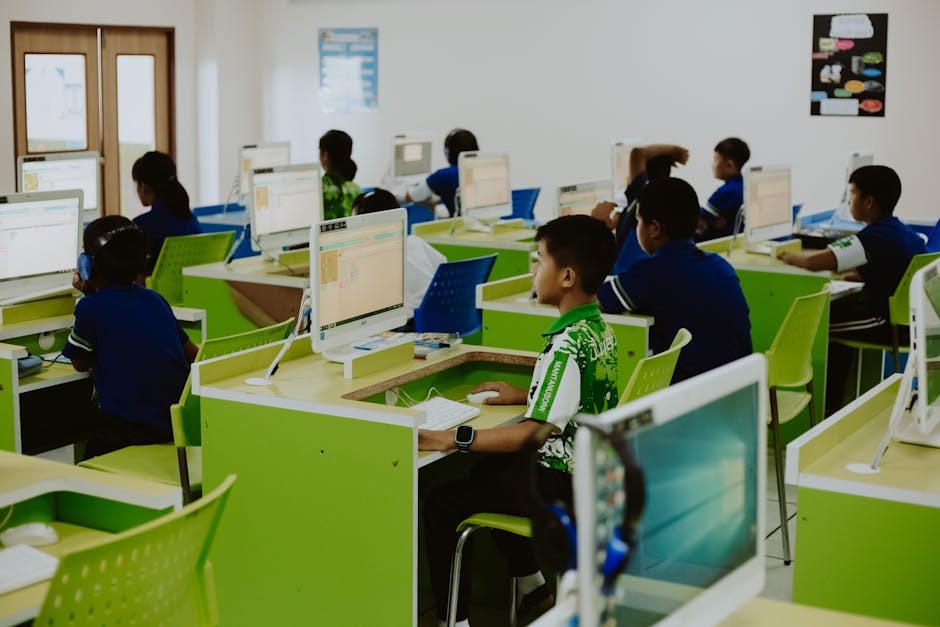
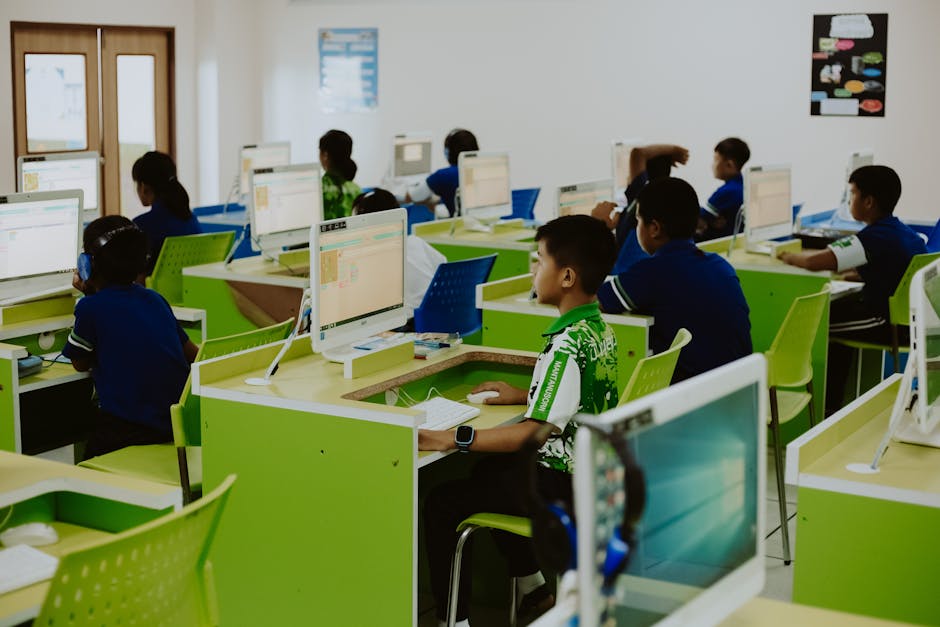
    AI classroom STEM education children technology 2026

    ๐Ÿ“Š The Numbers Tell a Compelling Story

    Before we dive into the “how,” let’s ground ourselves in the “how much.” According to a 2026 Global EdTech Report by HolonIQ, AI-integrated STEM learning platforms now account for over $18.7 billion in annual global market value โ€” nearly triple what it was just four years ago. More strikingly, schools that adopted AI-assisted STEM tools reported a 34% improvement in student problem-solving scores within the first academic year, according to a meta-analysis published in the Journal of Educational Technology Research (February 2026).

    Here’s what’s driving those numbers:

    • Adaptive Learning Engines: AI systems like those embedded in Khan Academy’s 2026 suite now analyze a student’s micro-errors โ€” not just wrong answers, but how and when they go wrong โ€” to recalibrate lesson difficulty in real time.
    • Natural Language Processing (NLP) Tutors: Students can now literally talk to their math or science tutor through conversational AI. The AI understands ambiguous questions and offers conceptual breakdowns, not just formula regurgitation.
    • Predictive Analytics for Teachers: Educators receive dashboards showing which students are at risk of falling behind in specific STEM concepts โ€” weeks before a test would reveal the gap.
    • AI-Powered Lab Simulations: Virtual chemistry and physics labs, powered by AI, allow students to run experiments they could never safely or affordably conduct in a physical classroom.
    • Automated Code Review: For programming courses, AI tools give line-by-line feedback on student code, explaining why something doesn’t work rather than just flagging an error.

    ๐ŸŒ Real-World Examples From Around the Globe

    Let’s look at what’s actually happening on the ground โ€” because theory only gets us so far.

    South Korea’s AI-STEAM Initiative: South Korea, already a global leader in education technology, launched its national AI-STEAM (Science, Technology, Engineering, Arts, and Math) curriculum expansion in early 2026. Every public middle school now has access to government-subsidized AI tutoring platforms. Early data from Seoul’s metropolitan school district shows that students using the AI-assisted science modules scored 22 points higher on standardized assessments compared to the previous cohort.

    Finland’s “AI Co-Teacher” Pilot: Finland’s famous education system took a characteristically thoughtful approach. Rather than replacing teacher judgment, Helsinki schools are testing an “AI Co-Teacher” model where the AI handles repetitive feedback tasks โ€” grading coding assignments, flagging misconceptions in physics homework โ€” while human teachers focus entirely on mentorship, discussion, and creative project guidance. Teachers in the pilot reported feeling less burned out and more connected to their students. That’s a genuinely heartening outcome worth noting.

    India’s BYJU’S AI Evolution: BYJU’S, one of the world’s largest edtech platforms, rolled out its third-generation AI learning engine in 2026, now serving over 150 million learners. The system uses emotional recognition (via camera, opt-in only) to detect when a student appears confused or disengaged, then automatically shifts teaching style โ€” switching from text-based explanation to animated visual models, for example.

    United States โ€” Schoology + AI Integration: Several U.S. school districts in Texas and California have integrated AI writing and data-analysis tools directly into their STEM project workflows. Students now use AI not as a shortcut, but as a thinking partner โ€” asking it to critique their experimental designs before they actually build them.

    adaptive learning AI tutor student STEM coding math science

    ๐Ÿ› ๏ธ Practical Ways to Actually Use AI in STEM Learning Right Now

    Okay, enough big-picture stuff. Let’s get concrete. Whether you’re a parent, a student, or a classroom teacher, here are realistic pathways based on your situation:

    • Budget-Conscious Families: Start with free-tier AI tools. Khan Academy’s Khanmigo AI tutor (free for students in many regions), Google’s Teachable Machine for hands-on AI experiments, and MIT’s free Scratch AI extensions are excellent entry points. Cost: $0.
    • Middle & High School Students: Try platforms like Brilliant.org (which now integrates AI-adaptive problem sets) or Wolfram Alpha Pro for step-by-step math reasoning. These teach thinking processes, not just answers.
    • Teachers With Limited Tech Budgets: Use AI tools to create differentiated worksheets and practice problems in minutes. Tools like Eduaide.ai allow teachers to generate STEM problems at different difficulty levels for free, saving hours of prep time.
    • Schools With Institutional Budgets: Invest in platforms like Carnegie Learning’s MATHia or DreamBox Learning, which have the deepest adaptive AI engines and the most robust research backing for measurable outcomes.
    • Parents Concerned About Screen Dependence: Balance AI tools with hands-on, unplugged STEM activities. AI can suggest personalized project ideas โ€” say, a simple electronics kit matched to your child’s current skill level โ€” that then get built physically. The AI doesn’t have to be the activity; it can design the activity.

    โš ๏ธ What to Watch Out For

    Let’s be honest โ€” not everything about AI in STEM education is sunshine and circuitry. There are real concerns worth thinking through:

    • Over-reliance risk: If students use AI to get answers rather than reason toward them, critical thinking atrophies. The best platforms are designed to scaffold thinking, not replace it โ€” but not all platforms are “the best.”
    • Data privacy: Many AI learning platforms collect detailed behavioral data on minors. Always check a platform’s privacy policy and look for COPPA (in the U.S.) or GDPR compliance markers.
    • Equity gaps: Students with reliable high-speed internet and modern devices benefit most. Without deliberate policy intervention, AI tools can actually widen educational gaps rather than close them.
    • Teacher displacement anxiety: The evidence strongly suggests AI works best as a teacher support tool, not a replacement. Schools should communicate this clearly to avoid morale problems in their faculty.

    ๐Ÿ”ฎ Where Is This All Heading?

    In 2026, we’re genuinely at an inflection point. AI isn’t a novelty in STEM education anymore โ€” it’s becoming infrastructure, like electricity in a classroom. The question isn’t “should we use AI in STEM learning?” but rather “how do we use it thoughtfully, equitably, and in ways that make students smarter rather than more dependent?”

    The most exciting frontier right now? AI that teaches students how to work with AI itself โ€” building a generation of learners who understand machine learning, prompt engineering, and algorithmic thinking as fundamental literacy skills. That’s not just STEM education. That’s future-proofing human intelligence.


    Editor’s Comment : What genuinely excites me about AI in STEM education isn’t the flashy demos or the market growth charts โ€” it’s the 12-year-old in Montana who now has access to the same quality of personalized science guidance that used to cost thousands of dollars in private tutoring. That democratization of intellectual support is profound. But let’s stay clear-eyed: AI is a lever, not a magic wand. The students who will thrive are those who learn to direct these tools with curiosity and critical thinking โ€” not just consume what the tools produce. Push the technology, question it, experiment with it. That’s STEM thinking in action.

    ํƒœ๊ทธ: [‘AI in STEM education’, ‘artificial intelligence learning tools 2026’, ‘adaptive learning technology’, ‘STEM teaching methods’, ‘educational AI platforms’, ‘personalized learning AI’, ‘future of STEM classrooms’]

    ๐Ÿ“š ๊ด€๋ จ๋œ ๋‹ค๋ฅธ ๊ธ€๋„ ์ฝ์–ด ๋ณด์„ธ์š”

  • STEM ๊ต์œก์— ์ธ๊ณต์ง€๋Šฅ ํ™œ์šฉํ•˜๋Š” ๋ฒ• 2026 | ์„ ์ƒ๋‹˜๋„ ํ•™์ƒ๋„ ๋ชฐ๋ž๋˜ AI ์ˆ˜์—… ์ „๋žต

    ์–ผ๋งˆ ์ „, ์ค‘ํ•™๊ต 2ํ•™๋…„ ์•„์ด๋ฅผ ๋‘” ํ•™๋ถ€๋ชจ ํ•œ ๋ถ„์ด ์ด๋Ÿฐ ๋ง์”€์„ ํ•˜์…จ์–ด์š”. “์šฐ๋ฆฌ ์• ๊ฐ€ ์ˆ˜ํ•™์€ ์‹ซ์–ดํ•˜๋Š”๋ฐ, AI๋ž‘ ์ฝ”๋”ฉ ์ˆ˜์—…์€ ๋จผ์ € ์ฐพ์•„์„œ ํ•œ๋‹ค๊ณ ์š”.” ์ฒ˜์Œ์—” ๊ทธ๋ƒฅ ๊ฒŒ์ž„์ฒ˜๋Ÿผ ์žฌ๋ฏธ์žˆ์–ด์„œ ๊ทธ๋Ÿฐ๊ฐ€ ์‹ถ์—ˆ๋Š”๋ฐ, ์•Œ๊ณ  ๋ณด๋‹ˆ ๋‹ด๋‹น ์„ ์ƒ๋‹˜์ด AI ๋„๊ตฌ๋ฅผ ์ˆ˜์—…์— ์ ๊ทน์ ์œผ๋กœ ๋…น์—ฌ๋„ฃ๊ณ  ์žˆ์—ˆ๋˜ ๊ฑฐ์˜€์Šต๋‹ˆ๋‹ค. ๋‹จ์ˆœํžˆ ‘์žฌ๋ฏธ์žˆ๋Š” ์ˆ˜์—…’์ด ์•„๋‹ˆ๋ผ, STEM ๊ต์œก์˜ ํ•ต์‹ฌ์ธ ๋ฌธ์ œ ํ•ด๊ฒฐ๋ ฅ๊ณผ ๋…ผ๋ฆฌ์  ์‚ฌ๊ณ ๋ฅผ AI๊ฐ€ ์‹ค์งˆ์ ์œผ๋กœ ๋Œ์–ด์˜ฌ๋ฆฌ๊ณ  ์žˆ์—ˆ๋˜ ๊ฑฐ๋ผ๊ณ  ๋ด…๋‹ˆ๋‹ค.

    2026๋…„ ํ˜„์žฌ, ์ธ๊ณต์ง€๋Šฅ์€ STEM ๊ต์œก ํ˜„์žฅ์—์„œ ๋‹จ์ˆœํ•œ ๋ณด์กฐ ๋„๊ตฌ๋ฅผ ๋„˜์–ด ์ปค๋ฆฌํ˜๋Ÿผ ์ž์ฒด๋ฅผ ๋ฐ”๊พธ๋Š” ํ•ต์‹ฌ ๋ณ€์ˆ˜๊ฐ€ ๋˜๊ณ  ์žˆ์–ด์š”. ์˜ค๋Š˜์€ ๊ทธ ๊ตฌ์ฒด์ ์ธ ํ™œ์šฉ ๋ฐฉ๋ฒ•๊ณผ ์‹ค์ œ ์‚ฌ๋ก€๋“ค์„ ํ•จ๊ป˜ ์‚ดํŽด๋ณผ๊ฒŒ์š”.

    students AI STEM classroom learning technology

    ๐Ÿ“Š ์ˆซ์ž๋กœ ๋ณด๋Š” AI ร— STEM ๊ต์œก์˜ ํ˜„์ฃผ์†Œ

    ๋จผ์ € ํ˜„ํ™ฉ์„ ๋ฐ์ดํ„ฐ๋กœ ์งš์–ด๋ณผ๊ฒŒ์š”. 2026๋…„ ๊ธ€๋กœ๋ฒŒ EdTech ๋ฆฌ์„œ์น˜ ๊ธฐ๊ด€ HolonIQ์˜ ๋ณด๊ณ ์„œ์— ๋”ฐ๋ฅด๋ฉด, AI ๊ธฐ๋ฐ˜ ๊ต์œก ํ”Œ๋žซํผ ์‹œ์žฅ ๊ทœ๋ชจ๋Š” ์•ฝ 420์–ต ๋‹ฌ๋Ÿฌ์— ๋‹ฌํ•˜๋ฉฐ, ์ด ์ค‘ STEM ํŠนํ™” AI ์†”๋ฃจ์…˜์ด ์ „์ฒด์˜ 38%๋ฅผ ์ฐจ์ง€ํ•˜๋Š” ๊ฒƒ์œผ๋กœ ๋‚˜ํƒ€๋‚ฌ์Šต๋‹ˆ๋‹ค. ๊ตญ๋‚ด๋„ ์˜ˆ์™ธ๋Š” ์•„๋‹ˆ์—์š”. ๊ต์œก๋ถ€๊ฐ€ 2026๋…„ ๋ฐœํ‘œํ•œ ‘AI ๋””์ง€ํ„ธ ๊ต๊ณผ์„œ ๋„์ž… ํ˜„ํ™ฉ’์— ๋”ฐ๋ฅด๋ฉด, ์ดˆยท์ค‘ํ•™๊ต์˜ ์•ฝ 61%๊ฐ€ ์ˆ˜ํ•™ยท๊ณผํ•™ ๊ณผ๋ชฉ์— AI ๋ณด์กฐ ํ•™์Šต ๋„๊ตฌ๋ฅผ 1๊ฐœ ์ด์ƒ ๋„์ž…ํ•œ ์ƒํƒœ๋ผ๊ณ  ํ•ฉ๋‹ˆ๋‹ค.

    ํŠนํžˆ ์ฃผ๋ชฉํ•  ๋งŒํ•œ ์ˆ˜์น˜๊ฐ€ ์žˆ์–ด์š”. AI ๊ธฐ๋ฐ˜ ๊ฐœ์ธํ™” ํ•™์Šต์„ 6๊ฐœ์›” ์ด์ƒ ๊ฒฝํ—˜ํ•œ ํ•™์ƒ ๊ทธ๋ฃน์€ ๊ทธ๋ ‡์ง€ ์•Š์€ ๊ทธ๋ฃน ๋Œ€๋น„ ์ˆ˜ํ•™ ์„ฑ์ทจ๋„๊ฐ€ ํ‰๊ท  22% ํ–ฅ์ƒ๋˜์—ˆ๋‹ค๋Š” ์—ฐ๊ตฌ ๊ฒฐ๊ณผ(KAIST ๊ต์œก๊ณตํ•™์—ฐ๊ตฌ์†Œ, 2025)๊ฐ€ ์žˆ์Šต๋‹ˆ๋‹ค. ๋‹จ์ˆœ ๋ฐ˜๋ณต ํ•™์Šต์ด ์•„๋‹Œ, ๊ฐ ํ•™์ƒ์˜ ์˜ค๋‹ต ํŒจํ„ด์„ ๋ถ„์„ํ•ด ์ทจ์•ฝ ์˜์—ญ์„ ์ง‘์ค‘ ๋ณด์™„ํ•˜๋Š” ๋ฐฉ์‹์ด ์œ ํšจํ–ˆ๋˜ ๊ฒƒ์ด๋ผ๊ณ  ๋ด…๋‹ˆ๋‹ค.

    ๐ŸŒ ๊ตญ๋‚ด์™ธ STEM + AI ๊ต์œก ์‹ค์ œ ์‚ฌ๋ก€

    ๐Ÿ“ ๋ฏธ๊ตญ โ€” Khan Academy์˜ ‘Khanmigo’
    Khan Academy๊ฐ€ ์„ ๋ณด์ธ AI ํŠœํ„ฐ Khanmigo๋Š” ๋‹จ์ˆœํžˆ ๋‹ต์„ ์•Œ๋ ค์ฃผ๋Š” ๊ฒŒ ์•„๋‹ˆ๋ผ, ์†Œํฌ๋ผํ…Œ์Šค์‹ ๋ฌธ๋‹ต๋ฒ•์œผ๋กœ ํ•™์ƒ์ด ์Šค์Šค๋กœ ๋…ผ๋ฆฌ๋ฅผ ๊ตฌ์„ฑํ•˜๋„๋ก ์œ ๋„ํ•ฉ๋‹ˆ๋‹ค. “์™œ ๊ทธ๋ ‡๊ฒŒ ์ƒ๊ฐํ•ด?”๋ผ๊ณ  ๋˜๋ฌป๋Š” ๋ฐฉ์‹์ด ํ•ต์‹ฌ์ด์—์š”. ๋ฏธ๊ตญ ๋‚ด 300๊ฐœ ์ด์ƒ์˜ ํ•™๊ต์—์„œ ํŒŒ์ผ๋Ÿฟ์„ ์ง„ํ–‰ํ•œ ๊ฒฐ๊ณผ, ํ•™์ƒ๋“ค์˜ ์ˆ˜์—… ์ฐธ์—ฌ์œจ์ด ๊ธฐ์กด ๋Œ€๋น„ 40% ์ด์ƒ ์ฆ๊ฐ€ํ–ˆ๋‹ค๊ณ  ์•Œ๋ ค์กŒ์Šต๋‹ˆ๋‹ค.

    ๐Ÿ“ ํ•€๋ž€๋“œ โ€” AI ๊ธฐ๋ฐ˜ ์ฝ”๋”ฉ ์ปค๋ฆฌํ˜๋Ÿผ ‘Code Finland’
    ํ•€๋ž€๋“œ ๊ต์œก๋ถ€๋Š” 2025๋…„๋ถ€ํ„ฐ ์ดˆ๋“ฑํ•™๊ต 3ํ•™๋…„ ์ด์ƒ ๋Œ€์ƒ์œผ๋กœ AI์™€ ํ˜‘์—…ํ•˜๋Š” ์ฝ”๋”ฉ ์ˆ˜์—…์„ ์ •๊ทœ ๊ณผ์ •์— ํฌํ•จ์‹œ์ผฐ์–ด์š”. ํ•™์ƒ์ด ์ง์ ‘ AI ๋ชจ๋ธ์„ ํ›ˆ๋ จ์‹œ์ผœ๋ณด๋Š” ‘๋ชจ๋ธ ๋งŒ๋“ค๊ธฐ’ ํ”„๋กœ์ ํŠธ๊ฐ€ ํฌํ•จ๋˜์–ด ์žˆ๋Š”๋ฐ, ์ด ๊ณผ์ •์—์„œ ๋ฐ์ดํ„ฐ ์ˆ˜์ง‘, ๋ถ„๋ฅ˜, ๊ฒฐ๊ณผ ํ•ด์„์ด๋ผ๋Š” ๊ณผํ•™์  ์‚ฌ๊ณ  ํ๋ฆ„์„ ์ž์—ฐ์Šค๋Ÿฝ๊ฒŒ ์ตํžˆ๊ฒŒ ๋ฉ๋‹ˆ๋‹ค.

    ๐Ÿ“ ํ•œ๊ตญ โ€” ์„œ์šธ์‹œ๊ต์œก์ฒญ ‘AI ์ˆ˜ํ•™ ํƒ๊ตฌ ํ”„๋กœ์ ํŠธ’
    2026๋…„ ์„œ์šธ์‹œ๊ต์œก์ฒญ์ด ์‹œ๋ฒ” ์šด์˜ ์ค‘์ธ ์ด ํ”„๋กœ์ ํŠธ๋Š” ์ค‘ํ•™์ƒ๋“ค์ด AI ๋ฐ์ดํ„ฐ ๋ถ„์„ ๋„๊ตฌ(์ฃผ๋กœ Teachable Machine, Google Colab ํ™œ์šฉ)๋ฅผ ์‚ฌ์šฉํ•ด ์‹ค์ƒํ™œ ์ˆ˜ํ•™ ๋ฌธ์ œ๋ฅผ ์ง์ ‘ ์„ค๊ณ„ํ•˜๊ณ  ํ’€์–ด๋ณด๋Š” ๋ฐฉ์‹์œผ๋กœ ์šด์˜๋ฉ๋‹ˆ๋‹ค. “๊ต๊ณผ์„œ ๋ฐ– ์ˆ˜ํ•™”์— ํฅ๋ฏธ๋ฅผ ๋А๋ผ๋Š” ํ•™์ƒ์ด ์ฆ๊ฐ€ํ–ˆ๋‹ค๋Š” ๊ต์‚ฌ ํ”ผ๋“œ๋ฐฑ์ด ์ž‡๋”ฐ๋ฅด๊ณ  ์žˆ๋Š” ์ƒํ™ฉ์ด์—์š”.

    AI tutoring math science coding education tools

    ๐Ÿ› ๏ธ ์„ ์ƒ๋‹˜๊ณผ ํ•™๋ถ€๋ชจ๊ฐ€ ๋ฐ”๋กœ ์จ๋ณผ ์ˆ˜ ์žˆ๋Š” AI ๋„๊ตฌ ๋ฆฌ์ŠคํŠธ

    ์ถ”์ƒ์ ์ธ ๊ฐœ๋…๋ณด๋‹ค, ์ง€๊ธˆ ๋‹น์žฅ ์จ๋ณผ ์ˆ˜ ์žˆ๋Š” ๋„๊ตฌ๋“ค์„ ์ •๋ฆฌํ•ด๋ดค์–ด์š”.

    • Khan Academy Khanmigo โ€” ์ˆ˜ํ•™ยท๊ณผํ•™ AI ํŠœํ„ฐ. ์†Œํฌ๋ผํ…Œ์Šค์‹ ์งˆ๋ฌธ์œผ๋กœ ์‚ฌ๊ณ ๋ ฅ ํ›ˆ๋ จ์— ํƒ์›”. ์˜์–ด ๊ธฐ๋ฐ˜์ด์ง€๋งŒ ํ•œ๊ตญ์–ด ์ง€์›์ด ์ ์ง„์ ์œผ๋กœ ํ™•๋Œ€ ์ค‘.
    • Photomath / Mathway โ€” ์ˆ˜์‹ ์ดฌ์˜ ํ›„ ํ’€์ด ๊ณผ์ •์„ ๋‹จ๊ณ„๋ณ„๋กœ ์„ค๋ช…ํ•ด์คŒ. ๋‹จ์ˆœ ๋‹ต ํ™•์ธ๋ณด๋‹ค ‘์™œ ์ด๋ ‡๊ฒŒ ๋˜๋Š”์ง€’๋ฅผ ์ดํ•ดํ•˜๋Š” ์šฉ๋„๋กœ ํ™œ์šฉ ์ถ”์ฒœ.
    • Google Teachable Machine โ€” ์ฝ”๋”ฉ ์—†์ด ์ด๋ฏธ์ง€ยท์†Œ๋ฆฌ ๋ถ„๋ฅ˜ AI ๋ชจ๋ธ์„ ์ง์ ‘ ๋งŒ๋“ค์–ด๋ณผ ์ˆ˜ ์žˆ์Œ. ์ดˆ๋“ฑ ๊ณ ํ•™๋…„~์ค‘ํ•™์ƒ์—๊ฒŒ ์ ํ•ฉ.
    • Scratch + AI ํ™•์žฅํŒฉ โ€” MIT ๋ฏธ๋””์–ด๋žฉ์˜ ๋ธ”๋ก ์ฝ”๋”ฉ ํˆด์— AI ๊ธฐ๋Šฅ์ด ๊ฒฐํ•ฉ๋œ ๋ฒ„์ „. ์–ผ๊ตด ์ธ์‹, ์Œ์„ฑ ์ธ์‹ ํ”„๋กœ์ ํŠธ๋ฅผ ์‰ฝ๊ฒŒ ๊ตฌํ˜„ ๊ฐ€๋Šฅ.
    • ChatGPT / Claude (๊ต์œก ํ™œ์šฉ) โ€” ๋‹จ์ˆœ ๋‹ต ์ƒ์„ฑ๊ธฐ๊ฐ€ ์•„๋‹Œ, “์ด ๊ฐœ๋…์„ ์ดˆ๋“ฑํ•™์ƒ๋„ ์ดํ•ดํ•  ์ˆ˜ ์žˆ๊ฒŒ ์„ค๋ช…ํ•ด์ค˜”์ฒ˜๋Ÿผ ๋ฉ”ํƒ€์ธ์ง€ ํ›ˆ๋ จ ๋„๊ตฌ๋กœ ํ™œ์šฉ ๊ฐ€๋Šฅ. ๊ต์‚ฌ๊ฐ€ ๋ฌธ์ œ ์ถœ์ œ ๋ณด์กฐ ๋„๊ตฌ๋กœ๋„ ํ™œ๋ฐœํžˆ ์‚ฌ์šฉ ์ค‘.
    • Desmos AI โ€” ๊ทธ๋ž˜ํ”„ ๊ธฐ๋ฐ˜ ์ˆ˜ํ•™ ํƒ๊ตฌ์— AI ํžŒํŠธ ๊ธฐ๋Šฅ์ด ๋”ํ•ด์ง„ ํˆด. ํ•จ์ˆ˜ ๊ฐœ๋…์„ ์‹œ๊ฐ์ ์œผ๋กœ ํƒ์ƒ‰ํ•˜๋Š” ๋ฐ ํŠนํžˆ ์œ ์šฉ.
    • Science Buddies AI Lab โ€” ๊ณผํ•™ ํƒ๊ตฌ ์ฃผ์ œ ์„ค์ •๋ถ€ํ„ฐ ์‹คํ—˜ ์„ค๊ณ„๊นŒ์ง€ AI๊ฐ€ ๋‹จ๊ณ„๋ณ„๋กœ ๊ฐ€์ด๋“œํ•ด์ฃผ๋Š” ํ”Œ๋žซํผ. ์ž์œ ํƒ๊ตฌ ํ”„๋กœ์ ํŠธ์— ์ ๊ทน ํ™œ์šฉ ๊ฐ€๋Šฅ.

    ๐Ÿ’ก STEM ๊ต์œก์— AI๋ฅผ ‘์ œ๋Œ€๋กœ’ ๋…น์—ฌ๋„ฃ๋Š” ํ•ต์‹ฌ ์›์น™

    ๋„๊ตฌ๋ฅผ ์“ฐ๋Š” ๊ฒƒ๋ณด๋‹ค ๋” ์ค‘์š”ํ•œ ๊ฑด ์–ด๋–ป๊ฒŒ ์“ฐ๋А๋ƒ์ธ ๊ฒƒ ๊ฐ™์Šต๋‹ˆ๋‹ค. AI๊ฐ€ ๋‹จ์ˆœํžˆ ๋‹ต์„ ๋‚ด์ฃผ๋Š” ‘์น˜ํŠธํ‚ค’๊ฐ€ ๋˜๋ฉด ์˜คํžˆ๋ ค ์—ญํšจ๊ณผ๋ผ๋Š” ์ , ๋‹ค๋“ค ๊ณต๊ฐํ•˜์‹ค ๊ฑฐ์˜ˆ์š”. ํ˜„์žฅ ๊ต์‚ฌ๋“ค๊ณผ ์—ฐ๊ตฌ์ž๋“ค์ด ๊ณตํ†ต์ ์œผ๋กœ ๊ฐ•์กฐํ•˜๋Š” ์›์น™ ์„ธ ๊ฐ€์ง€๋ฅผ ๊ผฝ์•„๋ดค์–ด์š”.

    โ‘  ๊ณผ์ • ์ค‘์‹ฌ์œผ๋กœ ํ™œ์šฉํ•˜๊ธฐ โ€” AI์˜ ๊ฒฐ๊ณผ๋ฌผ์„ ๋ณด์—ฌ์ฃผ๋˜, “AI๋Š” ์™œ ์ด๋Ÿฐ ๋‹ต์„ ๋ƒˆ์„๊นŒ?”๋ฅผ ํ•จ๊ป˜ ๋ถ„์„ํ•˜๋Š” ๊ณผ์ •์ด ํ•ต์‹ฌ์ด์—์š”. ๋น„ํŒ์  ์‚ฌ๊ณ  ํ›ˆ๋ จ์ด ์ž์—ฐ์Šค๋Ÿฝ๊ฒŒ ์ด๋ฃจ์–ด์ง‘๋‹ˆ๋‹ค.

    โ‘ก ๊ฐœ์ธํ™” ํ”ผ๋“œ๋ฐฑ์˜ ๋ณด์กฐ์ž๋กœ ํ™œ์šฉํ•˜๊ธฐ โ€” ๊ต์‚ฌ ํ•œ ๋ช…์ด 30๋ช…์˜ ๊ฐœ๋ณ„ ์ˆ˜์ค€์„ ์‹ค์‹œ๊ฐ„ ํŒŒ์•…ํ•˜๊ธฐ๋Š” ํ˜„์‹ค์ ์œผ๋กœ ์–ด๋ ต์ฃ . AI๊ฐ€ ๊ฐ ํ•™์ƒ์˜ ์˜ค๋‹ต ํŒจํ„ด์„ ๋ถ„์„ํ•ด ๊ต์‚ฌ์—๊ฒŒ ์š”์•ฝ ๋ฆฌํฌํŠธ๋ฅผ ์ œ๊ณตํ•˜๋Š” ๋ฐฉ์‹์ด ๊ฐ€์žฅ ํšจ์œจ์ ์ด๋ผ๊ณ  ๋ด…๋‹ˆ๋‹ค.

    โ‘ข ์ฐฝ์ž‘๊ณผ ์—ฐ๊ฒฐํ•˜๊ธฐ โ€” STEM์— Arts๋ฅผ ๋”ํ•œ STEAM ๊ด€์ ์—์„œ, AI๋กœ ์ƒ์„ฑํ•œ ๋ฐ์ดํ„ฐ๋ฅผ ์‹œ๊ฐํ™”ํ•˜๊ฑฐ๋‚˜ ๊ณผํ•™ ๊ฐœ๋…์„ ๋ฐ”ํƒ•์œผ๋กœ ํ•œ AI ์Šคํ† ๋ฆฌํ…”๋ง ํ”„๋กœ์ ํŠธ๋ฅผ ์ง„ํ–‰ํ•˜๋ฉด ๋™๊ธฐ๋ถ€์—ฌ ํšจ๊ณผ๊ฐ€ ๋ฐฐ๊ฐ€๋ฉ๋‹ˆ๋‹ค.

    ๐Ÿ”ฎ 2026๋…„ ์ดํ›„, STEM ๊ต์œก์€ ์–ด๋””๋กœ ๊ฐ€๊ณ  ์žˆ์„๊นŒ

    ํ˜„์žฌ ํŠธ๋ Œ๋“œ๋ฅผ ๋ณด๋ฉด, ‘์ฝ”๋”ฉ ๊ต์œก’์˜ ๋ฐฉํ–ฅ์ด ๋ฏธ๋ฌ˜ํ•˜๊ฒŒ ๋ฐ”๋€Œ๊ณ  ์žˆ๋Š” ๊ฒƒ ๊ฐ™์•„์š”. ์˜ˆ์ „์—” “์ฝ”๋“œ๋ฅผ ์ง์ ‘ ์งœ๋Š” ๋Šฅ๋ ฅ”์ด ํ•ต์‹ฌ์ด์—ˆ๋‹ค๋ฉด, ์ด์ œ๋Š” “AI์™€ ํ˜‘์—…ํ•ด์„œ ๋ฌธ์ œ๋ฅผ ์ •์˜ํ•˜๊ณ  ํ•ด๊ฒฐ์ฑ…์„ ์„ค๊ณ„ํ•˜๋Š” ๋Šฅ๋ ฅ”์ด ๋” ์ค‘์š”ํ•˜๊ฒŒ ํ‰๊ฐ€๋ฐ›๋Š” ํ๋ฆ„์ž…๋‹ˆ๋‹ค. ๋‹จ์ˆœ ์•Œ๊ณ ๋ฆฌ์ฆ˜ ์•”๊ธฐ๋ณด๋‹ค ์ปดํ“จํŒ… ์‚ฌ๊ณ ๋ ฅ(Computational Thinking)๊ณผ AI ๋ฆฌํ„ฐ๋Ÿฌ์‹œ(AI Literacy)๊ฐ€ ๊ฐ•์กฐ๋˜๋Š” ์ด์œ ๊ฐ€ ์—ฌ๊ธฐ ์žˆ์–ด์š”.

    ๊ฒฐ๊ตญ STEM ๊ต์œก์—์„œ AI์˜ ์—ญํ• ์€ ‘์„ ์ƒ๋‹˜์„ ๋Œ€์ฒดํ•˜๋Š” ๊ฒƒ’์ด ์•„๋‹ˆ๋ผ, ํ•™์ƒ์ด ๋” ๊นŠ์ด ์ƒ๊ฐํ•  ์ˆ˜ ์žˆ๋„๋ก ํ™˜๊ฒฝ์„ ์„ค๊ณ„ํ•ด์ฃผ๋Š” ๊ฒƒ์ด๋ผ๊ณ  ๋ด…๋‹ˆ๋‹ค. ๊ทธ ๊ด€์ ์œผ๋กœ ์ ‘๊ทผํ•  ๋•Œ, AI๋Š” ์ง€๊ธˆ ์šฐ๋ฆฌ๊ฐ€ ๊ฒฝํ—˜ํ•œ ์–ด๋–ค ๊ต์œก ๋„๊ตฌ๋ณด๋‹ค ๊ฐ•๋ ฅํ•œ ๋ฌด๊ธฐ๊ฐ€ ๋  ์ˆ˜ ์žˆ์„ ๊ฒƒ ๊ฐ™์•„์š”.

    ์—๋””ํ„ฐ ์ฝ”๋ฉ˜ํŠธ : STEM ๊ต์œก์— AI๋ฅผ ๋„์ž…ํ•˜๋ ค๋Š” ์„ ์ƒ๋‹˜์ด๋‚˜ ํ•™๋ถ€๋ชจ๋ผ๋ฉด, ์ฒ˜์Œ๋ถ€ํ„ฐ ๊ฑฐ์ฐฝํ•œ ํ”Œ๋žซํผ์„ ๋„์ž…ํ•˜๋ ค ํ•˜๊ธฐ๋ณด๋‹ค Teachable Machine ํ•˜๋‚˜๋กœ ์•„์ด์™€ ํ•จ๊ป˜ 15๋ถ„์งœ๋ฆฌ ํ”„๋กœ์ ํŠธ๋ฅผ ํ•ด๋ณด๋Š” ๊ฒƒ๋ถ€ํ„ฐ ์‹œ์ž‘ํ•ด๋ณด์‹œ๊ธธ ๊ถŒํ•ด๋“œ๋ ค์š”. “AI๊ฐ€ ํ‹€๋ฆฌ๋Š” ๊ฒฝ์šฐ”๋ฅผ ์ง์ ‘ ๋ชฉ๊ฒฉํ•˜๋Š” ์ˆœ๊ฐ„, ์•„์ด๋“ค์˜ ๋ˆˆ์ด ๋ฐ˜์ง์ด๋Š” ๊ฑธ ๋А๋ผ์‹ค ์ˆ˜ ์žˆ์„ ๊ฑฐ์˜ˆ์š”. ๊ธฐ์ˆ ์„ ๊ฐ€๋ฅด์น˜๋Š” ๊ฒŒ ์•„๋‹ˆ๋ผ, ๊ธฐ์ˆ ์— ์งˆ๋ฌธํ•˜๋Š” ํƒœ๋„๋ฅผ ๊ธฐ๋ฅด๋Š” ๊ฒƒ์ด STEM ๊ต์œก์˜ ๋ณธ์งˆ์ด ์•„๋‹๊นŒ ์‹ถ์Šต๋‹ˆ๋‹ค.

    ํƒœ๊ทธ: [‘STEM๊ต์œก’, ‘์ธ๊ณต์ง€๋Šฅ๊ต์œก’, ‘AIํ•™์Šต๋„๊ตฌ’, ‘์ฝ”๋”ฉ๊ต์œก’, ‘์—๋“€ํ…Œํฌ’, ‘์ดˆ์ค‘๋“ฑAIํ™œ์šฉ’, ‘STEAM๊ต์œก’]


    ๐Ÿ“š ๊ด€๋ จ๋œ ๋‹ค๋ฅธ ๊ธ€๋„ ์ฝ์–ด ๋ณด์„ธ์š”

  • Toddler Language Development Stages in 2026: What Your Child Should Be Saying (And When to Relax)

    Picture this: you’re at a playdate in early 2026, and your neighbor’s 18-month-old is confidently pointing at things and saying “dog!” “ball!” “more juice!” โ€” while your own toddler mostly communicates through enthusiastic grunting and a surprisingly expressive range of facial expressions. Sound familiar? Before you spiral into a late-night Google rabbit hole, let’s take a breath and actually think this through together.

    Language development in young children is one of the most misunderstood areas of early parenting โ€” partly because every child genuinely is different, and partly because we’re often comparing our kids to highlight reels rather than reality. In 2026, with more accessible pediatric research and a growing awareness of neurodiversity, we have better tools than ever to understand what’s typical, what’s a variation of normal, and when to seek a little extra support.

    So let’s walk through the actual stages, the science behind them, and โ€” most importantly โ€” what you can realistically do to nurture your child’s communication journey.

    toddler talking parent communication development 2026

    ๐Ÿง  The Science Behind Early Language: It’s More Than Just Words

    Before we hit the milestones, it helps to understand why language develops the way it does. Language acquisition involves two intertwined systems:

    • Receptive language โ€” what a child understands (this always develops faster than expressive language)
    • Expressive language โ€” what a child can actually say or communicate outwardly

    According to the American Speech-Language-Hearing Association (ASHA) and updated 2025โ€“2026 clinical guidelines, children’s brains undergo a remarkable period of synaptic pruning between ages 1 and 3 โ€” essentially, the brain is aggressively organizing itself, cutting weak connections and strengthening the ones it uses most. This is why early, rich language exposure matters so enormously during this window.

    ๐Ÿ“… Stage-by-Stage Breakdown: Birth to Age 5

    Here’s a realistic, research-backed look at what most children are doing at each stage. Remember: these are averages, not deadlines.

    • 0โ€“3 Months: Cooing, crying with distinct tones, startling at sounds. Your baby is already tuning into the rhythm of your voice.
    • 4โ€“6 Months: Babbling begins โ€” those delightful “babababa” and “mamama” strings. This is pre-language, but it’s cognitively significant.
    • 7โ€“12 Months: Babbling becomes more varied. Most babies say their first real word somewhere between 10โ€“14 months. “Mama,” “dada,” and object names are common first words.
    • 12โ€“18 Months: Vocabulary typically grows to 10โ€“50 words. Children begin pointing (a huge communicative milestone), waving, and understanding simple commands like “come here.”
    • 18โ€“24 Months: The famous vocabulary explosion โ€” many kids add several new words per week. Two-word combinations (“more milk,” “daddy go”) start appearing around 18โ€“21 months.
    • 2โ€“3 Years: Sentences of 3โ€“4 words. Strangers should be able to understand about 75% of what a 3-year-old says. Grammar instincts start kicking in โ€” often hilariously (“I goed to the park!”).
    • 3โ€“4 Years: Complex sentences, storytelling, asking “why” questions incessantly (prepare yourself). Most children can be understood by strangers nearly 100% of the time.
    • 4โ€“5 Years: Near-adult sentence structure. Children can retell stories, follow multi-step instructions, and engage in back-and-forth conversation.

    ๐ŸŒ What Research and Real Families Around the World Show Us in 2026

    One of the most compelling shifts in our understanding of toddler language development comes from cross-cultural research. A landmark longitudinal study published in the Journal of Child Language (updated analysis, 2025) tracked children across South Korea, Finland, Brazil, and Canada โ€” and found that while timing of milestones varied by up to 3โ€“4 months across cultures, the sequence remained remarkably consistent.

    In South Korea, for instance, where the concept of ๋ˆˆ์น˜ (nunchi) โ€” reading a room without words โ€” is culturally embedded, children often showed slightly delayed expressive language but highly advanced receptive and social-pragmatic language skills. Korean speech-language pathologists have noted this cultural nuance and updated their 2026 screening protocols accordingly, separating expressive and receptive benchmarks more explicitly.

    In Scandinavia, early childhood programs like Finland’s neuvola system provide routine language screenings at 18 months and 2.5 years โ€” not to alarm parents, but to catch subtle delays early when intervention is most effective. In 2026, several U.S. states including California and Massachusetts have started piloting similar universal early language screening programs, moving away from a “wait and see” default approach.

    Meanwhile, bilingual and multilingual households โ€” increasingly the norm globally โ€” have their own unique picture. Children learning two languages simultaneously may have smaller individual vocabularies in each language but a combined vocabulary that meets or exceeds monolingual peers. This is completely normal and not a red flag.

    bilingual toddler language learning books multilingual family

    ๐Ÿšฉ Signs Worth Paying Attention To (Without Panicking)

    There’s a difference between natural variation and genuine developmental concerns. Here are some signals that warrant a conversation with your pediatrician or a speech-language pathologist (SLP):

    • No babbling by 12 months
    • No single words by 16 months
    • No two-word phrases by 24 months
    • Loss of previously acquired language skills at any age (this is always worth prompt attention)
    • Not responding to their name consistently by 12 months
    • Significant difficulty being understood by familiar adults at age 3

    It’s worth knowing that early intervention โ€” ideally before age 3 โ€” is consistently shown to produce far better outcomes than waiting. The 2026 update to the CDC’s “Learn the Signs. Act Early.” campaign emphasizes that seeking evaluation is not overreacting โ€” it’s good parenting.

    ๐Ÿ’ก Realistic Things You Can Actually Do Every Day

    Here’s where I want to be genuinely practical rather than giving you a Pinterest-worthy list of crafts you’ll never do. The research is clear: the quality of language interaction matters more than flashcards or apps.

    • Serve and return conversations: When your baby babbles, respond as if they said something meaningful. This back-and-forth is neurologically foundational.
    • Narrate your day: “Now we’re washing your hands. The water is warm, right?” You don’t need a script โ€” just talk.
    • Read together, but don’t just read: Point at pictures, ask “what’s that?”, let your child turn the pages, pause and wonder aloud. Interactive reading beats passive reading every time.
    • Limit background TV/audio: Background noise (especially adult speech on TV) has been shown to disrupt language processing in toddlers. Dedicated, focused interaction time is what builds neural pathways.
    • Follow their lead: If your toddler is fascinated by trucks right now, talk about trucks. Children learn language fastest when it’s attached to things they care about.
    • Embrace silence and waiting: Give your child processing time. Resist filling every pause โ€” that pause is where language learning is happening.

    ๐Ÿ“ฑ A Word on Screen Time and Language in 2026

    In 2026, the conversation around screens and toddler language has matured considerably. The current consensus (American Academy of Pediatrics, updated 2025 guidelines) is nuanced: passive, solo screen time before age 2 shows limited language benefit and potential disruption to sleep and attention. However, interactive video chatting with grandparents or caregivers does support language development โ€” because it involves real, responsive human interaction.

    For ages 2โ€“5, high-quality, slow-paced programming (think current equivalents of classic educational shows) used in limited doses with parental co-viewing and discussion can be a legitimate supplementary tool. The keyword is together.

    ๐Ÿ”„ Realistic Alternatives: When One Approach Isn’t Working

    Sometimes parents try all the “right” things and their child still seems to be lagging. Here’s what I’d genuinely suggest exploring:

    • Request an SLP evaluation early: You don’t need a pediatrician’s referral in most U.S. states and many countries. Early intervention programs are often free or low-cost for children under 3.
    • Explore augmentative communication tools: For children with significant expressive delays, tools like simple picture boards or AAC (Augmentative and Alternative Communication) apps don’t replace speech โ€” they build it by reducing communication frustration.
    • Reconsider the environment: Childcare settings vary enormously in language richness. A setting with trained caregivers who use “serve and return” interaction can make a measurable difference.
    • Check hearing: This sounds basic, but a significant number of language delays are rooted in undetected mild hearing loss. A simple audiological screening can rule this out quickly.

    The journey of watching a child find their voice โ€” literally โ€” is one of the most remarkable things a parent gets to witness. Some kids are early talkers who narrate everything by age 2. Others are quietly absorbing everything and suddenly unleash full sentences at 2.5. Both are real, both are valid.

    What matters most isn’t hitting a milestone on a specific date โ€” it’s building a relationship where your child feels heard, understood, and safe to try. That’s the foundation everything else is built on.

    Editor’s Comment : If there’s one thing I want you to take from this piece, it’s that curiosity is a better parenting tool than anxiety. Watch your child, talk with them (not just at them), and trust your instincts enough to ask for help when something feels off. In 2026, the resources are better than they’ve ever been โ€” use them without shame.

    ํƒœ๊ทธ: [‘toddler language development 2026’, ‘early childhood speech milestones’, ‘language development stages toddlers’, ‘speech delay signs children’, ‘bilingual toddler language’, ‘early intervention speech therapy’, ‘child communication development’]


    ๐Ÿ“š ๊ด€๋ จ๋œ ๋‹ค๋ฅธ ๊ธ€๋„ ์ฝ์–ด ๋ณด์„ธ์š”

  • ์œ ์•„ ์–ธ์–ด ๋ฐœ๋‹ฌ ๋‹จ๊ณ„ 2026: ์›”๋ น๋ณ„ ์™„๋ฒฝ ๊ฐ€์ด๋“œ์™€ ๋ถ€๋ชจ๊ฐ€ ๊ผญ ์•Œ์•„์•ผ ํ•  ์‹ ํ˜ธ

    ์–ด๋А ๋‚  18๊ฐœ์›” ๋œ ์•„์ด๋ฅผ ํ‚ค์šฐ๋Š” ์ง€์ธ์ด ๊ฑฑ์ •์Šค๋Ÿฌ์šด ์–ผ๊ตด๋กœ ์—ฐ๋ฝ์„ ํ•ด์™”์–ด์š”. “์šฐ๋ฆฌ ์• ๊ฐ€ ์•„์ง๋„ ‘์—„๋งˆ’, ‘์•„๋น ’ ๋ฐ–์— ๋ชป ํ•ด์š”. ๋˜๋ž˜๋ณด๋‹ค ๋ง์ด ๋„ˆ๋ฌด ๋А๋ฆฐ ๊ฑด ์•„๋‹๊นŒ์š”?” ๊ทธ ๋ฌผ์Œ์— ์ €๋„ ํ•จ๊ป˜ ์ž๋ฃŒ๋ฅผ ์ฐพ์•„๋ณด๋ฉฐ ๊ณ ๋ฏผํ•ด ๋ดค๋Š”๋ฐ, ์‚ฌ์‹ค ์–ธ์–ด ๋ฐœ๋‹ฌ์ด๋ž€ ๊ฒŒ ๋‹จ์ˆœํžˆ ‘๋น ๋ฅด๋‹ค, ๋А๋ฆฌ๋‹ค’๋กœ๋งŒ ํŒ๋‹จํ•˜๊ธฐ์—” ํ›จ์”ฌ ๋ณต์žกํ•˜๊ณ  ๊ฐœ์ธ์ฐจ๊ฐ€ ํฌ๋‹ค๋Š” ๊ฑธ ๋‹ค์‹œ๊ธˆ ํ™•์ธํ•˜๊ฒŒ ๋์Šต๋‹ˆ๋‹ค. ์˜ค๋Š˜์€ 2026๋…„ ์ตœ์‹  ์—ฐ๊ตฌ์™€ ์ง€์นจ์„ ๋ฐ”ํƒ•์œผ๋กœ ์œ ์•„ ์–ธ์–ด ๋ฐœ๋‹ฌ ๋‹จ๊ณ„๋ฅผ ์›”๋ น๋ณ„๋กœ ์ •๋ฆฌํ•ด ๋ณด๊ณ , ๋ถ€๋ชจ๊ฐ€ ์‹ค์ œ๋กœ ์–ด๋–ป๊ฒŒ ๋ฐ˜์‘ํ•˜๋ฉด ์ข‹์„์ง€๊นŒ์ง€ ํ•จ๊ป˜ ์‚ดํŽด๋ณด๋ ค ํ•ด์š”.

    toddler learning to speak with parent reading book

    ๐Ÿ“Œ ์–ธ์–ด ๋ฐœ๋‹ฌ, ์™œ ์ด๋ ‡๊ฒŒ ๊ฐœ์ธ์ฐจ๊ฐ€ ํด๊นŒ์š”?

    ์–ธ์–ด ๋ฐœ๋‹ฌ์€ ๋‹จ์ˆœํžˆ ‘์ž…์—์„œ ์†Œ๋ฆฌ๊ฐ€ ๋‚˜์˜ค๋Š” ๊ฒƒ’์ด ์•„๋‹ˆ๋ผ, ๋‡Œ์˜ ๋ธŒ๋กœ์นด ์˜์—ญ(ํ‘œํ˜„ ์–ธ์–ด ๋‹ด๋‹น)๊ณผ ๋ฒ ๋ฅด๋‹ˆ์ผ€ ์˜์—ญ(์ดํ•ด ์–ธ์–ด ๋‹ด๋‹น)์ด ํ•จ๊ป˜ ์„ฑ์ˆ™ํ•ด ๊ฐ€๋Š” ๋ณตํ•ฉ์ ์ธ ๊ณผ์ •์ด๋ผ๊ณ  ๋ด…๋‹ˆ๋‹ค. 2026๋…„ ํ˜„์žฌ ๊ตญ์ œ ์†Œ์•„๊ณผํ•™ํšŒ(IPA)๋ฅผ ๋น„๋กฏํ•œ ์ฃผ์š” ์—ฐ๊ตฌ ๊ธฐ๊ด€๋“ค์€ ์œ ์ „์  ์š”์ธ, ํ™˜๊ฒฝ์  ์ž๊ทน, ์ฒญ๋ ฅ ์ƒํƒœ, ์‚ฌํšŒ์  ์ƒํ˜ธ์ž‘์šฉ ๋นˆ๋„ ๋“ฑ ์ตœ์†Œ 6๊ฐ€์ง€ ์ด์ƒ์˜ ๋ณ€์ˆ˜๊ฐ€ ์–ธ์–ด ๋ฐœ๋‹ฌ ์†๋„์— ์˜ํ–ฅ์„ ๋ฏธ์นœ๋‹ค๊ณ  ๋ณด๊ณ ํ•˜๊ณ  ์žˆ์–ด์š”.

    ๐Ÿ“… ์›”๋ น๋ณ„ ์–ธ์–ด ๋ฐœ๋‹ฌ ๋‹จ๊ณ„: ๊ตฌ์ฒด์ ์ธ ์ˆ˜์น˜๋กœ ์‚ดํŽด๋ณด๊ธฐ

    ์•„๋ž˜๋Š” 2026๋…„ ๊ธฐ์ค€ ๋ฏธ๊ตญ์†Œ์•„๊ณผํ•™ํšŒ(AAP) ๋ฐ ๊ตญ๋‚ด ๋Œ€ํ•œ์†Œ์•„๊ณผํ•™ํšŒ ๊ฐ€์ด๋“œ๋ผ์ธ์„ ์ข…ํ•ฉํ•œ ํ‰๊ท ์  ๋ฐœ๋‹ฌ ์ง€ํ‘œ์ž…๋‹ˆ๋‹ค. ๋ฌผ๋ก  ์ด๊ฑด ‘ํ‰๊ท ’์ด๊ธฐ ๋•Œ๋ฌธ์—, ์•ž๋’ค๋กœ 2~3๊ฐœ์›” ์ •๋„์˜ ์ฐจ์ด๋Š” ์ •์ƒ ๋ฒ”์œ„ ์•ˆ์— ์†ํ•˜๋Š” ๊ฒฝ์šฐ๊ฐ€ ๋งŽ์•„์š”.

    • 0~3๊ฐœ์›”: ์šธ์Œ ์™ธ์—๋„ ์ฟ ์ž‰(cooing) ์†Œ๋ฆฌ, ์ฆ‰ ‘์•„~’, ‘์šฐ~’ ๊ฐ™์€ ๋ชจ์Œ ์œ„์ฃผ์˜ ์†Œ๋ฆฌ๋ฅผ ๋‚ด๊ธฐ ์‹œ์ž‘ํ•ด์š”. ์—„๋งˆ ๋ชฉ์†Œ๋ฆฌ์— ๋ฐ˜์‘ํ•˜๋ฉฐ ๊ณ ๊ฐœ๋ฅผ ๋Œ๋ฆฌ๋Š” ํ–‰๋™์ด ๋ณด์ด๋ฉด ์ฒญ๋ ฅ ๋ฐœ๋‹ฌ์ด ์ •์ƒ์ ์œผ๋กœ ์ด๋ฃจ์–ด์ง€๊ณ  ์žˆ๋‹ค๋Š” ๊ธ์ •์ ์ธ ์‹ ํ˜ธ์ž…๋‹ˆ๋‹ค.
    • 4~6๊ฐœ์›”: ์˜น์•Œ์ด(babbling)๊ฐ€ ๋ณธ๊ฒฉ์ ์œผ๋กœ ์‹œ์ž‘๋˜๋Š” ์‹œ๊ธฐ์˜ˆ์š”. ‘๋ฐ”๋ฐ”’, ‘๋‹ค๋‹ค’ ๊ฐ™์€ ์ž์Œ+๋ชจ์Œ ์กฐํ•ฉ์ด ๋‚˜ํƒ€๋‚˜๋ฉฐ, ์ด ์‹œ๊ธฐ์— ๋‹ค์–‘ํ•œ ์–ต์–‘๊ณผ ๋ฆฌ๋“ฌ์œผ๋กœ ์†Œ๋ฆฌ๋ฅผ ๋‚ธ๋‹ค๋ฉด ์–ธ์–ด ํšŒ๋กœ๊ฐ€ ํ™œ๋ฐœํ•˜๊ฒŒ ํ˜•์„ฑ๋˜๊ณ  ์žˆ๋‹ค๊ณ  ๋ณผ ์ˆ˜ ์žˆ์–ด์š”.
    • 7~9๊ฐœ์›”: ์˜น์•Œ์ด๊ฐ€ ๋”์šฑ ๋ณต์žกํ•ด์ง€๊ณ , ‘๋ง˜๋งˆ’, ‘๋น ๋น ’์ฒ˜๋Ÿผ ๋ฐ˜๋ณต ์Œ์ ˆ(reduplicated babbling)์ด ๋“ฑ์žฅํ•ฉ๋‹ˆ๋‹ค. ์ด๋ฆ„์„ ๋ถˆ๋ €์„ ๋•Œ ๋ฐ˜์‘ํ•˜๋Š” ๋น„์œจ์ด ์ด ์‹œ๊ธฐ ์•„์ด์˜ ์•ฝ 70~80%์—์„œ ๊ด€์ฐฐ๋œ๋‹ค๊ณ  ๋ณด๊ณ ๋˜๊ณ  ์žˆ์–ด์š”.
    • 10~12๊ฐœ์›”: ๋“œ๋””์–ด ‘์˜๋ฏธ ์žˆ๋Š” ์ฒซ ๋‹จ์–ด’๊ฐ€ ๋“ฑ์žฅํ•˜๋Š” ์‹œ๊ธฐ์ž…๋‹ˆ๋‹ค. ํ‰๊ท ์ ์œผ๋กœ ์ƒํ›„ 11~12๊ฐœ์›” ์‚ฌ์ด์— 1~3๊ฐœ์˜ ๋‹จ์–ด๋ฅผ ์˜๋„์ ์œผ๋กœ ์‚ฌ์šฉํ•˜๊ธฐ ์‹œ์ž‘ํ•ด์š”. ๋‹จ, ์—ฌ๊ธฐ์„œ ‘๋‹จ์–ด’๋ž€ ๋ฐ˜๋“œ์‹œ ์ •ํ™•ํ•œ ๋ฐœ์Œ์ด ์•„๋‹ˆ์–ด๋„ ์ผ๊ด€๋˜๊ฒŒ ๊ฐ™์€ ๋Œ€์ƒ์„ ๊ฐ€๋ฆฌํ‚ฌ ๋•Œ๋ฅผ ์˜๋ฏธํ•ฉ๋‹ˆ๋‹ค.
    • 12~18๊ฐœ์›”: ์–ดํœ˜๊ฐ€ ๊ธ‰๊ฒฉํžˆ ํ™•์žฅ๋˜๋Š” ์‹œ๊ธฐ์˜ˆ์š”. 18๊ฐœ์›” ๊ธฐ์ค€์œผ๋กœ ํ‰๊ท ์ ์œผ๋กœ ์•ฝ 50๊ฐœ์˜ ๋‹จ์–ด๋ฅผ ์ดํ•ดํ•˜๊ณ , 10~20๊ฐœ ์ •๋„๋ฅผ ํ‘œํ˜„ํ•  ์ˆ˜ ์žˆ๋‹ค๊ณ  ๋ด…๋‹ˆ๋‹ค. ์ด ์‹œ๊ธฐ์— 50๊ฐœ ๋ฏธ๋งŒ์˜ ํ‘œํ˜„ ์–ดํœ˜๋ฅผ ๋ณด์ด๋ฉด ‘์–ธ์–ด ๋ฐœ๋‹ฌ ์ง€์—ฐ(late talker)’์œผ๋กœ ๋ถ„๋ฅ˜ํ•ด ์ „๋ฌธ๊ฐ€ ์ƒ๋‹ด์„ ๊ถŒ์žฅํ•˜๋Š” ๊ฒฝ์šฐ๊ฐ€ ๋งŽ์•„์š”.
    • 18~24๊ฐœ์›”: ‘์–ดํœ˜ ํญ๋ฐœ(vocabulary explosion)’ ํ˜„์ƒ์ด ๋‚˜ํƒ€๋‚ฉ๋‹ˆ๋‹ค. ํ•˜๋ฃจ์— 1~3๊ฐœ์”ฉ ์ƒˆ ๋‹จ์–ด๋ฅผ ์Šต๋“ํ•˜๊ธฐ๋„ ํ•˜๋ฉฐ, 24๊ฐœ์›” ๋ฌด๋ ต์—๋Š” ๋‘ ๋‹จ์–ด๋ฅผ ์กฐํ•ฉํ•œ ํ‘œํ˜„(“๋ฌผ ์ค˜”, “์—„๋งˆ ์™€”)์ด ๊ฐ€๋Šฅํ•ด์•ผ ํ•ด์š”. ์ด ์‹œ๊ธฐ์˜ ํ‰๊ท  ํ‘œํ˜„ ์–ดํœ˜๋Š” 200~300๊ฐœ ์ˆ˜์ค€์œผ๋กœ ๋ณด๊ณ ๋ฉ๋‹ˆ๋‹ค.
    • 24~36๊ฐœ์›”: ์„ธ ๋‹จ์–ด ์ด์ƒ์˜ ๋ฌธ์žฅ ๊ตฌ์„ฑ์ด ๊ฐ€๋Šฅํ•ด์ง€๊ณ , ์งˆ๋ฌธ(“์ด๊ฑฐ ๋ญ์•ผ?”)์„ ์ ๊ทน์ ์œผ๋กœ ์‚ฌ์šฉํ•˜๊ธฐ ์‹œ์ž‘ํ•ด์š”. 36๊ฐœ์›” ๊ธฐ์ค€ ๋‚ฏ์„  ์‚ฌ๋žŒ๋„ ์•„์ด ๋ง์˜ ์•ฝ 75% ์ด์ƒ์„ ์ดํ•ดํ•  ์ˆ˜ ์žˆ์–ด์•ผ ํ•œ๋‹ค๊ณ  ๋ด…๋‹ˆ๋‹ค.

    ๐ŸŒ ๊ตญ๋‚ด์™ธ ์‚ฌ๋ก€๋กœ ๋ณด๋Š” ์–ธ์–ด ๋ฐœ๋‹ฌ ์ง€์› ๋ฐฉ์‹

    ํ•€๋ž€๋“œ์˜ ๊ฒฝ์šฐ, ์‹ ์ƒ์•„ ๊ฐ€์ •์— ์ถœ์ƒ ์งํ›„๋ถ€ํ„ฐ ์–ธ์–ด ์ „๋ฌธ ์ƒ๋‹ด์‚ฌ์™€ ์—ฐ๊ณ„๋˜๋Š” ‘์–ธ์–ด ๊ฑด๊ฐ• ๋ฐฉ๋ฌธ ํ”„๋กœ๊ทธ๋žจ(Language Health Visiting Program)’์ด 2020๋…„๋Œ€ ์ดˆ๋ถ€ํ„ฐ ์ „๊ตญ์ ์œผ๋กœ ์šด์˜๋˜๊ณ  ์žˆ์–ด์š”. ๊ทธ ๊ฒฐ๊ณผ ํ•€๋ž€๋“œ ์•„๋™์˜ ์–ธ์–ด ๋ฐœ๋‹ฌ ์ง€์—ฐ ์กฐ๊ธฐ ๋ฐœ๊ฒฌ์œจ์ด 2026๋…„ ๊ธฐ์ค€ ์•ฝ 89%์— ๋‹ฌํ•œ๋‹ค๊ณ  ํ•˜๋Š”๋ฐ, ์ด๋Š” OECD ํ‰๊ท ์ธ ์•ฝ 61%๋ฅผ ํ›จ์”ฌ ์›ƒ๋„๋Š” ์ˆ˜์น˜๋ผ๊ณ  ๋ด…๋‹ˆ๋‹ค.

    ๊ตญ๋‚ด์—์„œ๋„ 2025๋…„๋ถ€ํ„ฐ ๋ณด๊ฑด๋ณต์ง€๋ถ€ ์ฃผ๋„๋กœ ‘์˜์œ ์•„ ์–ธ์–ด ๋ฐœ๋‹ฌ ์Šคํฌ๋ฆฌ๋‹ ๊ฐ•ํ™” ์‚ฌ์—…’์ด ์‹œํ–‰๋˜๊ณ  ์žˆ์–ด์š”. 18๊ฐœ์›”๊ณผ 24๊ฐœ์›” ์˜์œ ์•„ ๊ฑด๊ฐ•๊ฒ€์ง„ ํ•ญ๋ชฉ์— ์–ธ์–ด ๋ฐœ๋‹ฌ ์ฒดํฌ๋ฆฌ์ŠคํŠธ๊ฐ€ ๋”์šฑ ์„ธ๋ถ„ํ™”๋˜์–ด ํฌํ•จ๋˜์—ˆ๊ณ , ์ง€์—ญ ๋ฐœ๋‹ฌ ์ง€์› ์„ผํ„ฐ์™€์˜ ์—ฐ๊ณ„๋„ ํ›จ์”ฌ ๋นจ๋ผ์กŒ์Šต๋‹ˆ๋‹ค. ์‹ค์ œ๋กœ ์„œ์šธ์˜ ํ•œ ๊ตฌ๋ฆฝ ์œก์•„์ข…ํ•ฉ์ง€์›์„ผํ„ฐ์—์„œ๋Š” 2025๋…„ ํ•œ ํ•ด ๋™์•ˆ ์–ธ์–ด ๋ฐœ๋‹ฌ ์ƒ๋‹ด์„ ๋ฐ›์€ ๊ฐ€์ • ์ค‘ ์•ฝ 34%๊ฐ€ ์กฐ๊ธฐ ๊ฐœ์ž… ๋•๋ถ„์— ๋ณ„๋„์˜ ์น˜๋ฃŒ ์—†์ด ์ •์ƒ ๋ฐœ๋‹ฌ ๊ถค๋„๋กœ ๋Œ์•„์™”๋‹ค๋Š” ๋‚ด๋ถ€ ๋ณด๊ณ ๊ฐ€ ์žˆ์—ˆ์–ด์š”.

    child speech therapy session developmental milestone chart

    ๐Ÿšจ ์ด๋Ÿฐ ์‹ ํ˜ธ๊ฐ€ ๋ณด์ด๋ฉด ๊ผญ ์ „๋ฌธ๊ฐ€์™€ ์ƒ๋‹ดํ•ด ๋ณด์„ธ์š”

    ๊ฐœ์ธ์ฐจ๋ฅผ ์ธ์ •ํ•˜๋”๋ผ๋„, ์•„๋ž˜ ํ•ญ๋ชฉ๋“ค์€ ์ „๋ฌธ๊ฐ€ ์ƒ๋‹ด์„ ์ ๊ทน์ ์œผ๋กœ ๊ณ ๋ คํ•ด์•ผ ํ•˜๋Š” ‘๋ ˆ๋“œ ํ”Œ๋ž˜๊ทธ(red flag)’ ์‹ ํ˜ธ๋“ค์ด๋ผ๊ณ  ๋ด…๋‹ˆ๋‹ค.

    • ์ƒํ›„ 6๊ฐœ์›”์ด ์ง€๋‚˜๋„ ์˜น์•Œ์ด๊ฐ€ ์ „ํ˜€ ์—†๋Š” ๊ฒฝ์šฐ
    • 12๊ฐœ์›”์ด ์ง€๋‚˜๋„ ๋ชธ์ง“(์† ํ”๋“ค๊ธฐ, ๊ฐ€๋ฆฌํ‚ค๊ธฐ ๋“ฑ)์ด ์—†๋Š” ๊ฒฝ์šฐ
    • 16๊ฐœ์›”๊นŒ์ง€ ๋‹จ ํ•œ ๊ฐœ์˜ ๋‹จ์–ด๋„ ํ‘œํ˜„ํ•˜์ง€ ๋ชปํ•˜๋Š” ๊ฒฝ์šฐ
    • 24๊ฐœ์›”๊นŒ์ง€ ๋‘ ๋‹จ์–ด ์กฐํ•ฉ์ด ์ „ํ˜€ ์•ˆ ๋˜๋Š” ๊ฒฝ์šฐ
    • ์–ด๋А ์—ฐ๋ น์ด๋“  ์ด๋ฏธ ํ–ˆ๋˜ ๋ง์ด๋‚˜ ๊ธฐ์ˆ ์ด ๊ฐ‘์ž๊ธฐ ์‚ฌ๋ผ์ง€๋Š” ๊ฒฝ์šฐ

    ๐Ÿ’ก ์ผ์ƒ์—์„œ ์‹ค์ฒœํ•  ์ˆ˜ ์žˆ๋Š” ์–ธ์–ด ์ž๊ทน ๋ฐฉ๋ฒ•

    ์—ฐ๊ตฌ์— ๋”ฐ๋ฅด๋ฉด ์•„์ด์˜ ์–ธ์–ด ๋ฐœ๋‹ฌ์— ๊ฐ€์žฅ ๊ฐ•๋ ฅํ•œ ์˜ํ–ฅ์„ ๋ฏธ์น˜๋Š” ๊ฒƒ์€ ‘๋ถ€๋ชจ ๋˜๋Š” ์ฃผ ์–‘์œก์ž์™€์˜ ์งˆ ๋†’์€ ์–ธ์–ด์  ์ƒํ˜ธ์ž‘์šฉ’์ด์—์š”. ํŠนํžˆ ‘์„œ๋ธŒ์–ด ๋”๋น™(serve and return)’ ๋ฐฉ์‹, ์ฆ‰ ์•„์ด๊ฐ€ ๋ฌด์–ธ๊ฐ€ ์†Œ๋ฆฌ๋ฅผ ๋‚ด๊ฑฐ๋‚˜ ํ–‰๋™์„ ํ•˜๋ฉด ์ฆ‰์‹œ ์–ธ์–ด๋กœ ๋ฐ˜์‘ํ•ด ์ฃผ๋Š” ์ƒํ˜ธ์ž‘์šฉ์ด ๋‡Œ ์‹ ๊ฒฝ ํšŒ๋กœ ํ˜•์„ฑ์— ๋งค์šฐ ํšจ๊ณผ์ ์ด๋ผ๊ณ  ์•Œ๋ ค์ ธ ์žˆ์Šต๋‹ˆ๋‹ค.

    • ์œก์•„ ๋ง(child-directed speech, CDS) ์‚ฌ์šฉํ•˜๊ธฐ: ์ฒœ์ฒœํžˆ, ๋†’์€ ํ†ค์œผ๋กœ, ๊ณผ์žฅ๋œ ์–ต์–‘์„ ์‚ฌ์šฉํ•˜๋Š” ๊ฑด ์ฐฝํ”ผํ•œ ๊ฒŒ ์•„๋‹ˆ๋ผ ๊ณผํ•™์ ์œผ๋กœ ๊ฒ€์ฆ๋œ ์–ธ์–ด ์ž๊ทน ๋ฐฉ๋ฒ•์ด์—์š”.
    • ์ฑ… ์ฝ์–ด์ฃผ๊ธฐ: ๋‹จ์ˆœํžˆ ๊ธ€์ž๋ฅผ ์ฝ์–ด์ฃผ๋Š” ๊ฒƒ๋ณด๋‹ค ๊ทธ๋ฆผ์„ ๊ฐ€๋ฆฌํ‚ค๋ฉฐ “์ด๊ฒŒ ๋ญ์•ผ? ๊ฐ•์•„์ง€๋„ค! ๊ฐ•์•„์ง€๊ฐ€ ๋ญ ํ•ด? ๋‹ฌ๋ ค๊ฐ€๊ณ  ์žˆ๋„ค!” ์‹์œผ๋กœ ๋Œ€ํ™”ํ˜•์œผ๋กœ ์ฝ๋Š” ๊ฒƒ์ด ํ›จ์”ฌ ํšจ๊ณผ์ ์ž…๋‹ˆ๋‹ค.
    • ํ™”๋ฉด ๋…ธ์ถœ ์ œํ•œ: WHO์™€ AAP๋Š” 2์„ธ ๋ฏธ๋งŒ ์•„๋™์˜ ์˜์ƒ ์‹œ์ฒญ์„ ๊ฐ€๋Šฅํ•œ ํ•œ ์ œํ•œํ•˜๋„๋ก ์—ฌ์ „ํžˆ ๊ถŒ๊ณ ํ•˜๊ณ  ์žˆ์–ด์š”. ์˜์ƒ์€ ์ผ๋ฐฉ์ ์ธ ์–ธ์–ด ์ž๊ทน์œผ๋กœ, ์ƒํ˜ธ์ž‘์šฉ์„ ๋Œ€์ฒดํ•  ์ˆ˜ ์—†๋‹ค๊ณ  ๋ด…๋‹ˆ๋‹ค.
    • ์ผ์ƒ ์–ธ์–ด ์ค‘๊ณ„ ํ•ด์ฃผ๊ธฐ: “์ง€๊ธˆ ์—„๋งˆ๊ฐ€ ์–‘ํŒŒ๋ฅผ ์ฐ๊ณ  ์žˆ์–ด. ์–‘ํŒŒ ๋ƒ„์ƒˆ๊ฐ€ ๋‚˜์ง€? ๋งค์›Œ.” ์‹์œผ๋กœ ์ผ์ƒ์„ ์–ธ์–ด๋กœ ์ค‘๊ณ„ํ•ด ์ฃผ๋Š” ๊ฒƒ๋งŒ์œผ๋กœ๋„ ํฐ ์ž๊ทน์ด ๋ฉ๋‹ˆ๋‹ค.

    ์—๋””ํ„ฐ ์ฝ”๋ฉ˜ํŠธ : ์•„์ด์˜ ์–ธ์–ด ๋ฐœ๋‹ฌ์„ ์ฒดํฌํ•  ๋•Œ ๊ฐ€์žฅ ๊ฒฝ๊ณ„ํ•ด์•ผ ํ•  ๊ฒƒ์€ ๋‘ ๊ฐ€์ง€์ธ ๊ฒƒ ๊ฐ™์•„์š”. ํ•˜๋‚˜๋Š” ‘๊ดœ์ฐฎ๊ฒ ์ง€’ ํ•˜๊ณ  ๋„ˆ๋ฌด ์•ˆ์‹ฌํ•˜๋Š” ๊ฒƒ, ๋‹ค๋ฅธ ํ•˜๋‚˜๋Š” ๋ฐ˜๋Œ€๋กœ ํ‰๊ท  ์ˆ˜์น˜์™€ ์กฐ๊ธˆ๋งŒ ๋‹ฌ๋ผ๋„ ์ง€๋‚˜์น˜๊ฒŒ ๊ฑฑ์ •ํ•˜๋ฉฐ ๋ถˆ์•ˆํ•ดํ•˜๋Š” ๊ฒƒ์ด์—์š”. ๋ฐœ๋‹ฌ์ด๋ž€ ๊ฑด ์„ ํ˜•์ ์ด์ง€ ์•Š๊ณ , ์–ด๋–ค ๋‹ฌ์—” ๋ฉˆ์ถ˜ ๋“ฏ ๋ณด์ด๋‹ค๊ฐ€ ์–ด๋А ์ˆœ๊ฐ„ ํญ๋ฐœ์ ์œผ๋กœ ์„ฑ์žฅํ•˜๊ธฐ๋„ ํ•˜๊ฑฐ๋“ ์š”. ์ค‘์š”ํ•œ ๊ฑด ์•„์ด๋ฅผ ์„ธ์‹ฌํ•˜๊ฒŒ ๊ด€์ฐฐํ•˜๊ณ , ์œ„์— ์–ธ๊ธ‰ํ•œ ๋ ˆ๋“œ ํ”Œ๋ž˜๊ทธ๊ฐ€ ๋ณด์ผ ๋•Œ๋Š” ๋ง์„ค์ด์ง€ ์•Š๊ณ  ์ „๋ฌธ๊ฐ€์˜ ๋ฌธ์„ ๋‘๋“œ๋ฆฌ๋Š” ๊ฒƒ์ด๋ผ๊ณ  ๋ด…๋‹ˆ๋‹ค. ์กฐ๊ธฐ ๊ฐœ์ž…์ด ๋น ๋ฅผ์ˆ˜๋ก ์•„์ด์—๊ฒŒ๋„, ๋ถ€๋ชจ์—๊ฒŒ๋„ ํ›จ์”ฌ ํŽธ์•ˆํ•œ ๊ธธ์ด ์—ด๋ฆฐ๋‹ค๋Š” ์‚ฌ์‹ค, ๊ผญ ๊ธฐ์–ตํ•ด ์ฃผ์„ธ์š”.

    ํƒœ๊ทธ: [‘์œ ์•„์–ธ์–ด๋ฐœ๋‹ฌ’, ‘์–ธ์–ด๋ฐœ๋‹ฌ๋‹จ๊ณ„’, ‘์˜์œ ์•„๋ฐœ๋‹ฌ’, ‘์–ธ์–ด๋ฐœ๋‹ฌ์ง€์—ฐ’, ‘์›”๋ น๋ณ„๋ฐœ๋‹ฌ’, ‘์œก์•„์ •๋ณด2026’, ‘์•„์ด๋ง๋Šฆ์Œ’]


    ๐Ÿ“š ๊ด€๋ จ๋œ ๋‹ค๋ฅธ ๊ธ€๋„ ์ฝ์–ด ๋ณด์„ธ์š”

  • Bridging the Digital Divide in Education: Proven Strategies Making a Real Difference in 2026

    Picture this: Two students, both enrolled in the same grade level, both living in the same city. One has a fiber-optic connection, a dedicated laptop, and parents who help navigate online learning platforms with ease. The other shares a single smartphone with four siblings, relies on public Wi-Fi at a nearby cafรฉ, and has never received formal guidance on using digital tools. Same curriculum, wildly different outcomes. This isn’t a hypothetical โ€” it’s a lived reality for millions of learners worldwide, and as we push deeper into the digital transformation era, the gap isn’t quietly closing. In many cases, it’s widening.

    So let’s think through this together โ€” not just what the problem looks like on paper, but what’s actually working, what’s falling short, and what realistic paths forward look like for families, educators, and policymakers in 2026.

    students digital divide classroom technology access inequality

    ๐Ÿ“Š The Numbers Don’t Lie: Where the Gap Actually Stands

    In 2026, global internet penetration has crossed the 70% mark, which sounds optimistic โ€” until you break it down. The International Telecommunication Union (ITU) reported in late 2025 that while urban broadband access in high-income nations hovers near 94%, rural communities in low-to-middle-income countries still average below 38%. More strikingly, even in digitally advanced nations like South Korea and Germany, digital literacy gaps persist not along geographic lines alone, but across socioeconomic strata.

    According to the OECD’s 2025 Education at a Glance report, students from the bottom income quartile are 2.4 times less likely to have adequate digital learning environments at home compared to their top-quartile peers. That’s not just about owning a device โ€” it encompasses reliable internet speed, a quiet study space, updated software, and the presence of a digitally literate adult who can provide support.

    There’s also the often-overlooked dimension of teacher readiness. A UNESCO survey from early 2026 revealed that roughly 45% of educators in developing economies feel inadequately trained to deliver meaningful digital instruction. Handing students a tablet without upskilling their teachers is like building a highway with no drivers’ education program.

    ๐ŸŒ What’s Working Around the World: Real Examples Worth Knowing

    The good news? There are genuinely inspiring models emerging globally that we can learn from and adapt โ€” not just replicate blindly.

    Estonia’s Long Game: Estonia has long been the poster child of digital education, and in 2026, its approach is paying compounded dividends. Rather than focusing on hardware distribution alone, Estonia embedded computational thinking into its national curriculum starting in elementary school โ€” back in the early 2010s. By 2026, over 85% of Estonian students can code at a basic level, and teachers undergo mandatory annual digital upskilling. The key takeaway? Systemic integration beats one-time device giveaways every time.

    India’s PM e-VIDYA Expansion: India’s ambitious PM e-VIDYA initiative, originally launched during the pandemic years, has evolved significantly. In 2026, the program now broadcasts curriculum-aligned content across dedicated DTH (Direct-to-Home) TV channels in 17 regional languages, specifically targeting students in areas with poor internet connectivity. It’s an elegant workaround โ€” instead of forcing digital access where infrastructure doesn’t exist, it uses existing broadcast infrastructure. Over 30 million students were reached in the 2025โ€“2026 academic cycle alone.

    Rwanda’s Community Digital Hubs: Rwanda has leaned into community-based solutions by establishing over 600 digital learning hubs in rural areas, often co-located with libraries, community centers, and local government offices. These hubs offer not just device access but structured learning hours with trained facilitators. The model recognizes that technology without human scaffolding rarely produces lasting outcomes โ€” especially for first-generation learners.

    Finland’s Equity-First AI Policy: In 2026, Finland rolled out a national framework regulating AI tool usage in schools specifically to prevent it from reinforcing existing inequalities. AI-powered tutoring tools are now subsidized for low-income students, and schools are required to audit their digital tools for accessibility compliance. It’s a proactive approach โ€” catching inequality before it bakes itself into the AI layer of education.

    ๐Ÿ› ๏ธ Practical Strategies: A Layered Approach for 2026

    Rather than treating the digital divide as a single problem with a single solution, it helps to think in layers. Here’s a framework that educators, parents, and community leaders can use as a starting point:

    • Layer 1 โ€” Access Infrastructure: Advocate for and support programs that expand affordable broadband, especially in rural and low-income urban areas. Explore initiatives like community mesh networks or subsidized SIM data plans for students. In the US, the FCC’s Affordable Connectivity Program (now in its expanded 2026 form) offers a useful model worth replicating in other countries.
    • Layer 2 โ€” Device Equity: Push for refurbished device programs through schools and local governments. Organizations like PCs for People and similar NGOs globally have proven that high-quality refurbished devices, when properly managed, perform adequately for K-12 learning tasks.
    • Layer 3 โ€” Digital Literacy for All Ages: The gap isn’t just among students. Parents who aren’t digitally literate can’t support their children’s online learning. Community workshops for adults โ€” especially caregivers โ€” can have a multiplier effect on student outcomes. Libraries are an underutilized partner here.
    • Layer 4 โ€” Teacher Professional Development: Ongoing, context-specific digital training for educators โ€” not just one-day workshops โ€” is non-negotiable. Peer-learning networks among teachers, supported by platforms like Microsoft Educator Community or Google for Education, offer scalable solutions.
    • Layer 5 โ€” Curriculum & Content Design: Digital tools should be introduced in ways that don’t assume prior familiarity. Universal Design for Learning (UDL) principles โ€” which emphasize multiple means of representation, engagement, and expression โ€” are increasingly recognized as the gold standard for inclusive digital curriculum design.
    • Layer 6 โ€” Mental Health & Digital Wellbeing: Often forgotten, but critical: students who feel overwhelmed, anxious, or excluded by digital tools will disengage. Building in support structures, digital wellness check-ins, and safe spaces to ask “basic” questions is essential to equity-centered digital education.
    digital literacy workshop community learning adults students tablet

    ๐Ÿค” Where Well-Intentioned Efforts Fall Short

    Let’s be honest about the pitfalls too, because not everything marketed as a solution actually closes the gap. One-to-one device programs (where every student receives a personal device) are often celebrated as silver bullets โ€” but research consistently shows that without parallel investment in teacher training, curriculum integration, and home support systems, these programs produce minimal academic gains. A 2024 Stanford Education Lab meta-analysis found that device-only interventions improved outcomes in only 23% of studied cases when provided without accompanying support structures.

    Similarly, the EdTech industry โ€” valued at over $400 billion globally in 2026 โ€” has an inherent incentive to sell “digital solutions” that may not be contextually appropriate. A gamified learning app designed for middle-class urban users in California won’t automatically serve a rural student in Indonesia or a first-generation immigrant learner in France. Procurement decisions made without consulting end users (teachers, students, families) often lead to expensive, underused tools gathering digital dust.

    ๐Ÿ’ก Realistic Alternatives for Different Situations

    If you’re a parent navigating limited digital resources: Don’t underestimate offline-first approaches. Downloadable content, offline Wikipedia (Kiwix), and apps designed to work without constant internet (like Khan Academy’s offline mode) can stretch limited data plans significantly. Also, check with your child’s school and local library โ€” many have device lending programs that go underutilized simply because families don’t know they exist.

    If you’re an educator in a resource-constrained environment: Lean into blended learning models that don’t require every student to have a device simultaneously. Station rotation models โ€” where students rotate between a device station, a collaborative activity station, and a direct instruction station โ€” can make three or four devices serve an entire classroom effectively.

    If you’re a policymaker or administrator: Resist the urge to solve the digital divide with a headline-grabbing single initiative. Sustainable change requires cross-ministerial coordination โ€” education, telecommunications, finance, and social services all have a role. Pilot programs with rigorous evaluation, iterative scaling, and genuine community input tend to outperform top-down mandates.

    ๐Ÿ”ฎ Looking Forward: What 2026 and Beyond Should Prioritize

    The digital transformation of education is irreversible โ€” but its outcomes are not predetermined. The decisions being made right now about infrastructure investment, curriculum design, AI governance in education, and teacher support will compound over decades. A child who falls behind in digital fluency at age 10 faces a steeper climb at every subsequent stage of education and employment.

    The most hopeful shift in 2026? A growing consensus that digital equity is not a charitable add-on to education reform โ€” it is education reform. Countries and institutions that treat it as a core pillar of educational investment, rather than a peripheral tech problem, are the ones seeing the most meaningful, durable progress.

    The digital divide in education is a solvable problem. Not easily, not cheaply, and not quickly โ€” but solvable, with the right combination of political will, community engagement, and honest evaluation of what actually works.


    Editor’s Comment : What strikes me most in researching this topic is how often we chase technological novelty when the real breakthrough is relational โ€” a trained teacher, a supportive adult, a community hub where someone says, “Let me show you how this works.” Technology amplifies human connection; it doesn’t replace it. If your school, community, or organization is wrestling with where to start, start there: invest in the people first, then the tools. The devices will follow.

    ํƒœ๊ทธ: [‘digital divide education 2026’, ‘EdTech equity solutions’, ‘digital literacy gap’, ‘education technology access’, ‘inclusive digital learning’, ‘bridging technology gap students’, ‘digital transformation education policy’]


    ๐Ÿ“š ๊ด€๋ จ๋œ ๋‹ค๋ฅธ ๊ธ€๋„ ์ฝ์–ด ๋ณด์„ธ์š”

  • ๋””์ง€ํ„ธ ์ „ํ™˜ ์‹œ๋Œ€, ๊ต์œก ๊ฒฉ์ฐจ๋Š” ์™œ ๋” ๋ฒŒ์–ด์งˆ๊นŒ? 2026๋…„ ํ•ด์†Œ ๋ฐฉ์•ˆ ์ด์ •๋ฆฌ

    ์–ผ๋งˆ ์ „ ์ง€์ธ์—๊ฒŒ ์ด๋Ÿฐ ์ด์•ผ๊ธฐ๋ฅผ ๋“ค์—ˆ์–ด์š”. ์„œ์šธ ๊ฐ•๋‚จ์˜ ํ•œ ์ดˆ๋“ฑํ•™๊ต์—์„œ๋Š” ์•„์ด๋“ค์ด AI ํŠœํ„ฐ์™€ 1:1 ๋งž์ถค ํ•™์Šต์„ ํ•˜๊ณ  ์žˆ๋Š”๋ฐ, ๋ถˆ๊ณผ ์ฐจ๋กœ ๋‘ ์‹œ๊ฐ„ ๊ฑฐ๋ฆฌ์ธ ๊ฐ•์›๋„ ์‚ฐ๊ฐ„ ๋งˆ์„ ํ•™๊ต์—์„œ๋Š” ์—ฌ์ „ํžˆ ๋…ธํ›„ํ™”๋œ ์ปดํ“จํ„ฐ ๋ช‡ ๋Œ€๋กœ ์ฃผ 1ํšŒ ์ •๋ณด ์ˆ˜์—…์„ ๊ฒจ์šฐ ์ง„ํ–‰ํ•œ๋‹ค๊ณ  ํ•˜๋”๋ผ๊ณ ์š”. ๊ฐ™์€ ๋‚˜๋ผ, ๊ฐ™์€ ์‹œ๋Œ€๋ฅผ ์‚ด์•„๊ฐ€๋Š” ์•„์ด๋“ค์ธ๋ฐ ๋ง์ด์—์š”. ๋””์ง€ํ„ธ ์ „ํ™˜(Digital Transformation)์ด ๊ต์œก์˜ ์งˆ์„ ๋†’์ธ๋‹ค๋Š” ๋ง์€ ๋ถ„๋ช… ์‚ฌ์‹ค์ด์ง€๋งŒ, ๊ทธ ํ˜œํƒ์ด ๊ณ ๋ฅด๊ฒŒ ํผ์ง€์ง€ ์•Š์„ ๋•Œ ์˜คํžˆ๋ ค ๊ฒฉ์ฐจ๋ฅผ ์‹ฌํ™”์‹œํ‚ค๋Š” ์—ญ์„ค์„ ๋งŒ๋“ค์–ด๋ƒ…๋‹ˆ๋‹ค. ์˜ค๋Š˜์€ ์ด ๋ฌธ์ œ๋ฅผ ํ•จ๊ป˜ ๋“ค์—ฌ๋‹ค๋ณด๊ณ , ํ˜„์‹ค์ ์œผ๋กœ ์–ด๋–ค ํ•ด๋ฒ•์ด ๊ฐ€๋Šฅํ•œ์ง€ ๊ณ ๋ฏผํ•ด ๋ณด๋ ค ํ•ด์š”.

    digital education gap children classroom technology inequality

    ๐Ÿ“Š ์ˆซ์ž๋กœ ๋ณด๋Š” ๊ต์œก ๊ฒฉ์ฐจ์˜ ๋ฏผ๋‚ฏ

    ๋จผ์ € ํ˜„ํ™ฉ์„ ๋ƒ‰์ •ํ•˜๊ฒŒ ์งš์–ด๋ณผ ํ•„์š”๊ฐ€ ์žˆ์Šต๋‹ˆ๋‹ค. 2026๋…„ ๊ต์œก๋ถ€ ๋ฐ ํ•œ๊ตญ๊ต์œกํ•™์ˆ ์ •๋ณด์›(KERIS) ์ž๋ฃŒ๋ฅผ ์ข…ํ•ฉํ•˜๋ฉด, ๊ตญ๋‚ด ๋””์ง€ํ„ธ ๊ต์œก ๊ฒฉ์ฐจ๋Š” ํฌ๊ฒŒ ์„ธ ๊ฐ€์ง€ ์ถ•์œผ๋กœ ๋‚˜๋‰˜์–ด์š”.

    • ์ง€์—ญ ๊ฒฉ์ฐจ: ์ˆ˜๋„๊ถŒ ํ•™์ƒ์˜ AIยท์ฝ”๋”ฉ ๊ต์œก ์ด์ˆ˜์œจ์€ ์•ฝ 74%์ธ ๋ฐ˜๋ฉด, ๋†์‚ฐ์–ด์ดŒ ์ง€์—ญ ํ•™์ƒ์€ 39%์— ๊ทธ์น˜๋Š” ๊ฒƒ์œผ๋กœ ์ถ”์ •๋ฉ๋‹ˆ๋‹ค. ๋ฌด๋ ค 35%ํฌ์ธํŠธ ์ฐจ์ด์ธ ์…ˆ์ด์—์š”.
    • ์†Œ๋“ ๊ฒฉ์ฐจ: ๊ฐ€๊ตฌ ์†Œ๋“ ์ƒ์œ„ 20%์™€ ํ•˜์œ„ 20% ์‚ฌ์ด์˜ ์—๋“€ํ…Œํฌ(EdTech) ์„œ๋น„์Šค ์ด์šฉ๋ฅ  ์ฐจ์ด๋Š” ์•ฝ 2.8๋ฐฐ๋กœ, 2022๋…„(2.1๋ฐฐ) ๋Œ€๋น„ ์˜คํžˆ๋ ค ํ™•๋Œ€๋˜๋Š” ์ถ”์„ธ๋ผ๊ณ  ๋ด…๋‹ˆ๋‹ค.
    • ์„ธ๋Œ€ ๊ฒฉ์ฐจ: ๋””์ง€ํ„ธ ๋ฆฌํ„ฐ๋Ÿฌ์‹œ(Digital Literacy) ๊ต์œก์„ ์ œ๋Œ€๋กœ ๋ฐ›์€ ๊ต์‚ฌ ๋น„์œจ์€ ์ „์ฒด์˜ 51% ์ˆ˜์ค€์œผ๋กœ, ์ ˆ๋ฐ˜์— ๊ฐ€๊นŒ์šด ๊ต์‚ฌ๊ฐ€ ๋„๊ตฌ๋ฅผ ๊ฐ–์ถ”์ง€ ๋ชปํ•œ ์ฑ„ ๋””์ง€ํ„ธ ๊ต์œก์„ ๋‹ด๋‹นํ•˜๊ณ  ์žˆ๋Š” ์ƒํ™ฉ์ด์—์š”.

    ํŠนํžˆ ์ฃผ๋ชฉํ•ด์•ผ ํ•  ์ง€ํ‘œ๋Š” ‘์ด์ค‘ ๊ฒฉ์ฐจ(Double Divide)’ ํ˜„์ƒ์ž…๋‹ˆ๋‹ค. ๊ธฐ๊ธฐ๋‚˜ ์ธํ„ฐ๋„ท ์ ‘์† ์ž์ฒด๊ฐ€ ์—†๋Š” 1์ฐจ์  ๊ฒฉ์ฐจ๋Š” ์–ด๋А ์ •๋„ ํ•ด์†Œ๋์ง€๋งŒ, ๋””์ง€ํ„ธ ๋„๊ตฌ๋ฅผ ์–ผ๋งˆ๋‚˜ ‘์ž˜’ ํ™œ์šฉํ•˜๋А๋ƒ์˜ 2์ฐจ์  ๊ฒฉ์ฐจ๊ฐ€ ์˜คํžˆ๋ ค ํญ๋ฐœ์ ์œผ๋กœ ์ปค์ง€๊ณ  ์žˆ๋Š” ๊ฑฐ์˜ˆ์š”. ์Šค๋งˆํŠธํฐ์€ ์žˆ์ง€๋งŒ, ๊ทธ๊ฑธ๋กœ ์œ ํŠœ๋ธŒ๋งŒ ๋ณด๋Š” ์•„์ด์™€ AI๋ฅผ ํ™œ์šฉํ•ด ์ž๊ธฐ ์ฃผ๋„ ํ•™์Šต์„ ์„ค๊ณ„ํ•˜๋Š” ์•„์ด ์‚ฌ์ด์˜ ๊ฐ„๊ทน์€ ๊ฒฐ์ฝ” ์ž‘์ง€ ์•Š์Šต๋‹ˆ๋‹ค.

    ๐ŸŒ ๊ตญ๋‚ด์™ธ์—์„œ ์‹ค์ œ๋กœ ํ†ตํ•œ ์‚ฌ๋ก€๋“ค

    ๋‹คํ–‰ํžˆ ์ด ๋ฌธ์ œ๋ฅผ ์ •๋ฉด ๋ŒํŒŒํ•˜๋ ค๋Š” ์‹œ๋„๋“ค์ด ์„ธ๊ณ„ ๊ณณ๊ณณ์—์„œ ์ด๋ฃจ์–ด์ง€๊ณ  ์žˆ์–ด์š”.

    ํ•€๋ž€๋“œ – ‘๊ต์‚ฌ๊ฐ€ ๋จผ์ €๋‹ค’ ์ „๋žต: ํ•€๋ž€๋“œ๋Š” ์—๋“€ํ…Œํฌ ๋„์ž…์— ์•ž์„œ ๊ต์‚ฌ ๋””์ง€ํ„ธ ์—ญ๋Ÿ‰ ๊ฐ•ํ™”์— ๋จผ์ € ํˆฌ์žํ–ˆ์Šต๋‹ˆ๋‹ค. ๊ตญ๊ฐ€ ์ฃผ๋„์˜ DigiEdu ํ”„๋กœ๊ทธ๋žจ์„ ํ†ตํ•ด ๊ต์‚ฌ 100%๊ฐ€ ์—ฐ 40์‹œ๊ฐ„ ์ด์ƒ์˜ ๋””์ง€ํ„ธ ๊ต์œก ์—ฐ์ˆ˜๋ฅผ ์˜๋ฌด์ ์œผ๋กœ ์ด์ˆ˜ํ•ด์š”. ์ธํ”„๋ผ๋ณด๋‹ค ์‚ฌ๋žŒ์—๊ฒŒ ๋จผ์ € ํˆฌ์žํ•œ๋‹ค๋Š” ์ฒ ํ•™์ด ์ธ์ƒ์ ์ด์—์š”.

    ์ธ๋„ – DIKSHA ํ”Œ๋žซํผ: ์ธ๊ตฌ 14์–ต์˜ ์ธ๋„๋Š” ์˜คํ”„๋ผ์ธ ์ธํ”„๋ผ ๊ตฌ์ถ•์ด ํ˜„์‹ค์ ์œผ๋กœ ์–ด๋ ต๋‹ค๋Š” ํŒ๋‹จ ์•„๋ž˜, ์ €์‚ฌ์–‘ ๊ธฐ๊ธฐ์™€ ์ €์† ์ธํ„ฐ๋„ท์—์„œ๋„ ๊ตฌ๋™๋˜๋Š” ๊ตญ๊ฐ€ ๊ณต๊ณต ๊ต์œก ํ”Œ๋žซํผ DIKSHA๋ฅผ ์šด์˜ํ•˜๊ณ  ์žˆ์Šต๋‹ˆ๋‹ค. 2026๋…„ ๊ธฐ์ค€ ๋ˆ„์  ์‚ฌ์šฉ์ž๊ฐ€ 3์–ต ๋ช…์„ ๋„˜์–ด์„œ๋ฉฐ, ‘์ ‘๊ทผ์„ฑ ์šฐ์„ ’ ์„ค๊ณ„์˜ ๋ชจ๋ฒ” ์‚ฌ๋ก€๋กœ ๊ผฝํžˆ๊ณ  ์žˆ์–ด์š”.

    ๊ตญ๋‚ด – ์„œ์šธ์‹œ ๋””์ง€ํ„ธ ํ•™์Šต ์•ˆ์ „๋ง: ์„œ์šธ์‹œ๊ต์œก์ฒญ์€ 2025๋…„๋ถ€ํ„ฐ ์ทจ์•ฝ๊ณ„์ธต ํ•™์ƒ ๋Œ€์ƒ ‘AI ํ•™์Šต ๋ฐ”์šฐ์ฒ˜’ ์ œ๋„๋ฅผ ์šด์˜ ์ค‘์ด์—์š”. ์›” 3๋งŒ ์› ์ƒ๋‹น์˜ ์—๋“€ํ…Œํฌ ๊ตฌ๋…๊ถŒ์„ ์ง€๊ธ‰ํ•˜๋Š” ๋ฐฉ์‹์ธ๋ฐ, ์ดˆ๊ธฐ ์ฐธ์—ฌ์œจ์ด ์˜ˆ์ƒ๋ณด๋‹ค ๋‚ฎ์•„ ํ™๋ณด ๋ฐ ์ ‘๊ทผ ๊ฒฝ๋กœ ๊ฐœ์„ ์ด ๊ณผ์ œ๋กœ ๋‚จ์•„ ์žˆ๋‹ค๊ณ  ํ•ฉ๋‹ˆ๋‹ค.

    global education technology solution Finland India school digital learning

    ๐Ÿ” ์™œ ํ•ด๊ฒฐ์ด ์ด๋ ‡๊ฒŒ ์–ด๋ ค์šธ๊นŒ? ๊ตฌ์กฐ์  ์›์ธ ๋ถ„์„

    ์‚ฌ๋ก€๋“ค์„ ๋ณด๋ฉด ๋ถ„๋ช… ๊ฐ€๋Šฅ์„ฑ์ด ์žˆ๋Š”๋ฐ, ์™œ ๊ฒฉ์ฐจ๋Š” ์ค„์–ด๋“ค์ง€ ์•Š๋Š” ๊ฑธ๊นŒ์š”? ์ œ๊ฐ€ ๋ณด๊ธฐ์—๋Š” ์„ธ ๊ฐ€์ง€ ๊ตฌ์กฐ์  ์›์ธ์ด ์žˆ๋Š” ๊ฒƒ ๊ฐ™์Šต๋‹ˆ๋‹ค.

    • ์†๋„์˜ ๋น„๋Œ€์นญ: ๊ธฐ์ˆ ์€ ๋ฏผ๊ฐ„์ด ์ฃผ๋„ํ•˜๋ฉฐ ๋น ๋ฅด๊ฒŒ ๋ฐœ์ „ํ•˜์ง€๋งŒ, ๊ณต๊ต์œก ์ •์ฑ…์€ ํ–‰์ • ์ ˆ์ฐจ์ƒ ๋А๋ฆฌ๊ฒŒ ์›€์ง์ผ ์ˆ˜๋ฐ–์— ์—†์–ด์š”. ์ด ์†๋„ ์ฐจ์ด๊ฐ€ ๊ฒฉ์ฐจ๋ฅผ ์ง€์†์ ์œผ๋กœ ์ƒ์‚ฐํ•ฉ๋‹ˆ๋‹ค.
    • ์ฝ˜ํ…์ธ  vs ์ธํ”„๋ผ ํˆฌ์ž ๋ถˆ๊ท ํ˜•: ์˜ˆ์‚ฐ ๋Œ€๋ถ€๋ถ„์ด ๊ธฐ๊ธฐ ๋ณด๊ธ‰์ด๋‚˜ ๋„คํŠธ์›Œํฌ ๊ตฌ์ถ• ๊ฐ™์€ ํ•˜๋“œ์›จ์–ด์— ์ง‘์ค‘๋˜๊ณ , ์ •์ž‘ ‘์–ด๋–ป๊ฒŒ ์“ธ ๊ฒƒ์ธ๊ฐ€’์— ํ•ด๋‹นํ•˜๋Š” ์†Œํ”„ํŠธ ์—ญ๋Ÿ‰ ๊ต์œก์€ ๋’ค์ฒ˜์ง€๋Š” ๊ฒฝํ–ฅ์ด ์žˆ์Šต๋‹ˆ๋‹ค.
    • ๊ฐ€์ • ํ™˜๊ฒฝ์˜ ๋งค๊ฐœ ํšจ๊ณผ: ํ•™๊ต์—์„œ ๋””์ง€ํ„ธ ๊ต์œก์„ ๋ฐ›๋”๋ผ๋„, ๊ฐ€์ •์—์„œ ์ด๋ฅผ ๋ณต์Šตํ•˜๊ณ  ํ™•์žฅํ•  ์ˆ˜ ์žˆ๋Š” ํ™˜๊ฒฝ์ด ๋’ท๋ฐ›์นจ๋˜์ง€ ์•Š์œผ๋ฉด ํšจ๊ณผ๊ฐ€ ๋ฐ˜๊ฐ๋ผ์š”. ๊ฒฐ๊ตญ ๊ต์œก ๊ฒฉ์ฐจ๋Š” ๊ฒฝ์ œ์  ๊ฒฉ์ฐจ์™€ ๋ถ„๋ฆฌํ•ด์„œ ๋ณผ ์ˆ˜ ์—†๋‹ค๋Š” ํ˜„์‹ค์ด์—์š”.

    ๐Ÿ’ก ํ˜„์‹ค์ ์œผ๋กœ ์ง€๊ธˆ ๋‹น์žฅ ํ•  ์ˆ˜ ์žˆ๋Š” ํ•ด์†Œ ๋ฐฉ์•ˆ

    ๊ฑฐ๋Œ€ํ•œ ๊ตฌ์กฐ์  ๋ฌธ์ œ ์•ž์—์„œ ๋ง‰๋ง‰ํ•จ์„ ๋А๋‚„ ์ˆ˜ ์žˆ์ง€๋งŒ, ์šฐ๋ฆฌ๊ฐ€ ๊ฐ์ž์˜ ์œ„์น˜์—์„œ ์‹ค์ฒœํ•  ์ˆ˜ ์žˆ๋Š” ๊ฒƒ๋“ค๋„ ๋ถ„๋ช…ํžˆ ์žˆ๋‹ค๊ณ  ๋ด…๋‹ˆ๋‹ค.

    • ์ •์ฑ… ์ˆ˜์š”์ž๋กœ์„œ์˜ ๋ชฉ์†Œ๋ฆฌ: ์ง€์—ญ ๊ต์œก์ฒญ์˜ ๋””์ง€ํ„ธ ๊ต์œก ์˜ˆ์‚ฐ ์ง‘ํ–‰ ๋‚ด์—ญ์€ ๊ณต๊ณต๋ฐ์ดํ„ฐํฌํ„ธ์—์„œ ๋ˆ„๊ตฌ๋‚˜ ์—ด๋žŒํ•  ์ˆ˜ ์žˆ์–ด์š”. ๊ด€์‹ฌ์„ ๊ฐ–๊ณ  ๋ชจ๋‹ˆํ„ฐ๋งํ•˜๋Š” ๊ฒƒ ์ž์ฒด๊ฐ€ ๋ณ€ํ™”๋ฅผ ๋งŒ๋“œ๋Š” ์‹œ์ž‘์ด์—์š”.
    • ์—๋“€ํ…Œํฌ ๊ธฐ์—…์˜ ์‚ฌํšŒ์  ์ฑ…์ž„ ์ด‰๊ตฌ: ๋Œ€ํ˜• ์—๋“€ํ…Œํฌ ํ”Œ๋žซํผ๋“ค์ด ์ทจ์•ฝ๊ณ„์ธต์„ ์œ„ํ•œ ๋ฌด๋ฃŒ ํ‹ฐ์–ด(Free Tier)๋‚˜ ๊ณต๊ณต ํŒŒํŠธ๋„ˆ์‹ญ์„ ์ œ๊ณตํ•˜๋„๋ก ์†Œ๋น„์ž๋กœ์„œ ์š”๊ตฌํ•˜๋Š” ๊ฒƒ์ด ํ•„์š”ํ•ฉ๋‹ˆ๋‹ค.
    • ์ง€์—ญ ์‚ฌํšŒ ๋””์ง€ํ„ธ ๋ฉ˜ํ† ๋ง: ๋Œ€ํ•™์ƒ์ด๋‚˜ IT ์ข…์‚ฌ์ž๋“ค์ด ์ง€์—ญ ์•„๋™์„ผํ„ฐ๋‚˜ ๋ฐฉ๊ณผ ํ›„ ๊ต์‹ค์—์„œ ๋””์ง€ํ„ธ ๋ฆฌํ„ฐ๋Ÿฌ์‹œ ๊ต์œก์„ ์ง€์›ํ•˜๋Š” ‘ํ’€๋ฟŒ๋ฆฌ ๋ฉ˜ํ† ๋ง’์€ ์ œ๋„๊ฐ€ ์ฑ„์šฐ์ง€ ๋ชปํ•˜๋Š” ํ‹ˆ์„ ๋ฉ”์šธ ์ˆ˜ ์žˆ์–ด์š”.
    • ๊ณต๊ณต AI ๋„๊ตฌ ์ธ์‹ ์ œ๊ณ : ์นธ ์•„์นด๋ฐ๋ฏธ์˜ Khanmigo, ๊ต์œก๋ถ€ ๊ณต๊ณต AI ํ•™์Šต ํ”Œ๋žซํผ ๋“ฑ ๋ฌด๋ฃŒ๋กœ ํ™œ์šฉ ๊ฐ€๋Šฅํ•œ ๊ณ ํ’ˆ์งˆ ๊ต์œก ์ž์›์„ ์ ๊ทน์ ์œผ๋กœ ๊ณต์œ ํ•˜๊ณ  ์•Œ๋ฆฌ๋Š” ๊ฒƒ๋„ ์ž‘์ง€ ์•Š์€ ๊ธฐ์—ฌ์ž…๋‹ˆ๋‹ค.

    ๊ฒฐ๊ตญ ๋””์ง€ํ„ธ ์ „ํ™˜์€ ๊ทธ ์ž์ฒด๋กœ ์„ ํ•˜๊ฑฐ๋‚˜ ์•…ํ•˜์ง€ ์•Š์•„์š”. ๊ทธ๊ฒƒ์ด ๋ˆ„๊ตฌ์—๊ฒŒ ๋จผ์ €, ์–ผ๋งˆ๋‚˜ ๊ณ ๋ฅด๊ฒŒ ๋‹ฟ๋А๋ƒ์— ๋”ฐ๋ผ ํ‰๋“ฑ์„ ํ–ฅํ•œ ๋„๊ตฌ๊ฐ€ ๋˜๊ธฐ๋„ ํ•˜๊ณ , ๋ถˆํ‰๋“ฑ์„ ์‹ฌํ™”ํ•˜๋Š” ๊ฐ€์†๊ธฐ๊ฐ€ ๋˜๊ธฐ๋„ ํ•ฉ๋‹ˆ๋‹ค. ๊ธฐ์ˆ ์ด ์•„๋‹Œ ์˜์ง€์™€ ์„ค๊ณ„์˜ ๋ฌธ์ œ์ธ ๊ฒƒ ๊ฐ™์•„์š”.

    ์—๋””ํ„ฐ ์ฝ”๋ฉ˜ํŠธ : ๋””์ง€ํ„ธ ๊ต์œก ๊ฒฉ์ฐจ ๋ฌธ์ œ๋ฅผ ๋ณผ ๋•Œ ๊ฐ€์žฅ ๊ฒฝ๊ณ„ํ•ด์•ผ ํ•  ๊ฒƒ์€ ‘๊ธฐ๊ธฐ๋งŒ ์ฃผ๋ฉด ํ•ด๊ฒฐ๋œ๋‹ค’๋Š” ๋‹จ์ˆœํ•œ ๋‚™๊ด€๋ก ์ธ ๊ฒƒ ๊ฐ™์•„์š”. ์•„์ดํŒจ๋“œ๋ฅผ ํ•œ ๋Œ€ ์ฅ์—ฌ์ฃผ๋Š” ๊ฒƒ๊ณผ, ๊ทธ ์•„์ดํŒจ๋“œ๋กœ ๋ฌด์—‡์„ ํ•ด์•ผ ํ•˜๋Š”์ง€ ์•Œ๋ ค์ฃผ๋Š” ๊ฒƒ์€ ์™„์ „ํžˆ ๋‹ค๋ฅธ ์ฐจ์›์˜ ๋ฌธ์ œ๊ฑฐ๋“ ์š”. 2026๋…„ ์ง€๊ธˆ ์ด ์‹œ์ ์— ํ•„์š”ํ•œ ๊ฑด ํ•˜๋“œ์›จ์–ด ์˜ˆ์‚ฐ์„ ์ค„์ด๊ณ , ๊ต์‚ฌ ์—ญ๋Ÿ‰ ๊ฐ•ํ™”์™€ ์ฝ˜ํ…์ธ  ํ๋ ˆ์ด์…˜, ๊ทธ๋ฆฌ๊ณ  ๊ฐ€์ • ์—ฐ๊ณ„ ์ง€์›์— ํ›จ์”ฌ ๋” ๋งŽ์€ ์ž์›์„ ์Ÿ๋Š” ๋ฐฉํ–ฅ ์ „ํ™˜์ด ์•„๋‹๊นŒ ๋ผ๊ณ  ๋ด…๋‹ˆ๋‹ค. ๊ธฐ์ˆ ์€ ์ด๋ฏธ ์ถฉ๋ถ„ํžˆ ๋ฐœ์ „ํ–ˆ์–ด์š”. ์ด์ œ๋Š” ๊ทธ ๊ธฐ์ˆ ์ด ๋‹ฟ์ง€ ์•Š๋Š” ๊ณณ์„ ํ–ฅํ•ด ์šฐ๋ฆฌ๊ฐ€ ์ง์ ‘ ์†์„ ๋ป—์„ ์ฐจ๋ก€์ธ ๊ฒƒ ๊ฐ™์Šต๋‹ˆ๋‹ค.

    ํƒœ๊ทธ: [‘๊ต์œก๊ฒฉ์ฐจ’, ‘๋””์ง€ํ„ธ์ „ํ™˜’, ‘์—๋“€ํ…Œํฌ’, ‘๋””์ง€ํ„ธ๋ฆฌํ„ฐ๋Ÿฌ์‹œ’, ‘๊ณต๊ต์œกํ˜์‹ ’, ‘๊ต์œก๋ถˆํ‰๋“ฑํ•ด์†Œ’, ‘2026๊ต์œกํŠธ๋ Œ๋“œ’]


    ๐Ÿ“š ๊ด€๋ จ๋œ ๋‹ค๋ฅธ ๊ธ€๋„ ์ฝ์–ด ๋ณด์„ธ์š”

  • Expert Advice on Overcoming Child Separation Anxiety in 2026: What Really Works (And What Doesn’t)

    Picture this: it’s 8:15 AM, you’re already running five minutes late, and your three-year-old has both arms wrapped around your leg like a tiny, tearful octopus. Every step toward the daycare door feels like wading through emotional cement. Sound familiar? If you’ve lived through this morning ritual, you already know โ€” separation anxiety is one of the most emotionally draining challenges of early parenthood. But here’s the thing: it’s also one of the most misunderstood.

    Let’s think through this together, because the difference between healthy attachment and problematic separation anxiety matters enormously โ€” and so does the advice you follow.

    child crying at school door parent separation morning routine

    What Is Separation Anxiety, Really? (It’s Not What You Think)

    Separation anxiety is a completely normal developmental phase, typically peaking between 10โ€“18 months and again around ages 3โ€“6. According to the American Academy of Pediatrics, approximately 7โ€“8% of school-age children experience separation anxiety disorder (SAD) โ€” a clinical escalation beyond typical developmental stress. The key distinction? Duration, intensity, and functional impairment.

    A 2024 meta-analysis published in the Journal of Child Psychology and Psychiatry โ€” data that continues to shape 2026 clinical practice โ€” found that children whose parents responded with confident, warm, consistent goodbyes showed measurably lower cortisol (stress hormone) spikes within 15 minutes of separation compared to children whose parents lingered or repeatedly returned to reassure. In other words, how you leave matters as much as the fact that you’re leaving.

    The Science Behind the Cling: Why Your Child’s Brain Does This

    Here’s where neuroscience gets genuinely fascinating. Young children’s prefrontal cortex โ€” the part responsible for logical reasoning like “Mom will come back at 5 PM” โ€” is still under construction. What is fully online? The amygdala, the brain’s alarm system. So when you walk out the door, your child isn’t being dramatic. Their brain is literally firing a threat response.

    Understanding this reframes everything. We’re not dealing with misbehavior โ€” we’re dealing with a nervous system doing exactly what it was designed to do. This is why punitive approaches like “stop crying or I’ll leave faster” can backfire spectacularly, potentially reinforcing insecurity rather than resolving it.

    What International Research and Practice Shows Us in 2026

    Looking at approaches from around the world reveals some refreshing nuance:

    In Scandinavia, particularly Denmark and Sweden, early childhood educators use a philosophy called “trygg base” (secure base), where the transition environment itself is redesigned. Teachers greet children at the door with a specific ritual โ€” a handshake, a special phrase, a visual anchor object โ€” creating a bridge between home and school. Studies from the Nordic Early Childhood Research Journal show this approach reduces transition distress by up to 40% within the first month.

    In South Korea, where academic pressure makes separation anxiety particularly acute, child psychologists have increasingly embraced Social Emotional Learning (SEL) curricula at the preschool level. Seoul National University’s Child Development Institute reported in early 2026 that preschools incorporating daily “feelings check-ins” saw significantly faster adaptation in children with clinically elevated anxiety scores.

    In the United States and UK, Cognitive Behavioral Therapy (CBT) adapted for young children โ€” often called CBT-C โ€” remains the gold standard for clinical-level separation anxiety. The BRAVE program (developed in Australia) is now widely used internationally, including digitally through parent-guided apps, making professional-grade tools more accessible to families who can’t afford weekly therapy sessions.

    child therapy play session secure attachment parent toddler bond

    Practical Expert-Backed Strategies You Can Start Today

    Here’s what actually moves the needle, according to child psychologists and attachment researchers active in 2026:

    • The Confident Goodbye Protocol: Keep your farewell brief (under 60 seconds), warm, and consistent. Use a specific phrase your child can predict โ€” “I love you. I’ll pick you up after snack time. Bye!” Predictability is calming to an anxious nervous system.
    • Transitional Objects with Intention: A small item from home (a photo in their pocket, a parent’s scrunchie) isn’t “babying” โ€” it’s evidence-based. It acts as a tangible reminder that connection persists even when you’re apart.
    • Gradual Exposure, Not Avoidance: If your child resists school, the worst response is extended school avoidance. Work with educators on shortened days that gradually lengthen over 1โ€“2 weeks. Avoidance feeds anxiety.
    • Narrate the Reunion: When you return, don’t just move on. “I was at work, I thought about you, and now I’m HERE” โ€” this builds what therapists call “time permanence,” helping children trust that separations end.
    • Check Your Own Anxiety: This one stings a little, but research consistently shows that parental anxiety is one of the strongest predictors of child separation anxiety. Children are exquisite emotional barometers. If your goodbye feels catastrophic to you, they’ll sense it.
    • Read Together About Separation: Books like The Kissing Hand or Llama Llama Misses Mama normalize the experience and give children language for feelings they can’t yet articulate.
    • Involve the Receiving Adult: Brief your child’s teacher or caregiver on their specific comfort strategies. A warm, prepared caregiver can reduce transition distress dramatically โ€” this is a team effort.

    When to Seek Professional Support

    Most separation anxiety resolves with consistent, informed parenting. However, it’s worth consulting a child psychologist or pediatrician if:

    • Anxiety persists beyond 4 weeks with no improvement despite consistent strategies
    • Your child experiences physical symptoms: recurring stomachaches, headaches, or vomiting on school mornings
    • Sleep is severely disrupted due to fear of being alone
    • The anxiety is interfering with normal daily functioning across multiple settings

    In 2026, telehealth options have made accessing child psychologists significantly easier. Platforms specializing in pediatric mental health can connect you with licensed CBT practitioners, often within days rather than the months-long waitlists of traditional in-person services.

    Realistic Alternatives Based on Your Situation

    Not every family has the same resources, schedule, or support system. Let’s be practical:

    • If you can’t afford therapy: Free CBT-based resources like the BRAVE Online program, or apps like GoZen!, offer structured anxiety tools at low or no cost.
    • If your schedule prevents gradual transition: Work with your childcare provider to create micro-rituals (a goodbye wave from a window, a special sticker chart) that don’t require extra time.
    • If your child has a neurodevelopmental difference: Separation anxiety in children with autism or ADHD often requires specialized approaches โ€” occupational therapists who specialize in sensory processing can be game-changers here.
    • If extended family judges your approach: Arm yourself with the research. Responding warmly to anxiety is not “spoiling” โ€” it’s building secure attachment, which research shows predicts better emotional regulation, academic outcomes, and relationship quality throughout life.

    The journey through separation anxiety is genuinely hard โ€” messy, guilt-laden, and exhausting. But here’s what I find oddly comforting: the fact that your child is anxious to leave you is, in its own bittersweet way, evidence of a strong, loving attachment. Your job isn’t to eliminate that bond. It’s to help them trust that it survives distance.

    Editor’s Comment : After exploring all this research and expert guidance, the throughline is remarkably consistent โ€” security, predictability, and your own calm are your most powerful tools. None of this requires perfection. A good-enough, consistent parent who understands what’s happening neurologically is already ahead of the curve. Start with one strategy this week, observe your child, and adjust. You’ve got this โ€” and so do they.

    ํƒœ๊ทธ: [‘child separation anxiety’, ‘parenting expert advice 2026’, ‘toddler anxiety tips’, ‘separation anxiety disorder children’, ‘secure attachment parenting’, ‘child psychology strategies’, ‘school separation anxiety’]


    ๐Ÿ“š ๊ด€๋ จ๋œ ๋‹ค๋ฅธ ๊ธ€๋„ ์ฝ์–ด ๋ณด์„ธ์š”

  • ์•„์ด ๋ถ„๋ฆฌ๋ถˆ์•ˆ ๊ทน๋ณต, ์ „๋ฌธ๊ฐ€๊ฐ€ ์•Œ๋ ค์ฃผ๋Š” ๋‹จ๊ณ„๋ณ„ ํ•ด๊ฒฐ๋ฒ• (2026๋…„ ์ตœ์‹  ๊ฐ€์ด๋“œ)

    ์–ด๋ฆฐ์ด์ง‘ ์•ž์—์„œ ์•„์ด๊ฐ€ ์—„๋งˆ ์˜ท์ž๋ฝ์„ ๋ถ™์žก๊ณ  ์šธ์Œ์„ ํ„ฐ๋œจ๋ฆฌ๋Š” ์žฅ๋ฉด, ํ•œ ๋ฒˆ์ฏค์€ ๋ชฉ๊ฒฉํ•˜์…จ๊ฑฐ๋‚˜ ์ง์ ‘ ๊ฒฝํ—˜ํ•ด ๋ณด์…จ์„ ๊ฑฐ์˜ˆ์š”. ์ €๋„ ์ง€์ธ์˜ ์•„์ด๊ฐ€ ๋“ฑ์›ํ•  ๋•Œ๋งˆ๋‹ค ํ˜„๊ด€๋ฌธ ์•ž์—์„œ 20๋ถ„์”ฉ ์‹ค๋ž‘์ด๋ฅผ ๋ฒŒ์ธ๋‹ค๋Š” ์ด์•ผ๊ธฐ๋ฅผ ๋“ค์œผ๋ฉฐ ‘์ด๊ฒŒ ๋‹จ์ˆœํ•œ ๋–ผ์“ฐ๊ธฐ์ผ๊นŒ, ์•„๋‹ˆ๋ฉด ๋ญ”๊ฐ€ ๋‹ค๋ฅธ ์‹ ํ˜ธ์ผ๊นŒ?’ ๊ถ๊ธˆํ•ด์กŒ์–ด์š”. ์•Œ๊ณ  ๋ณด๋‹ˆ ์ด๊ฑด ๋ถ„๋ฆฌ๋ถˆ์•ˆ(Separation Anxiety)์ด๋ผ๋Š” ์—„์—ฐํ•œ ๋ฐœ๋‹ฌ ์‹ฌ๋ฆฌํ•™์  ํ˜„์ƒ์ด์—ˆ๊ณ , ๋Œ€์ฒ˜ ๋ฐฉ์‹์— ๋”ฐ๋ผ ์•„์ด์˜ ์ •์„œ ๋ฐœ๋‹ฌ์— ์ƒ๋‹นํ•œ ์˜ํ–ฅ์„ ๋ฏธ์นœ๋‹ค๊ณ  ํ•ด์š”. ์˜ค๋Š˜์€ 2026๋…„ ํ˜„์žฌ ์†Œ์•„ ์‹ฌ๋ฆฌ ์ „๋ฌธ๊ฐ€๋“ค์ด ์ œ์‹œํ•˜๋Š” ๊ฐ€์žฅ ์ตœ์‹ ์˜ ์‹œ๊ฐ์œผ๋กœ ์ด ๋ฌธ์ œ๋ฅผ ํ•จ๊ป˜ ๋“ค์—ฌ๋‹ค๋ณผ๊ฒŒ์š”.

    child separation anxiety crying mother kindergarten

    ๐Ÿ“Š ๋ถ„๋ฆฌ๋ถˆ์•ˆ, ์–ผ๋งˆ๋‚˜ ํ”ํ•œ ๊ฑธ๊นŒ์š”? โ€” ์ˆ˜์น˜๋กœ ๋ณด๋Š” ํ˜„ํ™ฉ

    ๋ถ„๋ฆฌ๋ถˆ์•ˆ์€ ์ƒํ›„ 8~9๊ฐœ์›”๋ถ€ํ„ฐ ์‹œ์ž‘ํ•ด ๋งŒ 2~3์„ธ์— ์ •์ ์„ ์ฐ๋Š” ๊ฒƒ์œผ๋กœ ์•Œ๋ ค์ ธ ์žˆ์–ด์š”. ์„ธ๊ณ„๋ณด๊ฑด๊ธฐ๊ตฌ(WHO) ์‚ฐํ•˜ ์•„๋™๋ฐœ๋‹ฌ ์—ฐ๊ตฌ ๋ฐ์ดํ„ฐ์— ๋”ฐ๋ฅด๋ฉด, ์˜์œ ์•„์˜ ์•ฝ 60~70%๊ฐ€ ์ผ์‹œ์ ์ธ ๋ถ„๋ฆฌ๋ถˆ์•ˆ์„ ๊ฒฝํ—˜ํ•˜๋ฉฐ, ์ด ์ค‘ ์•ฝ 4~5%๋Š” ์ผ์ƒ์ƒํ™œ์ด ์–ด๋ ค์šธ ์ •๋„์˜ ‘๋ถ„๋ฆฌ๋ถˆ์•ˆ ์žฅ์• (Separation Anxiety Disorder)’๋กœ ๋ฐœ์ „ํ•œ๋‹ค๊ณ  ๋ด์š”.

    ๊ตญ๋‚ด ์ƒํ™ฉ๋„ ๋น„์Šทํ•œ ๊ฒƒ ๊ฐ™์Šต๋‹ˆ๋‹ค. 2025๋…„ ํ•œ๊ตญ์•„๋™์‹ฌ๋ฆฌํ•™ํšŒ๊ฐ€ ๋ฐœํ‘œํ•œ ์กฐ์‚ฌ์— ๋”ฐ๋ฅด๋ฉด, ๋งŒ 3~7์„ธ ์•„๋™์˜ ๋ณดํ˜ธ์ž ์ค‘ ์•ฝ 68%๊ฐ€ ๋“ฑ์›ยท๋“ฑ๊ต ์‹œ ๋ถ„๋ฆฌ๋ถˆ์•ˆ ๊ด€๋ จ ํ–‰๋™์„ ๊ฒฝํ—˜ํ–ˆ๋‹ค๊ณ  ์‘๋‹ตํ–ˆ์–ด์š”. ํŠนํžˆ ์ฝ”๋กœ๋‚˜19 ์ดํ›„ ๊ฐ€์ •์—์„œ์˜ ๋ณดํ˜ธ์ž ๋ฐ€์ฐฉ ์‹œ๊ฐ„์ด ๊ธธ์–ด์ง„ ์„ธ๋Œ€(ํ˜„์žฌ ๋งŒ 6~9์„ธ)์—์„œ ๋ถ„๋ฆฌ๋ถˆ์•ˆ ์„ฑํ–ฅ์ด ๋” ๋šœ๋ ทํ•˜๊ฒŒ ๋‚˜ํƒ€๋‚œ๋‹ค๋Š” ๋ถ„์„๋„ ์žˆ์—ˆ์–ด์š”. ๋‹จ์ˆœํžˆ ‘๋ฒ„๋ฆ‡์ด ๋‚˜์œ ๊ฒƒ’์ด ์•„๋‹ˆ๋ผ ํŒฌ๋ฐ๋ฏน ์ดํ›„์˜ ๊ตฌ์กฐ์  ์˜ํ–ฅ์ด๋ผ๋Š” ๊ฑฐ์ฃ .

    ๐ŸŒ ๊ตญ๋‚ด์™ธ ์ „๋ฌธ๊ฐ€๋Š” ์–ด๋–ป๊ฒŒ ์ ‘๊ทผํ• ๊นŒ์š”?

    ๋ฏธ๊ตญ ์•„๋™์ •์‹ ์˜ํ•™ํšŒ(AACAP)๋Š” ๋ถ„๋ฆฌ๋ถˆ์•ˆ์„ ๋‹ค๋ฃฐ ๋•Œ ‘์ ์ง„์  ๋…ธ์ถœ ์š”๋ฒ•(Graduated Exposure Therapy)’์„ 1์ฐจ ๊ถŒ๊ณ  ๋ฐฉ๋ฒ•์œผ๋กœ ์ œ์‹œํ•˜๊ณ  ์žˆ์–ด์š”. ์•„์ด๊ฐ€ ๋А๋ผ๋Š” ๋ถˆ์•ˆ ์ž๊ทน์„ ๊ฐ‘์ž๊ธฐ ์—†์• ๋Š” ๊ฒƒ์ด ์•„๋‹ˆ๋ผ, ๋‹จ๊ณ„์ ์œผ๋กœ ๋ถ„๋ฆฌ ์‹œ๊ฐ„์„ ๋Š˜๋ ค๊ฐ€๋ฉด์„œ “์—„๋งˆยท์•„๋น ๋Š” ํ•ญ์ƒ ๋Œ์•„์˜จ๋‹ค”๋Š” ์‹ ๋ขฐ๊ฐ์„ ํ˜•์„ฑํ•˜๋Š” ๋ฐฉ์‹์ด์—์š”. ์‰ฝ๊ฒŒ ๋งํ•ด, ๋ฌด์กฐ๊ฑด ๋–ผ์–ด๋†“๋Š” ๊ฒƒ๋„, ๋ฌดํ•œ์ • ๋ถ™์–ด ์žˆ๋Š” ๊ฒƒ๋„ ๋‹ต์ด ์•„๋‹ˆ๋ผ๋Š” ๊ฑฐ๋ผ๊ณ  ๋ด…๋‹ˆ๋‹ค.

    ๊ตญ๋‚ด์—์„œ๋Š” ์„œ์šธ์•„๋™๋ฐœ๋‹ฌ์„ผํ„ฐ์˜ ๋ฐ•์ง€ํ˜„ ์†Œ์•„์‹ฌ๋ฆฌ ์ „๋ฌธ๊ฐ€(๊ฐ€๋ช…)๊ฐ€ 2025๋…„ ์ธํ„ฐ๋ทฐ์—์„œ ํฅ๋ฏธ๋กœ์šด ๊ด€์ ์„ ์ œ์‹œํ–ˆ์–ด์š”. “๋ถ„๋ฆฌ๋ถˆ์•ˆ์ด ์‹ฌํ•œ ์•„์ด์˜ ๋ณดํ˜ธ์ž๋ฅผ ์‚ดํŽด๋ณด๋ฉด, ์•„์ด๋งŒํผ์ด๋‚˜ ๋ณดํ˜ธ์ž ๋ณธ์ธ์˜ ๋ถˆ์•ˆ ์ˆ˜์น˜๊ฐ€ ๋†’์€ ๊ฒฝ์šฐ๊ฐ€ ๋งŽ์Šต๋‹ˆ๋‹ค. ์•„์ด๋Š” ๋ถ€๋ชจ์˜ ๊ฐ์ •์„ ๊ฑฐ์šธ์ฒ˜๋Ÿผ ๋ฐ˜์˜ํ•˜๊ธฐ ๋•Œ๋ฌธ์—, ๋ถ€๋ชจ๊ฐ€ ๋จผ์ € ‘ํ—ค์–ด์ง์ด ์•ˆ์ „ํ•˜๋‹ค’๋Š” ํƒœ๋„๋ฅผ ๋ณด์—ฌ์ฃผ๋Š” ๊ฒƒ์ด ํ•ต์‹ฌ์ž…๋‹ˆ๋‹ค.” ์ด ๋ง์ด ๊ฝค ์ธ์ƒ์ ์ด์—ˆ์–ด์š”. ์•„์ด๋งŒ์˜ ๋ฌธ์ œ๊ฐ€ ์•„๋‹Œ, ๊ฐ€์กฑ ์ „์ฒด์˜ ๋ฌธ์ œ๋กœ ๋ณด๋Š” ์‹œ๊ฐ์ด๋ผ๊ณ  ํ•  ์ˆ˜ ์žˆ์–ด์š”.

    parent child bonding secure attachment play therapy

    โœ… ์ „๋ฌธ๊ฐ€๊ฐ€ ๊ถŒํ•˜๋Š” ๋‹จ๊ณ„๋ณ„ ์‹ค์ฒœ ๋ฐฉ๋ฒ•

    • ์ž‘๋ณ„ ์ธ์‚ฌ๋Š” ์งง๊ณ  ๋ช…ํ™•ํ•˜๊ฒŒ: ํ—ค์–ด์งˆ ๋•Œ ์งˆ์งˆ ๋Œ์ง€ ์•Š๋Š” ๊ฒŒ ์ค‘์š”ํ•ด์š”. “์—„๋งˆ ๊ธˆ๋ฐฉ ์˜ฌ๊ฒŒ”๋ผ๋Š” ๋ง ๋Œ€์‹  “์œ ์น˜์› ๋๋‚˜๋ฉด ์—„๋งˆ๊ฐ€ ๋ฐ๋ฆฌ๋Ÿฌ ์˜ฌ ๊ฑฐ์•ผ”์ฒ˜๋Ÿผ ๊ตฌ์ฒด์ ์ด๊ณ  ์˜ˆ์ธก ๊ฐ€๋Šฅํ•œ ์–ธ์–ด๋ฅผ ์‚ฌ์šฉํ•˜๋Š” ๊ฒŒ ์ข‹๋‹ค๊ณ  ๋ด์š”.
    • ‘์ „ํ™˜ ๋ฌผ๊ฑด(Transitional Object)’ ํ™œ์šฉ: ๊ณฐ ์ธํ˜•์ด๋‚˜ ๋ณดํ˜ธ์ž์˜ ์†์ˆ˜๊ฑด์ฒ˜๋Ÿผ ์ง‘์—์„œ ๊ฐ€์ ธ์˜จ ๋ฌผ๊ฑด์„ ๊ฐ€๋ฐฉ์— ๋„ฃ์–ด์ฃผ๋ฉด, ์•„์ด๊ฐ€ ์‹ฌ๋ฆฌ์  ์•ˆ์ „๊ฐ์„ ์œ ์ง€ํ•˜๋Š” ๋ฐ ๋„์›€์ด ๋ผ์š”. ์†Œ์•„์‹ฌ๋ฆฌํ•™์—์„œ๋Š” ์ด๋ฅผ ‘์ดํ–‰ ๋Œ€์ƒ’์ด๋ผ๊ณ  ๋ถ€๋ฆ…๋‹ˆ๋‹ค.
    • ์žฌํšŒ ๋ฃจํ‹ด ๋งŒ๋“ค๊ธฐ: ๋ฐ๋ฆฌ๋Ÿฌ ๊ฐ”์„ ๋•Œ “์˜ค๋Š˜ ๋ญ๊ฐ€ ์ œ์ผ ์žฌ๋ฐŒ์—ˆ์–ด?”์ฒ˜๋Ÿผ ๊ธ์ •์ ์ธ ์งˆ๋ฌธ์œผ๋กœ ์‹œ์ž‘ํ•˜๋Š” ๋ฃจํ‹ด์„ ๋งŒ๋“ค๋ฉด, ์•„์ด๊ฐ€ ๋ถ„๋ฆฌ ์‹œ๊ฐ„์„ ‘์ข‹์€ ์ผ์ด ์ƒ๊ธฐ๋Š” ์‹œ๊ฐ„’์œผ๋กœ ์žฌ์ธ์‹ํ•˜๋Š” ๋ฐ ๋„์›€์ด ๋œ๋‹ค๊ณ  ํ•ด์š”.
    • ์—ญํ•  ๋†€์ด๋กœ ์—ฐ์Šตํ•˜๊ธฐ: ์ง‘์—์„œ ์ธํ˜•์ด๋‚˜ ์žฅ๋‚œ๊ฐ์„ ํ™œ์šฉํ•ด ‘๋“ฑ์› ๋†€์ด’๋ฅผ ๋ฐ˜๋ณตํ•ด ๋ณด๋Š” ๊ฒƒ๋„ ํšจ๊ณผ์ ์ด์—์š”. ๋‚ฏ์„  ์ƒํ™ฉ์„ ๋†€์ด๋กœ ๋จผ์ € ๊ฒฝํ—˜ํ•˜๋ฉด ์‹ค์ œ ์ƒํ™ฉ์—์„œ์˜ ๋ถˆ์•ˆ์ด ์ค„์–ด๋“ ๋‹ค๋Š” ์—ฐ๊ตฌ ๊ฒฐ๊ณผ๊ฐ€ ์žˆ์–ด์š”.
    • ์ ˆ๋Œ€ ‘๋ชฐ๋ž˜ ์‚ฌ๋ผ์ง€์ง€’ ์•Š๊ธฐ: ์•„์ด๊ฐ€ ๋†€๊ณ  ์žˆ์„ ๋•Œ ์Šฌ์ฉ ๋‚˜๊ฐ€๋ฒ„๋ฆฌ๋Š” ํ–‰๋™์€ ๋‹จ๊ธฐ์ ์œผ๋กœ๋Š” ํŽธํ•ด ๋ณด์—ฌ๋„, ์•„์ด์˜ ๋ถˆ์‹ ๊ฐ์„ ๋†’์—ฌ ๋ถ„๋ฆฌ๋ถˆ์•ˆ์„ ์•…ํ™”์‹œํ‚ฌ ์ˆ˜ ์žˆ๋‹ค๊ณ  ์ „๋ฌธ๊ฐ€๋“ค์€ ๊ฒฝ๊ณ ํ•ด์š”.
    • ์ „๋ฌธ ์ƒ๋‹ด์ด ํ•„์š”ํ•œ ์‹ ํ˜ธ ํŒŒ์•…: 6๊ฐœ์›” ์ด์ƒ ์ง€์†๋˜๊ฑฐ๋‚˜, ๋‘ํ†ตยท๋ณตํ†ต ๊ฐ™์€ ์‹ ์ฒด ์ฆ์ƒ์ด ๋™๋ฐ˜๋˜๊ฑฐ๋‚˜, ์นœ๊ตฌ๋ฅผ ์‚ฌ๊ท€์ง€ ๋ชปํ•˜๋Š” ์ˆ˜์ค€์ด๋ผ๋ฉด ์†Œ์•„์ •์‹ ๊ฑด๊ฐ•์˜ํ•™๊ณผ ๋˜๋Š” ์•„๋™์‹ฌ๋ฆฌ ์ „๋ฌธ๊ฐ€์˜ ์กฐ์–ธ์„ ๊ตฌํ•˜๋Š” ๊ฒƒ์ด ํ˜„๋ช…ํ•œ ๊ฒƒ ๊ฐ™์Šต๋‹ˆ๋‹ค.

    ๐Ÿ’ก ํ˜„์‹ค์ ์œผ๋กœ ์–ด๋–ป๊ฒŒ ์ ‘๊ทผํ•˜๋ฉด ์ข‹์„๊นŒ์š”?

    ๋ชจ๋“  ์•„์ด๊ฐ€ ๊ฐ™์€ ์†๋„๋กœ ๋ถ„๋ฆฌ๋ถˆ์•ˆ์„ ๊ทน๋ณตํ•˜์ง€๋Š” ์•Š์•„์š”. ๊ธฐ์งˆ์ ์œผ๋กœ ๋‚ฏ๊ฐ€๋ฆผ์ด ์‹ฌํ•œ ์•„์ด, ์ด์‚ฌ๋‚˜ ๋™์ƒ ์ถœ์ƒ ๊ฐ™์€ ํ™˜๊ฒฝ ๋ณ€ํ™”๋ฅผ ๊ฒช์€ ์•„์ด๋Š” ์กฐ๊ธˆ ๋” ์‹œ๊ฐ„์ด ํ•„์š”ํ•  ์ˆ˜ ์žˆ์–ด์š”. ์ค‘์š”ํ•œ ๊ฑด ‘๋นจ๋ฆฌ ๊ณ ์ณ์•ผ ํ•œ๋‹ค’๋Š” ์••๋ฐ•๋ณด๋‹ค๋Š”, ์•„์ด๊ฐ€ ‘๋‚ด ๊ฐ์ •์€ ์ˆ˜์šฉ๋ฐ›๊ณ  ์žˆ๋‹ค’๋Š” ์•ˆ์ •๊ฐ์„ ๋จผ์ € ๋А๋ผ๋„๋ก ํ™˜๊ฒฝ์„ ๋งŒ๋“ค์–ด์ฃผ๋Š” ๊ฒƒ์ด๋ผ๊ณ  ๋ด์š”. ์„ฑ๊ณผ๋ฅผ ๊ธ‰ํ•˜๊ฒŒ ๋ฐ”๋ผ๊ธฐ๋ณด๋‹ค๋Š”, ์ž‘์€ ๋ณ€ํ™”๋ฅผ ๊พธ์ค€ํžˆ ์นญ์ฐฌํ•˜๊ณ  ๊ธฐ๋กํ•ด ๋ณด๋Š” ๊ฒƒ๋„ ์ข‹์€ ๋ฐฉ๋ฒ•์ด์—์š”.

    2026๋…„ ํ˜„์žฌ ๋งŽ์€ ์•„๋™์ƒ๋‹ด ๊ธฐ๊ด€์—์„œ๋Š” ๋ถ€๋ชจ ๊ต์œก ํ”„๋กœ๊ทธ๋žจ์„ ํ•จ๊ป˜ ์šด์˜ํ•˜๊ณ  ์žˆ์–ด์š”. ์•„์ด๋งŒ ๋ฐ๋ ค๊ฐ€๋Š” ๊ฒŒ ์•„๋‹ˆ๋ผ ๋ถ€๋ชจ๊ฐ€ ํ•จ๊ป˜ ๋ฐฐ์šฐ๋Š” ๋ฐฉ์‹์ธ๋ฐ, ์‹ค์ œ๋กœ ์ด ๋ฐฉ์‹์ด ๋‹จ๋… ์•„๋™ ์ƒ๋‹ด๋ณด๋‹ค ์žฌ๋ฐœ๋ฅ ์ด ๋‚ฎ๋‹ค๋Š” ๊ฒฐ๊ณผ๋„ ์žˆ๋‹ค๊ณ  ํ•ด์š”. ํ˜ผ์ž ๊ฐ๋‹นํ•˜๋ ค ํ•˜์ง€ ๋ง๊ณ , ์ฃผ๋ณ€ ์ž์›์„ ์ ๊ทน ํ™œ์šฉํ•ด ๋ณด์„ธ์š”.


    ์—๋””ํ„ฐ ์ฝ”๋ฉ˜ํŠธ : ๋ถ„๋ฆฌ๋ถˆ์•ˆ์„ ๋‹ค๋ฃจ๋‹ค ๋ณด๋ฉด ๊ฒฐ๊ตญ ‘์‹ ๋ขฐ’๋ผ๋Š” ๋‹จ์–ด๋กœ ๊ท€๊ฒฐ๋˜๋Š” ๊ฒƒ ๊ฐ™์•„์š”. ์•„์ด๊ฐ€ ๋ณดํ˜ธ์ž๋ฅผ ๋ฏฟ๊ณ , ๋ณดํ˜ธ์ž๊ฐ€ ์•„์ด์˜ ๊ฐ์ •์„ ๋ฏฟ์–ด์ฃผ๋Š” ๊ฒƒ. ์ด ์ƒํ˜ธ ์‹ ๋ขฐ๊ฐ€ ์Œ“์ด๋Š” ๊ณผ์ •์ด ๊ณง ๋ถ„๋ฆฌ๋ถˆ์•ˆ ๊ทน๋ณต์˜ ๋ณธ์งˆ์ด ์•„๋‹๊นŒ ์‹ถ์–ด์š”. ๋น ๋ฅธ ํ•ด๊ฒฐ์„ ๊ธฐ๋Œ€ํ•˜๊ธฐ๋ณด๋‹ค, ์˜ค๋Š˜ ํ—ค์–ด์งˆ ๋•Œ ๋”ฑ ํ•œ ๊ฐ€์ง€๋งŒ ๋ฐ”๊ฟ”๋ณด๋Š” ๊ฒƒ์—์„œ ์‹œ์ž‘ํ•ด ๋ณด์„ธ์š”. ๊ทธ ์ž‘์€ ๋ณ€ํ™”๊ฐ€ ์•„์ด์—๊ฒŒ๋Š” ๊ฝค ํฐ ์„ธ์ƒ์ด ๋  ์ˆ˜ ์žˆ๊ฑฐ๋“ ์š”. ๐ŸŒฑ

    ํƒœ๊ทธ: [‘๋ถ„๋ฆฌ๋ถˆ์•ˆ’, ‘์•„์ด๋ถ„๋ฆฌ๋ถˆ์•ˆ๊ทน๋ณต’, ‘์œก์•„๊ณ ๋ฏผ’, ‘์†Œ์•„์‹ฌ๋ฆฌ’, ‘๋ถ„๋ฆฌ๋ถˆ์•ˆ์žฅ์• ’, ‘๋“ฑ์›๊ฑฐ๋ถ€’, ‘์• ์ฐฉํ˜•์„ฑ’]


    ๐Ÿ“š ๊ด€๋ จ๋œ ๋‹ค๋ฅธ ๊ธ€๋„ ์ฝ์–ด ๋ณด์„ธ์š”

  • ๋ฏธ๋ž˜ ์ง์—… ๋Œ€๋น„ STEM ๊ต์œก ์ „๋žต 2026 โ€“ ์šฐ๋ฆฌ ์•„์ด ์ง„๋กœ๋ฅผ ๋ฐ”๊พธ๋Š” ํ•ต์‹ฌ ๋กœ๋“œ๋งต

    ์–ผ๋งˆ ์ „, ํ•œ ํ•™๋ถ€๋ชจ ์ปค๋ฎค๋‹ˆํ‹ฐ์—์„œ ์ด๋Ÿฐ ๊ธ€์„ ์ฝ์—ˆ์–ด์š”. “์•„์ด๊ฐ€ ์ฝ”๋”ฉ ํ•™์›์„ 3๋…„์งธ ๋‹ค๋‹ˆ๊ณ  ์žˆ๋Š”๋ฐ, ๋ง‰์ƒ ๋ญ˜ ๋ฐฐ์šฐ๋Š”์ง€ ๋ชจ๋ฅด๊ฒ ๋‹ค”๋Š” ํ•˜์†Œ์—ฐ์ด์—ˆ์Šต๋‹ˆ๋‹ค. ๋Œ“๊ธ€์—๋Š” ๋น„์Šทํ•œ ๊ณ ๋ฏผ์„ ๊ฐ€์ง„ ๋ถ€๋ชจ๋‹˜๋“ค์˜ ๊ณต๊ฐ์ด ์ˆ˜๋ฐฑ ๊ฐœ ๋‹ฌ๋ ธ์ฃ . STEM ๊ต์œก์ด ์ค‘์š”ํ•˜๋‹ค๋Š” ๋ง์€ ์ด์ œ ๋„ˆ๋ฌด๋‚˜ ์ต์ˆ™ํ•˜์ง€๋งŒ, ์ •์ž‘ ‘์–ด๋–ป๊ฒŒ’, ‘์™œ’, ‘๋ฌด์—‡์„ ํ–ฅํ•ด’ ํ•ด์•ผ ํ•˜๋Š”์ง€๋Š” ์—ฌ์ „ํžˆ ์•ˆ๊ฐฏ์†์ธ ๊ฒฝ์šฐ๊ฐ€ ๋งŽ์€ ๊ฒƒ ๊ฐ™์Šต๋‹ˆ๋‹ค. 2026๋…„ ํ˜„์žฌ, AI์™€ ์ž๋™ํ™” ๊ธฐ์ˆ ์ด ์ง์—… ์‹œ์žฅ์„ ๋น ๋ฅด๊ฒŒ ์žฌํŽธํ•˜๊ณ  ์žˆ๋Š” ์ƒํ™ฉ์—์„œ STEM ๊ต์œก ์ „๋žต์„ ์ œ๋Œ€๋กœ ๋‹ค์‹œ ๋“ค์—ฌ๋‹ค๋ณผ ํ•„์š”๊ฐ€ ์žˆ๋‹ค๊ณ  ๋ด…๋‹ˆ๋‹ค.

    ๐Ÿ“Š ์ˆซ์ž๋กœ ๋ณด๋Š” ๋ฏธ๋ž˜ ์ง์—… ์ง€ํ˜• ๋ณ€ํ™”

    ๋จผ์ € ํ˜„์‹ค์ ์ธ ์ˆ˜์น˜๋ถ€ํ„ฐ ํ•จ๊ป˜ ์‚ดํŽด๋ณผ๊ฒŒ์š”. ์„ธ๊ณ„๊ฒฝ์ œํฌ๋Ÿผ(WEF)์ด ๋ฐœํ‘œํ•œ Future of Jobs Report 2025์— ๋”ฐ๋ฅด๋ฉด, 2030๋…„๊นŒ์ง€ ์ „ ์„ธ๊ณ„์ ์œผ๋กœ ์•ฝ 8,500๋งŒ ๊ฐœ์˜ ์ผ์ž๋ฆฌ๊ฐ€ ์ž๋™ํ™”๋กœ ๋Œ€์ฒด๋˜๋Š” ๋ฐ˜๋ฉด, ์ƒˆ๋กญ๊ฒŒ 9,700๋งŒ ๊ฐœ์˜ ์‹ ๊ทœ ์ง์ข…์ด ์ƒ๊ฒจ๋‚  ๊ฒƒ์œผ๋กœ ์ „๋ง๋ฉ๋‹ˆ๋‹ค. ๋‹จ์ˆœํžˆ “์ผ์ž๋ฆฌ๊ฐ€ ์‚ฌ๋ผ์ง„๋‹ค”๋Š” ๊ณตํฌ๊ฐ€ ์•„๋‹ˆ๋ผ, ์–ด๋–ค ์—ญ๋Ÿ‰์„ ๊ฐ–์ถ”๋А๋ƒ์— ๋”ฐ๋ผ ๊ธฐํšŒ๊ฐ€ ๋‹ฌ๋ผ์ง„๋‹ค๋Š” ๋œป์ด๋ผ๊ณ  ๋ณผ ์ˆ˜ ์žˆ์–ด์š”.

    ๊ตญ๋‚ด ์ƒํ™ฉ๋„ ๋น„์Šทํ•ฉ๋‹ˆ๋‹ค. ํ•œ๊ตญ๊ณ ์šฉ์ •๋ณด์›์˜ 2026๋…„ ์ง์—… ์ „๋ง ๋ณด๊ณ ์„œ์— ์˜ํ•˜๋ฉด, ํ–ฅํ›„ 5๋…„ ๋‚ด ์ˆ˜์š”๊ฐ€ ํฌ๊ฒŒ ์ฆ๊ฐ€ํ•  ์ง์ข… ์ƒ์œ„ 10๊ฐœ ์ค‘ 7๊ฐœ๊ฐ€ STEM ๊ด€๋ จ ๋ถ„์•ผ์ธ ๊ฒƒ์œผ๋กœ ๋‚˜ํƒ€๋‚ฌ์Šต๋‹ˆ๋‹ค. ํŠนํžˆ AI ์—”์ง€๋‹ˆ์–ด๋ง, ๋ฐ”์ด์˜ค์ธํฌ๋งคํ‹ฑ์Šค(์ƒ๋ฌผ์ •๋ณดํ•™), ์‚ฌ์ด๋ฒ„๋ณด์•ˆ ์ „๋ฌธ๊ฐ€, ๊ทธ๋ฆฌ๊ณ  ๊ธฐํ›„ํ…Œํฌ(Climate Tech) ๋ถ„์•ผ์˜ ์ˆ˜์š” ์ฆ๊ฐ€์œจ์ด ๋‘๋“œ๋Ÿฌ์ง€๋Š” ํŽธ์ด์—์š”. ๋ฐ˜๋ฉด ๋‹จ์ˆœ ๋ฐ์ดํ„ฐ ์ž…๋ ฅ, ๋ฐ˜๋ณต์  ํšŒ๊ณ„ ์ฒ˜๋ฆฌ ๋“ฑ์˜ ์ง๋ฌด๋Š” ์ž๋™ํ™” ๋Œ€์ฒด์œจ์ด 60~70%์— ์œก๋ฐ•ํ•œ๋‹ค๊ณ  ํ•ฉ๋‹ˆ๋‹ค.

    ์ด ์ˆ˜์น˜๋“ค์ด ๋งํ•ด์ฃผ๋Š” ํ•ต์‹ฌ์€ ํ•˜๋‚˜์˜ˆ์š”. STEM์€ ‘์ด๊ณต๊ณ„ ์ง„ํ•™์„ ์œ„ํ•œ ๊ณผ๋ชฉ’์ด ์•„๋‹ˆ๋ผ, ๋ฌธ์ œ๋ฅผ ๋ฐœ๊ฒฌํ•˜๊ณ  ๊ธฐ์ˆ ๋กœ ํ•ด๊ฒฐํ•˜๋Š” ์‚ฌ๊ณ ๋ฐฉ์‹ ์ž์ฒด๋ฅผ ๊ธฐ๋ฅด๋Š” ๊ต์œก์ด๋ผ๋Š” ์ ์ž…๋‹ˆ๋‹ค.

    ๐ŸŒ ๊ตญ๋‚ด์™ธ STEM ๊ต์œก ์‚ฌ๋ก€ โ€“ ์–ด๋–ป๊ฒŒ ๋‹ค๋ฅธ๊ฐ€

    ํ•€๋ž€๋“œ์˜ ํ˜„์ƒ ๊ธฐ๋ฐ˜ ํ•™์Šต(Phenomenon-Based Learning)์€ 2026๋…„ ํ˜„์žฌ ์ „ ์„ธ๊ณ„ ๊ต์œก ํ˜์‹ ์˜ ๋ฒค์น˜๋งˆํฌ๋กœ ์ž์ฃผ ์ธ์šฉ๋ฉ๋‹ˆ๋‹ค. ์ˆ˜ํ•™, ๊ณผํ•™, ๊ธฐ์ˆ ์„ ๊ฐ๊ฐ ๋…๋ฆฝ๋œ ๊ณผ๋ชฉ์œผ๋กœ ๊ฐ€๋ฅด์น˜๋Š” ๋Œ€์‹ , ‘๊ธฐํ›„๋ณ€ํ™”’๋‚˜ ‘์Šค๋งˆํŠธ์‹œํ‹ฐ’์ฒ˜๋Ÿผ ์‹ค์ œ ํ˜„์ƒ์„ ์ค‘์‹ฌ์— ๋‘๊ณ  ์—ฌ๋Ÿฌ ๊ณผ๋ชฉ์„ ํ†ตํ•ฉํ•ด ํƒ๊ตฌํ•˜๋Š” ๋ฐฉ์‹์ด์—์š”. ํ•™์ƒ๋“ค์ด ์Šค์Šค๋กœ ์งˆ๋ฌธ์„ ๋งŒ๋“ค๊ณ  ๋ฐ์ดํ„ฐ๋ฅผ ์ˆ˜์ง‘ํ•˜๋ฉฐ ํ•ด๊ฒฐ์ฑ…์„ ์ œ์•ˆํ•˜๋Š” ๊ณผ์ •์—์„œ STEM ์—ญ๋Ÿ‰์ด ์ž์—ฐ์Šค๋Ÿฝ๊ฒŒ ๋‚ด๋ฉดํ™”๋œ๋‹ค๊ณ  ๋ด…๋‹ˆ๋‹ค.

    ๋ฏธ๊ตญ์˜ P-TECH(Pathways in Technology Early College High School) ๋ชจ๋ธ๋„ ์ฃผ๋ชฉํ•  ๋งŒํ•ด์š”. IBM์ด ๋‰ด์š•์‹œ ๊ณต๋ฆฝํ•™๊ต์™€ ํ˜‘๋ ฅํ•ด ์‹œ์ž‘ํ•œ ์ด ํ”„๋กœ๊ทธ๋žจ์€ ๊ณ ๋“ฑํ•™๊ต ๊ณผ์ •๊ณผ ์ค€ํ•™์‚ฌ ํ•™์œ„๋ฅผ ๋™์‹œ์— ์ด์ˆ˜ํ•˜๋ฉด์„œ ์‹ค์ œ ๊ธฐ์—… ํ˜„์žฅ์—์„œ ๋ฉ˜ํ† ๋ง์„ ๋ฐ›๋Š” ๊ตฌ์กฐ์ž…๋‹ˆ๋‹ค. 2026๋…„ ํ˜„์žฌ ๋ฏธ๊ตญ ๋‚ด 700๊ฐœ ์ด์ƒ์˜ ํ•™๊ต๋กœ ํ™•์‚ฐ๋˜์—ˆ๊ณ , ์กธ์—…์ƒ์˜ ์ทจ์—…๋ฅ ๊ณผ ์ž„๊ธˆ ์ˆ˜์ค€ ๋ชจ๋‘ ์ผ๋ฐ˜ ์กธ์—…์ƒ ๋Œ€๋น„ ์œ ์˜๋ฏธํ•˜๊ฒŒ ๋†’๋‹ค๋Š” ๊ฒฐ๊ณผ๊ฐ€ ๋‚˜์˜ค๊ณ  ์žˆ์–ด์š”.

    ๊ตญ๋‚ด์—์„œ๋Š” 2025๋…„๋ถ€ํ„ฐ ํ™•๋Œ€ ์‹œํ–‰๋œ ‘๋””์ง€ํ„ธ ์ƒˆ์‹น’ ์บ ํ”„์™€ ์ดˆยท์ค‘๋“ฑ AI ๊ต์œก ์˜๋ฌดํ™” ์ •์ฑ…์ด ์ค‘์š”ํ•œ ๋ณ€ํ™”๋ผ๊ณ  ํ•  ์ˆ˜ ์žˆ์–ด์š”. ํ•˜์ง€๋งŒ ์—ฌ์ „ํžˆ ์ž…์‹œ ์ค‘์‹ฌ ๊ตฌ์กฐ ์†์—์„œ STEM ๊ต์œก์ด ‘๋ฌธ์ œํ’€์ด ํ›ˆ๋ จ’์— ๋จธ๋ฌด๋Š” ๊ฒฝ์šฐ๊ฐ€ ๋งŽ๋‹ค๋Š” ์ ์€ ์•„์‰ฌ์šด ํ˜„์‹ค์ธ ๊ฒƒ ๊ฐ™์Šต๋‹ˆ๋‹ค.

    ๐Ÿ›  2026๋…„ ํ˜„์žฌ, ๊ฐ€์ •์—์„œ ์‹ค์ฒœํ•  ์ˆ˜ ์žˆ๋Š” STEM ์ „๋žต

    ํ•™๊ต ์ปค๋ฆฌํ˜๋Ÿผ์„ ๋ฐ”๊พธ๋Š” ๊ฑด ๋‹จ๊ธฐ๊ฐ„์— ์–ด๋ ต์ง€๋งŒ, ๊ฐ€์ •์—์„œ์˜ ์ ‘๊ทผ ๋ฐฉ์‹์€ ์ง€๊ธˆ ๋‹น์žฅ ๋ฐ”๊ฟ€ ์ˆ˜ ์žˆ์–ด์š”. ๋‹ค์Œ์€ ์—ฐ๋ น๋Œ€๋ณ„๋กœ ์ ์šฉ ๊ฐ€๋Šฅํ•œ ํ˜„์‹ค์ ์ธ ์ „๋žต๋“ค์ž…๋‹ˆ๋‹ค.

    • ์ดˆ๋“ฑ ์ €ํ•™๋…„ (7~9์„ธ) โ€“ ํ˜ธ๊ธฐ์‹ฌ์„ ๊ตฌ์กฐํ™”ํ•˜๊ธฐ: ๋ ˆ๊ณ  ๋งˆ์ธ๋“œ์Šคํ†ฐ, ์Šคํฌ๋ž˜์น˜ ์ฃผ๋‹ˆ์–ด ๊ฐ™์€ ๋ธ”๋ก ์ฝ”๋”ฉ ๋„๊ตฌ๋กœ ‘๋งŒ๋“ค๊ณ  ๋ถ€์ˆ˜๋Š”’ ๊ฒฝํ—˜์„ ๋ฐ˜๋ณตํ•ด ์ฃผ์„ธ์š”. ์ •๋‹ต์„ ์ฐพ๋Š” ๊ฒŒ ์•„๋‹ˆ๋ผ ์‹œ๋„ํ•˜๋Š” ๊ณผ์ • ์ž์ฒด๊ฐ€ ๋ชฉ์ ์ž…๋‹ˆ๋‹ค.
    • ์ดˆ๋“ฑ ๊ณ ํ•™๋…„ (10~12์„ธ) โ€“ ํ”„๋กœ์ ํŠธ ์ค‘์‹ฌ ํƒ๊ตฌ: ‘์šฐ๋ฆฌ ๋™๋„ค ๋ฏธ์„ธ๋จผ์ง€ ๋ฐ์ดํ„ฐ๋ฅผ ์ง์ ‘ ์ˆ˜์ง‘ํ•ด ๋ณด๊ธฐ’์ฒ˜๋Ÿผ ์ผ์ƒ์˜ ๋ฌธ์ œ๋ฅผ ๊ณผํ•™์  ๋ฐฉ๋ฒ•๋ก ์œผ๋กœ ์ ‘๊ทผํ•˜๋Š” ๊ฒฝํ—˜์„ ๋งŒ๋“ค์–ด ์ฃผ๋Š” ๊ฒŒ ์ข‹์Šต๋‹ˆ๋‹ค. ์—”ํŠธ๋ฆฌ(Entry)๋‚˜ ๋งˆ์ดํฌ๋กœ๋น„ํŠธ ๊ฐ™์€ ๋„๊ตฌ๊ฐ€ ์œ ์šฉํ•ด์š”.
    • ์ค‘ํ•™์ƒ โ€“ ์œตํ•ฉ์  ์‚ฌ๊ณ  ํ›ˆ๋ จ: ๋‹จ์ˆœ ์ฝ”๋”ฉ์„ ๋„˜์–ด์„œ ‘์™œ ์ด ์•Œ๊ณ ๋ฆฌ์ฆ˜์ด ํšจ์œจ์ ์ธ๊ฐ€’, ‘์ด ๊ธฐ์ˆ ์ด ์‚ฌํšŒ์— ์–ด๋–ค ์˜ํ–ฅ์„ ๋ฏธ์น˜๋Š”๊ฐ€’๋ฅผ ํ† ๋ก ํ•˜๋Š” ์‹œ๊ฐ„์ด ์ค‘์š”ํ•ฉ๋‹ˆ๋‹ค. STEM์— ์ธ๋ฌธํ•™์  ์‹œ๊ฐ์„ ๋”ํ•˜๋Š” STEAM ์ ‘๊ทผ๋ฒ•์ด ํšจ๊ณผ์ ์ธ ์‹œ๊ธฐ์˜ˆ์š”.
    • ๊ณ ๋“ฑํ•™์ƒ โ€“ ์‹ค์ œ ๋ฌธ์ œ ํ•ด๊ฒฐ ํฌํŠธํด๋ฆฌ์˜ค: ์บ๊ธ€(Kaggle) ๊ฐ™์€ ๋ฐ์ดํ„ฐ ๋ถ„์„ ํ”Œ๋žซํผ์ด๋‚˜ ๊นƒํ—ˆ๋ธŒ(GitHub)์— ์ž์‹ ์˜ ํ”„๋กœ์ ํŠธ๋ฅผ ๊ณต๊ฐœํ•˜๊ณ  ํ”ผ๋“œ๋ฐฑ์„ ๋ฐ›๋Š” ๊ฒฝํ—˜์ด ๋Œ€ํ•™ ์ž…์‹œ์™€ ์ทจ์—… ์–‘์ชฝ์—์„œ ๊ฐ•๋ ฅํ•œ ๊ฒฝ์Ÿ๋ ฅ์ด ๋ฉ๋‹ˆ๋‹ค.
    • ๊ณตํ†ต โ€“ ๊ธฐํ›„ยท๋ฐ”์ด์˜คยท์‚ฌ์ด๋ฒ„ ๋ถ„์•ผ ๊ด€์‹ฌ ํ‚ค์šฐ๊ธฐ: 2026๋…„ ํ˜„์žฌ ๊ฐ€์žฅ ๋น ๋ฅด๊ฒŒ ์„ฑ์žฅํ•˜๋Š” STEM ์ง์ข…์€ ๊ธฐํ›„ํ…Œํฌ, ํ•ฉ์„ฑ์ƒ๋ฌผํ•™, ์‚ฌ์ด๋ฒ„๋ณด์•ˆ ์„ธ ๋ถ„์•ผ๋ผ๊ณ  ๋ด…๋‹ˆ๋‹ค. ๊ด€๋ จ ์œ ํŠœ๋ธŒ ์ฑ„๋„, ํŒŸ์บ์ŠคํŠธ, ์˜จ๋ผ์ธ ๊ฐ•์ขŒ(์˜ˆ: ์ฝ”์„ธ๋ผ, K-MOOC)๋ฅผ ์ƒํ™œ ์†์— ์ž์—ฐ์Šค๋Ÿฝ๊ฒŒ ๋…น์ด๋Š” ๊ฒƒ์ด ์ถœ๋ฐœ์ ์ด์—์š”.

    ๐Ÿ’ก ๋ถ€๋ชจ์™€ ๊ต์‚ฌ๊ฐ€ ๋†“์น˜๊ธฐ ์‰ฌ์šด ํ•จ์ •

    STEM ๊ต์œก์„ ๋…ผํ•  ๋•Œ ์ž์ฃผ ๊ฐ„๊ณผ๋˜๋Š” ๋ถ€๋ถ„์ด ์žˆ์–ด์š”. ๋ฐ”๋กœ ‘์‹คํŒจ๋ฅผ ๋‹ค๋ฃจ๋Š” ๋ฐฉ์‹’์ž…๋‹ˆ๋‹ค. ๊ณผํ•™์  ์‚ฌ๊ณ ์˜ ํ•ต์‹ฌ์€ ๊ฐ€์„ค์ด ํ‹€๋ ธ์„ ๋•Œ ๊ทธ๊ฒƒ์„ ๋ฐ์ดํ„ฐ๋กœ ์ธ์ •ํ•˜๊ณ  ์ˆ˜์ •ํ•˜๋Š” ๊ณผ์ •์— ์žˆ๊ฑฐ๋“ ์š”. ๊ทธ๋Ÿฐ๋ฐ ์ž…์‹œ ํ™˜๊ฒฝ์—์„œ๋Š” ํ‹€๋ฆฌ๋Š” ๊ฒƒ ์ž์ฒด๋ฅผ ๋‘๋ ค์›Œํ•˜๋„๋ก ํ›ˆ๋ จ๋ฐ›๊ธฐ ์‰ฌ์›Œ์š”. ์‹คํ—˜์ด ์‹คํŒจํ–ˆ์„ ๋•Œ “์™œ ๊ทธ๋ ‡๊ฒŒ ๋์„๊นŒ?”๋ฅผ ํ•จ๊ป˜ ํƒ๊ตฌํ•˜๋Š” ํƒœ๋„๊ฐ€ ์–ด๋–ค ๊ต์žฌ๋ณด๋‹ค ๊ฐ•๋ ฅํ•œ STEM ๊ต์œก์ด๋ผ๊ณ  ๋ด…๋‹ˆ๋‹ค.

    ๋˜ ํ•˜๋‚˜๋Š” ๋‹ค์–‘์„ฑ์˜ ๋ฌธ์ œ์˜ˆ์š”. STEM ๋ถ„์•ผ์˜ ์„ฑ๋ณ„ ๊ฒฉ์ฐจ๋Š” 2026๋…„์—๋„ ์—ฌ์ „ํžˆ ์œ ์˜๋ฏธํ•˜๊ฒŒ ์กด์žฌํ•ฉ๋‹ˆ๋‹ค. ์—ฌํ•™์ƒ๋“ค์ด ์ด๊ณต๊ณ„์— ํฅ๋ฏธ๋ฅผ ์žƒ๋Š” ์‹œ์ ์ด ํ†ต๊ณ„์ ์œผ๋กœ ์ค‘ํ•™๊ต 1~2ํ•™๋…„์— ์ง‘์ค‘๋œ๋‹ค๋Š” ์—ฐ๊ตฌ ๊ฒฐ๊ณผ๋Š” ์˜ค๋ž˜์ „๋ถ€ํ„ฐ ์žˆ์—ˆ์–ด์š”. ๋กค๋ชจ๋ธ ๋…ธ์ถœ, ํ˜‘์—… ์ค‘์‹ฌ ํ”„๋กœ์ ํŠธ ๊ตฌ์กฐ, ๊ฒฝ์Ÿ๋ณด๋‹ค ๊ธฐ์—ฌ๋ฅผ ๊ฐ•์กฐํ•˜๋Š” ํ•™์Šต ํ™˜๊ฒฝ์ด ๊ฒฉ์ฐจ ํ•ด์†Œ์— ํšจ๊ณผ์ ์ด๋ผ๋Š” ์‚ฌ๋ก€๋“ค์ด ์Œ“์ด๊ณ  ์žˆ์Šต๋‹ˆ๋‹ค.

    ์—๋””ํ„ฐ ์ฝ”๋ฉ˜ํŠธ : STEM ๊ต์œก์„ ‘๋ฏธ๋ž˜ ์ง์—… ๋Œ€๋น„์šฉ ์ŠคํŽ™’์œผ๋กœ๋งŒ ๋ฐ”๋ผ๋ณด๋ฉด ๊ฒฐ๊ตญ ๋˜ ๋‹ค๋ฅธ ํ˜•ํƒœ์˜ ์ž…์‹œ ์ค€๋น„๊ฐ€ ๋  ์ˆ˜๋ฐ–์— ์—†๋Š” ๊ฒƒ ๊ฐ™์•„์š”. ํ•ต์‹ฌ์€ ์•„์ด๊ฐ€ ์„ธ์ƒ์„ “์™œ?”๋ผ๋Š” ์งˆ๋ฌธ์œผ๋กœ ๋ฐ”๋ผ๋ณด๋Š” ์Šต๊ด€์„ ๊ฐ–๋„๋ก ๋•๋Š” ๊ฒƒ์ด๋ผ๊ณ  ๋ด…๋‹ˆ๋‹ค. ๊ฑฐ์ฐฝํ•œ ์ปค๋ฆฌํ˜๋Ÿผ์ด ์—†์–ด๋„ ๊ดœ์ฐฎ์•„์š”. ์˜ค๋Š˜ ์ €๋… ์‹ํƒ์—์„œ ์•„์ด์—๊ฒŒ “์˜ค๋Š˜ ๋ญ”๊ฐ€ ์ด์ƒํ•˜๋‹ค๊ณ  ๋А๋‚€ ๊ฒŒ ์žˆ์—ˆ์–ด?”๋ผ๊ณ  ํ•œ ๋ฒˆ ๋ฌผ์–ด๋ณด๋Š” ๊ฒƒ, ๊ทธ๊ฒŒ ์–ด์ฉŒ๋ฉด ๊ฐ€์žฅ ์ข‹์€ STEM ๊ต์œก์˜ ์‹œ์ž‘์ผ ์ˆ˜ ์žˆ์Šต๋‹ˆ๋‹ค.


    ๐Ÿ“š ๊ด€๋ จ๋œ ๋‹ค๋ฅธ ๊ธ€๋„ ์ฝ์–ด ๋ณด์„ธ์š”

  • How to Help Your Child Overcome Separation Anxiety in 2026: A Parent’s Practical Guide

    Picture this: It’s Monday morning, and your 5-year-old is clinging to your leg at the preschool gate, tears streaming down their face, screaming “Don’t go, Mommy!” You’re already late for work, your heart is breaking, and the teacher is gently trying to peel little fingers off your jeans. Sound familiar? You’re absolutely not alone โ€” and more importantly, there’s a real, research-backed path through this.

    Separation anxiety is one of the most emotionally charged challenges parents face, but understanding why it happens is the first step to helping your child move through it with confidence rather than fear.

    What Exactly Is Separation Anxiety โ€” And Is It Normal?

    Separation anxiety is a developmentally expected response in children, typically peaking between ages 8 months and 3 years, though it can resurface or intensify during school transitions, family changes, or stressful events. When a child cries, clings, or has physical complaints (stomachaches, headaches) before separating from a caregiver, their nervous system is essentially sounding an alarm: “My safe person is leaving โ€” danger!”

    According to the American Academy of Pediatrics (AAP), up to 40% of children experience significant separation anxiety at some point, and the Diagnostic and Statistical Manual of Mental Disorders (DSM-5-TR) recognizes it as an anxiety disorder when symptoms persist beyond 4 weeks and significantly interfere with daily functioning. In 2026, post-pandemic data continues to show elevated rates among children aged 4โ€“9, largely attributed to disrupted socialization patterns during early development years.

    The Neuroscience Behind the Clinging

    Here’s something that might reframe how you see your child’s behavior: separation anxiety is rooted in the amygdala โ€” the brain’s threat-detection center. Young children’s prefrontal cortex (the rational, calming part of the brain) is still under construction well into adolescence. So when you walk out the door, your child literally cannot yet self-regulate the flood of cortisol and adrenaline that follows. They’re not being manipulative. They’re being human.

    Research from the University of California’s Child Development Lab (2024โ€“2026 longitudinal study) found that children with secure attachment who underwent gradual exposure techniques showed a 62% reduction in separation distress within 6 weeks, compared to 28% in control groups using avoidance-based strategies.

    Proven Strategies That Actually Work

    Let’s dig into what the evidence โ€” and real families โ€” tell us works best:

    • The Goodbye Ritual: Create a consistent, brief, and upbeat goodbye routine. A special handshake, a kiss on the palm your child can “hold,” or a simple phrase like “I’ll be back after snack time” gives predictability. Predictability = safety for a child’s brain.
    • Gradual Exposure (Desensitization): Start with short separations and build up. Leave for 5 minutes, return, celebrate the success. Slowly extend the time. This teaches the child’s nervous system that separation is survivable and that you always come back.
    • Emotion Coaching, Not Dismissing: Instead of “You’re fine, stop crying,” try “I see you’re really scared right now. That feeling is okay. And I know you can handle this.” Validating emotions doesn’t reinforce anxiety โ€” dismissing emotions actually makes it worse.
    • Transition Objects: A small photo of the family, a parent’s worn t-shirt, or a special bracelet that “connects” child and parent can serve as a tangible bridge during the day.
    • Empower the Child With Choice: “Would you like to wave goodbye from the window or the door?” Small choices restore a sense of control, which directly counters the helplessness that fuels anxiety.
    • Consistent, Confident Drop-offs: Children are extraordinarily good at reading parental energy. If you linger, look guilty, or return multiple times, you inadvertently signal that there is something to worry about. Brief, warm, and confident sends a very different message.
    • Read Books About Separation: Books like The Invisible String by Patrice Karst or Llama Llama Misses Mama by Anna Dewdney use storytelling to normalize feelings and offer children a framework for understanding the temporary nature of separation.

    Real-World Examples: How Families Have Navigated This

    In South Korea, where academic pressure creates early school transitions, the “Haengbok School” (Happy School) program implemented in Seoul’s public kindergartens uses a structured 2-week “adjustment period” where parents gradually reduce their presence in the classroom. By 2025, participating schools reported a 55% decrease in severe separation distress cases during the first month of school.

    In the United States, the CALM (Child Anxiety Learning Modules) program developed by Boston Children’s Hospital has been widely adopted in pediatric clinics and school counseling settings through 2026. It combines parent coaching with child-directed CBT (Cognitive Behavioral Therapy) techniques, showing strong outcomes particularly for children aged 5โ€“12. Parents who completed the 6-session program reported feeling significantly more confident managing their child’s anxiety without inadvertently reinforcing it.

    In the UK, the National Health Service’s (NHS) CAMHS (Child and Adolescent Mental Health Services) introduced a digital companion app in early 2026 that guides parents through separation anxiety exercises at home, reducing waitlist pressure while still delivering evidence-based support.

    When Should You Seek Professional Help?

    Most separation anxiety is developmentally normal and responds well to consistent home strategies. However, consider consulting a pediatric psychologist or your child’s pediatrician if:

    • Symptoms persist for more than 4 weeks without improvement
    • Your child is experiencing physical symptoms (vomiting, severe stomachaches) regularly before separations
    • The anxiety is preventing school attendance or significantly disrupting family life
    • Your child is showing signs of panic attacks or extreme avoidance behaviors
    • The anxiety seems to be intensifying rather than improving over time

    A licensed child therapist trained in CBT or Play Therapy can make an enormous difference โ€” and getting help early is always better than waiting and hoping it resolves on its own.

    Realistic Alternatives When Ideal Strategies Aren’t Possible

    Let’s be honest โ€” not every family has the luxury of a two-week gradual school transition, a flexible work schedule for extended goodbye rituals, or immediate access to a child therapist. Here’s what you can do with real-life constraints:

    If you can’t do gradual exposure due to work schedules, consistency becomes your superpower. The same goodbye phrase, the same warm handoff to a trusted caregiver, every single day, is enormously powerful even in a 60-second window. If therapy isn’t accessible, free resources like the Anxiety and Depression Association of America (ADAA) website and YouTube channels from licensed child psychologists offer evidence-based guidance at zero cost. If your child resists transition objects, try a shared activity instead โ€” “I’m going to be thinking about what we’ll make for dinner when I pick you up. You think about it too, okay?” This creates a mental bridge rather than a physical one.

    Editor’s Comment : Separation anxiety is one of those parenting challenges that can feel deeply personal โ€” like somehow your child’s distress is a reflection of something you’ve done wrong. It’s not. It’s actually a sign of secure, meaningful attachment. The goal was never to raise a child who doesn’t miss you. It’s to raise a child who misses you and knows they can handle it until you return. That’s a gift worth every tearful morning. Be patient with them โ€” and with yourself.


    ๐Ÿ“š ๊ด€๋ จ๋œ ๋‹ค๋ฅธ ๊ธ€๋„ ์ฝ์–ด ๋ณด์„ธ์š”