Author: likevinci

  • Best Early Childhood Cognitive Development Methods in 2026: Science-Backed Strategies Every Parent Should Know

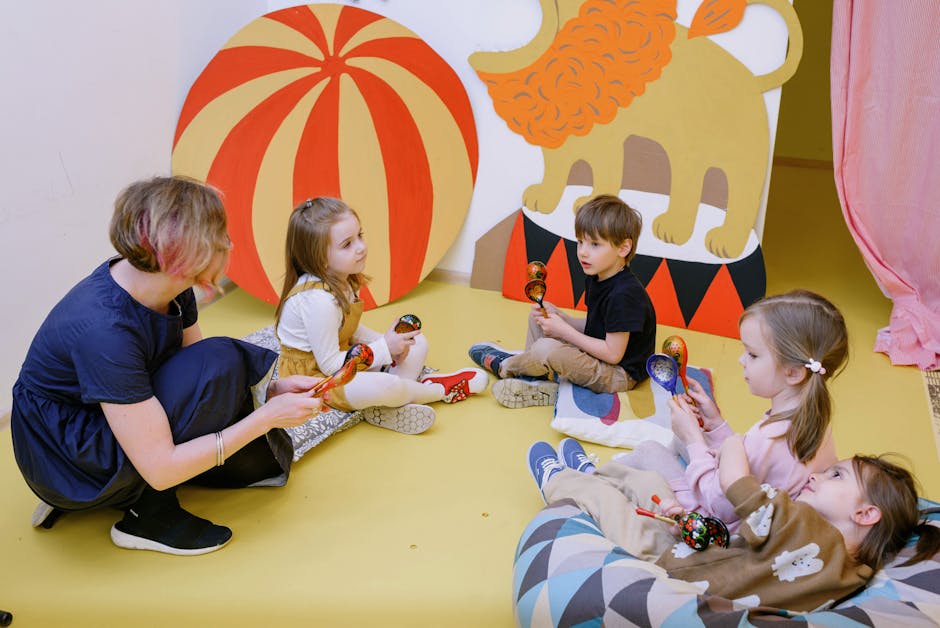
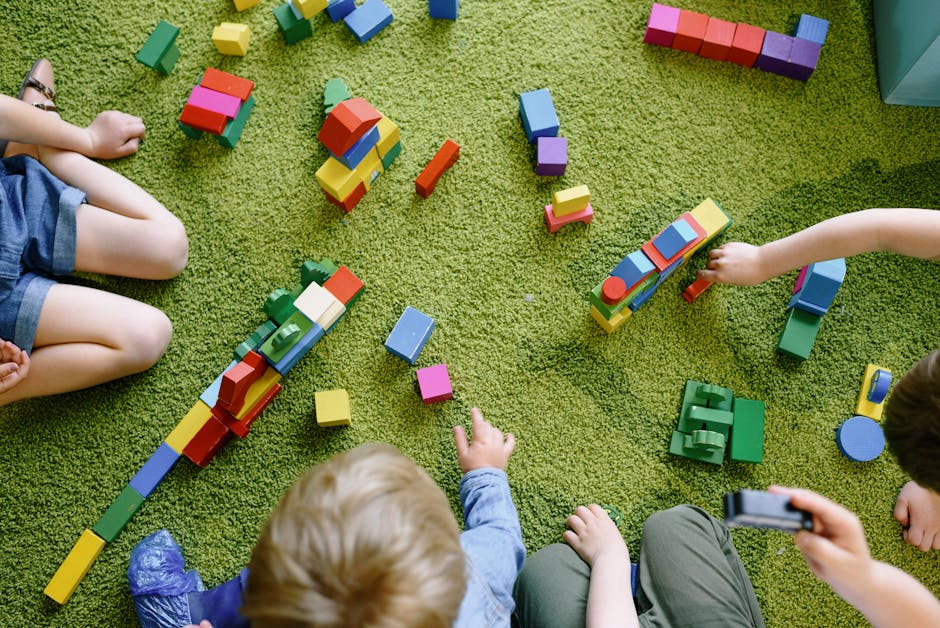
    Picture this: it’s a quiet Tuesday morning, and a three-year-old named Mia is stacking colorful blocks on the kitchen floor. Her mom, exhausted from a night of interrupted sleep, wonders if this is ‘enough’ — or if she should be enrolling Mia in some structured program she saw advertised online. Sound familiar? If you’ve ever found yourself standing in that exact mental crossroads, you’re not alone — and the good news is, the answer might surprise you.

    In 2026, our understanding of early childhood cognitive development has grown exponentially, thanks to advances in neuroscience and longitudinal educational research. The old debate between ‘structured learning vs. free play’ has largely been resolved — and the science points toward something beautifully nuanced. Let’s think through this together.

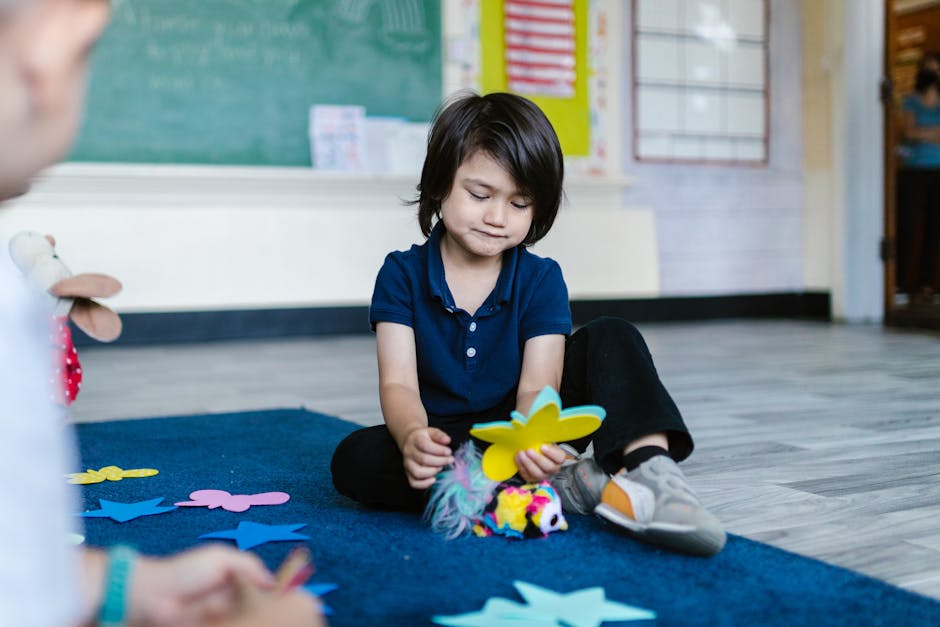
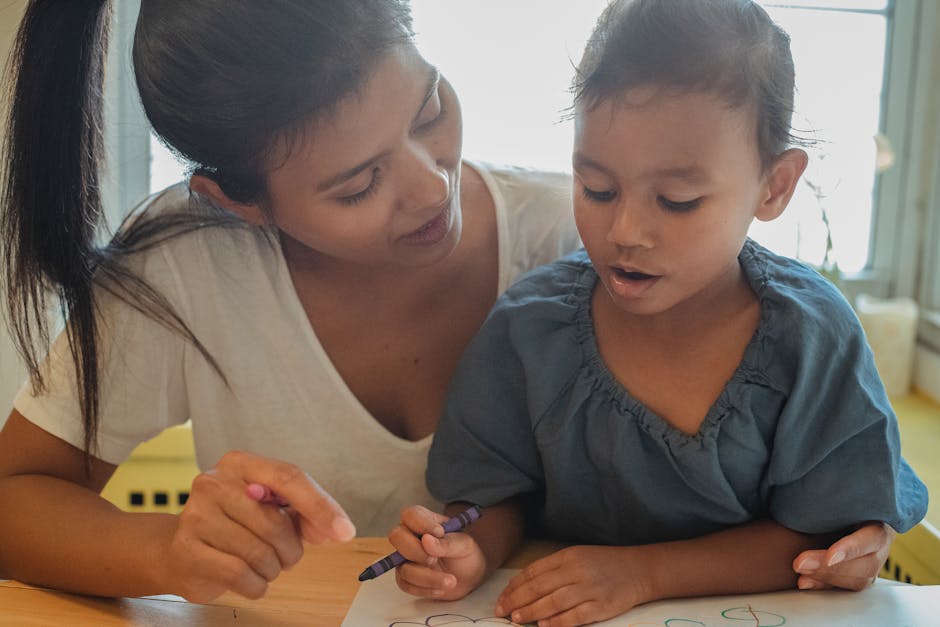
    toddler learning play cognitive development colorful blocks

    What Does ‘Cognitive Development’ Actually Mean for Toddlers?

    Cognitive development refers to how children build mental processes — things like memory, attention, reasoning, language, and problem-solving. For children aged 0–6, this is the most rapid period of brain growth in a human lifetime. According to the Harvard Center on the Developing Child, over 1 million new neural connections form every second during early childhood. That’s not a metaphor — that’s literal biological architecture being laid down in real time.

    What stimulates those connections? Three core pillars consistently emerge in the research: responsive interaction, environmental richness, and play-based exploration. Notice that “expensive educational toys” and “screen-based apps” aren’t on that list — at least not as top-tier stimulators. We’ll come back to that.

    The 2026 Research Landscape: What New Data Is Telling Us

    A 2026 meta-analysis published in the journal Developmental Psychology Review pooled data from over 84 longitudinal studies across 22 countries and found that children who engaged in guided play — play with gentle adult scaffolding — showed 34% better executive function scores by age 5 compared to children in purely passive learning environments. Executive function includes skills like working memory, cognitive flexibility, and impulse control — the very skills that predict academic success and emotional resilience later in life.

    Additionally, the OECD’s 2026 Early Learning Outlook report highlighted that children in high-quality early education environments showed measurable advantages in literacy and numeracy that persisted through age 10. But here’s the catch: “high-quality” was defined not by curriculum rigor, but by adult responsiveness and emotional safety in the learning environment.

    International Examples Worth Looking At

    Let’s look at a few real-world models that are shaping early education in 2026:

    • Finland’s Early Childhood Education (ECE) Reform: Finland continues to lead globally with its play-centered kindergarten philosophy. Children don’t begin formal reading instruction until age 7, yet Finnish students consistently rank among the top in international assessments. Their early years focus heavily on social-emotional learning and outdoor exploration — both proven cognitive stimulants.
    • South Korea’s ‘Saessak’ Initiative: In response to concerns about over-academic preschool environments, South Korea launched its Saessak (“Sprout”) program in 2024, which expanded significantly in 2026. It emphasizes unstructured outdoor play and sensory exploration for children under 5, actively discouraging worksheet-based learning at that age. Early outcome data from 2026 shows improved creative problem-solving metrics in participating cohorts.
    • Reggio Emilia Approach (Italy): This decades-old philosophy — now adopted by thousands of schools worldwide — treats children as capable, curious learners who drive their own inquiry. In 2026, Reggio-inspired programs have been updated to incorporate digital storytelling tools thoughtfully, always keeping child agency at the center.
    • Singapore’s SPARK Framework: Singapore’s 2026-updated SPARK (Set Standards, Prepare and Support, Assess and Recognise, Know Your School) accreditation for preschools now includes cognitive stimulation benchmarks that specifically measure how often educators ask open-ended questions — a simple but powerful technique.

    Practical Methods You Can Start Today

    Now let’s get specific. You don’t need a Montessori classroom or a $300 STEM kit. Here are evidence-backed strategies that work in real homes:

    • Serve and Return Interaction: When your child makes a sound, gesture, or expression, respond to it. This back-and-forth “conversational” pattern — even with infants — directly builds neural pathways for language and social cognition.
    • Open-Ended Questions During Play: Instead of asking “Is that a red block?” try “What do you think will happen if we put this one on top?” This activates predictive reasoning and creative thinking.
    • Storytelling and Narrative Play: Whether it’s reading books or inventing stories together, narrative play strengthens sequencing, memory, and emotional vocabulary — all cognitive building blocks.
    • Sensory Bins and Loose Parts Play: Rice, sand, water, stones, fabric scraps — low-cost materials that allow children to explore textures, volumes, and cause-effect relationships. This directly stimulates tactile and spatial intelligence.
    • Limited, Intentional Screen Time: The American Academy of Pediatrics’ 2026 updated guidelines recommend that any screen content for ages 2–5 be co-viewed with a caregiver who actively discusses what’s happening on screen. Passive screen time still shows diminished cognitive return compared to interactive play.
    • Music and Movement: Rhythm-based activities — clapping, dancing, simple percussion — are strongly linked to phonological awareness and mathematical pattern recognition. It’s joyful AND neurologically productive.
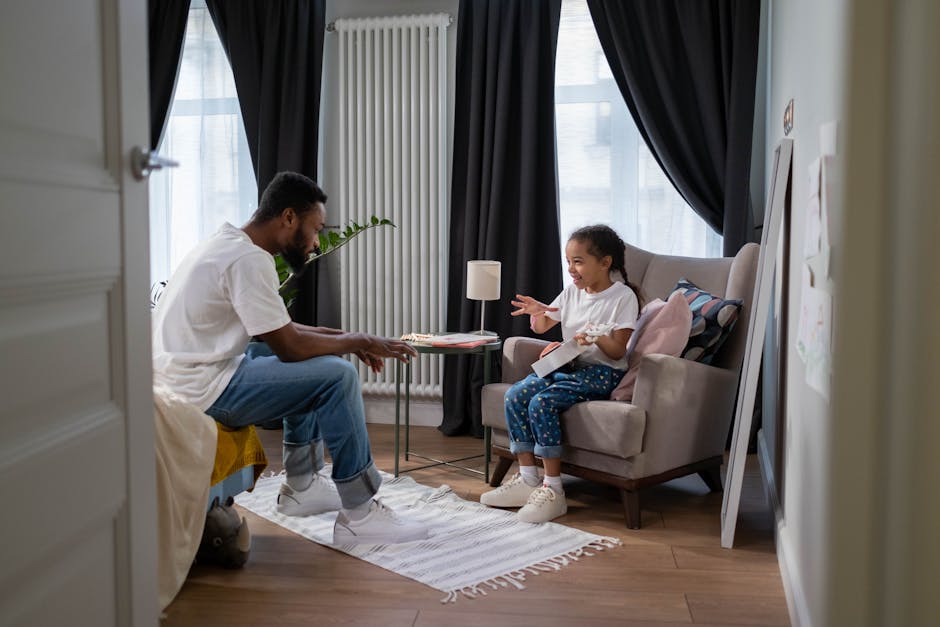
    parent child reading storytelling warm cozy learning environment

    What If You Have Limited Time or Resources?

    Here’s the realistic alternative section — because not every parent has three free hours a day to implement a pedagogical framework. If your mornings are chaotic and your evenings are short, here’s what actually matters most:

    Quality over quantity. Research consistently shows that 15–20 minutes of fully present, engaged interaction with your child does more cognitive good than 2 hours of parallel presence while distracted. Put the phone down during bath time. Narrate what you’re doing while cooking. Ask “why do you think the pasta is getting soft?” These micro-moments compound dramatically over time.

    And if you’re considering a structured program — daycare, preschool, enrichment classes — the most important question isn’t “what curriculum do they use?” It’s “how do the adults interact with the children?” Warm, responsive, curious educators outperform any curriculum on paper, every single time.

    Editor’s Comment : What strikes me most about the 2026 research landscape is how it keeps validating something deeply human — that children learn best when they feel safe, curious, and genuinely seen. No app, program, or flashcard replaces the cognitive power of a caring adult saying, “That’s a great question. What do you think?” If there’s one thing to take from this piece, it’s that you’re probably doing more right than you realize — and the small, consistent moments of connection you build every day are literally shaping the architecture of your child’s mind. That’s extraordinary.

    태그: [‘early childhood cognitive development’, ‘toddler learning activities 2026’, ‘play-based learning’, ‘brain development toddlers’, ‘early education strategies’, ‘parenting tips cognitive growth’, ‘preschool development methods’]


    📚 관련된 다른 글도 읽어 보세요

  • 유아 인지 발달 자극하는 교육법 2026 – 전문가도 추천하는 현실 육아 가이드

    얼마 전, 한 육아 커뮤니티에서 이런 글을 읽었어요. 세 살배기 아이를 둔 엄마가 “우리 아이가 또래보다 말이 느린 것 같아 불안하다”고 털어놓았는데, 댓글이 수백 개 달렸더라고요. 공감한다는 부모들, 자기 경험을 나눠주는 분들, 그리고 다양한 교육법 추천까지. 그 글을 보면서 든 생각은 하나였어요. ‘불안은 넘치는데, 제대로 된 방향은 부족하구나.’

    2026년 현재, 유아 인지 발달에 관한 연구는 그 어느 때보다 활발하게 이루어지고 있어요. 단순히 “많이 읽어줘라”, “블록 놀이가 좋다” 수준을 넘어서, 뇌과학과 교육학이 결합된 실질적인 방법론들이 속속 등장하고 있죠. 오늘은 그 내용을 함께 뜯어보고, 우리 아이에게 맞는 현실적인 방법을 고민해 볼게요.

    toddler learning play cognitive development

    📊 숫자로 보는 유아 인지 발달 – 왜 만 0~5세가 결정적인가

    흔히 “세 살 버릇 여든까지 간다”는 말을 하죠. 이게 단순한 속담이 아니라 신경과학적 근거가 있다는 걸 알고 계셨나요?

    • 생후 0~3세 동안 뇌 시냅스 연결은 초당 약 100만 개 속도로 형성된다고 알려져 있어요. 이 시기에 외부 자극이 얼마나 풍부하냐에 따라 시냅스 가지치기(pruning)의 방향이 달라진답니다.
    • 하버드 아동발달센터(HCDC)에 따르면, 생후 5년 이내에 형성된 뇌 회로는 이후 학습 능력, 정서 조절, 사회성의 약 80% 기반을 구성한다고 봐요.
    • 2025년 발표된 국내 육아정책연구소 보고서에서도, 만 2~4세 사이 언어·수리 자극을 함께 받은 아이들은 초등 입학 후 문해력 발달 속도가 평균 대비 1.4배 빠른 경향이 나타났다고 해요.
    • 반면, 과도한 스마트 기기 노출(하루 2시간 이상)은 전두엽 발달을 지연시킬 수 있다는 연구 결과도 꾸준히 축적되고 있어요. 미국소아과학회(AAP)는 2026년 기준으로도 만 2세 미만 영상 노출 최소화를 권고하고 있답니다.

    이 수치들이 중요한 이유는, 단순히 “빨리 시작할수록 좋다”는 조급함을 부추기려는 게 아니에요. 오히려 “어떤 자극을, 어떤 방식으로 주느냐”가 양보다 훨씬 중요하다는 걸 보여주기 때문이라고 봐요.

    🌍 국내외 사례로 본 효과적인 인지 발달 교육법

    ① 서브 보컬 대화법 – 핀란드 헬싱키 유아교육 모델

    핀란드는 세계 최상위권 교육 시스템으로 유명하죠. 그 뿌리는 유아기부터 시작돼요. 헬싱키 유아교육 커리큘럼에서는 교사와 부모가 아이에게 “지금 뭘 하고 있는지 말로 중계해주는” 방식을 적극 활용해요. 예를 들어 블록을 쌓을 때 “빨간 블록을 파란 블록 위에 올리고 있네. 이제 무너질까, 안 무너질까?”처럼요. 이 방식은 아이의 언어 발달과 논리적 예측 능력을 동시에 자극한다고 알려져 있어요.

    ② 느린 질문법 – 레지오 에밀리아 접근법 (이탈리아)

    이탈리아 레지오 에밀리아 지역에서 시작된 이 교육법은 2026년에도 전 세계 유아교육 현장에서 활발히 적용되고 있어요. 핵심은 교사(또는 부모)가 답을 주지 않는 것이에요. “이건 뭐야?”라고 묻는 대신, “이게 어떻게 보여?”, “이 다음엔 어떻게 될 것 같아?”처럼 열린 질문을 던지죠. 아이 스스로 가설을 세우고 검증하는 과정 자체가 인지 능력을 키운다는 철학이 담겨 있어요.

    ③ 국내 사례 – 서울시 부모 공동 육아 협동조합

    서울 마포구, 성북구 등에서 운영 중인 부모 협동조합형 어린이집에서는 정형화된 교육 대신 ‘일상을 교육 도구로 활용하는’ 방식을 실천하고 있어요. 장 보러 가서 채소 이름 맞히기, 요리하며 숫자 세기, 산책하며 자연물 분류하기 등이 그 예죠. 2025년 서울시 공동육아 실태조사에 따르면, 이러한 기관을 이용한 아이들의 언어 표현 어휘 수가 일반 어린이집 대비 평균 23% 더 많았다는 결과가 보고되기도 했어요.

    parent child reading learning together indoor

    🧩 가정에서 바로 적용할 수 있는 인지 발달 자극법 7가지

    • 서사 대화(Narrative Talk): 책을 읽어줄 때 그냥 읽는 것이 아니라, “이 다음에 어떻게 될 것 같아?”처럼 예측 질문을 섞어주세요. 전두엽의 계획·예측 회로를 자극한다고 봐요.
    • 분류 놀이: 장난감, 과일, 양말 등을 색깔·모양·크기로 분류하게 해보세요. 논리적 범주화 능력의 기초가 되는 훈련이에요.
    • 기다리는 육아(Wait Time): 아이가 말하거나 생각할 시간을 충분히 주세요. 빨리 답을 알려주고 싶은 마음을 잠깐 참는 것, 그게 가장 어렵지만 가장 중요한 방법인 것 같아요.
    • 모방 놀이(Make-believe Play): 소꿉놀이, 병원 놀이처럼 역할을 바꾸는 놀이는 타인의 시점을 이해하는 마음 이론(Theory of Mind) 발달에 도움을 준다고 알려져 있어요.
    • 신체+인지 통합 활동: 공 던지고 받기, 균형 잡기 같은 신체 활동은 소뇌와 전두엽의 연결을 강화시켜 집중력과 학습 준비도를 높여줘요.
    • 자연 탐색: 흙, 물, 나뭇잎 등 자연 소재를 탐색하는 비구조화된 놀이는 감각 통합 능력과 호기심 회로를 활성화한다는 연구 결과들이 있어요.
    • 루틴의 힘: 매일 같은 시간에 같은 방식으로 진행되는 루틴(식사, 취침 의식 등)은 아이의 뇌에 예측 가능성을 제공해 안정적인 인지 발달의 토대가 된다고 봐요.

    ⚠️ 2026년에도 여전히 경계해야 할 것들

    좋은 자극 못지않게 피해야 할 환경도 명확하게 짚고 넘어가야 할 것 같아요.

    • 과도한 학습지·선행학습: 아직 신경 회로가 준비되지 않은 시기의 인지 과부하는 오히려 학습 동기를 떨어뜨릴 수 있어요.
    • 비교와 경쟁 유발: “왜 옆집 아이는 벌써 한글을 읽는데?”식의 비교는 아이의 자기효능감(Self-efficacy)을 떨어뜨려요.
    • 수면 부족: 수면 중 해마(기억 저장 기관)가 낮 동안의 정보를 장기 기억으로 전환해요. 충분한 수면 없이 아무리 좋은 자극을 줘도 흡수율이 낮을 수밖에 없어요.

    에디터 코멘트 : 유아 인지 발달에 정답이 있다고 말하는 사람은 아마 거짓말을 하고 있거나, 아이를 키워보지 않은 사람일 거예요. 아이마다 발달 속도와 방식이 다르고, 같은 집 안에서도 형제자매가 전혀 다른 방식으로 자라기도 하죠. 중요한 건 “우리 아이가 오늘 무언가에 호기심을 가졌나?”를 체크하는 것이라고 봐요. 거창한 교육 프로그램보다, 아이의 눈빛을 따라가는 부모의 관찰력이 가장 강력한 인지 발달 도구가 아닐까 싶어요. 2026년에도, 결국 육아의 핵심은 관계와 존중인 것 같습니다.

    태그: [‘유아인지발달’, ‘유아교육법2026’, ‘영유아발달자극’, ‘두뇌발달놀이’, ‘레지오에밀리아’, ‘부모육아가이드’, ‘인지발달교육’]


    📚 관련된 다른 글도 읽어 보세요

  • Future-Proof Your Career: The Ultimate Guide to Building STEM Skills in 2026

    Picture this: It’s a Tuesday afternoon in 2026, and your 14-year-old niece tells you she wants to be a ‘prompt engineer’ or a ‘climate data scientist.’ Five years ago, those job titles would have sounded like science fiction. Today, they’re listed on LinkedIn with six-figure salaries attached. That moment — that tiny, jarring conversation over dinner — is exactly why we need to talk seriously about STEM skill-building for the jobs of the near future.

    We’re not just talking about learning to code anymore. The landscape has shifted dramatically. STEM competency in 2026 means the intersection of science, technology, engineering, and mathematics with creativity, communication, and ethical reasoning. Let’s think through this together — what’s actually happening in the job market, and how can you (or your kids) realistically prepare?

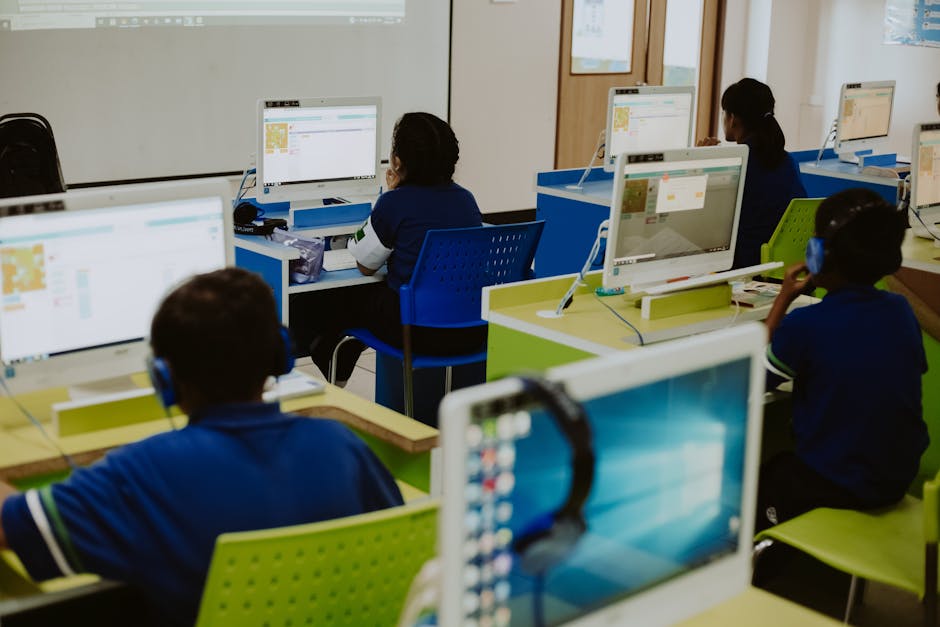
    futuristic STEM classroom students technology 2026

    📊 What the Data Is Actually Telling Us About STEM Jobs in 2026

    Let’s ground ourselves in real numbers before diving into advice. According to the U.S. Bureau of Labor Statistics’ 2026 Occupational Outlook, STEM occupations are projected to grow at nearly twice the rate of non-STEM occupations over the next decade. More specifically:

    • Data Science & AI roles have seen a 38% year-over-year increase in job postings since 2023, with median salaries now hovering around $115,000–$160,000 in North America.
    • Green technology engineering (solar, wind, battery storage) has exploded — the clean energy sector added over 400,000 new STEM jobs globally in 2025 alone.
    • Biomedical engineering and synthetic biology roles are among the fastest-growing niches, fueled by post-pandemic investment in health infrastructure.
    • Cybersecurity specialists remain critically short-staffed, with an estimated global talent gap of 3.5 million positions as of early 2026.
    • Robotics process integration engineers — a relatively new hybrid role — are being recruited aggressively by logistics and manufacturing firms as automation accelerates.

    Here’s the nuanced part that most career guides miss: it’s not enough to simply be in STEM. The jobs commanding premium salaries and long-term stability are those where STEM skills are layered with domain-specific knowledge — think a nurse who understands health informatics, or a lawyer who can fluently discuss algorithmic bias. This is what we mean by “STEM competency” in the modern sense.

    🌍 How Schools and Companies Worldwide Are Already Adapting

    The most exciting part of this story is that we don’t have to theorize — we can look at what’s already working around the world.

    South Korea’s “AI Convergence Education” Initiative (2025–2028) is a great domestic case study. The government mandated that every middle and high school student receive at least 68 hours annually of AI literacy education, blending computational thinking with ethics and real-world application. Early results from 2025 show a measurable uptick in female students pursuing engineering pathways — up 22% compared to 2022 baselines.

    Finland’s “Future Skills Lab” Program takes a different approach. Rather than a structured curriculum, Finnish schools in 2025 introduced project-based STEM electives where students collaborate with actual startups. A 16-year-old in Helsinki might spend a semester helping a biotech startup analyze environmental sensor data. The learning is messy, real, and deeply motivating.

    In the United States, companies like Google, Microsoft, and Lockheed Martin have dramatically expanded their apprenticeship pipelines in 2025–2026, recognizing that four-year degrees are no longer the only (or even best) pathway into STEM careers. Google’s Career Certificates program now has over 2 million enrolled learners, and partner employers have collectively hired more than 150,000 certificate holders into STEM-adjacent roles.

    Singapore’s SkillsFuture 2026 framework is arguably the most comprehensive government-led STEM upskilling initiative globally. It provides every citizen aged 25 and older with a yearly learning credit specifically earmarked for digital and STEM skills. The uptake rate in 2025 was a staggering 71%, showing that adults — not just students — are taking this seriously.

    global STEM education collaboration innovation skills

    🛠️ Realistic Pathways: What You Can Actually Do Starting This Week

    Okay, so we’ve established that STEM skills matter enormously and that the world is pivoting hard toward valuing them. But what does this mean for you, right now, in your specific situation? Let’s think through a few realistic scenarios:

    If you’re a student (middle school through university): The single highest-leverage thing you can do is stop treating STEM subjects as isolated disciplines and start connecting them to things you already care about. Love music? Explore audio signal processing or the mathematics of music theory. Into fashion? Look into textile engineering or sustainable materials science. The goal is building a “T-shaped” skillset — deep expertise in one area, but broad enough STEM literacy to collaborate across fields.

    If you’re a working professional in a non-STEM field: You don’t need to become a programmer. But you do need to become fluent enough to work alongside people who are. Consider dedicating 3–4 hours per week to structured learning. Platforms like Coursera, edX, and Brilliant.org have significantly improved their curriculum quality in 2025–2026, and many offer micro-credentials that are now recognized by HR departments at major employers.

    If you’re a parent: The most impactful thing isn’t enrolling your child in every coding camp available. It’s fostering a mindset of systematic problem-solving and intellectual curiosity at home. Ask questions like “How do you think that works?” and “What would happen if we changed one thing?” This metacognitive habit is the root of STEM thinking.

    • Khan Academy’s free STEM curriculum — still one of the best starting points, now with improved AI tutoring features in 2026
    • MIT OpenCourseWare — free university-level content, great for self-directed adult learners
    • Scratch & Python via Code.org — ideal entry points for kids aged 8–14
    • Local makerspaces and STEM clubs — hands-on, community-based learning that beats screen time for retention
    • Science Olympiad / FIRST Robotics (for students) — competitive, fun, and genuinely impressive on college applications
    • LinkedIn Learning STEM Paths — structured for career changers, often reimbursed by employers

    ⚠️ The Honest Caveats Nobody Talks About

    Let’s be real for a moment. Not every person needs to become a data scientist, and the relentless pressure to “learn to code or fall behind” is both exhausting and overstated. Here’s the more nuanced truth:

    STEM skills exist on a spectrum. At one end, you have research scientists and machine learning engineers who live and breathe mathematics. At the other end, you have professionals in healthcare, education, policy, and the arts who simply need enough data literacy and technological fluency to do their jobs better. Most people need to aim for somewhere in the middle — and that’s absolutely achievable without upending your life or your career.

    Also worth acknowledging: the gender and socioeconomic gaps in STEM access remain real. Programs like Girls Who Code (now operating in 42 countries as of 2026) and Code.org’s equity initiatives are doing important work, but systemic change is slow. If you’re in a position of influence — as a teacher, manager, or community leader — actively creating pathways for underrepresented groups in STEM isn’t just the ethical thing to do; it’s smart strategy for building the diverse, innovative teams that outperform homogeneous ones.

    Editor’s Comment : What strikes me most about the STEM conversation in 2026 is how it’s finally moving away from the binary “tech bro culture vs. everyone else” framing. The most exciting development isn’t any single technology — it’s the growing recognition that STEM competency is a civic skill, like reading or writing, that helps people participate more fully in a world increasingly shaped by algorithms, data, and engineered systems. You don’t have to love math to benefit from understanding how it governs your daily life. Start small, stay curious, and remember that every expert was once a complete beginner who simply refused to stop asking questions.

    태그: [‘STEM skills 2026’, ‘future career preparation’, ‘STEM education trends’, ‘career upskilling’, ‘data science careers’, ‘STEM for students’, ‘workforce of the future’]


    📚 관련된 다른 글도 읽어 보세요

  • 미래 직업 대비 STEM 역량 강화, 2026년 지금 시작해야 하는 이유

    얼마 전 지인의 중학생 아이가 이런 말을 했다고 해요. “저 나중에 뭐가 될 수 있을까요? AI가 다 해버리면 제가 할 일이 있을까요?” 사실 이 질문, 아이만의 걱정이 아닌 것 같습니다. 2026년 현재, 생성형 AI와 자동화 기술이 산업 전반을 빠르게 재편하면서 ‘어떤 역량을 키워야 하는가’에 대한 고민이 그 어느 때보다 깊어지고 있어요. 그 중심에 바로 STEM(Science, Technology, Engineering, Mathematics) 역량이 있다고 봅니다.

    오늘은 왜 STEM 역량이 미래 직업 준비에 핵심이 되는지, 그리고 현실적으로 어떻게 키울 수 있는지 함께 고민해 보려 해요.

    STEM education children technology future career

    📊 숫자로 보는 STEM 직업 시장의 현실

    먼저 데이터를 살펴볼게요. 2026년 세계경제포럼(WEF)이 발표한 「미래 직업 보고서 2026」에 따르면, 향후 5년 내 전 세계 일자리의 약 44%가 자동화 기술로 대체될 위험에 노출될 것이라고 봅니다. 반면, STEM 관련 직군은 같은 기간 동안 평균 19% 이상 성장할 것으로 전망되고 있어요.

    국내 상황도 비슷합니다. 한국고용정보원의 2026년 상반기 직업 전망 보고서에 의하면, 데이터 사이언티스트, AI 엔지니어, 바이오테크 연구원, 로보틱스 설계자 등 STEM 기반 직종의 채용 공고는 전년 대비 약 23% 증가했습니다. 반면 단순 반복 행정직과 일부 서비스직은 동기간 12% 감소세를 보였어요.

    더 흥미로운 건 임금 격차입니다. 국내 기준으로 STEM 관련 직군의 초봉 중앙값은 비STEM 직군 대비 약 1.4~1.7배 수준인 것으로 나타났어요. 단순히 미래를 위해서가 아니라, 지금 당장의 현실적인 경제적 이유로도 STEM 역량은 투자할 가치가 충분하다고 봅니다.

    🌍 국내외 STEM 교육 선진 사례

    핀란드의 ‘현상 기반 학습(PBL)’은 전 세계 STEM 교육의 롤모델로 자주 인용됩니다. 교과목을 분리해서 가르치는 대신, 기후변화나 도시 설계 같은 실제 현상을 주제로 수학·과학·기술을 통합적으로 탐구하게 해요. 이 방식이 주목받는 이유는, 단순 공식 암기가 아니라 문제를 정의하고 해결책을 설계하는 능력 자체를 키우기 때문입니다.

    미국의 ‘CS for All’ 이니셔티브는 공립학교 전 학년에 컴퓨터 과학 교육을 의무화하는 방향으로 2026년 현재 32개 주에서 시행 중입니다. 특히 저소득층 학생들의 접근성을 높이기 위해 코딩 교육 플랫폼 무상 제공과 교사 재교육 프로그램을 병행하고 있어요.

    국내에서는 KAIST의 ‘AI+X 융합 교육 프로그램’이 주목할 만합니다. AI 기술을 전공 불문하고 의대생, 예술대학생, 사회과학도 모두가 배울 수 있도록 설계된 이 커리큘럼은 2025년 시범 운영 이후 2026년 전국 10개 대학으로 확산 중이에요. ‘기술을 모르는 것’이 이제는 전공과 무관하게 경쟁력의 약점이 될 수 있다는 인식이 퍼지고 있는 것 같습니다.

    coding programming learning desk laptop skills development

    🛠️ 연령대별 STEM 역량 강화, 현실적으로 어떻게 접근할까?

    STEM이라고 하면 막연하게 어렵게 느껴질 수 있어요. 하지만 접근 방식을 연령대와 목적에 맞게 나누면 훨씬 현실적으로 시작할 수 있다고 봅니다.

    • 초등학생 (7~12세): 레고 마인드스톰, 스크래치(Scratch) 같은 블록 코딩 도구로 ‘논리적 사고’와 ‘순서 설계’ 개념을 게임처럼 익히는 것이 효과적이에요. 정답을 찾는 게 목적이 아니라, ‘왜 이렇게 되지?’라는 질문을 즐기는 태도를 만드는 게 핵심입니다.
    • 중·고등학생 (13~18세): 파이썬(Python) 기초 프로그래밍과 데이터 분석 입문을 추천해요. Khan Academy, 코드잇, 엔트리 등 무료·저비용 플랫폼이 잘 갖춰져 있어요. 수학과 통계를 코드로 직접 구현해 보는 경험이 추상적인 개념을 현실로 연결해 줍니다.
    • 대학생 및 취업 준비생: 단순 자격증보다 포트폴리오 중심의 프로젝트 경험이 중요해요. GitHub에 공개 프로젝트를 쌓거나, 캐글(Kaggle) 같은 데이터 사이언스 대회에 참가하는 것이 실질적인 스펙이 됩니다.
    • 직장인 (재교육): STEM을 처음부터 전공할 필요는 없습니다. 현재 직무에 데이터 분석(엑셀 고급 기능→SQL→파이썬)을 덧붙이는 ‘하이브리드 역량’ 전략이 현실적이에요. 구글, 코세라, 패스트캠퍼스 등에서 직무 연계 STEM 교육 과정을 저렴하게 수강할 수 있습니다.
    • 부모 및 교육자: 아이에게 STEM을 강요하기 전에, 일상 속에서 질문하는 습관을 함께 만드는 것이 먼저라고 봅니다. “왜 하늘은 파랄까?”, “이 앱은 어떻게 우리 취향을 알까?” 같은 대화가 STEM 사고의 씨앗이 됩니다.

    💡 STEM 역량 강화, 오해와 진실

    한 가지 짚고 싶은 건, STEM 역량 강화가 곧 ‘이과형 인간이 되어야 한다’는 뜻은 아니라는 점이에요. 오히려 2026년 현재 산업계에서 가장 높은 평가를 받는 인재상은 STEM 기술 + 인문사회적 맥락 이해 + 커뮤니케이션 능력을 갖춘 융합형 인재입니다. 이를 ‘STEAM(Arts 포함)’이라고 부르기도 하는데, 기술을 만드는 것을 넘어서 기술이 사람과 사회에 미치는 영향을 읽고 설계하는 능력이 점점 더 중요해지고 있는 것 같습니다.

    AI가 코드를 대신 짜주는 시대에, 우리에게 필요한 건 코딩 실력 자체보다 ‘무엇을 만들어야 하는지 정의하는 능력’이라고 봐요. 그 능력의 토대가 바로 STEM 역량인 셈입니다.


    에디터 코멘트 : STEM 역량 강화, 사실 처음 들으면 부담스럽고 멀게 느껴지는 게 사실이에요. 하지만 오늘 이 글을 읽은 분이라면 이미 ‘왜 필요한지’를 이해한 것이고, 그게 가장 중요한 첫 걸음이라고 생각합니다. 완벽하게 준비된 뒤에 시작하려 하면 영원히 시작할 수 없어요. 지금 당장 스크래치 하나 깔아보거나, 유튜브에서 파이썬 입문 영상 하나 틀어보는 것, 그 작은 행동이 5년 뒤의 여러분을 꽤 다른 자리에 데려다줄 수 있다고 봅니다. 같이 조금씩 나아가 봐요. 😊

    태그: [‘STEM역량강화’, ‘미래직업’, ‘코딩교육’, ‘AI시대진로’, ‘STEM교육2026’, ‘미래인재’, ‘디지털역량’]


    📚 관련된 다른 글도 읽어 보세요

  • Screens & Growing Minds: How Digital Devices Are Reshaping Children’s Cognitive Development in 2026

    Picture this: a two-year-old confidently swipes a tablet before she can tie her shoes. Her parents beam with pride — ‘She’s so tech-savvy!’ But a pediatric neurologist watching the same scene might furrow a brow and quietly wonder what’s happening beneath that tiny skull. This tension between technological pride and developmental caution sits at the heart of one of the most pressing parenting conversations of 2026.

    We’re now roughly two decades into the mass-market smartphone era, and the data is finally catching up to our intuitions — both the reassuring and the uncomfortable kinds. Let’s think through this together, carefully and honestly.

    child using tablet screen cognitive development brain

    What the Research Actually Tells Us in 2026

    The science on screen time and child cognition has matured considerably. The American Academy of Pediatrics updated its guidelines in late 2025, and the findings paint a nuanced picture rather than a simple ‘screens bad’ narrative.

    Here’s what the data broadly indicates across multiple longitudinal studies:

    • Language acquisition delays: Children aged 18–36 months who consume more than 2 hours of passive screen time daily show measurable delays in expressive vocabulary — roughly a 17% lag compared to age-matched peers with limited screen exposure.
    • Attention span fragmentation: Fast-paced content (think short-form video apps) trains the dopaminergic reward system to expect rapid stimulation. The result? Sustained attention tasks — like listening to a teacher or completing a puzzle — become neurologically harder.
    • Spatial reasoning benefits (conditional): Interactive, age-appropriate STEM apps and games have shown modest but real improvements in spatial reasoning skills among children aged 6–10. The keyword here is interactive — passive watching provides almost none of these benefits.
    • Social-emotional reading: A Stanford study published in early 2026 found that children spending 3+ hours daily on screens showed reduced ability to read facial micro-expressions — a foundational empathy skill.
    • Sleep architecture disruption: Blue light exposure within 90 minutes of bedtime suppresses melatonin production in children even more acutely than in adults, compressing the deep sleep phases critical for memory consolidation.

    The South Korean and Finnish Contrast: Two Very Different Approaches

    It’s fascinating to look at how different countries are navigating this in 2026. South Korea — one of the world’s most digitally connected nations — introduced mandatory ‘Digital Literacy and Detox’ curriculum blocks in primary schools starting in 2024. By 2026, preliminary results show improved classroom focus scores in participating schools. Korean child psychiatrists have coined the term 스마트폰 과의존 증후군 (smartphone over-dependence syndrome), and it’s now formally recognized in clinical practice there.

    Meanwhile, Finland continues its legendary approach: forest kindergartens limit digital tools almost entirely until age seven, trusting that unstructured physical play builds the executive function scaffolding that later supports healthy technology use. Finnish 15-year-olds still consistently rank among the world’s top performers in PISA cognitive assessments — and researchers argue the tech-light early years are a feature, not a bug.

    Neither approach is a perfect template for every family, but both offer powerful proof-of-concept: intentionality around digital exposure produces measurable cognitive outcomes.

    children outdoor play vs screen time comparison Finland Korea

    The ‘Type of Screen Time’ Distinction Nobody Talks About Enough

    Here’s where a lot of the public debate gets frustratingly oversimplified. Lumping all screen time together is like saying ‘all food is equally nutritious.’ The quality, interactivity, and social context of digital engagement matter enormously.

    Consider the spectrum:

    • Co-viewing with engaged adults: A parent watching and discussing a nature documentary with their child transforms passive consumption into active learning. Cognitive benefits here are well-documented.
    • Video calling with grandparents: This preserves social bonding, practices turn-taking in conversation, and maintains emotional connection. The AAP explicitly exempts this from ‘problematic screen time’ for toddlers.
    • Autoplay passive streaming: This is the category most associated with negative developmental outcomes. The absence of natural pauses eliminates opportunities for reflection and language processing.
    • Gamified learning apps: These vary wildly. Apps built on pedagogical frameworks (like those following Montessori or Vygotsky’s zone of proximal development principles) show genuine learning gains. Random ‘educational’ labels on apps mean almost nothing without examining the underlying design.

    Realistic Alternatives for Parents Navigating 2026’s Digital Reality

    Here’s the thing — telling a working parent in 2026 to simply ‘eliminate screens’ is not just unrealistic, it’s tone-deaf. Screens are embedded in modern life. The goal isn’t purity; it’s architecture. Think of it as designing your home’s digital environment the way you’d think about nutrition — not eliminating sugar entirely, but understanding when, how much, and what kind.

    Some practical frameworks worth considering:

    • The ‘Bookend’ Rule: Keep the first 30 minutes after waking and the last 60 minutes before sleep entirely screen-free. These are the windows most critical for cortisol regulation and melatonin production respectively.
    • Conversational anchoring: After any screen session, spend 5 minutes asking open-ended questions about what the child watched or played. This activates narrative processing and language production — the cognitive work that passive viewing skips.
    • Physical-digital integration: Use apps that require physical movement or real-world exploration (scavenger hunt apps, AR nature identification tools). These bridge digital engagement with embodied cognition.
    • Device-free zones, not just device-free times: The dining table and bedrooms as permanent no-device zones creates spatial anchors for non-digital interaction — children’s brains begin to associate physical spaces with behavioral modes.
    • Age-appropriate autonomy progression: A rigid ‘no screens until age 7’ rule may be less effective than gradually introducing technology with increasing child agency and parental discussion. Autonomy builds self-regulation, which ultimately matters more than any specific screen time number.

    The research from developmental psychologist Dr. Jenny Radesky (University of Michigan) — whose 2026 findings on ‘digital scaffolding’ are getting significant attention — suggests that parental responsiveness during screen time predicts outcomes far more strongly than duration alone. In other words, how you’re present matters more than simply tracking minutes on a timer.

    We’re in genuinely new territory here. No generation of parents has navigated this before, and the technology is evolving faster than the longitudinal data can follow. That’s not a reason for panic — it’s a reason for thoughtful, curious, ongoing engagement with the question. Keep asking, keep adjusting, and give yourself grace in the process.

    Editor’s Comment : The most important takeaway from everything we know in 2026 is this — the device itself is rarely the villain. The villain, when one exists, is unreflective use. A screen that replaces a conversation is developmentally costly. A screen that sparks one is potentially priceless. That distinction is worth more than any arbitrary daily minute limit.

    태그: [‘children cognitive development 2026’, ‘screen time effects on kids’, ‘digital devices and brain development’, ‘child development technology’, ‘pediatric screen time research’, ‘parenting digital age 2026’, ‘children attention span screens’]


    📚 관련된 다른 글도 읽어 보세요

  • 디지털 기기가 아동 인지 발달에 미치는 영향 2026 — 우리 아이, 얼마나 괜찮을까?

    얼마 전 한 지인이 이런 이야기를 꺼냈어요. 다섯 살배기 아이가 종이 그림책을 손가락으로 ‘스와이프’하려고 했다는 거예요. 화면이 넘어가지 않자 아이는 잠시 멍한 표정을 지었고, 그 순간 지인은 뭔가 이상하다는 느낌을 받았다고 하더라고요. 웃어넘길 수도 있는 에피소드지만, 이 작은 장면 안에 사실 꽤 묵직한 질문이 담겨 있다고 봅니다. 디지털 기기는 우리 아이들의 뇌를, 그리고 사고 방식을 어떻게 바꾸고 있을까요? 2026년 현재, 이 주제를 둘러싼 연구와 논의는 그 어느 때보다 뜨겁게 달아오르고 있어요. 함께 찬찬히 살펴보겠습니다.

    child using tablet screen cognitive development brain

    📊 숫자로 보는 아동 디지털 노출 현황 2026

    먼저 현재 상황을 수치로 짚어볼게요. 2026년 국내 육아정책연구소가 발표한 조사에 따르면, 만 2세 이하 영아의 약 61.3%가 하루 평균 1시간 이상 스마트폰이나 태블릿에 노출되고 있는 것으로 나타났습니다. 만 5~7세 유아군에서는 그 수치가 82%까지 치솟아요. 세계보건기구(WHO)가 권고하는 만 2세 미만 스크린 타임은 ‘0시간’이고, 만 2~5세는 하루 1시간 이내인 점을 감안하면, 국내 아동 대부분이 권고 기준을 넘어서고 있다고 봐야 할 것 같습니다.

    인지 발달 측면에서도 주목할 만한 데이터가 있어요. 미국 국립보건원(NIH)의 ABCD(Adolescent Brain Cognitive Development) 연구 2025년 업데이트 보고서에서는, 하루 2시간 이상 스크린을 사용한 9~10세 아동 집단이 그렇지 않은 집단에 비해 피질 두께(Cortical Thickness)가 통계적으로 유의미하게 얇았다는 결과가 나왔습니다. 피질 두께는 주의력, 기억력, 언어 처리 능력과 밀접하게 연관된 지표라는 점에서 가볍게 볼 수 없는 결과라고 생각해요.

    반면, 모든 디지털 사용이 부정적이지는 않다는 연구도 병존해요. 교육용 앱을 ‘상호작용적으로’ 사용한 4~6세 그룹에서는 어휘력과 수 개념 이해력이 비교군보다 약 14~18% 높게 측정되었다는 핀란드 헬싱키 대학의 2025년 연구도 있거든요. 즉, ‘얼마나’보다 ‘어떻게’ 사용하느냐가 핵심 변수인 것 같습니다.

    🌍 국내외 사례로 보는 두 가지 방향

    규제 강화의 흐름 — 호주와 영국의 선택
    호주는 2025년 말부터 만 16세 미만 아동·청소년의 소셜미디어 계정 개설을 법적으로 금지하는 세계 최초의 국가가 되었어요. 영국 역시 2026년 초 ‘아동 온라인 안전법(Children’s Online Safety Act)’ 개정안을 통해 플랫폼이 아동 사용자의 알고리즘 추천을 기본적으로 차단하도록 의무화했습니다. 이 두 나라의 공통점은 단순히 시간을 제한하는 것을 넘어, 콘텐츠의 질과 자극 방식 자체를 규제하기 시작했다는 점이에요.

    국내 사례 — 서울시 디지털 디톡스 학교 프로그램
    서울시교육청은 2025년 2학기부터 초등학교 1~3학년을 대상으로 ‘디지털 쉬는 날’ 프로그램을 시범 운영 중이에요. 주 1회 디지털 기기 없이 신체 놀이, 독서, 미술 활동을 진행하는 방식인데요. 6개월간의 시범 운영 결과, 참여 아동의 집중력 유지 시간이 평균 23% 향상되었고, 교사들이 체감한 수업 참여도 역시 유의미하게 높아졌다는 중간 보고가 나왔습니다. 물론 아직 충분한 종단 연구가 필요한 단계이지만, 방향성 자체는 시사하는 바가 크다고 봅니다.

    children outdoor play reading books no screen time

    ✅ 부모가 지금 당장 실천할 수 있는 현실적인 가이드

    이론과 수치를 넘어, 실제로 가정에서 적용해 볼 수 있는 방법들을 정리해 봤어요. 완벽한 해법은 없지만, 작은 습관의 변화가 꽤 큰 차이를 만들어낸다는 것은 분명해 보입니다.

    • 만 2세 이하는 화상통화 제외 스크린 타임 최소화: WHO 권고를 최대한 따르되, 조부모 화상통화처럼 상호작용이 있는 사용은 예외적으로 허용하는 방식이 현실적이에요.
    • ‘함께 보기(Co-viewing)’ 습관 만들기: 부모가 옆에서 콘텐츠를 함께 보며 질문하고 대화하는 것만으로도 수동적 수용을 능동적 학습으로 전환할 수 있다고 봅니다.
    • 침실과 식탁은 디지털 프리존 선언: 기기 사용 공간을 물리적으로 제한하는 것이 시간 제한보다 오히려 효과적이라는 연구 결과가 많아요.
    • 교육용 앱도 ‘상호작용형’으로 선별: 단순히 영상을 틀어주는 방식이 아니라, 아이가 직접 조작하고 반응을 받는 앱을 선택하는 것이 인지 발달에 훨씬 유리합니다.
    • 취침 1시간 전 블루라이트 차단: 멜라토닌 분비에 영향을 주는 블루라이트는 수면의 질을 낮추고, 수면의 질 저하는 다시 기억 공고화(Memory Consolidation)를 방해하는 악순환으로 이어져요.
    • 디지털 사용 후 ‘아날로그 쿨다운’ 시간 갖기: 스크린 사용 후 바로 다른 활동으로 전환하는 것보다, 10~15분 정도 신체 활동이나 자유 놀이 시간을 넣어주는 것이 과활성화된 도파민 회로를 안정시키는 데 도움이 된다고 합니다.

    🔍 결론 — 금지가 아닌 ‘설계’의 문제

    디지털 기기를 아이에게서 완전히 차단하는 건 2026년을 살아가는 현실에서 불가능하기도 하고, 꼭 옳은 방향도 아닐 수 있어요. 문제는 기기 자체가 아니라, 어떤 맥락에서, 어떤 콘텐츠를, 얼마나, 누구와 함께 사용하느냐에 달려 있다고 봅니다. 아이의 뇌는 놀라울 만큼 가소성(Neuroplasticity)이 높아서, 환경을 어떻게 설계하느냐에 따라 얼마든지 건강한 방향으로 발달할 수 있어요. 부모의 역할은 기기를 빼앗는 것이 아니라, 아이가 디지털 세계를 탐색하는 방식을 함께 디자인해 주는 것이 아닐까 싶습니다.

    에디터 코멘트 : 솔직히 말하면, 저도 아이 옆에서 스마트폰을 들여다보는 어른 중 한 명이에요. 완벽한 디지털 절제를 실천하기란 정말 어렵죠. 그래서 저는 ‘하루 한 번, 기기 없이 아이 눈을 바라보며 대화하는 시간 10분’을 먼저 만들어 보는 것을 권하고 싶어요. 거창한 루틴보다 이 작은 10분이 아이의 언어 발달과 애착 형성에 생각보다 훨씬 강력한 영향을 미친다는 걸, 연구들이 꾸준히 증명하고 있거든요.

    태그: [‘디지털기기아동발달’, ‘아동인지발달2026’, ‘스크린타임영향’, ‘육아디지털교육’, ‘스마트폰아이발달’, ‘디지털디톡스육아’, ‘아동뇌발달연구’]


    📚 관련된 다른 글도 읽어 보세요

  • EdTech 2026: The Future of Education Technology Trends Reshaping How We Learn

    Picture this: it’s a Tuesday morning, and a 14-year-old student in rural Kenya is collaborating in real time with a classmate in Seoul, guided by an AI tutor that has already mapped out both of their individual learning gaps overnight. Meanwhile, a 45-year-old marketing professional in Chicago is upskilling through an immersive VR simulation that mimics actual boardroom negotiations. This isn’t science fiction anymore — this is EdTech in 2026, and it’s moving faster than most of us expected.

    Whether you’re a parent wondering about your child’s school tech, an educator trying to stay relevant, or a lifelong learner figuring out your next career pivot, understanding where education technology is headed right now is genuinely one of the most useful things you can do. So let’s think through this together.

    futuristic classroom AI education technology 2026

    📊 The Numbers Don’t Lie: EdTech’s Explosive Growth in 2026

    The global EdTech market crossed the $400 billion threshold in early 2026, according to HolonIQ’s latest sector report — a figure that was considered optimistic just three years ago. More telling than the market size, though, is where the investment is flowing. AI-personalized learning platforms now account for nearly 38% of all EdTech funding rounds, signaling a clear industry consensus: one-size-fits-all education is officially on its way out.

    Adaptive learning engines — systems that continuously adjust content difficulty, pacing, and format based on real-time student performance data — have gone from niche tools to mainstream infrastructure. Schools in Singapore, Finland, and Canada have already embedded these systems into national curricula, with measurable outcomes: a 2025 longitudinal study published in the Journal of Educational Technology found that students using AI-adaptive platforms showed a 31% improvement in knowledge retention compared to traditional instruction over a 12-month period. That’s not a marginal gain — that’s a structural shift.

    🌍 Who’s Leading the Charge? Global and Domestic Examples Worth Watching

    Let’s look at some concrete examples that illustrate where things are heading — and why they matter to you.

    South Korea’s AI-Integrated National Curriculum (2026): Starting this academic year, South Korea’s Ministry of Education officially rolled out its “AI Tutor” program across middle schools nationwide. Each student receives a personalized learning dashboard powered by a large language model trained specifically on the Korean curriculum. Teachers are repositioned as mentors and facilitators rather than primary content deliverers. Early feedback from educators? Mixed but cautiously optimistic — the workload has shifted, not decreased.

    Coursera and the Micro-Credential Revolution: Coursera’s 2026 partnership with over 60 Fortune 500 companies has essentially created a parallel credentialing ecosystem. Employers are now actively recruiting candidates who hold verified micro-credentials in specific skills — think “Advanced Prompt Engineering” or “Supply Chain AI Analytics” — sometimes valuing these over traditional four-year degrees for certain roles. The gatekeeping function of universities is being quietly renegotiated.

    Synthesis (formerly from SpaceX’s Ad Astra school): This problem-solving platform, originally built for Elon Musk’s private school, expanded aggressively in 2025 and now has over 800,000 student users globally. Its multiplayer simulation model — where students solve complex real-world challenges collaboratively — has become a case study in how game mechanics can drive genuine critical thinking development.

    India’s DIKSHA 3.0 Platform: India’s government-backed DIKSHA platform hit 300 million registered users in 2026, making it arguably the largest single EdTech deployment in history. Its latest iteration incorporates regional language AI tutors and offline-sync capabilities, specifically designed for students with intermittent internet access. This is EdTech equity in action.

    🔑 The Key Trends You Actually Need to Know

    • Generative AI as a Pedagogical Partner: AI is no longer just grading essays — it’s co-designing lesson plans, generating differentiated assessments, and providing students with Socratic-style questioning rather than just answers. Tools like Khanmigo (Khan Academy’s AI tutor) have matured significantly and are now standard in thousands of classrooms.
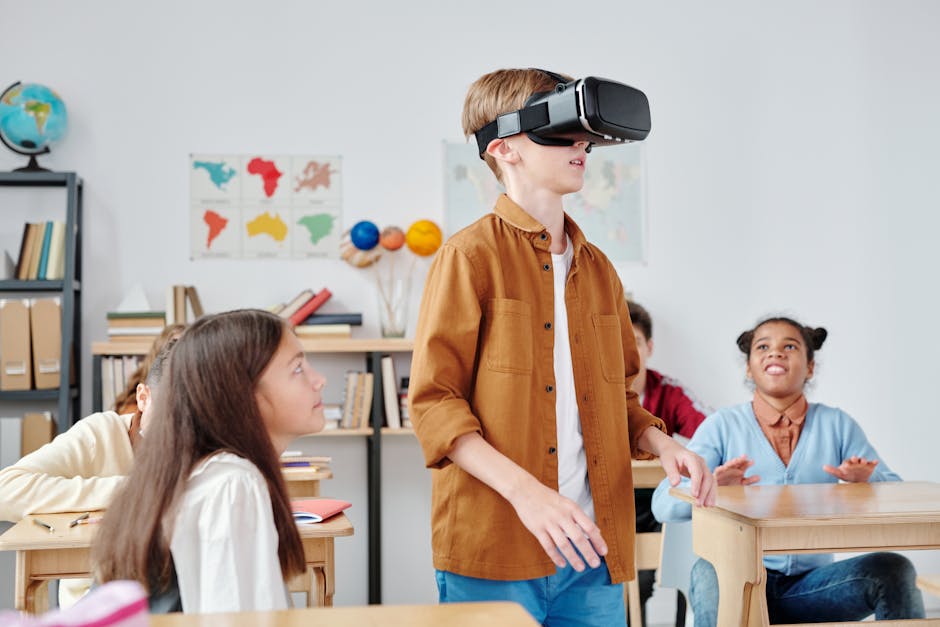
    • Immersive Learning via XR (Extended Reality): Mixed reality headsets have dropped below the $300 price point in 2026, making classroom adoption genuinely feasible. Medical schools, vocational training programs, and even elementary science classes are using XR to make abstract concepts visceral and memorable.
    • Skills-Based Learning Architecture: The curriculum is being decomposed into discrete, verifiable skill units. Platforms like Degreed and Credly have built entire ecosystems around tracking and validating these skills, creating portable learning portfolios that follow learners across institutions and employers.
    • Learning Analytics and Privacy Tensions: The more personalized education becomes, the more data it requires. In 2026, this tension is front and center — the EU’s expanded Digital Education Framework now mandates strict consent protocols for student data use, and similar legislation is being debated in the U.S. Congress. How this resolves will shape the next decade of EdTech.
    • Teacher Augmentation, Not Teacher Replacement: Despite the automation anxiety, the evidence increasingly supports a complementary model. EdTech companies that position their tools as teacher-replacement have consistently underperformed versus those that empower educators with better data and less administrative friction.
    • Social-Emotional Learning (SEL) Tech: Platforms are now integrating emotional recognition and wellbeing check-ins into learning flows. While promising, this is also where ethical debates are sharpest — should an app know if your child is anxious before a test?
    EdTech trends adaptive learning personalized education platform 2026

    💡 Realistic Alternatives: What This Means for You, Specifically

    Not everyone has access to a cutting-edge school or a corporate upskilling budget. So let’s be practical about this.

    If you’re a parent: You don’t need the most expensive platform. Khan Academy’s free tier with Khanmigo integration covers K-12 fundamentals effectively. Focus less on the flashiest tool and more on whether your child is developing metacognitive habits — the ability to recognize what they know and don’t know. That skill transfers regardless of which technology they’re using.

    If you’re an educator: Start small with AI tools. Use them to reduce your grading and planning burden first — that’s where the immediate ROI is. Once you’ve reclaimed that time, experiment with personalized pathways for your highest-need students. You don’t need to overhaul your entire classroom overnight.

    If you’re an adult learner: LinkedIn Learning, Coursera, and edX all offer employer-recognized certificates in high-demand areas. In 2026, the sweet spot is anything at the intersection of AI literacy and your existing domain expertise. You don’t need to become a data scientist — you need to become the expert in your field who also understands how AI tools work.

    If you’re in an under-resourced environment: Offline-capable platforms like DIKSHA, Kolibri, and Rachel+ are purpose-built for low-connectivity contexts. The EdTech equity gap is real, but it’s being actively addressed — and these tools are genuinely impressive given their constraints.

    The honest truth is that EdTech’s promise and its complexity are inseparable right now. The technology is advancing faster than our social, ethical, and institutional frameworks can accommodate. That’s not a reason for panic — it’s a reason for informed engagement. The people who will navigate this era best aren’t the ones who adopt every new tool, but the ones who ask sharper questions about why a tool exists and who it actually serves.

    Education has always been fundamentally about human potential. The best EdTech in 2026 knows that and works in that direction. The rest is noise worth filtering carefully.

    Editor’s Comment : What strikes me most about EdTech in 2026 isn’t any single technology — it’s the philosophical shift happening underneath all of it. We’re moving from education as a system that processes people in batches toward one that actually sees individuals. That’s worth being genuinely excited about, even as we stay clear-eyed about the very real risks of surveillance, inequity, and over-automation that come along for the ride. Stay curious, ask hard questions, and remember: the goal was always the learning, not the platform.

    태그: [‘EdTech 2026’, ‘future of education technology’, ‘AI in education’, ‘adaptive learning platforms’, ‘education technology trends’, ‘personalized learning’, ‘micro-credentials’]


    📚 관련된 다른 글도 읽어 보세요

  • 2026년 에듀테크 최신 동향: AI 튜터부터 메타버스 교실까지, 미래 교육 기술이 바꾸는 학습의 모든 것

    얼마 전, 지인의 초등학생 아이가 태블릿 화면을 보며 혼자 수학 문제를 풀고 있었어요. 신기한 건, 틀린 문제가 나올 때마다 화면 속 AI 캐릭터가 “이 부분을 어려워하는구나, 다시 한번 이렇게 생각해볼까?” 하며 힌트를 건네더라고요. 단순한 정답/오답 피드백이 아니라, 아이의 풀이 과정 자체를 분석하고 있었던 거죠. 불과 몇 년 전만 해도 SF 영화 속 장면처럼 느껴졌을 일이, 지금은 거실 소파에서 일어나고 있습니다.

    2026년 현재, 에듀테크(EduTech, 교육+기술)는 단순히 ‘디지털 교과서’나 ‘온라인 강의’ 수준을 훌쩍 넘어섰어요. AI, 메타버스, 생성형 AI, 뇌과학 기반 학습 설계까지 결합되면서 교육의 패러다임 자체가 흔들리고 있다고 봅니다. 오늘은 이 거대한 흐름을 함께 차근차근 짚어볼게요.

    futuristic classroom AI education technology 2026

    📊 숫자로 보는 에듀테크 시장의 폭발적 성장

    먼저 시장 규모부터 살펴보면 그 무게감이 확 느껴져요. 글로벌 에듀테크 시장은 2026년 기준 약 4,040억 달러(한화 약 540조 원) 규모로 성장한 것으로 추산됩니다. 2020년 대비 약 3배 이상 커진 수치예요. 연평균 성장률(CAGR)은 무려 16~18%대를 유지하고 있는데, 이는 전통적인 IT 섹터 평균 성장률(약 8~10%)의 거의 두 배에 달하는 속도라고 봐도 무방합니다.

    국내 시장도 만만치 않아요. 한국 에듀테크 산업 규모는 2026년 약 10조 원을 돌파한 것으로 추정되며, 특히 AI 기반 개인 맞춤형 학습 플랫폼과 성인 직무교육(업스킬링) 분야에서 투자가 집중되고 있습니다. 주목할 만한 통계는 또 있어요.

    • 전 세계 K-12(유치원~고등학교) 학습자 중 AI 튜터링 솔루션을 경험한 비율: 약 38% (2026년 기준)
    • 국내 대학교 중 생성형 AI 활용 교과과정을 정규 편성한 비율: 약 61%
    • 기업 내 직원 재교육(Reskilling)에 에듀테크 플랫폼을 도입한 국내 대기업 비율: 약 74%
    • VR/AR 기반 직업훈련 수요: 전년 대비 42% 증가
    • 에듀테크 스타트업 전 세계 투자 유치 규모: 연간 약 200억 달러 이상 유지

    이 숫자들을 보면 에듀테크가 단순한 트렌드가 아니라, 이미 교육 인프라의 핵심 축으로 자리 잡았다는 걸 실감할 수 있어요.

    🌍 국내외 주목할 만한 에듀테크 사례들

    [해외 사례 1 – 칸 아카데미의 ‘Khanmigo’ 고도화]
    미국의 비영리 교육 플랫폼 칸 아카데미는 GPT 기반의 AI 튜터 ‘Khanmigo’를 2026년 들어 대폭 업그레이드했어요. 단순 질문 응답을 넘어, 학생이 소크라테스식 대화(Socratic Method)를 통해 스스로 답을 유도하는 방식으로 설계된 게 인상적입니다. 선생님에게는 학생별 학습 격차 리포트를 자동 생성해주는 기능까지 탑재되었어요. ‘정답을 가르쳐주는 AI’가 아니라 ‘생각하게 만드는 AI’라는 방향성이 에듀테크의 철학을 잘 보여준다고 봅니다.

    [해외 사례 2 – 핀란드의 ‘감성 지능(EQ) 기반 학습 설계’]
    교육 강국 핀란드는 2026년부터 국가 교육과정에 AI 기반 감정 상태 분석 도구를 시범 도입했어요. 학생의 학습 집중도와 감정 변화를 실시간으로 감지해, 교사가 최적의 타이밍에 개입할 수 있도록 돕는 방식입니다. 기술이 교사를 대체하는 것이 아니라, 교사의 감각을 확장시켜주는 도구로 활용한다는 점에서 시사하는 바가 크다고 생각해요.

    Korea edutech AI personalized learning platform students

    [국내 사례 1 – 뤼이드(Riiid)의 AI 추론 엔진]
    국내 에듀테크 유니콘 뤼이드는 강화학습 기반 AI 추론 엔진을 고도화해, 학습자의 오답 패턴과 인지 습관을 분석하여 ‘다음에 틀릴 가능성이 가장 높은 문제’를 예측하는 기술을 상용화했습니다. 토익 학습에서 시작된 이 기술은 이제 공무원 시험, 의료 자격증, 기업 교육 분야까지 영역을 넓히고 있어요.

    [국내 사례 2 – 메타버스 캠퍼스의 현실화]
    국내 몇몇 대학교들은 단순한 화상 강의를 넘어, 아바타로 참여하는 메타버스 캠퍼스를 운영하고 있어요. 학생들이 가상 공간에서 팀 프로젝트를 진행하고, 교수의 홀로그램 강의를 듣는 형태가 실제로 운용되고 있습니다. 아직 기술적 완성도에 대한 논란은 있지만, 지방 거주 학생이나 장애 학생들의 교육 접근성을 높인다는 점에서 긍정적인 평가를 받고 있는 것 같아요.

    🔍 2026년 에듀테크의 핵심 키워드 5가지

    • 하이퍼 퍼스널라이제이션(Hyper-Personalization): 단순히 수준별 문제 제공을 넘어, 학습 스타일·시간대·감정 상태까지 고려한 초개인화 커리큘럼이 구현되고 있어요.
    • 마이크로 러닝(Micro Learning): 5~15분 단위의 짧고 집중된 콘텐츠가 주목받고 있습니다. 성인 학습자의 짧은 집중력과 바쁜 일상에 최적화된 방식이라고 볼 수 있어요.
    • 스킬 기반 학습(Skill-Based Learning): 학위나 자격증보다 ‘실제로 무엇을 할 수 있는가’를 증명하는 디지털 배지(Digital Badge)와 마이크로 크리덴셜(Micro-credential) 시스템이 채용 시장에서 빠르게 인정받고 있습니다.
    • 생성형 AI 리터러시 교육: ChatGPT, Gemini 등 생성형 AI를 ‘올바르게 활용하는 방법’을 가르치는 과목이 초·중·고 정규 교육과정에 편입되는 추세예요.
    • 학습 데이터 윤리(Learning Data Ethics): 개인화 학습을 위해 방대한 데이터를 수집하는 만큼, 학생 데이터의 보호와 활용 범위에 대한 논의가 에듀테크의 새로운 화두로 떠오르고 있습니다.

    💡 현실적인 활용 방법 — 어떻게 시작하면 좋을까요?

    에듀테크의 흐름을 이해하는 것도 중요하지만, 정작 “나는 어떻게 써먹을 수 있지?”라는 질문이 더 실용적이죠. 학부모라면 자녀에게 무조건 최신 도구를 쥐여주기보다, 아이의 학습 성향을 먼저 파악하고 거기에 맞는 플랫폼을 선별적으로 도입하는 게 효과적이라고 봅니다. 성인 학습자라면 링크드인 러닝, 클래스101, 뤼이드 등 국내외 마이크로 러닝 플랫폼을 활용해 ’30분 단위 학습 루틴’을 만들어보는 것도 좋은 출발점이에요.

    기업 HR 담당자라면, 단순 콘텐츠 구독보다 학습 데이터를 분석해서 직원별 성장 경로를 설계할 수 있는 LXP(Learning Experience Platform) 도입을 검토해볼 시점이 된 것 같습니다.


    에디터 코멘트 : 에듀테크가 아무리 발전해도, 결국 학습의 주인공은 ‘사람’이라는 사실은 변하지 않는다고 봐요. AI가 최적의 문제를 골라줄 수 있어도, 그 문제를 풀겠다는 동기는 여전히 사람의 몫이니까요. 기술은 학습을 더 쉽고 효율적으로 만들어주는 강력한 도구이지만, 그 도구를 잘 쓰려면 학습자 스스로가 ‘왜 배우는가’에 대한 답을 먼저 가지고 있어야 한다고 생각합니다. 2026년, 에듀테크의 최대 수혜자는 기술을 잘 아는 사람이 아니라, 기술을 자신의 목적에 맞게 잘 활용하는 사람이 될 거예요.

    태그: [‘에듀테크’, ‘미래교육’, ‘AI튜터’, ‘에듀테크트렌드2026’, ‘교육기술’, ‘개인맞춤학습’, ‘마이크로러닝’]


    📚 관련된 다른 글도 읽어 보세요

  • Building AI Literacy Curriculum in 2026: What Schools and Organizations Are Getting Right (And What Still Needs Work)

    A colleague of mine — a high school history teacher in Portland — told me something last month that stuck with me. She said, “My students can use AI tools fluently, but they have absolutely no idea how those tools make decisions.” That gap? That’s exactly why developing a thoughtful AI literacy curriculum isn’t just an academic exercise anymore. It’s genuinely urgent infrastructure for the modern world.

    As we move deeper into 2026, the question is no longer whether we should teach AI literacy — it’s how we build a curriculum that actually works across different ages, skill levels, and institutional contexts. Let’s think through this together.

    AI literacy classroom students technology education 2026

    Why the Data Makes the Case for Structured AI Curriculum

    Let’s anchor this in real numbers. According to the World Economic Forum’s Future of Jobs Report 2026, approximately 68% of employers now rank AI comprehension — not just AI usage — among their top five desired employee competencies. That’s a meaningful jump from 41% just three years ago. Meanwhile, a UNESCO survey released in early 2026 found that fewer than 22% of secondary school systems globally have any formalized AI literacy component in their standard curriculum.

    That’s a massive gap between what the labor market expects and what educational systems are delivering. And it gets more nuanced: there’s a difference between AI tool proficiency (knowing how to use Copilot or Gemini) and AI literacy (understanding training data, model bias, output uncertainty, and ethical implications). Most informal learning covers only the former.

    The Three Core Pillars Any AI Literacy Curriculum Needs

    • Conceptual Understanding: How do machine learning models actually work? Students don’t need to code neural networks from scratch, but they should understand terms like training data, overfitting, and hallucination in plain-language contexts. Think of it like teaching how combustion engines work before giving someone a driver’s license — you don’t need to be a mechanic, but the fundamentals matter.
    • Critical Evaluation Skills: This means teaching people to interrogate AI outputs — asking “why did it say this?”, checking for bias, understanding that confidence ≠ accuracy. This is the most under-taught pillar, and arguably the most important for civic life.
    • Ethical and Societal Framing: Who owns AI-generated content? What happens when AI systems reinforce historical inequities? How do automation trends affect labor markets in specific communities? These aren’t abstract philosophy questions anymore — they’re practical ones that affect people’s daily lives and career choices.

    What’s Working: Domestic and International Examples Worth Studying

    Finland’s “AI for All” Initiative (updated 2026): Finland — long a pioneer in progressive education — has integrated AI literacy across subject areas rather than siloing it in computer science classes. A 7th-grade social studies unit might analyze how recommendation algorithms reinforce political polarization. A literature class examines AI-generated text versus human authorship. This cross-disciplinary embedding is something most American and Asian school systems haven’t cracked yet.

    South Korea’s Digital AI Literacy Framework: The Korean Ministry of Education rolled out its revised national framework in late 2025, now fully operational in 2026, which divides AI literacy into age-tiered competency bands. Elementary students focus on pattern recognition and what “data” means; middle schoolers explore how apps personalize content; high schoolers engage with algorithmic accountability. It’s a scaffolded approach that respects cognitive development rather than dumping everything at once.

    MIT’s K-12 AI Literacy Initiative: On the higher-education and curriculum-design side, MIT’s RAISE program has been developing open-source materials that schools can adapt freely. Their “AI + Ethics” module for high schoolers, now in its third major revision as of 2026, uses real case studies — predictive policing, hiring algorithms, medical diagnosis tools — to make ethical dilemmas concrete rather than theoretical.

    AI curriculum development framework global education comparison

    The Challenges That Curriculum Designers Keep Running Into

    Here’s where I want to be honest with you, because the success stories above can make it look cleaner than it is. There are some stubborn real-world friction points:

    • Teacher preparedness: You can’t roll out an AI literacy curriculum if the teachers delivering it aren’t confident with the material. A 2026 RAND Corporation study found that only 31% of U.S. K-12 teachers feel “adequately prepared” to teach AI concepts — even basic ones.
    • Rapid obsolescence: The AI landscape changes faster than curriculum review cycles. A module written in early 2025 about “current” AI capabilities may already feel dated by the time it’s approved, printed, and distributed.
    • Equity of access: Schools in under-resourced districts often lack the devices, internet infrastructure, or professional development budgets to implement rich AI literacy programming. Designing curriculum without addressing this gap risks deepening the very inequities AI can exacerbate.
    • Assessment difficulty: How do you test critical AI thinking on a standardized rubric? This is a genuine open question that most curriculum developers are still wrestling with.

    Realistic Alternatives and Practical Pathways Forward

    So what do you actually do if you’re a school administrator, curriculum designer, or even a self-directed learner trying to build or access AI literacy education right now? Here are some grounded alternatives depending on your situation:

    • If you’re resource-constrained: Start with free, modular resources from MIT RAISE, Day of AI, or Google’s Teachable Machine. These don’t require specialized hardware and can plug into existing subjects. Even one unit per semester is a meaningful start.
    • If you’re designing for adults or corporate contexts: Prioritize the critical evaluation pillar over conceptual depth. Adults in the workforce benefit most immediately from being able to interrogate AI outputs in their specific domain — whether that’s finance, healthcare, or marketing.
    • If you have curriculum development capacity: Build in a “living document” approach with quarterly review checkpoints rather than annual ones. Partner with local tech companies or universities for real-world case study content that stays current.
    • If you’re an individual learner: Platforms like Coursera, edX, and Khan Academy have updated their AI literacy tracks substantially in 2026. Pair structured learning with deliberate practice — use AI tools critically, question their outputs, and discuss what you observe with others.

    The through-line in all of these? Don’t wait for the perfect curriculum to exist before starting. Imperfect, iterative AI literacy education now is far more valuable than a beautifully designed program that arrives three years too late.

    My teacher friend in Portland eventually redesigned one unit of her history class around asking students to evaluate AI-generated historical summaries for bias and omission. It wasn’t a full curriculum overhaul — it was one assignment. And her students, she told me, were more engaged and more critically sharp than they’d been all semester. Sometimes that’s where the best curriculum development begins: with a single honest question asked in a real classroom.

    Editor’s Comment : The most durable AI literacy curricula we’re seeing emerge in 2026 share one trait — they treat AI as a lens for examining the world, not just a technical skill to acquire. When educators anchor AI literacy in real human stakes (jobs, fairness, truth), the material stops feeling like a separate subject and starts feeling essential. That reframe might be the most important curriculum design choice of all.

    태그: [‘AI literacy curriculum’, ‘AI education 2026’, ‘digital literacy skills’, ‘AI in schools’, ‘curriculum development’, ‘AI ethics education’, ‘technology education’]


    📚 관련된 다른 글도 읽어 보세요

  • AI 리터러시 교육 커리큘럼 개발, 2026년 지금 시작해야 하는 이유

    지난달, 한 중학교 교사가 커뮤니티에 올린 글이 화제가 됐어요. 학생들에게 ‘챗봇이 생성한 정보를 그대로 과제에 제출하면 안 된다’고 가르쳤더니, 한 학생이 이렇게 되물었다고 해요. “선생님, 그럼 AI가 틀렸는지 어떻게 알아요?” 이 짧은 질문 하나가 사실 AI 리터러시 교육의 핵심을 꿰뚫고 있다고 봅니다. 단순히 AI 도구를 쓸 줄 아는 것을 넘어서, AI가 만들어낸 결과물을 비판적으로 판단하고 활용하는 능력 — 그것이 바로 우리가 지금 커리큘럼으로 설계해야 할 핵심 역량이라고 생각해요.

    AI literacy education classroom curriculum 2026

    📊 수치로 보는 AI 리터러시의 현주소

    2026년 현재, AI 리터러시는 선택이 아닌 생존 역량으로 자리 잡고 있어요. 몇 가지 수치를 함께 살펴볼게요.

    • 세계경제포럼(WEF)의 Future of Jobs 2025 보고서에 따르면, 향후 5년 내 전체 직무의 44%가 AI 및 자동화로 인해 핵심 기술 요건이 바뀔 것으로 전망됩니다.
    • 한국교육개발원(KEDI)의 2025년 조사에서, 국내 초·중·고 교사의 68.3%가 ‘AI 리터러시 교육이 필요하다’고 응답했지만, 실제 수업에 반영하고 있다는 교사는 19.7%에 그쳤어요.
    • OECD의 Digital Education Outlook 2025는 AI 리터러시를 ‘디지털 리터러시의 하위 역량’이 아닌 독립적인 핵심 역량으로 분류하기 시작했습니다.
    • 국내 대기업 채용 트렌드를 분석한 자료에서는, 2026년 신입 공채 지원 자격에 ‘AI 도구 활용 경험’을 명시한 기업이 전년 대비 2.3배 증가했어요.

    이 수치들이 말해주는 건 결국 하나예요. 교육 현장의 필요 인식실제 실행 사이의 간극이 너무 크다는 것, 그리고 그 간극을 메울 체계적인 커리큘럼 설계가 시급하다는 점이라고 봅니다.

    🌍 국내외 AI 리터러시 커리큘럼 사례

    그렇다면 이미 움직이고 있는 곳들은 어떻게 접근하고 있을까요?

    핀란드 — 전국민 AI 교육 프로젝트
    핀란드는 2019년부터 시작한 Elements of AI 프로젝트를 2026년 현재 커리큘럼의 정규 과목으로 편입했어요. 핵심은 ‘코딩’보다 ‘AI의 작동 원리 이해’에 방점을 찍었다는 점이에요. AI가 어떻게 패턴을 학습하고, 왜 편향(bias)이 생기는지를 일반 시민도 이해할 수 있도록 설계됐습니다. 이를 통해 전 국민의 약 2%가 이미 수료했고, 수료자 중 상당수가 비(非)기술직 종사자라는 점이 인상적이에요.

    미국 — K-12 AI 교육 프레임워크
    미국 AI4K12 이니셔티브는 유치원부터 고등학교까지 단계별 AI 개념 이해 목표를 제시하는 ‘빅 아이디어 5가지 프레임워크’를 운영하고 있어요. 특히 중·고등 단계에서 AI 윤리와 사회적 영향을 필수 단원으로 다루는 구조가 인상 깊습니다.

    국내 — 2025 개정 교육과정의 시도
    국내에서는 2025 개정 교육과정을 통해 ‘정보’ 교과 내 AI 단원이 강화됐지만, 현장 교사들 사이에서는 여전히 “무엇을 어떻게 가르쳐야 하는지 모르겠다”는 목소리가 큰 인 것 같습니다. 민간 영역에서는 네이버와 카카오가 운영하는 AI 리터러시 교사 연수 프로그램이 2026년 들어 신청 경쟁률이 높아졌다는 점에서 수요는 분명히 증가하고 있어요.

    AI curriculum design framework digital skills learning

    🛠️ 실제로 써먹을 수 있는 커리큘럼 설계 원칙

    이론적인 이야기를 넘어서, 실제 커리큘럼을 설계할 때 고려해야 할 핵심 원칙들을 정리해봤어요.

    • 개념 이해 → 비판적 사고 → 실제 적용의 3단계 구조로 설계할 것. AI가 ‘무엇인지’ 알아야 ‘왜 그런 결과가 나오는지’를 의심할 수 있고, 그래야 제대로 ‘활용’할 수 있어요.
    • 도구 중립성을 유지할 것. 특정 AI 플랫폼 사용법을 가르치는 것보다, 어떤 AI 도구에든 적용 가능한 프롬프트 설계 원리와 결과물 검증 방법론을 가르치는 게 훨씬 지속 가능하다고 봅니다.
    • AI 윤리를 선택이 아닌 필수 단원으로 배치할 것. 딥페이크, 저작권, 알고리즘 편향 등의 문제는 기술 이해보다 선행돼야 한다고 생각해요.
    • 프로젝트 기반 학습(PBL)을 적극 활용할 것. AI 도구를 이용해 실제 문제를 해결하는 과정에서 리터러시는 자연스럽게 쌓이는 인 것 같습니다.
    • 교수자 역량 강화 병행이 반드시 필요해요. 학생 커리큘럼만큼, 교사·강사용 가이드라인과 연수 프로그램 설계도 커리큘럼 개발의 일부로 봐야 합니다.

    🔑 대상별 커리큘럼 설계 포인트

    누구를 위한 커리큘럼이냐에 따라 설계 방향이 달라져요.

    • 초등학생: AI와 인간의 차이, ‘기계가 학습한다’는 개념을 놀이와 시각 자료로 접근. 추천 활용 도구: ML for Kids, Teachable Machine
    • 중·고등학생: 알고리즘 편향 실험, 생성형 AI 결과물 팩트체크 실습, AI 윤리 토론 수업
    • 성인 직장인: 업무 영역별 AI 도구 활용 + 프롬프트 엔지니어링 기초 + AI 생성 결과물의 법적·윤리적 책임 이해
    • 시니어 학습자: 디지털 사기 예방, AI 챗봇과의 안전한 상호작용, 개인정보 보호 중심 구성

    에디터 코멘트 : AI 리터러시 커리큘럼 개발에서 가장 현실적인 조언을 드리자면, ‘완벽한 커리큘럼’을 기다리다 시작을 미루지 말라는 거예요. AI 기술은 커리큘럼이 완성되는 속도보다 빠르게 변하거든요. 지금 당장 할 수 있는 것, 예를 들어 수업 한 차시에 “이 AI 답변이 왜 틀렸을까?”를 함께 분석하는 것부터 시작해보세요. 거창한 설계보다 작은 실천이 먼저라고 봅니다. 그리고 커리큘럼은 ‘만드는 것’이 아니라 ‘계속 업데이트하는 것’이라는 관점으로 접근하면, 훨씬 유연하고 지속 가능한 교육 설계가 가능할 거예요.

    태그: [‘AI리터러시’, ‘AI교육커리큘럼’, ‘디지털리터러시’, ‘AI윤리교육’, ‘2026교육트렌드’, ‘생성형AI교육’, ‘미래교육설계’]


    📚 관련된 다른 글도 읽어 보세요