Author: likevinci

  • Child Emotional Development: What Psychologists Really Want Parents to Know in 2026

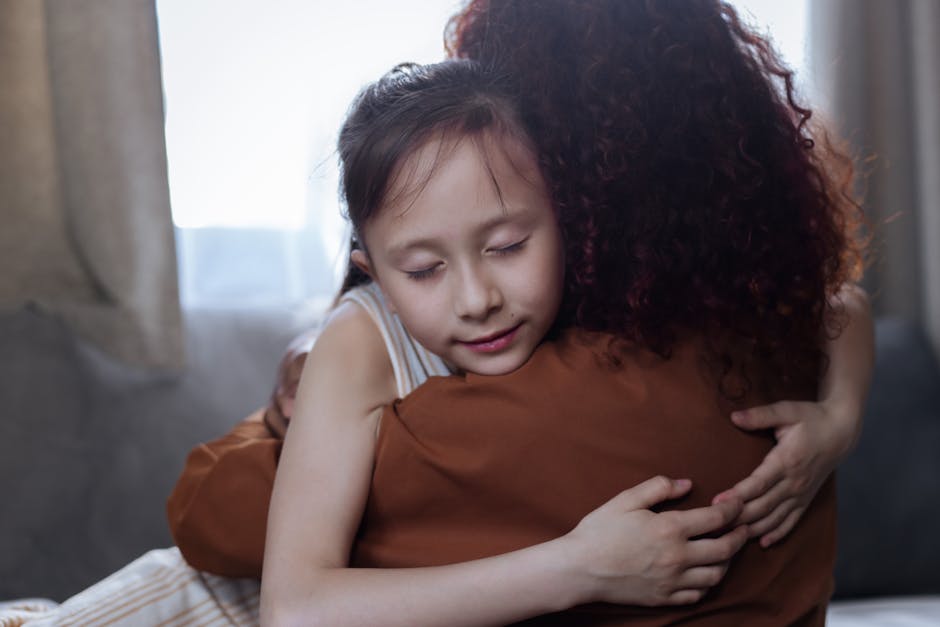
    Picture this: It’s a Tuesday afternoon, and a 6-year-old named Mia throws herself onto the kitchen floor, sobbing because her sandwich was cut into rectangles instead of triangles. To an exhausted parent, this looks like a meltdown over nothing. But to a child emotional development psychologist, this moment is everything — a window into how a young brain is learning to process frustration, communicate needs, and regulate feelings it simply doesn’t have the vocabulary for yet.

    If you’ve ever wondered whether your child’s emotional reactions are “normal,” you’re not alone. In 2026, child psychology experts are louder than ever about one core message: emotional development isn’t just about managing tantrums. It’s the foundation for mental health, academic success, and meaningful relationships throughout life. Let’s think through this together.

    child emotional development, parent child bonding, psychology

    What Does Emotional Development Actually Mean?

    Emotional development refers to the growing ability of children to identify, express, manage, and understand emotions — both their own and others’. This isn’t a single skill; it’s a layered process that unfolds across specific developmental windows. Child psychologists break it into several key competencies:

    • Emotional awareness: Recognizing and naming feelings (“I feel angry” rather than just acting out)
    • Emotional regulation: The ability to calm down, delay reactions, and choose responses — this is largely a prefrontal cortex function that develops well into the mid-20s
    • Empathy: Understanding and sharing the feelings of others, which begins emerging as early as 18 months
    • Social referencing: Looking to trusted adults to interpret ambiguous emotional situations
    • Coping strategies: Developing healthy ways to deal with stress, disappointment, and fear

    The Data Behind Emotional Intelligence in 2026

    Recent longitudinal research published in the Journal of Child Psychology and Psychiatry (2026 edition) reinforces what experts have suspected for decades: children who receive emotionally responsive caregiving in their first five years show measurably stronger outcomes in school readiness, peer relationships, and resilience under stress. Specifically, studies from Harvard’s Center on the Developing Child show that adverse emotional environments during ages 0–8 can alter cortisol (stress hormone) regulation patterns — sometimes permanently if intervention doesn’t occur.

    Meanwhile, a 2026 OECD report on early childhood education across 38 countries found that nations integrating Social and Emotional Learning (SEL) into preschool curricula saw a 23% reduction in behavioral disruptions by age 10 and a 17% improvement in academic engagement by middle school. These aren’t soft, feel-good statistics — they’re hard evidence that emotional development is foundational, not supplemental.

    What International and Domestic Experts Are Saying

    In South Korea, the Korean Institute of Child Care and Education (KICCE) has been pushing hard since 2024 to revamp the national Nuri Curriculum — the standardized early childhood program — to explicitly embed emotion coaching frameworks. By early 2026, pilot schools in Seoul and Busan reported that teachers trained in emotion-focused responses saw a 31% decrease in classroom aggression incidents among 4–6-year-olds.

    In the United States, psychologist Dr. John Gottman’s concept of “Emotion Coaching” has become a cornerstone of pediatric mental health guidance. His research consistently shows that children whose parents validate emotions (rather than dismissing or punishing them) develop higher emotional intelligence, better physical health, and stronger academic performance. His five-step emotion coaching method — be aware of the emotion, see it as an opportunity, listen empathetically, help the child label the emotion, and set limits while exploring solutions — has been adapted into school programs across 14 countries as of 2026.

    In Finland, which consistently tops global childhood wellbeing indices, children as young as 3 participate in structured “feelings circles” at daycare — a daily ritual where children name one feeling and one thing that caused it. Finnish early childhood educators describe this not as a therapeutic exercise but as basic literacy, no different from learning letters.

    child therapy play based learning, emotion coaching parent

    Common Mistakes Parents Make (Without Realizing It)

    Even well-meaning parents can inadvertently hinder emotional development. Psychologists in 2026 point to several recurring patterns:

    • Emotional dismissal: Phrases like “You’re fine, stop crying” teach children their feelings aren’t valid — leading them to suppress rather than process emotions
    • Over-solving: Rushing to fix every source of discomfort prevents children from developing their own emotional coping muscles
    • Inconsistent emotional modeling: Children are expert mimics. If a parent explodes over minor stressors, children learn that emotional dysregulation is the appropriate response
    • Screen-as-soothing default: While screens aren’t inherently harmful, using them to immediately calm every emotional discomfort bypasses the learning opportunity that difficult feelings offer
    • Labeling emotions for them without checking: Saying “You’re angry” when a child may actually feel embarrassed or overwhelmed can create emotional confusion over time

    Realistic Alternatives for Everyday Parenting

    You don’t need a psychology degree or a perfect household to support your child’s emotional development. Here’s what actually works, based on current expert consensus:

    • Use “feelings check-ins” at dinner: A simple “What was a hard feeling you had today?” normalizes emotional conversations without drama
    • Create a feelings vocabulary wall: Especially for ages 3–7, visual emotion charts help children identify nuanced feelings beyond “happy” or “sad”
    • Practice “co-regulation” before expecting self-regulation: Sit with your dysregulated child, breathe slowly, speak calmly — your nervous system helps regulate theirs (this is called co-regulation, and it’s neurologically real)
    • Read picture books with emotional themes together: Books like The Invisible String or In My Heart open natural conversations about feelings in a low-pressure context
    • Debrief after conflicts — not during: Children’s prefrontal cortex is offline during intense emotion. Wait until calm to discuss what happened and what could be different next time

    If you notice persistent emotional dysregulation, social withdrawal, extreme aggression, or anxiety in your child, don’t wait. Early intervention with a licensed child psychologist or play therapist can make a dramatic difference — the brain is most plastic in the early years, meaning change is both possible and powerful.

    Remember: you’re not raising a child who never feels hard things. You’re raising a human who knows what to do when hard things come — and that is one of the most profound gifts you can give.

    Editor’s Comment : What struck me most while researching this piece is how consistently the experts agree: emotional development isn’t about raising perfectly calm children. It’s about raising children who trust their inner world enough to navigate the outer one. If you take one thing from this article, let it be this — the next time your child has a big feeling, before you react, pause and think: What are they learning right now about emotions from watching me? That single shift in perspective has the power to change everything.

    태그: [‘child emotional development’, ‘parenting psychology 2026′, ’emotional intelligence children’, ‘SEL social emotional learning’, ’emotion coaching’, ‘child mental health’, ‘early childhood development’]


    📚 관련된 다른 글도 읽어 보세요

  • 아동 정서 발달, 전문가가 말하는 결정적 시기와 부모가 꼭 알아야 할 실천법 (2026)

    얼마 전 한 독자분께서 이런 메시지를 보내오셨어요. “다섯 살 아이가 요즘 이유 없이 울고, 친구들과도 잘 어울리지 못하는 것 같아요. 혹시 제가 뭔가 잘못하고 있는 건 아닐까요?” 이 짧은 한 줄 안에, 아마 수많은 부모님들의 고민이 담겨 있을 것 같다는 생각이 들었어요. 아이의 감정 문제는 눈에 보이는 신체 발달과 달리 ‘잘 되고 있는 건지’ 가늠하기가 너무 어렵죠. 그래서 오늘은 아동 정서 발달 심리 전문가들의 최신 조언을 바탕으로, 부모로서 우리가 어디에 집중해야 하는지 함께 정리해 보려고 합니다.

    child emotional development parent bonding warm home

    📊 수치로 보는 아동 정서 발달의 현실 — 왜 지금 더 중요한가?

    2026년 현재, 아동 정서 문제는 단순히 ‘예민한 아이’의 이야기가 아닌 것 같습니다. 보건복지부 아동 정신건강 실태 조사에 따르면, 국내 만 3~9세 아동 중 약 18.4%가 정서·행동 문제로 전문 상담이나 치료가 필요한 상태로 분류된다고 해요. 거의 다섯 명 중 한 명꼴이라는 거죠.

    더 주목할 만한 수치도 있어요. 미국 소아과학회(AAP)가 2025년 말 발표한 보고서에 의하면, 정서 조절 능력이 낮은 아동은 학령기에 접어들었을 때 학업 성취도가 또래 평균보다 최대 23% 낮고, 또래 관계 만족도 역시 31% 가량 떨어진다고 보고됩니다. 정서 발달이 단순히 ‘마음의 문제’를 넘어 아이의 전반적인 삶의 질과 직결된다는 걸 수치가 말해주고 있는 셈이에요.

    반면 희망적인 수치도 있어요. 전문가들이 공통으로 강조하는 건, 만 0세부터 7세 사이의 ‘결정적 시기(Critical Period)’에 적절한 정서적 지원을 받은 아동은 그렇지 않은 아동에 비해 성인이 되었을 때 우울·불안 발생률이 약 40% 낮다는 장기 추적 연구 결과입니다. 즉, 지금 이 시기가 정말 중요하다는 거예요.

    🌍 국내외 전문가와 사례로 배우는 정서 발달의 핵심 원리

    서울대학교 아동가족학과 연구팀은 2025년 발표한 논문에서 국내 아동 700여 명을 5년간 추적 관찰한 결과, 부모의 ‘감정 코칭(Emotion Coaching)’ 실천 빈도가 높을수록 아이의 공감 능력과 충동 조절 능력이 유의미하게 높아진다는 결론을 도출했어요. 여기서 ‘감정 코칭’이란, 아이가 부정적인 감정을 느낄 때 “그러면 안 돼”라고 억압하는 대신, 그 감정 자체를 인정하고 이름을 붙여주는 방식을 말해요. 예를 들어 “속상했겠다, 네가 화가 난 거 이해해”처럼요.

    해외 사례도 살펴보면, 핀란드의 경우 유아교육 커리큘럼에 ‘감정 언어화 프로그램(Emotion Labeling Curriculum)’을 의무적으로 포함시킨 이후, 초등학교 진학 이후 또래 폭력 발생 건수가 3년 만에 27% 감소했다는 교육부 통계가 있어요. 감정을 ‘표현하는 법’을 배운 아이들이 폭력이 아닌 언어로 갈등을 해결하기 시작했다는 거죠.

    국내에서도 비슷한 시도가 이어지고 있어요. 경기도 일부 유치원에서 시범 운영 중인 ‘마음 일기 프로그램’은 아이가 하루에 한 번 자신의 감정을 그림이나 스티커로 표현하게 하는 방식인데, 참여 교사들의 피드백에 따르면 3개월 후부터 아이들의 정서적 안정감이 눈에 띄게 향상됐다는 보고가 나오고 있습니다.

    child drawing emotions family therapy play therapy

    🧠 전문가가 직접 강조하는 아동 정서 발달을 위한 실천 포인트

    아동발달 심리 전문가들이 공통적으로 꼽는 핵심 실천법을 정리해봤어요. 거창한 것보다, 일상에서 반복 가능한 작은 습관들이라는 점이 인상적이에요.

    • 감정에 이름 붙여주기: “넌 지금 슬픈 거야” “그게 무서웠겠다”처럼 아이가 느끼는 감정을 부모가 언어로 명명해 주면, 아이는 자신의 내면 세계를 인식하고 다루는 능력을 키우게 됩니다. 이를 심리학에서는 정서 명명화(Affect Labeling)라고 해요.
    • 하루 15분, ‘무조건적 집중 시간’ 만들기: 핸드폰을 내려놓고 아이가 원하는 놀이에 완전히 집중하는 시간 단 15분이, 아이의 안전 애착 형성에 결정적인 역할을 한다고 봅니다. 양보다 질이라는 게 이걸 두고 하는 말인 것 같아요.
    • 감정을 ‘틀렸다’고 하지 않기: “왜 그런 거로 울어?” “남자애가 그러면 안 되지”와 같은 말은 아이에게 자신의 감정이 잘못된 것이라는 메시지를 줍니다. 감정 자체는 항상 타당하다는 전제를 유지하는 게 중요해요.
    • 루틴(일과)의 일관성 유지하기: 예측 가능한 일상은 아이에게 심리적 안전감을 줍니다. 취침 시간, 식사 시간 등의 루틴을 일관되게 유지하는 것만으로도 불안 수준이 낮아질 수 있다고 전문가들은 말해요.
    • 부모 자신의 감정 조절 모델링: 아이는 부모의 감정 처리 방식을 그대로 학습합니다. 부모가 스트레스를 받을 때 어떻게 반응하는지를 아이는 내면화한다는 사실, 생각보다 훨씬 강력한 영향을 미친다고 라고 봅니다.
    • 또래 상호작용 기회 의도적으로 늘리기: 특히 코로나 이후 세대 아이들의 경우, 사회적 상호작용 경험 자체가 부족한 경우가 많아요. 놀이터, 소그룹 놀이 모임 등을 통해 갈등과 협력을 직접 경험하게 해주는 게 중요해요.
    • 전문 상담, ‘문제가 생겼을 때’가 아니라 ‘예방적으로’ 활용하기: 아직도 많은 부모님들이 심리 상담을 ‘심각한 문제’가 생겼을 때 찾는 곳으로 인식하는 경향이 있어요. 하지만 전문가들은 만 4~6세에 한 번쯤 발달 심리 전문가와 예방적 상담을 받아보는 것을 권장하고 있습니다.

    💡 현실적인 대안: 모든 걸 완벽히 하려 하지 않아도 됩니다

    위의 내용을 읽고 ‘이걸 다 어떻게 해?’라는 생각이 드셨다면, 오히려 그게 더 자연스러운 반응인 것 같아요. 현실적으로 매일 15분의 집중 시간을 지키고, 매번 완벽한 감정 코칭을 해내는 부모는 없으니까요.

    전문가들이 공통적으로 강조하는 건 ‘완벽한 부모’가 아닌 ‘충분히 좋은 부모(Good Enough Parent)’라는 개념이에요. 영국의 소아과 의사이자 정신분석가였던 도널드 위니컷(D.W. Winnicott)이 제안한 이 개념은, 아이에게 필요한 건 완벽한 양육이 아니라 ‘실수하더라도 수리(repair)하려는 부모의 태도’라는 걸 말해줍니다. 즉, 실수한 후 “엄마가 아까 너한테 너무 크게 소리쳤어. 미안해”라고 말해주는 것만으로도 아이의 정서 발달에는 충분한 신호가 된다는 거예요.

    그리고 부모 자신의 정서적 소진 역시 간과하면 안 돼요. 지쳐있는 부모가 아이에게 감정적으로 충분히 반응하기는 어려울 수밖에 없어요. 아이의 정서 발달을 위해 가장 먼저 해야 할 일이 ‘부모 자신을 돌보는 것’이라는 점, 잊지 말아야 할 것 같아요.

    에디터 코멘트 : 아동 정서 발달 문제를 파고들수록, 결국 핵심은 ‘관계’로 돌아오는 것 같아요. 완벽한 부모가 되려는 압박보다, 아이와의 작은 연결의 순간들을 소중히 여기는 태도가 어쩌면 가장 강력한 정서 발달 지원책이 아닐까 싶습니다. 지금 이 글을 읽고 있다는 사실 자체가, 이미 충분히 좋은 부모라는 증거라고 봅니다. 🌱

    태그: [‘아동정서발달’, ‘아동심리’, ‘감정코칭’, ‘육아전문가조언’, ‘아이감정교육’, ‘정서발달심리’, ‘좋은부모되기’]


    📚 관련된 다른 글도 읽어 보세요

  • How AI Is Revolutionizing STEM Education in 2026: Smarter Tools, Deeper Learning

    Picture this: a 12-year-old in rural Montana sits down at her laptop after school, opens an AI-powered coding tutor, and within 45 minutes she’s debugging her first Python script — with personalized hints that adapt to her specific mistakes in real time. No teacher standing over her shoulder. No expensive tutoring center. Just an intelligent system that genuinely understands where she’s getting stuck. This isn’t a futuristic fantasy anymore. This is what STEM education looks like in 2026, and it’s reshaping classrooms and living rooms alike.

    So let’s think through this together — how exactly is AI being woven into STEM learning, what’s actually working, and what are the realistic options for students, parents, and educators at different budget levels?

    AI classroom STEM education children technology 2026

    📊 The Numbers Tell a Compelling Story

    Before we dive into the “how,” let’s ground ourselves in the “how much.” According to a 2026 Global EdTech Report by HolonIQ, AI-integrated STEM learning platforms now account for over $18.7 billion in annual global market value — nearly triple what it was just four years ago. More strikingly, schools that adopted AI-assisted STEM tools reported a 34% improvement in student problem-solving scores within the first academic year, according to a meta-analysis published in the Journal of Educational Technology Research (February 2026).

    Here’s what’s driving those numbers:

    • Adaptive Learning Engines: AI systems like those embedded in Khan Academy’s 2026 suite now analyze a student’s micro-errors — not just wrong answers, but how and when they go wrong — to recalibrate lesson difficulty in real time.
    • Natural Language Processing (NLP) Tutors: Students can now literally talk to their math or science tutor through conversational AI. The AI understands ambiguous questions and offers conceptual breakdowns, not just formula regurgitation.
    • Predictive Analytics for Teachers: Educators receive dashboards showing which students are at risk of falling behind in specific STEM concepts — weeks before a test would reveal the gap.
    • AI-Powered Lab Simulations: Virtual chemistry and physics labs, powered by AI, allow students to run experiments they could never safely or affordably conduct in a physical classroom.
    • Automated Code Review: For programming courses, AI tools give line-by-line feedback on student code, explaining why something doesn’t work rather than just flagging an error.

    🌍 Real-World Examples From Around the Globe

    Let’s look at what’s actually happening on the ground — because theory only gets us so far.

    South Korea’s AI-STEAM Initiative: South Korea, already a global leader in education technology, launched its national AI-STEAM (Science, Technology, Engineering, Arts, and Math) curriculum expansion in early 2026. Every public middle school now has access to government-subsidized AI tutoring platforms. Early data from Seoul’s metropolitan school district shows that students using the AI-assisted science modules scored 22 points higher on standardized assessments compared to the previous cohort.

    Finland’s “AI Co-Teacher” Pilot: Finland’s famous education system took a characteristically thoughtful approach. Rather than replacing teacher judgment, Helsinki schools are testing an “AI Co-Teacher” model where the AI handles repetitive feedback tasks — grading coding assignments, flagging misconceptions in physics homework — while human teachers focus entirely on mentorship, discussion, and creative project guidance. Teachers in the pilot reported feeling less burned out and more connected to their students. That’s a genuinely heartening outcome worth noting.

    India’s BYJU’S AI Evolution: BYJU’S, one of the world’s largest edtech platforms, rolled out its third-generation AI learning engine in 2026, now serving over 150 million learners. The system uses emotional recognition (via camera, opt-in only) to detect when a student appears confused or disengaged, then automatically shifts teaching style — switching from text-based explanation to animated visual models, for example.

    United States — Schoology + AI Integration: Several U.S. school districts in Texas and California have integrated AI writing and data-analysis tools directly into their STEM project workflows. Students now use AI not as a shortcut, but as a thinking partner — asking it to critique their experimental designs before they actually build them.

    adaptive learning AI tutor student STEM coding math science

    🛠️ Practical Ways to Actually Use AI in STEM Learning Right Now

    Okay, enough big-picture stuff. Let’s get concrete. Whether you’re a parent, a student, or a classroom teacher, here are realistic pathways based on your situation:

    • Budget-Conscious Families: Start with free-tier AI tools. Khan Academy’s Khanmigo AI tutor (free for students in many regions), Google’s Teachable Machine for hands-on AI experiments, and MIT’s free Scratch AI extensions are excellent entry points. Cost: $0.
    • Middle & High School Students: Try platforms like Brilliant.org (which now integrates AI-adaptive problem sets) or Wolfram Alpha Pro for step-by-step math reasoning. These teach thinking processes, not just answers.
    • Teachers With Limited Tech Budgets: Use AI tools to create differentiated worksheets and practice problems in minutes. Tools like Eduaide.ai allow teachers to generate STEM problems at different difficulty levels for free, saving hours of prep time.
    • Schools With Institutional Budgets: Invest in platforms like Carnegie Learning’s MATHia or DreamBox Learning, which have the deepest adaptive AI engines and the most robust research backing for measurable outcomes.
    • Parents Concerned About Screen Dependence: Balance AI tools with hands-on, unplugged STEM activities. AI can suggest personalized project ideas — say, a simple electronics kit matched to your child’s current skill level — that then get built physically. The AI doesn’t have to be the activity; it can design the activity.

    ⚠️ What to Watch Out For

    Let’s be honest — not everything about AI in STEM education is sunshine and circuitry. There are real concerns worth thinking through:

    • Over-reliance risk: If students use AI to get answers rather than reason toward them, critical thinking atrophies. The best platforms are designed to scaffold thinking, not replace it — but not all platforms are “the best.”
    • Data privacy: Many AI learning platforms collect detailed behavioral data on minors. Always check a platform’s privacy policy and look for COPPA (in the U.S.) or GDPR compliance markers.
    • Equity gaps: Students with reliable high-speed internet and modern devices benefit most. Without deliberate policy intervention, AI tools can actually widen educational gaps rather than close them.
    • Teacher displacement anxiety: The evidence strongly suggests AI works best as a teacher support tool, not a replacement. Schools should communicate this clearly to avoid morale problems in their faculty.

    🔮 Where Is This All Heading?

    In 2026, we’re genuinely at an inflection point. AI isn’t a novelty in STEM education anymore — it’s becoming infrastructure, like electricity in a classroom. The question isn’t “should we use AI in STEM learning?” but rather “how do we use it thoughtfully, equitably, and in ways that make students smarter rather than more dependent?”

    The most exciting frontier right now? AI that teaches students how to work with AI itself — building a generation of learners who understand machine learning, prompt engineering, and algorithmic thinking as fundamental literacy skills. That’s not just STEM education. That’s future-proofing human intelligence.


    Editor’s Comment : What genuinely excites me about AI in STEM education isn’t the flashy demos or the market growth charts — it’s the 12-year-old in Montana who now has access to the same quality of personalized science guidance that used to cost thousands of dollars in private tutoring. That democratization of intellectual support is profound. But let’s stay clear-eyed: AI is a lever, not a magic wand. The students who will thrive are those who learn to direct these tools with curiosity and critical thinking — not just consume what the tools produce. Push the technology, question it, experiment with it. That’s STEM thinking in action.

    태그: [‘AI in STEM education’, ‘artificial intelligence learning tools 2026’, ‘adaptive learning technology’, ‘STEM teaching methods’, ‘educational AI platforms’, ‘personalized learning AI’, ‘future of STEM classrooms’]


    📚 관련된 다른 글도 읽어 보세요

  • STEM 교육에 인공지능 활용하는 법 2026 | 선생님도 학생도 몰랐던 AI 수업 전략

    얼마 전, 중학교 2학년 아이를 둔 학부모 한 분이 이런 말씀을 하셨어요. “우리 애가 수학은 싫어하는데, AI랑 코딩 수업은 먼저 찾아서 한다고요.” 처음엔 그냥 게임처럼 재미있어서 그런가 싶었는데, 알고 보니 담당 선생님이 AI 도구를 수업에 적극적으로 녹여넣고 있었던 거였습니다. 단순히 ‘재미있는 수업’이 아니라, STEM 교육의 핵심인 문제 해결력과 논리적 사고를 AI가 실질적으로 끌어올리고 있었던 거라고 봅니다.

    2026년 현재, 인공지능은 STEM 교육 현장에서 단순한 보조 도구를 넘어 커리큘럼 자체를 바꾸는 핵심 변수가 되고 있어요. 오늘은 그 구체적인 활용 방법과 실제 사례들을 함께 살펴볼게요.

    students AI STEM classroom learning technology

    📊 숫자로 보는 AI × STEM 교육의 현주소

    먼저 현황을 데이터로 짚어볼게요. 2026년 글로벌 EdTech 리서치 기관 HolonIQ의 보고서에 따르면, AI 기반 교육 플랫폼 시장 규모는 약 420억 달러에 달하며, 이 중 STEM 특화 AI 솔루션이 전체의 38%를 차지하는 것으로 나타났습니다. 국내도 예외는 아니에요. 교육부가 2026년 발표한 ‘AI 디지털 교과서 도입 현황’에 따르면, 초·중학교의 약 61%가 수학·과학 과목에 AI 보조 학습 도구를 1개 이상 도입한 상태라고 합니다.

    특히 주목할 만한 수치가 있어요. AI 기반 개인화 학습을 6개월 이상 경험한 학생 그룹은 그렇지 않은 그룹 대비 수학 성취도가 평균 22% 향상되었다는 연구 결과(KAIST 교육공학연구소, 2025)가 있습니다. 단순 반복 학습이 아닌, 각 학생의 오답 패턴을 분석해 취약 영역을 집중 보완하는 방식이 유효했던 것이라고 봅니다.

    🌍 국내외 STEM + AI 교육 실제 사례

    📍 미국 — Khan Academy의 ‘Khanmigo’
    Khan Academy가 선보인 AI 튜터 Khanmigo는 단순히 답을 알려주는 게 아니라, 소크라테스식 문답법으로 학생이 스스로 논리를 구성하도록 유도합니다. “왜 그렇게 생각해?”라고 되묻는 방식이 핵심이에요. 미국 내 300개 이상의 학교에서 파일럿을 진행한 결과, 학생들의 수업 참여율이 기존 대비 40% 이상 증가했다고 알려졌습니다.

    📍 핀란드 — AI 기반 코딩 커리큘럼 ‘Code Finland’
    핀란드 교육부는 2025년부터 초등학교 3학년 이상 대상으로 AI와 협업하는 코딩 수업을 정규 과정에 포함시켰어요. 학생이 직접 AI 모델을 훈련시켜보는 ‘모델 만들기’ 프로젝트가 포함되어 있는데, 이 과정에서 데이터 수집, 분류, 결과 해석이라는 과학적 사고 흐름을 자연스럽게 익히게 됩니다.

    📍 한국 — 서울시교육청 ‘AI 수학 탐구 프로젝트’
    2026년 서울시교육청이 시범 운영 중인 이 프로젝트는 중학생들이 AI 데이터 분석 도구(주로 Teachable Machine, Google Colab 활용)를 사용해 실생활 수학 문제를 직접 설계하고 풀어보는 방식으로 운영됩니다. “교과서 밖 수학”에 흥미를 느끼는 학생이 증가했다는 교사 피드백이 잇따르고 있는 상황이에요.

    AI tutoring math science coding education tools

    🛠️ 선생님과 학부모가 바로 써볼 수 있는 AI 도구 리스트

    추상적인 개념보다, 지금 당장 써볼 수 있는 도구들을 정리해봤어요.

    • Khan Academy Khanmigo — 수학·과학 AI 튜터. 소크라테스식 질문으로 사고력 훈련에 탁월. 영어 기반이지만 한국어 지원이 점진적으로 확대 중.
    • Photomath / Mathway — 수식 촬영 후 풀이 과정을 단계별로 설명해줌. 단순 답 확인보다 ‘왜 이렇게 되는지’를 이해하는 용도로 활용 추천.
    • Google Teachable Machine — 코딩 없이 이미지·소리 분류 AI 모델을 직접 만들어볼 수 있음. 초등 고학년~중학생에게 적합.
    • Scratch + AI 확장팩 — MIT 미디어랩의 블록 코딩 툴에 AI 기능이 결합된 버전. 얼굴 인식, 음성 인식 프로젝트를 쉽게 구현 가능.
    • ChatGPT / Claude (교육 활용) — 단순 답 생성기가 아닌, “이 개념을 초등학생도 이해할 수 있게 설명해줘”처럼 메타인지 훈련 도구로 활용 가능. 교사가 문제 출제 보조 도구로도 활발히 사용 중.
    • Desmos AI — 그래프 기반 수학 탐구에 AI 힌트 기능이 더해진 툴. 함수 개념을 시각적으로 탐색하는 데 특히 유용.
    • Science Buddies AI Lab — 과학 탐구 주제 설정부터 실험 설계까지 AI가 단계별로 가이드해주는 플랫폼. 자유탐구 프로젝트에 적극 활용 가능.

    💡 STEM 교육에 AI를 ‘제대로’ 녹여넣는 핵심 원칙

    도구를 쓰는 것보다 더 중요한 건 어떻게 쓰느냐인 것 같습니다. AI가 단순히 답을 내주는 ‘치트키’가 되면 오히려 역효과라는 점, 다들 공감하실 거예요. 현장 교사들과 연구자들이 공통적으로 강조하는 원칙 세 가지를 꼽아봤어요.

    ① 과정 중심으로 활용하기 — AI의 결과물을 보여주되, “AI는 왜 이런 답을 냈을까?”를 함께 분석하는 과정이 핵심이에요. 비판적 사고 훈련이 자연스럽게 이루어집니다.

    ② 개인화 피드백의 보조자로 활용하기 — 교사 한 명이 30명의 개별 수준을 실시간 파악하기는 현실적으로 어렵죠. AI가 각 학생의 오답 패턴을 분석해 교사에게 요약 리포트를 제공하는 방식이 가장 효율적이라고 봅니다.

    ③ 창작과 연결하기 — STEM에 Arts를 더한 STEAM 관점에서, AI로 생성한 데이터를 시각화하거나 과학 개념을 바탕으로 한 AI 스토리텔링 프로젝트를 진행하면 동기부여 효과가 배가됩니다.

    🔮 2026년 이후, STEM 교육은 어디로 가고 있을까

    현재 트렌드를 보면, ‘코딩 교육’의 방향이 미묘하게 바뀌고 있는 것 같아요. 예전엔 “코드를 직접 짜는 능력”이 핵심이었다면, 이제는 “AI와 협업해서 문제를 정의하고 해결책을 설계하는 능력”이 더 중요하게 평가받는 흐름입니다. 단순 알고리즘 암기보다 컴퓨팅 사고력(Computational Thinking)과 AI 리터러시(AI Literacy)가 강조되는 이유가 여기 있어요.

    결국 STEM 교육에서 AI의 역할은 ‘선생님을 대체하는 것’이 아니라, 학생이 더 깊이 생각할 수 있도록 환경을 설계해주는 것이라고 봅니다. 그 관점으로 접근할 때, AI는 지금 우리가 경험한 어떤 교육 도구보다 강력한 무기가 될 수 있을 것 같아요.

    에디터 코멘트 : STEM 교육에 AI를 도입하려는 선생님이나 학부모라면, 처음부터 거창한 플랫폼을 도입하려 하기보다 Teachable Machine 하나로 아이와 함께 15분짜리 프로젝트를 해보는 것부터 시작해보시길 권해드려요. “AI가 틀리는 경우”를 직접 목격하는 순간, 아이들의 눈이 반짝이는 걸 느끼실 수 있을 거예요. 기술을 가르치는 게 아니라, 기술에 질문하는 태도를 기르는 것이 STEM 교육의 본질이 아닐까 싶습니다.

    태그: [‘STEM교육’, ‘인공지능교육’, ‘AI학습도구’, ‘코딩교육’, ‘에듀테크’, ‘초중등AI활용’, ‘STEAM교육’]


    📚 관련된 다른 글도 읽어 보세요

  • Toddler Language Development Stages in 2026: What Your Child Should Be Saying (And When to Relax)

    Picture this: you’re at a playdate in early 2026, and your neighbor’s 18-month-old is confidently pointing at things and saying “dog!” “ball!” “more juice!” — while your own toddler mostly communicates through enthusiastic grunting and a surprisingly expressive range of facial expressions. Sound familiar? Before you spiral into a late-night Google rabbit hole, let’s take a breath and actually think this through together.

    Language development in young children is one of the most misunderstood areas of early parenting — partly because every child genuinely is different, and partly because we’re often comparing our kids to highlight reels rather than reality. In 2026, with more accessible pediatric research and a growing awareness of neurodiversity, we have better tools than ever to understand what’s typical, what’s a variation of normal, and when to seek a little extra support.

    So let’s walk through the actual stages, the science behind them, and — most importantly — what you can realistically do to nurture your child’s communication journey.

    toddler talking parent communication development 2026

    🧠 The Science Behind Early Language: It’s More Than Just Words

    Before we hit the milestones, it helps to understand why language develops the way it does. Language acquisition involves two intertwined systems:

    • Receptive language — what a child understands (this always develops faster than expressive language)
    • Expressive language — what a child can actually say or communicate outwardly

    According to the American Speech-Language-Hearing Association (ASHA) and updated 2025–2026 clinical guidelines, children’s brains undergo a remarkable period of synaptic pruning between ages 1 and 3 — essentially, the brain is aggressively organizing itself, cutting weak connections and strengthening the ones it uses most. This is why early, rich language exposure matters so enormously during this window.

    📅 Stage-by-Stage Breakdown: Birth to Age 5

    Here’s a realistic, research-backed look at what most children are doing at each stage. Remember: these are averages, not deadlines.

    • 0–3 Months: Cooing, crying with distinct tones, startling at sounds. Your baby is already tuning into the rhythm of your voice.
    • 4–6 Months: Babbling begins — those delightful “babababa” and “mamama” strings. This is pre-language, but it’s cognitively significant.
    • 7–12 Months: Babbling becomes more varied. Most babies say their first real word somewhere between 10–14 months. “Mama,” “dada,” and object names are common first words.
    • 12–18 Months: Vocabulary typically grows to 10–50 words. Children begin pointing (a huge communicative milestone), waving, and understanding simple commands like “come here.”
    • 18–24 Months: The famous vocabulary explosion — many kids add several new words per week. Two-word combinations (“more milk,” “daddy go”) start appearing around 18–21 months.
    • 2–3 Years: Sentences of 3–4 words. Strangers should be able to understand about 75% of what a 3-year-old says. Grammar instincts start kicking in — often hilariously (“I goed to the park!”).
    • 3–4 Years: Complex sentences, storytelling, asking “why” questions incessantly (prepare yourself). Most children can be understood by strangers nearly 100% of the time.
    • 4–5 Years: Near-adult sentence structure. Children can retell stories, follow multi-step instructions, and engage in back-and-forth conversation.

    🌍 What Research and Real Families Around the World Show Us in 2026

    One of the most compelling shifts in our understanding of toddler language development comes from cross-cultural research. A landmark longitudinal study published in the Journal of Child Language (updated analysis, 2025) tracked children across South Korea, Finland, Brazil, and Canada — and found that while timing of milestones varied by up to 3–4 months across cultures, the sequence remained remarkably consistent.

    In South Korea, for instance, where the concept of 눈치 (nunchi) — reading a room without words — is culturally embedded, children often showed slightly delayed expressive language but highly advanced receptive and social-pragmatic language skills. Korean speech-language pathologists have noted this cultural nuance and updated their 2026 screening protocols accordingly, separating expressive and receptive benchmarks more explicitly.

    In Scandinavia, early childhood programs like Finland’s neuvola system provide routine language screenings at 18 months and 2.5 years — not to alarm parents, but to catch subtle delays early when intervention is most effective. In 2026, several U.S. states including California and Massachusetts have started piloting similar universal early language screening programs, moving away from a “wait and see” default approach.

    Meanwhile, bilingual and multilingual households — increasingly the norm globally — have their own unique picture. Children learning two languages simultaneously may have smaller individual vocabularies in each language but a combined vocabulary that meets or exceeds monolingual peers. This is completely normal and not a red flag.

    bilingual toddler language learning books multilingual family

    🚩 Signs Worth Paying Attention To (Without Panicking)

    There’s a difference between natural variation and genuine developmental concerns. Here are some signals that warrant a conversation with your pediatrician or a speech-language pathologist (SLP):

    • No babbling by 12 months
    • No single words by 16 months
    • No two-word phrases by 24 months
    • Loss of previously acquired language skills at any age (this is always worth prompt attention)
    • Not responding to their name consistently by 12 months
    • Significant difficulty being understood by familiar adults at age 3

    It’s worth knowing that early intervention — ideally before age 3 — is consistently shown to produce far better outcomes than waiting. The 2026 update to the CDC’s “Learn the Signs. Act Early.” campaign emphasizes that seeking evaluation is not overreacting — it’s good parenting.

    💡 Realistic Things You Can Actually Do Every Day

    Here’s where I want to be genuinely practical rather than giving you a Pinterest-worthy list of crafts you’ll never do. The research is clear: the quality of language interaction matters more than flashcards or apps.

    • Serve and return conversations: When your baby babbles, respond as if they said something meaningful. This back-and-forth is neurologically foundational.
    • Narrate your day: “Now we’re washing your hands. The water is warm, right?” You don’t need a script — just talk.
    • Read together, but don’t just read: Point at pictures, ask “what’s that?”, let your child turn the pages, pause and wonder aloud. Interactive reading beats passive reading every time.
    • Limit background TV/audio: Background noise (especially adult speech on TV) has been shown to disrupt language processing in toddlers. Dedicated, focused interaction time is what builds neural pathways.
    • Follow their lead: If your toddler is fascinated by trucks right now, talk about trucks. Children learn language fastest when it’s attached to things they care about.
    • Embrace silence and waiting: Give your child processing time. Resist filling every pause — that pause is where language learning is happening.

    📱 A Word on Screen Time and Language in 2026

    In 2026, the conversation around screens and toddler language has matured considerably. The current consensus (American Academy of Pediatrics, updated 2025 guidelines) is nuanced: passive, solo screen time before age 2 shows limited language benefit and potential disruption to sleep and attention. However, interactive video chatting with grandparents or caregivers does support language development — because it involves real, responsive human interaction.

    For ages 2–5, high-quality, slow-paced programming (think current equivalents of classic educational shows) used in limited doses with parental co-viewing and discussion can be a legitimate supplementary tool. The keyword is together.

    🔄 Realistic Alternatives: When One Approach Isn’t Working

    Sometimes parents try all the “right” things and their child still seems to be lagging. Here’s what I’d genuinely suggest exploring:

    • Request an SLP evaluation early: You don’t need a pediatrician’s referral in most U.S. states and many countries. Early intervention programs are often free or low-cost for children under 3.
    • Explore augmentative communication tools: For children with significant expressive delays, tools like simple picture boards or AAC (Augmentative and Alternative Communication) apps don’t replace speech — they build it by reducing communication frustration.
    • Reconsider the environment: Childcare settings vary enormously in language richness. A setting with trained caregivers who use “serve and return” interaction can make a measurable difference.
    • Check hearing: This sounds basic, but a significant number of language delays are rooted in undetected mild hearing loss. A simple audiological screening can rule this out quickly.

    The journey of watching a child find their voice — literally — is one of the most remarkable things a parent gets to witness. Some kids are early talkers who narrate everything by age 2. Others are quietly absorbing everything and suddenly unleash full sentences at 2.5. Both are real, both are valid.

    What matters most isn’t hitting a milestone on a specific date — it’s building a relationship where your child feels heard, understood, and safe to try. That’s the foundation everything else is built on.

    Editor’s Comment : If there’s one thing I want you to take from this piece, it’s that curiosity is a better parenting tool than anxiety. Watch your child, talk with them (not just at them), and trust your instincts enough to ask for help when something feels off. In 2026, the resources are better than they’ve ever been — use them without shame.

    태그: [‘toddler language development 2026’, ‘early childhood speech milestones’, ‘language development stages toddlers’, ‘speech delay signs children’, ‘bilingual toddler language’, ‘early intervention speech therapy’, ‘child communication development’]


    📚 관련된 다른 글도 읽어 보세요

  • 유아 언어 발달 단계 2026: 월령별 완벽 가이드와 부모가 꼭 알아야 할 신호

    어느 날 18개월 된 아이를 키우는 지인이 걱정스러운 얼굴로 연락을 해왔어요. “우리 애가 아직도 ‘엄마’, ‘아빠’ 밖에 못 해요. 또래보다 말이 너무 느린 건 아닐까요?” 그 물음에 저도 함께 자료를 찾아보며 고민해 봤는데, 사실 언어 발달이란 게 단순히 ‘빠르다, 느리다’로만 판단하기엔 훨씬 복잡하고 개인차가 크다는 걸 다시금 확인하게 됐습니다. 오늘은 2026년 최신 연구와 지침을 바탕으로 유아 언어 발달 단계를 월령별로 정리해 보고, 부모가 실제로 어떻게 반응하면 좋을지까지 함께 살펴보려 해요.

    toddler learning to speak with parent reading book

    📌 언어 발달, 왜 이렇게 개인차가 클까요?

    언어 발달은 단순히 ‘입에서 소리가 나오는 것’이 아니라, 뇌의 브로카 영역(표현 언어 담당)과 베르니케 영역(이해 언어 담당)이 함께 성숙해 가는 복합적인 과정이라고 봅니다. 2026년 현재 국제 소아과학회(IPA)를 비롯한 주요 연구 기관들은 유전적 요인, 환경적 자극, 청력 상태, 사회적 상호작용 빈도 등 최소 6가지 이상의 변수가 언어 발달 속도에 영향을 미친다고 보고하고 있어요.

    📅 월령별 언어 발달 단계: 구체적인 수치로 살펴보기

    아래는 2026년 기준 미국소아과학회(AAP) 및 국내 대한소아과학회 가이드라인을 종합한 평균적 발달 지표입니다. 물론 이건 ‘평균’이기 때문에, 앞뒤로 2~3개월 정도의 차이는 정상 범위 안에 속하는 경우가 많아요.

    • 0~3개월: 울음 외에도 쿠잉(cooing) 소리, 즉 ‘아~’, ‘우~’ 같은 모음 위주의 소리를 내기 시작해요. 엄마 목소리에 반응하며 고개를 돌리는 행동이 보이면 청력 발달이 정상적으로 이루어지고 있다는 긍정적인 신호입니다.
    • 4~6개월: 옹알이(babbling)가 본격적으로 시작되는 시기예요. ‘바바’, ‘다다’ 같은 자음+모음 조합이 나타나며, 이 시기에 다양한 억양과 리듬으로 소리를 낸다면 언어 회로가 활발하게 형성되고 있다고 볼 수 있어요.
    • 7~9개월: 옹알이가 더욱 복잡해지고, ‘맘마’, ‘빠빠’처럼 반복 음절(reduplicated babbling)이 등장합니다. 이름을 불렀을 때 반응하는 비율이 이 시기 아이의 약 70~80%에서 관찰된다고 보고되고 있어요.
    • 10~12개월: 드디어 ‘의미 있는 첫 단어’가 등장하는 시기입니다. 평균적으로 생후 11~12개월 사이에 1~3개의 단어를 의도적으로 사용하기 시작해요. 단, 여기서 ‘단어’란 반드시 정확한 발음이 아니어도 일관되게 같은 대상을 가리킬 때를 의미합니다.
    • 12~18개월: 어휘가 급격히 확장되는 시기예요. 18개월 기준으로 평균적으로 약 50개의 단어를 이해하고, 10~20개 정도를 표현할 수 있다고 봅니다. 이 시기에 50개 미만의 표현 어휘를 보이면 ‘언어 발달 지연(late talker)’으로 분류해 전문가 상담을 권장하는 경우가 많아요.
    • 18~24개월: ‘어휘 폭발(vocabulary explosion)’ 현상이 나타납니다. 하루에 1~3개씩 새 단어를 습득하기도 하며, 24개월 무렵에는 두 단어를 조합한 표현(“물 줘”, “엄마 와”)이 가능해야 해요. 이 시기의 평균 표현 어휘는 200~300개 수준으로 보고됩니다.
    • 24~36개월: 세 단어 이상의 문장 구성이 가능해지고, 질문(“이거 뭐야?”)을 적극적으로 사용하기 시작해요. 36개월 기준 낯선 사람도 아이 말의 약 75% 이상을 이해할 수 있어야 한다고 봅니다.

    🌍 국내외 사례로 보는 언어 발달 지원 방식

    핀란드의 경우, 신생아 가정에 출생 직후부터 언어 전문 상담사와 연계되는 ‘언어 건강 방문 프로그램(Language Health Visiting Program)’이 2020년대 초부터 전국적으로 운영되고 있어요. 그 결과 핀란드 아동의 언어 발달 지연 조기 발견율이 2026년 기준 약 89%에 달한다고 하는데, 이는 OECD 평균인 약 61%를 훨씬 웃도는 수치라고 봅니다.

    국내에서도 2025년부터 보건복지부 주도로 ‘영유아 언어 발달 스크리닝 강화 사업’이 시행되고 있어요. 18개월과 24개월 영유아 건강검진 항목에 언어 발달 체크리스트가 더욱 세분화되어 포함되었고, 지역 발달 지원 센터와의 연계도 훨씬 빨라졌습니다. 실제로 서울의 한 구립 육아종합지원센터에서는 2025년 한 해 동안 언어 발달 상담을 받은 가정 중 약 34%가 조기 개입 덕분에 별도의 치료 없이 정상 발달 궤도로 돌아왔다는 내부 보고가 있었어요.

    child speech therapy session developmental milestone chart

    🚨 이런 신호가 보이면 꼭 전문가와 상담해 보세요

    개인차를 인정하더라도, 아래 항목들은 전문가 상담을 적극적으로 고려해야 하는 ‘레드 플래그(red flag)’ 신호들이라고 봅니다.

    • 생후 6개월이 지나도 옹알이가 전혀 없는 경우
    • 12개월이 지나도 몸짓(손 흔들기, 가리키기 등)이 없는 경우
    • 16개월까지 단 한 개의 단어도 표현하지 못하는 경우
    • 24개월까지 두 단어 조합이 전혀 안 되는 경우
    • 어느 연령이든 이미 했던 말이나 기술이 갑자기 사라지는 경우

    💡 일상에서 실천할 수 있는 언어 자극 방법

    연구에 따르면 아이의 언어 발달에 가장 강력한 영향을 미치는 것은 ‘부모 또는 주 양육자와의 질 높은 언어적 상호작용’이에요. 특히 ‘서브어 더빙(serve and return)’ 방식, 즉 아이가 무언가 소리를 내거나 행동을 하면 즉시 언어로 반응해 주는 상호작용이 뇌 신경 회로 형성에 매우 효과적이라고 알려져 있습니다.

    • 육아 말(child-directed speech, CDS) 사용하기: 천천히, 높은 톤으로, 과장된 억양을 사용하는 건 창피한 게 아니라 과학적으로 검증된 언어 자극 방법이에요.
    • 책 읽어주기: 단순히 글자를 읽어주는 것보다 그림을 가리키며 “이게 뭐야? 강아지네! 강아지가 뭐 해? 달려가고 있네!” 식으로 대화형으로 읽는 것이 훨씬 효과적입니다.
    • 화면 노출 제한: WHO와 AAP는 2세 미만 아동의 영상 시청을 가능한 한 제한하도록 여전히 권고하고 있어요. 영상은 일방적인 언어 자극으로, 상호작용을 대체할 수 없다고 봅니다.
    • 일상 언어 중계 해주기: “지금 엄마가 양파를 썰고 있어. 양파 냄새가 나지? 매워.” 식으로 일상을 언어로 중계해 주는 것만으로도 큰 자극이 됩니다.

    에디터 코멘트 : 아이의 언어 발달을 체크할 때 가장 경계해야 할 것은 두 가지인 것 같아요. 하나는 ‘괜찮겠지’ 하고 너무 안심하는 것, 다른 하나는 반대로 평균 수치와 조금만 달라도 지나치게 걱정하며 불안해하는 것이에요. 발달이란 건 선형적이지 않고, 어떤 달엔 멈춘 듯 보이다가 어느 순간 폭발적으로 성장하기도 하거든요. 중요한 건 아이를 세심하게 관찰하고, 위에 언급한 레드 플래그가 보일 때는 망설이지 않고 전문가의 문을 두드리는 것이라고 봅니다. 조기 개입이 빠를수록 아이에게도, 부모에게도 훨씬 편안한 길이 열린다는 사실, 꼭 기억해 주세요.

    태그: [‘유아언어발달’, ‘언어발달단계’, ‘영유아발달’, ‘언어발달지연’, ‘월령별발달’, ‘육아정보2026’, ‘아이말늦음’]


    📚 관련된 다른 글도 읽어 보세요

  • Bridging the Digital Divide in Education: Proven Strategies Making a Real Difference in 2026

    Picture this: Two students, both enrolled in the same grade level, both living in the same city. One has a fiber-optic connection, a dedicated laptop, and parents who help navigate online learning platforms with ease. The other shares a single smartphone with four siblings, relies on public Wi-Fi at a nearby café, and has never received formal guidance on using digital tools. Same curriculum, wildly different outcomes. This isn’t a hypothetical — it’s a lived reality for millions of learners worldwide, and as we push deeper into the digital transformation era, the gap isn’t quietly closing. In many cases, it’s widening.

    So let’s think through this together — not just what the problem looks like on paper, but what’s actually working, what’s falling short, and what realistic paths forward look like for families, educators, and policymakers in 2026.

    students digital divide classroom technology access inequality

    📊 The Numbers Don’t Lie: Where the Gap Actually Stands

    In 2026, global internet penetration has crossed the 70% mark, which sounds optimistic — until you break it down. The International Telecommunication Union (ITU) reported in late 2025 that while urban broadband access in high-income nations hovers near 94%, rural communities in low-to-middle-income countries still average below 38%. More strikingly, even in digitally advanced nations like South Korea and Germany, digital literacy gaps persist not along geographic lines alone, but across socioeconomic strata.

    According to the OECD’s 2025 Education at a Glance report, students from the bottom income quartile are 2.4 times less likely to have adequate digital learning environments at home compared to their top-quartile peers. That’s not just about owning a device — it encompasses reliable internet speed, a quiet study space, updated software, and the presence of a digitally literate adult who can provide support.

    There’s also the often-overlooked dimension of teacher readiness. A UNESCO survey from early 2026 revealed that roughly 45% of educators in developing economies feel inadequately trained to deliver meaningful digital instruction. Handing students a tablet without upskilling their teachers is like building a highway with no drivers’ education program.

    🌍 What’s Working Around the World: Real Examples Worth Knowing

    The good news? There are genuinely inspiring models emerging globally that we can learn from and adapt — not just replicate blindly.

    Estonia’s Long Game: Estonia has long been the poster child of digital education, and in 2026, its approach is paying compounded dividends. Rather than focusing on hardware distribution alone, Estonia embedded computational thinking into its national curriculum starting in elementary school — back in the early 2010s. By 2026, over 85% of Estonian students can code at a basic level, and teachers undergo mandatory annual digital upskilling. The key takeaway? Systemic integration beats one-time device giveaways every time.

    India’s PM e-VIDYA Expansion: India’s ambitious PM e-VIDYA initiative, originally launched during the pandemic years, has evolved significantly. In 2026, the program now broadcasts curriculum-aligned content across dedicated DTH (Direct-to-Home) TV channels in 17 regional languages, specifically targeting students in areas with poor internet connectivity. It’s an elegant workaround — instead of forcing digital access where infrastructure doesn’t exist, it uses existing broadcast infrastructure. Over 30 million students were reached in the 2025–2026 academic cycle alone.

    Rwanda’s Community Digital Hubs: Rwanda has leaned into community-based solutions by establishing over 600 digital learning hubs in rural areas, often co-located with libraries, community centers, and local government offices. These hubs offer not just device access but structured learning hours with trained facilitators. The model recognizes that technology without human scaffolding rarely produces lasting outcomes — especially for first-generation learners.

    Finland’s Equity-First AI Policy: In 2026, Finland rolled out a national framework regulating AI tool usage in schools specifically to prevent it from reinforcing existing inequalities. AI-powered tutoring tools are now subsidized for low-income students, and schools are required to audit their digital tools for accessibility compliance. It’s a proactive approach — catching inequality before it bakes itself into the AI layer of education.

    🛠️ Practical Strategies: A Layered Approach for 2026

    Rather than treating the digital divide as a single problem with a single solution, it helps to think in layers. Here’s a framework that educators, parents, and community leaders can use as a starting point:

    • Layer 1 — Access Infrastructure: Advocate for and support programs that expand affordable broadband, especially in rural and low-income urban areas. Explore initiatives like community mesh networks or subsidized SIM data plans for students. In the US, the FCC’s Affordable Connectivity Program (now in its expanded 2026 form) offers a useful model worth replicating in other countries.
    • Layer 2 — Device Equity: Push for refurbished device programs through schools and local governments. Organizations like PCs for People and similar NGOs globally have proven that high-quality refurbished devices, when properly managed, perform adequately for K-12 learning tasks.
    • Layer 3 — Digital Literacy for All Ages: The gap isn’t just among students. Parents who aren’t digitally literate can’t support their children’s online learning. Community workshops for adults — especially caregivers — can have a multiplier effect on student outcomes. Libraries are an underutilized partner here.
    • Layer 4 — Teacher Professional Development: Ongoing, context-specific digital training for educators — not just one-day workshops — is non-negotiable. Peer-learning networks among teachers, supported by platforms like Microsoft Educator Community or Google for Education, offer scalable solutions.
    • Layer 5 — Curriculum & Content Design: Digital tools should be introduced in ways that don’t assume prior familiarity. Universal Design for Learning (UDL) principles — which emphasize multiple means of representation, engagement, and expression — are increasingly recognized as the gold standard for inclusive digital curriculum design.
    • Layer 6 — Mental Health & Digital Wellbeing: Often forgotten, but critical: students who feel overwhelmed, anxious, or excluded by digital tools will disengage. Building in support structures, digital wellness check-ins, and safe spaces to ask “basic” questions is essential to equity-centered digital education.
    digital literacy workshop community learning adults students tablet

    🤔 Where Well-Intentioned Efforts Fall Short

    Let’s be honest about the pitfalls too, because not everything marketed as a solution actually closes the gap. One-to-one device programs (where every student receives a personal device) are often celebrated as silver bullets — but research consistently shows that without parallel investment in teacher training, curriculum integration, and home support systems, these programs produce minimal academic gains. A 2024 Stanford Education Lab meta-analysis found that device-only interventions improved outcomes in only 23% of studied cases when provided without accompanying support structures.

    Similarly, the EdTech industry — valued at over $400 billion globally in 2026 — has an inherent incentive to sell “digital solutions” that may not be contextually appropriate. A gamified learning app designed for middle-class urban users in California won’t automatically serve a rural student in Indonesia or a first-generation immigrant learner in France. Procurement decisions made without consulting end users (teachers, students, families) often lead to expensive, underused tools gathering digital dust.

    💡 Realistic Alternatives for Different Situations

    If you’re a parent navigating limited digital resources: Don’t underestimate offline-first approaches. Downloadable content, offline Wikipedia (Kiwix), and apps designed to work without constant internet (like Khan Academy’s offline mode) can stretch limited data plans significantly. Also, check with your child’s school and local library — many have device lending programs that go underutilized simply because families don’t know they exist.

    If you’re an educator in a resource-constrained environment: Lean into blended learning models that don’t require every student to have a device simultaneously. Station rotation models — where students rotate between a device station, a collaborative activity station, and a direct instruction station — can make three or four devices serve an entire classroom effectively.

    If you’re a policymaker or administrator: Resist the urge to solve the digital divide with a headline-grabbing single initiative. Sustainable change requires cross-ministerial coordination — education, telecommunications, finance, and social services all have a role. Pilot programs with rigorous evaluation, iterative scaling, and genuine community input tend to outperform top-down mandates.

    🔮 Looking Forward: What 2026 and Beyond Should Prioritize

    The digital transformation of education is irreversible — but its outcomes are not predetermined. The decisions being made right now about infrastructure investment, curriculum design, AI governance in education, and teacher support will compound over decades. A child who falls behind in digital fluency at age 10 faces a steeper climb at every subsequent stage of education and employment.

    The most hopeful shift in 2026? A growing consensus that digital equity is not a charitable add-on to education reform — it is education reform. Countries and institutions that treat it as a core pillar of educational investment, rather than a peripheral tech problem, are the ones seeing the most meaningful, durable progress.

    The digital divide in education is a solvable problem. Not easily, not cheaply, and not quickly — but solvable, with the right combination of political will, community engagement, and honest evaluation of what actually works.


    Editor’s Comment : What strikes me most in researching this topic is how often we chase technological novelty when the real breakthrough is relational — a trained teacher, a supportive adult, a community hub where someone says, “Let me show you how this works.” Technology amplifies human connection; it doesn’t replace it. If your school, community, or organization is wrestling with where to start, start there: invest in the people first, then the tools. The devices will follow.

    태그: [‘digital divide education 2026’, ‘EdTech equity solutions’, ‘digital literacy gap’, ‘education technology access’, ‘inclusive digital learning’, ‘bridging technology gap students’, ‘digital transformation education policy’]


    📚 관련된 다른 글도 읽어 보세요

  • 디지털 전환 시대, 교육 격차는 왜 더 벌어질까? 2026년 해소 방안 총정리

    얼마 전 지인에게 이런 이야기를 들었어요. 서울 강남의 한 초등학교에서는 아이들이 AI 튜터와 1:1 맞춤 학습을 하고 있는데, 불과 차로 두 시간 거리인 강원도 산간 마을 학교에서는 여전히 노후화된 컴퓨터 몇 대로 주 1회 정보 수업을 겨우 진행한다고 하더라고요. 같은 나라, 같은 시대를 살아가는 아이들인데 말이에요. 디지털 전환(Digital Transformation)이 교육의 질을 높인다는 말은 분명 사실이지만, 그 혜택이 고르게 퍼지지 않을 때 오히려 격차를 심화시키는 역설을 만들어냅니다. 오늘은 이 문제를 함께 들여다보고, 현실적으로 어떤 해법이 가능한지 고민해 보려 해요.

    digital education gap children classroom technology inequality

    📊 숫자로 보는 교육 격차의 민낯

    먼저 현황을 냉정하게 짚어볼 필요가 있습니다. 2026년 교육부 및 한국교육학술정보원(KERIS) 자료를 종합하면, 국내 디지털 교육 격차는 크게 세 가지 축으로 나뉘어요.

    • 지역 격차: 수도권 학생의 AI·코딩 교육 이수율은 약 74%인 반면, 농산어촌 지역 학생은 39%에 그치는 것으로 추정됩니다. 무려 35%포인트 차이인 셈이에요.
    • 소득 격차: 가구 소득 상위 20%와 하위 20% 사이의 에듀테크(EdTech) 서비스 이용률 차이는 약 2.8배로, 2022년(2.1배) 대비 오히려 확대되는 추세라고 봅니다.
    • 세대 격차: 디지털 리터러시(Digital Literacy) 교육을 제대로 받은 교사 비율은 전체의 51% 수준으로, 절반에 가까운 교사가 도구를 갖추지 못한 채 디지털 교육을 담당하고 있는 상황이에요.

    특히 주목해야 할 지표는 ‘이중 격차(Double Divide)’ 현상입니다. 기기나 인터넷 접속 자체가 없는 1차적 격차는 어느 정도 해소됐지만, 디지털 도구를 얼마나 ‘잘’ 활용하느냐의 2차적 격차가 오히려 폭발적으로 커지고 있는 거예요. 스마트폰은 있지만, 그걸로 유튜브만 보는 아이와 AI를 활용해 자기 주도 학습을 설계하는 아이 사이의 간극은 결코 작지 않습니다.

    🌍 국내외에서 실제로 통한 사례들

    다행히 이 문제를 정면 돌파하려는 시도들이 세계 곳곳에서 이루어지고 있어요.

    핀란드 – ‘교사가 먼저다’ 전략: 핀란드는 에듀테크 도입에 앞서 교사 디지털 역량 강화에 먼저 투자했습니다. 국가 주도의 DigiEdu 프로그램을 통해 교사 100%가 연 40시간 이상의 디지털 교육 연수를 의무적으로 이수해요. 인프라보다 사람에게 먼저 투자한다는 철학이 인상적이에요.

    인도 – DIKSHA 플랫폼: 인구 14억의 인도는 오프라인 인프라 구축이 현실적으로 어렵다는 판단 아래, 저사양 기기와 저속 인터넷에서도 구동되는 국가 공공 교육 플랫폼 DIKSHA를 운영하고 있습니다. 2026년 기준 누적 사용자가 3억 명을 넘어서며, ‘접근성 우선’ 설계의 모범 사례로 꼽히고 있어요.

    국내 – 서울시 디지털 학습 안전망: 서울시교육청은 2025년부터 취약계층 학생 대상 ‘AI 학습 바우처’ 제도를 운영 중이에요. 월 3만 원 상당의 에듀테크 구독권을 지급하는 방식인데, 초기 참여율이 예상보다 낮아 홍보 및 접근 경로 개선이 과제로 남아 있다고 합니다.

    global education technology solution Finland India school digital learning

    🔍 왜 해결이 이렇게 어려울까? 구조적 원인 분석

    사례들을 보면 분명 가능성이 있는데, 왜 격차는 줄어들지 않는 걸까요? 제가 보기에는 세 가지 구조적 원인이 있는 것 같습니다.

    • 속도의 비대칭: 기술은 민간이 주도하며 빠르게 발전하지만, 공교육 정책은 행정 절차상 느리게 움직일 수밖에 없어요. 이 속도 차이가 격차를 지속적으로 생산합니다.
    • 콘텐츠 vs 인프라 투자 불균형: 예산 대부분이 기기 보급이나 네트워크 구축 같은 하드웨어에 집중되고, 정작 ‘어떻게 쓸 것인가’에 해당하는 소프트 역량 교육은 뒤처지는 경향이 있습니다.
    • 가정 환경의 매개 효과: 학교에서 디지털 교육을 받더라도, 가정에서 이를 복습하고 확장할 수 있는 환경이 뒷받침되지 않으면 효과가 반감돼요. 결국 교육 격차는 경제적 격차와 분리해서 볼 수 없다는 현실이에요.

    💡 현실적으로 지금 당장 할 수 있는 해소 방안

    거대한 구조적 문제 앞에서 막막함을 느낄 수 있지만, 우리가 각자의 위치에서 실천할 수 있는 것들도 분명히 있다고 봅니다.

    • 정책 수요자로서의 목소리: 지역 교육청의 디지털 교육 예산 집행 내역은 공공데이터포털에서 누구나 열람할 수 있어요. 관심을 갖고 모니터링하는 것 자체가 변화를 만드는 시작이에요.
    • 에듀테크 기업의 사회적 책임 촉구: 대형 에듀테크 플랫폼들이 취약계층을 위한 무료 티어(Free Tier)나 공공 파트너십을 제공하도록 소비자로서 요구하는 것이 필요합니다.
    • 지역 사회 디지털 멘토링: 대학생이나 IT 종사자들이 지역 아동센터나 방과 후 교실에서 디지털 리터러시 교육을 지원하는 ‘풀뿌리 멘토링’은 제도가 채우지 못하는 틈을 메울 수 있어요.
    • 공공 AI 도구 인식 제고: 칸 아카데미의 Khanmigo, 교육부 공공 AI 학습 플랫폼 등 무료로 활용 가능한 고품질 교육 자원을 적극적으로 공유하고 알리는 것도 작지 않은 기여입니다.

    결국 디지털 전환은 그 자체로 선하거나 악하지 않아요. 그것이 누구에게 먼저, 얼마나 고르게 닿느냐에 따라 평등을 향한 도구가 되기도 하고, 불평등을 심화하는 가속기가 되기도 합니다. 기술이 아닌 의지와 설계의 문제인 것 같아요.

    에디터 코멘트 : 디지털 교육 격차 문제를 볼 때 가장 경계해야 할 것은 ‘기기만 주면 해결된다’는 단순한 낙관론인 것 같아요. 아이패드를 한 대 쥐여주는 것과, 그 아이패드로 무엇을 해야 하는지 알려주는 것은 완전히 다른 차원의 문제거든요. 2026년 지금 이 시점에 필요한 건 하드웨어 예산을 줄이고, 교사 역량 강화와 콘텐츠 큐레이션, 그리고 가정 연계 지원에 훨씬 더 많은 자원을 쏟는 방향 전환이 아닐까 라고 봅니다. 기술은 이미 충분히 발전했어요. 이제는 그 기술이 닿지 않는 곳을 향해 우리가 직접 손을 뻗을 차례인 것 같습니다.

    태그: [‘교육격차’, ‘디지털전환’, ‘에듀테크’, ‘디지털리터러시’, ‘공교육혁신’, ‘교육불평등해소’, ‘2026교육트렌드’]


    📚 관련된 다른 글도 읽어 보세요

  • Expert Advice on Overcoming Child Separation Anxiety in 2026: What Really Works (And What Doesn’t)

    Picture this: it’s 8:15 AM, you’re already running five minutes late, and your three-year-old has both arms wrapped around your leg like a tiny, tearful octopus. Every step toward the daycare door feels like wading through emotional cement. Sound familiar? If you’ve lived through this morning ritual, you already know — separation anxiety is one of the most emotionally draining challenges of early parenthood. But here’s the thing: it’s also one of the most misunderstood.

    Let’s think through this together, because the difference between healthy attachment and problematic separation anxiety matters enormously — and so does the advice you follow.

    child crying at school door parent separation morning routine

    What Is Separation Anxiety, Really? (It’s Not What You Think)

    Separation anxiety is a completely normal developmental phase, typically peaking between 10–18 months and again around ages 3–6. According to the American Academy of Pediatrics, approximately 7–8% of school-age children experience separation anxiety disorder (SAD) — a clinical escalation beyond typical developmental stress. The key distinction? Duration, intensity, and functional impairment.

    A 2024 meta-analysis published in the Journal of Child Psychology and Psychiatry — data that continues to shape 2026 clinical practice — found that children whose parents responded with confident, warm, consistent goodbyes showed measurably lower cortisol (stress hormone) spikes within 15 minutes of separation compared to children whose parents lingered or repeatedly returned to reassure. In other words, how you leave matters as much as the fact that you’re leaving.

    The Science Behind the Cling: Why Your Child’s Brain Does This

    Here’s where neuroscience gets genuinely fascinating. Young children’s prefrontal cortex — the part responsible for logical reasoning like “Mom will come back at 5 PM” — is still under construction. What is fully online? The amygdala, the brain’s alarm system. So when you walk out the door, your child isn’t being dramatic. Their brain is literally firing a threat response.

    Understanding this reframes everything. We’re not dealing with misbehavior — we’re dealing with a nervous system doing exactly what it was designed to do. This is why punitive approaches like “stop crying or I’ll leave faster” can backfire spectacularly, potentially reinforcing insecurity rather than resolving it.

    What International Research and Practice Shows Us in 2026

    Looking at approaches from around the world reveals some refreshing nuance:

    In Scandinavia, particularly Denmark and Sweden, early childhood educators use a philosophy called “trygg base” (secure base), where the transition environment itself is redesigned. Teachers greet children at the door with a specific ritual — a handshake, a special phrase, a visual anchor object — creating a bridge between home and school. Studies from the Nordic Early Childhood Research Journal show this approach reduces transition distress by up to 40% within the first month.

    In South Korea, where academic pressure makes separation anxiety particularly acute, child psychologists have increasingly embraced Social Emotional Learning (SEL) curricula at the preschool level. Seoul National University’s Child Development Institute reported in early 2026 that preschools incorporating daily “feelings check-ins” saw significantly faster adaptation in children with clinically elevated anxiety scores.

    In the United States and UK, Cognitive Behavioral Therapy (CBT) adapted for young children — often called CBT-C — remains the gold standard for clinical-level separation anxiety. The BRAVE program (developed in Australia) is now widely used internationally, including digitally through parent-guided apps, making professional-grade tools more accessible to families who can’t afford weekly therapy sessions.

    child therapy play session secure attachment parent toddler bond

    Practical Expert-Backed Strategies You Can Start Today

    Here’s what actually moves the needle, according to child psychologists and attachment researchers active in 2026:

    • The Confident Goodbye Protocol: Keep your farewell brief (under 60 seconds), warm, and consistent. Use a specific phrase your child can predict — “I love you. I’ll pick you up after snack time. Bye!” Predictability is calming to an anxious nervous system.
    • Transitional Objects with Intention: A small item from home (a photo in their pocket, a parent’s scrunchie) isn’t “babying” — it’s evidence-based. It acts as a tangible reminder that connection persists even when you’re apart.
    • Gradual Exposure, Not Avoidance: If your child resists school, the worst response is extended school avoidance. Work with educators on shortened days that gradually lengthen over 1–2 weeks. Avoidance feeds anxiety.
    • Narrate the Reunion: When you return, don’t just move on. “I was at work, I thought about you, and now I’m HERE” — this builds what therapists call “time permanence,” helping children trust that separations end.
    • Check Your Own Anxiety: This one stings a little, but research consistently shows that parental anxiety is one of the strongest predictors of child separation anxiety. Children are exquisite emotional barometers. If your goodbye feels catastrophic to you, they’ll sense it.
    • Read Together About Separation: Books like The Kissing Hand or Llama Llama Misses Mama normalize the experience and give children language for feelings they can’t yet articulate.
    • Involve the Receiving Adult: Brief your child’s teacher or caregiver on their specific comfort strategies. A warm, prepared caregiver can reduce transition distress dramatically — this is a team effort.

    When to Seek Professional Support

    Most separation anxiety resolves with consistent, informed parenting. However, it’s worth consulting a child psychologist or pediatrician if:

    • Anxiety persists beyond 4 weeks with no improvement despite consistent strategies
    • Your child experiences physical symptoms: recurring stomachaches, headaches, or vomiting on school mornings
    • Sleep is severely disrupted due to fear of being alone
    • The anxiety is interfering with normal daily functioning across multiple settings

    In 2026, telehealth options have made accessing child psychologists significantly easier. Platforms specializing in pediatric mental health can connect you with licensed CBT practitioners, often within days rather than the months-long waitlists of traditional in-person services.

    Realistic Alternatives Based on Your Situation

    Not every family has the same resources, schedule, or support system. Let’s be practical:

    • If you can’t afford therapy: Free CBT-based resources like the BRAVE Online program, or apps like GoZen!, offer structured anxiety tools at low or no cost.
    • If your schedule prevents gradual transition: Work with your childcare provider to create micro-rituals (a goodbye wave from a window, a special sticker chart) that don’t require extra time.
    • If your child has a neurodevelopmental difference: Separation anxiety in children with autism or ADHD often requires specialized approaches — occupational therapists who specialize in sensory processing can be game-changers here.
    • If extended family judges your approach: Arm yourself with the research. Responding warmly to anxiety is not “spoiling” — it’s building secure attachment, which research shows predicts better emotional regulation, academic outcomes, and relationship quality throughout life.

    The journey through separation anxiety is genuinely hard — messy, guilt-laden, and exhausting. But here’s what I find oddly comforting: the fact that your child is anxious to leave you is, in its own bittersweet way, evidence of a strong, loving attachment. Your job isn’t to eliminate that bond. It’s to help them trust that it survives distance.

    Editor’s Comment : After exploring all this research and expert guidance, the throughline is remarkably consistent — security, predictability, and your own calm are your most powerful tools. None of this requires perfection. A good-enough, consistent parent who understands what’s happening neurologically is already ahead of the curve. Start with one strategy this week, observe your child, and adjust. You’ve got this — and so do they.

    태그: [‘child separation anxiety’, ‘parenting expert advice 2026’, ‘toddler anxiety tips’, ‘separation anxiety disorder children’, ‘secure attachment parenting’, ‘child psychology strategies’, ‘school separation anxiety’]


    📚 관련된 다른 글도 읽어 보세요

  • 아이 분리불안 극복, 전문가가 알려주는 단계별 해결법 (2026년 최신 가이드)

    어린이집 앞에서 아이가 엄마 옷자락을 붙잡고 울음을 터뜨리는 장면, 한 번쯤은 목격하셨거나 직접 경험해 보셨을 거예요. 저도 지인의 아이가 등원할 때마다 현관문 앞에서 20분씩 실랑이를 벌인다는 이야기를 들으며 ‘이게 단순한 떼쓰기일까, 아니면 뭔가 다른 신호일까?’ 궁금해졌어요. 알고 보니 이건 분리불안(Separation Anxiety)이라는 엄연한 발달 심리학적 현상이었고, 대처 방식에 따라 아이의 정서 발달에 상당한 영향을 미친다고 해요. 오늘은 2026년 현재 소아 심리 전문가들이 제시하는 가장 최신의 시각으로 이 문제를 함께 들여다볼게요.

    child separation anxiety crying mother kindergarten

    📊 분리불안, 얼마나 흔한 걸까요? — 수치로 보는 현황

    분리불안은 생후 8~9개월부터 시작해 만 2~3세에 정점을 찍는 것으로 알려져 있어요. 세계보건기구(WHO) 산하 아동발달 연구 데이터에 따르면, 영유아의 약 60~70%가 일시적인 분리불안을 경험하며, 이 중 약 4~5%는 일상생활이 어려울 정도의 ‘분리불안 장애(Separation Anxiety Disorder)’로 발전한다고 봐요.

    국내 상황도 비슷한 것 같습니다. 2025년 한국아동심리학회가 발표한 조사에 따르면, 만 3~7세 아동의 보호자 중 약 68%가 등원·등교 시 분리불안 관련 행동을 경험했다고 응답했어요. 특히 코로나19 이후 가정에서의 보호자 밀착 시간이 길어진 세대(현재 만 6~9세)에서 분리불안 성향이 더 뚜렷하게 나타난다는 분석도 있었어요. 단순히 ‘버릇이 나쁜 것’이 아니라 팬데믹 이후의 구조적 영향이라는 거죠.

    🌍 국내외 전문가는 어떻게 접근할까요?

    미국 아동정신의학회(AACAP)는 분리불안을 다룰 때 ‘점진적 노출 요법(Graduated Exposure Therapy)’을 1차 권고 방법으로 제시하고 있어요. 아이가 느끼는 불안 자극을 갑자기 없애는 것이 아니라, 단계적으로 분리 시간을 늘려가면서 “엄마·아빠는 항상 돌아온다”는 신뢰감을 형성하는 방식이에요. 쉽게 말해, 무조건 떼어놓는 것도, 무한정 붙어 있는 것도 답이 아니라는 거라고 봅니다.

    국내에서는 서울아동발달센터의 박지현 소아심리 전문가(가명)가 2025년 인터뷰에서 흥미로운 관점을 제시했어요. “분리불안이 심한 아이의 보호자를 살펴보면, 아이만큼이나 보호자 본인의 불안 수치가 높은 경우가 많습니다. 아이는 부모의 감정을 거울처럼 반영하기 때문에, 부모가 먼저 ‘헤어짐이 안전하다’는 태도를 보여주는 것이 핵심입니다.” 이 말이 꽤 인상적이었어요. 아이만의 문제가 아닌, 가족 전체의 문제로 보는 시각이라고 할 수 있어요.

    parent child bonding secure attachment play therapy

    ✅ 전문가가 권하는 단계별 실천 방법

    • 작별 인사는 짧고 명확하게: 헤어질 때 질질 끌지 않는 게 중요해요. “엄마 금방 올게”라는 말 대신 “유치원 끝나면 엄마가 데리러 올 거야”처럼 구체적이고 예측 가능한 언어를 사용하는 게 좋다고 봐요.
    • ‘전환 물건(Transitional Object)’ 활용: 곰 인형이나 보호자의 손수건처럼 집에서 가져온 물건을 가방에 넣어주면, 아이가 심리적 안전감을 유지하는 데 도움이 돼요. 소아심리학에서는 이를 ‘이행 대상’이라고 부릅니다.
    • 재회 루틴 만들기: 데리러 갔을 때 “오늘 뭐가 제일 재밌었어?”처럼 긍정적인 질문으로 시작하는 루틴을 만들면, 아이가 분리 시간을 ‘좋은 일이 생기는 시간’으로 재인식하는 데 도움이 된다고 해요.
    • 역할 놀이로 연습하기: 집에서 인형이나 장난감을 활용해 ‘등원 놀이’를 반복해 보는 것도 효과적이에요. 낯선 상황을 놀이로 먼저 경험하면 실제 상황에서의 불안이 줄어든다는 연구 결과가 있어요.
    • 절대 ‘몰래 사라지지’ 않기: 아이가 놀고 있을 때 슬쩍 나가버리는 행동은 단기적으로는 편해 보여도, 아이의 불신감을 높여 분리불안을 악화시킬 수 있다고 전문가들은 경고해요.
    • 전문 상담이 필요한 신호 파악: 6개월 이상 지속되거나, 두통·복통 같은 신체 증상이 동반되거나, 친구를 사귀지 못하는 수준이라면 소아정신건강의학과 또는 아동심리 전문가의 조언을 구하는 것이 현명한 것 같습니다.

    💡 현실적으로 어떻게 접근하면 좋을까요?

    모든 아이가 같은 속도로 분리불안을 극복하지는 않아요. 기질적으로 낯가림이 심한 아이, 이사나 동생 출생 같은 환경 변화를 겪은 아이는 조금 더 시간이 필요할 수 있어요. 중요한 건 ‘빨리 고쳐야 한다’는 압박보다는, 아이가 ‘내 감정은 수용받고 있다’는 안정감을 먼저 느끼도록 환경을 만들어주는 것이라고 봐요. 성과를 급하게 바라기보다는, 작은 변화를 꾸준히 칭찬하고 기록해 보는 것도 좋은 방법이에요.

    2026년 현재 많은 아동상담 기관에서는 부모 교육 프로그램을 함께 운영하고 있어요. 아이만 데려가는 게 아니라 부모가 함께 배우는 방식인데, 실제로 이 방식이 단독 아동 상담보다 재발률이 낮다는 결과도 있다고 해요. 혼자 감당하려 하지 말고, 주변 자원을 적극 활용해 보세요.


    에디터 코멘트 : 분리불안을 다루다 보면 결국 ‘신뢰’라는 단어로 귀결되는 것 같아요. 아이가 보호자를 믿고, 보호자가 아이의 감정을 믿어주는 것. 이 상호 신뢰가 쌓이는 과정이 곧 분리불안 극복의 본질이 아닐까 싶어요. 빠른 해결을 기대하기보다, 오늘 헤어질 때 딱 한 가지만 바꿔보는 것에서 시작해 보세요. 그 작은 변화가 아이에게는 꽤 큰 세상이 될 수 있거든요. 🌱

    태그: [‘분리불안’, ‘아이분리불안극복’, ‘육아고민’, ‘소아심리’, ‘분리불안장애’, ‘등원거부’, ‘애착형성’]


    📚 관련된 다른 글도 읽어 보세요