Category: Uncategorized

  • AI Ethics & Digital Literacy in Education: What Schools Must Get Right in 2026

    Picture this: a 14-year-old student in Seoul submits a beautifully written essay on climate change. Her teacher is impressed — until she realizes the entire piece was generated by an AI tool the student barely understood how to use. Was this cheating? A learning opportunity? Or a sign that the education system simply hasn’t caught up with the technology sitting in every student’s pocket?

    This scenario is playing out in classrooms across the globe right now, and it’s forcing educators, policymakers, and parents to ask some genuinely hard questions about AI ethics and digital literacy in education. Let’s think through this together — because the stakes are higher than most people realize.
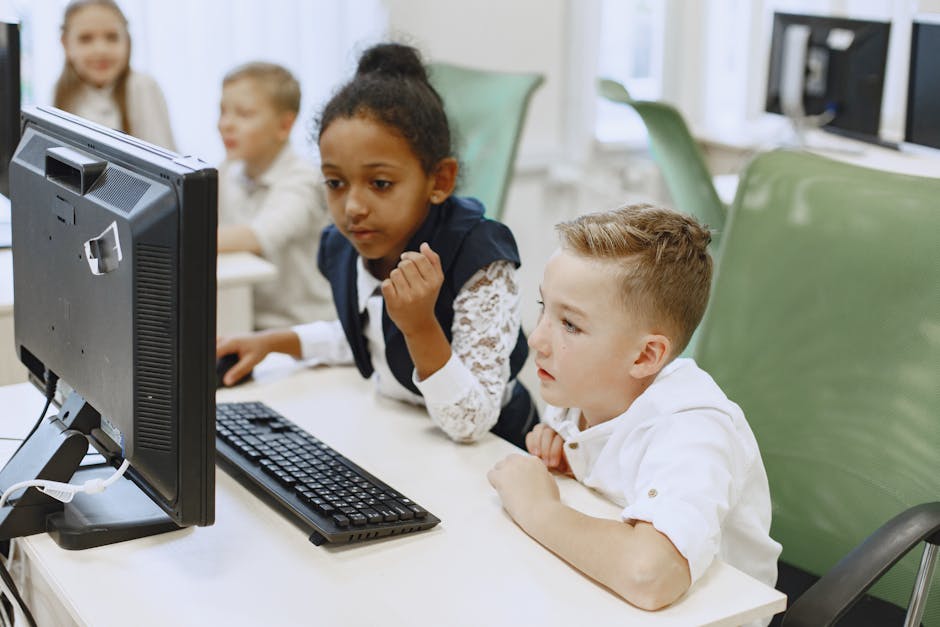
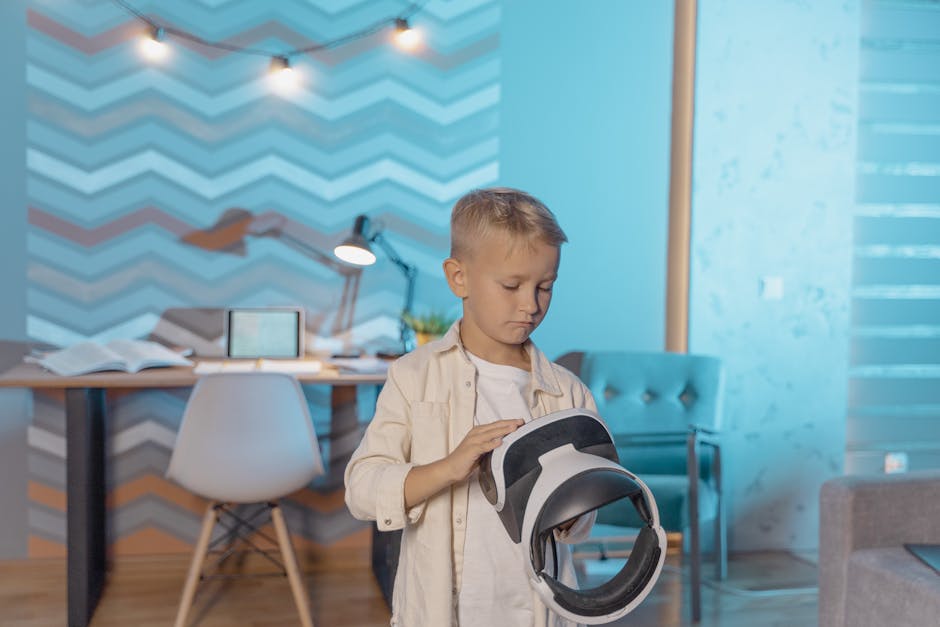
    students using AI tools in classroom, digital literacy education 2026

    Why AI Ethics in Education Is No Longer Optional

    Let’s start with some grounding data. According to a 2026 UNESCO Global Education Monitoring Report, over 78% of K-12 schools in OECD countries now have students regularly interacting with AI-powered tools — from adaptive learning platforms to AI writing assistants. Meanwhile, a McKinsey Education Survey from early 2026 found that fewer than 30% of teachers feel adequately trained to guide students through the ethical implications of these tools.

    That gap — between AI adoption and ethical preparedness — is where the real danger lives. When students use AI without understanding concepts like algorithmic bias (the tendency of AI systems to reflect and amplify the prejudices embedded in their training data), data privacy, or intellectual attribution, they aren’t just cutting corners academically. They’re being set up to become passive consumers of technology rather than critical, empowered citizens.

    What “Digital Literacy” Actually Means in 2026

    Here’s where terminology matters. Digital literacy used to mean knowing how to use a computer or navigate the internet. In 2026, it means something far more layered:

    • Algorithmic awareness: Understanding that AI recommendations (on YouTube, in news feeds, in educational platforms) are not neutral — they’re shaped by design choices and business incentives.
    • Data sovereignty: Knowing what personal data you share when you use an AI tool, and who benefits from it.
    • Critical source evaluation: Being able to distinguish AI-generated content from human-authored work, and evaluating the reliability of both.
    • Ethical prompting: Understanding that how you ask an AI a question shapes the answer — and that this comes with responsibility.
    • Attribution and intellectual honesty: Knowing when and how to credit AI assistance in academic and professional work.

    Think of these as the “five pillars” of modern digital literacy. Without them, students are essentially handing their cognitive autonomy over to systems they don’t understand.

    Global Examples Worth Learning From

    Some countries and institutions are genuinely leading the way here, and their approaches offer practical models worth studying.

    Finland’s “AI Literacy for All” Initiative (2026): Building on its legendary education philosophy, Finland launched a nationwide curriculum update in early 2026 that embeds AI ethics into subjects ranging from mathematics to art. Rather than treating it as a standalone “tech class,” Finnish educators weave questions like “Who built this algorithm, and why?” into everyday lessons. Early results show a measurable increase in students’ ability to identify misinformation generated by AI tools.

    South Korea’s Digital Citizenship Framework: South Korea’s Ministry of Education updated its national digital citizenship standards in 2026 to include a dedicated module on generative AI responsibility. High school students are now required to complete a project where they document their use of AI in a research assignment — essentially a “methodology section” for AI assistance. This doesn’t punish AI use; it normalizes transparency around it.

    The MIT Responsible AI for Youth Program: MIT’s Media Lab has been running cohort-based workshops for middle and high school students that focus on building and auditing simple AI models. When students see firsthand how a model trained on biased data produces biased results, the abstract concept of “algorithmic bias” becomes viscerally real. Several U.S. school districts adopted this curriculum framework in 2026.
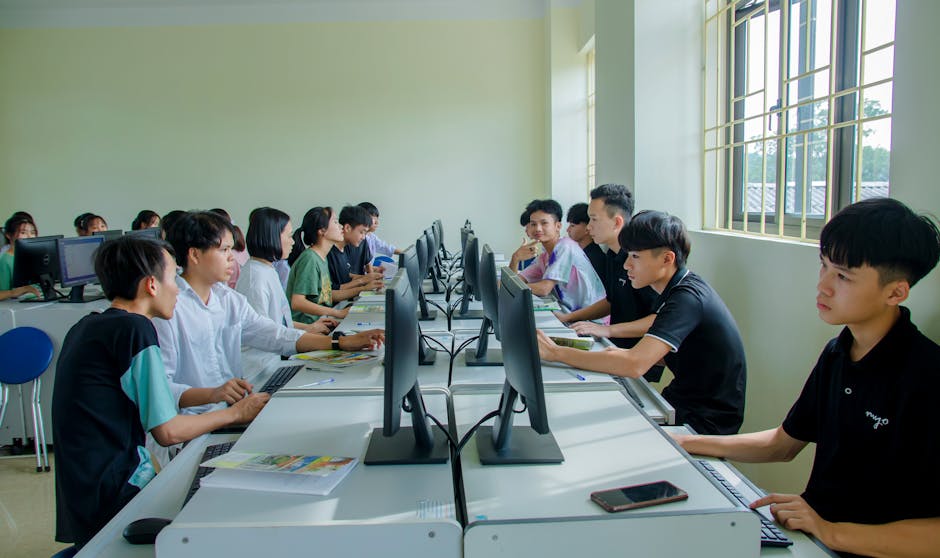
    AI ethics curriculum workshop, teachers and students critical thinking technology

    The Honest Challenges We Can’t Ignore

    Now, let’s be realistic — because idealism without practical grounding doesn’t serve anyone. There are genuine structural barriers to implementing robust AI ethics education:

    • Teacher training gaps: You can’t teach what you don’t understand. Many educators, through no fault of their own, entered the profession before generative AI existed. Professional development pipelines are struggling to keep pace.
    • Equity divides: Schools in under-resourced communities often lack access to the very AI tools students need to learn about. Teaching AI ethics without hands-on experience is like teaching swimming theory without a pool.
    • Corporate influence in EdTech: Many of the AI tools embedded in classrooms are products of large tech companies with commercial interests. Schools need frameworks to evaluate these tools critically rather than adopting them uncritically.
    • Policy lag: Regulatory frameworks for AI in education are still catching up. In many jurisdictions, there are no clear guidelines on student data privacy when using third-party AI platforms.

    Realistic Alternatives and What You Can Do Right Now

    Whether you’re a teacher, a parent, or a student yourself, here are some grounded, actionable approaches that don’t require a full systemic overhaul:

    For educators: Start small. Before banning AI tools or fully embracing them, try assigning a “compare and reflect” exercise — have students complete a task both with and without AI assistance, then write a paragraph about what was different. This builds metacognitive awareness without requiring a curriculum rewrite.

    For parents: Ask your child what AI tools they’re using in school and at home. Don’t approach it as surveillance — approach it with genuine curiosity. “What does this tool actually do? Where does it get its information?” These conversations normalize critical thinking about technology.

    For school administrators: Before adopting any new AI-powered EdTech platform, require vendors to provide a plain-language data privacy statement. Ask specifically: Does this tool train on student data? Who owns the outputs? This isn’t paranoia — it’s due diligence.

    For students: Practice what some educators are calling “AI transparency” — whenever you use an AI tool for schoolwork, note it. Not just because rules say so, but because it trains you to be honest about your own process. That habit will serve you professionally for decades.

    The goal here isn’t to make students afraid of AI or to pretend it doesn’t exist. The goal is to build a generation that uses these incredibly powerful tools with clear eyes, ethical grounding, and genuine understanding. That’s not idealistic — that’s a survival skill for the world we’re already living in.

    Editor’s Comment : The conversation about AI in education has too often been framed as “ban it or embrace it” — and that binary is genuinely unhelpful. The more interesting, harder, and more important question is: how do we teach students to be the ones in charge? Digital literacy and AI ethics aren’t add-ons to a good education in 2026 — they are the education. The schools getting this right aren’t the ones with the flashiest technology; they’re the ones asking the most honest questions about it.


    📚 관련된 다른 글도 읽어 보세요

    태그: [‘AI ethics education’, ‘digital literacy 2026’, ‘AI in classrooms’, ‘EdTech responsibility’, ‘algorithmic bias for students’, ‘AI curriculum development’, ‘student data privacy’]
  • 2026년 교육 현장에서 AI 윤리와 디지털 리터러시, 우리 아이들은 준비되어 있을까?

    얼마 전 초등학교 5학년 딸을 둔 지인이 이런 말을 했어요. 아이가 숙제를 AI 챗봇에 통째로 맡겨서 제출했는데, 선생님도 모르고 넘어갔다고요. 문제는 그 아이가 자신이 뭘 잘못했는지조차 몰랐다는 거예요. ‘틀린 답을 낸 것도 아닌데요?’라고 했다더군요. 이 짧은 일화 하나가 지금 우리 교육 현장이 처한 현실을 꽤 선명하게 보여주는 것 같습니다. AI는 이미 교실 안으로 깊숙이 들어왔는데, 그것을 어떻게 써야 하는지, 왜 조심해야 하는지를 가르치는 교육은 아직 한참 뒤처져 있는 인 것 같아요.

    오늘은 2026년 현재 교육 현장에서 AI 윤리와 디지털 리터러시가 왜 중요한 화두로 떠오르고 있는지, 그리고 우리가 현실적으로 무엇을 할 수 있는지 함께 고민해 보려고 합니다.

    student using AI laptop classroom digital education

    📊 숫자로 보는 현실: 교실 속 AI 사용 현황

    먼저 몇 가지 수치를 살펴볼게요. 2026년 상반기 한국교육개발원(KEDI) 조사에 따르면, 국내 중·고등학생의 약 78%가 학습 목적으로 생성형 AI 도구를 사용한 경험이 있다고 응답했습니다. 그중 41%는 ‘과제나 시험 준비에 AI가 생성한 내용을 그대로 활용한 적이 있다’고 답했어요. 반면, AI가 생성한 정보의 진위를 스스로 검증해 본다고 응답한 학생은 19%에 불과했습니다.

    글로벌 시각으로 넓혀 보면 더 흥미롭습니다. OECD의 2026년 디지털 교육 보고서에 따르면, 회원국 학생들의 AI 도구 활용 빈도는 2023년 대비 2.3배 증가했지만, ‘책임감 있는 AI 사용 교육’을 정규 커리큘럼에 포함한 국가는 전체의 34%에 그쳤습니다. 즉, 도구의 보급 속도가 교육 제도의 대응 속도를 압도하고 있는 셈이에요.

    이 숫자들이 의미하는 건 단순히 ‘아이들이 AI를 너무 많이 쓴다’는 게 아니라고 봅니다. 더 본질적으로는 ‘AI를 비판적으로 바라보는 눈’, 즉 디지털 리터러시 교육이 절대적으로 부족하다는 신호입니다.

    🌍 국내외 사례로 보는 AI 윤리 교육의 현주소

    해외에서는 이미 다양한 시도들이 이뤄지고 있어요.

    핀란드는 2025년부터 초등학교 3학년 이상 모든 학생을 대상으로 ‘AI 리터러시’ 교과를 정규 수업에 편성했습니다. 단순히 AI 사용법을 가르치는 게 아니라, ‘이 AI는 어떤 데이터로 학습했을까?’, ‘이 결과물에 편향은 없을까?’라는 질문을 스스로 던지게 훈련시킨다고 해요. 알고리즘 편향(Algorithmic Bias)이라는 개념을 어린 나이부터 내면화하는 거예요.

    미국의 경우 비영리단체 AI4K12 이니셔티브가 K-12(유치원~고등학교) 전 과정에 걸친 AI 교육 가이드라인을 제시하고 있으며, 2026년 현재 약 23개 주에서 이를 공식 채택했습니다. 핵심 내용 중 하나는 AI의 의사결정 과정이 불투명하다는 ‘블랙박스 문제’를 학생들이 이해하게 돕는 것이에요.

    국내에서는 교육부가 2025년 말 발표한 ‘AI 디지털 교과서 2.0 정책‘을 통해 AI 보조 학습 시스템을 전면 도입했지만, 아직 AI 윤리 교육을 독립된 교과 영역으로 다루는 학교는 소수입니다. 일부 혁신학교와 사립학교를 중심으로 ‘AI 윤리 토론 수업’이 시도되고 있는 정도라고 봐야 할 것 같아요.

    AI ethics education children critical thinking digital literacy

    🤔 그렇다면 ‘디지털 리터러시’란 정확히 무엇일까요?

    디지털 리터러시(Digital Literacy)는 단순히 스마트폰이나 컴퓨터를 잘 다루는 능력이 아닙니다. 2026년 현재 이 개념은 훨씬 더 넓고 깊게 정의되고 있어요. 특히 AI 시대에는 다음과 같은 요소들을 포함하는 것 같습니다.

    • 정보 비판 능력: AI가 제공한 정보가 사실인지, 출처는 신뢰할 수 있는지 스스로 검증하는 능력. 이른바 ‘팩트체킹(Fact-checking)’ 습관이에요.
    • 알고리즘 이해: 내가 보는 뉴스 피드, 추천 영상, 광고가 왜 이렇게 구성되는지—즉 알고리즘이 나의 인식에 어떻게 영향을 미치는지 이해하는 것.
    • 데이터 프라이버시 감수성: 내 개인정보가 어떻게 수집·활용되는지 인식하고, 자신의 디지털 발자국(Digital Footprint)을 관리하는 능력.
    • AI 창작물 구별 능력: 딥페이크(Deepfake) 영상, AI 생성 텍스트를 감지하고 출처를 의심할 줄 아는 눈.
    • 윤리적 사용 판단: AI를 ‘어떻게’ 쓸 수 있는가의 문제를 넘어, ‘어떻게 써야 옳은가’를 스스로 판단하는 윤리 감각.

    이 다섯 가지 역량은 서로 긴밀하게 연결되어 있어요. 어느 하나만 강조해선 온전한 디지털 시민으로 성장하기 어렵다고 봅니다.

    💡 현실적으로 무엇을 할 수 있을까?

    제도가 느린 건 사실이에요. 하지만 부모, 교사, 그리고 학습자 본인이 지금 당장 실천할 수 있는 것들도 분명히 있습니다.

    • 가정에서: AI가 생성한 답변을 보여주며 “이게 왜 맞는지 설명해 볼래?”라고 질문하는 습관을 들여보세요. 정답 여부보다 ‘이해했는가’를 확인하는 과정이 중요합니다.
    • 교실에서: AI 도구를 사용한 과제물에 반드시 ‘나는 AI를 어떻게 활용했고, 어떤 부분을 직접 판단했는가’를 서술하게 하는 방식을 도입해 볼 수 있어요. 이른바 AI 사용 투명성 원칙이에요.
    • 스스로: ChatGPT, Gemini 같은 생성형 AI에 의도적으로 ‘틀린 전제’를 넣어보고 어떻게 반응하는지 실험해 보세요. AI의 한계를 몸소 경험하는 것이 가장 강력한 리터러시 훈련입니다.
    • 콘텐츠 선택 시: 알고리즘 추천에만 의존하지 말고 ‘의도적으로 다른 관점의 콘텐츠’를 찾아보는 연습을 해보세요. 필터 버블(Filter Bubble)을 스스로 깨는 훈련이에요.

    결국 AI 윤리 교육의 핵심은 AI를 두려워하거나 무조건 멀리하는 게 아니라, AI와의 관계에서 인간이 주도권을 유지하는 것이라고 봐요. 도구를 잘 쓰되, 도구에 휘둘리지 않는 능력—그게 2026년 우리 아이들에게 가장 필요한 역량인 것 같습니다.

    에디터 코멘트 : 솔직히 말하면, 이 문제는 아이들만의 과제가 아닌 것 같아요. 어른들도 매일 알고리즘이 큐레이션한 정보를 검증 없이 소비하고 있으니까요. AI 윤리와 디지털 리터러시는 ‘교육 과목’이기 이전에 삶의 태도에 가깝습니다. 완벽한 제도가 갖춰지길 기다리기보다, 오늘 내가 사용하는 AI 도구 하나에 ‘왜?’라고 질문하는 것부터 시작해 보는 건 어떨까요. 그 작은 질문이 쌓이는 곳에 진짜 디지털 시민이 자라나는 것 같습니다.


    📚 관련된 다른 글도 읽어 보세요

    태그: [‘AI윤리교육’, ‘디지털리터러시’, ‘교육AI’, ‘생성형AI교육’, ‘알고리즘편향’, ‘미래교육2026’, ‘디지털시민교육’]

  • How to Boost Self-Esteem in Elementary School Kids: Proven Psychological Therapies That Actually Work in 2026

    Picture this: a seven-year-old named Mia refuses to raise her hand in class — not because she doesn’t know the answer, but because she’s convinced she’ll say something wrong and everyone will laugh. Her teacher notices, her parents worry, and Mia quietly starts believing she’s just “not smart enough.” Sound familiar? This scenario plays out in classrooms across the globe every single day, and the long-term consequences are far more serious than most parents realize.

    Self-esteem in elementary-age children isn’t just a feel-good concept — it’s a foundational psychological structure that shapes academic performance, social relationships, and even physical health well into adulthood. Let’s think through this together: what does the research actually say, what therapeutic approaches are showing real results in 2026, and what can you realistically do for your child starting today?

    elementary school child therapy session self-esteem building activity

    Why Elementary School Is the Critical Window

    Developmental psychologists have long identified ages 6–12 as a sensitive period for self-concept formation. According to data from the American Psychological Association’s 2026 Child Development Report, approximately 34% of children entering middle school already exhibit measurable signs of low self-esteem — a number that has climbed 8 percentage points since 2020, largely attributed to post-pandemic social adjustment difficulties and increased screen-based social comparison.

    What makes this window so critical? During this stage, children shift from purely egocentric thinking (“the world revolves around me”) to a more comparative framework (“how do I measure up to others?”). Psychologist Susan Harter’s Multidimensional Self-Concept Model explains that children begin evaluating themselves across specific domains: academic competence, social acceptance, athletic ability, physical appearance, and behavioral conduct. When a child consistently perceives failure in even two of these domains without compensatory support, the risk of chronic low self-esteem escalates significantly.

    Evidence-Based Psychological Therapies Making an Impact

    The good news? We’re not guessing anymore. Several therapeutic modalities have strong empirical backing specifically for elementary-age children:

    • Cognitive Behavioral Therapy (CBT) for Kids: Adapted versions of CBT — often called “Think, Feel, Do” programs in school settings — teach children to identify negative automatic thoughts (“I’m stupid”) and replace them with realistic alternatives (“This is hard, but I’m learning”). A 2025 meta-analysis published in the Journal of Child Psychology and Psychiatry found that school-based CBT interventions reduced self-esteem deficits by an average of 41% over a 12-week period.
    • Play Therapy: For younger elementary children (ages 6–8), directive and non-directive play therapy remains one of the most accessible and effective modalities. A licensed play therapist uses structured games, puppets, sand trays, and art to help children externalize inner conflicts they can’t yet verbalize. The Association for Play Therapy reported in early 2026 that children receiving weekly play therapy for 16 sessions showed a 37% improvement on standardized self-esteem scales.
    • Acceptance and Commitment Therapy (ACT) Adapted for Children: ACT helps kids learn to observe their thoughts rather than be controlled by them — a concept explained to children as “being the sky, not the storm.” Programs like the Hexaflex Kids curriculum, piloted in South Korean elementary schools between 2023 and 2025, showed promising results: teacher-reported prosocial behavior increased by 29% and self-reported confidence scores improved markedly.
    • Strengths-Based Positive Psychology Interventions: Rooted in Martin Seligman’s PERMA model, these interventions ask children to identify and actively use their top character strengths each week. VIA Institute data from 2026 suggests that children who practice strengths-based journaling for just 10 minutes daily show significant boosts in self-efficacy within six weeks.
    • Group Social Skills Training: Often underestimated, peer-based therapeutic groups help children practice self-assertion, empathy, and conflict resolution in real time — skills that directly reinforce self-worth through successful social interaction.

    Global and Domestic Examples Worth Knowing

    Let’s look at what’s actually happening on the ground in 2026:

    Finland’s “Minä Osaan” (“I Can”) Program: Integrated into the national curriculum for grades 1–4 since 2022, this program combines strengths-based journaling, weekly peer appreciation circles, and teacher-led CBT micro-lessons. By 2026, Finnish national education data shows a 22% reduction in school refusal behavior — a key behavioral marker of low self-esteem — compared to 2021 baseline figures.

    South Korea’s School Counseling Expansion Initiative: South Korea’s Ministry of Education mandated in 2024 that all elementary schools employ at least one full-time school counselor trained in child psychological therapy. Early results from Seoul’s Mapo district show that schools implementing weekly small-group ACT sessions reported a 31% drop in peer conflict incidents and significantly improved self-reported happiness scores among students in grades 3–6.

    The United States — Chicago’s CASEL SEL Framework: Chicago Public Schools expanded its Social-Emotional Learning (SEL) curriculum system-wide in 2025, incorporating dedicated self-esteem modules at every grade level. Preliminary 2026 data indicates students in SEL-integrated classrooms score 18% higher on self-concept assessments than those in control schools. This isn’t just anecdotal — it’s systemic change at scale.

    children group therapy self-esteem activities classroom positive psychology

    What Parents Can Realistically Do at Home

    Therapy is powerful, but it works best when reinforced at home. Here’s the realistic part — you don’t need to become a therapist yourself. Small, consistent actions matter enormously:

    • Praise effort, not outcome: Instead of “You’re so smart!” try “I noticed how hard you worked on that.” This cultivates a growth mindset (Carol Dweck’s research remains just as relevant in 2026) and decouples self-worth from performance results.
    • Create “strength spotting” rituals: At dinner, ask your child: “What’s one thing you did today that showed one of your strengths?” This simple question rewires attention toward competence rather than failure.
    • Normalize mistakes with storytelling: Share your own age-appropriate failures and how you navigated them. Children internalize resilience models far more powerfully from real stories than from lectures.
    • Limit comparison language at home: Phrases like “Why can’t you be more like your sister?” are extraordinarily damaging to domain-specific self-concept. Replace with individual benchmarking: “How does this compare to where you were last month?”
    • Seek professional support early: If your child shows persistent signs — school avoidance, excessive self-criticism, withdrawal from activities they used to love — consulting a licensed child psychologist or play therapist isn’t overreacting. It’s proactive parenting.

    Choosing the Right Approach for Your Child

    Here’s where I want to be honest with you: not every therapy works for every child, and that’s perfectly okay. A highly verbal, imaginative child might thrive in CBT-based talk therapy, while a kinesthetic learner might respond far better to play therapy or movement-based interventions. Age matters too — ACT concepts that work beautifully with a 10-year-old may be developmentally premature for a 6-year-old.

    The realistic alternative if formal therapy isn’t accessible right now? School counselors are an enormously underutilized resource. Most elementary schools have them, and in 2026, many are trained in evidence-based brief interventions. Starting there costs nothing and can serve as a powerful bridge to more intensive support if needed.

    Community programs through local YMCAs, arts organizations, and sports leagues also provide what researchers call “incidental self-esteem building” — authentic experiences of mastery and belonging that no worksheet can replicate.

    Final Thoughts

    Building self-esteem in an elementary school child isn’t about inflating their ego or shielding them from all difficulty. It’s about equipping them with an accurate, resilient sense of self that can absorb setbacks without collapsing. The research in 2026 is clearer than ever: early psychological intervention, combined with consistent home reinforcement, produces measurable, lasting change. Mia — and the millions of children like her — deserve that foundation.

    Editor’s Comment : If there’s one thing I hope you take away from this deep dive, it’s this — low self-esteem in kids is not a personality flaw, and it is absolutely not permanent. The window between ages 6 and 12 is genuinely one of the most powerful opportunities we have to redirect a child’s psychological trajectory. Whether you’re a parent, teacher, or school counselor reading this in 2026, the evidence is on your side. Start small, stay consistent, and don’t hesitate to bring in professional support. The ROI on a child’s self-belief is immeasurable.


    📚 관련된 다른 글도 읽어 보세요

    태그: [‘elementary school self-esteem’, ‘child psychology therapy 2026’, ‘play therapy for kids’, ‘CBT for children’, ‘self-esteem building activities’, ‘positive psychology children’, ‘school counseling elementary’]

  • 초등학생 자존감 향상 심리 치료, 어떻게 시작해야 할까? 2026년 최신 접근법 총정리

    얼마 전, 초등학교 3학년 딸을 둔 한 학부모가 이런 말을 했어요. “우리 아이가 뭘 해도 ‘나는 못해’라고 먼저 포기해버려요. 친구들이랑 같이 있을 때도 항상 뒤로 물러서고요.” 처음엔 그냥 소극적인 성격이려니 했는데, 담임 선생님에게서 “학교에서도 비슷한 모습이 반복된다”는 얘기를 들으면서 걱정이 커졌다고 하더군요.

    이처럼 ‘자존감’이라는 단어는 요즘 어른들만의 고민이 아니에요. 초등학생 시기, 특히 만 7세~12세 사이는 자아 개념이 본격적으로 형성되는 결정적 시기(critical period)로, 이 시기에 자존감이 어떻게 자리를 잡느냐에 따라 청소년기와 성인기의 정서적 기반이 달라진다고 봅니다. 그렇다면 심리 치료적 접근은 어디서부터, 어떻게 시작하면 좋을까요? 함께 살펴볼게요.

    elementary school child therapy self-esteem counseling

    📊 수치로 보는 초등학생 자존감 실태 — 문제는 생각보다 가까이 있어요

    2026년 교육부와 한국청소년정책연구원이 공동 발표한 「아동·청소년 정서발달 실태조사」에 따르면, 초등학생(1~6학년) 중 자존감 척도(Rosenberg Self-Esteem Scale 아동용 기준)에서 ‘낮음’ 이하로 분류된 비율이 전체의 약 31.4%에 달한 것으로 나타났습니다. 열 명 중 세 명꼴이에요.

    특히 주목할 만한 부분은 학년별 분포인데요:

    • 1~2학년(저학년): 낮은 자존감 비율 약 18% — 아직 또래 비교가 본격화되지 않은 시기
    • 3~4학년(중학년): 낮은 자존감 비율 약 34% — 또래 관계와 학업 성취 비교가 시작되며 급격히 증가
    • 5~6학년(고학년): 낮은 자존감 비율 약 42% — SNS 노출, 외모 비교 등 복합 요인으로 최고치 기록

    이 수치가 보여주는 건 단순한 ‘소극적 성격’의 문제가 아니에요. 자존감 저하는 학습 동기 감소, 사회적 위축, 심한 경우 불안장애나 우울 증상으로 이어질 수 있다는 점에서 조기 개입이 중요하다고 봅니다. 실제로 같은 조사에서 자존감 낮음 그룹의 학교생활 만족도는 자존감 높음 그룹 대비 약 2.3배 낮게 나타났어요.

    🌍 국내외 심리 치료 사례 — 이미 효과가 검증된 접근들이 있어요

    【해외 사례】 미국 ‘긍정 교육(Positive Education)’ 프로그램
    미국 펜실베이니아 대학교의 마틴 셀리그만(Martin Seligman) 교수 팀이 개발한 Penn Resilience Program(PRP)은 초등 고학년~중학생을 대상으로 인지행동치료(CBT) 기반의 집단 프로그램을 학교 현장에 도입한 대표 사례예요. 호주 질롱 그래머 스쿨(Geelong Grammar School)에서 전교생을 대상으로 적용한 결과, 2년 후 추적 조사에서 아동의 자기효능감(self-efficacy)이 유의미하게 향상되고 우울 증상 발현율이 약 25% 감소했다는 결과가 보고되었습니다.

    【국내 사례】 서울시 ‘학교 연계 아동 심리지원 사업’
    서울시 교육청은 2024년부터 확대 운영 중인 「마음이음 학교 상담 연계 프로그램」을 통해 전문 놀이치료사와 아동심리사가 직접 학교를 방문해 소그룹 자존감 향상 세션을 진행하고 있어요. 2025년 종합 보고서에 따르면, 12주 프로그램 참여 아동 중 68%가 자기 표현 능력과 또래 관계 만족도가 개선되었다고 응답했습니다. 특히 ‘놀이’를 매개로 한 접근이 언어 표현이 서툰 저학년 아이들에게 큰 효과를 보였다는 점이 인상적이에요.

    child play therapy group session self-confidence building

    🛠️ 2026년 현재, 실제로 활용 가능한 심리 치료 접근법들

    자존감 향상을 위한 심리 치료는 한 가지 방법이 정답이 아니에요. 아이의 연령, 기질, 자존감 저하의 원인에 따라 맞춤형 접근이 필요하다고 봅니다. 현재 국내에서 활발히 활용되고 있는 주요 방법들을 정리해볼게요:

    • 놀이치료(Play Therapy): 만 4~9세 아이들에게 특히 적합해요. 언어로 표현하기 어려운 감정을 놀이를 통해 자연스럽게 외재화(externalization)하고, 치료사와의 안전한 관계 경험 속에서 자기 가치감을 쌓아가는 방식이에요.
    • 인지행동치료(CBT) 아동용: 초등 고학년(만 9세 이상)부터 적용 가능해요. “나는 어차피 안 돼”와 같은 자동적 부정 사고(automatic negative thoughts)를 인식하고 현실적인 사고로 전환하는 훈련을 해요. 1회기 보통 40~50분, 주 1회 기준 8~12회 진행이 일반적이에요.
    • 미술치료(Art Therapy): 그림, 콜라주, 점토 등 시각·촉각 매체를 활용해요. 자기표현이 어렵거나 내성적인 아이에게 특히 유용하며, 작품을 통해 자신의 강점을 시각화하는 과정이 자존감 회복에 도움이 된다고 봅니다.
    • 집단 사회기술훈련(Social Skills Training, SST): 또래 관계에서의 실패 경험이 자존감 저하의 주 원인인 경우에 추천돼요. 4~6명의 소그룹으로 진행되며, 역할극(role-play)과 피드백을 통해 사회적 상황 대처 능력을 키워요.
    • 부모-자녀 상호작용 치료(PCIT): 아이 혼자만의 치료가 아니라 부모와 함께하는 방식이에요. 가정 내 상호작용 패턴 자체를 개선하는 접근으로, 효과의 지속성이 높다는 연구 결과가 많아요.

    🏠 가정에서 당장 실천할 수 있는 것들도 있어요

    심리 치료 전문가를 만나기 전, 혹은 치료와 병행해서 가정에서도 할 수 있는 일들이 있어요. 핵심은 ‘결과’가 아닌 ‘과정’을 칭찬하는 것이에요. “100점 맞았네, 잘했어!”보다 “끝까지 포기하지 않고 해냈구나, 그 과정이 정말 대단해”처럼 노력과 태도에 주목하는 언어 습관이 아이의 성장 마인드셋(growth mindset)을 키우거든요.

    또한 하루 10~15분의 “특별한 놀이 시간”을 갖는 것도 추천해요. 이 시간만큼은 아이가 완전히 주도하고, 부모는 지시하거나 평가하지 않고 따라가기만 해요. 단순해 보이지만, 이 경험이 쌓이면서 아이는 “내 선택이 존중받는다”는 감각을 내재화하게 됩니다.


    에디터 코멘트 : 자존감은 하루아침에 만들어지지도, 무너지지도 않아요. 하지만 초등학생 시기는 그 어느 때보다 외부의 영향을 민감하게 받아들이는 시기인 만큼, 지금 아이의 작은 신호 — “나는 못해”, “어차피 안 될 거야” — 를 그냥 지나치지 않는 게 중요하다고 봅니다. 전문가의 도움을 받는 것을 ‘심각한 문제가 생겼을 때나 하는 것’으로 생각하지 않았으면 해요. 건강검진처럼, 아이의 마음도 주기적으로 살펴주는 것이 가장 현실적인 예방책이 아닐까요? 지역 내 교육청 Wee센터나 아동·청소년 심리지원센터에 문의해보면 생각보다 접근 문턱이 낮다는 걸 알게 될 거예요.


    📚 관련된 다른 글도 읽어 보세요

    태그: [‘초등학생자존감’, ‘아동심리치료’, ‘자존감향상’, ‘놀이치료’, ‘인지행동치료아동’, ‘아동상담’, ‘초등심리상담’]

  • EdTech 2026: The Future of Education Technology Is Already Here — Are You Ready?

    Picture this: It’s a Tuesday morning in Seoul, and a 14-year-old named Jiyeon isn’t sitting in a traditional classroom. She’s wearing a lightweight mixed-reality headset, collaborating in real-time with students from Helsinki and São Paulo on a climate science simulation — while her AI learning companion quietly adjusts the difficulty of her next concept based on how her eyes tracked the previous diagram. Sound like science fiction? As of 2026, this is happening in pilot schools across at least a dozen countries. The EdTech revolution isn’t coming — it’s already rewriting what “school” even means.

    Let’s think through what’s really driving this shift, what the data tells us, and — crucially — what it means for everyday students, parents, and educators who aren’t at elite pilot schools.

    futuristic classroom mixed reality AI education technology 2026

    📊 The Numbers Behind the EdTech Surge in 2026

    The global EdTech market crossed the $400 billion threshold in early 2026, according to HolonIQ’s Q1 2026 Global Education Market Outlook. That’s not just a big number — it reflects a fundamental restructuring of how learning is delivered and consumed. Here’s what’s powering the growth:

    • AI-Personalized Learning Engines: Adaptive platforms like Khan Academy’s Khanmigo (now in its third major iteration) and South Korea’s Mathpid Pro use real-time cognitive modeling to tailor content difficulty, pacing, and even explanation style to individual learners. Early 2026 adoption data from OECD member nations shows a 38% improvement in foundational math comprehension among middle schoolers using these tools consistently for six months.
    • Spatial & Immersive Learning: Following Apple Vision Pro’s education push and Meta’s Quest for Education program, over 22,000 schools globally now integrate some form of spatial computing into STEM curricula. The key shift in 2026? Content costs have dropped dramatically — schools can now access curriculum-aligned XR (Extended Reality) experiences for as little as $3 per student per month.
    • Micro-Credentialing & Competency Stacking: The traditional four-year degree is being flanked. Platforms like Coursera, Credly, and newcomer SkillBlock (launched in late 2025) allow learners to build verifiable, blockchain-anchored skill portfolios recognized by employers like Siemens, Samsung, and IBM. In 2026, LinkedIn reports that profiles with micro-credentials receive 2.4x more recruiter outreach than those without.
    • AI Teaching Assistants: Not replacing teachers — augmenting them. Tools like Century Tech and Docebo’s AI Coach handle grading, early learning-gap detection, and differentiated homework assignments, freeing educators to focus on mentorship, critical thinking facilitation, and emotional support — the things AI genuinely cannot replicate.
    • Global Language Accessibility: Real-time neural translation integrated into learning platforms has effectively broken down language barriers. A student in rural Vietnam can now engage with MIT OpenCourseWare lectures in flawless Vietnamese, with culturally adapted examples injected by AI on-the-fly.

    🌍 Real-World Examples: From Seoul to Helsinki to Nairobi

    Let’s ground this in what’s actually happening on the ground, because the gap between headline technology and classroom reality is where things get really interesting.

    South Korea — The Adaptive Curriculum Experiment: In March 2026, South Korea’s Ministry of Education officially scaled its AI Textbook Initiative nationwide — a program where core subjects like math, English, and information science are delivered through AI-adaptive digital textbooks. Early results from the pilot (which ran through 2025) showed that students in the bottom 30% of achievement levels improved at nearly twice the rate of the control group using traditional materials. The key insight? Personalization isn’t a luxury feature — for struggling learners, it’s a lifeline.

    Finland — Rethinking the Teacher’s Role: Finland, consistently a top performer in global education rankings, took a counterintuitive approach. Rather than leading with technology, they invested heavily in teacher training for human-AI collaboration. Finnish educators now spend roughly 6 hours per week in AI-assisted professional development, learning how to interpret student data dashboards and design emotionally resonant, project-based learning experiences that AI platforms scaffold but cannot lead. The result? Teacher satisfaction scores hit a 15-year high in 2025.

    Kenya — EdTech for Equity: Nairobi-based startup Eneza Education (now partnered with UNICEF’s Learning Passport program) delivers curriculum-aligned lessons via SMS and basic smartphones — no internet required. In 2026, they serve over 4 million students across sub-Saharan Africa. This is a powerful reminder that “future education technology” doesn’t always mean headsets and fiber optics. Sometimes it means meeting learners exactly where they are.

    global edtech students learning tablet AI adaptive 2026

    🤔 So What Should YOU Actually Do? Realistic Alternatives for Every Situation

    Here’s where I want to think through this with you practically, because not everyone is at a well-funded pilot school — and that’s okay. Let’s map out realistic actions based on where you’re starting from.

    • If you’re a parent of K-12 students: Start by exploring free-tier adaptive platforms like Khan Academy (with Khanmigo), Duolingo’s math module, or Google’s Read Along app. These won’t replace school, but 20 minutes of daily AI-guided practice compounds dramatically over a school year. Think of it as a low-cost private tutor that never sleeps.
    • If you’re a working adult looking to upskill: Don’t wait for your employer to hand you a training budget. Platforms like Coursera, edX, and LinkedIn Learning offer micro-certificates in areas like data analysis, prompt engineering, and supply chain management that are directly recognized by employers in 2026. Start with one 6-week course. Stack from there.
    • If you’re an educator: Your biggest competitive advantage isn’t knowing every EdTech tool — it’s knowing your students as humans. Invest time in understanding one AI dashboard tool your school uses (Google Classroom’s analytics, for example) and use it to have better, more specific conversations with students. Technology is the map; you’re still the guide.
    • If you’re in education policy or leadership: The Finland model is worth studying closely. Before deploying technology, ask: “Have we trained our teachers to use this meaningfully?” Devices without pedagogy are expensive paperweights. Budget for professional development at a 1:1 ratio with hardware investment.
    • If you’re in a low-connectivity environment: Look at offline-capable tools. Khan Academy Lite, the Kolibri platform (built specifically for low-bandwidth schools), and downloadable Duolingo courses work without a stable internet connection. The EdTech equity gap is real, but it’s narrowing — and there are purpose-built solutions for it.

    ⚠️ The Honest Caveats — Because Not Everything Is Shiny

    Let’s be real for a moment. EdTech in 2026 isn’t a utopia. There are legitimate concerns worth sitting with:

    Data privacy remains a serious issue. Many adaptive platforms collect granular behavioral and cognitive data on minors. The EU’s updated AI Act (enforced from January 2026) has added important guardrails for European schools, but coverage globally is inconsistent. Always read the data policies of tools you adopt for children.

    Screen fatigue and social development are real. Research from Stanford’s Human-Centered AI lab (published February 2026) found that students in fully digitized learning environments reported higher academic outcomes but lower peer-connection scores. The best implementations blend digital tools with collaborative, face-to-face human experiences.

    The equity paradox: The most powerful EdTech tools often cost the most. Without intentional subsidy and access programs, there’s a genuine risk that EdTech accelerates the gap between well-resourced and under-resourced learners rather than closing it. This is the conversation the industry needs to keep having loudly.

    🔮 Looking Ahead: What to Watch for the Rest of 2026

    A few developments worth tracking as the year unfolds:

    • The rollout of UNESCO’s Global AI Education Framework — expected Q3 2026 — which will attempt to establish international standards for AI use in classrooms.
    • Neuroadaptive learning interfaces: Non-invasive EEG headbands that detect cognitive load and adjust content in real-time. Still in research phase, but commercial pilots are expected by late 2026.
    • The growing “AI literacy” curriculum movement: More than 40 countries have announced plans to introduce mandatory AI literacy as a core subject by 2027 — meaning the tools students learn with today will also become what they learn about.

    Education has always been about helping humans become more fully themselves. What’s exciting — and worth engaging with thoughtfully — is that in 2026, the tools available to support that mission are more powerful than at any point in human history. The question was never really about the technology. It’s about how wisely and equitably we choose to use it.

    Editor’s Comment : The EdTech landscape in 2026 is genuinely exhilarating, but my honest take? The schools and individuals seeing the best outcomes aren’t the ones with the most advanced tools — they’re the ones who’ve thought most carefully about why they’re using them. Technology is a multiplier: it amplifies good pedagogy and exposes weak pedagogy. So before chasing the next shiny platform, ask yourself what learning outcome you’re actually trying to achieve. Start there, and let the tool follow the goal — not the other way around.


    📚 관련된 다른 글도 읽어 보세요

    태그: [‘EdTech 2026’, ‘future of education’, ‘AI in education’, ‘adaptive learning’, ‘education technology trends’, ‘micro-credentials’, ‘personalized learning’]

  • 에듀테크 2026 전망: AI 튜터부터 메타버스 교실까지, 미래 교육 기술이 바꾸는 학습의 풍경

    얼마 전, 초등학교 4학년 조카가 태블릿 하나를 들고 와서는 이렇게 말하더군요. “삼촌, 오늘 AI 선생님이 내 발음이 어색하다고 피드백해줬어.” 단순한 영어 앱 이야기겠거니 했는데, 화면을 들여다보니 실시간으로 발화 패턴을 분석하고, 아이의 학습 이력을 기반으로 다음 단계 커리큘럼을 자동으로 재편하는 구조였습니다. 이게 비싼 사교육이 아니라, 학교에서 무료로 보급된 공교육 플랫폼이라는 사실이 더 놀라웠어요.

    2026년, 교육의 지형은 생각보다 훨씬 빠르게 바뀌고 있습니다. 오늘은 이 변화의 실체를 수치와 사례를 통해 함께 짚어보려 합니다.

    edtech classroom AI tutor tablet learning 2026

    📊 숫자로 보는 에듀테크 2026: 시장 규모와 성장 속도

    글로벌 에듀테크 시장은 2026년 기준으로 약 4,040억 달러(한화 약 550조 원) 규모에 달할 것으로 추정됩니다(HolonIQ, Grand View Research 분석 종합). 2020년만 해도 1,800억 달러 수준이었다는 점을 감안하면, 불과 6년 만에 두 배 이상 성장한 셈이라고 볼 수 있어요.

    특히 주목해야 할 지표는 AI 기반 개인화 학습(Adaptive Learning) 분야입니다. 이 세그먼트만 따로 보면 연평균 성장률(CAGR)이 약 38%에 달한다는 분석도 있는데요, 이는 전통적인 e-러닝 성장률(약 12~14%)의 세 배에 가까운 수치입니다. 단순히 ‘온라인으로 강의를 보는 것’에서 ‘나에게 맞춰진 학습 경험’으로 패러다임이 완전히 이동했다는 신호라고 봅니다.

    국내 시장도 빠르게 반응하고 있습니다. 2026년 국내 에듀테크 산업 규모는 약 10조 원을 넘어설 것으로 전망되고 있으며, 정부의 ‘AI 디지털 교과서’ 전국 확대 적용이 이 성장에 큰 촉진제 역할을 하고 있다고 봅니다.

    🌍 국내외 에듀테크 최전선: 어떤 변화가 실제로 일어나고 있나

    해외 사례 — 칸 아카데미의 ‘Khanmigo’와 스탠퍼드의 AI 튜터 실험

    칸 아카데미가 GPT-4 기반으로 선보인 AI 튜터 ‘Khanmigo’는 단순히 정답을 알려주는 것이 아니라, 소크라테스식 문답법으로 학생 스스로 답을 유도하는 방식을 씁니다. 흥미로운 점은 이 시스템이 학생이 틀렸는지를 분석하고, 개념의 어느 지점에서 오류가 발생했는지를 추적한다는 것이에요. 스탠퍼드 교육대학원의 연구에 따르면, 이와 유사한 AI 튜터를 4주간 활용한 학생들은 수학 성취도가 대조군 대비 평균 18% 향상됐다고 합니다.

    국내 사례 — AI 디지털 교과서와 뤼이드(Riiid)의 행보

    국내에서는 교육부가 2026년 기준으로 수학, 영어, 정보 교과에 AI 디지털 교과서를 전면 도입한 상태입니다. 단순 디지털화가 아니라, 학생 개인의 오답 패턴과 학습 속도를 실시간으로 분석해 교사에게 ‘대시보드’ 형태로 제공하는 구조라는 점이 핵심이에요. 한편 에듀테크 스타트업 뤼이드(Riiid)는 토익 학습 최적화 AI를 넘어서, B2B 교육 SaaS 플랫폼으로 피벗하며 동남아시아와 일본 시장에서 유의미한 성과를 내고 있는 것으로 알려져 있습니다.

    metaverse virtual classroom education Korea 2026

    🔍 2026년 주목해야 할 에듀테크 핵심 트렌드 5가지

    • 하이퍼 개인화 학습(Hyper-Personalized Learning): AI가 학습자의 인지 스타일, 감정 상태(EQ 분석), 최적 학습 시간대까지 고려해 커리큘럼을 실시간 재설계하는 방식으로 진화하고 있습니다. 단순 ‘레벨 조정’을 넘어선 개념이에요.
    • 몰입형 학습(Immersive Learning) — XR의 교육 적용: VR/AR을 활용한 가상 실험실, 역사 현장 체험이 특수목적 학교를 넘어 일반 공교육으로 확산 중입니다. 특히 의대, 공대 분야에서 ‘가상 실습’ 대체 가능성이 높게 평가되고 있어요.
    • 교사 역할의 재정의 — ‘러닝 오케스트레이터’: AI가 반복 업무와 진단을 담당하면서, 교사는 학생의 고차원 사고 촉진, 정서 지원, 협력 학습 설계자로 역할이 이동하고 있습니다. 이건 교사를 대체하는 게 아니라 ‘해방’시키는 방향이라고 봐요.
    • 마이크로 크리덴셜(Micro-Credential)의 부상: 전통적인 학위보다 특정 기술을 증명하는 짧고 집약적인 자격증 과정이 채용 시장에서 인정받는 흐름이 강해지고 있습니다. LinkedIn Learning, Coursera 등의 수료증이 실제 이력서에서 효력을 발휘하는 사례가 늘고 있어요.
    • 학습 데이터 윤리 및 프라이버시 이슈: 개인화 학습의 이면에는 방대한 아동 데이터 수집 문제가 있습니다. EU의 AI Act, 국내의 개인정보보호법 강화와 함께 ‘교육 데이터 주권’이 2026년 에듀테크의 핵심 화두로 부상하고 있어요. 기술 만큼이나 윤리 설계가 중요해진 시점이라고 봅니다.

    💡 현실적인 대안: 부모로서, 학습자로서 어떻게 접근할까

    트렌드를 아는 것과 잘 활용하는 것은 다른 이야기입니다. 기술이 아무리 발전해도, 결국 그 기술을 어떻게 ‘설계된 대로’가 아니라 ‘내 맥락에 맞게’ 쓰느냐가 관건이라고 봐요.

    먼저 자녀를 둔 부모라면, AI 디지털 교과서나 학습 앱이 제공하는 ‘대시보드’를 단순히 성적표로 읽지 말고, 아이의 어떤 개념에서 반복 오류가 나는지를 대화의 소재로 활용해보시길 권합니다. 기술이 데이터를 주지만, 해석과 공감은 여전히 사람의 영역이에요.

    직장인이나 성인 학습자라면, 지금 당장 마이크로 크리덴셜 플랫폼(Coursera, edX, 국내의 패스트캠퍼스, 클래스101 등)을 탐색해보는 게 현실적인 출발점이라고 봅니다. 3~6개월짜리 집중 과정 하나가 커리어 전환의 실질적인 증거가 되는 시대가 됐으니까요.


    에디터 코멘트 : 에듀테크 2026은 ‘더 많은 기술’이 아니라 ‘더 인간적인 학습’을 향해 가고 있다는 인상을 받습니다. AI가 반복과 측정을 맡을수록, 교사와 학습자에게는 오히려 질문하고 연결하고 의미를 만드는 시간이 더 많이 주어질 수 있어요. 중요한 건 기술을 ‘맹신’하지도, ‘외면’하지도 않고, 내 학습 생태계 안에서 어디에 위치시킬지 스스로 설계하는 안목이 아닐까 싶습니다. 기술이 아이들을 가르치는 게 아니라, 우리가 기술을 통해 더 잘 가르칠 수 있는 방법을 찾아가는 여정이라고 생각하면 조금 더 균형 잡힌 시선이 생기더라고요.


    📚 관련된 다른 글도 읽어 보세요

    태그: [‘에듀테크2026’, ‘미래교육기술’, ‘AI튜터’, ‘개인화학습’, ‘AI디지털교과서’, ‘에듀테크트렌드’, ‘미래교육전망’]

  • Building Unshakeable Self-Esteem in Kids: The Parenting Playbook Every Family Needs in 2026

    Picture this: your seven-year-old comes home from school, tosses their backpack on the floor, and says, “I’m the worst at everything.” Your heart sinks. You know they aced their spelling test last week, and their teacher raves about how kind they are to classmates. But none of that seems to matter in their world right now.

    Sound familiar? If so, you’re not alone — and more importantly, you’re not helpless. Child self-esteem isn’t a fixed trait kids are born with or without. It’s a skill, a muscle, and honestly, a daily practice. Let’s think through this together and figure out what actually works.

    child confidence building, parent child positive interaction, kids playing outdoors

    Why Self-Esteem Matters More Than Ever in 2026

    We’re raising kids in an era where social comparison has gone hyperdigital. A 2026 report from the American Psychological Association found that children aged 6–12 who are exposed to curated peer content on shared family devices show a 34% higher rate of self-deprecating language compared to those with structured digital boundaries. Meanwhile, the World Health Organization flagged childhood low self-worth as one of the top three precursors to adolescent anxiety disorders globally.

    Here’s the thing: self-esteem isn’t about telling your kid they’re perfect. Research from Stanford’s Center for Child Development consistently shows that process-based praise — focusing on effort and strategy rather than outcome — produces kids who are more resilient, more willing to try new things, and better equipped to handle failure. “You worked really hard on that puzzle” hits differently than “You’re so smart.”

    The Science Behind Healthy Self-Esteem Development

    Child psychologist Dr. Kristin Neff, whose work on self-compassion has shaped parenting frameworks worldwide, argues that self-esteem built purely on external validation is fragile. Kids need what she calls authentic self-worth — an inner sense of value that doesn’t collapse when they lose a game or get a bad grade.

    Neurologically speaking, the prefrontal cortex (the brain’s “rational decision-maker”) is still developing well into a child’s mid-20s. This means kids are literally wired to be more reactive to criticism and social rejection. Knowing this should shift our parenting strategy: it’s not about shielding them from all negative experiences, but about being a safe emotional base they can return to after those experiences.

    Lessons from Around the World: What Actually Works

    Let’s look at some real-world examples that go beyond the generic “praise your kids more” advice:

    🇫🇮 Finland’s School Philosophy: Finnish schools — consistently ranked among the world’s best — embed autonomy and choice into early childhood learning. Children as young as five are encouraged to direct their own play and solve their own social conflicts with gentle adult guidance. The result? Students who trust their own judgment and are less dependent on external approval for motivation.

    🇯🇵 Japan’s “Soji” Culture: In Japanese elementary schools, students clean their own classrooms daily. This practice — called soji — builds a sense of contribution and competence. When a child sees that their effort tangibly improves their environment, it creates what psychologists call a “mastery experience” — one of the most powerful boosters of self-efficacy known to research.

    🇰🇷 South Korea’s Shift: Interestingly, South Korea — historically associated with high-pressure academic culture — has been actively reforming its early childhood education framework since 2024. The revised National Curriculum now explicitly includes jeongcheseong gyoyuk (emotional identity education), encouraging children to articulate their feelings and strengths from kindergarten onward. Early data from Seoul’s pilot schools shows a measurable improvement in student self-reported confidence scores.

    diverse children classroom cooperation, kids self expression art activity

    7 Practical Parenting Strategies You Can Start This Week

    • Replace outcome praise with process praise: Instead of “Great job winning!” try “I noticed how you kept trying even when it got hard.”
    • Give age-appropriate responsibilities: Even a four-year-old can water a plant or sort laundry. Contribution = competence = confidence.
    • Let them struggle (a little): Resist the urge to solve every problem. Sit beside them and ask, “What do you think you could try?” — this builds problem-solving identity.
    • Name emotions without judgment: “You look really frustrated right now — that makes sense” validates experience without catastrophizing it.
    • Create “I did it” moments daily: These don’t have to be big. Tying shoes, reading a new word, making their bed — small wins compound into a strong self-narrative.
    • Model self-compassion out loud: When you make a mistake, say it: “Oops, I got that wrong — that’s okay, I’ll try again.” Kids absorb your internal script more than your instructions.
    • Use family storytelling: Share stories of your own childhood struggles and how you navigated them. It normalizes imperfection and builds connection simultaneously.

    What If Your Child’s Self-Esteem Is Already Struggling?

    If your child is already showing signs of chronic self-doubt — persistent negative self-talk, avoidance of new challenges, excessive need for reassurance — it’s worth going beyond home strategies alone. Here are some realistic alternatives depending on your situation:

    For budget-conscious families: Many school counselors offer free group social-emotional learning sessions. Community centers increasingly run parent-child confidence workshops, especially since the post-pandemic mental health investment surge of 2024–2026.

    For parents with limited time: Even 15 minutes of undivided one-on-one time daily — no phones, no multitasking — has been shown in multiple studies to significantly improve a child’s sense of security and self-worth. Quality genuinely does beat quantity here.

    For children needing professional support: Play therapy and child-centered cognitive behavioral therapy (CBT) are both highly effective and more accessible than ever via telehealth platforms. There’s no shame in calling in an expert — in fact, modeling help-seeking behavior teaches kids that asking for support is a strength, not a weakness.

    The truth is, raising a confident child isn’t about creating a perfect environment. It’s about being a consistent, warm, and honest presence in an imperfect one. Every “I believe in you” and every “it’s okay to mess up” is a brick in the foundation they’ll stand on for the rest of their lives.

    Editor’s Comment : Self-esteem isn’t a gift you hand your child — it’s something you help them build, one small interaction at a time. The fact that you’re reading this and thinking carefully about your approach? That already puts you miles ahead. Be patient with yourself as much as you are with them. You’re both learning together, and that’s exactly how it should be. 💛


    📚 관련된 다른 글도 읽어 보세요

    태그: [‘child self-esteem’, ‘parenting tips 2026’, ‘kids confidence building’, ‘positive parenting’, ’emotional development children’, ‘childhood mental health’, ‘process praise parenting’]

  • 아동 자존감 향상 육아법 – 2026년 전문가들이 강조하는 5가지 핵심 습관

    얼마 전, 한 육아 커뮤니티에서 이런 글을 봤어요. 일곱 살 아이가 그림을 그리다가 조금 삐뚤어지자 혼자 종이를 구겨버리고 “나는 못해”라고 중얼거렸다는 거예요. 엄마는 가슴이 철렁했다고 했죠. 딱히 혼낸 적도, 비교한 적도 없는데 아이가 왜 이러는 걸까, 하고요. 사실 자존감은 거창한 교육 프로그램보다 일상의 아주 작은 말 한마디, 반응 하나에서 쌓이거나 무너지는 것 같아요. 그래서 오늘은 2026년 현재 전문가들이 실제로 강조하는 아동 자존감 향상 육아법을 함께 살펴보려 합니다.

    child drawing smiling confident parent encouraging

    📊 본론 1 : 숫자로 보는 아동 자존감의 현실

    2026년 육아정책연구소가 발표한 보고서에 따르면, 국내 초등학교 1~3학년 아동의 약 38.4%가 또래 비교 경험으로 인해 낮은 자기효능감을 보이는 것으로 나타났어요. 자기효능감(Self-efficacy)이란 “나는 이 일을 해낼 수 있다”는 믿음인데, 이게 낮으면 도전 자체를 포기하는 회피 행동으로 이어지기 쉽습니다.

    또한 미국 심리학회(APA)의 2025년 메타분석 연구에서는 만 3세~7세 사이에 형성된 자존감 기반이 성인기 정신건강과 0.67의 상관계수를 보인다고 밝혔어요. 쉽게 말해, 이 시기의 자존감 형성이 평생에 걸친 심리적 회복력(Resilience)에 상당히 강한 영향을 준다는 뜻이라고 볼 수 있어요.

    반대로 희망적인 수치도 있어요. 하루 15~20분의 의도적인 긍정적 상호작용만으로도 아동의 자존감 지수가 6개월 안에 유의미하게 상승한다는 연구 결과(Harvard Child Development Lab, 2025)가 있거든요. 특별한 프로그램이 아니라 ‘일상의 질’이 핵심이라는 뜻입니다.

    🌍 본론 2 : 국내외 사례에서 배우는 자존감 육아

    핀란드의 ‘실패 허용 교육’은 오래전부터 유명하지만, 2026년 현재 가정 육아 맥락에서도 활발히 적용되고 있어요. 핀란드 부모들은 아이가 실수했을 때 “괜찮아, 다음엔 어떻게 하면 좋을 것 같아?”라고 물어봅니다. 결과를 평가하는 대신 과정을 함께 고민하는 거죠. 이 방식은 아이가 실수를 ‘자신의 무능함’이 아닌 ‘배움의 일부’로 인식하게 만든다고 봅니다.

    국내 사례도 눈에 띄어요. 서울 소재 A 초등학교에서 2025년부터 시행 중인 ‘감정 언어 프로젝트’는 아이들이 자신의 감정을 정확한 언어로 표현하도록 훈련하는 프로그램인데, 참여 아동의 자존감 관련 척도(Rosenberg Self-Esteem Scale 아동 버전)가 1년 만에 평균 21% 향상되었다고 해요. 감정을 말로 꺼내는 것 자체가 자기 이해의 시작이고, 그게 곧 자존감의 뿌리가 되는 것 같아요.

    parent child talking eye level warmth home interior

    ✅ 지금 당장 실천할 수 있는 자존감 향상 육아 습관 5가지

    • 눈높이를 맞춰 대화하기 – 물리적으로 아이와 눈을 맞추는 것만으로도 “나는 존중받는 존재”라는 인식이 생깁니다. 서서 내려다보며 말하는 습관은 무의식적으로 권력 관계를 형성할 수 있어요.
    • 결과가 아닌 과정 칭찬하기 – “잘했어!” 대신 “그 부분을 스스로 생각해냈구나, 어떻게 된 거야?” 같은 과정 중심 피드백이 내적 동기를 키웁니다. 이를 심리학에서는 ‘성장 마인드셋(Growth Mindset)’ 강화라고 불러요.
    • 아이의 감정에 이름 붙여주기 – “화났구나”, “속상했겠다”처럼 감정을 언어로 반영해주는 것(감정 코칭)은 아이가 자신을 이해하는 능력을 키워줍니다. 자신을 이해하는 아이가 자기 자신을 소중히 여기게 된다고 봐요.
    • 작은 결정권 주기 – 오늘 어떤 색 컵에 마실지, 간식은 뭘로 할지처럼 사소한 선택권을 주는 것이 자기결정감(Autonomy)을 높여요. 자신이 뭔가를 결정할 수 있다는 경험이 쌓이면 더 큰 도전에도 자신감이 생깁니다.
    • 비교 언어 의식적으로 제거하기 – “옆집 아이는~”, “형은 이 나이에~” 같은 표현은 아이에게 ‘나는 부족한 존재’라는 신호를 줍니다. 비교 대상은 언제나 어제의 자신이어야 해요.

    💡 결론 : 자존감 육아, 완벽하지 않아도 됩니다

    자존감이 높은 아이를 키우려다가 부모의 자존감이 무너지는 경우도 많아요. 매일 완벽하게 과정을 칭찬하고, 항상 눈을 맞추고, 감정을 다 잡아줘야 한다는 압박감이 생기거든요. 하지만 연구들이 공통으로 말하는 건 ‘완벽한 부모’가 아니라 ‘충분히 좋은 부모(Good Enough Parent)’가 되는 것이라고 봐요. 하루에 한 번만이라도 아이의 말을 끊지 않고 끝까지 듣는 것, 그게 출발점이 될 수 있습니다.

    자존감은 한 번에 심어주는 게 아니라 매일의 작은 상호작용이 층층이 쌓이는 것이라는 걸, 우리 함께 기억해요.

    에디터 코멘트 : 저도 이 글을 정리하면서 “나도 모르게 비교 언어를 쓴 적이 있지 않았을까” 하고 돌아보게 됐어요. 육아법을 아는 것과 실천하는 건 다른 문제라는 걸 잘 알아요. 그래도 오늘 하루 아이에게 “어떻게 그 생각을 했어?”라고 한 번만 물어봐 주세요. 그 한 마디가 생각보다 훨씬 큰 씨앗이 될 수 있을 것 같습니다. 🌱


    📚 관련된 다른 글도 읽어 보세요

    태그: [‘아동자존감’, ‘자존감육아법’, ‘육아팁2026’, ‘아이자존감높이기’, ‘성장마인드셋육아’, ‘감정코칭’, ‘초등육아’]

  • AI Literacy Education: The Essential Student Skills You Can’t Afford to Miss in 2026

    Picture this: a 16-year-old student confidently uses an AI tool to draft an essay, submits it, and gets a perfect score — but when her teacher asks her to explain the sources the AI cited, she goes completely blank. Sound familiar? This scenario is playing out in classrooms across the globe right now, and it perfectly illustrates why AI literacy isn’t just a buzzword anymore — it’s a survival skill for modern students.

    We’re living through a seismic shift. As of early 2026, generative AI tools have become as common in student backpacks (metaphorically speaking) as calculators once were. But just like calculators didn’t replace the need to understand why math works, AI tools don’t replace the need to understand how and why AI does what it does. Let’s think through this together — what does genuine AI literacy actually look like for students today?

    student AI literacy classroom technology 2026

    Why AI Literacy Is Now a Core Academic Competency

    Let’s ground this in some real numbers. According to the World Economic Forum’s Future of Jobs Report 2025, AI and machine learning specialists rank among the top three fastest-growing job roles globally, but more strikingly, over 70% of employers now expect even non-technical employees to have foundational AI interaction skills by 2027. That’s not a distant future — that’s next year.

    UNESCO’s 2025 global education framework explicitly added AI literacy as a recommended competency pillar alongside traditional digital literacy, marking the first time an international body formally distinguished the two. And domestically in South Korea (where much of the original conversation around AI 리터러시 교육 originates), the Ministry of Education’s revised 2025 National Curriculum made AI literacy a compulsory component in middle and high school technology courses — a policy that’s already influencing how other Asian nations structure their own curricula.

    The data tells a clear story: this isn’t optional enrichment content anymore. It’s foundational.

    Breaking Down the 5 Essential AI Literacy Competencies for Students

    Here’s where I want to slow down and be really specific, because “AI literacy” can feel frustratingly vague. When we break it apart, we’re really talking about five distinct but interconnected skill clusters:

    • Conceptual Understanding: Knowing what AI actually is — the difference between machine learning, large language models, and narrow AI — without needing a computer science degree. Students should be able to explain, in plain language, how a chatbot generates responses or how an image recognition system works.
    • Critical Evaluation: This is the big one. Can a student identify when an AI output is hallucinating? Can they cross-check AI-generated information against primary sources? Critical evaluation means treating AI like a very fast, very confident research assistant who sometimes makes things up — and knowing how to verify.
    • Ethical Reasoning: Understanding bias in training data, the environmental cost of large AI models, intellectual property questions around AI-generated content, and privacy implications of feeding personal data into AI systems. These aren’t abstract philosophy questions — they affect students’ daily lives.
    • Practical Prompt Engineering: Knowing how to communicate effectively with AI tools to get useful, accurate, and appropriately scoped outputs. This is a genuinely learnable skill, and students who master it have a measurable productivity advantage.
    • Adaptability and Continuous Learning: Perhaps most importantly, understanding that the AI landscape shifts dramatically every 12-18 months. The specific tools matter less than building the mental framework to evaluate and adopt new ones quickly.

    What’s Actually Working: Real-World Examples from 2026

    Let’s look at what’s happening on the ground, because the theory only gets us so far.

    Finland’s “AI Citizen” Initiative: Building on their long-standing reputation for innovative education, Finland launched an expanded AI literacy curriculum in 2025 that integrates AI concepts not just in tech classes, but across subjects — students analyze AI bias in history class, discuss AI ethics in social studies, and evaluate AI-generated art in creative courses. The cross-disciplinary approach has shown promising early results, with students demonstrating stronger critical evaluation skills compared to single-subject AI instruction models.

    South Korea’s AI Education Centers: Following the 2025 curriculum mandate, South Korea established regional AI Education Support Centers attached to existing science education hubs. These centers provide teacher training (crucially — you can’t build AI literacy in students if teachers aren’t equipped), hands-on tool access, and standardized assessment rubrics for AI literacy competencies. It’s a structural solution, not just a content solution.

    Singapore’s “Thinking About AI” Framework: Singapore’s Ministry of Education released a tiered AI literacy framework in late 2025 that differentiates expectations by age group — primary students focus on understanding AI as a tool made by humans with human biases, secondary students engage with ethical case studies, and pre-university students tackle technical conceptual understanding and policy implications. The tiered approach acknowledges that AI literacy isn’t one-size-fits-all.

    AI education global examples curriculum framework students

    The Honest Challenges: What Schools Are Still Getting Wrong

    Let’s be real here, because optimism without honesty doesn’t help anyone. Several persistent challenges are slowing genuine AI literacy development:

    First, there’s the tool-versus-concept trap. Many schools introduce AI literacy by teaching specific tools — “here’s how to use ChatGPT” — without building the underlying conceptual framework. When those tools update or become obsolete, students are left without transferable skills. Teaching the tool is like teaching someone to drive one specific car model rather than teaching them to drive.

    Second, teacher preparation gaps remain significant. A 2025 survey by the International Society for Technology in Education found that fewer than 30% of K-12 teachers felt confident teaching AI concepts, even in countries with formal AI curriculum mandates. You can write the curriculum, but implementation depends entirely on educator confidence and support.

    Third, there’s a real equity dimension that often gets glossed over. Students in well-resourced schools are getting hands-on AI literacy education; students in under-resourced schools are often still getting basic digital literacy content. This gap, if unaddressed, will compound existing educational inequalities dramatically.

    Realistic Alternatives and Pathways Forward

    So what can actually be done — especially if you’re a student, parent, or educator working within an imperfect system? Here’s how I’d think through the realistic options:

    If you’re a student: Don’t wait for your school to catch up. Free resources like MIT’s “How AI Works” open courseware, Khan Academy’s AI literacy modules, and Day of AI (a Harvard-affiliated curriculum now available in multiple languages) offer solid foundational content. Pair this with deliberate practice — every time you use an AI tool, consciously ask yourself: “Why did it say that? What might it have gotten wrong? What data was it probably trained on?”

    If you’re a parent: Advocate for AI literacy to be treated as a core subject, not an elective add-on. Ask your school’s administration specifically what AI literacy competencies are being assessed (not just which tools are being used). Join or form parent-teacher working groups focused on this topic — schools respond to organized, informed parent input.

    If you’re an educator: Start with ethical case studies rather than technical content — it’s more immediately engaging and doesn’t require deep technical knowledge to facilitate well. Organizations like AI4K12 and the Alan Turing Institute provide teacher-ready lesson plans. And be transparent with your students about your own learning curve; modeling intellectual humility about AI is itself a form of AI literacy education.

    The goal isn’t to produce a generation of AI engineers (though some will go that route). The goal is to produce thoughtful, critical, adaptable citizens who understand the tools shaping their world well enough to use them wisely — and to question them when necessary.

    Editor’s Comment : The most important shift I keep coming back to is this — AI literacy education works best when it’s framed not as “how to use AI better” but as “how to think more clearly in an AI-saturated world.” Those are subtly but profoundly different goals, and the second one produces students who will remain capable and confident no matter what the next wave of AI development brings. That framing change, more than any specific curriculum content, might be the real lever worth pulling.

    태그: [‘AI literacy education’, ‘student AI skills 2026’, ‘AI 리터러시’, ‘digital literacy for students’, ‘AI education curriculum’, ‘critical thinking AI’, ‘future ready skills’]


    📚 관련된 다른 글도 읽어 보세요

  • 2026년 AI 리터러시 교육, 학생이 반드시 갖춰야 할 핵심 역량 7가지

    얼마 전 중학교 2학년 딸을 둔 지인이 이런 말을 했어요. “우리 애가 숙제를 ChatGPT로 다 해서 내는데, 선생님이 칭찬하더라고요. 이게 맞는 건가요?” 잠깐 멈칫했습니다. 틀린 것도, 완전히 맞는 것도 아닌 그 애매한 지점 — 바로 거기에 오늘 우리가 이야기할 AI 리터러시 교육의 본질이 숨어 있는 것 같아요.

    AI 도구를 쓸 줄 아는 것과, AI를 제대로 쓸 줄 아는 것은 전혀 다른 이야기입니다. 2026년 현재, 전 세계 교육 현장은 이 둘을 구분하는 데 분주합니다. 단순히 프롬프트를 잘 입력하는 기술이 아니라, AI가 만들어낸 결과물을 비판적으로 바라보고 윤리적으로 활용하는 능력 — 이것이 지금 학생들에게 요구되는 새로운 리터러시라고 봅니다.

    student AI literacy education classroom future skills

    📊 숫자로 보는 AI 리터러시의 현주소

    몇 가지 수치를 함께 살펴보면 상황이 더 선명하게 보입니다.

    • 세계경제포럼(WEF)의 Future of Jobs Report 2025에 따르면, 2030년까지 전체 직업의 약 65%가 현재 존재하지 않는 형태로 변화하거나 새롭게 등장할 것이라고 전망했어요.
    • OECD의 2025년 교육 조사에서는 조사 대상 38개국 중 31개국이 AI 관련 디지털 역량을 국가 교육과정에 의무적으로 포함시키는 방향으로 정책을 수정했거나 수정 중이라고 밝혔습니다.
    • 국내에서는 교육부가 2025년 발표한 ‘AI·디지털 교육 혁신 방안’을 통해 2026년부터 초·중·고 전 학년에서 AI 소양 교육을 필수화하는 로드맵을 공식화했어요.
    • 한국교육학술정보원(KERIS) 조사 결과, 국내 고등학생의 약 78%가 학습 과정에서 생성형 AI를 주 1회 이상 활용하고 있다고 응답했지만, 그중 AI 결과물의 오류를 직접 검증해 본 경험이 있는 학생은 32%에 불과했다고 합니다.

    이 마지막 수치가 핵심인 것 같아요. 쓰고는 있지만, 제대로 이해하면서 쓰는 학생은 3명 중 1명도 안 된다는 뜻이니까요.

    🌍 국내외 AI 리터러시 교육 사례

    핀란드는 오래전부터 ‘현상 기반 학습(Phenomenon-Based Learning)’을 채택해왔는데, 2025년부터는 여기에 AI 윤리와 알고리즘 편향성 교육을 접목한 커리큘럼을 운영하고 있어요. 학생들이 직접 AI 모델의 판단 결과를 분석하고, 데이터 편향이 어떻게 결과를 왜곡하는지 체험하는 방식이라고 합니다. 주입식이 아니라 탐구식이라는 점이 인상적이에요.

    미국의 경우, 비영리 단체 AI4K12 Initiative가 유치원부터 고등학교까지 단계별 AI 교육 표준을 제시하고 있고, 2026년 기준으로 캘리포니아·뉴욕 등 주요 주에서 이를 공립학교 교과에 반영하고 있습니다. 특히 ‘인식(Perception)’, ‘표현(Representation)’, ‘추론(Reasoning)’, ‘상호작용(Interaction)’, ‘사회적 영향(Societal Impact)’의 다섯 가지 빅 아이디어(Big Ideas)를 중심으로 AI를 교육하는 프레임워크가 주목받고 있어요.

    국내에서는 서울시교육청이 2025년 하반기부터 일부 중학교를 대상으로 ‘AI 리터러시 거점 학교’ 프로그램을 운영하기 시작했습니다. 학생들이 직접 AI 프롬프트를 설계하고, 결과물의 신뢰성을 평가하며, 저작권 문제를 논의하는 프로젝트 수업 형태로 진행되고 있다고 해요. 단순 코딩 교육을 넘어선 개념적 이해를 목표로 한다는 점에서 방향성이 옳다고 봅니다.

    AI education curriculum students critical thinking digital skills

    🎯 학생이 반드시 갖춰야 할 AI 리터러시 핵심 역량 7가지

    그렇다면 구체적으로 어떤 역량이 필요한 걸까요? 여러 교육 기관의 프레임워크를 종합해 보면 다음 일곱 가지로 정리할 수 있는 것 같아요.

    • ① AI 작동 원리 이해 — AI가 어떻게 학습하고 판단하는지 개념적으로 이해하는 능력. 코딩을 전혀 몰라도 괜찮지만, ‘블랙박스’처럼 대하면 안 됩니다.
    • ② 비판적 결과 검증 — AI가 생성한 정보의 사실 여부를 교차 확인하고, 오류나 환각(hallucination)을 탐지하는 능력.
    • ③ 효과적인 프롬프트 설계 — 원하는 결과를 얻기 위해 질문을 구조화하고 맥락을 제공하는 소통 능력. ‘검색 기술’의 진화된 형태라고 볼 수 있어요.
    • ④ 데이터 편향 인식 — AI의 판단이 특정 데이터에 편향되어 있을 수 있다는 사실을 인지하고, 다양한 관점을 적용하는 능력.
    • ⑤ AI 윤리 감수성 — 개인정보 보호, 저작권, 딥페이크 식별 등 AI 사용과 관련된 윤리적 판단 능력.
    • ⑥ 인간-AI 협업 설계 — 어떤 작업을 AI에게 맡기고, 어떤 부분을 사람이 담당해야 하는지 구분하는 메타인지 능력.
    • ⑦ AI 결과물 창의적 재편집 — AI의 output을 그대로 수용하는 것이 아니라, 자신의 관점과 맥락으로 재구성하고 발전시키는 능력.

    💡 현실적으로 어떻게 시작할까요?

    학부모나 교사 입장에서 막막하게 느껴질 수 있어요. 하지만 거창하게 시작할 필요는 없는 것 같습니다. 아주 작은 습관 하나로도 충분히 시작할 수 있어요.

    • AI가 생성한 답변을 그대로 쓰기 전에, 반드시 하나의 주장만이라도 직접 검색해서 확인하는 루틴 만들기
    • AI와 대화할 때 ‘왜 그렇게 생각해?’라고 이유를 물어보는 습관 들이기 — 이 과정에서 비판적 사고가 자연스럽게 훈련됩니다
    • 같은 질문을 여러 AI 도구(ChatGPT, Gemini, Claude 등)에 던져보고 결과를 비교하는 활동을 수업이나 가정에서 시도해 보기
    • AI가 생성한 이미지나 글의 출처와 저작권에 대해 함께 이야기하는 시간을 갖기

    결국 AI 리터러시는 특별한 기술이 아니라, AI 시대에 맞게 진화한 비판적 사고 능력이라고 봅니다. 도구가 얼마나 똑똑해지든, 그 도구를 올바르게 쓰는 사람을 만드는 일은 여전히 교육의 몫이니까요.


    에디터 코멘트 : AI를 잘 쓰는 것과 AI에 끌려다니는 것의 차이는 생각보다 작은 습관에서 시작된다고 봐요. 학생들에게 AI를 금지하거나 마냥 허용하는 것 모두 정답이 아닌 시대, 지금 우리에게 필요한 건 ‘AI와 어떻게 관계 맺을 것인가’를 가르치는 교육인 것 같습니다. 이 글이 그 첫 번째 대화의 작은 계기가 됐으면 좋겠어요.

    태그: [‘AI리터러시’, ‘AI교육’, ‘학생필수역량’, ‘디지털리터러시’, ‘AI윤리교육’, ‘미래교육2026’, ‘생성형AI활용교육’]


    📚 관련된 다른 글도 읽어 보세요