Category: Uncategorized

  • 2026 Baby Talk to Full Sentences: A Stage-by-Stage Guide to Infant & Toddler Language Development

    Picture this: you’re sitting at the kitchen table, coffee going cold, watching your 18-month-old point furiously at the refrigerator and say something that sounds suspiciously like “more cheese.” Was that a real sentence? A coincidence? A tiny miracle? If you’ve ever found yourself frantically Googling “is my toddler’s speech normal?” at 11 PM, you are absolutely not alone — and you’ve landed in exactly the right place.

    Language development in young children is one of the most fascinating — and honestly, most anxiety-inducing — journeys a parent walks alongside their child. The good news? In 2026, we have richer research, better developmental frameworks, and far more nuanced guidance than ever before. Let’s think through this together, stage by stage, so you can celebrate the wins and know when (and whether) to seek support.

    toddler talking to parent, baby language development milestone

    Why Language Development Matters More Than You Think

    Language isn’t just about talking. It’s the scaffolding for cognitive development, emotional regulation, social bonding, and even early literacy. Research published in the Journal of Child Language (2025) confirms what many early childhood educators have long observed: children who develop robust expressive and receptive language skills by age 3 show measurably stronger executive function and social competence by the time they enter formal schooling. In short, the words your child learns today are literally building the architecture of their thinking brain.

    Stage 1: The Pre-Linguistic Phase (0–6 Months)

    Before any recognizable words appear, your baby is doing something remarkable — they’re becoming a language detective. During this stage, infants develop joint attention (the ability to share focus on an object or event with another person) and begin to discriminate the sounds of their native language from non-native ones. A landmark MIT study replicated and expanded in 2024 showed that by just 4 months, babies already prefer the phonetic patterns of the language(s) spoken most in their home environment.

    • 0–2 months: Reflexive cries, startled responses to sound, brief eye contact during feeding
    • 2–4 months: Social smiling, cooing (soft vowel-like sounds), early turn-taking in “conversations”
    • 4–6 months: Laughing, squealing, responding to name with head turn, vocal play with pitch variation

    Realistic tip: You don’t need fancy flashcards. Narrate your day. “Now we’re putting on your left sock — there it goes!” That running commentary is pure language gold.

    Stage 2: Canonical Babbling (6–10 Months)

    This is where things get genuinely exciting. Around 6–7 months, most babies shift from random vowel sounds to canonical babbling — repetitive consonant-vowel combinations like “bababa,” “mamama,” or “dadada.” Here’s a fascinating nuance many parents miss: canonical babbling is a universal linguistic milestone across all human cultures and language environments. A baby raised in Tokyo and a baby raised in Nairobi both go through this stage on roughly the same timeline.

    What varies, however, is the specific sounds babies practice. Korean-learning infants, for example, have been observed to produce more nasal sounds earlier compared to English-learning infants, reflecting exposure to the phonetic frequencies of their home language.

    Stage 3: The “First Word” Era (10–14 Months)

    The average age for a first recognizable word is around 12 months — but the range of “typical” is genuinely wide. Some children say their first word at 9 months; others wait until 15 months and then seemingly download a vocabulary overnight. What counts as a “word”? Linguists define it as a consistent sound pattern used intentionally to refer to a specific thing or action. So yes, if your baby reliably says “buh” every time they see the dog, that counts.

    • First words are often nouns (mama, dada, ball, cup) but can also be social words (“hi,” “no,” “uh-oh”)
    • Most children have 10–20 words by 18 months
    • Comprehension (receptive language) almost always runs ahead of production — your child understands far more than they can say

    Stage 4: The Vocabulary Explosion (18–24 Months)

    Something almost magical happens between 18 and 24 months for many children: the vocabulary explosion (also called the “naming explosion”). Word acquisition, which had been relatively slow and effortful, suddenly accelerates. Some toddlers pick up 5–10 new words per day during this period. Researchers at Carnegie Mellon University’s Language Development Lab noted in their 2025 longitudinal data that children who experienced this burst earlier tended to reach two-word combinations sooner — though they were careful to emphasize that a later burst is not a red flag in isolation.

    toddler vocabulary learning, child pointing at objects while reading with parent

    By 24 months, most developmental frameworks — including the updated American Academy of Pediatrics (AAP) 2026 guidelines — suggest children should have approximately 50+ words and be combining two words meaningfully (“more milk,” “daddy go,” “big dog”).

    Stage 5: Grammar Emerges (2–3 Years)

    This is the stage where your toddler transitions from a charming telegram-style communicator (“want cookie”) to a surprisingly complex little grammarian. They begin to add verb endings (“running,” “jumped”), plurals (“dogs,” “cats”), and simple prepositions. Sentences grow from two words to three, four, and five words. Strangers should be able to understand roughly 50–75% of what your 2-year-old says, and nearly all of what your 3-year-old says.

    A beautiful real-world example: The LanguageREADY program, piloted across early childhood centers in Seoul, South Korea and Vancouver, Canada in 2025, found that bilingual toddlers in this stage showed slightly smaller vocabularies in each individual language compared to monolingual peers — but their total conceptual vocabulary (counting words across both languages) was equivalent or greater. This is crucial context for multilingual families who worry their children are “behind.”

    International Perspectives: What Different Cultures Teach Us

    One of the most enriching lenses we can apply to language development research in 2026 is cross-cultural comparison. Consider:

    • Finland: Finnish children begin formal literacy education at age 7, yet consistently outperform peers internationally. Researchers attribute this partly to rich oral language development in early childhood, where storytelling and conversation are prioritized over worksheets.
    • Japan: Japanese parenting culture emphasizes amae (interdependence), which naturally fosters high volumes of sensitive, responsive communication with infants — a known driver of language development.
    • United States: The Hart and Risley “30 million word gap” research (now updated and nuanced by 2020s scholarship) highlighted how conversational quantity and quality in early childhood correlate strongly with later vocabulary — reinforcing that everyday talk is the most powerful language tool parents have.
    • Kenya (Kikuyu communities): Studies show rich language development in community-based caregiving settings, where children are immersed in multi-generational, story-rich social environments from birth.

    Red Flags Worth Knowing (Without Spiraling)

    Here’s where I want to be genuinely useful rather than alarmist. Most children develop language on their own unique timeline. But some signs do warrant a conversation with your pediatrician or a speech-language pathologist (SLP):

    • No babbling by 12 months
    • No gesturing (pointing, waving) by 12 months
    • No single words by 16 months
    • No two-word phrases by 24 months
    • Any loss of previously acquired language skills at any age
    • Difficulty understanding simple instructions by 18–24 months

    Early intervention — when warranted — is remarkably effective. The earlier speech therapy begins, the better the outcomes. This isn’t about labeling your child; it’s about giving their brain the right support at its most plastic, most receptive stage.

    Realistic Alternatives: What If Your Child Isn’t Hitting the “Average”?

    Here’s the thing about averages: they describe the middle of a bell curve, not a finish line. If your child is a late talker, the first realistic step isn’t panic — it’s observation and environmental enrichment. Before worrying, ask yourself: Is my child communicating in other ways (gestures, facial expressions, pointing)? Is their comprehension strong? Are they socially engaged?

    If you have concerns, a free developmental screening through your pediatrician is always a reasonable starting point. Many regions in 2026 also offer telehealth SLP consultations, making access far easier than even five years ago. For families in rural areas or with limited access to specialists, apps like Talkable (available across North America and parts of Europe) offer research-backed parent coaching for language-delayed toddlers — a genuine game changer for accessibility.

    And for the parents of children who are racing ahead? Enrichment looks like more conversation, not more curriculum. Read together. Ask open-ended questions. Let them lead pretend play and narrate it back to them. The brain doesn’t need worksheets at age two — it needs a curious, responsive conversation partner. That’s you.

    Simple Daily Habits That Actually Move the Needle

    • Serve and return: Respond to every vocalization or gesture your baby makes — this “conversational turn-taking” is proven to build neural connections
    • Read aloud daily: Even 15 minutes of shared book reading dramatically expands vocabulary exposure
    • Narrate your world: Running commentary on everyday activities provides context-rich language input
    • Limit passive screen time under 2: The AAP’s 2026 updated guidelines still emphasize that video chat (interactive) is fine, but passive media viewing offers minimal language benefit for children under 24 months
    • Expand, don’t correct: If your child says “doggy runned,” say “Yes! The doggy ran so fast!” — you’re modeling correct form without shutting down their confidence

    Language development is not a race with a winner’s podium. It’s a conversation — literally and figuratively — between your child and their world. And you, showing up curious and present every day, are the single most powerful language resource they have.

    Editor’s Comment : What strikes me most about studying language development in 2026 is how consistently the research circles back to the same simple truth: children learn to talk because people talk with them, not at them. In a world increasingly full of screens and schedules, the most radical thing we can do for our children’s language development might just be to put the phone down, look them in the eyes, and say, “Tell me more about that.” Start there. Everything else follows.

    태그: [‘toddler language development 2026’, ‘infant speech milestones’, ‘early childhood language stages’, ‘baby language guide’, ‘late talker toddler tips’, ‘speech development activities’, ‘early intervention speech therapy’]


    📚 관련된 다른 글도 읽어 보세요

  • 2026 유아 언어 발달 단계별 가이드 | 월령별 체크리스트와 자극법 총정리

    얼마 전 지인에게서 이런 이야기를 들었어요. 18개월 된 아이가 아직 ‘엄마’, ‘아빠’ 말고는 제대로 된 단어를 못 한다며 걱정이 이만저만이 아니라는 거예요. 소아과에 갔더니 의사 선생님이 “정상 범위예요”라고만 하시고 구체적인 설명이 없어서 더 답답했다고 하더라고요. 사실 이 고민, 생각보다 정말 많은 부모님들이 하고 계시더라고요.

    언어 발달은 눈에 보이지 않는 영역이라 불안감이 더 크게 느껴지는 것 같아요. 오늘은 2026년 현재 소아 언어치료학 및 발달심리학 분야에서 통용되는 기준을 바탕으로, 월령별로 어떤 언어적 표현이 나타나야 하는지, 그리고 집에서 부모가 할 수 있는 실질적인 자극 방법은 무엇인지 함께 정리해 보려 합니다.

    toddler language development milestone chart

    📊 본론 1 | 월령별 언어 발달 기준 수치 — 우리 아이 어디쯤 있을까?

    먼저 가장 많이 참고되는 기준을 살펴볼게요. 세계보건기구(WHO)와 미국소아과학회(AAP), 그리고 국내 보건복지부의 영유아 건강검진 언어 발달 지표를 종합하면 아래와 같은 흐름으로 정리할 수 있다고 봅니다.

    • 생후 0~3개월: 울음, 쿠잉(cooing, ‘아~’, ‘우~’ 같은 모음 위주 발성). 이 시기에 아이의 발성에 반응해 주는 것이 가장 중요한 자극이에요.
    • 생후 4~6개월: 옹알이(babbling) 시작. ‘ba’, ‘ma’, ‘da’ 같은 자음+모음 조합이 나타나요. 2~3개월 사이에 소리 반응이 전혀 없다면 청력 검사를 권장합니다.
    • 생후 7~9개월: 연속 옹알이(‘바바바’, ‘다다다’). 억양과 리듬이 생기기 시작해요. 주변 소리에 고개를 돌리는 반응이 명확해집니다.
    • 생후 10~12개월: 의미 있는 첫 단어(first word)가 등장하는 시기. 통계적으로 약 50%의 아이가 12개월 전후에 첫 단어를 산출한다고 알려져 있어요. 단, 15개월까지도 정상 범위에 포함됩니다.
    • 생후 13~18개월: 어휘가 5~20개 수준으로 증가. 이 시기에 ‘어휘 폭발(vocabulary spurt)’이 시작되는 아이들도 있어요. 손가락으로 원하는 것을 가리키는 ‘공동 주의(joint attention)’ 행동이 중요한 지표입니다.
    • 생후 19~24개월: 두 단어 조합(“엄마 줘”, “아빠 가”) 가능. 24개월 기준 표현 어휘 50개 이상, 이해 어휘 200~300개 수준이 기대돼요. 이 기준에 크게 못 미치면 언어치료사 상담을 고려해 볼 만합니다.
    • 생후 25~36개월: 세 단어 이상 문장 구성, 자신의 이름과 성별 인지. 36개월 기준으로 낯선 사람도 아이의 말을 약 75% 이상 이해할 수 있어야 한다고 봅니다.

    수치를 보면서 “우리 아이는 조금 느린 것 같다”고 느끼는 분들도 계실 텐데요. 중요한 건 단순히 말하는 개수보다 ‘의사소통 의도(communicative intent)’가 있는지를 보는 거예요. 원하는 것을 눈빛으로 표현하거나, 손으로 가리키거나, 어른의 행동을 모방하는 등의 행동이 있다면 언어 발달의 기반은 잘 다져지고 있다고 봐도 좋을 것 같아요.

    🌍 본론 2 | 국내외 연구 사례로 보는 언어 발달의 핵심 변수

    언어 발달 속도에는 여러 요인이 복합적으로 작용해요. 단순히 “말을 많이 걸어줬느냐”의 문제가 아닌 거예요.

    미국 캔자스대학교의 베티 하트(Betty Hart)와 토드 리슬리(Todd Risley) 연구팀은 아이가 3세가 될 때까지 경험하는 단어 수의 격차(Word Gap)가 이후 학업 성취에 유의미한 영향을 미친다고 보고했어요. 고소득 가정 아이들은 저소득 가정 아이들보다 3,000만 개의 단어를 더 듣는다는 연구 결과로 유명하죠. 이 연구는 여전히 논쟁이 있지만, ‘대화의 양과 질’이 중요하다는 방향성 자체는 폭넓게 인정받고 있어요.

    국내에서는 한국언어치료학회가 2023~2025년에 걸쳐 진행한 종단 연구에서, 스마트기기 노출 시간이 하루 2시간을 초과하는 24개월 이하 영아 그룹에서 표현 언어 발달 지연 비율이 그렇지 않은 그룹보다 약 1.8배 높다는 결과를 발표한 바 있어요. 화면 속 언어는 ‘반응’이 없기 때문에 언어 발달의 핵심 조건인 ‘쌍방향 상호작용’을 충족시키지 못한다는 게 주된 이유로 꼽히고 있습니다.

    반면, 이중 언어(bilingual) 환경에서 자라는 아이들의 경우 단일 언어 아이들보다 각 언어의 어휘 수가 적게 측정되는 경향이 있어요. 하지만 이는 ‘발달 지연’이 아니라 두 언어에 어휘가 분산된 것이기 때문에, 두 언어를 합산한 ‘개념 어휘’는 동등하거나 오히려 풍부하다는 연구들이 많습니다. 이중 언어 환경 부모님들은 이 점을 꼭 기억해 주세요.

    parent reading book to baby language stimulation

    💡 본론 3 | 단계별 집에서 할 수 있는 언어 자극법

    거창한 교구가 없어도, 일상 속 상호작용만으로도 충분히 질 높은 언어 자극을 줄 수 있다고 봐요. 몇 가지 근거 기반의 방법들을 소개할게요.

    • OWL 전략 (Observe-Wait-Listen): 아이가 먼저 신호를 보낼 때까지 기다리고, 그 신호에 반응해 주는 방식이에요. 캐나다의 언어치료사 엘린 위너 더들리(Elaine Weitzman)가 개발한 방법으로, 부모가 일방적으로 말을 퍼붓는 것보다 훨씬 효과적이라는 것 같습니다.
    • 확장(Expansion) 기법: 아이가 “물!”이라고 하면, “응, 물 줄게”처럼 문법적으로 완성된 문장으로 자연스럽게 반복해 주는 거예요. 아이의 발화를 교정하는 것이 아니라 ‘모델링’해 주는 거예요.
    • 병렬 발화(Parallel Talk): 아이가 하는 행동을 말로 중계해 주는 방식이에요. “아, 블록을 쌓고 있구나. 높이 높이 쌓네!” 이런 식으로요. 아이 입장에서 자신의 행동과 언어가 자연스럽게 연결돼요.
    • 책 읽기의 질: 단순히 글자를 읽어주는 것보다 “이게 뭐야?”, “여기 강아지가 왜 슬플까?” 같은 질문을 섞어가며 대화형으로 읽어주는 ‘대화식 책 읽기(dialogic reading)’가 언어 발달에 더 효과적이라고 알려져 있어요.
    • 노래와 운율: 동요나 율동을 동반한 노래는 어휘와 문장 구조를 반복적으로 노출시키는 효과적인 방법이에요. 특히 리듬이 있는 말은 아이의 뇌에서 처리하기 더 쉽다는 연구 결과도 있습니다.

    🚨 언제 전문가의 도움을 받아야 할까?

    아래의 ‘레드 플래그(red flag)’ 항목에 하나라도 해당된다면, 소아과나 언어치료사를 방문해 보시는 걸 권드립니다. 조기 개입은 언제나 빠를수록 효과가 좋아요.

    • 12개월이 되어도 옹알이를 거의 하지 않거나, 손가락으로 가리키는 행동이 없는 경우
    • 16개월이 되어도 의미 있는 단어가 전혀 없는 경우
    • 24개월이 되어도 두 단어 조합이 나타나지 않는 경우
    • 어느 월령에서든 기존에 하던 말이나 기술이 갑자기 사라지는 경우(퇴행)
    • 이름을 불러도 거의 반응하지 않거나 눈 맞춤이 현저히 적은 경우

    에디터 코멘트 : 언어 발달은 ‘빠른 아이가 좋은 아이’가 아니라는 걸 저도 오래 생각해 온 것 같아요. 아이가 말을 잘한다는 것보다 중요한 건, 아이가 ‘말하고 싶다’는 의지를 갖는 환경을 만들어 주는 거라고 봐요. 결국 언어는 관계 속에서 피어나는 거니까요. 수치와 기준은 불안을 줄이기 위한 나침반으로만 활용하시고, 오늘 하루 아이와 눈 맞추며 한 번 더 대화 나눠 보시는 것이 어떨까요? 그게 가장 현실적이고 강력한 언어 자극이라고 생각합니다.

    태그: [‘유아언어발달’, ‘언어발달단계’, ‘월령별언어발달’, ‘육아정보2026’, ‘언어발달지연’, ‘아이말트기’, ‘유아발달체크리스트’]


    📚 관련된 다른 글도 읽어 보세요

  • What 2026’s Latest Research Reveals About Infant Attachment — And How Parents Can Actually Use It

    Picture this: a tired new parent at 3 a.m., rocking their crying baby for what feels like the hundredth time, wondering, “Does any of this even matter?” Short answer? Absolutely yes — and science in 2026 is giving us more precise, actionable reasons why than ever before. Infant attachment isn’t just a feel-good concept from old psychology textbooks. It’s a neurobiological framework that shapes how a child will regulate emotions, form relationships, and even respond to stress decades down the road.

    What’s exciting right now is that researchers are moving well beyond simply categorizing attachment styles (secure, anxious, avoidant, disorganized) and are diving into exactly what parents do — moment by moment — that builds or disrupts that bond. Let’s think through this together, because the nuance here is genuinely fascinating.

    parent holding newborn baby skin contact bonding infant

    📊 What the Latest Research Actually Shows (2026 Update)

    A landmark longitudinal study published in Developmental Psychobiology in early 2026 tracked 1,200 parent-infant dyads across 14 countries and identified something researchers are calling the “Responsive Window Effect.” In plain terms: it’s not just how often you respond to your infant’s cues, but how quickly and consistently you do so during the first 9 months of life that most strongly predicts secure attachment by age 2.

    Key data points from the study include:

    • Infants whose caregivers responded within 5–10 seconds to distress signals showed measurably higher oxytocin baseline levels by 6 months — oxytocin being the neurochemical most associated with trust and bonding.
    • Consistency mattered more than perfection. Parents who responded correctly about 70% of the time showed similar attachment outcomes to those responding 90% of the time — a relief for every imperfect parent out there.
    • Screen-distracted non-response (the phenomenon of parents being physically present but mentally absent due to device use) was associated with a 23% higher rate of anxious attachment patterns — a sobering but important finding for 2026’s hyper-connected households.
    • Fathers and co-parents who engaged in at least two daily “serve and return” interaction sessions (more on this below) independently contributed to secure attachment, regardless of the primary caregiver’s behavior. This powerfully dismantles the outdated notion that attachment is solely the mother’s domain.

    Separately, South Korea’s Korean Institute of Child Care and Education (KICCE) released its 2026 national infant study, which tracked 3,800 Korean families and found that parental attachment sensitivity was more predictive of infant social development than household income — a finding that challenges the assumption that economic resources are the primary driver of child outcomes.

    🌍 Real-World Examples: How Different Contexts Apply This Research

    It’s one thing to read data; it’s another to see how it plays out across different family structures and cultures.

    The Nordic “Slow Parenting” Model: Countries like Finland and Norway have long integrated attachment science into parental leave policy. In 2026, Finland extended its shared parental leave to 14 months, explicitly citing new research on paternal attachment windows. The result? Finnish pediatric mental health clinics report a 17% drop in early childhood anxiety diagnoses over the past five years. That’s not coincidence — it’s policy meeting neuroscience.

    Japan’s Amae Framework Meets Modern Science: Japanese child psychology has long recognized amae (dependence/indulgence as a form of bonding), and 2026 research from Kyoto University validated that this culturally embedded practice aligns closely with the “serve and return” model championed by Harvard’s Center on the Developing Child. Cultures that normalize infant dependency — rather than rushing toward independence — tend to produce more securely attached children by measurable neurological markers.

    Urban U.S. Dual-Income Households: A Chicago-based pilot program called Attach Forward trained daycare workers in responsive caregiving techniques and found that children in these environments showed attachment security scores comparable to home-raised infants when parental engagement at home was also high. This matters enormously for the millions of parents who simply cannot avoid daycare — quality of all caregiving environments compounds.

    mother father baby play interaction eye contact serve and return

    🛠️ The “Serve and Return” Practice — Broken Down for Busy Parents

    “Serve and return” is Harvard’s shorthand for the back-and-forth interaction loop that literally builds neural pathways in your infant’s brain. Here’s how it works in practice and why it matters:

    • Serve: Your baby makes a sound, facial expression, or gesture — this is the “serve.”
    • Return: You acknowledge and respond — with eye contact, a matching facial expression, a word, or touch.
    • Why it works: Each successful exchange activates the prefrontal cortex and limbic system simultaneously, essentially teaching the infant that the world is responsive and safe — the foundation of all future emotional regulation.
    • Quantity target: Researchers now suggest aiming for at least 20–30 serve-and-return exchanges per waking hour during months 2–9. This sounds daunting but often happens naturally during diaper changes, feeding, and bath time if you’re mentally present.
    • Common disruptor: Checking your phone mid-interaction breaks the loop. Even one phone interruption during a serve-and-return sequence can signal to the infant that the environment is unpredictable — which is literally the neurological definition of insecure attachment.

    🔄 Realistic Alternatives for Real-Life Constraints

    Here’s where I want to be genuinely useful rather than idealistic. Not every parent can achieve the textbook version of responsive caregiving — and that’s completely okay. Let’s think through practical alternatives:

    • If you’re a single parent: Prioritize designated “full-presence” blocks (even 20 minutes, twice daily) over attempting constant engagement while exhausted. Quality windows beat quantity of distracted time every time.
    • If you’re returning to work early: Brief but high-quality morning and evening routines — consistent sensory cues like a specific song, scent, or holding position — can maintain attachment continuity. Predictability itself is attachment-building.
    • If you have postpartum depression or anxiety: Research consistently shows that treated PPD outcomes for infant attachment are nearly equivalent to never having PPD. Getting help is literally an attachment intervention. Don’t delay it.
    • If you’re co-parenting across households: Align on two or three consistent soothing rituals that both homes use. Cross-home consistency in cues meaningfully reduces the attachment disruption that typically comes with transition stress.
    • If your infant is in daycare: Create a detailed “cue document” for caregivers — specific sounds, gestures, and preferred soothing methods your baby uses. The more the daycare provider can mirror your responsive patterns, the more attachment continuity your child experiences.

    The research is clear, but it’s also merciful: perfect parenting is not the goal. Consistent, warm, and responsive enough parenting — paired with genuine repair after missteps — is what the science is actually pointing to. The “good enough” parent that psychologist Donald Winnicott described decades ago is now validated by neuroscience in ways he never could have anticipated.

    What’s most empowering about 2026’s body of research is its democratizing message: attachment security is not a luxury reserved for parents with more time, money, or natural instinct. It’s built through thousands of small, learnable moments. And knowing that? That changes everything.


    Editor’s Comment : As someone who has watched attachment science evolve over the past decade, what strikes me most about 2026’s research landscape is how it’s shifting the conversation from guilt to agency. We’ve moved past telling parents what they’re doing wrong and toward giving them a genuinely workable map. If I had one thing to tell any new parent today, it would be this: put your phone face-down during one feeding session today and just look at your baby. That’s not a small thing. That’s neuroscience in action.

    태그: [‘infant attachment 2026’, ‘parent-infant bonding research’, ‘secure attachment parenting’, ‘serve and return interaction’, ‘early childhood development’, ‘responsive parenting tips’, ‘newborn brain development’]


    📚 관련된 다른 글도 읽어 보세요

  • 영아 애착 형성, 부모가 정말 몰랐던 것들 — 2026년 최신 연구로 다시 보다

    첫 아이를 낳고 나서 몇 달 동안, 한 엄마가 이런 고민을 털어놓은 적이 있어요. “아기가 울 때마다 바로 안아줘야 한다는데, 그러면 버릇이 나빠지는 거 아닌가요?” 그 질문 뒤에는 육아 정보의 홍수 속에서 갈팡질팡하는 많은 부모들의 불안이 담겨 있었습니다. 2026년 현재, 영아 애착 연구는 단순히 “많이 안아주면 좋다”는 수준을 훨씬 넘어섰어요. 오늘은 최신 연구들이 밝혀낸 애착 형성의 메커니즘과, 부모가 실제로 어떤 역할을 해야 하는지 함께 들여다보려고 합니다.

    newborn baby parent bonding skin contact

    📊 숫자로 보는 영아 애착의 현실 — 2026년 최신 데이터

    애착 이론은 존 볼비(John Bowlby)와 메리 에인스워스(Mary Ainsworth)가 정립한 이래 수십 년간 발전해 왔는데요, 최근 연구들은 이를 뇌과학과 결합해 훨씬 정밀한 그림을 그려내고 있습니다.

    • 생후 6~18개월이 애착 형성의 결정적 시기(Critical Period)로, 이 시기에 형성된 애착 패턴은 이후 사회적 뇌 회로 발달에 직접적인 영향을 미친다고 봅니다.
    • 미국 국립아동건강연구소(NICHD)의 2025년 종단 연구에 따르면, 안정 애착(Secure Attachment)을 형성한 영아는 그렇지 않은 영아보다 만 5세 시점의 정서 조절 능력 점수가 평균 34% 더 높게 나타났어요.
    • 반대로 회피 애착 또는 불안 애착을 형성한 영아의 경우, 만 3세 전후 스트레스 호르몬인 코르티솔(cortisol) 기저치가 안정 애착 그룹 대비 약 1.4배 높은 수준을 보였다는 보고도 있습니다.
    • 국내 육아정책연구소(KICCE)가 2025년 발표한 자료에서는, 국내 영아의 약 42%가 안정 애착 유형으로 분류된 반면, 나머지는 불안정 애착 범주에 속하는 것으로 추정됩니다. 이는 OECD 평균(약 55~60%)보다 낮은 수치로, 국내 양육 환경에 대한 진지한 고민이 필요한 부분이라고 봅니다.

    이 수치들이 의미하는 건 단순히 “애착이 중요하다”는 게 아니에요. 생후 1~2년의 경험이 실질적으로 뇌 구조와 호르몬 반응 체계를 바꿔놓는다는 거죠. 꽤 무겁게 들릴 수 있지만, 반대로 말하면 이 시기에 부모가 어떻게 반응하느냐가 매우 큰 변화를 만들어낼 수 있다는 희망적인 메시지이기도 합니다.

    🔬 국내외 최신 연구가 밝혀낸 것 — ‘민감한 반응성’이 핵심이다

    2026년 현재 애착 연구의 화두는 단연 민감한 반응성(Sensitive Responsiveness)입니다. 이건 단순히 아기가 울면 달려가는 것 이상의 개념이에요.

    하버드 대학교 발달심리학 연구팀이 2025년 Child Development 저널에 발표한 연구에서는, 부모의 반응 속도보다 반응의 ‘정확성’이 애착 형성에 더 결정적이라는 결과를 제시했습니다. 즉, 아기가 배고파서 우는지, 불안해서 우는지, 단순히 심심해서 소리를 내는지를 구분해서 그에 맞는 방식으로 반응하는 능력 — 이걸 연구팀은 ‘조율된 반응(Attuned Response)’이라고 부릅니다.

    국내에서는 서울대학교 아동가족학과와 삼성서울병원 소아청소년과가 공동으로 진행한 연구(2024~2025)에서, 부모의 스마트폰 사용 빈도와 영아 애착 유형 사이의 유의미한 상관관계를 확인했습니다. 수유나 놀이 시간 중 보호자가 스마트폰을 자주 사용하는 환경일수록 영아가 ‘비조직화 애착(Disorganized Attachment)’ 패턴을 보이는 비율이 높았다는 건데, 이는 눈 맞춤과 표정 교환이 차단될 때 아기의 뇌가 받는 영향이 생각보다 크다는 걸 시사하는 것 같습니다.

    mother eye contact infant emotional bonding

    👨‍👩‍👧 아버지의 역할, 이제는 ‘보조자’가 아니다

    주목할 만한 또 다른 흐름은 아버지 애착 연구의 급성장입니다. 기존 연구들은 대부분 모-영아 관계에 집중했지만, 2020년대 중반 이후 연구들은 부-영아 애착의 독립적인 효과를 강조하기 시작했어요.

    • 영국 킹스칼리지 런던의 연구(2024)에 따르면, 아버지와 생후 3개월 이내에 피부 접촉(스킨십)을 자주 경험한 영아는 그렇지 않은 영아에 비해 만 2세 시점의 언어 발달 속도가 눈에 띄게 빠른 경향이 있었습니다.
    • 특히 아버지의 ‘놀이적 상호작용(Playful Interaction)’ — 예측 불가능하고 활동적인 놀이 방식 — 이 영아의 자율신경계 회복 탄력성(autonomic resilience) 발달에 기여한다는 해석이 유력하게 제시되고 있어요.
    • 국내의 경우, 부성 육아 참여율은 꾸준히 증가하고 있지만 여전히 전체 육아 시간의 약 25~30% 수준에 머무는 것으로 추정됩니다. 구조적 변화와 함께 인식 변화가 병행되어야 하는 이유라고 봅니다.

    💡 부모가 실천할 수 있는 현실적인 전략

    연구 결과는 명확하지만, 현실은 늘 복잡하죠. 밤새 수면 부족에 시달리는 부모에게 “항상 민감하게 반응하라”는 말은 너무 가혹할 수 있어요. 그래서 연구자들이 제안하는 현실적인 접근법을 정리해봤습니다.

    • 완벽하지 않아도 됩니다 — ‘충분히 좋은 부모(Good Enough Parent)’ 이론: 도널드 위니컷(D.W. Winnicott)의 개념이 2026년에도 여전히 유효해요. 모든 반응이 정확할 필요는 없고, 전체 상호작용의 약 30% 이상만 조율되어도 안정 애착 형성에 충분하다는 연구 결과가 있습니다.
    • 수리(Repair)의 힘: 실수나 어긋난 순간이 생겼을 때, 부모가 다시 온기 있게 반응하며 ‘수리’하는 과정 자체가 아이에게 관계 회복의 모델링이 됩니다. 실패보다 수리가 더 중요하다고 봐요.
    • 루틴의 예측 가능성: 일정한 수유, 수면, 놀이 루틴은 영아의 뇌에 세상은 ‘안전하고 예측 가능하다’는 신호를 줍니다. 엄격한 스케줄이 아니라 느슨하더라도 일관된 흐름이 중요해요.
    • 디지털 프리 존 만들기: 아기와 눈을 맞추는 시간만큼은 스마트폰을 내려놓는 것, 작지만 실질적인 변화를 만들어낼 수 있습니다.
    • 부모 자신의 정서 상태 관리: 부모의 우울감이나 만성 스트레스는 반응성을 저하시킵니다. 자기 돌봄(Self-care)은 이기적인 게 아니라 애착 형성의 필수 조건이에요.

    에디터 코멘트 : 애착 연구를 공부하다 보면, 역설적으로 부모에게 너무 많은 부담을 지우는 것 같다는 생각이 들 때가 있어요. 하지만 최신 연구들이 공통적으로 말하는 건 결국 하나인 것 같습니다 — “아이 앞에서 진심으로 존재해 주는 것(Being Present).” 완벽한 반응이 아니라, 아이를 바라보고 있다는 그 사실 자체가 이미 충분히 강력한 메시지라는 거죠. 부모가 먼저 너무 지치지 않도록, 주변의 지지 체계와 사회적 돌봄 인프라가 함께 성장해야 한다는 점도 잊지 말았으면 합니다.

    태그: [‘영아애착형성’, ‘부모역할’, ‘애착이론2026’, ‘민감한반응성’, ‘안정애착’, ‘영아발달최신연구’, ‘육아심리’]


    📚 관련된 다른 글도 읽어 보세요

  • Best AI-Powered Learning Platforms of 2026: A Honest Comparison You Actually Need

    Picture this: it’s 11 PM, you’ve got a job interview in two days, and you need to brush up on Python data analysis — fast. You open three different tabs, watch a YouTube tutorial that’s somehow both too basic and too advanced, skim a Reddit thread from 2019, and close your laptop in frustration. Sound familiar? This exact scenario is what pushed millions of learners toward AI-powered learning platforms — and honestly, it’s what makes comparing them so important in 2026.

    The good news? AI-based learning platforms have matured dramatically. The bad news? There are now so many of them that choosing the right one feels like its own exam. Let’s think through this together, because the “best” platform really depends on who you are and what you’re trying to do.

    AI learning platform comparison dashboard 2026

    📊 The Big Picture: What the Data Actually Tells Us

    According to the Global EdTech Analytics Report 2026, the AI-driven e-learning market surpassed $320 billion USD this year — a 40% jump from just two years ago. More telling? User retention rates on AI-personalized platforms average 68%, compared to just 27% on traditional static course platforms. That gap tells you something real: adaptive learning works — but only when it’s done right.

    Here’s a quick breakdown of what distinguishes AI-powered platforms from their predecessors:

    • Adaptive Learning Paths: The system adjusts difficulty and content sequencing based on your real-time performance, not a fixed curriculum.
    • AI Tutoring Assistants: Contextual Q&A tools that answer follow-up questions within the course environment — no more Googling mid-lesson.
    • Predictive Progress Insights: Platforms can now estimate your exam readiness or skill gap with surprising accuracy using behavioral data.
    • Natural Language Feedback: Written assignments get detailed, personalized feedback within minutes — not weeks.
    • Multimodal Content Generation: Some platforms now auto-generate quizzes, summaries, and flashcards from uploaded PDFs or videos.

    🔍 Platform-by-Platform Breakdown: The Real Contenders in 2026

    Let’s get specific. Here are the platforms worth your attention — and more importantly, the honest tradeoffs of each.

    1. Coursera with AI Coach (Global)
    Coursera launched its integrated AI Coach feature in late 2025, and by early 2026 it’s genuinely impressive. The coach tracks your pacing, flags concepts you’re rushing through, and proactively suggests supplementary materials. It pairs especially well with their professional certificate programs. Best for: Career changers and professionals seeking accredited credentials. Watch out for: The AI coach is strongest in STEM and business; humanities content still lags.

    2. Khan Academy’s Khanmigo (Global/Free Tier Available)
    Khanmigo has evolved from a Socratic chatbot experiment into a genuinely robust tutoring companion in 2026. Its strength is that it never just gives you the answer — it guides you through reasoning, which is particularly powerful for K–12 learners and foundational adult learners. Best for: Students on a budget, parents homeschooling, adult learners relearning basics. Watch out for: Limited advanced content beyond undergraduate level.

    3. Duolingo Max (Language Learning)
    Duolingo Max now features AI roleplay conversations powered by their custom language model. In 2026, they’ve added “real-world scenario” simulations — you can practice ordering food in Paris or negotiating a business deal in Tokyo. The gamification still keeps engagement high. Best for: Language learners who struggle with consistency. Watch out for: It builds conversational fluency but won’t make you academically proficient on its own.

    4. Classting AI (South Korea — and expanding fast)
    Classting, a major South Korean edtech player, has scaled its AI-based K–12 learning management platform internationally in 2026. Their adaptive math and reading modules are built on longitudinal student data from Korean schools — which means the diagnostic accuracy is remarkably refined. Best for: Schools and districts looking for institutional AI learning tools. Watch out for: The UX can feel clinical for self-directed learners.

    5. Udemy’s AI Skill Pathways (Professional Upskilling)
    Udemy’s 2026 rebrand introduced curated AI Skill Pathways — algorithmically assembled learning tracks built around your stated job role, current skills, and market demand data from LinkedIn and job boards. It’s the most job-market-aware option on this list. Best for: Mid-career professionals doing targeted upskilling. Watch out for: Course quality varies wildly since content is still instructor-created; the AI curates but doesn’t quality-control.

    student using AI tutor laptop adaptive learning interface

    🌍 Domestic & International Case Studies Worth Knowing

    In South Korea, the Ministry of Education’s 2026 AI Education Initiative mandated that public schools integrate certified AI tutoring tools into at least two core subjects by the second semester. Platforms like Classting AI and Mathpresso’s Qanda saw subscription surges of over 200% in Q1 2026 alone. The interesting takeaway? Teachers reported spending less time on remedial explanation and more time on discussion-based learning — exactly the human-AI collaboration model that edtech theorists have been advocating for years.

    In the United States, Arizona State University’s partnership with Coursera and an unnamed AI tutoring startup showed that students using AI-supplemented coursework had a 22% higher course completion rate and reported higher satisfaction scores than those in fully traditional online courses. The key variable? The AI tutor was available at 2 AM when human TAs weren’t.

    In India, BYJU’S — despite its well-documented financial turbulence in prior years — restructured in 2025 and relaunched with a leaner, AI-first adaptive platform in 2026. Early results from tier-2 city users suggest that the personalization engine is significantly closing the learning gap between urban and rural students. A hopeful data point in an otherwise complicated story.

    💡 How to Actually Choose: A Logical Framework

    Here’s how I’d think through the decision — not as a checklist, but as a reasoning process:

    • Define your primary goal first: Are you learning for a credential, for a job skill, for personal curiosity, or to pass a specific exam? Each goal points to a different platform architecture.
    • Audit your learning style honestly: Do you need gamification to stay engaged? Do you prefer reading or watching? Do you learn best when pushed to explain things back (Socratic)? Platforms optimize for different modalities.
    • Check the AI’s role in the platform: Is AI just a chatbot bolted on, or is it genuinely integrated into the curriculum sequencing? Look for adaptive pathways, not just chat assistants.
    • Consider your time horizon: Tight deadline? Go with structured, curated paths (Udemy AI Pathways, Coursera certificates). Long-term mastery? Adaptive deep-dive platforms like Khanmigo or Classting make more sense.
    • Trial before you commit: Every major platform in 2026 offers a free trial. Use it — and specifically stress-test the AI features during the trial, not just the content library.

    🔄 Realistic Alternatives If Platforms Don’t Fit Your Situation

    Not everyone has the budget for premium subscriptions, and some learners genuinely thrive outside structured platforms. Here are honest alternatives worth considering:

    If cost is a barrier, Khan Academy + ChatGPT (free tier) is a surprisingly powerful combo in 2026. Use Khanmigo for structured foundational content and use a general AI assistant for follow-up explanations and practice problem generation. It’s DIY, but it works remarkably well for self-directed adult learners.

    If you’re in a niche professional field, community-driven platforms like GitHub Learning Lab or Notion’s public templates combined with AI tools in your actual work environment (like Copilot for coding) may outperform any general-purpose learning platform. Learning in context beats learning in isolation.

    If you’re a parent managing a child’s education, before investing in a premium platform, check whether your child’s school already has institutional access — in 2026, many districts in Korea, Singapore, and increasingly in the US provide free access to AI learning tools that individuals would otherwise pay for.

    And finally — don’t underestimate the hybrid model. Many of the most effective learners in 2026 use an AI platform for structure and accountability, but supplement with human communities (Discord study servers, local meetups, mentorship programs). AI is remarkable at personalization; it’s still not great at motivation born from human connection.

    Editor’s Comment : The honest truth about AI learning platforms in 2026 is that they’ve stopped being a novelty and started being genuinely useful — but only if you choose one that matches your actual goal and learning style, not the one with the flashiest marketing. The platforms I’m most impressed by aren’t the ones with the most features; they’re the ones where the AI clearly understands when to step back and let you figure something out yourself. That balance — between scaffolding and independence — is where real learning happens. Start your trial this week, be honest with yourself about whether it’s working after two sessions, and don’t be afraid to switch. The best learning platform is ultimately the one you actually keep using.

    태그: [‘AI learning platforms 2026’, ‘best edtech platforms’, ‘AI-powered education’, ‘adaptive learning tools’, ‘online learning comparison’, ‘personalized learning AI’, ‘edtech trends 2026’]


    📚 관련된 다른 글도 읽어 보세요

  • 2026년 AI 기반 학습 플랫폼 추천 비교 — 나에게 딱 맞는 플랫폼은 어디일까?

    얼마 전, 직장을 다니며 데이터 분석을 독학하려던 지인이 이런 말을 했어요. “유튜브는 너무 산만하고, 책은 너무 느리고, 학원은 너무 비싼데… 그냥 나한테 맞춰서 가르쳐주는 게 어딘가에 없을까?” 그 말이 꽤 오래 머릿속에 남았습니다. 그리고 2026년 지금, 그 질문에 대한 답이 생각보다 가까이 와 있다고 봐요. AI 기반 학습 플랫폼이 단순한 동영상 강의 모음을 넘어, 학습자 개인의 패턴을 분석하고 커리큘럼을 실시간으로 재설계해주는 수준까지 발전했거든요. 오늘은 대표적인 플랫폼들을 실제로 비교해보면서, 어떤 사람에게 무엇이 맞는지 함께 고민해 보려 합니다.

    AI learning platform comparison 2026 digital education

    📊 본론 1. 숫자로 보는 AI 학습 플랫폼의 현재

    먼저 시장 규모부터 짚고 넘어가는 게 좋을 것 같아요. 글로벌 에듀테크 시장 조사 기관 HolonIQ의 2026년 1분기 보고서에 따르면, AI 기반 개인화 학습(Adaptive Learning) 시장은 전년 대비 약 34% 성장하며 전체 에듀테크 시장에서 가장 빠르게 확대되는 세그먼트로 자리 잡았습니다. 국내 시장도 예외가 아니에요. 교육부 산하 한국에듀테크산업협회의 2026년 초 발표에 따르면, 국내 성인 학습자의 약 41%가 AI 추천 기능이 포함된 학습 앱을 주 3회 이상 사용하고 있다고 합니다.

    그렇다면 플랫폼별 실질적인 차이는 어떨까요? 주요 지표를 기준으로 살펴봤을 때, 몇 가지 흥미로운 차이가 드러납니다.

    • 학습 완료율(Course Completion Rate): 전통적인 MOOC 플랫폼의 평균 완료율은 5~15% 수준인 데 반해, AI 개인화 커리큘럼을 적용한 플랫폼은 평균 38~52%로 약 3~4배 높은 수치를 보여요. 이유는 간단합니다. ‘내가 아는 것’은 건너뛰고 ‘모르는 것’에 집중하게 해주기 때문이에요.
    • 월 구독료 비교: Coursera(AI 코치 포함 플랜) 약 월 $69, Khan Academy(무료 기반, AI 튜터 Khanmigo 별도 $44/월), 국내 클래스101+ AI 플랜 월 19,900원, 뤼이드(Riiid) 기반 산타토익 월 39,900원 수준으로 가격대가 상당히 다양합니다.
    • 언어·콘텐츠 특화: 영어권 플랫폼은 IT·비즈니스·크리에이티브 분야에 강하고, 국내 플랫폼은 자격증·취업·공무원 시험 등 한국 특화 콘텐츠에서 압도적인 강점을 보여요.
    • AI 피드백 깊이: 단순히 ‘다음 추천 강의’를 제시하는 수준(1세대)부터, 학습자의 오답 패턴·집중 시간대·감정 상태까지 분석해 학습 전략을 제안하는 수준(3세대)까지 기술 격차가 존재합니다.

    🌍 본론 2. 국내외 대표 플랫폼 실제 사례로 비교해보기

    이론보다 실제 사례가 훨씬 와닿으니까요. 국내외 주요 플랫폼을 구체적으로 들여다볼게요.

    ① Coursera — AI 코치가 붙는 글로벌 표준
    2026년 현재 Coursera는 ‘Coursera Coach’라는 AI 기능을 전면에 내세우고 있어요. 강의를 듣다가 막히는 개념이 있으면 실시간으로 질문할 수 있고, AI가 학습자의 진도를 분석해 “이 개념을 먼저 보완하세요”라는 식의 선제적 피드백을 줍니다. 구글, 메타, IBM 등과의 협업 자격증 과정이 많아 취업 연계 측면에서 강점이 있어요. 다만 콘텐츠 대부분이 영어 기반이라는 점은 여전한 진입 장벽인 것 같습니다.

    ② 뤼이드(Riiid) 기반 산타토익 — 국내 AI 학습의 선도 사례
    국내에서 가장 성숙한 AI 학습 기술을 가진 곳 중 하나로 꼽히는 뤼이드는 강화학습(Reinforcement Learning) 기반의 문제 추천 엔진으로 유명해요. 산타토익의 경우, 사용자의 풀이 데이터를 분석해 예상 점수와 취약 파트를 실시간으로 업데이트해 줍니다. 실제로 사용자 후기를 보면 평균 10~15시간 학습 후 점수 향상 효과가 체감된다는 이야기가 많고, 이는 AI가 ‘낭비되는 학습 시간’을 줄여주기 때문이라고 봅니다.

    ③ Khan Academy Khanmigo — 무료의 힘, 하지만 깊이는?
    Khanmigo는 GPT-4 기반으로 소크라테스식 문답법을 구현한 AI 튜터예요. “답을 바로 알려주지 않고 스스로 생각하게 유도”하는 방식이 특징입니다. 초·중·고 학생에게 특히 효과적이라는 평가가 많고, 가격 접근성이 높다는 것도 장점이에요. 하지만 전문직·성인 심화 학습에는 콘텐츠 깊이가 다소 부족하다는 평도 있어요.

    ④ 클래스101+ — 취미·크리에이티브 특화 국내 플랫폼
    2026년 들어 클래스101은 AI 큐레이션을 대폭 강화했어요. 사용자가 관심 키워드와 목표를 입력하면 AI가 수강 순서와 학습 일정을 자동 설계해줍니다. 드로잉, 영상편집, 부업 등 실용·취미 분야에 강하고, 크리에이터와 직접 소통하는 커뮤니티 기능도 차별점으로 꼽힙니다.

    AI adaptive learning personalized study plan dashboard

    🤔 어떤 플랫폼이 나에게 맞을까? — 유형별 선택 가이드

    결국 플랫폼 선택은 “내가 무엇을 원하는가”로 귀결됩니다. 아래 기준으로 생각해 보면 조금 더 명확해질 것 같아요.

    • 📌 취업·글로벌 커리어가 목표라면 → Coursera, LinkedIn Learning (AI 스킬 추천 기능 강화 중)
    • 📌 특정 시험 점수 단기 향상이 목표라면 → 산타토익(영어), 에듀윌/해커스 AI 패키지(한국 자격증)
    • 📌 초·중등 자녀 학습 지원이 목표라면 → Khanmigo(무료·소크라테스식), 아이스크림 홈런 AI(국내 초등 특화)
    • 📌 취미·부업·크리에이티브 역량 개발이 목표라면 → 클래스101+, 탈잉
    • 📌 IT·개발·데이터 분야 심화 학습이 목표라면 → Udemy(AI 추천 강화), 인프런(국내 개발자 커뮤니티 기반)

    한 가지 더 체크하면 좋은 포인트는 ‘학습 데이터 주권’이에요. 내 학습 데이터가 어떻게 활용되는지, 개인정보 처리 방침을 한 번쯤 확인해보는 것도 의미 있는 것 같습니다. 특히 아이 학습 데이터를 다루는 플랫폼이라면 더더욱요.

    ✅ 결론 — 플랫폼보다 중요한 것

    솔직히 말하면, 어떤 AI 학습 플랫폼을 선택하느냐보다 꾸준히 데이터를 쌓아주는 것이 더 중요하다고 봐요. AI 개인화의 핵심은 결국 ‘나에 대한 데이터’거든요. 초반 2~3주는 AI도 나를 잘 모르는 상태입니다. 그 시기를 버티고 나면 추천의 질이 눈에 띄게 달라지는 걸 경험할 수 있어요. 무료 체험 기간을 적극 활용해서 AI와의 궁합을 먼저 테스트해 보고, 그다음 유료 전환을 결정하는 것이 가장 현실적인 접근법이라고 생각합니다.

    에디터 코멘트 : 2026년 AI 학습 플랫폼의 진짜 경쟁력은 ‘콘텐츠 양’이 아니라 ‘나를 얼마나 잘 이해하느냐’로 옮겨가고 있어요. 화려한 기능 목록에 현혹되기보다, 일주일만 써보면서 “이 플랫폼이 내 실수 패턴을 정말 파악하고 있나?”를 느껴보세요. 그 감각이 가장 정직한 선택 기준이 될 거라고 봅니다. 완벽한 플랫폼을 찾는 시간보다, 지금 당장 첫 강의를 시작하는 게 언제나 더 나은 선택이니까요. 😊

    태그: [‘AI학습플랫폼’, ‘에듀테크2026’, ‘온라인학습추천’, ‘AI개인화학습’, ‘학습플랫폼비교’, ‘적응형학습’, ‘성인교육플랫폼’]


    📚 관련된 다른 글도 읽어 보세요

  • How Play-Based Learning Supercharges Social Development in Toddlers and Infants (2026 Research-Backed Guide)

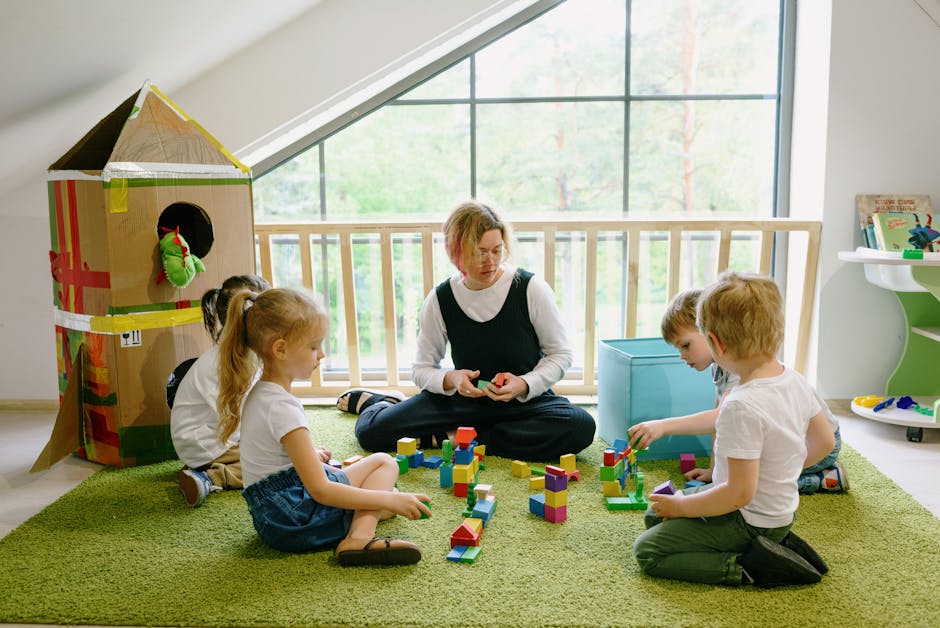
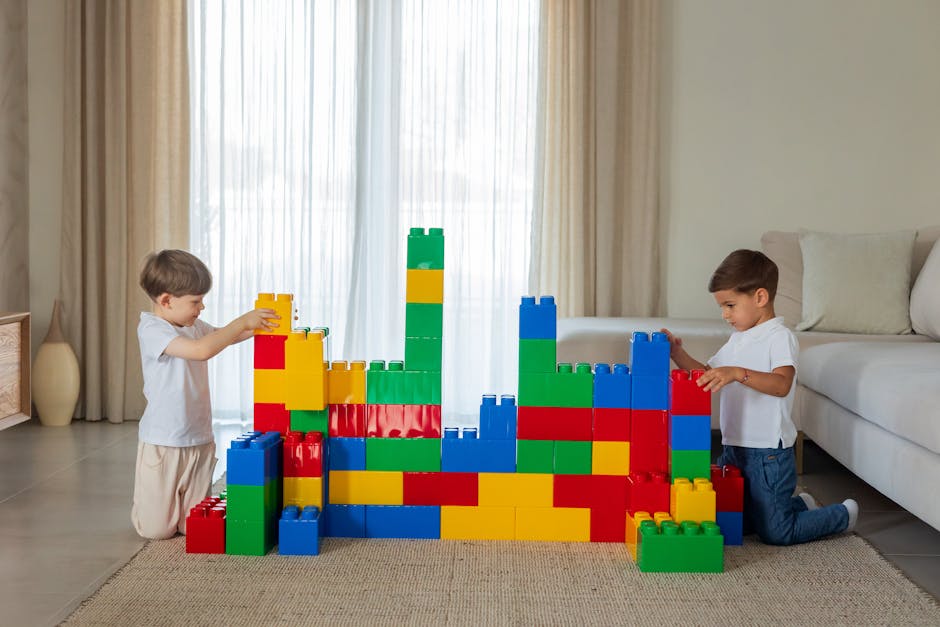
    Picture this: a room full of two-year-olds, blocks scattered across a colorful mat, and one little girl carefully handing a blue cube to the boy next to her — unprompted, unrehearsed. Her caregiver watches, a little stunned. That tiny gesture? It’s not just cute. It’s the brain doing some of its most sophisticated social wiring. If you’ve ever wondered whether structured play really makes a difference for your young child’s social skills, or whether it’s just organized chaos with snacks — let’s think through this together.

    toddlers playing together blocks colorful classroom social learning

    What Does “Social Development Through Play” Actually Mean?

    Before we dive into the data, let’s get on the same page. Socio-emotional development in infants and toddlers (roughly ages 0–6) refers to how children learn to recognize emotions, regulate their own feelings, cooperate, empathize, and communicate with others. Play-based learning — sometimes called play pedagogy in academic circles — uses structured and unstructured play as the primary vehicle for teaching these skills. It’s not babysitting with toys; it’s intentional design.

    The Science Behind the Fun: What the Data Says in 2026

    The evidence has been building steadily, and by 2026, the consensus among developmental psychologists is pretty compelling. Here’s what current research is telling us:

    • Mirror neuron activation: Studies from the Center for Developmental Cognitive Neuroscience (updated findings, early 2026) confirm that cooperative play in children under age 5 activates mirror neuron systems more reliably than passive instruction — essentially, watching a peer share a toy teaches empathy faster than being told to share.
    • Language acceleration: Children engaged in peer play environments for as few as 5–7 hours per week show vocabulary gains 30–40% faster than those in primarily adult-led instruction settings, according to a longitudinal study spanning 12 countries published in the Journal of Child Development (2025–2026 cohort data).
    • Conflict resolution skills: Even toddler arguments over toys — the infamous “mine!” phase — are now understood to be critical rehearsals. Research from Seoul National University’s Child Development Lab (2026) shows children who experience and resolve peer conflicts in guided play settings develop significantly better emotional regulation by age 7.
    • Attachment and trust formation: Play that involves a trusted adult (parent or educator) acting as a play partner rather than a director builds what researchers call “secure base exploration” — the child feels safe enough to take social risks with others.
    • Reduced anxiety markers: A 2026 meta-analysis from the OECD’s Early Childhood Education Task Force found that children in play-rich early education environments showed 22% lower cortisol stress markers during social interactions by kindergarten age compared to peers in drill-and-practice settings.

    Global Examples That Are Getting It Right

    Let’s look at some real-world models that are worth knowing about, because the theory gets much more interesting when you see it in action.

    🇫🇮 Finland’s Varhaiskasvatussuunnitelma (VASU) Framework: Finland remains a benchmark case. Their early childhood curriculum, VASU, explicitly prioritizes child-led play as the dominant mode of learning from birth through age 6. Social competency — including turn-taking, listening, and collaborative problem-solving — is assessed through observation of play rather than structured tests. By age 8, Finnish children consistently outperform OECD averages in peer cooperation metrics.

    🇰🇷 South Korea’s Nuri Curriculum (누리과정) Evolution: South Korea’s Nuri Curriculum, which covers ages 3–5, underwent significant revision in 2020 and has been refined further through 2025–2026 with a heavier emphasis on cooperative play zones (협동 놀이 구역) in public kindergartens. The latest government education ministry data from 2026 shows classrooms implementing structured cooperative play blocks for a minimum of 90 minutes daily report measurably higher peer relationship quality scores at age 6 — a finding that’s shifting national policy conversations.

    🇳🇿 New Zealand’s Te Whāriki Approach: One of the most holistic frameworks globally, Te Whāriki weaves cultural identity, relationships, and play into a single curriculum strand. The “Belonging” and “Contribution” strands specifically target social development through communal storytelling play and multi-age group interactions — something Western urban education systems are now actively borrowing from.

    🇸🇬 Singapore’s I Am Confident, Curious, and Creative (I3C) Initiative: Launched as a 2025–2026 pilot across 40 childcare centers, Singapore’s I3C program focuses on reducing structured academic drilling in the under-4 cohort and replacing it with adult-facilitated social play. Early results? Children in the pilot showed 18% improvement in peer interaction frequency and a notable drop in separation anxiety rates.

    diverse children cooperative play international early education preschool

    But What Does This Look Like at Home?

    Here’s where I want to be really honest with you, because not every family has access to a play-based preschool or a curriculum-driven daycare. And that’s okay — the principles are absolutely replicable at home. Let’s think through some realistic alternatives:

    • Parallel play first, together play later: For children under 2, don’t stress if they seem to play “alongside” rather than “with” another child. Parallel play is developmentally appropriate and is actually the social rehearsal stage. Simply being near other children is enough early on.
    • Rotate play partners: If your child is primarily at home, regular playdates with 1–2 consistent peers (not large groups) are far more effective than occasional big gatherings. Familiarity builds the social safety needed to practice cooperation.
    • Use “sportscasting”: This is a technique borrowed from RIE (Resources for Infant Educarers) philosophy — narrate what you observe during play without intervening. “I see you both want the red car. I wonder what you’ll do.” This supports children’s own conflict resolution rather than adults solving it for them.
    • Play with purpose, but don’t over-engineer: Open-ended toys (blocks, clay, sand, simple dolls) create more social negotiation opportunities than single-function electronic toys. The ambiguity forces children to communicate.
    • Community programs on a budget: Public library story-play sessions, community center toddler gyms, and neighborhood park meetups are genuinely effective social play environments — and free. Don’t underestimate them in favor of expensive structured programs.

    A Realistic Reality Check: What Play Can’t Fix Alone

    I’d be doing you a disservice if I made this sound like play is a magic fix for every developmental concern. Children with speech delays, sensory processing differences, or developmental conditions like autism spectrum disorder (ASD) benefit enormously from play-based social learning — but often need additional, specialized support layered in. Play is the foundation, not the entire house. If you’re noticing consistent struggles with social engagement even in comfortable, familiar play environments, a conversation with a developmental pediatrician or child psychologist is always the smart move — and the earlier, the better.


    Editor’s Comment : What strikes me most every time I research this topic is how counterintuitive it feels in a world obsessed with early academic achievement — that the single most powerful thing you can do for your young child’s future social intelligence is simply let them play, thoughtfully. Not more flashcards, not earlier reading drills. Play. The data in 2026 is clearer than ever on this, and yet the pressure many parents feel to “accelerate” their toddlers academically remains real and persistent. If I could offer one reframe: social competency — the ability to cooperate, empathize, negotiate, and connect — is increasingly recognized as a stronger long-term predictor of life outcomes than early academic metrics. So the next time your two-year-old is “just playing,” know that their brain is working incredibly hard. Your job is mostly to protect that time.

    태그: [‘play-based learning’, ‘toddler social development’, ‘early childhood education 2026’, ‘infant social skills’, ‘cooperative play’, ‘preschool social learning’, ‘child development research’]


    📚 관련된 다른 글도 읽어 보세요

  • 영유아 사회성 발달, 놀이 교육이 정말 효과 있을까? 2026년 최신 연구로 살펴보기

    얼마 전 어린이집 학부모 모임에서 한 엄마가 이런 말을 꺼냈어요. “우리 아이가 친구들이랑 잘 못 어울리는 것 같아서 걱정인데, 학습지를 더 시켜야 할까요, 아니면 그냥 놀게 두면 될까요?” 그 질문에 잠깐 정적이 흘렀습니다. 사실 많은 부모님들이 비슷한 고민을 하고 계시지 않을까 싶어요. ‘그냥 노는 게 진짜 교육이 될 수 있을까?’라는 의구심, 한 번쯤 드셨을 거라고 봅니다.

    결론부터 살짝 꺼내자면, 영유아 시기의 놀이는 단순한 여가가 아니라 사회성 발달의 핵심 메커니즘이라고 볼 수 있어요. 오늘은 그 이유를 데이터와 사례를 통해 함께 들여다볼게요.

    toddler children playing together social development

    📊 숫자로 보는 놀이와 사회성 발달의 상관관계

    2026년 현재, 아동 발달 연구 분야에서 놀이 기반 학습(Play-Based Learning)에 대한 관심은 그 어느 때보다 높아져 있습니다. 몇 가지 주목할 만한 수치를 같이 살펴볼게요.

    • 만 2~5세는 뇌 신경망이 가장 빠르게 연결되는 시기로, 이 시기의 또래 상호작용 경험은 전두엽(감정 조절, 공감 능력 담당)의 발달에 직접적인 영향을 미친다고 알려져 있어요.
    • 미국 소아과학회(AAP)의 2025년 업데이트 가이드라인에 따르면, 비구조적 자유 놀이(unstructured free play)를 하루 최소 60분 이상 경험한 유아는 또래 갈등 해결 능력이 그렇지 않은 아이보다 약 34% 높게 측정됐다고 보고되고 있습니다.
    • 국내 육아정책연구소(KICCE)가 2025년 발표한 자료에서도 협동 놀이를 주 3회 이상 경험한 만 4세 아동은 정서 조절 지표에서 평균 28점(100점 만점) 더 높은 점수를 기록했다고 나와 있어요.
    • 반면, 스크린 기반 콘텐츠 노출 시간이 하루 2시간을 초과한 영유아 그룹에서는 공감 반응 지연과 또래 상호작용 회피 성향이 약 1.4배 높게 나타난다는 분석도 함께 주목할 필요가 있습니다.

    이 수치들이 의미하는 바는 명확한 것 같아요. 놀이의 양과 질이 사회성 발달에 통계적으로 유의미한 영향을 미친다는 거죠.

    🌍 국내외 놀이 교육 사례, 어떤 차이가 있을까?

    핀란드 교육 시스템은 세계적으로 유명하죠. 핀란드는 만 7세 이전 정규 교육에서 읽기·쓰기보다 협동 놀이와 자연 탐구를 중심에 놓습니다. 유아 교육기관에서 하루 일과의 절반 이상을 야외 자유 놀이에 할당하는데, 이 아이들이 초등학교에 진학했을 때 오히려 사회적 적응력과 학습 동기가 더 높게 나타난다는 점이 흥미롭습니다. 단순히 ‘착하게 노는 법’을 배우는 게 아니라, 놀이 안에서 규칙 협상, 역할 분담, 감정 조율을 자연스럽게 습득한다는 거라고 봐요.

    일본의 경우 ‘타이켄 활동(体験活動)’, 즉 몸으로 직접 경험하는 놀이 교육이 유치원 과정의 핵심 축으로 자리 잡고 있어요. 역할 놀이(ごっこ遊び)를 통해 타인의 입장을 체험하게 하고, 이를 통해 공감 능력과 집단 안에서의 자기 조절력을 함께 키웁니다.

    국내에서도 변화가 감지되고 있어요. 2026년 현재, 서울시 내 일부 구립 어린이집에서는 ‘숲 놀이 연계 사회성 프로그램’을 도입해 운영 중이라고 합니다. 자연 환경 안에서 협동 미션을 수행하는 방식인데, 참여 아동의 보호자 만족도 조사에서 “아이가 먼저 양보하는 모습을 보이기 시작했다”는 응답이 눈에 띄게 늘었다고 해요.

    children cooperative play outdoor learning kindergarten

    🎯 어떤 놀이가 사회성 발달에 특히 효과적일까?

    모든 놀이가 동일한 효과를 내는 건 아닌 것 같아요. 발달심리학에서는 사회성 발달에 특히 도움이 되는 놀이 유형을 크게 구분하고 있습니다.

    • 상징 놀이(Symbolic Play): 소꿉놀이, 병원 놀이처럼 현실을 상징적으로 재현하는 놀이예요. 타인의 감정과 역할을 이해하는 공감 능력(Theory of Mind) 발달에 직결된다고 봅니다.
    • 규칙 있는 게임(Rule-Based Games): 보드게임, 술래잡기처럼 정해진 규칙 안에서 이루어지는 놀이는 충동 억제와 규범 준수 능력을 키워줘요. 만 4세 이후부터 효과가 두드러진다는 연구 결과가 많습니다.
    • 협동 프로젝트 놀이: 함께 블록으로 탑 쌓기, 모래성 만들기처럼 공동 목표를 향해 협력하는 놀이는 의사소통 능력과 리더십·팔로워십을 동시에 경험하게 해줍니다.
    • 갈등 상황이 포함된 놀이: 아이들이 싸우는 게 무조건 나쁜 게 아니라고 봐요. 적절한 수준의 갈등과 화해 과정을 경험하는 놀이야말로 현실 사회에서 필요한 ‘갈등 해결 능력’을 실제로 연습하는 장면이거든요.

    💡 부모가 현실적으로 할 수 있는 것들

    바쁜 일상 속에서 “그래서 나는 뭘 해야 하나?”라는 질문이 남는 것 같아요. 거창한 프로그램이 아니어도 된다고 봅니다.

    • 하루 30분이라도 부모가 개입을 최소화한 자유 놀이 시간을 보장해 주는 것만으로도 의미 있는 출발이 될 수 있어요.
    • 놀이 중 갈등이 생겼을 때 즉시 해결해 주기보다, “어떻게 하면 같이 놀 수 있을까?”라고 물어보며 아이 스스로 방법을 찾을 수 있도록 살짝 여지를 두는 게 좋습니다.
    • 또래 친구와의 정기적인 플레이데이트(Playdate)는 가장 자연스럽고 효과적인 사회성 훈련 환경이에요. 한 달에 두세 번이라도 꾸준히 이어지는 게 산발적인 특별 활동보다 효과적이라고 봅니다.
    • 부모가 먼저 놀이에 참여해 협동과 양보의 모델을 보여주는 것도 중요해요. 아이들은 말보다 행동을 훨씬 빠르게 흡수하니까요.

    에디터 코멘트 : 사회성은 가르쳐지는 게 아니라 경험 속에서 자라나는 것 같아요. 완벽한 교구나 프로그램보다, 아이가 안전하게 실패하고 협상하고 화해할 수 있는 놀이 환경을 얼마나 자주 마련해 줄 수 있는가가 핵심인 것 같습니다. 2026년 현재 넘쳐나는 유아 교육 콘텐츠들 속에서, 어쩌면 가장 오래된 방식인 ‘그냥 함께 노는 것’이 여전히 가장 강력한 답일 수도 있겠다 싶어요.

    태그: [‘영유아사회성발달’, ‘놀이교육효과’, ‘유아놀이발달’, ‘아이사회성키우기’, ‘플레이기반학습’, ‘유아교육2026’, ‘영유아발달심리’]


    📚 관련된 다른 글도 읽어 보세요

  • AI Tutors Are Rewriting the Classroom: 7 Real School Innovation Cases You Need to Know in 2026

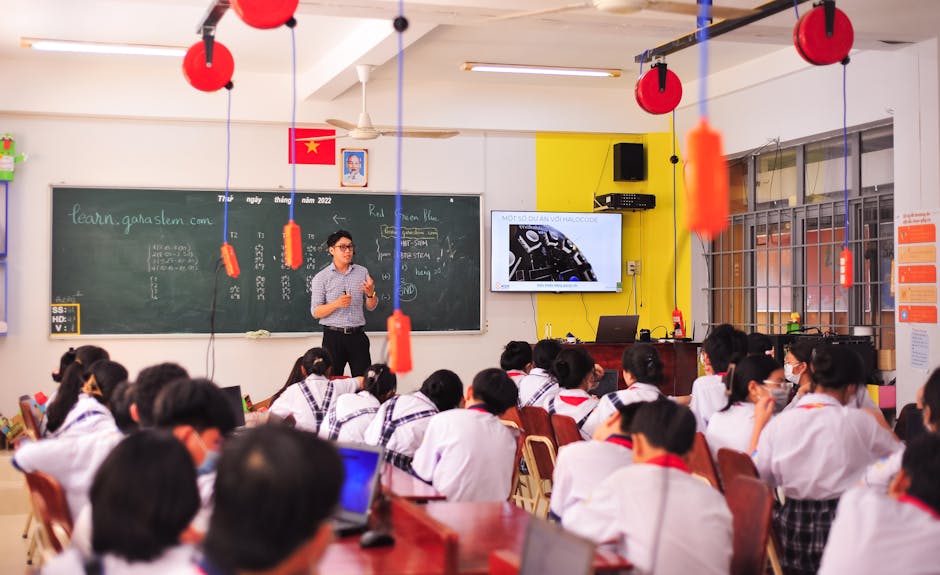
    Picture this: It’s a Tuesday morning in Seoul, and a 13-year-old named Jiwoo is stuck on a quadratic equation. Instead of waiting 20 minutes for the teacher to cycle back around, she types her question into her school’s AI tutor platform — and within seconds, she gets a step-by-step explanation personalized to the exact mistake she made. Her teacher, meanwhile, is free to help three other students who are struggling with something completely different. Sound like science fiction? As of 2026, this is Tuesday morning in thousands of classrooms worldwide.

    AI tutors in schools are no longer pilot programs or experimental edge cases. They are rapidly becoming a core layer of the modern educational infrastructure — and the results, while nuanced, are genuinely exciting. Let’s think through this together.

    AI tutor classroom students technology interactive learning 2026

    📊 What Does the Data Actually Say?

    Before we get swept up in the enthusiasm, let’s anchor ourselves in real numbers. According to a 2026 report by the OECD Education at a Glance initiative, schools that integrated AI-assisted tutoring systems over a sustained 18-month period saw:

    • 23% improvement in math proficiency scores among middle school students in low-income districts
    • 31% reduction in teacher time spent on repetitive feedback tasks, freeing educators for higher-order mentorship
    • A 40% increase in student engagement rates during self-study hours, measured by session length and voluntary return rates
    • Equity gap narrowing — students in under-resourced schools showed faster gains than their wealthier counterparts, suggesting AI tutors partially offset the “private tutoring advantage”

    Now, these numbers don’t tell the whole story — we’ll get into the caveats — but they signal that something meaningful is happening here. The question isn’t whether AI tutors work, but under what conditions they work best.

    🌍 Real-World Innovation Cases From Around the Globe

    Let’s look at what’s actually being done, because the diversity of approaches is genuinely fascinating.

    1. South Korea — CLOVA EDU Integration in Public Schools
    Since its nationwide rollout in early 2026, South Korea’s Ministry of Education has embedded Naver’s CLOVA EDU AI tutor into the national digital textbook platform. What makes this unique is the feedback loop design — the AI doesn’t just answer questions, it flags recurring misconception patterns to the classroom teacher in real time, creating a collaborative human-AI dynamic rather than replacing the teacher entirely.

    2. Finland — “AI as a Thought Partner” Model
    True to Finland’s educational philosophy of student autonomy, Finnish schools have deployed AI tutors not as answer machines but as Socratic dialogue partners. Students are encouraged to challenge the AI’s explanations, fostering critical thinking. A 2026 Helsinki University study found this approach improved metacognitive skills — essentially, students got better at knowing what they don’t know.

    3. United States — Khan Academy’s Khanmigo in Title I Schools
    Khanmigo, Khan Academy’s AI tutor powered by advanced reasoning models, has been deployed specifically in Title I schools (high poverty districts) across California and Texas. Early 2026 data shows that 8th graders using Khanmigo for 4+ hours per week closed roughly 60% of the grade-level learning gap in algebra within one academic year. That’s a staggering number for a population historically underserved by both technology and traditional tutoring.

    4. India — BYJU’S Adaptive Learning 2.0
    After restructuring in 2025, BYJU’S relaunched with a leaner, school-partnership model. Their 2026 adaptive AI tutor now serves over 8 million students through government school partnerships in Maharashtra and Tamil Nadu, adjusting not just difficulty level but also language register and cultural context of examples — a critical feature in a linguistically diverse country.

    5. United Kingdom — Oak National Academy’s AI Lesson Planner
    A slightly different angle: the UK’s Oak National Academy deployed an AI system aimed at teachers, not students. By generating differentiated lesson plans and suggesting which students likely need intervention based on assessment data, it bridges the gap between AI tutoring for students and teacher professional support.

    global school AI education innovation map diverse students 2026

    🤔 But Wait — What Are the Real Challenges?

    Let’s be honest, because blind enthusiasm doesn’t serve anyone. There are three friction points worth naming clearly:

    • The Dependency Risk: Some educators report students becoming reluctant to struggle productively — they reach for the AI too quickly, bypassing the “desirable difficulty” that builds deep understanding. Pedagogical guardrails matter enormously.
    • Data Privacy Concerns: Student learning data is extraordinarily sensitive. In 2026, the EU’s updated AI Act has imposed strict compliance requirements on EdTech platforms, and several US states are pushing for similar protections. Parents and administrators are rightly asking hard questions.
    • The Equity Paradox: AI tutors require reliable devices and internet — which remain unevenly distributed globally. The technology that could close the gap can also widen it if infrastructure investment doesn’t keep pace.

    💡 Realistic Alternatives for Different Situations

    Not every school can deploy a cutting-edge AI tutor platform tomorrow, and that’s completely fine. Here’s how to think about this practically:

    • If your school has a tight budget: Free-tier tools like Khan Academy’s Khanmigo (free for students in many regions in 2026) or Google’s Gemini for Education pilot programs offer meaningful entry points without capital investment.
    • If your teachers are skeptical: Start with AI as a teacher support tool rather than a student-facing tool. AI-generated lesson differentiation or quiz generation builds trust before full classroom deployment.
    • If device access is limited: Look into SMS-based or low-bandwidth AI tutoring solutions — several organizations in sub-Saharan Africa and Southeast Asia have built remarkably effective systems that work on basic smartphones.
    • If you’re a parent, not an administrator: Supplementary AI tutoring tools at home (used with clear time boundaries and parental involvement) can meaningfully complement school learning without waiting for institutional adoption.

    The core insight here is that AI tutors work best as amplifiers of human teaching, not substitutes. The schools seeing the best outcomes in 2026 are the ones where teachers and AI systems are genuinely collaborating — each doing what they do best.

    Editor’s Comment : What strikes me most about these cases is how much the implementation philosophy matters more than the technology itself. Finland and South Korea are using similar AI capabilities in fundamentally different pedagogical frameworks — and both are seeing strong results tailored to their educational cultures. The takeaway? Before asking “which AI tutor should we use,” schools should ask “what kind of learning relationship do we want to create?” Get that right, and the technology becomes a powerful servant rather than an unpredictable master.

    태그: [‘AI tutor education 2026’, ‘school innovation AI’, ‘EdTech classroom technology’, ‘personalized learning AI’, ‘AI in K-12 schools’, ‘educational technology trends 2026’, ‘adaptive learning platforms’]


    📚 관련된 다른 글도 읽어 보세요

  • AI 튜터가 바꾸는 학교 교육 혁신 사례 2026 – 교실의 미래가 이미 시작됐다

    얼마 전 지인에게 흥미로운 이야기를 들었어요. 초등학교 4학년 아이를 둔 학부모인데, 아이가 학교에서 수학 시간에 AI 튜터와 1:1로 대화하며 문제를 풀고 집에 왔다는 거예요. 놀라운 건 아이가 “선생님이 설명해 줄 때보다 AI가 더 이해하기 쉽게 말해줬어”라고 했다는 점이었죠. 칭찬인지, 걱정해야 할 일인지 헷갈렸다고 하더라고요. 저도 그 말이 한동안 머릿속에 맴돌았어요. 이미 AI 튜터는 어느 순간 ‘먼 미래 이야기’가 아니라 오늘 교실 안으로 들어와 있었던 겁니다.

    2026년 현재, AI 튜터를 중심으로 한 학교 교육 혁신은 단순한 에듀테크 트렌드를 넘어, 교육의 구조 자체를 바꾸는 흐름으로 이어지고 있어요. 오늘은 그 구체적인 사례와 숫자들을 함께 짚어보려 합니다.

    AI tutor classroom students learning technology 2026

    📊 숫자로 보는 AI 튜터 교육 현황 – 생각보다 훨씬 가까이 와 있어요

    글로벌 에듀테크 리서치 기관 HolonIQ의 2026년 1분기 보고서에 따르면, 전 세계 AI 기반 교육 시장 규모는 약 240억 달러(한화 약 32조 원)에 달한다고 추산하고 있어요. 2022년 대비 약 4배 이상 성장한 수치예요. 특히 K-12(초중고) 교육 영역에서의 AI 튜터 도입률이 가파르게 상승하고 있는데요, 주요 수치를 보면 이렇습니다.

    • 미국 공립학교 기준, AI 보조 학습 도구를 정규 수업에 도입한 학교 비율: 약 41% (2024년 대비 +18%p)
    • 한국 교육부의 ‘AI 교과서’ 시범 적용 학교 수: 2026년 기준 전국 2,800여 개교 확대 운영 중
    • AI 튜터를 경험한 학생의 학습 이해도 자기평가 긍정 응답률: 72% (한국교육개발원, 2025년 말 발표)
    • 개인 맞춤형 AI 튜터링 이후 학력 격차 완화 효과: 저성취 학생군에서 평균 23% 향상 (OECD 파일럿 연구, 2025)

    이 숫자들이 단순히 ‘기술 도입’의 결과라고 보기엔 어렵고요. 오히려 교육의 질적 변화가 수치로 나타나기 시작했다고 보는 게 맞는 것 같습니다.

    🌍 국내외 AI 튜터 교육 혁신 사례 – 교실이 이렇게 달라지고 있어요

    ① 미국 – 칸 아카데미 ‘Khanmigo’의 교실 내 정착
    칸 아카데미가 GPT-4 기반으로 개발한 AI 튜터 ‘Khanmigo’는 현재 미국 내 약 1만 5천여 개 학교에서 활용되고 있어요. 단순히 답을 알려주는 방식이 아니라, 소크라테스식 질문법을 적용해 학생 스스로 사고하도록 유도하는 방식이 인상적이에요. “이 문제에서 네가 아직 모르는 게 뭐라고 생각해?”라고 되묻는 식이죠. 교사들은 Khanmigo가 제공하는 학생별 학습 데이터를 바탕으로 수업 설계를 조정할 수 있어, 교사의 역할이 ‘지식 전달자’에서 ‘학습 코치’로 진화하고 있다는 평가를 받고 있습니다.

    ② 핀란드 – AI와 교사의 공존 모델
    핀란드는 교육 혁신으로 유명한 나라답게 AI 튜터 도입 방식도 독특해요. ‘드림 스쿨(Dream School)’ 프로젝트를 통해 AI 튜터가 개념 설명과 반복 훈련을 담당하고, 교사는 창의적 토론과 정서적 지원에 집중하는 역할 분리 모델을 운영하고 있어요. 핀란드 국립교육청(Finnish National Agency for Education)은 2025년 파일럿 결과를 발표하며, 교사의 번아웃 지수가 약 19% 감소했다고 밝혔는데, 이 부분이 특히 눈에 띄었어요. AI가 교사를 대체하는 게 아니라, 교사를 지치지 않게 돕는다는 방향성이 인상적이라고 봅니다.

    ③ 대한민국 – AI 디지털 교과서와 교실의 변화
    2025년부터 수학·영어·정보 과목을 중심으로 도입된 AI 디지털 교과서(AIDT)는 2026년 현재 사회·과학 과목까지 확대되고 있어요. 학생 개개인의 학습 속도와 오답 패턴을 실시간으로 분석해, 취약 개념을 자동으로 추가 제공하는 ‘맞춤형 피드백 루프’ 방식이 핵심이에요. 서울 마포구의 한 중학교에서는 AI 튜터 도입 이후 중간고사 평균 점수가 이전 학기 대비 수학 8점, 영어 6점 상승했다는 사례가 교육부 사례집에 소개되기도 했습니다. 물론 모든 학교가 동일한 효과를 보이는 건 아니라서, 기기 환경이나 교사 역량에 따른 편차도 분명히 존재한다고 봐야 해요.

    Korea AI digital textbook middle school classroom innovation

    🤔 AI 튜터가 만능일까요? 현실적으로 짚어봐야 할 지점들

    긍정적인 사례들이 많지만, 균형 잡힌 시각도 필요한 것 같아요. 몇 가지 현실적인 고려 사항들을 정리해 봤습니다.

    • 디지털 격차 문제: AI 튜터 혜택이 기기와 인프라가 갖춰진 학교에 집중될 가능성이 있어요. 농어촌 소규모 학교나 저소득 가정 학생들에게도 동등하게 적용될 수 있는 환경 조성이 선행되어야 합니다.
    • 교사 역량 개발의 필요성: AI 도구가 좋아도 이를 수업에 효과적으로 통합하는 교사의 디지털 역량이 뒷받침되지 않으면 도구는 그냥 도구에 그쳐요.
    • 정서적 교육의 공백: AI는 공감하는 척 할 수 있지만, 진짜 공감은 못 해요. 학생의 심리적 안전감, 사회성 발달, 동료 학습 경험 등은 여전히 인간 교사와 친구들 사이에서만 채워질 수 있는 영역이라고 봅니다.
    • 데이터 프라이버시: 학습 데이터가 쌓일수록 맞춤화는 정교해지지만, 미성년 학생의 학습 행동 데이터가 어떻게 관리되고 활용되는지에 대한 투명한 기준이 필요해요.

    💡 학부모와 교사를 위한 현실적인 활용 제안

    AI 튜터를 막연히 기대하거나 반대하기보다, 어떻게 잘 활용할 것인지 고민하는 게 더 생산적인 것 같아요. 몇 가지 현실적인 접근을 제안해 볼게요.

    • 학부모라면: AI 튜터를 ‘숙제 대신 해주는 도구’가 아니라, 아이가 어디서 막히는지 파악하는 ‘진단 도구’로 바라보는 시각 전환이 필요해요.
    • 교사라면: AI가 생성하는 학습 분석 리포트를 수업 설계에 적극 반영하고, AI가 해결하기 어려운 토론·협동 학습에 더 많은 시간을 투자하는 방향이 효과적인 것 같습니다.
    • 학생이라면: AI 튜터의 설명을 그냥 받아들이기보다, “왜?”라고 한 번 더 물어보는 습관을 들이는 게 사고력 향상에 훨씬 도움이 돼요.

    에디터 코멘트 : AI 튜터는 교육의 적이 아니라, 잘 쓰면 교사와 학생 모두에게 숨통을 틔워주는 도구가 될 수 있다고 봐요. 다만 기술이 먼저가 아니라, ‘어떤 교육을 하고 싶은가’라는 질문이 먼저여야 한다는 생각이에요. 핀란드 사례처럼 AI가 교사의 소진을 줄이고, 학생 한 명 한 명에게 더 집중할 수 있는 환경을 만드는 데 쓰인다면, 그게 진짜 혁신이 아닐까요. 2026년의 교실이 기술과 인간이 서로를 보완하는 공간이 되길 바랍니다.

    태그: [‘AI튜터’, ‘학교교육혁신’, ‘AI디지털교과서’, ‘에듀테크2026’, ‘맞춤형학습’, ‘교육기술’, ‘AI교육사례’]


    📚 관련된 다른 글도 읽어 보세요