Blog

  • Future-Proof Your Career: The Ultimate Guide to Building STEM Skills in 2026

    Picture this: It’s a Tuesday afternoon in 2026, and your 14-year-old niece tells you she wants to be a ‘prompt engineer’ or a ‘climate data scientist.’ Five years ago, those job titles would have sounded like science fiction. Today, they’re listed on LinkedIn with six-figure salaries attached. That moment โ€” that tiny, jarring conversation over dinner โ€” is exactly why we need to talk seriously about STEM skill-building for the jobs of the near future.

    We’re not just talking about learning to code anymore. The landscape has shifted dramatically. STEM competency in 2026 means the intersection of science, technology, engineering, and mathematics with creativity, communication, and ethical reasoning. Let’s think through this together โ€” what’s actually happening in the job market, and how can you (or your kids) realistically prepare?
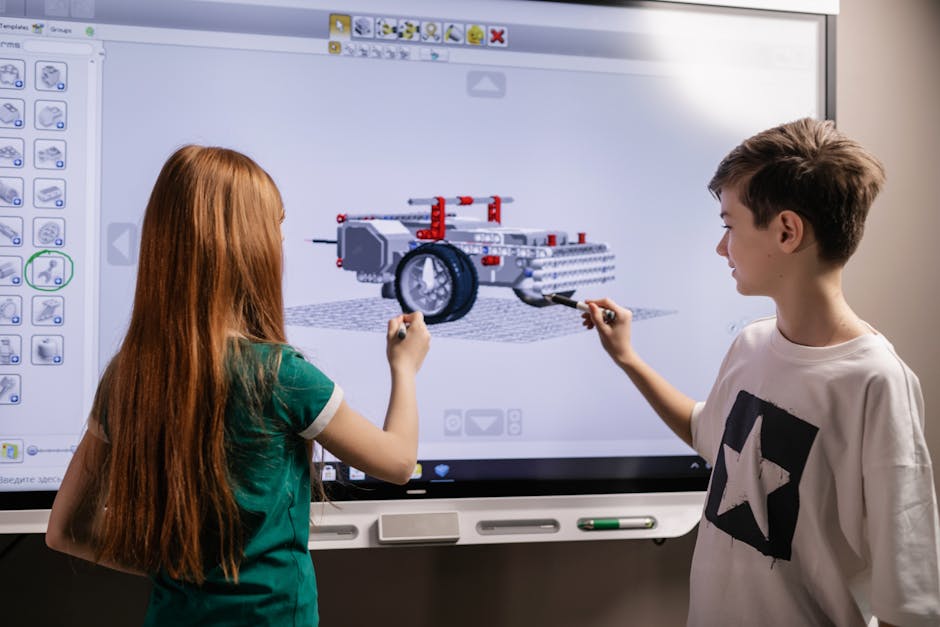
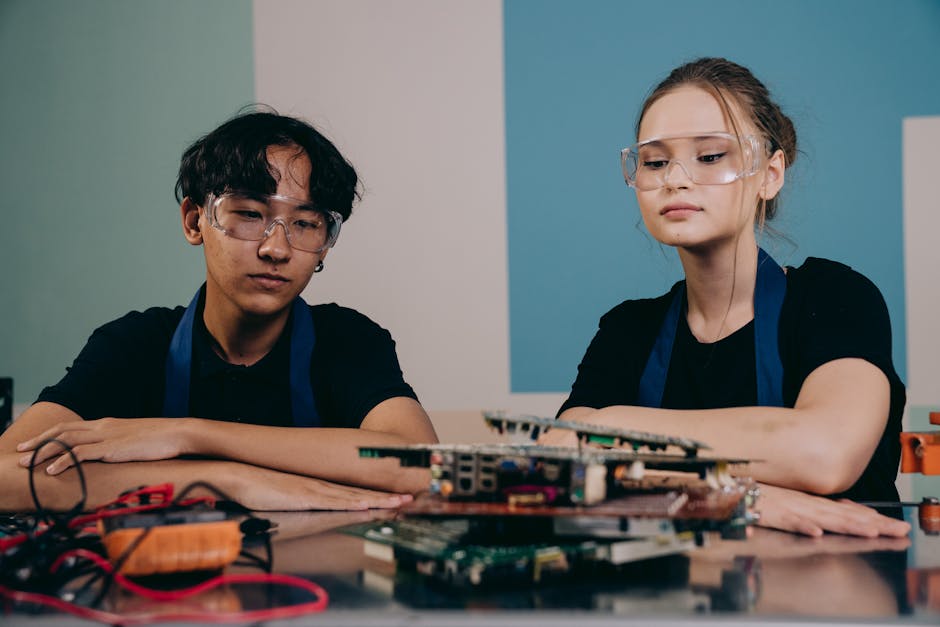
    futuristic STEM classroom students technology 2026

    ๐Ÿ“Š What the Data Is Actually Telling Us About STEM Jobs in 2026

    Let’s ground ourselves in real numbers before diving into advice. According to the U.S. Bureau of Labor Statistics’ 2026 Occupational Outlook, STEM occupations are projected to grow at nearly twice the rate of non-STEM occupations over the next decade. More specifically:

    • Data Science & AI roles have seen a 38% year-over-year increase in job postings since 2023, with median salaries now hovering around $115,000โ€“$160,000 in North America.
    • Green technology engineering (solar, wind, battery storage) has exploded โ€” the clean energy sector added over 400,000 new STEM jobs globally in 2025 alone.
    • Biomedical engineering and synthetic biology roles are among the fastest-growing niches, fueled by post-pandemic investment in health infrastructure.
    • Cybersecurity specialists remain critically short-staffed, with an estimated global talent gap of 3.5 million positions as of early 2026.
    • Robotics process integration engineers โ€” a relatively new hybrid role โ€” are being recruited aggressively by logistics and manufacturing firms as automation accelerates.

    Here’s the nuanced part that most career guides miss: it’s not enough to simply be in STEM. The jobs commanding premium salaries and long-term stability are those where STEM skills are layered with domain-specific knowledge โ€” think a nurse who understands health informatics, or a lawyer who can fluently discuss algorithmic bias. This is what we mean by “STEM competency” in the modern sense.

    ๐ŸŒ How Schools and Companies Worldwide Are Already Adapting

    The most exciting part of this story is that we don’t have to theorize โ€” we can look at what’s already working around the world.

    South Korea’s “AI Convergence Education” Initiative (2025โ€“2028) is a great domestic case study. The government mandated that every middle and high school student receive at least 68 hours annually of AI literacy education, blending computational thinking with ethics and real-world application. Early results from 2025 show a measurable uptick in female students pursuing engineering pathways โ€” up 22% compared to 2022 baselines.

    Finland’s “Future Skills Lab” Program takes a different approach. Rather than a structured curriculum, Finnish schools in 2025 introduced project-based STEM electives where students collaborate with actual startups. A 16-year-old in Helsinki might spend a semester helping a biotech startup analyze environmental sensor data. The learning is messy, real, and deeply motivating.

    In the United States, companies like Google, Microsoft, and Lockheed Martin have dramatically expanded their apprenticeship pipelines in 2025โ€“2026, recognizing that four-year degrees are no longer the only (or even best) pathway into STEM careers. Google’s Career Certificates program now has over 2 million enrolled learners, and partner employers have collectively hired more than 150,000 certificate holders into STEM-adjacent roles.

    Singapore’s SkillsFuture 2026 framework is arguably the most comprehensive government-led STEM upskilling initiative globally. It provides every citizen aged 25 and older with a yearly learning credit specifically earmarked for digital and STEM skills. The uptake rate in 2025 was a staggering 71%, showing that adults โ€” not just students โ€” are taking this seriously.

    global STEM education collaboration innovation skills

    ๐Ÿ› ๏ธ Realistic Pathways: What You Can Actually Do Starting This Week

    Okay, so we’ve established that STEM skills matter enormously and that the world is pivoting hard toward valuing them. But what does this mean for you, right now, in your specific situation? Let’s think through a few realistic scenarios:

    If you’re a student (middle school through university): The single highest-leverage thing you can do is stop treating STEM subjects as isolated disciplines and start connecting them to things you already care about. Love music? Explore audio signal processing or the mathematics of music theory. Into fashion? Look into textile engineering or sustainable materials science. The goal is building a “T-shaped” skillset โ€” deep expertise in one area, but broad enough STEM literacy to collaborate across fields.

    If you’re a working professional in a non-STEM field: You don’t need to become a programmer. But you do need to become fluent enough to work alongside people who are. Consider dedicating 3โ€“4 hours per week to structured learning. Platforms like Coursera, edX, and Brilliant.org have significantly improved their curriculum quality in 2025โ€“2026, and many offer micro-credentials that are now recognized by HR departments at major employers.

    If you’re a parent: The most impactful thing isn’t enrolling your child in every coding camp available. It’s fostering a mindset of systematic problem-solving and intellectual curiosity at home. Ask questions like “How do you think that works?” and “What would happen if we changed one thing?” This metacognitive habit is the root of STEM thinking.

    • โœ… Khan Academy’s free STEM curriculum โ€” still one of the best starting points, now with improved AI tutoring features in 2026
    • โœ… MIT OpenCourseWare โ€” free university-level content, great for self-directed adult learners
    • โœ… Scratch & Python via Code.org โ€” ideal entry points for kids aged 8โ€“14
    • โœ… Local makerspaces and STEM clubs โ€” hands-on, community-based learning that beats screen time for retention
    • โœ… Science Olympiad / FIRST Robotics (for students) โ€” competitive, fun, and genuinely impressive on college applications
    • โœ… LinkedIn Learning STEM Paths โ€” structured for career changers, often reimbursed by employers

    โš ๏ธ The Honest Caveats Nobody Talks About

    Let’s be real for a moment. Not every person needs to become a data scientist, and the relentless pressure to “learn to code or fall behind” is both exhausting and overstated. Here’s the more nuanced truth:

    STEM skills exist on a spectrum. At one end, you have research scientists and machine learning engineers who live and breathe mathematics. At the other end, you have professionals in healthcare, education, policy, and the arts who simply need enough data literacy and technological fluency to do their jobs better. Most people need to aim for somewhere in the middle โ€” and that’s absolutely achievable without upending your life or your career.

    Also worth acknowledging: the gender and socioeconomic gaps in STEM access remain real. Programs like Girls Who Code (now operating in 42 countries as of 2026) and Code.org’s equity initiatives are doing important work, but systemic change is slow. If you’re in a position of influence โ€” as a teacher, manager, or community leader โ€” actively creating pathways for underrepresented groups in STEM isn’t just the ethical thing to do; it’s smart strategy for building the diverse, innovative teams that outperform homogeneous ones.

    Editor’s Comment : What strikes me most about the STEM conversation in 2026 is how it’s finally moving away from the binary “tech bro culture vs. everyone else” framing. The most exciting development isn’t any single technology โ€” it’s the growing recognition that STEM competency is a civic skill, like reading or writing, that helps people participate more fully in a world increasingly shaped by algorithms, data, and engineered systems. You don’t have to love math to benefit from understanding how it governs your daily life. Start small, stay curious, and remember that every expert was once a complete beginner who simply refused to stop asking questions.

    ํƒœ๊ทธ: [‘STEM skills 2026’, ‘future career preparation’, ‘STEM education trends’, ‘career upskilling’, ‘data science careers’, ‘STEM for students’, ‘workforce of the future’]

    ๐Ÿ“š ๊ด€๋ จ๋œ ๋‹ค๋ฅธ ๊ธ€๋„ ์ฝ์–ด ๋ณด์„ธ์š”

  • ๋ฏธ๋ž˜ ์ง์—… ๋Œ€๋น„ STEM ์—ญ๋Ÿ‰ ๊ฐ•ํ™”, 2026๋…„ ์ง€๊ธˆ ์‹œ์ž‘ํ•ด์•ผ ํ•˜๋Š” ์ด์œ 

    ์–ผ๋งˆ ์ „ ์ง€์ธ์˜ ์ค‘ํ•™์ƒ ์•„์ด๊ฐ€ ์ด๋Ÿฐ ๋ง์„ ํ–ˆ๋‹ค๊ณ  ํ•ด์š”. “์ € ๋‚˜์ค‘์— ๋ญ๊ฐ€ ๋  ์ˆ˜ ์žˆ์„๊นŒ์š”? AI๊ฐ€ ๋‹ค ํ•ด๋ฒ„๋ฆฌ๋ฉด ์ œ๊ฐ€ ํ•  ์ผ์ด ์žˆ์„๊นŒ์š”?” ์‚ฌ์‹ค ์ด ์งˆ๋ฌธ, ์•„์ด๋งŒ์˜ ๊ฑฑ์ •์ด ์•„๋‹Œ ๊ฒƒ ๊ฐ™์Šต๋‹ˆ๋‹ค. 2026๋…„ ํ˜„์žฌ, ์ƒ์„ฑํ˜• AI์™€ ์ž๋™ํ™” ๊ธฐ์ˆ ์ด ์‚ฐ์—… ์ „๋ฐ˜์„ ๋น ๋ฅด๊ฒŒ ์žฌํŽธํ•˜๋ฉด์„œ ‘์–ด๋–ค ์—ญ๋Ÿ‰์„ ํ‚ค์›Œ์•ผ ํ•˜๋Š”๊ฐ€’์— ๋Œ€ํ•œ ๊ณ ๋ฏผ์ด ๊ทธ ์–ด๋А ๋•Œ๋ณด๋‹ค ๊นŠ์–ด์ง€๊ณ  ์žˆ์–ด์š”. ๊ทธ ์ค‘์‹ฌ์— ๋ฐ”๋กœ STEM(Science, Technology, Engineering, Mathematics) ์—ญ๋Ÿ‰์ด ์žˆ๋‹ค๊ณ  ๋ด…๋‹ˆ๋‹ค.

    ์˜ค๋Š˜์€ ์™œ STEM ์—ญ๋Ÿ‰์ด ๋ฏธ๋ž˜ ์ง์—… ์ค€๋น„์— ํ•ต์‹ฌ์ด ๋˜๋Š”์ง€, ๊ทธ๋ฆฌ๊ณ  ํ˜„์‹ค์ ์œผ๋กœ ์–ด๋–ป๊ฒŒ ํ‚ค์šธ ์ˆ˜ ์žˆ๋Š”์ง€ ํ•จ๊ป˜ ๊ณ ๋ฏผํ•ด ๋ณด๋ ค ํ•ด์š”.

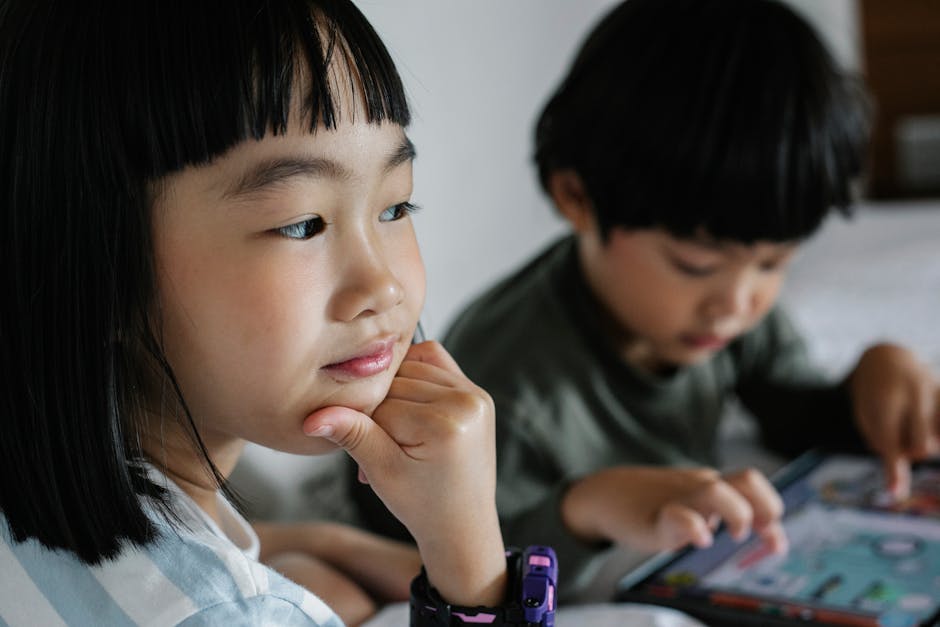
    STEM education children technology future career

    ๐Ÿ“Š ์ˆซ์ž๋กœ ๋ณด๋Š” STEM ์ง์—… ์‹œ์žฅ์˜ ํ˜„์‹ค

    ๋จผ์ € ๋ฐ์ดํ„ฐ๋ฅผ ์‚ดํŽด๋ณผ๊ฒŒ์š”. 2026๋…„ ์„ธ๊ณ„๊ฒฝ์ œํฌ๋Ÿผ(WEF)์ด ๋ฐœํ‘œํ•œ ใ€Œ๋ฏธ๋ž˜ ์ง์—… ๋ณด๊ณ ์„œ 2026ใ€์— ๋”ฐ๋ฅด๋ฉด, ํ–ฅํ›„ 5๋…„ ๋‚ด ์ „ ์„ธ๊ณ„ ์ผ์ž๋ฆฌ์˜ ์•ฝ 44%๊ฐ€ ์ž๋™ํ™” ๊ธฐ์ˆ ๋กœ ๋Œ€์ฒด๋  ์œ„ํ—˜์— ๋…ธ์ถœ๋  ๊ฒƒ์ด๋ผ๊ณ  ๋ด…๋‹ˆ๋‹ค. ๋ฐ˜๋ฉด, STEM ๊ด€๋ จ ์ง๊ตฐ์€ ๊ฐ™์€ ๊ธฐ๊ฐ„ ๋™์•ˆ ํ‰๊ท  19% ์ด์ƒ ์„ฑ์žฅํ•  ๊ฒƒ์œผ๋กœ ์ „๋ง๋˜๊ณ  ์žˆ์–ด์š”.

    ๊ตญ๋‚ด ์ƒํ™ฉ๋„ ๋น„์Šทํ•ฉ๋‹ˆ๋‹ค. ํ•œ๊ตญ๊ณ ์šฉ์ •๋ณด์›์˜ 2026๋…„ ์ƒ๋ฐ˜๊ธฐ ์ง์—… ์ „๋ง ๋ณด๊ณ ์„œ์— ์˜ํ•˜๋ฉด, ๋ฐ์ดํ„ฐ ์‚ฌ์ด์–ธํ‹ฐ์ŠคํŠธ, AI ์—”์ง€๋‹ˆ์–ด, ๋ฐ”์ด์˜คํ…Œํฌ ์—ฐ๊ตฌ์›, ๋กœ๋ณดํ‹ฑ์Šค ์„ค๊ณ„์ž ๋“ฑ STEM ๊ธฐ๋ฐ˜ ์ง์ข…์˜ ์ฑ„์šฉ ๊ณต๊ณ ๋Š” ์ „๋…„ ๋Œ€๋น„ ์•ฝ 23% ์ฆ๊ฐ€ํ–ˆ์Šต๋‹ˆ๋‹ค. ๋ฐ˜๋ฉด ๋‹จ์ˆœ ๋ฐ˜๋ณต ํ–‰์ •์ง๊ณผ ์ผ๋ถ€ ์„œ๋น„์Šค์ง์€ ๋™๊ธฐ๊ฐ„ 12% ๊ฐ์†Œ์„ธ๋ฅผ ๋ณด์˜€์–ด์š”.

    ๋” ํฅ๋ฏธ๋กœ์šด ๊ฑด ์ž„๊ธˆ ๊ฒฉ์ฐจ์ž…๋‹ˆ๋‹ค. ๊ตญ๋‚ด ๊ธฐ์ค€์œผ๋กœ STEM ๊ด€๋ จ ์ง๊ตฐ์˜ ์ดˆ๋ด‰ ์ค‘์•™๊ฐ’์€ ๋น„STEM ์ง๊ตฐ ๋Œ€๋น„ ์•ฝ 1.4~1.7๋ฐฐ ์ˆ˜์ค€์ธ ๊ฒƒ์œผ๋กœ ๋‚˜ํƒ€๋‚ฌ์–ด์š”. ๋‹จ์ˆœํžˆ ๋ฏธ๋ž˜๋ฅผ ์œ„ํ•ด์„œ๊ฐ€ ์•„๋‹ˆ๋ผ, ์ง€๊ธˆ ๋‹น์žฅ์˜ ํ˜„์‹ค์ ์ธ ๊ฒฝ์ œ์  ์ด์œ ๋กœ๋„ STEM ์—ญ๋Ÿ‰์€ ํˆฌ์žํ•  ๊ฐ€์น˜๊ฐ€ ์ถฉ๋ถ„ํ•˜๋‹ค๊ณ  ๋ด…๋‹ˆ๋‹ค.

    ๐ŸŒ ๊ตญ๋‚ด์™ธ STEM ๊ต์œก ์„ ์ง„ ์‚ฌ๋ก€

    ํ•€๋ž€๋“œ์˜ ‘ํ˜„์ƒ ๊ธฐ๋ฐ˜ ํ•™์Šต(PBL)’์€ ์ „ ์„ธ๊ณ„ STEM ๊ต์œก์˜ ๋กค๋ชจ๋ธ๋กœ ์ž์ฃผ ์ธ์šฉ๋ฉ๋‹ˆ๋‹ค. ๊ต๊ณผ๋ชฉ์„ ๋ถ„๋ฆฌํ•ด์„œ ๊ฐ€๋ฅด์น˜๋Š” ๋Œ€์‹ , ๊ธฐํ›„๋ณ€ํ™”๋‚˜ ๋„์‹œ ์„ค๊ณ„ ๊ฐ™์€ ์‹ค์ œ ํ˜„์ƒ์„ ์ฃผ์ œ๋กœ ์ˆ˜ํ•™ยท๊ณผํ•™ยท๊ธฐ์ˆ ์„ ํ†ตํ•ฉ์ ์œผ๋กœ ํƒ๊ตฌํ•˜๊ฒŒ ํ•ด์š”. ์ด ๋ฐฉ์‹์ด ์ฃผ๋ชฉ๋ฐ›๋Š” ์ด์œ ๋Š”, ๋‹จ์ˆœ ๊ณต์‹ ์•”๊ธฐ๊ฐ€ ์•„๋‹ˆ๋ผ ๋ฌธ์ œ๋ฅผ ์ •์˜ํ•˜๊ณ  ํ•ด๊ฒฐ์ฑ…์„ ์„ค๊ณ„ํ•˜๋Š” ๋Šฅ๋ ฅ ์ž์ฒด๋ฅผ ํ‚ค์šฐ๊ธฐ ๋•Œ๋ฌธ์ž…๋‹ˆ๋‹ค.

    ๋ฏธ๊ตญ์˜ ‘CS for All’ ์ด๋‹ˆ์…”ํ‹ฐ๋ธŒ๋Š” ๊ณต๋ฆฝํ•™๊ต ์ „ ํ•™๋…„์— ์ปดํ“จํ„ฐ ๊ณผํ•™ ๊ต์œก์„ ์˜๋ฌดํ™”ํ•˜๋Š” ๋ฐฉํ–ฅ์œผ๋กœ 2026๋…„ ํ˜„์žฌ 32๊ฐœ ์ฃผ์—์„œ ์‹œํ–‰ ์ค‘์ž…๋‹ˆ๋‹ค. ํŠนํžˆ ์ €์†Œ๋“์ธต ํ•™์ƒ๋“ค์˜ ์ ‘๊ทผ์„ฑ์„ ๋†’์ด๊ธฐ ์œ„ํ•ด ์ฝ”๋”ฉ ๊ต์œก ํ”Œ๋žซํผ ๋ฌด์ƒ ์ œ๊ณต๊ณผ ๊ต์‚ฌ ์žฌ๊ต์œก ํ”„๋กœ๊ทธ๋žจ์„ ๋ณ‘ํ–‰ํ•˜๊ณ  ์žˆ์–ด์š”.

    ๊ตญ๋‚ด์—์„œ๋Š” KAIST์˜ ‘AI+X ์œตํ•ฉ ๊ต์œก ํ”„๋กœ๊ทธ๋žจ’์ด ์ฃผ๋ชฉํ•  ๋งŒํ•ฉ๋‹ˆ๋‹ค. AI ๊ธฐ์ˆ ์„ ์ „๊ณต ๋ถˆ๋ฌธํ•˜๊ณ  ์˜๋Œ€์ƒ, ์˜ˆ์ˆ ๋Œ€ํ•™์ƒ, ์‚ฌํšŒ๊ณผํ•™๋„ ๋ชจ๋‘๊ฐ€ ๋ฐฐ์šธ ์ˆ˜ ์žˆ๋„๋ก ์„ค๊ณ„๋œ ์ด ์ปค๋ฆฌํ˜๋Ÿผ์€ 2025๋…„ ์‹œ๋ฒ” ์šด์˜ ์ดํ›„ 2026๋…„ ์ „๊ตญ 10๊ฐœ ๋Œ€ํ•™์œผ๋กœ ํ™•์‚ฐ ์ค‘์ด์—์š”. ‘๊ธฐ์ˆ ์„ ๋ชจ๋ฅด๋Š” ๊ฒƒ’์ด ์ด์ œ๋Š” ์ „๊ณต๊ณผ ๋ฌด๊ด€ํ•˜๊ฒŒ ๊ฒฝ์Ÿ๋ ฅ์˜ ์•ฝ์ ์ด ๋  ์ˆ˜ ์žˆ๋‹ค๋Š” ์ธ์‹์ด ํผ์ง€๊ณ  ์žˆ๋Š” ๊ฒƒ ๊ฐ™์Šต๋‹ˆ๋‹ค.

    coding programming learning desk laptop skills development

    ๐Ÿ› ๏ธ ์—ฐ๋ น๋Œ€๋ณ„ STEM ์—ญ๋Ÿ‰ ๊ฐ•ํ™”, ํ˜„์‹ค์ ์œผ๋กœ ์–ด๋–ป๊ฒŒ ์ ‘๊ทผํ• ๊นŒ?

    STEM์ด๋ผ๊ณ  ํ•˜๋ฉด ๋ง‰์—ฐํ•˜๊ฒŒ ์–ด๋ ต๊ฒŒ ๋А๊ปด์งˆ ์ˆ˜ ์žˆ์–ด์š”. ํ•˜์ง€๋งŒ ์ ‘๊ทผ ๋ฐฉ์‹์„ ์—ฐ๋ น๋Œ€์™€ ๋ชฉ์ ์— ๋งž๊ฒŒ ๋‚˜๋ˆ„๋ฉด ํ›จ์”ฌ ํ˜„์‹ค์ ์œผ๋กœ ์‹œ์ž‘ํ•  ์ˆ˜ ์žˆ๋‹ค๊ณ  ๋ด…๋‹ˆ๋‹ค.

    • ์ดˆ๋“ฑํ•™์ƒ (7~12์„ธ): ๋ ˆ๊ณ  ๋งˆ์ธ๋“œ์Šคํ†ฐ, ์Šคํฌ๋ž˜์น˜(Scratch) ๊ฐ™์€ ๋ธ”๋ก ์ฝ”๋”ฉ ๋„๊ตฌ๋กœ ‘๋…ผ๋ฆฌ์  ์‚ฌ๊ณ ’์™€ ‘์ˆœ์„œ ์„ค๊ณ„’ ๊ฐœ๋…์„ ๊ฒŒ์ž„์ฒ˜๋Ÿผ ์ตํžˆ๋Š” ๊ฒƒ์ด ํšจ๊ณผ์ ์ด์—์š”. ์ •๋‹ต์„ ์ฐพ๋Š” ๊ฒŒ ๋ชฉ์ ์ด ์•„๋‹ˆ๋ผ, ‘์™œ ์ด๋ ‡๊ฒŒ ๋˜์ง€?’๋ผ๋Š” ์งˆ๋ฌธ์„ ์ฆ๊ธฐ๋Š” ํƒœ๋„๋ฅผ ๋งŒ๋“œ๋Š” ๊ฒŒ ํ•ต์‹ฌ์ž…๋‹ˆ๋‹ค.
    • ์ค‘ยท๊ณ ๋“ฑํ•™์ƒ (13~18์„ธ): ํŒŒ์ด์ฌ(Python) ๊ธฐ์ดˆ ํ”„๋กœ๊ทธ๋ž˜๋ฐ๊ณผ ๋ฐ์ดํ„ฐ ๋ถ„์„ ์ž…๋ฌธ์„ ์ถ”์ฒœํ•ด์š”. Khan Academy, ์ฝ”๋“œ์ž‡, ์—”ํŠธ๋ฆฌ ๋“ฑ ๋ฌด๋ฃŒยท์ €๋น„์šฉ ํ”Œ๋žซํผ์ด ์ž˜ ๊ฐ–์ถฐ์ ธ ์žˆ์–ด์š”. ์ˆ˜ํ•™๊ณผ ํ†ต๊ณ„๋ฅผ ์ฝ”๋“œ๋กœ ์ง์ ‘ ๊ตฌํ˜„ํ•ด ๋ณด๋Š” ๊ฒฝํ—˜์ด ์ถ”์ƒ์ ์ธ ๊ฐœ๋…์„ ํ˜„์‹ค๋กœ ์—ฐ๊ฒฐํ•ด ์ค๋‹ˆ๋‹ค.
    • ๋Œ€ํ•™์ƒ ๋ฐ ์ทจ์—… ์ค€๋น„์ƒ: ๋‹จ์ˆœ ์ž๊ฒฉ์ฆ๋ณด๋‹ค ํฌํŠธํด๋ฆฌ์˜ค ์ค‘์‹ฌ์˜ ํ”„๋กœ์ ํŠธ ๊ฒฝํ—˜์ด ์ค‘์š”ํ•ด์š”. GitHub์— ๊ณต๊ฐœ ํ”„๋กœ์ ํŠธ๋ฅผ ์Œ“๊ฑฐ๋‚˜, ์บ๊ธ€(Kaggle) ๊ฐ™์€ ๋ฐ์ดํ„ฐ ์‚ฌ์ด์–ธ์Šค ๋Œ€ํšŒ์— ์ฐธ๊ฐ€ํ•˜๋Š” ๊ฒƒ์ด ์‹ค์งˆ์ ์ธ ์ŠคํŽ™์ด ๋ฉ๋‹ˆ๋‹ค.
    • ์ง์žฅ์ธ (์žฌ๊ต์œก): STEM์„ ์ฒ˜์Œ๋ถ€ํ„ฐ ์ „๊ณตํ•  ํ•„์š”๋Š” ์—†์Šต๋‹ˆ๋‹ค. ํ˜„์žฌ ์ง๋ฌด์— ๋ฐ์ดํ„ฐ ๋ถ„์„(์—‘์…€ ๊ณ ๊ธ‰ ๊ธฐ๋Šฅโ†’SQLโ†’ํŒŒ์ด์ฌ)์„ ๋ง๋ถ™์ด๋Š” ‘ํ•˜์ด๋ธŒ๋ฆฌ๋“œ ์—ญ๋Ÿ‰’ ์ „๋žต์ด ํ˜„์‹ค์ ์ด์—์š”. ๊ตฌ๊ธ€, ์ฝ”์„ธ๋ผ, ํŒจ์ŠคํŠธ์บ ํผ์Šค ๋“ฑ์—์„œ ์ง๋ฌด ์—ฐ๊ณ„ STEM ๊ต์œก ๊ณผ์ •์„ ์ €๋ ดํ•˜๊ฒŒ ์ˆ˜๊ฐ•ํ•  ์ˆ˜ ์žˆ์Šต๋‹ˆ๋‹ค.
    • ๋ถ€๋ชจ ๋ฐ ๊ต์œก์ž: ์•„์ด์—๊ฒŒ STEM์„ ๊ฐ•์š”ํ•˜๊ธฐ ์ „์—, ์ผ์ƒ ์†์—์„œ ์งˆ๋ฌธํ•˜๋Š” ์Šต๊ด€์„ ํ•จ๊ป˜ ๋งŒ๋“œ๋Š” ๊ฒƒ์ด ๋จผ์ €๋ผ๊ณ  ๋ด…๋‹ˆ๋‹ค. “์™œ ํ•˜๋Š˜์€ ํŒŒ๋ž„๊นŒ?”, “์ด ์•ฑ์€ ์–ด๋–ป๊ฒŒ ์šฐ๋ฆฌ ์ทจํ–ฅ์„ ์•Œ๊นŒ?” ๊ฐ™์€ ๋Œ€ํ™”๊ฐ€ STEM ์‚ฌ๊ณ ์˜ ์”จ์•—์ด ๋ฉ๋‹ˆ๋‹ค.

    ๐Ÿ’ก STEM ์—ญ๋Ÿ‰ ๊ฐ•ํ™”, ์˜คํ•ด์™€ ์ง„์‹ค

    ํ•œ ๊ฐ€์ง€ ์งš๊ณ  ์‹ถ์€ ๊ฑด, STEM ์—ญ๋Ÿ‰ ๊ฐ•ํ™”๊ฐ€ ๊ณง ‘์ด๊ณผํ˜• ์ธ๊ฐ„์ด ๋˜์–ด์•ผ ํ•œ๋‹ค’๋Š” ๋œป์€ ์•„๋‹ˆ๋ผ๋Š” ์ ์ด์—์š”. ์˜คํžˆ๋ ค 2026๋…„ ํ˜„์žฌ ์‚ฐ์—…๊ณ„์—์„œ ๊ฐ€์žฅ ๋†’์€ ํ‰๊ฐ€๋ฅผ ๋ฐ›๋Š” ์ธ์žฌ์ƒ์€ STEM ๊ธฐ์ˆ  + ์ธ๋ฌธ์‚ฌํšŒ์  ๋งฅ๋ฝ ์ดํ•ด + ์ปค๋ฎค๋‹ˆ์ผ€์ด์…˜ ๋Šฅ๋ ฅ์„ ๊ฐ–์ถ˜ ์œตํ•ฉํ˜• ์ธ์žฌ์ž…๋‹ˆ๋‹ค. ์ด๋ฅผ ‘STEAM(Arts ํฌํ•จ)’์ด๋ผ๊ณ  ๋ถ€๋ฅด๊ธฐ๋„ ํ•˜๋Š”๋ฐ, ๊ธฐ์ˆ ์„ ๋งŒ๋“œ๋Š” ๊ฒƒ์„ ๋„˜์–ด์„œ ๊ธฐ์ˆ ์ด ์‚ฌ๋žŒ๊ณผ ์‚ฌํšŒ์— ๋ฏธ์น˜๋Š” ์˜ํ–ฅ์„ ์ฝ๊ณ  ์„ค๊ณ„ํ•˜๋Š” ๋Šฅ๋ ฅ์ด ์ ์  ๋” ์ค‘์š”ํ•ด์ง€๊ณ  ์žˆ๋Š” ๊ฒƒ ๊ฐ™์Šต๋‹ˆ๋‹ค.

    AI๊ฐ€ ์ฝ”๋“œ๋ฅผ ๋Œ€์‹  ์งœ์ฃผ๋Š” ์‹œ๋Œ€์—, ์šฐ๋ฆฌ์—๊ฒŒ ํ•„์š”ํ•œ ๊ฑด ์ฝ”๋”ฉ ์‹ค๋ ฅ ์ž์ฒด๋ณด๋‹ค ‘๋ฌด์—‡์„ ๋งŒ๋“ค์–ด์•ผ ํ•˜๋Š”์ง€ ์ •์˜ํ•˜๋Š” ๋Šฅ๋ ฅ’์ด๋ผ๊ณ  ๋ด์š”. ๊ทธ ๋Šฅ๋ ฅ์˜ ํ† ๋Œ€๊ฐ€ ๋ฐ”๋กœ STEM ์—ญ๋Ÿ‰์ธ ์…ˆ์ž…๋‹ˆ๋‹ค.


    ์—๋””ํ„ฐ ์ฝ”๋ฉ˜ํŠธ : STEM ์—ญ๋Ÿ‰ ๊ฐ•ํ™”, ์‚ฌ์‹ค ์ฒ˜์Œ ๋“ค์œผ๋ฉด ๋ถ€๋‹ด์Šค๋Ÿฝ๊ณ  ๋ฉ€๊ฒŒ ๋А๊ปด์ง€๋Š” ๊ฒŒ ์‚ฌ์‹ค์ด์—์š”. ํ•˜์ง€๋งŒ ์˜ค๋Š˜ ์ด ๊ธ€์„ ์ฝ์€ ๋ถ„์ด๋ผ๋ฉด ์ด๋ฏธ ‘์™œ ํ•„์š”ํ•œ์ง€’๋ฅผ ์ดํ•ดํ•œ ๊ฒƒ์ด๊ณ , ๊ทธ๊ฒŒ ๊ฐ€์žฅ ์ค‘์š”ํ•œ ์ฒซ ๊ฑธ์Œ์ด๋ผ๊ณ  ์ƒ๊ฐํ•ฉ๋‹ˆ๋‹ค. ์™„๋ฒฝํ•˜๊ฒŒ ์ค€๋น„๋œ ๋’ค์— ์‹œ์ž‘ํ•˜๋ ค ํ•˜๋ฉด ์˜์›ํžˆ ์‹œ์ž‘ํ•  ์ˆ˜ ์—†์–ด์š”. ์ง€๊ธˆ ๋‹น์žฅ ์Šคํฌ๋ž˜์น˜ ํ•˜๋‚˜ ๊น”์•„๋ณด๊ฑฐ๋‚˜, ์œ ํŠœ๋ธŒ์—์„œ ํŒŒ์ด์ฌ ์ž…๋ฌธ ์˜์ƒ ํ•˜๋‚˜ ํ‹€์–ด๋ณด๋Š” ๊ฒƒ, ๊ทธ ์ž‘์€ ํ–‰๋™์ด 5๋…„ ๋’ค์˜ ์—ฌ๋Ÿฌ๋ถ„์„ ๊ฝค ๋‹ค๋ฅธ ์ž๋ฆฌ์— ๋ฐ๋ ค๋‹ค์ค„ ์ˆ˜ ์žˆ๋‹ค๊ณ  ๋ด…๋‹ˆ๋‹ค. ๊ฐ™์ด ์กฐ๊ธˆ์”ฉ ๋‚˜์•„๊ฐ€ ๋ด์š”. ๐Ÿ˜Š

    ํƒœ๊ทธ: [‘STEM์—ญ๋Ÿ‰๊ฐ•ํ™”’, ‘๋ฏธ๋ž˜์ง์—…’, ‘์ฝ”๋”ฉ๊ต์œก’, ‘AI์‹œ๋Œ€์ง„๋กœ’, ‘STEM๊ต์œก2026’, ‘๋ฏธ๋ž˜์ธ์žฌ’, ‘๋””์ง€ํ„ธ์—ญ๋Ÿ‰’]


    ๐Ÿ“š ๊ด€๋ จ๋œ ๋‹ค๋ฅธ ๊ธ€๋„ ์ฝ์–ด ๋ณด์„ธ์š”

  • Screens & Growing Minds: How Digital Devices Are Reshaping Children’s Cognitive Development in 2026

    Picture this: a two-year-old confidently swipes a tablet before she can tie her shoes. Her parents beam with pride โ€” ‘She’s so tech-savvy!’ But a pediatric neurologist watching the same scene might furrow a brow and quietly wonder what’s happening beneath that tiny skull. This tension between technological pride and developmental caution sits at the heart of one of the most pressing parenting conversations of 2026.

    We’re now roughly two decades into the mass-market smartphone era, and the data is finally catching up to our intuitions โ€” both the reassuring and the uncomfortable kinds. Let’s think through this together, carefully and honestly.

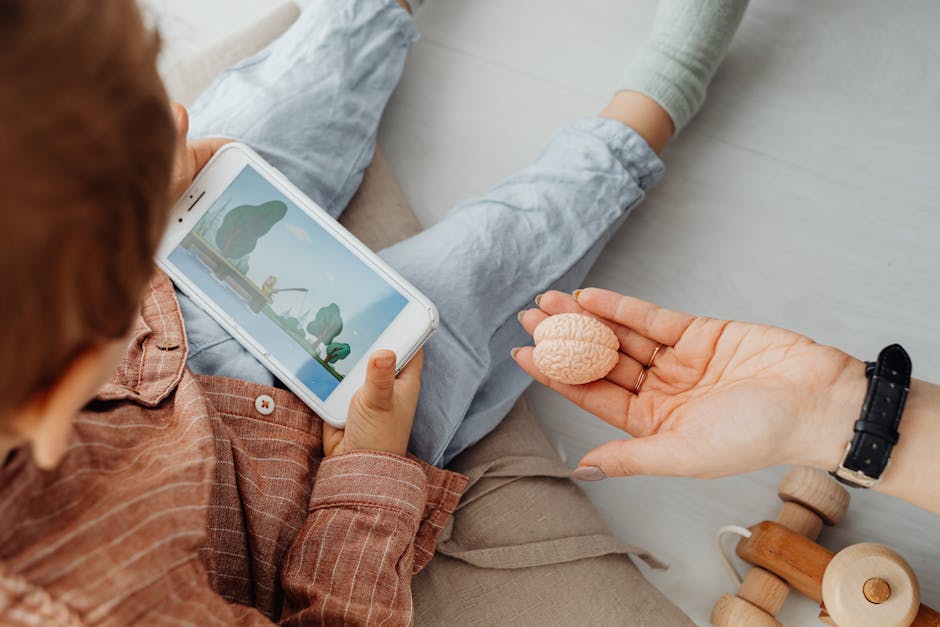
    child using tablet screen cognitive development brain

    What the Research Actually Tells Us in 2026

    The science on screen time and child cognition has matured considerably. The American Academy of Pediatrics updated its guidelines in late 2025, and the findings paint a nuanced picture rather than a simple ‘screens bad’ narrative.

    Here’s what the data broadly indicates across multiple longitudinal studies:

    • Language acquisition delays: Children aged 18โ€“36 months who consume more than 2 hours of passive screen time daily show measurable delays in expressive vocabulary โ€” roughly a 17% lag compared to age-matched peers with limited screen exposure.
    • Attention span fragmentation: Fast-paced content (think short-form video apps) trains the dopaminergic reward system to expect rapid stimulation. The result? Sustained attention tasks โ€” like listening to a teacher or completing a puzzle โ€” become neurologically harder.
    • Spatial reasoning benefits (conditional): Interactive, age-appropriate STEM apps and games have shown modest but real improvements in spatial reasoning skills among children aged 6โ€“10. The keyword here is interactive โ€” passive watching provides almost none of these benefits.
    • Social-emotional reading: A Stanford study published in early 2026 found that children spending 3+ hours daily on screens showed reduced ability to read facial micro-expressions โ€” a foundational empathy skill.
    • Sleep architecture disruption: Blue light exposure within 90 minutes of bedtime suppresses melatonin production in children even more acutely than in adults, compressing the deep sleep phases critical for memory consolidation.

    The South Korean and Finnish Contrast: Two Very Different Approaches

    It’s fascinating to look at how different countries are navigating this in 2026. South Korea โ€” one of the world’s most digitally connected nations โ€” introduced mandatory ‘Digital Literacy and Detox’ curriculum blocks in primary schools starting in 2024. By 2026, preliminary results show improved classroom focus scores in participating schools. Korean child psychiatrists have coined the term ์Šค๋งˆํŠธํฐ ๊ณผ์˜์กด ์ฆํ›„๊ตฐ (smartphone over-dependence syndrome), and it’s now formally recognized in clinical practice there.

    Meanwhile, Finland continues its legendary approach: forest kindergartens limit digital tools almost entirely until age seven, trusting that unstructured physical play builds the executive function scaffolding that later supports healthy technology use. Finnish 15-year-olds still consistently rank among the world’s top performers in PISA cognitive assessments โ€” and researchers argue the tech-light early years are a feature, not a bug.

    Neither approach is a perfect template for every family, but both offer powerful proof-of-concept: intentionality around digital exposure produces measurable cognitive outcomes.

    children outdoor play vs screen time comparison Finland Korea

    The ‘Type of Screen Time’ Distinction Nobody Talks About Enough

    Here’s where a lot of the public debate gets frustratingly oversimplified. Lumping all screen time together is like saying ‘all food is equally nutritious.’ The quality, interactivity, and social context of digital engagement matter enormously.

    Consider the spectrum:

    • Co-viewing with engaged adults: A parent watching and discussing a nature documentary with their child transforms passive consumption into active learning. Cognitive benefits here are well-documented.
    • Video calling with grandparents: This preserves social bonding, practices turn-taking in conversation, and maintains emotional connection. The AAP explicitly exempts this from ‘problematic screen time’ for toddlers.
    • Autoplay passive streaming: This is the category most associated with negative developmental outcomes. The absence of natural pauses eliminates opportunities for reflection and language processing.
    • Gamified learning apps: These vary wildly. Apps built on pedagogical frameworks (like those following Montessori or Vygotsky’s zone of proximal development principles) show genuine learning gains. Random ‘educational’ labels on apps mean almost nothing without examining the underlying design.

    Realistic Alternatives for Parents Navigating 2026’s Digital Reality

    Here’s the thing โ€” telling a working parent in 2026 to simply ‘eliminate screens’ is not just unrealistic, it’s tone-deaf. Screens are embedded in modern life. The goal isn’t purity; it’s architecture. Think of it as designing your home’s digital environment the way you’d think about nutrition โ€” not eliminating sugar entirely, but understanding when, how much, and what kind.

    Some practical frameworks worth considering:

    • The ‘Bookend’ Rule: Keep the first 30 minutes after waking and the last 60 minutes before sleep entirely screen-free. These are the windows most critical for cortisol regulation and melatonin production respectively.
    • Conversational anchoring: After any screen session, spend 5 minutes asking open-ended questions about what the child watched or played. This activates narrative processing and language production โ€” the cognitive work that passive viewing skips.
    • Physical-digital integration: Use apps that require physical movement or real-world exploration (scavenger hunt apps, AR nature identification tools). These bridge digital engagement with embodied cognition.
    • Device-free zones, not just device-free times: The dining table and bedrooms as permanent no-device zones creates spatial anchors for non-digital interaction โ€” children’s brains begin to associate physical spaces with behavioral modes.
    • Age-appropriate autonomy progression: A rigid ‘no screens until age 7’ rule may be less effective than gradually introducing technology with increasing child agency and parental discussion. Autonomy builds self-regulation, which ultimately matters more than any specific screen time number.

    The research from developmental psychologist Dr. Jenny Radesky (University of Michigan) โ€” whose 2026 findings on ‘digital scaffolding’ are getting significant attention โ€” suggests that parental responsiveness during screen time predicts outcomes far more strongly than duration alone. In other words, how you’re present matters more than simply tracking minutes on a timer.

    We’re in genuinely new territory here. No generation of parents has navigated this before, and the technology is evolving faster than the longitudinal data can follow. That’s not a reason for panic โ€” it’s a reason for thoughtful, curious, ongoing engagement with the question. Keep asking, keep adjusting, and give yourself grace in the process.

    Editor’s Comment : The most important takeaway from everything we know in 2026 is this โ€” the device itself is rarely the villain. The villain, when one exists, is unreflective use. A screen that replaces a conversation is developmentally costly. A screen that sparks one is potentially priceless. That distinction is worth more than any arbitrary daily minute limit.

    ํƒœ๊ทธ: [‘children cognitive development 2026’, ‘screen time effects on kids’, ‘digital devices and brain development’, ‘child development technology’, ‘pediatric screen time research’, ‘parenting digital age 2026’, ‘children attention span screens’]


    ๐Ÿ“š ๊ด€๋ จ๋œ ๋‹ค๋ฅธ ๊ธ€๋„ ์ฝ์–ด ๋ณด์„ธ์š”

  • ๋””์ง€ํ„ธ ๊ธฐ๊ธฐ๊ฐ€ ์•„๋™ ์ธ์ง€ ๋ฐœ๋‹ฌ์— ๋ฏธ์น˜๋Š” ์˜ํ–ฅ 2026 โ€” ์šฐ๋ฆฌ ์•„์ด, ์–ผ๋งˆ๋‚˜ ๊ดœ์ฐฎ์„๊นŒ?

    ์–ผ๋งˆ ์ „ ํ•œ ์ง€์ธ์ด ์ด๋Ÿฐ ์ด์•ผ๊ธฐ๋ฅผ ๊บผ๋ƒˆ์–ด์š”. ๋‹ค์„ฏ ์‚ด๋ฐฐ๊ธฐ ์•„์ด๊ฐ€ ์ข…์ด ๊ทธ๋ฆผ์ฑ…์„ ์†๊ฐ€๋ฝ์œผ๋กœ ‘์Šค์™€์ดํ”„’ํ•˜๋ ค๊ณ  ํ–ˆ๋‹ค๋Š” ๊ฑฐ์˜ˆ์š”. ํ™”๋ฉด์ด ๋„˜์–ด๊ฐ€์ง€ ์•Š์ž ์•„์ด๋Š” ์ž ์‹œ ๋ฉํ•œ ํ‘œ์ •์„ ์ง€์—ˆ๊ณ , ๊ทธ ์ˆœ๊ฐ„ ์ง€์ธ์€ ๋ญ”๊ฐ€ ์ด์ƒํ•˜๋‹ค๋Š” ๋А๋‚Œ์„ ๋ฐ›์•˜๋‹ค๊ณ  ํ•˜๋”๋ผ๊ณ ์š”. ์›ƒ์–ด๋„˜๊ธธ ์ˆ˜๋„ ์žˆ๋Š” ์—ํ”ผ์†Œ๋“œ์ง€๋งŒ, ์ด ์ž‘์€ ์žฅ๋ฉด ์•ˆ์— ์‚ฌ์‹ค ๊ฝค ๋ฌต์งํ•œ ์งˆ๋ฌธ์ด ๋‹ด๊ฒจ ์žˆ๋‹ค๊ณ  ๋ด…๋‹ˆ๋‹ค. ๋””์ง€ํ„ธ ๊ธฐ๊ธฐ๋Š” ์šฐ๋ฆฌ ์•„์ด๋“ค์˜ ๋‡Œ๋ฅผ, ๊ทธ๋ฆฌ๊ณ  ์‚ฌ๊ณ  ๋ฐฉ์‹์„ ์–ด๋–ป๊ฒŒ ๋ฐ”๊พธ๊ณ  ์žˆ์„๊นŒ์š”? 2026๋…„ ํ˜„์žฌ, ์ด ์ฃผ์ œ๋ฅผ ๋‘˜๋Ÿฌ์‹ผ ์—ฐ๊ตฌ์™€ ๋…ผ์˜๋Š” ๊ทธ ์–ด๋А ๋•Œ๋ณด๋‹ค ๋œจ๊ฒ๊ฒŒ ๋‹ฌ์•„์˜ค๋ฅด๊ณ  ์žˆ์–ด์š”. ํ•จ๊ป˜ ์ฐฌ์ฐฌํžˆ ์‚ดํŽด๋ณด๊ฒ ์Šต๋‹ˆ๋‹ค.

    child using tablet screen cognitive development brain

    ๐Ÿ“Š ์ˆซ์ž๋กœ ๋ณด๋Š” ์•„๋™ ๋””์ง€ํ„ธ ๋…ธ์ถœ ํ˜„ํ™ฉ 2026

    ๋จผ์ € ํ˜„์žฌ ์ƒํ™ฉ์„ ์ˆ˜์น˜๋กœ ์งš์–ด๋ณผ๊ฒŒ์š”. 2026๋…„ ๊ตญ๋‚ด ์œก์•„์ •์ฑ…์—ฐ๊ตฌ์†Œ๊ฐ€ ๋ฐœํ‘œํ•œ ์กฐ์‚ฌ์— ๋”ฐ๋ฅด๋ฉด, ๋งŒ 2์„ธ ์ดํ•˜ ์˜์•„์˜ ์•ฝ 61.3%๊ฐ€ ํ•˜๋ฃจ ํ‰๊ท  1์‹œ๊ฐ„ ์ด์ƒ ์Šค๋งˆํŠธํฐ์ด๋‚˜ ํƒœ๋ธ”๋ฆฟ์— ๋…ธ์ถœ๋˜๊ณ  ์žˆ๋Š” ๊ฒƒ์œผ๋กœ ๋‚˜ํƒ€๋‚ฌ์Šต๋‹ˆ๋‹ค. ๋งŒ 5~7์„ธ ์œ ์•„๊ตฐ์—์„œ๋Š” ๊ทธ ์ˆ˜์น˜๊ฐ€ 82%๊นŒ์ง€ ์น˜์†Ÿ์•„์š”. ์„ธ๊ณ„๋ณด๊ฑด๊ธฐ๊ตฌ(WHO)๊ฐ€ ๊ถŒ๊ณ ํ•˜๋Š” ๋งŒ 2์„ธ ๋ฏธ๋งŒ ์Šคํฌ๋ฆฐ ํƒ€์ž„์€ ‘0์‹œ๊ฐ„’์ด๊ณ , ๋งŒ 2~5์„ธ๋Š” ํ•˜๋ฃจ 1์‹œ๊ฐ„ ์ด๋‚ด์ธ ์ ์„ ๊ฐ์•ˆํ•˜๋ฉด, ๊ตญ๋‚ด ์•„๋™ ๋Œ€๋ถ€๋ถ„์ด ๊ถŒ๊ณ  ๊ธฐ์ค€์„ ๋„˜์–ด์„œ๊ณ  ์žˆ๋‹ค๊ณ  ๋ด์•ผ ํ•  ๊ฒƒ ๊ฐ™์Šต๋‹ˆ๋‹ค.

    ์ธ์ง€ ๋ฐœ๋‹ฌ ์ธก๋ฉด์—์„œ๋„ ์ฃผ๋ชฉํ•  ๋งŒํ•œ ๋ฐ์ดํ„ฐ๊ฐ€ ์žˆ์–ด์š”. ๋ฏธ๊ตญ ๊ตญ๋ฆฝ๋ณด๊ฑด์›(NIH)์˜ ABCD(Adolescent Brain Cognitive Development) ์—ฐ๊ตฌ 2025๋…„ ์—…๋ฐ์ดํŠธ ๋ณด๊ณ ์„œ์—์„œ๋Š”, ํ•˜๋ฃจ 2์‹œ๊ฐ„ ์ด์ƒ ์Šคํฌ๋ฆฐ์„ ์‚ฌ์šฉํ•œ 9~10์„ธ ์•„๋™ ์ง‘๋‹จ์ด ๊ทธ๋ ‡์ง€ ์•Š์€ ์ง‘๋‹จ์— ๋น„ํ•ด ํ”ผ์งˆ ๋‘๊ป˜(Cortical Thickness)๊ฐ€ ํ†ต๊ณ„์ ์œผ๋กœ ์œ ์˜๋ฏธํ•˜๊ฒŒ ์–‡์•˜๋‹ค๋Š” ๊ฒฐ๊ณผ๊ฐ€ ๋‚˜์™”์Šต๋‹ˆ๋‹ค. ํ”ผ์งˆ ๋‘๊ป˜๋Š” ์ฃผ์˜๋ ฅ, ๊ธฐ์–ต๋ ฅ, ์–ธ์–ด ์ฒ˜๋ฆฌ ๋Šฅ๋ ฅ๊ณผ ๋ฐ€์ ‘ํ•˜๊ฒŒ ์—ฐ๊ด€๋œ ์ง€ํ‘œ๋ผ๋Š” ์ ์—์„œ ๊ฐ€๋ณ๊ฒŒ ๋ณผ ์ˆ˜ ์—†๋Š” ๊ฒฐ๊ณผ๋ผ๊ณ  ์ƒ๊ฐํ•ด์š”.

    ๋ฐ˜๋ฉด, ๋ชจ๋“  ๋””์ง€ํ„ธ ์‚ฌ์šฉ์ด ๋ถ€์ •์ ์ด์ง€๋Š” ์•Š๋‹ค๋Š” ์—ฐ๊ตฌ๋„ ๋ณ‘์กดํ•ด์š”. ๊ต์œก์šฉ ์•ฑ์„ ‘์ƒํ˜ธ์ž‘์šฉ์ ์œผ๋กœ’ ์‚ฌ์šฉํ•œ 4~6์„ธ ๊ทธ๋ฃน์—์„œ๋Š” ์–ดํœ˜๋ ฅ๊ณผ ์ˆ˜ ๊ฐœ๋… ์ดํ•ด๋ ฅ์ด ๋น„๊ต๊ตฐ๋ณด๋‹ค ์•ฝ 14~18% ๋†’๊ฒŒ ์ธก์ •๋˜์—ˆ๋‹ค๋Š” ํ•€๋ž€๋“œ ํ—ฌ์‹ฑํ‚ค ๋Œ€ํ•™์˜ 2025๋…„ ์—ฐ๊ตฌ๋„ ์žˆ๊ฑฐ๋“ ์š”. ์ฆ‰, ‘์–ผ๋งˆ๋‚˜’๋ณด๋‹ค ‘์–ด๋–ป๊ฒŒ’ ์‚ฌ์šฉํ•˜๋А๋ƒ๊ฐ€ ํ•ต์‹ฌ ๋ณ€์ˆ˜์ธ ๊ฒƒ ๊ฐ™์Šต๋‹ˆ๋‹ค.

    ๐ŸŒ ๊ตญ๋‚ด์™ธ ์‚ฌ๋ก€๋กœ ๋ณด๋Š” ๋‘ ๊ฐ€์ง€ ๋ฐฉํ–ฅ

    ๊ทœ์ œ ๊ฐ•ํ™”์˜ ํ๋ฆ„ โ€” ํ˜ธ์ฃผ์™€ ์˜๊ตญ์˜ ์„ ํƒ
    ํ˜ธ์ฃผ๋Š” 2025๋…„ ๋ง๋ถ€ํ„ฐ ๋งŒ 16์„ธ ๋ฏธ๋งŒ ์•„๋™ยท์ฒญ์†Œ๋…„์˜ ์†Œ์…œ๋ฏธ๋””์–ด ๊ณ„์ • ๊ฐœ์„ค์„ ๋ฒ•์ ์œผ๋กœ ๊ธˆ์ง€ํ•˜๋Š” ์„ธ๊ณ„ ์ตœ์ดˆ์˜ ๊ตญ๊ฐ€๊ฐ€ ๋˜์—ˆ์–ด์š”. ์˜๊ตญ ์—ญ์‹œ 2026๋…„ ์ดˆ ‘์•„๋™ ์˜จ๋ผ์ธ ์•ˆ์ „๋ฒ•(Children’s Online Safety Act)’ ๊ฐœ์ •์•ˆ์„ ํ†ตํ•ด ํ”Œ๋žซํผ์ด ์•„๋™ ์‚ฌ์šฉ์ž์˜ ์•Œ๊ณ ๋ฆฌ์ฆ˜ ์ถ”์ฒœ์„ ๊ธฐ๋ณธ์ ์œผ๋กœ ์ฐจ๋‹จํ•˜๋„๋ก ์˜๋ฌดํ™”ํ–ˆ์Šต๋‹ˆ๋‹ค. ์ด ๋‘ ๋‚˜๋ผ์˜ ๊ณตํ†ต์ ์€ ๋‹จ์ˆœํžˆ ์‹œ๊ฐ„์„ ์ œํ•œํ•˜๋Š” ๊ฒƒ์„ ๋„˜์–ด, ์ฝ˜ํ…์ธ ์˜ ์งˆ๊ณผ ์ž๊ทน ๋ฐฉ์‹ ์ž์ฒด๋ฅผ ๊ทœ์ œํ•˜๊ธฐ ์‹œ์ž‘ํ–ˆ๋‹ค๋Š” ์ ์ด์—์š”.

    ๊ตญ๋‚ด ์‚ฌ๋ก€ โ€” ์„œ์šธ์‹œ ๋””์ง€ํ„ธ ๋””ํ†ก์Šค ํ•™๊ต ํ”„๋กœ๊ทธ๋žจ
    ์„œ์šธ์‹œ๊ต์œก์ฒญ์€ 2025๋…„ 2ํ•™๊ธฐ๋ถ€ํ„ฐ ์ดˆ๋“ฑํ•™๊ต 1~3ํ•™๋…„์„ ๋Œ€์ƒ์œผ๋กœ ‘๋””์ง€ํ„ธ ์‰ฌ๋Š” ๋‚ ’ ํ”„๋กœ๊ทธ๋žจ์„ ์‹œ๋ฒ” ์šด์˜ ์ค‘์ด์—์š”. ์ฃผ 1ํšŒ ๋””์ง€ํ„ธ ๊ธฐ๊ธฐ ์—†์ด ์‹ ์ฒด ๋†€์ด, ๋…์„œ, ๋ฏธ์ˆ  ํ™œ๋™์„ ์ง„ํ–‰ํ•˜๋Š” ๋ฐฉ์‹์ธ๋ฐ์š”. 6๊ฐœ์›”๊ฐ„์˜ ์‹œ๋ฒ” ์šด์˜ ๊ฒฐ๊ณผ, ์ฐธ์—ฌ ์•„๋™์˜ ์ง‘์ค‘๋ ฅ ์œ ์ง€ ์‹œ๊ฐ„์ด ํ‰๊ท  23% ํ–ฅ์ƒ๋˜์—ˆ๊ณ , ๊ต์‚ฌ๋“ค์ด ์ฒด๊ฐํ•œ ์ˆ˜์—… ์ฐธ์—ฌ๋„ ์—ญ์‹œ ์œ ์˜๋ฏธํ•˜๊ฒŒ ๋†’์•„์กŒ๋‹ค๋Š” ์ค‘๊ฐ„ ๋ณด๊ณ ๊ฐ€ ๋‚˜์™”์Šต๋‹ˆ๋‹ค. ๋ฌผ๋ก  ์•„์ง ์ถฉ๋ถ„ํ•œ ์ข…๋‹จ ์—ฐ๊ตฌ๊ฐ€ ํ•„์š”ํ•œ ๋‹จ๊ณ„์ด์ง€๋งŒ, ๋ฐฉํ–ฅ์„ฑ ์ž์ฒด๋Š” ์‹œ์‚ฌํ•˜๋Š” ๋ฐ”๊ฐ€ ํฌ๋‹ค๊ณ  ๋ด…๋‹ˆ๋‹ค.

    children outdoor play reading books no screen time

    โœ… ๋ถ€๋ชจ๊ฐ€ ์ง€๊ธˆ ๋‹น์žฅ ์‹ค์ฒœํ•  ์ˆ˜ ์žˆ๋Š” ํ˜„์‹ค์ ์ธ ๊ฐ€์ด๋“œ

    ์ด๋ก ๊ณผ ์ˆ˜์น˜๋ฅผ ๋„˜์–ด, ์‹ค์ œ๋กœ ๊ฐ€์ •์—์„œ ์ ์šฉํ•ด ๋ณผ ์ˆ˜ ์žˆ๋Š” ๋ฐฉ๋ฒ•๋“ค์„ ์ •๋ฆฌํ•ด ๋ดค์–ด์š”. ์™„๋ฒฝํ•œ ํ•ด๋ฒ•์€ ์—†์ง€๋งŒ, ์ž‘์€ ์Šต๊ด€์˜ ๋ณ€ํ™”๊ฐ€ ๊ฝค ํฐ ์ฐจ์ด๋ฅผ ๋งŒ๋“ค์–ด๋‚ธ๋‹ค๋Š” ๊ฒƒ์€ ๋ถ„๋ช…ํ•ด ๋ณด์ž…๋‹ˆ๋‹ค.

    • ๋งŒ 2์„ธ ์ดํ•˜๋Š” ํ™”์ƒํ†ตํ™” ์ œ์™ธ ์Šคํฌ๋ฆฐ ํƒ€์ž„ ์ตœ์†Œํ™”: WHO ๊ถŒ๊ณ ๋ฅผ ์ตœ๋Œ€ํ•œ ๋”ฐ๋ฅด๋˜, ์กฐ๋ถ€๋ชจ ํ™”์ƒํ†ตํ™”์ฒ˜๋Ÿผ ์ƒํ˜ธ์ž‘์šฉ์ด ์žˆ๋Š” ์‚ฌ์šฉ์€ ์˜ˆ์™ธ์ ์œผ๋กœ ํ—ˆ์šฉํ•˜๋Š” ๋ฐฉ์‹์ด ํ˜„์‹ค์ ์ด์—์š”.
    • ‘ํ•จ๊ป˜ ๋ณด๊ธฐ(Co-viewing)’ ์Šต๊ด€ ๋งŒ๋“ค๊ธฐ: ๋ถ€๋ชจ๊ฐ€ ์˜†์—์„œ ์ฝ˜ํ…์ธ ๋ฅผ ํ•จ๊ป˜ ๋ณด๋ฉฐ ์งˆ๋ฌธํ•˜๊ณ  ๋Œ€ํ™”ํ•˜๋Š” ๊ฒƒ๋งŒ์œผ๋กœ๋„ ์ˆ˜๋™์  ์ˆ˜์šฉ์„ ๋Šฅ๋™์  ํ•™์Šต์œผ๋กœ ์ „ํ™˜ํ•  ์ˆ˜ ์žˆ๋‹ค๊ณ  ๋ด…๋‹ˆ๋‹ค.
    • ์นจ์‹ค๊ณผ ์‹ํƒ์€ ๋””์ง€ํ„ธ ํ”„๋ฆฌ์กด ์„ ์–ธ: ๊ธฐ๊ธฐ ์‚ฌ์šฉ ๊ณต๊ฐ„์„ ๋ฌผ๋ฆฌ์ ์œผ๋กœ ์ œํ•œํ•˜๋Š” ๊ฒƒ์ด ์‹œ๊ฐ„ ์ œํ•œ๋ณด๋‹ค ์˜คํžˆ๋ ค ํšจ๊ณผ์ ์ด๋ผ๋Š” ์—ฐ๊ตฌ ๊ฒฐ๊ณผ๊ฐ€ ๋งŽ์•„์š”.
    • ๊ต์œก์šฉ ์•ฑ๋„ ‘์ƒํ˜ธ์ž‘์šฉํ˜•’์œผ๋กœ ์„ ๋ณ„: ๋‹จ์ˆœํžˆ ์˜์ƒ์„ ํ‹€์–ด์ฃผ๋Š” ๋ฐฉ์‹์ด ์•„๋‹ˆ๋ผ, ์•„์ด๊ฐ€ ์ง์ ‘ ์กฐ์ž‘ํ•˜๊ณ  ๋ฐ˜์‘์„ ๋ฐ›๋Š” ์•ฑ์„ ์„ ํƒํ•˜๋Š” ๊ฒƒ์ด ์ธ์ง€ ๋ฐœ๋‹ฌ์— ํ›จ์”ฌ ์œ ๋ฆฌํ•ฉ๋‹ˆ๋‹ค.
    • ์ทจ์นจ 1์‹œ๊ฐ„ ์ „ ๋ธ”๋ฃจ๋ผ์ดํŠธ ์ฐจ๋‹จ: ๋ฉœ๋ผํ† ๋‹Œ ๋ถ„๋น„์— ์˜ํ–ฅ์„ ์ฃผ๋Š” ๋ธ”๋ฃจ๋ผ์ดํŠธ๋Š” ์ˆ˜๋ฉด์˜ ์งˆ์„ ๋‚ฎ์ถ”๊ณ , ์ˆ˜๋ฉด์˜ ์งˆ ์ €ํ•˜๋Š” ๋‹ค์‹œ ๊ธฐ์–ต ๊ณต๊ณ ํ™”(Memory Consolidation)๋ฅผ ๋ฐฉํ•ดํ•˜๋Š” ์•…์ˆœํ™˜์œผ๋กœ ์ด์–ด์ ธ์š”.
    • ๋””์ง€ํ„ธ ์‚ฌ์šฉ ํ›„ ‘์•„๋‚ ๋กœ๊ทธ ์ฟจ๋‹ค์šด’ ์‹œ๊ฐ„ ๊ฐ–๊ธฐ: ์Šคํฌ๋ฆฐ ์‚ฌ์šฉ ํ›„ ๋ฐ”๋กœ ๋‹ค๋ฅธ ํ™œ๋™์œผ๋กœ ์ „ํ™˜ํ•˜๋Š” ๊ฒƒ๋ณด๋‹ค, 10~15๋ถ„ ์ •๋„ ์‹ ์ฒด ํ™œ๋™์ด๋‚˜ ์ž์œ  ๋†€์ด ์‹œ๊ฐ„์„ ๋„ฃ์–ด์ฃผ๋Š” ๊ฒƒ์ด ๊ณผํ™œ์„ฑํ™”๋œ ๋„ํŒŒ๋ฏผ ํšŒ๋กœ๋ฅผ ์•ˆ์ •์‹œํ‚ค๋Š” ๋ฐ ๋„์›€์ด ๋œ๋‹ค๊ณ  ํ•ฉ๋‹ˆ๋‹ค.

    ๐Ÿ” ๊ฒฐ๋ก  โ€” ๊ธˆ์ง€๊ฐ€ ์•„๋‹Œ ‘์„ค๊ณ„’์˜ ๋ฌธ์ œ

    ๋””์ง€ํ„ธ ๊ธฐ๊ธฐ๋ฅผ ์•„์ด์—๊ฒŒ์„œ ์™„์ „ํžˆ ์ฐจ๋‹จํ•˜๋Š” ๊ฑด 2026๋…„์„ ์‚ด์•„๊ฐ€๋Š” ํ˜„์‹ค์—์„œ ๋ถˆ๊ฐ€๋Šฅํ•˜๊ธฐ๋„ ํ•˜๊ณ , ๊ผญ ์˜ณ์€ ๋ฐฉํ–ฅ๋„ ์•„๋‹ ์ˆ˜ ์žˆ์–ด์š”. ๋ฌธ์ œ๋Š” ๊ธฐ๊ธฐ ์ž์ฒด๊ฐ€ ์•„๋‹ˆ๋ผ, ์–ด๋–ค ๋งฅ๋ฝ์—์„œ, ์–ด๋–ค ์ฝ˜ํ…์ธ ๋ฅผ, ์–ผ๋งˆ๋‚˜, ๋ˆ„๊ตฌ์™€ ํ•จ๊ป˜ ์‚ฌ์šฉํ•˜๋А๋ƒ์— ๋‹ฌ๋ ค ์žˆ๋‹ค๊ณ  ๋ด…๋‹ˆ๋‹ค. ์•„์ด์˜ ๋‡Œ๋Š” ๋†€๋ผ์šธ ๋งŒํผ ๊ฐ€์†Œ์„ฑ(Neuroplasticity)์ด ๋†’์•„์„œ, ํ™˜๊ฒฝ์„ ์–ด๋–ป๊ฒŒ ์„ค๊ณ„ํ•˜๋А๋ƒ์— ๋”ฐ๋ผ ์–ผ๋งˆ๋“ ์ง€ ๊ฑด๊ฐ•ํ•œ ๋ฐฉํ–ฅ์œผ๋กœ ๋ฐœ๋‹ฌํ•  ์ˆ˜ ์žˆ์–ด์š”. ๋ถ€๋ชจ์˜ ์—ญํ• ์€ ๊ธฐ๊ธฐ๋ฅผ ๋นผ์•—๋Š” ๊ฒƒ์ด ์•„๋‹ˆ๋ผ, ์•„์ด๊ฐ€ ๋””์ง€ํ„ธ ์„ธ๊ณ„๋ฅผ ํƒ์ƒ‰ํ•˜๋Š” ๋ฐฉ์‹์„ ํ•จ๊ป˜ ๋””์ž์ธํ•ด ์ฃผ๋Š” ๊ฒƒ์ด ์•„๋‹๊นŒ ์‹ถ์Šต๋‹ˆ๋‹ค.

    ์—๋””ํ„ฐ ์ฝ”๋ฉ˜ํŠธ : ์†”์งํžˆ ๋งํ•˜๋ฉด, ์ €๋„ ์•„์ด ์˜†์—์„œ ์Šค๋งˆํŠธํฐ์„ ๋“ค์—ฌ๋‹ค๋ณด๋Š” ์–ด๋ฅธ ์ค‘ ํ•œ ๋ช…์ด์—์š”. ์™„๋ฒฝํ•œ ๋””์ง€ํ„ธ ์ ˆ์ œ๋ฅผ ์‹ค์ฒœํ•˜๊ธฐ๋ž€ ์ •๋ง ์–ด๋ ต์ฃ . ๊ทธ๋ž˜์„œ ์ €๋Š” ‘ํ•˜๋ฃจ ํ•œ ๋ฒˆ, ๊ธฐ๊ธฐ ์—†์ด ์•„์ด ๋ˆˆ์„ ๋ฐ”๋ผ๋ณด๋ฉฐ ๋Œ€ํ™”ํ•˜๋Š” ์‹œ๊ฐ„ 10๋ถ„’์„ ๋จผ์ € ๋งŒ๋“ค์–ด ๋ณด๋Š” ๊ฒƒ์„ ๊ถŒํ•˜๊ณ  ์‹ถ์–ด์š”. ๊ฑฐ์ฐฝํ•œ ๋ฃจํ‹ด๋ณด๋‹ค ์ด ์ž‘์€ 10๋ถ„์ด ์•„์ด์˜ ์–ธ์–ด ๋ฐœ๋‹ฌ๊ณผ ์• ์ฐฉ ํ˜•์„ฑ์— ์ƒ๊ฐ๋ณด๋‹ค ํ›จ์”ฌ ๊ฐ•๋ ฅํ•œ ์˜ํ–ฅ์„ ๋ฏธ์นœ๋‹ค๋Š” ๊ฑธ, ์—ฐ๊ตฌ๋“ค์ด ๊พธ์ค€ํžˆ ์ฆ๋ช…ํ•˜๊ณ  ์žˆ๊ฑฐ๋“ ์š”.

    ํƒœ๊ทธ: [‘๋””์ง€ํ„ธ๊ธฐ๊ธฐ์•„๋™๋ฐœ๋‹ฌ’, ‘์•„๋™์ธ์ง€๋ฐœ๋‹ฌ2026’, ‘์Šคํฌ๋ฆฐํƒ€์ž„์˜ํ–ฅ’, ‘์œก์•„๋””์ง€ํ„ธ๊ต์œก’, ‘์Šค๋งˆํŠธํฐ์•„์ด๋ฐœ๋‹ฌ’, ‘๋””์ง€ํ„ธ๋””ํ†ก์Šค์œก์•„’, ‘์•„๋™๋‡Œ๋ฐœ๋‹ฌ์—ฐ๊ตฌ’]


    ๐Ÿ“š ๊ด€๋ จ๋œ ๋‹ค๋ฅธ ๊ธ€๋„ ์ฝ์–ด ๋ณด์„ธ์š”

  • EdTech 2026: The Future of Education Technology Trends Reshaping How We Learn

    Picture this: it’s a Tuesday morning, and a 14-year-old student in rural Kenya is collaborating in real time with a classmate in Seoul, guided by an AI tutor that has already mapped out both of their individual learning gaps overnight. Meanwhile, a 45-year-old marketing professional in Chicago is upskilling through an immersive VR simulation that mimics actual boardroom negotiations. This isn’t science fiction anymore โ€” this is EdTech in 2026, and it’s moving faster than most of us expected.

    Whether you’re a parent wondering about your child’s school tech, an educator trying to stay relevant, or a lifelong learner figuring out your next career pivot, understanding where education technology is headed right now is genuinely one of the most useful things you can do. So let’s think through this together.

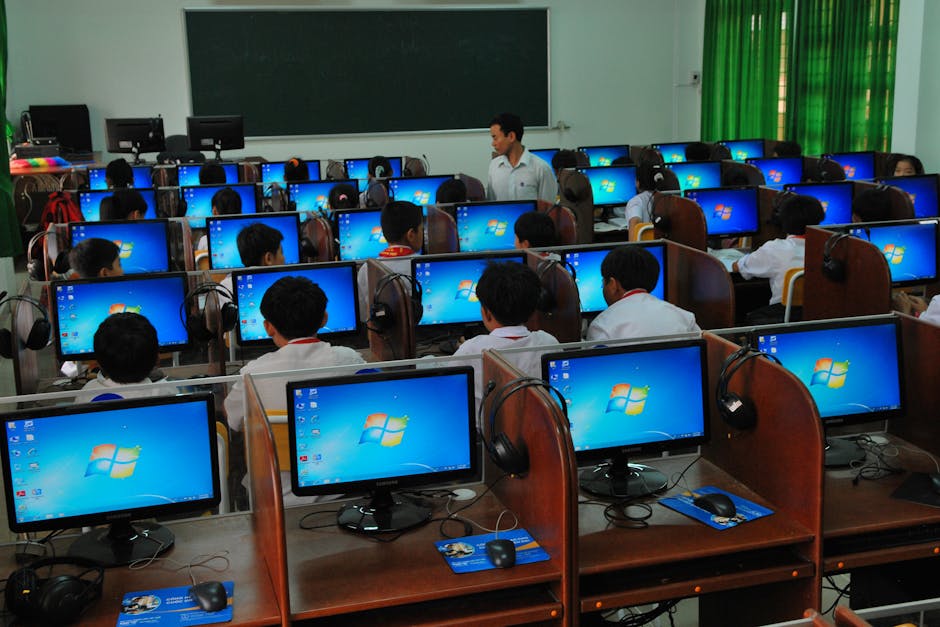
    futuristic classroom AI education technology 2026

    ๐Ÿ“Š The Numbers Don’t Lie: EdTech’s Explosive Growth in 2026

    The global EdTech market crossed the $400 billion threshold in early 2026, according to HolonIQ’s latest sector report โ€” a figure that was considered optimistic just three years ago. More telling than the market size, though, is where the investment is flowing. AI-personalized learning platforms now account for nearly 38% of all EdTech funding rounds, signaling a clear industry consensus: one-size-fits-all education is officially on its way out.

    Adaptive learning engines โ€” systems that continuously adjust content difficulty, pacing, and format based on real-time student performance data โ€” have gone from niche tools to mainstream infrastructure. Schools in Singapore, Finland, and Canada have already embedded these systems into national curricula, with measurable outcomes: a 2025 longitudinal study published in the Journal of Educational Technology found that students using AI-adaptive platforms showed a 31% improvement in knowledge retention compared to traditional instruction over a 12-month period. That’s not a marginal gain โ€” that’s a structural shift.

    ๐ŸŒ Who’s Leading the Charge? Global and Domestic Examples Worth Watching

    Let’s look at some concrete examples that illustrate where things are heading โ€” and why they matter to you.

    South Korea’s AI-Integrated National Curriculum (2026): Starting this academic year, South Korea’s Ministry of Education officially rolled out its “AI Tutor” program across middle schools nationwide. Each student receives a personalized learning dashboard powered by a large language model trained specifically on the Korean curriculum. Teachers are repositioned as mentors and facilitators rather than primary content deliverers. Early feedback from educators? Mixed but cautiously optimistic โ€” the workload has shifted, not decreased.

    Coursera and the Micro-Credential Revolution: Coursera’s 2026 partnership with over 60 Fortune 500 companies has essentially created a parallel credentialing ecosystem. Employers are now actively recruiting candidates who hold verified micro-credentials in specific skills โ€” think “Advanced Prompt Engineering” or “Supply Chain AI Analytics” โ€” sometimes valuing these over traditional four-year degrees for certain roles. The gatekeeping function of universities is being quietly renegotiated.

    Synthesis (formerly from SpaceX’s Ad Astra school): This problem-solving platform, originally built for Elon Musk’s private school, expanded aggressively in 2025 and now has over 800,000 student users globally. Its multiplayer simulation model โ€” where students solve complex real-world challenges collaboratively โ€” has become a case study in how game mechanics can drive genuine critical thinking development.

    India’s DIKSHA 3.0 Platform: India’s government-backed DIKSHA platform hit 300 million registered users in 2026, making it arguably the largest single EdTech deployment in history. Its latest iteration incorporates regional language AI tutors and offline-sync capabilities, specifically designed for students with intermittent internet access. This is EdTech equity in action.

    ๐Ÿ”‘ The Key Trends You Actually Need to Know

    • Generative AI as a Pedagogical Partner: AI is no longer just grading essays โ€” it’s co-designing lesson plans, generating differentiated assessments, and providing students with Socratic-style questioning rather than just answers. Tools like Khanmigo (Khan Academy’s AI tutor) have matured significantly and are now standard in thousands of classrooms.
    • Immersive Learning via XR (Extended Reality): Mixed reality headsets have dropped below the $300 price point in 2026, making classroom adoption genuinely feasible. Medical schools, vocational training programs, and even elementary science classes are using XR to make abstract concepts visceral and memorable.
    • Skills-Based Learning Architecture: The curriculum is being decomposed into discrete, verifiable skill units. Platforms like Degreed and Credly have built entire ecosystems around tracking and validating these skills, creating portable learning portfolios that follow learners across institutions and employers.
    • Learning Analytics and Privacy Tensions: The more personalized education becomes, the more data it requires. In 2026, this tension is front and center โ€” the EU’s expanded Digital Education Framework now mandates strict consent protocols for student data use, and similar legislation is being debated in the U.S. Congress. How this resolves will shape the next decade of EdTech.
    • Teacher Augmentation, Not Teacher Replacement: Despite the automation anxiety, the evidence increasingly supports a complementary model. EdTech companies that position their tools as teacher-replacement have consistently underperformed versus those that empower educators with better data and less administrative friction.
    • Social-Emotional Learning (SEL) Tech: Platforms are now integrating emotional recognition and wellbeing check-ins into learning flows. While promising, this is also where ethical debates are sharpest โ€” should an app know if your child is anxious before a test?
    EdTech trends adaptive learning personalized education platform 2026

    ๐Ÿ’ก Realistic Alternatives: What This Means for You, Specifically

    Not everyone has access to a cutting-edge school or a corporate upskilling budget. So let’s be practical about this.

    If you’re a parent: You don’t need the most expensive platform. Khan Academy’s free tier with Khanmigo integration covers K-12 fundamentals effectively. Focus less on the flashiest tool and more on whether your child is developing metacognitive habits โ€” the ability to recognize what they know and don’t know. That skill transfers regardless of which technology they’re using.

    If you’re an educator: Start small with AI tools. Use them to reduce your grading and planning burden first โ€” that’s where the immediate ROI is. Once you’ve reclaimed that time, experiment with personalized pathways for your highest-need students. You don’t need to overhaul your entire classroom overnight.

    If you’re an adult learner: LinkedIn Learning, Coursera, and edX all offer employer-recognized certificates in high-demand areas. In 2026, the sweet spot is anything at the intersection of AI literacy and your existing domain expertise. You don’t need to become a data scientist โ€” you need to become the expert in your field who also understands how AI tools work.

    If you’re in an under-resourced environment: Offline-capable platforms like DIKSHA, Kolibri, and Rachel+ are purpose-built for low-connectivity contexts. The EdTech equity gap is real, but it’s being actively addressed โ€” and these tools are genuinely impressive given their constraints.

    The honest truth is that EdTech’s promise and its complexity are inseparable right now. The technology is advancing faster than our social, ethical, and institutional frameworks can accommodate. That’s not a reason for panic โ€” it’s a reason for informed engagement. The people who will navigate this era best aren’t the ones who adopt every new tool, but the ones who ask sharper questions about why a tool exists and who it actually serves.

    Education has always been fundamentally about human potential. The best EdTech in 2026 knows that and works in that direction. The rest is noise worth filtering carefully.

    Editor’s Comment : What strikes me most about EdTech in 2026 isn’t any single technology โ€” it’s the philosophical shift happening underneath all of it. We’re moving from education as a system that processes people in batches toward one that actually sees individuals. That’s worth being genuinely excited about, even as we stay clear-eyed about the very real risks of surveillance, inequity, and over-automation that come along for the ride. Stay curious, ask hard questions, and remember: the goal was always the learning, not the platform.

    ํƒœ๊ทธ: [‘EdTech 2026’, ‘future of education technology’, ‘AI in education’, ‘adaptive learning platforms’, ‘education technology trends’, ‘personalized learning’, ‘micro-credentials’]


    ๐Ÿ“š ๊ด€๋ จ๋œ ๋‹ค๋ฅธ ๊ธ€๋„ ์ฝ์–ด ๋ณด์„ธ์š”

  • 2026๋…„ ์—๋“€ํ…Œํฌ ์ตœ์‹  ๋™ํ–ฅ: AI ํŠœํ„ฐ๋ถ€ํ„ฐ ๋ฉ”ํƒ€๋ฒ„์Šค ๊ต์‹ค๊นŒ์ง€, ๋ฏธ๋ž˜ ๊ต์œก ๊ธฐ์ˆ ์ด ๋ฐ”๊พธ๋Š” ํ•™์Šต์˜ ๋ชจ๋“  ๊ฒƒ

    ์–ผ๋งˆ ์ „, ์ง€์ธ์˜ ์ดˆ๋“ฑํ•™์ƒ ์•„์ด๊ฐ€ ํƒœ๋ธ”๋ฆฟ ํ™”๋ฉด์„ ๋ณด๋ฉฐ ํ˜ผ์ž ์ˆ˜ํ•™ ๋ฌธ์ œ๋ฅผ ํ’€๊ณ  ์žˆ์—ˆ์–ด์š”. ์‹ ๊ธฐํ•œ ๊ฑด, ํ‹€๋ฆฐ ๋ฌธ์ œ๊ฐ€ ๋‚˜์˜ฌ ๋•Œ๋งˆ๋‹ค ํ™”๋ฉด ์† AI ์บ๋ฆญํ„ฐ๊ฐ€ “์ด ๋ถ€๋ถ„์„ ์–ด๋ ค์›Œํ•˜๋Š”๊ตฌ๋‚˜, ๋‹ค์‹œ ํ•œ๋ฒˆ ์ด๋ ‡๊ฒŒ ์ƒ๊ฐํ•ด๋ณผ๊นŒ?” ํ•˜๋ฉฐ ํžŒํŠธ๋ฅผ ๊ฑด๋„ค๋”๋ผ๊ณ ์š”. ๋‹จ์ˆœํ•œ ์ •๋‹ต/์˜ค๋‹ต ํ”ผ๋“œ๋ฐฑ์ด ์•„๋‹ˆ๋ผ, ์•„์ด์˜ ํ’€์ด ๊ณผ์ • ์ž์ฒด๋ฅผ ๋ถ„์„ํ•˜๊ณ  ์žˆ์—ˆ๋˜ ๊ฑฐ์ฃ . ๋ถˆ๊ณผ ๋ช‡ ๋…„ ์ „๋งŒ ํ•ด๋„ SF ์˜ํ™” ์† ์žฅ๋ฉด์ฒ˜๋Ÿผ ๋А๊ปด์กŒ์„ ์ผ์ด, ์ง€๊ธˆ์€ ๊ฑฐ์‹ค ์†ŒํŒŒ์—์„œ ์ผ์–ด๋‚˜๊ณ  ์žˆ์Šต๋‹ˆ๋‹ค.

    2026๋…„ ํ˜„์žฌ, ์—๋“€ํ…Œํฌ(EduTech, ๊ต์œก+๊ธฐ์ˆ )๋Š” ๋‹จ์ˆœํžˆ ‘๋””์ง€ํ„ธ ๊ต๊ณผ์„œ’๋‚˜ ‘์˜จ๋ผ์ธ ๊ฐ•์˜’ ์ˆ˜์ค€์„ ํ›Œ์ฉ ๋„˜์–ด์„ฐ์–ด์š”. AI, ๋ฉ”ํƒ€๋ฒ„์Šค, ์ƒ์„ฑํ˜• AI, ๋‡Œ๊ณผํ•™ ๊ธฐ๋ฐ˜ ํ•™์Šต ์„ค๊ณ„๊นŒ์ง€ ๊ฒฐํ•ฉ๋˜๋ฉด์„œ ๊ต์œก์˜ ํŒจ๋Ÿฌ๋‹ค์ž„ ์ž์ฒด๊ฐ€ ํ”๋“ค๋ฆฌ๊ณ  ์žˆ๋‹ค๊ณ  ๋ด…๋‹ˆ๋‹ค. ์˜ค๋Š˜์€ ์ด ๊ฑฐ๋Œ€ํ•œ ํ๋ฆ„์„ ํ•จ๊ป˜ ์ฐจ๊ทผ์ฐจ๊ทผ ์งš์–ด๋ณผ๊ฒŒ์š”.

    futuristic classroom AI education technology 2026

    ๐Ÿ“Š ์ˆซ์ž๋กœ ๋ณด๋Š” ์—๋“€ํ…Œํฌ ์‹œ์žฅ์˜ ํญ๋ฐœ์  ์„ฑ์žฅ

    ๋จผ์ € ์‹œ์žฅ ๊ทœ๋ชจ๋ถ€ํ„ฐ ์‚ดํŽด๋ณด๋ฉด ๊ทธ ๋ฌด๊ฒŒ๊ฐ์ด ํ™• ๋А๊ปด์ ธ์š”. ๊ธ€๋กœ๋ฒŒ ์—๋“€ํ…Œํฌ ์‹œ์žฅ์€ 2026๋…„ ๊ธฐ์ค€ ์•ฝ 4,040์–ต ๋‹ฌ๋Ÿฌ(ํ•œํ™” ์•ฝ 540์กฐ ์›) ๊ทœ๋ชจ๋กœ ์„ฑ์žฅํ•œ ๊ฒƒ์œผ๋กœ ์ถ”์‚ฐ๋ฉ๋‹ˆ๋‹ค. 2020๋…„ ๋Œ€๋น„ ์•ฝ 3๋ฐฐ ์ด์ƒ ์ปค์ง„ ์ˆ˜์น˜์˜ˆ์š”. ์—ฐํ‰๊ท  ์„ฑ์žฅ๋ฅ (CAGR)์€ ๋ฌด๋ ค 16~18%๋Œ€๋ฅผ ์œ ์ง€ํ•˜๊ณ  ์žˆ๋Š”๋ฐ, ์ด๋Š” ์ „ํ†ต์ ์ธ IT ์„นํ„ฐ ํ‰๊ท  ์„ฑ์žฅ๋ฅ (์•ฝ 8~10%)์˜ ๊ฑฐ์˜ ๋‘ ๋ฐฐ์— ๋‹ฌํ•˜๋Š” ์†๋„๋ผ๊ณ  ๋ด๋„ ๋ฌด๋ฐฉํ•ฉ๋‹ˆ๋‹ค.

    ๊ตญ๋‚ด ์‹œ์žฅ๋„ ๋งŒ๋งŒ์น˜ ์•Š์•„์š”. ํ•œ๊ตญ ์—๋“€ํ…Œํฌ ์‚ฐ์—… ๊ทœ๋ชจ๋Š” 2026๋…„ ์•ฝ 10์กฐ ์›์„ ๋ŒํŒŒํ•œ ๊ฒƒ์œผ๋กœ ์ถ”์ •๋˜๋ฉฐ, ํŠนํžˆ AI ๊ธฐ๋ฐ˜ ๊ฐœ์ธ ๋งž์ถคํ˜• ํ•™์Šต ํ”Œ๋žซํผ๊ณผ ์„ฑ์ธ ์ง๋ฌด๊ต์œก(์—…์Šคํ‚ฌ๋ง) ๋ถ„์•ผ์—์„œ ํˆฌ์ž๊ฐ€ ์ง‘์ค‘๋˜๊ณ  ์žˆ์Šต๋‹ˆ๋‹ค. ์ฃผ๋ชฉํ•  ๋งŒํ•œ ํ†ต๊ณ„๋Š” ๋˜ ์žˆ์–ด์š”.

    • ์ „ ์„ธ๊ณ„ K-12(์œ ์น˜์›~๊ณ ๋“ฑํ•™๊ต) ํ•™์Šต์ž ์ค‘ AI ํŠœํ„ฐ๋ง ์†”๋ฃจ์…˜์„ ๊ฒฝํ—˜ํ•œ ๋น„์œจ: ์•ฝ 38% (2026๋…„ ๊ธฐ์ค€)
    • ๊ตญ๋‚ด ๋Œ€ํ•™๊ต ์ค‘ ์ƒ์„ฑํ˜• AI ํ™œ์šฉ ๊ต๊ณผ๊ณผ์ •์„ ์ •๊ทœ ํŽธ์„ฑํ•œ ๋น„์œจ: ์•ฝ 61%
    • ๊ธฐ์—… ๋‚ด ์ง์› ์žฌ๊ต์œก(Reskilling)์— ์—๋“€ํ…Œํฌ ํ”Œ๋žซํผ์„ ๋„์ž…ํ•œ ๊ตญ๋‚ด ๋Œ€๊ธฐ์—… ๋น„์œจ: ์•ฝ 74%
    • VR/AR ๊ธฐ๋ฐ˜ ์ง์—…ํ›ˆ๋ จ ์ˆ˜์š”: ์ „๋…„ ๋Œ€๋น„ 42% ์ฆ๊ฐ€
    • ์—๋“€ํ…Œํฌ ์Šคํƒ€ํŠธ์—… ์ „ ์„ธ๊ณ„ ํˆฌ์ž ์œ ์น˜ ๊ทœ๋ชจ: ์—ฐ๊ฐ„ ์•ฝ 200์–ต ๋‹ฌ๋Ÿฌ ์ด์ƒ ์œ ์ง€

    ์ด ์ˆซ์ž๋“ค์„ ๋ณด๋ฉด ์—๋“€ํ…Œํฌ๊ฐ€ ๋‹จ์ˆœํ•œ ํŠธ๋ Œ๋“œ๊ฐ€ ์•„๋‹ˆ๋ผ, ์ด๋ฏธ ๊ต์œก ์ธํ”„๋ผ์˜ ํ•ต์‹ฌ ์ถ•์œผ๋กœ ์ž๋ฆฌ ์žก์•˜๋‹ค๋Š” ๊ฑธ ์‹ค๊ฐํ•  ์ˆ˜ ์žˆ์–ด์š”.

    ๐ŸŒ ๊ตญ๋‚ด์™ธ ์ฃผ๋ชฉํ•  ๋งŒํ•œ ์—๋“€ํ…Œํฌ ์‚ฌ๋ก€๋“ค

    [ํ•ด์™ธ ์‚ฌ๋ก€ 1 – ์นธ ์•„์นด๋ฐ๋ฏธ์˜ ‘Khanmigo’ ๊ณ ๋„ํ™”]
    ๋ฏธ๊ตญ์˜ ๋น„์˜๋ฆฌ ๊ต์œก ํ”Œ๋žซํผ ์นธ ์•„์นด๋ฐ๋ฏธ๋Š” GPT ๊ธฐ๋ฐ˜์˜ AI ํŠœํ„ฐ ‘Khanmigo’๋ฅผ 2026๋…„ ๋“ค์–ด ๋Œ€ํญ ์—…๊ทธ๋ ˆ์ด๋“œํ–ˆ์–ด์š”. ๋‹จ์ˆœ ์งˆ๋ฌธ ์‘๋‹ต์„ ๋„˜์–ด, ํ•™์ƒ์ด ์†Œํฌ๋ผํ…Œ์Šค์‹ ๋Œ€ํ™”(Socratic Method)๋ฅผ ํ†ตํ•ด ์Šค์Šค๋กœ ๋‹ต์„ ์œ ๋„ํ•˜๋Š” ๋ฐฉ์‹์œผ๋กœ ์„ค๊ณ„๋œ ๊ฒŒ ์ธ์ƒ์ ์ž…๋‹ˆ๋‹ค. ์„ ์ƒ๋‹˜์—๊ฒŒ๋Š” ํ•™์ƒ๋ณ„ ํ•™์Šต ๊ฒฉ์ฐจ ๋ฆฌํฌํŠธ๋ฅผ ์ž๋™ ์ƒ์„ฑํ•ด์ฃผ๋Š” ๊ธฐ๋Šฅ๊นŒ์ง€ ํƒ‘์žฌ๋˜์—ˆ์–ด์š”. ‘์ •๋‹ต์„ ๊ฐ€๋ฅด์ณ์ฃผ๋Š” AI’๊ฐ€ ์•„๋‹ˆ๋ผ ‘์ƒ๊ฐํ•˜๊ฒŒ ๋งŒ๋“œ๋Š” AI’๋ผ๋Š” ๋ฐฉํ–ฅ์„ฑ์ด ์—๋“€ํ…Œํฌ์˜ ์ฒ ํ•™์„ ์ž˜ ๋ณด์—ฌ์ค€๋‹ค๊ณ  ๋ด…๋‹ˆ๋‹ค.

    [ํ•ด์™ธ ์‚ฌ๋ก€ 2 – ํ•€๋ž€๋“œ์˜ ‘๊ฐ์„ฑ ์ง€๋Šฅ(EQ) ๊ธฐ๋ฐ˜ ํ•™์Šต ์„ค๊ณ„’]
    ๊ต์œก ๊ฐ•๊ตญ ํ•€๋ž€๋“œ๋Š” 2026๋…„๋ถ€ํ„ฐ ๊ตญ๊ฐ€ ๊ต์œก๊ณผ์ •์— AI ๊ธฐ๋ฐ˜ ๊ฐ์ • ์ƒํƒœ ๋ถ„์„ ๋„๊ตฌ๋ฅผ ์‹œ๋ฒ” ๋„์ž…ํ–ˆ์–ด์š”. ํ•™์ƒ์˜ ํ•™์Šต ์ง‘์ค‘๋„์™€ ๊ฐ์ • ๋ณ€ํ™”๋ฅผ ์‹ค์‹œ๊ฐ„์œผ๋กœ ๊ฐ์ง€ํ•ด, ๊ต์‚ฌ๊ฐ€ ์ตœ์ ์˜ ํƒ€์ด๋ฐ์— ๊ฐœ์ž…ํ•  ์ˆ˜ ์žˆ๋„๋ก ๋•๋Š” ๋ฐฉ์‹์ž…๋‹ˆ๋‹ค. ๊ธฐ์ˆ ์ด ๊ต์‚ฌ๋ฅผ ๋Œ€์ฒดํ•˜๋Š” ๊ฒƒ์ด ์•„๋‹ˆ๋ผ, ๊ต์‚ฌ์˜ ๊ฐ๊ฐ์„ ํ™•์žฅ์‹œ์ผœ์ฃผ๋Š” ๋„๊ตฌ๋กœ ํ™œ์šฉํ•œ๋‹ค๋Š” ์ ์—์„œ ์‹œ์‚ฌํ•˜๋Š” ๋ฐ”๊ฐ€ ํฌ๋‹ค๊ณ  ์ƒ๊ฐํ•ด์š”.

    Korea edutech AI personalized learning platform students

    [๊ตญ๋‚ด ์‚ฌ๋ก€ 1 – ๋คผ์ด๋“œ(Riiid)์˜ AI ์ถ”๋ก  ์—”์ง„]
    ๊ตญ๋‚ด ์—๋“€ํ…Œํฌ ์œ ๋‹ˆ์ฝ˜ ๋คผ์ด๋“œ๋Š” ๊ฐ•ํ™”ํ•™์Šต ๊ธฐ๋ฐ˜ AI ์ถ”๋ก  ์—”์ง„์„ ๊ณ ๋„ํ™”ํ•ด, ํ•™์Šต์ž์˜ ์˜ค๋‹ต ํŒจํ„ด๊ณผ ์ธ์ง€ ์Šต๊ด€์„ ๋ถ„์„ํ•˜์—ฌ ‘๋‹ค์Œ์— ํ‹€๋ฆด ๊ฐ€๋Šฅ์„ฑ์ด ๊ฐ€์žฅ ๋†’์€ ๋ฌธ์ œ’๋ฅผ ์˜ˆ์ธกํ•˜๋Š” ๊ธฐ์ˆ ์„ ์ƒ์šฉํ™”ํ–ˆ์Šต๋‹ˆ๋‹ค. ํ† ์ต ํ•™์Šต์—์„œ ์‹œ์ž‘๋œ ์ด ๊ธฐ์ˆ ์€ ์ด์ œ ๊ณต๋ฌด์› ์‹œํ—˜, ์˜๋ฃŒ ์ž๊ฒฉ์ฆ, ๊ธฐ์—… ๊ต์œก ๋ถ„์•ผ๊นŒ์ง€ ์˜์—ญ์„ ๋„“ํžˆ๊ณ  ์žˆ์–ด์š”.

    [๊ตญ๋‚ด ์‚ฌ๋ก€ 2 – ๋ฉ”ํƒ€๋ฒ„์Šค ์บ ํผ์Šค์˜ ํ˜„์‹คํ™”]
    ๊ตญ๋‚ด ๋ช‡๋ช‡ ๋Œ€ํ•™๊ต๋“ค์€ ๋‹จ์ˆœํ•œ ํ™”์ƒ ๊ฐ•์˜๋ฅผ ๋„˜์–ด, ์•„๋ฐ”ํƒ€๋กœ ์ฐธ์—ฌํ•˜๋Š” ๋ฉ”ํƒ€๋ฒ„์Šค ์บ ํผ์Šค๋ฅผ ์šด์˜ํ•˜๊ณ  ์žˆ์–ด์š”. ํ•™์ƒ๋“ค์ด ๊ฐ€์ƒ ๊ณต๊ฐ„์—์„œ ํŒ€ ํ”„๋กœ์ ํŠธ๋ฅผ ์ง„ํ–‰ํ•˜๊ณ , ๊ต์ˆ˜์˜ ํ™€๋กœ๊ทธ๋žจ ๊ฐ•์˜๋ฅผ ๋“ฃ๋Š” ํ˜•ํƒœ๊ฐ€ ์‹ค์ œ๋กœ ์šด์šฉ๋˜๊ณ  ์žˆ์Šต๋‹ˆ๋‹ค. ์•„์ง ๊ธฐ์ˆ ์  ์™„์„ฑ๋„์— ๋Œ€ํ•œ ๋…ผ๋ž€์€ ์žˆ์ง€๋งŒ, ์ง€๋ฐฉ ๊ฑฐ์ฃผ ํ•™์ƒ์ด๋‚˜ ์žฅ์•  ํ•™์ƒ๋“ค์˜ ๊ต์œก ์ ‘๊ทผ์„ฑ์„ ๋†’์ธ๋‹ค๋Š” ์ ์—์„œ ๊ธ์ •์ ์ธ ํ‰๊ฐ€๋ฅผ ๋ฐ›๊ณ  ์žˆ๋Š” ๊ฒƒ ๊ฐ™์•„์š”.

    ๐Ÿ” 2026๋…„ ์—๋“€ํ…Œํฌ์˜ ํ•ต์‹ฌ ํ‚ค์›Œ๋“œ 5๊ฐ€์ง€

    • ํ•˜์ดํผ ํผ์Šค๋„๋ผ์ด์ œ์ด์…˜(Hyper-Personalization): ๋‹จ์ˆœํžˆ ์ˆ˜์ค€๋ณ„ ๋ฌธ์ œ ์ œ๊ณต์„ ๋„˜์–ด, ํ•™์Šต ์Šคํƒ€์ผยท์‹œ๊ฐ„๋Œ€ยท๊ฐ์ • ์ƒํƒœ๊นŒ์ง€ ๊ณ ๋ คํ•œ ์ดˆ๊ฐœ์ธํ™” ์ปค๋ฆฌํ˜๋Ÿผ์ด ๊ตฌํ˜„๋˜๊ณ  ์žˆ์–ด์š”.
    • ๋งˆ์ดํฌ๋กœ ๋Ÿฌ๋‹(Micro Learning): 5~15๋ถ„ ๋‹จ์œ„์˜ ์งง๊ณ  ์ง‘์ค‘๋œ ์ฝ˜ํ…์ธ ๊ฐ€ ์ฃผ๋ชฉ๋ฐ›๊ณ  ์žˆ์Šต๋‹ˆ๋‹ค. ์„ฑ์ธ ํ•™์Šต์ž์˜ ์งง์€ ์ง‘์ค‘๋ ฅ๊ณผ ๋ฐ”์œ ์ผ์ƒ์— ์ตœ์ ํ™”๋œ ๋ฐฉ์‹์ด๋ผ๊ณ  ๋ณผ ์ˆ˜ ์žˆ์–ด์š”.
    • ์Šคํ‚ฌ ๊ธฐ๋ฐ˜ ํ•™์Šต(Skill-Based Learning): ํ•™์œ„๋‚˜ ์ž๊ฒฉ์ฆ๋ณด๋‹ค ‘์‹ค์ œ๋กœ ๋ฌด์—‡์„ ํ•  ์ˆ˜ ์žˆ๋Š”๊ฐ€’๋ฅผ ์ฆ๋ช…ํ•˜๋Š” ๋””์ง€ํ„ธ ๋ฐฐ์ง€(Digital Badge)์™€ ๋งˆ์ดํฌ๋กœ ํฌ๋ฆฌ๋ด์…œ(Micro-credential) ์‹œ์Šคํ…œ์ด ์ฑ„์šฉ ์‹œ์žฅ์—์„œ ๋น ๋ฅด๊ฒŒ ์ธ์ •๋ฐ›๊ณ  ์žˆ์Šต๋‹ˆ๋‹ค.
    • ์ƒ์„ฑํ˜• AI ๋ฆฌํ„ฐ๋Ÿฌ์‹œ ๊ต์œก: ChatGPT, Gemini ๋“ฑ ์ƒ์„ฑํ˜• AI๋ฅผ ‘์˜ฌ๋ฐ”๋ฅด๊ฒŒ ํ™œ์šฉํ•˜๋Š” ๋ฐฉ๋ฒ•’์„ ๊ฐ€๋ฅด์น˜๋Š” ๊ณผ๋ชฉ์ด ์ดˆยท์ค‘ยท๊ณ  ์ •๊ทœ ๊ต์œก๊ณผ์ •์— ํŽธ์ž…๋˜๋Š” ์ถ”์„ธ์˜ˆ์š”.
    • ํ•™์Šต ๋ฐ์ดํ„ฐ ์œค๋ฆฌ(Learning Data Ethics): ๊ฐœ์ธํ™” ํ•™์Šต์„ ์œ„ํ•ด ๋ฐฉ๋Œ€ํ•œ ๋ฐ์ดํ„ฐ๋ฅผ ์ˆ˜์ง‘ํ•˜๋Š” ๋งŒํผ, ํ•™์ƒ ๋ฐ์ดํ„ฐ์˜ ๋ณดํ˜ธ์™€ ํ™œ์šฉ ๋ฒ”์œ„์— ๋Œ€ํ•œ ๋…ผ์˜๊ฐ€ ์—๋“€ํ…Œํฌ์˜ ์ƒˆ๋กœ์šด ํ™”๋‘๋กœ ๋– ์˜ค๋ฅด๊ณ  ์žˆ์Šต๋‹ˆ๋‹ค.

    ๐Ÿ’ก ํ˜„์‹ค์ ์ธ ํ™œ์šฉ ๋ฐฉ๋ฒ• โ€” ์–ด๋–ป๊ฒŒ ์‹œ์ž‘ํ•˜๋ฉด ์ข‹์„๊นŒ์š”?

    ์—๋“€ํ…Œํฌ์˜ ํ๋ฆ„์„ ์ดํ•ดํ•˜๋Š” ๊ฒƒ๋„ ์ค‘์š”ํ•˜์ง€๋งŒ, ์ •์ž‘ “๋‚˜๋Š” ์–ด๋–ป๊ฒŒ ์จ๋จน์„ ์ˆ˜ ์žˆ์ง€?”๋ผ๋Š” ์งˆ๋ฌธ์ด ๋” ์‹ค์šฉ์ ์ด์ฃ . ํ•™๋ถ€๋ชจ๋ผ๋ฉด ์ž๋…€์—๊ฒŒ ๋ฌด์กฐ๊ฑด ์ตœ์‹  ๋„๊ตฌ๋ฅผ ์ฅ์—ฌ์ฃผ๊ธฐ๋ณด๋‹ค, ์•„์ด์˜ ํ•™์Šต ์„ฑํ–ฅ์„ ๋จผ์ € ํŒŒ์•…ํ•˜๊ณ  ๊ฑฐ๊ธฐ์— ๋งž๋Š” ํ”Œ๋žซํผ์„ ์„ ๋ณ„์ ์œผ๋กœ ๋„์ž…ํ•˜๋Š” ๊ฒŒ ํšจ๊ณผ์ ์ด๋ผ๊ณ  ๋ด…๋‹ˆ๋‹ค. ์„ฑ์ธ ํ•™์Šต์ž๋ผ๋ฉด ๋งํฌ๋“œ์ธ ๋Ÿฌ๋‹, ํด๋ž˜์Šค101, ๋คผ์ด๋“œ ๋“ฑ ๊ตญ๋‚ด์™ธ ๋งˆ์ดํฌ๋กœ ๋Ÿฌ๋‹ ํ”Œ๋žซํผ์„ ํ™œ์šฉํ•ด ’30๋ถ„ ๋‹จ์œ„ ํ•™์Šต ๋ฃจํ‹ด’์„ ๋งŒ๋“ค์–ด๋ณด๋Š” ๊ฒƒ๋„ ์ข‹์€ ์ถœ๋ฐœ์ ์ด์—์š”.

    ๊ธฐ์—… HR ๋‹ด๋‹น์ž๋ผ๋ฉด, ๋‹จ์ˆœ ์ฝ˜ํ…์ธ  ๊ตฌ๋…๋ณด๋‹ค ํ•™์Šต ๋ฐ์ดํ„ฐ๋ฅผ ๋ถ„์„ํ•ด์„œ ์ง์›๋ณ„ ์„ฑ์žฅ ๊ฒฝ๋กœ๋ฅผ ์„ค๊ณ„ํ•  ์ˆ˜ ์žˆ๋Š” LXP(Learning Experience Platform) ๋„์ž…์„ ๊ฒ€ํ† ํ•ด๋ณผ ์‹œ์ ์ด ๋œ ๊ฒƒ ๊ฐ™์Šต๋‹ˆ๋‹ค.


    ์—๋””ํ„ฐ ์ฝ”๋ฉ˜ํŠธ : ์—๋“€ํ…Œํฌ๊ฐ€ ์•„๋ฌด๋ฆฌ ๋ฐœ์ „ํ•ด๋„, ๊ฒฐ๊ตญ ํ•™์Šต์˜ ์ฃผ์ธ๊ณต์€ ‘์‚ฌ๋žŒ’์ด๋ผ๋Š” ์‚ฌ์‹ค์€ ๋ณ€ํ•˜์ง€ ์•Š๋Š”๋‹ค๊ณ  ๋ด์š”. AI๊ฐ€ ์ตœ์ ์˜ ๋ฌธ์ œ๋ฅผ ๊ณจ๋ผ์ค„ ์ˆ˜ ์žˆ์–ด๋„, ๊ทธ ๋ฌธ์ œ๋ฅผ ํ’€๊ฒ ๋‹ค๋Š” ๋™๊ธฐ๋Š” ์—ฌ์ „ํžˆ ์‚ฌ๋žŒ์˜ ๋ชซ์ด๋‹ˆ๊นŒ์š”. ๊ธฐ์ˆ ์€ ํ•™์Šต์„ ๋” ์‰ฝ๊ณ  ํšจ์œจ์ ์œผ๋กœ ๋งŒ๋“ค์–ด์ฃผ๋Š” ๊ฐ•๋ ฅํ•œ ๋„๊ตฌ์ด์ง€๋งŒ, ๊ทธ ๋„๊ตฌ๋ฅผ ์ž˜ ์“ฐ๋ ค๋ฉด ํ•™์Šต์ž ์Šค์Šค๋กœ๊ฐ€ ‘์™œ ๋ฐฐ์šฐ๋Š”๊ฐ€’์— ๋Œ€ํ•œ ๋‹ต์„ ๋จผ์ € ๊ฐ€์ง€๊ณ  ์žˆ์–ด์•ผ ํ•œ๋‹ค๊ณ  ์ƒ๊ฐํ•ฉ๋‹ˆ๋‹ค. 2026๋…„, ์—๋“€ํ…Œํฌ์˜ ์ตœ๋Œ€ ์ˆ˜ํ˜œ์ž๋Š” ๊ธฐ์ˆ ์„ ์ž˜ ์•„๋Š” ์‚ฌ๋žŒ์ด ์•„๋‹ˆ๋ผ, ๊ธฐ์ˆ ์„ ์ž์‹ ์˜ ๋ชฉ์ ์— ๋งž๊ฒŒ ์ž˜ ํ™œ์šฉํ•˜๋Š” ์‚ฌ๋žŒ์ด ๋  ๊ฑฐ์˜ˆ์š”.

    ํƒœ๊ทธ: [‘์—๋“€ํ…Œํฌ’, ‘๋ฏธ๋ž˜๊ต์œก’, ‘AIํŠœํ„ฐ’, ‘์—๋“€ํ…ŒํฌํŠธ๋ Œ๋“œ2026’, ‘๊ต์œก๊ธฐ์ˆ ’, ‘๊ฐœ์ธ๋งž์ถคํ•™์Šต’, ‘๋งˆ์ดํฌ๋กœ๋Ÿฌ๋‹’]


    ๐Ÿ“š ๊ด€๋ จ๋œ ๋‹ค๋ฅธ ๊ธ€๋„ ์ฝ์–ด ๋ณด์„ธ์š”

  • Building AI Literacy Curriculum in 2026: What Schools and Organizations Are Getting Right (And What Still Needs Work)

    A colleague of mine โ€” a high school history teacher in Portland โ€” told me something last month that stuck with me. She said, “My students can use AI tools fluently, but they have absolutely no idea how those tools make decisions.” That gap? That’s exactly why developing a thoughtful AI literacy curriculum isn’t just an academic exercise anymore. It’s genuinely urgent infrastructure for the modern world.

    As we move deeper into 2026, the question is no longer whether we should teach AI literacy โ€” it’s how we build a curriculum that actually works across different ages, skill levels, and institutional contexts. Let’s think through this together.

    AI literacy classroom students technology education 2026

    Why the Data Makes the Case for Structured AI Curriculum

    Let’s anchor this in real numbers. According to the World Economic Forum’s Future of Jobs Report 2026, approximately 68% of employers now rank AI comprehension โ€” not just AI usage โ€” among their top five desired employee competencies. That’s a meaningful jump from 41% just three years ago. Meanwhile, a UNESCO survey released in early 2026 found that fewer than 22% of secondary school systems globally have any formalized AI literacy component in their standard curriculum.

    That’s a massive gap between what the labor market expects and what educational systems are delivering. And it gets more nuanced: there’s a difference between AI tool proficiency (knowing how to use Copilot or Gemini) and AI literacy (understanding training data, model bias, output uncertainty, and ethical implications). Most informal learning covers only the former.

    The Three Core Pillars Any AI Literacy Curriculum Needs

    • Conceptual Understanding: How do machine learning models actually work? Students don’t need to code neural networks from scratch, but they should understand terms like training data, overfitting, and hallucination in plain-language contexts. Think of it like teaching how combustion engines work before giving someone a driver’s license โ€” you don’t need to be a mechanic, but the fundamentals matter.
    • Critical Evaluation Skills: This means teaching people to interrogate AI outputs โ€” asking “why did it say this?”, checking for bias, understanding that confidence โ‰  accuracy. This is the most under-taught pillar, and arguably the most important for civic life.
    • Ethical and Societal Framing: Who owns AI-generated content? What happens when AI systems reinforce historical inequities? How do automation trends affect labor markets in specific communities? These aren’t abstract philosophy questions anymore โ€” they’re practical ones that affect people’s daily lives and career choices.

    What’s Working: Domestic and International Examples Worth Studying

    Finland’s “AI for All” Initiative (updated 2026): Finland โ€” long a pioneer in progressive education โ€” has integrated AI literacy across subject areas rather than siloing it in computer science classes. A 7th-grade social studies unit might analyze how recommendation algorithms reinforce political polarization. A literature class examines AI-generated text versus human authorship. This cross-disciplinary embedding is something most American and Asian school systems haven’t cracked yet.

    South Korea’s Digital AI Literacy Framework: The Korean Ministry of Education rolled out its revised national framework in late 2025, now fully operational in 2026, which divides AI literacy into age-tiered competency bands. Elementary students focus on pattern recognition and what “data” means; middle schoolers explore how apps personalize content; high schoolers engage with algorithmic accountability. It’s a scaffolded approach that respects cognitive development rather than dumping everything at once.

    MIT’s K-12 AI Literacy Initiative: On the higher-education and curriculum-design side, MIT’s RAISE program has been developing open-source materials that schools can adapt freely. Their “AI + Ethics” module for high schoolers, now in its third major revision as of 2026, uses real case studies โ€” predictive policing, hiring algorithms, medical diagnosis tools โ€” to make ethical dilemmas concrete rather than theoretical.

    AI curriculum development framework global education comparison

    The Challenges That Curriculum Designers Keep Running Into

    Here’s where I want to be honest with you, because the success stories above can make it look cleaner than it is. There are some stubborn real-world friction points:

    • Teacher preparedness: You can’t roll out an AI literacy curriculum if the teachers delivering it aren’t confident with the material. A 2026 RAND Corporation study found that only 31% of U.S. K-12 teachers feel “adequately prepared” to teach AI concepts โ€” even basic ones.
    • Rapid obsolescence: The AI landscape changes faster than curriculum review cycles. A module written in early 2025 about “current” AI capabilities may already feel dated by the time it’s approved, printed, and distributed.
    • Equity of access: Schools in under-resourced districts often lack the devices, internet infrastructure, or professional development budgets to implement rich AI literacy programming. Designing curriculum without addressing this gap risks deepening the very inequities AI can exacerbate.
    • Assessment difficulty: How do you test critical AI thinking on a standardized rubric? This is a genuine open question that most curriculum developers are still wrestling with.

    Realistic Alternatives and Practical Pathways Forward

    So what do you actually do if you’re a school administrator, curriculum designer, or even a self-directed learner trying to build or access AI literacy education right now? Here are some grounded alternatives depending on your situation:

    • If you’re resource-constrained: Start with free, modular resources from MIT RAISE, Day of AI, or Google’s Teachable Machine. These don’t require specialized hardware and can plug into existing subjects. Even one unit per semester is a meaningful start.
    • If you’re designing for adults or corporate contexts: Prioritize the critical evaluation pillar over conceptual depth. Adults in the workforce benefit most immediately from being able to interrogate AI outputs in their specific domain โ€” whether that’s finance, healthcare, or marketing.
    • If you have curriculum development capacity: Build in a “living document” approach with quarterly review checkpoints rather than annual ones. Partner with local tech companies or universities for real-world case study content that stays current.
    • If you’re an individual learner: Platforms like Coursera, edX, and Khan Academy have updated their AI literacy tracks substantially in 2026. Pair structured learning with deliberate practice โ€” use AI tools critically, question their outputs, and discuss what you observe with others.

    The through-line in all of these? Don’t wait for the perfect curriculum to exist before starting. Imperfect, iterative AI literacy education now is far more valuable than a beautifully designed program that arrives three years too late.

    My teacher friend in Portland eventually redesigned one unit of her history class around asking students to evaluate AI-generated historical summaries for bias and omission. It wasn’t a full curriculum overhaul โ€” it was one assignment. And her students, she told me, were more engaged and more critically sharp than they’d been all semester. Sometimes that’s where the best curriculum development begins: with a single honest question asked in a real classroom.

    Editor’s Comment : The most durable AI literacy curricula we’re seeing emerge in 2026 share one trait โ€” they treat AI as a lens for examining the world, not just a technical skill to acquire. When educators anchor AI literacy in real human stakes (jobs, fairness, truth), the material stops feeling like a separate subject and starts feeling essential. That reframe might be the most important curriculum design choice of all.

    ํƒœ๊ทธ: [‘AI literacy curriculum’, ‘AI education 2026’, ‘digital literacy skills’, ‘AI in schools’, ‘curriculum development’, ‘AI ethics education’, ‘technology education’]


    ๐Ÿ“š ๊ด€๋ จ๋œ ๋‹ค๋ฅธ ๊ธ€๋„ ์ฝ์–ด ๋ณด์„ธ์š”

  • AI ๋ฆฌํ„ฐ๋Ÿฌ์‹œ ๊ต์œก ์ปค๋ฆฌํ˜๋Ÿผ ๊ฐœ๋ฐœ, 2026๋…„ ์ง€๊ธˆ ์‹œ์ž‘ํ•ด์•ผ ํ•˜๋Š” ์ด์œ 

    ์ง€๋‚œ๋‹ฌ, ํ•œ ์ค‘ํ•™๊ต ๊ต์‚ฌ๊ฐ€ ์ปค๋ฎค๋‹ˆํ‹ฐ์— ์˜ฌ๋ฆฐ ๊ธ€์ด ํ™”์ œ๊ฐ€ ๋์–ด์š”. ํ•™์ƒ๋“ค์—๊ฒŒ ‘์ฑ—๋ด‡์ด ์ƒ์„ฑํ•œ ์ •๋ณด๋ฅผ ๊ทธ๋Œ€๋กœ ๊ณผ์ œ์— ์ œ์ถœํ•˜๋ฉด ์•ˆ ๋œ๋‹ค’๊ณ  ๊ฐ€๋ฅด์ณค๋”๋‹ˆ, ํ•œ ํ•™์ƒ์ด ์ด๋ ‡๊ฒŒ ๋˜๋ฌผ์—ˆ๋‹ค๊ณ  ํ•ด์š”. “์„ ์ƒ๋‹˜, ๊ทธ๋Ÿผ AI๊ฐ€ ํ‹€๋ ธ๋Š”์ง€ ์–ด๋–ป๊ฒŒ ์•Œ์•„์š”?” ์ด ์งง์€ ์งˆ๋ฌธ ํ•˜๋‚˜๊ฐ€ ์‚ฌ์‹ค AI ๋ฆฌํ„ฐ๋Ÿฌ์‹œ ๊ต์œก์˜ ํ•ต์‹ฌ์„ ๊ฟฐ๋šซ๊ณ  ์žˆ๋‹ค๊ณ  ๋ด…๋‹ˆ๋‹ค. ๋‹จ์ˆœํžˆ AI ๋„๊ตฌ๋ฅผ ์“ธ ์ค„ ์•„๋Š” ๊ฒƒ์„ ๋„˜์–ด์„œ, AI๊ฐ€ ๋งŒ๋“ค์–ด๋‚ธ ๊ฒฐ๊ณผ๋ฌผ์„ ๋น„ํŒ์ ์œผ๋กœ ํŒ๋‹จํ•˜๊ณ  ํ™œ์šฉํ•˜๋Š” ๋Šฅ๋ ฅ โ€” ๊ทธ๊ฒƒ์ด ๋ฐ”๋กœ ์šฐ๋ฆฌ๊ฐ€ ์ง€๊ธˆ ์ปค๋ฆฌํ˜๋Ÿผ์œผ๋กœ ์„ค๊ณ„ํ•ด์•ผ ํ•  ํ•ต์‹ฌ ์—ญ๋Ÿ‰์ด๋ผ๊ณ  ์ƒ๊ฐํ•ด์š”.

    AI literacy education classroom curriculum 2026

    ๐Ÿ“Š ์ˆ˜์น˜๋กœ ๋ณด๋Š” AI ๋ฆฌํ„ฐ๋Ÿฌ์‹œ์˜ ํ˜„์ฃผ์†Œ

    2026๋…„ ํ˜„์žฌ, AI ๋ฆฌํ„ฐ๋Ÿฌ์‹œ๋Š” ์„ ํƒ์ด ์•„๋‹Œ ์ƒ์กด ์—ญ๋Ÿ‰์œผ๋กœ ์ž๋ฆฌ ์žก๊ณ  ์žˆ์–ด์š”. ๋ช‡ ๊ฐ€์ง€ ์ˆ˜์น˜๋ฅผ ํ•จ๊ป˜ ์‚ดํŽด๋ณผ๊ฒŒ์š”.

    • ์„ธ๊ณ„๊ฒฝ์ œํฌ๋Ÿผ(WEF)์˜ Future of Jobs 2025 ๋ณด๊ณ ์„œ์— ๋”ฐ๋ฅด๋ฉด, ํ–ฅํ›„ 5๋…„ ๋‚ด ์ „์ฒด ์ง๋ฌด์˜ 44%๊ฐ€ AI ๋ฐ ์ž๋™ํ™”๋กœ ์ธํ•ด ํ•ต์‹ฌ ๊ธฐ์ˆ  ์š”๊ฑด์ด ๋ฐ”๋€” ๊ฒƒ์œผ๋กœ ์ „๋ง๋ฉ๋‹ˆ๋‹ค.
    • ํ•œ๊ตญ๊ต์œก๊ฐœ๋ฐœ์›(KEDI)์˜ 2025๋…„ ์กฐ์‚ฌ์—์„œ, ๊ตญ๋‚ด ์ดˆยท์ค‘ยท๊ณ  ๊ต์‚ฌ์˜ 68.3%๊ฐ€ ‘AI ๋ฆฌํ„ฐ๋Ÿฌ์‹œ ๊ต์œก์ด ํ•„์š”ํ•˜๋‹ค’๊ณ  ์‘๋‹ตํ–ˆ์ง€๋งŒ, ์‹ค์ œ ์ˆ˜์—…์— ๋ฐ˜์˜ํ•˜๊ณ  ์žˆ๋‹ค๋Š” ๊ต์‚ฌ๋Š” 19.7%์— ๊ทธ์ณค์–ด์š”.
    • OECD์˜ Digital Education Outlook 2025๋Š” AI ๋ฆฌํ„ฐ๋Ÿฌ์‹œ๋ฅผ ‘๋””์ง€ํ„ธ ๋ฆฌํ„ฐ๋Ÿฌ์‹œ์˜ ํ•˜์œ„ ์—ญ๋Ÿ‰’์ด ์•„๋‹Œ ๋…๋ฆฝ์ ์ธ ํ•ต์‹ฌ ์—ญ๋Ÿ‰์œผ๋กœ ๋ถ„๋ฅ˜ํ•˜๊ธฐ ์‹œ์ž‘ํ–ˆ์Šต๋‹ˆ๋‹ค.
    • ๊ตญ๋‚ด ๋Œ€๊ธฐ์—… ์ฑ„์šฉ ํŠธ๋ Œ๋“œ๋ฅผ ๋ถ„์„ํ•œ ์ž๋ฃŒ์—์„œ๋Š”, 2026๋…„ ์‹ ์ž… ๊ณต์ฑ„ ์ง€์› ์ž๊ฒฉ์— ‘AI ๋„๊ตฌ ํ™œ์šฉ ๊ฒฝํ—˜’์„ ๋ช…์‹œํ•œ ๊ธฐ์—…์ด ์ „๋…„ ๋Œ€๋น„ 2.3๋ฐฐ ์ฆ๊ฐ€ํ–ˆ์–ด์š”.

    ์ด ์ˆ˜์น˜๋“ค์ด ๋งํ•ด์ฃผ๋Š” ๊ฑด ๊ฒฐ๊ตญ ํ•˜๋‚˜์˜ˆ์š”. ๊ต์œก ํ˜„์žฅ์˜ ํ•„์š” ์ธ์‹๊ณผ ์‹ค์ œ ์‹คํ–‰ ์‚ฌ์ด์˜ ๊ฐ„๊ทน์ด ๋„ˆ๋ฌด ํฌ๋‹ค๋Š” ๊ฒƒ, ๊ทธ๋ฆฌ๊ณ  ๊ทธ ๊ฐ„๊ทน์„ ๋ฉ”์šธ ์ฒด๊ณ„์ ์ธ ์ปค๋ฆฌํ˜๋Ÿผ ์„ค๊ณ„๊ฐ€ ์‹œ๊ธ‰ํ•˜๋‹ค๋Š” ์ ์ด๋ผ๊ณ  ๋ด…๋‹ˆ๋‹ค.

    ๐ŸŒ ๊ตญ๋‚ด์™ธ AI ๋ฆฌํ„ฐ๋Ÿฌ์‹œ ์ปค๋ฆฌํ˜๋Ÿผ ์‚ฌ๋ก€

    ๊ทธ๋ ‡๋‹ค๋ฉด ์ด๋ฏธ ์›€์ง์ด๊ณ  ์žˆ๋Š” ๊ณณ๋“ค์€ ์–ด๋–ป๊ฒŒ ์ ‘๊ทผํ•˜๊ณ  ์žˆ์„๊นŒ์š”?

    ํ•€๋ž€๋“œ โ€” ์ „๊ตญ๋ฏผ AI ๊ต์œก ํ”„๋กœ์ ํŠธ
    ํ•€๋ž€๋“œ๋Š” 2019๋…„๋ถ€ํ„ฐ ์‹œ์ž‘ํ•œ Elements of AI ํ”„๋กœ์ ํŠธ๋ฅผ 2026๋…„ ํ˜„์žฌ ์ปค๋ฆฌํ˜๋Ÿผ์˜ ์ •๊ทœ ๊ณผ๋ชฉ์œผ๋กœ ํŽธ์ž…ํ–ˆ์–ด์š”. ํ•ต์‹ฌ์€ ‘์ฝ”๋”ฉ’๋ณด๋‹ค ‘AI์˜ ์ž‘๋™ ์›๋ฆฌ ์ดํ•ด’์— ๋ฐฉ์ ์„ ์ฐ์—ˆ๋‹ค๋Š” ์ ์ด์—์š”. AI๊ฐ€ ์–ด๋–ป๊ฒŒ ํŒจํ„ด์„ ํ•™์Šตํ•˜๊ณ , ์™œ ํŽธํ–ฅ(bias)์ด ์ƒ๊ธฐ๋Š”์ง€๋ฅผ ์ผ๋ฐ˜ ์‹œ๋ฏผ๋„ ์ดํ•ดํ•  ์ˆ˜ ์žˆ๋„๋ก ์„ค๊ณ„๋์Šต๋‹ˆ๋‹ค. ์ด๋ฅผ ํ†ตํ•ด ์ „ ๊ตญ๋ฏผ์˜ ์•ฝ 2%๊ฐ€ ์ด๋ฏธ ์ˆ˜๋ฃŒํ–ˆ๊ณ , ์ˆ˜๋ฃŒ์ž ์ค‘ ์ƒ๋‹น์ˆ˜๊ฐ€ ๋น„(้ž)๊ธฐ์ˆ ์ง ์ข…์‚ฌ์ž๋ผ๋Š” ์ ์ด ์ธ์ƒ์ ์ด์—์š”.

    ๋ฏธ๊ตญ โ€” K-12 AI ๊ต์œก ํ”„๋ ˆ์ž„์›Œํฌ
    ๋ฏธ๊ตญ AI4K12 ์ด๋‹ˆ์…”ํ‹ฐ๋ธŒ๋Š” ์œ ์น˜์›๋ถ€ํ„ฐ ๊ณ ๋“ฑํ•™๊ต๊นŒ์ง€ ๋‹จ๊ณ„๋ณ„ AI ๊ฐœ๋… ์ดํ•ด ๋ชฉํ‘œ๋ฅผ ์ œ์‹œํ•˜๋Š” ‘๋น… ์•„์ด๋””์–ด 5๊ฐ€์ง€ ํ”„๋ ˆ์ž„์›Œํฌ’๋ฅผ ์šด์˜ํ•˜๊ณ  ์žˆ์–ด์š”. ํŠนํžˆ ์ค‘ยท๊ณ ๋“ฑ ๋‹จ๊ณ„์—์„œ AI ์œค๋ฆฌ์™€ ์‚ฌํšŒ์  ์˜ํ–ฅ์„ ํ•„์ˆ˜ ๋‹จ์›์œผ๋กœ ๋‹ค๋ฃจ๋Š” ๊ตฌ์กฐ๊ฐ€ ์ธ์ƒ ๊นŠ์Šต๋‹ˆ๋‹ค.

    ๊ตญ๋‚ด โ€” 2025 ๊ฐœ์ • ๊ต์œก๊ณผ์ •์˜ ์‹œ๋„
    ๊ตญ๋‚ด์—์„œ๋Š” 2025 ๊ฐœ์ • ๊ต์œก๊ณผ์ •์„ ํ†ตํ•ด ‘์ •๋ณด’ ๊ต๊ณผ ๋‚ด AI ๋‹จ์›์ด ๊ฐ•ํ™”๋์ง€๋งŒ, ํ˜„์žฅ ๊ต์‚ฌ๋“ค ์‚ฌ์ด์—์„œ๋Š” ์—ฌ์ „ํžˆ “๋ฌด์—‡์„ ์–ด๋–ป๊ฒŒ ๊ฐ€๋ฅด์ณ์•ผ ํ•˜๋Š”์ง€ ๋ชจ๋ฅด๊ฒ ๋‹ค”๋Š” ๋ชฉ์†Œ๋ฆฌ๊ฐ€ ํฐ ์ธ ๊ฒƒ ๊ฐ™์Šต๋‹ˆ๋‹ค. ๋ฏผ๊ฐ„ ์˜์—ญ์—์„œ๋Š” ๋„ค์ด๋ฒ„์™€ ์นด์นด์˜ค๊ฐ€ ์šด์˜ํ•˜๋Š” AI ๋ฆฌํ„ฐ๋Ÿฌ์‹œ ๊ต์‚ฌ ์—ฐ์ˆ˜ ํ”„๋กœ๊ทธ๋žจ์ด 2026๋…„ ๋“ค์–ด ์‹ ์ฒญ ๊ฒฝ์Ÿ๋ฅ ์ด ๋†’์•„์กŒ๋‹ค๋Š” ์ ์—์„œ ์ˆ˜์š”๋Š” ๋ถ„๋ช…ํžˆ ์ฆ๊ฐ€ํ•˜๊ณ  ์žˆ์–ด์š”.

    AI curriculum design framework digital skills learning

    ๐Ÿ› ๏ธ ์‹ค์ œ๋กœ ์จ๋จน์„ ์ˆ˜ ์žˆ๋Š” ์ปค๋ฆฌํ˜๋Ÿผ ์„ค๊ณ„ ์›์น™

    ์ด๋ก ์ ์ธ ์ด์•ผ๊ธฐ๋ฅผ ๋„˜์–ด์„œ, ์‹ค์ œ ์ปค๋ฆฌํ˜๋Ÿผ์„ ์„ค๊ณ„ํ•  ๋•Œ ๊ณ ๋ คํ•ด์•ผ ํ•  ํ•ต์‹ฌ ์›์น™๋“ค์„ ์ •๋ฆฌํ•ด๋ดค์–ด์š”.

    • ๊ฐœ๋… ์ดํ•ด โ†’ ๋น„ํŒ์  ์‚ฌ๊ณ  โ†’ ์‹ค์ œ ์ ์šฉ์˜ 3๋‹จ๊ณ„ ๊ตฌ์กฐ๋กœ ์„ค๊ณ„ํ•  ๊ฒƒ. AI๊ฐ€ ‘๋ฌด์—‡์ธ์ง€’ ์•Œ์•„์•ผ ‘์™œ ๊ทธ๋Ÿฐ ๊ฒฐ๊ณผ๊ฐ€ ๋‚˜์˜ค๋Š”์ง€’๋ฅผ ์˜์‹ฌํ•  ์ˆ˜ ์žˆ๊ณ , ๊ทธ๋ž˜์•ผ ์ œ๋Œ€๋กœ ‘ํ™œ์šฉ’ํ•  ์ˆ˜ ์žˆ์–ด์š”.
    • ๋„๊ตฌ ์ค‘๋ฆฝ์„ฑ์„ ์œ ์ง€ํ•  ๊ฒƒ. ํŠน์ • AI ํ”Œ๋žซํผ ์‚ฌ์šฉ๋ฒ•์„ ๊ฐ€๋ฅด์น˜๋Š” ๊ฒƒ๋ณด๋‹ค, ์–ด๋–ค AI ๋„๊ตฌ์—๋“  ์ ์šฉ ๊ฐ€๋Šฅํ•œ ํ”„๋กฌํ”„ํŠธ ์„ค๊ณ„ ์›๋ฆฌ์™€ ๊ฒฐ๊ณผ๋ฌผ ๊ฒ€์ฆ ๋ฐฉ๋ฒ•๋ก ์„ ๊ฐ€๋ฅด์น˜๋Š” ๊ฒŒ ํ›จ์”ฌ ์ง€์† ๊ฐ€๋Šฅํ•˜๋‹ค๊ณ  ๋ด…๋‹ˆ๋‹ค.
    • AI ์œค๋ฆฌ๋ฅผ ์„ ํƒ์ด ์•„๋‹Œ ํ•„์ˆ˜ ๋‹จ์›์œผ๋กœ ๋ฐฐ์น˜ํ•  ๊ฒƒ. ๋”ฅํŽ˜์ดํฌ, ์ €์ž‘๊ถŒ, ์•Œ๊ณ ๋ฆฌ์ฆ˜ ํŽธํ–ฅ ๋“ฑ์˜ ๋ฌธ์ œ๋Š” ๊ธฐ์ˆ  ์ดํ•ด๋ณด๋‹ค ์„ ํ–‰๋ผ์•ผ ํ•œ๋‹ค๊ณ  ์ƒ๊ฐํ•ด์š”.
    • ํ”„๋กœ์ ํŠธ ๊ธฐ๋ฐ˜ ํ•™์Šต(PBL)์„ ์ ๊ทน ํ™œ์šฉํ•  ๊ฒƒ. AI ๋„๊ตฌ๋ฅผ ์ด์šฉํ•ด ์‹ค์ œ ๋ฌธ์ œ๋ฅผ ํ•ด๊ฒฐํ•˜๋Š” ๊ณผ์ •์—์„œ ๋ฆฌํ„ฐ๋Ÿฌ์‹œ๋Š” ์ž์—ฐ์Šค๋Ÿฝ๊ฒŒ ์Œ“์ด๋Š” ์ธ ๊ฒƒ ๊ฐ™์Šต๋‹ˆ๋‹ค.
    • ๊ต์ˆ˜์ž ์—ญ๋Ÿ‰ ๊ฐ•ํ™” ๋ณ‘ํ–‰์ด ๋ฐ˜๋“œ์‹œ ํ•„์š”ํ•ด์š”. ํ•™์ƒ ์ปค๋ฆฌํ˜๋Ÿผ๋งŒํผ, ๊ต์‚ฌยท๊ฐ•์‚ฌ์šฉ ๊ฐ€์ด๋“œ๋ผ์ธ๊ณผ ์—ฐ์ˆ˜ ํ”„๋กœ๊ทธ๋žจ ์„ค๊ณ„๋„ ์ปค๋ฆฌํ˜๋Ÿผ ๊ฐœ๋ฐœ์˜ ์ผ๋ถ€๋กœ ๋ด์•ผ ํ•ฉ๋‹ˆ๋‹ค.

    ๐Ÿ”‘ ๋Œ€์ƒ๋ณ„ ์ปค๋ฆฌํ˜๋Ÿผ ์„ค๊ณ„ ํฌ์ธํŠธ

    ๋ˆ„๊ตฌ๋ฅผ ์œ„ํ•œ ์ปค๋ฆฌํ˜๋Ÿผ์ด๋ƒ์— ๋”ฐ๋ผ ์„ค๊ณ„ ๋ฐฉํ–ฅ์ด ๋‹ฌ๋ผ์ ธ์š”.

    • ์ดˆ๋“ฑํ•™์ƒ: AI์™€ ์ธ๊ฐ„์˜ ์ฐจ์ด, ‘๊ธฐ๊ณ„๊ฐ€ ํ•™์Šตํ•œ๋‹ค’๋Š” ๊ฐœ๋…์„ ๋†€์ด์™€ ์‹œ๊ฐ ์ž๋ฃŒ๋กœ ์ ‘๊ทผ. ์ถ”์ฒœ ํ™œ์šฉ ๋„๊ตฌ: ML for Kids, Teachable Machine
    • ์ค‘ยท๊ณ ๋“ฑํ•™์ƒ: ์•Œ๊ณ ๋ฆฌ์ฆ˜ ํŽธํ–ฅ ์‹คํ—˜, ์ƒ์„ฑํ˜• AI ๊ฒฐ๊ณผ๋ฌผ ํŒฉํŠธ์ฒดํฌ ์‹ค์Šต, AI ์œค๋ฆฌ ํ† ๋ก  ์ˆ˜์—…
    • ์„ฑ์ธ ์ง์žฅ์ธ: ์—…๋ฌด ์˜์—ญ๋ณ„ AI ๋„๊ตฌ ํ™œ์šฉ + ํ”„๋กฌํ”„ํŠธ ์—”์ง€๋‹ˆ์–ด๋ง ๊ธฐ์ดˆ + AI ์ƒ์„ฑ ๊ฒฐ๊ณผ๋ฌผ์˜ ๋ฒ•์ ยท์œค๋ฆฌ์  ์ฑ…์ž„ ์ดํ•ด
    • ์‹œ๋‹ˆ์–ด ํ•™์Šต์ž: ๋””์ง€ํ„ธ ์‚ฌ๊ธฐ ์˜ˆ๋ฐฉ, AI ์ฑ—๋ด‡๊ณผ์˜ ์•ˆ์ „ํ•œ ์ƒํ˜ธ์ž‘์šฉ, ๊ฐœ์ธ์ •๋ณด ๋ณดํ˜ธ ์ค‘์‹ฌ ๊ตฌ์„ฑ

    ์—๋””ํ„ฐ ์ฝ”๋ฉ˜ํŠธ : AI ๋ฆฌํ„ฐ๋Ÿฌ์‹œ ์ปค๋ฆฌํ˜๋Ÿผ ๊ฐœ๋ฐœ์—์„œ ๊ฐ€์žฅ ํ˜„์‹ค์ ์ธ ์กฐ์–ธ์„ ๋“œ๋ฆฌ์ž๋ฉด, ‘์™„๋ฒฝํ•œ ์ปค๋ฆฌํ˜๋Ÿผ’์„ ๊ธฐ๋‹ค๋ฆฌ๋‹ค ์‹œ์ž‘์„ ๋ฏธ๋ฃจ์ง€ ๋ง๋ผ๋Š” ๊ฑฐ์˜ˆ์š”. AI ๊ธฐ์ˆ ์€ ์ปค๋ฆฌํ˜๋Ÿผ์ด ์™„์„ฑ๋˜๋Š” ์†๋„๋ณด๋‹ค ๋น ๋ฅด๊ฒŒ ๋ณ€ํ•˜๊ฑฐ๋“ ์š”. ์ง€๊ธˆ ๋‹น์žฅ ํ•  ์ˆ˜ ์žˆ๋Š” ๊ฒƒ, ์˜ˆ๋ฅผ ๋“ค์–ด ์ˆ˜์—… ํ•œ ์ฐจ์‹œ์— “์ด AI ๋‹ต๋ณ€์ด ์™œ ํ‹€๋ ธ์„๊นŒ?”๋ฅผ ํ•จ๊ป˜ ๋ถ„์„ํ•˜๋Š” ๊ฒƒ๋ถ€ํ„ฐ ์‹œ์ž‘ํ•ด๋ณด์„ธ์š”. ๊ฑฐ์ฐฝํ•œ ์„ค๊ณ„๋ณด๋‹ค ์ž‘์€ ์‹ค์ฒœ์ด ๋จผ์ €๋ผ๊ณ  ๋ด…๋‹ˆ๋‹ค. ๊ทธ๋ฆฌ๊ณ  ์ปค๋ฆฌํ˜๋Ÿผ์€ ‘๋งŒ๋“œ๋Š” ๊ฒƒ’์ด ์•„๋‹ˆ๋ผ ‘๊ณ„์† ์—…๋ฐ์ดํŠธํ•˜๋Š” ๊ฒƒ’์ด๋ผ๋Š” ๊ด€์ ์œผ๋กœ ์ ‘๊ทผํ•˜๋ฉด, ํ›จ์”ฌ ์œ ์—ฐํ•˜๊ณ  ์ง€์† ๊ฐ€๋Šฅํ•œ ๊ต์œก ์„ค๊ณ„๊ฐ€ ๊ฐ€๋Šฅํ•  ๊ฑฐ์˜ˆ์š”.

    ํƒœ๊ทธ: [‘AI๋ฆฌํ„ฐ๋Ÿฌ์‹œ’, ‘AI๊ต์œก์ปค๋ฆฌํ˜๋Ÿผ’, ‘๋””์ง€ํ„ธ๋ฆฌํ„ฐ๋Ÿฌ์‹œ’, ‘AI์œค๋ฆฌ๊ต์œก’, ‘2026๊ต์œกํŠธ๋ Œ๋“œ’, ‘์ƒ์„ฑํ˜•AI๊ต์œก’, ‘๋ฏธ๋ž˜๊ต์œก์„ค๊ณ„’]


    ๐Ÿ“š ๊ด€๋ จ๋œ ๋‹ค๋ฅธ ๊ธ€๋„ ์ฝ์–ด ๋ณด์„ธ์š”

  • Child Emotional Development: What Psychologists Really Want Parents to Know in 2026

    Picture this: It’s a Tuesday afternoon, and a 6-year-old named Mia throws herself onto the kitchen floor, sobbing because her sandwich was cut into rectangles instead of triangles. To an exhausted parent, this looks like a meltdown over nothing. But to a child emotional development psychologist, this moment is everything โ€” a window into how a young brain is learning to process frustration, communicate needs, and regulate feelings it simply doesn’t have the vocabulary for yet.

    If you’ve ever wondered whether your child’s emotional reactions are “normal,” you’re not alone. In 2026, child psychology experts are louder than ever about one core message: emotional development isn’t just about managing tantrums. It’s the foundation for mental health, academic success, and meaningful relationships throughout life. Let’s think through this together.

    child emotional development, parent child bonding, psychology

    What Does Emotional Development Actually Mean?

    Emotional development refers to the growing ability of children to identify, express, manage, and understand emotions โ€” both their own and others’. This isn’t a single skill; it’s a layered process that unfolds across specific developmental windows. Child psychologists break it into several key competencies:

    • Emotional awareness: Recognizing and naming feelings (“I feel angry” rather than just acting out)
    • Emotional regulation: The ability to calm down, delay reactions, and choose responses โ€” this is largely a prefrontal cortex function that develops well into the mid-20s
    • Empathy: Understanding and sharing the feelings of others, which begins emerging as early as 18 months
    • Social referencing: Looking to trusted adults to interpret ambiguous emotional situations
    • Coping strategies: Developing healthy ways to deal with stress, disappointment, and fear

    The Data Behind Emotional Intelligence in 2026

    Recent longitudinal research published in the Journal of Child Psychology and Psychiatry (2026 edition) reinforces what experts have suspected for decades: children who receive emotionally responsive caregiving in their first five years show measurably stronger outcomes in school readiness, peer relationships, and resilience under stress. Specifically, studies from Harvard’s Center on the Developing Child show that adverse emotional environments during ages 0โ€“8 can alter cortisol (stress hormone) regulation patterns โ€” sometimes permanently if intervention doesn’t occur.

    Meanwhile, a 2026 OECD report on early childhood education across 38 countries found that nations integrating Social and Emotional Learning (SEL) into preschool curricula saw a 23% reduction in behavioral disruptions by age 10 and a 17% improvement in academic engagement by middle school. These aren’t soft, feel-good statistics โ€” they’re hard evidence that emotional development is foundational, not supplemental.

    What International and Domestic Experts Are Saying

    In South Korea, the Korean Institute of Child Care and Education (KICCE) has been pushing hard since 2024 to revamp the national Nuri Curriculum โ€” the standardized early childhood program โ€” to explicitly embed emotion coaching frameworks. By early 2026, pilot schools in Seoul and Busan reported that teachers trained in emotion-focused responses saw a 31% decrease in classroom aggression incidents among 4โ€“6-year-olds.

    In the United States, psychologist Dr. John Gottman’s concept of “Emotion Coaching” has become a cornerstone of pediatric mental health guidance. His research consistently shows that children whose parents validate emotions (rather than dismissing or punishing them) develop higher emotional intelligence, better physical health, and stronger academic performance. His five-step emotion coaching method โ€” be aware of the emotion, see it as an opportunity, listen empathetically, help the child label the emotion, and set limits while exploring solutions โ€” has been adapted into school programs across 14 countries as of 2026.

    In Finland, which consistently tops global childhood wellbeing indices, children as young as 3 participate in structured “feelings circles” at daycare โ€” a daily ritual where children name one feeling and one thing that caused it. Finnish early childhood educators describe this not as a therapeutic exercise but as basic literacy, no different from learning letters.

    child therapy play based learning, emotion coaching parent

    Common Mistakes Parents Make (Without Realizing It)

    Even well-meaning parents can inadvertently hinder emotional development. Psychologists in 2026 point to several recurring patterns:

    • Emotional dismissal: Phrases like “You’re fine, stop crying” teach children their feelings aren’t valid โ€” leading them to suppress rather than process emotions
    • Over-solving: Rushing to fix every source of discomfort prevents children from developing their own emotional coping muscles
    • Inconsistent emotional modeling: Children are expert mimics. If a parent explodes over minor stressors, children learn that emotional dysregulation is the appropriate response
    • Screen-as-soothing default: While screens aren’t inherently harmful, using them to immediately calm every emotional discomfort bypasses the learning opportunity that difficult feelings offer
    • Labeling emotions for them without checking: Saying “You’re angry” when a child may actually feel embarrassed or overwhelmed can create emotional confusion over time

    Realistic Alternatives for Everyday Parenting

    You don’t need a psychology degree or a perfect household to support your child’s emotional development. Here’s what actually works, based on current expert consensus:

    • Use “feelings check-ins” at dinner: A simple “What was a hard feeling you had today?” normalizes emotional conversations without drama
    • Create a feelings vocabulary wall: Especially for ages 3โ€“7, visual emotion charts help children identify nuanced feelings beyond “happy” or “sad”
    • Practice “co-regulation” before expecting self-regulation: Sit with your dysregulated child, breathe slowly, speak calmly โ€” your nervous system helps regulate theirs (this is called co-regulation, and it’s neurologically real)
    • Read picture books with emotional themes together: Books like The Invisible String or In My Heart open natural conversations about feelings in a low-pressure context
    • Debrief after conflicts โ€” not during: Children’s prefrontal cortex is offline during intense emotion. Wait until calm to discuss what happened and what could be different next time

    If you notice persistent emotional dysregulation, social withdrawal, extreme aggression, or anxiety in your child, don’t wait. Early intervention with a licensed child psychologist or play therapist can make a dramatic difference โ€” the brain is most plastic in the early years, meaning change is both possible and powerful.

    Remember: you’re not raising a child who never feels hard things. You’re raising a human who knows what to do when hard things come โ€” and that is one of the most profound gifts you can give.

    Editor’s Comment : What struck me most while researching this piece is how consistently the experts agree: emotional development isn’t about raising perfectly calm children. It’s about raising children who trust their inner world enough to navigate the outer one. If you take one thing from this article, let it be this โ€” the next time your child has a big feeling, before you react, pause and think: What are they learning right now about emotions from watching me? That single shift in perspective has the power to change everything.

    ํƒœ๊ทธ: [‘child emotional development’, ‘parenting psychology 2026′, ’emotional intelligence children’, ‘SEL social emotional learning’, ’emotion coaching’, ‘child mental health’, ‘early childhood development’]


    ๐Ÿ“š ๊ด€๋ จ๋œ ๋‹ค๋ฅธ ๊ธ€๋„ ์ฝ์–ด ๋ณด์„ธ์š”

  • ์•„๋™ ์ •์„œ ๋ฐœ๋‹ฌ, ์ „๋ฌธ๊ฐ€๊ฐ€ ๋งํ•˜๋Š” ๊ฒฐ์ •์  ์‹œ๊ธฐ์™€ ๋ถ€๋ชจ๊ฐ€ ๊ผญ ์•Œ์•„์•ผ ํ•  ์‹ค์ฒœ๋ฒ• (2026)

    ์–ผ๋งˆ ์ „ ํ•œ ๋…์ž๋ถ„๊ป˜์„œ ์ด๋Ÿฐ ๋ฉ”์‹œ์ง€๋ฅผ ๋ณด๋‚ด์˜ค์…จ์–ด์š”. “๋‹ค์„ฏ ์‚ด ์•„์ด๊ฐ€ ์š”์ฆ˜ ์ด์œ  ์—†์ด ์šธ๊ณ , ์นœ๊ตฌ๋“ค๊ณผ๋„ ์ž˜ ์–ด์šธ๋ฆฌ์ง€ ๋ชปํ•˜๋Š” ๊ฒƒ ๊ฐ™์•„์š”. ํ˜น์‹œ ์ œ๊ฐ€ ๋ญ”๊ฐ€ ์ž˜๋ชปํ•˜๊ณ  ์žˆ๋Š” ๊ฑด ์•„๋‹๊นŒ์š”?” ์ด ์งง์€ ํ•œ ์ค„ ์•ˆ์—, ์•„๋งˆ ์ˆ˜๋งŽ์€ ๋ถ€๋ชจ๋‹˜๋“ค์˜ ๊ณ ๋ฏผ์ด ๋‹ด๊ฒจ ์žˆ์„ ๊ฒƒ ๊ฐ™๋‹ค๋Š” ์ƒ๊ฐ์ด ๋“ค์—ˆ์–ด์š”. ์•„์ด์˜ ๊ฐ์ • ๋ฌธ์ œ๋Š” ๋ˆˆ์— ๋ณด์ด๋Š” ์‹ ์ฒด ๋ฐœ๋‹ฌ๊ณผ ๋‹ฌ๋ฆฌ ‘์ž˜ ๋˜๊ณ  ์žˆ๋Š” ๊ฑด์ง€’ ๊ฐ€๋Š ํ•˜๊ธฐ๊ฐ€ ๋„ˆ๋ฌด ์–ด๋ ต์ฃ . ๊ทธ๋ž˜์„œ ์˜ค๋Š˜์€ ์•„๋™ ์ •์„œ ๋ฐœ๋‹ฌ ์‹ฌ๋ฆฌ ์ „๋ฌธ๊ฐ€๋“ค์˜ ์ตœ์‹  ์กฐ์–ธ์„ ๋ฐ”ํƒ•์œผ๋กœ, ๋ถ€๋ชจ๋กœ์„œ ์šฐ๋ฆฌ๊ฐ€ ์–ด๋””์— ์ง‘์ค‘ํ•ด์•ผ ํ•˜๋Š”์ง€ ํ•จ๊ป˜ ์ •๋ฆฌํ•ด ๋ณด๋ ค๊ณ  ํ•ฉ๋‹ˆ๋‹ค.

    child emotional development parent bonding warm home

    ๐Ÿ“Š ์ˆ˜์น˜๋กœ ๋ณด๋Š” ์•„๋™ ์ •์„œ ๋ฐœ๋‹ฌ์˜ ํ˜„์‹ค โ€” ์™œ ์ง€๊ธˆ ๋” ์ค‘์š”ํ•œ๊ฐ€?

    2026๋…„ ํ˜„์žฌ, ์•„๋™ ์ •์„œ ๋ฌธ์ œ๋Š” ๋‹จ์ˆœํžˆ ‘์˜ˆ๋ฏผํ•œ ์•„์ด’์˜ ์ด์•ผ๊ธฐ๊ฐ€ ์•„๋‹Œ ๊ฒƒ ๊ฐ™์Šต๋‹ˆ๋‹ค. ๋ณด๊ฑด๋ณต์ง€๋ถ€ ์•„๋™ ์ •์‹ ๊ฑด๊ฐ• ์‹คํƒœ ์กฐ์‚ฌ์— ๋”ฐ๋ฅด๋ฉด, ๊ตญ๋‚ด ๋งŒ 3~9์„ธ ์•„๋™ ์ค‘ ์•ฝ 18.4%๊ฐ€ ์ •์„œยทํ–‰๋™ ๋ฌธ์ œ๋กœ ์ „๋ฌธ ์ƒ๋‹ด์ด๋‚˜ ์น˜๋ฃŒ๊ฐ€ ํ•„์š”ํ•œ ์ƒํƒœ๋กœ ๋ถ„๋ฅ˜๋œ๋‹ค๊ณ  ํ•ด์š”. ๊ฑฐ์˜ ๋‹ค์„ฏ ๋ช… ์ค‘ ํ•œ ๋ช…๊ผด์ด๋ผ๋Š” ๊ฑฐ์ฃ .

    ๋” ์ฃผ๋ชฉํ•  ๋งŒํ•œ ์ˆ˜์น˜๋„ ์žˆ์–ด์š”. ๋ฏธ๊ตญ ์†Œ์•„๊ณผํ•™ํšŒ(AAP)๊ฐ€ 2025๋…„ ๋ง ๋ฐœํ‘œํ•œ ๋ณด๊ณ ์„œ์— ์˜ํ•˜๋ฉด, ์ •์„œ ์กฐ์ ˆ ๋Šฅ๋ ฅ์ด ๋‚ฎ์€ ์•„๋™์€ ํ•™๋ น๊ธฐ์— ์ ‘์–ด๋“ค์—ˆ์„ ๋•Œ ํ•™์—… ์„ฑ์ทจ๋„๊ฐ€ ๋˜๋ž˜ ํ‰๊ท ๋ณด๋‹ค ์ตœ๋Œ€ 23% ๋‚ฎ๊ณ , ๋˜๋ž˜ ๊ด€๊ณ„ ๋งŒ์กฑ๋„ ์—ญ์‹œ 31% ๊ฐ€๋Ÿ‰ ๋–จ์–ด์ง„๋‹ค๊ณ  ๋ณด๊ณ ๋ฉ๋‹ˆ๋‹ค. ์ •์„œ ๋ฐœ๋‹ฌ์ด ๋‹จ์ˆœํžˆ ‘๋งˆ์Œ์˜ ๋ฌธ์ œ’๋ฅผ ๋„˜์–ด ์•„์ด์˜ ์ „๋ฐ˜์ ์ธ ์‚ถ์˜ ์งˆ๊ณผ ์ง๊ฒฐ๋œ๋‹ค๋Š” ๊ฑธ ์ˆ˜์น˜๊ฐ€ ๋งํ•ด์ฃผ๊ณ  ์žˆ๋Š” ์…ˆ์ด์—์š”.

    ๋ฐ˜๋ฉด ํฌ๋ง์ ์ธ ์ˆ˜์น˜๋„ ์žˆ์–ด์š”. ์ „๋ฌธ๊ฐ€๋“ค์ด ๊ณตํ†ต์œผ๋กœ ๊ฐ•์กฐํ•˜๋Š” ๊ฑด, ๋งŒ 0์„ธ๋ถ€ํ„ฐ 7์„ธ ์‚ฌ์ด์˜ ‘๊ฒฐ์ •์  ์‹œ๊ธฐ(Critical Period)’์— ์ ์ ˆํ•œ ์ •์„œ์  ์ง€์›์„ ๋ฐ›์€ ์•„๋™์€ ๊ทธ๋ ‡์ง€ ์•Š์€ ์•„๋™์— ๋น„ํ•ด ์„ฑ์ธ์ด ๋˜์—ˆ์„ ๋•Œ ์šฐ์šธยท๋ถˆ์•ˆ ๋ฐœ์ƒ๋ฅ ์ด ์•ฝ 40% ๋‚ฎ๋‹ค๋Š” ์žฅ๊ธฐ ์ถ”์  ์—ฐ๊ตฌ ๊ฒฐ๊ณผ์ž…๋‹ˆ๋‹ค. ์ฆ‰, ์ง€๊ธˆ ์ด ์‹œ๊ธฐ๊ฐ€ ์ •๋ง ์ค‘์š”ํ•˜๋‹ค๋Š” ๊ฑฐ์˜ˆ์š”.

    ๐ŸŒ ๊ตญ๋‚ด์™ธ ์ „๋ฌธ๊ฐ€์™€ ์‚ฌ๋ก€๋กœ ๋ฐฐ์šฐ๋Š” ์ •์„œ ๋ฐœ๋‹ฌ์˜ ํ•ต์‹ฌ ์›๋ฆฌ

    ์„œ์šธ๋Œ€ํ•™๊ต ์•„๋™๊ฐ€์กฑํ•™๊ณผ ์—ฐ๊ตฌํŒ€์€ 2025๋…„ ๋ฐœํ‘œํ•œ ๋…ผ๋ฌธ์—์„œ ๊ตญ๋‚ด ์•„๋™ 700์—ฌ ๋ช…์„ 5๋…„๊ฐ„ ์ถ”์  ๊ด€์ฐฐํ•œ ๊ฒฐ๊ณผ, ๋ถ€๋ชจ์˜ ‘๊ฐ์ • ์ฝ”์นญ(Emotion Coaching)’ ์‹ค์ฒœ ๋นˆ๋„๊ฐ€ ๋†’์„์ˆ˜๋ก ์•„์ด์˜ ๊ณต๊ฐ ๋Šฅ๋ ฅ๊ณผ ์ถฉ๋™ ์กฐ์ ˆ ๋Šฅ๋ ฅ์ด ์œ ์˜๋ฏธํ•˜๊ฒŒ ๋†’์•„์ง„๋‹ค๋Š” ๊ฒฐ๋ก ์„ ๋„์ถœํ–ˆ์–ด์š”. ์—ฌ๊ธฐ์„œ ‘๊ฐ์ • ์ฝ”์นญ’์ด๋ž€, ์•„์ด๊ฐ€ ๋ถ€์ •์ ์ธ ๊ฐ์ •์„ ๋А๋‚„ ๋•Œ “๊ทธ๋Ÿฌ๋ฉด ์•ˆ ๋ผ”๋ผ๊ณ  ์–ต์••ํ•˜๋Š” ๋Œ€์‹ , ๊ทธ ๊ฐ์ • ์ž์ฒด๋ฅผ ์ธ์ •ํ•˜๊ณ  ์ด๋ฆ„์„ ๋ถ™์—ฌ์ฃผ๋Š” ๋ฐฉ์‹์„ ๋งํ•ด์š”. ์˜ˆ๋ฅผ ๋“ค์–ด “์†์ƒํ–ˆ๊ฒ ๋‹ค, ๋„ค๊ฐ€ ํ™”๊ฐ€ ๋‚œ ๊ฑฐ ์ดํ•ดํ•ด”์ฒ˜๋Ÿผ์š”.

    ํ•ด์™ธ ์‚ฌ๋ก€๋„ ์‚ดํŽด๋ณด๋ฉด, ํ•€๋ž€๋“œ์˜ ๊ฒฝ์šฐ ์œ ์•„๊ต์œก ์ปค๋ฆฌํ˜๋Ÿผ์— ‘๊ฐ์ • ์–ธ์–ดํ™” ํ”„๋กœ๊ทธ๋žจ(Emotion Labeling Curriculum)’์„ ์˜๋ฌด์ ์œผ๋กœ ํฌํ•จ์‹œํ‚จ ์ดํ›„, ์ดˆ๋“ฑํ•™๊ต ์ง„ํ•™ ์ดํ›„ ๋˜๋ž˜ ํญ๋ ฅ ๋ฐœ์ƒ ๊ฑด์ˆ˜๊ฐ€ 3๋…„ ๋งŒ์— 27% ๊ฐ์†Œํ–ˆ๋‹ค๋Š” ๊ต์œก๋ถ€ ํ†ต๊ณ„๊ฐ€ ์žˆ์–ด์š”. ๊ฐ์ •์„ ‘ํ‘œํ˜„ํ•˜๋Š” ๋ฒ•’์„ ๋ฐฐ์šด ์•„์ด๋“ค์ด ํญ๋ ฅ์ด ์•„๋‹Œ ์–ธ์–ด๋กœ ๊ฐˆ๋“ฑ์„ ํ•ด๊ฒฐํ•˜๊ธฐ ์‹œ์ž‘ํ–ˆ๋‹ค๋Š” ๊ฑฐ์ฃ .

    ๊ตญ๋‚ด์—์„œ๋„ ๋น„์Šทํ•œ ์‹œ๋„๊ฐ€ ์ด์–ด์ง€๊ณ  ์žˆ์–ด์š”. ๊ฒฝ๊ธฐ๋„ ์ผ๋ถ€ ์œ ์น˜์›์—์„œ ์‹œ๋ฒ” ์šด์˜ ์ค‘์ธ ‘๋งˆ์Œ ์ผ๊ธฐ ํ”„๋กœ๊ทธ๋žจ’์€ ์•„์ด๊ฐ€ ํ•˜๋ฃจ์— ํ•œ ๋ฒˆ ์ž์‹ ์˜ ๊ฐ์ •์„ ๊ทธ๋ฆผ์ด๋‚˜ ์Šคํ‹ฐ์ปค๋กœ ํ‘œํ˜„ํ•˜๊ฒŒ ํ•˜๋Š” ๋ฐฉ์‹์ธ๋ฐ, ์ฐธ์—ฌ ๊ต์‚ฌ๋“ค์˜ ํ”ผ๋“œ๋ฐฑ์— ๋”ฐ๋ฅด๋ฉด 3๊ฐœ์›” ํ›„๋ถ€ํ„ฐ ์•„์ด๋“ค์˜ ์ •์„œ์  ์•ˆ์ •๊ฐ์ด ๋ˆˆ์— ๋„๊ฒŒ ํ–ฅ์ƒ๋๋‹ค๋Š” ๋ณด๊ณ ๊ฐ€ ๋‚˜์˜ค๊ณ  ์žˆ์Šต๋‹ˆ๋‹ค.

    child drawing emotions family therapy play therapy

    ๐Ÿง  ์ „๋ฌธ๊ฐ€๊ฐ€ ์ง์ ‘ ๊ฐ•์กฐํ•˜๋Š” ์•„๋™ ์ •์„œ ๋ฐœ๋‹ฌ์„ ์œ„ํ•œ ์‹ค์ฒœ ํฌ์ธํŠธ

    ์•„๋™๋ฐœ๋‹ฌ ์‹ฌ๋ฆฌ ์ „๋ฌธ๊ฐ€๋“ค์ด ๊ณตํ†ต์ ์œผ๋กœ ๊ผฝ๋Š” ํ•ต์‹ฌ ์‹ค์ฒœ๋ฒ•์„ ์ •๋ฆฌํ•ด๋ดค์–ด์š”. ๊ฑฐ์ฐฝํ•œ ๊ฒƒ๋ณด๋‹ค, ์ผ์ƒ์—์„œ ๋ฐ˜๋ณต ๊ฐ€๋Šฅํ•œ ์ž‘์€ ์Šต๊ด€๋“ค์ด๋ผ๋Š” ์ ์ด ์ธ์ƒ์ ์ด์—์š”.

    • ๊ฐ์ •์— ์ด๋ฆ„ ๋ถ™์—ฌ์ฃผ๊ธฐ: “๋„Œ ์ง€๊ธˆ ์Šฌํ”ˆ ๊ฑฐ์•ผ” “๊ทธ๊ฒŒ ๋ฌด์„œ์› ๊ฒ ๋‹ค”์ฒ˜๋Ÿผ ์•„์ด๊ฐ€ ๋А๋ผ๋Š” ๊ฐ์ •์„ ๋ถ€๋ชจ๊ฐ€ ์–ธ์–ด๋กœ ๋ช…๋ช…ํ•ด ์ฃผ๋ฉด, ์•„์ด๋Š” ์ž์‹ ์˜ ๋‚ด๋ฉด ์„ธ๊ณ„๋ฅผ ์ธ์‹ํ•˜๊ณ  ๋‹ค๋ฃจ๋Š” ๋Šฅ๋ ฅ์„ ํ‚ค์šฐ๊ฒŒ ๋ฉ๋‹ˆ๋‹ค. ์ด๋ฅผ ์‹ฌ๋ฆฌํ•™์—์„œ๋Š” ์ •์„œ ๋ช…๋ช…ํ™”(Affect Labeling)๋ผ๊ณ  ํ•ด์š”.
    • ํ•˜๋ฃจ 15๋ถ„, ‘๋ฌด์กฐ๊ฑด์  ์ง‘์ค‘ ์‹œ๊ฐ„’ ๋งŒ๋“ค๊ธฐ: ํ•ธ๋“œํฐ์„ ๋‚ด๋ ค๋†“๊ณ  ์•„์ด๊ฐ€ ์›ํ•˜๋Š” ๋†€์ด์— ์™„์ „ํžˆ ์ง‘์ค‘ํ•˜๋Š” ์‹œ๊ฐ„ ๋‹จ 15๋ถ„์ด, ์•„์ด์˜ ์•ˆ์ „ ์• ์ฐฉ ํ˜•์„ฑ์— ๊ฒฐ์ •์ ์ธ ์—ญํ• ์„ ํ•œ๋‹ค๊ณ  ๋ด…๋‹ˆ๋‹ค. ์–‘๋ณด๋‹ค ์งˆ์ด๋ผ๋Š” ๊ฒŒ ์ด๊ฑธ ๋‘๊ณ  ํ•˜๋Š” ๋ง์ธ ๊ฒƒ ๊ฐ™์•„์š”.
    • ๊ฐ์ •์„ ‘ํ‹€๋ ธ๋‹ค’๊ณ  ํ•˜์ง€ ์•Š๊ธฐ: “์™œ ๊ทธ๋Ÿฐ ๊ฑฐ๋กœ ์šธ์–ด?” “๋‚จ์ž์• ๊ฐ€ ๊ทธ๋Ÿฌ๋ฉด ์•ˆ ๋˜์ง€”์™€ ๊ฐ™์€ ๋ง์€ ์•„์ด์—๊ฒŒ ์ž์‹ ์˜ ๊ฐ์ •์ด ์ž˜๋ชป๋œ ๊ฒƒ์ด๋ผ๋Š” ๋ฉ”์‹œ์ง€๋ฅผ ์ค๋‹ˆ๋‹ค. ๊ฐ์ • ์ž์ฒด๋Š” ํ•ญ์ƒ ํƒ€๋‹นํ•˜๋‹ค๋Š” ์ „์ œ๋ฅผ ์œ ์ง€ํ•˜๋Š” ๊ฒŒ ์ค‘์š”ํ•ด์š”.
    • ๋ฃจํ‹ด(์ผ๊ณผ)์˜ ์ผ๊ด€์„ฑ ์œ ์ง€ํ•˜๊ธฐ: ์˜ˆ์ธก ๊ฐ€๋Šฅํ•œ ์ผ์ƒ์€ ์•„์ด์—๊ฒŒ ์‹ฌ๋ฆฌ์  ์•ˆ์ „๊ฐ์„ ์ค๋‹ˆ๋‹ค. ์ทจ์นจ ์‹œ๊ฐ„, ์‹์‚ฌ ์‹œ๊ฐ„ ๋“ฑ์˜ ๋ฃจํ‹ด์„ ์ผ๊ด€๋˜๊ฒŒ ์œ ์ง€ํ•˜๋Š” ๊ฒƒ๋งŒ์œผ๋กœ๋„ ๋ถˆ์•ˆ ์ˆ˜์ค€์ด ๋‚ฎ์•„์งˆ ์ˆ˜ ์žˆ๋‹ค๊ณ  ์ „๋ฌธ๊ฐ€๋“ค์€ ๋งํ•ด์š”.
    • ๋ถ€๋ชจ ์ž์‹ ์˜ ๊ฐ์ • ์กฐ์ ˆ ๋ชจ๋ธ๋ง: ์•„์ด๋Š” ๋ถ€๋ชจ์˜ ๊ฐ์ • ์ฒ˜๋ฆฌ ๋ฐฉ์‹์„ ๊ทธ๋Œ€๋กœ ํ•™์Šตํ•ฉ๋‹ˆ๋‹ค. ๋ถ€๋ชจ๊ฐ€ ์ŠคํŠธ๋ ˆ์Šค๋ฅผ ๋ฐ›์„ ๋•Œ ์–ด๋–ป๊ฒŒ ๋ฐ˜์‘ํ•˜๋Š”์ง€๋ฅผ ์•„์ด๋Š” ๋‚ด๋ฉดํ™”ํ•œ๋‹ค๋Š” ์‚ฌ์‹ค, ์ƒ๊ฐ๋ณด๋‹ค ํ›จ์”ฌ ๊ฐ•๋ ฅํ•œ ์˜ํ–ฅ์„ ๋ฏธ์นœ๋‹ค๊ณ  ๋ผ๊ณ  ๋ด…๋‹ˆ๋‹ค.
    • ๋˜๋ž˜ ์ƒํ˜ธ์ž‘์šฉ ๊ธฐํšŒ ์˜๋„์ ์œผ๋กœ ๋Š˜๋ฆฌ๊ธฐ: ํŠนํžˆ ์ฝ”๋กœ๋‚˜ ์ดํ›„ ์„ธ๋Œ€ ์•„์ด๋“ค์˜ ๊ฒฝ์šฐ, ์‚ฌํšŒ์  ์ƒํ˜ธ์ž‘์šฉ ๊ฒฝํ—˜ ์ž์ฒด๊ฐ€ ๋ถ€์กฑํ•œ ๊ฒฝ์šฐ๊ฐ€ ๋งŽ์•„์š”. ๋†€์ดํ„ฐ, ์†Œ๊ทธ๋ฃน ๋†€์ด ๋ชจ์ž„ ๋“ฑ์„ ํ†ตํ•ด ๊ฐˆ๋“ฑ๊ณผ ํ˜‘๋ ฅ์„ ์ง์ ‘ ๊ฒฝํ—˜ํ•˜๊ฒŒ ํ•ด์ฃผ๋Š” ๊ฒŒ ์ค‘์š”ํ•ด์š”.
    • ์ „๋ฌธ ์ƒ๋‹ด, ‘๋ฌธ์ œ๊ฐ€ ์ƒ๊ฒผ์„ ๋•Œ’๊ฐ€ ์•„๋‹ˆ๋ผ ‘์˜ˆ๋ฐฉ์ ์œผ๋กœ’ ํ™œ์šฉํ•˜๊ธฐ: ์•„์ง๋„ ๋งŽ์€ ๋ถ€๋ชจ๋‹˜๋“ค์ด ์‹ฌ๋ฆฌ ์ƒ๋‹ด์„ ‘์‹ฌ๊ฐํ•œ ๋ฌธ์ œ’๊ฐ€ ์ƒ๊ฒผ์„ ๋•Œ ์ฐพ๋Š” ๊ณณ์œผ๋กœ ์ธ์‹ํ•˜๋Š” ๊ฒฝํ–ฅ์ด ์žˆ์–ด์š”. ํ•˜์ง€๋งŒ ์ „๋ฌธ๊ฐ€๋“ค์€ ๋งŒ 4~6์„ธ์— ํ•œ ๋ฒˆ์ฏค ๋ฐœ๋‹ฌ ์‹ฌ๋ฆฌ ์ „๋ฌธ๊ฐ€์™€ ์˜ˆ๋ฐฉ์  ์ƒ๋‹ด์„ ๋ฐ›์•„๋ณด๋Š” ๊ฒƒ์„ ๊ถŒ์žฅํ•˜๊ณ  ์žˆ์Šต๋‹ˆ๋‹ค.

    ๐Ÿ’ก ํ˜„์‹ค์ ์ธ ๋Œ€์•ˆ: ๋ชจ๋“  ๊ฑธ ์™„๋ฒฝํžˆ ํ•˜๋ ค ํ•˜์ง€ ์•Š์•„๋„ ๋ฉ๋‹ˆ๋‹ค

    ์œ„์˜ ๋‚ด์šฉ์„ ์ฝ๊ณ  ‘์ด๊ฑธ ๋‹ค ์–ด๋–ป๊ฒŒ ํ•ด?’๋ผ๋Š” ์ƒ๊ฐ์ด ๋“œ์…จ๋‹ค๋ฉด, ์˜คํžˆ๋ ค ๊ทธ๊ฒŒ ๋” ์ž์—ฐ์Šค๋Ÿฌ์šด ๋ฐ˜์‘์ธ ๊ฒƒ ๊ฐ™์•„์š”. ํ˜„์‹ค์ ์œผ๋กœ ๋งค์ผ 15๋ถ„์˜ ์ง‘์ค‘ ์‹œ๊ฐ„์„ ์ง€ํ‚ค๊ณ , ๋งค๋ฒˆ ์™„๋ฒฝํ•œ ๊ฐ์ • ์ฝ”์นญ์„ ํ•ด๋‚ด๋Š” ๋ถ€๋ชจ๋Š” ์—†์œผ๋‹ˆ๊นŒ์š”.

    ์ „๋ฌธ๊ฐ€๋“ค์ด ๊ณตํ†ต์ ์œผ๋กœ ๊ฐ•์กฐํ•˜๋Š” ๊ฑด ‘์™„๋ฒฝํ•œ ๋ถ€๋ชจ’๊ฐ€ ์•„๋‹Œ ‘์ถฉ๋ถ„ํžˆ ์ข‹์€ ๋ถ€๋ชจ(Good Enough Parent)’๋ผ๋Š” ๊ฐœ๋…์ด์—์š”. ์˜๊ตญ์˜ ์†Œ์•„๊ณผ ์˜์‚ฌ์ด์ž ์ •์‹ ๋ถ„์„๊ฐ€์˜€๋˜ ๋„๋„๋“œ ์œ„๋‹ˆ์ปท(D.W. Winnicott)์ด ์ œ์•ˆํ•œ ์ด ๊ฐœ๋…์€, ์•„์ด์—๊ฒŒ ํ•„์š”ํ•œ ๊ฑด ์™„๋ฒฝํ•œ ์–‘์œก์ด ์•„๋‹ˆ๋ผ ‘์‹ค์ˆ˜ํ•˜๋”๋ผ๋„ ์ˆ˜๋ฆฌ(repair)ํ•˜๋ ค๋Š” ๋ถ€๋ชจ์˜ ํƒœ๋„’๋ผ๋Š” ๊ฑธ ๋งํ•ด์ค๋‹ˆ๋‹ค. ์ฆ‰, ์‹ค์ˆ˜ํ•œ ํ›„ “์—„๋งˆ๊ฐ€ ์•„๊นŒ ๋„ˆํ•œํ…Œ ๋„ˆ๋ฌด ํฌ๊ฒŒ ์†Œ๋ฆฌ์ณค์–ด. ๋ฏธ์•ˆํ•ด”๋ผ๊ณ  ๋งํ•ด์ฃผ๋Š” ๊ฒƒ๋งŒ์œผ๋กœ๋„ ์•„์ด์˜ ์ •์„œ ๋ฐœ๋‹ฌ์—๋Š” ์ถฉ๋ถ„ํ•œ ์‹ ํ˜ธ๊ฐ€ ๋œ๋‹ค๋Š” ๊ฑฐ์˜ˆ์š”.

    ๊ทธ๋ฆฌ๊ณ  ๋ถ€๋ชจ ์ž์‹ ์˜ ์ •์„œ์  ์†Œ์ง„ ์—ญ์‹œ ๊ฐ„๊ณผํ•˜๋ฉด ์•ˆ ๋ผ์š”. ์ง€์ณ์žˆ๋Š” ๋ถ€๋ชจ๊ฐ€ ์•„์ด์—๊ฒŒ ๊ฐ์ •์ ์œผ๋กœ ์ถฉ๋ถ„ํžˆ ๋ฐ˜์‘ํ•˜๊ธฐ๋Š” ์–ด๋ ค์šธ ์ˆ˜๋ฐ–์— ์—†์–ด์š”. ์•„์ด์˜ ์ •์„œ ๋ฐœ๋‹ฌ์„ ์œ„ํ•ด ๊ฐ€์žฅ ๋จผ์ € ํ•ด์•ผ ํ•  ์ผ์ด ‘๋ถ€๋ชจ ์ž์‹ ์„ ๋Œ๋ณด๋Š” ๊ฒƒ’์ด๋ผ๋Š” ์ , ์žŠ์ง€ ๋ง์•„์•ผ ํ•  ๊ฒƒ ๊ฐ™์•„์š”.

    ์—๋””ํ„ฐ ์ฝ”๋ฉ˜ํŠธ : ์•„๋™ ์ •์„œ ๋ฐœ๋‹ฌ ๋ฌธ์ œ๋ฅผ ํŒŒ๊ณ ๋“ค์ˆ˜๋ก, ๊ฒฐ๊ตญ ํ•ต์‹ฌ์€ ‘๊ด€๊ณ„’๋กœ ๋Œ์•„์˜ค๋Š” ๊ฒƒ ๊ฐ™์•„์š”. ์™„๋ฒฝํ•œ ๋ถ€๋ชจ๊ฐ€ ๋˜๋ ค๋Š” ์••๋ฐ•๋ณด๋‹ค, ์•„์ด์™€์˜ ์ž‘์€ ์—ฐ๊ฒฐ์˜ ์ˆœ๊ฐ„๋“ค์„ ์†Œ์ค‘ํžˆ ์—ฌ๊ธฐ๋Š” ํƒœ๋„๊ฐ€ ์–ด์ฉŒ๋ฉด ๊ฐ€์žฅ ๊ฐ•๋ ฅํ•œ ์ •์„œ ๋ฐœ๋‹ฌ ์ง€์›์ฑ…์ด ์•„๋‹๊นŒ ์‹ถ์Šต๋‹ˆ๋‹ค. ์ง€๊ธˆ ์ด ๊ธ€์„ ์ฝ๊ณ  ์žˆ๋‹ค๋Š” ์‚ฌ์‹ค ์ž์ฒด๊ฐ€, ์ด๋ฏธ ์ถฉ๋ถ„ํžˆ ์ข‹์€ ๋ถ€๋ชจ๋ผ๋Š” ์ฆ๊ฑฐ๋ผ๊ณ  ๋ด…๋‹ˆ๋‹ค. ๐ŸŒฑ

    ํƒœ๊ทธ: [‘์•„๋™์ •์„œ๋ฐœ๋‹ฌ’, ‘์•„๋™์‹ฌ๋ฆฌ’, ‘๊ฐ์ •์ฝ”์นญ’, ‘์œก์•„์ „๋ฌธ๊ฐ€์กฐ์–ธ’, ‘์•„์ด๊ฐ์ •๊ต์œก’, ‘์ •์„œ๋ฐœ๋‹ฌ์‹ฌ๋ฆฌ’, ‘์ข‹์€๋ถ€๋ชจ๋˜๊ธฐ’]


    ๐Ÿ“š ๊ด€๋ จ๋œ ๋‹ค๋ฅธ ๊ธ€๋„ ์ฝ์–ด ๋ณด์„ธ์š”