Category: Uncategorized

  • AI & Digital Literacy in K-12 Education (2026): What’s Actually Working in Classrooms Right Now


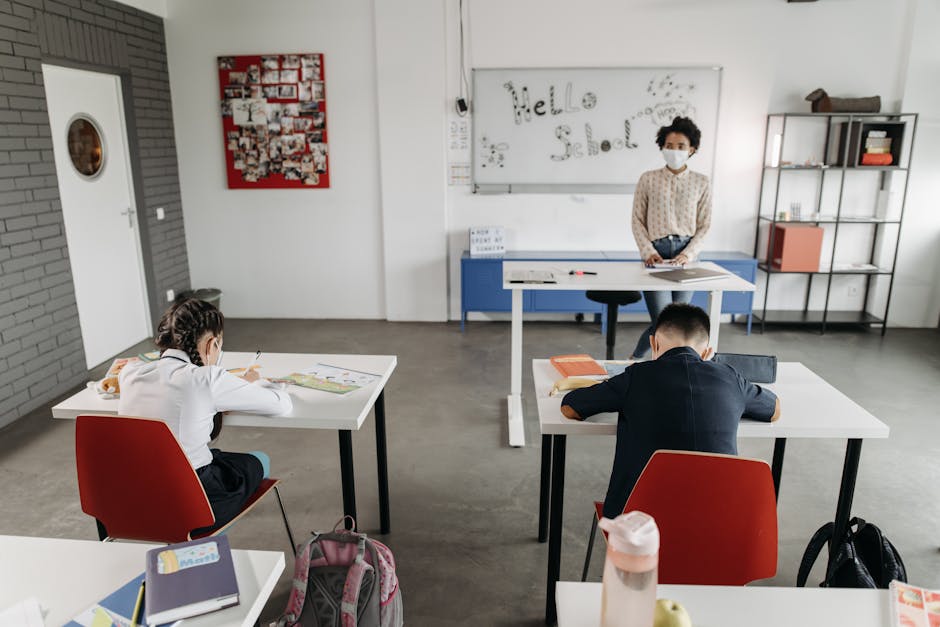
    A few weeks ago, I was sitting in on a fifth-grade classroom in Seoul — not as an inspector, but just as a curious observer who’d been hearing a lot of buzz about how schools are integrating AI literacy into everyday lessons. What I saw genuinely surprised me. A ten-year-old girl was explaining to her classmate why a chatbot gave a “wrong” answer — she wasn’t just accepting the output, she was questioning it. That moment stuck with me. We’re not just teaching kids to use technology anymore. We’re teaching them to think alongside it, push back against it, and understand what it actually is.

    So let’s dig into what AI digital literacy education looks like across elementary, middle, and high schools in 2026 — what the data says, what’s actually working, and what still needs serious attention.

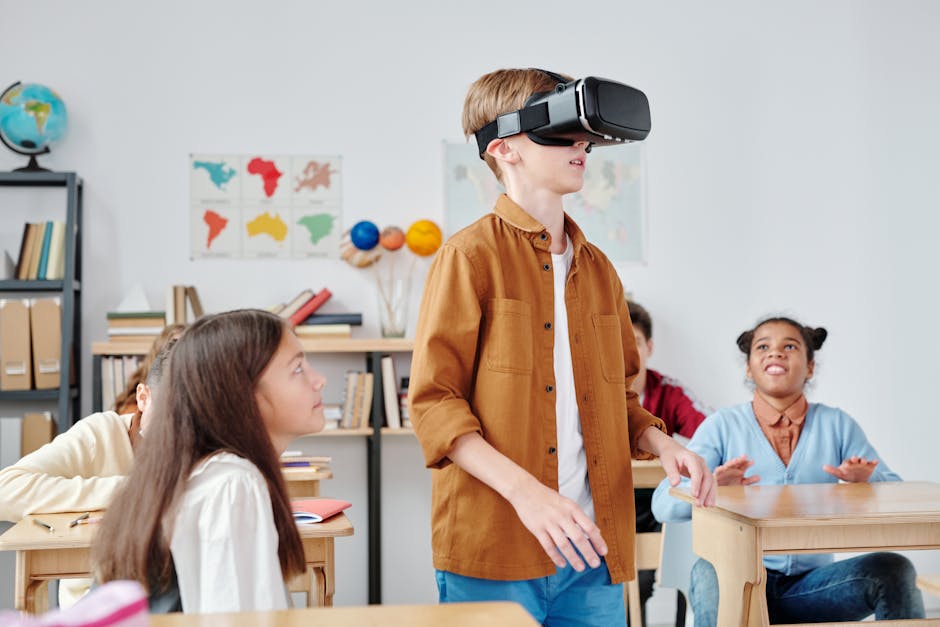
    K-12 classroom AI education, students using tablets technology

    Why AI Digital Literacy Is No Longer Optional in K-12

    The conversation has shifted dramatically from “should we teach this?” to “how fast can we scale it?” In 2026, the World Economic Forum’s Future of Jobs Report identifies AI collaboration skills as one of the top three competencies employers will demand through 2030. That’s not abstract career advice — it’s a signal that kids entering high school today will graduate into a job market where knowing how to work with AI tools is as foundational as reading comprehension.

    In South Korea specifically, the Ministry of Education expanded its AI education mandate in 2026 to require a minimum of 34 hours of AI-related curriculum per academic year at the middle school level — up from 17 hours just two years prior. Elementary schools now introduce computational thinking and basic machine learning concepts starting in Grade 3. That’s a kindergartner-to-college pipeline that didn’t exist five years ago.

    Here are some numbers that put the urgency in perspective:

    • 68% of South Korean high school students in a 2026 KERIS (Korea Education Research & Information Service) survey reported using AI tools for homework assistance at least once a week.
    • Only 29% of those students said they felt confident evaluating the accuracy of AI-generated content.
    • The OECD’s 2026 Digital Education Outlook found that countries with structured AI literacy programs see a 22% improvement in students’ critical thinking scores compared to those without.
    • In the U.S., 38 states now have some form of AI or digital literacy standard embedded in K-12 curriculum frameworks — a jump from just 14 states in 2023.

    That confidence gap — kids using AI constantly but not understanding it critically — is exactly the problem that good AI digital literacy education is trying to close.

    What “AI Digital Literacy” Actually Means Across Grade Levels

    Here’s where things get nuanced, because AI literacy isn’t one thing — it’s a layered skill set that should evolve as students mature. Let me break this down by school stage, because a one-size-fits-all approach is one of the biggest mistakes schools make.

    Elementary Level (Grades 1–6): At this stage, the goal isn’t coding or machine learning theory. It’s building an intuitive, curious relationship with technology. Programs like SW·AI Education in Korea and CS Fundamentals by Code.org focus on pattern recognition, sequencing, and simple algorithmic thinking through games and unplugged activities (yes, learning computation without computers is still incredibly effective here). The key concept introduced early is data — what it is, where it comes from, and the idea that machines “learn” from examples.

    Middle School Level (Grades 7–9): This is where things get more interesting and more challenging. Students are old enough to grasp concepts like training data, bias in algorithms, and the difference between correlation and causation. Schools like Gyeonggi Suwon International School in Korea have piloted project-based units where students build simple image classifiers using Google’s Teachable Machine — and then deliberately break them by introducing biased training data. Watching a 13-year-old realize that their classifier fails because they only showed it pictures of one type of cat is a more powerful lesson about AI bias than any lecture could deliver.

    High School Level (Grades 10–12): Here, the curriculum branches. Students who lean technical can explore Python-based ML models, data ethics, and even introductory neural network architecture using platforms like Kaggle or fast.ai. Students in humanities tracks focus on the societal implications — AI governance, digital rights, misinformation detection, and ethical frameworks. Finland’s “Elements of AI” course, now adopted in adapted forms by multiple Asian and European countries, is a benchmark example of making AI conceptually accessible to non-technical high schoolers.

    middle school students coding AI project, digital literacy workshop

    International Case Studies Worth Paying Attention To

    Let’s look at a few real-world implementations that are getting results:

    Singapore’s AI for Kids Initiative (AI4K): Launched under the Smart Nation framework, this program embeds AI literacy into science and math classes rather than treating it as a separate subject. The integration approach is smart — students aren’t learning AI in isolation, they’re using it as a lens to understand existing subjects better. Results from the 2025–2026 academic year showed measurable gains in both AI comprehension and science engagement scores.

    Finland’s Nationwide AI Literacy Push: Building on the success of “Elements of AI” (developed by the University of Helsinki and Reaktor), Finland rolled out a secondary school adaptation in 2025 that’s now reaching over 90,000 students annually. What makes it work? The course is free, browser-based, requires no prior coding knowledge, and frames AI through real ethical dilemmas students actually care about — like social media recommendation algorithms and facial recognition in public spaces.

    Korea’s AI Digital Textbook Rollout (2026): This one’s still hotly debated. The Ministry of Education began rolling out AI-powered adaptive digital textbooks (AI 디지털교과서) across math, English, and informatics for select grades. The idea is that the textbook itself personalizes learning pace and difficulty. Early pilot data from the first semester of 2026 shows promising engagement metrics, but teachers are raising important flags about screen dependency and the risk of students not developing struggle-tolerance — the productive frustration that leads to real learning.

    UNESCO’s AI Competency Framework for Students (2025 Edition): If you’re looking for a global benchmark, UNESCO’s updated framework (available at unesco.org/en/digital-education) outlines five core competency domains: Understanding AI, Using AI, Creating with AI, Evaluating AI, and Governing AI. This is the closest thing we have to an international standard, and several national curricula are now explicitly aligning to it.

    The Real Challenges Schools Are Still Wrestling With

    Now, let’s be honest about what’s not working — because this field has plenty of hype that outpaces reality.

    • Teacher preparedness gap: You can’t teach AI literacy if your teachers are themselves anxious about AI. A 2026 survey by the Korean Teachers’ Union found that only 31% of in-service teachers felt “adequately trained” to deliver AI curriculum. Professional development pipelines are lagging behind curriculum mandates by at least two to three years.
    • Equity and access: Rural schools and low-income districts in both Korea and the U.S. consistently show lower AI literacy outcomes — not because of student capability, but because of infrastructure gaps, outdated devices, and inconsistent broadband. Rolling out AI textbooks without solving connectivity first is putting the cart before the horse.
    • Assessment confusion: How do you grade “AI literacy”? Most schools are still relying on traditional written tests, which can’t adequately capture whether a student can critically evaluate an AI output in real time. Project-based and portfolio assessment models are being piloted but aren’t yet mainstream.
    • Ethical framework integration: Teaching kids to use AI tools without embedding ethics is like teaching them to drive without traffic rules. The good news is 2026 curricula are increasingly mandating ethical reasoning modules — but implementation quality varies wildly between schools.
    • Generative AI policy chaos: With tools like ChatGPT, Gemini, and Claude now deeply embedded in student workflows, schools are still struggling to develop coherent acceptable use policies. Blanket bans don’t work (students just use phones). What does work is teaching when and how to use these tools appropriately — and that requires curriculum, not just policy.

    Practical Suggestions for Parents, Educators, and Policy Makers

    If you’re a teacher trying to figure out where to start, you don’t need a master’s degree in machine learning. Start with what you know and layer in AI thinking:

    • Use Teachable Machine (teachablemachine.withgoogle.com) for quick, visual AI experiments with no coding required.
    • Explore AI4K12.org — a U.S.-based initiative with free, grade-band-specific curriculum resources that translate beautifully to international contexts.
    • Assign students to audit AI outputs — give them an AI-generated paragraph and ask them to fact-check it. This builds critical evaluation skills without requiring technical knowledge.
    • For high school, “Elements of AI” (elementsofai.com) is genuinely excellent and free. Assign it as an enrichment course or use it to supplement existing tech curriculum.

    For parents: don’t wait for school to do all the work. Talk to your kids about how YouTube recommendations work, why ads seem to “know” what they want, and what data their devices are collecting. Those everyday conversations build AI intuition faster than you’d expect.

    For policy makers: the single highest-leverage investment right now is teacher training, not technology. Hardware depreciates. A well-trained teacher compounds value for decades. Fund the professional development pipeline aggressively, and the curriculum outcomes will follow.

    Where This Is All Heading by the End of 2026

    The trajectory is clear: AI digital literacy is becoming a core subject alongside math, language arts, and science — not a nice-to-have elective. By the end of 2026, we’ll likely see South Korea’s AI digital textbook program expand to cover more grade levels, several more U.S. states codifying AI literacy standards, and UNESCO publishing implementation guidance for developing nations that are just beginning this journey.

    The students who graduate in 2030 and beyond won’t just be consumers of AI — the best-educated ones will be critical collaborators with it, people who know when to trust a model’s output, when to question it, and when to build something better. That’s the real goal of AI digital literacy education, and honestly, it’s one of the most exciting educational frontiers I’ve seen in my career covering this space.

    Editor’s Comment : The most important thing I’d leave you with is this — AI digital literacy education isn’t about making every student a data scientist. It’s about making sure no student grows up to be digitally passive. The gap between a student who critically evaluates AI output and one who blindly accepts it will define opportunities, vulnerabilities, and civic participation in ways we’re only beginning to understand. If your school hasn’t started this conversation yet, 2026 is not too late — but waiting much longer is. Start small, start honest, and let students lead the curiosity.


    📚 관련된 다른 글도 읽어 보세요

    태그: AI digital literacy education, K-12 AI curriculum 2026, elementary middle high school AI, AI literacy Korea, digital education technology, AI ethics students, computational thinking schools


  • 2026년 AI 디지털 리터러시 초중고 교육, 지금 학교에서 무슨 일이 벌어지고 있을까?

    2026년 AI 디지털 리터러시 초중고 교육, 지금 학교에서 무슨 일이 벌어지고 있을까?

    얼마 전 중학교 2학년 자녀를 둔 지인에게서 흥미로운 이야기를 들었어요. 아이가 국어 숙제로 독후감을 제출했는데, 선생님이 “이거 ChatGPT로 쓴 거 아니냐”고 물어봤다는 거예요. 아이는 억울하게도 직접 쓴 거였는데, 오히려 그 상황이 가족 간의 큰 토론 주제가 됐다고 하더라고요. “AI가 쓴 것 같다”는 말이 이제는 학교 현장에서 칭찬인지 비판인지조차 애매한 시대가 됐습니다.

    이런 일화 하나가 사실 2026년 초중고 교육 현장의 현실을 아주 압축적으로 보여준다고 봐요. AI는 이미 학생들 손 안에 들어와 있는데, 학교와 교육 시스템은 그 속도를 따라잡고 있는 걸까요? 오늘은 이 질문을 중심으로 함께 생각해보려 합니다.

    AI digital literacy classroom, students learning technology school

    📊 숫자로 보는 현실 — 우리 아이들, AI를 얼마나 쓰고 있을까?

    한국교육학술정보원(KERIS)이 2026년 초 발표한 조사에 따르면, 초등 4학년 이상 학생의 약 73%가 AI 기반 도구(ChatGPT, 뤼튼, Gemini 등)를 학습 목적으로 사용한 경험이 있다고 응답했어요. 중학생은 82%, 고등학생은 무려 91%에 달했습니다. 사실상 “안 쓰는 학생이 소수”인 상황이 된 거죠.

    그런데 같은 조사에서 AI가 생성한 정보의 신뢰성을 ‘비판적으로 검토할 수 있다’고 응답한 학생은 중학생 기준으로 겨우 28%에 불과했어요. 쓰는 건 다 쓰는데, 제대로 이해하고 쓰는 학생은 셋 중 하나도 안 된다는 얘기입니다. 이게 바로 AI 디지털 리터러시 교육이 시급한 이유라고 봐요.

    • 초등 4학년 이상 AI 도구 사용 경험: 73%
    • 중학생 AI 도구 사용 경험: 82%
    • 고등학생 AI 도구 사용 경험: 91%
    • AI 정보를 비판적으로 검토할 수 있다고 응답한 중학생: 28%
    • AI 윤리 관련 정규 수업을 받은 초등학생 비율: 41% (2026년 기준)

    사용률과 리터러시 간의 이 간극, 꽤 심각하게 받아들여야 할 것 같습니다.

    🏫 그래서 교육부는 뭘 하고 있나? — 2026년 AI 교육 정책 현황

    교육부는 2025년부터 ‘디지털 교육 혁신 로드맵’을 통해 AI·디지털 리터러시 교육을 강화하겠다고 발표했고, 2026년 현재는 그 실행 단계에 있습니다. 주요 변화를 정리해보면 이런 것들이 있어요.

    • 초등학교: 실과 교과를 중심으로 AI 기초 개념, 데이터 이해, 알고리즘 사고력 등을 연 17시간 이상 편성하도록 권고
    • 중학교: 정보 교과 필수 이수 시간을 기존 34시간에서 68시간으로 두 배 확대 (2026년 전면 적용)
    • 고등학교: ‘인공지능 기초’, ‘데이터 과학’ 등 선택 과목 신설 및 일반고 적용 확대
    • AI 디지털 교과서: 수학·영어·국어 등 주요 과목에 AI 교과서 도입 (2026년 3월 2~3학년까지 확대 적용)

    정책 방향 자체는 꽤 적극적이라고 봐요. 특히 중학교 정보 교과 시수를 두 배로 늘린 건 의미 있는 변화입니다. 다만 ‘시간을 늘렸다’는 것과 ‘잘 가르친다’는 건 다른 문제라는 게 현장의 목소리이기도 하죠.

    🌏 해외는 어떻게 하고 있을까? — 핀란드·미국·싱가포르 사례

    해외 사례를 보면 우리가 참고할 만한 힌트가 꽤 보여요.

    핀란드는 ‘Elements of AI’라는 무료 온라인 강좌를 전 국민 대상으로 운영하면서, 2026년 기준으로 이를 중학교 정규 커리큘럼과 연계하는 작업을 진행 중입니다. 여기서 주목할 점은 ‘코딩 기술’보다 ‘AI가 어떻게 작동하는지 이해하는 것’에 초점을 맞춘다는 거예요. 기술 소비자로서의 시민 교육이라는 관점이 인상적입니다.

    미국은 주별로 편차가 크지만, K-12 CS 교육 프레임워크(K-12 CS Framework)를 바탕으로 AI 윤리와 알고리즘 편향성(algorithmic bias) 개념을 포함한 커리큘럼을 확산시키고 있어요. 특히 MIT Media Lab과 연계된 ‘AI4K12’ 이니셔티브는 학년별로 5가지 핵심 AI 개념을 나눠 가르치는 체계가 잘 잡혀 있다고 봅니다.

    싱가포르는 2026년 기준으로 초등 5학년부터 ‘Digital Literacy and AI’ 모듈을 의무 이수하게 했고, AI가 생성한 콘텐츠를 식별하고 검증하는 능력(팩트체킹)을 별도 단원으로 운영하고 있어요. 이 나라가 리터러시를 단순한 기술 교육이 아닌 ‘미디어 비판 능력’의 연장선으로 보고 있다는 점이 인상 깊습니다.

    AI education policy comparison global, digital literacy curriculum students

    💡 현장에서 체감하는 진짜 문제들 — 교사도, 학생도 혼란스럽다

    정책이 아무리 좋아도 교실 문을 닫고 나면 그건 교사 한 명의 몫이 되는 경우가 많죠. AI 디지털 리터러시 교육에서도 이 문제가 고스란히 드러나고 있어요.

    현장 교사들 사이에서 자주 언급되는 어려움을 정리해 보면 이렇습니다.

    • 교사 역량의 편차: AI 도구를 직접 다뤄본 교사와 그렇지 않은 교사 간의 수업 질 차이가 매우 크다고 해요. 연수가 있긴 하지만 “1회성 연수로는 부족하다”는 의견이 많습니다.
    • 평가 기준의 모호함: 학생이 AI를 활용해서 만든 결과물을 어떻게 평가해야 할지 명확한 기준이 없어요. ‘활용 능력 자체를 평가해야 한다’는 입장과 ‘사고력 측정이 왜곡된다’는 입장이 충돌하고 있습니다.
    • 디지털 격차 문제: 스마트 기기와 인터넷 환경이 좋은 가정의 아이들과 그렇지 않은 아이들 사이의 AI 활용 격차가 오히려 학습 격차로 이어질 수 있다는 우려도 있어요.
    • AI 윤리 교육의 추상성: “개인정보를 보호해야 한다”, “편향을 주의해야 한다”는 내용을 가르치긴 하는데, 실생활과 연결된 구체적인 사례 중심 수업이 부족하다는 목소리가 있습니다.

    🎯 그럼 어떻게 하면 좋을까? — 현실적인 방향 제안

    비판만 하고 끝내는 건 아무 의미가 없으니까요, 현장에서 실제로 시도해볼 수 있는 방향들을 함께 생각해봤어요.

    첫째, ‘프롬프트 리터러시’를 정규 교육에 포함시키는 것을 고민해볼 만하다고 봐요. AI에게 질문을 잘 던지는 능력, 즉 프롬프트 엔지니어링의 기초 개념은 단순한 기술 이상으로 ‘논리적 사고와 언어 능력’을 요구합니다. 국어·사회 교과와 자연스럽게 융합할 수 있는 영역이에요.

    둘째, ‘AI 결과물 팩트체킹’ 수업을 프로젝트 형태로 운영하는 학교들이 늘고 있는데, 이런 사례를 더 적극적으로 공유하고 확산시키는 게 필요할 것 같아요. 학생들이 AI의 답변을 그냥 받아들이는 게 아니라 교차 검증하는 습관을 들이는 게 핵심입니다.

    셋째, 교사 연수의 방식 자체를 바꾸는 것도 중요하다고 봐요. 강의식 연수보다는 교사들이 직접 AI 도구로 수업 자료를 만들어보고, 실패도 해보면서 배우는 ‘실습형 커뮤니티’ 형태가 훨씬 효과적이라는 사례들이 국내외에서 보고되고 있습니다.

    넷째, 가정과의 연계를 빼놓을 수 없어요. 아이들이 AI를 쓰는 시간의 대부분은 학교 밖에서 벌어지니까요. 학부모 대상 AI 리터러시 워크숍 같은 게 병행된다면 훨씬 더 실질적인 교육 효과를 기대할 수 있을 거라 봅니다.


    에디터 코멘트 : 솔직히 말하면, 2026년 지금 이 시점에 “AI 교육을 해야 하느냐 말아야 하느냐


    📚 관련된 다른 글도 읽어 보세요

    태그: []

  • Boost Your Toddler’s Brainpower: The Best Cognitive Development Activities for 2026


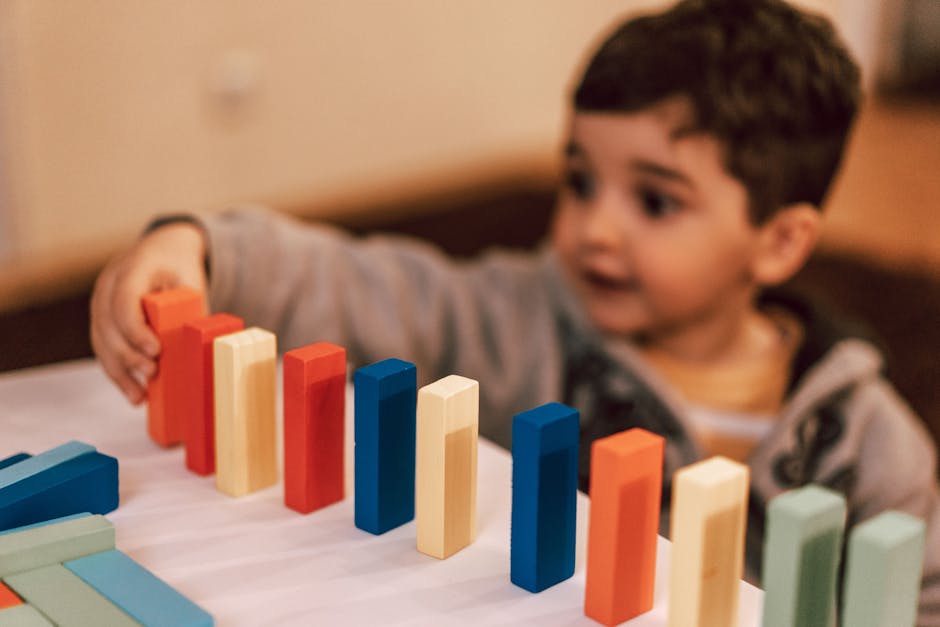
    Last month, a friend of mine — a mom of a 2-year-old named Lily — called me in a mild panic. “She just stacks blocks and knocks them down all day. Is that… enough? Am I supposed to be doing more?” I laughed, not because it was a silly question, but because I’d heard almost the exact same thing from probably a dozen parents over the years. The anxiety around early childhood cognitive stimulation is real, and honestly, pretty universal.

    Here’s the thing: Lily’s block-stacking habit? That’s actually excellent cognitive work. But there’s a whole world of intentional, research-backed activities beyond the toy bin that can meaningfully accelerate how little brains wire themselves. Let’s dig into what actually works — and why — together.

    toddler playing blocks cognitive development, early childhood brain stimulation

    Why the First 5 Years Are a Once-in-a-Lifetime Window

    Neuroscience has been crystal clear on this for decades, but the 2026 data is even more compelling. According to the Center on the Developing Child at Harvard University, over 1 million new neural connections form every single second in the first few years of life. That rate slows dramatically after age 5-6 — meaning early stimulation isn’t just helpful, it’s foundational.

    A 2026 meta-analysis published in the journal Developmental Psychology reviewed 134 longitudinal studies and found that children who received structured cognitive stimulation activities before age 3 showed:

    • 23% higher working memory scores by age 7 compared to non-stimulated peers
    • 31% improvement in executive function (the ability to plan, focus, and self-regulate)
    • Measurably stronger language acquisition by 18 months for children engaged in daily interactive reading
    • Significantly lower rates of developmental delays when early intervention activities were consistent

    These aren’t marginal gains — they’re life-shaping. And the best news? Most of these stimulating activities cost nothing but your time and creativity.

    The 4 Cognitive Domains You Should Actually Be Targeting

    A common mistake parents make is focusing only on “educational” toys or flashcards. But real cognitive development spans four interconnected domains:

    • Attention & Focus: The ability to sustain interest on a task
    • Memory (Working & Long-term): Storing and retrieving information
    • Executive Function: Planning, impulse control, flexible thinking
    • Language & Symbolic Thinking: The bridge between thought and expression

    Good cognitive stimulation activities hit at least two or three of these at once. That’s the difference between a random craft and a purposeful developmental experience.

    Activities That Actually Work: Broken Down by Age

    Ages 0–12 Months: Sensory is Everything

    At this stage, every sensory input is a neural pathway being carved. Try “texture boards” — simple homemade cards with sandpaper, velvet, bubble wrap, and foil attached. Let your baby feel each one while you narrate: “rough,” “smooth,” “bumpy.” This dual sensory-language loop is shockingly powerful for early language acquisition.

    Ages 12–24 Months: Object Permanence & Cause-Effect

    Classic peek-a-boo is still gold, but level it up. Hide a toy under a blanket and let your toddler find it. Then hide it under two blankets. Research from the Max Planck Institute for Evolutionary Anthropology (2025-2026 cohort study) showed that layered object permanence challenges at this age correlate strongly with problem-solving skills at ages 4–6.

    Ages 2–3 Years: Symbolic Play & Sorting

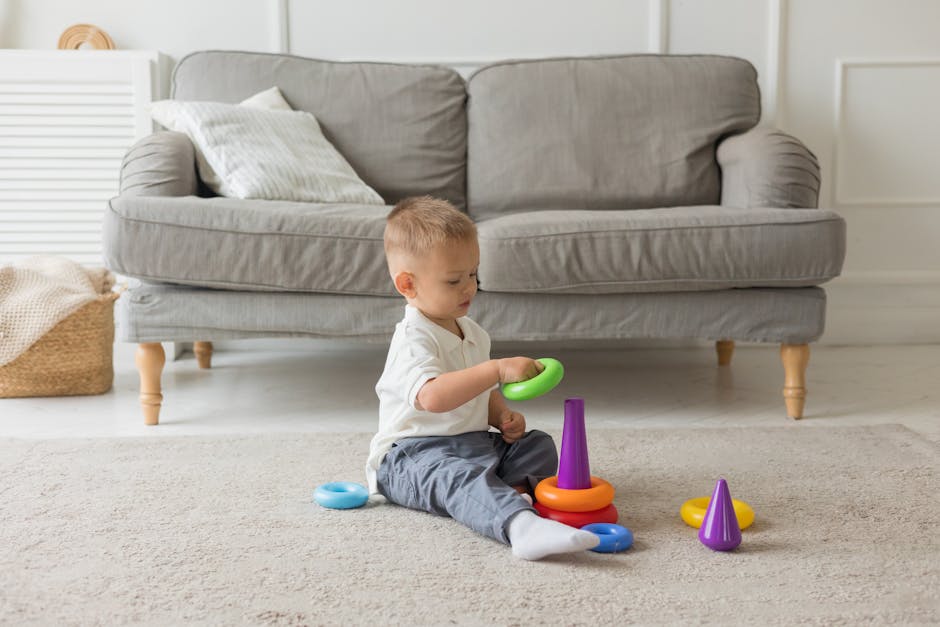
    This is the golden age of pretend play — and it’s doing heavy cognitive lifting. When a toddler picks up a banana and pretends it’s a phone, they’re exercising symbolic thinking, which is the same cognitive muscle behind reading and mathematics. Don’t interrupt this! Instead, join in and expand: “Oh, who are you calling?”

    Sorting activities (by color, shape, size) build classification skills directly linked to early mathematical thinking. A simple set of colored pom-poms and muffin tins can keep a 2-year-old cognitively engaged for 20+ minutes.

    Ages 3–5 Years: Executive Function Challenges

    This is where games like Simon Says, simple memory card matching, and “Red Light, Green Light” become developmental powerhouses. These games require children to hold a rule in mind, inhibit an impulse, and respond flexibly — the exact definition of executive function. A 2026 study from the University of British Columbia’s Early Childhood Development Lab found that just 15 minutes of executive function games per day over 8 weeks produced measurable prefrontal cortex development in 4-year-olds.

    toddler sensory play activity, preschool sorting cognitive game

    Research-Backed Programs & Resources Worth Knowing

    You don’t have to figure this all out alone. Several structured programs and platforms are making evidence-based cognitive development more accessible in 2026:

    • Zero to Three (zerotothree.org): The gold-standard nonprofit resource for early brain development. Their 2026 activity guides are free and organized by developmental milestone.
    • Lovevery Play Kits: A subscription toy company whose products are designed by child development researchers. Each kit is age-specific and targets multiple cognitive domains. Expensive, but genuinely well-designed.
    • OECD’s “Starting Strong” 2026 Report: A global benchmark study on early childhood education quality across 40 countries — a fascinating read if you want the policy-level view.
    • NAEYC (naeyc.org): National Association for the Education of Young Children — excellent for finding DAP (Developmentally Appropriate Practice) activity guides.
    • Seoul National University’s Child Development Institute: Their 2026 Korean-language research on structured play environments has been influential in East Asian early childhood policy, with translated summaries increasingly available in English.

    Common Mistakes That Actually Slow Cognitive Development

    This part might sting a little, but it’s important:

    • Over-scheduling enrichment classes: A toddler in 4 structured classes per week often shows higher cortisol (stress hormone) levels than peers with more free play time. Unstructured play is not wasted time — it’s critical processing time.
    • Passive screen time before age 2: Despite newer “educational” content claims, the American Academy of Pediatrics 2026 guidelines still advise against solo screen time for under-2s. Video calls with family are the exception.
    • Answering before they struggle: When your toddler is working to fit a shape into a sorter and you swoop in — you’ve just stolen a problem-solving moment. Sit on your hands. It’s hard. Do it anyway.
    • Ignoring the language environment: Background TV counts as language input — but it’s the worst kind. Live, responsive, back-and-forth conversation (even with a baby who can’t respond yet) is exponentially more effective for language development.

    A Simple Weekly Framework Any Parent Can Follow

    You don’t need a curriculum. You need consistency. Here’s a loose framework that covers all four cognitive domains across a week without burning you out:

    • Monday & Thursday: Sensory exploration activity (10–15 min) — water play, texture bags, playdough
    • Tuesday & Friday: Interactive reading (2–3 books, with questions and pointing) — 15–20 min
    • Wednesday: Problem-solving challenge — shape sorters, simple puzzles, hide-and-find
    • Weekend: Open-ended pretend play — you join in, follow their lead
    • Daily: Narrate your world. Seriously. “I’m cutting the apple now — see? Two halves!” This is free, always available, and wildly effective.

    What About Kids Who Seem “Behind”?

    If you’re reading this because you’re concerned about a specific child — first, breathe. Developmental timelines have natural variation, and many children who seem “slower” in one domain are simply developing at a different pace or showing strength in a less obvious area. That said, early evaluation is never a bad idea. Reach out to your pediatrician about a developmental screening if you have genuine concerns. Early intervention programs (in the US, this falls under IDEA Part C for children under 3) are free, evidence-based, and can make an enormous difference.

    Not every child needs the same approach — and that’s not a failure. It’s just biology being its complicated, beautiful self.

    Final Thoughts

    Back to Lily and her block-stacking. I told her mom: keep the blocks. Add a sorting game once a week. Start asking “what do you think happens if…?” questions during play. Read two extra books before bed. And narrate the grocery run like you’re a sports commentator. That’s it. That’s most of the magic.

    Cognitive stimulation doesn’t require a PhD or a Pinterest-perfect playroom. It requires presence, curiosity, and just a little intentionality. The research is clear: you’re already doing more than you think. Now you just have a few more tools in the toolkit.

    Editor’s Comment : If you’re feeling overwhelmed by the sheer volume of “developmental advice” out there in 2026, here’s my honest take — pick two activities from this guide, do them consistently for a month, and watch what happens. You don’t need to overhaul everything. The parents who make the biggest difference in their children’s cognitive development aren’t the ones doing the most — they’re the ones who show up every day with genuine engagement. That curiosity you bring to the table? Your toddler is absorbing it in real time.


    📚 관련된 다른 글도 읽어 보세요

    태그: toddler cognitive development, early childhood brain stimulation, cognitive activities for toddlers, infant brain development 2026, early learning activities, preschool cognitive skills, child development activities

  • 유아 인지 발달 자극 활동 2026 완벽 가이드 | 0~5세 뇌 발달을 깨우는 놀이법

    유아 인지 발달 자극 활동 2026 완벽 가이드 | 0~5세 뇌 발달을 깨우는 놀이법

    얼마 전 육아 모임에서 한 엄마가 이런 말을 꺼냈어요. “우리 아이가 또래보다 말이 좀 늦는 것 같아서 걱정되는데, 뭔가 자극을 더 줘야 하는 건지, 아니면 그냥 기다려야 하는 건지 모르겠어요.” 그 한마디에 자리에 있던 부모들이 일제히 공감하며 고개를 끄덕이더라고요. 사실 저도 비슷한 고민을 한 적이 있고, 주변에서 이런 이야기를 정말 자주 듣습니다.

    유아의 인지 발달이라는 주제는 ‘너무 많이 자극해도 문제, 너무 안 해줘도 문제’처럼 느껴져서 부모 입장에선 어디서부터 시작해야 할지 막막한 게 사실이에요. 그래서 오늘은 2026년 현재까지 축적된 발달심리학 연구와 실제 현장에서 활용되는 활동들을 함께 정리해 보려고 합니다.

    toddler cognitive development activities, baby brain stimulation play

    🧠 인지 발달이란 정확히 무엇인가요?

    먼저 ‘인지 발달(Cognitive Development)’이 뭔지 짚고 넘어가는 게 좋을 것 같아요. 단순히 ‘머리가 좋아지는 것’이 아니라, 아이가 세상을 인식하고, 기억하고, 문제를 해결하고, 언어를 습득하는 능력 전반을 말합니다. 스위스 발달심리학자 장 피아제(Jean Piaget)의 이론에 따르면, 0~2세는 ‘감각운동기’, 2~7세는 ‘전조작기’로 나뉘는데, 이 시기에 외부 환경과의 상호작용이 뇌 신경망 형성에 결정적인 역할을 한다고 봅니다.

    실제로 하버드 대학교 아동발달센터(Center on the Developing Child)의 연구에 따르면, 생후 첫 5년 동안 뇌는 성인 뇌 크기의 약 90%까지 발달하며, 이 시기에 매초 약 100만 개의 신경 연결(시냅스)이 형성된다고 합니다. 이게 왜 중요하냐면, 이 신경 연결이 탄탄할수록 이후 학습 능력, 정서 조절, 사회성 발달에도 긍정적인 영향을 미치기 때문이에요.

    📊 2026년 유아 인지 발달 연구의 최신 흐름

    2026년 현재, 국내외 아동 발달 연구에서 두드러지는 키워드는 ‘능동적 탐색(Active Exploration)’‘반응적 양육(Responsive Caregiving)’이라고 봅니다. 과거에는 ‘얼마나 많은 자극을 주느냐’에 집중했다면, 최근에는 ‘양육자가 아이의 반응에 얼마나 민감하게 반응하느냐’가 인지 발달에 더 큰 변수라는 방향으로 연구가 기울고 있어요.

    2025년 말 국제 아동발달학회지(Child Development)에 게재된 메타분석 연구에서는 반응적 상호작용을 경험한 유아군이 그렇지 않은 군에 비해 언어 발달 속도가 평균 23% 빠르게 나타났다는 결과가 나오기도 했습니다. 수치로만 봐도 ‘아이랑 잘 놀아주는 것’이 단순한 육아 팁이 아니라 과학적으로 검증된 발달 전략이라는 게 느껴지죠.


    🎯 연령별로 다른 인지 자극 접근법

    아이마다 발달 속도는 다르지만, 연령대별로 효과적인 자극 활동의 방향성은 어느 정도 정리되어 있어요. 무조건 많이 해주는 게 아니라, 발달 단계에 맞는 활동을 골라주는 게 핵심이라고 봅니다.

    • 0~12개월 (감각 자극 중심): 흑백 패턴 카드 보여주기, 딸랑이·소리 나는 장난감으로 청각 자극, 배 엎드리기(Tummy Time)로 공간 지각 발달 유도. 이 시기에는 감각기관이 뇌와 연결되는 시기라 다양한 질감과 소리 경험이 중요합니다.
    • 12~24개월 (인과관계 탐색기): 블록 쌓기와 무너뜨리기, 간단한 퍼즐, 물놀이(Water Play). “왜 그렇게 될까?”를 몸으로 배우는 시기예요. 반복 행동을 통해 인과관계를 뇌에 새기는 중이라 같은 놀이를 수십 번 반복해도 좋습니다.
    • 24~36개월 (상징 놀이 시작): 역할 놀이(소꿉놀이, 병원 놀이), 색깔·모양 분류 활동, 간단한 그림책 함께 읽기. 이 시기부터 “가상의 상황을 머릿속에 그리는” 능력이 발달하기 시작해요.
    • 36~48개월 (언어·논리 발달기): 이야기 만들기, 수 개념 놀이(1~10 세기), 간단한 분류·패턴 활동. 질문에 질문으로 답해주는 ‘소크라테스식 대화법’이 이 시기에 특히 효과적이라고 봅니다.
    • 48~60개월 (추론·계획 능력 성장): 보드게임(규칙이 있는 놀이), 자연 탐구(관찰 일지 쓰기), 미술 표현 활동. 실행 기능(Executive Function)이 본격 발달하는 시기로, 순서를 기억하고 규칙을 따르는 경험이 전두엽 발달을 자극합니다.

    🌍 해외 사례 — 핀란드와 일본의 유아 인지 발달 접근법

    핀란드는 세계적으로 교육 강국으로 알려져 있는데, 흥미로운 점은 유아기에는 자유 놀이(Free Play)를 절대적으로 강조한다는 점이에요. 핀란드 국립교육과정(FNCC) 지침에 따르면, 5세 이하 아이들에게 있어 ‘놀이’ 자체가 학습이며, 구조화된 교육은 최소화를 권고하고 있습니다. 아이 스스로 탐색하고 문제를 만나게 하는 것이 인지 발달의 핵심이라는 철학이죠.

    일본의 경우, ‘테 아소비(手遊び, 손 놀이)’라는 전통적인 손가락 놀이 문화가 지금도 유치원 현장에서 활발하게 활용되고 있어요. 손가락을 정교하게 움직이는 활동이 뇌의 운동피질과 언어중추를 동시에 자극한다는 연구 결과가 이를 뒷받침합니다. 실제로 도쿄대 연구팀의 2025년 연구에서는 손 놀이를 꾸준히 경험한 유아군이 언어 표현력 테스트에서 평균 17점(100점 만점 기준) 높은 점수를 받았다고 해요.

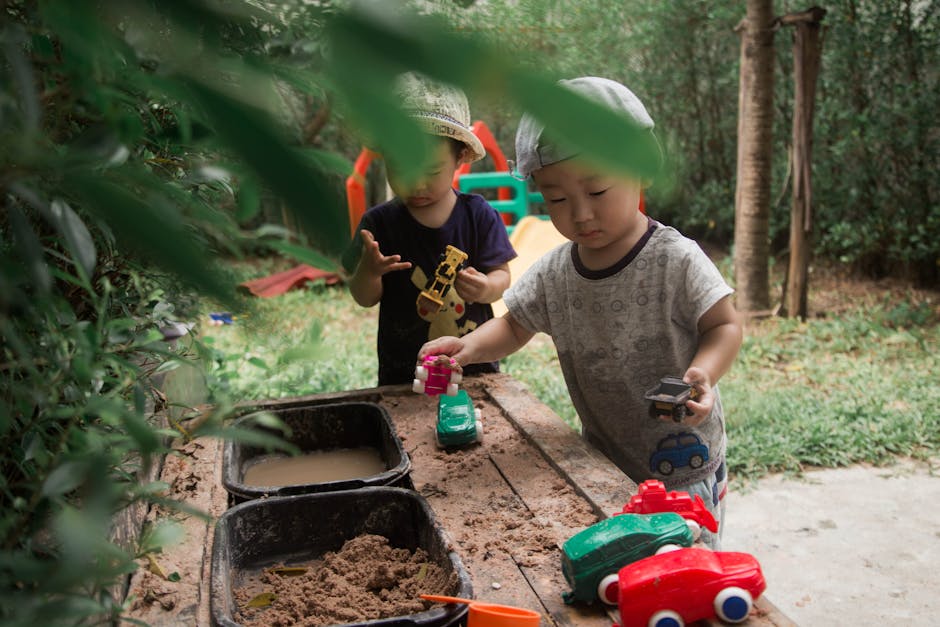
    국내에서는 육아정책연구소(KICCE)가 2026년 초 발간한 보고서에서 자연 기반 놀이(Nature-Based Play)의 인지 발달 효과를 강조했습니다. 흙 만지기, 나뭇잎 관찰, 물 채우기와 비우기 같은 야외 감각 활동이 디지털 자극보다 지속적인 집중력 발달에 더 유리하다는 내용이었어요.

    children nature play outdoor learning, toddler sensory play activities

    💡 집에서 바로 시작할 수 있는 실천 활동 5가지

    거창한 준비물 없이도 충분히 할 수 있는 활동들을 정리해 봤어요. 중요한 건 도구가 아니라 양육자의 반응과 참여라는 점, 잊지 마세요.

  • AI Tutor Personalized Learning: Does It Actually Work? A Deep Dive into the 2026 Reality

    Picture this: It’s 11 PM, your kid is stuck on a quadratic equation, and you — despite your best intentions — can’t remember anything from 10th-grade algebra. Twenty years ago, your only options were a dusty textbook or hoping a sibling was awake. Fast forward to 2026, and there’s a third option that doesn’t judge, never gets tired, and somehow knows your child learns better through visual diagrams than written formulas. That’s the quiet revolution of AI-powered personalized tutoring — and it’s worth taking a serious, honest look at whether the hype matches the reality.

    AI tutor student personalized learning digital classroom 2026

    What Does “Personalized Learning” Actually Mean in AI Tutoring?

    Let’s unpack the buzzword first, because “personalized” gets thrown around a lot. In traditional education, a teacher manages 25–30 students with one curriculum — a heroic feat, but inherently one-size-fits-most. AI tutoring systems, by contrast, operate on what researchers call adaptive learning algorithms. These systems continuously analyze:

    • Response latency — how long a student pauses before answering (a long pause often signals confusion, not distraction)
    • Error patterns — whether mistakes are conceptual (misunderstanding the idea) or procedural (misapplying a known rule)
    • Engagement signals — session length, revisit frequency, and even the types of hints requested
    • Learning velocity — how quickly a student masters a topic compared to their own historical baseline, not a class average
    • Preferred modality — text-heavy explanations vs. animated visuals vs. worked examples

    The critical distinction here is that modern AI tutors don’t just adjust difficulty — they adjust approach. That’s a meaningful leap from the early adaptive platforms of the 2010s.

    The Data Behind the Claims: What Research Actually Shows in 2026

    Skepticism is healthy, so let’s look at numbers. A landmark meta-analysis published in the Journal of Educational Technology & Society in early 2026 reviewed 87 studies involving over 340,000 students globally. The findings were striking but nuanced:

    • Students using AI-adaptive tutoring systems showed an average 0.68 standard deviation improvement in assessed outcomes — roughly equivalent to moving a student from the 50th to the 75th percentile.
    • The effect was strongest in STEM subjects (mathematics, coding, physics) and weakest in subjects requiring open-ended creative judgment.
    • Students who used AI tutors alongside human instruction outperformed those who used either alone — suggesting a complementary, not replacement, model works best.
    • Critically, low-income students with limited access to private tutors showed the largest relative gains, pointing to a meaningful equity implication.

    Now, here’s where I want to be honest with you: effect sizes vary enormously depending on how the tool is used, the student’s age, and whether the learning environment is structured or passive. An AI tutor sitting unused on a tablet doesn’t teach anyone anything.

    Real-World Examples: From Seoul to São Paulo

    Let’s ground this in actual deployments, because abstract data only goes so far.

    South Korea — the ETRI-Linked Adaptive Platform: South Korea’s education scene is famously competitive, and by 2026, several major hagwon (private tutoring academies) have integrated AI diagnostic layers into their curriculum. The government-affiliated Electronics and Telecommunications Research Institute (ETRI) partnered with three mid-sized academy chains to pilot AI-personalized prep courses for the CSAT (수능). Preliminary results showed that students who followed AI-curated weak-point remediation plans scored an average of 12 points higher on practice tests compared to control groups following standard review schedules. What’s interesting culturally: Korean students reported lower anxiety when reviewing mistakes with the AI compared to a human instructor — the absence of social judgment mattered.

    United States — Khan Academy’s Khanmigo 2.0: Khan Academy’s AI tutor, initially launched in 2023, has undergone significant architectural upgrades through 2025–2026. The 2026 version now offers what they call “Socratic scaffolding” — rather than giving answers, it asks targeted questions to lead students to self-discovery. A district-level study in Arizona involving 6,200 middle school students found that regular Khanmigo users spent 34% more time on challenging problems voluntarily, suggesting genuine engagement rather than passive consumption.

    Brazil — Descomplica’s Rural Reach: One of the most compelling stories comes from Brazil, where the ed-tech platform Descomplica expanded its AI tutoring features to rural municipalities in the Northeast region in 2025. For students who previously had zero access to subject-specialist teachers, the AI tutor functioned as a first-ever structured learning companion. Vestibular (university entrance exam) pass rates in pilot municipalities increased by 18% year-over-year — a figure that’s hard to attribute to anything other than the intervention.

    personalized AI learning data adaptive education global students

    Where AI Tutoring Still Falls Short — Let’s Be Real

    No honest analysis skips the limitations. Here’s what AI tutoring genuinely struggles with in 2026:

    • Emotional intelligence gaps: An AI can detect a wrong answer but often misreads why a student is disengaged — is it confusion, anxiety, hunger, or a rough day at school? Human tutors read this instinctively.
    • Motivation architecture: AI is excellent at the what of learning but weaker at the why. Inspiring a student to care about a subject still largely requires human connection and storytelling.
    • Novel problem transfer: Most AI tutors excel at structured problem types. When students need to transfer knowledge to genuinely novel, ambiguous situations, the scaffolding can break down.
    • Over-reliance risk: Some research in 2025 flagged a “hint dependency” pattern — students who habitually request AI hints rather than developing independent struggle tolerance. This is a real pedagogical concern.

    Realistic Alternatives and How to Get the Most Out of AI Tutoring

    So where does this leave you, practically speaking? Whether you’re a parent, a student, or an educator, here’s how to think through your approach logically:

    • If budget is a constraint: Free-tier options like Khanmigo, Google’s LearnLM integrations, and open-source adaptive platforms offer genuine value. Start there before investing in premium subscriptions.
    • If your child struggles with motivation: Don’t lead with AI — build the “why” through human conversation first, then use AI to handle the mechanical reinforcement and practice volume.
    • If you’re an adult learner (upskilling, language learning, professional certifications): AI tutoring actually performs extremely well here because adult learners typically bring self-motivation. Tools like Duolingo Max, Coursera’s AI coaching layers, and specialized professional platforms are worth serious consideration.
    • For educators building hybrid classrooms: Use AI diagnostic data to inform your human intervention priorities. Let the AI tell you which students need your attention most — then deliver that attention yourself.
    • Set structured sessions, not open-ended access: Research consistently shows that time-bounded, goal-specific AI tutoring sessions outperform unstructured browsing through the platform.

    The most honest framing I can offer is this: AI tutoring in 2026 is genuinely powerful within a specific envelope — structured knowledge domains, practice volume, gap identification, and accessibility equity. Outside that envelope — emotional depth, creative inquiry, motivational mentorship — human educators remain irreplaceable. The magic isn’t in choosing one over the other; it’s in being thoughtful about which tool does which job.

    Editor’s Comment : After spending considerable time looking at the research landscape and real deployment stories, what strikes me most is that AI tutoring’s biggest gift might not be to the already-advantaged student with three human tutors and a study plan — it’s to the kid in rural Brazil or the working adult in Seoul who finally has a patient, knowledgeable companion available at midnight. That equity dimension doesn’t get nearly enough attention in the tech press. Use these tools deliberately, pair them with human warmth, and you’ve got something genuinely exciting on your hands.


    📚 관련된 다른 글도 읽어 보세요

    태그: [‘AI tutor personalized learning’, ‘adaptive learning 2026’, ‘AI education technology’, ‘personalized learning outcomes’, ‘AI tutoring effectiveness’, ‘ed-tech 2026’, ‘AI learning tools students’]

  • AI 튜터 개인 맞춤형 학습, 정말 효과 있을까? 2026년 최신 데이터로 분석해봤습니다

    얼마 전, 중학교 2학년 아이를 둔 지인이 이런 말을 했어요. “학원을 세 군데나 보내는데, 수학 성적은 제자리야. 그래서 요즘 AI 튜터 앱을 써보고 있는데… 이게 진짜 효과가 있는 건지 모르겠어.” 그 말이 꽤 오래 머릿속에 남았습니다. AI 튜터는 이미 수년 전부터 등장했지만, 2026년 현재는 단순한 ‘문제 풀이 앱’ 수준을 훌쩍 넘어섰거든요. 오늘은 AI 개인 맞춤형 학습이 실제로 어떤 원리로 작동하고, 얼마나 효과가 있는지 같이 살펴보려 합니다.


    AI tutor personalized learning student technology 2026

    📊 본론 1 — 숫자로 보는 AI 튜터의 학습 효과

    먼저 데이터부터 살펴볼게요. 글로벌 에듀테크 리서치 기관인 HolonIQ의 2026년 1분기 보고서에 따르면, AI 기반 개인 맞춤형 학습 플랫폼을 6개월 이상 꾸준히 활용한 학습자는 그렇지 않은 그룹 대비 학습 목표 달성률이 평균 38% 높게 나타났습니다. 특히 수학, 과학, 언어 영역에서 효과가 두드러졌어요.

    국내에서도 비슷한 흐름이 보입니다. 한국교육개발원(KEDI)이 2025년 말 발표하고 2026년 초 공개된 후속 연구에서는, AI 튜터를 활용한 초등 고학년~중학생 그룹이 개념 이해 속도는 약 2.1배, 오답 반복률은 약 41% 감소한 것으로 나타났습니다. 단순히 문제를 더 많이 푸는 게 아니라, 틀린 이유를 정확히 짚어주는 ‘피드백의 질’이 핵심이라는 게 연구진의 해석이었어요.

    왜 이런 결과가 나올까요? 전통적인 강의식 수업은 교사 한 명이 수십 명을 동시에 가르치는 구조잖아요. 자연히 ‘평균적인 학생’에게 맞춰질 수밖에 없습니다. 반면 AI 튜터는 학습자 개개인의 응답 패턴, 풀이 시간, 오류 유형을 실시간으로 분석해서 다음 문제의 난이도와 유형을 동적으로 조정해요. 이걸 교육학에서는 ‘적응형 학습(Adaptive Learning)’이라고 부릅니다.


    🌍 본론 2 — 국내외 AI 튜터 사례, 어디까지 왔을까?

    🇺🇸 미국 — Khan Academy의 Khanmigo
    칸 아카데미가 GPT 계열 모델을 기반으로 출시한 ‘Khanmigo’는 단순히 답을 알려주는 대신, 소크라테스식 대화로 학생 스스로 개념을 유도하게 설계되어 있어요. 2026년 현재 미국 내 공립학교 약 3,200개 이상이 이 시스템을 정규 수업 보조 도구로 채택했습니다. 교사들의 피드백은 꽤 긍정적인 편인데, “학생이 질문하기 부끄러워하지 않아도 되니까 참여도가 올라갔다”는 게 공통된 반응이라고 합니다.

    🇰🇷 국내 — 뤼이드·밀리의서재 에듀·뤼튼 에듀
    국내에서도 AI 튜터 시장이 빠르게 성장 중입니다. 뤼이드(Riiid)는 토익 중심에서 수능·공무원 영역으로 확장했고, 2026년에는 개인별 ‘취약 개념 지도(Concept Map)’를 시각화해서 보여주는 기능을 선보였어요. 학습자가 자신이 어디서 막히는지를 직관적으로 파악할 수 있게 되는 거죠. 뤼튼 에듀 역시 멀티모달 AI를 활용해 손글씨 풀이 과정을 분석하는 기능을 추가했는데, 이 기능이 특히 중고등학생 수학 영역에서 높은 만족도를 보이고 있다고 합니다.

    🇯🇵 일본 — Atama+의 학교 통합 모델
    일본의 에듀테크 스타트업 Atama+는 AI 튜터를 학교 수업과 완전히 통합하는 독특한 접근법을 취하고 있어요. 교사가 수업을 진행하는 동안 AI가 각 학생의 이해도를 실시간으로 교사에게 시각화해 보여주는 방식입니다. ‘학생은 AI와 공부하고, 교사는 AI의 데이터를 보고 사람의 온기가 필요한 곳에 집중한다’는 철학이 인상적이라고 봅니다.


    adaptive learning AI education dashboard analytics classroom

    ✅ AI 튜터, 어떤 학습자에게 특히 효과적일까?

    물론 AI 튜터가 모든 학습자에게 만능은 아니에요. 어떤 상황에서 더 빛을 발하는지 정리해보면 이렇습니다.

    • 자기주도 학습 역량이 어느 정도 갖춰진 학습자 — AI가 로드맵을 제시해줘도, 결국 앉아서 실행하는 건 본인이니까요.
    • 기초 개념에 구멍이 많은 학습자 — AI는 선행 개념의 결손을 역추적해서 채워주는 데 탁월합니다.
    • 시간이 불규칙한 직장인·성인 학습자 — 정해진 시간에 학원에 가기 어려운 분들에게 특히 유용해요.
    • 반복 연습이 필요한 시험 준비생 — 토익, 수능, 자격증 등 패턴이 비교적 명확한 시험에서 효율이 높게 나타나는 편입니다.
    • 부끄러움이 많거나 내성적인 학습자 — AI 앞에서는 ‘이런 것도 모르나’ 하는 눈치를 볼 필요가 없어요. 심리적 안전감이 학습 몰입도에 생각보다 큰 영향을 미칩니다.

    💡 결론 — 현실적인 AI 튜터 활용 전략

    AI 튜터는 ‘기적의 도구’가 아니라 ‘매우 정교한 보조 수단’이라고 보는 게 맞는 것 같습니다. 핵심은 AI가 잘하는 것(데이터 분석, 반복 훈련, 즉각 피드백)과 사람이 잘하는 것(동기 부여, 맥락적 사고, 정서적 지지)을 분리해서 각각의 역할을 맡기는 것이라고 봐요.

    처음 AI 튜터를 도입할 때는 무작정 고가 플랫폼부터 결제하기보다, 2~4주 무료 체험 기간을 통해 본인의 학습 패턴과 AI의 피드백 방식이 잘 맞는지 먼저 확인해보는 걸 권장합니다. 그리고 AI 튜터는 주 3~5회, 한 번에 40~60분 이내로 사용하는 게 인지 과부하를 막는 데 효과적이라는 연구 결과도 있으니 참고하시면 좋을 것 같아요.

    에디터 코멘트 : AI 튜터 시장은 2026년 현재 기술적 완성도보다 ‘어떻게 인간의 학습 경험과 자연스럽게 통합할 것인가’의 문제로 넘어오고 있는 것 같습니다. 도구가 아무리 좋아도 결국 그것을 지속적으로 사용하게 만드는 건 ‘작은 성취의 경험’이에요. AI 튜터를 처음 시작한다면, 거창한 목표보다 딱 오늘 하루 한 단원 완주하는 것부터 시작해보세요. 그 작은 성공 경험이 쌓여야 AI도 진짜 실력을 발휘할 수 있거든요.


    📚 관련된 다른 글도 읽어 보세요

    태그: [‘AI튜터’, ‘개인맞춤형학습’, ‘에듀테크2026’, ‘적응형학습’, ‘AI교육효과’, ‘자기주도학습’, ‘온라인학습플랫폼’]

  • Early ADHD Diagnosis in Children: What Every Parent Should Know in 2026

    Picture this: a seven-year-old named Mia can’t sit still during story time, constantly interrupts her teacher, and loses her homework before she even gets home. Her parents are exhausted, her teacher is concerned, and Mia herself seems genuinely frustrated — not defiant. Sound familiar? This scenario plays out in millions of households around the world, and in 2026, we finally have better tools, clearer frameworks, and more compassionate approaches than ever before to understand and support children like Mia.

    ADHD (Attention Deficit Hyperactivity Disorder) is one of the most commonly diagnosed neurodevelopmental conditions in children globally. Yet despite decades of research, early diagnosis and treatment remain inconsistent, misunderstood, and — frankly — sometimes scary for parents to navigate. Let’s think through this together.

    child ADHD diagnosis therapy pediatric brain development 2026

    📊 The Numbers Are Hard to Ignore

    As of 2026, the global prevalence of ADHD in children sits at approximately 7.2% to 9.5% according to updated meta-analyses from the Journal of Child Psychology and Psychiatry. In South Korea, the Health Insurance Review and Assessment Service reported a 23% rise in pediatric ADHD diagnoses between 2021 and 2025, with the sharpest spike among children aged 5 to 8. The U.S. CDC’s most recent data similarly shows that 1 in 9 school-aged children has received an ADHD diagnosis at some point.

    What’s driving this increase? Experts generally point to three overlapping factors:

    • Improved screening tools: Newer digital cognitive assessments (like AI-assisted continuous performance tests) are catching cases that traditional questionnaires missed.
    • Post-pandemic behavioral residue: Extended screen time and disrupted social development during 2020–2022 have made attention regulation harder for an entire generation of kids.
    • Reduced stigma: Parents in 2026 are more willing to seek evaluations than they were a decade ago, partly due to open conversations on social media and in schools.

    🧠 What’s New in Early Diagnosis? (2026 Highlights)

    This is where things get genuinely exciting — and also where we need to be careful not to over-promise. Here’s what’s actually changing in clinical practice right now:

    • AI-powered behavioral analytics: Tools like Cogito Pediatric (used in several European and Asian clinics) analyze micro-movements, eye-tracking patterns, and response latency during short tablet-based tasks. These can flag attention irregularities in children as young as 4 years old — well before traditional school-based observations kick in.
    • EEG biomarker screening: Quantitative EEG (qEEG) is gaining traction as a supplementary diagnostic tool. A 2025 study from Seoul National University Hospital demonstrated that elevated theta/beta ratios in frontal lobe activity correlated strongly with ADHD presentations in preschool-aged children.
    • Standardized DSM-5-TR application: Clinicians worldwide are now more consistently applying DSM-5-TR criteria, which emphasize that symptoms must appear in multiple settings (home AND school), not just one environment — reducing false positives significantly.
    • Telehealth-integrated assessments: In rural and underserved communities, remote neuropsychological evaluations have dramatically shortened wait times from an average of 14 months (2020) to under 6 weeks in pilot programs across Canada, Australia, and South Korea.

    🌍 What Are Different Countries Actually Doing?

    It’s worth zooming out geographically because approaches vary quite a bit — and some of those differences carry real lessons.

    South Korea (2026 Update): The Ministry of Education launched a nationwide “Attention Health Screening” program in 2025, embedding brief standardized behavioral checklists into annual health checkups for children aged 5–10. When flags are raised, families are automatically connected to regional child mental health centers (아동청소년 정신건도 복지센터) for follow-up — free of charge. The result? Early intervention referrals jumped 41% in the program’s first year.

    United States: The American Academy of Pediatrics updated its ADHD clinical practice guidelines in late 2024, now recommending that pediatricians begin discussing ADHD risk factors with parents as early as age 4, and that behavioral therapy — not medication — remains the first-line treatment for preschool-aged children. Medication is still considered, but only after behavioral interventions have been consistently tried.

    Netherlands: Long known for its conservative approach to pediatric medication, the Dutch have doubled down on school-based cognitive training programs and parental coaching as primary interventions. Their 5-year outcomes data, published in 2025, shows comparable academic performance to medication-first approaches — with notably lower rates of treatment discontinuation.

    Japan: Japan has seen a quiet revolution in ADHD awareness since 2022. With cultural stigma historically suppressing diagnoses, pediatric psychiatry clinics in Tokyo and Osaka are now reporting waitlists of over 8 months — a sign that families are finally seeking help in much larger numbers. The government has responded by funding 120 new child psychiatry positions in 2025 alone.

    pediatric ADHD treatment options behavioral therapy neurofeedback children

    💊 Treatment in 2026: Beyond Just Medication

    Here’s a misconception that genuinely bothers me: many parents still think ADHD treatment = Ritalin, full stop. The 2026 landscape is far more nuanced and, honestly, more hopeful.

    • Behavioral Parent Training (BPT): Consistently ranked as the most evidence-based intervention for children under 12. Parents learn specific techniques for structuring environments, reinforcing positive behaviors, and reducing conflict cycles. The payoff is significant — and it teaches skills that last a lifetime.
    • Neurofeedback (NFB): Once considered fringe, neurofeedback has accumulated enough Level 2 evidence to be included in mainstream treatment guidelines in Germany and Belgium. Children learn to self-regulate brainwave patterns through real-time visual/auditory feedback — essentially “training” attention. Sessions typically run 30–40 minutes, 2–3 times per week.
    • Digital therapeutics: FDA-cleared apps like EndeavorRx (now in its third-generation iteration) offer game-based cognitive training proven to improve attention in children aged 8–12. These aren’t just “educational games” — they’re clinically validated tools that target specific neural pathways.
    • Medication (when appropriate): Stimulants (methylphenidate, amphetamine-based) and non-stimulants (atomoxetine, viloxazine) remain effective for many children, particularly those with moderate to severe presentations. The key is personalized dosing, regular monitoring, and combining medication with behavioral strategies — not using it as a stand-alone fix.
    • Dietary and lifestyle considerations: While no diet “cures” ADHD, research continues to support the role of omega-3 supplementation, reduced ultra-processed food intake, consistent sleep schedules, and daily physical activity in improving symptom management.

    🚩 Red Flags Parents Should Watch For

    Early intervention works best when we catch things early — but that means knowing what to look for beyond the classic “bouncing off the walls” image of ADHD. Some signs that often get overlooked:

    • Difficulty waiting for their turn in conversations or games (not just hyperactivity)
    • Consistently losing items — toys, jackets, lunch boxes — despite reminders
    • Emotional dysregulation that seems disproportionate to the situation
    • Daydreaming excessively (particularly relevant for inattentive-type ADHD, which is more common in girls and often missed)
    • Strong resistance to tasks that require sustained mental effort

    If several of these patterns are persistent (lasting more than 6 months), appear across multiple settings, and are causing real functional impairment — it’s time to talk to a developmental pediatrician or child psychiatrist. Not because something is “wrong” with your child, but because they may need a different kind of support.

    🔍 Realistic Alternatives: What If You’re Not Ready for a Formal Diagnosis?

    Not every family is immediately comfortable pursuing a clinical evaluation — and that’s okay. Here are some genuinely useful intermediate steps:

    • Request a school-based observation: In many countries, school psychologists can conduct informal behavioral observations and provide written feedback without triggering a formal diagnostic process.
    • Try structured environmental modifications first: Consistent routines, visual schedules, reduced clutter in study spaces, and “movement breaks” can make a measurable difference — and cost nothing.
    • Consult your pediatrician for a screening: Tools like the Vanderbilt Assessment Scale or Conners Rating Scale can be administered in a regular checkup and give you and your doctor a clearer picture.
    • Join a parent support community: CHADD (Children and Adults with ADHD) has active online communities in 2026 that offer peer support and guidance from experienced parents — not just clinical advice.

    Whatever path you choose, the most important thing is this: your child’s experience of the world is real and valid, whether or not a formal label is attached to it. Diagnosis is a tool for access to support — not a verdict on your child’s potential.


    Editor’s Comment : In 2026, we’re at a genuinely exciting crossroads in pediatric ADHD care — the science is sharper, the tools are more accessible, and the cultural conversation is finally catching up. But amid all the technological progress, the most powerful thing a parent can do remains refreshingly simple: pay attention to your child, take their struggles seriously, and advocate persistently for the support they need. The data matters. The clinical pathways matter. But so does a parent who refuses to let their child be misunderstood.


    📚 관련된 다른 글도 읽어 보세요

    태그: [‘childhood ADHD 2026’, ‘ADHD early diagnosis’, ‘pediatric ADHD treatment’, ‘ADHD behavioral therapy’, ‘neurodevelopmental disorders children’, ‘ADHD parenting tips’, ‘ADHD global trends’]

  • 아동 ADHD 조기 진단과 치료, 2026년 최신 동향 총정리 — 우리 아이 신호를 놓치지 마세요

    초등학교 2학년 아이를 둔 한 엄마가 담임 선생님으로부터 전화를 받았습니다. “수업 시간에 자꾸 자리를 이탈하고, 친구들과의 다툼도 잦아요.” 처음엔 ‘그냥 활발한 아이겠지’라고 생각했지만, 비슷한 이야기가 반복되자 소아정신과를 찾았고, 결국 ADHD(주의력결핍 과잉행동장애) 진단을 받았습니다. 부모 입장에서는 당황스럽고 막막하지만, 전문가들은 오히려 “일찍 알게 된 것이 다행”이라고 말합니다. 그렇다면 2026년 현재, 아동 ADHD의 조기 진단과 치료는 어디까지 발전했을까요? 함께 살펴보겠습니다.

    child ADHD diagnosis brain activity colorful illustration

    📊 숫자로 보는 아동 ADHD 현황 — 생각보다 훨씬 가까운 이야기

    ADHD는 결코 드문 질환이 아닙니다. 세계보건기구(WHO) 2025년 보고서에 따르면, 전 세계 학령기 아동의 약 5~7%가 ADHD 진단 기준을 충족하는 것으로 추정됩니다. 국내 상황도 크게 다르지 않아요. 건강보험심사평가원 데이터 기준으로, 2025년 한 해 동안 ADHD로 진료를 받은 18세 미만 아동·청소년은 약 13만 명을 넘어섰으며, 이는 5년 전 대비 약 40% 증가한 수치입니다.

    더 주목할 점은 진단 연령이 낮아지는 추세라는 겁니다. 과거에는 초등학교 고학년이 되어서야 발견되는 경우가 많았지만, 2026년 현재는 만 4~6세, 즉 유아기 단계에서 조기 선별 검사를 받는 경우가 급격히 늘고 있습니다. 조기 개입이 이루어질수록 이후 학업 성취, 사회성 발달, 정서 조절 능력 면에서 유의미하게 좋은 결과가 나온다는 연구가 축적되고 있기 때문이라고 봅니다.

    🔬 2026년 주목받는 조기 진단 기술 — AI와 신경생물학의 만남

    진단 방식도 빠르게 진화하고 있습니다. 기존에는 부모 및 교사의 행동 평가 척도(예: K-ARS, Conners 척도)와 임상 면담에 주로 의존했다면, 2026년에는 다음과 같은 첨단 접근법이 임상 현장에 속속 도입되고 있습니다.

    • AI 기반 안구 추적(Eye-Tracking) 검사: 아이가 화면을 바라보는 시선 패턴을 분석해 주의력 결핍 여부를 수분 내에 스크리닝하는 기술입니다. 국내 일부 대학병원에서도 시범 도입 중이에요.
    • 정량적 뇌파 검사(qEEG): 세타파(Theta)와 베타파(Beta)의 비율(Theta/Beta Ratio)을 측정해 ADHD 특유의 뇌파 패턴을 확인하는 방법으로, 미국 FDA 승인을 받은 NEBA 시스템이 대표적입니다. 보조 진단 도구로 활용도가 높아지는 추세입니다.
    • 디지털 표현형(Digital Phenotyping): 스마트폰이나 웨어러블 기기의 움직임 데이터, 터치 패턴 등을 분석해 행동 특성을 모니터링하는 방식입니다. 아직 국내 임상 적용은 초기 단계지만, 해외에서는 연구가 활발하게 진행 중입니다.
    • 유전자 검사 보조 진단: ADHD와 연관된 도파민 수용체 유전자(DRD4, DAT1 등)를 분석해 약물 반응 예측에 활용하려는 시도가 이루어지고 있습니다. 다만 이 부분은 아직 단독 진단 도구로는 사용되지 않고, 약물 선택의 보조 참고 자료로 봐야 할 것 같습니다.
    • 원격 화상 진료(Telehealth) 확대: 지방 거주 아동이나 이동이 어려운 가정을 위해 비대면 ADHD 초기 상담 및 추적 관찰이 가능해졌습니다. 국내에서도 2025년 비대면 진료 제도가 일부 확대되며 접근성이 개선되고 있는 상황이에요.
    child therapy behavioral treatment ADHD playroom warm lighting

    💊 치료의 최신 트렌드 — 약물 단독에서 ‘통합 접근’으로

    ADHD 치료에서 가장 큰 변화 중 하나는 약물치료 단독에서 벗어나 다각적인 통합 치료 모델이 표준으로 자리잡고 있다는 점입니다. 미국소아과학회(AAP)는 2026년 개정 가이드라인에서 6세 미만 아동의 경우 약물보다 행동 치료를 1차 치료로 권고하고 있으며, 학령기 이상에서도 약물과 행동 치료의 병행을 강조하고 있습니다.

    국내의 경우, 서울대학교 어린이병원과 삼성서울병원 등 주요 기관에서 다학제 팀 접근(소아정신과·심리치료사·특수교사·사회복지사 협업)을 체계화하고 있습니다. 치료의 큰 줄기는 다음과 같이 나눌 수 있어요.

    ① 약물 치료: 메틸페니데이트(MPH) 계열(예: 콘서타, 메디키넷)과 비각성제 계열(아토목세틴, 빌록사진)이 주로 사용됩니다. 2025년 이후 빌록사진(Viloxazine) 성분의 서방형 제제가 국내에서도 점차 처방 사례가 늘고 있으며, 기존 약물 대비 수면 문제나 식욕 저하 부작용이 상대적으로 적다는 임상 보고가 있습니다.

    ② 행동 치료 및 부모 훈련(Parent Training): 아이를 직접 치료하는 것과 동시에 부모가 일관된 양육 전략을 배우는 것이 매우 중요합니다. 국내에서도 ‘부모-자녀 상호작용 치료(PCIT)’와 ‘긍정적 행동지원(PBS)’ 프로그램이 점점 더 많은 병원과 복지관에서 운영되고 있어요.

    ③ 뉴로피드백(Neurofeedback): 실시간 뇌파 피드백을 통해 아동 스스로 주의력을 조절하는 능력을 훈련하는 방법입니다. 약물을 꺼리는 가정에서 선호도가 높지만, 효과의 개인차가 크고 장기 치료가 필요한 점은 감안해야 합니다.

    ④ 디지털 치료제(DTx): 2026년 현재 가장 뜨거운 분야 중 하나입니다. 미국에서는 이미 FDA 승인을 받은 게임 기반 ADHD 치료 앱(EndeavorRx)이 임상에 쓰이고 있으며, 국내에서도 식품의약품안전처의 디지털 치료기기 인허가 절차를 밟고 있는 업체들이 생겨나고 있습니다.

    🏫 학교와 가정의 역할 — 진단 이후가 더 중요합니다

    진단을 받았다고 해서 모든 것이 해결되는 것은 아닙니다. 오히려 진단 이후의 환경 조성이 치료 효과를 좌우한다고 해도 과언이 아니에요. 교육부는 2025년부터 ‘학습지원 대상 학생 통합 지원 체계’를 강화해, ADHD 진단 아동이 학교 내에서 개별화교육계획(IEP)을 받을 수 있는 제도적 기반을 확대하고 있습니다. 다만 현장에서의 실행력은 학교마다 편차가 있어, 부모가 적극적으로 담임 교사 및 특수교육 담당자와 소통하는 것이 여전히 중요합니다.


    에디터 코멘트 : ADHD는 ‘의지력 부족’이나 ‘나쁜 육아’의 결과가 아니라, 뇌의 신경생물학적 특성에서 비롯된 발달 상태입니다. 2026년 현재 진단 기술과 치료 선택지는 과거보다 훨씬 정교해졌지만, 그 출발점은 여전히 ‘아이를 세심하게 관찰하고 전문가와 이른 시일 내에 상담하는 것’이라고 봅니다. 완치를 목표로 하기보다는, 아이가 자신의 특성을 이해하고 강점을 발견할 수 있도록 돕는 과정이라고 생각하면 훨씬 마음이 편해질 것 같아요. 부모와 교사, 의료진이 함께 팀이 되어줄 때 아이는 훨씬 잘 자랍니다.


    📚 관련된 다른 글도 읽어 보세요

    태그: [‘아동ADHD’, ‘ADHD조기진단’, ‘ADHD치료2026’, ‘소아정신과’, ‘ADHD최신동향’, ‘디지털치료제’, ‘부모훈련ADHD’]

  • Future-Ready Skills in the AI Era: What Education Must Look Like in 2026 and Beyond

    Let me paint you a picture. It’s 2023, and a 14-year-old named Maya is doing her homework — but instead of flipping through textbooks, she’s prompting an AI to summarize chapters, generate practice questions, and even explain concepts in three different ways until one clicks. Fast forward to 2026, and Maya is applying for her first internship. The hiring manager doesn’t ask if she can memorize formulas. She asks: “How do you think when the AI gets it wrong?”

    That question — more than any standardized test score — captures exactly what education needs to be preparing our kids (and ourselves) for right now. Let’s think through this together, because the stakes are genuinely high and the conversation is urgent.

    AI education future skills students technology classroom 2026

    📊 The Data Is Telling Us Something We Can’t Ignore

    Here’s where things get sobering. According to the World Economic Forum’s Future of Jobs Report 2025, approximately 85 million jobs are projected to be displaced by AI and automation by 2027 — but simultaneously, 97 million new roles are expected to emerge that are better adapted to the new human-machine division of labor. The net is technically positive, but only if people have the right skills to fill those new roles.

    Meanwhile, a 2026 McKinsey Global Institute analysis found that fewer than 30% of current K-12 curricula in OECD countries meaningfully address AI literacy, critical thinking in algorithmic contexts, or human-AI collaboration skills. We’re essentially training a generation of workers for a job market that no longer exists at the pace it once did.

    Even more striking: a Stanford HAI (Human-Centered AI) survey conducted in early 2026 showed that 74% of executives across tech, healthcare, and finance sectors ranked “AI critical evaluation” — the ability to question, verify, and ethically assess AI outputs — as their top hiring priority, ahead of technical coding skills. Let that sink in.

    🔑 The 5 Future Competencies That Actually Matter in 2026

    So if rote memorization and even basic coding are being automated, what should we be teaching? Based on converging research from MIT, Seoul National University’s AI Policy Lab, and the OECD Education 2030 Framework, here are the competencies that consistently rise to the top:

    • AI Literacy & Critical Evaluation: Understanding how large language models work at a conceptual level, recognizing hallucinations and bias, and knowing when not to trust an AI output. This isn’t about becoming an engineer — it’s about being a smart consumer of AI tools.
    • Complex Problem-Solving with Ambiguity: AI excels at well-defined problems. Humans still vastly outperform machines in navigating messy, context-dependent, emotionally nuanced situations. Teaching kids to sit with uncertainty — and reason through it — is golden.
    • Collaborative Intelligence: The ability to work effectively alongside AI systems, knowing what to delegate and what to keep human. Think of it like learning to be a skilled co-pilot rather than trying to fly solo or just riding as a passenger.
    • Ethical Reasoning & Digital Citizenship: Who is responsible when an AI makes a discriminatory hiring decision? What does data privacy really mean in practice? These aren’t philosophy electives anymore — they’re survival skills.
    • Emotional Intelligence & Human Connection: Ironically, the more automated our world becomes, the more valuable deeply human skills become. Empathy, active listening, persuasion, leadership under pressure — these are competitive advantages that AI genuinely cannot replicate.

    🌍 What’s Actually Working: Lessons from Korea, Finland, and Singapore

    Let’s get concrete, because “future skills” can sound awfully abstract. Some countries are genuinely leading the way, and their approaches are worth examining closely.

    South Korea’s AI Digital Textbook Initiative (2026 rollout): Starting this year, South Korea has integrated AI-powered adaptive learning platforms into all public elementary and middle schools. But here’s the nuance — the curriculum isn’t just using AI tools; it explicitly teaches students to audit AI recommendations and reflect on why the system suggested what it did. Teachers are trained as “AI learning facilitators” rather than content deliverers. Early pilot data from 2025 showed a 23% improvement in student metacognitive skills (thinking about thinking) compared to control groups.

    Finland’s Phenomenon-Based Learning Evolution: Finland famously scrapped rigid subject silos years ago. In 2026, they’ve taken it further by incorporating “AI scenario workshops” where students tackle real-world challenges — climate migration, urban food systems, misinformation — using AI as one tool among many, while being explicitly coached on its limitations. The emphasis is on synthesis and judgment, not information retrieval.

    Singapore’s SkillsFuture AI Credits: Recognizing that future skills aren’t just for children, Singapore has expanded its SkillsFuture program to provide every adult citizen over 25 with dedicated credits for AI upskilling courses — covering everything from prompt engineering to AI ethics in the workplace. The program has seen a 340% increase in enrollment since 2024, suggesting massive demand when barriers to access are removed.

    global education AI skills training international students collaboration

    💡 What Can You Actually Do — Realistic Alternatives for Different Situations

    Here’s where I want to get genuinely practical with you, because not everyone is in Finland or has access to cutting-edge school programs. The good news? You have more options than you might think.

    If you’re a parent with school-age children: Don’t wait for the curriculum to catch up. Start dinner-table conversations about AI outputs — pull up a ChatGPT or Gemini response together and ask “what might be wrong here?” or “what’s missing?” That habit of critical interrogation is worth more than any enrichment class.

    If you’re a working professional worried about relevance: Identify one workflow in your current job that AI could assist with, then deliberately practice managing that AI-assisted process rather than avoiding it. Coursera, edX, and Korea’s K-MOOC all have strong AI literacy courses in 2026 that are either free or heavily subsidized.

    If you’re an educator or school administrator: Consider that you don’t need a full curriculum overhaul to start. Even integrating structured AI reflection exercises — 10 minutes at the end of a class asking “how could we have used AI here, and what would we still need human judgment for?” — begins building the muscle.

    If you’re in a resource-constrained setting: The Khan Academy’s “Khanmigo” AI tutoring tool is now available in 40+ languages with low-bandwidth options. It’s not perfect, but it’s a remarkable starting point for AI-augmented learning without significant infrastructure investment.

    🔮 The Bigger Picture: It’s About Agency, Not Just Adaptation

    I want to end on something that I think gets lost in all the “future skills” discourse — we’re not just trying to help people survive the AI era. The real goal is to help people author it. The most dangerous outcome isn’t that AI replaces human workers; it’s that people become intellectually passive — outsourcing not just tasks but their judgment, curiosity, and sense of agency to algorithmic systems.

    Education in 2026 and beyond needs to be fundamentally about preserving and amplifying human intentionality. That means teaching people not just how to use AI, but when to push back, when to ask harder questions, and when to insist that some decisions remain stubbornly, beautifully human.

    Maya, from our opening story, got that internship, by the way. Not because she knew the most — but because she knew how to think when the AI was confidently, completely wrong.

    That’s the skill. Let’s teach it.

    Editor’s Comment: The shift from knowledge-hoarding to judgment-building is the defining educational challenge of our time. What gives me genuine optimism is that the core ingredients — curiosity, critical thinking, empathy — aren’t new inventions. They’re ancient human strengths we’re finally being forced to prioritize. The AI era doesn’t demand that we become more machine-like; it demands that we become more fully human. And that’s a curriculum worth getting excited about.


    📚 관련된 다른 글도 읽어 보세요

    태그: [‘AI education 2026’, ‘future skills AI era’, ‘AI literacy for students’, ‘education technology trends’, ‘critical thinking AI’, ‘future workforce preparation’, ‘AI upskilling adults’]

  • AI 시대 필수 미래 역량 교육, 지금 당장 시작해야 하는 이유 (2026년 완벽 가이드)

    얼마 전, 한 지인이 조심스럽게 물어왔어요. “우리 애가 열심히 공부하고 있는데, 사실 AI가 다 해줄 것 같아서 뭘 가르쳐야 할지 모르겠어요.” 아마 이 고민, 한 번쯤 해보셨을 거라고 봅니다. 자녀를 키우는 부모님이든, 본인의 커리어를 고민하는 직장인이든, 2026년을 살아가는 우리 모두가 마주하고 있는 질문이기도 하니까요.

    AI가 빠르게 일상 속으로 들어오면서 “인간이 해야 할 일”과 “AI가 대신할 일”의 경계가 매일같이 재편되고 있어요. 그렇다면 지금 우리가 배우고, 또 아이들에게 가르쳐야 할 ‘미래 역량’은 과연 무엇일까요? 함께 차근차근 살펴볼게요.

    AI education future skills children learning technology classroom 2026

    📊 숫자로 보는 AI 시대 교육의 현주소

    먼저 현실을 직시해볼 필요가 있어요. 세계경제포럼(WEF)이 2026년 초 발표한 Future of Jobs Report에 따르면, 현재 직업의 약 44%가 향후 5년 내 핵심 업무 방식의 변화를 겪을 것으로 예측됩니다. 특히 반복적인 데이터 처리, 기초 번역, 정형화된 글쓰기 업무는 이미 상당 부분 AI로 대체되고 있는 추세예요.

    국내 상황도 다르지 않아요. 한국고용정보원이 2026년 발표한 자료에 따르면, 국내 취업자의 약 52%가 자동화 고위험 혹은 중위험군에 해당하는 직종에 종사하고 있다고 합니다. 반면, AI 관련 직종 및 인간-AI 협업 역할에 대한 수요는 전년 대비 38% 증가한 것으로 나타났어요. 이 숫자들이 의미하는 바는 명확합니다. 단순 지식의 암기나 반복 스킬보다는, AI와 함께 일하는 능력이 핵심 역량으로 부상하고 있다는 거예요.

    🌍 국내외 미래 역량 교육 사례, 뭐가 다를까?

    핀란드는 이미 수년 전부터 ‘현상 기반 학습(Phenomenon-Based Learning)’을 도입해 교과 간 경계를 허물고, 학생들이 실제 사회 문제를 탐구하며 해결책을 찾는 방식의 교육을 실시해왔어요. 2026년 현재 핀란드 교육부는 여기서 한 발 더 나아가 AI 리터러시(AI Literacy)를 초등 과정부터 필수 커리큘럼에 포함시키고 있습니다. 단순히 코딩을 배우는 게 아니라, AI가 어떻게 작동하고 어떤 편향을 가질 수 있는지 비판적으로 이해하는 능력을 기르는 거예요.

    싱가포르는 ‘SkillsFuture’ 프로그램을 통해 성인 학습자들에게 AI 협업 툴 활용 교육을 정부 차원에서 지원하고 있어요. 특히 2026년부터는 프롬프트 엔지니어링(Prompt Engineering)데이터 해석 역량을 직업훈련 필수 모듈로 추가했다는 점이 인상적이라고 봅니다.

    국내에서는 서울 소재 일부 초등학교에서 ‘메이커 교육’과 AI 프로젝트 학습을 결합한 시범 수업이 긍정적인 반응을 얻고 있어요. 교사가 정답을 주는 것이 아니라, 학생들이 직접 AI 툴을 이용해 가설을 세우고 결과를 분석하는 방식인데, 비판적 사고력과 협업 능력이 동시에 길러진다는 피드백이 나오고 있답니다.

    future skills critical thinking collaboration AI literacy adults children

    ✅ 그래서 실제로 어떤 역량을 키워야 할까요?

    막연하게 “AI 시대 역량”을 이야기하는 글은 많지만, 정작 무엇을 어떻게 준비해야 하는지 구체적으로 안내해 주는 경우는 드문 것 같아요. 전문가들이 공통적으로 강조하는 핵심 역량들을 정리해봤어요.

    • AI 리터러시(AI Literacy) — AI 툴을 능숙하게 쓰는 것을 넘어, AI의 작동 원리와 한계, 윤리적 문제를 이해하는 능력이에요. ChatGPT나 이미지 생성 AI가 왜 특정 결과를 내놓는지 비판적으로 바라볼 수 있어야 합니다.
    • 비판적 사고(Critical Thinking) — AI가 제시하는 정보를 그대로 수용하지 않고, 출처와 맥락을 검토하고 논리적으로 판단하는 능력이에요. 정보 과잉 시대일수록 더욱 중요해지고 있어요.
    • 창의적 문제 해결(Creative Problem Solving) — AI가 잘 못하는 영역이 바로 ‘처음 보는 문제’를 창의적으로 정의하고 접근하는 것이에요. 답이 정해지지 않은 상황에서 새로운 시각으로 접근하는 훈련이 필요합니다.
    • 감성 지능(Emotional Intelligence) — 공감 능력, 소통 능력, 갈등 조율 능력은 AI가 대체하기 가장 어려운 인간 고유의 역량이에요. 특히 리더십과 협업 환경에서 더욱 빛을 발합니다.
    • 디지털 협업 역량 — AI 툴을 팀 프로젝트에 접목하고, 원격 환경에서도 효과적으로 협업하는 능력이에요. 단순한 기술 숙련도가 아니라 도구를 전략적으로 활용하는 ‘메타 스킬’에 가깝다고 봅니다.
    • 평생 학습 능력(Lifelong Learning Mindset) — 기술의 변화 속도가 워낙 빠르기 때문에, 특정 기술 하나를 마스터하는 것보다 새로운 것을 빠르게 습득하는 학습 습관 자체가 역량이 되었어요.

    💡 현실적으로 어떻게 시작할 수 있을까요?

    대단한 커리큘럼이나 비싼 사교육이 필수는 아니라고 생각해요. 일상 속에서 충분히 시작할 수 있는 방법들이 있거든요.

    우선 AI 툴을 직접 써보는 것부터 시작해보세요. 요리 레시피 검색을 AI 챗봇으로 해보거나, 회사 보고서 초안을 AI로 잡아보는 작은 경험들이 “AI가 잘하는 것, 못하는 것”에 대한 실질적인 감각을 키워줍니다. 아이들의 경우엔 ‘AI로 그림 그려보기’ 같은 놀이로 자연스럽게 접근하게 해주는 것도 좋은 방법이에요.

    다음으로는 “왜?”라고 묻는 습관을 길러주는 게 중요한 것 같아요. AI가 생성한 글이나 이미지를 보여주며 “이게 사실일까?” “어떤 부분이 이상하지?”라고 함께 이야기 나눠보는 것만으로도 비판적 사고 훈련이 됩니다.

    성인이라면 Coursera, edX, 국내 K-MOOC 등에서 AI 리터러시나 데이터 기초 과정을 무료 혹은 저렴하게 수강할 수 있어요. 2026년 현재 이런 플랫폼들은 한국어 콘텐츠도 꽤 충실하게 갖춰두고 있어서 접근 장벽이 낮아졌다고 봅니다.

    에디터 코멘트 : AI 시대가 두렵게 느껴지는 건 어쩌면 당연한 감정이에요. 하지만 역사적으로 보면, 기술의 혁명은 늘 “특정 일자리의 소멸”과 동시에 “새로운 역할의 탄생”을 가져왔어요. 지금 우리에게 필요한 건 모든 걸 완벽하게 준비하는 것이 아니라, 변화에 유연하게 반응할 수 있는 근육을 조금씩 키워나가는 것이라고 봐요. 오늘 하나의 AI 툴을 써보는 것, 아이에게 “왜 그렇게 생각해?”라고 한 번 더 물어보는 것. 그 작은 시작이 결국 미래 역량의 토대가 될 거라고 생각합니다.


    📚 관련된 다른 글도 읽어 보세요

    태그: [‘AI시대교육’, ‘미래역량’, ‘AI리터러시’, ‘창의적사고’, ‘디지털교육2026’, ‘평생학습’, ‘미래교육트렌드’]