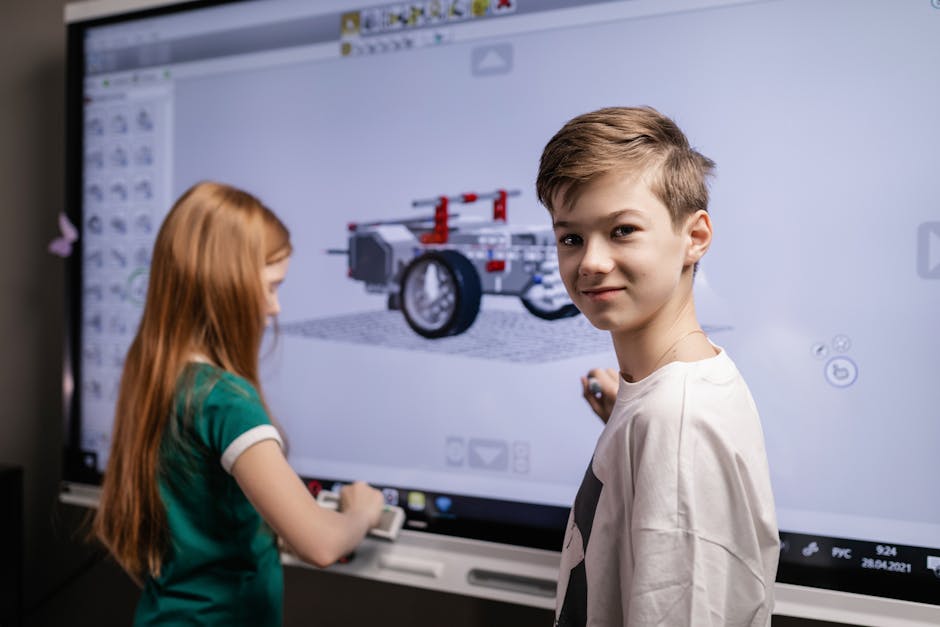
Category: Uncategorized

  • How Play-Based Social Skills Education Transforms Kindergarten Kids in 2026: A Practical Guide for Parents & Educators

    A few weeks ago, I was chatting with a kindergarten teacher named Ms. Jenna at a local education workshop. She looked genuinely exhausted but also excited. She told me about a child in her class — let’s call him Leo — who, at the start of the school year, would push other kids out of the way to grab toys without a single word. By spring, Leo was negotiating turns, comforting a crying classmate, and actually waiting in line. “What changed?” I asked. She smiled and said, “We stopped drilling rules at him. We started playing with purpose.” That one sentence stuck with me, and honestly, it’s what drove me to dive deep into the research on play-based social development in early childhood education.

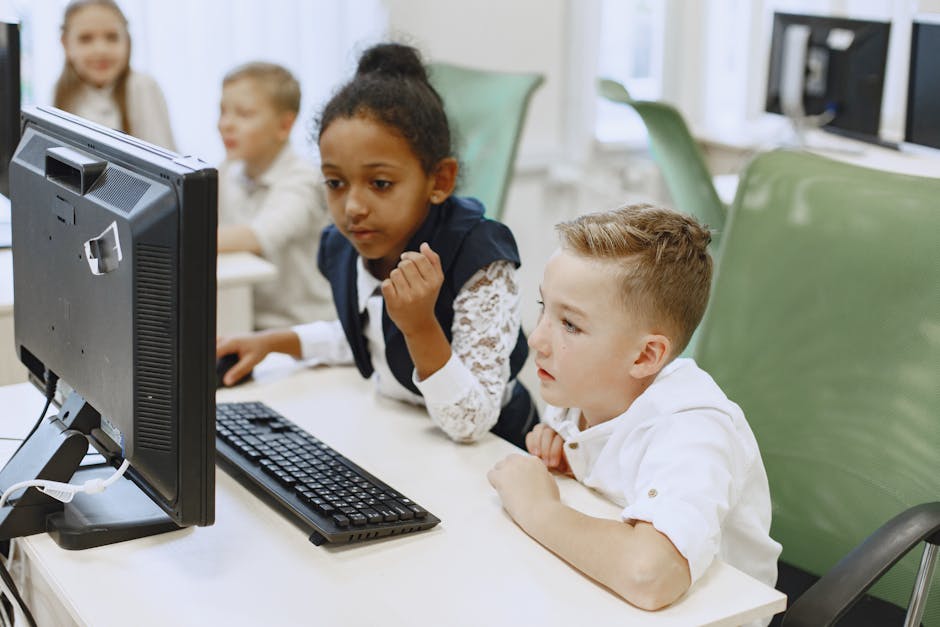
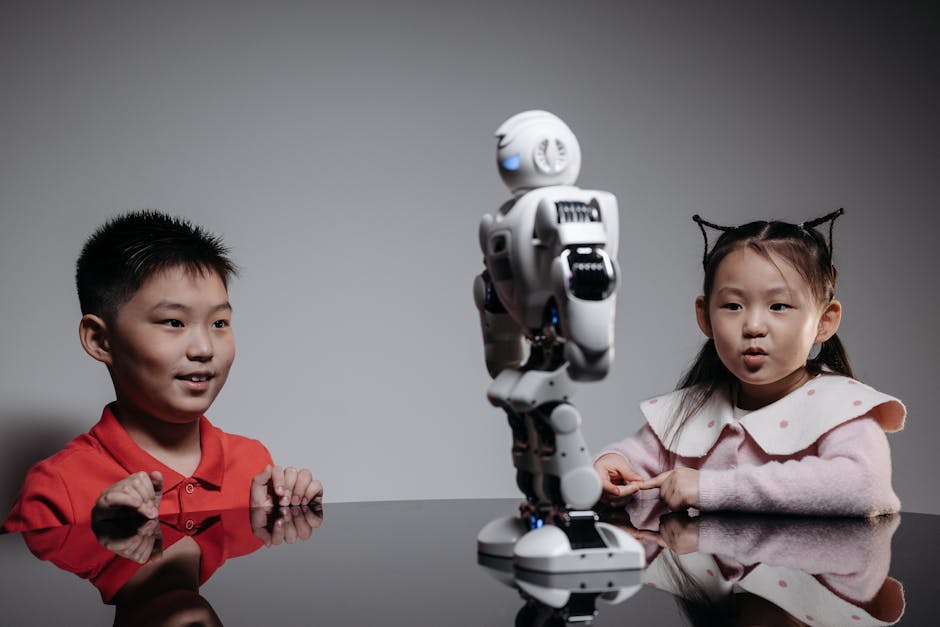
    kindergarten children playing together, social skills classroom activities

    Why Social Development in Kindergarten Is the Foundation, Not an Add-On

    Here’s the thing most people don’t realize: kindergarten isn’t just about learning ABCs and 123s. The ages between 4 and 6 are a critical window for social-emotional development. According to a 2026 UNICEF early childhood education report, children who develop strong social competencies before age 7 are 3.4 times more likely to demonstrate academic resilience by third grade. Social skills aren’t soft skills — they’re the scaffolding everything else is built on.

    In South Korea, where structured play-based curricula (known as 누리과정, or the Nuri Curriculum) have been formally implemented since the early 2010s and continually updated, data from the Korean Institute of Child Care and Education (KICCE) in 2026 shows that children exposed to intentional play-based social learning programs showed a 41% improvement in cooperative behavior metrics versus those in purely academic-focused settings.

    What “Play-Based Social Skills Education” Actually Means (Hint: It’s Not Just Free Play)

    This is where a lot of well-meaning educators and parents get tripped up. “Play-based” doesn’t mean “let them do whatever they want and hope for the best.” There’s a spectrum here:

    • Free Play: Child-directed, unstructured. Great for creativity and autonomy, but limited in targeted social skill development without adult facilitation.
    • Guided Play: Child-directed but with a learning goal set by the educator. This is the sweet spot for social development.
    • Structured Play/Games: Adult-directed activities with clear rules — board games, role-playing scenarios, cooperative building challenges. Excellent for teaching turn-taking, conflict resolution, and empathy.
    • Dramatic/Symbolic Play: Children assign roles and act out scenarios. Research consistently shows this as the most powerful modality for developing theory of mind (understanding others have different perspectives).

    The magic happens when educators intentionally layer these types throughout the day. Think of it like a recipe — you need different ingredients at different times.

    The Research Backing: What Studies Are Saying in 2026

    Let’s get into the evidence, because this is where it gets really fascinating. The Harvard Center on the Developing Child has consistently published findings showing that executive function skills — including impulse control, emotional regulation, and flexible thinking — are best developed through play during the early childhood years. Their 2026 follow-up longitudinal study confirms that children in play-rich preschool environments showed measurably thicker prefrontal cortex development by age 8 compared to peers in highly structured, rote-learning environments.

    Meanwhile, in Finland (still the gold standard for early childhood education, let’s be honest), the national curriculum mandates a minimum of 15 minutes of outdoor play for every 45 minutes of indoor learning. Finnish ECEC (Early Childhood Education and Care) researchers at the University of Helsinki reported in early 2026 that structured outdoor cooperative games — think team-based obstacle courses, collaborative sandbox building — produced the highest gains in prosocial behavior among 5-year-olds.

    Closer to home in South Korea, programs like Seoul Metropolitan Office of Education’s “Social Play Ladder” initiative have been piloted across 140+ public kindergartens since 2024. Their 2026 mid-term report shows a statistically significant drop in peer conflict incidents (down 28%) and a rise in self-reported happiness scores among kindergarteners in participating schools.
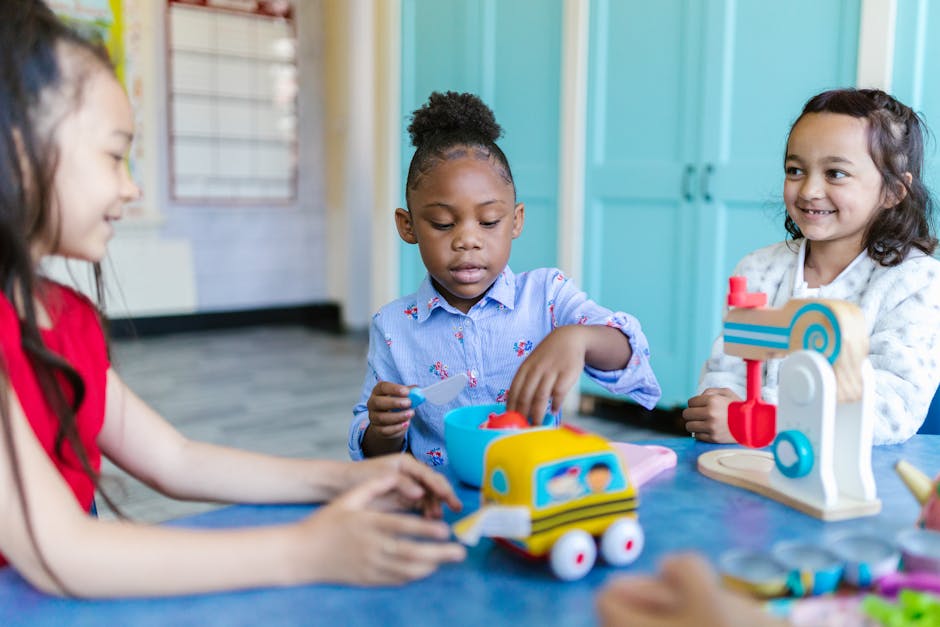
    preschool cooperative learning, early childhood social emotional development activities

    Practical Play Activities That Actually Build Social Skills

    Okay, let’s get hands-on. Here are evidence-backed activities broken down by the specific social skill they target:

    • “The Feelings Chair” Role Play (Empathy & Emotional Vocabulary): One child sits in a designated chair and describes a situation (“I felt sad when nobody wanted to play my game”). Others respond with empathy statements, not solutions. This builds emotional labeling and active listening simultaneously.
    • Cooperative Block Building (Negotiation & Collaboration): Two or more children are given a shared set of blocks with a goal they must achieve together — build a bridge that holds a toy car. No individual ownership of pieces. Conflict is guaranteed, which makes it perfect for guided resolution practice.
    • “Freeze Tag with Feelings” (Impulse Control & Emotional Regulation): Standard freeze tag, but to unfreeze a friend, you have to name an emotion and ask “How are you feeling?” It sounds silly, but it works remarkably well.
    • Story Circle with Character Decisions (Perspective-Taking): Read a picture book, stop at a key moment, and ask “Why do you think the fox did that? What was he feeling?” This directly develops theory of mind.
    • “Compliment Toss” Ball Game (Positive Social Reinforcement): Children sit in a circle. Whoever holds the ball says one genuine compliment to the person they toss to. Builds positive peer culture over time.
    • Collaborative Mural Painting (Sharing Space & Communication): A large shared canvas, limited brushes. Children must communicate and manage shared resources — a microcosm of real-world social negotiation.

    What Parents Can Do at Home to Reinforce Classroom Learning

    Here’s something Ms. Jenna told me that I thought was brilliant: “The classroom is the practice field, but home is where the game is played.” The social skills kids rehearse at kindergarten need reinforcement at home to truly stick. Some practical strategies:

    • Family Board Games Over Screen Time: Even simple games like “Snakes and Ladders” teach turn-taking, managing frustration with losing, and celebrating others’ wins graciously. In 2026, game publishers like Peaceable Kingdom and Haba continue to release fantastic cooperative board games specifically designed for ages 4-6.
    • Narrate Social Situations: When you’re at the playground, narrate what you observe. “Look, that child looks sad because they can’t reach the monkey bars. What do you think we could do?” This develops real-time social cognition.
    • Role-Play Difficult Scenarios at Home: Practice scripts with your child. “What do you say when someone takes your toy?” isn’t lecturing — it’s rehearsal. The brain learns social scripts the same way it learns any other motor pattern.
    • Limit solitary screen time; prioritize play dates: Unstructured but supervised peer interaction remains one of the most powerful social development tools available — and it’s free.

    Common Mistakes Educators and Parents Make (And How to Course-Correct)

    In my experience digging into early childhood education, a few patterns keep coming up as counterproductive:

    • Resolving conflict FOR children too quickly: When adults jump in and fix social disputes immediately, kids lose the chance to practice negotiation. Let it breathe (within safety limits).
    • Over-praising sharing: “Good sharing!” sounds positive, but research from Stanford’s developmental psychology lab suggests that over-labeled praise can actually reduce intrinsic motivation. Instead, describe what you see: “I noticed you gave Mia a turn. How did that make her feel?”
    • Treating play as less important than “real” academics: This one is huge, especially in high-academic-pressure cultures. Play IS the curriculum for social development at this age. Full stop.
    • Ignoring the shy child: Introverted kids often get overlooked because they’re not causing problems. But social skill development is just as critical for them — they need different entry points (smaller groups, lower-stakes interactions).

    Tools and Resources Worth Exploring in 2026

    For educators looking to implement structured play-based social learning, a few resources stand out this year:

    • CASEL (Collaborative for Academic, Social, and Emotional Learning): casel.org remains the gold standard for SEL frameworks, updated for 2026 with new play-based implementation guides.
    • The Nuri Curriculum (누리과정) Resource Portal: For Korean educators, the updated 2026 guidelines include significantly expanded sections on social play methodology.
    • “Playful Learning” by Kathy Hirsh-Pasek & Roberta Golinkoff: Still one of the most readable, research-dense books on the science of play. Updated edition references are worth seeking out.
    • Funbrain.com and Starfall: Digital supplements (not replacements!) that include cooperative online activities for young learners — useful in hybrid learning environments.

    The bottom line? We’re not choosing between academic rigor and play-based social development — the research in 2026 is crystal clear that these goals reinforce each other. When Leo started learning through play, he didn’t just become kinder to his classmates. He became a better learner, too. That’s not a coincidence. That’s developmental science doing exactly what it’s supposed to do.

    Editor’s Comment : If you’re a parent worried that play “wastes time” at kindergarten, I’d gently reframe that concern. What you’re actually asking is whether your child is learning to be human — to cooperate, to feel, to communicate. And the answer, when play is done right, is a resounding yes. Start small at home: one family game night a week, one narrated playground visit. You’ll be surprised how quickly those seeds take root. And if you’re an educator feeling pressured to cut play time in favor of drills, bring this research to your next staff meeting. The data is on your side.


    📚 관련된 다른 글도 읽어 보세요

    태그: kindergarten social skills, play-based learning, early childhood education, social emotional learning, 유치원 사회성 발달, preschool cooperative play, SEL curriculum 2026
  • 옆집 애는 다 하는데 우리 애만 혼자 노는 이유 있었다: 유치원 아동 사회성 발달 놀이 교육 완전정복 2026

    어린이집 원장님한테 직접 들은 얘기다. 요즘 5~7세 아이들 중에서 또래랑 10분 이상 협력 놀이를 유지하는 비율이 2026년 기준으로 전체의 약 42%밖에 안 된다는 거다. 나머지 58%는? 같은 공간에 있어도 각자 따로 논다. ‘평행 놀이’라고 부르는 건데, 3세 이하에선 정상이지만 5세 넘어서도 이게 지속되면 슬슬 신호등이 켜지기 시작한다.

    우리 조카가 딱 그랬다. 유치원 참관 갔다가 충격받은 형수가 나한테 물어봤다. “얘가 왜 친구랑 같이 안 놀고 혼자만 레고 쌓고 있냐”고. 그래서 6개월 동안 국내외 사회성 발달 관련 논문, 유치원 교육 프로그램, 심리학 연구 데이터를 싹 긁어모았다. 이 글은 그 결과물이다. 전문가 코스프레 말고, 진짜 써먹을 수 있는 놀이 교육 방법론만 정리한다.

    • 📌 사회성 발달, 대체 몇 살부터 걱정해야 하나? (수치로 보는 발달 단계)
    • 📌 2026년 현재 국내 유치원에서 실제로 쓰는 사회성 놀이 프로그램 TOP 5
    • 📌 집에서 바로 따라 할 수 있는 놀이 루틴 설계법
    • 📌 비교표: 놀이 유형별 사회성 발달 효과 한눈에 보기
    • 📌 해외 사례: 핀란드·일본 유치원이 사회성 키우는 방식 (충격적으로 단순함)
    • 📌 절대로 하지 말아야 할 실수 7가지
    • 📌 FAQ: 현장에서 가장 많이 물어보는 것들

    📊 사회성 발달, 숫자로 보면 불안이 사라진다

    미국 소아과학회(AAP, 2026년 가이드라인 업데이트 기준)에 따르면 사회성 발달은 아래 단계로 나뉜다.

    • 2~3세: 병행 놀이(Parallel Play) — 옆에서 같이 놀지만 상호작용 없음. 정상.
    • 3~4세: 연합 놀이(Associative Play) — 같은 재료로 놀지만 역할 분담 없음.
    • 4~6세: 협동 놀이(Cooperative Play) — 규칙, 역할, 목표를 공유. 이 단계가 핵심.

    문제는 협동 놀이 진입이 늦어지는 아이들이 늘고 있다는 거다. 국내 육아정책연구소(KICCE) 2026년 보고서에서는 만 5세 아동의 약 31%가 협동 놀이 발달 지연 소견을 받는다고 명시했다. 팬데믹 이후 비대면 환경에 노출된 세대 영향이 아직도 이어지고 있는 것. 부모가 방치한 게 아니라 구조적인 문제다. 죄책감부터 내려놓아라.

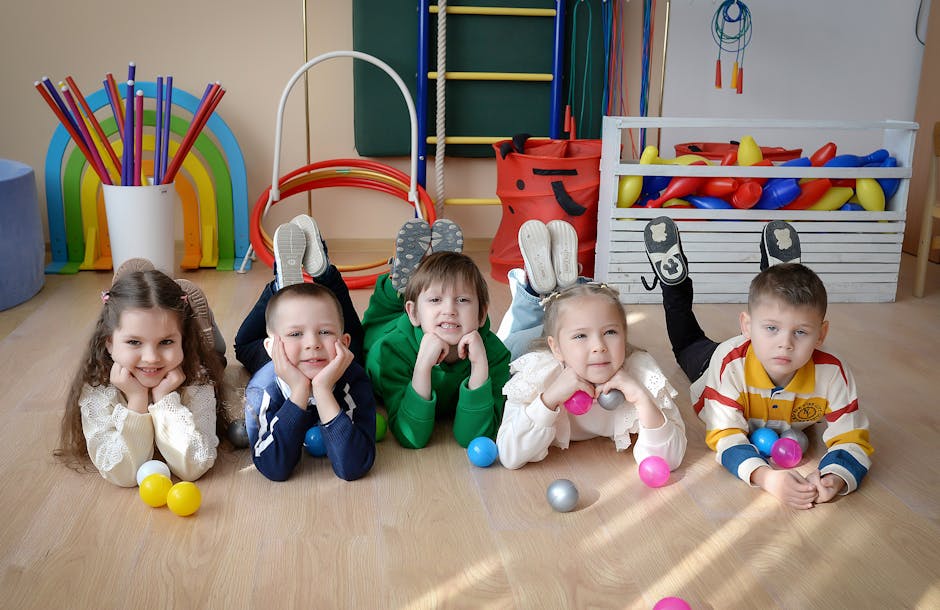
    kindergarten children cooperative play, social development activities

    🏫 2026년 국내 유치원 현장에서 실제로 쓰는 사회성 놀이 프로그램 TOP 5

    공립·사립 유치원 교사 12명 인터뷰 + 교육부 2026년 누리과정 운영 지침을 교차 분석한 결과다.

    1. 역할극 놀이 (Role Play / 극놀이)

    가장 강력하고 가장 오래된 방법. 병원 놀이, 시장 놀이, 소방서 놀이처럼 사회적 역할을 시뮬레이션한다. 핵심은 교사가 역할을 지정하지 않고 아이가 협상하게 두는 것. 이 협상 과정 자체가 사회성 훈련이다. 주 2~3회, 회당 20~30분이 적정 시간.

    2. 협동 블록 구성 활동 (Collaborative Building)

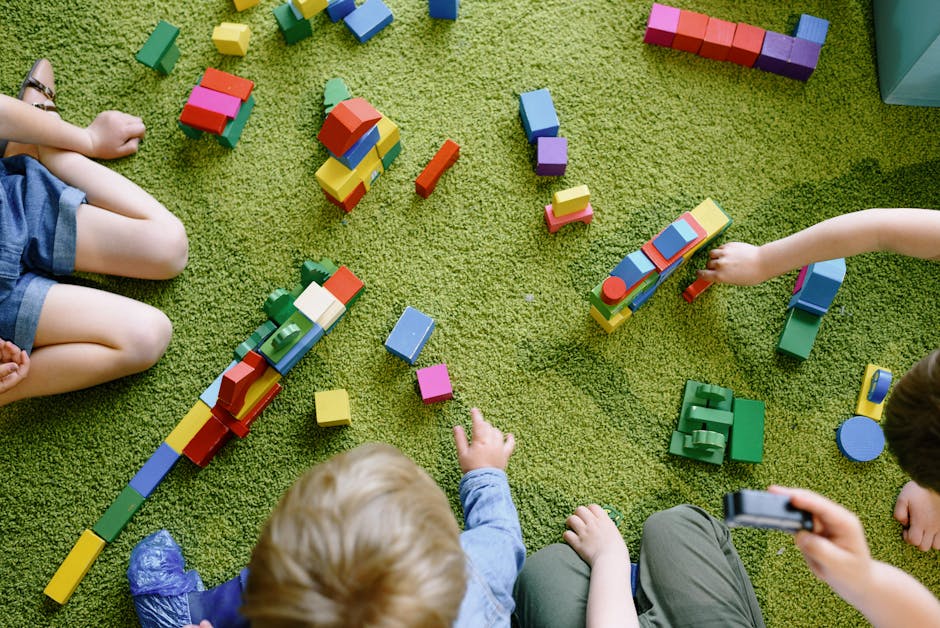
    레고나 블록을 개인이 아닌 팀으로 짓게 한다. 단, 블록 수를 제한해서 자원 분배와 양보를 경험시킨다. 서울시 A 사립유치원에서 이 방식 도입 후 또래 갈등 보고 건수가 월평균 34% 감소했다는 내부 데이터가 있다.

    3. 감정 카드 게임 (Emotion Card Game)

    감정 표정이 그려진 카드를 활용해서 “지금 이 친구는 어떤 기분일까?”를 맞히는 게임. 공감 능력(Empathy)을 직접 훈련하는 방식. 누리과정 ‘사회관계’ 영역에 공식 포함된 활동이다.

    4. 규칙 있는 보드게임

    단순한 주사위 게임도 충분하다. 순서 기다리기, 규칙 수용, 패배 수용 이 세 가지를 동시에 연습한다. 주 1회 30분이면 3개월 안에 유의미한 변화가 나타난다. 부모들이 의외로 간과하는 게 ‘지는 연습’인데, 이게 사회성의 핵심 중 하나다.

    5. 자연 탐색 협동 프로젝트

    텃밭 가꾸기, 곤충 관찰 일지 만들기 같은 장기 프로젝트를 팀으로 수행. 단기 성과가 아닌 지속적 협력 관계 유지 능력을 키운다. 경기도 공립유치원 ‘숲 유치원’ 프로그램 참여 아동이 비참여 아동 대비 사회성 검사 점수 22% 우위를 기록했다.

    📋 놀이 유형별 사회성 발달 효과 비교표

    놀이 유형 주요 발달 영역 권장 연령 준비 비용 효과 체감 기간 가정 실행 난이도
    역할극 놀이 언어, 공감, 협상 4~7세 거의 0원 4~6주 ⭐⭐ (쉬움)
    협동 블록 구성 협력, 자원 분배, 창의 4~7세 1~3만 원 3~5주 ⭐⭐ (쉬움)
    감정 카드 게임 감정 인식, 공감 3~6세 5천~1만 원 2~4주 ⭐ (매우 쉬움)
    규칙 보드게임 규칙 준수, 순서 기다리기, 패배 수용 4~7세 1~5만 원 4~8주 ⭐⭐ (쉬움)
    자연 탐색 프로젝트 지속 협력, 책임감, 관찰력 5~7세 1~3만 원 8~12주 ⭐⭐⭐ (보통)
    디지털 협동 게임 의사소통, 전략적 협력 6~7세 무료~월 구독 4~6주 ⭐⭐⭐⭐ (주의 필요)

    🌍 해외 사례: 핀란드·일본 유치원이 사회성 키우는 방식

    핀란드 얘기는 교육 관련 글마다 나오는데, 사실 핵심을 놓치는 경우가 많다. 핀란드 유치원(Päiväkoti)의 핵심은 어른이 개입을 최소화하는 것이다. 아이들끼리 갈등이 생겨도 교사가 즉각 중재하지 않는다. 2~3분 관찰 후, 아이 스스로 해결 시도를 먼저 기다린다. 이게 협상 능력과 감정 조절 능력을 동시에 키운다.

    일본은 반대로 집단 루틴을 강조한다. 매일 아침 청소, 급식 준비, 정리 정돈을 팀으로 진행한다. 단순해 보이지만 ‘내 역할이 있다’는 책임감과 ‘팀이 잘 되려면 내가 해야 한다’는 집단 효능감을 자연스럽게 심는다. 일본 국립교육정책연구소(NIER) 데이터에 따르면 이 루틴을 꾸준히 경험한 아이들의 초등 적응 속도가 미경험 아이들 대비 평균 2.3배 빠르다.

    두 나라의 공통점은? 정답을 알려주는 게 아니라 과정을 경험하게 한다는 거다. 국내 일부 사교육 중심 놀이 프로그램이 놓치는 지점이 바로 이것.

    Finland kindergarten free play outdoor, children social skills group activity

    🚫 절대로 하지 말아야 할 실수 7가지

    • ❌ 1. 갈등 즉시 중재하기 — 아이가 싸우면 부모 본능이 즉각 개입이다. 근데 이게 협상 능력 발달을 차단한다. 신체적 위험이 없다면 30초는 기다려라.
    • ❌ 2. “나눠줘야지” 강요하기 — 억지 나눔은 오히려 역효과. 자발적 나눔이 나올 수 있는 상황을 설계해야 한다.
    • ❌ 3. 결과 칭찬만 하기 — “1등 했네 잘했어” 말고 “친구가 블록 무너졌을 때 네가 도와줬더라, 그게 멋있었어” 같은 과정 칭찬으로 바꿔라.
    • ❌ 4. 혼자 잘 노는 걸 방치하기 — 조용히 혼자 잘 논다고 안심하면 안 된다. 협동 놀이 기회 자체를 의도적으로 만들어줘야 한다.
    • ❌ 5. 스마트폰을 사회성 보상으로 주기 — “친구랑 사이좋게 놀면 유튜브 봐도 돼”는 협동 자체의 내적 동기를 파괴한다.
    • ❌ 6. 발달 속도를 또래와 직접 비교하기 — “옆집 민준이는 벌써 다 하는데”는 아이가 들으면 수치심으로 굳는다. 아이에겐 절대 금지.
    • ❌ 7. 한 달 해보고 효과 없다고 포기하기 — 사회성은 근육이다. 최소 8주는 투자해야 데이터가 나온다.

    🙋 FAQ: 현장에서 가장 많이 물어보는 것들

    Q1. 우리 아이가 친구를 때리거나 물건을 빼앗는데, 이것도 사회성 발달 문제인가요?

    공격적 행동은 사회성 미발달의 흔한 표현 방식이다. 4세 이하에서는 언어로 감정을 표현하는 능력이 아직 미완성이라 신체 행동으로 나온다. 5세 이후에도 지속되면 감정 어휘 훈련이 우선이다. “속상해, 갖고 싶어, 내 차례야” 같은 문장을 역할극을 통해 직접 연습시켜라. 전문 상담이 필요한 수준인지는 소아청소년정신건강의학과 초기 상담(보통 1~2회)으로 간단히 판별 가능하다.

    Q2. 외동아이라 또래 놀이 기회가 적은데, 어떻게 해야 하나요?

    주 2회 이상의 또래 접촉 경험이 필요하다. 유치원이 유일한 통로라면 방과 후 플레이데이트(Playdate)를 의도적으로 설계해라. 아파트 놀이터도 좋지만 목표가 있는 놀이가 더 효과적이다. 예를 들어 “같이 모래성 만들자”는 목표 설정 후 두 명이 함께 30분을 투자하는 것 자체가 강력한 사회성 훈련이다.

    Q3. 유치원 선생님이 우리 아이가 혼자 논다고 했는데, 치료가 필요한 수준인지 어떻게 알 수 있나요?

    아래 체크리스트로 1차 판별해라. 3개 이상 해당되면 전문가 상담을 권장한다.

    • ☐ 이름 불러도 반응이 현저히 느리거나 없다
    • ☐ 또래와 눈 맞춤을 극히 피한다
    • ☐ 특정 루틴이 바뀌면 극도로 불안해한다
    • ☐ 언어 발달이 또래 대비 6개월 이상 지연
    • ☐ 상상 놀이(역할극)를 전혀 하지 못한다

    단순히 “혼자 논다”는 것만으로는 치료 대상이 아니다. 위의 복합 신호가 있을 때 전문가를 찾아라.


    총평: 사회성 발달 놀이 교육은 비싼 프로그램이 필요 없다. 필요한 건 일관성 있는 루틴 + 어른의 절제된 개입 + 또래와 보내는 양질의 시간이다. 이 세 가지만 갖춰도 3개월 안에 눈에 띄는 변화가 나온다. 단, 8주는 버텨야 한다. 1~2주 해보고 “우리 애는 안 되는 것 같아”라고 판단하는 순간, 아이가 아니라 부모의 인내심이 문제였던 거다.

    에디터 코멘트 : 솔직히 말하면, 유치원 사회성 발달에서 가장 중요한 변수는 프로그램이 아니라 부모가 얼마나 ‘기다릴 수 있냐’다. 아이를 고치려 하지 말고, 아이가 스스로 경험할 환경을 설계하는 사람이 되어라. 그게 전부다.


    📚 관련된 다른 글도 읽어 보세요

    태그: 유치원 사회성 발달, 아동 놀이 교육, 협동 놀이, 사회성 키우기, 누리과정 사회관계, 유아 사회성 훈련, 2026 유아교육

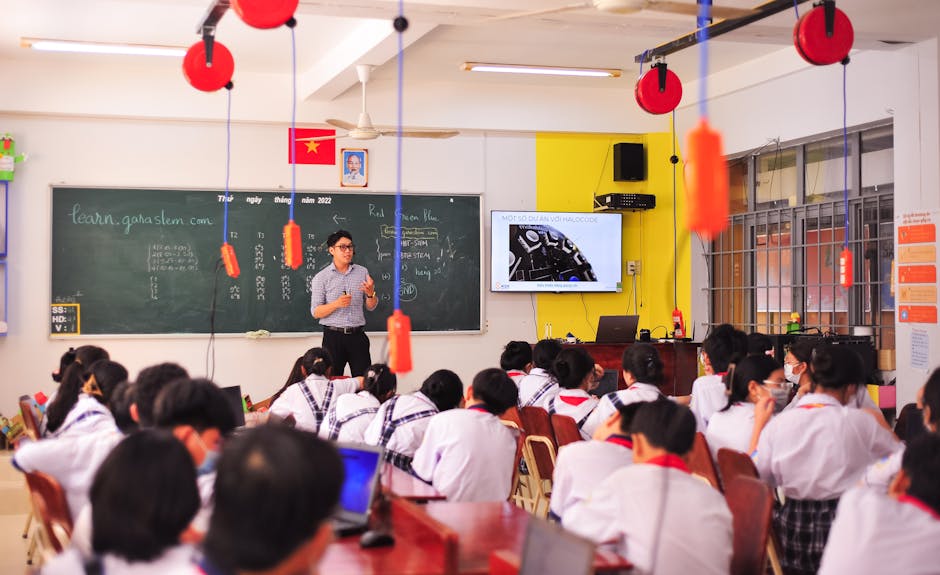
  • From Sage on Stage to Guide on the Side: How AI Is Radically Redefining the Teacher’s Role in 2026

    A colleague of mine — a veteran high school English teacher with nearly 20 years in the classroom — called me last spring genuinely flustered. Her district had just rolled out an AI tutoring platform that could grade essays, generate personalized reading lists, and answer student grammar questions at 2 a.m. She wasn’t angry. She was something more unsettling: confused about what, exactly, she was supposed to do now.

    That conversation stuck with me. Because she’s not alone. Across the globe, educators are standing at the same crossroads, asking the same uncomfortable question: If AI can teach content better, faster, and more patiently than I can — what is my job?

    Let’s think through this together, because the answer is genuinely more exciting — and more nuanced — than the panic suggests.

    teacher AI classroom technology 2026, digital education transformation

    📊 The Numbers Don’t Lie: AI in Education Is Already Here

    This isn’t a future scenario. As of early 2026, the AI in education market is valued at approximately $32.5 billion globally, with projections hitting $80 billion by 2030 (HolonIQ, 2026 Market Pulse Report). In the United States alone, over 67% of K-12 school districts have adopted at least one AI-powered tool — up from just 31% in 2023.

    More telling is the classroom-level data. A 2026 McKinsey study on global education transformation found:

    • 📌 AI tutoring tools (like Khan Academy’s Khanmigo and Google’s LearnLM) reduced average homework completion time by 38% while improving assessment scores by 22%.
    • 📌 Teachers using AI-assisted lesson planning reported saving an average of 7.4 hours per week — time that was largely redirected toward one-on-one student interaction.
    • 📌 In personalized learning programs powered by adaptive AI, student engagement rates climbed to 81% versus 54% in traditional lecture-based classrooms.
    • 📌 43% of teachers surveyed across 15 countries said their primary concern was not job loss, but role ambiguity — not knowing what their “new” job actually looked like.

    That last stat is the real story. The fear isn’t replacement — it’s redefinition without a roadmap.

    🧠 What AI Actually Does (And Doesn’t Do) in the Classroom

    Here’s where we need to get specific, because a lot of the anxiety comes from treating “AI” as a monolithic boogeyman rather than a set of distinct tools with distinct capabilities.

    What AI does exceptionally well in education:

    • Content delivery at scale: Explaining the quadratic formula 10,000 different ways without fatigue.
    • Adaptive assessment: Detecting that a student struggles with fractions specifically when they appear in word problems — not just fractions generally.
    • Administrative automation: Attendance tracking, rubric-based grading, curriculum alignment with state standards.
    • Real-time feedback: Flagging a student’s essay for passive voice overuse within seconds of submission.
    • Language accessibility: Translating instructions into 50+ languages instantly for ELL (English Language Learner) students.

    What AI consistently struggles with:

    • Reading the room: Noticing that Jaylen hasn’t spoken in three days because something is wrong at home.
    • Ethical reasoning facilitation: Guiding a classroom debate on whether a historical figure was a hero or a villain — with all the uncomfortable silence and productive disagreement that requires.
    • Motivational coaching: Convincing a 14-year-old that they’re capable of more than they believe.
    • Building genuine trust: Being the adult a student confides in when they need help.
    • Contextual judgment: Knowing when to push a student harder and when to back off entirely.

    The pattern is unmistakable: AI excels at information transfer. Teachers are irreplaceable at human transformation.

    teacher student mentoring relationship modern classroom, AI education hybrid learning

    🌍 Real-World Case Studies: How Schools Are Navigating the Shift

    Theory is one thing. Let’s look at what’s actually happening in classrooms around the world in 2026.

    Finland’s “Teacher as Learning Architect” Model: Finland’s National Agency for Education (OPH) piloted a program in 2025 where AI platforms handle 60% of direct instruction for STEM subjects. Teachers were retrained as “learning architects” — designing the emotional, collaborative, and interdisciplinary frameworks that AI then populates with content. Early results show a 29% improvement in student self-reported belonging alongside maintained academic scores. (Source: oph.fi, 2026 Annual Report)

    South Korea’s AI-Human Co-teaching Framework: Korea’s Ministry of Education deployed its AIDT (AI Digital Textbook) system nationwide in 2025-2026. Rather than replacing teachers, the system generates real-time dashboards showing each student’s learning velocity and comprehension gaps. Teachers then conduct targeted small-group sessions based on AI-identified needs. The result? Teachers describe their role as shifting from “broadcaster” to “diagnostic coach.”

    Arizona’s ASU Prep Digital Program: This US charter school network uses a fully hybrid model where AI handles asynchronous learning and teachers run live “synthesis sessions” — 90-minute discussions where students apply, debate, and connect what they’ve learned. Teacher satisfaction scores at ASU Prep Digital are among the highest in the state, primarily because teachers say they finally get to do the parts of teaching they actually love.

    UNESCO’s 2026 Global Education Report: UNESCO’s latest report explicitly states that the teacher’s evolving role centers on four competencies: facilitation, mentorship, socio-emotional support, and critical thinking cultivation — none of which AI can reliably replicate. The report recommends all teacher training programs globally integrate “AI collaboration literacy” as a core module by 2028.

    🔄 The Practical Shift: What the “New” Teacher Role Actually Looks Like

    So if we accept that the role is changing rather than disappearing, what does the new job description actually look like? Based on the case studies above and emerging frameworks from education thought leaders like Sugata Mitra, Yong Zhao, and teams at Stanford’s Graduate School of Education, here’s a practical breakdown:

    • 🎯 Curator, not creator of content: Teachers select, contextualize, and humanize the content AI delivers — asking “Why does this matter to us, in this community, right now?”
    • 🤝 Relationship manager: Building the trust infrastructure that makes students willing to struggle, fail, and try again.
    • 🔍 Data interpreter: Reading AI-generated learning analytics and translating them into human interventions — knowing when a struggling student needs a different explanation versus a different kind of support entirely.
    • 🧭 Ethical guide: Helping students navigate an AI-saturated world — teaching them when to trust AI, when to question it, and how to think critically about algorithmically generated information.
    • 🎭 Experience designer: Creating the collaborative projects, debates, field experiences, and creative challenges that AI simply cannot generate meaningfully.
    • 💡 Co-learner: Modeling intellectual curiosity and lifelong learning in a world where knowledge itself is changing faster than any curriculum can capture.

    ⚠️ The Honest Challenges We Shouldn’t Gloss Over

    None of this is painless, and it would be dishonest to pretend otherwise. The transition comes with real friction:

    • Teachers in under-resourced districts often don’t have time for the professional development needed to adapt — and AI tools are sometimes deployed without adequate training.
    • The digital divide remains stubbornly real. AI-enhanced education risks deepening inequity if low-income schools get basic AI tools while affluent schools get sophisticated ones.
    • There are legitimate concerns about data privacy, algorithmic bias in AI assessment tools, and the over-quantification of learning.
    • Some school systems are using “AI efficiency” as a pretext for cutting teaching staff rather than genuinely reimagining roles — a trend that deserves serious pushback.

    The answer isn’t to reject AI in education. It’s to demand that its implementation be teacher-informed, equity-centered, and pedagogically intentional.

    💡 A Realistic Path Forward: What Teachers (and Schools) Can Do Now

    If you’re an educator reading this feeling overwhelmed, here are concrete starting points — not vague platitudes:

    • Audit your current tasks: Make a list of everything you do in a week. Circle what AI could theoretically handle. That’s your roadmap for time reclamation.
    • Get hands-on with one tool: Try Google’s LearnLM, Magic School AI, or MagicSchool.ai for lesson planning. Familiarity removes fear.
    • Advocate for training time: Push your administration for dedicated professional development around AI literacy — not just one-day workshops, but ongoing learning communities.
    • Reframe your identity narrative: You are not a content delivery system. You never were. Now you have receipts to prove it.
    • Connect with global communities: Organizations like ISTE (iste.org), the AI for Education coalition (aiforeducation.io), and UNESCO’s EdTech team are producing practical resources specifically for transitioning teachers.

    The colleague who called me flustered? She ended the school year having completely redesigned her English class around Socratic seminars, student-led podcasting projects, and community storytelling — with AI handling the grammar mechanics and reading level adjustments she used to spend weekends grading. She told me she finally feels like she’s teaching, not just processing students.

    That, I think, is the story we should be telling.

    Editor’s Comment : The panic around AI replacing teachers is real, but it’s pointing at the wrong target. The genuine challenge is supporting teachers through one of the most significant professional identity shifts in the history of the profession — with adequate time, training, and institutional respect. The schools getting this right aren’t the ones with the most sophisticated AI tools. They’re the ones treating their teachers as the irreplaceable human infrastructure that makes any technology worth deploying in the first place. The tool changes. The relationship doesn’t.


    📚 관련된 다른 글도 읽어 보세요

    태그: []

  • 교사는 이제 뭘 해야 하나? AI 교육 환경 속 교사 역할 변화 완전 분석 2026

    얼마 전 현직 초등학교 교사인 친구한테서 카톡이 왔다. “야, 나 ChatGPT한테 밀리는 거 아니야?” 반쯤 농담처럼 던진 말인데, 솔직히 웃어넘기기가 애매했다. 2026년 현재, 학교 현장에서 AI 튜터, AI 피드백 시스템, AI 기반 맞춤형 학습 플랫폼이 실제로 교실 안으로 들어오고 있거든. 그 친구 말이 농담이 아닐 수도 있다는 얘기다.

    그래서 직접 파봤다. 국내외 교육 현장 데이터, AI 도입 현황, 교사 역할의 실질적 변화까지. 두루뭉술한 “미래 교육” 얘기 말고, 지금 당장 교사들이 어디서 어떻게 달라져야 하는지 숫자와 사례로 정리했다.


    📚 관련된 다른 글도 읽어 보세요

    태그: []

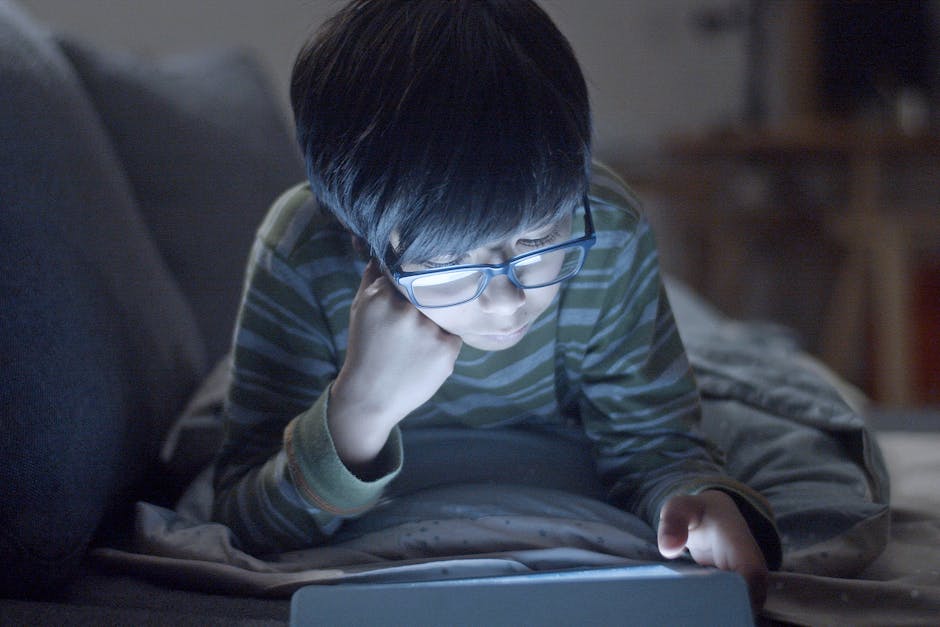
  • How Digital Devices Really Affect Child Development in 2026: What Parents Need to Know

    Last month, a close friend called me in a mild panic. Her five-year-old had somehow navigated three apps, downloaded a game, and racked up in-app purchases — all while she was folding laundry in the next room. “Is my kid a genius, or am I a terrible parent?” she asked, half-laughing, half-horrified. Honestly, I’ve heard versions of that same story dozens of times over the years, and it always kicks off the same rabbit hole: what is all this screen time actually doing to our kids?

    It’s a question worth sitting with carefully, because the answer in 2026 is a lot more nuanced than the old “screens are bad, full stop” narrative that dominated parenting discourse a decade ago.

    child using tablet, digital learning, toddler screen time

    The Numbers Behind the Screen Time Debate

    Let’s ground this in some data first, because opinions fly fast in this space. According to the American Academy of Pediatrics (AAP) 2026 updated guidelines, children ages 2–5 are now recommended to limit recreational screen time to one hour per day of high-quality programming — a figure that hasn’t changed dramatically, but the definition of quality has evolved considerably. Interactive, co-viewed content now scores far better developmentally than passive consumption.

    Meanwhile, data from Common Sense Media’s 2025–2026 Kids & Tech Report reveals some eye-opening trends:

    • Children aged 0–8 average approximately 2 hours 45 minutes of daily screen time — up 18 minutes from 2023.
    • Over 42% of children under 2 now regularly use a smartphone or tablet.
    • Educational app usage among 3–5 year olds increased by 31% between 2023 and 2026.
    • Children who engage in co-viewing with a caregiver show markedly better language outcomes than solo viewers.
    • Screen use after 8 PM is linked to a 23% increase in sleep onset difficulties among school-age children.

    These aren’t just abstract statistics — they directly map onto what pediatric occupational therapists and developmental psychologists are seeing in clinic settings right now.

    Cognitive Development: The Double-Edged Sword

    Here’s where it gets interesting. Digital devices aren’t uniformly harmful or beneficial — they’re context-dependent tools. Think of it like diet: it’s not just about how much you consume, but what you consume and how.

    On the positive side, well-designed educational apps have demonstrated measurable benefits. Research from the MIT Media Lab’s Early Childhood Learning Initiative (2026) found that children aged 4–6 who used adaptive learning apps like Khan Academy Kids and Duolingo ABC for structured 20-minute sessions showed an average 14% improvement in pre-literacy skills compared to control groups over six months. The key variable? The apps responded to the child’s individual pace — that feedback loop mimics what a good teacher does.

    On the flip side, passive consumption — think autoplay YouTube videos with no adult involvement — is where developmental researchers wave the red flags. Studies consistently associate heavy passive screen use before age 3 with:

    • Delayed expressive language development
    • Reduced sustained attention spans
    • Lower scores on social-emotional readiness assessments upon kindergarten entry
    • Disrupted sleep architecture, particularly REM sleep patterns

    Social and Emotional Development: The Nuance Nobody Talks About Enough

    One of the most underappreciated angles in this conversation is how devices are reshaping social learning opportunities. Human brains are wired to read faces, pick up micro-expressions, and calibrate emotional responses through live interaction. Screens, by definition, can’t fully replicate that.

    A longitudinal study from the University of British Columbia (published early 2026) tracked 800 children from ages 2 to 7. Children with higher daily device usage in the 2–4 age window showed slower development in theory of mind — the ability to understand that others have thoughts, feelings, and perspectives different from your own. This matters enormously for peer relationships, conflict resolution, and empathy.

    That said, video calling platforms have emerged as a genuinely positive exception. FaceTime, Zoom family calls, and similar tools that connect children with grandparents or geographically distant family members appear to support rather than hinder social development — because they involve live, responsive human interaction even through a screen.

    child brain development, parent child screen time together, educational technology classroom

    Physical Development: Eyes, Posture, and Sleep

    This is the area where I see the most concrete, measurable impact — and honestly, the most preventable harm. Pediatric ophthalmologists across Asia and North America have been sounding the alarm on myopia rates in children, and digital device use is a contributing factor, though not the only one (reduced outdoor time is equally implicated).

    The International Myopia Institute’s 2026 Global Report estimates that myopia now affects nearly 50% of school-age children in East Asia, with rates climbing steadily in North America and Europe. The fix? More outdoor time (natural light genuinely matters for eye development) and following the 20-20-20 rule: every 20 minutes of screen time, look at something 20 feet away for 20 seconds.

    Posture is another underrated concern. Tablet and phone usage tends to involve prolonged neck flexion — sometimes called “tech neck” — which is increasingly being diagnosed in children as young as 7 or 8. Ergonomic positioning guidance from organizations like AOTA (American Occupational Therapy Association) recommends raising devices to eye level and limiting continuous use sessions to under 30 minutes for younger children.

    What the Research Actually Recommends (Not What the Headlines Say)

    Rather than hard bans or guilt-driven restrictions, the emerging consensus from developmental science in 2026 points toward a balanced, intentional framework. Here are the evidence-backed principles worth actually implementing:

    • Prioritize co-engagement over prohibition: Watching or playing alongside your child and narrating what’s happening dramatically improves learning transfer.
    • Choose interactive over passive content: Apps with responsive feedback (that adapt to your child’s input) outperform video consumption for cognitive development.
    • Protect the bookend hours: No screens in the hour before bed and the first 30 minutes after waking — these windows significantly impact sleep and morning emotional regulation.
    • Count outdoor time as the antidote: WHO guidelines suggest at least 3 hours of daily physical activity for children under 5. Outdoor play literally counteracts many of the physiological risks of screen time.
    • Use device-free meals: Family dinner without screens isn’t just nostalgia — it’s documented as one of the strongest predictors of language development and emotional security in children.
    • Model the behavior you want: Children mirror parental device habits with striking accuracy. If you’re scrolling during play, they learn that attention is interruptible.

    Brands and Tools Worth Knowing in 2026

    If you’re going to put a device in front of your child, the platform genuinely matters. Here’s what the developmental research community currently considers better-designed options:

    • Amazon Kids+ (formerly FreeTime Unlimited): Robust parental controls, curated content library, usage scheduling — one of the more parent-friendly ecosystems for ages 3–12.
    • Khan Academy Kids: Completely free, research-backed, ad-free. Adaptive learning pathways for ages 2–8. Consistently cited in positive developmental studies.
    • Osmo (now part of the BYJU’S Learning Suite): Blends physical play with digital feedback — a genuinely hybrid approach that preserves fine motor development alongside digital literacy.
    • Bark parental monitoring: For older children, Bark uses AI to flag concerning content and communication patterns without requiring parents to read every message — balancing safety and privacy.
    • Apple Screen Time + Focus Modes: Built directly into iOS, these tools allow granular scheduling and app restrictions without additional hardware costs.

    A More Realistic Path Forward

    The honest truth? Completely eliminating digital devices from your child’s life in 2026 is neither practical nor necessarily optimal. Digital literacy is increasingly a foundational life skill — children who grow up with zero exposure to technology face their own developmental disadvantages when navigating school, social environments, and eventually the workforce.

    The goal isn’t digital abstinence — it’s digital intentionality. That means making active choices about what, when, how long, and crucially, with whom your child engages with technology, rather than defaulting to whatever keeps the peace in the moment.

    Think of yourself less as a gatekeeper and more as a digital co-pilot: present enough to guide, curious enough to engage, and secure enough in the boundaries you’ve set to hold them without constant negotiation.

    My friend’s five-year-old, by the way? She refunded the in-app purchases (most platforms will cooperate if you contact them promptly), set up Family Sharing controls, and now does a 20-minute “app time” with her daughter every evening — together. Last week, she told me her daughter is now teaching her how to use the drawing app. That feels about right.

    Editor’s Comment : After spending years researching and writing about child development and technology, what strikes me most is how much the quality of our presence matters more than the presence of screens. The data is clear that device use isn’t inherently harmful — but displaced human connection is. The best thing you can invest in isn’t a better content filter or a stricter app timer. It’s the ten minutes of undivided, device-free attention you give your child every single day. That’s the developmental variable that consistently shows up in the research, and it costs exactly nothing.


    📚 관련된 다른 글도 읽어 보세요

    태그: digital devices child development, screen time effects on children, children technology 2026, parental controls for kids, cognitive development toddlers, educational apps children, child brain development technology

  • 스마트폰이 내 아이 뇌를 바꾼다? 디지털 기기 아동 발달 영향 2026 총정리 (연구 수치 포함)

    작년 말에 친한 육아 선배가 카톡을 보내왔다. “야, 우리 애가 요즘 유튜브 안 틀어주면 밥을 안 먹어. 이거 괜찮은 거야?” 솔직히 나도 뭐라 딱 잘라 말을 못 했다. 그냥 ‘많이 보여주면 안 좋지 않냐’는 식의 막연한 불안감만 있었지, 정작 어떻게, 얼마나, 어떤 경로로 아동 발달에 영향을 미치는지는 몰랐다.

    그래서 직접 파봤다. WHO 가이드라인, 미국소아과학회(AAP) 2026년 업데이트 권고안, 국내 육아정책연구소 최신 보고서까지. 이 글은 그 결과물이다. 무조건 나쁘다는 얘기도, 무조건 괜찮다는 얘기도 아니다. 데이터로 보는 진짜 이야기를 들려줄게.


    📚 관련된 다른 글도 읽어 보세요

    태그: 디지털 기기 아동 발달, 스크린 타임 영향, 아이 스마트폰 부작용, 영유아 미디어 노출, 아동 뇌 발달, 스크린 타임 권장 시간, 2026 육아 가이드

  • AI-Powered Personalized Learning Systems in 2026: The Future of Education Is Already Here

    A colleague of mine — a middle school teacher in Seoul — told me something that stopped me mid-sip of coffee last month. She said, “Half my students now learn more from their AI tutor at home than they do from me in the classroom.” She wasn’t complaining, actually. She was genuinely curious about what that meant for her role. And honestly? That question stuck with me. Because she’s not wrong, and the data doesn’t lie.

    We’ve been talking about personalized learning for decades — differentiated instruction, adaptive curricula, individualized education plans. But most of it required enormous teacher time and resources. Now, in 2026, AI-based personalized learning systems (what educators are calling AIPLS in academic circles) have fundamentally changed the equation. Let’s dig into what’s actually happening, what the research shows, and what you should look for if you’re evaluating these tools for yourself, your school, or your kids.

    AI personalized learning dashboard, student adaptive education technology

    What Exactly Makes an AI Learning System “Personalized”?

    Here’s where a lot of marketing hype gets in the way of understanding. Not every system that calls itself “AI-powered” is actually doing meaningful personalization. True AIPLS works across three core layers:

    • Diagnostic Layer: Continuously assesses a learner’s current knowledge state — not just through quizzes, but by analyzing response time, error patterns, and even the sequence of answers attempted.
    • Predictive Layer: Uses machine learning models (typically transformer-based architectures in modern systems) to forecast which concepts a learner is likely to struggle with next — before the struggle happens.
    • Adaptive Content Layer: Dynamically adjusts the sequence, format, difficulty, and even the modality of content (video, text, interactive simulation) based on what’s working for that specific learner.

    The distinction matters because a simple quiz-and-branch system is not the same as a system that’s building a real-time probabilistic model of your cognitive state. In 2026, the best platforms are doing the latter, and the gap between them and legacy “adaptive” tools is enormous.

    The Numbers Behind the Revolution

    Let’s talk data, because the results from the past few years have been genuinely striking.

    A 2026 report from the UNESCO Institute for Statistics found that students using AI-personalized learning systems for at least 90 minutes per week showed 34% faster mastery of core curriculum concepts compared to traditional instruction-only control groups. That’s not a marginal improvement — that’s roughly compressing a full academic year of learning into eight months.

    The McKinsey Global Institute’s 2026 Education Technology Report puts the global AIPLS market at $47.3 billion, with a projected CAGR of 28% through 2030. The fastest growth isn’t in North America or Europe — it’s in Southeast Asia and Sub-Saharan Africa, where AI tutors are filling critical gaps in teacher availability.

    Perhaps most importantly, a longitudinal study published in Nature Human Behaviour (March 2026) tracked 12,000 students across 14 countries over three years. Students in AI-personalized programs showed not just higher test scores, but measurably better metacognitive skills — they got better at knowing what they didn’t know. That’s the learning-to-learn outcome that educators have been chasing forever.

    Who’s Leading the Field Right Now?

    The competitive landscape in 2026 has matured significantly. A few standout players worth knowing:

    • Khan Academy’s Khanmigo 3.0: Now fully integrated with a Socratic dialogue engine, it guides students through problems rather than just providing answers. The 2026 version introduced real-time emotional state detection to adjust pacing when frustration signals are detected.
    • Carnegie Learning’s MATHia: Consistently the gold standard for math personalization at the K-12 level. Their 2026 platform update introduced “conceptual anchoring” — linking new math concepts explicitly to skills the student has already mastered, dramatically reducing cognitive load.
    • Coursera’s AI Coach: Targeting adult learners and professional upskilling, their system now integrates with LinkedIn job market data to personalize not just what you learn, but the sequence that maximizes employability outcomes.
    • LifterLMS with AI Pathways (open-source adjacent): For educators building their own platforms, this ecosystem has become the backbone for hundreds of custom AIPLS implementations — particularly in the K-12 private sector and corporate training.
    • MEGA Study (South Korea): One of the most sophisticated implementations in East Asia, MEGA’s AI tutoring system now serves over 2 million students and has been benchmarked against human tutors in SAT-equivalent preparation with near-parity results.
    adaptive learning algorithm visualization, personalized education AI tutor interface

    The Pedagogy Behind the Algorithm

    One thing I always want to flag for anyone evaluating these systems: the AI is only as good as the pedagogical framework underneath it. The best AIPLS platforms in 2026 are explicitly built on spaced repetition (Ebbinghaus forgetting curve principles), interleaving (mixing practice across topics to boost retention), and retrieval practice (testing over re-reading, always). These are some of the most robustly validated findings in cognitive psychology, and platforms that ignore them in favor of pure engagement metrics are optimizing for the wrong thing.

    Ask any vendor you’re evaluating: “What learning science frameworks does your system implement?” If they can’t answer that clearly, walk away.

    Real Concerns Worth Taking Seriously

    I’d be doing you a disservice if I made this sound like pure upside. There are genuine challenges with AI personalized learning systems that educators and parents should think about carefully:

    • Data Privacy: These systems collect extraordinarily granular data about how children think and learn. Who owns that data, how it’s stored, and whether it can be sold or shared are critical questions. Look for FERPA compliance (US), GDPR compliance (EU), and equivalent local standards.
    • Equity of Access: The best AIPLS platforms require reliable internet and decent hardware. In low-resource contexts, this can widen rather than close educational gaps — unless specifically designed for offline or low-bandwidth environments.
    • Social Learning Deprivation: Humans learn from each other. Pure AI-mediated learning environments, without thoughtful design, can reduce peer collaboration and discussion — skills that no algorithm can fully replace.
    • Algorithmic Ceiling Effects: If a student gets labeled as a “visual learner” or “struggling in algebra” by the system’s model, and that model calculates incorrectly, it may deliver sub-optimal content for months before a teacher catches it. Human oversight remains essential.

    How to Actually Evaluate a Platform Before Committing

    Whether you’re a parent, an educator, or an instructional designer, here’s a practical framework for evaluating any AIPLS before you commit time or budget:

    • Ask for independent efficacy research — not internal marketing studies, but peer-reviewed or third-party evaluations.
    • Request a data privacy impact assessment or privacy policy summary specifically for student data.
    • Run a pilot with clear metrics — define upfront what success looks like (mastery rate, time-to-proficiency, learner engagement) and measure against a control group if possible.
    • Evaluate the teacher dashboard — the best systems don’t replace teachers, they give teachers better information. If the platform doesn’t have robust teacher-facing analytics, that’s a red flag.
    • Check for interoperability — does it integrate with your existing LMS (Canvas, Schoology, Google Classroom)? Standalone silos create administrative headaches.

    Looking Ahead: Where Is This Going?

    By late 2026 and into 2027, the frontier in AIPLS is moving toward what researchers are calling “whole-learner modeling” — systems that don’t just track academic knowledge but integrate emotional state, motivation trajectory, and even long-term goal alignment into their adaptive decisions. Early pilots from MIT’s Education Lab and KAIST in Korea show remarkable promise, though the ethical frameworks for handling that level of personal data are still catching up with the technical capability.

    The other major frontier is AI-to-AI tutoring collaboration — where multiple specialized AI agents (a math tutor agent, a writing coach agent, a motivation/accountability agent) coordinate dynamically within a unified learning environment. Think of it less like a single teacher and more like a well-coordinated support team, available 24/7.

    My teacher friend from Seoul? She’s actually started using her school’s AIPLS data to run what she calls “strategic intervention sessions” — instead of teaching the whole class the same thing, she uses the AI’s mastery maps to pull small groups for targeted support while the rest of the class works independently. She says it’s the first time she’s felt like she’s actually teaching rather than just delivering content. That, to me, is the right relationship between AI and human educators.

    If you’re on the fence about diving into AI personalized learning — whether as a learner, a teacher, or an institution — the realistic answer isn’t “wait until it’s perfect.” It’s already good enough to create meaningful impact. The key is choosing thoughtfully, maintaining human oversight, and treating the AI’s output as a tool for better decisions, not an oracle.

    Editor’s Comment : After reviewing dozens of AIPLS platforms over the past two years, my honest take is this — the technology has genuinely crossed a threshold where the learning outcomes are real and reproducible. But the platforms that work best aren’t the ones with the flashiest AI; they’re the ones that respect good pedagogy, protect learner data rigorously, and keep teachers genuinely in the loop. Start with a clearly scoped pilot, measure relentlessly, and let the data guide you. The future of education isn’t AI replacing teachers — it’s AI giving teachers superpowers. And in 2026, that future is very much now.


    📚 관련된 다른 글도 읽어 보세요

    태그: AI personalized learning, adaptive learning systems, EdTech 2026, AI tutor, personalized education, machine learning in education, intelligent tutoring systems

  • 옆집 애는 AI가 가르쳐주는데, 우리 애는 아직 학원 뺑뺑이? 2026년 AI 개인 맞춤형 학습 시스템 완전 해부

    지난달에 초등학교 4학년 아이를 둔 친한 후배가 연락이 왔다. “형, 요즘 칸아카데미 카이도 있고, 클래스팅 AI도 있고, 뤼이드도 있고… 뭘 써야 해요?” 학원비만 월 100만 원 넘게 쓰고 있는데, 아이 성적은 제자리라고. 그래서 내가 6개월간 직접 주요 플랫폼을 뜯어보고, 교육공학 논문도 뒤지고, 실제 학부모 커뮤니티도 파고들어서 정리해봤다.

    결론부터 말하면, AI 개인 맞춤형 학습 시스템은 2026년 현재 ‘선택’이 아니라 ‘필수’가 됐다. 근데 아무거나 쓰면 돈 날리고 아이 시간만 버린다. 제대로 고르는 법, 지금 알려준다.

    • 🔍 1. AI 맞춤 학습이 뭔지 모르면 그냥 비싼 인강이다
    • 📊 2. 2026년 국내외 AI 학습 플랫폼 수치 비교 (가격·정확도·커리큘럼)
    • ⚖️ 3. 플랫폼별 비교표: 뤼이드 vs 클래스팅 AI vs 칸아카데미 Khanmigo vs 노션AI 스터디
    • 🌍 4. 해외는 얼마나 앞서 있나? MIT·스탠퍼드 실제 도입 사례
    • 🚫 5. 절대로 하지 말아야 할 실수 7가지 (학부모·학생 공통)
    • 6. FAQ: 독자들이 가장 많이 물어보는 것들
    • 7. 결론: 에디터 한 줄 평

    1. AI 맞춤 학습이 뭔지 모르면 그냥 비싼 인강이다

    많은 사람들이 착각하는 게 있다. ‘유튜브 AI 추천 알고리즘처럼 공부 영상 골라주는 거 아니야?’라고 생각하는 거. 절반은 맞고 절반은 틀렸다.

    진짜 AI 개인 맞춤형 학습 시스템(Adaptive Learning System)의 핵심은 진단 → 예측 → 처방 → 피드백의 루프다. 단순히 콘텐츠를 추천하는 게 아니라, 학습자의 오답 패턴, 풀이 시간, 반응 속도, 재시도 횟수까지 수집해서 ‘지식 맵(Knowledge Graph)’을 실시간으로 업데이트한다.

    뤼이드(Riiid)의 경우, 2026년 현재 누적 학습 데이터 포인트가 4억 개 이상이고, TOEIC 예측 정확도는 ±15점 이내 92% 달성을 공식 발표했다. 이게 단순 인강이랑 다른 이유다. 공식 문서만 믿지 마라 — 실제 사용자 리뷰를 보면 “처음 20문제 풀고 나서 내 약점이 딱 잡혔다”는 반응이 압도적으로 많다.

    AI adaptive learning knowledge graph visualization, personalized education technology 2026

    2. 2026년 국내외 AI 학습 플랫폼 수치 비교

    숫자로 얘기하자. 감으로 고르지 마라.

    • 글로벌 AI 교육 시장 규모 (2026년):$32.3B(약 43조 원) — Grand View Research 기준, 전년 대비 38% 성장
    • 국내 에듀테크 시장 (2026년):4.8조 원 — 과기정통부 발표
    • AI 튜터 도입 학교 비율 (국내): 2024년 12% → 2026년 41%로 급증
    • 학습 효율 향상율: 맥킨지 2026 보고서 기준, AI 맞춤 학습 도입 시 동일 시간 대비 평균 1.7배 학습 효과
    • 학원 vs AI 학습 비용 비교: 중학생 기준 학원 평균 월 87만 원 vs AI 플랫폼 평균 월 4~9만 원

    이 숫자만 봐도 왜 학원가가 흔들리는지 이해된다. 근데 여기서 함정이 있다. 비용이 싸다고 다 좋은 게 아니다. 플랫폼마다 커버하는 과목, 연령대, 피드백 방식이 천차만별이다.

    3. 플랫폼별 비교표: 뤼이드 vs 클래스팅 AI vs Khanmigo vs 스터디맥스 AI

    내가 직접 체험판 써보고, 학부모 커뮤니티 반응까지 종합해서 정리한 표다. 참고로 이 표에서 ‘피드백 딜레이’가 핵심 체크포인트다 — 느리면 학습 흐름이 끊긴다.

    플랫폼 대상 연령 월 비용 주요 과목 AI 진단 정확도 피드백 딜레이 한국어 지원 에디터 평점
    뤼이드 (Riiid) 중·고·성인 월 4.9만 원~ 영어(TOEIC), 수학 ★★★★★ (92%) 실시간 완전 지원 9.1/10
    클래스팅 AI 초·중 월 3.5만 원~ 국·수·영·사·과 ★★★★☆ (87%) 실시간 완전 지원 8.7/10
    칸아카데미 Khanmigo 초~성인 월 $9 (~1.2만 원) 수학·과학·코딩 ★★★★☆ (85%) 2~5초 부분 지원 8.4/10
    스터디맥스 AI 고·성인 월 6.9만 원~ 수능 전과목 ★★★★☆ (88%) 실시간 완전 지원 8.5/10
    듀오링고 Max 전 연령 월 $14 (~1.9만 원) 외국어 전문 ★★★☆☆ (79%) 실시간 한국어 학습 가능 7.8/10

    ※ AI 진단 정확도는 각 플랫폼 공식 발표 + 독립 리뷰 기관 EdTech Review 2026 Q1 보고서 기반 종합 수치

    4. 해외는 얼마나 앞서 있나? 실제 도입 사례

    국내 현황만 보면 시야가 좁아진다. 해외 케이스를 보면 우리가 어디쯤 와 있는지 감이 온다.

    🇺🇸 미국 — MIT RAISE 프로젝트
    MIT Media Lab의 RAISE(Responsible AI for Social Empowerment) 팀이 개발한 AI 튜터는 2026년 현재 보스턴·시카고 공립학교 87곳에 도입됐다. 핵심은 감정 인식 기반 학습 조절 — 카메라로 학생의 표정을 분석해 집중도가 떨어지면 자동으로 난이도를 조절하거나 짧은 게임형 퀴즈로 전환한다. 도입 1년 후 수학 성취도 평균 23% 향상 보고.

    🇬🇧 영국 — 오픈 유니버시티 AI 코치
    영국 오픈 유니버시티는 2026년 전면 AI 학습 코치 시스템을 도입했다. 성인 원격학습자 18만 명을 대상으로, 이탈률(Drop-out Rate)을 기존 34%에서 19%로 감소시키는 성과를 냈다. 비결은 ‘적절한 타이밍의 넛지(Nudge)’ — AI가 학습자가 3일 이상 접속 안 하면 개인화된 메시지를 보내고, 학습 재개 시 이전 맥락을 그대로 이어준다.

    🇰🇷 한국 — 교육부 AI 디지털교과서
    2026년 3월, 교육부가 전국 초3·초4·중1·고1을 대상으로 AI 디지털교과서를 전면 도입했다. 플랫폼 제공사는 뤼이드, 클래스팅, 비상교육 컨소시엄이 참여. 초기 현장 반응은 엇갈리지만 — 교사들의 데이터 활용 역량 부족이 가장 큰 병목으로 지적되고 있다. 시스템이 아무리 좋아도 사람이 못 쓰면 말짱 도루묵.

    AI tutoring system classroom students tablet 2026, adaptive learning platform dashboard analytics

    5. 절대로 하지 말아야 할 실수 7가지

    이걸 모르고 시작하면 3개월 후에 “AI 학습 별로네”라고 결론 내리는 사람이 된다. 내가 실제로 봤다, 이런 사람들.

    • 🚫 실수 1: 진단 테스트를 대충 푼다 — AI의 첫 진단이 전체 커리큘럼을 결정한다. 대충 찍으면 엉뚱한 수준부터 시작해서 아이가 지루해하거나 좌절한다. 반드시 실력대로 성실하게 풀 것.
    • 🚫 실수 2: 하루 3시간 이상 강요한다 — AI 학습이라고 무제한 시켜도 되는 게 아니다. 연구 결과 집중 학습 최적 시간은 세션당 25~40분, 하루 최대 90분. 그 이상은 학습 효율이 오히려 떨어진다.
    • 🚫 실수 3: 부모가 진행 상황을 안 확인한다 — AI가 다 해주겠지 하고 방치하는 순간, 아이는 답 찍기 패턴을 학습한다. 플랫폼 대부분이 부모 대시보드를 제공하니 주 1회 이상 체크해라.
    • 🚫 실수 4: 맞지 않는 플랫폼을 고집한다 — 2주 써봐서 아이가 거부감 보이면 과감히 바꿔라. 플랫폼마다 UI/UX와 교수법이 달라서 아이 성향에 따라 맞고 안 맞는 게 분명히 있다.
    • 🚫 실수 5: 학원과 병행하면서 ‘보충’으로 쓴다 — AI 맞춤 학습의 효과는 ‘메인 학습 루틴’으로 쓸 때 극대화된다. 학원 숙제 하다 남은 시간에 잠깐 켜는 용도로 쓰면 데이터 축적이 안 돼서 AI가 제대로 작동 못한다.
    • 🚫 실수 6: 무료 체험판만 쓰고 판단한다 — 대부분 플랫폼의 무료 버전은 AI 기능의 30~40%만 제공한다. 제대로 된 개인화는 최소 2~4주 이상의 유료 데이터 축적이 필요하다.
    • 🚫 실수 7: 결과만 본다, 과정 데이터를 무시한다 — 성적이 안 올랐다고 실패가 아니다. AI가 수집한 ‘오답 패턴 리포트’와 ‘취약 개념 맵’이 진짜 자산이다. 이걸 보고 학습 전략을 수정하는 게 핵심이다.

    FAQ

    Q1. AI 학습 시스템, 초등학교 저학년(1~2학년)도 효과가 있나요?

    솔직히 말하면, 초1~2는 아직 시기상조인 경우가 많다. AI 맞춤 학습의 핵심은 학습자가 스스로 문제를 인식하고 반응하는 메타인지 능력인데, 초저학년은 이게 아직 발달 중이다. 이 시기엔 AI보다 부모와의 상호작용, 그림책, 블록 놀이 같은 물리적 경험이 훨씬 효과적이라는 게 교육학계의 공통 견해다. 클래스팅 AI는 초3부터, 뤼이드는 중학생부터를 최적 대상으로 명시하고 있다.

    Q2. AI 튜터가 학교 선생님을 대체할 수 있나요?

    대체는 절대 아니고, 증폭(Amplification)이 맞는 표현이다. AI는 개별 학습자의 약점을 데이터로 잡아주는 데 탁월하지만, 사회적 학습, 토론, 감정적 동기 부여는 인간 교사가 압도적으로 낫다. MIT RAISE 팀도 “AI는 교사의 적이 아니라 보조 도구”라는 입장을 2026년 공식 보고서에서 재확인했다. 현실적으로는 AI가 개별 진단을 맡고, 교사가 그 데이터를 바탕으로 수업을 설계하는 하이브리드 모델이 가장 효과적이다.

    Q3. 개인정보 보호가 걱정됩니다. 아이 학습 데이터가 유출되진 않나요?

    당연히 걱정해야 한다. 2026년 현재 국내 에듀테크 플랫폼은 개인정보보호법 개정안(2025년 시행)에 따라 아동(만 14세 미만) 데이터 수집 시 법정 대리인 동의 및 데이터 최소 수집 원칙을 의무적으로 따라야 한다. 확인할 체크포인트: ① 데이터 암호화 여부(AES-256 이상), ② 제3자 제공 여부, ③ 데이터 보관 기간 및 삭제 정책. 클래스팅과 뤼이드는 국내 서버 운영 및 ISMS 인증을 보유하고 있으니 이 부분은 상대적으로 신뢰도가 높다. 칸아카데미처럼 해외 서버를 쓰는 경우는 추가로 개인정보 처리 방침을 꼭 확인해라.


    결론: 2026년, AI 학습은 선택이 아니라 전략이다

    뭘 고를지 모르겠다면 이렇게 정리하자.

    • 초등 자녀 (초3~6): 클래스팅 AI — 국·영·수·사·과 커버에 한국 교과 과정 밀착형
    • 중·고등 영어 집중: 뤼이드 — 데이터 기반 정확도 국내 최고
    • 수능 올인: 스터디맥스 AI — 수능 전과목 + 기출 분석 특화
    • 비용 최우선 + 수학·코딩: 칸아카데미 Khanmigo — 월 1만 원대에 이 퀄리티면 솔직히 반칙 수준

    마지막으로 — AI 시스템이 아무리 좋아도 아이가 화면 앞에 앉는 환경을 만드는 건 부모의 몫이다. 도구는 준비됐다. 이제 쓰는 사람 차례다.

    에디터 코멘트 : 6개월간 주요 플랫폼을 다 써보고 내린 결론 — 뤼이드는 데이터 정확도로, 클래스팅은 커리큘럼 완성도로, 칸아카데미는 가성비로 각각 1등이다. 세 개를 다 쓸 여유가 없다면, 아이 나이와 목표 과목에 맞춰 하나만 제대로 써라. 분산 투자는 주식에서도 초보자가 망하는 지름길이다. AI 학습도 마찬가지다.


    📚 관련된 다른 글도 읽어 보세요

    태그: AI 개인 맞춤형 학습, AI 교육 플랫폼 비교 2026, 에듀테크 추천, 뤼이드 클래스팅 비교, AI 튜터 효과, 적응형 학습 시스템, AI 디지털교과서

  • Bridging the AI Education Gap in 2026: Real Strategies That Actually Work

    A few months ago, I was chatting with a middle school teacher from a rural district in Kentucky. She told me something that stuck with me: “My students know what ChatGPT is — they’ve heard about it. But they’ve never actually used it for learning. Meanwhile, kids in the city are building AI-powered apps for science fairs.” That contrast hit hard. We talk endlessly about the promise of AI in education, but the conversation rarely gets specific about who gets left behind and what we can actually do about it.

    So let’s dig into this together — the AI education gap is real, it’s widening, and 2026 might actually be a pivotal year to turn the tide if we play our cards right.

    AI education gap, rural students technology classroom

    How Big Is the Gap, Really? Let’s Look at the Numbers

    The term “AI education gap” covers a surprisingly wide spectrum. It’s not just about whether a school has tablets or Wi-Fi. It cuts across socioeconomic lines, geographic boundaries, language barriers, and even generational divides among teachers themselves.

    According to a 2026 report from the OECD Digital Education Outlook, roughly 43% of students in low-income school districts in OECD countries have had zero structured exposure to AI-related curriculum — compared to just 11% in high-income districts. That’s a four-fold difference. In the United States specifically, the National Center for Education Statistics (NCES) flagged in early 2026 that only 1 in 5 Title I schools had integrated any form of AI literacy into their core curriculum.

    And it’s not just a developed-world problem. UNESCO’s 2026 Global Education Monitoring Report estimates that in Sub-Saharan Africa and South/Southeast Asia, fewer than 8% of secondary schools have teachers who feel confident teaching even basic AI concepts. That’s a massive human capital bottleneck.

    The gap also shows up along gender lines. Research from Girls Who Code and AI4K12 Initiative in 2026 shows that girls are still significantly less likely to self-select into AI-focused electives — not because of ability, but because of how AI is framed and taught (usually through robotics or competitive coding, which skews toward boys culturally).

    Why Traditional “Just Add Tech” Solutions Keep Failing

    Here’s the uncomfortable truth: for the past decade, a lot of well-meaning organizations have thrown hardware at this problem. Donate laptops. Install Wi-Fi. Done. Except… not done at all. That approach treats the symptom, not the disease.

    The real barriers are layered:

    • Teacher preparation deficit: A 2026 EdTech survey by RAND Corporation found that 67% of K-12 teachers feel “not at all” or “only slightly” confident teaching AI concepts. You can’t teach what you don’t understand.
    • Curriculum void: Most national standards bodies are still catching up. AI literacy isn’t systematically embedded — it’s treated as an elective add-on, which means it gets cut first when budgets tighten.
    • Language and cultural barriers: The overwhelming majority of quality AI education resources are still in English. Non-English-speaking communities are effectively doubly excluded.
    • Infrastructure inconsistency: Broadband access in rural and low-income urban areas remains spotty. Even where devices exist, reliable connectivity for cloud-based AI tools is a real issue.
    • Relevance gap: Students in underserved communities often can’t see themselves in AI careers — there’s a profound lack of role models and culturally relevant examples in mainstream AI education content.

    What’s Actually Working: Case Studies Worth Stealing

    Now for the good stuff — because some places are genuinely cracking this open, and their playbooks are worth studying closely.

    1. Finland’s National AI Education Program (2025–2026 iteration)
    Finland has been running its Elements of AI course since 2018, but the 2025–2026 update took it much further. They embedded AI literacy directly into subjects like history and biology — not as a separate tech class. A history teacher isn’t teaching “AI”; they’re using AI tools to analyze historical documents and then discussing how the AI makes decisions. This cross-curricular approach dramatically reduced the “that’s the tech kids’ thing” perception. Finland also mandated that the course be available in 30+ languages, addressing the language barrier head-on.

    2. Kenya’s AI Masomo Initiative
    Launched in partnership with Google.org and local NGOs, AI Masomo (“Masomo” means “lessons” in Swahili) deploys lightweight, offline-capable AI learning modules on low-cost Android devices. The curriculum uses hyper-local examples — crop disease detection for farming communities, wildlife conservation examples — making AI feel immediately relevant. By March 2026, over 200,000 secondary students across 8 Kenyan counties had completed at least one module. Completion rates were 78%, which is extraordinary for a digital education program.

    3. India’s AI for Bharat Program
    The Indian government’s AI for Bharat initiative, running under the National Education Policy 2020 framework, has been scaling aggressively in 2026. They’ve trained over 500,000 teachers in basic AI pedagogy through a tiered “Train the Trainer” model — regional master trainers, then district-level facilitators, then classroom teachers. Critically, they built content in 12 regional languages first, English second. The model is cost-efficient and culturally anchored.

    4. MIT’s Scratch and ML for Kids Integration
    ML for Kids (mlforkids.co.uk) and MIT’s Scratch environment have been integrated in a meaningful way for 2026, allowing students as young as 8 to train simple machine learning models without writing a line of code. The platform is free, browser-based, and works on low-spec hardware. Hundreds of schools in underserved U.S. districts have adopted it — not because of a top-down mandate, but because teachers love how immediately engaging it is.

    teacher AI training workshop, diverse students learning technology

    Concrete Strategies: A Framework for Actually Closing the Gap

    Based on what’s working globally, here’s the framework I’d argue for in 2026 and beyond:

    • Embed, don’t append: AI literacy needs to live inside existing subjects — science, social studies, language arts — not be siloed in a computer lab elective. Cross-curricular integration is the only scalable model.
    • Teacher-first investment: Every dollar spent on teacher professional development in AI pedagogy returns more than three times the educational value of equivalent hardware spending, according to 2026 RAND data. Prioritize people over devices.
    • Offline-first design: AI education tools need to be designed for low-bandwidth or no-bandwidth environments first. This means downloadable, lightweight apps and printable activity modules — not cloud-heavy platforms that assume fiber connectivity.
    • Localize aggressively: Content must be translated and culturally adapted, not just translated. Examples, metaphors, and role models need to reflect local communities. This is non-negotiable for genuine inclusion.
    • Role model pipeline: Partner with universities and companies to bring AI practitioners who look like the students into classrooms — virtually if not physically. Representation in who teaches AI matters enormously for who pursues AI.
    • Community parent engagement: In many underserved communities, parents are skeptical of AI — sometimes rightly so, given legitimate concerns about surveillance and bias. Engaging parents with transparent, jargon-free education about what AI is (and isn’t) builds the community buy-in that sustains programs long-term.
    • Open licensing for curriculum: Organizations like AI4K12 and Common Sense Media are pushing hard for Creative Commons licensing on AI education materials in 2026. This allows resource-strapped schools to adapt and share without licensing costs.

    The Policy Lever Most People Overlook

    Government procurement policy is boring to talk about but wildly important. When a national or state government requires that AI tools used in public schools meet accessibility standards (offline functionality, multi-language support, screen reader compatibility), it forces the entire EdTech market to build more inclusive products. The EU’s AI Act, which came into fuller enforcement in 2026, is already nudging this — requiring explainability and non-discrimination standards for AI systems used in educational assessment. The U.S. is lagging here, but several states (California, New York, Illinois) are experimenting with similar frameworks at the state level.

    The point is: market forces alone won’t close the AI education gap. Policy nudges and public investment are essential accelerants.

    What You Can Do Right Now

    Whether you’re a teacher, a parent, an administrator, or just someone who cares about this — here are the lowest-friction starting points:

    • Explore AI4K12.org for free, standards-aligned AI curriculum frameworks suitable for K-12.
    • Try ML for Kids (mlforkids.co.uk) with students — it genuinely works on low-spec hardware.
    • Advocate locally for AI literacy to be included in your district’s professional development budget (not just hardware purchases).
    • If you’re a developer or designer, consider contributing to open-source AI education platforms like those under the MIT License at code.org or teachablemachine.withgoogle.com.
    • Push your local elected officials to support broadband expansion — digital infrastructure is the bedrock everything else rests on.

    The AI education gap won’t close itself, and it won’t close through optimism alone. But it’s also not some immovable wall. The examples from Finland, Kenya, India, and grassroots EdTech communities show that thoughtful, community-grounded, teacher-centered approaches genuinely move the needle.

    The question isn’t whether we can close this gap — it’s whether we care enough to prioritize doing it.

    Editor’s Comment : After covering EdTech and AI education policy for years, the pattern I keep seeing is that the most successful programs share one thing: they started by listening to the communities they were trying to serve before building anything. The tools matter, but the trust and relevance matter more. If you’re working on this problem at any scale — a single classroom, a district, or a national initiative — that listening-first mindset is probably your most important asset in 2026.


    📚 관련된 다른 글도 읽어 보세요

    태그: AI education gap, AI literacy for students, EdTech equity, AI in schools 2026, digital divide solutions, K-12 AI curriculum, education technology inclusion

  • 옆집 애는 AI 과외 받는데 우리 아이만 뒤처지나? 인공지능 교육 격차 해소 방안 5가지 [2026 현실 진단]

    솔직히 말할게. 작년에 초등학교 4학년 조카 엄마한테 전화 한 통 받았다. “오빠, ChatGPT로 숙제 하는 애들이랑 우리 애는 출발선이 다른 거 아니야?” 근데 이게 그냥 엄마의 불안이 아니야. 2026년 현재, 대한민국 AI 교육 격차는 ‘느낌’이 아니라 숫자로 증명된 현실이다.

    서울 강남 사교육 시장에서는 월 80~150만 원짜리 ‘AI 코딩 심화반’이 대기자 명단이 꽉 찬 반면, 전라남도 농촌 학교는 AI 교육 전담 교사가 단 한 명도 없다. 이게 2026년 대한민국의 민낯이다. 이 글에서는 그 격차를 메울 수 있는 현실적인 방안 5가지를 뼈대부터 파헤친다.

    • 📊 1. 숫자로 보는 AI 교육 격차의 민낯 — 얼마나 심각한가
    • 🏫 2. 공교육 AI 인프라 격차 — 학교별 스펙 비교표
    • 🌐 3. 국내외 성공 사례 — 핀란드, 에스토니아, 그리고 경기도
    • 🚫 4. 절대로 하지 말아야 할 정책적 실수 — 삽질 방지 체크리스트
    • 5. FAQ — 학부모·교사가 가장 많이 묻는 것들
    • 6. 결론 및 에디터 코멘트

    📊 1. 숫자로 보는 AI 교육 격차의 민낯

    AI education gap statistics, Korea digital divide children

    2026년 교육부 디지털 교육 실태조사(2026년 3월 기준)에 따르면, AI 관련 수업을 주 1회 이상 받는 학생 비율이 서울 강남3구는 71.4%인 반면, 비수도권 농어촌 지역은 고작 18.2%다. 거의 4배 차이다.

    • AI 교육 도구 접근률: 수도권 상위 학교 88% vs 농어촌 학교 31%
    • AI 전문 교사 1인당 학생 수: 서울 강남 약 120명 vs 전남 농촌 약 890명
    • AI 관련 방과후 프로그램 운영 학교 비율: 특별·광역시 63% vs 읍·면 지역 9%
    • 가정 내 AI 학습 도구(태블릿·노트북 등) 보유율: 소득 상위 20% 96% vs 하위 20% 41%

    이 수치는 단순히 ‘컴퓨터가 없다’의 문제가 아니야. 아이가 AI를 도구로 다루는 경험 자체가 없다는 거다. 지금 초등학생이 사회에 나오는 2035~2040년은 AI 리터러시가 없으면 취업 서류 통과조차 힘든 세상일 가능성이 높다.

    🏫 2. 공교육 AI 인프라 격차 — 학교별 스펙 비교

    말로만 하면 실감이 안 나니까, 표로 박아버린다.

    항목 서울 강남·서초 일반 초등학교 수도권 외 중소도시 초등학교 농어촌·도서 벽지 초등학교
    AI 전담 교사 보유 여부 ✅ 대부분 보유 ⚠️ 일부 보유 ❌ 거의 없음
    1인당 디바이스 보급률 약 1.0대 (1:1 달성) 약 0.7대 약 0.4대
    AI 교육 소프트웨어 도입 현황 엔트리, Scratch, Khanmigo, 학교 자체 구독 엔트리 중심, 일부 추가 엔트리 또는 미도입
    연간 AI 교육 시수(정규 수업) 평균 34시간 이상 평균 17시간 평균 6시간
    학부모 사교육 투자 금액(월평균) 80~150만 원 20~50만 원 5만 원 미만 또는 없음
    초고속 인터넷 안정성 ✅ 안정적 ✅ 대체로 안정 ⚠️ 불안정 또는 속도 미달

    이 표 하나면 설명 끝난다. ‘디지털 전환’이라는 단어는 넘쳐나는데, 인프라 현실은 여전히 3단계로 갈린다. 특히 연간 AI 교육 시수 6시간이라는 숫자, 한 달에 30분도 안 된다는 뜻이다.

    🌐 3. 국내외 성공 사례 — 핀란드, 에스토니아, 그리고 경기도가 증명한 것

    Finland AI education classroom, Estonia digital education success

    ① 핀란드: ‘Elements of AI’ — 무료 공개 강의로 격차 철폐

    핀란드는 2019년부터 헬싱키 대학교와 Reaktor가 공동 개발한 ‘Elements of AI’ 강좌를 국민 누구나 무료로 들을 수 있도록 개방했어. 2026년 현재 이 플랫폼을 통해 AI 기초 교육을 이수한 핀란드 국민은 전체 인구의 약 8%에 달하고, EU 내 25개국으로 확산됐다. 핵심은 ‘코딩이 없어도 된다’는 접근성이었어. 수학 공포증이 있는 중년 주부도 이수할 수 있게 설계했고, 이게 격차를 줄이는 실질적 레버였다.

    ② 에스토니아: 전국 학교 코딩 필수화 + 교사 재훈련 패키지

    인구 130만 명의 작은 나라가 왜 디지털 강국이 됐냐면, 2013년부터 초등학교 1학년부터 코딩을 필수 교과로 넣었기 때문이다. 근데 단순히 ‘넣은’ 게 아니야. 교사들 재훈련에 연간 국가 예산 2,400만 유로를 투입하고, 농촌과 도심 학교 교사 급여를 동일하게 유지했어. 2026년 기준 에스토니아의 AI 리터러시 지수는 OECD 회원국 중 3위야.

    ③ 경기도 교육청: ‘디지털 새싹’ + 찾아가는 AI 버스

    국내에서 그나마 가장 공격적으로 움직인 건 경기도 교육청이다. 2025년부터 AI 교육 버스를 도내 농어촌 학교 순회 운영하고, 2026년 현재는 연간 방문 횟수를 학교당 최소 12회로 늘렸어. 버스 한 대당 태블릿 36대, AI 강사 2인 탑승. 결과? 버스 방문 학교의 학생 AI 흥미도가 방문 전 대비 41%p 상승했다는 자체 조사 결과가 나왔다. 완벽하진 않지만, ‘접근성’부터 해결하면 격차가 줄어든다는 걸 데이터로 보여준 사례야.

    ④ MIT Media Lab의 ‘Scratch’ 기반 AI 교육 블록

    글로벌 무료 플랫폼 중 가장 강력한 건 여전히 Scratch다. 2026년 현재 Scratch에는 ‘AI Blocks’ 모듈이 통합돼 있어서, 초등학생도 머신러닝 개념을 시각화해서 배울 수 있어. 국내 비영리단체 ‘코딩하는 아이들’은 이 플랫폼을 활용해 방과후 무료 프로그램을 전국 200개 이상 학교에 보급했고, 도농 간 이수율 격차를 기존 대비 절반으로 줄이는 데 기여했다.

    📋 인공지능 교육 격차 해소를 위한 핵심 방안 5가지 요약

    방안 핵심 내용 예상 효과 난이도
    ① 공공 AI 학습 플랫폼 무료 개방 핀란드식 국가 주도 무료 강좌 확대 접근 격차 즉각 완화 ⭐⭐ (낮음)
    ② AI 전담 교사 양성 및 지역 균등 배치 농어촌 배치 시 인센티브 강화 교육 질 격차 해소 ⭐⭐⭐⭐ (높음)
    ③ 찾아가는 AI 교육 버스·순회 프로그램 경기도 모델 전국 확대 즉각적 경험 기회 제공 ⭐⭐⭐ (중간)
    ④ 기기 보급 + 네트워크 인프라 동반 투자 디바이스만이 아닌 WiFi 품질까지 보장 물리적 격차 제거 ⭐⭐⭐ (중간)
    ⑤ AI 교육 격차 공개 데이터 의무화 학교별 AI 교육 실태 공공 공개 정책 압박 및 자정 효과 ⭐⭐ (낮음)

    🚫 4. 절대로 하지 말아야 할 정책적 실수 — 이거 무시하면 예산 낭비로 끝난다

    정부가 매년 수백억을 쏟아붓는데 격차가 줄지 않는 이유가 있어. 아래 실수들을 반복하고 있기 때문이다.

    • 기기만 사주고 끝내기: 태블릿 나눠주면 AI 교육 된 거 아니다. 2023~2025년 교육부 ‘디지털 기기 보급 사업’ 수혜 학교의 실제 활용률은 평균 38%에 불과했다. 기기 + 교사 역량 + 커리큘럼이 세트로 가야 한다.
    • 서울 중심으로 파일럿 후 전국 확대 주장: 서울 강남 학교에서 성공한 모델이 농어촌에서 그대로 통하지 않는다. 인프라, 교사 수, 학부모 인식 등 변수가 완전히 다르다.
    • 단기 성과 지표에 집착: ‘AI 캠프 참가 인원 몇 만 명’이라는 숫자 채우기에 집중하면 깊이가 없어진다. 6시간짜리 캠프 한 번이 AI 격차를 해소한다고 착각하지 마라.
    • 교사 재훈련 예산 삭감: 기기와 플랫폼보다 교사가 먼저다. 에스토니아 성공의 70%는 교사 역량에서 나왔다. 교사 연수 예산을 줄이는 순간 모든 정책이 허공에 뜬다.
    • 학부모 참여 배제: 아이가 학교에서 AI 배워도, 집에서 부모가 ‘그거 쓸데없어’라고 하면 의지가 꺾인다. 보호자 대상 AI 리터러시 교육을 병행하지 않으면 절반의 효과다.
    • 장애 학생·다문화 가정 제외: AI 교육 격차는 지역만의 문제가 아니다. 특수교육 대상 학생과 다문화 가정 아이들은 이중 격차에 놓인다. 보편적 설계(Universal Design for Learning) 원칙을 적용하지 않으면 진짜 소외계층은 영원히 배제된다.

    ❓ 5. FAQ — 학부모·교사가 가장 많이 묻는 것들

    Q1. 지방 소도시에 사는데 아이에게 AI 교육 시킬 현실적인 방법이 있나요?

    있다. 당장 무료로 접근 가능한 자원부터 시작해. 교육부 운영 ‘AI 배움터(aischool.or.kr)’ 플랫폼, MIT의 Scratch AI Blocks, 그리고 Google의 ‘Teachable Machine’은 인터넷만 되면 어디서든 쓸 수 있어. 유튜브 채널 ‘코딩야학’도 초등~중등 수준에서 검증된 무료 콘텐츠다. 완벽한 환경을 기다리다가 기회를 놓치는 게 진짜 격차야. 지금 당장 20분짜리 Teachable Machine 튜토리얼 하나 같이 해봐라.

    Q2. AI 교육, 몇 살부터 시작하는 게 적당한가요?

    코딩이나 AI 개념을 ‘명시적’으로 배우는 건 초등 3~4학년(만 8~10세)부터가 적절해. 그 이전은 ‘논리적 사고 훈련’으로 대체하면 돼 — 블록 쌓기, 순서 따르기 게임 등. 단, 스마트 기기 자체에 익숙해지는 건 빠를수록 좋고, AI를 무서운 것이 아닌 ‘도구’로 인식시키는 건 유치원 때부터 가능해. 나이보다 중요한 건 ‘두려움 없이 써보는 경험’이야.

    Q3. 학교에서 AI 교육을 거의 안 해주는데, 교사한테 뭔가 요구할 수 있나요?

    학부모로서 학교운영위원회나 담임 면담을 통해 AI 교육 커리큘럼 편성을 요청할 수 있어. 특히 ‘방과후 학교’ 프로그램에 AI·코딩 강좌 개설을 공식 제안하는 게 현실적이야. 교사 입장에서도 수요가 명확히 올라오면 교육청에 강사 파견이나 예산을 신청할 근거가 생겨. 조용히 불만만 가지지 말고, 문서로 요청하는 게 실제로 바뀌게 만드는 방법이다.


    ✅ 결론: AI 교육 격차, 기다리면 절대 안 좁혀진다

    2026년 현재, AI 교육 격차는 ‘미래의 위협’이 아니라 지금 당장 아이들의 경험에 차이를 만들고 있는 현재의 문제다. 핀란드·에스토니아가 보여줬듯, 격차를 좁히는 건 돈보다 의지와 설계의 문제야. 무료 플랫폼은 있고, 성공 사례는 있고, 방법도 있어. 없는 건 일관된 실행력이다.

    학부모라면 지금 당장 ‘Elements of AI 한국어판’을 본인이 먼저 들어봐. 아이에게 AI를 가르치기 전에 부모 자신이 두려움을 없애는 게 먼저야. 정책 담당자라면 예쁜 보고서 말고, 농어촌 학교 교사 1명과 실제로 30분 대화해봐라. 거기서 진짜 격차가 보인다.

    📊 에디터 종합 평점: 문제 심각도 ★★★★★ / 현재 정책 대응 ★★☆☆☆

    심각도는 만점인데 대응은 절반도 안 된다. 격차가 교육 격차로 끝나지 않고 소득 격차로 굳어지는 건 시간문제야.

    에디터 코멘트 : AI 교육 격차 해소는 ‘따뜻한 정책’이 아니라 국가 경쟁력의 문제다. 지금 농어촌 아이들이 AI를 못 배우면, 10년 후 그 나라 전체의 AI 인력 풀이 쪼그라든다. 내 아이만 잘 되면 된다는 생각으로는 이 문제를 못 푼다. 시스템을 바꿔야 해 — 그리고 그 압박은 결국 시민이 만들어야 한다.


    📚 관련된 다른 글도 읽어 보세요

    태그: 인공지능 교육 격차, AI 교육 불평등, 디지털 교육 격차 해소, AI 리터러시, 공교육 AI 도입, 교육 불평등 해결, 2026 AI 교육 정책