Category: Uncategorized

  • Can AI Actually Replace Teachers? The 2026 Debate That’s Reshaping Education Forever

    Picture this: It’s 7:45 AM on a Tuesday, and a 10-year-old in Seoul is already 20 minutes into a personalized math lesson โ€” not with a human teacher, but with an AI tutor that has already identified three specific gaps in her understanding of fractions and adjusted today’s entire lesson plan accordingly. Meanwhile, her classroom teacher is reviewing the overnight analytics dashboard, preparing to have a nuanced conversation about why she’s struggling, not just that she is.

    This isn’t science fiction. This is happening right now, in 2026, in classrooms across South Korea, Finland, Singapore, and increasingly, the United States. And it’s igniting one of the most passionate, high-stakes debates in modern education: Can artificial intelligence truly replace teachers? Or is that even the right question to be asking?

    Let’s think through this together โ€” because the answer is far more nuanced, and honestly more interesting, than a simple yes or no.

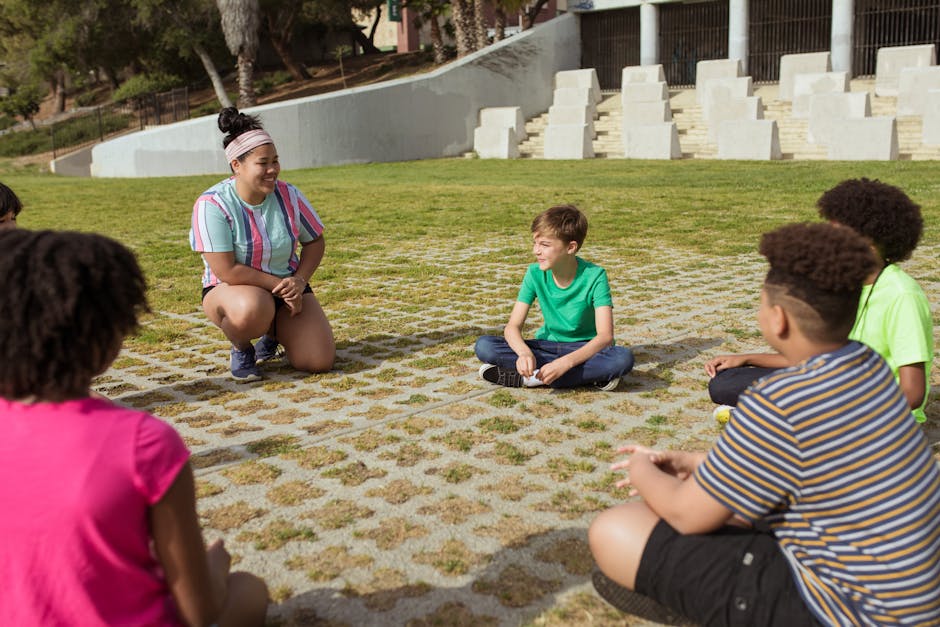
    AI classroom technology students teacher robot education 2026

    ๐Ÿ“Š What the Data Actually Tells Us in 2026

    First, let’s ground ourselves in some hard numbers, because the hype around AI in education can sometimes outpace the reality.

    According to the Global EdTech Intelligence Report 2026, AI-powered learning platforms now serve over 850 million students worldwide โ€” a staggering 340% increase from just four years ago. Companies like Khan Academy (with its Khanmigo AI tutor), Carnegie Learning, and Asia-based platforms like Mathpresso’s Qanda have collectively logged over 12 billion AI-student interaction hours in the past year alone.

    But here’s where it gets genuinely fascinating: a longitudinal study conducted by MIT’s Education Lab, released in early 2026, tracked 40,000 students across 12 countries over three years. Their findings?

    • Students using AI tutoring supplementally showed a 31% improvement in standardized test scores compared to control groups.
    • Students in fully AI-led learning environments (without consistent human teacher interaction) showed strong academic gains in measurable skills but demonstrated a 22% decline in collaborative problem-solving abilities and socio-emotional development metrics.
    • Hybrid models โ€” where AI handles personalized instruction and human teachers focus on mentorship, critical thinking facilitation, and emotional guidance โ€” produced the highest overall outcomes across both academic and developmental measures.
    • Teacher satisfaction in hybrid-model schools increased by 18%, largely because educators reported spending less time on rote instruction and more time on the work they found most meaningful.

    So the data isn’t saying AI replaces teachers. It’s saying AI changes what teachers do โ€” dramatically.

    ๐ŸŒ Real-World Examples: From Seoul to Helsinki to Detroit

    Let’s look at what’s actually being implemented around the world right now, because the experiments happening in 2026 are genuinely illuminating.

    South Korea’s “AI Co-Teacher” Initiative: The Korean Ministry of Education launched its nationwide AI Co-Teacher program in late 2024, and by early 2026, it covers over 4,200 public schools. The system uses an AI platform called CLOVA EduBot (developed in partnership with NAVER) to handle initial instruction delivery, real-time comprehension checks, and homework feedback. Human teachers then receive detailed learning profiles for each student every morning. Early results show a 28% reduction in learning gaps between high- and low-income students โ€” which is arguably AI’s most powerful social justice argument.

    Finland’s “Teacher as Coach” Redesign: Finland โ€” already celebrated for its progressive education model โ€” took a different philosophical approach. Rather than deploying AI as an instructor, Finnish schools have reframed the teacher’s entire role. AI handles the “what” of learning (content delivery, assessment, progress tracking), while teachers are now formally trained and titled as Learning Coaches. The national curriculum was redesigned in 2025 to reflect this, and Finland’s PISA-equivalent scores remain among the world’s highest.

    Detroit Public Schools’ Equity Experiment: In one of the more socially significant pilots in the U.S., Detroit’s struggling public school system partnered with a nonprofit AI education consortium in 2025. In schools where chronic teacher shortages had left classrooms with substitute teachers for months, AI platforms stepped in as primary instructors. The results were controversial but telling: academic performance improved compared to unstaffed classrooms, but school counselors reported a measurable increase in student anxiety and behavioral issues โ€” reinforcing that AI cannot replicate the human relational dynamic that keeps vulnerable kids emotionally anchored to school.

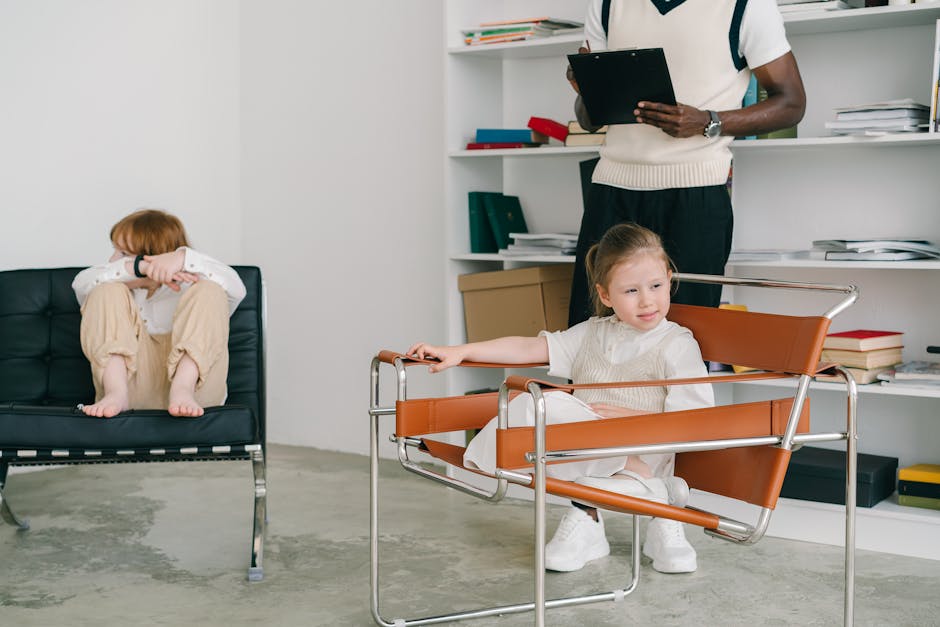
    hybrid learning AI teacher human collaboration classroom whiteboard

    ๐Ÿค” The Core Tension: What Are Teachers Actually For?

    Here’s the question that cuts to the heart of this debate โ€” and it’s one worth sitting with for a moment. When we argue about whether AI can replace teachers, we’re implicitly revealing our assumptions about what teaching is.

    If teaching is primarily about information transfer and skill instruction, then AI is already doing significant parts of that job better than many human teachers can โ€” with infinite patience, 24/7 availability, and hyper-personalized pacing. An AI tutor never has a bad day, never plays favorites, and never unconsciously steers a student away from STEM because of implicit gender bias.

    But if teaching is fundamentally about human development โ€” helping young people discover who they are, navigate failure with resilience, learn to disagree respectfully, find mentors who believe in them before they believe in themselves โ€” then AI isn’t a replacement. It’s a tool. A powerful one, but a tool nonetheless.

    Dr. Linda Darling-Hammond, whose work on teaching quality has influenced education policy globally, argued in her 2026 keynote at the World Education Forum: “We’ve been so focused on asking what AI can do that we’ve forgotten to ask what only humans can do. The answer to that second question should define the future of the teaching profession.”

    โš–๏ธ The Realistic Alternatives: A Path Forward That Actually Makes Sense

    Rather than framing this as “AI vs. Teachers,” let’s think about what a genuinely smart restructuring of education could look like โ€” one that uses AI’s strengths without abandoning what makes human teaching irreplaceable.

    • Invest in teacher retraining, not teacher replacement: Schools and governments should fund robust AI literacy programs for existing teachers, helping them transition from “primary content deliverers” to “learning architects and human mentors.” This is happening in Singapore and South Korea โ€” it needs to scale globally.
    • Use AI to address the teacher shortage crisis first: There are currently over 55 million teacher vacancies worldwide (UNESCO, 2026). AI can serve as a first-responder solution in under-resourced areas while human teacher pipelines are rebuilt โ€” not as a permanent replacement, but as a bridge.
    • Mandate socio-emotional learning (SEL) as non-negotiable human territory: Policymakers should explicitly protect human-led SEL, counseling, arts, and collaborative project-based learning from being “AI-ified.” These are the domains where human presence isn’t just nice to have โ€” it’s developmentally essential.
    • Create transparent AI governance in schools: Parents and students deserve to know exactly how AI tools are collecting data, making decisions, and influencing learning paths. Regulatory frameworks (like the EU’s AI in Education Act, passed in 2025) should be adopted and enforced broadly.
    • Redefine teacher evaluation metrics: If AI handles routine instruction, teachers should no longer be evaluated primarily on test score outcomes. New metrics around student engagement, wellbeing, critical thinking development, and equity outcomes would better reflect the evolved role.

    The bottom line? The most dangerous thing we could do right now is let this debate stay binary. “AI replaces teachers” is a headline. “AI and teachers co-evolve to create better education outcomes for every child” is a strategy. One sells clicks; the other actually serves kids.

    The schools and systems that will win in this new landscape aren’t the ones that adopted AI fastest, or the ones that resisted it most stubbornly. They’re the ones that asked the hardest question โ€” what is school actually for? โ€” and let the answer guide their technology decisions, not the other way around.

    Editor’s Comment : What genuinely excites me about this moment in education is that the AI debate is forcing us to have a conversation we probably should have had decades ago: What do we actually value in education beyond test scores? If AI pressure finally gets us to invest in teachers as mentors, prioritize emotional development, and close equity gaps, then maybe the disruption is worth it. The goal was never to build better test-takers. It was always to raise better humans โ€” and that job still has a very human heart at its center.

    ํƒœ๊ทธ: [‘AI in education’, ‘can AI replace teachers’, ‘future of teaching 2026’, ‘EdTech trends’, ‘artificial intelligence classroom’, ‘hybrid learning model’, ‘teacher vs AI debate’]


    ๐Ÿ“š ๊ด€๋ จ๋œ ๋‹ค๋ฅธ ๊ธ€๋„ ์ฝ์–ด ๋ณด์„ธ์š”

  • AI๊ฐ€ ์ง„์งœ ๊ต์‚ฌ๋ฅผ ๋Œ€์ฒดํ•  ์ˆ˜ ์žˆ์„๊นŒ? 2026๋…„ ์ธ๊ณต์ง€๋Šฅ ๊ต์‚ฌ ๋Œ€์ฒด ๊ฐ€๋Šฅ์„ฑ ๋…ผ์Ÿ ์ด์ •๋ฆฌ

    ์–ผ๋งˆ ์ „ ์ง€์ธ ์ค‘ ํ•œ ๋ช…์ด ์ดˆ๋“ฑํ•™์ƒ ์•„์ด๋ฅผ ๋‘” ํ•™๋ถ€๋ชจ์ธ๋ฐ, ์ด๋Ÿฐ ๋ง์„ ๊บผ๋ƒˆ์–ด์š”. “์šฐ๋ฆฌ ์•  ํ•™๊ต์— AI ํŠœํ„ฐ ํ”„๋กœ๊ทธ๋žจ์ด ๋„์ž…๋๋Š”๋ฐ, ์†”์งํžˆ ์„ ์ƒ๋‹˜๋ณด๋‹ค ๋” ์ž˜ ์„ค๋ช…ํ•ด์ฃผ๋Š” ๊ฒƒ ๊ฐ™์•„์„œ ์ข€ ๋ฌด์„ญ๋”๋ผ๊ณ .” ์›ƒ์œผ๋ฉฐ ํ•œ ๋ง์ด์—ˆ์ง€๋งŒ, ๊ทธ ์•ˆ์—๋Š” ๊ฝค ๋ฌต์งํ•œ ์งˆ๋ฌธ์ด ๋‹ด๊ฒจ ์žˆ์—ˆ์Šต๋‹ˆ๋‹ค. ๊ณผ์—ฐ ์ธ๊ณต์ง€๋Šฅ์€ ๊ต์‚ฌ๋ฅผ ๋Œ€์ฒดํ•  ์ˆ˜ ์žˆ์„๊นŒ์š”? ์•„๋‹ˆ๋ฉด ๋Œ€์ฒดํ•ด์„œ๋Š” ์•ˆ ๋˜๋Š” ๊ฑธ๊นŒ์š”?

    2026๋…„ ํ˜„์žฌ, ์ด ๋…ผ์Ÿ์€ ๋‹จ์ˆœํ•œ ๊ธฐ์ˆ ์  ๊ฐ€๋Šฅ์„ฑ์˜ ๋ฌธ์ œ๋ฅผ ๋„˜์–ด ๊ต์œก์˜ ๋ณธ์งˆ, ์ธ๊ฐ„ ๊ด€๊ณ„, ๊ทธ๋ฆฌ๊ณ  ์‚ฌํšŒ์  ๊ฐ€์น˜์— ๋Œ€ํ•œ ๋ฌผ์Œ์œผ๋กœ ํ™•์žฅ๋˜๊ณ  ์žˆ๋Š” ๊ฒƒ ๊ฐ™์Šต๋‹ˆ๋‹ค. ์˜ค๋Š˜์€ ์ด ๋ณต์žกํ•œ ์ฃผ์ œ๋ฅผ ํ•จ๊ป˜ ์ฐจ๋ถ„ํžˆ ๋“ค์—ฌ๋‹ค๋ณด๋„๋ก ํ•ด์š”.

    AI teacher classroom robot education future

    ๐Ÿ“Š ์ˆซ์ž๋กœ ๋ณด๋Š” AI ๊ต์œก ์‹œ์žฅ์˜ ํ˜„์ฃผ์†Œ

    ๋จผ์ € ํ˜„ํ™ฉ์„ ์ˆ˜์น˜๋กœ ์งš์–ด๋ณผ๊ฒŒ์š”. ๊ธ€๋กœ๋ฒŒ ์‹œ์žฅ์กฐ์‚ฌ๊ธฐ๊ด€ HolonIQ์˜ 2026๋…„ ๋ณด๊ณ ์„œ์— ๋”ฐ๋ฅด๋ฉด, ์ „ ์„ธ๊ณ„ AI ๊ธฐ๋ฐ˜ ๊ต์œก(EdTech AI) ์‹œ์žฅ ๊ทœ๋ชจ๋Š” ์•ฝ 800์–ต ๋‹ฌ๋Ÿฌ(ํ•œํ™” ์•ฝ 110์กฐ ์›)์— ๋‹ฌํ•˜๋ฉฐ, 2030๋…„๊นŒ์ง€ ์—ฐํ‰๊ท  35% ์ด์ƒ ์„ฑ์žฅํ•  ๊ฒƒ์œผ๋กœ ์ „๋ง๋ฉ๋‹ˆ๋‹ค. ๊ตญ๋‚ด ์—ญ์‹œ ๊ต์œก๋ถ€๊ฐ€ 2025๋…„๋ถ€ํ„ฐ ๋ณธ๊ฒฉ ์ถ”์ง„ํ•œ ‘AI ๋””์ง€ํ„ธ ๊ต๊ณผ์„œ’ ์ •์ฑ…์ด 2026๋…„ ํ˜„์žฌ ์ดˆ๋“ฑ 3~4ํ•™๋…„, ์ค‘ํ•™๊ต 1ํ•™๋…„, ๊ณ ๋“ฑํ•™๊ต ๊ณตํ†ต๊ณผ๋ชฉ ์ „์ฒด๋กœ ํ™•๋Œ€ ์ ์šฉ๋œ ์ƒํƒœ๋ผ๊ณ  ๋ด…๋‹ˆ๋‹ค.

    ๋” ์ง์ ‘์ ์ธ ์ˆ˜์น˜๋„ ์žˆ์–ด์š”. ํ•œ๊ตญ๊ต์œก๊ฐœ๋ฐœ์›์ด 2025๋…„ ๋ง ๋ฐœํ‘œํ•œ ์กฐ์‚ฌ์—์„œ ๊ต์‚ฌ ์‘๋‹ต์ž์˜ ์•ฝ 61%๊ฐ€ “AI๊ฐ€ ๋‹จ์ˆœ ๋ฐ˜๋ณต ํ•™์Šต ์ง€๋„ ์—…๋ฌด๋Š” ์ถฉ๋ถ„ํžˆ ๋Œ€์‹ ํ•  ์ˆ˜ ์žˆ๋‹ค”๊ณ  ์‘๋‹ตํ–ˆ์Šต๋‹ˆ๋‹ค. ๋ฐ˜๋ฉด, “AI๊ฐ€ ๊ต์‚ฌ์˜ ์—ญํ•  ์ „์ฒด๋ฅผ ๋Œ€์ฒดํ•  ์ˆ˜ ์žˆ๋‹ค”๊ณ  ๋‹ตํ•œ ๊ต์‚ฌ๋Š” ๋‹จ 7%์— ๋ถˆ๊ณผํ–ˆ์–ด์š”. ์ด ๊ฐ„๊ทน ์ž์ฒด๊ฐ€ ๋…ผ์Ÿ์˜ ํ•ต์‹ฌ์„ ๋ณด์—ฌ์ฃผ๋Š” ๊ฒƒ ๊ฐ™์Šต๋‹ˆ๋‹ค.

    • ๊ฐœ์ธ ๋งž์ถคํ˜• ํ•™์Šต ๋ถ„์•ผ: AI์˜ ๊ฐ•์ ์ด ๊ฐ€์žฅ ๋‘๋“œ๋Ÿฌ์ง€๋Š” ์˜์—ญ. ํ•™์ƒ๋ณ„ ์˜ค๋‹ต ํŒจํ„ด์„ ๋ถ„์„ํ•˜๊ณ  ๋‚œ์ด๋„๋ฅผ ์‹ค์‹œ๊ฐ„ ์กฐ์ •ํ•˜๋Š” ‘์ ์‘ํ˜• ํ•™์Šต(Adaptive Learning)’์€ ์ด๋ฏธ ์ธ๊ฐ„ ๊ต์‚ฌ๊ฐ€ 30๋ช…์„ ๋™์‹œ์— ์ƒ๋Œ€ํ•  ๋•Œ ๊ตฌํ˜„ํ•˜๊ธฐ ์–ด๋ ค์šด ์ˆ˜์ค€์— ๋„๋‹ฌํ–ˆ์–ด์š”.
    • ํ–‰์ •ยทํ‰๊ฐ€ ์—…๋ฌด: ์‹œํ—˜ ์ฑ„์ , ์ถœ์„ ๊ด€๋ฆฌ, ํ•™์Šต ๋ฆฌํฌํŠธ ์ƒ์„ฑ ๋“ฑ ๋ฐ˜๋ณต์ ์ธ ํ–‰์ • ์—…๋ฌด๋Š” AI๊ฐ€ ์ƒ๋‹น ๋ถ€๋ถ„ ์ฒ˜๋ฆฌ ์ค‘์ž…๋‹ˆ๋‹ค. ๊ต์‚ฌ์˜ ์—…๋ฌด ๋ถ€๋‹ด์„ ์ค„์ด๋Š” ๋ฐ ์‹ค์งˆ์ ์ธ ๊ธฐ์—ฌ๋ฅผ ํ•˜๊ณ  ์žˆ๋Š” ์…ˆ์ด์—์š”.
    • ๊ฐ์ •์  ์ง€์ง€์™€ ์‚ฌํšŒํ™”: ํ•™์ƒ์˜ ์‹ฌ๋ฆฌ ์ƒํƒœ๋ฅผ ์ฝ๊ณ , ๊ต์šฐ ๊ด€๊ณ„ ๊ฐˆ๋“ฑ์„ ์ค‘์žฌํ•˜๊ณ , ์„ฑ์žฅ ๊ณผ์ •์—์„œ ๋กค๋ชจ๋ธ์ด ๋˜์–ด์ฃผ๋Š” ์—ญํ• ์€ ํ˜„์žฌ AI๊ฐ€ ๊ฐ€์žฅ ์ทจ์•ฝํ•œ ๋ถ€๋ถ„์œผ๋กœ ๊ผฝํž™๋‹ˆ๋‹ค.
    • ์ฐฝ์˜์  ์‚ฌ๊ณ  ์ž๊ทน: ์ •ํ•ด์ง„ ์ •๋‹ต์ด ์—†๋Š” ์งˆ๋ฌธ์„ ๋˜์ง€๊ณ , ํ•™์ƒ์˜ ์—‰๋šฑํ•œ ๋ฐœ์ƒ์„ ์˜คํžˆ๋ ค ์นญ์ฐฌํ•˜๋ฉฐ ํ‚ค์›Œ์ฃผ๋Š” ๋Šฅ๋ ฅ์€ ์—ฌ์ „ํžˆ ์ธ๊ฐ„ ๊ต์‚ฌ ๊ณ ์œ ์˜ ์˜์—ญ์ด๋ผ๋Š” ํ‰๊ฐ€๊ฐ€ ๋งŽ์•„์š”.

    ๐ŸŒ ๊ตญ๋‚ด์™ธ ์‚ฌ๋ก€๋กœ ๋ณด๋Š” AI ๊ต์‚ฌ์˜ ํ˜„์‹ค

    ํ•ด์™ธ ์‚ฌ๋ก€๋ฅผ ๋จผ์ € ๋ณด๋ฉด, ๋ฏธ๊ตญ ์นธ ์•„์นด๋ฐ๋ฏธ(Khan Academy)์˜ AI ํŠœํ„ฐ ‘์นธ๋ฏธ๊ณ (Khanmigo)’๋Š” 2026๋…„ ํ˜„์žฌ ๋ฏธ๊ตญ ๊ณต๋ฆฝํ•™๊ต ์•ฝ 4,000๊ณณ ์ด์ƒ์—์„œ ๋ณด์กฐ ๊ต์‚ฌ ์—ญํ• ์„ ์ˆ˜ํ–‰ ์ค‘์ž…๋‹ˆ๋‹ค. ์ดˆ๊ธฐ์—๋Š” ๋‹จ์ˆœ Q&A ์ˆ˜์ค€์ด์—ˆ์ง€๋งŒ, ์ง€๊ธˆ์€ ์†Œํฌ๋ผํ…Œ์Šค์‹ ๋Œ€ํ™”๋ฒ•์„ ๋ชจ๋ฐฉํ•ด ํ•™์ƒ์ด ์Šค์Šค๋กœ ๋‹ต์„ ์ฐพ๋„๋ก ์œ ๋„ํ•˜๋Š” ๋ฐฉ์‹์œผ๋กœ ์ง„ํ™”ํ–ˆ์–ด์š”. ์‹ค์ œ๋กœ ํ•ด๋‹น ํ•™๊ต ํ•™์ƒ๋“ค์˜ ์ˆ˜ํ•™ ์„ฑ์ทจ๋„๊ฐ€ ๋„์ž… 1๋…„ ๋งŒ์— ํ‰๊ท  18% ํ–ฅ์ƒ๋๋‹ค๋Š” ๋ฐ์ดํ„ฐ๋„ ์žˆ์Šต๋‹ˆ๋‹ค.

    ์ค‘๊ตญ์˜ ๊ฒฝ์šฐ๋Š” ์กฐ๊ธˆ ๋‹ค๋ฅธ ๋งฅ๋ฝ์ด์—์š”. ์ค‘๊ตญ ์ •๋ถ€๋Š” ์ด๋ฏธ ๋†์ดŒ ์ง€์—ญ ๊ต์‚ฌ ๋ถ€์กฑ ๋ฌธ์ œ๋ฅผ ํ•ด๊ฒฐํ•˜๊ธฐ ์œ„ํ•ด AI ๊ฐ•์‚ฌ ์‹œ์Šคํ…œ์„ ๊ณต์‹์ ์œผ๋กœ ๋„์ž…ํ–ˆ์œผ๋ฉฐ, ์ผ๋ถ€ ์ง€์—ญ์—์„œ๋Š” AI๊ฐ€ ์ •๊ทœ ์ˆ˜์—…์„ ๋‹จ๋…์œผ๋กœ ์ง„ํ–‰ํ•˜๋Š” ์‚ฌ๋ก€๋„ ๋ณด๊ณ ๋ฉ๋‹ˆ๋‹ค. ๊ธฐ์ˆ ์  ํšจ์œจ๋ณด๋‹ค ๊ต์œก ๋ถˆํ‰๋“ฑ ํ•ด์†Œ๋ผ๋Š” ํ˜„์‹ค์  ๋ชฉ์ ์ด ๋” ์ปธ๋˜ ๊ฑฐ๋ผ๊ณ  ๋ด์š”.

    ๊ตญ๋‚ด์—์„œ๋Š” ์—๋“€ํ…Œํฌ ๊ธฐ์—… ๋คผ์ด๋“œ(Riiid)๊ฐ€ ๊ฐœ๋ฐœํ•œ AI ๊ธฐ๋ฐ˜ ์ˆ˜๋Šฅ ๋Œ€๋น„ ํ”Œ๋žซํผ์ด ํ•™์Šต์ž ๊ฐœ์ธ์˜ ์ทจ์•ฝ ์œ ํ˜•์„ ๋ถ„์„ํ•ด ์ตœ์ ์˜ ๋ฌธ์ œ๋ฅผ ์ถ”์ฒœํ•˜๋Š” ๋ฐฉ์‹์œผ๋กœ ๊ฝค ๋†’์€ ์‹คํšจ์„ฑ์„ ์ธ์ •๋ฐ›๊ณ  ์žˆ์–ด์š”. ๋ฐ˜๋ฉด, 2025๋…„ ์„œ์šธ์‹œ๊ต์œก์ฒญ์ด ์‹œ๋ฒ” ์šด์˜ํ•œ ‘AI ์ƒ๋‹ด ์ฑ—๋ด‡’์€ ํ•™์ƒ๋“ค์˜ ์ •์„œ์  ์œ„๊ธฐ ์‹ ํ˜ธ๋ฅผ ๋†“์ณ ๋…ผ๋ž€์ด ๋˜๊ธฐ๋„ ํ–ˆ์Šต๋‹ˆ๋‹ค. AI๊ฐ€ ํ…์ŠคํŠธ ๊ธฐ๋ฐ˜ ๊ฐ์ • ๋ถ„์„์—์„œ ์•„์ง ํ•œ๊ณ„๊ฐ€ ์žˆ๋‹ค๋Š” ๊ฑธ ๋ณด์—ฌ์ฃผ๋Š” ์‚ฌ๋ก€๋ผ๊ณ  ์ƒ๊ฐํ•ด์š”.

    student using tablet AI learning digital education Korea

    ๐Ÿค” ๊ทธ๋ž˜์„œ AI๋Š” ๊ต์‚ฌ๋ฅผ ๋Œ€์ฒดํ•  ์ˆ˜ ์žˆ์„๊นŒ?

    ์ด ์งˆ๋ฌธ์— “์˜ˆ/์•„๋‹ˆ์˜ค”๋กœ ๋‹ตํ•˜๋Š” ๊ฑด ์‚ฌ์‹ค ๋ฌธ์ œ๋ฅผ ๋„ˆ๋ฌด ๋‹จ์ˆœํ™”ํ•˜๋Š” ๊ฒƒ ๊ฐ™์Šต๋‹ˆ๋‹ค. ๋” ์ •ํ™•ํ•œ ์งˆ๋ฌธ์€ “AI๋Š” ๊ต์‚ฌ์˜ ์–ด๋–ค ๋ถ€๋ถ„์„ ๋Œ€์ฒดํ•  ์ˆ˜ ์žˆ๊ณ , ์–ด๋–ค ๋ถ€๋ถ„์€ ๋Œ€์ฒดํ•ด์„œ๋Š” ์•ˆ ๋˜๋Š”๊ฐ€?”๋ผ๊ณ  ๋ด์š”.

    MIT ๊ต์œก์—ฐ๊ตฌ์†Œ์˜ ์ €์Šคํ‹ด ๋ผ์ดํžˆ(Justin Reich) ๊ต์ˆ˜๋Š” ์ด๋Ÿฐ ํ‘œํ˜„์„ ์“ด ์ ์ด ์žˆ์Šต๋‹ˆ๋‹ค. “AI๋Š” ๊ต์‚ฌ๋ฅผ ๋Œ€์ฒดํ•˜์ง€ ์•Š๊ฒ ์ง€๋งŒ, AI๋ฅผ ์ž˜ ํ™œ์šฉํ•˜๋Š” ๊ต์‚ฌ๊ฐ€ ๊ทธ๋ ‡์ง€ ๋ชปํ•œ ๊ต์‚ฌ๋ฅผ ๋Œ€์ฒดํ•  ๊ฒƒ์ด๋‹ค.” ์ด ๋ง์ด 2026๋…„ ํ˜„์žฌ ๊ฐ€์žฅ ํ˜„์‹ค์ ์ธ ์ง„๋‹จ์ฒ˜๋Ÿผ ๋А๊ปด์ ธ์š”.

    ๊ต์œก์˜ ํ•ต์‹ฌ์€ ์ง€์‹ ์ „๋‹ฌ๋งŒ์ด ์•„๋‹™๋‹ˆ๋‹ค. ํ•™์ƒ์ด ์‹คํŒจ๋ฅผ ๊ฒฝํ—˜ํ•˜๊ณ  ํšŒ๋ณตํ•˜๋Š” ๊ณผ์ •์„ ๊ณ์—์„œ ์ง€์ผœ๋ณด๋Š” ์–ด๋ฅธ, ๋ถˆ๊ณต์ •ํ•œ ์ƒํ™ฉ์—์„œ ์˜ฌ๋ฐ”๋ฅธ ํŒ๋‹จ์„ ๋‚ด๋ฆฌ๋Š” ๋ฐฉ๋ฒ•์„ ๋ชธ์œผ๋กœ ๋ณด์—ฌ์ฃผ๋Š” ์กด์žฌ, ๊ทธ๋ฆฌ๊ณ  “๋„ˆ๋Š” ์ž˜ ํ•  ์ˆ˜ ์žˆ์–ด”๋ผ๋Š” ๋ง์„ ์ ์ ˆํ•œ ํƒ€์ด๋ฐ์— ๊ฑด๋„ค๋Š” ์‚ฌ๋žŒโ€”์ด๋Ÿฐ ์—ญํ• ์€ ์ ์–ด๋„ ์ง€๊ธˆ์˜ AI ๊ธฐ์ˆ  ์ˆ˜์ค€์—์„œ๋Š” ์˜จ์ „ํžˆ ๊ตฌํ˜„ํ•˜๊ธฐ ์–ด๋ ต๋‹ค๊ณ  ๋ด…๋‹ˆ๋‹ค.

    โœ… ํ˜„์‹ค์ ์ธ ๋ฐฉํ–ฅ: ๋Œ€์ฒด๊ฐ€ ์•„๋‹Œ ํ˜‘๋ ฅ

    ๊ฒฐ๋ก ์ ์œผ๋กœ, ์ง€๊ธˆ ์šฐ๋ฆฌ์—๊ฒŒ ํ•„์š”ํ•œ ๊ฑด ‘AI vs ๊ต์‚ฌ’์˜ ๋Œ€๊ฒฐ ๊ตฌ๋„๊ฐ€ ์•„๋‹ˆ๋ผ ‘AI + ๊ต์‚ฌ’์˜ ํ˜‘๋ ฅ ๋ชจ๋ธ์„ ์–ด๋–ป๊ฒŒ ์„ค๊ณ„ํ•  ๊ฒƒ์ธ๊ฐ€์— ๋Œ€ํ•œ ๊ณ ๋ฏผ์ธ ๊ฒƒ ๊ฐ™์•„์š”. ์‹ค์งˆ์ ์œผ๋กœ ์ด๋Ÿฐ ๋ฐฉํ–ฅ์ด ํ˜„์‹ค์ ์ด๋ผ๊ณ  ๋ด…๋‹ˆ๋‹ค.

    • ๋ฐ˜๋ณต ํ•™์Šต, ์ฑ„์ , ํ–‰์ • ์—…๋ฌด๋Š” AI์— ๊ณผ๊ฐํ•˜๊ฒŒ ์œ„์ž„ํ•ด ๊ต์‚ฌ์˜ ์‹œ๊ฐ„์„ ํ™•๋ณดํ•˜๊ธฐ
    • ํ™•๋ณด๋œ ์‹œ๊ฐ„์„ ํ•™์ƒ ๊ฐœ๋ณ„ ๋ฉด๋‹ด, ์ •์„œ ์ง€์›, ํ”„๋กœ์ ํŠธ ๊ธฐ๋ฐ˜ ํ•™์Šต ์„ค๊ณ„์— ํˆฌ์žํ•˜๊ธฐ
    • ๊ต์‚ฌ๋ฅผ AI ๋„๊ตฌ์˜ ๋‹จ์ˆœ ์‚ฌ์šฉ์ž๊ฐ€ ์•„๋‹Œ ํ•™์Šต ์„ค๊ณ„์ž(Learning Designer)๋กœ ์žฌ์ •์˜ํ•˜๊ธฐ
    • AI ๊ต์œก ๋„๊ตฌ ๋„์ž… ์‹œ ๊ต์‚ฌ๊ฐ€ ์˜์‚ฌ๊ฒฐ์ • ๊ณผ์ •์— ์‹ค์งˆ์ ์œผ๋กœ ์ฐธ์—ฌํ•˜๋Š” ๊ตฌ์กฐ ๋งŒ๋“ค๊ธฐ
    • AI๊ฐ€ ์ž˜ ๋ชปํ•˜๋Š” ์˜์—ญโ€”๊ฐ์ • ์ง€์ง€, ์œค๋ฆฌ ๊ต์œก, ์ฐฝ์˜์  ๋Œ€ํ™”โ€”์— ๋Œ€ํ•œ ๊ต์‚ฌ ์ „๋ฌธ์„ฑ ๊ฐ•ํ™” ์—ฐ์ˆ˜ ํ™•๋Œ€

    ๊ธฐ์ˆ ์ด ์•„๋ฌด๋ฆฌ ๋น ๋ฅด๊ฒŒ ๋ฐœ์ „ํ•ด๋„, ๊ต์œก์€ ๊ฒฐ๊ตญ ‘์‚ฌ๋žŒ์ด ์‚ฌ๋žŒ์„ ํ‚ค์šฐ๋Š” ์ผ’์ด๋ผ๋Š” ๋ณธ์งˆ์€ ์‰ฝ๊ฒŒ ๋ฐ”๋€Œ์ง€ ์•Š์„ ๊ฒƒ ๊ฐ™์Šต๋‹ˆ๋‹ค. AI๋Š” ๊ทธ ๊ณผ์ •์„ ๋” ์ •๊ตํ•˜๊ณ  ํšจ์œจ์ ์œผ๋กœ ๋งŒ๋“œ๋Š” ํ›Œ๋ฅญํ•œ ๋„๊ตฌ๊ฐ€ ๋  ์ˆ˜ ์žˆ์ง€๋งŒ, ๋„๊ตฌ๊ฐ€ ๋ชฉ์ ์„ ๋Œ€์‹ ํ•˜๋Š” ์ˆœ๊ฐ„ ์šฐ๋ฆฌ๋Š” ์ค‘์š”ํ•œ ๋ฌด์–ธ๊ฐ€๋ฅผ ์žƒ๊ฒŒ ๋˜๋Š” ๊ฑด ์•„๋‹๊นŒ์š”.


    ์—๋””ํ„ฐ ์ฝ”๋ฉ˜ํŠธ : ์ด ๋…ผ์Ÿ์—์„œ ๊ฐ€์žฅ ๊ฒฝ๊ณ„ํ•ด์•ผ ํ•  ํ•จ์ •์€ “AI๊ฐ€ ์ž˜ ํ•  ์ˆ˜ ์žˆ์œผ๋‹ˆ๊นŒ AI๊ฐ€ ํ•ด์•ผ ํ•œ๋‹ค”๋Š” ๋…ผ๋ฆฌ๋ผ๊ณ  ๋ด์š”. ํšจ์œจ์„ฑ๊ณผ ๊ต์œก์  ๊ฐ€์น˜๋Š” ๋•Œ๋กœ ๋‹ค๋ฅธ ๋ฐฉํ–ฅ์„ ๊ฐ€๋ฆฌํ‚ต๋‹ˆ๋‹ค. ์ง€๊ธˆ ์šฐ๋ฆฌ์—๊ฒŒ ํ•„์š”ํ•œ ๊ฑด AI์˜ ๊ฐ€๋Šฅ์„ฑ์„ ๋ถ€์ •ํ•˜๋Š” ๊ฒƒ๋„, ๋ฌด๋น„ํŒ์ ์œผ๋กœ ์ˆ˜์šฉํ•˜๋Š” ๊ฒƒ๋„ ์•„๋‹Œโ€”์–ด๋–ค ๊ต์œก์„ ์›ํ•˜๋Š”์ง€์— ๋Œ€ํ•œ ์‚ฌํšŒ์  ํ•ฉ์˜๋ฅผ ๋จผ์ € ๋งŒ๋“ค์–ด๊ฐ€๋Š” ์ผ์ธ ๊ฒƒ ๊ฐ™์Šต๋‹ˆ๋‹ค. ๊ธฐ์ˆ ์€ ๊ทธ ๋‹ค์Œ์— ๋”ฐ๋ผ์˜ค๋Š” ๋„๊ตฌ์ผ ํ…Œ๋‹ˆ๊นŒ์š”.

    ํƒœ๊ทธ: [‘์ธ๊ณต์ง€๋Šฅ๊ต์‚ฌ๋Œ€์ฒด’, ‘AI๊ต์œก’, ‘์—๋“€ํ…Œํฌ2026’, ‘AIํŠœํ„ฐ’, ‘๋ฏธ๋ž˜๊ต์œก’, ‘๊ต์‚ฌ์—ญํ• ๋ณ€ํ™”’, ‘AI๋””์ง€ํ„ธ๊ต๊ณผ์„œ’]


    ๐Ÿ“š ๊ด€๋ จ๋œ ๋‹ค๋ฅธ ๊ธ€๋„ ์ฝ์–ด ๋ณด์„ธ์š”

  • Why Is My Baby Not Talking Yet? Causes of Infant Language Delay & Real Solutions That Work in 2026

    Picture this: you’re at a playgroup, and another parent casually mentions that their 18-month-old is already stringing together two-word phrases. You smile and nod โ€” but inside, a quiet worry starts to simmer. Your little one is the same age and still mostly pointing and babbling. Sound familiar? You’re not alone, and more importantly, you’re asking exactly the right questions at exactly the right time.

    Language delay in infants and toddlers is one of the most common concerns pediatric specialists hear about in 2026 โ€” and yet it remains one of the most misunderstood. Let’s think through this together, calmly and carefully.

    baby language development, toddler speech therapy, infant communication

    What Counts as a Language Delay? Let’s Set the Baseline

    Before diving into causes, it helps to know what typical language milestones look like. According to the American Speech-Language-Hearing Association (ASHA) and updated 2026 pediatric benchmarks, here’s a general roadmap:

    • 6 months: Responds to sounds, begins cooing and babbling (“ba,” “ma,” “da”)
    • 12 months: Uses 1โ€“2 intentional words; understands simple commands like “no” or “come here”
    • 18 months: Has a vocabulary of at least 10โ€“20 words; points to objects when named
    • 24 months: Combines two words (“more milk,” “daddy go”); vocabulary of 50+ words
    • 36 months: Speaks in short sentences; strangers can understand about 75% of speech

    A “delay” is generally flagged when a child falls significantly behind two or more of these milestones without a clear catch-up trajectory. Importantly, receptive language (understanding) and expressive language (speaking) can be delayed independently โ€” a nuance parents often miss.

    The Real Causes: It’s Rarely Just One Thing

    Here’s where it gets interesting โ€” and where a lot of well-meaning advice on the internet oversimplifies things. Language delay is almost never mono-causal. Think of it like a recipe where several ingredients have to combine in the wrong proportions to produce a problem.

    1. Hearing Loss (The Most Commonly Overlooked Factor)
    Research consistently shows that even mild, fluctuating hearing loss โ€” often from recurrent ear infections (otitis media) โ€” can meaningfully disrupt the auditory feedback loop babies need to acquire language. A 2024 longitudinal study published in Pediatrics found that children with three or more ear infections before age 2 showed measurable expressive language delays at 30 months. The fix here is surprisingly straightforward once identified: audiology screening and, if needed, pressure-equalizing (PE) tubes.

    2. Limited Conversational Input (The Quantity AND Quality Gap)
    The landmark Hart & Risley study introduced the “30-million-word gap” concept decades ago, and updated 2026 data from Stanford’s Language Learning Lab reinforces it: children who experience more back-and-forth conversational turns โ€” not just passive word exposure โ€” show significantly faster language growth. This means narrating your day to your baby, responding to their babbles as if they said something real, and minimizing one-directional input (like background TV) all genuinely matter.

    3. Screen Time Displacement
    This one comes with nuance, so let’s be fair. The issue isn’t screens themselves โ€” it’s what screens replace. When screen time substitutes for interactive conversation and joint-attention play (where you and baby both focus on the same thing together), language development slows. The American Academy of Pediatrics (AAP) still recommends avoiding solo screen time for children under 18โ€“24 months, with the exception of video chatting with family.

    4. Neurological and Developmental Conditions
    Conditions like Autism Spectrum Disorder (ASD), Down syndrome, childhood apraxia of speech, and global developmental delay can all manifest early as language delays. In 2026, early ASD screening at 18 months is standard in most developed healthcare systems. A language delay paired with reduced eye contact, limited pointing, or little interest in social games warrants a comprehensive developmental evaluation โ€” not panic, but prompt attention.

    5. Bilingual or Multilingual Home Environments
    This one is frequently misdiagnosed as a “problem” when it isn’t. Bilingual children may have a slightly smaller vocabulary in each individual language compared to monolingual peers, but their total vocabulary across both languages is typically comparable. Parents are often wrongly advised to “pick one language” โ€” current evidence in 2026 strongly discourages this. Both languages should be maintained; a speech-language pathologist (SLP) experienced in multilingualism is the right resource here.

    6. Premature Birth and Low Birth Weight
    Premature infants โ€” especially those born before 32 weeks โ€” face higher risks of language delays due to immature neural connectivity and prolonged NICU stays that reduce early responsive caregiving. These children are typically followed up with adjusted-age developmental assessments, and early intervention programs show excellent outcomes when started before age 3.

    speech language pathologist toddler session, early intervention child development

    International Case Examples: What’s Working Around the World

    Looking at how different countries approach this gives us genuinely useful perspective.

    South Korea โ€” Early Screening Integration: South Korea’s national child health check-up system (์˜์œ ์•„ ๊ฑด๊ฐ•๊ฒ€์ง„) includes standardized language screening at 9, 18, and 30 months. When a delay is flagged, families are connected to community-based speech therapy within weeks. The result? Early intervention uptake is significantly higher than in countries where screening is inconsistent.

    Nordic Countries โ€” Parental Leave as Language Investment: Finland and Norway’s extended parental leave policies (up to 12โ€“18 months of paid leave) mean that primary caregivers โ€” who typically provide the richest conversational input โ€” are consistently present during the most critical window of language acquisition. Longitudinal data from these countries shows lower rates of expressive language delay compared to OECD averages.

    United States โ€” The Early Head Start Model: The U.S. Early Head Start program, which serves low-income families with children under age 3, incorporates language-rich home visiting and group care. A 2025 evaluation showed participating children demonstrated vocabulary scores 15โ€“20 percentile points higher than matched non-participants by age 3, demonstrating that structured early support moves the needle.

    Realistic Solutions: A Layered Approach

    Now for the part that really matters โ€” what can you actually do? Here’s a practical framework, layered by urgency and accessibility:

    • Step 1 โ€” Rule out hearing issues first: Request a formal audiological assessment from your pediatrician before pursuing other interventions. This is foundational and often overlooked.
    • Step 2 โ€” Increase serve-and-return interactions: Follow your baby’s lead in play. When they babble or point, respond verbally and with eye contact. This “conversational turn-taking” is the single highest-impact free intervention available.
    • Step 3 โ€” Read aloud daily: Even before babies understand words, shared book reading builds phonological awareness, vocabulary, and crucially, joint attention. Aim for 15โ€“20 minutes of interactive reading per day.
    • Step 4 โ€” Seek an SLP evaluation at the first sign of concern: Don’t wait for your child to “catch up” past age 2. Early intervention (before age 3) leverages the brain’s maximum neuroplasticity window. Many regions offer free or subsidized evaluations under early intervention programs.
    • Step 5 โ€” Address underlying conditions simultaneously: If ASD, hearing loss, or another condition is identified, language therapy works best as part of a coordinated care team โ€” not in isolation.
    • Step 6 โ€” Support, don’t stress, the bilingual home: Maintain both languages, use each consistently (one parent, one language is a common and effective approach), and find an SLP who assesses in both languages.

    A Note on the “Wait and See” Advice

    You’ve likely heard well-meaning relatives say “Einstein didn’t talk until he was 4” or “boys are just slower.” While late-talking children (those with isolated expressive delays but strong comprehension) do sometimes catch up spontaneously, research tells us that roughly 25โ€“30% of children labeled “late talkers” at 24 months will continue to show language difficulties at school age. Given that early intervention is low-risk and high-reward, waiting past 18 months to seek evaluation is a gamble that simply isn’t worth taking.

    Think of it this way: getting an evaluation and finding out everything is fine costs you an afternoon. Not getting one and missing a critical window costs your child much more.

    Editor’s Comment : If there’s one thing I want you to take away from this, it’s that language delay is not a verdict โ€” it’s a signal. And in 2026, we have more tools, earlier interventions, and better-trained specialists than ever before to respond to that signal effectively. Trust your instincts as a caregiver. If something feels off with your child’s communication development, pursue an evaluation with the same urgency you’d give a physical symptom. Your worry is not overreaction โ€” it’s attentiveness. And attentiveness, directed at the right places, is exactly what helps children thrive.

    ํƒœ๊ทธ: [‘infant language delay’, ‘toddler speech development’, ‘baby language milestones 2026’, ‘speech language pathology for toddlers’, ‘early intervention child development’, ’causes of language delay in infants’, ‘speech therapy for babies’]


    ๐Ÿ“š ๊ด€๋ จ๋œ ๋‹ค๋ฅธ ๊ธ€๋„ ์ฝ์–ด ๋ณด์„ธ์š”

  • ์˜์•„ ์–ธ์–ด ๋ฐœ๋‹ฌ ์ง€์—ฐ ์›์ธ๊ณผ ํ•ด๊ฒฐ๋ฒ• โ€” ์šฐ๋ฆฌ ์•„์ด ๋ง์ด ๋Šฆ๋Š” ์ง„์งœ ์ด์œ  2026

    “์šฐ๋ฆฌ ์• ๋Š” ์™œ ์•„์ง๋„ ๋ง์„ ๋ชป ํ•˜๋Š” ๊ฑธ๊นŒ์š”?”

    ์–ด๋А ์œก์•„ ์ปค๋ฎค๋‹ˆํ‹ฐ์—์„œ 30๊ฐœ์›” ์•„์ด๋ฅผ ๋‘” ํ•œ ๋ถ€๋ชจ๊ฐ€ ์˜ฌ๋ฆฐ ๊ธ€์ด์—ˆ์–ด์š”. ๋˜๋ž˜ ์•„์ด๋“ค์ด ๋‘์„ธ ๋‹จ์–ด๋ฅผ ์—ฐ๊ฒฐํ•ด ๋ฌธ์žฅ์„ ๋งŒ๋“œ๋Š” ๊ฑธ ๋ณด๋ฉด์„œ, ๋‚ด ์•„์ด๋งŒ ์œ ๋… ๋ง์ด ์—†๋Š” ๊ฒƒ ๊ฐ™๋‹ค๋Š” ๋ถˆ์•ˆ๊ฐ. ์ด๊ฑด ๋น„๋‹จ ๊ทธ ๋ถ€๋ชจ๋งŒ์˜ ์ด์•ผ๊ธฐ๊ฐ€ ์•„๋‹ ๊ฑฐ์˜ˆ์š”. ์•„์ด์˜ ์–ธ์–ด ๋ฐœ๋‹ฌ์ด ์กฐ๊ธˆ์ด๋ผ๋„ ๋Šฆ์–ด ๋ณด์ด๋ฉด ๋ถ€๋ชจ๋Š” ๋ฐค์ƒˆ ๊ฒ€์ƒ‰์ฐฝ์„ ๋’ค์ง€๊ณ , ๊ฑฑ์ •์ด ๊ผฌ๋ฆฌ์— ๊ผฌ๋ฆฌ๋ฅผ ๋ฌผ์ฃ . ์˜ค๋Š˜์€ ๊ทธ ๋ถˆ์•ˆ์— ์กฐ๊ธˆ์ด๋‚˜๋งˆ ์‹ค์งˆ์ ์ธ ๋‹ต์„ ๋“œ๋ฆฌ๊ธฐ ์œ„ํ•ด, ์˜์•„ ์–ธ์–ด ๋ฐœ๋‹ฌ ์ง€์—ฐ์˜ ์›์ธ๊ณผ ์‹ค์งˆ์ ์ธ ์ ‘๊ทผ๋ฒ•์„ ํ•จ๊ป˜ ์‚ดํŽด๋ณด๋ ค ํ•ฉ๋‹ˆ๋‹ค.

    baby language development toddler talking parent interaction

    ๐Ÿ“Š ์–ธ์–ด ๋ฐœ๋‹ฌ ์ง€์—ฐ, ์–ผ๋งˆ๋‚˜ ํ”ํ•œ ์ผ์ผ๊นŒ์š”?

    ๋จผ์ € ์ˆซ์ž๋กœ ์ด์•ผ๊ธฐํ•ด ๋ณผ๊ฒŒ์š”. ์–ธ์–ด ๋ฐœ๋‹ฌ ์ง€์—ฐ์€ ์ƒ๊ฐ๋ณด๋‹ค ํ›จ์”ฌ ํ”ํ•œ ํ˜„์ƒ์ด๋ผ๊ณ  ๋ด…๋‹ˆ๋‹ค. ๊ตญ๋‚ด์™ธ ์—ฐ๊ตฌ๋ฅผ ์ข…ํ•ฉํ•˜๋ฉด, ๋งŒ 2์„ธ(24๊ฐœ์›”) ์ „ํ›„ ์•„๋™์˜ ์•ฝ 10~15%๊ฐ€ ์–ธ์–ด ๋ฐœ๋‹ฌ ์ง€์—ฐ ๊ธฐ์ค€์— ํ•ด๋‹นํ•œ๋‹ค๊ณ  ์•Œ๋ ค์ ธ ์žˆ์–ด์š”. ๋Œ€ํ•œ์†Œ์•„๊ณผํ•™ํšŒ์˜ ๊ฐ€์ด๋“œ๋ผ์ธ์— ๋”ฐ๋ฅด๋ฉด, ์ผ๋ฐ˜์ ์œผ๋กœ ๊ธฐ๋Œ€๋˜๋Š” ์–ธ์–ด ๋ฐœ๋‹ฌ ์ด์ •ํ‘œ๋Š” ๋‹ค์Œ๊ณผ ๊ฐ™์•„์š”.

    • 12๊ฐœ์›”: ‘์—„๋งˆ’, ‘์•„๋น ’ ๋“ฑ ์˜๋ฏธ ์žˆ๋Š” ๋‹จ์–ด 1~3๊ฐœ ๋ฐœํ™”
    • 18๊ฐœ์›”: ์ตœ์†Œ 10๊ฐœ ์ด์ƒ์˜ ๋‹จ์–ด ์‚ฌ์šฉ
    • 24๊ฐœ์›”: ๋‘ ๋‹จ์–ด ์กฐํ•ฉ ๋ฌธ์žฅ ์‚ฌ์šฉ (์˜ˆ: “๋ฌผ ์ค˜”, “์•„๋น  ๊ฐ€”)
    • 36๊ฐœ์›”: ์„ธ ๋‹จ์–ด ์ด์ƒ์˜ ๋ฌธ์žฅ ๊ตฌ์‚ฌ, ๋‚ฏ์„  ์‚ฌ๋žŒ๋„ 50~75% ์ดํ•ด ๊ฐ€๋Šฅ

    ์ด ๊ธฐ์ค€์„ ์œ ์˜๋ฏธํ•˜๊ฒŒ ๋ฒ—์–ด๋‚  ๊ฒฝ์šฐ ‘์–ธ์–ด ๋ฐœ๋‹ฌ ์ง€์—ฐ(Language Developmental Delay)’์œผ๋กœ ๋ถ„๋ฅ˜ํ•˜๋Š” ๊ฒฝํ–ฅ์ด ์žˆ์–ด์š”. ํŠนํžˆ 18๊ฐœ์›”์— ์˜๋ฏธ ์žˆ๋Š” ๋‹จ์–ด๊ฐ€ 5๊ฐœ ๋ฏธ๋งŒ์ด๊ฑฐ๋‚˜, 24๊ฐœ์›”์— ๋‘ ๋‹จ์–ด ์กฐํ•ฉ์ด ์ „ํ˜€ ์—†๋‹ค๋ฉด ์ „๋ฌธ๊ฐ€ ์ƒ๋‹ด์„ ๊ณ ๋ คํ•ด ๋ณด๋Š” ๊ฒƒ์ด ์ข‹๋‹ค๊ณ  ๋ด…๋‹ˆ๋‹ค.

    ๐Ÿ” ์–ธ์–ด ๋ฐœ๋‹ฌ ์ง€์—ฐ์˜ ์ฃผ์š” ์›์ธ, ๋‹ค๊ฐ๋„๋กœ ์‚ดํŽด๋ณด๊ธฐ

    ์–ธ์–ด ์ง€์—ฐ์˜ ์›์ธ์€ ๋‹จ์ˆœํžˆ ํ•˜๋‚˜๋กœ ๋”ฑ ์ž˜๋ผ ๋งํ•˜๊ธฐ ์–ด๋ ค์šด ๊ฒฝ์šฐ๊ฐ€ ๋งŽ์•„์š”. ํฌ๊ฒŒ ๋ช‡ ๊ฐ€์ง€ ๋ฒ”์ฃผ๋กœ ๋‚˜๋ˆ ๋ณผ ์ˆ˜ ์žˆ์Šต๋‹ˆ๋‹ค.

    • ์ฒญ๊ฐ ๋ฌธ์ œ: ์•„์ด๊ฐ€ ๋ง์„ ๋Šฆ๊ฒŒ ํ•œ๋‹ค๋ฉด ๊ฐ€์žฅ ๋จผ์ € ์ฒญ๊ฐ ๊ธฐ๋Šฅ์„ ํ™•์ธํ•ด์•ผ ํ•ด์š”. ์ค‘์ด์—ผ์ด ๋ฐ˜๋ณต๋˜๊ฑฐ๋‚˜ ์„ ์ฒœ์ ์ธ ์ฒญ๋ ฅ ์†์‹ค์ด ์žˆ๋Š” ๊ฒฝ์šฐ, ์–ธ์–ด ์ž…๋ ฅ ์ž์ฒด๊ฐ€ ์ œ๋Œ€๋กœ ์ด๋ค„์ง€์ง€ ์•Š์•„ ๋ฐœ๋‹ฌ์ด ์ง€์—ฐ๋  ์ˆ˜ ์žˆ์–ด์š”.
    • ์–ธ์–ด ํ™˜๊ฒฝ ๋…ธ์ถœ ๋ถ€์กฑ: ๋””์ง€ํ„ธ ๊ธฐ๊ธฐ ์‚ฌ์šฉ์˜ ์ฆ๊ฐ€์™€ ๋งž๋ฌผ๋ ค, ์•„์ด์™€์˜ ์–‘๋ฐฉํ–ฅ ์–ธ์–ด ์ƒํ˜ธ์ž‘์šฉ์ด ์ค„์–ด๋“œ๋Š” ๊ฒƒ๋„ ์ฃผ์š” ์›์ธ ์ค‘ ํ•˜๋‚˜๋กœ ๊ผฝํ˜€์š”. ํ™”๋ฉด ์† ์–ธ์–ด๋Š” ์•„์ด์—๊ฒŒ ๋ฐ˜์‘์„ ์œ ๋„ํ•˜์ง€ ์•Š๊ธฐ ๋•Œ๋ฌธ์—, ์ผ๋ฐฉ์  ๋…ธ์ถœ์€ ์–ธ์–ด ๋ฐœ๋‹ฌ์— ํฐ ๋„์›€์ด ๋˜์ง€ ์•Š๋Š”๋‹ค๋Š” ๊ฒŒ ํ˜„์žฌ๊นŒ์ง€์˜ ์—ฐ๊ตฌ ๊ฒฐ๋ก ์ด๋ผ๊ณ  ๋ด…๋‹ˆ๋‹ค.
    • ๋‹ค์–ธ์–ด ํ™˜๊ฒฝ(์ด์ค‘ ์–ธ์–ด): ๋‘ ๊ฐ€์ง€ ์ด์ƒ์˜ ์–ธ์–ด์— ๋™์‹œ์— ๋…ธ์ถœ๋œ ์•„์ด๋Š” ์ดˆ๊ธฐ์— ๊ฐ ์–ธ์–ด์˜ ์–ดํœ˜ ์ˆ˜๊ฐ€ ์ ์–ด ๋ณด์ผ ์ˆ˜ ์žˆ์–ด์š”. ํ•˜์ง€๋งŒ ๋‘ ์–ธ์–ด์˜ ์–ดํœ˜๋ฅผ ํ•ฉ์‚ฐํ•˜๋ฉด ์ •์ƒ ๋ฒ”์ฃผ์ธ ๊ฒฝ์šฐ๊ฐ€ ๋งŽ์•„, ์ด๋ฅผ ‘์ง€์—ฐ’์œผ๋กœ ์˜คํ•ดํ•˜๋Š” ์‚ฌ๋ก€๋„ ์žˆ์Šต๋‹ˆ๋‹ค.
    • ๋ฐœ๋‹ฌ์  ์š”์ธ โ€” ASD(์žํ ์ŠคํŽ™ํŠธ๋Ÿผ ์žฅ์• ) ๋ฐ ๊ธฐํƒ€: ์žํ ์ŠคํŽ™ํŠธ๋Ÿผ ์žฅ์• ๋‚˜ ์ง€์  ๋ฐœ๋‹ฌ ์ง€์—ฐ, ๋‡Œ์„ฑ๋งˆ๋น„ ๋“ฑ ์‹ ๊ฒฝ๋ฐœ๋‹ฌ์  ์š”์ธ์ด ์–ธ์–ด ๋ฐœ๋‹ฌ์— ์˜ํ–ฅ์„ ๋ฏธ์น˜๊ธฐ๋„ ํ•ด์š”. ์ด ๊ฒฝ์šฐ ์–ธ์–ด ์ง€์—ฐ ์™ธ์— ์‚ฌํšŒ์  ์ƒํ˜ธ์ž‘์šฉ, ๋ฐ˜๋ณต ํ–‰๋™ ๋“ฑ ๋‹ค๋ฅธ ์–‘์ƒ์ด ํ•จ๊ป˜ ๋‚˜ํƒ€๋‚˜๋Š” ๊ฒฝ์šฐ๊ฐ€ ๋งŽ๋‹ค๊ณ  ๋ด…๋‹ˆ๋‹ค.
    • ๋‹จ์ˆœ ์–ธ์–ด ๋ฐœ๋‹ฌ ์ง€์—ฐ(Late Talker): ์œ„์— ์–ธ๊ธ‰ํ•œ ๋‹ค๋ฅธ ์›์ธ์ด ์—†์Œ์—๋„ ์–ธ์–ด๋งŒ ๋Šฆ๊ฒŒ ๋ฐœ๋‹ฌํ•˜๋Š” ๊ฒฝ์šฐ์˜ˆ์š”. ์ „์ฒด ์–ธ์–ด ์ง€์—ฐ ์•„๋™์˜ ์ƒ๋‹น์ˆ˜๊ฐ€ ์—ฌ๊ธฐ์— ํ•ด๋‹นํ•˜๋ฉฐ, ์ด ์ค‘ 50~70%๋Š” ์ดˆ๋“ฑํ•™๊ต ์ž…ํ•™ ์ „ ์ž์—ฐ์Šค๋Ÿฝ๊ฒŒ ๋˜๋ž˜ ์ˆ˜์ค€์„ ๋”ฐ๋ผ์žก๋Š”๋‹ค๋Š” ์—ฐ๊ตฌ ๊ฒฐ๊ณผ๋„ ์žˆ์–ด์š”.
    speech therapy child language delay treatment clinic

    ๐ŸŒ ๊ตญ๋‚ด์™ธ ์‚ฌ๋ก€๋กœ ๋ณด๋Š” ์–ธ์–ด ๋ฐœ๋‹ฌ ์ง€์—ฐ ๋Œ€์‘

    ๋ฏธ๊ตญ์˜ ๊ฒฝ์šฐ, ASHA(American Speech-Language-Hearing Association)๋Š” 18๊ฐœ์›” ์ด์ „์— ์–ธ์–ด ๋ฐœ๋‹ฌ ์šฐ๋ ค๊ฐ€ ์žˆ๋‹ค๋ฉด ์กฐ๊ธฐ ๊ฐœ์ž…(Early Intervention) ํ”„๋กœ๊ทธ๋žจ์„ ์ ๊ทน ๊ถŒ์žฅํ•˜๊ณ  ์žˆ์–ด์š”. ์‹ค์ œ๋กœ ๋ฏธ๊ตญ์˜ ๊ณต๊ณต ์กฐ๊ธฐ ๊ฐœ์ž… ์„œ๋น„์Šค๋ฅผ ํ†ตํ•ด 2์„ธ ์ด์ „์— ์–ธ์–ด ์น˜๋ฃŒ๋ฅผ ์‹œ์ž‘ํ•œ ์•„์ด๋“ค์ด, ๋งŒ 5์„ธ ์‹œ์ ์—์„œ ์–ธ์–ด ๋Šฅ๋ ฅ ๊ฒฉ์ฐจ๊ฐ€ ํ˜„์ €ํžˆ ์ค„์–ด๋“ค์—ˆ๋‹ค๋Š” ์—ฐ๊ตฌ ๊ฒฐ๊ณผ๊ฐ€ ๊พธ์ค€ํžˆ ๋ฐœํ‘œ๋˜๊ณ  ์žˆ์Šต๋‹ˆ๋‹ค.

    ๊ตญ๋‚ด์—์„œ๋Š” 2026๋…„ ํ˜„์žฌ, ๋ณด๊ฑด๋ณต์ง€๋ถ€ ์‚ฐํ•˜ ๋ฐœ๋‹ฌ์žฌํ™œ์„œ๋น„์Šค ๋ฐ”์šฐ์ฒ˜ ์ œ๋„๋ฅผ ํ†ตํ•ด ๋งŒ 18์„ธ ๋ฏธ๋งŒ ์žฅ์•  ์•„๋™ ๋ฐ ๋ฐœ๋‹ฌ ์ง€์—ฐ์ด ์˜์‹ฌ๋˜๋Š” ์˜์œ ์•„์—๊ฒŒ ์–ธ์–ด ์น˜๋ฃŒ๋ฅผ ํฌํ•จํ•œ ์žฌํ™œ ์„œ๋น„์Šค๋ฅผ ์ง€์›ํ•˜๊ณ  ์žˆ์–ด์š”. ์†Œ๋“ ๊ธฐ์ค€์— ๋”ฐ๋ผ ์ง€์› ๊ธˆ์•ก์ด ๋‹ฌ๋ผ์ง€์ง€๋งŒ, ์ตœ๋Œ€ ์›” 22๋งŒ ์›๊นŒ์ง€ ์ง€์›๋ฐ›์„ ์ˆ˜ ์žˆ์–ด ๊ฒฝ์ œ์  ๋ถ€๋‹ด์„ ์ƒ๋‹น ๋ถ€๋ถ„ ๋œ ์ˆ˜ ์žˆ๋‹ค๊ณ  ๋ด…๋‹ˆ๋‹ค. ๊ฑฐ์ฃผ ์ง€์—ญ ์ฃผ๋ฏผ์„ผํ„ฐ๋‚˜ ๋ณต์ง€๋กœ(bokjiro.go.kr) ์‚ฌ์ดํŠธ๋ฅผ ํ†ตํ•ด ์‹ ์ฒญ ๊ฐ€๋Šฅํ•ด์š”.

    ๋˜ํ•œ ์„œ์šธ ์•„์‚ฐ๋ณ‘์› ๋“ฑ ๋Œ€ํ˜• ๋ณ‘์› ๋ฐœ๋‹ฌ ํด๋ฆฌ๋‹‰์—์„œ๋Š” ํ‘œ์ค€ํ™”๋œ ์–ธ์–ด ํ‰๊ฐ€ ๋„๊ตฌ์ธ SELSI(์˜ยท์œ ์•„ ์–ธ์–ด๋ฐœ๋‹ฌ ๊ฒ€์‚ฌ)๋‚˜ PRES(์ทจํ•™ ์ „ ์•„๋™์˜ ์ˆ˜์šฉ์–ธ์–ด ๋ฐ ํ‘œํ˜„์–ธ์–ด ๋ฐœ๋‹ฌ ์ฒ™๋„)๋ฅผ ์‚ฌ์šฉํ•ด ์•„์ด์˜ ์–ธ์–ด ์ˆ˜์ค€์„ ์ •๋ฐ€ํ•˜๊ฒŒ ํŒŒ์•…ํ•˜๋Š” ์ ‘๊ทผ๋ฒ•์„ ์ทจํ•˜๊ณ  ์žˆ์–ด์š”. ๋ถ€๋ชจ์˜ ์ฃผ๊ด€์ ์ธ ํŒ๋‹จ๋ณด๋‹ค ์ด๋Ÿฐ ํ‘œ์ค€ํ™” ๋„๊ตฌ๋กœ ํ˜„ ์ˆ˜์ค€์„ ๊ฐ€๋Š ํ•˜๋Š” ๊ฒƒ์ด ํ›จ์”ฌ ์‹ ๋ขฐ๋„ ๋†’์€ ๋ฐฉ๋ฒ•์ด๋ผ๊ณ  ๋ด…๋‹ˆ๋‹ค.

    ๐Ÿ’ก ๊ฐ€์ •์—์„œ ๋ฐ”๋กœ ์‹ค์ฒœํ•  ์ˆ˜ ์žˆ๋Š” ์–ธ์–ด ์ž๊ทน ๋ฐฉ๋ฒ•

    • ๋ฐ˜์‘์  ์ƒํ˜ธ์ž‘์šฉ(Responsive Interaction): ์•„์ด๊ฐ€ ๋ฐœ์„ฑํ•˜๊ฑฐ๋‚˜ ๋ชธ์ง“์„ ๋ณด์ผ ๋•Œ, ์ฆ‰๊ฐ์ ์œผ๋กœ ๋ฐ˜์‘ํ•˜๊ณ  ์–ธ์–ด๋กœ ํ™•์žฅํ•ด ์ฃผ์„ธ์š”. ์˜ˆ๋ฅผ ๋“ค์–ด ์•„์ด๊ฐ€ ์ปต์„ ๊ฐ€๋ฆฌํ‚ค๋ฉด “์‘, ์ปต์ด๋„ค! ๋ฌผ ๋งˆ์‹œ๊ณ  ์‹ถ์–ด?”์ฒ˜๋Ÿผ ์˜๋„๋ฅผ ์–ธ์–ด๋กœ ํ’€์–ด์ฃผ๋Š” ๋ฐฉ์‹์ด์—์š”.
    • ํ’๋ถ€ํ•œ ์ฑ… ์ฝ์–ด์ฃผ๊ธฐ: ๋‹จ์ˆœํžˆ ๊ธ€์„ ์ฝ๋Š” ๊ฒƒ๋ณด๋‹ค ๊ทธ๋ฆผ์„ ์งš์œผ๋ฉฐ “์ด๊ฑด ๋ญ์ง€?” ๋ฌป๊ณ  ๊ธฐ๋‹ค๋ฆฌ๋Š” ‘๋Œ€ํ™”ํ˜• ์ฑ… ์ฝ๊ธฐ(Dialogic Reading)’๊ฐ€ ์–ดํœ˜ ํ™•์žฅ์— ํšจ๊ณผ์ ์ด๋ผ๊ณ  ์•Œ๋ ค์ ธ ์žˆ์–ด์š”.
    • ์Šค๋งˆํŠธ๊ธฐ๊ธฐ ์‚ฌ์šฉ ์กฐ์ ˆ: ์„ธ๊ณ„๋ณด๊ฑด๊ธฐ๊ตฌ(WHO)๋Š” 2์„ธ ๋ฏธ๋งŒ ์•„๋™์˜ ์Šคํฌ๋ฆฐ ํƒ€์ž„์„ ๊ฐ€๋Šฅํ•œ ํ•œ 0์— ๊ฐ€๊น๊ฒŒ, 2~5์„ธ๋Š” ํ•˜๋ฃจ 1์‹œ๊ฐ„ ์ด๋‚ด๋กœ ๊ถŒ๊ณ ํ•˜๊ณ  ์žˆ์–ด์š”. ํŠนํžˆ ์ˆ˜๋™์  ์‹œ์ฒญ๋ณด๋‹ค๋Š” ๋ถ€๋ชจ์™€ ํ•จ๊ป˜ ๋ณด๋ฉฐ ์ด์•ผ๊ธฐ ๋‚˜๋ˆ„๋Š” ๋ฐฉ์‹์ด ํ›จ์”ฌ ๋‚ซ๋‹ค๊ณ  ๋ด…๋‹ˆ๋‹ค.
    • ๋…ธ๋ž˜์™€ ์œจ๋™: ๋ฐ˜๋ณต์ ์ธ ๋ฆฌ๋“ฌ๊ณผ ๋ฉœ๋กœ๋””๋Š” ์–ธ์–ด ํŒจํ„ด์„ ์ž์—ฐ์Šค๋Ÿฝ๊ฒŒ ํ•™์Šต์‹œํ‚ค๋Š” ๋ฐ ๋„์›€์ด ๋ผ์š”. ๊ฐ„๋‹จํ•œ ๋™์š”๋ฅผ ํ•˜๋ฃจ์— ๋ช‡ ๋ฒˆ์”ฉ ํ•จ๊ป˜ ๋ถ€๋ฅด๋Š” ๊ฒƒ๋งŒ์œผ๋กœ๋„ ๊ธ์ •์ ์ธ ํšจ๊ณผ๋ฅผ ๊ธฐ๋Œ€ํ•  ์ˆ˜ ์žˆ์Šต๋‹ˆ๋‹ค.
    • ์ „๋ฌธ๊ฐ€ ์ƒ๋‹ด ์‹œ๊ธฐ๋ฅผ ๋†“์น˜์ง€ ์•Š๊ธฐ: ‘์ข€ ๋” ๊ธฐ๋‹ค๋ ค ๋ณด์ž’๋Š” ๋งˆ์Œ์ด ๋“œ๋Š” ๊ฒƒ๋„ ์ดํ•ด๊ฐ€ ๊ฐ€์ง€๋งŒ, 18๊ฐœ์›”~24๊ฐœ์›” ๊ธฐ์ค€์ ์—์„œ ์œ ์˜๋ฏธํ•œ ์ฐจ์ด๊ฐ€ ์žˆ๋‹ค๋ฉด ์†Œ์•„์ฒญ์†Œ๋…„๊ณผ๋‚˜ ์–ธ์–ด์น˜๋ฃŒ์„ผํ„ฐ์— ๋ฐฉ๋ฌธํ•ด ๋ณด๋Š” ๊ฒƒ์ด ๊ฐ€์žฅ ํ™•์‹คํ•œ ์„ ํƒ์ด์—์š”.

    ์—๋””ํ„ฐ ์ฝ”๋ฉ˜ํŠธ : ์•„์ด๋งˆ๋‹ค ๋ฐœ๋‹ฌ ์†๋„๋Š” ๋‹ค๋ฅด๊ณ , ์–ธ์–ด ๋ฐœ๋‹ฌ ์ง€์—ฐ์ด ์žˆ๋‹ค๊ณ  ํ•ด์„œ ๊ทธ๊ฒƒ์ด ์•„์ด์˜ ์ „๋ถ€๋ฅผ ์ •์˜ํ•˜์ง€๋Š” ์•Š์•„์š”. ๊ทธ๋Ÿฌ๋‚˜ ‘๊ธฐ๋‹ค๋ฆผ’๊ณผ ‘๋ฐฉ์น˜’๋Š” ๋ถ„๋ช…ํžˆ ๋‹ค๋ฅด๋‹ค๊ณ  ์ƒ๊ฐํ•ด์š”. ๋ถ€๋ชจ๊ฐ€ ๋ถˆ์•ˆํ•œ ๋งˆ์Œ์„ ๊ฐ–๋Š” ๊ฑด ๊ทธ๋งŒํผ ์•„์ด๋ฅผ ์‚ฌ๋ž‘ํ•œ๋‹ค๋Š” ์ฆ๊ฑฐ์ง€๋งŒ, ๊ทธ ๋ถˆ์•ˆ์ด ์ •๋ณด ์—†์ด ์Œ“์ด๋ฉด ์˜คํžˆ๋ ค ๋” ํž˜๋“ค์–ด์ง€๋”๋ผ๊ณ ์š”. ํ‰๊ฐ€ ๋„๊ตฌ๋ฅผ ํ†ตํ•ด ํ˜„์žฌ ์ˆ˜์ค€์„ ๊ฐ๊ด€์ ์œผ๋กœ ํŒŒ์•…ํ•˜๊ณ , ํ•„์š”ํ•˜๋‹ค๋ฉด ๊ตญ๊ฐ€ ๋ฐ”์šฐ์ฒ˜ ์ง€์› ์ œ๋„๋ฅผ ์ ๊ทน ํ™œ์šฉํ•ด ์กฐ๊ธฐ์— ์ „๋ฌธ๊ฐ€์˜ ์†์„ ๋นŒ๋ฆฌ๋Š” ๊ฒƒ์ด ์•„์ด์—๊ฒŒ๋„, ๋ถ€๋ชจ์—๊ฒŒ๋„ ๊ฐ€์žฅ ํ˜„์‹ค์ ์ธ ๊ธธ์ด๋ผ๊ณ  ๋ด…๋‹ˆ๋‹ค. ์šฐ๋ฆฌ ์•„์ด์˜ ์ฒซ ๋ฌธ์žฅ์„ ๋“ฃ๋Š” ๊ทธ๋‚ ๊นŒ์ง€, ๋„ˆ๋ฌด ํ˜ผ์ž ์งŠ์–ด์ง€์ง€ ๋งˆ์„ธ์š”.

    ํƒœ๊ทธ: [‘์˜์•„ ์–ธ์–ด ๋ฐœ๋‹ฌ ์ง€์—ฐ’, ‘๋ง ๋Šฆ๋Š” ์•„์ด’, ‘์–ธ์–ด ๋ฐœ๋‹ฌ ์ด์ •ํ‘œ’, ‘์–ธ์–ด ์น˜๋ฃŒ’, ‘๋ฐœ๋‹ฌ์žฌํ™œ์„œ๋น„์Šค ๋ฐ”์šฐ์ฒ˜’, ‘์กฐ๊ธฐ ๊ฐœ์ž…’, ‘์œก์•„ ์–ธ์–ด ์ž๊ทน’]


    ๐Ÿ“š ๊ด€๋ จ๋œ ๋‹ค๋ฅธ ๊ธ€๋„ ์ฝ์–ด ๋ณด์„ธ์š”

  • How to Build Secure Infant Attachment in 2026: Science-Backed Methods Every Parent Needs to Know

    Picture this: It’s 3 a.m., and a tiny human is screaming at full volume. You’ve fed them, changed them, rocked them โ€” and yet, there you are, bleary-eyed, wondering if you’re doing anything right. Sound familiar? Here’s the thing most parenting books don’t tell you upfront โ€” those exhausting, repetitive moments of showing up? That’s exactly where infant attachment (์˜์•„ ์• ์ฐฉ ํ˜•์„ฑ) is being built, one sleepless night at a time.

    Attachment theory, first introduced by British psychiatrist John Bowlby in the 1950s and later expanded by Mary Ainsworth’s landmark Strange Situation studies, tells us that the emotional bond formed between a caregiver and an infant during the first 18 months of life shapes nearly every dimension of that child’s future โ€” from emotional regulation to academic performance to adult relationship quality. Let’s think through this together, because understanding why it matters makes it so much easier to know how to do it well.

    mother holding newborn baby, secure infant attachment, gentle parenting 2026

    What the Research Actually Says About Infant Attachment

    Let’s ground ourselves in data before diving into methods. According to a 2026 longitudinal meta-analysis published in the Journal of Child Psychology and Psychiatry, approximately 62% of infants globally develop a secure attachment style, while the remaining 38% fall into insecure categories โ€” anxious-ambivalent, avoidant, or disorganized. These numbers haven’t shifted dramatically in decades, which tells us something important: secure attachment isn’t automatic. It requires intentional, consistent caregiving.

    The Korean Institute of Child Development (ํ•œ๊ตญ์•„๋™๋ฐœ๋‹ฌ์—ฐ๊ตฌ์›) released updated 2026 guidelines noting that Korean urban infants, particularly those in dual-income households, face specific challenges due to early childcare enrollment (sometimes as young as 3 months). Their data shows that responsive caregiving quality during brief interactions matters more than total time spent together โ€” a genuinely hopeful finding for working parents.

    The Four Pillars of Secure Attachment Formation

    Thinking through the neuroscience and behavioral research, infant attachment builds on four core pillars. Let’s walk through each one:

    • Sensitivity & Responsiveness: This is the big one. Responding consistently to your baby’s cues โ€” hunger, discomfort, boredom, overstimulation โ€” teaches their developing brain that the world is predictable and safe. You don’t need to respond instantly every time; research suggests that getting it right about 30% of the time is actually sufficient for secure attachment to develop. Yes, you read that correctly โ€” perfect parenting is neither required nor beneficial.
    • Serve-and-Return Interactions: Harvard’s Center on the Developing Child coined this term to describe the back-and-forth exchanges between infant and caregiver. Baby makes a sound โ†’ caregiver responds โ†’ baby reacts โ†’ caregiver responds again. These micro-conversations, repeated thousands of times, literally wire neural pathways in the prefrontal cortex. Even talking to your baby while folding laundry counts.
    • Physical Touch & Co-Regulation: Skin-to-skin contact (kangaroo care) remains one of the most evidence-backed methods for attachment, particularly in the neonatal period. A 2025 WHO updated report confirmed that even fathers and non-birthing partners engaging in skin-to-skin contact within the first 72 hours meaningfully improves long-term attachment security. Touch reduces cortisol (stress hormone) in infants and synchronizes heart rate variability between caregiver and child.
    • Consistent Presence & Predictability: Routines aren’t just about sleep schedules โ€” they’re neurological anchors. Bedtime rituals, feeding cues, and even the familiar smell of a caregiver create what psychologists call a “secure base,” allowing infants to feel safe enough to explore their environment confidently.

    Real-World Examples: How Different Cultures Approach Infant Attachment

    It’s genuinely fascinating to look at how attachment manifests across cultures โ€” because the methods differ wildly, yet the underlying principle of responsive availability stays constant.

    South Korea (๊ตญ๋‚ด ์‚ฌ๋ก€): The practice of ํฌ๋Œ€๊ธฐ (podaegi), a traditional Korean baby-carrying cloth, is experiencing a modern revival in 2026. Urban Seoul parents are blending this centuries-old babywearing tradition with contemporary responsive parenting frameworks. Studies from Seoul National University’s Pediatric Developmental Lab show that babywearing for 3+ hours daily correlates with lower infant cortisol levels and more synchronous caregiver-infant behavioral states โ€” essentially, the baby cries less and the parent feels more confident.

    Scandinavia: Norway and Denmark continue to lead globally in parental leave policy, with both parents receiving up to 12 months of paid leave in 2026. Research from the University of Oslo demonstrates that extended paternal involvement in the first year produces measurably more secure attachment in toddlers, suggesting that attachment is not exclusively maternal โ€” a critical point for modern, non-traditional family structures.

    Uganda (Ganda Culture): Mary Ainsworth’s original cross-cultural work began in Uganda, where she observed that Ganda mothers practiced constant physical proximity and immediate breastfeeding responses. Interestingly, Ganda infants showed higher rates of secure attachment than her later American samples โ€” offering early evidence that our Western tendency toward “scheduled” caregiving may work against the infant’s neurobiological attachment needs.

    babywearing Korean podaegi, father skin to skin newborn, attachment parenting diverse families

    Practical Daily Strategies: Making It Manageable

    Here’s where I want to be genuinely realistic with you. If you’re a sleep-deprived parent reading this at midnight, the last thing you need is a 47-step program. Let’s keep it actionable:

    • Mirror their expressions during eye contact โ€” babies as young as 42 hours old imitate facial expressions, and mirroring builds felt-sense connection.
    • Narrate your actions (“Now I’m going to pick you up, here we go!”) โ€” this isn’t silly, it’s language scaffolding and predictability-building simultaneously.
    • Respond to distress before the cry escalates โ€” learning your baby’s pre-cry cues (lip quivering, gaze aversion, arching) is a skill that develops over weeks, not days. Be patient with yourself.
    • Practice “repair” after ruptures โ€” if you lost your patience, soothed your baby late, or had a disconnected day, the relationship repair itself (coming back, being warm again) teaches resilience and is part of healthy attachment.
    • Involve secondary caregivers intentionally โ€” fathers, grandparents, or childcare providers can become attachment figures too. Consistency in their responsiveness matters just as much.

    Realistic Alternatives for Challenging Circumstances

    Not every family has the luxury of an at-home parent or extended leave. Let’s think through some realistic adaptations:

    For working parents using daycare: Choose caregiving environments with low staff turnover and high caregiver-to-infant ratios (ideally 1:3 or better). Consistency of secondary attachment figures matters enormously. Brief but highly attuned transition rituals (a specific goodbye phrase or gesture) actually strengthen, not weaken, the primary attachment bond.

    For parents with postpartum depression or anxiety (affecting roughly 1 in 5 new parents in 2026 per the American Psychological Association’s latest data): Seeking treatment is itself an attachment intervention. A regulated caregiver is far more available to an infant than an untreated, dysregulated one. Telehealth perinatal mental health services have expanded dramatically and are genuinely accessible now.

    For adoptive or foster parents: Attachment formation is absolutely possible beyond early infancy, though it may require more conscious effort and longer timelines. Therapeutic approaches like the Circle of Security program and Dyadic Developmental Psychotherapy (DDP) are specifically designed for this context and show strong outcomes.

    Editor’s Comment : What I find most quietly revolutionary about attachment science is this โ€” it reframes parenting from performance to presence. You don’t need the perfect nursery, the right gadget, or a flawless feeding schedule. What your infant’s developing brain is quite literally hungry for is you, showing up, imperfectly but repeatedly. In a world that keeps selling us optimization, that’s a beautifully humble truth worth holding onto.

    ํƒœ๊ทธ: [‘infant attachment’, ‘secure attachment development’, ‘baby bonding tips 2026’, ‘responsive parenting’, ‘attachment theory newborn’, ‘infant brain development’, ‘parenting mental health’]


    ๐Ÿ“š ๊ด€๋ จ๋œ ๋‹ค๋ฅธ ๊ธ€๋„ ์ฝ์–ด ๋ณด์„ธ์š”

  • ์˜์•„ ์• ์ฐฉ ํ˜•์„ฑ ๋ฐฉ๋ฒ• ์™„๋ฒฝ ๊ฐ€์ด๋“œ | ์ƒํ›„ 0~12๊ฐœ์›”, ์ง€๊ธˆ ์ด ์ˆœ๊ฐ„์ด ๊ฒฐ์ •ํ•ฉ๋‹ˆ๋‹ค

    ์ฒซ ์•„์ด๋ฅผ ๋‚ณ๊ณ  ์‚ฐํ›„์กฐ๋ฆฌ์›์—์„œ ํ‡ด์†Œํ•˜๋˜ ๋‚ , ํ•œ ์—„๋งˆ๊ฐ€ ๊ฐ„ํ˜ธ์‚ฌ์—๊ฒŒ ์กฐ์šฉํžˆ ๋ฌผ์—ˆ๋‹ค๊ณ  ํ•ด์š”. “์•„๊ธฐ๊ฐ€ ์ €๋ฅผ ์—„๋งˆ๋กœ ์•Œ์•„๋ณผ๊นŒ์š”?” ๊ฐ„ํ˜ธ์‚ฌ๋Š” ๋ฏธ์†Œ๋ฅผ ์ง€์œผ๋ฉฐ ๋งํ–ˆ์Šต๋‹ˆ๋‹ค. “์ด๋ฏธ ์•Œ๊ณ  ์žˆ์–ด์š”. ๋ƒ„์ƒˆ๋กœ, ๋ชฉ์†Œ๋ฆฌ๋กœ, ์ฒด์˜จ์œผ๋กœ์š”.” ์ด ์งง์€ ๋Œ€ํ™” ์†์— ์‚ฌ์‹ค ์˜์•„ ์• ์ฐฉ ํ˜•์„ฑ์˜ ๋ณธ์งˆ์ด ๋ชจ๋‘ ๋‹ด๊ฒจ ์žˆ๋‹ค๊ณ  ๋ด์š”. ์• ์ฐฉ(Attachment)์€ ๊ฑฐ์ฐฝํ•œ ๊ต์œก ํ”„๋กœ๊ทธ๋žจ์ด๋‚˜ ๊ฐ’๋น„์‹ผ ์žฅ๋‚œ๊ฐ์œผ๋กœ ๋งŒ๋“ค์–ด์ง€๋Š” ๊ฒŒ ์•„๋‹ˆ๋ผ, ์•„์ฃผ ์ž‘๊ณ  ๋ฐ˜๋ณต์ ์ธ ์ผ์ƒ์˜ ๋ฐ˜์‘๋“ค๋กœ ์Œ“์—ฌ๊ฐ€๋Š” ๊ฒƒ์ด๊ฑฐ๋“ ์š”.

    2026๋…„ ํ˜„์žฌ, ์˜์•„๊ธฐ ์• ์ฐฉ ํ˜•์„ฑ์— ๋Œ€ํ•œ ์—ฐ๊ตฌ๋Š” ๊ทธ ์–ด๋А ๋•Œ๋ณด๋‹ค ํ’๋ถ€ํ•˜๊ฒŒ ์ถ•์ ๋˜์–ด ์žˆ์–ด์š”. ๋™์‹œ์— ๋งž๋ฒŒ์ด ๊ฐ€์ •์˜ ์ฆ๊ฐ€, ์Šค๋งˆํŠธํฐ ์‚ฌ์šฉ ์‹œ๊ฐ„ ์ฆ๊ฐ€ ๋“ฑ ํ˜„์‹ค์ ์ธ ์žฅ๋ฒฝ๋„ ๋” ๋‘๊บผ์›Œ์กŒ์Šต๋‹ˆ๋‹ค. ์˜ค๋Š˜์€ ์ด๋ก ๊ณผ ํ˜„์‹ค ์‚ฌ์ด ์–ด๋”˜๊ฐ€์—์„œ, ์šฐ๋ฆฌ๊ฐ€ ์‹ค์ œ๋กœ ํ•  ์ˆ˜ ์žˆ๋Š” ์˜์•„ ์• ์ฐฉ ํ˜•์„ฑ ๋ฐฉ๋ฒ•์„ ํ•จ๊ป˜ ์‚ดํŽด๋ณด๊ฒ ์Šต๋‹ˆ๋‹ค.

    mother holding newborn baby bonding skin contact warm

    ๐Ÿ“Š ์ˆซ์ž๋กœ ๋ณด๋Š” ์˜์•„ ์• ์ฐฉ์˜ ์ค‘์š”์„ฑ

    ์• ์ฐฉ์€ ๋‹จ์ˆœํ•œ ‘์ •์„œ์  ์œ ๋Œ€๊ฐ’์ด ์•„๋‹ˆ์—์š”. ๋‡Œ ๋ฐœ๋‹ฌ, ๋ฉด์—ญ ๊ธฐ๋Šฅ, ์ธ์ง€ ๋Šฅ๋ ฅ ์ „๋ฐ˜์— ์˜ํ–ฅ์„ ๋ฏธ์น˜๋Š” ์ƒ๋ฌผํ•™์  ๊ธฐ์ œ์— ๊ฐ€๊น์Šต๋‹ˆ๋‹ค.

    • ์ƒํ›„ 0~6๊ฐœ์›”: ์ด ์‹œ๊ธฐ ์˜ฅ์‹œํ† ์‹ (์• ์ • ํ˜ธ๋ฅด๋ชฌ) ๋ถ„๋น„๋Ÿ‰์€ ๋ถ€๋ชจ์™€์˜ ์‹ ์ฒด ์ ‘์ด‰ ๋นˆ๋„์— ๋น„๋ก€ํ•œ๋‹ค๊ณ  ์•Œ๋ ค์ ธ ์žˆ์–ด์š”. ์—ฐ๊ตฌ์— ๋”ฐ๋ฅด๋ฉด ํ•˜๋ฃจ ํ‰๊ท  3์‹œ๊ฐ„ ์ด์ƒ ์Šคํ‚จ์‹ญ์„ ๋ฐ›์€ ์˜์•„๋Š” ๊ทธ๋ ‡์ง€ ์•Š์€ ์˜์•„๋ณด๋‹ค ์ŠคํŠธ๋ ˆ์Šค ํ˜ธ๋ฅด๋ชฌ(์ฝ”๋ฅดํ‹ฐ์†”) ์ˆ˜์น˜๊ฐ€ ์•ฝ 40% ๋‚ฎ๊ฒŒ ์ธก์ •๋˜๋Š” ๊ฒฝํ–ฅ์ด ์žˆ์Šต๋‹ˆ๋‹ค.
    • ์•ˆ์ • ์• ์ฐฉ ๋น„์œจ: ๋ฏธ๊ตญ ๊ตญ๋ฆฝ์•„๋™๊ฑด๊ฐ•์ธ๊ฐ„๋ฐœ๋‹ฌ์—ฐ๊ตฌ์†Œ(NICHD)์˜ ๋Œ€๊ทœ๋ชจ ์—ฐ๊ตฌ์— ๋”ฐ๋ฅด๋ฉด ์ „์ฒด ์˜์•„์˜ ์•ฝ 60~65%๊ฐ€ ‘์•ˆ์ • ์• ์ฐฉ’์„ ํ˜•์„ฑํ•˜๊ณ , ๋‚˜๋จธ์ง€๋Š” ๋ถˆ์•ˆ์ • ์• ์ฐฉ(ํšŒํ”ผํ˜•, ์ €ํ•ญํ˜•, ํ˜ผ๋ˆํ˜•) ๋ฒ”์ฃผ์— ํ•ด๋‹นํ•œ๋‹ค๊ณ  ๋ด์š”.
    • ์žฅ๊ธฐ์  ์˜ํ–ฅ: ์•ˆ์ • ์• ์ฐฉ์„ ํ˜•์„ฑํ•œ ์•„์ด๋“ค์€ ํ•™๋ น๊ธฐ(7~12์„ธ)์— ๋˜๋ž˜ ๊ด€๊ณ„ ๋งŒ์กฑ๋„๊ฐ€ ํ‰๊ท  28% ๋†’๊ณ , ํ•™์—… ์ง‘์ค‘๋ ฅ์—์„œ๋„ ์œ ์˜๋ฏธํ•œ ์ฐจ์ด๋ฅผ ๋ณด์ธ๋‹ค๋Š” ์ข…๋‹จ ์—ฐ๊ตฌ ๊ฒฐ๊ณผ๊ฐ€ ์žˆ์Šต๋‹ˆ๋‹ค.
    • ๊ณจ๋“  ํƒ€์ž„: ์‹ ๊ฒฝ๊ณผํ•™์ ์œผ๋กœ ์ƒํ›„ 1,000์ผ(์•ฝ 2.7๋…„)์€ ๋‡Œ ์‹œ๋ƒ…์Šค ํ˜•์„ฑ์ด ํญ๋ฐœ์ ์œผ๋กœ ์ด๋ฃจ์–ด์ง€๋Š” ์‹œ๊ธฐ์˜ˆ์š”. ์ด ์ค‘์—์„œ๋„ ํŠนํžˆ ์ƒํ›„ 12๊ฐœ์›”์ด 1์ฐจ ์• ์ฐฉ ํŒจํ„ด์ด ๊ฒฐ์ •๋˜๋Š” ํ•ต์‹ฌ ๊ตฌ๊ฐ„์ด๋ผ๊ณ  ๋ด…๋‹ˆ๋‹ค.

    ๐ŸŒ ๊ตญ๋‚ด์™ธ ์• ์ฐฉ ํ˜•์„ฑ ์‚ฌ๋ก€์—์„œ ๋ฐฐ์šฐ๋Š” ๊ฒƒ๋“ค

    ์กด ๋ณผ๋น„(John Bowlby)์˜ ์• ์ฐฉ ์ด๋ก ์€ 1969๋…„ ์ฒ˜์Œ ์ œ์‹œ๋œ ์ดํ›„ ์ง€๊ธˆ๊นŒ์ง€๋„ ์œก์•„ ์‹ฌ๋ฆฌํ•™์˜ ๊ทผ๊ฐ„์œผ๋กœ ์ž๋ฆฌ์žก๊ณ  ์žˆ์–ด์š”. ๋ณผ๋น„๋Š” ์˜์•„๊ฐ€ ๋‹จ์ˆœํžˆ ๋ฐฐ๋ฅผ ์ฑ„์›Œ์ฃผ๋Š” ์‚ฌ๋žŒ์ด ์•„๋‹Œ, “์ผ๊ด€๋˜๊ฒŒ ๋ฐ˜์‘ํ•ด์ฃผ๋Š” ์‚ฌ๋žŒ”์—๊ฒŒ ์• ์ฐฉ์„ ํ˜•์„ฑํ•œ๋‹ค๊ณ  ์„ค๋ช…ํ–ˆ์Šต๋‹ˆ๋‹ค. ์—ฌ๊ธฐ์„œ ํ•ต์‹ฌ ํ‚ค์›Œ๋“œ๋Š” ๋ฐ”๋กœ ‘์ผ๊ด€์„ฑ’์ด์—์š”.

    ๊ตญ๋‚ด ์‚ฌ๋ก€๋„ ์ฃผ๋ชฉํ•  ๋งŒํ•ด์š”. ์„œ์šธ๋Œ€ํ•™๊ต ๋ฐœ๋‹ฌ์‹ฌ๋ฆฌ์—ฐ๊ตฌ์‹ค์ด 2023~2025๋…„์— ๊ฑธ์ณ ์ง„ํ–‰ํ•œ ์—ฐ๊ตฌ์—์„œ๋Š”, ๋ถ€๋ชจ๊ฐ€ ์˜์•„์˜ ์šธ์Œ์— ๋ฐ˜์‘ํ•˜๋Š” ํ‰๊ท  ๋ฐ˜์‘ ์‹œ๊ฐ„์ด ์งง์„์ˆ˜๋ก 12๊ฐœ์›” ์‹œ์ ์˜ ์•ˆ์ • ์• ์ฐฉ ํ˜•์„ฑ๋ฅ ์ด ์œ ์˜๋ฏธํ•˜๊ฒŒ ๋†’์•˜๋‹ค๋Š” ๊ฒฐ๊ณผ๋ฅผ ๋ฐœํ‘œํ–ˆ์Šต๋‹ˆ๋‹ค. ํฅ๋ฏธ๋กœ์šด ์ ์€, ๋ฐ˜์‘์˜ ‘์™„๋ฒฝํ•จ’๋ณด๋‹ค ‘์ผ๊ด€์„ฑ’์ด ๋” ์ค‘์š”ํ•œ ๋ณ€์ˆ˜์˜€๋‹ค๋Š” ๊ฑฐ์˜ˆ์š”. ์ฆ‰, ์™„๋ฒฝํ•œ ๋ถ€๋ชจ๊ฐ€ ์•„๋‹ˆ์–ด๋„ ๊ดœ์ฐฎ๋‹ค๋Š” ์ด์•ผ๊ธฐ์ž…๋‹ˆ๋‹ค.

    ํ•€๋ž€๋“œ์˜ ๋„ค์šฐ๋ณผ๋ผ(Neuvola) ์‹œ์Šคํ…œ๋„ ์ฐธ๊ณ ํ•  ๋งŒํ•ด์š”. ํ•€๋ž€๋“œ๋Š” ์ถœ์‚ฐ ํ›„ ์ •๊ธฐ์ ์œผ๋กœ ๊ณต๊ณต ๊ฐ€์ •๋ฐฉ๋ฌธ ๊ฐ„ํ˜ธ์‚ฌ๊ฐ€ ๊ฐ€์ •์„ ์ฐพ์•„์™€ ๋ถ€๋ชจ-์•„์ด ์ƒํ˜ธ์ž‘์šฉ ํŒจํ„ด์„ ์ ๊ฒ€ํ•˜๊ณ  ์ฝ”์นญํ•ฉ๋‹ˆ๋‹ค. ์ด ์‹œ์Šคํ…œ์„ ํ†ตํ•ด ํ•€๋ž€๋“œ์˜ ์˜์•„ ์•ˆ์ • ์• ์ฐฉ ํ˜•์„ฑ๋ฅ ์€ OECD ๊ตญ๊ฐ€ ์ค‘ ์ตœ์ƒ์œ„ ์ˆ˜์ค€์„ ์œ ์ง€ํ•˜๊ณ  ์žˆ๋‹ค๊ณ  ์•Œ๋ ค์ ธ ์žˆ์–ด์š”. 2026๋…„ ํ˜„์žฌ ์šฐ๋ฆฌ๋‚˜๋ผ๋„ ‘์•„๋™ ๋ฐœ๋‹ฌ ์ง€์› ์„œ๋น„์Šค’๋ฅผ ํ™•๋Œ€ํ•˜๋Š” ์ถ”์„ธ์ด์ง€๋งŒ, ์ ‘๊ทผ์„ฑ ๋ฉด์—์„œ๋Š” ์•„์ง ๊ฐœ์„ ์ด ํ•„์š”ํ•˜๋‹ค๊ณ  ๋ด…๋‹ˆ๋‹ค.

    parent infant eye contact responsive interaction play floor

    ๐Ÿ› ๏ธ ์‹ค์ œ๋กœ ์ ์šฉํ•  ์ˆ˜ ์žˆ๋Š” ์˜์•„ ์• ์ฐฉ ํ˜•์„ฑ ๋ฐฉ๋ฒ•

    ์ด๋ก ์€ ์ถฉ๋ถ„ํžˆ ์‚ดํŽด๋ดค์œผ๋‹ˆ, ์ด์ œ ํ˜„์‹ค์ ์œผ๋กœ ์ ์šฉ ๊ฐ€๋Šฅํ•œ ๋ฐฉ๋ฒ•๋“ค์„ ์ •๋ฆฌํ•ด๋ณผ๊ฒŒ์š”. ์›”๋ น๋ณ„๋กœ ๋‚˜๋ˆ„์–ด ์ƒ๊ฐํ•˜๋ฉด ํ›จ์”ฌ ์ดํ•ดํ•˜๊ธฐ ์‰ฌ์›Œ์š”.

    • [0~3๊ฐœ์›”] ์Šคํ‚จ์‹ญ ์šฐ์„  ์›์น™: ์บฅ๊ฑฐ๋ฃจ ์ผ€์–ด(ํ”ผ๋ถ€ ๋Œ€ ํ”ผ๋ถ€ ์ ‘์ด‰)๋Š” ๋ฏธ์ˆ™์•„๋ฟ ์•„๋‹ˆ๋ผ ์ •์ƒ ์ถœ์‚ฐ ์‹ ์ƒ์•„์—๊ฒŒ๋„ ํšจ๊ณผ์ ์ด์—์š”. ํ•˜๋ฃจ 1~2์‹œ๊ฐ„, ์˜ท์„ ๋ฒ—๊ธฐ๊ณ  ๋ถ€๋ชจ ๊ฐ€์Šด์— ์•ˆ์•„์ฃผ๋Š” ๊ฒƒ๋งŒ์œผ๋กœ๋„ ์‹ฌ๋ฐ•์ˆ˜ ์•ˆ์ •, ์ฒด์ค‘ ์ฆ๊ฐ€, ์ •์„œ์  ์•ˆ์ •์— ๋„์›€์ด ๋ฉ๋‹ˆ๋‹ค.
    • [0~3๊ฐœ์›”] ๋ชฉ์†Œ๋ฆฌ๋กœ ๋ง ๊ฑธ๊ธฐ: ์•„์ง ๋ง์„ ์ดํ•ดํ•˜์ง€ ๋ชปํ•ด๋„ ๊ดœ์ฐฎ์•„์š”. ๊ธฐ์ €๊ท€๋ฅผ ๊ฐˆ ๋•Œ, ์ˆ˜์œ ํ•  ๋•Œ ๋ถ€๋“œ๋Ÿฝ๊ฒŒ ๋ง์„ ๊ฑธ์–ด์ฃผ์„ธ์š”. ๋ถ€๋ชจ์˜ ๋ชฉ์†Œ๋ฆฌ ํ†ค๊ณผ ๋ฆฌ๋“ฌ์ด ์˜์•„์˜ ๋‡Œ์— ‘์•ˆ์ „ ์‹ ํ˜ธ’๋กœ ๋“ฑ๋ก๋ฉ๋‹ˆ๋‹ค.
    • [3~6๊ฐœ์›”] ๋ˆˆ ๋งž์ถค๊ณผ ์–ผ๊ตด ํ‘œ์ • ๋ฐ˜์˜: ์•„๊ธฐ๊ฐ€ ์›ƒ์œผ๋ฉด ํ•จ๊ป˜ ์›ƒ์–ด์ฃผ๊ณ , ์•„๊ธฐ์˜ ์˜น์•Œ์ด์— ๊ณผ์žฅ๋œ ๋ฐ˜์‘์œผ๋กœ ํ˜ธ์‘ํ•ด์ฃผ์„ธ์š”. ์ด๋ฅผ ‘์ •์„œ์  ๋ฏธ๋Ÿฌ๋ง(emotional mirroring)’์ด๋ผ๊ณ  ํ•ด์š”. ์•„์ด๋Š” ์ž์‹ ์˜ ๊ฐ์ •์ด ‘๋ฐ›์•„๋“ค์—ฌ์ง„๋‹ค’๋Š” ๊ฒฝํ—˜์„ ํ†ตํ•ด ์ •์„œ ์กฐ์ ˆ ๋Šฅ๋ ฅ์„ ํ‚ค์›๋‹ˆ๋‹ค.
    • [6~9๊ฐœ์›”] ์˜ˆ์ธก ๊ฐ€๋Šฅํ•œ ๋ฃจํ‹ด ๋งŒ๋“ค๊ธฐ: ์ˆ˜์œ  โ†’ ๋†€์ด โ†’ ๋‚ฎ์ž  โ†’ ๋ชฉ์š• โ†’ ์ˆ˜๋ฉด์˜ ๋ฃจํ‹ด์„ ์ผ๊ด€๋˜๊ฒŒ ์œ ์ง€ํ•ด์ฃผ์„ธ์š”. ์˜ˆ์ธก ๊ฐ€๋Šฅํ•œ ํ™˜๊ฒฝ์€ ์•„์ด์—๊ฒŒ ์„ธ์ƒ์ด ์•ˆ์ „ํ•˜๋‹ค๋Š” ์‹ ํ˜ธ๋ฅผ ์ค๋‹ˆ๋‹ค.
    • [9~12๊ฐœ์›”] ๋ถ„๋ฆฌ ๋ถˆ์•ˆ์— ์˜ฌ๋ฐ”๋ฅด๊ฒŒ ๋ฐ˜์‘ํ•˜๊ธฐ: ์ด ์‹œ๊ธฐ ์•„๊ธฐ๋“ค์ด ์—„๋งˆ์™€ ๋–จ์–ด์งˆ ๋•Œ ์‹ฌํ•˜๊ฒŒ ์šฐ๋Š” ๊ฒƒ์€ ์• ์ฐฉ์ด ‘์ž˜ ํ˜•์„ฑ๋˜๊ณ  ์žˆ๋‹ค’๋Š” ์ฆ๊ฑฐ์˜ˆ์š”. ๊ฐ‘์ž๊ธฐ ์‚ฌ๋ผ์ง€์ง€ ๋ง๊ณ , “์—„๋งˆ ์ž ๊น ํ™”์žฅ์‹ค ๋‹ค๋…€์˜ฌ๊ฒŒ, ๊ธˆ๋ฐฉ ์˜ฌ๊ฒŒ”์ฒ˜๋Ÿผ ์–ธ์–ด๋กœ ์˜ˆ๊ณ ํ•˜๊ณ , ๋Œ์•„์™”์„ ๋•Œ ๋ฐ˜๋“œ์‹œ ๋ฐ˜์‘ํ•ด์ฃผ๋Š” ๊ฒƒ์ด ์ค‘์š”ํ•ฉ๋‹ˆ๋‹ค.
    • [๋งž๋ฒŒ์ด ๊ฐ€์ •์„ ์œ„ํ•œ ํŒ] ์–‘๋ณด๋‹ค ์งˆ: ํ•จ๊ป˜ํ•˜๋Š” ์‹œ๊ฐ„์ด ์ ˆ๋Œ€์ ์œผ๋กœ ๋ถ€์กฑํ•˜๋‹ค๋ฉด, ์žˆ๋Š” ์‹œ๊ฐ„์˜ ๋ฐ€๋„๋ฅผ ๋†’์ด๋Š” ์ „๋žต์ด ํ˜„์‹ค์ ์ด์—์š”. ์Šค๋งˆํŠธํฐ์„ ๋‚ด๋ ค๋†“๊ณ  15~20๋ถ„์ด๋ผ๋„ ์™„์ „ํžˆ ์•„์ด์—๊ฒŒ ์ง‘์ค‘ํ•˜๋Š” ‘์ „์  ํ˜„์กด(full presence)’ ์‹œ๊ฐ„์„ ๋งŒ๋“œ๋Š” ๊ฒƒ์ด ์‚ฐ๋ฐœ์ ์ธ ๊ธด ์‹œ๊ฐ„๋ณด๋‹ค ํšจ๊ณผ์ ์ด๋ผ๋Š” ์—ฐ๊ตฌ ๊ฒฐ๊ณผ๋„ ์žˆ์Šต๋‹ˆ๋‹ค.

    ๐Ÿ’ก ์• ์ฐฉ ํ˜•์„ฑ์„ ๋ฐฉํ•ดํ•˜๋Š” ๊ฒƒ๋“ค, ์šฐ๋ฆฌ๊ฐ€ ๋ชจ๋ฅด๊ณ  ์žˆ๋˜ ์‚ฌ์‹ค

    ์• ์ฐฉ ํ˜•์„ฑ์„ ๋ฐฉํ•ดํ•˜๋Š” ์š”์†Œ ์ค‘ ๊ฐ€์žฅ ์ฃผ๋ชฉํ•  ๊ฒƒ์€ ์‚ฐํ›„์šฐ์šธ์ฆ์ด์—์š”. ์‚ฐํ›„์šฐ์šธ์ฆ์„ ๊ฒช๋Š” ๋ถ€๋ชจ๋Š” ์˜์•„์˜ ์‹ ํ˜ธ์— ๋ฐ˜์‘ํ•˜๋Š” ์†๋„์™€ ์ผ๊ด€์„ฑ์ด ๋–จ์–ด์งˆ ์ˆ˜ ์žˆ์–ด์š”. ์ด๋Š” ๋ถ€๋ชจ์˜ ์ž˜๋ชป์ด ์•„๋‹ˆ๋ผ ์‹ ๊ฒฝ์ƒ๋ฌผํ•™์  ํ˜„์ƒ์ด๊ธฐ ๋•Œ๋ฌธ์—, ์œก์•„๋ณด๋‹ค ๋ถ€๋ชจ์˜ ์ •์‹ ๊ฑด๊ฐ• ํšŒ๋ณต์ด ๋จผ์ €๋ผ๊ณ  ๋ด…๋‹ˆ๋‹ค. 2026๋…„ ํ˜„์žฌ ์ „๊ตญ ์ •์‹ ๊ฑด๊ฐ•๋ณต์ง€์„ผํ„ฐ์—์„œ ์‚ฐํ›„์šฐ์šธ ๋ฌด๋ฃŒ ์ƒ๋‹ด ์„œ๋น„์Šค๋ฅผ ์šด์˜ํ•˜๊ณ  ์žˆ์œผ๋‹ˆ ์ ๊ทน ํ™œ์šฉํ•ด๋ณด์‹œ๊ธธ ๊ถŒํ•ด์š”.

    ๋˜ ํ•˜๋‚˜, ์Šค๋งˆํŠธํฐ์ด์—์š”. ๋ถ€๋ชจ๊ฐ€ ์•„์ด์™€ ํ•จ๊ป˜ ์žˆ์œผ๋ฉด์„œ ์Šค๋งˆํŠธํฐ์„ ์‚ฌ์šฉํ•  ๊ฒฝ์šฐ, ์•„์ด์˜ ‘๊ณต๋™ ์ฃผ์˜(joint attention)’ ๋ฐœ๋‹ฌ์ด ์ง€์—ฐ๋  ์ˆ˜ ์žˆ๋‹ค๋Š” ์—ฐ๊ตฌ ๊ฒฐ๊ณผ๊ฐ€ ์ง€์†์ ์œผ๋กœ ๋ณด๊ณ ๋˜๊ณ  ์žˆ์–ด์š”. ์™„์ „ํžˆ ์ฐจ๋‹จํ•˜๊ธฐ๋Š” ์–ด๋ ต์ง€๋งŒ, ์ ์–ด๋„ ์ˆ˜์œ  ์‹œ๊ฐ„๊ณผ ๋†€์ด ์‹œ๊ฐ„๋งŒํผ์€ ํ™”๋ฉด์„ ๋‚ด๋ ค๋†“๋Š” ์Šต๊ด€์ด ์ƒ๊ฐ๋ณด๋‹ค ํฐ ์ฐจ์ด๋ฅผ ๋งŒ๋“ค์–ด๋‚ผ ์ˆ˜ ์žˆ์Šต๋‹ˆ๋‹ค.


    ์—๋””ํ„ฐ ์ฝ”๋ฉ˜ํŠธ : ์• ์ฐฉ ํ˜•์„ฑ์„ ๊ณต๋ถ€ํ•˜๋‹ค ๋ณด๋ฉด, ์˜คํžˆ๋ ค ๋ถˆ์•ˆํ•ด์ง€๋Š” ๋ถ€๋ชจ๋‹˜๋“ค์ด ๋งŽ์•„์š”. “๋‚ด๊ฐ€ ๋„ˆ๋ฌด ๋Šฆ๊ฒŒ ๋ฐ˜์‘ํ•œ ๊ฑด ์•„๋‹๊นŒ”, “์ผํ•˜๋А๋ผ ๋ชป ์žˆ์–ด์คฌ์œผ๋‹ˆ ๋ง์นœ ๊ฑด ์•„๋‹๊นŒ” ํ•˜๋Š” ์ฃ„์ฑ…๊ฐ์ด ์ƒ๊ธฐ๋Š” ๊ฑฐ์ฃ . ํ•˜์ง€๋งŒ ์—ฐ๊ตฌ์ž๋“ค์ด ํ•œ๋ชฉ์†Œ๋ฆฌ๋กœ ๊ฐ•์กฐํ•˜๋Š” ๊ฑด, ์™„๋ฒฝํ•œ ๋ฐ˜์‘์ด ์•„๋‹ˆ๋ผ ์ถฉ๋ถ„ํžˆ ์ข‹์€ ๋ฐ˜์‘(good enough parenting)์ด๋ผ๋Š” ๊ฑฐ์˜ˆ์š”. ์•„์ด๋Š” ๋ถ€๋ชจ์˜ ์‹ค์ˆ˜๋ฅผ ๊ฒฌ๋”œ ๋งŒํผ ์ถฉ๋ถ„ํžˆ ๊ฐ•ํ•˜๊ณ , ๊ทธ ํšŒ๋ณต ๊ณผ์ • ์ž์ฒด๋„ ์• ์ฐฉ์„ ๋‹จ๋‹จํ•˜๊ฒŒ ๋งŒ๋“œ๋Š” ์žฌ๋ฃŒ๊ฐ€ ๋ฉ๋‹ˆ๋‹ค. ์˜ค๋Š˜ ๋”ฑ ํ•œ ๊ฐ€์ง€๋งŒ ํ•ด๋ณด์‹ ๋‹ค๋ฉด, ์•„์ด ๋ˆˆ์„ ๋ฐ”๋ผ๋ณด๋ฉฐ 10์ดˆ๊ฐ„ ๋ฏธ์†Œ ์ง€์–ด์ฃผ์„ธ์š”. ๊ทธ๊ฑธ๋กœ ์ด๋ฏธ ์ถฉ๋ถ„ํžˆ ์‹œ์ž‘ํ•œ ๊ฑฐ๋ผ๊ณ  ๋ด์š”.

    ํƒœ๊ทธ: [‘์˜์•„์• ์ฐฉํ˜•์„ฑ’, ‘์• ์ฐฉ์œก์•„’, ‘์‹ ์ƒ์•„์œก์•„๋ฒ•’, ‘์•„๊ธฐ์• ์ฐฉ’, ‘์ƒํ›„12๊ฐœ์›”์œก์•„’, ‘์•ˆ์ •์• ์ฐฉ’, ‘์œก์•„์ •๋ณด2026’]


    ๐Ÿ“š ๊ด€๋ จ๋œ ๋‹ค๋ฅธ ๊ธ€๋„ ์ฝ์–ด ๋ณด์„ธ์š”

  • How to Use AI to Teach Elementary Kids Coding in 2026 (Without Losing Their Attention)

    My neighbor’s 9-year-old recently walked up to me and said, “I told the AI what I wanted my game to do, and it helped me write the code!” She was beaming. Her mom, standing nearby, looked equal parts amazed and slightly panicked โ€” “Is she actually learning to code, or just… letting the AI do it for her?”

    That question is exactly what millions of parents and teachers are wrestling with right now in 2026. And honestly? It’s a really good question. Let’s think through this together.

    elementary school child coding on tablet with AI assistant interface colorful classroom 2026

    Why AI-Assisted Coding Education Is Growing So Fast

    It wasn’t long ago that teaching kids to code meant sitting through dry syntax lessons. But today’s landscape looks radically different. According to a 2026 report by the EdTech Analytics Group, over 68% of U.S. elementary schools now incorporate some form of AI-assisted STEM learning โ€” up from just 29% in 2022. In South Korea, the Ministry of Education mandated AI literacy as part of the national curriculum starting in 2025, meaning every elementary student gets structured exposure to AI tools alongside traditional coding basics.

    The shift isn’t just about technology being cool. Research from MIT’s Media Lab (published early 2026) shows that children aged 7โ€“12 who use AI as a collaborative partner in coding projects demonstrate 40% greater problem-solving persistence compared to those using traditional instruction alone. The key word there is collaborative โ€” and that distinction matters enormously.

    The Real Risk: Passive Consumption vs. Active Creation

    Here’s where we need to be honest. Not all AI-assisted coding education is created equal. There’s a meaningful difference between:

    • AI as a crutch โ€” where the child describes what they want and the AI just generates the code, with zero comprehension on the kid’s part.
    • AI as a Socratic tutor โ€” where the AI asks guiding questions, explains why a line of code works, and nudges the child toward their own solution.
    • AI as a creative co-pilot โ€” where the child retains creative ownership, using AI to debug, suggest alternatives, or explain concepts in plain language.
    • AI as an instant feedback engine โ€” replacing the 20-minute wait for a teacher to check work with real-time, personalized responses.

    The goal for elementary learners should always land somewhere in the last three categories. If your child’s coding session looks like “Hey AI, make me a platformer game” followed by copy-paste โ€” that’s not really coding education, even if the result looks impressive.

    Tools That Are Actually Working in 2026 Classrooms

    Let’s talk specifics, because vague advice doesn’t help anyone.

    Scratch + AI Extensions (MIT): Scratch has evolved significantly. Its 2025 AI extension module now lets kids interact with a built-in assistant that explains blocks in child-friendly language and offers hints without giving away answers. It’s a masterclass in guided discovery.

    Code.org’s AI-Integrated Courses: Their updated 2026 curriculum includes “AI Pair Programming” modules specifically designed for grades 3โ€“5, where students write pseudocode (plain-language descriptions of logic) and then collaborate with an AI to translate it into working code โ€” reinforcing computational thinking at every step.

    Kano World (UK-based, globally available): Kano has rolled out project-based learning kits where kids build physical devices and use an AI mentor to troubleshoot. The tactile + digital combo is particularly effective for kinesthetic learners.

    Korea’s “AI Coding Nuri” Platform: Launched by the Korean Education Development Institute in late 2025, this platform pairs block-based coding with an AI tutor that speaks Korean naturally and adapts difficulty in real time based on student responses. It’s seen remarkable adoption in rural areas where specialist coding teachers are scarce.

    diverse elementary students working together on coding project with AI tutor screen showing friendly interface

    Age-by-Age Breakdown: What’s Realistic?

    One more thing parents often overlook โ€” developmental readiness matters. Here’s a quick framework:

    • Ages 6โ€“7: Focus on sequencing and logic games. AI tools like storytelling bots (e.g., “tell the robot what happens next”) build computational thinking without formal syntax.
    • Ages 8โ€“9: Block-based coding (Scratch, Code.org) with AI hint systems. Kids can start asking the AI “why” questions โ€” “Why does my character fall through the floor?”
    • Ages 10โ€“11: Introduction to text-based coding in Python or JavaScript via platforms like Replit’s Edu tier, where AI explains error messages in simple terms. This is the bridge year โ€” the most critical.
    • Age 12+: True collaborative AI coding, where students can prompt, critique, and refactor AI-generated code. They start developing a discerning eye for code quality.

    Practical Tips for Parents at Home

    You don’t need to be a developer to support your child here. Some grounded suggestions:

    • Set a “explain it back” rule: After any AI-assisted coding session, ask your child to explain one thing the AI helped them understand. If they can’t โ€” that’s a signal to slow down.
    • Celebrate the bugs: Debugging is where real learning happens. Encourage your child to try fixing errors themselves for at least 10 minutes before asking the AI.
    • Co-create, don’t spectate: Sit with your child occasionally and ask questions like “What do you think will happen if we change this number?” โ€” curiosity is contagious.
    • Mix screen time with unplugged activities: “Coding without a computer” exercises (like writing step-by-step instructions for making a sandwich) build the same logical thinking muscles.

    A Realistic Alternative Path for Resource-Limited Families

    Not every family has access to premium EdTech subscriptions or the latest devices. And that’s okay โ€” here’s the honest truth: free tools are genuinely excellent right now. Scratch is completely free. Code.org’s core curriculum is free. Khan Academy’s computing courses are free and now include AI-guided practice. A basic tablet or even a shared school computer is enough. The investment that matters most isn’t financial โ€” it’s 20โ€“30 minutes of engaged, curious co-learning time per week.

    If your child’s school hasn’t adopted AI coding tools yet, a politely written note to the curriculum coordinator citing the 2026 EdTech adoption data can actually move the needle. Schools respond to informed parent engagement more than most people realize.

    Editor’s Comment : The anxiety around AI and kids’ education is completely understandable โ€” but the families and teachers I find most successful aren’t the ones who avoid AI or blindly embrace it. They’re the ones asking the right questions: “Is my child thinking, or just watching?” Used with intention, AI doesn’t replace the joy of a kid figuring something out โ€” it amplifies it. Start small, stay curious alongside them, and remember that the goal isn’t to raise a programmer. It’s to raise a confident, logical thinker who isn’t intimidated by the tools of their era.

    ํƒœ๊ทธ: [‘elementary coding education’, ‘AI for kids learning’, ‘coding tools 2026’, ‘STEM education AI’, ‘children programming’, ‘AI-assisted learning’, ‘EdTech elementary school’]


    ๐Ÿ“š ๊ด€๋ จ๋œ ๋‹ค๋ฅธ ๊ธ€๋„ ์ฝ์–ด ๋ณด์„ธ์š”

  • ์ดˆ๋“ฑํ•™์ƒ ์ฝ”๋”ฉ ๊ต์œก, AI ํ™œ์šฉ๋ฒ•์œผ๋กœ ์™„์ „ํžˆ ๋‹ฌ๋ผ์กŒ์Šต๋‹ˆ๋‹ค (2026๋…„ ์ตœ์‹  ๊ฐ€์ด๋“œ)

    ์–ผ๋งˆ ์ „, ์ดˆ๋“ฑํ•™๊ต 3ํ•™๋…„ ๋”ธ์„ ๋‘” ํ•™๋ถ€๋ชจ ํ•œ ๋ถ„์ด ์ด๋Ÿฐ ๋ง์„ ํ•˜๋”๋ผ๊ณ ์š”. “์ฝ”๋”ฉ ํ•™์›์„ ๋ณด๋‚ด๊ธด ํ–ˆ๋Š”๋ฐ, ์• ๊ฐ€ ์ง€๋ฃจํ•ดํ•ด์„œ ๋‘ ๋‹ฌ ๋งŒ์— ๊ทธ๋งŒ๋’€์–ด์š”. ๊ทธ๋ƒฅ ๊ฒŒ์ž„๋งŒ ํ•˜๊ณ  ์‹ถ๋‹ค๊ณ  ํ•˜๋„ค์š”.” ์†”์งํžˆ ์ด ์ด์•ผ๊ธฐ, ๊ต‰์žฅํžˆ ๊ณต๊ฐ์ด ๋์Šต๋‹ˆ๋‹ค. ์•„์ด๋“ค์—๊ฒŒ ์ฝ”๋”ฉ์„ ‘๊ณต๋ถ€’๋กœ ์ ‘๊ทผํ•˜๋ฉด ์—ด์— ์•„ํ™‰์€ ํฅ๋ฏธ๋ฅผ ์žƒ๊ธฐ ๋งˆ๋ จ์ด๊ฑฐ๋“ ์š”. ๊ทธ๋Ÿฐ๋ฐ 2026๋…„ ํ˜„์žฌ, ์ด ๋ฌธ์ œ๋ฅผ ํ•ด๊ฒฐํ•ด์ค„ ์ˆ˜ ์žˆ๋Š” ๊ฝค ํ˜„์‹ค์ ์ธ ๋ฐฉ๋ฒ•์ด ๋“ฑ์žฅํ–ˆ์Šต๋‹ˆ๋‹ค. ๋ฐ”๋กœ AI๋ฅผ ์ฝ”๋”ฉ ๊ต์œก ๋„์šฐ๋ฏธ๋กœ ํ™œ์šฉํ•˜๋Š” ๊ฒƒ์ธ๋ฐ์š”. ๋‹จ์ˆœํžˆ ChatGPT์—๊ฒŒ ์ฝ”๋“œ๋ฅผ ์งœ๋‹ฌ๋ผ๋Š” ์ด์•ผ๊ธฐ๊ฐ€ ์•„๋‹™๋‹ˆ๋‹ค. ์•„์ด๊ฐ€ ์ฃผ๋„์ ์œผ๋กœ AI์™€ ๋Œ€ํ™”ํ•˜๋ฉด์„œ ๋…ผ๋ฆฌ์  ์‚ฌ๊ณ ๋ ฅ์„ ๊ธฐ๋ฅด๋Š”, ์™„์ „ํžˆ ์ƒˆ๋กœ์šด ์ ‘๊ทผ๋ฒ•์— ๋Œ€ํ•ด ํ•จ๊ป˜ ์‚ดํŽด๋ณผ๊ฒŒ์š”.

    elementary school child coding AI learning tablet

    ๐Ÿ“Š ์ˆซ์ž๋กœ ๋ณด๋Š” 2026๋…„ ์ดˆ๋“ฑ ์ฝ”๋”ฉ ๊ต์œก ํ˜„ํ™ฉ

    ๋จผ์ € ํ˜„์žฌ ์ƒํ™ฉ์„ ์งš๊ณ  ๋„˜์–ด๊ฐ€๋Š” ๊ฒŒ ์ข‹์„ ๊ฒƒ ๊ฐ™์•„์š”. ๊ต์œก๋ถ€๊ฐ€ 2025๋…„ ๋ง ๋ฐœํ‘œํ•œ ๋””์ง€ํ„ธยทAI ๊ต์œก ํ˜„ํ™ฉ ๋ณด๊ณ ์„œ์— ๋”ฐ๋ฅด๋ฉด, ์ดˆ๋“ฑํ•™๊ต 3~6ํ•™๋…„ ํ•„์ˆ˜ ์ •๋ณด ๊ต์œก ์‹œ์ˆ˜๋Š” ์—ฐ๊ฐ„ 34์‹œ๊ฐ„์œผ๋กœ ๋Š˜์–ด๋‚ฌ์Šต๋‹ˆ๋‹ค. 2015 ๊ฐœ์ • ๊ต์œก๊ณผ์ • ๋‹น์‹œ 17์‹œ๊ฐ„์—์„œ ๋‘ ๋ฐฐ๊ฐ€ ๋œ ์ˆ˜์น˜์˜ˆ์š”. ํ•˜์ง€๋งŒ ํ˜„์žฅ ๊ต์‚ฌ๋“ค์„ ๋Œ€์ƒ์œผ๋กœ ํ•œ ์„ค๋ฌธ์—์„œ๋Š” ์‘๋‹ต์ž์˜ ์•ฝ 68%๊ฐ€ “์ฃผ์–ด์ง„ ์‹œ๊ฐ„ ๋‚ด์— ํ•™์ƒ๋“ค์˜ ๊ฐœ์ธ ์ˆ˜์ค€ ์ฐจ์ด๋ฅผ ๋งž์ถ”๊ธฐ๊ฐ€ ์–ด๋ ต๋‹ค”๊ณ  ๋‹ตํ–ˆ์Šต๋‹ˆ๋‹ค.

    ์ด ๊ฐ„๊ทน์„ ๋ฉ”์›Œ์ฃผ๋Š” ๊ฒƒ์ด ๋ฐ”๋กœ AI ํŠœํ„ฐ๋ง ๋„๊ตฌ๋ผ๊ณ  ๋ด…๋‹ˆ๋‹ค. ์‹ค์ œ๋กœ 2026๋…„ ๊ธฐ์ค€, ๊ตญ๋‚ด AI ๊ต์œก ํ”Œ๋žซํผ ์‹œ์žฅ ๊ทœ๋ชจ๋Š” ์•ฝ 8,200์–ต ์›์— ๋‹ฌํ•˜๋ฉฐ ์ „๋…„ ๋Œ€๋น„ 31% ์„ฑ์žฅํ–ˆ๋‹ค๋Š” ์ง‘๊ณ„๋„ ์žˆ์–ด์š”. ์ˆ˜์š”๊ฐ€ ํญ๋ฐœ์ ์œผ๋กœ ๋Š˜๊ณ  ์žˆ๋‹ค๋Š” ๊ฑด, ๊ทธ๋งŒํผ ํšจ๊ณผ๋ฅผ ์ฒด๊ฐํ•œ ๊ฐ€์ •์ด ๋งŽ๋‹ค๋Š” ๋ฐฉ์ฆ์ด๋ผ๊ณ  ์ƒ๊ฐํ•ฉ๋‹ˆ๋‹ค.

    ๐ŸŒ ๊ตญ๋‚ด์™ธ AI ์ฝ”๋”ฉ ๊ต์œก ์‚ฌ๋ก€, ์–ด๋–ป๊ฒŒ ํ•˜๊ณ  ์žˆ์„๊นŒ์š”?

    [ํ•€๋ž€๋“œ์˜ ์‚ฌ๋ก€] ํ•€๋ž€๋“œ ๊ต์œก๋ถ€๋Š” 2025๋…„๋ถ€ํ„ฐ ์ดˆ๋“ฑ 3ํ•™๋…„ ์ด์ƒ ํ•™์ƒ๋“ค์—๊ฒŒ AI ๋ฆฌํ„ฐ๋Ÿฌ์‹œ ๊ณผ๋ชฉ์„ ์ •๊ทœ ํŽธ์„ฑํ–ˆ์Šต๋‹ˆ๋‹ค. ํŠน์ง•์ ์ธ ์ ์€ ์ฝ”๋“œ๋ฅผ ‘์งœ๋Š” ๊ฒƒ’๋ณด๋‹ค AI์—๊ฒŒ ์˜ฌ๋ฐ”๋ฅธ ์งˆ๋ฌธ์„ ๋˜์ง€๋Š” ๋ฒ•(ํ”„๋กฌํ”„ํŠธ ๋ฆฌํ„ฐ๋Ÿฌ์‹œ)์„ ๋จผ์ € ๊ฐ€๋ฅด์นœ๋‹ค๋Š” ๊ฑฐ์˜ˆ์š”. ์•„์ด๋“ค์ด Scratch ๊ธฐ๋ฐ˜ ํ”„๋กœ์ ํŠธ๋ฅผ ๋งŒ๋“ค ๋•Œ AI ์ฑ—๋ด‡์—๊ฒŒ ํžŒํŠธ๋ฅผ ์š”์ฒญํ•˜๋Š” ๋ฐฉ์‹์œผ๋กœ ์ง„ํ–‰๋˜๋Š”๋ฐ, ์ด ๊ณผ์ •์—์„œ ์ž์—ฐ์Šค๋Ÿฝ๊ฒŒ ๋ฌธ์ œ๋ฅผ ๋ถ„ํ•ดํ•˜๊ณ  ์–ธ์–ด๋กœ ํ‘œํ˜„ํ•˜๋Š” ๋Šฅ๋ ฅ์ด ๊ธธ๋Ÿฌ์ง„๋‹ค๊ณ  ํ•ฉ๋‹ˆ๋‹ค.

    [๊ตญ๋‚ด ์‚ฌ๋ก€ – ์„œ์šธ์‹œ ๊ต์œก์ฒญ AI ์ฝ”๋”ฉ ํด๋ž˜์Šค] ์„œ์šธ์‹œ ๊ต์œก์ฒญ์€ 2026๋…„ 1ํ•™๊ธฐ๋ถ€ํ„ฐ ์ผ๋ถ€ ์ดˆ๋“ฑํ•™๊ต์—์„œ ‘AI ์ง๊ฟ ์ฝ”๋”ฉ ์ˆ˜์—…’์„ ์‹œ๋ฒ” ์šด์˜ ์ค‘์ž…๋‹ˆ๋‹ค. ํ•™์ƒ์ด ์—”ํŠธ๋ฆฌ(Entry)๋กœ ํ”„๋กœ์ ํŠธ๋ฅผ ๋งŒ๋“ค๋‹ค ๋ง‰ํžˆ๋ฉด, ๊ต์‚ฌ ๋Œ€์‹  AI ํŠœํ„ฐ์—๊ฒŒ ๋จผ์ € ์งˆ๋ฌธํ•˜๋Š” ๊ตฌ์กฐ์˜ˆ์š”. ๊ต์‚ฌ๋Š” AI๊ฐ€ ํ•ด๊ฒฐํ•˜์ง€ ๋ชปํ•˜๋Š” ๊ฐ์ •์  ๋™๊ธฐ ๋ถ€์—ฌ์™€ ์ฐฝ์˜์  ๋ฐฉํ–ฅ ์„ค์ •์— ์ง‘์ค‘ํ•˜๋Š” ๋ฐฉ์‹์œผ๋กœ ์—ญํ• ์ด ์žฌํŽธ๋˜๊ณ  ์žˆ๋Š” ๊ฒƒ ๊ฐ™์Šต๋‹ˆ๋‹ค.

    AI coding tutor children scratch programming interface

    ๐Ÿ› ๏ธ ์ง‘์—์„œ ๋ฐ”๋กœ ์จ๋ณผ ์ˆ˜ ์žˆ๋Š” AI ํ™œ์šฉ ์ฝ”๋”ฉ ๊ต์œก๋ฒ•

    ์ด๋ก ๋ณด๋‹ค ์‹ค์ „์ด ์ค‘์š”ํ•˜์ฃ . ์•„๋ž˜๋Š” ํ•™๋ถ€๋ชจ๊ฐ€ ๋ณ„๋„์˜ ์ „๋ฌธ ์ง€์‹ ์—†์ด๋„ ์•„์ด์™€ ํ•จ๊ป˜ ์‹œ๋„ํ•ด๋ณผ ์ˆ˜ ์žˆ๋Š” ๋ฐฉ๋ฒ•๋“ค์„ ์ •๋ฆฌํ•ด ๋ดค์Šต๋‹ˆ๋‹ค.

    • AI์—๊ฒŒ ‘์™œ?’๋ฅผ ๋ฌผ์–ด๋ณด๊ฒŒ ํ•˜๊ธฐ: ๋‹จ์ˆœํžˆ “์ด ์ฝ”๋“œ ์งœ์ค˜”๊ฐ€ ์•„๋‹ˆ๋ผ “์™œ ์ด ๋ธ”๋ก์„ ์—ฌ๊ธฐ์— ์จ์•ผ ํ•ด?”๋ผ๊ณ  ์งˆ๋ฌธํ•˜๋„๋ก ์œ ๋„ํ•˜์„ธ์š”. ๋…ผ๋ฆฌ์  ์‚ฌ๊ณ ๋ ฅ์ด ์ž์—ฐ์Šค๋Ÿฝ๊ฒŒ ํ›ˆ๋ จ๋ฉ๋‹ˆ๋‹ค.
    • ์—”ํŠธ๋ฆฌ(Entry) + ์ƒ์„ฑํ˜• AI ์กฐํ•ฉ: ๊ตญ๋‚ด ์ดˆ๋“ฑ์ƒ์—๊ฒŒ ์นœ์ˆ™ํ•œ ์—”ํŠธ๋ฆฌ๋กœ ํ”„๋กœ์ ํŠธ๋ฅผ ์ง„ํ–‰ํ•˜๋ฉด์„œ, ๋ง‰ํž ๋•Œ๋งˆ๋‹ค AI์—๊ฒŒ ํžŒํŠธ(์ •๋‹ต์ด ์•„๋‹Œ ๋ฐฉํ–ฅ)๋ฅผ ๋ฌผ์–ด๋ณด๊ฒŒ ํ•˜๋Š” ๋ฐฉ์‹์ด ํšจ๊ณผ์ ์ด๋ผ๊ณ  ๋ด…๋‹ˆ๋‹ค.
    • ChatGPT๋กœ ๋‚˜๋งŒ์˜ ๊ฒŒ์ž„ ์Šคํ† ๋ฆฌ ๋งŒ๋“ค๊ธฐ: ์ฝ”๋”ฉ ์ „ ๋‹จ๊ณ„๋กœ, AI์™€ ๋Œ€ํ™”ํ•˜๋ฉฐ ๊ฒŒ์ž„ ์บ๋ฆญํ„ฐ์™€ ์Šคํ† ๋ฆฌ๋ฅผ ์„ค๊ณ„ํ•˜๊ฒŒ ํ•ด๋ณด์„ธ์š”. ์•„์ด๊ฐ€ ‘๋‚ด ๊ฒŒ์ž„’์ด๋ผ๋Š” ์˜ค๋„ˆ์‹ญ์„ ๋А๋ผ๋ฉด ์ฝ”๋”ฉ ์ž์ฒด์— ๋Œ€ํ•œ ๋™๊ธฐ๊ฐ€ ์ „ํ˜€ ๋‹ฌ๋ผ์ง‘๋‹ˆ๋‹ค.
    • ์˜ค๋ฅ˜ ๋ฉ”์‹œ์ง€๋ฅผ AI์—๊ฒŒ ๋ถ™์—ฌ๋„ฃ๊ธฐ: ์ฝ”๋“œ๊ฐ€ ์•ˆ ๋  ๋•Œ ์˜ค๋ฅ˜ ๋ฉ”์‹œ์ง€๋ฅผ AI์—๊ฒŒ ๊ทธ๋Œ€๋กœ ๋ณด์—ฌ์ฃผ๊ณ  “์ด๊ฒŒ ๋ฌด์Šจ ๋œป์ด์•ผ?”๋ผ๊ณ  ๋ฌผ์–ด๋ณด๊ฒŒ ํ•˜์„ธ์š”. ๋””๋ฒ„๊น…(์˜ค๋ฅ˜ ์ˆ˜์ •) ๋Šฅ๋ ฅ์ด ์€๊ทผํžˆ ๋น ๋ฅด๊ฒŒ ๋Š˜์–ด๋‚ฉ๋‹ˆ๋‹ค.
    • ์ฃผ 1ํšŒ ‘AI ์—†๋Š” ๋‚ ’ ์šด์˜: AI์— ์ง€๋‚˜์น˜๊ฒŒ ์˜์กดํ•˜์ง€ ์•Š๋„๋ก, ์ผ์ฃผ์ผ์— ํ•˜๋ฃจ๋Š” ์Šค์Šค๋กœ ๋จผ์ € ๊ณ ๋ฏผํ•˜๋Š” ์‹œ๊ฐ„์„ ๊ฐ–๊ฒŒ ํ•˜๋Š” ๊ฒƒ๋„ ์ค‘์š”ํ•ฉ๋‹ˆ๋‹ค. ๊ท ํ˜•์ด ํ•ต์‹ฌ์ด์—์š”.

    โš ๏ธ ๋†“์น˜๋ฉด ์•ˆ ๋˜๋Š” ์ฃผ์˜์‚ฌํ•ญ

    AI๋ฅผ ํ™œ์šฉํ•œ๋‹ค๊ณ  ํ•ด์„œ ๋ชจ๋“  ๋ฌธ์ œ๊ฐ€ ํ•ด๊ฒฐ๋˜๋Š” ๊ฑด ์•„๋‹Œ ๊ฒƒ ๊ฐ™์•„์š”. ๋ช‡ ๊ฐ€์ง€ ํ˜„์‹ค์ ์ธ ํ•œ๊ณ„๋„ ๊ฐ™์ด ์ƒ๊ฐํ•ด๋ด์•ผ ํ•ฉ๋‹ˆ๋‹ค. ์šฐ์„ , ์•„์ด๊ฐ€ AI๊ฐ€ ๋‚ด๋†“์€ ์ฝ”๋“œ๋ฅผ ์ดํ•ด ์—†์ด ๋ณต์‚ฌยท๋ถ™์—ฌ๋„ฃ๊ธฐ๋งŒ ํ•˜๋Š” ์Šต๊ด€์ด ์ƒ๊ธฐ๋ฉด ์˜คํžˆ๋ ค ์—ญํšจ๊ณผ์ž…๋‹ˆ๋‹ค. ๋˜, ์ดˆ๋“ฑ ์ €ํ•™๋…„(1~2ํ•™๋…„)์€ ์•„์ง ์–ธ์–ด๋กœ ์งˆ๋ฌธ์„ ๊ตฌ์กฐํ™”ํ•˜๋Š” ๊ฒƒ ์ž์ฒด๊ฐ€ ์–ด๋ ต๊ธฐ ๋•Œ๋ฌธ์— AI ํ™œ์šฉ๋ณด๋‹ค๋Š” ์–ธํ”Œ๋Ÿฌ๊ทธ๋“œ ํ™œ๋™(์ข…์ด์™€ ๋ชธ์œผ๋กœ ํ•˜๋Š” ์ฝ”๋”ฉ ๊ฐœ๋… ์ตํžˆ๊ธฐ)์ด ๋” ์ ํ•ฉํ•œ ์‹œ๊ธฐ๋ผ๊ณ  ๋ด…๋‹ˆ๋‹ค.


    ์—๋””ํ„ฐ ์ฝ”๋ฉ˜ํŠธ : 2026๋…„์˜ ์ฝ”๋”ฉ ๊ต์œก์€ ‘ํ˜ผ์ž ์ฝ”๋“œ๋ฅผ ์ž˜ ์งœ๋Š” ๋Šฅ๋ ฅ’๋ณด๋‹ค ‘AI์™€ ํ˜‘์—…ํ•˜์—ฌ ๋ฌธ์ œ๋ฅผ ํ•ด๊ฒฐํ•˜๋Š” ๋Šฅ๋ ฅ’์„ ๊ธฐ๋ฅด๋Š” ๋ฐฉํ–ฅ์œผ๋กœ ์ด๋ฏธ ํ๋ฆ„์ด ๋ฐ”๋€Œ๊ณ  ์žˆ๋Š” ๊ฒƒ ๊ฐ™์Šต๋‹ˆ๋‹ค. ์•„์ด์—๊ฒŒ AI๋ฅผ ๊ทธ๋ƒฅ ‘๋‹ต ์ฃผ๋Š” ๊ธฐ๊ณ„’๋กœ ์“ฐ๊ฒŒ ๋‚ด๋ฒ„๋ ค๋‘๋ฉด ์•„๋ฌด ์˜๋ฏธ๊ฐ€ ์—†์–ด์š”. ๋Œ€์‹ , AI๋ฅผ ‘์งˆ๋ฌธ์„ ์ž˜ ๋ฐ›์•„์ฃผ๋Š” ๋˜‘๋˜‘ํ•œ ์นœ๊ตฌ’๋กœ ํ™œ์šฉํ•˜๋„๋ก ์˜†์—์„œ ์‚ด์ง ๋ฐฉํ–ฅ์„ ์žก์•„์ฃผ๋Š” ๊ฒƒ, ๊ทธ๊ฒŒ ์ง€๊ธˆ ์‹œ๋Œ€ ๋ถ€๋ชจ๊ฐ€ ํ•ด์ค„ ์ˆ˜ ์žˆ๋Š” ๊ฐ€์žฅ ํ˜„์‹ค์ ์ธ ์ฝ”๋”ฉ ๊ต์œก์ด ์•„๋‹๊นŒ ์ƒ๊ฐํ•ฉ๋‹ˆ๋‹ค.

    ํƒœ๊ทธ: [‘์ดˆ๋“ฑํ•™์ƒ์ฝ”๋”ฉ๊ต์œก’, ‘AI์ฝ”๋”ฉ๊ต์œก’, ‘์ฝ”๋”ฉ๊ต์œกAIํ™œ์šฉ’, ‘์—”ํŠธ๋ฆฌ์ฝ”๋”ฉ’, ‘์ดˆ๋“ฑAI๊ต์œก2026’, ‘์–ด๋ฆฐ์ด์ฝ”๋”ฉ์•ฑ’, ‘ํ”„๋กฌํ”„ํŠธ๋ฆฌํ„ฐ๋Ÿฌ์‹œ’]


    ๐Ÿ“š ๊ด€๋ จ๋œ ๋‹ค๋ฅธ ๊ธ€๋„ ์ฝ์–ด ๋ณด์„ธ์š”

  • Best Cognitive Development Toys for Toddlers in 2026: What Actually Works (And Why)

    A few weeks ago, a close friend called me in a mild panic. Her 18-month-old had just started showing a huge interest in stacking, sorting, and โ€” let’s be honest โ€” flinging things across the room. She’d spent hours scrolling through toy recommendations online, only to end up more confused than when she started. Sound familiar? You’re definitely not alone.

    Here’s the thing: not every colorful, battery-powered gadget marketed as “educational” is actually doing anything meaningful for your toddler’s developing brain. In 2026, the toy market is more saturated than ever, and the gap between genuinely stimulating toys and flashy noise-makers is wider than most parents realize. So let’s think through this together โ€” logically, practically, and with a little science on our side.

    toddler playing with wooden stacking toys cognitive development 2026

    What Does “Cognitive Development” Actually Mean for Toddlers?

    Before we jump into specific recommendations, it helps to know what we’re actually targeting. Cognitive development in toddlers (roughly ages 1โ€“4) covers a wide landscape: object permanence, cause-and-effect understanding, spatial reasoning, language acquisition, memory formation, and early problem-solving. According to the American Academy of Pediatrics’ updated 2025 developmental guidelines, open-ended play โ€” where the child drives the activity โ€” remains the gold standard for stimulating these skills. Structured, passive entertainment? Not so much.

    Research from the Harvard Center on the Developing Child (data updated through 2025) consistently shows that “serve and return” interactions โ€” where a child does something, a caregiver responds, and the child reacts again โ€” build more neural connections than solo screen time or toys with single, predetermined outcomes. This doesn’t mean all tech toys are bad, but it does tell us what to look for.

    The 2026 Toy Landscape: What’s Changed?

    The global educational toy market hit an estimated $96 billion in 2025, with projections pushing past $110 billion by the end of 2026 (Grand View Research). Korean domestic brands like Educo Korea and Happyland have significantly expanded their open-ended STEM toy lines this year, competing directly with international giants. Meanwhile, Scandinavian brands like HABA (Germany) and Djeco (France) continue to dominate the premium wooden toy segment globally, and Montessori-aligned brands have seen a 34% increase in sales across Southeast Asia and East Asia in the past 18 months.

    What’s driving this? Parents are doing more research. The post-pandemic generation of caregivers is actively seeking toys that grow with their child, rather than novelty items that lose interest in a week.

    Toy Categories That Genuinely Support Cognitive Growth

    Let’s break this down by developmental function, because that’s really the most useful lens here:

    • Stacking & Nesting Toys (Ages 12โ€“30 months): Classics like HABA’s Rainbow Stacker or Plan Toys’ Stacking Ring develop spatial reasoning and hand-eye coordination. The key is variable difficulty โ€” toys that offer multiple ways to “win.”
    • Shape Sorters & Puzzle Boxes (Ages 18โ€“36 months): Melissa & Doug’s Shape Sorting Cube remains a benchmark. In 2026, newer versions from Korean brand Educo integrate tactile textures to stimulate sensory processing alongside visual matching.
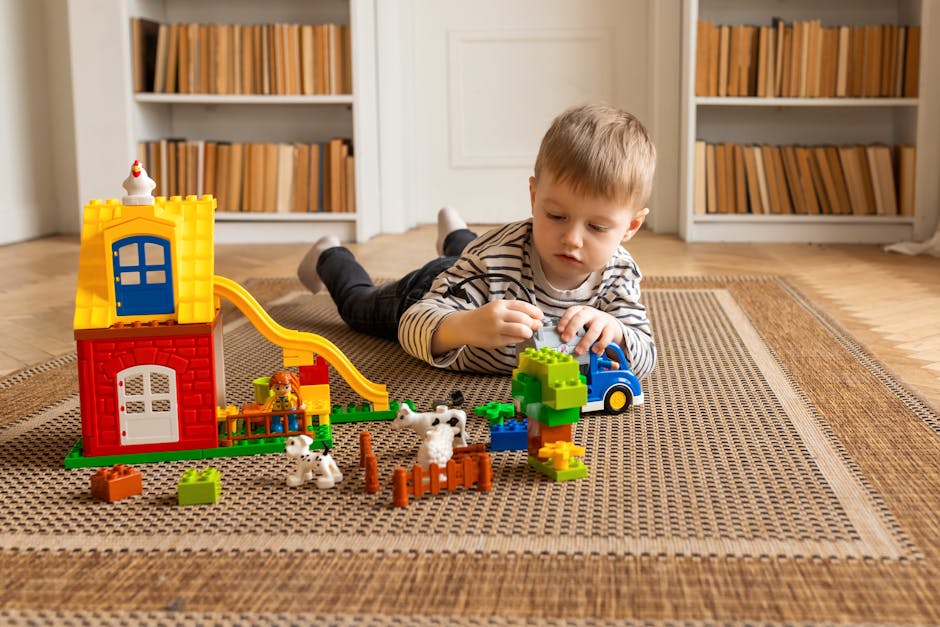
    • Open-Ended Building Blocks (Ages 2โ€“4): LEGO DUPLO, Mega Bloks, and the newer magnetic tile sets (like Connetix or Picasso Tiles) encourage divergent thinking. There’s no “right” answer, which is neurologically powerful.
    • Pretend Play Sets (Ages 2โ€“4): A simple kitchen set, doctor kit, or farm animal collection builds narrative thinking, empathy, and early language scaffolding. IKEA’s DUKTIG kitchen series remains a budget-friendly global favorite.
    • Simple Cause-and-Effect Toys (Ages 12โ€“24 months): Push-button pop-up toys, activity cubes, and even basic xylophone hammering sets help toddlers build predictive reasoning โ€” “if I do THIS, THAT happens.”
    • Board Books & Interactive Story Sets (All toddler ages): Often overlooked as “toys,” books with lift-the-flap elements, textured pages, or paired figurine sets (like the Gruffalo Story Stones sets) are among the highest-ROI cognitive tools available.
    • Water & Sand Play Tools (Ages 2+): Messy, yes. But pouring, filling, and measuring with simple cups and funnels builds early math concepts (volume, weight) in a way no flashcard ever could.
    colorful montessori toys toddler learning blocks shape sorter 2026

    Real-World Examples: What Families Are Actually Using

    In South Korea, the Nuri Curriculum (๋ˆ„๋ฆฌ๊ณผ์ •), the national early childhood education framework updated in 2024โ€“2025, explicitly emphasizes play-based learning with manipulative objects over screen-based instruction for ages 3โ€“5. Major Korean toy retailers like Toysrus Korea and SmartStore-based Montessori shops report that wooden sorting and building toys are their fastest-growing category in 2026.

    In the United States, the nonprofit Zero to Three published updated toy guidance in early 2026 that specifically called out “flashy electronic toys with limited interactivity” as developmentally inferior to simple open-ended options, even when priced far lower. Their recommendation list prominently features brands like Fat Brain Toys, Green Toys, and PlanToys โ€” all focused on open-ended, tactile engagement.

    In Japan, the philosophy of te-saguri (ๆ‰‹ๆŽขใ‚Š) โ€” literally “searching with hands” โ€” continues to influence toy design. Brands like People Toys (ใƒ”ใƒผใƒ—ใƒซ) have developed a 2026 line of sensory exploration kits specifically designed for 6-month to 3-year developmental windows, which have been well-received by child development researchers at Osaka University.

    What to Avoid (Or At Least Question)

    Here’s where I want to be honest with you, because the marketing can be genuinely misleading. Watch out for:

    • Toys that do everything for the child โ€” if it plays music, lights up, and gives the answer automatically, your toddler is a passive observer, not an active learner.
    • “AI-powered” baby toys that claim to adapt to your child’s intelligence level โ€” the research on these is still very thin, and the interaction quality rarely matches the price tag.
    • Age labels that are wildly optimistic โ€” a toy marked “12 months+” that requires fine motor precision more typical of a 3-year-old will only frustrate both child and parent.

    Realistic Alternatives for Every Budget

    Not everyone can spend $80 on a Grimm’s Rainbow. And that’s genuinely okay โ€” because some of the most cognitively stimulating “toys” aren’t toys at all:

    • Tupperware and kitchen containers: Stacking, nesting, filling โ€” free, and endlessly fascinating for toddlers under 2.
    • Cardboard boxes: Crawling through, building with, painting on. Spatial reasoning and imaginative play, zero cost.
    • Natural materials: Pinecones, smooth stones (supervised), leaves โ€” sensory richness that no plastic can replicate.
    • Library toy-lending programs: Many public libraries in South Korea, the US, Canada, and the UK now offer toy-lending alongside books. A completely free way to rotate your toddler’s play environment.
    • Secondhand quality toys: A used DUPLO set from a local secondhand shop or online marketplace is neurologically identical to a new one. Prioritize quality over newness.

    The goal, ultimately, is to give your child an environment where their curiosity leads the way and your presence amplifies the learning. No single toy โ€” no matter how well-designed or how much it costs โ€” replaces a caregiver who asks “what happens if we try it this way?”

    So next time you’re standing in a toy aisle or scrolling through a product page in 2026, ask yourself one simple question: Is my child doing the thinking here, or is the toy? That answer will guide you better than any algorithm.

    Editor’s Comment : The most powerful cognitive development tool your toddler has access to isn’t on any store shelf โ€” it’s you. Toys are wonderful scaffolding, but a curious, engaged caregiver who narrates, questions, and plays alongside their child will always outperform even the most thoughtfully designed product. Think of great toys as conversation starters, not substitutes for conversation itself.

    ํƒœ๊ทธ: [‘cognitive development toys 2026’, ‘toddler learning toys’, ‘best educational toys for toddlers’, ‘Montessori toys 2026’, ‘early childhood development’, ‘์œ ์•„ ์ธ์ง€ ๋ฐœ๋‹ฌ ์žฅ๋‚œ๊ฐ’, ‘open-ended play toys’]


    ๐Ÿ“š ๊ด€๋ จ๋œ ๋‹ค๋ฅธ ๊ธ€๋„ ์ฝ์–ด ๋ณด์„ธ์š”

  • ์œ ์•„ ์ธ์ง€ ๋ฐœ๋‹ฌ ์ž๊ทน ์žฅ๋‚œ๊ฐ ์ถ”์ฒœ 2026 | ์—ฐ๋ น๋ณ„ ์™„๋ฒฝ ๊ฐ€์ด๋“œ

    ์–ผ๋งˆ ์ „ ์ง€์ธ์ด ์ด๋Ÿฐ ๋ง์„ ํ•˜๋”๋ผ๊ณ ์š”. ์•„์ด ์ƒ์ผ ์„ ๋ฌผ๋กœ ์š”์ฆ˜ ์œ ํ–‰ํ•œ๋‹ค๋Š” ์žฅ๋‚œ๊ฐ์„ ์ž”๋œฉ ์‚ฌ์คฌ๋Š”๋ฐ, ์ •์ž‘ ์•„์ด๋Š” ํฌ์žฅ ๋ฐ•์Šค์—๋งŒ ๊ด€์‹ฌ์„ ๋ณด์ด๋”๋ผ๊ณ ์š”. ์›ƒํ”ˆ ์ด์•ผ๊ธฐ์ง€๋งŒ, ์‚ฌ์‹ค ์ด๊ฒŒ ๊ฝค ๋ณดํŽธ์ ์ธ ๊ฒฝํ—˜์ด๋ผ๊ณ  ๋ด…๋‹ˆ๋‹ค. ์žฅ๋‚œ๊ฐ์ด ‘๋น„์‹ธ๊ณ  ํ™”๋ คํ•˜๋‹ค’๊ณ  ํ•ด์„œ ๋ฐ˜๋“œ์‹œ ์•„์ด์˜ ์ธ์ง€ ๋ฐœ๋‹ฌ์— ์ข‹์€ ๊ฑด ์•„๋‹ˆ๊ฑฐ๋“ ์š”. ๊ทธ๋ ‡๋‹ค๋ฉด ์–ด๋–ค ์žฅ๋‚œ๊ฐ์ด ์ง„์งœ ์œ ์•„์˜ ๋‘๋‡Œ๋ฅผ ๊นจ์šฐ๋Š” ์ž๊ทน์ด ๋ ๊นŒ์š”? ์˜ค๋Š˜์€ 2026๋…„ ์ตœ์‹  ์—ฐ๊ตฌ ํŠธ๋ Œ๋“œ์™€ ๊ตญ๋‚ด์™ธ ์‚ฌ๋ก€๋ฅผ ๊ธฐ๋ฐ˜์œผ๋กœ ์—ฐ๋ น๋ณ„ ์ธ์ง€ ๋ฐœ๋‹ฌ ์ž๊ทน ์žฅ๋‚œ๊ฐ์„ ํ•จ๊ป˜ ์‚ดํŽด๋ณด๋ ค ํ•ด์š”.

    toddler cognitive development toys colorful wooden blocks 2026

    ๐Ÿ“Š ์ˆซ์ž๋กœ ๋ณด๋Š” ์œ ์•„ ์ธ์ง€ ๋ฐœ๋‹ฌ๊ณผ ์žฅ๋‚œ๊ฐ์˜ ์ƒ๊ด€๊ด€๊ณ„

    ๋จผ์ € ๋ฐฐ๊ฒฝ์„ ์ข€ ์งš์–ด๋ณผ๊ฒŒ์š”. ๋ฏธ๊ตญ ์†Œ์•„๊ณผํ•™ํšŒ(AAP)๊ฐ€ 2025๋…„ ๋ง์— ์—…๋ฐ์ดํŠธํ•œ ๊ฐ€์ด๋“œ๋ผ์ธ์— ๋”ฐ๋ฅด๋ฉด, ๋งŒ 0~3์„ธ ์‹œ๊ธฐ๋Š” ๋‡Œ ๋ฐœ๋‹ฌ์˜ ์•ฝ 80%๊ฐ€ ์™„์„ฑ๋˜๋Š” ๊ฒฐ์ •์  ์‹œ๊ธฐ๋ผ๊ณ  ํ•ฉ๋‹ˆ๋‹ค. ์ด ์‹œ๊ธฐ์— ์ œ๊ณต๋˜๋Š” ์™ธ๋ถ€ ์ž๊ทน์˜ ์งˆ์ด ์ดํ›„ ์–ธ์–ด ๋Šฅ๋ ฅ, ๊ณต๊ฐ„ ์ง€๊ฐ๋ ฅ, ๋ฌธ์ œ ํ•ด๊ฒฐ๋ ฅ์— ์ง์ ‘์ ์ธ ์˜ํ–ฅ์„ ์ค€๋‹ค๋Š” ๊ฑฐ์˜ˆ์š”.

    ๋˜ํ•œ ๊ตญ๋‚ด ์œก์•„์ •์ฑ…์—ฐ๊ตฌ์†Œ๊ฐ€ 2026๋…„ ์ดˆ ๋ฐœํ‘œํ•œ ๋ณด๊ณ ์„œ์— ๋”ฐ๋ฅด๋ฉด, ๊ตญ๋‚ด ๋ถ€๋ชจ์˜ ์•ฝ 67%๊ฐ€ ์žฅ๋‚œ๊ฐ ๊ตฌ๋งค ์‹œ ‘์ธ๊ธฐ ์ˆœ์œ„’๋‚˜ ‘๊ฐ€๊ฒฉ’์„ 1์ˆœ์œ„ ๊ธฐ์ค€์œผ๋กœ ์‚ผ๋Š” ๋ฐ˜๋ฉด, ‘๋ฐœ๋‹ฌ ๋‹จ๊ณ„ ์ ํ•ฉ์„ฑ’์„ ๊ธฐ์ค€์œผ๋กœ ์„ ํƒํ•œ๋‹ค๊ณ  ์‘๋‹ตํ•œ ๋น„์œจ์€ 21%์— ๊ทธ์ณค๋‹ค๊ณ  ํ•ฉ๋‹ˆ๋‹ค. ์ด ๊ฐ„๊ทน์ด ๋ฐ”๋กœ ์˜ค๋Š˜ ์ด ๊ธ€์„ ์“ฐ๊ฒŒ ๋œ ์ด์œ ๋ผ๊ณ  ํ•  ์ˆ˜ ์žˆ์–ด์š”.

    ํŠนํžˆ ์ฃผ๋ชฉํ•  ๋ถ€๋ถ„์€, ๋‹จ์ˆœ ๋ฐ˜๋ณต ์ž‘๋™ํ˜• ์ „์ž ์žฅ๋‚œ๊ฐ๋ณด๋‹ค ์—ด๋ฆฐ ๊ฒฐ๋งํ˜•(open-ended) ์žฅ๋‚œ๊ฐ์ด ์ธ์ง€ ์œ ์—ฐ์„ฑ๊ณผ ์ฐฝ์˜๋ ฅ ๋ฐœ๋‹ฌ์— ์ตœ๋Œ€ 2.3๋ฐฐ ๋” ๊ธ์ •์ ์ธ ํšจ๊ณผ๋ฅผ ๋ณด์˜€๋‹ค๋Š” ํ•˜๋ฒ„๋“œ ๊ต์œก๋Œ€ํ•™์›์˜ 2025๋…„ ์—ฐ๊ตฌ ๊ฒฐ๊ณผ์ž…๋‹ˆ๋‹ค. ‘์—ด๋ฆฐ ๊ฒฐ๋งํ˜•’์ด๋ž€ ์ •ํ•ด์ง„ ์ •๋‹ต ์—†์ด ์•„์ด๊ฐ€ ์Šค์Šค๋กœ ์กฐํ•ฉํ•˜๊ณ  ์ƒ์ƒํ•˜๋ฉฐ ๋†€ ์ˆ˜ ์žˆ๋Š” ํ˜•ํƒœ๋ฅผ ๋งํ•ด์š”. ๋Œ€ํ‘œ์ ์œผ๋กœ ๋ธ”๋ก ๋†€์ด, ์—ญํ•  ๋†€์ด ์„ธํŠธ, ์ ํ†  ๋“ฑ์ด ํ•ด๋‹น๋˜์ฃ .

    ๐ŸŒ ๊ตญ๋‚ด์™ธ ์ธ๊ธฐ ์œ ์•„ ์ธ์ง€ ๋ฐœ๋‹ฌ ์žฅ๋‚œ๊ฐ ํŠธ๋ Œ๋“œ 2026

    2026๋…„ ํ˜„์žฌ, ์ „ ์„ธ๊ณ„ ์™„๊ตฌ ์‹œ์žฅ์—์„œ ๋‘๋“œ๋Ÿฌ์ง€๋Š” ํ‚ค์›Œ๋“œ๋Š” ๋‹จ์—ฐ ‘STEM+A(์˜ˆ์ˆ )’, ์ฆ‰ STEAM ๊ธฐ๋ฐ˜ ์œ ์•„ ์™„๊ตฌ์ž…๋‹ˆ๋‹ค. ๋‹จ์ˆœํžˆ ๊ณผํ•™ยท์ˆ˜ํ•™ ๊ฐœ๋…์„ ๋‹ด์€ ๊ฒƒ์„ ๋„˜์–ด, ์˜ˆ์ˆ ์  ๊ฐ์ˆ˜์„ฑ๊ณผ ์ฐฝ์˜์  ํ‘œํ˜„๊นŒ์ง€ ํ†ตํ•ฉํ•˜๋Š” ๋ฐฉํ–ฅ์œผ๋กœ ์ง„ํ™”ํ•˜๊ณ  ์žˆ์–ด์š”.

    ๋…์ผ์˜ ํ—ค๋ฆฌ์ฝ” ์‚ฌ(Hericore)๋Š” 2026๋…„ ์ดˆ ์ถœ์‹œํ•œ ‘๋งˆ๊ทธ๋„ท ์•„ํŠธ ๋ธ”๋ก’ ์‹œ๋ฆฌ์ฆˆ๋กœ ์œ ๋Ÿฝ ์™„๊ตฌ ๋ฐ•๋žŒํšŒ ๋ˆ„๋ ˜๋ฒ ๋ฅดํฌ ํ† ์ดํŽ˜์–ด์—์„œ ๊ธˆ์ƒ์„ ์ˆ˜์ƒํ–ˆ์–ด์š”. ์ด ์ œํ’ˆ์€ ์ž์„ ์›๋ฆฌ๋ฅผ ์ด์šฉํ•œ ํˆฌ๋ช… ๋ธ”๋ก ์•ˆ์— ์ปฌ๋Ÿฌ ๋น„์ฆˆ๊ฐ€ ๋“ค์–ด ์žˆ์–ด, ์Œ“๊ณ  ๋น›์„ ๋น„์ถ”๋ฉด ํŒจํ„ด์ด ๋ฐ”๋€Œ๋Š” ๊ตฌ์กฐ์ธ๋ฐ์š”. ๊ณต๊ฐ„ ์ง€๊ฐ๋ ฅ๊ณผ ์ƒ‰๊น” ์ธ์ง€๋ฅผ ๋™์‹œ์— ์ž๊ทนํ•œ๋‹ค๋Š” ์ ์ด ๋†’์€ ํ‰๊ฐ€๋ฅผ ๋ฐ›์•˜์Šต๋‹ˆ๋‹ค.

    ๊ตญ๋‚ด์—์„œ๋Š” ์œ ์•„ ๊ต๊ตฌ ๋ธŒ๋žœ๋“œ ‘๋นŒ๋“œ๋ฏธ(BuildMe)’๊ฐ€ ํ•œ๊ตญํ˜• STEAM ๊ต๊ตฌ๋กœ ์ฃผ๋ชฉ๋ฐ›๊ณ  ์žˆ์–ด์š”. ํ•œ๊ธ€ ์ž์Œยท๋ชจ์Œ ์กฐ๊ฐ์„ ๋ธ”๋ก์ฒ˜๋Ÿผ ๋งž์ถ”๋Š” ๊ตฌ์„ฑ์œผ๋กœ, ์–ธ์–ด ์ธ์ง€์™€ ์†Œ๊ทผ์œก ๋ฐœ๋‹ฌ์„ ํ•จ๊ป˜ ์ž๊ทนํ•˜๋„๋ก ์„ค๊ณ„๋์Šต๋‹ˆ๋‹ค. 2026๋…„ ์ƒ๋ฐ˜๊ธฐ ๊ธฐ์ค€ ๊ตญ๋‚ด ๋ถ€๋ชจ ์ปค๋ฎค๋‹ˆํ‹ฐ ๋ง˜์นดํŽ˜ ๊ธฐ์ค€ ์ถ”์ฒœ ์žฅ๋‚œ๊ฐ 1์œ„๋ฅผ ๊ธฐ๋กํ–ˆ์„ ์ •๋„๋กœ ๋ฐ˜์‘์ด ๋œจ๊ฒ๋‹ค๊ณ  ํ•ด์š”.

    STEAM educational toys for toddlers age-appropriate developmental play 2026

    ๐Ÿงธ ์—ฐ๋ น๋ณ„ ์œ ์•„ ์ธ์ง€ ๋ฐœ๋‹ฌ ์ž๊ทน ์žฅ๋‚œ๊ฐ ์ถ”์ฒœ ๋ฆฌ์ŠคํŠธ

    ์ด์ œ ๋ณธ๊ฒฉ์ ์œผ๋กœ ์—ฐ๋ น๋ณ„๋กœ ์–ด๋–ค ์žฅ๋‚œ๊ฐ์ด ์ ํ•ฉํ•œ์ง€ ์‚ดํŽด๋ณผ๊ฒŒ์š”. ์•„์ด๋งˆ๋‹ค ๋ฐœ๋‹ฌ ์†๋„๊ฐ€ ๋‹ค๋ฅผ ์ˆ˜ ์žˆ์œผ๋‹ˆ, ์•„๋ž˜ ๊ธฐ์ค€์€ ์ฐธ๊ณ  ์ง€์นจ ์ •๋„๋กœ ๋ณด์‹œ๋Š” ๊ฒŒ ์ข‹์„ ๊ฒƒ ๊ฐ™์•„์š”.

    • ๐Ÿผ 0~12๊ฐœ์›” | ๊ฐ๊ฐ ์ž๊ทน ์ค‘์‹ฌ
      ์ด ์‹œ๊ธฐ์˜ ์•„๊ธฐ๋Š” ์‹œ๊ฐ, ์ฒญ๊ฐ, ์ด‰๊ฐ ์ž๊ทน์„ ํ†ตํ•ด ์„ธ์ƒ์„ ์ธ์‹ํ•˜๊ธฐ ์‹œ์ž‘ํ•ด์š”. ํ‘๋ฐฑ ๋Œ€๋น„ ์นด๋“œ, ๋”ธ๋ž‘์ด, ๋ถ€๋“œ๋Ÿฌ์šด ์งˆ๊ฐ์˜ ์ฒœ ์žฅ๋‚œ๊ฐ์ด ์ ํ•ฉํ•ฉ๋‹ˆ๋‹ค. ์ตœ๊ทผ์—๋Š” ์•„๊ธฐ ์ „์šฉ ๊ฐ๊ฐ ํƒ์ƒ‰ ๋งคํŠธ(Sensory Play Mat)๊ฐ€ ์ธ๊ธฐ์ธ๋ฐ, ๋ฐ”๋‹ฅ์— ๊น”๋ฉด ๋‹ค์–‘ํ•œ ์งˆ๊ฐยท์†Œ๋ฆฌยท๊ฑฐ์šธ ์š”์†Œ๊ฐ€ ํ†ตํ•ฉ๋˜์–ด ์žˆ์–ด ๊ฐ๊ฐ ํ†ตํ•ฉ ๋ฐœ๋‹ฌ์— ๋„์›€์ด ๋œ๋‹ค๊ณ  ํ•ฉ๋‹ˆ๋‹ค.
    • ๐Ÿงฉ 12~24๊ฐœ์›” | ์ธ๊ณผ๊ด€๊ณ„ ํ•™์Šต ์ค‘์‹ฌ
      ‘์ด๊ฑธ ๋ˆ„๋ฅด๋ฉด ์ €๊ฒŒ ๋œ๋‹ค’๋Š” ์ธ๊ณผ๊ด€๊ณ„๋ฅผ ์ดํ•ดํ•˜๊ธฐ ์‹œ์ž‘ํ•˜๋Š” ์‹œ๊ธฐ์˜ˆ์š”. ๋„ํ˜• ๋งž์ถ”๊ธฐ(Shape Sorter), ์Œ“๊ธฐ ๋ง ์žฅ๋‚œ๊ฐ, ๊ฐ„๋‹จํ•œ ํผ์ฆ(4~6์กฐ๊ฐ)์ด ํšจ๊ณผ์ ์ž…๋‹ˆ๋‹ค. ์ด ์‹œ๊ธฐ์˜ ํ•ต์‹ฌ์€ ๋ฐ˜๋ณต ๊ฒฝํ—˜์ด์—์š”. ๊ฐ™์€ ์žฅ๋‚œ๊ฐ์„ ์—ฌ๋Ÿฌ ๋ฒˆ ์‹œ๋„ํ•˜๋ฉด์„œ ์„ฑ๊ณต ๊ฒฝํ—˜์„ ์Œ“๋Š” ๊ฒŒ ์ž๊ธฐ ํšจ๋Šฅ๊ฐ ๋ฐœ๋‹ฌ๋กœ ์ด์–ด์ง€๊ฑฐ๋“ ์š”.
    • ๐ŸŽจ 24~36๊ฐœ์›” | ์ƒ์ง•์  ์‚ฌ๊ณ  ๋ฐ ์ฐฝ์˜๋ ฅ ์ค‘์‹ฌ
      ์ด์ œ ์•„์ด๋Š” ์‚ฌ๋ฌผ์„ ๋‹ค๋ฅธ ๋ฌด์–ธ๊ฐ€๋กœ ‘๋Œ€์ฒด’ํ•ด์„œ ์ƒ์ƒ ๋†€์ด๋ฅผ ์‹œ์ž‘ํ•ด์š”. ์—ญํ•  ๋†€์ด ์„ธํŠธ(์†Œ๊ฟ‰๋†€์ด, ๋ณ‘์› ๋†€์ด), ํฐ ๋ธ”๋ก ์„ธํŠธ, ๋ฐ€๊ฐ€๋ฃจ ์ ํ† ๋‚˜ ๋ชจ๋ž˜ ๋†€์ด๊ฐ€ ์ด ์‹œ๊ธฐ์— ์ตœ์ ์ด๋ผ๊ณ  ๋ด…๋‹ˆ๋‹ค. 2026๋…„์—๋Š” ์นœํ™˜๊ฒฝ ์†Œ์žฌ๋กœ ๋งŒ๋“  ๋ฐ€๋‚ฉ ํฌ๋ ˆ์šฉ๊ณผ ์ฒœ์—ฐ ์ ํ†  ์ œํ’ˆ๋„ ๋งŽ์ด ์ถœ์‹œ๋˜์–ด ์„ ํƒ์ง€๊ฐ€ ๋„“์–ด์กŒ์–ด์š”.
    • ๐Ÿ”ข 36~48๊ฐœ์›” | ๋…ผ๋ฆฌ์  ์‚ฌ๊ณ  ๋ฐ ์ˆ˜ ๊ฐœ๋… ๋„์ž…
      ์ˆ˜ ๊ฐœ๋…, ๋ถ„๋ฅ˜, ํŒจํ„ด ์ธ์‹์ด ๊ฐ€๋Šฅํ•ด์ง€๋Š” ์‹œ๊ธฐ์ž…๋‹ˆ๋‹ค. ์ž์„ ํƒ€์ผ ๋ธ”๋ก(๋งˆ๊ทธ๋„คํ‹ฑ ํƒ€์ผ), ์ˆซ์ž ํผ์ฆ, ๊ฐ„๋‹จํ•œ ๋ณด๋“œ๊ฒŒ์ž„์ด ์ธ์ง€ ๋ฐœ๋‹ฌ์— ๋„์›€์ด ๋œ๋‹ค๊ณ  ํ•ฉ๋‹ˆ๋‹ค. ํŠนํžˆ ๋งˆ๊ทธ๋„คํ‹ฑ ํƒ€์ผ์€ 3D ๊ตฌ์กฐ ์‚ฌ๊ณ ๋ ฅ๊ณผ ๊ณต๊ฐ„ ์ง€๊ฐ ๋Šฅ๋ ฅ์„ ํ‚ค์šฐ๋Š” ๋ฐ ํƒ์›”ํ•˜๋‹ค๋Š” ํ‰๊ฐ€๋ฅผ ๋ฐ›๊ณ  ์žˆ์–ด์š”.
    • ๐Ÿ”ฌ 48๊ฐœ์›” ์ด์ƒ | ๋ฌธ์ œ ํ•ด๊ฒฐ๋ ฅ ๋ฐ ํ˜‘๋™ ๋†€์ด ์ค‘์‹ฌ
      ๋˜๋ž˜์™€ ํ•จ๊ป˜ ๋ชฉํ‘œ๋ฅผ ๋‹ฌ์„ฑํ•˜๋Š” ํ˜‘๋™ ๋ณด๋“œ๊ฒŒ์ž„, ์ฝ”๋”ฉ ๊ฐœ๋…์„ ๋‹ด์€ ์–ธํ”Œ๋Ÿฌ๊ทธ๋“œ ์ฝ”๋”ฉ ์นด๋“œ ๊ฒŒ์ž„, ์กฐ๋ฆฝํ˜• ๋ ˆ๊ณ  ๋“€ํ”Œ๋กœ ์‹œ๋ฆฌ์ฆˆ ๋“ฑ์ด ์ด ์‹œ๊ธฐ์˜ ์ธ์ง€ ๋ฐœ๋‹ฌ์„ ํญ๋„“๊ฒŒ ์ž๊ทนํ•ด์ค„ ์ˆ˜ ์žˆ์–ด์š”. 2026๋…„ ๊ธฐ์ค€ ‘ํ๋น„ํƒ€์Šค(Qubitas)’ ๋ธŒ๋žœ๋“œ์˜ ์–ธํ”Œ๋Ÿฌ๊ทธ๋“œ ์ฝ”๋”ฉ ๋ธ”๋ก์€ ํ•™๋ถ€๋ชจ ๋ฆฌ๋ทฐ์—์„œ ๋†’์€ ๋งŒ์กฑ๋„๋ฅผ ๋ณด์ด๊ณ  ์žˆ๋‹ต๋‹ˆ๋‹ค.

    โš ๏ธ ์žฅ๋‚œ๊ฐ ๊ณ ๋ฅผ ๋•Œ ๊ผญ ํ™•์ธํ•ด์•ผ ํ•  ์‚ฌํ•ญ๋“ค

    ์ข‹์€ ์žฅ๋‚œ๊ฐ์˜ ์กฐ๊ฑด์„ ํ•œ ๋ฌธ์žฅ์œผ๋กœ ์š”์•ฝํ•˜๋ฉด, ‘์•„์ด๊ฐ€ ์ฃผ๋„๊ถŒ์„ ๊ฐ€์งˆ ์ˆ˜ ์žˆ๋Š”๊ฐ€’๋ผ๊ณ  ๋ด…๋‹ˆ๋‹ค. ์•„์ด๊ฐ€ ๋ฒ„ํŠผ๋งŒ ๋ˆ„๋ฅด๋ฉด ํ™”๋ฉด์ด ์•Œ์•„์„œ ๋ฐ˜์‘ํ•˜๋Š” ์ˆ˜๋™์  ์žฅ๋‚œ๊ฐ๋ณด๋‹ค, ์•„์ด์˜ ํ–‰๋™์ด ๊ฒฐ๊ณผ๋ฅผ ๋งŒ๋“ค์–ด๋‚ด๋Š” ๋Šฅ๋™์  ๊ตฌ์กฐ์˜ ์žฅ๋‚œ๊ฐ์ด ํ›จ์”ฌ ๋” ๊นŠ์€ ์ธ์ง€ ์ž๊ทน์„ ์ค€๋‹ค๋Š” ๊ฑฐ์˜ˆ์š”.

    ๋˜ํ•œ ์•ˆ์ „ ์ธ์ฆ ์—ฌ๋ถ€๋„ ๊ผผ๊ผผํžˆ ํ™•์ธํ•˜์…”์•ผ ํ•ด์š”. ๊ตญ๋‚ด ๊ธฐ์ค€์œผ๋กœ๋Š” KC ์•ˆ์ „์ธ์ฆ(์–ด๋ฆฐ์ด ์ œํ’ˆ)์„, ํ•ด์™ธ ์ง๊ตฌ ์ œํ’ˆ์ด๋ผ๋ฉด CE(์œ ๋Ÿฝ) ๋˜๋Š” ASTM(๋ฏธ๊ตญ) ๋งˆํฌ๋ฅผ ํ™•์ธํ•˜๋Š” ๊ฒƒ์ด ๊ธฐ๋ณธ์ž…๋‹ˆ๋‹ค. 2026๋…„๋ถ€ํ„ฐ๋Š” ๊ตญ๋‚ด ์–ด๋ฆฐ์ด ์ œํ’ˆ ์•ˆ์ „๋ฒ• ๊ฐœ์ •์œผ๋กœ 36๊ฐœ์›” ๋ฏธ๋งŒ ๋Œ€์ƒ ์ œํ’ˆ์˜ ์„ฑ๋ถ„ ๊ณต๊ฐœ ์˜๋ฌด๊ฐ€ ๊ฐ•ํ™”๋˜์—ˆ์œผ๋‹ˆ, ๊ตฌ๋งค ์ „ ์„ฑ๋ถ„ ์ •๋ณด๋„ ๊ผญ ์‚ดํŽด๋ณด์‹œ๊ธธ ๊ถŒ์žฅํ•ด์š”.

    ๐Ÿ’ก ๊ฒฐ๋ก  | ๋น„์‹ผ ์žฅ๋‚œ๊ฐ์ด ์•„๋‹ˆ๋ผ ‘๋งž๋Š”’ ์žฅ๋‚œ๊ฐ์ด ์ •๋‹ต์ด์—์š”

    ๊ฒฐ๊ตญ ํ•ต์‹ฌ์€ ๊ฐ€๊ฒฉ์ด๋‚˜ ๋ธŒ๋žœ๋“œ๊ฐ€ ์•„๋‹ˆ๋ผ, ์•„์ด์˜ ํ˜„์žฌ ๋ฐœ๋‹ฌ ๋‹จ๊ณ„์— ๋งž๋Š”๊ฐ€์˜ ์—ฌ๋ถ€๋ผ๊ณ  ๋ด…๋‹ˆ๋‹ค. ๋„ˆ๋ฌด ์‰ฌ์šด ์žฅ๋‚œ๊ฐ์€ ํฅ๋ฏธ๋ฅผ ์žƒ๊ฒŒ ๋งŒ๋“ค๊ณ , ๋„ˆ๋ฌด ์–ด๋ ค์šด ์žฅ๋‚œ๊ฐ์€ ์ขŒ์ ˆ๊ฐ์„ ์ค„ ์ˆ˜ ์žˆ์–ด์š”. ์•„์ด๊ฐ€ ์•ฝ๊ฐ„์˜ ๋„์ „๊ฐ์„ ๋А๋ผ๋˜ ์Šค์Šค๋กœ ํ•ด๊ฒฐํ•  ์ˆ˜ ์žˆ๋Š” ์ˆ˜์ค€, ๋ฐœ๋‹ฌ์‹ฌ๋ฆฌํ•™์—์„œ๋Š” ์ด๋ฅผ ‘๊ทผ์ ‘ ๋ฐœ๋‹ฌ ์˜์—ญ(ZPD, Zone of Proximal Development)’์ด๋ผ๊ณ  ๋ถ€๋ฅด๋Š”๋ฐ์š”. ์ด ๊ฐœ๋…์„ ์—ผ๋‘์— ๋‘๊ณ  ์žฅ๋‚œ๊ฐ์„ ๊ณ ๋ฅด๋ฉด ํ›จ์”ฌ ํ˜„๋ช…ํ•œ ์„ ํƒ์„ ํ•  ์ˆ˜ ์žˆ๋‹ค๊ณ  ์ƒ๊ฐํ•ด์š”.

    ๊ผญ ๋น„์‹ผ ๊ต๊ตฌ๊ฐ€ ์•„๋‹ˆ์–ด๋„ ๋ผ์š”. ์ผ์ƒ ์† ๋ƒ„๋น„ ๋šœ๊ป‘, ์ข…์ด ๋ฐ•์Šค, ๋ฌผ๊ฐ๊ณผ ์ข…์ด๋„ ์ถฉ๋ถ„ํžˆ ํ›Œ๋ฅญํ•œ ์ธ์ง€ ์ž๊ทน ๋„๊ตฌ๊ฐ€ ๋  ์ˆ˜ ์žˆ์œผ๋‹ˆ๊นŒ์š”. ์žฅ๋‚œ๊ฐ์€ ๋„๊ตฌ์ผ ๋ฟ, ๊ทธ๊ฑธ ํ•จ๊ป˜ ์ฆ๊ธฐ๋Š” ๋ถ€๋ชจ์™€ ์•„์ด์˜ ์ƒํ˜ธ์ž‘์šฉ์ด ํ›จ์”ฌ ๋” ์ค‘์š”ํ•˜๋‹ค๋Š” ์ ๋„ ์žŠ์ง€ ์•Š์œผ์…จ์œผ๋ฉด ํ•ด์š”.

    ์—๋””ํ„ฐ ์ฝ”๋ฉ˜ํŠธ : ์•„์ด ์žฅ๋‚œ๊ฐ์„ ๊ณ ๋ฅด๋‹ค ๋ณด๋ฉด ์–ด๋А์ƒˆ ๋‚˜๋„ ๊ฐ–๊ณ  ์‹ถ์–ด์ง€๋Š” ๋งˆ๋ฒ• ๊ฐ™์€ ์ˆœ๊ฐ„์ด ์žˆ์ž–์•„์š” ๐Ÿ˜„. ์˜ค๋Š˜ ์†Œ๊ฐœํ•œ ๊ธฐ์ค€๋“ค์„ ์ฐธ๊ณ ํ•ด์„œ ์ด๋ฒˆ ์ƒ์ผ ์„ ๋ฌผ์ด๋‚˜ ํฌ๋ฆฌ์Šค๋งˆ์Šค ์„ ๋ฌผ ๋ฆฌ์ŠคํŠธ์— ์ ์šฉํ•ด ๋ณด์‹œ๋ฉด ์ข‹์„ ๊ฒƒ ๊ฐ™์•„์š”. ์ •ํ•ด์ง„ ์ •๋‹ต์€ ์—†์ง€๋งŒ, ‘์•„์ด๊ฐ€ ์ฃผ๋„์ ์œผ๋กœ ํƒ๊ตฌํ•  ์ˆ˜ ์žˆ๋Š”๊ฐ€’๋ผ๋Š” ์งˆ๋ฌธ ํ•˜๋‚˜๋งŒ ๊ธฐ์–ตํ•˜์…”๋„ ์ถฉ๋ถ„ํžˆ ์ข‹์€ ์„ ํƒ์„ ํ•˜์‹ค ์ˆ˜ ์žˆ์„ ๊ฑฐ๋ผ๊ณ  ๋ด…๋‹ˆ๋‹ค. ์šฐ๋ฆฌ ์•„์ด๋“ค์˜ ๋ฐ˜์ง์ด๋Š” ๋‘๋‡Œ๋ฅผ ์‘์›ํ•ด์š”! ๐Ÿง โœจ

    ํƒœ๊ทธ: []


    ๐Ÿ“š ๊ด€๋ จ๋œ ๋‹ค๋ฅธ ๊ธ€๋„ ์ฝ์–ด ๋ณด์„ธ์š”