Blog

  • How Toddlers Build Friendships: A Complete Guide to Early Social Development and Peer Relationships in 2026

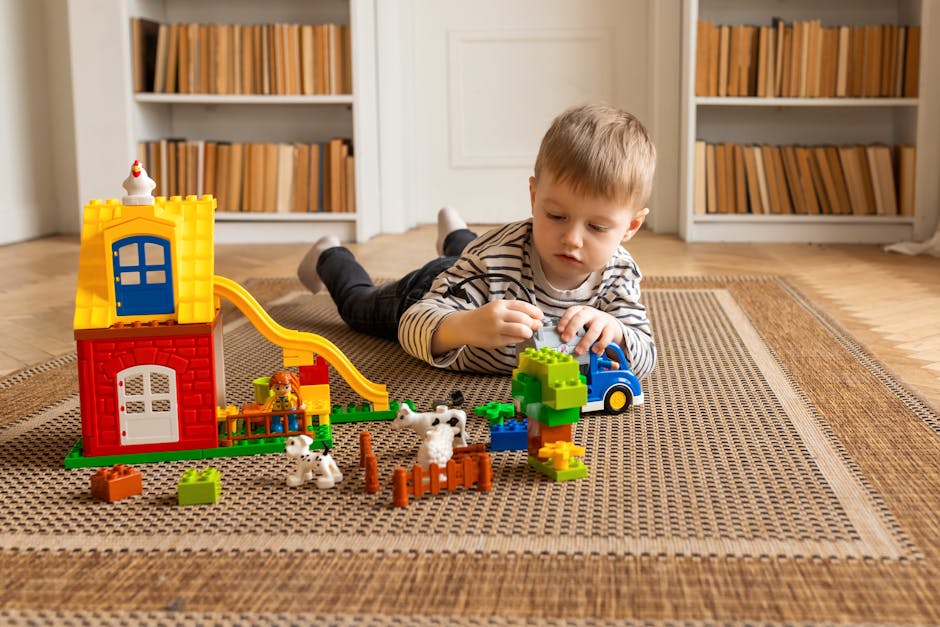
    Picture this: your two-year-old walks into a playroom, spots another child building a block tower, and instead of saying hello, just… sits next to them and starts stacking their own blocks in silence. No words, no introduction, just peaceful parallel play. You might wonder, “Is my child being antisocial?” Spoiler alert — they’re actually doing exactly what they’re supposed to do. That quiet side-by-side moment? That’s the very first chapter of a beautiful social story unfolding in real time.

    Early childhood social development is one of the most fascinating — and often misunderstood — journeys a child takes. And as parents, caregivers, and educators, understanding how toddlers form peer relationships can make a world of difference in how we support them along the way. Let’s think through this together.
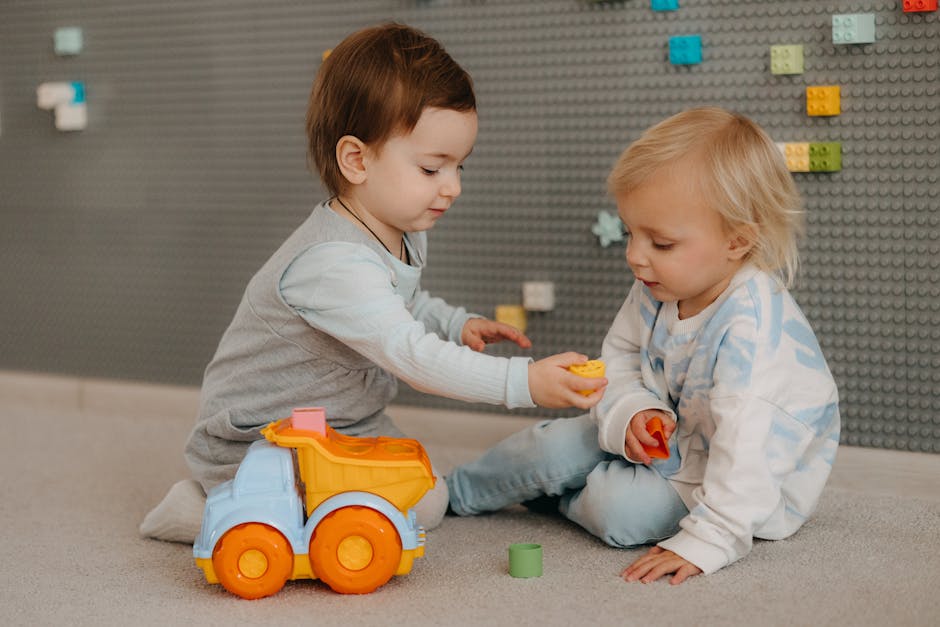
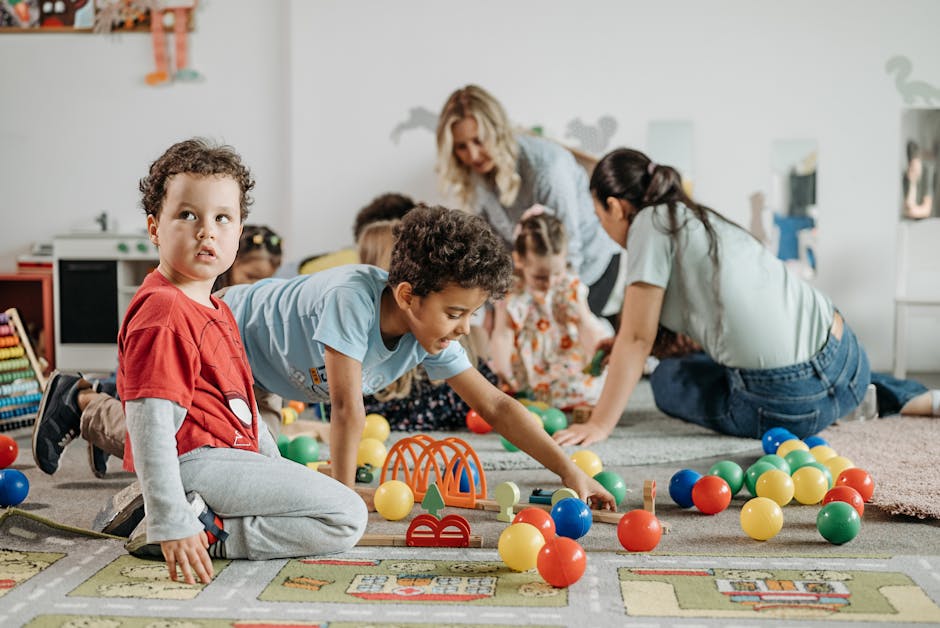
    toddlers playing together blocks colorful classroom friendship

    What Does “Social Development” Actually Mean for Young Children?

    Social development in early childhood refers to the process by which children learn to interact, communicate, cooperate, and form emotional bonds with others — particularly peers their own age. This isn’t just about whether your child plays nicely at the park. It encompasses empathy, emotional regulation, conflict resolution, and the ability to understand other people’s perspectives (what psychologists call Theory of Mind).

    Here’s where the data gets really interesting. According to longitudinal research compiled through 2026 by the National Institute of Child Health and Human Development (NICHD), children who develop strong peer relationship skills between ages 2–5 show measurably better outcomes in:

    • Academic performance — cooperative learning skills translate directly into classroom engagement
    • Emotional resilience — children with peer support networks recover faster from setbacks
    • Mental health — lower rates of anxiety and depression through adolescence
    • Communication fluency — vocabulary and language development accelerate through peer interaction
    • Conflict negotiation — early practice with peer disagreements builds lifelong problem-solving skills

    The Developmental Stages of Peer Interaction (Ages 1–5)

    One of the most useful frameworks for understanding toddler social behavior comes from sociologist Mildred Parten’s classic play stages — which, even decades later, remain highly relevant in 2026 early childhood education settings worldwide.

    Stage 1 — Solitary Play (Ages 1–2): Children play alone, largely unaware of or uninterested in what peers are doing. This is completely normal and healthy. Don’t rush it.

    Stage 2 — Parallel Play (Ages 2–3): That block-tower moment we described above. Children play alongside each other without direct interaction. They’re aware of each other, learning by observation — this is actually powerful social learning happening under the surface.

    Stage 3 — Associative Play (Ages 3–4): Children begin interacting, sharing materials, and talking to each other, but without organized group goals. You’ll see them borrowing crayons and commenting on each other’s drawings.

    Stage 4 — Cooperative Play (Ages 4–5+): Now we have teamwork! Children organize games with rules, assign roles, and work toward shared goals. “You be the dragon, I’ll be the knight” — this level of play requires sophisticated social negotiation.

    Understanding these stages helps us resist the urge to force social interaction before a child is developmentally ready. Pushing a 2-year-old into cooperative group play isn’t just ineffective — it can actually create social anxiety.

    What the Research Tells Us About Peer Relationships in 2026

    A comprehensive meta-analysis published in the journal Child Development Perspectives in early 2026 reviewed data from over 40 countries and found that children who had consistent access to mixed-age peer groups (rather than strictly same-age groups) developed social competency skills 18–24% faster than those in age-segregated environments. Why? Older children naturally model more advanced social behaviors, while younger children feel less competitive pressure.

    Additionally, research from South Korea’s Korea Institute of Child Care and Education (KICCE) — which has been pioneering early childhood social development studies — demonstrated that children in high-quality childcare settings with low adult-to-child ratios (1:4 or better for toddlers) showed significantly stronger peer bonding within the first 6 months of enrollment compared to home-based care with limited peer exposure.

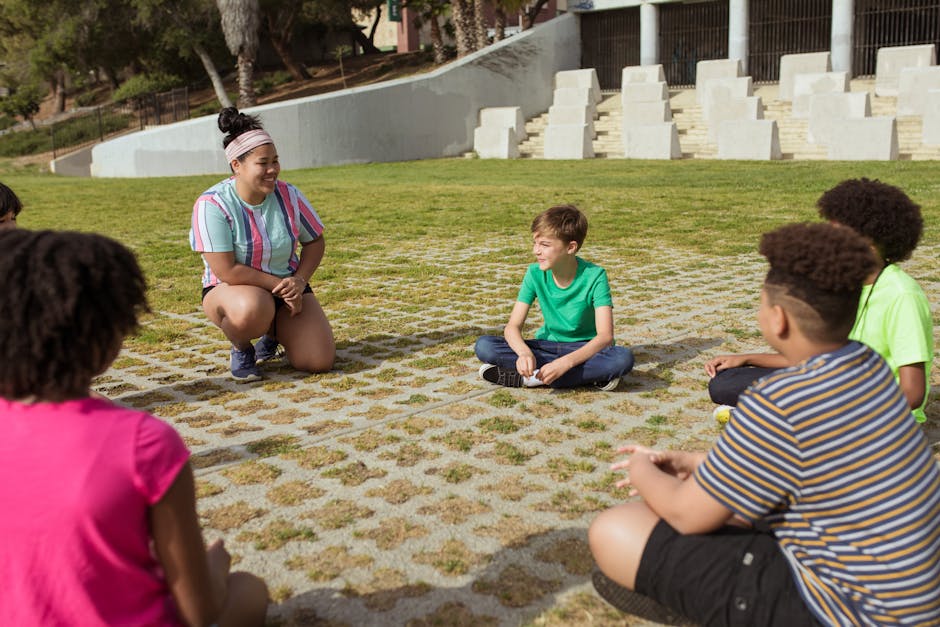
    Meanwhile, in Finland — consistently ranked among the world’s leaders in early education — the 2026 national curriculum for ages 1–5 explicitly prioritizes “social learning through free play” over structured academic preparation. Finnish educators report that unstructured outdoor peer play of at least 90 minutes daily is treated as non-negotiable, regardless of weather conditions. The results speak for themselves in long-term social and academic outcomes.
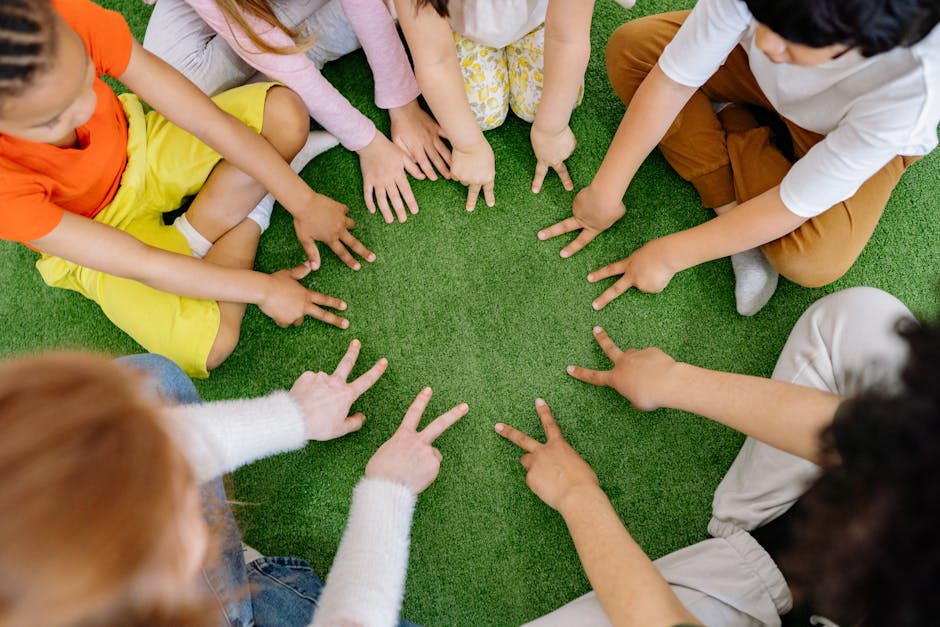
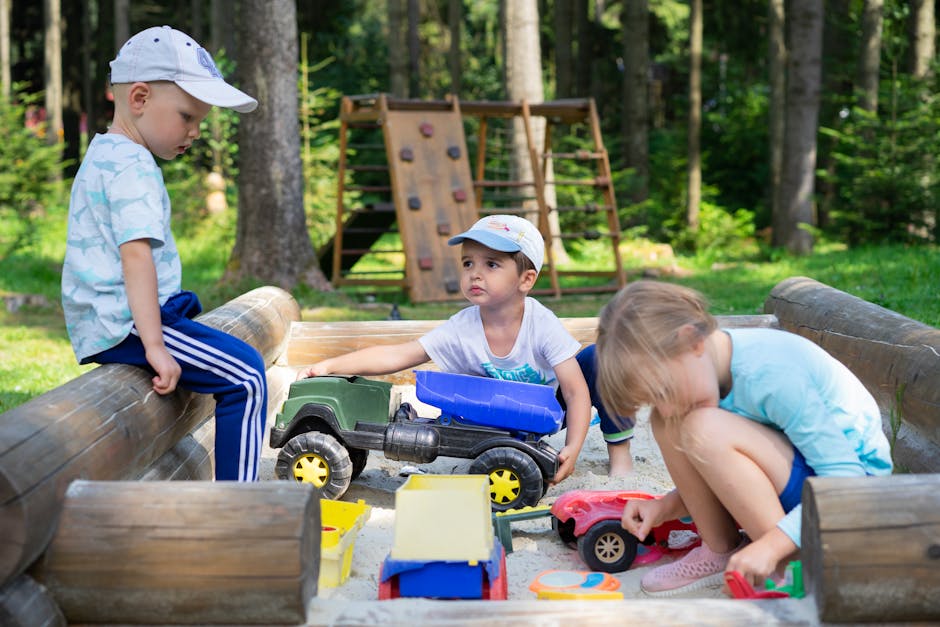
    children outdoor play nature kindergarten diverse social interaction

    Practical Ways to Support Your Toddler’s Peer Relationship Development

    Here’s where we get realistic and actionable. Not every family has access to premium childcare or the ideal playgroup setup — and that’s completely okay. Let’s think through what actually works across different circumstances:

    • Narrate social situations: When your child watches other children play (even on a screen or at the park), talk through what’s happening — “Look, she shared the swing! How do you think that other child feels now?” This builds social cognition even without direct interaction.
    • Set up low-pressure playdates: One-on-one playdates are far less overwhelming than group settings for children under 4. Keep them short (60–90 minutes) and end before conflict escalates — always leave on a positive note.
    • Role-play social scenarios at home: Practice saying hello, taking turns, and handling “no” with stuffed animals or dolls. Children who rehearse social scripts feel more confident applying them in real situations.
    • Validate emotions without rushing resolution: When your child says “She’s not my friend anymore!” resist the urge to immediately fix it. Acknowledge first: “That sounds really upsetting.” Then explore: “What happened?” Emotional validation builds the self-awareness needed for healthy peer relationships.
    • Create shared-goal activities: Even at home with siblings or cousins, activities like building a blanket fort together, cooking a simple recipe, or putting together a puzzle naturally encourage cooperative interaction.
    • Read picture books about friendship: Books remain one of the most powerful tools for social-emotional learning. Titles featuring characters navigating friendship conflicts, sharing, and inclusion help children build a mental vocabulary for social experiences.
    • Model your own social behavior: Children are watching how you greet neighbors, handle disagreements, and show kindness. Your daily social interactions are their most influential curriculum.

    When Should You Be Genuinely Concerned?

    It’s worth distinguishing between typical developmental variation and signs that warrant professional guidance. Consider speaking with your pediatrician or a developmental specialist if, by age 3–4, your child:

    • Consistently shows no interest in other children (not just shyness, but active avoidance)
    • Has significant difficulty with transitions or unexpected changes in social routines
    • Displays aggressive behavior that escalates rather than decreases over time
    • Shows limited eye contact and difficulty reading basic emotional cues
    • Has trouble with imaginative or pretend play with peers

    These patterns can sometimes indicate developmental differences that benefit enormously from early intervention. Early support — whether through speech therapy, occupational therapy, or structured social skills programs — can be genuinely transformative when started in the toddler years.

    Realistic Alternatives for Different Family Situations

    Not every family can enroll their child in a well-resourced preschool or afford regular playgroup fees. Here are some honest alternatives that actually work:

    If you’re in a rural or isolated area: Library story times, community center drop-in programs, and religious community playgroups offer peer exposure without high costs. Even structured video calls with cousins or neighborhood children can supplement in-person interaction.

    If your child is highly sensitive or introverted: Don’t force large group settings. One trusted peer relationship is developmentally just as valuable as a large social circle. Quality genuinely matters more than quantity here.

    If you’re working full-time: Maximize weekend peer interaction strategically — one well-planned playdate or community activity per weekend creates consistent peer exposure. Consistency matters more than frequency.

    The bottom line is this: social development doesn’t require perfect conditions. It requires enough opportunity, warm support, and the freedom to navigate small social challenges — with a caring adult nearby to help make sense of them.

    Editor’s Comment : After spending time really digging into this topic, what strikes me most is how much we underestimate toddlers. That child sitting quietly next to another child, stacking blocks in peaceful parallel? They’re doing something genuinely sophisticated — observing, processing, building the neural groundwork for every friendship they’ll ever have. Our job isn’t to accelerate their social development; it’s to create the conditions where it can unfold naturally, safely, and with joy. Trust the process. Trust your child. And maybe sit next to them and build something too.


    📚 관련된 다른 글도 읽어 보세요

    태그: [‘toddler social development’, ‘peer relationships early childhood’, ‘preschool friendship skills’, ‘child development 2026’, ‘parallel play toddlers’, ‘early childhood education’, ‘social emotional learning’]
  • 유아 사회성 발달, 또래 관계 형성이 평생을 좌우한다 – 2026년 부모가 꼭 알아야 할 핵심 가이드

    어린이집에서 돌아온 네 살배기 아이가 현관문을 열자마자 “엄마, 오늘 민준이가 나랑 안 놀아줬어”라고 울먹이며 들어왔다고 상상해 보세요. 그 짧은 한마디에 부모 마음이 얼마나 무너지는지는 경험해 본 분들만 아실 겁니다. 아이의 또래 관계 문제는 단순한 어린 시절의 에피소드가 아니에요. 유아기에 형성되는 사회적 기술과 또래 관계의 질은, 이후 학교생활, 직장, 심지어 결혼 생활에까지 영향을 미친다는 연구 결과들이 속속 나오고 있습니다. 오늘은 유아 사회성 발달과 또래 관계 형성에 대해 함께 깊이 들여다보려 합니다.

    toddlers playing together kindergarten social interaction

    📊 숫자로 보는 유아 사회성 발달의 중요성

    먼저 수치 몇 가지를 살펴볼게요. 미국 국립아동보건인간발달연구소(NICHD)의 장기 추적 연구에 따르면, 만 3~5세 시기에 또래와의 긍정적인 상호작용을 충분히 경험한 아이들은 초등학교 진입 후 학업 성취도가 평균 22% 높고, 교사 평가 기준 사회적 적응력에서도 상위 30% 안에 드는 비율이 유의미하게 높은 것으로 나타났습니다.

    국내 데이터도 주목할 만합니다. 육아정책연구소(KICCE)가 2025년에 발표한 「한국 아동 패널 조사 10주년 종합 보고서」에 의하면, 만 4세 기준으로 또래와의 협동 놀이 빈도가 주 3회 이상인 아동은 그렇지 않은 아동에 비해 정서 조절 능력 점수가 1.8배 높게 측정되었어요. 단순히 “사교성 좋은 아이”의 문제가 아니라, 뇌 발달과 정서 발달이 맞물리는 결정적 시기의 이야기인 것 같습니다.

    발달심리학에서는 만 2세부터 만 6세까지를 ‘사회화의 민감기(Sensitive Period for Socialization)’로 봅니다. 이 시기에 형성된 또래 관계 경험은 뇌의 전전두엽 피질 발달에 직접적인 영향을 주며, 공감 능력·충동 조절·갈등 해결 능력의 기반이 됩니다.

    🌍 국내외 사례로 보는 또래 관계 형성 접근법

    핀란드는 유아 사회성 교육에서 전 세계적으로 가장 주목받는 나라 중 하나라고 봅니다. 핀란드의 국가 유아교육 커리큘럼(ECEC, Early Childhood Education and Care)은 놀이 중심 사회화를 핵심 원칙으로 삼고 있어요. 특히 ‘자유 놀이(Free Play)’ 시간을 하루 최소 90분 이상 보장하며, 교사는 직접 개입하기보다는 관찰자이자 사회적 코치(Social Coach) 역할을 합니다. 갈등 상황이 생겼을 때 바로 해결해 주는 것이 아니라, 아이들 스스로 언어로 감정을 표현하고 타협하는 과정을 경험하게 돕는 방식입니다.

    국내에서는 서울시 육아종합지원센터가 2024년부터 운영 중인 ‘또래 놀이 사회성 프로그램’이 주목받고 있어요. 이 프로그램은 만 3~5세 아이들이 소그룹(4~6명)으로 구성되어 매주 1회 60분씩 협동 미션 기반 놀이를 경험하는 방식으로 운영됩니다. 참여 6개월 후 부모 설문 결과, 응답자의 78%가 자녀의 또래 갈등 상황 대처 능력이 향상되었다고 응답했다고 합니다.

    🧩 연령별 또래 관계 발달 단계 이해하기

    아이의 사회성을 제대로 지원하려면, 각 연령대에서 어떤 수준의 또래 관계가 “정상 발달”인지를 아는 것이 먼저인 것 같아요.

    • 만 1~2세 (병행 놀이 단계): 같은 공간에서 각자 노는 것처럼 보이지만, 사실 서로를 관찰하며 사회적 신호를 학습 중이에요. 이 단계에서 억지로 상호작용을 강요하면 오히려 역효과가 날 수 있습니다.
    • 만 3세 (연합 놀이 단계): 같은 놀이 주제를 공유하기 시작하지만, 역할 분배나 규칙은 아직 불안정해요. “내 거야!” 싸움이 잦은 것이 오히려 자연스러운 발달 신호라고 봅니다.
    • 만 4~5세 (협동 놀이 단계): 역할을 나누고, 규칙을 정하며, 목표를 공유하는 진정한 의미의 ‘또래 관계’가 형성되기 시작합니다. 이 시기가 사회성 발달의 골든타임이에요.
    • 만 6세 이후 (우정의 단계): 특정 친구를 선호하고, “베스트 프렌드” 개념이 생깁니다. 또래 집단의 규범과 소속감에 민감해지기 시작하는 시기입니다.
    children age stages social play development chart

    💡 부모가 일상에서 실천할 수 있는 또래 관계 지원법

    사회성은 타고나는 기질의 영향도 있지만, 환경과 경험을 통해 충분히 길러질 수 있는 능력이라는 것이 현재 발달심리학의 주류 견해입니다. 내성적인 기질의 아이라도 자신의 속도에 맞는 경험을 쌓으면 충분히 건강한 또래 관계를 형성할 수 있어요.

    • 플레이데이트를 구조화하세요: 막연하게 “가서 놀아”보다는, 레고 조립이나 쿠킹 클래스처럼 공통 목표가 있는 활동을 중심으로 만남을 설계하면 내성적인 아이도 훨씬 수월하게 상호작용합니다.
    • 감정 언어를 먼저 가르치세요: “화났어?”, “슬퍼?”, “속상해?”처럼 감정 어휘를 일상적으로 풍부하게 사용하는 가정의 아이들이 또래 갈등 상황에서도 언어로 표현하는 능력이 높다는 연구 결과가 있습니다.
    • 부모가 갈등의 심판이 되지 마세요: 아이들끼리 작은 갈등이 생겼을 때 즉각 개입하면, 아이는 갈등 해결 능력을 스스로 키울 기회를 잃습니다. 위험하지 않은 수준이라면 지켜보며 기다려 주는 것이 중요합니다.
    • 또래 관계의 질을 관찰하세요: 친구의 수보다 관계의 질이 더 중요합니다. 단 한 명이라도 안정적인 우정을 맺고 있다면, 그 자체가 건강한 사회성 발달의 지표입니다.
    • 책과 미디어를 사회성 교육 도구로 활용하세요: 또래 관계를 다루는 그림책을 함께 읽고, “이 친구는 왜 그랬을까?”를 이야기하는 것만으로도 공감 능력과 사회적 사고를 키우는 데 큰 도움이 됩니다.

    ⚠️ 이럴 때는 전문가 상담을 고려해 보세요

    대부분의 또래 관계 어려움은 시간과 경험을 통해 자연스럽게 해결되지만, 아래와 같은 경우에는 소아발달전문가나 놀이치료사와 상담해 보는 것이 좋을 것 같습니다.

    • 만 4세 이후에도 또래에 대한 관심 자체가 거의 없는 경우
    • 또래와의 모든 상호작용에서 극도의 불안이나 공황 반응을 보이는 경우
    • 공격성이 반복적으로 나타나며 조절이 되지 않는 경우
    • 또래 관계 문제로 인해 등원 거부가 지속되는 경우

    에디터 코멘트 : 아이의 사회성을 걱정하는 부모의 마음은 세상 어디서나 같은 것 같아요. 하지만 한 가지 꼭 기억하셨으면 하는 것은, 아이가 또래 관계에서 갈등을 겪는 것 자체가 문제가 아니라는 점입니다. 그 갈등을 통해 배우고, 회복하고, 관계를 다시 만들어가는 경험이 바로 사회성의 실체니까요. 부모의 역할은 완벽한 또래 관계 환경을 만들어 주는 것이 아니라, 아이가 그 경험에서 안전하게 배울 수 있도록 옆에서 든든하게 지켜봐 주는 것이라고 봅니다. 2026년, 우리 아이들이 각자의 속도로 건강한 관계를 쌓아가길 응원합니다.


    📚 관련된 다른 글도 읽어 보세요

    태그: [‘유아사회성발달’, ‘또래관계형성’, ‘유아교육’, ‘사회성키우기’, ‘아이사회성’, ‘유아기발달’, ‘육아정보2026’]

  • Digital Literacy in 2026: The Core Competency That Will Define Your Future (And How to Actually Build It)

    Picture this: It’s 2023, and a mid-career marketing manager named Sarah confidently submits a report filled with AI-generated statistics she never verified. The numbers looked authoritative. The charts were polished. But the data was completely fabricated. She didn’t lose her job immediately — but the trust she lost took years to rebuild. Fast forward to today in 2026, and that kind of mistake isn’t just a career embarrassment. It’s a fundamental literacy failure, the digital equivalent of submitting a report you can’t actually read.

    We’ve moved well past the era where “digital literacy” meant knowing how to use a spreadsheet or avoid phishing emails. In 2026, it’s a layered, dynamic skill set that touches every corner of how we work, learn, communicate, and make decisions. And yet, most education systems — and honestly, most adults — are still operating on a dangerously outdated definition of what it means to be digitally literate.

    So let’s think through this together, because the stakes are genuinely high.

    digital literacy skills education future technology 2026

    What Does Digital Literacy Actually Mean in 2026?

    The old framework — digital literacy as basic computer skills — collapsed around 2022 when generative AI became mainstream. The new framework, which researchers and educators are still actively debating, is considerably more complex. Think of it as a three-layer stack:

    • Foundational Layer: Understanding how digital systems work at a conceptual level — algorithms, data flows, network logic, and yes, how AI models are trained and what their limitations are.
    • Critical Evaluation Layer: The ability to assess the credibility, bias, and origin of information — including AI-generated content, synthetic media (deepfakes), and algorithmically curated feeds.
    • Creative & Adaptive Layer: Using digital tools purposefully and ethically to solve real problems, communicate ideas, and participate meaningfully in civic and professional life.

    According to the World Economic Forum’s Future of Jobs Report 2026, digital literacy and critical thinking now rank as the top two most in-demand competencies across virtually every industry sector. More specifically, the report notes that approximately 44% of workers’ core skills are expected to be disrupted within the next five years — a figure that has been climbing steadily since 2020. The interesting thing? The disruption isn’t about replacing people with machines. It’s about widening the gap between those who can navigate digital complexity and those who can’t.

    The Data Gap: Why Current Education Is Falling Short

    Here’s where things get a little uncomfortable. Despite all the rhetoric about “21st-century skills” that’s been circulating in education policy circles since the early 2010s, the implementation has been painfully slow. A 2025 OECD study on digital competency in K-12 education found that fewer than 30% of surveyed schools across member nations had integrated systematic digital literacy curricula — not just “computer class,” but genuine critical thinking around digital environments — into their core programs.

    In the United States, the National Digital Inclusion Alliance reported in early 2026 that digital skills gaps disproportionately affect adults over 45, rural communities, and lower-income households — populations that are simultaneously most vulnerable to automation-driven job displacement and least equipped with the tools to adapt.

    The problem is compounding. When AI tools become the primary interface between humans and information — which is already happening in 2026 across healthcare, legal services, education, and finance — people who lack the critical framework to interrogate those tools are essentially outsourcing their judgment. And outsourced judgment, at scale, is a societal risk, not just a personal one.

    Global Examples Leading the Way

    The encouraging news is that some systems are getting this right, and we can learn a lot from their approaches.

    Finland’s AI Literacy Initiative (2025-2026): Finland, long celebrated for its education model, launched a national AI and digital literacy curriculum update in late 2025 that’s now in full rollout. What makes it distinctive is the integration of “algorithmic thinking” not as a standalone tech subject, but woven into literature, history, and social studies classes. Students analyze how recommendation algorithms shape political discourse in the same lesson where they study historical propaganda techniques. The parallel is explicit and intentional.

    South Korea’s Digital Citizen Framework: South Korea’s Ministry of Education introduced a “Digital Citizen Competency” framework in 2026 that categorizes digital literacy into five domains: information fluency, computational thinking, digital ethics, cybersecurity awareness, and creative digital production. Schools are required to assess students across all five domains annually, and teacher training programs have been overhauled to match. Early feedback from educators has been largely positive, though implementation in rural regions remains uneven.

    Singapore’s SkillsFuture Digital Workplace Program: Not all the action is in K-12. Singapore has been quietly running one of the world’s most effective adult digital upskilling programs through its SkillsFuture initiative. The 2026 version specifically targets mid-career workers aged 40-60, offering subsidized micro-credentials in AI tool evaluation, data literacy, and digital communication. Participation rates have exceeded initial projections by 35%, suggesting that when adult learners see clear, practical relevance, uptake follows.

    digital education classroom future skills AI literacy global examples

    Core Competencies to Actually Prioritize (Not the Buzzword Version)

    Let’s get specific, because “digital literacy” as a concept can become frustratingly abstract. Here are the competencies that actually matter in 2026, ranked by their practical impact:

    • AI Output Evaluation: Being able to assess whether AI-generated content is accurate, appropriately sourced, and contextually reliable. This includes understanding concepts like hallucination in language models and recognizing the difference between AI-assisted and AI-generated work.
    • Data Interpretation: Reading charts, understanding statistical significance (and insignificance), and recognizing when data is being presented in misleading ways. This is arguably the most universally applicable skill.
    • Privacy and Security Hygiene: Moving beyond “use a strong password” to understanding data trails, consent architecture, and the downstream implications of digital footprints — both personal and professional.
    • Computational Logic (Not Coding, Exactly): Understanding the logic of how automated systems make decisions — not necessarily being able to write the code, but being able to interrogate the process. Think of it as being able to read a recipe even if you’re not the chef.
    • Platform Literacy: Understanding the incentive structures of the platforms and tools you use daily — what they optimize for, how they monetize attention, and how that shapes the information environment you’re operating in.

    Realistic Alternatives for Different Starting Points

    One thing I want to be honest about: digital literacy education is not one-size-fits-all, and the resources available to people vary enormously. So rather than a single prescription, here are realistic pathways depending on where you’re starting.

    If you’re an educator or school administrator: You don’t need a full curriculum overhaul to start. Integrating one critical evaluation exercise per week — having students trace the origin of a viral claim, or compare AI-generated summaries against original sources — builds the muscle without requiring a structural redesign. The MediaWise program from the Poynter Institute offers free teacher resources that are genuinely useful and curriculum-agnostic.

    If you’re a working adult trying to upskill: Coursera, edX, and LinkedIn Learning all offer data literacy and AI fluency courses in the 4-8 hour range that are practically oriented. Look specifically for courses that emphasize evaluation and application rather than tool tutorials — tools change, but judgment frameworks don’t.

    If you’re a parent or caregiver: The most powerful thing you can do is ask questions alongside your kids rather than assuming they’re “digital natives” who figure it out instinctively. Digital nativity is a myth — fluency with a device interface doesn’t equal critical understanding of digital systems. Watch YouTube together and ask: “Why do you think this video came up? Who made it and why?”

    If you’re a policy maker or organizational leader: Invest in baseline digital literacy assessments before throwing budget at training programs. The most common mistake is funding solutions to the wrong problems. The Brookings Institution’s Digital Skills Gap Assessment Framework, updated in early 2026, is a solid starting point for organizational diagnostics.

    The core point across all of these? Digital literacy isn’t a destination you arrive at. It’s a practice — more like fitness than a certification. You don’t “become digitally literate” and then stop. You keep exercising the muscle as the landscape shifts, which in 2026, it continues to do at a remarkable pace.

    The good news is that the skills themselves are genuinely learnable, the resources are more accessible than ever, and the return on investment — in career resilience, informed decision-making, and civic participation — is measurable and real. You just have to actually start.

    Editor’s Comment : What strikes me most about this moment is that digital literacy has quietly become the new baseline for human agency in a networked world. It’s not a tech skill anymore — it’s a life skill, in the same category as financial literacy or health literacy. The systems we interact with daily are increasingly complex and often deliberately opaque, and the only meaningful protection is understanding them well enough to ask the right questions. That’s a challenge worth taking seriously in 2026 and beyond.


    📚 관련된 다른 글도 읽어 보세요

    태그: [‘digital literacy 2026’, ‘future core competencies’, ‘AI literacy education’, ‘digital skills for the future’, ‘education technology trends’, ‘critical thinking digital age’, ‘digital citizenship skills’]

  • 2026년 디지털 리터러시, 이제는 선택이 아닌 생존 역량입니다 | 미래 핵심 역량 교육 완전 정리

    얼마 전 지인에게서 이런 이야기를 들었어요. 초등학교 4학년 아이가 숙제를 하다가 AI 챗봇이 내놓은 답을 그대로 복사해 제출했는데, 선생님은 그 내용이 사실과 다르다는 걸 알아챘지만 아이는 전혀 의심하지 못했다고요. “AI가 말해줬으니까 맞겠지”라는 논리였던 거죠. 이 작은 에피소드가 왜 지금 디지털 리터러시가 그토록 중요한 화두가 되었는지를 단번에 설명해 주는 것 같습니다.

    단순히 컴퓨터를 잘 다루는 능력, 타이핑이 빠른 것, 스마트폰 앱을 능숙하게 쓰는 것. 이런 것들을 디지털 리터러시라고 부르던 시대는 이미 지났다고 봅니다. 2026년 현재, 디지털 리터러시는 정보의 진위를 판별하고, 알고리즘의 작동 방식을 이해하며, 자신의 데이터 주권을 지키는 ‘사고 체계’에 가깝다는 생각이에요.

    digital literacy education children technology classroom 2026

    📊 숫자로 보는 디지털 리터러시의 현주소

    먼저 현황을 짚어볼게요. 2026년 OECD 교육지표 보고서에 따르면, 한국 성인의 디지털 문제해결 능력(기술 집약적 환경에서의 문제해결력 기준)은 OECD 평균을 소폭 상회하는 수준이지만, 비판적 정보 판별 능력 항목에서는 참여국 38개국 중 중하위권에 머물러 있는 것으로 나타났어요. 스마트폰 보급률은 세계 최고 수준인데, 정작 그 안에 담긴 정보를 ‘어떻게 다뤄야 하는지’에 대한 교육은 뒤처져 있다는 아이러니한 상황인 거죠.

    국내 통계도 흥미롭습니다. 한국지능정보사회진흥원(NIA)의 2025년 디지털 정보격차 실태조사에 의하면, 65세 이상 고령층의 디지털 역량 수준은 일반 국민 대비 약 64.3% 수준에 그쳤고, 농어촌 거주자와 저소득층 역시 평균 대비 10~20%p 낮은 수치를 보였어요. 반면 Z세대와 알파세대는 기기 조작 능력은 높지만, 정보 출처를 확인하거나 딥페이크를 식별하는 능력은 오히려 기성세대보다 취약하다는 연구 결과도 있었습니다. 기기에 익숙한 것과 디지털 정보를 ‘제대로 읽는 것’은 전혀 다른 문제라는 뜻이에요.

    🌍 국내외 디지털 리터러시 교육 사례: 무엇이 다른가

    핀란드는 이미 2023년부터 초등 교육과정 전반에 ‘미디어 리터러시’를 별도 교과가 아닌 교과 횡단 역량으로 통합했어요. 국어 시간에도, 사회 시간에도, 수학 시간에도 “이 정보는 어디서 왔는가? 누가, 왜 만들었는가?”를 반복적으로 질문하게 만드는 구조입니다. 특정 수업 시간만의 이야기가 아니라 사고 습관 자체를 훈련시키는 방식인 거죠.

    에스토니아는 일찌감치 ‘e-Estonia’ 모델로 유명하지만, 주목할 점은 단순 코딩 교육을 넘어 데이터 프라이버시와 디지털 시민권 교육을 초등학교 3학년부터 시작한다는 점입니다. “내 정보는 누가 갖고 있고, 어떻게 쓰이는가”를 어릴 때부터 배우는 거예요.

    국내에서는 2025년부터 교육부가 ‘AI 디지털 교과서’를 단계적으로 도입하기 시작했지만, 교사들의 디지털 역량 격차와 인프라 문제로 현장 적용에 어려움을 겪고 있다는 보고가 잇따르고 있어요. 콘텐츠는 있지만 교수자의 리터러시가 뒷받침되지 않으면 반쪽짜리 교육이 될 수밖에 없다는 점이 현실적인 과제라고 봅니다.

    future skills digital education AI media literacy global

    🔑 2026년, 진짜 디지털 리터러시란 무엇인가

    전문가들이 제시하는 2026년 기준의 디지털 리터러시 핵심 역량은 크게 다섯 가지 영역으로 나뉘는 것 같아요. 단순히 도구를 쓰는 능력이 아니라, 디지털 환경을 ‘읽고 해석하고 행동하는’ 복합적인 역량입니다.

    • 정보 판별력 (Information Literacy): 가짜뉴스, AI 생성 콘텐츠, 딥페이크를 식별하는 능력. 단순히 ‘의심하는 것’이 아니라 출처를 추적하고 팩트체크 도구를 활용하는 실질적인 기술을 포함해요.
    • 알고리즘 이해력 (Algorithmic Awareness): 내가 보는 콘텐츠가 왜 나에게 보이는지, 추천 알고리즘이 어떤 방식으로 나의 인식을 형성하는지를 이해하는 메타인지적 능력입니다.
    • 데이터 주권 의식 (Data Sovereignty): 개인정보의 가치를 이해하고, 앱이나 서비스가 어떤 데이터를 수집하는지 인지하며 스스로 관리하는 능력이에요.
    • 디지털 커뮤니케이션 역량 (Digital Communication): 온라인 공간에서의 윤리적 소통, 혐오 표현 구별, 디지털 갈등 해결 능력을 포괄합니다.
    • AI 협업 능력 (AI Collaboration Literacy): 2026년 현재 가장 빠르게 중요해지고 있는 역량이에요. AI 도구를 단순히 사용하는 것이 아니라, 결과물을 비판적으로 검토하고 보완하며 창의적으로 활용하는 능력을 말합니다.

    💡 현실적인 대안: 지금 당장 시작할 수 있는 것들

    거창한 제도 변화를 기다리기보다, 지금 일상에서 실천할 수 있는 것들부터 시작하는 게 현실적이라고 생각해요. 부모라면 아이와 함께 뉴스 기사 하나를 읽고 “이 기사를 누가 썼을까? 왜 썼을까?”를 대화 주제로 삼아볼 수 있어요. 직장인이라면 사내 AI 도구를 쓸 때 결과물을 무비판적으로 수용하지 않고 한 번 더 검토하는 습관을 들이는 것만으로도 충분한 시작이 됩니다.

    교육 기관이나 기업 차원에서는, 디지털 리터러시를 별도 ‘특강’ 하나로 해결하려는 접근 방식을 재고할 필요가 있다고 봅니다. 핀란드의 사례처럼 일상적인 학습과 업무 흐름 안에 자연스럽게 녹여내는 방식이 훨씬 효과적이니까요.

    에디터 코멘트 : 디지털 리터러시는 결국 ‘세상을 읽는 언어’를 새로 배우는 일이라는 생각이 들어요. 예전에 글을 읽고 쓸 줄 아는 것이 사회 참여의 기본 조건이었던 것처럼, 지금은 디지털 정보를 읽고, 의심하고, 활용하는 능력이 그 자리를 대신하고 있는 것 같습니다. 누군가에게는 아직 먼 이야기처럼 들릴 수 있지만, 아이 하나의 숙제 에피소드에서 보듯 이미 우리 일상 깊숙이 들어와 있어요. 거창한 준비보다는, 오늘 하나의 질문에서부터 시작해 보시면 어떨까요?


    📚 관련된 다른 글도 읽어 보세요

    태그: [‘디지털리터러시’, ‘미래핵심역량’, ‘디지털교육2026’, ‘AI리터러시’, ‘미디어리터러시’, ‘정보판별력’, ‘디지털시민교육’]

  • What’s New in Child Psychology Therapy in 2026? The Breakthroughs Every Parent Should Know

    A few years ago, a close friend of mine watched her seven-year-old son shut down completely after a difficult move across the country. He stopped talking at school, refused to eat dinner with the family, and had meltdowns that left everyone exhausted and heartbroken. Traditional talk therapy — the kind where a child sits across from an adult and answers questions — simply wasn’t working for him. Then his therapist introduced something called nature-based play therapy, and within three months, he was laughing again. That story stuck with me, and it’s exactly why I’ve been digging deep into the latest research on child psychological therapy in 2026. The field has changed dramatically, and if you’re a parent, educator, or caregiver, you’ll want to know what’s happening.

    child therapy play room colorful toys 2026 modern

    Why 2026 Is a Turning Point for Child Mental Health Research

    The numbers are sobering. According to the World Health Organization’s 2026 Global Mental Health Report, approximately 1 in 5 children aged 5–17 now meets the clinical threshold for at least one mental health condition — a figure that has risen steadily since the early 2020s. Post-pandemic emotional dysregulation, increased screen dependency, and shifting family dynamics have all contributed to a generation of children who need nuanced, evidence-based support more than ever.

    But here’s the genuinely exciting part: researchers and clinicians are rising to that challenge in creative and rigorous ways. Let me walk you through the most significant developments.

    Key Research Findings Reshaping Child Therapy in 2026

    Several landmark studies published in early 2026 are already changing clinical practice. Here’s what the data is telling us:

    • Neurofeedback-Assisted CBT: A 2026 study from the Journal of Child Psychology and Psychiatry found that combining neurofeedback training with Cognitive Behavioral Therapy (CBT) reduced anxiety symptoms in children aged 6–12 by 42% more than CBT alone over a 16-week period. Neurofeedback essentially teaches the brain to self-regulate by providing real-time feedback through visual or audio cues — think of it as a video game where your brain learns to stay calm.
    • Trauma-Informed Expressive Arts Therapy (TIEAT): Research published by Seoul National University’s Child Development Institute in February 2026 demonstrated that TIEAT — which blends drawing, music, and movement — showed statistically significant reductions in PTSD symptoms in children who had experienced domestic instability, with results holding at a 6-month follow-up.
    • AI-Assisted Early Detection: Stanford’s Center for Digital Mental Health released a 2026 pilot study showing that AI behavioral observation tools — used in classroom settings with parental consent — could flag early signs of depression or anxiety in children with 78% accuracy, allowing for earlier intervention before symptoms escalate.
    • Parent-Child Dyadic Therapy Gains Ground: Rather than treating the child in isolation, the latest clinical guidelines from the American Psychological Association (2026 revision) now strongly recommend dyadic therapy models — where the parent and child attend sessions together — particularly for children under age 10. The research shows attachment security improves far more rapidly when caregivers are active participants.
    • Microbiome-Mental Health Connection: Emerging (though still preliminary) research from Harvard Medical School is exploring the gut-brain axis in children, suggesting that dietary interventions alongside therapy may amplify therapeutic outcomes. While this isn’t mainstream yet, it’s one of the most talked-about directions in 2026.

    Real-World Examples: How Countries Are Applying These Findings

    Theory is one thing — let’s look at what’s actually happening on the ground.

    South Korea has been a fascinating case study. Following a national initiative called the 아동정신건강 2026 플랜 (Children’s Mental Health 2026 Plan), the Ministry of Health launched subsidized community child therapy centers in all 17 major metropolitan areas. These centers specifically integrate expressive arts therapy and dyadic parent-child models, making evidence-based care accessible to middle- and lower-income families who previously couldn’t afford private therapy. Early reports from Busan and Incheon pilot sites show a 31% reduction in school-reported behavioral incidents within the first academic semester of implementation.

    The United Kingdom’s NHS expanded its Children and Young People’s Improving Access to Psychological Therapies (CYP IAPT) program in 2026 to include neurofeedback as a covered treatment option for ADHD and anxiety disorders in children — a significant policy shift that reflects how quickly research is influencing healthcare systems.

    Canada’s Indigenous Mental Health Initiative has taken a culturally grounded approach, incorporating traditional healing practices — storytelling, land-based therapy, and community ceremony — alongside Western clinical models. A 2026 evaluation by the First Nations Health Authority found this integrated model produced significantly better engagement and retention compared to standard Western therapy alone, reminding us that cultural context is not optional — it’s therapeutic.

    child outdoor nature therapy session counselor 2026

    What This Means If You’re Navigating Your Child’s Mental Health Right Now

    I know the research can feel overwhelming, especially when you’re in the middle of a difficult situation with your child. So let’s get practical. Not every family has access to a cutting-edge neurofeedback clinic or a specialized TIEAT therapist — and that’s okay. Here are some realistic alternatives based on where you might be starting from:

    • If cost is a barrier: Look for university-affiliated training clinics — graduate students in supervised therapy programs often provide evidence-based treatment at significantly reduced or no cost. Most major cities have these programs, and the quality of supervision is high.
    • If your child resists traditional talk therapy: Don’t force it. Ask specifically about play therapy, art therapy, or animal-assisted therapy options. These approaches don’t require your child to articulate their feelings verbally — which, developmentally, most young children can’t do reliably anyway.
    • If you want to be actively involved: Request dyadic sessions or at minimum ask the therapist for structured “homework” activities you can do at home together. The research is crystal clear that parental involvement accelerates outcomes.
    • If you’re in a rural area with limited access: Teletherapy for children has improved enormously. Platforms offering child-specific online therapy now incorporate interactive digital tools that replicate many elements of in-person play therapy — look for licensed platforms that list their evidence base explicitly.
    • If you’re unsure where to start: A developmental pediatrician is often a more accessible first contact than a child psychologist, and they can provide referrals based on a clinical picture of your child’s specific needs.

    The most important takeaway from all of 2026’s research is this: early intervention dramatically outperforms late intervention. If something feels off with your child’s emotional or behavioral patterns, trust that instinct and seek an assessment. You don’t need a crisis to justify getting support.

    Editor’s Comment : What excites me most about where child psychology therapy stands in 2026 isn’t just the technological sophistication — it’s the philosophical shift. The field is moving away from a “fix the child” model toward a “support the whole child within their relationships and environment” model. That’s not just good science; it’s good humanity. If you’re a parent reading this, give yourself some grace too — seeking help for your child is one of the most loving things you can do, and the options available to you today are genuinely better than they’ve ever been.


    📚 관련된 다른 글도 읽어 보세요

    태그: [‘child psychology therapy 2026’, “children’s mental health research”, ‘play therapy for kids’, ‘neurofeedback children’, ‘trauma informed therapy children’, ‘dyadic therapy parent child’, ‘child anxiety treatment’]

  • 2026년 아동 심리 치료 최신 연구 총정리 | 우리 아이 마음, 이렇게 달라지고 있어요

    얼마 전 한 학부모 커뮤니티에서 이런 글을 읽었어요. 초등학교 2학년 아이가 등교 거부를 반복하면서, 부모가 아이를 데리고 소아정신건강의학과를 찾아갔더니 의사 선생님이 ‘놀이치료’보다 ‘신경다양성 기반 접근법’을 먼저 권유했다고 하더라고요. 10년 전이었다면 상상하기 어려운 장면이죠. 아동 심리 치료의 패러다임이 정말 빠르게 바뀌고 있다는 걸 실감하는 순간이었어요.

    2026년 현재, 아동 심리 치료 분야는 뇌과학·디지털 기술·애착 이론이 융합되면서 과거와는 완전히 다른 방향으로 진화하고 있습니다. 단순히 ‘문제 행동을 고친다’는 개념에서 벗어나 아이의 내면 세계를 있는 그대로 이해하고 지지하는 방향으로 무게중심이 이동하고 있다고 봐요. 오늘은 최신 연구들을 함께 살펴보면서, 우리 아이에게 실질적으로 도움이 되는 정보를 정리해 볼게요.

    child psychology therapy session colorful playroom

    📊 숫자로 보는 2026년 아동 심리 치료 현황

    먼저 전반적인 흐름을 수치로 짚어보는 게 좋을 것 같아요. 최근 WHO와 여러 국가의 아동 정신건강 기관이 공개한 통계들을 보면 꽤 놀라운 그림이 그려지거든요.

    • 전 세계 아동·청소년의 약 13~20%가 임상적으로 의미 있는 정신건강 문제를 경험하는 것으로 보고되고 있어요 (WHO, 2025 보고서 기준). 이 수치는 코로나19 이후 꾸준히 상승 추세입니다.
    • 국내 기준으로는 2026년 보건복지부 아동 정신건강 실태조사에서 만 6~17세 아동 중 약 11.4%가 정서·행동 문제로 전문적인 도움이 필요한 수준인 것으로 나타났어요.
    • 치료적 개입이 만 8세 이전에 이루어질 경우 치료 효과가 최대 2.3배 높다는 메타분석 결과(Journal of Child Psychology and Psychiatry, 2025)가 조기 개입의 중요성을 다시 한번 강조하고 있습니다.
    • 디지털 기반 치료(DTx, Digital Therapeutics) 시장에서 아동·청소년 정신건강 분야는 2026년 기준 연평균 성장률 22.7%를 기록하며 가장 빠르게 성장하는 세그먼트로 꼽히고 있어요.
    • 국내에서 아동 심리 치료를 받는 아이 중 놀이치료 단독 적용 비율은 감소하고, 인지행동치료(CBT)·신경피드백·부모-자녀 상호작용 치료(PCIT)를 병행하는 통합적 접근 비율은 2022년 대비 약 38% 증가한 것으로 추산됩니다.

    이런 수치들이 말해주는 건 하나예요. 아동 심리 치료는 더 이상 ‘특수한 아이들만을 위한 것’이 아니라, 일반적인 아동 발달 지원의 핵심 요소로 자리잡아가고 있다는 거예요.

    🔬 2026년 주목받는 최신 연구 트렌드

    그렇다면 학계에서는 지금 어떤 방향으로 연구가 이뤄지고 있을까요? 크게 세 가지 흐름이 눈에 띈다고 봅니다.

    ① 신경다양성(Neurodiversity) 패러다임의 확산
    ADHD, 자폐 스펙트럼 장애(ASD)를 ‘결함’이 아닌 ‘뇌의 다양한 작동 방식’으로 바라보는 신경다양성 관점이 치료 현장에도 깊숙이 들어오고 있어요. 2025년 미국 소아과학회(AAP)는 자폐 스펙트럼 아동 치료 가이드라인을 개정하면서 ‘정상화’가 아닌 ‘자기 옹호 능력 강화’를 핵심 목표로 명시했습니다. 아이를 바꾸는 게 아니라, 아이가 자신을 이해하고 세상과 연결될 수 있도록 돕는 방향으로 바뀐 거예요.

    ② 폴리베이걸 이론(Polyvagal Theory) 기반 신체 중심 치료
    스티븐 포지스 박사가 제안한 폴리베이걸 이론은 ‘안전감’이 치료의 가장 기본 조건이라고 봐요. 트라우마를 경험한 아동은 말로 하는 대화보다 신체 감각을 통한 조절 훈련이 먼저라는 건데요. 2026년에는 이 이론을 기반으로 한 소매틱 테라피(Somatic Therapy)와 세이프티 시그널 훈련이 아동 트라우마 치료에 적극적으로 통합되는 추세예요.

    ③ 부모를 치료 파트너로 끌어들이는 PCIT와 MBT-C
    부모-자녀 상호작용 치료(PCIT, Parent-Child Interaction Therapy)와 아동 대상 멘탈라이제이션 기반 치료(MBT-C, Mentalization-Based Treatment for Children)는 단순히 아이만 치료하는 게 아니라, 부모의 반응 방식과 정서적 공명 능력을 함께 훈련합니다. 부모가 달라지면 아이도 달라진다는 걸 연구가 반복적으로 증명하고 있어요.

    parent child therapy interaction warm connection

    🌍 국내외 실제 사례로 보는 치료 현장

    해외 사례 — 영국 NHS의 ‘Mental Health Support Teams’
    영국은 2025년부터 초등학교에 ‘정신건강 지원팀(MHST)’을 전국적으로 확대 배치하고 있어요. 아이가 클리닉을 찾아오는 방식이 아니라, 치료사가 학교 안으로 들어가는 구조예요. 이 모델에서는 교사·상담사·부모가 하나의 팀이 돼 아이를 360도로 지지하는데, 파일럿 연구에서 불안 증상이 있는 아동의 62%가 12주 내 유의미한 개선을 보였다는 결과가 나왔습니다.

    국내 사례 — 서울시 아동청소년 정신건강 복지센터의 통합 지원 모델
    서울시는 2025년부터 구별 아동청소년 정신건강 복지센터에서 ‘패밀리 유닛(Family Unit)’ 접근을 확대하고 있어요. 아이 단독 치료에서 벗어나 형제 관계, 양육자 심리, 가족 내 의사소통 방식까지 함께 점검하는 패키지형 지원이에요. 초기 데이터에서 치료 지속률이 기존 대비 약 40% 향상된 것으로 보고됐는데, 이는 치료 중도 포기 문제를 줄이는 데 꽤 의미 있는 숫자라고 봅니다.

    💡 부모가 꼭 알아야 할 실천 포인트

    • 조기 신호를 무시하지 마세요: 식욕 변화, 수면 패턴 이상, 갑작스러운 퇴행 행동(야뇨, 손가락 빨기 재발 등)은 아이가 내보내는 중요한 신호일 수 있어요.
    • ‘진단’보다 ‘이해’를 먼저: 전문가를 찾는 목적을 ‘뭐가 잘못됐는지 알아내는 것’이 아니라 ‘우리 아이를 더 잘 이해하는 것’으로 설정하면 훨씬 편안하게 접근할 수 있어요.
    • 부모 심리도 함께 살피기: 양육자의 정서 상태는 아이에게 직접적으로 전달됩니다. 아이 치료와 병행해서 부모 상담이나 자조 모임을 활용하는 것도 좋은 방법이라고 봐요.
    • 디지털 치료 도구 활용 시 주의: 감정 조절 앱이나 마음챙김 프로그램은 보조 도구로는 유용하지만, 전문가의 대면 치료를 대체할 수는 없어요. 반드시 전문가와 함께 선택하는 게 좋습니다.
    • 학교와의 소통을 두려워하지 마세요: 담임 선생님이나 학교 상담사와 아이의 상태를 공유하면 치료 효과가 훨씬 높아지는 경향이 있어요. 낙인에 대한 걱정이 앞설 수 있지만, 최근 학교 현장의 인식도 많이 달라졌습니다.

    🔮 앞으로의 방향 — 치료에서 ‘예방과 생태계’로

    2026년 이후 아동 심리 치료의 가장 큰 화두는 아마 ‘예방’이 될 것 같아요. 문제가 생긴 후 치료하는 것보다, 아이가 건강한 정서 발달 환경 속에서 자랄 수 있는 생태계를 만드는 것이 훨씬 효율적이고 지속 가능하다는 인식이 확산되고 있거든요. 이를 위해 학교-가정-지역사회가 연결된 ‘멘탈 웰빙 생태계’ 모델이 국제적으로 활발히 논의되고 있습니다.

    기술적으로는 AI 기반 정서 분석 도구와 바이오피드백이 결합된 차세대 아동 심리 평가 시스템도 개발 단계에 있어요. 물론 윤리적 이슈와 데이터 보호 문제가 함께 논의돼야 하겠지만, 가능성 자체는 매우 흥미롭다고 봐요.


    에디터 코멘트 : 아동 심리 치료에 관한 정보를 찾다 보면 종종 ‘내 아이가 이 정도면 치료가 필요한 건지’ 판단이 어려워서 시작조차 못하는 경우가 많더라고요. 그런데 최신 연구들이 공통적으로 강조하는 건 결국 하나예요. ‘완벽한 타이밍’을 기다리지 말고, 뭔가 걱정이 된다면 일단 전문가의 문을 두드려보라는 거예요. 한 번의 상담이 아이의 삶 전체를 바꾸는 출발점이 될 수 있으니까요. 우리 아이의 마음은 언제나 충분히


    📚 관련된 다른 글도 읽어 보세요

    태그: []

  • Best AI-Powered Personalized Learning Platforms in 2026: Which One Actually Fits Your Brain?

    Let me tell you about my friend Mia. She spent three months grinding through a generic online coding course — watching the same pre-recorded videos everyone else watched, hitting the same walls, feeling increasingly behind. Then she switched to an AI-adaptive platform, and within six weeks she had built her first working web app. Same person. Different system. That gap? That’s the power of truly personalized learning — and in 2026, AI has finally made it accessible to almost everyone.

    So let’s think through this together: what makes an AI learning platform genuinely personalized, which platforms are actually delivering on that promise right now, and — importantly — what should you do if none of them perfectly fits your situation?

    AI personalized learning platform dashboard student 2026

    Why Generic Learning Fails (And What the Data Says)

    Here’s something worth sitting with: according to a 2026 EdTech Insights Global Report, learners on AI-adaptive platforms demonstrate a 42% higher knowledge retention rate compared to those on static course platforms. That’s not a marginal improvement — that’s nearly double the stickiness of information. The reason is rooted in cognitive science. Our brains don’t all process information the same way or at the same pace. A system that treats a visual learner the same as an auditory learner, or pushes a struggling student through content at the same speed as an advanced one, is essentially ignoring how learning actually works.

    AI-powered platforms solve this by continuously analyzing:

    • Response time patterns — Are you hesitating more on certain concept types?
    • Error clustering — Do your mistakes group around specific knowledge gaps?
    • Engagement signals — Are you re-watching segments, skipping ahead, or dropping off?
    • Spaced repetition needs — When is the optimal moment to revisit a topic before forgetting sets in?
    • Learning style indicators — Do you perform better with visual diagrams, text explanations, or interactive exercises?

    These aren’t just buzzwords — they form the behavioral backbone of modern adaptive learning engines.

    Top AI-Based Personalized Learning Platforms Worth Your Attention in 2026

    Let’s look at some real players in this space, both globally and in the Korean domestic market, so you can actually compare apples to apples.

    1. Khan Academy Khanmigo (Global)
    Khanmigo, Khan Academy’s AI tutor built on advanced language model architecture, has matured significantly by 2026. It now offers Socratic dialogue — meaning instead of just giving you the answer, it asks guiding questions to help you arrive there yourself. This is phenomenal for building deep understanding rather than surface memorization. Best for: K-12 students and self-directed adult learners in math, science, and humanities.

    2. Coursera Coach (Global)
    Coursera rolled out its AI Coach feature across all professional certificate programs in late 2025, and by 2026 it’s become a genuine differentiator. The coach tracks your progress across modules, flags when you’re showing signs of conceptual confusion, and dynamically reorders supplemental content. Best for: Working professionals upskilling in tech, business, and data science.

    3. Duolingo Max (Global)
    Language learning got a serious upgrade. Duolingo Max now uses AI roleplay scenarios that adapt to your vocabulary level and accent patterns in real time. Think of it as having a patient conversation partner available 24/7. Best for: Language learners at any level who want conversational fluency, not just grammar rules.

    4. WENIV (South Korea)
    WENIV is a Korean EdTech platform that has carved out a strong niche in coding education with AI-driven project feedback. Rather than just grading your code as right or wrong, its AI analyzes your coding style and offers personalized refactoring suggestions. By 2026, it’s expanded into data analysis and AI literacy courses — very relevant for Korean university students and career changers.

    5. Classting AI (South Korea)
    Classting has evolved beyond its roots as a classroom communication tool into a full AI learning platform used across Korean elementary and middle schools. Its AI engine now generates personalized problem sets based on each student’s curriculum performance data, making it a strong contender for parents looking for supplemental academic support.

    adaptive learning AI education Korea global comparison 2026

    How to Actually Choose the Right Platform for You

    Here’s where I want to push back on the “just try them all” advice you’ll often hear. That approach leads to subscription fatigue and surface-level engagement with everything. Instead, let’s reason through a decision framework:

    • Define your learning goal first. Is it a career credential, language fluency, subject mastery, or creative skill? Different platforms optimize for different outcomes.
    • Check the feedback loop quality. A good AI platform doesn’t just track progress — it explains why you’re struggling and offers targeted micro-lessons.
    • Assess time commitment honestly. Some platforms (like Coursera) reward consistent 2-3 hour weekly sessions. Others (like Duolingo) are designed for 15-minute daily sprints. Match the platform’s rhythm to your real schedule, not your ideal schedule.
    • Look for human escalation paths. The best platforms combine AI personalization with access to human mentors or community forums. Pure AI-only environments can feel isolating when you hit a conceptual wall.
    • Trial before committing. Most platforms offer 7-14 day free trials. Use them to specifically test the AI feedback quality, not just the content library.

    Realistic Alternatives If Platforms Don’t Cut It

    Not everyone thrives in a platform-based environment — and that’s completely valid. If you’ve tried two or three AI platforms and still feel like something’s missing, here are some genuinely effective alternatives to consider in 2026:

    Hybrid tutoring with AI prep: Use a free AI platform like Khanmigo for foundational review, then invest your budget in 1-2 hours per week with a human tutor for the difficult conceptual leaps. This hybrid approach often outperforms either method alone.

    AI-assisted self-study: Tools like NotebookLM (Google’s AI research assistant) or Claude can turn your own textbooks and notes into personalized Q&A sessions. This is especially powerful for university students who need to master specific curriculum content that generic platforms don’t cover.

    Community-driven learning circles: Platforms like Discord-based study servers with AI bots embedded for quiz generation and resource curation are a growing trend in 2026. The social accountability layer adds what pure AI sometimes lacks.

    The bottom line? The best learning platform is the one you’ll actually show up to consistently — and in 2026, AI has given us more tools than ever to make showing up feel less like a chore and more like a genuine conversation with a system that actually gets you.

    Editor’s Comment : After testing six platforms over the past four months, the most underrated quality I look for is how gracefully a platform handles a learner’s bad day — because real learning is nonlinear. The platforms that adapt when you’re off your game, rather than just flagging you as behind, are the ones worth your loyalty in 2026.


    📚 관련된 다른 글도 읽어 보세요

    태그: [‘AI learning platforms 2026’, ‘personalized education AI’, ‘adaptive learning technology’, ‘best EdTech platforms 2026’, ‘AI tutor recommendation’, ‘online learning Korea’, ‘self-directed learning tools’]

  • 2026년 AI 기반 맞춤형 학습 플랫폼 추천 TOP 5 – 내 공부 스타일에 딱 맞는 서비스는?

    얼마 전, 직장을 다니며 데이터 분석 공부를 시작한 친구 한 명이 이런 말을 했어요. “유튜브 강의는 너무 많고, 유료 강의는 내 수준이 맞는지 모르겠고, 결국 일주일 만에 포기했어.” 아마 이 글을 읽고 계신 분들 중에도 비슷한 경험이 한 번쯤은 있지 않을까요? 공부하고 싶은 의지는 충분한데, ‘무엇을’, ‘어떤 순서로’, ‘얼마나 깊게’ 배워야 할지 몰라서 시작 단계에서 막히는 경우가 정말 많거든요.

    이 문제를 해결하기 위해 최근 급격히 성장하고 있는 분야가 바로 AI 기반 맞춤형 학습 플랫폼(AI-Powered Personalized Learning Platform)이라고 봅니다. 단순히 동영상 강의를 모아놓은 수준을 넘어서, 학습자의 수준·속도·목표·취약점까지 분석해 최적의 커리큘럼을 실시간으로 설계해 주는 서비스들이에요. 2026년 현재, 이 시장은 국내외를 막론하고 빠르게 진화하고 있습니다. 함께 살펴볼까요?

    AI personalized learning platform technology 2026

    📊 숫자로 보는 AI 학습 플랫폼 시장 – 얼마나 커졌을까?

    글로벌 시장조사기관 HolonIQ의 2025년 말 보고서에 따르면, AI 기반 교육 기술(EdTech) 시장 규모는 2026년 기준 약 800억 달러(한화 약 107조 원)를 돌파할 것으로 추정되고 있어요. 이 중 ‘개인화 학습(Personalized Learning)’ 관련 솔루션이 전체 EdTech 투자의 약 38%를 차지한다고 합니다.

    국내 시장도 예외는 아닌 것 같아요. 한국교육학술정보원(KERIS) 자료에 따르면, 2026년 기준 국내 AI 튜터링 서비스 이용자는 전년 대비 약 42% 증가했으며, 특히 성인 직무교육과 초·중등 보충학습 영역에서 두드러진 성장세를 보이고 있다고 해요. 단순한 유행이 아니라, 학습 효율에 대한 실질적인 수요가 반영된 결과라고 봅니다.

    또한 AI 맞춤 학습을 활용한 학습자는 그렇지 않은 학습자 대비 목표 달성 속도가 평균 1.6배 빠르고, 학습 지속률(retention rate)은 최대 2배 이상 높다는 연구 결과(Stanford HAI, 2025)도 있습니다. 이 수치들이 의미하는 건, AI가 단순히 ‘편리한 도구’가 아니라 학습의 질 자체를 바꾸고 있다는 거예요.

    🌍 국내외 주목할 만한 AI 학습 플랫폼 사례

    해외 사례 – Khan Academy Khanmigo
    미국의 칸 아카데미가 선보인 AI 튜터 ‘Khanmigo’는 GPT-4 기반으로 운영되며, 단순히 답을 알려주는 게 아니라 소크라테스식 문답법(Socratic Method)으로 학생 스스로 사고하게 유도하는 방식이 특징이에요. 2026년 현재, 전 세계 5,000만 명 이상의 학습자가 이 서비스를 이용하고 있다고 합니다. 무엇보다 학습자의 오답 패턴을 분석해 어디서 개념이 흔들리는지 짚어주는 기능이 매우 정교하다는 평가를 받고 있어요.

    국내 사례 – 뤼이드(Riiid) 산타
    국내 스타트업 뤼이드가 만든 AI 토익 튜터 ‘산타’는 누적 사용자 800만 명을 넘어선 국내 대표 AI 학습 서비스인 것 같습니다. 강화학습(Reinforcement Learning) 기반의 알고리즘이 학습자의 문제 풀이 패턴을 실시간으로 분석해 ‘이 문제를 풀면 점수가 얼마나 오를지’를 예측해 주는 기능이 인상적이에요. 2026년에는 토익 외에도 공무원 시험, 자격증 영역으로 서비스를 확장하면서 더욱 주목받고 있습니다.

    student using AI learning app tablet study desk

    🏆 2026년 추천 AI 맞춤형 학습 플랫폼 TOP 5

    아래는 학습 목적, 연령대, 비용 등을 종합적으로 고려해 정리한 추천 플랫폼 목록이에요. 각자의 상황에 맞게 참고하시면 좋을 것 같습니다.

    • 산타(Santa) – 시험 준비형
      토익, 공무원 등 자격 시험에 특화된 국내 AI 학습 앱. 예측 점수 기능과 취약 유형 분석이 강점. 단기간 점수 향상을 목표로 하는 분들께 추천.
    • Khan Academy Khanmigo – 개념 심화형
      수학, 과학, 인문학 등 폭넓은 교과 학습에 최적화. 영어 기반이지만 한국어 지원이 일부 확대되었고, 특히 자녀 교육에 관심 있는 부모님들께 좋은 선택지라고 봅니다.
    • 클래스101 AI 커리큘럼 – 취미·실용 스킬형
      2025년 말 대규모 AI 큐레이션 기능 업데이트 후, 학습자 관심사와 수준에 따라 맞춤 클래스를 자동 추천해 주는 기능이 크게 향상됐어요. 드로잉, 영상 편집, 재테크 등 라이프스타일 학습에 적합.
    • Coursera Coach – 직무·커리어 전환형
      글로벌 대학·기업과 연계된 강의 콘텐츠에 AI 코치 기능이 결합된 형태. 이력서와 연동해 ‘부족한 스킬’을 역으로 추천해 주는 기능이 특히 커리어 전환을 고민 중인 분들에게 실용적이에요.
    • 뤼튼(Wrtn) 학습 어시스턴트 – 자기주도 학습형
      국내 AI 서비스 뤼튼이 2025년 하반기 출시한 학습 특화 어시스턴트. 자신이 공부할 내용을 자유롭게 입력하면 AI가 학습 플랜, 요약, 퀴즈까지 자동으로 생성해줘요. 특정 플랫폼에 얽매이고 싶지 않은 자기주도형 학습자에게 유연한 선택지라고 할 수 있습니다.

    💡 나에게 맞는 플랫폼, 어떻게 고를까?

    플랫폼이 많아질수록 오히려 선택이 어려워지는 역설이 생기죠. 몇 가지 기준을 기억하면 고르기가 훨씬 수월해질 것 같아요.

    첫째, 목적의 명확성이에요. 시험 점수 향상이 목표라면 산타처럼 성과 예측 기반의 플랫폼이 유리하고, 커리어 전환처럼 넓은 스킬셋이 필요하다면 Coursera Coach 같은 직무 연계형이 맞을 가능성이 높습니다.

    둘째, AI의 개입 수준을 따져보세요. 어떤 분들은 AI가 전부 짜주는 커리큘럼이 편하지만, 반대로 AI가 너무 많이 개입하면 오히려 자율성이 침해된다고 느끼는 분도 있거든요. 자신의 학습 스타일을 먼저 파악하는 게 중요하다고 봅니다.

    셋째, 무료 체험 기간을 충분히 활용하는 거예요. 대부분의 플랫폼이 7~30일 무료 체험을 제공하고 있으니, 결제 전에 반드시 내 학습 흐름과 맞는지 확인해 보시길 권합니다.


    에디터 코멘트 : AI 학습 플랫폼은 ‘마법의 공부 기계’가 아니에요. 결국 학습자가 꾸준히 앉아서 시간을 투자해야 한다는 사실은 변하지 않습니다. 다만, 예전처럼 ‘무엇을 어디서부터 공부해야 할지 몰라서’ 지치는 상황은 AI가 상당 부분 줄여줄 수 있다고 봐요. 지금 공부를 시작하지 못하고 있다면, 어쩌면 문제는 의지가 아니라 ‘맞지 않는 방법’이었을지도 모릅니다. 작은 것부터 한 번 시도해보세요.


    📚 관련된 다른 글도 읽어 보세요

    태그: [‘AI학습플랫폼’, ‘맞춤형학습’, ‘에듀테크2026’, ‘AI튜터’, ‘온라인학습추천’, ‘자기계발앱’, ‘산타토익’]

  • What the Latest 2026 Child Psychology Research Is Telling Us (And What It Means for Your Family)

    A few months ago, a friend of mine — a mother of a 4-year-old and a 7-year-old — sat across from me at a coffee shop, visibly exhausted. ‘I feel like every parenting book I read contradicts the last one,’ she said. ‘How am I supposed to know what actually works?’ I think a lot of parents feel exactly this way. The good news? Child developmental psychology research in 2026 has made some genuinely exciting leaps — and rather than adding to the noise, the findings are actually helping us simplify how we think about raising emotionally healthy kids.

    Let’s think through the most important findings together, and more importantly, talk about how they translate into real, everyday life.

    child development psychology brain growth learning 2026

    🧠 The Brain Is More Plastic Than We Ever Thought — But Not Infinitely So

    One of the headline findings from a landmark 2026 collaborative study between the Harvard Center on the Developing Child and Seoul National University’s Child Cognition Lab is that neural plasticity in children aged 3–8 is significantly higher than previously modeled — roughly 15–20% more responsive to environmental stimuli than earlier fMRI studies suggested. In plain terms: young kids’ brains are hungry for input, and the quality of that input matters enormously.

    But here’s the nuance — plasticity doesn’t mean infinitely moldable. The same research flagged that chronic low-grade stress (think: household tension, inconsistent routines, digital overstimulation) can actually suppress the hippocampal growth that supports memory and emotional regulation, even in otherwise healthy children. So more stimulation isn’t always better. The key variable is safe, responsive stimulation.

    📊 Screen Time Research Gets a Necessary Upgrade

    Let’s be honest — the old ‘2 hours max’ screen time rule always felt a bit arbitrary. The 2026 Global Child Screen Ecology Report, which tracked over 22,000 children across 14 countries over three years, finally gave us a more nuanced framework. Here’s what they found:

    • Content type matters more than raw time: Children who spent 90 minutes daily on interactive, narrative-based digital content showed comparable language development scores to those with minimal screen use — while passive consumption (auto-play videos, scrolling) showed measurable delays in attention span after just 45 minutes/day.
    • Co-viewing dramatically changes outcomes: When a caregiver watches and discusses content with the child, the developmental impact shifts from neutral-to-negative to measurably positive. Conversation is the active ingredient.
    • The ‘digital wind-down window’ effect: Children who had screens turned off at least 75 minutes before bedtime showed 23% better emotional regulation scores the following morning compared to those who stopped within 30 minutes of sleep.
    • Age-specific sensitivity peaks: Ages 18–36 months remain the highest sensitivity window — during this period, even well-designed interactive content produced weaker language gains than equivalent live human interaction.

    🌍 What Global Examples Are Teaching Us

    Looking internationally, two particularly fascinating case studies have emerged this year.

    Finland’s ‘Emotion Literacy’ Kindergarten Curriculum: Finland expanded its already-celebrated early education model in 2025–2026 to formally integrate structured emotion-labeling activities into daily kindergarten routines. Preliminary 2026 data shows that children completing one full year of the program demonstrated a 31% improvement in peer conflict resolution by age 6 compared to the national baseline from 2022. The method isn’t complicated — it involves daily 10-minute group circles where children name emotions using visual cards and brief storytelling. Simple, but the results are hard to argue with.

    South Korea’s ‘Slow Parenting’ Movement: In direct response to academic pressure culture, a growing network of Korean child psychologists and educators launched the 느린 육아 (Slow Parenting) initiative, now adopted by over 340 schools nationwide. The core principle: unstructured free play for a minimum of 60 minutes daily is treated as non-negotiable curriculum, not a reward. Early longitudinal data from 2026 tracking cohorts shows lower anxiety scores and higher intrinsic motivation in participating children versus age-matched peers in traditional structured programs.

    children free play outdoor learning emotional development

    🔬 The Attachment Science Update You Actually Need

    Attachment theory (yes, the Bowlby-Ainsworth classic) has received a significant evidence-based update in 2026. The revised consensus from the International Society for Developmental Psychobiology’s annual conference emphasizes ‘earned security’ — the idea that children who experience inconsistent early attachment aren’t permanently disadvantaged if responsive caregiving is established by age 5–7.

    This is genuinely hopeful for blended families, children who experienced early care disruptions, or parents who went through difficult postpartum periods. The biological mechanism? Consistent responsive interaction literally helps rebuild cortisol regulation pathways — the stress-response circuitry that insecure early attachment can dysregulate. It’s not a magic fix, but it is a realistic one.

    💡 Realistic Alternatives: What Can You Actually Do With All This?

    Here’s where I want to be practical rather than preachy. Not every family can afford enrichment programs or has the bandwidth for a complete parenting overhaul. So let’s think about tiered, realistic options:

    • If you have 5 minutes a day: Try a single ’emotion check-in’ at dinner — just ask your child to name one feeling they had today. No fixing, no lecturing. Just naming. This alone activates the prefrontal-limbic connection that supports emotional regulation.
    • If you can adjust one screen habit: Move screens away from the 75-minute pre-bedtime window. Of all the screen interventions, this one has the highest return on investment based on current research.
    • If free play feels hard to prioritize: You don’t need a forest or special toys. Unstructured time with cardboard boxes, pillows, or even just a backyard (or hallway) counts. The key is that the child is directing the play, not you.
    • If your child is showing stress responses: Before seeking intervention, audit the predictability of your home routine. Research consistently shows that knowing what comes next — even in a modest, imperfect routine — reduces cortisol levels in children significantly.
    • If you’re co-parenting across a difficult relationship: The 2026 research is unambiguous — children are far more resilient to family structure variation than to ongoing interpersonal conflict between caregivers. Protecting children from conflict exposure is developmentally more protective than maintaining any particular family arrangement.

    🔑 The Throughline Across All of It

    What strikes me most about the 2026 body of child psychology research is that despite the sophisticated neuroscience and multinational datasets, the core message is surprisingly consistent with what sensitive caregivers have always intuitively known: children need to feel seen, safe, and given space to practice being human. The research is essentially building a rigorous scientific case for warmth, predictability, and play.

    That doesn’t mean the details don’t matter — they do. But it does mean you don’t need a PhD to be a developmentally attuned parent. You need information, reflection, and the willingness to course-correct without shame.

    Editor’s Comment : The most powerful takeaway from 2026’s child development research isn’t any single finding — it’s the cumulative reminder that parenting is less about perfection and more about repair. Every relationship has ruptures. What the data shows is that consistent, warm repair is what actually builds secure, resilient kids. So the next time you lose your patience or miss a cue, remember: the repair itself is the lesson your child needs most.


    📚 관련된 다른 글도 읽어 보세요

    태그: [‘child psychology 2026’, ‘child development research’, ‘parenting tips 2026′, ’emotional development children’, ‘screen time children research’, ‘attachment theory’, ‘early childhood education’]

  • 2026년 아동 심리 발달 최신 연구: 우리 아이 마음을 이해하는 5가지 핵심 키워드

    얼마 전, 육아 커뮤니티에서 이런 글을 본 적이 있어요. 일곱 살 아이가 자꾸 거짓말을 하는데 어떻게 해야 하냐는 고민이었는데, 댓글만 200개가 넘게 달렸더라고요. ‘혼내야 한다’, ‘그냥 두면 된다’, ‘심리 치료가 필요하다’까지 의견이 정말 제각각이었죠. 그 글을 보면서 든 생각은 우리가 아이의 마음을 얼마나 피상적으로 이해하고 있는가였어요. 2026년 현재, 아동 심리 발달 연구는 불과 몇 년 전과 비교해도 놀라울 만큼 깊어졌습니다. 오늘은 최근 발표된 연구들을 바탕으로, 아이를 키우는 데 실질적으로 도움이 되는 인사이트를 함께 살펴보려 해요.

    child psychology development brain research 2026

    📊 숫자로 보는 아동 심리 발달 연구 트렌드

    2026년 기준으로 아동 발달 연구 분야에서 주목할 만한 수치들이 있어요. 미국 소아과학회(AAP)가 발표한 최신 보고서에 따르면, 만 3세 이전 아이의 뇌는 성인 뇌 용량의 약 80%까지 발달한다고 합니다. 이 시기를 ‘결정적 시기(Critical Period)’라고 부르는데, 이 때 받는 자극과 정서적 경험이 이후 인지·사회성 발달에 결정적인 영향을 미친다는 게 기존 학설이었죠.

    그런데 최근 연구는 여기서 한 발 더 나아가고 있어요. 2025년 말 Nature Human Behaviour에 게재된 종단 연구(Longitudinal Study)에서는 만 8~12세 아동의 ‘정서 조절 능력’이 성인기 정신 건강을 예측하는 가장 강력한 변수임을 확인했습니다. 흥미롭게도 이 연구는 IQ보다 정서 조절 능력의 예측력이 약 1.7배 높다고 밝혔어요. 단순히 ‘공부 잘하는 아이’보다 ‘감정을 다룰 줄 아는 아이’를 키우는 게 장기적으로 훨씬 중요하다는 뜻이라고 봅니다.

    또한 한국아동심리학회가 2026년 초 발표한 국내 연구에서는, 국내 초등학생의 약 34%가 중간 수준 이상의 ‘정서 표현 억제’ 성향을 보인다고 했어요. 이는 “감정을 표현하면 약해 보인다”는 문화적 인식과 무관하지 않다는 분석이 함께 나왔습니다. 수치만 봐도 우리 아이들이 얼마나 많은 감정을 혼자 삼키고 있는지 느껴지지 않나요?

    🌍 국내외 최신 연구 사례로 보는 아동 심리의 새로운 시각

    ① 애착 이론의 업그레이드 — ‘이중 애착 모델’

    전통적인 애착 이론은 주 양육자(주로 엄마)와의 관계에 초점을 맞췄죠. 하지만 2025년 하버드 교육대학원 연구팀은 ‘이중 애착 모델(Dual Attachment Model)’을 제안했어요. 아이가 아빠, 조부모, 보육 교사 등 복수의 양육자와 맺는 관계가 서로 보완적으로 작용하며, 하나의 불안정 애착을 다른 안정 애착이 ‘버퍼(buffer)’ 역할을 해 줄 수 있다는 겁니다. 즉, 엄마와의 관계가 완벽하지 않더라도 아빠나 선생님과의 신뢰 관계가 아이의 심리적 회복탄력성을 높일 수 있다는 이야기예요. 완벽한 부모가 되어야 한다는 압박을 조금 내려놓아도 될 것 같다는 생각이 드네요.

    ② 디지털 환경과 아동 발달 — 국내 사례

    서울대학교 아동가족학과 연구팀이 2026년 발표한 연구에서는, 태블릿이나 스마트폰 사용이 무조건 해롭지는 않다는 결론이 나왔어요. 핵심은 ‘함께 사용(Co-viewing & Co-playing)’인데, 부모가 옆에서 같이 콘텐츠를 보고 대화를 나눌 때는 언어 발달과 인지 능력에 오히려 긍정적인 효과가 나타났다고 합니다. 반면 아이 혼자 스크린 앞에 두는 시간이 하루 2시간을 넘기면 공감 능력 발달이 지연될 위험이 유의미하게 증가했고요.

    ③ 놀이 부족이 만들어 내는 ‘놀이 결핍 증후군’

    핀란드 탐페레 대학교의 최신 연구는 학업 스트레스가 높은 동아시아 국가 아동을 대상으로, 자유 놀이 시간이 주당 7시간 미만인 아이들에게서 불안 증세와 사회성 발달 지연이 두드러진다는 결과를 내놓았어요. 국내 초등학생의 평균 자유 놀이 시간은 주당 약 4.2시간으로 조사됐는데, 이 수치가 꽤 충격적으로 다가왔습니다.

    children playing outdoor emotional development

    🔑 부모가 알아야 할 2026년 아동 심리 발달 핵심 키워드 5

    • 정서 코칭(Emotion Coaching) — 아이의 감정에 이름을 붙여주는 것만으로도 편도체 반응이 안정된다는 뇌과학 연구가 뒷받침됩니다. “화났구나”, “슬프구나” 같은 단순한 한 마디가 생각보다 훨씬 강력한 심리적 안전망이 된다는 거예요.
    • 회복탄력성(Resilience) — 실패를 경험하지 않게 보호하는 것보다, 실패 후 어떻게 다시 일어서는지를 함께 경험시켜 주는 과정이 핵심이라고 봅니다. 2026년 연구들은 공통적으로 ‘적절한 좌절 경험’의 중요성을 강조하고 있어요.
    • 자기결정이론(Self-Determination Theory, SDT) — 아이가 스스로 선택하는 작은 경험(오늘 어떤 옷 입을지, 간식으로 뭘 먹을지)이 내재적 동기와 자존감 형성에 큰 영향을 미쳐요.
    • 공감 피로 예방 — 최근에는 양육자 자신의 심리 건강이 아이 발달에 미치는 영향을 다루는 연구가 급증하고 있어요. 번아웃된 부모 옆에서 아이가 안정적으로 자라기 어렵다는 건 이제 데이터로도 증명되고 있습니다.
    • 다감각 자극(Multisensory Stimulation) — 책 읽기, 요리, 자연 탐색처럼 시각·청각·촉각을 동시에 활성화하는 활동이 신경 가소성(Neuroplasticity)을 극대화한다는 연구 결과가 주목받고 있어요.

    💡 현실적인 대안 — 완벽한 육아 말고, ‘충분히 좋은 육아’

    여기까지 읽으면 오히려 더 부담스러워지는 분들도 있을 것 같아요. 알아야 할 게 너무 많다는 느낌이요. 그런데 재미있게도, 최신 연구들이 공통적으로 가리키는 방향은 ‘완벽한 부모’가 아닌 ‘충분히 좋은 부모(Good Enough Parent)’라는 개념입니다. 영국의 소아과 의사이자 정신분석가였던 도널드 위니캇(Donald Winnicott)이 수십 년 전 제안한 이 개념이, 2026년 뇌과학 연구로 다시 한번 확인되고 있는 거예요.

    매일 완벽한 반응을 보여주는 것보다, 실수하더라도 아이의 감정을 무시하지 않고, 함께 회복하는 과정을 보여주는 것. 그게 지금 연구들이 말하는 가장 현실적인 정답인 것 같습니다.

    에디터 코멘트 : 아동 심리 발달 연구를 공부하면 할수록 느끼는 건, 아이를 이해하는 일은 결국 나 자신을 돌아보는 일과 맞닿아 있다는 거예요. “왜 아이가 이럴까?”를 고민하기 전에 “오늘 나는 어떤 상태였나?”를 먼저 물어보는 습관, 한 번 시작해 보시는 건 어떨까요? 거창한 육아 지식보다 그 질문 하나가 훨씬 더 많은 걸 바꿔 줄 수도 있다고 봅니다.


    📚 관련된 다른 글도 읽어 보세요

    태그: [‘아동심리발달’, ‘2026육아트렌드’, ‘정서코칭’, ‘아동발달연구’, ‘회복탄력성’, ‘애착이론’, ‘육아정보’]