Blog

  • How to Help Your Child Overcome Separation Anxiety in 2026: A Parent’s Realistic Guide

    Picture this: It’s the first week of school, and your five-year-old is clinging to your leg like a tiny, tearful koala. You’re already late for work, your heart is breaking, and the teacher is gently trying to peel little fingers away one by one. Sound familiar? If you’ve been there, you already know that childhood separation anxiety is one of the most emotionally charged parenting experiences there is — for both the child and the parent.

    Here’s the thing though — separation anxiety isn’t a flaw in your child or a failure in your parenting. It’s actually a deeply normal developmental milestone. But knowing that doesn’t always make school drop-offs any easier, does it? So let’s think through this together, carefully and practically.

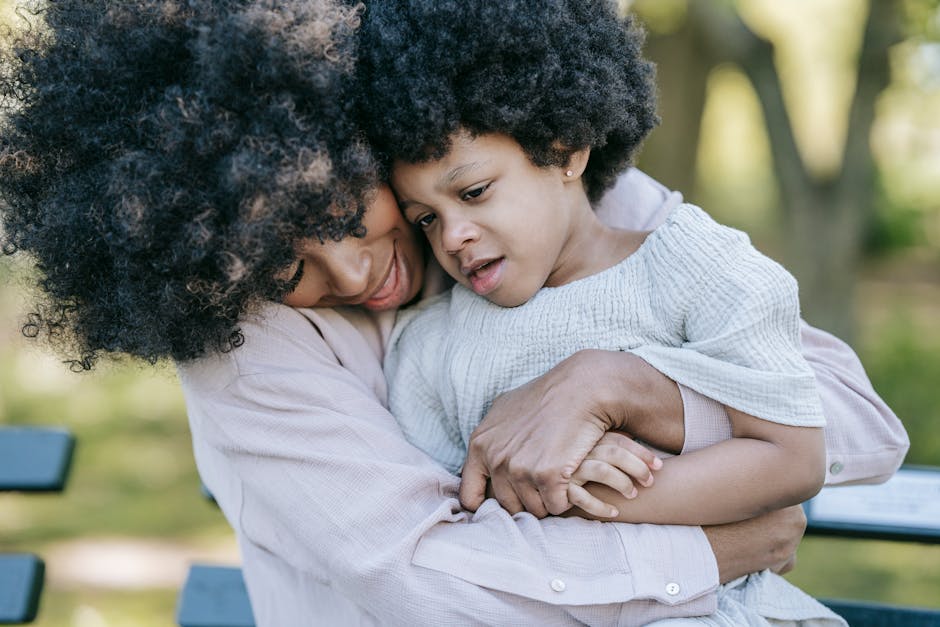
    child crying at school gate, parent comforting child separation anxiety

    What Exactly Is Separation Anxiety — And When Does It Become a Concern?

    Separation anxiety disorder (SAD) is defined by the DSM-5 as excessive fear or anxiety concerning separation from attachment figures, and it’s actually the most common anxiety disorder in children under 12. According to the American Academy of Pediatrics (AAP), roughly 4–5% of children aged 7–11 meet the clinical criteria for SAD, while a much broader range — estimated at up to 25–50% of preschool-aged children — experience some level of separation distress that falls within the normal developmental spectrum.

    In 2026, child psychologists are increasingly noting a post-pandemic ripple effect. Children who spent formative early years with reduced social exposure between 2020 and 2022 are now presenting with heightened attachment sensitivity even at older ages than previously typical. A 2025 longitudinal study published in Child Development found that children aged 8–10 in post-pandemic cohorts showed 22% higher rates of separation-related distress compared to pre-pandemic baselines. That context matters when we talk about strategy.

    The Brain Behind the Tears: What’s Actually Happening

    When a child experiences separation anxiety, their amygdala — the brain’s emotional alarm system — fires intensely. The prefrontal cortex, which handles rational thought and emotional regulation, is still very much under construction until the mid-20s. So when your child screams “Don’t leave me!”, they’re not being manipulative. Their nervous system is genuinely in distress. That biological reality should shape how we respond.

    Proven Strategies That Actually Work in 2026

    Let’s move beyond the generic “just be consistent” advice and get into what the current research actually supports:

    • Predictable goodbye rituals: Children thrive on predictability. A consistent, brief goodbye ritual — a special handshake, a whispered phrase, a quick hug — signals safety. Research from the University of Washington (2024) confirmed that ritualized farewells reduced cortisol spikes in preschoolers by up to 30% compared to abrupt departures.
    • Transition objects: Allow your child to carry a small comfort item — a photo, a keychain, a small stuffed animal. This isn’t “babying” them; it’s providing a tangible anchor to the secure attachment relationship when you’re not present.
    • Graduated exposure (the gradual approach): Rather than cold-turkey separation, work with teachers or caregivers to slowly increase time apart. Start with 10-minute separations, build to 30, then a full morning. This mirrors the systematic desensitization technique used in cognitive behavioral therapy (CBT).
    • Validate, then redirect: Acknowledge the feeling first (“I know you miss me, and that’s okay”) before redirecting to something engaging. Dismissing the emotion (“You’re fine! Stop crying!”) tends to amplify it.
    • Avoid sneaking away: As tempting as it is to quietly slip out while your child is distracted, studies consistently show this increases long-term anxiety. Trust is the foundation here.
    • Build “brave moments” at home: Practice small separations in low-stakes environments. Can they play in another room for 10 minutes while you cook? Small wins build confidence over time.
    • Check your own anxiety: Parents with higher separation anxiety themselves tend to unconsciously transmit that stress. Your body language, tone, and hesitation at drop-off are all being read by your very perceptive little person.

    What Schools and International Programs Are Doing Right

    In Scandinavia — particularly in Denmark and Sweden — early childhood education frameworks have long incorporated “attachment-informed transitions”, where new students spend the first 1–2 weeks with a parent present in the classroom for gradually decreasing durations. The results? A 2023 Nordic Early Childhood Research report found significantly lower rates of persistent school refusal in children who went through these transition programs.

    Japan’s approach is equally interesting. Many Japanese preschools use the concept of amae (甘え) — a culturally embraced form of dependency and indulgence — as a developmental tool rather than something to be immediately corrected. Children are allowed to lean into attachment before independence is gently encouraged. This contrasts sharply with some Western frameworks that push early autonomy, and Japanese longitudinal data shows lower rates of anxiety disorders in middle childhood.

    In South Korea (한국), where the topic of 아동 분리불안 (childhood separation anxiety) has gained significant clinical attention post-2022, child therapy centers now routinely pair play therapy with parent coaching sessions. The idea is that the child can’t really progress in isolation — the whole attachment system needs support.
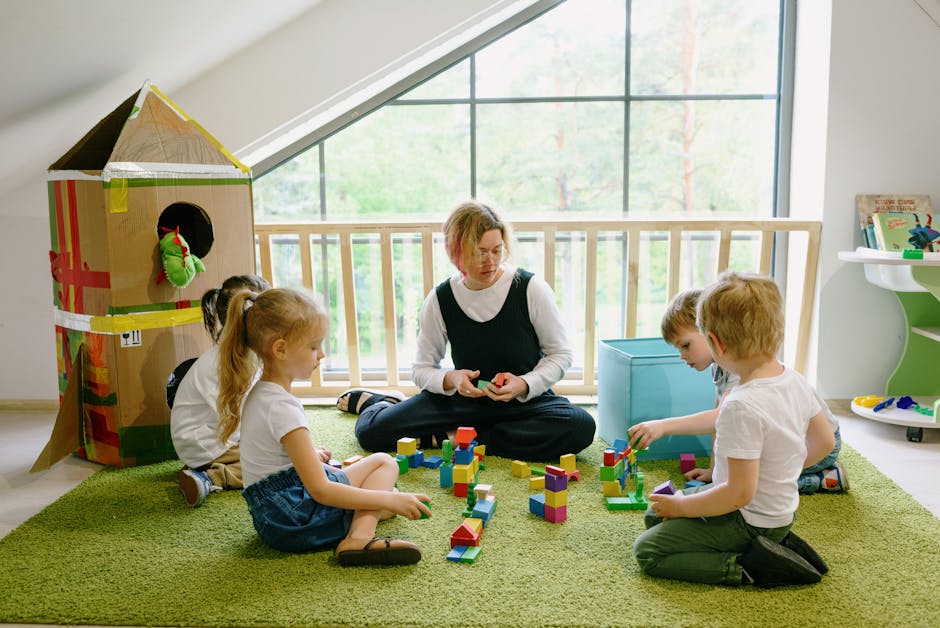
    parent child play therapy session warm lighting, school transition program children classroom

    When to Seek Professional Help

    Most separation anxiety resolves with patience, consistency, and the strategies above. But sometimes it persists or intensifies. Here are signs it’s time to loop in a professional:

    • Anxiety has lasted more than 4 weeks without improvement
    • Your child is refusing school entirely (school refusal/avoidance)
    • Physical symptoms appear regularly — stomachaches, headaches, nausea — with no medical cause
    • Sleep is severely disrupted (nightmares, refusal to sleep alone beyond typical age)
    • The anxiety is affecting your ability to work or function

    A licensed child psychologist or pediatric therapist can provide Cognitive Behavioral Therapy (CBT) — currently the gold standard treatment for childhood anxiety disorders, with a success rate of approximately 60–80% according to the Anxiety and Depression Association of America (ADAA). In some cases, a short-term consultation with a developmental pediatrician may also be helpful to rule out any co-occurring conditions like ADHD or sensory processing differences.

    Realistic Alternatives for Different Family Situations

    Not every family has access to the same resources, and that’s real life. Here’s how to adapt based on your situation:

    • If therapy isn’t immediately accessible: Look into community mental health centers, school counselors, or telehealth platforms — many in 2026 now offer sliding-scale pediatric anxiety programs. Apps like Calmly Kids and GoZen! can supplement home strategies.
    • If you’re a single parent with no backup at drop-off: Enlist a teacher as a “transition partner” — someone your child builds a relationship with specifically to ease handoffs. Familiarity is everything.
    • If your child’s anxiety is school-specific: Dig into why — is it a social issue, a learning challenge, a specific fear about the environment? The solution for a child anxious about lunchroom noise is very different from one worried about friendships.
    • If you’re dealing with this during a family transition (divorce, move, new sibling): Acknowledge openly that change is happening. Kids often feel more anxious when they sense adults are hiding something. Age-appropriate honesty reduces catastrophizing.

    The journey through separation anxiety is rarely a straight line. There will be good weeks and rough ones. What matters most is building the kind of secure, communicative relationship where your child knows — deep in their nervous system — that you always come back. That trust is the real antidote.

    Editor’s Comment : What strikes me most after diving into all of this research is how much separation anxiety is really a relationship story, not just a behavioral problem to fix. The children who struggle the most are often also the ones who love the most fiercely — and there’s something beautifully human about that. Be patient with your child, yes. But also be patient with yourself. You’re not failing when drop-off is hard. You’re raising someone who is deeply attached to you, and that started with something you did very, very right.


    📚 관련된 다른 글도 읽어 보세요

    태그: [‘childhood separation anxiety’, ‘separation anxiety disorder children’, ‘how to overcome separation anxiety 2026’, ‘school separation anxiety tips’, ‘child anxiety strategies’, ‘parenting anxiety solutions’, ‘child development 2026’]
  • 아동 분리불안 극복 방법 2026 – 아이의 눈물 뒤에 숨겨진 신호를 읽는 법

    어린이집 등원 시간마다 문 앞에서 30분씩 울음을 터뜨리는 다섯 살 지호. 엄마가 잠깐 화장실을 다녀와도 현관 앞에서 목 놓아 우는 아이를 보며, 부모는 ‘내가 뭘 잘못한 걸까’ 자책하기 쉽습니다. 하지만 이런 장면, 생각보다 훨씬 많은 가정에서 매일 반복되고 있어요. 분리불안은 아이의 나약함이 아니라, 오히려 건강한 애착이 형성되었다는 신호일 수 있거든요. 문제는 그 불안이 일상을 심각하게 방해하는 수준이 되었을 때입니다. 오늘은 2026년 현재 국내외에서 주목받는 연구와 사례를 바탕으로, 아동 분리불안을 현실적으로 극복하는 방법을 함께 살펴볼게요.

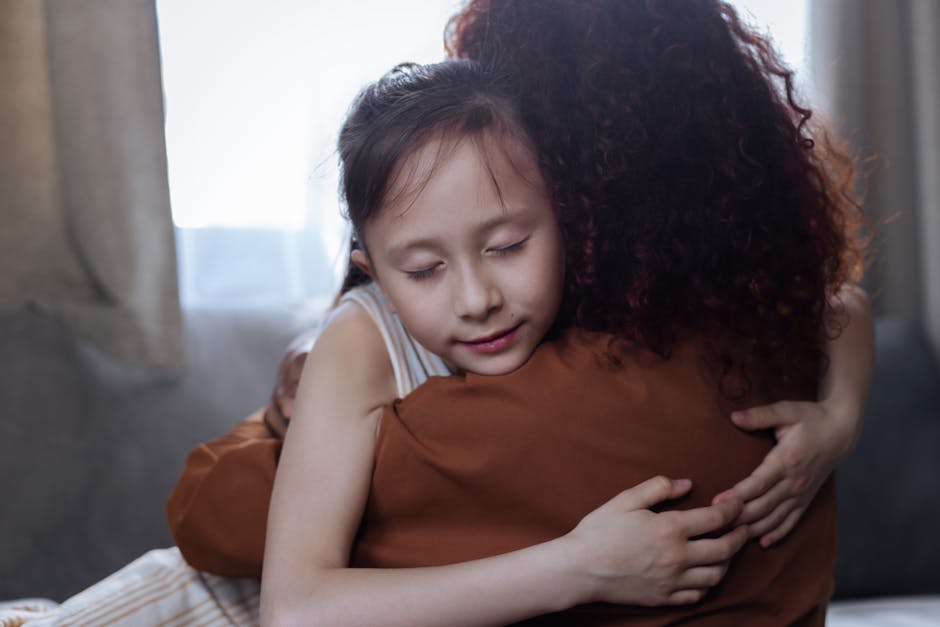
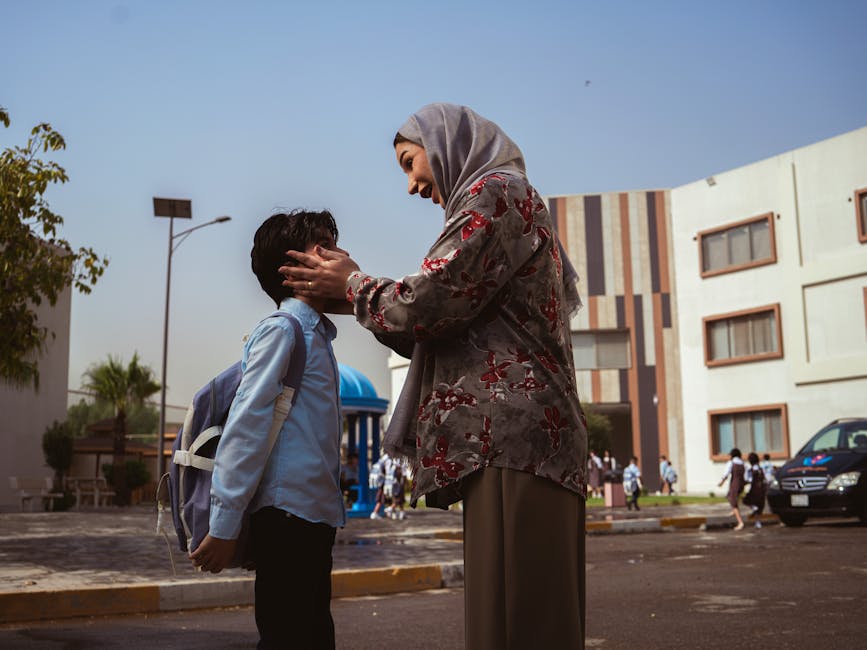
    child separation anxiety mother hug morning school

    📊 분리불안, 숫자로 들여다보면

    세계보건기구(WHO)의 2025년 아동 정신건강 보고서에 따르면, 전 세계 만 3~8세 아동의 약 15~20%가 임상적으로 유의미한 수준의 분리불안을 경험하는 것으로 나타났습니다. 국내 상황도 크게 다르지 않아요. 육아정책연구소가 2025년 하반기 발표한 조사에서는, 만 4~7세 자녀를 둔 부모의 약 41%가 “등원·등교 거부나 심한 분리 울음으로 일상에 지장을 받은 적 있다”고 응답했습니다.

    더 주목할 만한 수치는 치료 개입 시기입니다. 분리불안을 방치했을 때 초등학교 3학년 이후까지 이어지는 비율은 약 35%에 달하지만, 만 5~6세에 적절한 행동 중재를 시작한 그룹은 12개월 내 증상 완화율이 78%에 달한다는 연구 결과(Journal of Child Psychology and Psychiatry, 2025)도 있어요. 즉, 빠른 인식과 개입이 핵심이라고 봅니다.

    🌍 국내외 사례에서 배우는 접근법

    핀란드의 ‘부드러운 이별 루틴(Gentle Goodbye Routine)’ 프로그램은 2023년부터 헬싱키 공립 유치원 전체에 도입된 방식이에요. 핵심은 간단합니다. 부모가 아이를 맡기고 떠날 때 절대 몰래 사라지지 않는 것, 그리고 이별 인사를 2분 이내로 짧고 일관되게 마무리하는 것이죠. 핀란드 연구팀에 따르면, 이 루틴을 6주간 지속한 그룹에서 등원 거부 행동이 62% 감소했다고 합니다.

    국내에서는 서울시 육아종합지원센터가 2025년부터 운영 중인 ‘마음잇기 부모-아동 상호작용 프로그램’이 주목받고 있어요. 이 프로그램은 부모와 아이가 함께 역할극을 하며 분리 상황을 미리 연습하는 방식인데, 참여 가정의 약 70%가 3개월 후 분리불안 지수(Separation Anxiety Assessment Scale 기준)가 유의미하게 낮아졌다고 보고했습니다.

    child playing pretend goodbye game parent home

    ✅ 집에서 바로 실천할 수 있는 분리불안 극복 전략

    • 예측 가능한 루틴 만들기: 아이는 ‘다음에 무슨 일이 일어날지 모른다’는 불확실성에서 불안을 느껴요. 매일 같은 순서로 준비하고, 같은 방식으로 인사하는 루틴은 아이에게 세상이 안전하다는 신호를 줍니다.
    • 짧고 명확한 이별 인사: 오래 달래려 할수록 아이의 불안은 커질 수 있어요. “엄마는 3시에 올 거야, 사랑해!” 처럼 구체적인 귀환 시간과 따뜻한 확신을 전달하고 단호하게 떠나는 것이 중요하다고 봅니다.
    • 전환 물건(Transitional Object) 활용: 좋아하는 인형이나 부모의 손수건처럼 정서적 연결을 상징하는 물건을 아이가 지니게 해주세요. 발달심리학에서는 이를 ‘중간 대상(transitional object)’이라 부르며, 불안 완충 효과가 검증되어 있습니다.
    • 분리 상황 역할극(Role Play): 장난감 인형이나 인형극으로 ‘엄마가 나갔다가 돌아오는’ 상황을 반복해서 놀이로 경험시켜 주세요. 놀이 안에서 먼저 안전하게 연습하면 실제 상황에서의 공포가 줄어드는 경향이 있어요.
    • 감정 언어 가르치기: “네가 슬프고 무서운 거 엄마도 알아”처럼 아이의 감정을 명명해 주는 것이 중요해요. 감정에 이름이 붙으면 아이는 그 감정을 조절하기 시작할 수 있거든요.
    • 점진적 분리 연습(Gradual Exposure): 한 번에 오래 떨어지려 하기보다, 5분 → 15분 → 30분처럼 단계적으로 분리 시간을 늘려가는 방식이 인지행동치료(CBT) 기반으로 가장 효과적이라 알려져 있습니다.
    • 부모 자신의 불안 관리: 아이의 분리불안이 심할 때, 부모도 함께 불안해지는 경우가 많아요. 연구에 따르면 부모의 불안 수준이 높을수록 아이의 분리불안도 악화되는 경향이 있습니다. 부모 자신의 정서 조절도 치료의 일부라고 봐야 해요.

    🏥 언제 전문가의 도움을 받아야 할까요?

    가정에서의 노력만으로 충분하지 않은 경우도 분명 있습니다. 아래 상황이 4주 이상 지속된다면 소아청소년 정신건강의학과나 심리상담 전문가와 상담해 보시길 권해드려요.

    • 등원·등교를 완전히 거부하거나 신체 증상(복통, 두통, 구토)이 반복되는 경우
    • 부모가 방 안에 있어도 혼자 놀지 못하는 경우
    • 밤마다 악몽을 꾸거나 혼자 잠들지 못하는 경우
    • 형제자매나 또래와의 상호작용에도 현저한 위축이 나타나는 경우

    2026년 현재 국내 주요 아동 정신건강 클리닉에서는 놀이치료아동 인지행동치료(CBT)를 병행하는 접근이 표준처럼 자리 잡아 가고 있어요. 건강보험심사평가원 기준으로 일부 치료 프로그램은 건강보험 적용이 가능하니 비용 부담 전에 먼저 확인해 보시는 게 좋을 것 같습니다.


    에디터 코멘트 : 분리불안 앞에서 부모가 가장 먼저 해야 할 일은, 아이를 ‘고쳐야 할 문제’로 보는 시선을 내려놓는 것이라고 생각해요. 아이가 엄마 아빠를 그리워하는 건, 그만큼 깊이 사랑받고 있다는 증거니까요. 다만 그 불안이 아이의 하루를 잠식할 때, 우리는 조금 더 용기 있게 개입해야 합니다. 오늘 소개한 방법들이 모든 아이에게 똑같이 적용되지는 않겠지만, 아이를 가장 잘 아는 건 결국 부모님이에요. 작은 변화 하나를 먼저 시도해 보시고, 그 반응을 천천히 살펴보시길 바랍니다. 혼자 감당하기 버거울 땐, 전문가의 손을 빌리는 것도 충분히 현명한 선택입니다. 💛


    📚 관련된 다른 글도 읽어 보세요

    태그: [‘아동분리불안’, ‘분리불안극복방법’, ‘육아고민’, ‘분리불안아이’, ‘어린이집등원거부’, ‘아동심리’, ‘2026육아정보’]

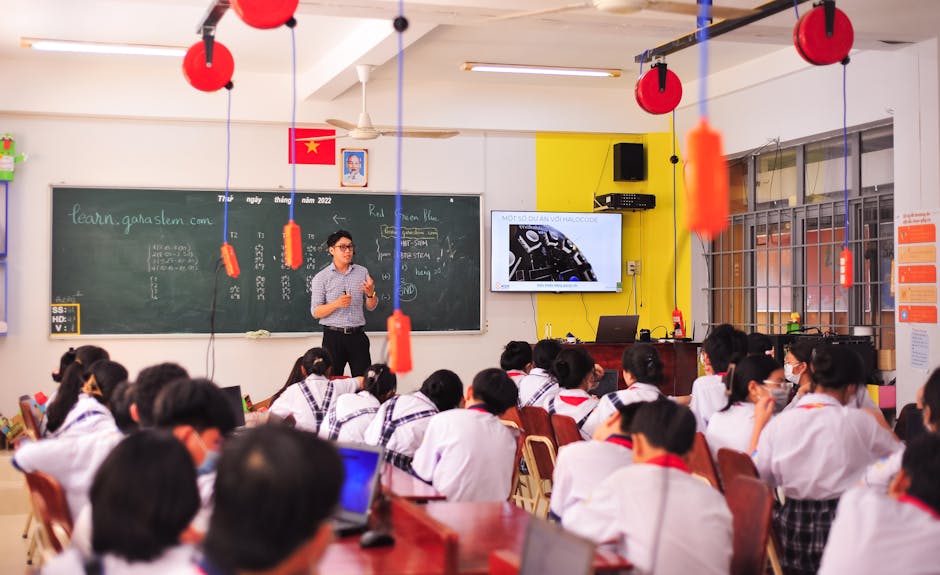
  • The Evolving Role of Teachers in the AI Era: What the Classroom Looks Like in 2026 and Beyond

    Picture this: It’s a Tuesday morning in Seoul, and a middle school teacher named Ms. Park isn’t standing at the whiteboard explaining quadratic equations. Instead, she’s walking between students who are each working through a personalized AI-generated problem set — one tailored exactly to their current skill gaps. Her job today? To notice that one student in the corner looks frustrated not because of math, but because something happened at home. That’s something no algorithm can catch.

    This scene isn’t futuristic fiction — it’s happening in classrooms right now in 2026, and it’s raising one of the most important questions in education: If AI can teach content better and faster than humans, what exactly is the teacher’s job now? Let’s think through this together, because the answer is both more nuanced and more hopeful than the headlines suggest.

    teacher AI classroom technology students 2026

    📊 The Numbers Tell a Complicated Story

    Let’s ground this in data first. According to the OECD’s 2025 Education at a Glance report, over 67% of schools in high-income countries had integrated some form of AI-assisted learning tools into their curriculum by the end of 2025. In South Korea, the Ministry of Education’s AI Digital Textbook rollout — which began in earnest in 2025 — reached approximately 40% of elementary and middle schools by early 2026, with full deployment targeted for 2027.

    Meanwhile, a McKinsey Global Institute analysis from late 2025 estimated that roughly 20–30% of traditional teaching tasks — including content delivery, basic quiz grading, and progress tracking — are now automatable with current AI tools. That sounds alarming on the surface. But here’s the logical flip side: the tasks that remain are precisely the ones that define exceptional teaching.

    🔄 From “Sage on the Stage” to “Architect of Experience”

    The old model of teaching — stand up front, deliver information, test recall — was already under pressure before AI arrived. What AI has done is accelerate the inevitable. Let’s break down how the role is actually shifting:

    • Content Delivery → Learning Design: Teachers are increasingly becoming curriculum architects who design meaningful learning journeys, choosing when and how AI tools support versus when human interaction is essential.
    • Assessment → Mentorship: With AI handling formative assessments in real-time, teachers can redirect their energy toward deeper one-on-one mentoring conversations about growth mindset, career paths, and personal development.
    • Classroom Manager → Emotional Intelligence Specialist: Social-emotional learning (SEL) has surged in importance. A 2025 Harvard Graduate School of Education study found that teacher-student relational quality is now the single strongest predictor of long-term student outcomes — more so than test scores.
    • Solo Instructor → Tech Collaborator: Today’s teachers need to know how to critically evaluate AI output, flag biases in algorithmic recommendations, and teach students to do the same. That’s a sophisticated new skill set.
    • Information Gatekeeper → Critical Thinking Coach: In a world drowning in AI-generated content, the teacher’s role in modeling how to question, verify, and synthesize information has never been more vital.

    🌍 What’s Actually Happening in Classrooms Around the World

    Let’s look at some real examples, because theory only gets us so far.

    Finland (2026 pilot): Several Helsinki schools are running a “Teacher as Coach” model where AI platforms handle 60% of direct instruction time. Teachers use the freed-up hours for what Finnish educators call kohtaaminen — meaningful human encounters. Early results show improved student wellbeing scores and sustained academic performance.

    South Korea: The AI Digital Textbook initiative has been a fascinating case study. Early feedback from the 2025 pilot schools revealed something unexpected — teachers initially felt deskilled, as if the AI was replacing their expertise. But schools that invested in professional development to help teachers interpret AI data and build on it saw teacher satisfaction recover significantly. The lesson? Technology without teacher training is a recipe for anxiety, not progress.

    United States (Arizona & Georgia): Several charter school networks have introduced “micro-credentialing” for teachers in AI literacy — short, competency-based certifications in areas like prompt engineering for education, AI ethics facilitation, and data-driven differentiation. These are becoming increasingly sought-after qualifications in 2026 hiring cycles.

    India (Andhra Pradesh): With a teacher shortage affecting millions of students, AI tutoring platforms like BYJU’s next-gen tools are supplementing instruction in under-resourced schools. Here, AI isn’t replacing teachers — it’s filling a gap where teachers simply don’t exist in sufficient numbers. It’s a powerful reminder that the AI-teacher dynamic looks very different depending on context.

    global education AI teacher role transformation school

    ⚠️ The Real Risks We Shouldn’t Ignore

    Being realistic means acknowledging the downsides too. There are legitimate concerns worth examining:

    • Digital equity gaps: Schools with better infrastructure benefit more from AI tools, potentially widening existing inequalities between urban/wealthy and rural/low-income districts.
    • Over-reliance on algorithmic assessment: AI can optimize for measurable outcomes while missing what’s truly important — creativity, resilience, ethical reasoning.
    • Teacher burnout through role ambiguity: Many teachers in 2026 report feeling caught between two worlds — expected to be both tech-savvy AI curators AND deeply empathetic human mentors. Without institutional support, that’s an exhausting place to be.
    • Data privacy: AI learning platforms collect enormous amounts of behavioral and academic data on minors. Governance frameworks are still catching up.

    🛠️ Realistic Alternatives: What Can Teachers (and Schools) Actually Do?

    Rather than waiting for top-down policy changes, here are practical, grounded approaches for educators navigating this transition in 2026:

    • Start with one AI tool, not ten: Pick one platform (like Khan Academy’s Khanmigo, or a localized equivalent) and master it deeply before expanding. Breadth without depth creates confusion.
    • Reframe your value proposition: Keep a “human touch journal” — document moments in your week where your presence, intuition, or relationship made a difference that no AI could. This builds professional confidence and clarity.
    • Join a peer learning community: Teacher networks focused on AI pedagogy are growing rapidly. Organizations like ISTE (International Society for Technology in Education) and local educator guilds are hosting regular workshops specifically on human-AI co-teaching models.
    • Advocate for protected non-AI time: Push for intentional curriculum spaces — discussions, debates, collaborative projects — that are explicitly designed to be AI-free. Students need those spaces to develop unassisted judgment.
    • Get comfortable with discomfort: The transition is genuinely hard. Seeking coaching or counseling support isn’t a sign of weakness — it’s a sign of professionalism in a field undergoing rapid transformation.

    The bottom line? The teachers who will thrive in 2026 and beyond aren’t those who resist AI or uncritically embrace it — they’re the ones who develop a clear, confident sense of what only they can offer. And that, it turns out, is quite a lot.

    Editor’s Comment : What strikes me most when researching this topic is how the conversation has shifted. Two years ago, the dominant question was “Will AI replace teachers?” In 2026, the more sophisticated question being asked in schools, policy rooms, and faculty lounges is: “How do we redesign the teaching profession so that AI handles the transactional parts, and humans double down on the transformational ones?” That reframing feels not just more accurate — it feels more hopeful. Teachers aren’t becoming obsolete. They’re becoming something more specific, more intentional, and honestly, more important than ever. The classroom of the future needs both brilliant algorithms and brilliantly human educators. Let’s make sure we’re building systems that value both.


    📚 관련된 다른 글도 읽어 보세요

    태그: [‘AI in Education 2026’, ‘Teacher Role Transformation’, ‘Future of Teaching’, ‘EdTech Trends’, ‘AI Digital Classroom’, ‘Education Innovation’, ‘Human-AI Collaboration in Schools’]

  • AI 시대 교사 역할 변화 전망 2026: 가르치는 사람에서 ‘학습 설계자’로

    얼마 전, 한 중학교 교사가 SNS에 올린 글이 화제가 됐어요. 수업 중 학생이 챗GPT로 작성한 에세이를 제출했는데, 내용 자체는 완벽했지만 정작 그 학생은 주제의 맥락을 전혀 이해하지 못하고 있었다는 이야기였죠. 선생님은 이렇게 물었대요. “그럼 나는 이제 무엇을 가르쳐야 하나요?”

    이 질문 하나가 사실 2026년 교육 현장이 맞닥뜨린 가장 핵심적인 고민이라고 봅니다. AI가 지식 전달을 대신할 수 있다면, 교사의 역할은 어디서 다시 시작되어야 할까요? 함께 짚어볼게요.

    AI teacher classroom future education technology

    📊 숫자로 보는 교육 현장의 변화

    먼저 몇 가지 수치를 살펴보면 흐름이 조금 더 선명해져요.

    • UNESCO의 2025년 글로벌 교육 보고서에 따르면, 전 세계 초·중등 교육기관의 약 61%가 이미 AI 기반 학습 도구를 정규 수업에 도입한 것으로 나타났어요.
    • 국내 교육부가 2025년 말 발표한 ‘디지털 교육 전환 실태 조사’에서는 교사의 74%가 “AI 도구가 행정·평가 업무를 줄여줬다”고 응답했지만, 동시에 68%는 “학생과의 정서적 연결이 더 중요해졌다”고 느끼고 있었죠.
    • McKinsey & Company의 2025년 미래 직업 분석 보고서는 교사 직군의 자동화 대체 가능성을 약 8%로 분류했어요. 의사(약 29%), 회계사(약 47%)에 비해 현저히 낮은 수치예요. 이유는 단 하나, ‘인간 관계 기반의 상호작용’은 아직 AI가 복제하기 어렵기 때문이라고 봅니다.

    수치가 말하는 방향은 분명해요. AI는 교사를 대체하는 게 아니라, 교사가 ‘무엇에 집중해야 하는지’를 더 선명하게 드러내고 있는 것 같습니다.

    🌍 국내외 사례: 이미 변하고 있는 교실

    핀란드의 ‘교사 코치 모델’은 가장 자주 인용되는 사례예요. 핀란드 헬싱키 시내 공립학교들은 2024년부터 AI 튜터링 시스템 ‘Lumos’를 도입해 개별 학생의 학습 속도와 약점을 실시간으로 분석하고 있어요. 교사는 그 데이터를 바탕으로 학생 개개인과 1:1 피드백 세션을 설계하는 역할로 전환됐죠. 지식 전달자에서 ‘학습 경험 설계자(Learning Experience Designer)’로 포지셔닝이 바뀐 거예요.

    국내에서는 경기도교육청이 2025년부터 시범 운영 중인 ‘AI 보조교사 시스템’이 주목받고 있어요. 수학, 영어 등 기초 교과에서 AI가 개념 설명과 반복 훈련을 맡고, 교사는 그 결과를 해석해 심화 토론과 프로젝트 학습을 이끄는 구조예요. 참여 교사들의 반응은 흥미롭게도 “수업 준비 시간은 줄었지만, 학생을 관찰하는 시간은 오히려 늘었다”는 쪽으로 모였다고 해요.

    Korean teacher student collaboration AI learning design

    🔄 교사 역할, 어떻게 재정의되고 있나

    전문가들이 공통적으로 언급하는 2026년 이후 교사의 핵심 역할 변화를 정리해 보면 이렇게 볼 수 있어요.

    • 큐레이터(Curator): 넘쳐나는 AI 생성 콘텐츠 중 신뢰할 수 있는 정보를 선별하고 맥락을 제공하는 역할.
    • 멘토(Mentor): 학습 동기, 실패 극복, 자기효능감 회복 등 정서적 지원. AI가 가장 취약한 영역이에요.
    • 비판적 사고 촉진자(Critical Thinking Facilitator): AI가 제시한 답이 ‘왜’ 옳은지, 혹은 ‘왜’ 틀렸는지를 함께 따져보게 만드는 역할.
    • 윤리 가이드(Ethics Guide): AI 생성물의 편향성, 저작권, 정보 조작 가능성 등을 학생 스스로 인식하도록 안내하는 역할.
    • 협업 조율자(Collaboration Facilitator): 팀 프로젝트나 문제 해결 학습에서 학생 간 상호작용을 설계하고 촉진하는 역할.

    💡 현실적인 과제: 교사도 ‘학습자’가 되어야 한다

    물론 모든 전환이 순탄한 건 아니에요. 디지털 리터러시 격차가 아직 크고, AI 도구 활용 역량이 교사에 따라 편차가 크다는 점은 풀어야 할 숙제입니다. 국내 한국교육개발원(KEDI)의 2025년 조사에서 교사의 43%는 AI 관련 연수가 “형식적이거나 실효성이 낮다”고 평가했어요. 도구는 주어졌는데 쓰는 법을 제대로 배우지 못한 상황인 거죠.

    결국 가장 현실적인 대안은 두 가지 방향으로 수렴하는 것 같아요. 첫째, 교사 스스로가 지속적인 학습자(Lifelong Learner)가 되는 것. 둘째, 학교와 교육 당국이 실질적인 AI 활용 교육 시스템을 마련하는 것. 이 두 가지가 맞물릴 때 비로소 ‘AI와 함께하는 교사’가 가능해진다고 봅니다.


    에디터 코멘트 : AI가 교사를 대체한다는 이야기, 사실 조금 과장된 프레임이라고 생각해요. 오히려 AI는 교사가 그동안 하고 싶었지만 시간이 없어서 못 했던 일들, 즉 학생 한 명 한 명을 깊이 들여다보고, 왜 이 내용을 배워야 하는지 함께 고민하는 일을 할 수 있도록 공간을 만들어 주는 것 같거든요. 그래서 2026년 교사의 가장 중요한 역량은 ‘AI를 잘 쓰는 것’이 아니라, ‘AI가 줄 수 없는 것을 줄 수 있는 사람이 되는 것’이 아닐까요. 결국 교육의 본질은 지식이 아니라 사람이니까요.


    📚 관련된 다른 글도 읽어 보세요

    태그: [‘AI시대교사역할’, ‘교사역할변화’, ‘AI교육2026’, ‘미래교육전망’, ‘에듀테크’, ‘학습설계자’, ‘디지털교육전환’]

  • How to Handle Anxiety Behaviors in Children: A Practical Guide for Parents in 2026

    Picture this: your seven-year-old suddenly refuses to go to school, clings to your leg every morning, and wakes up crying at 2 a.m. three nights in a row. You’ve checked for fever, asked about bullying, and even rearranged the bedroom — but nothing seems to work. Sound familiar? You’re not alone, and more importantly, you’re not failing as a parent. What you’re witnessing is likely a form of childhood anxiety behavior, and understanding it is the first step to genuinely helping your child.

    Let’s think through this together — what’s actually going on inside a child’s mind when anxiety takes the wheel, and what can we realistically do about it?

    child anxiety parent support comfort home

    What the Data Is Telling Us in 2026

    Childhood anxiety isn’t a new phenomenon, but its prevalence has shifted dramatically over the past decade. According to the World Health Organization’s 2026 Child Mental Health Report, approximately 1 in 5 children globally between the ages of 5 and 12 exhibit clinically significant anxiety symptoms at some point during their development. In South Korea, the National Mental Health Survey (국가정신건강현황보고서) indicates that anxiety-related complaints among children aged 6–12 have increased by 34% since 2020, a trend accelerated by post-pandemic social disruption and increased screen exposure.

    Here’s what makes childhood anxiety particularly tricky: it rarely shows up as what we’d call “classic worry.” Instead, it disguises itself as:

    • Somatic complaints — stomachaches, headaches, or nausea with no medical cause
    • Avoidance behaviors — refusing school, social events, or new activities
    • Irritability and aggression — anger outbursts that seem disproportionate to the trigger
    • Sleep disturbances — nightmares, difficulty falling asleep, or frequent nighttime waking
    • Clinginess and separation distress — intense fear when separated from a primary caregiver
    • Perfectionism and reassurance-seeking — constantly asking “Am I doing it right?” or refusing tasks they might fail
    • Regression — reverting to younger behaviors like thumb-sucking or bedwetting

    Recognizing these signals early is crucial. Untreated childhood anxiety has been linked to long-term outcomes including adolescent depression, academic underperformance, and social withdrawal — but here’s the reassuring part: early, consistent intervention is highly effective.

    The Brain Science Behind It (In Plain Language)

    A child’s prefrontal cortex — the part of the brain responsible for rational thinking and emotional regulation — isn’t fully developed until the mid-20s. This means when a child’s amygdala (the brain’s alarm system) fires off a threat signal, there’s very little internal “braking” capacity available. The child isn’t being dramatic or manipulative. Their nervous system is genuinely overwhelmed, and they lack the cognitive tools adults use to self-soothe.

    This is why strategies like “just calm down” or “there’s nothing to be scared of” rarely work — they require a level of self-regulation the child’s brain simply hasn’t built yet.

    Real-World Examples: What’s Working Around the Globe

    Let’s look at how different countries are approaching this challenge in meaningful ways.

    🇩🇰 Denmark — The “Worry Time” Method: Danish elementary schools have integrated a structured concept called bekymringstid (worry time) into daily classroom routines. Children are given a designated 10-minute window each day to verbalize or draw their worries, after which the worry is symbolically “closed” until the next session. Studies from Aarhus University (2025) showed a 28% reduction in anxiety-related school refusals among participating students within one semester.

    🇰🇷 South Korea — School Counselor Expansion: Following the 2023 revision of the Elementary and Secondary Education Act, South Korea mandated at least one licensed counselor per school for institutions with over 300 students. The 2025 follow-up survey by the Korean Educational Development Institute showed that schools with active counseling programs reported 41% fewer incidents of anxiety-driven behavioral issues compared to those without.

    🇦🇺 Australia — The BRAVE Program: Developed by the University of Queensland, BRAVE (Building Resilience and Vitality through Education) is an online CBT-based program designed for children aged 8–17. As of early 2026, it has been adopted by over 1,200 schools across Australia and New Zealand, with documented success rates showing 60% of participating children no longer meeting diagnostic criteria for anxiety disorders after 12 weeks.

    child therapy CBT mindfulness calming techniques

    Practical Coping Strategies You Can Start Today

    Now, let’s get realistic. Not every family has access to school counselors or structured programs. Here’s what parents can do at home — no clinical training required:

    • Name It to Tame It: Help your child label their emotion. “It sounds like your body is feeling scared right now — is that right?” Naming emotions activates the prefrontal cortex and reduces amygdala activity. This is backed by neuroscientist Dr. Dan Siegel’s research on affect labeling.
    • Create Predictable Routines: Anxiety thrives in uncertainty. A consistent daily schedule — same wake time, meal times, bedtime rituals — gives the anxious child’s brain a sense of safety and control.
    • Use the “Worry Jar” Technique: Have your child write or draw their worry on a piece of paper and physically place it in a jar. Tell them the jar is “holding” the worry so they don’t have to. This externalization technique is used in child-centered play therapy and is surprisingly effective for ages 5–10.
    • Practice Box Breathing Together: Inhale for 4 counts, hold for 4, exhale for 4, hold for 4. Do it with your child — making it a shared activity rather than a correction reduces resistance.
    • Validate Before Problem-Solving: Resist the urge to immediately fix the fear. First say: “That sounds really hard. I understand why that feels scary.” Validation is not agreement — it’s emotional attunement, and it’s the foundation of all effective therapeutic relationships.
    • Gradual Exposure, Not Avoidance: If your child fears a situation, help them approach it in small, manageable steps rather than avoiding it entirely. Avoidance reinforces anxiety; gradual approach weakens it over time.
    • Watch Your Own Anxiety: Research consistently shows that parental anxiety is one of the strongest predictors of childhood anxiety. It’s not about blame — it’s about awareness. Modeling calm, regulated behavior is one of the most powerful tools you have.

    When to Seek Professional Help

    Home strategies are powerful, but they have limits. Consider consulting a licensed child psychologist or psychiatrist if:

    • Anxiety behaviors have persisted for more than 4–6 weeks without improvement
    • Your child’s daily functioning — school, friendships, sleep, eating — is significantly impaired
    • There are signs of self-harm, extreme withdrawal, or panic attacks
    • You’re feeling consistently overwhelmed and unsure how to respond

    In South Korea, the 정신건강 위기상담전화 (Mental Health Crisis Counseling Hotline) at 1577-0199 is available 24 hours. Internationally, the Child Mind Institute (childmind.org) offers free multilingual resources and a therapist finder tool.

    A Realistic Alternative Path: You Don’t Need to Be Perfect

    Here’s something the parenting books often gloss over: you don’t have to implement every strategy flawlessly. The goal isn’t a perfectly anxiety-free child — anxiety is a normal, adaptive human emotion. The goal is a child who has enough tools to navigate anxiety without being controlled by it.

    Start with one thing. Maybe it’s the worry jar. Maybe it’s saying “I see you’re scared” instead of “there’s nothing to worry about.” One consistent change, repeated over weeks, creates new neural pathways. That’s not motivational fluff — that’s neuroplasticity.

    And on the days it doesn’t work? That’s data, not failure. You adjust, you try again. That’s exactly the resilient modeling your child needs to see.

    Editor’s Comment : Childhood anxiety is one of those areas where parents often carry enormous guilt that simply doesn’t belong to them. The research is clear: anxious children are not the product of bad parenting — they’re often deeply sensitive, perceptive kids navigating a genuinely complex world. What they need most isn’t a perfect parent; they need a present one. If this post made you feel even slightly more equipped to show up for your child today, that’s a win worth celebrating.


    📚 관련된 다른 글도 읽어 보세요

    태그: [‘childhood anxiety’, ‘child psychology’, ‘anxiety behaviors in children’, ‘parenting tips 2026’, ‘child mental health’, ‘coping strategies for kids’, ‘CBT for children’]

  • 아동 심리 불안 행동 대처법 – 우리 아이가 보내는 신호, 2026년 지금 바로 읽어야 해요

    얼마 전, 한 지인이 이런 말을 했어요. 초등학교 2학년인 딸아이가 학교 가기 전마다 배가 아프다고 한다는 거예요. 병원에 가도 이상이 없다고 하고, 처음엔 꾀병인가 싶었는데 어느 날 아이가 울면서 “학교에서 무서운 꿈을 꿀 것 같아”라고 말하더래요. 그제서야 단순한 신체 증상이 아니라는 걸 직감했다고 했어요. 아이의 심리적 불안이 몸으로 먼저 나타난 거였던 거죠.

    아이의 불안 행동은 어른처럼 “나 지금 불안해”라고 말로 표현되지 않아요. 오히려 행동, 신체 증상, 수면 패턴처럼 전혀 관련 없어 보이는 방식으로 드러나는 경우가 많습니다. 오늘은 아동 심리 불안의 신호를 어떻게 알아채고, 현실적으로 어떻게 대처할 수 있는지 함께 살펴보려 해요.

    child anxiety behavior symptoms parent support

    📊 숫자로 보는 아동 불안 – 생각보다 훨씬 흔한 문제예요

    2026년 현재, 국내 아동·청소년 정신건강 실태를 보면 상황이 결코 가볍지 않다는 걸 알 수 있어요. 보건복지부 및 아동권리보장원의 최근 조사에 따르면, 국내 만 6~12세 아동의 약 15~20%가 임상적으로 의미 있는 수준의 불안 증상을 경험하는 것으로 추정됩니다. 세계보건기구(WHO) 역시 전 세계 아동의 약 7명 중 1명이 정신건강 문제를 겪고 있으며, 그 중 불안장애가 가장 흔한 유형이라고 밝히고 있어요.

    특히 코로나19 이후 사회적 단절과 학습 공백을 경험한 세대가 초등 저학년으로 진입하면서, 2026년 기준 분리불안 및 사회불안 관련 아동 상담 의뢰 건수는 팬데믹 이전 대비 약 30~40% 증가한 수준으로 보고되고 있어요. 단순한 예민함이 아니라, 구조적인 환경 변화가 아이들에게 영향을 주고 있다는 신호라고 봐야 할 것 같습니다.

    🌍 국내외 사례로 보는 아동 불안 대처의 실제

    미국 아동심리학계에서는 이미 오래전부터 CBT(인지행동치료, Cognitive Behavioral Therapy)를 아동 불안 치료의 1차 표준 치료법으로 권고하고 있어요. 특히 ‘쿨키즈(Cool Kids)’라는 호주 개발 프로그램은 7~17세 아동을 대상으로 불안을 스스로 인식하고 재구성하는 법을 가르치는데, 국내 일부 아동정신건강센터에서도 이 프로그램을 도입해 긍정적인 결과를 보고하고 있습니다.

    국내 사례로는, 서울의 한 초등학교에서 시범 운영한 ‘감정 체크인 아침 루틴’이 흥미롭습니다. 등교 후 선생님과 짧게 1:1로 오늘의 기분을 색깔 카드로 표현하는 시간을 갖는 방식인데, 6개월 운영 결과 교사들이 체감하는 아이들의 정서적 안정감이 눈에 띄게 높아졌다는 보고가 있었어요. 거창한 개입이 아니라 작은 루틴 하나가 큰 차이를 만들 수 있다는 걸 보여주는 사례라고 봅니다.

    child therapy emotional regulation calm parenting

    🔍 아이가 보내는 불안 신호, 이렇게 나타나요

    아동의 불안은 나이와 기질에 따라 다르게 표현되지만, 공통적으로 자주 나타나는 패턴들이 있어요. 아래 목록을 참고해서 우리 아이의 행동과 비교해 보시면 도움이 될 것 같아요.

    • 신체화 증상: 특별한 이유 없이 반복되는 복통, 두통, 구역질 등. 병원에서 이상 없다는 결과가 나왔는데도 반복된다면 심리적 원인을 의심해 볼 수 있어요.
    • 회피 행동: 특정 상황(학교, 친구 관계, 발표 등)을 지속적으로 피하려 하거나, 이유 없이 약속을 취소하려는 패턴이 반복될 때.
    • 수면 문제: 잠들기 어려워하거나, 자주 깨거나, 악몽을 자주 꾸는 경우. 혼자 자는 것을 갑자기 거부할 때도 신호일 수 있어요.
    • 분리불안: 부모와 떨어지는 상황에서 극도로 매달리거나 울음을 터뜨리는 행동이 나이에 비해 과하게 나타날 때.
    • 완벽주의 및 과도한 걱정: “실수하면 어떡하지”, “시험 못 보면 어떡하지”처럼 결과에 대한 걱정이 일상을 방해하는 수준일 때.
    • 퇴행 행동: 이미 뗀 손가락 빨기, 야뇨증 재발, 유아적 언어 사용 등 이전 발달 단계로 돌아가는 행동.
    • 짜증·공격성 증가: 불안이 분노로 표출되는 경우도 많아요. “왜 이렇게 예민하게 굴어”가 아니라, 내면의 불안이 밖으로 터져나오는 거라고 이해하는 게 중요합니다.

    💡 부모가 지금 당장 할 수 있는 현실적인 대처법

    전문가 상담이 최선이지만, 일상에서 부모가 먼저 실천할 수 있는 것들도 분명히 있어요. 몇 가지를 함께 정리해 볼게요.

    • 감정에 이름 붙여주기: “많이 무서웠구나”, “그게 걱정됐던 거야?”처럼 아이의 감정을 언어화해주는 것만으로도 아이는 자신의 감정이 이상한 게 아니라는 걸 느껴요.
    • 불안을 없애려 하지 않기: “괜찮아, 아무것도 아니야”는 오히려 역효과예요. 불안을 제거하려 하기보다, 불안한 상황을 함께 견디는 경험이 더 효과적입니다.
    • 예측 가능한 루틴 만들기: 아이의 불안은 종종 ‘무슨 일이 생길지 모른다’는 불확실성에서 비롯돼요. 일정하고 예측 가능한 하루 루틴은 그 자체로 안전감을 주는 환경이 됩니다.
    • 작은 용기에 구체적 칭찬하기: “발표 잘했어”보다 “떨렸는데도 손 들었네, 그게 용감한 거야”처럼 과정에 집중한 칭찬이 자기효능감을 키워요.
    • 전문가 연계 타이밍 놓치지 않기: 증상이 4주 이상 지속되거나, 일상생활(등교, 식사, 수면)에 지장을 준다면 소아청소년 정신건강의학과 또는 지역 정신건강복지센터의 문을 두드려 보는 것이 현명한 선택이라고 봅니다.


    에디터 코멘트 : 아이의 불안 행동을 처음 마주했을 때, 많은 부모님들이 “내가 뭘 잘못한 걸까”라는 죄책감부터 느끼시더라고요. 그런데 아동 불안은 양육 실패의 결과가 아니라, 아이가 지금 자신의 세계를 이해하고 적응하는 과정에서 생기는 자연스러운 신호에 가깝습니다. 중요한 건 그 신호를 무시하지 않고, 너무 크게 겁먹지도 않으면서, 아이 곁에서 함께 통과해 나가는 것이라고 봐요. 완벽한 부모가 아니라 ‘충분히 좋은 부모(good enough parent)’가 되는 것, 그게 아이 심리에는 오히려 더 건강한 환경을 만들어준다는 점도 꼭 기억해 주셨으면 합니다. 💙


    📚 관련된 다른 글도 읽어 보세요

    태그: [‘아동심리’, ‘아동불안’, ‘불안행동대처법’, ‘아이심리불안증상’, ‘육아심리’, ‘소아불안장애’, ‘아동정서발달’]

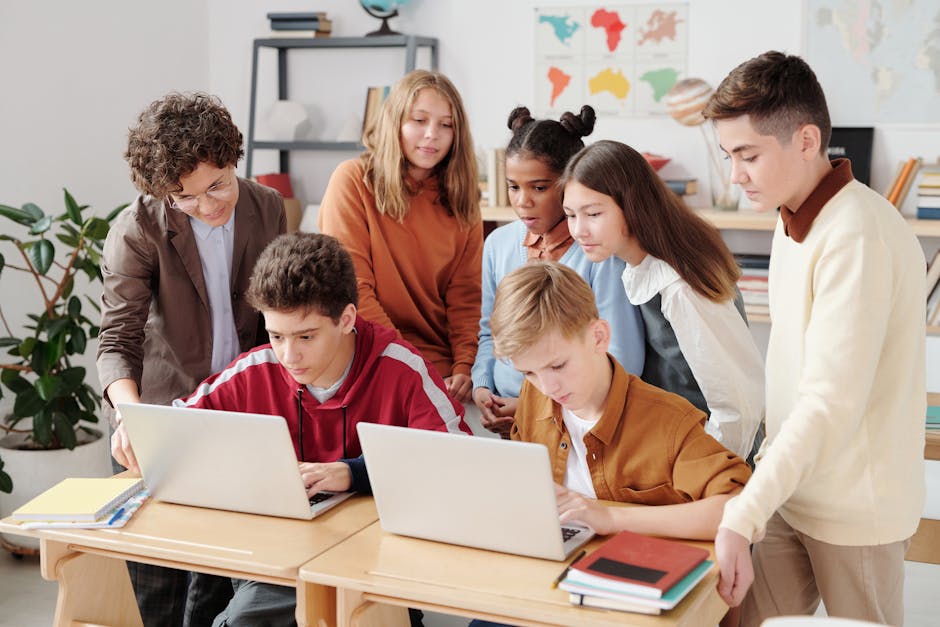
  • The Evolving Role of Teachers in the AI Age (2026): From Knowledge Deliverers to Human Connection Architects

    Picture this: It’s a Tuesday morning in 2026, and a middle school teacher in Seoul walks into her classroom. Her students have already spent 20 minutes before class chatting with an AI tutor that diagnosed their individual learning gaps overnight. The AI has done the heavy lifting — it flagged that three students still struggle with algebraic reasoning, and two others are ready for advanced problem sets. So what exactly does she do now?

    This scene isn’t hypothetical anymore. It’s Tuesday, and it’s happening. And honestly? The question of what teachers are for in the AI age is one of the most fascinating — and urgent — puzzles we need to work through together.

    Let’s think through this carefully, because the answer isn’t as simple as “AI replaces teachers” or “nothing changes.” The reality is far more nuanced, and frankly, more exciting.

    teacher AI classroom technology future education 2026

    📊 What the Data Actually Tells Us About AI in Education

    Before we jump to conclusions, let’s ground ourselves in what’s actually happening. According to OECD’s 2025 Education at a Glance report, approximately 67% of schools across OECD nations had integrated some form of AI-assisted learning tools by late 2025 — a staggering jump from just 23% in 2022. Meanwhile, a McKinsey Global Institute analysis published in early 2026 estimated that roughly 40–45% of traditional teaching tasks — including content delivery, quiz generation, homework grading, and basic progress tracking — are now automatable with existing AI systems.

    But here’s the critical detail most headlines miss: the same report found that teacher-to-student emotional engagement metrics (measured through self-reported student wellbeing surveys) remained strongly correlated with academic outcomes — more so now than five years ago. Why? Because when AI handles the rote work, the remaining human interactions carry more weight, not less.

    Think about it this way: if a nutritionist’s job was mostly writing down calorie counts, and an app now does that automatically, the nutritionist isn’t redundant — they’re freed to do the real work of behavioral coaching, emotional support, and personalized strategy. Teaching is undergoing exactly that kind of shift.

    🔍 Breaking Down What’s Actually Changing (And What Isn’t)

    Let me map this out clearly, because I find a lot of the public discourse bundles together very different kinds of change:

    • Content Delivery: AI adaptive learning platforms like Khan Academy’s Khanmigo, China’s Squirrel AI, and South Korea’s CLOVA Tutor can now deliver personalized micro-lessons at scale. This part of teaching — standing at a board explaining the same concept to 30 students at different levels — is genuinely being disrupted.
    • Assessment & Feedback: Automated grading for essays (yes, even nuanced ones) has improved dramatically. Tools in 2026 can now provide detailed rubric-based feedback on student writing with reasonable accuracy. This used to consume enormous teacher time.
    • Curriculum Design: AI can now suggest lesson sequences based on class-wide performance data. Teachers still make final calls, but the cognitive labor of planning from scratch is significantly reduced.
    • Mentorship & Emotional Support: This remains stubbornly, beautifully human. A student going through a family crisis, a teenager questioning their identity, a struggling learner who needs someone to believe in them — no AI navigates this well, and the research consistently shows it shouldn’t try to be the primary source.
    • Critical Thinking Facilitation: Socratic discussion, debate facilitation, helping students sit with productive confusion — these are skills that require human judgment about group dynamics, emotional temperature, and intellectual readiness in real time.
    • Community Building: Classrooms are social ecosystems. Teachers manage conflict, build belonging, model respectful disagreement. This is deeply relational work.

    🌍 Real-World Examples: What Teachers Are Actually Becoming

    Let’s look at how this is playing out in practice around the world, because theory only gets us so far.

    Finland’s “Teacher as Learning Coach” Model: Finland overhauled its teacher training curriculum in 2024 to explicitly prepare educators as learning process facilitators rather than subject-matter broadcasters. Finnish teachers now spend significantly more classroom time on project-based inquiry, where students pursue open-ended questions with AI tools as research assistants and the teacher circulates as a thinking partner — asking probing questions, identifying when a student is stuck in unproductive confusion versus productive struggle.

    South Korea’s AI-Human Hybrid Classroom: South Korea, which has one of the highest rates of AI adoption in K-12 education globally, launched its national “AI NEIS 3.0” platform in 2025. Interestingly, teachers reported in a 2026 Korean Education Development Institute survey that they were spending 31% more time on one-on-one student conversations than before — time that was previously consumed by grading and lesson prep. The teachers who adapted best described themselves as “diagnosticians” — using AI data to identify exactly which student needed what kind of human intervention.

    Kenya’s Low-Tech, High-Impact Adaptation: Not every context involves cutting-edge tech, and this is important. In Kenya’s rural school districts, where tablet-based AI tutors were introduced through the USAID-partnered EdTech program in 2025, teachers found their role shifting toward what researchers called “bridge building” — helping students connect AI-delivered content to their lived community experiences. Teachers became cultural translators and relevance architects in ways that made learning stick.

    The “Teacher as Ethical Guide” Emergence in the EU: The EU’s AI in Education Framework (updated in March 2026) now requires that schools appoint designated teachers as AI literacy educators — responsible for helping students understand how AI tools work, what their biases might be, and how to think critically about AI-generated information. This is an entirely new professional competency that didn’t exist five years ago.

    teacher mentoring student human connection classroom collaboration

    🤔 The Uncomfortable Questions We Need to Sit With

    I want to be honest here — this transition isn’t purely rosy. There are real tensions worth acknowledging.

    First, there’s the equity problem. If AI tools are primarily available in well-resourced schools, we risk creating a two-tier system where wealthy students get AI-augmented teachers (the best of both worlds) while underfunded schools get under-resourced teachers without AI support. This is a policy challenge, not a technological one, but it’s urgent.

    Second, there’s the teacher identity crisis. Many teachers entered the profession because they love their subject — they’re passionate mathematicians, literature lovers, history enthusiasts. When AI can deliver subject content more efficiently, some teachers report feeling that their core identity is being hollowed out. Reframing the role requires not just new skills training but a genuine philosophical shift about what teaching means.

    Third, there’s the question of what we’re optimizing for. AI tools are excellent at measurable outcomes — test scores, completion rates, skill mastery. But education has always been partly about unmeasurable things: developing curiosity, building character, learning to be a citizen. We need to be careful that the efficiency gains from AI don’t crowd out the harder-to-measure human development work that teachers have always done.

    💡 Realistic Alternatives: How Teachers Can Navigate This Transition

    So if you’re a teacher reading this — or someone who cares about education — what does a practical, grounded response look like? Here are my honest suggestions:

    • Lean into what AI genuinely can’t replicate: Your ability to read a room, notice a student who’s quietly struggling, build trust over months — these are your superpower in 2026. Double down intentionally.
    • Become an AI-literate practitioner, not an AI-resistant one: You don’t need to be a data scientist, but understanding what your school’s AI tools actually measure (and what they miss) makes you a far more effective decision-maker. Ask vendors hard questions.
    • Redesign your lesson time deliberately: If AI handles explanation and basic practice, what will you use that reclaimed time for? Don’t let it get filled with administrative drift. Plan for richer discussion, project work, or deeper individual conferences.
    • Advocate for teacher input in AI tool selection: Too many edtech tools are chosen by administrators without teacher consultation. Push for professional voice in these decisions — you’re the one who knows whether a tool actually serves learning.
    • Connect with a professional learning community: The teachers navigating this best are learning from each other, not just from top-down training. Find your people — locally or through platforms like Edutopia’s 2026 teacher networks.
    • Don’t neglect your own wellbeing: Ironically, if AI is reducing your grading burden, that cognitive space can be quickly refilled with anxiety about relevance. Be intentional about processing this transition — it’s genuinely significant.

    The teachers who will thrive in 2026 and beyond aren’t the ones who resisted AI or the ones who surrendered to it. They’re the ones who developed a clear, confident sense of their unique human value — and used AI to free up time to express it more fully.

    The role isn’t disappearing. It’s being purified, in a way — stripped of its more mechanical elements and left with the parts that were always the heart of it: relationship, inspiration, guidance, and the quiet belief that each student is capable of more than they yet know.

    Editor’s Comment : What strikes me most about this conversation is that we’ve been having a version of it throughout history — the printing press, the calculator, the internet each triggered fears about teacher obsolescence. And each time, the best educators didn’t fight the tool or disappear into it. They found the new frontier of human value that the tool couldn’t reach. In 2026, that frontier is clearer than ever: it lives in the space between two people, in the moment a student feels genuinely understood. No algorithm has gotten there yet. And I suspect that’s where teachers will always live.


    📚 관련된 다른 글도 읽어 보세요

    태그: [‘AI in Education 2026’, ‘Teacher Role Transformation’, ‘Future of Teaching’, ‘EdTech Trends 2026’, ‘AI Classroom Technology’, ‘Education Innovation’, ‘Human-AI Collaboration in Schools’]

  • 인공지능 시대 교사 역할 변화 — 2026년, 선생님은 이제 무엇을 해야 할까?

    얼마 전, 초등학교 5학년 아이를 둔 지인이 이런 말을 했어요. “우리 애가 숙제를 AI한테 물어보더니, 선생님보다 더 잘 설명한다고 하더라고요.” 그 말 한 마디가 오래 머릿속에 맴돌았습니다. 틀린 말이 아니거든요. 2026년 현재, 교실 안에 이미 AI가 들어와 있고, 아이들은 태블릿 하나로 어떤 개념이든 맞춤형으로 설명받을 수 있는 시대에 살고 있습니다. 그렇다면 교사는 이제 어떤 존재여야 할까요? 단순히 ‘지식 전달자’라는 역할은 분명히 흔들리고 있습니다. 하지만 그게 교사의 종말을 의미하는 건 아니라고 봅니다. 오히려 교사의 역할이 더 깊고 인간적인 방향으로 진화하고 있다는 쪽이 더 정확한 표현인 것 같아요.

    AI classroom teacher students technology future education

    📊 수치로 보는 교육 현장의 변화 — 2026년 기준

    숫자를 먼저 살펴보면 변화의 속도가 얼마나 빠른지 실감할 수 있어요.

    • 2026년 기준, 국내 초·중·고 학교의 AI 기반 학습 플랫폼 도입률은 약 68%에 달하는 것으로 추산됩니다. 2023년 대비 두 배 이상 성장한 수치예요.
    • 글로벌 교육 기술 시장 조사 기관 HolonIQ에 따르면, 2026년 에듀테크(EdTech) 시장 규모는 약 4,040억 달러(한화 약 540조 원)에 달할 것으로 전망됩니다.
    • 미국 RAND Corporation의 연구에서는 AI 튜터링 시스템을 활용한 학생 집단이 그렇지 않은 집단 대비 수학 성취도에서 평균 15~20% 향상을 보였다는 결과가 나오기도 했습니다.
    • 반면, 같은 연구에서 정서적 유대감, 자기조절 능력, 비판적 사고력 측면에서는 AI만으로는 유의미한 향상이 나타나지 않았어요. 이 부분이 핵심 포인트입니다.

    결국 AI가 잘하는 건 반복 학습, 즉각 피드백, 개인화 콘텐츠 제공이에요. 반면 교사가 잘해야 하는 건 그 너머의 영역이라는 게 데이터로도 점점 명확해지고 있는 것 같습니다.

    🌍 국내외 사례로 보는 ‘새로운 교사상’

    핀란드의 ‘티처 애즈 코치(Teacher as Coach)’ 모델은 이미 2020년대 초반부터 주목받아 왔는데요, 2026년 현재는 그 모델이 더욱 정착된 모습입니다. 핀란드 교사들은 지식을 주입하는 대신, 학생 스스로 질문을 만들고 탐구하도록 돕는 ‘촉진자(facilitator)’ 역할에 집중해요. AI가 콘텐츠를 제공하면, 교사는 그 콘텐츠를 어떻게 비판적으로 받아들일지를 함께 고민해 주는 거죠.

    국내 사례로는 경기도교육청의 ‘AI 보조교사 프로젝트’를 들 수 있어요. 2025년부터 시범 운영을 시작해 2026년 현재 확대 적용 중인 이 프로젝트에서는, AI가 학생의 학습 데이터를 분석해 교사에게 실시간으로 ‘이 학생은 이 개념에서 막혀 있어요’라는 피드백을 줍니다. 교사는 그 데이터를 바탕으로 개별 학생에게 훨씬 더 정교하고 인간적인 방식으로 접근할 수 있게 되는 거예요. 기술이 교사를 대체하는 게 아니라, 교사의 눈과 귀를 더 밝게 만들어 주는 방식이라고 볼 수 있습니다.

    미국 칸 아카데미의 ‘Khanmigo’ 사례도 흥미롭습니다. AI 튜터가 학생의 문제 풀이 과정을 분석하는 동안, 교사는 그 데이터 리포트를 받아 ‘왜 이 아이가 계속 같은 실수를 반복하는지’에 대한 정서적·인지적 원인을 탐색하는 역할을 맡게 됩니다. 기술과 인간이 역할을 나눠 갖는 구조예요.

    teacher mentor student one-on-one guidance empathy learning

    🔑 2026년 교사에게 요구되는 핵심 역량 변화

    • 러닝 디자이너(Learning Designer): 단순히 교과서를 가르치는 게 아니라, AI 도구를 포함한 다양한 학습 경험을 설계하는 능력이 필요합니다.
    • 데이터 리터러시(Data Literacy): AI가 쏟아내는 학습 데이터를 읽고 해석해 교육적 판단으로 연결할 수 있어야 해요.
    • 정서적 코치(Emotional Coach): 불안, 좌절, 동기 부여 등 AI가 절대 대신할 수 없는 감정적 영역을 다루는 역할이 더욱 중요해집니다.
    • 비판적 사고 촉진자: 학생들이 AI가 제공한 정보를 맹목적으로 수용하지 않도록, ‘이 정보는 왜 맞고 왜 틀릴 수 있는가’를 함께 따져보는 토론을 이끄는 능력이 필요합니다.
    • AI 윤리 교육자: 데이터 편향, 개인정보, 생성형 AI의 한계 등을 학생 눈높이에서 가르치는 역할도 교사의 몫으로 새롭게 자리잡고 있어요.

    💡 현실적 대안 — 교사와 학교는 지금 무엇을 할 수 있을까?

    변화의 방향은 어느 정도 보이지만, 현장에서 체감하는 혼란과 불안도 분명히 존재합니다. 특히 “AI 잘 쓰는 교사가 되어야 한다”는 압박은 있는데, 실제로 어디서부터 시작해야 할지 막막한 선생님들이 많은 것 같아요. 그래서 좀 더 현실적인 접근을 생각해 봤습니다.

    • 작은 실험부터 시작하기: 수업 전체를 바꾸려 하지 않아도 됩니다. 예를 들어, 학생들에게 AI 답변을 먼저 받아보게 한 뒤 ‘이 답에서 틀리거나 부족한 부분 찾기’ 활동만 추가해도 비판적 사고 수업이 됩니다.
    • AI를 조교처럼 활용하기: 채점 보조, 수업 자료 초안 작성, 학생별 맞춤 문제 생성 등에 AI를 쓰고, 절약한 시간을 개별 학생 상담에 투자하는 방식이 현실적이라고 봅니다.
    • 교사 커뮤니티 안에서 공유하기: 혼자 해결하려 하지 말고, 실제로 AI 도구를 써본 동료 교사들의 경험을 나누는 학교 내 소규모 스터디 그룹을 만드는 것도 아주 효과적인 방법입니다.

    에디터 코멘트 : AI가 교사를 대체할 것이라는 공포는 솔직히 말하면 좀 과장된 측면이 있다고 봐요. 아이 한 명이 처음으로 어떤 개념을 이해했을 때 눈빛이 달라지는 순간, 친구와 싸우고 울면서 교무실로 찾아오는 순간, 진로를 고민하며 조용히 던지는 질문들 — 그 모든 장면에 AI는 없습니다. 2026년의 교사는 ‘지식을 가장 빨리 전달하는 존재’가 아니라, ‘AI가 채울 수 없는 공백을 가장 따뜻하게 메우는 존재’로 재정의되고 있는 것 같습니다. 그 전환이 두렵기도 하겠지만, 어쩌면 교직이 가진 본래의 가치로 돌아가는 여정일 수도 있다고 생각해요.


    📚 관련된 다른 글도 읽어 보세요

    태그: [‘인공지능 시대 교사 역할’, ‘AI 교육 변화 2026’, ‘에듀테크 트렌드’, ‘미래 교육 교사’, ‘교사 역량 변화’, ‘AI 보조교사’, ‘교육 디지털 전환’]

  • How Play Builds Your Toddler’s Social Skills: Science-Backed Methods Every Parent Should Know in 2026

    Picture this: it’s a Tuesday afternoon, and two three-year-olds are squabbling over the same toy truck at a playdate. One mom looks mortified. The other leans over and whispers, “Actually, this is exactly what we want.” She’s right — and the science backs her up completely. That small, messy moment of conflict and negotiation? That’s social development happening in real time.

    If you’ve been wondering how to intentionally support your toddler’s social growth through play, you’re in the right place. Let’s think through this together, because the research is genuinely fascinating — and the practical takeaways are simpler than you might expect.

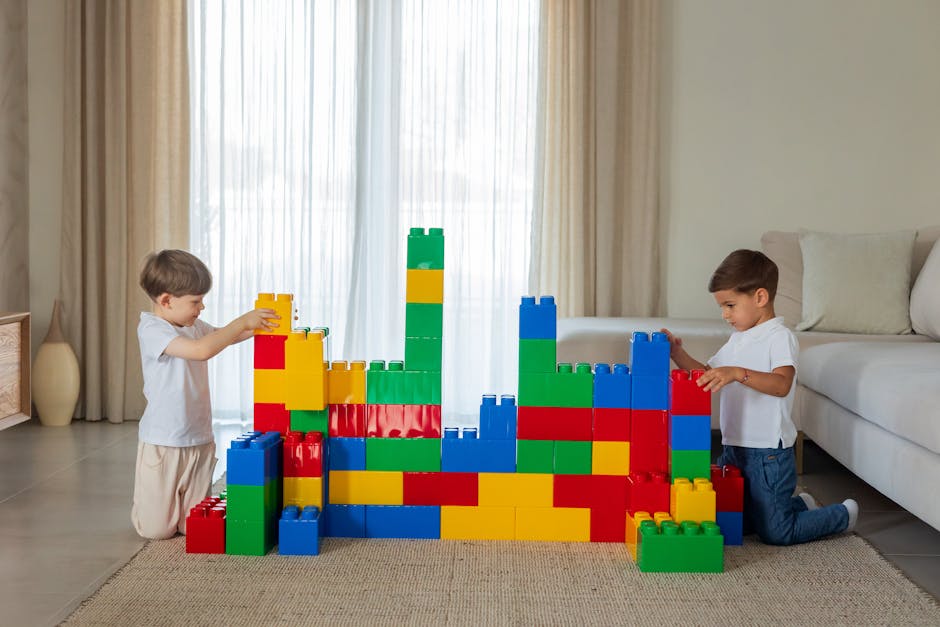
    toddlers playing together building blocks cooperative play

    Why Social Play Matters More Than Academic Head Starts

    Before we dive into specific methods, it helps to understand why social skills developed in early childhood carry such outsized importance. A landmark longitudinal study published in the American Journal of Public Health tracked over 750 kindergarteners and found that children who demonstrated strong social competence at age 5 were twice as likely to earn college degrees and hold steady employment by age 25, compared to peers with lower social scores.

    More recently, a 2026 meta-analysis from the University of Toronto’s Child Development Lab confirmed that structured social play before age 6 strengthens the prefrontal cortex — the brain region responsible for impulse control, empathy, and collaborative decision-making. In other words, playtime isn’t a break from learning. It IS the learning.

    The 4 Core Social Skills Toddlers Build Through Play

    Child development specialists typically break early social competence into four foundational pillars. Understanding these helps you choose the right play activities intentionally:

    • Turn-taking & Patience: The ability to wait, share, and acknowledge others’ turns. Develops between ages 2–4 and is the bedrock of cooperative behavior.
    • Emotional Regulation: Recognizing and managing frustration, disappointment, or excitement without melting down. Play offers safe, low-stakes practice arenas.
    • Perspective-Taking (Theory of Mind): Understanding that other people have different thoughts and feelings. Pretend play is the single most powerful tool for this.
    • Verbal & Non-Verbal Communication: Negotiating roles, expressing needs, reading body language — all rehearsed naturally during free and structured play.

    Play Methods That Actually Work: Domestic & International Examples

    Here’s where things get really interesting, because different cultures have arrived at surprisingly similar conclusions through very different paths.

    🇰🇷 South Korea — Nuri Curriculum Group Play (누리과정): South Korea’s national early childhood framework, updated in 2026, places heavy emphasis on cooperative project play, where small groups of 3–5 toddlers work together to build a shared “world” — a mini town, a pretend market, a garden. Teachers observe rather than direct, stepping in only to model language like “How do you think Jiho is feeling right now?” Research from Seoul National University shows children in Nuri classrooms score 23% higher on empathy assessments by age 6.

    🇫🇮 Finland — Forest Play (Metsäleikkikoulu): Finnish forest kindergartens have been widely studied, and the social dimension is often underreported. Unstructured outdoor group play in natural settings forces children to negotiate real problems together — who climbs first, how to build a dam in a stream, what to do when someone gets scared. The absence of predefined rules means children must create social rules, which is exactly the kind of executive function workout that transfers to real-world social situations.

    🇺🇸 United States — Socio-Dramatic Play Programs: Programs like Tools of the Mind, now implemented in over 2,000 early childhood centers across North America, use planned pretend play scenarios where children assign each other roles and narrate a story together. Independent evaluations show significant gains in self-regulation and peer conflict resolution within just one academic year.

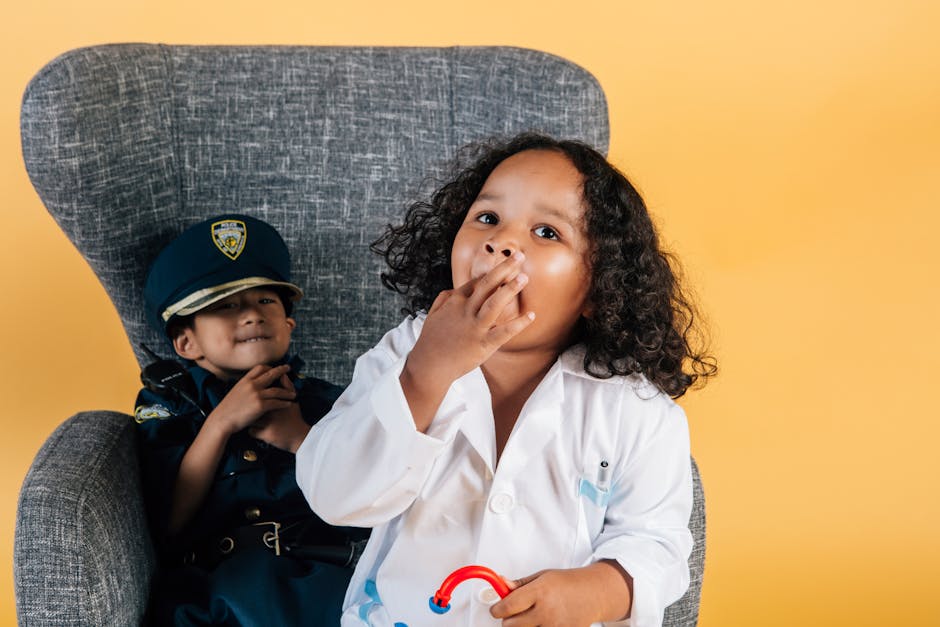
    children pretend play role-playing costumes imagination

    5 Practical Play Methods You Can Start This Week

    Let’s get concrete. These are ranked from easiest to implement to slightly more structured — choose based on your child’s temperament and your schedule:

    • 1. Role-Play Scenarios (Ages 2–5): Set up a “restaurant,” “doctor’s office,” or “grocery store” at home. Give your child a role and play the customer or patient yourself. Narrate feelings out loud: “Oh, the doctor looks very serious right now — I wonder what she’s thinking?” This directly trains Theory of Mind.
    • 2. Cooperative Board Games (Ages 3–5): Games like Hoot Owl Hoot or Snug as a Bug are designed so everyone wins together or loses together. These teach collaborative strategy without the emotional sting of competitive loss — perfect for toddlers still developing emotional regulation.
    • 3. Parallel Play Playdates with Minimal Intervention (Ages 18mo–3yrs): For very young toddlers, simply being near another child while playing independently is the first step. Resist the urge to force interaction. Let proximity do the work naturally.
    • 4. Puppet Play for Conflict Scripts (Ages 2–4): Use two puppets to act out a common conflict scenario — “They both want the same crayon.” Then ask your child: “What should the puppets do?” This externalizes problem-solving and removes the emotional charge, making it easier for kids to think clearly.
    • 5. Community Playground Rotations (Ages 3–6): Rather than staying at one playground, try visiting different ones weekly. New environments with unfamiliar children force your toddler to practice initiating social connections from scratch — arguably the most transferable real-world skill of all.

    When to Adjust: Realistic Alternatives for Different Situations

    Not every family has the same resources, and that’s completely okay. Here’s how to adapt:

    • Only child with limited peer access? Mixed-age play with slightly older children (cousins, neighbors) is actually highly beneficial — older kids naturally model more sophisticated social language. Don’t underestimate this.
    • Screen-heavy household? Co-viewing with narrated emotional commentary (“Why do you think that character looks sad?”) activates the same perspective-taking pathways as live play. It’s not ideal, but it’s genuinely not zero.
    • Child with social anxiety or sensory sensitivities? Start with one-on-one playdates in familiar environments before group settings. Smaller social demands build confidence incrementally, and that confidence compounds over months.
    • Working parents with limited time? Even 20 minutes of intentional role-play after dinner consistently outperforms two hours of unsupervised solo play. Quality and intentionality matter more than duration.

    The beautiful thing about social development through play is that it doesn’t require expensive toys, special curricula, or perfect parenting. It requires presence, patience, and a little strategic thinking about what you set up and when you step back. Your toddler’s brain is doing extraordinary work every time they navigate a shared toy, take a turn, or look at another child’s face and wonder what they’re thinking.

    Trust the process — and enjoy getting a little messy along the way.

    Editor’s Comment : In 2026, with screen time competing more than ever for children’s attention, the irreplaceable value of embodied, face-to-face play is something we genuinely need to keep advocating for — loudly and clearly. The methods above aren’t revolutionary; they’re ancient human behaviors dressed in modern research language. Your toddler doesn’t need a perfect social skills curriculum. They need you to put down your phone, set up a pretend pizza shop, and let them be the boss for twenty minutes. That’s it. That’s the whole strategy.


    📚 관련된 다른 글도 읽어 보세요

    태그: [‘toddler social development’, ‘social skills through play’, ‘early childhood development 2026’, ‘cooperative play activities’, ‘pretend play benefits’, ‘social emotional learning toddlers’, ‘play-based learning’]

  • 유아 사회성 발달 놀이 방법 완벽 가이드 – 2026년 최신 육아 트렌드로 알아보는 우리 아이 친구 사귀기

    어느 날 오후, 놀이터에서 있었던 일이에요. 네 살짜리 아이가 모래놀이를 하고 있는데, 옆에 온 또래 친구가 삽을 빌려 달라고 했어요. 그런데 우리 아이는 삽을 꼭 쥔 채 고개를 돌려버렸죠. 그 순간 엄마 마음은 덜컥 내려앉았을 거예요. ‘우리 아이, 혹시 사회성이 부족한 건 아닐까?’ 라고요. 하지만 사실, 이건 지극히 정상적인 발달 과정이라고 봅니다. 문제는 그다음 — 어떻게 놀이를 통해 자연스럽게 사회성을 키워줄 수 있느냐인 거죠. 오늘은 그 방법을 함께 살펴볼게요.

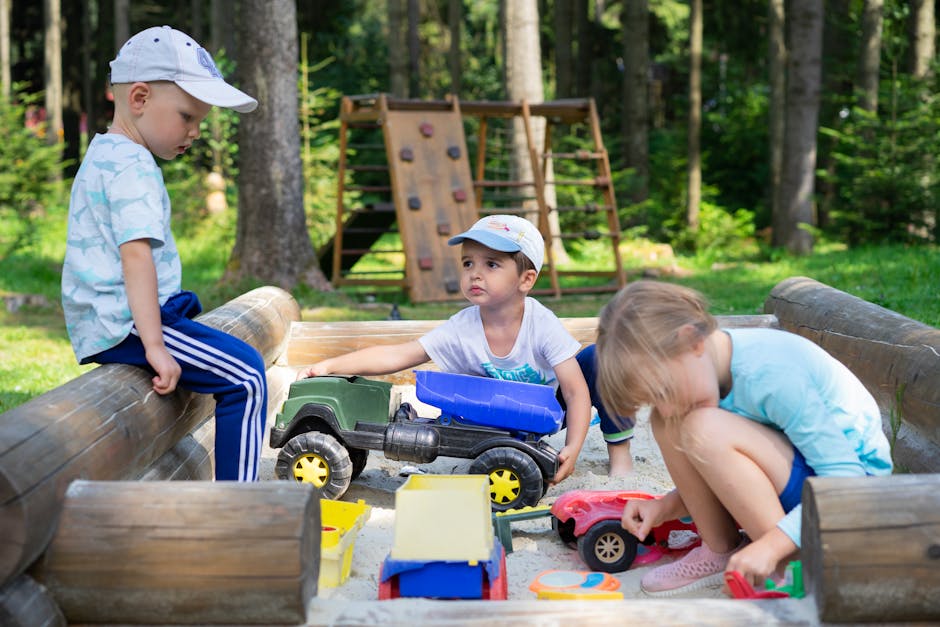
    toddler social play sandbox children interaction

    📊 본론 1 : 숫자로 보는 유아 사회성 발달의 결정적 시기

    사회성 발달에는 이른바 ‘민감기(Sensitive Period)’가 존재한다고 알려져 있어요. 발달심리학적으로는 생후 18개월~만 6세 사이가 사회적 뇌 회로가 가장 활발하게 형성되는 시기로 꼽힙니다.

    2026년 한국아동발달연구원이 발표한 조사 결과에 따르면, 만 3~5세 사이에 또래와의 상호작용 경험이 풍부한 유아는 그렇지 않은 유아에 비해 초등학교 입학 후 교우관계 만족도가 약 42% 높게 나타났다고 해요. 또한 갈등 상황에서 언어적으로 문제를 해결하는 능력도 약 35% 더 높게 측정되었다는 점이 주목됩니다.

    특히 주목할 만한 수치는, 주당 3회 이상 구조화된 놀이(Structured Play) 경험을 가진 유아 집단이 비구조화 자유놀이만 한 집단보다 감정 조절 능력 지표에서 평균 28점(100점 척도) 이상 앞섰다는 부분이에요. 놀이의 ‘양’보다 ‘질과 다양성’이 중요하다는 이야기인 것 같아요.

    🌍 본론 2 : 국내외 사례로 본 효과적인 사회성 놀이

    ▶ 핀란드의 ‘역할극 중심 유아 교육과정’
    핀란드는 2020년대 초반부터 유아교육에서 소시오드라마(Sociodrama), 즉 역할극을 핵심 커리큘럼으로 채택하고 있어요. 아이들이 의사, 요리사, 손님 등 다양한 역할을 맡아 연기하며 타인의 입장을 체험하도록 돕는 방식이죠. 이 방식을 통해 유아들의 공감 능력 지수(Empathy Quotient)가 학기 내 유의미하게 향상됐다는 보고가 있습니다.

    ▶ 국내 ‘협력 미술 놀이’ 사례
    서울 소재 한 공립 유치원에서는 2025년부터 ‘함께 그리는 벽화’ 프로젝트를 시작했어요. 아이들 4~5명이 하나의 큰 도화지에 공동 작품을 만들면서 자연스럽게 협상, 양보, 역할 분담을 경험하도록 했는데요. 참여 아동의 학부모 설문에서 86%가 “아이의 또래 갈등 빈도가 줄었다”고 응답했다는 점이 인상적이에요.

    ▶ 미국 하버드 교육대학원의 연구
    하버드 교육대학원(HGSE)의 ‘놀이와 학습 프로젝트’는 자유놀이보다 어른이 살짝 구조를 잡아주는 ‘안내된 놀이(Guided Play)’가 사회성 발달에 가장 효과적이라고 결론지었어요. 완전한 자유놀이도, 완전한 지시 놀이도 아닌 중간 지점이 핵심이라는 거죠.

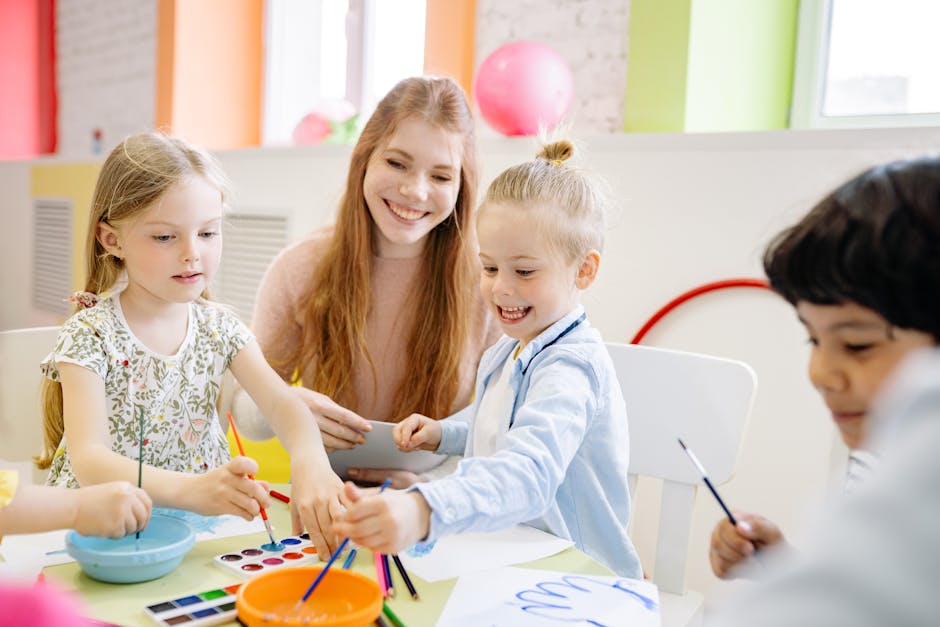
    kids cooperative art play kindergarten guided play

    🎲 집에서 바로 실천할 수 있는 유아 사회성 발달 놀이 7가지

    • 역할극 놀이 (소꿉놀이, 병원놀이) – 타인의 감정을 몸소 체험하며 공감 능력을 키울 수 있어요. 부모가 환자 역할을 맡아 “많이 아파요”라고 말하면 아이는 자연스럽게 위로하는 방법을 배우게 돼요.
    • 협력 퍼즐 맞추기 – 한 조각씩 번갈아 끼워 넣는 규칙을 정해 보세요. 기다리기, 차례 지키기, 상대방 의견 존중하기를 자연스럽게 연습할 수 있어요.
    • 감정 카드 게임 – 기쁨, 슬픔, 놀람, 화남 등 다양한 표정 카드를 펼쳐 두고, 오늘 하루 어떤 감정을 느꼈는지 골라보는 게임이에요. 자신의 감정을 언어화하는 능력은 사회적 상호작용의 기초가 된다고 봅니다.
    • 규칙이 있는 보드게임 – 유아용 메모리 게임이나 뱀과 사다리 같은 단순한 보드게임은 규칙 준수와 승패 수용을 동시에 연습할 수 있어요.
    • 공동 요리 놀이 (쿠킹 클래스 흉내내기) – 아이에게 간단한 역할을 주고 함께 요리하면, 지시 따르기, 결과물 나누기, 감사 표현하기까지 자연스럽게 익힐 수 있어요.
    • 인형 대화 놀이 – 각자 인형 하나씩을 맡아 대화를 이끌어가는 놀이예요. 특히 내성적인 아이들이 인형이라는 ‘매개체’를 통해 자신의 감정과 생각을 훨씬 쉽게 표현한다고 알려져 있어요.
    • 팀 신체놀이 (림보, 공 주고받기 등) – 몸을 쓰는 협력 놀이는 언어 발달이 느린 아이에게도 효과적이에요. 눈빛과 몸짓으로도 사회적 신호를 주고받는 연습이 되거든요.

    💡 결론 : 완벽한 놀이보다 ‘함께 있어주는 것’이 먼저예요

    사회성은 단기간에 만들어지는 스펙이 아니에요. 아이가 놀이 속에서 수백 번 작은 실패와 성공을 반복하면서 조금씩 쌓아가는 근육 같은 거라고 봅니다. 그러니 아이가 삽을 양보하지 않았다고 해서 조급해하지 않아도 돼요. 오늘 소개한 놀이들을 억지로 시키기보다는, 부모가 먼저 즐기는 척해 보세요. 아이는 부모가 즐거워하는 걸 제일 먼저 따라 하거든요.

    무엇보다 중요한 건, 아이의 현재 발달 단계를 있는 그대로 존중하면서 한 발짝씩 나아가는 것이라고 생각해요. 서두르지 않아도, 지금 이 순간도 아이는 충분히 잘 자라고 있답니다.

    에디터 코멘트 : 유아 사회성 발달에서 가장 쉽게 간과되는 부분이 바로 ‘부모 자신의 사회적 태도’예요. 아이는 부모가 이웃을 대하는 방식, 갈등을 해결하는 말투를 그대로 흡수합니다. 어떤 훌륭한 놀이 프로그램보다, 가정 내에서 부모가 보여주는 공감·경청·존중의 태도가 가장 강력한 사회성 교육이 아닐까 싶어요.


    📚 관련된 다른 글도 읽어 보세요

    태그: [‘유아사회성발달’, ‘사회성놀이방법’, ‘유아놀이활동’, ‘역할극놀이’, ‘협력놀이’, ‘육아팁2026’, ‘아이사회성키우기’]