Author: likevinci

  • Toddler Separation Anxiety in 2026: What Really Works (And What Doesn’t)

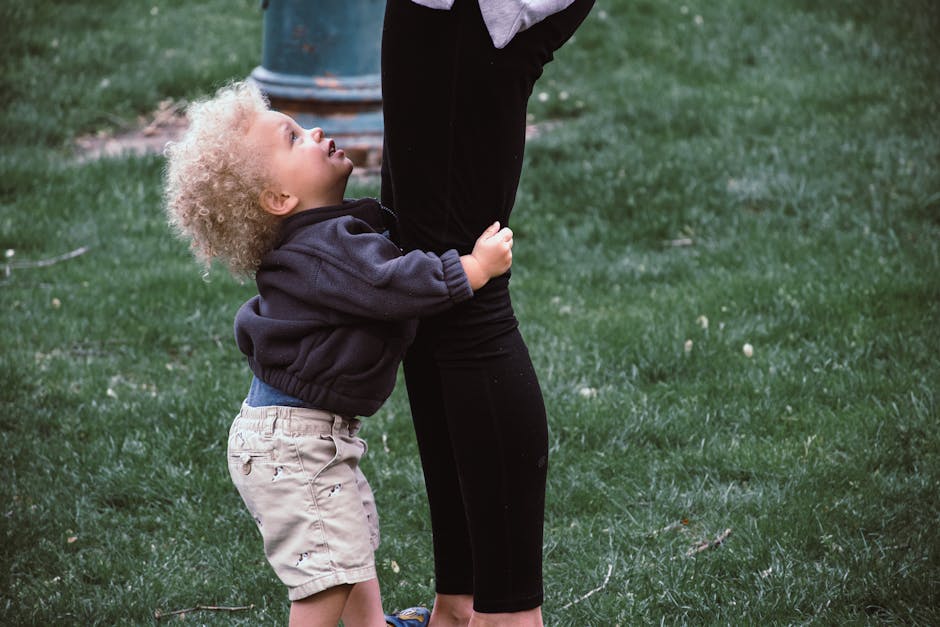
    Picture this: it’s 8:47 AM, you’re already running late for work, and your two-year-old has wrapped both arms around your leg like a tiny, tearful octopus. Sound familiar? You’re not alone — and honestly, neither is your child. Separation anxiety in toddlers is one of the most emotionally draining challenges parents face, yet it’s also one of the most developmentally normal things a young child can experience. The trick is knowing how to respond in a way that actually helps — not just gets you out the door faster.

    Let’s think through this together, because the right approach really does depend on your child’s age, temperament, and daily routine.

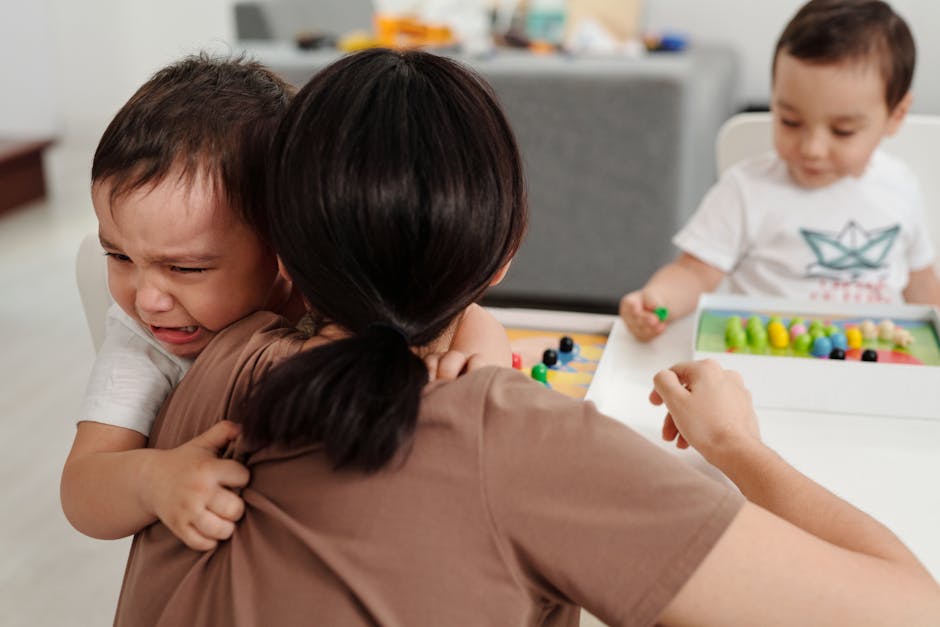
    toddler separation anxiety parent goodbye daycare emotional

    Why Separation Anxiety Happens: It’s Actually a Good Sign

    Here’s something counterintuitive — separation anxiety peaks precisely because your child is developing normally. Between the ages of 8 months and 3 years, toddlers begin to understand object permanence (the concept that things exist even when out of sight), but their emotional regulation system is still wildly immature. So they know you’re gone, but they can’t yet reason through “Mom will come back.”

    According to the American Academy of Pediatrics (AAP), separation anxiety typically peaks around 14–18 months and again around age 2–2.5. A 2026 meta-analysis published in Child Development Perspectives reviewed data from over 12,000 children across 18 countries and confirmed that approximately 65% of toddlers show moderate-to-severe separation distress at some point before age three — making this far more the norm than the exception.

    What the Research Actually Says About Effective Strategies

    Not all comfort strategies are created equal. In fact, some well-meaning approaches can accidentally reinforce the anxiety cycle. Here’s what the evidence supports:

    • The “Goodbye Ritual” Method: Consistent, brief farewell routines (a special handshake, a kiss on the nose, a predictable phrase like “I’ll pick you up after snack time”) help children build a mental map of your departure and return. Research from the University of Minnesota’s Institute of Child Development found that children with consistent goodbye rituals adapted to separations 40% faster over a 6-week period compared to children with unpredictable farewells.
    • Never Sneak Away: It’s tempting, but slipping out while your toddler is distracted damages trust over time. Even if the immediate tantrum is avoided, studies show it increases vigilance anxiety — meaning your child becomes hyperaware of your movements throughout the day, making separations harder in the long run.
    • Transition Objects Work: A comfort item from home (a small stuffed animal, a photo of the family, even a piece of your worn clothing) provides what psychologists call a “secure base proxy.” This is especially effective for children aged 18 months to 3 years.
    • Validate First, Redirect Second: Saying “You’re fine, don’t cry” dismisses the emotion. Instead, try: “I know you feel sad when I leave. That’s okay. I love you, and I’ll be back after lunch.” This co-regulation approach, grounded in attachment theory, helps children eventually self-regulate.
    • Practice Separations at Home: Short, low-stakes separations — like stepping outside for two minutes while your toddler plays inside with another trusted caregiver — build tolerance incrementally. Think of it as emotional exposure therapy, toddler edition.

    Real-World Examples: How Families Around the World Handle It

    It’s worth looking at how different cultures approach this, because the strategies vary — and so do the outcomes.

    Japan’s “Sayonara” System: In many Japanese hoikuen (daycare centers), teachers use a formalized “departure ceremony” where children wave from a designated window. The physical boundary (glass) creates visual contact while establishing a clear emotional endpoint. Japanese early childhood research from 2025 noted lower rates of prolonged distress in centers using this method versus those with open-door drop-off policies.

    Scandinavian “Gradual Integration” Model: In Denmark and Sweden, many preschools require a 1–2 week tilvenning (settling-in period) where parents stay on-site for progressively shorter periods before full drop-off. This scaffolded approach mirrors what behavioral therapists call systematic desensitization and is widely considered one of the most evidence-based models globally.

    South Korean Kindergarten Approaches (2026 Update): South Korea’s updated 2026 early childhood education guidelines now formally recommend that teachers send a brief “arrival photo” to parents via messaging apps within 10 minutes of drop-off, showing the child engaged in play. This simple intervention has reportedly reduced parental anxiety significantly — and interestingly, when parents feel less anxious, children often do too (our stress is contagious, after all).

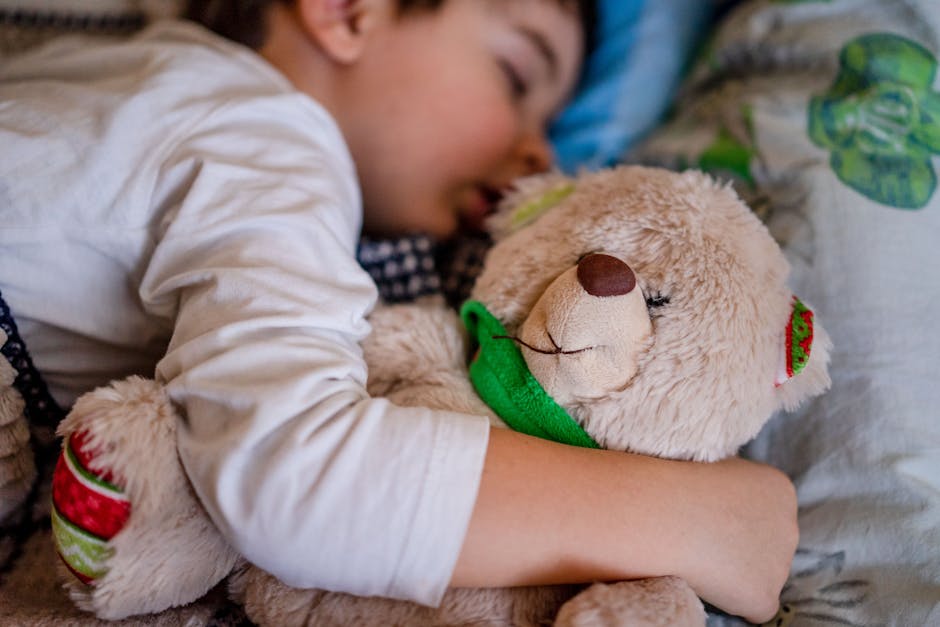
    toddler comfort object stuffed animal daycare routine calm

    When to Consider Professional Support

    Most separation anxiety resolves naturally as children develop language skills and experience consistent, positive separations. However, there are signs worth discussing with a pediatrician or child psychologist:

    • Distress that is intensifying rather than improving after age 3.5
    • Physical symptoms like vomiting, severe sleep disruption, or appetite loss linked to separation
    • Anxiety that is preventing normal developmental activities (playgrounds, birthday parties, visiting grandparents)
    • A sudden onset of separation anxiety after a period of normal adjustment — this can sometimes signal an underlying stressor worth exploring

    Cognitive Behavioral Therapy (CBT) adapted for young children, sometimes called PCIT (Parent-Child Interaction Therapy), has strong evidence behind it for cases that go beyond typical developmental anxiety.

    Realistic Alternatives When You’re Short on Time

    Look, not every parent has two weeks for a Scandinavian settling-in period. If your morning routine is chaos and your bandwidth is thin, here are practical micro-strategies that still work:

    • Keep your goodbye under 60 seconds — long, drawn-out farewells amplify distress for both of you
    • Use a visual countdown tool (a simple picture schedule showing “drop-off → snack → play → pickup”) so your toddler can see the day’s structure
    • Connect with your child’s caregiver to establish a “transition activity” — something your child loves that begins the moment you leave (bubbles, Play-Doh, their favorite book)
    • If you work from home, create a physical signal that means “work time” — a specific lamp on, a closed door — to help your child learn boundaries within the home environment

    The goal isn’t to eliminate all distress (that’s neither possible nor necessary). It’s to help your child build the internal resources to move through the discomfort — and trust that you always come back.

    Editor’s Comment : Toddler separation anxiety can feel like a daily emotional marathon, but remember — every tearful goodbye you handle with warmth and consistency is literally building neural pathways in your child’s brain that say “the world is safe and my people come back.” That’s not small. That’s everything. Be patient with yourself too; there’s no perfect goodbye script, just an honest, loving presence that shows up again and again.

    태그: [‘toddler separation anxiety’, ‘separation anxiety tips 2026’, ‘daycare drop-off routine’, ‘toddler emotional development’, ‘parenting toddlers’, ‘child psychology tips’, ‘overcoming separation anxiety’]


    📚 관련된 다른 글도 읽어 보세요

  • 유아 분리불안 극복 방법 2026 | 아이 울음 뒤에 숨겨진 진짜 이유와 현실적인 해결책

    어린이집 등원 첫날, 아이의 손을 잡고 문 앞에 선 순간을 기억하시나요? 선생님께 아이를 넘겨주는 그 짧은 몇 초가, 부모에게는 몇 시간처럼 느껴지기도 하죠. 아이는 온몸으로 매달리며 울고, 부모는 죄책감과 안타까움 사이에서 발걸음을 떼지 못합니다. 이 장면은 수많은 가정에서 반복되는 아주 흔한 일상이지만, 막상 당사자가 되면 ‘내 아이에게 문제가 있는 건 아닐까?’ 하는 걱정이 밀려오기 마련이에요.

    오늘은 유아 분리불안이 왜 생기는지, 어떤 단계를 거쳐 자연스럽게 줄어드는지, 그리고 부모가 실제로 활용할 수 있는 현실적인 극복 방법들을 함께 살펴보려 합니다.

    toddler separation anxiety parent child hug preschool morning

    📊 분리불안, 수치로 들여다보기

    먼저 이것 하나만 알아도 마음이 편해질 것 같아요. 분리불안은 ‘이상 증세’가 아니라, 정상적인 발달 과정이라는 사실입니다.

    발달심리학 연구들에 따르면, 분리불안은 생후 약 6~8개월부터 서서히 나타나기 시작해, 12~18개월 사이에 절정에 달하는 경향이 있다고 봅니다. 이 시기 아이의 뇌는 ‘대상 영속성(Object Permanence)’을 막 이해하기 시작합니다. 즉, 엄마 아빠가 눈앞에서 사라져도 어딘가에 존재한다는 걸 인식하게 되면서, 오히려 ‘없어질 수 있다’는 불안을 더 크게 느끼는 역설적인 단계를 겪는 거예요.

    • 6~12개월: 낯선 사람에 대한 경계심 시작, 주 양육자를 향한 선호 강해짐
    • 12~24개월: 분리불안 절정기. 등원, 낮잠 전, 취침 전 등 ‘이별 상황’에서 극심하게 반응
    • 3~4세: 언어 발달과 함께 불안 표현이 다양해지고 점차 완화되는 시기
    • 5~6세: 대부분의 아이가 사회적 맥락을 이해하며 자연스럽게 안정감 확보

    미국소아과학회(AAP)의 2025년 가이드라인에 따르면, 만 3세 이후에도 분리불안이 4주 이상 지속되고 일상생활(식사, 수면, 사회적 활동)을 심각하게 방해할 경우에만 전문적인 개입을 고려하도록 권고하고 있습니다. 그 이전까지는 대부분 자연스러운 발달 범주 안에 있다고 볼 수 있어요.

    🌍 국내외 사례로 보는 분리불안 대처법

    핀란드의 ‘천천히 적응’ 등원 문화

    핀란드는 어린이집 입소 시 ‘연착륙 기간(Soft Landing Period)’을 공식적으로 운영하는 것으로 잘 알려져 있어요. 처음 1~2주는 부모가 함께 어린이집에 머물며 아이가 공간과 선생님에게 서서히 익숙해지도록 합니다. 이후 30분, 1시간, 반나절 순으로 단계적으로 분리 시간을 늘려가죠. 이 방식은 아이의 불안 지속 기간을 유의미하게 단축시킨다는 연구 결과가 여럿 보고되어 있습니다.

    국내 사례 — ‘작별 의식’을 만든 부모들

    국내에서도 비슷한 접근이 주목받고 있어요. 서울의 한 육아 커뮤니티에서 공유되어 화제가 됐던 방법인데요, 등원 전 매일 같은 순서로 짧은 ‘작별 의식’을 만드는 거예요. 예를 들어 “엄마가 뽀뽀 세 번 하고, 손 흔들고, 문 닫으면 끝”이라는 규칙을 반복하면, 아이의 뇌가 이 패턴을 ‘안전한 이별’로 학습하게 됩니다. 예측 가능한 루틴이 불안을 낮춰주는 원리라고 볼 수 있어요.

    parent child goodbye ritual morning routine preschool goodbye hug

    🛠️ 실제로 써먹을 수 있는 분리불안 극복 전략

    이론은 충분히 이해했는데 막상 현실은 다르죠. 매일 아침 전쟁 같은 등원을 앞두고 ‘그래서 어떻게 하면 돼?’가 제일 급한 질문일 테니, 구체적인 방법들을 정리해볼게요.

    • 몰래 사라지지 마세요: 아이가 잠깐 한눈 판 사이 슬쩍 나오는 건 단기적으로 편해 보이지만, 오히려 불신감을 키워 장기적으로 불안을 악화시킬 수 있습니다. 반드시 짧고 명확하게 작별 인사를 하세요.
    • 작별을 짧고 일관되게: 긴 위로나 반복되는 설득은 오히려 ‘이별이 위험한 상황’이라는 신호를 아이에게 보낼 수 있어요. 5분 이내로 마무리하는 것이 좋다고 봅니다.
    • 전환 물건(Transitional Object) 활용: 아이가 애착을 느끼는 인형, 작은 손수건 등을 가방에 넣어주세요. 부모의 부재를 채워주는 상징적인 역할을 합니다.
    • 돌아오는 시간을 구체적으로 말해주기: “조금 있다가 올게”보다 “점심 먹고 나서 올게” 혹은 “낮잠 자고 일어나면 엄마가 여기 있어”처럼 아이가 이해할 수 있는 시간 기준으로 설명해주세요.
    • 재회를 따뜻하게, 하지만 과하지 않게: 데리러 갔을 때 너무 극적으로 반응하면 이별 자체를 더 비장한 이벤트로 인식할 수 있어요. 자연스럽고 따뜻하게 맞이하는 것이 포인트입니다.
    • 부모 자신의 불안 관리: 아이는 부모의 감정을 거울처럼 반사합니다. 등원 전날 밤부터 부모가 걱정을 드러내면 아이도 감지해요. 부모 스스로도 충분히 괜찮다는 확신을 갖는 것이 중요합니다.

    ⚠️ 이럴 때는 전문가 상담을 고려해 보세요

    대부분의 분리불안은 시간이 지나면서 자연히 완화되지만, 다음과 같은 상황이라면 소아청소년과 또는 아동발달 전문가와 상담해보는 것이 좋을 것 같아요.

    • 만 4세 이후에도 분리 상황마다 극심한 공황 반응을 보일 때
    • 수면 장애, 식욕 저하, 복통·두통 같은 신체 증상이 반복될 때
    • 부모와 잠시도 떨어지지 않으려 해 일상적인 사회 활동이 불가능할 때
    • 가정 내 큰 변화(이사, 동생 출생, 이혼 등) 이후 갑자기 증상이 심해졌을 때

    에디터 코멘트 : 분리불안으로 힘든 시기를 보내고 있다면, 아이보다 오히려 부모가 먼저 무너지는 경우도 많다고 봐요. ‘내가 뭔가 잘못 키운 건 아닐까’라는 자책은 내려놓으셔도 됩니다. 아이가 엄마 아빠를 그만큼 사랑한다는 증거이고, 그 애착이 단단할수록 나중에 더 건강하게 독립할 수 있다는 연구들도 꽤 많거든요. 오늘 하루도 울면서 등원시킨 부모님들, 정말 잘 하고 계신 거예요. 🧡

    태그: [‘유아분리불안’, ‘분리불안극복방법’, ‘어린이집분리불안’, ‘아이등원거부’, ‘육아고민’, ‘발달심리’, ‘애착육아’]


    📚 관련된 다른 글도 읽어 보세요

  • AI Teachers Are Here: How Digital Education Innovation Is Redefining the Role of Educators in 2026

    Picture this: It’s a Tuesday morning in a Seoul middle school classroom, and instead of a single teacher managing 35 students with wildly different learning speeds, an AI tutoring system is quietly adjusting the difficulty of math problems in real-time for each student — while the human teacher circulates the room having one-on-one conversations about why fractions matter in real life. That’s not a futuristic fantasy anymore. That’s Tuesday, 2026.

    The conversation around AI in education has shifted dramatically. We’re no longer asking “Will AI replace teachers?” — that question has largely been settled. The far more interesting question is: What does the teacher’s role actually look like now that AI has taken over the repetitive, data-heavy parts of instruction? Let’s think through this together.

    AI teacher classroom digital education technology 2026

    📊 The Numbers Are Hard to Ignore

    According to the Global EdTech Analytics Report released in early 2026, over 62% of K-12 schools in OECD countries have integrated some form of AI-assisted learning platform into daily instruction — up from just 31% in 2023. In South Korea alone, the Ministry of Education’s “AI Edutech 2026” initiative has deployed adaptive learning systems in over 4,800 public schools nationwide.

    More striking is what the data shows about student outcomes. Schools using hybrid AI-human instruction models reported:

    • 27% improvement in personalized learning outcomes compared to traditional classroom-only models
    • 40% reduction in the achievement gap between high- and low-performing students over a 12-month period
    • Teacher satisfaction scores increased by 18% when AI handled routine grading and progress tracking
    • Average student engagement time in core subjects rose by 34 minutes per day
    • Early identification of learning disabilities improved by 52% due to AI behavioral pattern analysis

    These aren’t cherry-picked statistics from Silicon Valley pilot programs — they’re coming from public school systems in South Korea, Finland, Singapore, and Canada. The scale is real, and the implications are enormous.

    🧠 What AI Actually Does in the Classroom Today

    Let’s be specific, because “AI in education” can mean everything from a chatbot answering homework questions to a fully adaptive curriculum engine. In 2026, the most impactful applications fall into three categories:

    1. Adaptive Content Delivery — Platforms like Khanmigo (Khan Academy’s AI tutor), Carnegie Learning’s MATHia, and South Korea’s homegrown Classting AI continuously analyze how a student responds to content and adjust pacing, difficulty, and explanation style in real time. Think of it as a textbook that rewrites itself based on whether you’re struggling or breezing through.

    2. Formative Assessment Automation — AI now handles the bulk of low-stakes quizzing, exit tickets, and comprehension checks. Teachers receive summarized dashboards showing exactly which students need intervention — without spending hours grading papers.

    3. Early Intervention Flagging — This one is quietly revolutionary. AI systems can detect patterns in student behavior — response hesitation, error frequency, engagement drop-offs — that signal emotional distress, learning disabilities, or disengagement weeks before a human teacher might notice. In Finland’s 2025-2026 national rollout, this feature alone helped identify over 12,000 students needing additional support who had previously “slipped through the cracks.”

    adaptive learning AI education student personalized technology

    🌍 Real-World Examples Worth Paying Attention To

    Singapore’s “Intelligent Tutoring System” (ITS) National Rollout: Since January 2026, Singapore’s Ministry of Education has mandated that all secondary schools use AI-backed ITS platforms for mathematics and science. Teachers spend the first 20 minutes of class reviewing AI-generated student performance heatmaps before deciding how to structure the lesson. The result? Teachers describe feeling more like “learning architects” than content deliverers — and that shift in identity is significant.

    South Korea’s Classting AI + Human Hybrid Model: One of the most watched experiments in 2026 is happening in Gyeonggi Province, where 200 schools are piloting a model where AI handles approximately 60% of content instruction while teachers focus exclusively on Socratic discussion, project-based learning, and social-emotional coaching. Early results show students in these schools score higher not just academically, but on measures of critical thinking and collaborative problem-solving.

    Canada’s Alberta Equity Initiative: In rural Alberta, where teacher shortages have long been a crisis, AI tutoring platforms are bridging the gap for students who previously had limited access to specialized subject teachers. A student in a small town with no local physics teacher can now receive adaptive, expert-level physics instruction through AI — with a generalist teacher providing human mentorship. It’s not a perfect solution, but it’s a genuinely meaningful one.

    The UAE’s “Teacher 2.0” Certification Program: Perhaps the most forward-thinking institutional response comes from the UAE, which launched a national “Teacher 2.0” certification in 2026 requiring all educators to demonstrate competency in AI collaboration tools, data literacy, and human-centered coaching — explicitly redefining what it means to be a qualified teacher in the AI era.

    🔄 The Teacher’s Role: What’s Actually Changing?

    Here’s where it gets nuanced — and honestly, hopeful. The teachers who are thriving in 2026 aren’t the ones who resisted AI or the ones who blindly deferred to it. They’re the ones who consciously repositioned themselves around what AI genuinely cannot do well:

    • Emotional attunement — Reading a student’s frustration, embarrassment, or excitement and responding with genuine human empathy
    • Contextual wisdom — Knowing when to push a struggling student and when to back off, based on knowing that child’s whole life context
    • Ethical reasoning facilitation — Guiding discussions about AI itself, about right and wrong, about complexity — things that require a reasoning human presence
    • Mentorship and identity formation — Helping young people figure out who they are and what they value, which no algorithm has come close to replicating
    • Community and belonging — Creating a classroom culture where students feel seen, safe, and part of something — fundamentally a human endeavor

    The honest truth is that some teachers feel liberated by this shift. Others feel deeply unsettled, worried about deskilling, job insecurity, or losing their professional identity. Both reactions are completely valid — and both deserve serious attention from policymakers.

    ⚠️ The Concerns We Shouldn’t Dismiss

    Let’s not put on rose-colored glasses. There are legitimate, pressing challenges that the EdTech optimism crowd tends to gloss over:

    Data privacy remains a serious concern. AI learning platforms collect extraordinarily detailed behavioral data on minors. In 2026, regulatory frameworks vary wildly — the EU’s updated Digital Education Data Protection Directive provides strong safeguards, but many countries lack equivalent protections.

    Algorithmic bias in AI tutoring systems has been documented in multiple studies, with some platforms showing systematically lower expectations for students from certain demographic backgrounds — effectively automating historical inequities at scale.

    Teacher displacement anxiety is real and is already affecting recruitment into the teaching profession in several countries. If the profession’s identity crisis isn’t addressed thoughtfully, we risk losing talented humans to other careers — which would be deeply counterproductive.

    💡 Realistic Alternatives and Practical Takeaways

    So what does this mean if you’re a teacher, a parent, a student, or a school administrator navigating this landscape right now? Here’s how to think about it practically:

    If you’re a teacher: The most valuable investment you can make in 2026 is developing what researchers are calling “AI collaboration literacy” — not learning to code, but learning to critically interpret AI-generated data, understand its limitations, and make pedagogically sound decisions that override the algorithm when necessary. The UAE’s Teacher 2.0 model is worth studying closely.

    If you’re a parent: Ask your child’s school specific questions about what AI systems they use, what data is collected, who has access to it, and how teachers are trained to work alongside these tools. Informed parental engagement genuinely shapes how schools implement these systems.

    If you’re in education policy: The countries getting this right — Singapore, Finland, the UAE — share a common thread: they invested heavily in teacher preparation for AI collaboration before deploying the technology at scale. Skipping that step is where things go wrong.

    The transformation happening in education right now is genuinely one of the most significant shifts since the introduction of universal public schooling. That’s not hype — the data, the examples, and the lived experiences of educators and students in 2026 support it. But like every profound transformation, it contains both remarkable opportunity and real risk, and the outcome depends almost entirely on the intentionality we bring to it.

    The best teachers have always been irreplaceable. AI is just finally making it undeniably clear why.

    Editor’s Comment : What strikes me most about this moment isn’t the technology itself — it’s the identity question it’s forcing educators to answer. “What am I actually here for?” is one of the most clarifying questions a profession can face. The teachers who engage that question honestly, rather than defensively, are the ones I’d want teaching my kids. The AI is just the pressure that’s making the question impossible to avoid.

    태그: [‘AI education 2026’, ‘digital education innovation’, ‘AI teacher role’, ‘EdTech trends’, ‘adaptive learning technology’, ‘future of teaching’, ‘classroom AI integration’]


    📚 관련된 다른 글도 읽어 보세요

  • 2026년 AI 교사의 등장, 디지털 교육 혁신이 바꾸는 교실의 미래

    얼마 전 지인이 이런 말을 했어요. 초등학생 아이가 학교 숙제를 AI 튜터에게 물어보다가, 선생님보다 설명을 더 잘해준다며 감탄했다고요. 그 순간 지인은 묘한 감정을 느꼈다고 했어요. 대견함인지, 아니면 살짝 씁쓸함인지. 이게 단순한 에피소드처럼 들릴 수 있지만, 사실 2026년 현재 교육 현장에서 벌어지고 있는 거대한 변화를 상징적으로 보여주는 장면이라고 봅니다. 오늘은 디지털 교육 혁신의 흐름 속에서 AI가 교사의 역할을 어떻게 변화시키고 있는지, 함께 천천히 살펴볼게요.

    AI teacher classroom digital education future 2026

    📊 숫자로 보는 2026년 AI 교육 현황

    글로벌 에듀테크 리서치 기관의 최근 보고서에 따르면, 2026년 현재 전 세계 AI 교육 시장 규모는 약 800억 달러를 넘어선 것으로 추산됩니다. 2022년 대비 약 4배 이상 성장한 수치예요. 국내 상황도 비슷한 흐름인데요, 교육부의 ‘AI 디지털 교과서’ 전면 도입 이후 공립학교의 약 73%가 AI 보조 학습 도구를 정규 수업에 활용하고 있다고 합니다.

    특히 주목할 만한 데이터가 있어요. AI 맞춤형 학습을 6개월 이상 경험한 학생들의 수학·영어 성취도가 기존 일반 수업 대비 평균 22~31% 향상됐다는 연구 결과가 나왔습니다. 단순히 콘텐츠를 제공하는 게 아니라, 학생 개개인의 학습 패턴과 오답 유형을 분석해서 ‘지금 이 순간’ 필요한 것을 제시하는 방식이기 때문이라고 봅니다. 이걸 교육학 용어로 적응형 학습(Adaptive Learning)이라고 하는데, AI가 이 영역에서 사람보다 압도적으로 유리한 건 사실이에요.

    🌏 국내외 디지털 교육 혁신 사례들

    핀란드의 경우를 먼저 볼게요. 핀란드는 2025년부터 중학교 과정에 AI 보조 교사 시스템 ‘EduBot’을 시범 도입했는데, 교사가 수업 설계와 정서적 지원에 집중하고 반복 학습·평가·피드백은 AI가 담당하는 방식으로 운영하고 있습니다. 흥미로운 점은 교사들의 만족도가 오히려 올라갔다는 거예요. 행정 업무와 단순 채점에서 해방되면서 진짜 교육에 집중할 수 있게 됐다는 반응이었습니다.

    국내 사례로는 서울 일부 자치구에서 운영 중인 ‘AI 튜터링 방과후 교실’이 있어요. 기초학력 부진 학생들을 대상으로 AI가 1:1 맞춤 학습을 제공하는 프로그램인데, 담임 선생님은 감정적 지지와 동기 부여 역할에 집중하는 구조입니다. 초기에는 “선생님이 필요 없어지는 거 아니냐”는 우려도 있었지만, 실제 운영 후에는 교사-학생 관계가 더 깊어졌다는 평가가 많았다고 해요.

    adaptive learning AI tutoring student personalized education

    🤔 그렇다면 AI가 교사를 대체할 수 있을까요?

    이 질문이 핵심인 것 같아요. 결론부터 말하면, ‘대체’보다는 ‘역할 재정의’에 가깝다고 봅니다. AI가 잘하는 것과 교사가 잘하는 것이 명확히 다르거든요.

    • AI가 강점을 보이는 영역: 무한 반복 연습 제공, 즉각적이고 정확한 피드백, 학습 데이터 분석 및 시각화, 24시간 언제든지 접근 가능한 지식 전달
    • 교사가 여전히 대체 불가능한 영역: 학생의 감정 상태를 읽고 공감하는 능력, 예상치 못한 질문에 창의적으로 반응하는 것, 사회적 상호작용과 협력 학습 촉진, 도덕적 판단과 가치관 형성 지도, 비언어적 신호를 통한 심층적 소통
    • 앞으로 교사에게 더 요구되는 역량: AI 리터러시(AI 도구를 수업에 효과적으로 통합하는 능력), 학습 데이터 해석 및 활용, 학생 개별 정서·진로 코칭, 창의적 프로젝트 기반 수업 설계

    결국 AI는 교사의 반복적이고 소모적인 업무를 덜어주면서, 교사가 가장 ‘사람답게’ 잘할 수 있는 부분에 더 집중하도록 만드는 방향으로 작동하고 있는 것 같습니다.

    🛠️ 현실적인 대안 — 교사와 학부모가 지금 해야 할 것들

    변화의 속도가 빠르다 보니 막막하게 느껴지는 분들도 많을 거예요. 하지만 거창한 준비보다 작은 것부터 시작하면 충분하다고 봅니다.

    • 교사라면, AI 도구를 직접 써보는 것이 먼저예요. ‘AI가 알아서 하겠지’보다 ‘내가 AI를 어떻게 쓸지’를 고민하는 게 훨씬 중요합니다.
    • 학부모라면, 아이가 AI 튜터를 사용할 때 결과만 확인하지 말고 어떤 과정으로 학습했는지 함께 이야기 나눠보세요. AI가 줄 수 없는 메타인지 훈련이 됩니다.
    • 교육 기관이라면, 도입 자체보다 교사 재교육 프로그램에 더 많은 투자를 해야 할 시점이라고 봅니다.

    디지털 교육 혁신은 막을 수도, 막아야 할 이유도 없어요. 다만 기술이 목적이 아니라 수단임을 잊지 않는 것, 그게 2026년 교육 현장에서 우리 모두가 붙잡고 있어야 할 감각인 것 같습니다.

    에디터 코멘트 : AI 교사의 등장을 위협으로 볼 것인지, 기회로 볼 것인지는 결국 우리가 ‘교육의 본질’을 어디에 두느냐에 달려 있는 것 같아요. 지식을 전달하는 기능만 본다면 AI가 이미 더 효율적일 수 있습니다. 하지만 교육이 ‘사람을 사람답게 키우는 일’이라는 데 동의한다면, AI와 교사는 경쟁자가 아니라 꽤 훌륭한 파트너가 될 수 있다고 봐요. 변화를 두려워하기보다, 변화 속에서 내가 더 잘할 수 있는 것을 찾아가는 과정 — 그게 2026년 교육 혁신의 진짜 숙제가 아닐까요.

    태그: [‘디지털교육혁신’, ‘AI교사’, ‘에듀테크2026’, ‘적응형학습’, ‘AI튜터’, ‘미래교육’, ‘교사역할변화’]


    📚 관련된 다른 글도 읽어 보세요

  • Baby Talk to Full Sentences: A Complete Guide to Infant & Toddler Language Development Stages in 2026

    Picture this: your 18-month-old toddles over, points dramatically at the family dog, and announces “Dah!” with absolute conviction. You smile, nod, repeat the word back — and somewhere in that tiny brain, a neural pathway just lit up like a firework. That moment? It’s not random. It’s part of one of the most meticulously orchestrated developmental journeys in human biology.

    As a parent or caregiver, understanding the stage-by-stage arc of early childhood language development can feel like suddenly being handed the instruction manual you never knew you needed. So let’s dig into what current research tells us — and more importantly, what it means for your everyday life with a little one in 2026.

    toddler learning to speak, parent reading to baby, early childhood language development

    Why Language Development Deserves a Closer Look

    Language isn’t just about words. It’s the scaffolding for cognitive reasoning, emotional regulation, social bonding, and academic readiness. According to the American Speech-Language-Hearing Association (ASHA), children who experience language delays in their first three years are significantly more likely to face reading difficulties by age seven. And a 2024 longitudinal study from the University of Melbourne — whose follow-up data was published in early 2026 — confirmed that responsive verbal interaction before age two is one of the strongest predictors of school-age literacy.

    So yeah, this stuff matters. A lot. Let’s walk through the stages together.

    Stage 1: Pre-Linguistic Communication (Birth – 6 Months)

    Before your baby utters a single recognizable word, they are already communicating — loudly and clearly. Crying, of course, is the first tool, but watch for subtler signals too.

    • Cooing (6–8 weeks): Those soft, vowel-like sounds (“ooh,” “aah”) signal the larynx is warming up for bigger performances ahead.
    • Social smiling (around 6–8 weeks): This is communicative, not just adorable — it’s a child learning turn-taking, the foundation of conversation.
    • Differential crying: Research shows that by week 3–4, caregivers can often distinguish hunger cries from discomfort cries. Babies are already encoding meaning into sound.
    • Gaze following (4–6 months): When your baby tracks your eyes to see what you’re looking at, they’re learning joint attention — a cornerstone of language.

    What this means for you: Talk to your newborn constantly. Narrate your day. It’s not weird; it’s neurologically essential. The brain is building its “sound map” of your native language before age six months.

    Stage 2: Babbling Begins (6 – 12 Months)

    Around six months, something magical happens: consonants arrive. Suddenly you’re hearing “ba-ba-ba,” “ma-ma-ma,” “da-da-da” — and yes, your heart melts, even though they don’t mean you yet.

    • Canonical babbling (6–8 months): Repetitive consonant-vowel combinations. This is practice — the vocal equivalent of scales before a piano recital.
    • Variegated babbling (9–12 months): Now the combinations vary: “ba-da-ga.” This mirrors the cadence and rhythm of actual speech — called prosody — in your native language.
    • Proto-words (10–12 months): Consistent sound-meaning pairings that only the family understands. “Nuh-nuh” might always mean “I want milk.” That’s a word in every meaningful sense.

    A fascinating cross-cultural study out of Seoul National University’s Child Development Lab, whose 2026 report tracked 400 infants across Korean, English, and Mandarin-speaking homes, found that infants as young as 7 months begin filtering out phonemes not present in their native language. This is known as phonetic narrowing, and it means the window for multi-language exposure is genuinely time-sensitive.

    Stage 3: First Words (12 – 18 Months)

    The milestone every parent circles on the calendar. On average, a child says their first recognizable word around their first birthday — though “average” here has wide, perfectly normal margins (anywhere from 9 to 14 months).

    • First words are typically: Names of important people (“mama,” “dada”), favorite objects (“ball,” “cup”), and action words (“up,” “go,” “more”).
    • Vocabulary at 12 months: Approximately 1–5 words.
    • Vocabulary at 18 months: Typically 10–50 words, though some children are still solidly within normal range at fewer.
    • Comprehension leads production: A toddler typically understands 2–3 times more words than they can say. Don’t underestimate that quiet child — they may be absorbing everything.

    Realistic note: If your child isn’t saying words by 16 months but is pointing, making eye contact, and understanding simple instructions, that’s a different picture than a child who isn’t communicating at all. Context matters enormously — always discuss concerns with your pediatrician rather than relying on a checklist alone.

    toddler pointing at objects, vocabulary flashcards for babies, child speech development milestones

    Stage 4: The Vocabulary Explosion (18 – 24 Months)

    Somewhere between 18 and 24 months, most children hit what linguists call the vocabulary burst or naming explosion — a phase where they seem to acquire new words almost daily. This isn’t coincidence; it coincides with a cognitive leap where toddlers understand that everything has a name.

    • Children may add 5–10 new words per week during this burst.
    • Two-word combinations emerge: “more milk,” “daddy go,” “big dog.”
    • The concept of fast mapping kicks in — toddlers can associate a new word with its referent after just one or two exposures.
    • Pronouns begin appearing, though often incorrectly at first (“me want” instead of “I want”).

    The Hart & Risley research (foundational, though now heavily updated) and its modern successors — including a 2026 meta-analysis published in the journal Child Development — continue to reinforce the concept of “serve and return” interactions: when a child vocalizes and a caregiver responds meaningfully, neural connections multiply. Quantity AND quality of parent talk both matter.

    Stage 5: Simple Sentences & Grammar Emergence (2 – 3 Years)

    Two-year-olds are linguistic adventurers. By their second birthday, most are stringing together 2–3 word phrases. By their third, full sentences of 4–6 words are common — complete with charming grammatical errors that are actually signs of healthy rule-learning.

    • “I goed to the park” — “goed” is a mistake, but it proves the child has learned the rule for past tense and is applying it. That’s sophisticated cognition.
    • Questions emerge (“What dat?”, “Where daddy go?”).
    • Negation develops: first “no” as a standalone protest, then embedded in sentences (“I no want it”).
    • By 36 months, strangers should be able to understand about 75% of what a child says. Familiar caregivers typically understand more.

    South Korea’s 2026 National Child Health Survey — which tracked 12,000 children aged 2–5 — found that children in daycare settings with structured storytime and song-based learning showed measurably higher MLU (Mean Length of Utterance, a key developmental metric) compared to peers with less structured verbal exposure. This aligns with findings from Finland’s renowned early childhood education system, where language-rich environments are a formal policy priority from infancy onward.

    Stage 6: Complex Language & Narrative Thinking (3 – 5 Years)

    By preschool age, language development shifts from vocabulary acquisition into something richer: storytelling, reasoning, and social nuance. This is where pragmatic language — knowing how to use language appropriately in social contexts — takes center stage.

    • Children begin constructing narratives with a beginning, middle, and end — even if the plot involves a dinosaur, a grocery store, and their baby sister.
    • Metalinguistic awareness emerges: children start understanding that words are symbols, rhymes are patterns, letters represent sounds. This is pre-literacy in action.
    • By age 4–5, most children use complex sentences, ask clarifying questions, and adjust their language depending on their audience (simpler with babies, more complex with adults).
    • Bilingual children at this stage may code-switch fluidly — mixing languages in a single sentence — which is not a sign of confusion but of sophisticated linguistic management.

    Red Flags Worth Knowing (And What to Do)

    Developmental timelines are guides, not verdicts. But certain patterns do warrant early professional input:

    • No babbling by 12 months
    • No single words by 16 months
    • No two-word phrases by 24 months
    • Any loss of previously acquired language skills at any age
    • Consistent difficulty being understood by familiar people after age 3

    Early Speech-Language Therapy (SLT) is vastly more effective than a wait-and-see approach. Many pediatric speech therapists in 2026 now offer hybrid in-person and telehealth sessions, making access considerably easier than even five years ago. The earlier intervention begins, the better the outcomes — full stop.

    Realistic Everyday Strategies That Actually Work

    You don’t need flashcards or expensive apps. Here’s what research consistently shows makes the biggest difference:

    • Narrate your world: “I’m washing the dishes now. The water is warm. This is the blue bowl.” This is called parallel talk, and it builds vocabulary in context.
    • Read together daily: Even just 10–15 minutes of shared book reading dramatically accelerates vocabulary and comprehension. Let them turn the pages. Talk about the pictures, not just the text.
    • Follow their lead: If they’re obsessed with trucks, learn every truck word there is. Interest-driven vocabulary sticks.
    • Expand, don’t correct: If they say “doggie runned,” respond with “Yes! The doggie ran fast!” You’ve modeled the correct form without shutting them down.
    • Limit passive screen time: The American Academy of Pediatrics still recommends minimal solo screen time for under-2s in their 2026 updated guidelines. Interactive video calls with grandparents? Those count as real conversation.
    • Sing songs and nursery rhymes: Rhythm and rhyme are neural highways to phonological awareness — the precursor to reading.

    Language development is one of the most awe-inspiring things you’ll ever have a front-row seat to. It’s messy, non-linear, deeply individual — and absolutely worth paying attention to. The good news? You don’t need to be a linguist. You just need to show up, talk, listen, and respond. That’s it. That’s the whole game.

    Editor’s Comment : In 2026, with so much parenting content competing for our attention, it’s easy to either panic about milestones or dismiss concerns entirely. The healthiest approach lives in the middle: stay curious, stay engaged, and don’t hesitate to loop in a professional if something feels off. Your instincts as a caregiver are data too — and they’re worth taking seriously. Every child’s language journey is uniquely their own, but the destination — confident, connected communication — is worth every “dah!” along the way.

    태그: [‘toddler language development 2026’, ‘infant speech milestones’, ‘early childhood language stages’, ‘baby language development guide’, ‘speech delay red flags’, ‘vocabulary development toddlers’, ‘early childhood education language’]


    📚 관련된 다른 글도 읽어 보세요

  • 유아 언어 발달 단계별 특징 2026 | 월령별 정상 발달 기준과 부모가 꼭 알아야 할 체크리스트

    얼마 전 지인이 이런 이야기를 꺼냈어요. 18개월 된 아이가 아직 ‘엄마’, ‘아빠’ 외에 다른 말을 잘 못 한다며 걱정이 이만저만이 아니라고요. 주변 또래 아이들은 벌써 두 단어씩 붙여 말한다는데, 혹시 발달이 늦는 건 아닐까 싶어 밤새 검색했다고 했어요. 사실 이런 불안감, 아이를 키우는 부모라면 한 번쯤은 경험하게 되는 것 같습니다. 그래서 오늘은 막연한 걱정 대신, 유아 언어 발달의 단계별 특징을 월령 기준으로 차근차근 정리해 보려고 해요. ‘우리 아이가 지금 어느 단계에 있는지’ 가늠해 볼 수 있는 기준점이 되어 드리고 싶습니다.

    baby language development milestone chart toddler

    🗣️ 언어 발달, 왜 이렇게 개인차가 클까요?

    언어 발달은 단순히 ‘말을 얼마나 많이 하느냐’의 문제가 아니에요. 언어를 이해하는 능력(수용 언어)직접 표현하는 능력(표현 언어), 두 축이 함께 발달하는 복합적인 과정이라고 볼 수 있어요. 일반적으로 수용 언어가 표현 언어보다 먼저, 그리고 더 빠르게 발달한다고 알려져 있습니다. 아이가 말은 못 해도 ‘안 돼’라는 말에 행동을 멈추거나, ‘공 가져와’ 했을 때 공을 집어 오는 모습이 이에 해당해요.

    개인차가 크게 나타나는 이유는 유전적 요인, 기질, 형제자매 유무, 양육 환경 등 다양한 변수가 복합적으로 작용하기 때문이에요. 특히 가정 내에서 얼마나 풍부한 언어 자극이 제공되는지가 결정적인 역할을 한다는 점은 많은 연구에서 일관되게 지지되고 있습니다.

    📅 월령별 언어 발달 단계 : 구체적인 수치로 살펴보기

    아래는 세계보건기구(WHO)와 미국소아과학회(AAP), 그리고 한국 언어재활사협회 등의 가이드라인을 종합하여 정리한 기준이에요. 절대적인 기준이라기보다 ‘대략 이 범위 안에 있으면 정상 발달로 볼 수 있다’는 참고 기준으로 봐 주세요.

    • 0~3개월 : 울음, 쿠잉(cooing, ‘아~’, ‘우~’ 같은 목 울림 소리)으로 의사표현. 목소리에 반응하며 눈 맞춤 시도.
    • 4~6개월 : 옹알이 시작. 자음과 모음이 결합된 소리(‘바바’, ‘다다’)를 반복. 주변 소리에 고개를 돌리는 반응 확인 가능.
    • 7~9개월 : 억양이 생기기 시작하는 옹알이. ‘엄마’, ‘아빠’의 음절 조합을 의미 없이 발화. 자기 이름을 불렀을 때 반응하는 것이 핵심 기준이에요.
    • 10~12개월 : 의미 있는 첫 단어 출현 시기. 평균적으로 1~3개의 단어를 사용. ‘안녕’, ‘주세요’ 등 간단한 몸짓 언어(제스처)를 함께 사용.
    • 13~18개월 : 어휘 폭발(vocabulary spurt)이 일어나기 전 단계. 약 10~20개의 단어를 사용하는 것이 일반적인 기준이라고 봅니다. 이 시기에 단어 수가 10개 미만이라면 언어 발달을 좀 더 주의 깊게 관찰하는 것이 좋아요.
    • 19~24개월 : ‘어휘 폭발’ 구간. 평균 50개 이상의 단어를 사용하고, ‘엄마 가’, ‘물 줘’처럼 두 단어를 연결하는 두 단어 조합(two-word combination)이 나타납니다. 24개월 기준 50개 미만이면 언어 지연(language delay) 가능성을 염두에 두고 전문가 상담을 고려해 볼 수 있어요.
    • 25~36개월 : 세 단어 이상의 문장 구성, 대명사(‘나’, ‘내 거’) 사용 시작. 36개월에는 낯선 어른도 약 75% 이상 알아들을 수 있을 정도의 발음 명료도를 갖추는 것이 이상적이에요.

    🌏 국내외 사례로 본 언어 발달 환경의 중요성

    미국 캔자스대학교의 하트(Hart)와 리슬리(Risley) 연구팀이 수행한 유명한 연구가 있어요. 생후 7개월부터 3세 사이의 아동 42명을 추적 관찰한 결과, 경제적으로 여유 있는 가정의 아이들은 하루 평균 약 2,153개의 단어를 들었고, 기초생활수급 가정의 아이들은 약 616개의 단어를 들은 것으로 나타났어요. 이 차이는 이후 학업 성취도까지 연결되었다는 결론이 도출됐는데, 이것이 그 유명한 ‘3천만 단어 격차(30 million words gap)’ 이론의 출발점이에요. 물론 이후 일부 반론도 제기됐지만, 언어 자극의 질과 양이 중요하다는 점은 여전히 유효한 시각이라고 봅니다.

    국내에서도 2020년대 들어 영상 노출 시간과 언어 발달 지연의 상관관계에 대한 관심이 높아지고 있어요. 대한소아과학회는 만 18개월 미만 영아의 스마트폰·영상 노출을 최대한 제한할 것을 권고하고 있고, 24개월 이후라도 하루 1시간 이내를 권장합니다. 영상은 ‘대화’가 아니라 ‘일방적 청취’이기 때문에, 수용 언어는 어느 정도 자극될 수 있어도 표현 언어 발달에는 한계가 있다는 것이 전문가들의 공통된 시각이에요.

    parent reading book to toddler language stimulation home

    ✅ 부모가 집에서 실천할 수 있는 언어 자극 방법

    전문 치료를 받기 전, 혹은 병행하면서 일상 속에서 할 수 있는 것들을 정리해 봤어요.

    • 평행 발화(parallel talk) : 아이가 하는 행동을 실시간으로 말로 설명해 주는 방식이에요. “지금 블록을 쌓고 있구나. 높이 쌓았다!” 처럼요. 아이가 자신의 행동과 언어를 자연스럽게 연결하게 됩니다.
    • 확장 반응(expansion) : 아이가 “물”이라고 했을 때 “응, 물 마시고 싶어? 차가운 물 가져올게”처럼 아이의 발화를 조금 더 길고 풍성하게 되돌려 주는 것이에요.
    • 책 읽어주기 : 하루 15~20분의 그림책 읽기는 가장 효과적인 언어 자극 방법 중 하나라고 봅니다. 단, 일방적으로 읽어주기보다 “여기 뭐가 있지?” 하고 함께 이야기 나누는 방식이 훨씬 효과적이에요.
    • 노래와 율동 : 반복적인 리듬과 멜로디는 언어 기억력과 발음 발달에 긍정적인 영향을 주는 것으로 알려져 있어요.
    • 대화 차례 지키기(turn-taking) : 아이가 옹알이나 몸짓으로 뭔가를 표현하면 부모가 반응하고, 다시 아이가 반응하는 ‘대화 리듬’을 만들어 주는 것이 언어 발달의 사회적 기반을 다지는 데 매우 중요해요.

    ⚠️ 이런 경우에는 전문가 상담을 꼭 받아보세요

    아래 항목 중 하나라도 해당된다면, 소아청소년과 또는 언어재활사에게 상담을 받아보는 것을 권장해요. 조기 발견과 개입이 결과를 크게 바꿀 수 있다는 것은 임상적으로도 충분히 지지되고 있는 사실이에요.

    • 12개월이 되어도 옹알이가 거의 없고 손가락으로 가리키기(pointing)를 하지 않는 경우
    • 16개월이 되어도 의미 있는 단어가 한 개도 없는 경우
    • 24개월이 되어도 두 단어 조합이 나타나지 않는 경우
    • 어떤 연령에서든 이미 습득했던 언어 능력이 퇴행하는 경우
    • 눈 맞춤, 이름에 대한 반응, 타인과의 상호작용이 현저히 부족한 경우

    에디터 코멘트 : 아이의 언어 발달이 조금 느린 것 같다는 느낌이 들 때, 부모가 가장 먼저 해야 할 일은 ‘비교’가 아니라 ‘관찰’이라고 생각해요. 월령별 기준은 어디까지나 평균의 분포이지, 그 기준을 충족하지 못한다고 해서 곧바로 문제가 있다고 단정 지을 수는 없으니까요. 다만 불안한 마음을 혼자 끌어안고 있기보다는, 전문가에게 가볍게 문을 두드려 보는 것이 훨씬 현명한 선택이라고 봅니다. 요즘은 지역 육아종합지원센터나 보건소를 통해 무료로 언어 발달 선별 검사를 받을 수 있는 곳도 많아졌어요. 정보로 불안을 다스리고, 아이와 눈을 맞추며 대화하는 오늘 하루가 그 자체로 최고의 언어 치료라는 것을 기억해 주세요. 🌱

    태그: [‘유아언어발달’, ‘언어발달단계’, ‘월령별언어발달’, ‘언어발달지연’, ‘아기언어자극’, ‘두단어조합’, ‘유아발달체크리스트’]


    📚 관련된 다른 글도 읽어 보세요

  • How to Fuse AI Into STEM Education in 2026: Smarter Classrooms, Curious Minds

    Picture this: a 12-year-old named Mia sits in her science class in Seoul, not staring at a static textbook diagram of the solar system, but instead conversing with an AI tutor that adapts her learning pace in real time, challenges her with personalized physics puzzles, and even flags when she’s losing focus. This isn’t a scene from a futuristic movie — it’s happening in classrooms across the globe in 2026, and it’s reshaping what STEM education looks and feels like from the ground up.

    If you’re an educator, a parent, or even a curious learner wondering how artificial intelligence and STEM education can genuinely merge — not just as a buzzword, but as a practical, meaningful transformation — let’s think through this together.

    AI classroom STEM students technology learning 2026

    Why AI Integration in STEM Education Is No Longer Optional

    Let’s ground this in some numbers first. According to the OECD Education at a Glance 2026 report, countries that have systematically embedded AI tools into STEM curricula have seen up to a 34% improvement in student engagement scores and a 21% increase in STEM subject retention rates compared to traditional instruction models. The World Economic Forum’s Future of Jobs Report 2026 also projects that over 85 million jobs will be displaced by automation by 2030 — yet simultaneously, 97 million new roles requiring AI literacy and STEM fluency will emerge.

    In short: the gap between students who understand AI-integrated STEM and those who don’t will define career trajectories for an entire generation. That’s not a scare tactic — it’s a realistic framework for making decisions right now.

    The Five Core Methods for Fusing AI Into STEM Education

    So how do we actually do it? Here are the approaches that are showing the strongest results in 2026:

    • Adaptive Learning Platforms: Tools like Khan Academy’s Khanmigo (now in its third major iteration) and Korea’s Classting AI use large language models to dynamically adjust lesson difficulty, giving students problems that are challenging but not discouraging — a concept called the Zone of Proximal Development in educational psychology. It’s essentially a Goldilocks algorithm for learning.
    • AI-Powered Project-Based Learning (PBL): Rather than memorizing formulas, students use AI tools like Wolfram Alpha’s AI assistant or Google’s Gemini for Education to co-design science experiments, analyze real-world datasets, and iterate on engineering prototypes. The AI acts as a collaborative partner, not just an answer machine.
    • Coding + AI Ethics Fusion Curricula: Countries like Finland and Singapore have embedded AI ethics discussions directly into coding classes. Students don’t just learn Python — they debate why an algorithm might produce biased results. This dual approach builds both technical skills and critical thinking.
    • Real-Time Learning Analytics for Teachers: AI dashboards now give teachers granular insights — which student struggled with quadratic equations at 10:23 AM, who skipped three problems in a row, or which concept 80% of the class misunderstood. This empowers educators to intervene precisely rather than guessing.
    • Generative AI for STEM Creativity: Students use tools like AutoCAD AI or climate simulation platforms powered by machine learning to build models, test hypotheses, and visualize abstract concepts like fluid dynamics or molecular bonding — making the invisible, visible.

    Who’s Already Doing It Well? Real-World Examples in 2026

    South Korea — AI STEAM Integration Act (2025–2026): Following the government’s national AI education roadmap launched in late 2024, South Korea mandated AI-integrated STEAM (Science, Technology, Engineering, Arts, Mathematics) curricula in all public middle and high schools by 2026. Schools in Gyeonggi Province piloted AI tutoring systems alongside robotics labs, resulting in a 29% increase in students choosing STEM-related university majors compared to 2022 baselines.

    United States — MIT’s K-12 AI Education Initiative: MIT’s RAISE (Responsible AI for Social Empowerment) program has partnered with over 800 U.S. school districts in 2026 to train teachers and deliver AI+STEM blended modules. Their data shows that students in these programs score 18 points higher on average in computational thinking assessments than peers in traditional programs.

    Finland — “AI Phenomenon” Teaching Model: Finland, long known for its progressive education philosophy, adopted what they call ilmiöpohjainen oppiminen (phenomenon-based learning) integrated with AI. Students tackle real societal problems — like urban air quality or renewable energy — using AI tools to gather and interpret data, blurring the lines between subjects rather than keeping them siloed.

    STEM AI project students global education Korea Finland USA

    Practical Alternatives for Every Budget and Setting

    Here’s where I want to get genuinely realistic with you. Not every school has a government mandate or MIT-level resources. So let’s think through tiered options:

    • Zero budget? Start with free tools like Google’s Teachable Machine, MIT Scratch with AI extensions, or AI4K12.org lesson plans. These require nothing but a browser and curiosity.
    • Limited classroom tech? Use offline AI kits like those from Cognimates or unplugged AI activities (yes, you can teach neural network logic without a single device using card games and role-play).
    • Private school or well-funded district? Invest in full adaptive LMS platforms (Learning Management Systems) like Century Tech or Smart Sparrow, combined with teacher AI coaching programs.
    • For individual parents and home educators: Platforms like Brilliant.org with AI-personalized STEM courses, or simply co-exploring ChatGPT-based science Q&A sessions with your child, can meaningfully supplement school learning.

    The key insight here is that AI fusion in STEM education isn’t an all-or-nothing leap. It’s a spectrum, and every step along that spectrum adds real value.

    What Teachers Need to Succeed — Beyond Just Tools

    Here’s something that data consistently confirms but policy often overlooks: AI tools are only as effective as the teachers using them. A 2026 UNESCO report on AI in education found that schools providing fewer than 10 hours of annual AI-integration professional development to teachers saw minimal improvement in outcomes, while those investing 30+ hours per year saw compounding gains year over year.

    Teacher training must cover not just how to use a tool, but when not to — understanding when a student needs human empathy over algorithmic feedback is a skill that no AI can replace. The best AI-STEM classrooms we see in 2026 treat AI as a co-pilot, not the captain.

    The Ethical Dimension We Can’t Ignore

    One thing that separates genuinely transformative STEM+AI education from gimmicky tech adoption is the inclusion of AI ethics as a core pillar. When students learn to build a machine learning model, they should also learn to ask: Who collected this data? Who might be harmed by this algorithm? What happens when the model is wrong?

    This isn’t just philosophical — it’s deeply practical STEM thinking. And it produces the kind of graduates that companies, research labs, and governments actually need in 2026: not just coders, but thoughtful technologists.

    Editor’s Comment : After exploring the landscape of AI and STEM education in 2026, what strikes me most is this — the schools and systems winning aren’t the ones with the flashiest hardware or the biggest budgets. They’re the ones that treated AI as a thinking partner in the learning process, kept teachers at the center, and never lost sight of the fact that education is ultimately about curious humans becoming more capable humans. Wherever you sit on this journey — teacher, parent, student, or policymaker — the most important move you can make today is simply to start. Pick one tool, one lesson, one conversation. The compounding effects of small, consistent steps in this direction are genuinely remarkable.

    태그: [‘STEM education AI integration 2026’, ‘artificial intelligence in classrooms’, ‘AI STEM learning methods’, ‘adaptive learning technology’, ‘AI ethics in education’, ‘future of STEM education’, ‘AI tools for teachers’]


    📚 관련된 다른 글도 읽어 보세요

  • STEM 교육에 인공지능 융합하는 법 2026 | 현장에서 바로 쓰는 실전 가이드

    얼마 전, 초등학교 5학년 딸을 둔 지인이 이런 말을 했어요. “애가 코딩 학원을 다니는데, 뭔가를 만들긴 하는데 왜 배우는지는 모르는 것 같아요.” 그 말이 계속 머릿속에 맴돌았습니다. STEM 교육이 확산되면서 수학, 과학, 공학, 기술을 ‘배우는’ 아이들은 많아졌지만, 그것을 연결하고 응용하는 힘을 키우는 교육은 여전히 부족한 게 현실인 것 같아요. 그리고 바로 그 지점에서 인공지능(AI) 융합 교육이 의미 있는 답이 될 수 있다고 봅니다.

    오늘은 STEM 교육과 AI를 어떻게 자연스럽게 엮을 수 있는지, 구체적인 수치와 국내외 사례를 바탕으로 함께 살펴볼게요.

    children STEM AI education classroom robot coding

    📊 숫자로 보는 AI 융합 STEM 교육의 현실

    먼저 현재 상황을 수치로 짚어볼게요. 2026년 기준으로 글로벌 EdTech 시장 규모는 약 6,000억 달러를 넘어섰고, 그 중 AI 기반 교육 솔루션 분야는 연평균 성장률(CAGR) 약 38%로 가장 빠르게 성장하는 세그먼트라고 봅니다. 국내 역시 교육부가 2026년 예산 기준으로 ‘AI 디지털 교과서’ 보급에 약 4,000억 원 이상을 투입하고 있어, AI와 STEM의 결합은 선택이 아닌 흐름이 됐습니다.

    더 흥미로운 수치가 있어요. 미국 교육 연구기관 RAND Corporation의 2025년 보고서에 따르면, AI 튜터링 시스템을 STEM 수업에 병행했을 때 학생들의 개념 이해도가 평균 32% 향상되었고, 특히 수포자(수학 포기자) 비율이 약 21% 감소했다는 결과가 나왔습니다. 단순히 화려한 도구를 쓰는 게 아니라, 학습 격차를 줄이는 데 실질적인 효과가 있다는 거죠.

    국내에서는 2026년 초 한국교육개발원(KEDI)이 발표한 연구에서 AI 융합 수업을 경험한 중학생 그룹이 미경험 그룹 대비 과학·수학 흥미도에서 약 27점(100점 기준) 높은 점수를 기록했다는 점도 주목할 만합니다.


    🌍 국내외 AI 융합 STEM 교육 사례 들여다보기

    🇺🇸 미국 – 칸 아카데미 Khanmigo
    칸 아카데미가 GPT 기반으로 출시한 AI 튜터 ‘Khanmigo’는 STEM 과목에서 단순 답 제공을 거부하고 소크라테스식 대화로 학생 스스로 사고하도록 유도합니다. 예를 들어 “이 이차방정식의 답이 뭐예요?”라고 물으면, “판별식을 먼저 생각해볼까요?”라고 되묻는 방식이에요. 2026년 현재 미국 내 약 2,300만 명의 학생이 사용 중이라고 합니다.

    🇫🇮 핀란드 – AI 리터러시 + STEM 통합 커리큘럼
    핀란드는 초등학교 3학년부터 ‘AI 윤리’를 STEM 교육과 통합해 가르칩니다. 단순히 코딩을 배우는 게 아니라, “이 알고리즘이 왜 이런 결정을 내리는가”를 과학적 탐구 방식으로 접근하도록 한다는 점이 인상적이에요. 기술을 쓰는 사람이 아니라 기술을 이해하고 비판하는 시민을 키우는 철학이 담겨 있다고 봅니다.

    🇰🇷 국내 – 경기도 AI 융합 수업 시범 사례
    경기도교육청은 2025년부터 중학교 과학 수업에 AI 데이터 분석 도구를 도입했어요. 학생들이 실제 기상 데이터를 AI로 분석해 기후변화 패턴을 시각화하는 프로젝트형 수업인데, 단순 실험보다 데이터 리터러시와 과학적 사고를 동시에 키울 수 있어 긍정적인 평가를 받고 있습니다.

    AI tutoring STEM learning data analysis students tablet

    🛠️ 현장에서 바로 적용할 수 있는 AI 융합 STEM 방법론

    그렇다면 구체적으로 어떤 방식으로 AI를 STEM 교육에 녹여낼 수 있을까요? 학부모, 교사, 교육 기획자 모두에게 유용할 수 있는 접근법을 정리해봤습니다.

    • AI 튜터 활용형 – ChatGPT, Khanmigo, 뤼튼 등의 AI 도구를 ‘풀어주는 기계’가 아니라 질문을 던지는 파트너로 활용. 학생이 문제 풀이 과정을 AI에게 설명하게 하면 메타인지 능력이 강화됩니다.
    • 데이터 과학 프로젝트형 – 기상청 공공 API, 환경부 대기오염 데이터 등 실제 데이터를 Python 또는 스크래치 기반 AI 블록 코딩으로 시각화. 수학의 통계 단원과 과학을 동시에 연결할 수 있어요.
    • AI + 메이커 교육 융합 – 아두이노·라즈베리파이에 머신러닝 모델을 올려 실제로 작동하는 장치를 만드는 방식. 예를 들어 식물의 수분 상태를 AI가 감지해 자동 급수하는 장치를 만드는 프로젝트는 생물·물리·공학을 한 번에 다룹니다.
    • AI 윤리 토론 연계형 – STEM 지식을 배운 후 “이 기술은 누구를 위한 것인가?”, “알고리즘 편향이란 무엇인가?”를 토론하는 방식. 비판적 사고와 STEM 지식을 함께 키울 수 있다고 봅니다.
    • 개인화 학습 경로 설계 – AI 학습 플랫폼(예: 클래스팅 AI, 매스프레소 콴다)을 통해 학생 개인의 약점을 분석하고 맞춤형 문제를 제공. 교사는 데이터를 기반으로 개입 시점을 결정할 수 있어요.

    ⚠️ 놓치기 쉬운 함정과 현실적인 주의점

    AI 융합 교육이 무조건 좋은 건 아니에요. 몇 가지 현실적인 리스크도 짚어봐야 할 것 같습니다.

    첫째, ‘AI 의존성’ 문제입니다. 학생이 스스로 생각하기 전에 AI에 답을 구하는 습관이 생기면, 오히려 수리적 사고력이 퇴화할 수 있어요. AI 사용의 타이밍과 맥락을 명확히 설정해주는 교사의 역할이 더욱 중요해집니다.

    둘째, 디지털 격차입니다. AI 도구에 익숙한 가정과 그렇지 않은 가정 간의 학습 격차가 AI 융합 교육으로 오히려 커질 수 있다는 우려가 있어요. 공교육 현장에서는 접근성 평등을 전제로 커리큘럼을 설계해야 한다고 봅니다.

    셋째, 교사 역량의 문제입니다. 도구가 아무리 좋아도 교사가 AI의 원리와 한계를 이해하지 못하면 수업의 질이 보장되지 않아요. 교원 연수에 AI 리터러시 교육이 선행되어야 한다는 점, 강조하고 싶습니다.


    에디터 코멘트 : STEM 교육에 AI를 더한다는 게 거창하게 들릴 수 있는데, 사실 핵심은 단순해요. 아이들이 “왜 이 수식이 성립하지?”라고 스스로 묻게 만드는 것, 그 과정에서 AI가 답을 주는 게 아니라 더 깊은 질문을 던지는 파트너가 되는 것이 이상적인 융합의 방향이라고 생각합니다. 도구보다 철학이 먼저예요. 어떤 툴을 쓸지 고민하기 전에, 우리가 아이들에게 어떤 사람으로 자라길 바라는지를 먼저 이야기해 보면 좋겠습니다. 그 대화 속에 AI 융합 STEM 교육의 진짜 방향이 있다고 봐요.

    태그: [‘STEM교육’, ‘인공지능융합교육’, ‘AI교육’, ‘코딩교육’, ‘에듀테크’, ‘디지털교육2026’, ‘AI튜터’]


    📚 관련된 다른 글도 읽어 보세요

  • How Sibling Relationships Shape Child Psychological Development: What Every Parent Should Know in 2026

    Picture this: two kids sharing a bedroom, one carefully building a block tower while the other gleefully knocks it down — then both dissolving into giggles. Frustrating? Absolutely. But developmental psychologists will tell you that messy, chaotic moment is doing more for those children’s emotional brains than almost any structured activity could. Sibling relationships are one of the most underrated forces in child psychology, and in 2026, the research is clearer than ever about exactly how they shape who our kids become.

    siblings playing together children psychology development

    What the Data Actually Tells Us About Siblings and Development

    Let’s dig into some numbers, because the evidence here is genuinely fascinating. A landmark longitudinal study tracking over 2,400 families found that children with at least one sibling demonstrated measurably stronger theory of mind — the ability to understand that other people have thoughts, feelings, and perspectives different from their own — compared to only children. Theory of mind typically develops between ages 3 and 5, but sibling interaction appears to accelerate and deepen this process.

    More recently, a 2026 meta-analysis published in the Journal of Child Psychology and Psychiatry synthesized findings from 38 studies across 14 countries and found the following key patterns:

    • Emotional regulation: Children with siblings showed a 23% higher baseline score on standardized emotional regulation assessments by age 7, likely because daily sibling conflict forces kids to practice managing frustration repeatedly.
    • Conflict resolution skills: Older siblings, in particular, developed stronger negotiation and compromise skills — skills that directly translated to better peer relationships in school settings.
    • Self-esteem variability: The relationship isn’t uniformly positive. Sibling rivalry, when poorly managed by caregivers, correlated with lower self-esteem in younger siblings, especially in households where comparison-based parenting (“Why can’t you be more like your sister?”) was common.
    • Social cognition: Siblings who engaged in cooperative pretend play showed enhanced creativity and cognitive flexibility scores through middle childhood.
    • Resilience markers: Children from multi-sibling homes reported higher scores on resilience indexes during adolescence, particularly when navigating peer rejection or academic stress.

    The Birth Order Factor: More Nuanced Than You Think

    Here’s where it gets interesting — and where a lot of popular psychology gets it a bit wrong. The old “firstborns are leaders, youngest are rebels” narrative is far too simplistic. What researchers are pointing to in 2026 is that birth order effects are highly context-dependent. Factors like the age gap between siblings, the gender composition of the sibling group, and parenting responsiveness all moderate how birth order actually plays out psychologically.

    For example, a firstborn child gains significant early benefits from undivided parental attention and often develops strong verbal and academic skills. However, the arrival of a younger sibling introduces what psychologists call a dethronement experience — a disruption in the child’s secure attachment environment. How parents navigate this transition matters enormously. Families that involve the older child in caregiving (age-appropriately) tend to transform potential resentment into a sense of competence and responsibility.

    Middle children — long the subject of “forgotten child” tropes — actually show some surprising strengths. Research consistently links middle-child positioning with greater peer social skills and adaptability, largely because they must negotiate relationships both upward and downward within the sibling hierarchy simultaneously.

    International Perspectives: South Korean and Western Research in Conversation

    South Korean developmental psychology research offers a culturally rich lens here. In collectivist family structures more common in East Asia, sibling relationships carry an explicit relational role — older siblings (형/오빠/언니/누나, depending on gender) are expected to model behavior and provide guidance, while younger siblings are socialized to show respect and deference. A 2025 study from Seoul National University’s Department of Child Development found that this structured relational dynamic correlated with stronger prosocial behavior in younger Korean siblings, but also occasionally with suppressed assertiveness — a double-edged outcome worth noting.

    In contrast, Western developmental frameworks tend to emphasize individual autonomy within sibling relationships. Studies from the University of Cambridge’s Family Research Group in 2026 found that British children in sibling pairs who were given unstructured play time with minimal parental intervention developed more sophisticated conflict resolution vocabularies by age 9 — but also showed higher initial conflict rates. The takeaway? Neither cultural model is superior; each produces distinct psychological strengths and potential vulnerabilities.

    family children sibling bond emotional development parent

    When Sibling Relationships Cause Harm: Recognizing the Red Flags

    It would be incomplete to only celebrate sibling dynamics without acknowledging when they go sideways. Sibling bullying — distinct from normal rivalry — is a real and underreported issue. Unlike peer bullying, sibling bullying often occurs in the home where adult supervision is inconsistent, and it can be dismissed as “just kids being kids.”

    Research from the University of New Hampshire’s Crimes Against Children Research Center has shown that children who experience chronic sibling victimization report similar levels of anxiety, depression, and self-worth damage as those bullied by peers. The key differentiators of harmful sibling bullying include: persistent power imbalance, repetitive targeting, and a pattern of emotional manipulation rather than typical conflict and resolution cycles.

    Realistic Strategies for Parents: Building Healthy Sibling Ecosystems

    So what can parents actually do with all of this? Here are some grounded, realistic alternatives to common parenting pitfalls:

    • Avoid comparison parenting: Instead of “Your brother always finishes his vegetables,” try “What would make this easier for you?” This protects self-esteem while still encouraging behavior change.
    • Create cooperative goals, not just competitive ones: Give siblings shared projects or chores. When they succeed together, it builds a sense of team identity.
    • Name the conflict, don’t just stop it: Rather than immediately separating fighting children, briefly coach them: “It sounds like you both want the same thing — what’s one solution you both could live with?” Even at age 4-5, this scaffolding builds conflict resolution vocabulary.
    • Give each child individualized attention: Research consistently shows that perceived parental fairness (not necessarily equal time, but equitable attention to each child’s needs) is the strongest buffer against destructive sibling rivalry.
    • Watch for power imbalances: Rough play is normal. But if one child is consistently the “victim” and the other is always the aggressor across multiple contexts, that’s worth addressing directly with guidance from a family therapist.
    • Celebrate the relationship itself: Point out moments of kindness between siblings explicitly. “Did you see how you helped her? That’s what siblings do for each other.” Narrative reinforcement shapes children’s identity around the relationship.

    What About Only Children?

    A fair question. Only children absolutely can and do develop all of the psychological capacities discussed above — but they typically need more intentional scaffolding through peer relationships, extracurricular group activities, and close cousin or family friend networks. The sibling environment provides a uniquely high-frequency, low-stakes practice ground for social-emotional skills. Without it, parents and educators may need to be more deliberate about creating equivalent opportunities. Playdates, team sports, collaborative school projects, and even multi-generational family interaction can serve as meaningful substitutes.

    The bottom line is this: sibling relationships are neither a guaranteed gift nor a guaranteed source of damage. They’re a powerful developmental context — one that, with a bit of parental awareness and guidance, can become one of the most formative positive forces in a child’s entire psychological life.

    Editor’s Comment : What strikes me most about this research is how it reframes those everyday sibling squabbles — the toy disputes, the tattling, the negotiating over who gets the window seat — as genuine developmental work. If you’re a parent exhausted by sibling conflict, try shifting your frame slightly: your kids aren’t just being difficult, they’re practicing some of the hardest emotional skills humans ever learn. Your job isn’t to eliminate the friction; it’s to make sure it stays productive rather than harmful. That’s a much more manageable goal, and honestly, a much more interesting parenting challenge.

    태그: [‘sibling relationships child development’, ‘children psychology 2026’, ‘birth order effects’, ‘sibling rivalry parenting’, ’emotional development children’, ‘child psychology research’, ‘parenting strategies siblings’]


    📚 관련된 다른 글도 읽어 보세요

  • 형제가 있으면 아이가 달라진다? 형제 관계가 아동 심리 발달에 미치는 영향 총정리

    얼마 전, 한 육아 커뮤니티에서 꽤 흥미로운 글을 봤어요. 둘째를 낳고 나서 첫째가 갑자기 ‘아기 말투’로 돌아갔다는 내용이었는데요. 댓글이 수백 개 달리면서 “우리 애도 그랬어요!”, “퇴행인가요, 아니면 자연스러운 건가요?”라는 반응이 쏟아졌어요. 단순한 행동 변화처럼 보이지만, 사실 그 안에는 아이의 심리 발달 전반을 이해할 수 있는 단서가 숨어 있다고 봅니다. 오늘은 형제 관계가 아동의 심리 발달에 어떤 영향을 미치는지, 수치와 사례를 바탕으로 함께 살펴볼게요.

    siblings children playing together development

    📊 본론 1. 수치로 보는 형제 관계의 심리 발달 효과

    형제가 있는 아이와 외동아이의 심리 발달 차이는 생각보다 구체적인 데이터로 확인할 수 있어요. 2026년 기준으로 인용되는 주요 연구들을 정리하면 이렇습니다.

    • 사회적 기술 발달: 미국 국립아동건강·인간발달연구소(NICHD)의 장기 추적 연구에 따르면, 형제가 있는 아이는 외동아이보다 또래 갈등 해결 능력이 평균 34% 더 높게 나타났어요. 형제 간의 일상적인 다툼과 협상이 일종의 ‘사회성 훈련장’ 역할을 한다는 거죠.
    • 공감 능력(Empathy): 영국 케임브리지대 발달심리학팀의 연구에서는, 형제가 있는 4~6세 아동이 타인의 감정을 인식하는 ‘마음 이론(Theory of Mind)’ 과제에서 외동 아동보다 평균 22개월 빠르게 발달하는 경향을 보였어요.
    • 정서 조절 능력: 국내 육아정책연구소(KICCE)의 2025년 패널 데이터 분석 결과, 형제·자매가 있는 아동은 외동 아동에 비해 정서 조절 척도(ERS) 점수가 평균 11.3점 높게 측정됐습니다. 물론 이는 부모의 양육 방식이나 형제 간 연령 차에 따라 편차가 크다는 점도 함께 언급되어 있어요.
    • 스트레스 반응: 반대로, 형제 관계가 경쟁적이거나 부모의 편애가 인지될 경우 스트레스 호르몬(코르티솔) 수치가 또래 평균보다 최대 18% 높게 나타난다는 연구도 있어요. 형제 관계가 무조건 긍정적인 건 아니라는 점, 꽤 중요한 사실이라고 봅니다.

    🌍 본론 2. 국내외 사례로 들여다보는 형제 심리 역학

    수치만으로는 실감이 잘 안 날 수 있으니, 실제 연구와 사례를 좀 더 구체적으로 살펴볼게요.

    📌 사례 1 – 첫째 아이의 ‘퇴행’ 현상 (국내)
    앞서 언급한 육아 커뮤니티의 사례처럼, 둘째 출생 후 첫째에게 나타나는 퇴행(regression) 행동은 발달심리학에서 매우 잘 알려진 현상이에요. 서울대병원 소아청소년정신건강의학과 연구팀은 둘째 출생 후 3~6개월 이내에 첫째 아동의 약 60~70%에서 퇴행적 행동(손가락 빨기, 야뇨, 아기 말투 등)이 일시적으로 나타난다고 보고했어요. 이는 병리적 신호가 아니라, 변화된 환경에 대한 자연스러운 심리적 적응 반응이라고 볼 수 있습니다. 부모가 이를 혼내거나 무시할 경우 오히려 불안이 고착될 수 있어요.

    📌 사례 2 – 터울과 심리 발달의 상관관계 (해외)
    미국 콜로라도대학교 심리학과의 연구(2023~2025년 추적)에 따르면, 형제 간 터울이 2~4년일 때 첫째의 리더십 성향과 둘째의 창의성 발달이 가장 균형 있게 나타난다는 흥미로운 결과가 있어요. 터울이 너무 짧으면(1년 미만) 양육 자원 경쟁이 심해 스트레스 반응이 높아지고, 너무 길면(7년 이상) 사실상 외동처럼 성장하는 경향이 있다고 합니다.

    📌 사례 3 – 형제 간 갈등의 역설적 순기능 (유럽)
    핀란드 헬싱키대학교 교육심리학팀은 형제끼리 다투는 빈도가 높은 가정의 아이들이 오히려 학교 집단에서의 갈등 해결 능력이 더 뛰어나다는 역설적 결과를 발표했어요. 단, 이는 부모가 ‘갈등 해결 방법’을 중재해 줄 때에 한해 유효했고, 방임 상태에서의 과도한 다툼은 반대 결과를 냈다는 점이 인상적이에요.

    children siblings emotional development psychology

    💡 본론 3. 형제 관계를 건강하게 만드는 핵심 변수들

    결국 형제 관계 자체보다, 형제 관계가 어떻게 운영되느냐가 아동 심리 발달의 방향을 결정한다고 봐요. 주요 변수들을 정리해 볼게요.

    • 부모의 공정성 인식: 아이들이 “엄마 아빠가 공평하게 대해준다”고 느끼는지가 가장 결정적인 변수예요. 객관적 공평함보다 지각된 공평함이 중요해요.
    • 개별 시간 보장: 각 아이와 부모가 1:1로 보내는 시간이 주 2~3회 이상 확보될 때, 형제 간 경쟁 심리가 현저히 줄어드는 경향이 있어요.
    • 역할 고정화 지양: “첫째니까 양보해야 해”, “막내니까 어쩔 수 없어”식의 서열화된 역할 부여는 아이의 자아 개념 발달에 부정적인 영향을 줄 수 있습니다.
    • 갈등 중재 방식: 다툼 발생 시 결과(누가 잘못했나)보다 과정(서로 어떤 감정이었나)에 집중하는 대화법이 장기적으로 훨씬 효과적이에요.
    • 공유 경험의 질: 함께 하는 활동의 양보다 질이 중요해요. 같은 공간에 있어도 각자 스마트폰을 보는 것과 함께 무언가를 만들거나 탐험하는 건 발달 효과가 완전히 다르다고 봅니다.

    🔍 결론. 형제는 ‘주어진 사회’이자 ‘첫 번째 세상’입니다

    아이에게 형제·자매는 선택할 수 없는 관계예요. 그렇기 때문에 더욱 강력한 심리적 영향력을 가지는 거라고 봅니다. 형제 관계는 아이에게 공감, 경쟁, 협력, 갈등, 화해를 처음으로 경험하게 해주는 미니 사회거든요. 중요한 건 형제가 있느냐 없느냐가 아니라, 그 관계 속에서 아이가 무엇을 배우고 있느냐를 부모가 함께 들여다보는 것이라고 생각해요.

    외동아이라면 사촌, 친한 친구, 또래 집단 활동 등을 통해 비슷한 사회적 학습 환경을 만들어 주는 것도 충분히 좋은 대안이 될 수 있어요. 반대로 형제가 있더라도 관계의 질이 낮다면, 그 환경이 오히려 심리 발달에 독이 될 수도 있다는 점 역시 잊지 말아야 할 것 같습니다.

    에디터 코멘트 : 형제 심리를 공부하다 보면 결국 항상 같은 곳에 도달해요. “부모가 어떻게 그 관계를 바라보고 개입하느냐”가 핵심이라는 것. 아이들의 다툼을 “또 싸우네”가 아니라 “지금 뭘 연습하고 있네”라고 바라볼 수 있다면, 우리 집 거실이 이미 최고의 사회성 훈련소가 되는 거 아닐까요? 😊

    태그: [‘형제관계아동심리’, ‘아동심리발달’, ‘형제자매영향’, ‘첫째둘째심리’, ‘육아심리학’, ‘형제갈등해결’, ‘아동발달연구’]


    📚 관련된 다른 글도 읽어 보세요