Blog

  • The Education Paradigm Shift in the Digital Transformation Era: What’s Really Changing in 2026 and How to Navigate It

    Picture this: a 10-year-old in Seoul sitting cross-legged on her bedroom floor, not doing homework from a textbook, but co-designing a climate simulation with an AI tutor that adapts in real time to her learning pace. Meanwhile, a 45-year-old factory supervisor in Detroit is earning a micro-credential in robotics systems management — entirely on his lunch break, via an immersive AR module on his phone. These aren’t scenes from a sci-fi film. They’re happening right now, in 2026, and they’re forcing every educator, parent, and policymaker to ask the same uncomfortable question: Is the education model we grew up with still fit for purpose?

    Let’s think through this together — not just what’s changing, but why it’s changing, what the data actually tells us, and most importantly, what realistic options exist for people at every stage of life.
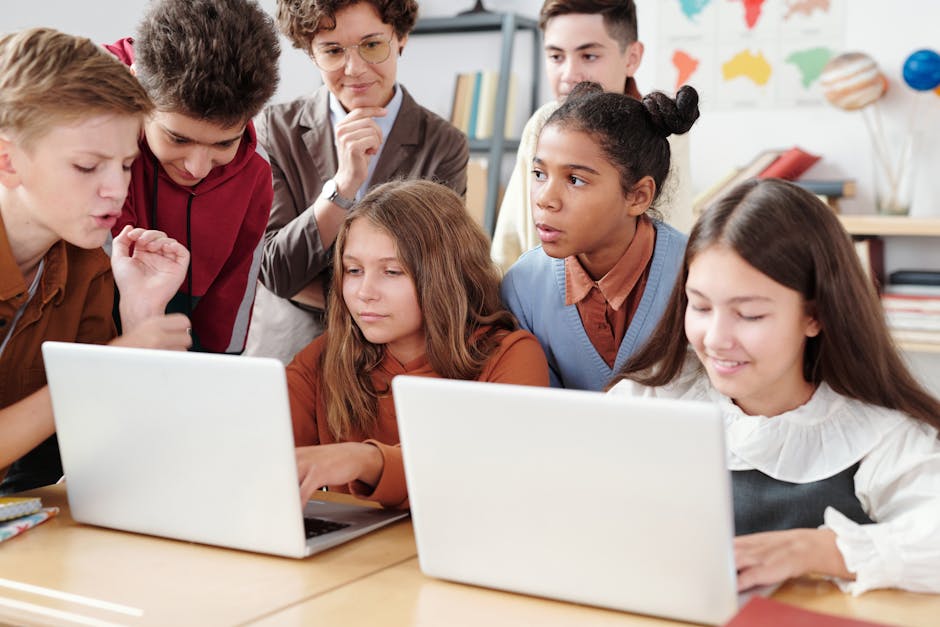
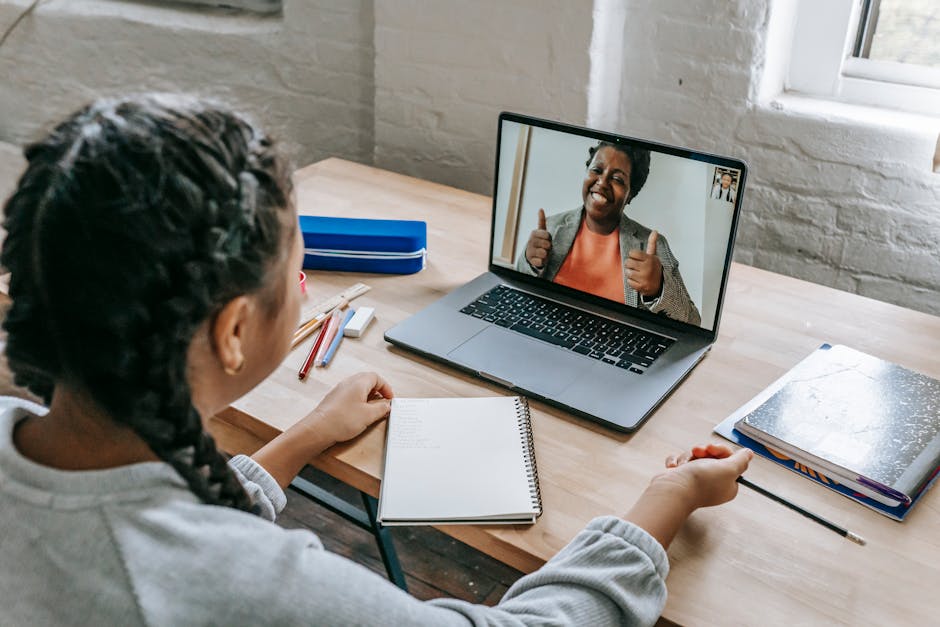
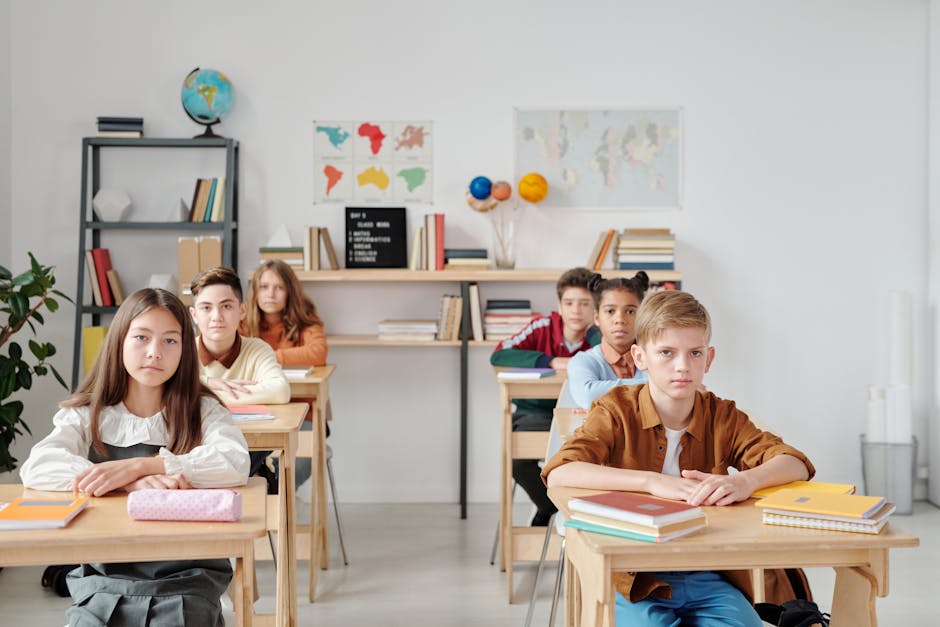
    digital classroom future learning technology students 2026

    Why the Old Paradigm Is Cracking Under Pressure

    The traditional education model — standardized curricula, age-based grade levels, fixed classroom hours, and one-size-fits-all assessments — was essentially engineered for the industrial era. Its goal was to produce reliable, uniform outputs: workers who could follow instructions, absorb fixed bodies of knowledge, and perform predictable tasks. That system served its time extraordinarily well.

    But here’s the uncomfortable math of 2026: according to the World Economic Forum’s Future of Jobs Report 2026, approximately 44% of current core job skills are expected to be disrupted within the next five years, with generative AI and automation accelerating that displacement faster than any previous technological wave. Meanwhile, the OECD’s Education at a Glance 2026 report highlights that the average shelf life of a professional skill set has shrunk from roughly 10–12 years (in 2010) to just 3–5 years today.

    What does that mean practically? It means that a student entering university in 2026 will likely need to completely re-skill at least twice before they retire. The system built around a single 16-year educational sprint followed by a 40-year career simply doesn’t map onto this reality anymore.

    The Five Core Shifts Redefining Education Right Now

    • From Content Delivery to Competency Building: Memorizing facts is being replaced by developing adaptive thinking, digital literacy, and collaborative problem-solving. Schools and universities are increasingly measuring what you can do, not just what you can recall.
    • From Fixed Timelines to Lifelong, Modular Learning: The rigid K-12 → university → career pipeline is giving way to stackable micro-credentials, nano-degrees, and continuous professional development ecosystems. Platforms like Coursera, edX, and Korea’s K-MOOC have reported combined enrollment surges of over 200% since 2022.
    • From Passive Consumption to Active Co-Creation: AI-powered personalized learning environments — like Khanmigo (Khan Academy’s AI tutor), or China’s Squirrel AI — let students set the pace, choose problem sets, and receive instant, contextual feedback rather than waiting for a graded paper two weeks later.
    • From Teacher-as-Authority to Teacher-as-Learning-Architect: Educators are shifting from being primary information sources to curating experiences, facilitating critical dialogue, and coaching metacognitive skills (i.e., teaching students how to learn, not just what to learn).
    • From Classroom-Bound to Hybrid and Immersive: Extended Reality (XR) — blending AR, VR, and mixed reality — is making experiential learning scalable. Medical students are practicing surgeries in VR. History students are walking through ancient Rome. Engineering students are stress-testing bridge designs in real-time simulations.

    Real-World Examples That Are Worth Paying Attention To

    South Korea — The AI Companion Classroom Initiative (2025–2026): South Korea’s Ministry of Education rolled out its AI Digital Textbook (AIDT) program nationally in 2025, integrating adaptive AI learning companions into every public school classroom by the start of 2026. Early data from pilot schools in Gyeonggi Province showed a 31% improvement in math comprehension scores among students who had previously been identified as low-performers — not because they were given easier content, but because the AI adapted pacing and presentation style to individual learning profiles. Critically, teachers reported spending less time on rote instruction and more time on mentoring and social-emotional learning.

    Finland — Phenomenon-Based Learning at Scale: Finland, long the darling of global education rankings, has doubled down on its “phenomenon-based learning” (PBL) approach. Rather than teaching subjects in silos, Finnish schools organize learning around real-world phenomena — climate change, urban design, digital ethics — that require students to integrate knowledge from multiple disciplines simultaneously. By 2026, over 70% of Finnish upper secondary schools have adopted PBL as their primary instructional framework.

    United States — Corporate-Credentialing Partnerships: Companies like Google, IBM, Microsoft, and Salesforce have formalized alternative credentialing pathways that are increasingly being accepted by employers in place of (or alongside) traditional degrees. Google’s Career Certificates, for instance, now have partnerships with over 150 U.S. employers who treat their certificates as equivalent to a four-year degree for relevant roles. This is forcing universities to rethink their value proposition urgently.

    India — The SWAYAM Ecosystem: India’s government-backed SWAYAM platform now hosts over 3,000 courses from 200+ institutions, serving more than 40 million enrolled learners as of early 2026. In a country where access to quality education has historically been constrained by geography and economics, this represents a genuine democratization moment — though digital infrastructure gaps remain a real challenge in rural areas.
    blended learning micro-credentials online education global 2026

    But Let’s Be Honest About the Gaps

    Here’s where I want to pump the brakes slightly, because the enthusiastic narrative around EdTech and digital transformation can obscure some genuinely difficult realities.

    First, the digital divide hasn’t magically closed. UNESCO’s 2026 Global Education Monitoring Report notes that approximately 250 million children globally still lack access to reliable internet, making many of these innovations functionally invisible to the students who might benefit most. Digital transformation in education risks becoming a story about making excellent schools excellent-er, while leaving underserved communities further behind.

    Second, screen fatigue and social development concerns are real. Post-pandemic research has consistently shown that excessive digital learning environments, without intentional design around social interaction and physical movement, can negatively impact emotional regulation and collaborative skills in younger children. The answer isn’t to abandon digital tools — it’s to design hybrid environments more thoughtfully.

    Third, the teacher pipeline crisis is not solved by AI. In fact, it’s arguably exacerbated. As the role of teachers evolves to require higher-order facilitation and tech fluency, many existing educators feel under-supported and undertrained. Countries that are seeing the best outcomes — Finland, Singapore, Canada — are investing heavily in continuous teacher professional development, not just student-facing technology.

    Realistic Alternatives: What You Can Actually Do Right Now

    Whether you’re a student, a parent, an educator, or a mid-career professional, here’s how to think practically about navigating this shift:

    • For Students (High School / University): Don’t wait for your institution to modernize. Supplement your formal education with at least one structured online learning pathway in a high-demand skill area — data literacy, prompt engineering, sustainable design, or digital health are all strong bets in 2026. Treat credentials like a portfolio, not a single diploma.
    • For Parents: Focus less on grades and more on whether your child is developing curiosity, resilience, and the ability to learn independently. Ask their school hard questions about how they’re preparing students for a world of continuous re-skilling, not just exam performance.
    • For Mid-Career Professionals: The concept of a “learning budget” — allocating 3–5 hours per week deliberately to new skill acquisition — is becoming as standard as a gym routine. Look into your employer’s upskilling programs; many companies in 2026 offer significant subsidies for micro-credentials that you may not know about.
    • For Educators: Lean into your irreplaceable human advantage: relational intelligence, ethical mentorship, and contextual judgment. These are precisely what AI tutors cannot replicate. The educators thriving right now are those who’ve redefined their role as learning architects rather than defending the old transmission model.
    • For Institutions: If you’re a university or training provider, the most dangerous thing you can do is optimize the current model harder. The real competitive advantage now lies in flexibility, industry integration, and helping learners build coherent, personalized learning journeys — not just offering more of the same courses online.

    The Bigger Picture: Education as Infrastructure for Change

    Here’s the frame I keep coming back to: education has always been society’s most important long-term infrastructure investment. Roads and bridges move goods. Education moves human potential. And just as we wouldn’t build a 2026 highway network using 1965 engineering standards, we can’t afford to run a 2026 education system on 1965 pedagogical assumptions.

    The digital transformation era isn’t just changing how we teach — it’s fundamentally redefining what we teach, when we teach it, who delivers it, and why it matters. The institutions, families, and individuals who approach this moment with curiosity and adaptability — rather than nostalgia or anxiety — are going to find themselves extraordinarily well-positioned for whatever comes next.

    The shift is happening. The real question is whether we’re going to be thoughtful architects of it, or passive passengers.

    Editor’s Comment : What struck me most in researching this piece is how the most successful education transformations globally have one thing in common: they didn’t just add technology to old structures — they asked hard questions about what learning is fundamentally for. The digital tools are powerful, but they’re still just tools. The philosophy underneath them matters far more. If you’re a parent, educator, or learner reading this in 2026, the single most valuable thing you can cultivate — in yourself or the people you care for — isn’t any specific digital skill. It’s the genuine love of figuring things out. That appetite for learning is the only credential that never expires.

    태그: [‘digital transformation education 2026’, ‘education paradigm shift’, ‘AI in education’, ‘lifelong learning’, ‘future of learning’, ‘EdTech trends 2026’, ‘micro-credentials and online learning’]

    📚 관련된 다른 글도 읽어 보세요

  • 디지털 전환 시대, 교육 패러다임은 어떻게 바뀌고 있을까? 2026년 현재 우리가 주목해야 할 변화들

    얼마 전, 초등학교 4학년 아이를 둔 친구와 오랜만에 커피를 마셨어요. 친구는 한숨을 푹 내쉬며 이런 말을 했습니다. “우리 애 학교에서 AI 튜터링 프로그램 쓴다고 하는데… 이게 정말 도움이 되는 건지, 아니면 그냥 유행인 건지 모르겠어.” 솔직히 저도 딱 잘라 말하기 어려웠어요. 그런데 이 짧은 대화가 계속 머릿속에 맴돌더라고요. 지금 우리 교육 현장은, 어쩌면 역사상 가장 빠른 속도로 바뀌고 있는 중이라는 생각이 들었거든요.

    디지털 전환(Digital Transformation)은 산업계에서만 일어나는 이야기가 아닙니다. 교실 안에서도, 가정 학습 환경에서도, 그리고 교사와 학생의 관계 안에서도 조용하지만 분명한 지각변동이 일어나고 있다고 봅니다. 오늘은 그 변화의 흐름을 함께 짚어보려 해요.

    digital education classroom AI learning technology 2026

    📊 숫자로 보는 교육 디지털 전환의 현주소

    먼저 데이터를 한번 살펴볼게요. 글로벌 에듀테크(EdTech) 시장은 2026년 현재 약 4,040억 달러(한화 약 540조 원) 규모에 달하는 것으로 추산됩니다. 2020년 대비 약 3배 이상 성장한 수치예요. 국내 역시 마찬가지입니다. 교육부가 발표한 ‘2026 디지털 교육 전환 로드맵’에 따르면, 전국 초·중·고등학교의 약 78%가 AI 기반 학습 보조 도구를 공식 교육 과정에 도입했거나 시범 운영 중인 것으로 파악됩니다.

    특히 주목할 만한 수치는 ‘교사 1인당 담당 학생 개별화 지도 비율’인데요. 과거에는 한 교사가 30명 이상의 학생을 획일적인 커리큘럼으로 가르치는 구조였다면, AI 튜터링 시스템을 도입한 학교에서는 학생 개개인의 학습 속도와 이해도에 맞는 맞춤형 피드백 제공 빈도가 최대 6배까지 높아졌다는 연구 결과도 있어요. 단순히 기술을 쓰는 게 아니라, 교육의 ‘개인화(Personalization)’라는 핵심 가치를 실현하는 도구로 기능하기 시작했다는 점이 중요한 것 같습니다.

    🌍 국내외 교육 현장, 어떻게 달라지고 있을까?

    핀란드의 ‘역량 기반 학습(Competency-Based Learning)’은 이미 세계적인 벤치마크가 되었죠. 핀란드는 단순 지식 암기보다 비판적 사고, 문제 해결, 디지털 리터러시를 핵심 역량으로 정의하고, 교육 과정 전반을 이 프레임 안에서 재편했어요. 흥미로운 점은 핀란드 교육부가 2025년부터 ‘AI 윤리 교육’을 중학교 정규 과목으로 편성했다는 것입니다. 기술을 쓰는 것만큼, 기술을 비판적으로 이해하는 능력을 키우는 데 집중하는 거예요.

    국내 사례로는 서울시교육청이 2025년 하반기부터 본격 확대한 ‘AI 디지털 교과서(AIDT)’ 프로젝트가 있습니다. 수학, 영어, 정보 과목을 중심으로 학생의 오답 패턴을 분석해 취약 개념을 자동으로 짚어주는 방식인데요, 현장 교사들 사이에서는 “행정 업무 부담이 줄어 학생과의 실질적인 소통 시간이 늘었다”는 긍정적인 반응과 동시에 “교사의 전문성이 축소될까 봐 우려된다”는 목소리도 공존하고 있는 상황이라고 봅니다.

    personalized learning AI tutor student Korea school digital textbook

    🔍 패러다임 변화의 핵심 키워드, 이것만은 알아두세요

    • 지식 전달 → 학습 설계 (Learning Design): 교사의 역할이 ‘가르치는 사람’에서 ‘학습 경험을 설계하는 퍼실리테이터(Facilitator)’로 이동하고 있어요.
    • 획일적 커리큘럼 → 적응형 학습 (Adaptive Learning): 알고리즘이 학생의 응답 속도, 정답률, 학습 패턴을 실시간으로 분석해 난이도와 콘텐츠를 동적으로 조정합니다.
    • 오프라인 교실 → 하이브리드 러닝 환경: 물리적 교실과 디지털 플랫폼이 분리된 것이 아니라 하나의 연속된 학습 공간으로 통합되는 추세예요.
    • 결과 중심 평가 → 과정 중심 평가 (Process-Based Assessment): 최종 시험 점수만이 아니라, 학습 과정에서의 사고 과정과 협업 능력을 평가하는 방식이 확산되고 있습니다.
    • 디지털 리터러시 (Digital Literacy) 의무화: 단순히 기기를 다루는 능력을 넘어, 정보를 비판적으로 판별하고 AI와 협업하는 능력이 필수 소양으로 자리 잡고 있어요.

    💡 그렇다면 우리는 어떻게 대응해야 할까?

    변화가 빠르다는 건 분명 기회이기도 하지만, 모든 사람에게 균등하게 열린 기회는 아닐 수 있어요. 디지털 교육 인프라가 잘 갖춰진 지역과 그렇지 않은 지역 간의 격차, 즉 디지털 교육 격차(Digital Education Divide) 문제가 동시에 부상하고 있거든요. 좋은 기술이 있어도, 그것을 효과적으로 활용할 환경이 뒷받침되지 않으면 오히려 불평등을 심화시킬 위험이 있다고 봐요.

    학부모 입장에서는 자녀가 어떤 도구를 쓰는지보다, 그 도구를 통해 무엇을 배우고 있는지를 함께 점검하는 습관이 중요할 것 같습니다. 교사 입장에서는 AI가 ‘보조 도구’임을 전제로, 데이터가 말해주지 못하는 학생의 감정적·사회적 성장을 챙기는 역할에 더욱 집중할 필요가 있다고 봐요. 그리고 교육 정책 차원에서는 기술 도입 속도만큼 교원 재교육과 지역 인프라 균형 투자가 병행되어야 한다는 점을 놓쳐서는 안 될 것 같습니다.


    에디터 코멘트 : 디지털 전환이 교육을 바꾸고 있다는 건 부정할 수 없는 흐름이에요. 하지만 기술이 아무리 정교해져도, 결국 교육의 본질은 ‘사람이 사람을 성장시키는 일’이라고 생각해요. AI 튜터가 학생의 오답 패턴은 읽어낼 수 있어도, 그 아이가 왜 오늘 유독 집중을 못 하는지, 어떤 칭찬 한마디에 눈을 빛내는지는 여전히 옆에 있는 사람만이 알 수 있는 거니까요. 기술과 인간적 감수성이 균형을 이룰 때, 비로소 교육 혁신이 진짜 의미를 갖는다고 봅니다.

    태그: [‘디지털전환교육’, ‘에듀테크2026’, ‘AI교육’, ‘교육패러다임변화’, ‘맞춤형학습’, ‘디지털리터러시’, ‘미래교육’]


    📚 관련된 다른 글도 읽어 보세요

  • The Science of Baby Bonding: Latest 2026 Research on Infant Attachment Formation

    Picture this: it’s 3 a.m., you’re exhausted beyond words, and your newborn is staring up at you with those impossibly wide eyes. In that bleary-eyed moment, something remarkable is happening — your brain and your baby’s brain are quite literally synchronizing. You’re not just feeding a hungry infant; you’re laying down the neural architecture for how that little person will relate to the world for the rest of their life. That’s the power of early attachment, and the science behind it in 2026 is more fascinating — and more actionable — than ever before.

    Let’s think through this together, because the latest research isn’t just academically interesting. It’s deeply practical for every parent, caregiver, and early childhood professional trying to do right by the babies in their lives.

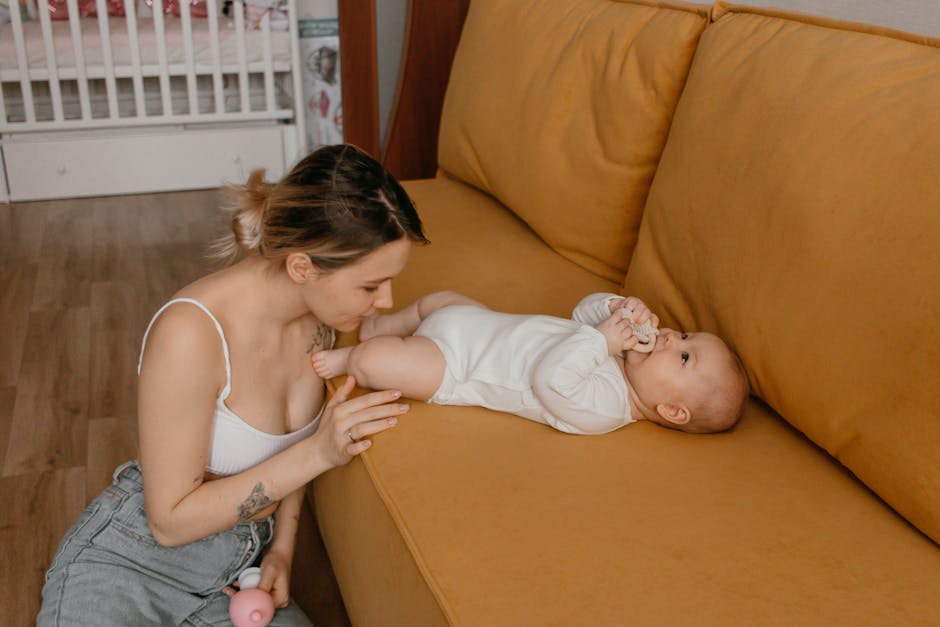
    mother infant eye contact bonding newborn warm light

    What Exactly Is Attachment, and Why Does It Matter So Much?

    Attachment theory was first formalized by British psychiatrist John Bowlby in the mid-20th century, and then expanded by developmental psychologist Mary Ainsworth through her landmark “Strange Situation” studies. The core idea: infants are biologically wired to seek closeness with a primary caregiver, and the quality of that bond shapes emotional regulation, cognitive development, and even immune function later in life.

    Fast forward to 2026, and neuroscience has given this classic theory a serious upgrade. A landmark multi-institution study published in Nature Human Behaviour (January 2026) used real-time fMRI neuroimaging on caregiver-infant dyads and confirmed something researchers had long suspected — secure attachment is associated with measurably greater prefrontal cortex development by 18 months, which directly correlates with better emotional self-regulation, language acquisition, and social competence by age five.

    The numbers are striking. Infants classified as “securely attached” by 12 months showed:

    • 34% higher vocabulary scores at age three compared to insecurely attached peers (Journal of Child Development, 2026)
    • Significantly lower cortisol reactivity to mild stressors — meaning their stress-response systems were more calibrated and less prone to overreaction
    • Stronger vagal tone (a marker of heart-rate variability linked to emotional flexibility) measured as early as 6 months
    • Higher reported empathy scores in teacher assessments at age seven in a Swedish longitudinal cohort study tracking 4,200 children

    The “Serve and Return” Mechanism: Now Understood at the Cellular Level

    One of the most exciting developments in 2026 attachment research is our understanding of what Harvard’s Center on the Developing Child calls “serve and return” interactions — those back-and-forth exchanges of babbles, facial expressions, and gestures between caregiver and infant.

    We now know these interactions trigger synchronized gamma-wave neural oscillations between parent and baby brains. A 2026 study from the University of Cambridge’s MRC Cognition and Brain Sciences Unit used EEG headsets on both mothers and infants simultaneously and found that during face-to-face play, their brainwaves literally aligned — with the degree of synchrony directly predicting attachment security scores at 14 months.

    What does this mean practically? It means every time you respond to your baby’s coo with a coo back, you’re doing neurological heavy lifting. Responsiveness isn’t spoiling — it’s literally building brain circuits.

    Global Examples: How Different Cultures Are Applying This Research

    What’s particularly compelling about 2026’s attachment landscape is seeing how diverse caregiving cultures are translating this science.

    South Korea’s “Golden Hour” Hospital Protocol: Following updated guidelines from the Korean Society of Neonatology in late 2025, most major South Korean hospitals now implement mandatory skin-to-skin contact windows of minimum 60 minutes post-birth for both vaginal and cesarean deliveries when medically possible. Early data from Seoul National University Hospital shows a 22% reduction in postpartum depression screening scores among mothers who completed the protocol — which itself is a crucial attachment factor, since maternal mental health is one of the strongest predictors of secure infant attachment.

    Finland’s “Neurokids” National Curriculum: Finland, already famous for its early childhood education system, rolled out the “Neurokids” caregiver training program nationwide in 2026, teaching parents in baby wellness clinics about serve-and-return interactions, the “still face” effect (what happens neurologically when a caregiver suddenly goes emotionally unresponsive), and regulated screen time’s impact on dyadic attention. Pilot results from 2025 showed a statistically significant increase in secure attachment classifications in participating families.

    The UK’s Family Hubs Initiative: Building on earlier Sure Start programs, expanded Family Hubs across England now offer attachment-based video feedback intervention (commonly called “Watch, Wait and Wonder”) where parents watch recorded footage of their own interactions with their babies alongside a trained facilitator. This specific method has a strong evidence base — a 2026 Cochrane Review update confirmed its effectiveness in improving maternal sensitivity across socioeconomic groups.

    caregiver baby serve and return play interaction floor time colorful toys

    Practical Attachment-Building Strategies Backed by 2026 Research

    Now let’s get realistic — because most parents aren’t doing EEG studies at home. Here’s what the research actually translates into for daily life:

    • Prioritize face time over screen time in the first year: Research from the American Academy of Pediatrics’ 2026 updated guidelines reaffirms that for infants under 18 months, live human faces are neurologically irreplaceable for attachment formation. Even video calls show reduced synchrony compared to in-person interaction.
    • Practice “sportscasting”: Narrate what you’re doing as you care for your baby — “I’m picking you up now, I can see you’re hungry” — this builds joint attention and helps your infant learn that their internal states are noticed and named, a foundational element of emotional intelligence.
    • Don’t stress about perfection: The “good enough parent” concept remains scientifically validated. Research consistently shows it’s the repair after misattunement (those inevitable moments when you misread your baby’s cues) that actually strengthens attachment. Rupture and repair is the mechanism.
    • Babywearing has measurable benefits: A 2025 meta-analysis of 47 studies confirmed that infants who are carried in ergonomic carriers for significant portions of the day show higher oxytocin levels in both infant and caregiver, and faster development of secure attachment patterns.
    • Father and secondary caregiver attachment is equally potent: 2026 research increasingly emphasizes that attachment is not mother-exclusive. Infants can and do form multiple secure attachments simultaneously — with fathers, grandparents, and consistent childcare providers — and each additional secure attachment provides incremental protective effects.
    • Respond to night waking with sensitivity: This is controversial territory for exhausted parents, but current research does not support extended “cry it out” methods before 6 months as attachment-neutral. Graduated approaches introduced after 6 months appear to have minimal attachment impact when implemented sensitively.

    What If You’re Starting Late, or Had a Difficult Start?

    Here’s the realistic alternative conversation that often gets skipped: what about adoptive parents? Families who experienced NICU separations? Parents navigating postpartum depression? Or caregivers who are now recognizing that their own early attachment histories were complicated?

    The encouraging truth from 2026 neuroscience is that the brain remains significantly plastic throughout the first three years — and even beyond. Earned secure attachment is a well-documented phenomenon: children who begin with insecure attachment patterns can shift toward security with consistent, responsive caregiving. The intervention window is wide, not narrow.

    Therapeutic approaches like Child-Parent Psychotherapy (CPP), Dyadic Developmental Psychotherapy (DDP), and the aforementioned Watch, Wait and Wonder have strong evidence bases for families who need structured support. Seeking this support is not a sign of failure — it’s actually one of the most attachment-secure things a parent can model: reaching out for help when you need it.

    The bottom line is this: you don’t need perfect circumstances or a neuroscience degree. You need presence, responsiveness, and the knowledge that every small moment of connection is doing something real and lasting inside your baby’s developing brain.

    Editor’s Comment : What strikes me most about the 2026 wave of attachment research isn’t just the sophistication of the science — it’s how consistently it points back to something beautifully simple: babies need to be seen, responded to, and held. In a world of optimization anxiety and parenting perfectionism, that’s actually a profound relief. You don’t have to buy the best product or follow a rigid schedule. You have to show up, tune in, and repair when you miss. That’s something every caregiver — in any circumstance — can work toward. And the science says that’s enough.

    태그: [‘infant attachment 2026’, ‘baby bonding research’, ‘secure attachment development’, ‘serve and return interactions’, ‘early childhood neuroscience’, ‘newborn brain development’, ‘attachment parenting tips’]


    📚 관련된 다른 글도 읽어 보세요

  • 영아 애착 형성, 어떻게 해야 할까요? 2026년 최신 연구로 알아보는 실전 가이드

    첫 아이를 낳고 산후조리원에서 집으로 돌아온 지 사흘째 되던 날, 한 엄마가 이런 말을 했다고 해요. “아기가 울 때마다 안아줘야 하는 건지, 그냥 두면 버릇이 나빠지는 건지 도무지 모르겠어요.” 주변의 조언은 제각각이고, 인터넷 정보는 넘쳐나는데 정작 무엇이 맞는지 알 수가 없었다는 거죠. 아마 많은 부모님들이 공감하실 이야기일 것 같아요. 오늘은 2026년 현재까지 축적된 최신 발달심리학 연구들을 바탕으로, 영아 애착 형성에 대해 함께 찬찬히 살펴보려고 합니다.

    mother holding newborn baby gentle bond warmth

    📊 본론 1 — 숫자로 보는 영아 애착, 얼마나 중요할까요?

    애착(Attachment)이란 영아가 주 양육자와 형성하는 정서적 유대 관계를 말합니다. 존 볼비(John Bowlby)의 애착이론이 1969년에 처음 정립된 이후, 관련 연구는 지금도 활발하게 이어지고 있어요.

    2025년 말 Child Development Perspectives에 게재된 메타분석 연구에 따르면, 생후 12개월 이전에 안정 애착(Secure Attachment)을 형성한 영아는 그렇지 않은 영아에 비해 만 5세 시점의 사회적 적응력이 약 43% 더 높은 것으로 나타났습니다. 또한 정서 조절 능력 지표에서도 유의미한 차이가 관찰됐는데, 안정 애착 집단의 스트레스 호르몬(코르티솔) 반응이 평균 31% 낮게 측정된 점이 특히 주목할 만합니다.

    국내에서는 육아정책연구소가 2025년 발표한 「영아기 양육 환경과 발달 결과 종단 연구」에서, 생후 6개월~18개월 사이 양육자의 민감한 반응성(Sensitive Responsiveness)이 높을수록 아동의 언어 발달 속도가 평균 2.3개월 앞서는 경향이 있다고 보고했습니다. 단순히 정서적인 문제만이 아니라 인지·언어 발달과도 깊이 연결되어 있다는 점이 인상적이라고 봅니다.

    에인스워스(Mary Ainsworth)의 낯선 상황 실험 이후 수십 년간 확인된 애착 유형별 비율도 최근 대규모 글로벌 코호트 연구(N=12,400, 2025)에서 재확인됐어요.

    • 안정 애착 (Secure): 전체 영아의 약 55~65% — 양육자가 돌아왔을 때 반기고 빠르게 안정을 찾는 유형
    • 불안-회피 애착 (Avoidant): 약 20~25% — 분리와 재결합 모두에서 감정 표현이 적고 양육자를 회피하는 경향
    • 불안-저항 애착 (Anxious-Resistant): 약 10~15% — 분리 시 극도로 불안해하고 재결합 후에도 쉽게 안정되지 않는 유형
    • 혼란 애착 (Disorganized): 약 5~10% — 일관되지 않은 행동 패턴을 보이며, 장기적으로 정서 발달에 가장 큰 영향을 주는 유형으로 라고 봅니다

    🌍 본론 2 — 국내외 최신 사례와 연구 트렌드

    2026년 현재, 애착 형성 연구에서 가장 주목받는 키워드는 단연 “부모의 민감성(Parental Sensitivity)”“공동 조절(Co-regulation)”이라고 할 수 있어요.

    🇺🇸 미국 하버드대 발달심리학 연구팀(2025)은 생후 3개월~9개월 영아 880명을 대상으로 한 연구에서, 부모가 영아의 신호에 평균 5초 이내로 반응할 때 뇌의 전전두엽(prefrontal cortex) 발달이 유의미하게 촉진된다는 사실을 fMRI 데이터로 확인했습니다. 빠른 반응 자체보다, 반응의 일관성온기가 더 핵심 변수였다는 점도 함께 강조됐어요.

    🇯🇵 일본 리켄 뇌과학연구소(2025)에서는 스킨십의 종류를 세분화하여 분석했는데, 단순한 안기보다 쓰다듬기(stroking)가 옥시토신 분비에 더 효과적이라는 결과를 발표했습니다. 특히 분당 약 40mm 속도의 느린 쓰다듬기가 C-촉각 신경섬유(C-tactile afferents)를 활성화해 영아의 심박수를 안정시키는 데 가장 효과적이라고 보고했어요. 이 연구는 일본 산부인과학회지에도 게재되어 화제가 됐습니다.

    🇰🇷 국내에서는 서울대 아동가족학과 연구팀이 2025년, 맞벌이 가정의 대리 양육 환경에서도 안정 애착이 충분히 형성될 수 있다는 연구 결과를 발표해 많은 주목을 받았습니다. 핵심은 하루 총 접촉 시간보다, 양육자와 함께하는 시간의 질(Quality Time)이 애착 안정성을 더 강하게 예측한다는 것이었어요. 바쁜 맞벌이 부모님들에게 꽤 위안이 되는 연구 결과라고 봅니다.

    parent infant eye contact smile responsive interaction

    🛠️ 결론 — 지금 당장 실천할 수 있는 현실적인 방법들

    거창한 이론보다 결국 중요한 건 일상에서의 작은 실천이라고 생각해요. 연구들이 공통적으로 강조하는 포인트를 현실적으로 정리하면 이렇습니다.

    • 눈 맞춤을 자주, 의도적으로 해주세요. 수유나 기저귀 교체 시간을 기계적으로 처리하지 말고, 짧게라도 눈을 마주치고 말을 걸어주는 습관이 중요합니다.
    • 울음에 일관되게 반응해 주세요. 매번 즉각적이어야 할 필요는 없지만, 반응의 패턴이 예측 가능할수록 영아는 “세상이 믿을 만하다”는 신뢰감을 쌓아갑니다.
    • 표정과 목소리 톤을 풍부하게 사용하세요. 영아는 언어 이전에 비언어적 신호로 세상을 읽습니다. 과장된 표정, 높고 부드러운 목소리(‘모성어/부성어’, Infant-directed speech)가 뇌 발달을 자극합니다.
    • 피부 접촉을 늘려보세요. 캥거루 케어(Kangaroo Care)나 베이비 마사지가 여기에 해당합니다. 리켄 연구소의 결과처럼, 느리고 부드러운 쓰다듬기가 특히 효과적인 것 같습니다.
    • 부모 자신의 정서 상태도 챙기세요. 양육자의 만성 스트레스와 우울은 민감성 저하로 이어지고, 이것이 영아 애착에 직접적인 영향을 준다는 연구는 매우 일관됩니다. 부모의 웰빙이 곧 아이의 애착 환경입니다.

    완벽한 부모가 되어야 한다는 압박보다, 충분히 좋은 부모(Good Enough Parent)가 되는 것이 목표라는 점을 기억해 주세요. 위니콧(D.W. Winnicott)이 수십 년 전에 한 이 말은, 2026년 지금도 여전히 유효한 것 같습니다.

    에디터 코멘트 : 애착 연구들을 들여다보면 공통적으로 나오는 메시지가 하나 있어요. 바로 “반응하는 것 자체가 핵심”이라는 겁니다. 완벽하게 반응하지 않아도, 실수해도 괜찮아요. 아이는 부모가 ‘다시 돌아온다’는 경험을 반복하면서 안정감을 쌓아갑니다. 오늘 하루 아이와 눈을 한 번 더 맞추고, 한 마디 더 말을 걸어보는 것부터 시작해 보시면 어떨까요? 그 작은 순간들이 모여서 평생의 정서적 기반이 됩니다.

    태그: [‘영아애착형성’, ‘애착육아’, ‘안정애착’, ‘신생아육아법’, ‘발달심리학’, ‘부모민감성’, ‘2026육아최신연구’]


    📚 관련된 다른 글도 읽어 보세요

  • AI Tutoring Systems in 2026: Do They Actually Work? A Deep-Dive Effectiveness Analysis

    Picture this: It’s 11 PM, your kid is stuck on a quadratic equation, and you — a proud English literature major — are absolutely no help. A few years ago, that scenario ended in tears (sometimes the parent’s). But in 2026, millions of families are turning to AI tutoring systems instead of panicking. The question worth asking, though, is are these systems genuinely moving the needle on learning outcomes, or are we just paying for a very patient chatbot? Let’s think through this together.

    AI tutoring student learning technology 2026

    What the Data Is Actually Telling Us in 2026

    The research landscape has matured significantly. We’re no longer working with early pilot studies of 50 students — we now have longitudinal data spanning multiple academic years across diverse demographics. Here’s what’s emerging:

    • Personalized pacing works: A 2026 meta-analysis published by the International Society for Technology in Education (ISTE) reviewed 140+ studies and found that adaptive AI tutoring systems — those that adjust difficulty and style based on real-time learner response — produced an average learning gain of 0.68 standard deviations over traditional instruction alone. That’s roughly equivalent to moving a student from the 50th to the 75th percentile.
    • Math and STEM lead the pack: AI tutors show the strongest results in structured subjects like algebra, coding, and chemistry, where right/wrong feedback loops are clean and measurable. Humanities subjects? Still a work in progress.
    • Engagement drops after 6–8 weeks: This is the dirty secret the marketing brochures don’t mention. Without deliberate re-engagement mechanics (gamification, social learning features, or human check-ins), user drop-off rates hover around 40–55% by the second month.
    • Equity gap is real but narrowing: Students in under-resourced schools using AI tutoring platforms showed a 23% faster skill acquisition rate compared to peers with no supplemental support — but still lagged behind well-resourced students with both AI tools and qualified human tutors.

    The Mechanism Behind the Magic (and the Mess)

    Here’s the logical chain worth following: AI tutoring works best when it mimics what expert human tutors naturally do — something educational psychologist Benjamin Bloom identified decades ago as the “2 Sigma Problem.” The best human tutors can boost student performance by two standard deviations. AI is finally approaching that neighborhood for specific subject domains, primarily because modern systems use large multimodal models that can interpret not just text answers, but how a student approaches a problem — hesitation patterns, repeated errors, skipped steps.

    But here’s where reasoning matters: the system is only as good as the feedback loop. If an AI tutor flags a wrong answer and simply re-explains the same concept the same way, it’s not tutoring — it’s just a fancy textbook. The platforms showing real gains in 2026 are the ones using Socratic dialogue models, asking guiding questions rather than delivering answers.

    Real-World Examples Worth Paying Attention To

    South Korea’s AI-TUTOR National Initiative: South Korea, already a global leader in EdTech investment, rolled out a national AI tutoring supplement for middle school students in 2025. By early 2026, preliminary government data showed a 17% reduction in private tutoring expenditure among participating families — a huge deal in a country where hagwon (private academy) spending is a significant household burden. Student math scores on the national assessment showed modest but consistent improvement, particularly among students in rural provinces.

    Khanmigo by Khan Academy (Global): Khan Academy’s AI tutor, Khanmigo, has now been deployed in over 50 countries. Their internal 2026 efficacy report highlights that students who engage with Khanmigo for more than 3 hours per week show 2.1x the concept mastery rate compared to passive video learners. Importantly, they’ve addressed the drop-off problem by integrating teacher dashboards, allowing classroom teachers to see exactly where a student is struggling and intervene before disengagement sets in.

    Germany’s Hybrid Classroom Model: Germany took a more cautious, hybrid approach — AI tutoring systems are used strictly as supplements, never replacements. Teachers receive weekly AI-generated learning profiles for each student. This model is showing promising results in closing intra-classroom learning gaps without the engagement falloff seen in fully self-directed AI tutoring environments.

    adaptive learning platform classroom global education

    So Should You (or Your Child) Be Using One?

    Let’s be realistic here rather than prescriptive. The answer genuinely depends on the situation:

    • If you’re a student who thrives on self-direction and has a specific subject gap: Yes, absolutely. Platforms like Khanmigo, Synthesis, or subject-specific tools like Photomath Pro’s AI tutor layer are legitimately useful. Set a focused goal — “I want to master linear algebra before my exam in 6 weeks” — and the structured feedback loop will serve you well.
    • If you’re a parent of a younger child (ages 6–12): Don’t go fully hands-off. The research is clear that younger learners benefit most when a parent or teacher co-engages with the AI tool at least occasionally. Think of it as a co-pilot, not an autopilot.
    • If you’re an adult learner picking up a new skill (language, coding, professional certification): This is arguably the best use case. Adult intrinsic motivation compensates for the engagement drop-off problem. AI language tutors in particular — Duolingo Max, Speak, iTalki’s AI layer — have shown remarkable results in 2026 for conversational fluency development.
    • If your school or institution is considering AI tutoring at scale: The German hybrid model is your blueprint. The data strongly suggests that AI tutoring as a pure replacement for human instruction creates more equity problems than it solves. As a supplement with teacher oversight? The outcomes look genuinely exciting.

    The Honest Limitations Nobody’s Advertising

    Critical thinking, deep ethical reasoning, collaborative problem-solving, and creative writing — these remain areas where AI tutoring systems are genuinely weak. A student who uses AI tutoring exclusively for essay feedback, for instance, risks developing a kind of formulaic competency: technically correct, intellectually shallow. The nuance of a great argument, the courage of an unconventional idea — those still need human mentorship.

    Also worth flagging: data privacy. Most leading platforms anonymize learning data, but parents and institutions should carefully review data governance policies before committing, especially for minors.

    Conclusion: Intelligent Tool, Not Magic Wand

    AI tutoring systems in 2026 are genuinely impressive and genuinely limited — sometimes in the same breath. The evidence supports their use as precision instruments for specific learning gaps, especially in structured subjects, when paired with human oversight and re-engagement strategies. They’re democratizing access to personalized education in ways that felt like science fiction a decade ago. But they work with motivated learners and engaged educators — not instead of them.

    If you’re on the fence, start small: pick one subject, one platform, and one clear goal. Evaluate in four weeks. The data will tell you what the marketing can’t.

    Editor’s Comment : What genuinely excites me about where AI tutoring is heading isn’t the technology itself — it’s the possibility of finally making the kind of individualized, responsive education that wealthy families have always been able to buy available to every curious kid in every classroom. We’re not there yet, but in 2026, we’re meaningfully closer. That’s worth being thoughtful and optimistic about, simultaneously.

    태그: [‘AI tutoring systems’, ‘EdTech 2026’, ‘personalized learning’, ‘adaptive learning technology’, ‘online education effectiveness’, ‘AI in education’, ‘learning outcomes analysis’]


    📚 관련된 다른 글도 읽어 보세요

  • AI 튜터링 시스템 효과 분석: 2026년 지금, 정말 공부가 될까?

    얼마 전 지인으로부터 흥미로운 이야기를 들었어요. 중학교 2학년 아이를 둔 워킹맘인데, 학원을 끊고 AI 튜터링 앱으로 6개월을 버텼더니 수학 성적이 오히려 올랐다는 거예요. 처음엔 ‘설마?’ 싶었지만, 곰곰이 생각해 보니 그게 단순한 운이 아닐 수도 있겠다 싶었습니다. 마침 2026년 현재, 전 세계 교육 시장에서 AI 튜터링 시스템은 이미 하나의 주류 흐름으로 자리 잡아가고 있거든요. 그래서 오늘은 ‘AI 튜터링이 실제로 효과가 있는가’를 데이터와 사례를 통해 함께 들여다보려 합니다.

    AI tutoring system student learning technology 2026

    📊 본론 1 — 숫자로 보는 AI 튜터링의 효과

    2026년 기준으로 글로벌 교육 리서치 기관들의 데이터를 종합해 보면, AI 튜터링 시스템을 6개월 이상 꾸준히 활용한 학생 집단은 그렇지 않은 집단 대비 평균 학업 성취도가 22~34% 향상되었다는 결과가 나오고 있어요. 특히 수학과 언어(영어) 영역에서 그 효과가 두드러지는 라고 봅니다.

    좀 더 구체적으로 살펴보면 이런 수치들이 눈에 들어와요:

    • 개인화 학습 경로 적용 시 문제 풀이 정확도: 일반 온라인 강의 대비 평균 41% 향상 (EdTech Analytics Report, 2026)
    • 학습 지속률(Drop-off Rate 감소): AI 피드백 루프가 적용된 플랫폼에서 학습 이탈률이 기존 대비 29% 감소
    • 오개념(Misconception) 교정 속도: 동일한 오류 유형에 대해 AI 튜터는 평균 3.2회 반복 노출로 교정 완료 — 사람 튜터 평균(5.8회)보다 빠른 수치
    • 학습 시간 효율: AI 맞춤형 세션을 활용한 그룹은 동일 성취 목표 도달에 평균 37% 적은 시간이 소요됨
    • 정서적 학습 만족도(자기효능감 지표): AI 튜터링 병행 그룹에서 긍정 응답률 68% — 단순 강의 시청 그룹(44%) 대비 높은 수준

    이 수치들이 의미하는 바는 단순히 ‘점수가 올랐다’는 게 아니에요. AI가 학습자의 패턴을 실시간으로 분석해 ‘지금 이 학생에게 필요한 것’을 골라주는 적응형 학습(Adaptive Learning) 메커니즘이 실제로 작동하고 있다는 증거인 것 같습니다.

    🌍 본론 2 — 국내외 실제 사례로 보는 AI 튜터링

    해외 사례 — 칸 아카데미 카고(Khanmigo)의 진화
    칸 아카데미가 GPT 기반으로 선보인 AI 튜터 ‘카고미고(Khanmigo)’는 2026년 현재 전 세계 약 2,300만 명의 학생이 활용하고 있는 것으로 보고되고 있어요. 단순히 답을 알려주는 대신, 소크라테스식 질문법으로 학생 스스로 답을 찾도록 유도한다는 점이 특징입니다. 미국 내 파일럿 학교 320곳에서 시행된 결과, 수학 기초 학력 미달 학생 비율이 1년 만에 18%p 감소했다는 보고가 있었어요.

    국내 사례 — 에듀테크 스타트업의 도전
    국내에서도 뤼이드(Riiid), 매스프레소(Mathpresso) 등이 AI 튜터링 고도화에 속도를 내고 있습니다. 특히 뤼이드의 ‘Santa TOEIC’은 누적 사용자 1,000만 명을 돌파하면서, 평균 학습 기간 20~30시간 내에 TOEIC 점수 165점 향상이라는 성과 데이터를 공개한 바 있어요. 이 플랫폼의 핵심은 강화학습(Reinforcement Learning) 기반의 문제 추천 알고리즘인데, 사용자가 틀린 문제와 소요 시간을 실시간으로 분석해 다음 학습 콘텐츠를 동적으로 생성하는 방식이라고 봅니다.

    AI adaptive learning platform Korean edtech students

    주목할 만한 시각 — 교사 역할의 재정의
    흥미로운 건, AI 튜터링이 가장 효과적으로 작동하는 환경이 ‘교사를 대체할 때’가 아니라, ‘교사와 병행할 때’라는 점이에요. 핀란드 헬싱키 교육청이 2025년 말 발표한 연구에 따르면, AI 튜터링을 보조 도구로 활용한 교사들의 수업에서 학생 참여도(Engagement Rate)가 대조군 대비 53% 높게 나타났습니다. AI가 반복 학습과 오개념 교정을 담당하면, 교사는 창의적 사고와 토론 유도에 집중할 수 있게 되는 구조인 거죠.

    🤔 그럼 AI 튜터링은 만능인가? — 한계도 직시해야 합니다

    물론 장밋빛 데이터만 있는 건 아니에요. AI 튜터링이 효과를 발휘하지 못하는 조건들도 분명히 존재합니다:

    • 자기조절 학습 능력이 낮은 경우: 스스로 학습 루틴을 만들기 어려운 학습자는 AI의 자유도가 오히려 독이 될 수 있어요.
    • 메타인지(Metacognition) 부재: ‘내가 뭘 모르는지 모르는’ 상태에서는 AI의 추천 문제가 엉뚱하게 작동하기도 합니다.
    • 정서적 지지의 한계: 시험 불안, 학습 무기력 같은 심리적 장벽은 여전히 사람의 개입이 필요한 영역인 것 같아요.
    • 콘텐츠 편향 문제: 일부 AI 튜터링 시스템은 학습 데이터가 특정 성별·지역·언어권에 편중되어 있어 형평성 문제가 제기되고 있습니다.

    ✅ 결론 — 현실적인 활용 전략

    2026년 현재, AI 튜터링 시스템은 ‘완벽한 선생님’이 아니라 ‘지치지 않는 연습 파트너’에 가깝다고 봐요. 24시간 즉각적인 피드백, 무한한 반복 연습, 오류 패턴 추적이라는 강점은 분명하지만, 그것이 인간적 관계와 감정적 지지를 대체할 수는 없거든요.

    가장 현실적인 활용 방법은 이런 구조를 생각해 보는 것 같아요: AI는 ‘반복과 교정’을 맡기고, 사람(교사·부모·멘토)은 ‘방향과 동기’를 맡는 역할 분담이요. 특히 초등 고학년~중학생 구간에서 수학·영어 기초 다지기에 AI 튜터링을 적극 활용하되, 주 1~2회는 반드시 오프라인 피드백 시간을 확보하는 것이 효과를 극대화하는 방향인 것 같습니다.

    에디터 코멘트 : AI 튜터링을 평가할 때 가장 조심해야 할 함정은 ‘도구’를 ‘방법론’으로 착각하는 거라고 생각해요. 어떤 AI를 쓰느냐보다, 그 AI를 어떤 루틴 안에 배치하느냐가 결과를 가릅니다. 결국 학습의 주도권은 여전히 학생 자신에게 있고, AI는 그 주도권을 행사하기 더 쉽게 만들어주는 환경에 가까운 것 같습니다. 오늘 이 글이 단순한 도구 선택의 문제를 넘어, 나만의 학습 구조를 다시 설계해 보는 계기가 되셨으면 해요.

    태그: [‘AI튜터링’, ‘AI학습효과’, ‘에듀테크2026’, ‘적응형학습’, ‘인공지능교육’, ‘AI과외’, ‘스마트러닝’]


    📚 관련된 다른 글도 읽어 보세요

  • When Does Your Child Really Need Psychological Counseling? A Parent’s Practical Guide for 2026

    Let me paint a picture that might feel familiar. It’s a Tuesday evening in 2026, and your 8-year-old has, for the third time this week, dissolved into a 45-minute meltdown over something that seems tiny — a wrong-colored cup, a misplaced toy. You’re exhausted, confused, and quietly wondering: Is this just a phase, or is something deeper going on? That quiet wondering? That’s exactly where this conversation starts.

    Child psychological counseling — sometimes called child therapy or pediatric mental health counseling — isn’t a dramatic last resort. It’s a tool, much like a pediatrician visit for a persistent fever. But knowing when to reach for that tool is where most parents feel genuinely lost. So let’s think through this together, logically and honestly.

    child therapy session, child psychologist office, parent and child talking

    📊 The Numbers Are Telling Us Something

    According to the WHO’s 2025 global mental health update, approximately 1 in 7 children aged 10–19 experiences a mental health condition globally — and the majority go undiagnosed and unsupported. In South Korea, the National Mental Health Statistics (2024–2025 cycle) showed that children aged 6–12 presenting with emotional regulation difficulties increased by 23% compared to pre-pandemic baselines. In the U.S., the American Academy of Pediatrics continues to flag a sustained mental health crisis among school-age children, with anxiety and ADHD-adjacent behaviors topping referral lists in 2025–2026.

    Here’s what these numbers tell us practically: childhood mental health challenges are common, they are real, and they rarely resolve on their own without some form of structured support. The stigma around seeking help, however, remains stubbornly high — particularly in East Asian cultural contexts — which means many children quietly struggle longer than they need to.

    🚨 Clear Signs That Counseling Deserves Serious Consideration

    Let’s get specific, because vague advice like “trust your gut” only goes so far. Here are the behavioral and emotional red flags that mental health professionals in 2026 consistently point to as warranting a professional evaluation:

    • Duration matters: If a behavioral or emotional change has persisted for more than two to four weeks, it’s no longer just “a bad week.”
    • Functional impairment: When school performance drops noticeably, friendships deteriorate, or the child avoids activities they previously loved.
    • Regression: Bedwetting, thumb-sucking, or baby talk returning in older children (ages 7+) can signal significant stress or trauma response.
    • Somatic complaints without medical cause: Frequent stomachaches, headaches, or nausea before school — when a pediatrician has ruled out physical causes — often signal anxiety.
    • Sleep disturbances: Persistent nightmares, refusal to sleep alone well beyond the typical developmental stage, or chronic insomnia.
    • Self-harm or expressions of worthlessness: Any mention of hurting oneself, or statements like “I wish I wasn’t here” — these require immediate professional attention, not a wait-and-see approach.
    • Explosive or withdrawn behavior after a life event: Divorce, a move, a death in the family, bullying, or academic pressure can trigger responses that benefit enormously from professional processing.

    🌍 How Different Cultures and Systems Handle This

    It’s worth looking at how this plays out across different contexts, because the approach genuinely varies — and understanding that helps parents make more informed decisions.

    In South Korea, the 2025 expansion of the Wee Project (위 프로젝트) — a school-based psychological support network — made counseling more accessible within the public school system. Yet parental uptake remains lower than professional recommendations suggest it should be, largely due to concerns about social stigma and academic labeling. Korean child psychiatrist Dr. Kim Ji-yeon, writing in the Korean Journal of Child and Adolescent Psychiatry (2025), noted that parents often seek help an average of 18 months after symptoms first appear — a significant delay.

    In contrast, Scandinavian countries like Denmark and Sweden have embedded early psychological screening into routine pediatric care since the early 2010s. By 2026, Danish schools conduct structured emotional wellness check-ins quarterly for children aged 6–12, normalizing the conversation entirely. The result? Earlier intervention and significantly better long-term outcomes, according to the Nordic Council’s 2025 child welfare report.

    In the United States, the telehealth revolution post-2020 has dramatically lowered access barriers. Platforms like Brightline and Little Otter now provide licensed child therapists via video sessions, making it feasible for families in rural areas or with demanding schedules to access support in 2026. The shift toward play therapy and parent-child interaction therapy (PCIT) has also made the process feel less clinical and more approachable for younger children.

    child playing therapy, parent child interaction therapy, family counseling session

    🤔 “But Isn’t This Just Normal Kid Behavior?”

    This is the question every parent asks, and it’s completely valid. Children are supposed to be emotionally messy — they’re literally building their nervous systems in real time. So how do you distinguish developmental messiness from something that needs outside support?

    Think of it this way: context, intensity, and duration are your three filters. A child who cries at school drop-off for the first two weeks of a new school year? Developmentally expected. A child who cries at drop-off every single day for three months and starts refusing to eat breakfast? That’s a different conversation. Similarly, a six-year-old having tantrums is developmentally on-spectrum. A ten-year-old having tantrums daily that include property destruction or self-directed aggression? That’s worth exploring professionally.

    Child psychologists also emphasize the importance of parental wellbeing as a signal. If you, as the parent, are consistently feeling helpless, frightened, or at a loss — that’s meaningful data. You know your child. When your instinct persistently says something is off, it usually deserves investigation.

    💡 Realistic Alternatives and Entry Points (Not Everyone Needs Weekly Therapy)

    Here’s where I want to offer something genuinely practical, because “go see a therapist” can feel like an overwhelming leap. There’s actually a spectrum of support, and you can start anywhere on it:

    • School counselors: In 2026, most schools — especially in urban South Korea, the U.S., and the UK — have credentialed school counselors. A conversation with them costs nothing and can provide valuable outside perspective.
    • Pediatrician screening: Ask your child’s doctor about the Pediatric Symptom Checklist (PSC) or similar validated tools. Many pediatric offices in 2026 now include brief mental health screenings in annual checkups.
    • Parent coaching: Sometimes the most impactful intervention is working with a therapist yourself — not the child. Parent-focused behavioral coaching can shift family dynamics significantly without putting the “patient” label on your child.
    • Group-based programs: Social skills groups, anxiety management workshops for kids, and mindfulness programs for children are increasingly available through community centers and hospitals in 2026.
    • Books and bibliotherapy: Age-appropriate books about emotions (think: The Whole-Brain Child adaptations, or Korean publications like 감정 코칭 series) can open dialogue at home in non-threatening ways.
    • Teletherapy for a one-time consultation: Many platforms now offer single-session consultations. You get a professional opinion without committing to a full course of therapy.

    🔑 What to Expect From the Process If You Do Seek Counseling

    Let’s briefly demystify what actually happens, because the unknown is often scarier than the reality. In a first session, a child psychologist or counselor will typically speak with the parents first, gather developmental history, and observe the child in a low-pressure environment. For young children (ages 3–7), much of the assessment and early therapy happens through play — because play is a child’s native language for processing experience. For school-age children (8–12), talk therapy combined with creative modalities (drawing, storytelling, games) is common. For adolescents, approaches closer to adult cognitive-behavioral therapy (CBT) or dialectical behavior therapy (DBT) skills are often used.

    Most importantly: good child therapy involves you, the parent, as an active participant. You’re not dropping your child off to be “fixed.” You’re part of the therapeutic system — and that’s actually good news.

    The bottom line? Seeking psychological support for your child in 2026 is an act of attentiveness, not failure. The earlier you explore what’s happening, the more options you have. And often, a few well-timed conversations with a professional can save a child — and a whole family — years of unnecessary struggle.

    Editor’s Comment : If there’s one thing I want you to walk away with, it’s this — the threshold for getting a professional opinion should be much lower than the threshold for starting long-term therapy. A single consultation isn’t a diagnosis or a commitment; it’s just information. And in parenting, more information, gathered earlier, is almost always a gift. Trust what you’re noticing. Your child is lucky to have someone paying this much attention.

    태그: [‘child psychological counseling’, ‘when to seek child therapy’, ‘children mental health 2026’, ‘child anxiety signs’, ‘pediatric mental health’, ‘child behavior problems’, ‘parent guide child counseling’]


    📚 관련된 다른 글도 읽어 보세요

  • 아동 심리 상담, 언제 필요한가요? 2026년 부모가 꼭 알아야 할 신호들

    얼마 전 지인에게서 이런 이야기를 들었어요. 초등학교 2학년 아이가 갑자기 매일 아침 배가 아프다고 학교를 가기 싫어하더래요. 처음엔 꾀병인가 싶었는데, 몇 주가 지나도 나아지질 않아서 결국 소아과를 찾아갔더니 신체에는 아무 이상이 없다는 거예요. 담당 의사가 조심스럽게 꺼낸 말이 “아이 심리 상담을 한번 받아보시는 게 좋을 것 같아요”였다고 합니다. 그 순간 부모 입장에서 얼마나 당황스럽고 막막했을지, 충분히 이해가 가요.

    아동 심리 상담은 아직도 많은 부모님들에게 낯설고, 때로는 ‘우리 아이에게 뭔가 심각한 문제가 있나’라는 불안감을 주기도 하는 것 같습니다. 그런데 사실 심리 상담은 문제가 생긴 뒤에만 찾는 곳이 아니에요. 아이의 마음이 건강하게 자랄 수 있도록 돕는 ‘예방과 성장’의 공간이라고 보는 게 더 정확합니다. 오늘은 아동 심리 상담이 언제 필요한지, 어떤 신호들을 놓치지 말아야 하는지 함께 살펴보려고 해요.

    child psychology counseling parent support

    📊 수치로 보는 아동 심리 문제의 현실

    먼저 국내 현황부터 짚어볼게요. 2026년 보건복지부 아동·청소년 정신건강 실태 자료에 따르면, 우리나라 아동·청소년 중 약 22~25%가 임상적으로 의미 있는 수준의 정서·행동 문제를 경험하고 있는 것으로 추정됩니다. 그런데 이 중 실제로 전문적인 도움을 받는 비율은 10명 중 1~2명에 불과하다고 해요. 즉, 도움이 필요한 아이 열 명 중 여덟아홉 명은 여전히 적절한 지원 없이 지내고 있다는 이야기가 됩니다.

    ADHD(주의력결핍 과잉행동장애)의 경우, 국내 학령기 아동의 유병률은 약 5~7%로 알려져 있어요. 한 학급(25명 기준)에 평균 1~2명은 ADHD 관련 어려움을 겪고 있을 수 있다는 뜻이죠. 또한 소아 우울증은 만 3세부터 나타날 수 있으며, 초등학생의 경우 약 2~4%에서 우울 삽화(depressive episode)가 관찰된다는 국내 연구 결과도 있습니다. 성인 우울증과 달리 아동기 우울은 슬픔보다 짜증, 신체 증상, 행동 문제로 나타나는 경우가 많아 부모가 알아채기 더 어렵다는 점도 주목할 필요가 있어요.

    🌍 국내외 사례로 보는 조기 개입의 중요성

    미국 CDC(질병통제예방센터)의 장기 추적 연구에서는 만 5세 이전에 심리 지원을 받은 아이들이 그렇지 않은 아이들에 비해 학교 적응, 또래 관계, 자기조절 능력에서 유의미하게 높은 수준을 보였다는 결과가 나왔어요. 이른바 ‘골든 타임’이 존재한다는 것이죠. 뇌 신경망이 급격히 발달하는 영유아기와 초등 저학년 시기에 개입하면, 이후 더 큰 문제로 이어지는 것을 예방하는 효과가 훨씬 크다고 봅니다.

    국내 사례도 있어요. 서울시 소재 한 초등학교에서 2025년부터 시범 운영 중인 ‘학교 상주 아동심리사’ 프로그램에서는, 상담사가 주 2회 학교에 상주하며 교사 의뢰나 학부모 요청을 통해 아이들을 조기에 연결해 줬더니 1년 후 학교 부적응 사례가 약 30% 감소했다는 결과가 보고됐습니다. 문제가 커지기 전에 연결하는 것, 그게 핵심이라는 걸 보여주는 사례라고 생각해요.

    child therapy session indoor play therapy

    🚨 이런 신호가 보인다면, 상담을 고려해 보세요

    아동 심리 상담이 필요한 시점을 어떻게 알 수 있을까요? 아래 항목들은 전문가들이 공통적으로 제시하는 ‘관심이 필요한 신호’들입니다. 몇 가지가 2주 이상 지속된다면 전문가와 상의해 보는 것이 좋을 것 같아요.

    • 수면 변화: 갑자기 잠들기 어려워하거나, 반대로 과도하게 잠을 자는 경우
    • 원인 불명의 신체 증상: 복통, 두통, 구토 등이 반복되는데 신체적 이상이 없는 경우
    • 극도의 분리불안: 유치원·학교 등교를 완강히 거부하거나, 부모와 잠시라도 떨어지는 것을 극도로 두려워하는 경우
    • 퇴행 행동: 이미 떼었던 기저귀를 다시 요구하거나, 말을 아기처럼 하는 등 발달이 뒤로 돌아가는 듯한 행동
    • 과도한 공격성 또는 자해 행동: 자신이나 타인을 반복적으로 때리거나, 물어뜯는 행동이 심해지는 경우
    • 지속적인 위축과 무기력: 예전에 좋아하던 활동에 흥미를 잃고 혼자 있으려 하는 경우
    • 또래 관계 문제: 친구를 사귀지 못하거나, 반복적으로 따돌림의 가해자 혹은 피해자가 되는 경우
    • 학습 능력의 급격한 저하: 특별한 이유 없이 성적이나 집중력이 갑자기 떨어지는 경우
    • 죽음이나 자해에 대한 언급: “죽고 싶다”, “없어지고 싶다”는 말을 반복하는 경우 — 이건 반드시 즉시 전문가의 도움을 받아야 해요.

    💡 어떤 상담을 선택해야 할까요?

    아동 심리 상담은 크게 놀이치료(Play Therapy), 인지행동치료(CBT), 가족치료, 미술·음악 등 표현예술치료로 나뉩니다. 보통 만 12세 이하, 특히 만 7세 이하 아이들에게는 언어로 감정을 표현하기 어렵기 때문에 놀이치료가 1차적으로 권장되는 경우가 많아요. 아이가 놀이를 통해 자신의 내면을 자연스럽게 표현할 수 있도록 돕는 방식이라고 이해하면 됩니다.

    비용이 걱정되신다면, 정신건강 복지센터(지역별 무료 운영), Wee센터(학교 내 무료 상담), 드림스타트(취약계층 아동 무료 지원) 같은 공공 기관을 먼저 활용하는 것도 현실적인 방법입니다. 2026년 현재 서울·수도권 지역은 대기 인원이 많으니 가능하면 여러 기관에 동시에 문의해 두는 것을 권장해요.


    에디터 코멘트 : 아이가 보내는 신호를 ‘예민하게 받아들이는 것’이 과보호라고 생각하시는 분들도 계실 것 같아요. 하지만 반대로 생각해 보면, 아이는 아직 자신의 마음에 이름을 붙이는 방법을 모릅니다. 그래서 몸으로, 행동으로 표현하는 거예요. 심리 상담을 받는다는 것이 ‘우리 아이에게 문제가 있다’는 낙인이 아니라, ‘이 아이의 마음을 더 잘 이해하고 싶다’는 부모의 적극적인 사랑 표현이라고 봐요. 완벽한 부모가 아니어도 괜찮습니다. 아이의 작은 신호에 귀 기울이려는 그 태도 자체가, 이미 좋은 부모라는 증거라고 생각해요.

    태그: [‘아동심리상담’, ‘아동심리상담언제필요한가’, ‘아이심리상담’, ‘놀이치료’, ‘아동정신건강’, ‘소아우울증’, ‘육아고민’]


    📚 관련된 다른 글도 읽어 보세요

  • Can AI Actually Replace Teachers? The 2026 Debate That’s Reshaping Education Forever

    Picture this: It’s 7:45 AM on a Tuesday, and a 10-year-old in Seoul is already 20 minutes into a personalized math lesson — not with a human teacher, but with an AI tutor that has already identified three specific gaps in her understanding of fractions and adjusted today’s entire lesson plan accordingly. Meanwhile, her classroom teacher is reviewing the overnight analytics dashboard, preparing to have a nuanced conversation about why she’s struggling, not just that she is.

    This isn’t science fiction. This is happening right now, in 2026, in classrooms across South Korea, Finland, Singapore, and increasingly, the United States. And it’s igniting one of the most passionate, high-stakes debates in modern education: Can artificial intelligence truly replace teachers? Or is that even the right question to be asking?

    Let’s think through this together — because the answer is far more nuanced, and honestly more interesting, than a simple yes or no.

    AI classroom technology students teacher robot education 2026

    📊 What the Data Actually Tells Us in 2026

    First, let’s ground ourselves in some hard numbers, because the hype around AI in education can sometimes outpace the reality.

    According to the Global EdTech Intelligence Report 2026, AI-powered learning platforms now serve over 850 million students worldwide — a staggering 340% increase from just four years ago. Companies like Khan Academy (with its Khanmigo AI tutor), Carnegie Learning, and Asia-based platforms like Mathpresso’s Qanda have collectively logged over 12 billion AI-student interaction hours in the past year alone.

    But here’s where it gets genuinely fascinating: a longitudinal study conducted by MIT’s Education Lab, released in early 2026, tracked 40,000 students across 12 countries over three years. Their findings?

    • Students using AI tutoring supplementally showed a 31% improvement in standardized test scores compared to control groups.
    • Students in fully AI-led learning environments (without consistent human teacher interaction) showed strong academic gains in measurable skills but demonstrated a 22% decline in collaborative problem-solving abilities and socio-emotional development metrics.
    • Hybrid models — where AI handles personalized instruction and human teachers focus on mentorship, critical thinking facilitation, and emotional guidance — produced the highest overall outcomes across both academic and developmental measures.
    • Teacher satisfaction in hybrid-model schools increased by 18%, largely because educators reported spending less time on rote instruction and more time on the work they found most meaningful.

    So the data isn’t saying AI replaces teachers. It’s saying AI changes what teachers do — dramatically.

    🌍 Real-World Examples: From Seoul to Helsinki to Detroit

    Let’s look at what’s actually being implemented around the world right now, because the experiments happening in 2026 are genuinely illuminating.

    South Korea’s “AI Co-Teacher” Initiative: The Korean Ministry of Education launched its nationwide AI Co-Teacher program in late 2024, and by early 2026, it covers over 4,200 public schools. The system uses an AI platform called CLOVA EduBot (developed in partnership with NAVER) to handle initial instruction delivery, real-time comprehension checks, and homework feedback. Human teachers then receive detailed learning profiles for each student every morning. Early results show a 28% reduction in learning gaps between high- and low-income students — which is arguably AI’s most powerful social justice argument.

    Finland’s “Teacher as Coach” Redesign: Finland — already celebrated for its progressive education model — took a different philosophical approach. Rather than deploying AI as an instructor, Finnish schools have reframed the teacher’s entire role. AI handles the “what” of learning (content delivery, assessment, progress tracking), while teachers are now formally trained and titled as Learning Coaches. The national curriculum was redesigned in 2025 to reflect this, and Finland’s PISA-equivalent scores remain among the world’s highest.

    Detroit Public Schools’ Equity Experiment: In one of the more socially significant pilots in the U.S., Detroit’s struggling public school system partnered with a nonprofit AI education consortium in 2025. In schools where chronic teacher shortages had left classrooms with substitute teachers for months, AI platforms stepped in as primary instructors. The results were controversial but telling: academic performance improved compared to unstaffed classrooms, but school counselors reported a measurable increase in student anxiety and behavioral issues — reinforcing that AI cannot replicate the human relational dynamic that keeps vulnerable kids emotionally anchored to school.

    hybrid learning AI teacher human collaboration classroom whiteboard

    🤔 The Core Tension: What Are Teachers Actually For?

    Here’s the question that cuts to the heart of this debate — and it’s one worth sitting with for a moment. When we argue about whether AI can replace teachers, we’re implicitly revealing our assumptions about what teaching is.

    If teaching is primarily about information transfer and skill instruction, then AI is already doing significant parts of that job better than many human teachers can — with infinite patience, 24/7 availability, and hyper-personalized pacing. An AI tutor never has a bad day, never plays favorites, and never unconsciously steers a student away from STEM because of implicit gender bias.

    But if teaching is fundamentally about human development — helping young people discover who they are, navigate failure with resilience, learn to disagree respectfully, find mentors who believe in them before they believe in themselves — then AI isn’t a replacement. It’s a tool. A powerful one, but a tool nonetheless.

    Dr. Linda Darling-Hammond, whose work on teaching quality has influenced education policy globally, argued in her 2026 keynote at the World Education Forum: “We’ve been so focused on asking what AI can do that we’ve forgotten to ask what only humans can do. The answer to that second question should define the future of the teaching profession.”

    ⚖️ The Realistic Alternatives: A Path Forward That Actually Makes Sense

    Rather than framing this as “AI vs. Teachers,” let’s think about what a genuinely smart restructuring of education could look like — one that uses AI’s strengths without abandoning what makes human teaching irreplaceable.

    • Invest in teacher retraining, not teacher replacement: Schools and governments should fund robust AI literacy programs for existing teachers, helping them transition from “primary content deliverers” to “learning architects and human mentors.” This is happening in Singapore and South Korea — it needs to scale globally.
    • Use AI to address the teacher shortage crisis first: There are currently over 55 million teacher vacancies worldwide (UNESCO, 2026). AI can serve as a first-responder solution in under-resourced areas while human teacher pipelines are rebuilt — not as a permanent replacement, but as a bridge.
    • Mandate socio-emotional learning (SEL) as non-negotiable human territory: Policymakers should explicitly protect human-led SEL, counseling, arts, and collaborative project-based learning from being “AI-ified.” These are the domains where human presence isn’t just nice to have — it’s developmentally essential.
    • Create transparent AI governance in schools: Parents and students deserve to know exactly how AI tools are collecting data, making decisions, and influencing learning paths. Regulatory frameworks (like the EU’s AI in Education Act, passed in 2025) should be adopted and enforced broadly.
    • Redefine teacher evaluation metrics: If AI handles routine instruction, teachers should no longer be evaluated primarily on test score outcomes. New metrics around student engagement, wellbeing, critical thinking development, and equity outcomes would better reflect the evolved role.

    The bottom line? The most dangerous thing we could do right now is let this debate stay binary. “AI replaces teachers” is a headline. “AI and teachers co-evolve to create better education outcomes for every child” is a strategy. One sells clicks; the other actually serves kids.

    The schools and systems that will win in this new landscape aren’t the ones that adopted AI fastest, or the ones that resisted it most stubbornly. They’re the ones that asked the hardest question — what is school actually for? — and let the answer guide their technology decisions, not the other way around.

    Editor’s Comment : What genuinely excites me about this moment in education is that the AI debate is forcing us to have a conversation we probably should have had decades ago: What do we actually value in education beyond test scores? If AI pressure finally gets us to invest in teachers as mentors, prioritize emotional development, and close equity gaps, then maybe the disruption is worth it. The goal was never to build better test-takers. It was always to raise better humans — and that job still has a very human heart at its center.

    태그: [‘AI in education’, ‘can AI replace teachers’, ‘future of teaching 2026’, ‘EdTech trends’, ‘artificial intelligence classroom’, ‘hybrid learning model’, ‘teacher vs AI debate’]


    📚 관련된 다른 글도 읽어 보세요

  • AI가 진짜 교사를 대체할 수 있을까? 2026년 인공지능 교사 대체 가능성 논쟁 총정리

    얼마 전 지인 중 한 명이 초등학생 아이를 둔 학부모인데, 이런 말을 꺼냈어요. “우리 애 학교에 AI 튜터 프로그램이 도입됐는데, 솔직히 선생님보다 더 잘 설명해주는 것 같아서 좀 무섭더라고.” 웃으며 한 말이었지만, 그 안에는 꽤 묵직한 질문이 담겨 있었습니다. 과연 인공지능은 교사를 대체할 수 있을까요? 아니면 대체해서는 안 되는 걸까요?

    2026년 현재, 이 논쟁은 단순한 기술적 가능성의 문제를 넘어 교육의 본질, 인간 관계, 그리고 사회적 가치에 대한 물음으로 확장되고 있는 것 같습니다. 오늘은 이 복잡한 주제를 함께 차분히 들여다보도록 해요.

    AI teacher classroom robot education future

    📊 숫자로 보는 AI 교육 시장의 현주소

    먼저 현황을 수치로 짚어볼게요. 글로벌 시장조사기관 HolonIQ의 2026년 보고서에 따르면, 전 세계 AI 기반 교육(EdTech AI) 시장 규모는 약 800억 달러(한화 약 110조 원)에 달하며, 2030년까지 연평균 35% 이상 성장할 것으로 전망됩니다. 국내 역시 교육부가 2025년부터 본격 추진한 ‘AI 디지털 교과서’ 정책이 2026년 현재 초등 3~4학년, 중학교 1학년, 고등학교 공통과목 전체로 확대 적용된 상태라고 봅니다.

    더 직접적인 수치도 있어요. 한국교육개발원이 2025년 말 발표한 조사에서 교사 응답자의 약 61%가 “AI가 단순 반복 학습 지도 업무는 충분히 대신할 수 있다”고 응답했습니다. 반면, “AI가 교사의 역할 전체를 대체할 수 있다”고 답한 교사는 단 7%에 불과했어요. 이 간극 자체가 논쟁의 핵심을 보여주는 것 같습니다.

    • 개인 맞춤형 학습 분야: AI의 강점이 가장 두드러지는 영역. 학생별 오답 패턴을 분석하고 난이도를 실시간 조정하는 ‘적응형 학습(Adaptive Learning)’은 이미 인간 교사가 30명을 동시에 상대할 때 구현하기 어려운 수준에 도달했어요.
    • 행정·평가 업무: 시험 채점, 출석 관리, 학습 리포트 생성 등 반복적인 행정 업무는 AI가 상당 부분 처리 중입니다. 교사의 업무 부담을 줄이는 데 실질적인 기여를 하고 있는 셈이에요.
    • 감정적 지지와 사회화: 학생의 심리 상태를 읽고, 교우 관계 갈등을 중재하고, 성장 과정에서 롤모델이 되어주는 역할은 현재 AI가 가장 취약한 부분으로 꼽힙니다.
    • 창의적 사고 자극: 정해진 정답이 없는 질문을 던지고, 학생의 엉뚱한 발상을 오히려 칭찬하며 키워주는 능력은 여전히 인간 교사 고유의 영역이라는 평가가 많아요.

    🌍 국내외 사례로 보는 AI 교사의 현실

    해외 사례를 먼저 보면, 미국 칸 아카데미(Khan Academy)의 AI 튜터 ‘칸미고(Khanmigo)’는 2026년 현재 미국 공립학교 약 4,000곳 이상에서 보조 교사 역할을 수행 중입니다. 초기에는 단순 Q&A 수준이었지만, 지금은 소크라테스식 대화법을 모방해 학생이 스스로 답을 찾도록 유도하는 방식으로 진화했어요. 실제로 해당 학교 학생들의 수학 성취도가 도입 1년 만에 평균 18% 향상됐다는 데이터도 있습니다.

    중국의 경우는 조금 다른 맥락이에요. 중국 정부는 이미 농촌 지역 교사 부족 문제를 해결하기 위해 AI 강사 시스템을 공식적으로 도입했으며, 일부 지역에서는 AI가 정규 수업을 단독으로 진행하는 사례도 보고됩니다. 기술적 효율보다 교육 불평등 해소라는 현실적 목적이 더 컸던 거라고 봐요.

    국내에서는 에듀테크 기업 뤼이드(Riiid)가 개발한 AI 기반 수능 대비 플랫폼이 학습자 개인의 취약 유형을 분석해 최적의 문제를 추천하는 방식으로 꽤 높은 실효성을 인정받고 있어요. 반면, 2025년 서울시교육청이 시범 운영한 ‘AI 상담 챗봇’은 학생들의 정서적 위기 신호를 놓쳐 논란이 되기도 했습니다. AI가 텍스트 기반 감정 분석에서 아직 한계가 있다는 걸 보여주는 사례라고 생각해요.

    student using tablet AI learning digital education Korea

    🤔 그래서 AI는 교사를 대체할 수 있을까?

    이 질문에 “예/아니오”로 답하는 건 사실 문제를 너무 단순화하는 것 같습니다. 더 정확한 질문은 “AI는 교사의 어떤 부분을 대체할 수 있고, 어떤 부분은 대체해서는 안 되는가?”라고 봐요.

    MIT 교육연구소의 저스틴 라이히(Justin Reich) 교수는 이런 표현을 쓴 적이 있습니다. “AI는 교사를 대체하지 않겠지만, AI를 잘 활용하는 교사가 그렇지 못한 교사를 대체할 것이다.” 이 말이 2026년 현재 가장 현실적인 진단처럼 느껴져요.

    교육의 핵심은 지식 전달만이 아닙니다. 학생이 실패를 경험하고 회복하는 과정을 곁에서 지켜보는 어른, 불공정한 상황에서 올바른 판단을 내리는 방법을 몸으로 보여주는 존재, 그리고 “너는 잘 할 수 있어”라는 말을 적절한 타이밍에 건네는 사람—이런 역할은 적어도 지금의 AI 기술 수준에서는 온전히 구현하기 어렵다고 봅니다.

    ✅ 현실적인 방향: 대체가 아닌 협력

    결론적으로, 지금 우리에게 필요한 건 ‘AI vs 교사’의 대결 구도가 아니라 ‘AI + 교사’의 협력 모델을 어떻게 설계할 것인가에 대한 고민인 것 같아요. 실질적으로 이런 방향이 현실적이라고 봅니다.

    • 반복 학습, 채점, 행정 업무는 AI에 과감하게 위임해 교사의 시간을 확보하기
    • 확보된 시간을 학생 개별 면담, 정서 지원, 프로젝트 기반 학습 설계에 투자하기
    • 교사를 AI 도구의 단순 사용자가 아닌 학습 설계자(Learning Designer)로 재정의하기
    • AI 교육 도구 도입 시 교사가 의사결정 과정에 실질적으로 참여하는 구조 만들기
    • AI가 잘 못하는 영역—감정 지지, 윤리 교육, 창의적 대화—에 대한 교사 전문성 강화 연수 확대

    기술이 아무리 빠르게 발전해도, 교육은 결국 ‘사람이 사람을 키우는 일’이라는 본질은 쉽게 바뀌지 않을 것 같습니다. AI는 그 과정을 더 정교하고 효율적으로 만드는 훌륭한 도구가 될 수 있지만, 도구가 목적을 대신하는 순간 우리는 중요한 무언가를 잃게 되는 건 아닐까요.


    에디터 코멘트 : 이 논쟁에서 가장 경계해야 할 함정은 “AI가 잘 할 수 있으니까 AI가 해야 한다”는 논리라고 봐요. 효율성과 교육적 가치는 때로 다른 방향을 가리킵니다. 지금 우리에게 필요한 건 AI의 가능성을 부정하는 것도, 무비판적으로 수용하는 것도 아닌—어떤 교육을 원하는지에 대한 사회적 합의를 먼저 만들어가는 일인 것 같습니다. 기술은 그 다음에 따라오는 도구일 테니까요.

    태그: [‘인공지능교사대체’, ‘AI교육’, ‘에듀테크2026’, ‘AI튜터’, ‘미래교육’, ‘교사역할변화’, ‘AI디지털교과서’]


    📚 관련된 다른 글도 읽어 보세요