Blog

  • 2026 Early Childhood Education Trends: What Developmental Psychology Is Telling Us About Raising Smarter, Happier Kids

    Picture this: it’s a Tuesday morning at a Seoul preschool, and instead of sitting in rows reciting the alphabet, a group of four-year-olds is huddled around a sensory table filled with kinetic sand, negotiating with each other about who gets the blue shovel. Their teacher isn’t intervening — she’s observing, taking notes on a tablet, and occasionally asking open-ended questions like, “What do you think will happen if you mix the two colors?” This isn’t chaos. This is intentional. And in 2026, this kind of scene is becoming the gold standard in early childhood education (ECE) worldwide.

    So what’s actually driving this shift? Let’s think through the intersection of developmental psychology research and real-world classroom innovation — and figure out what it means for parents, educators, and policymakers right now.

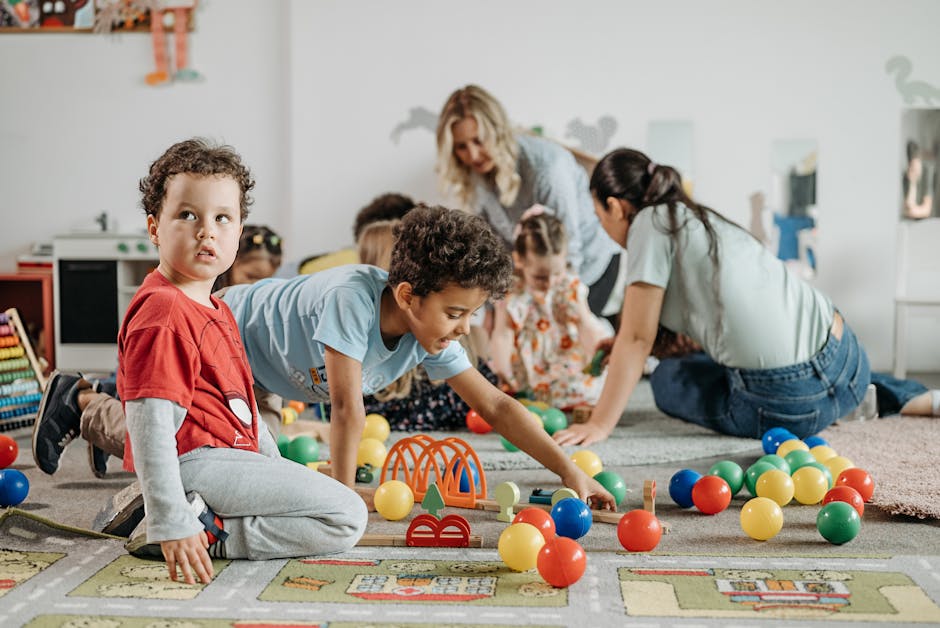
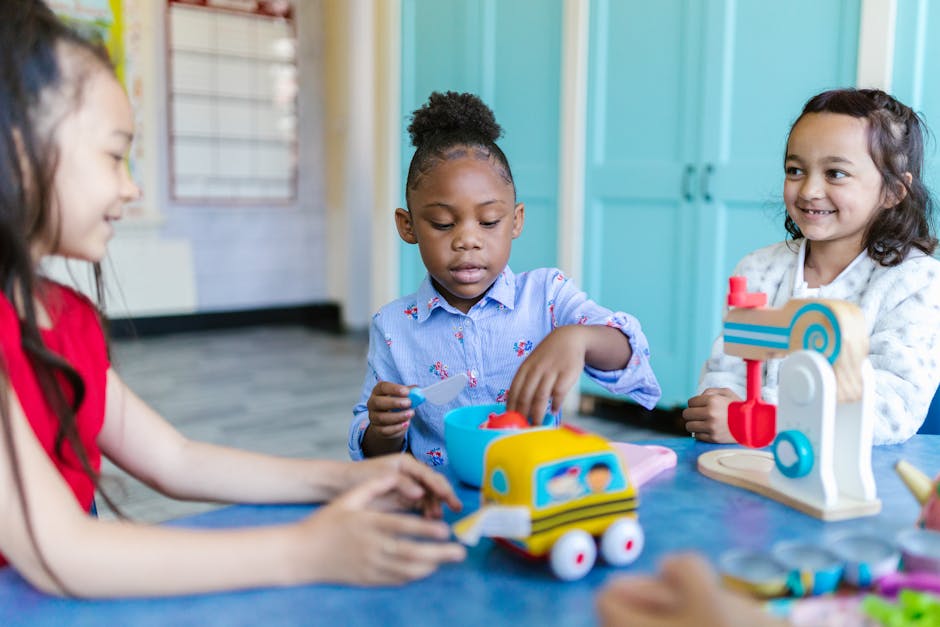
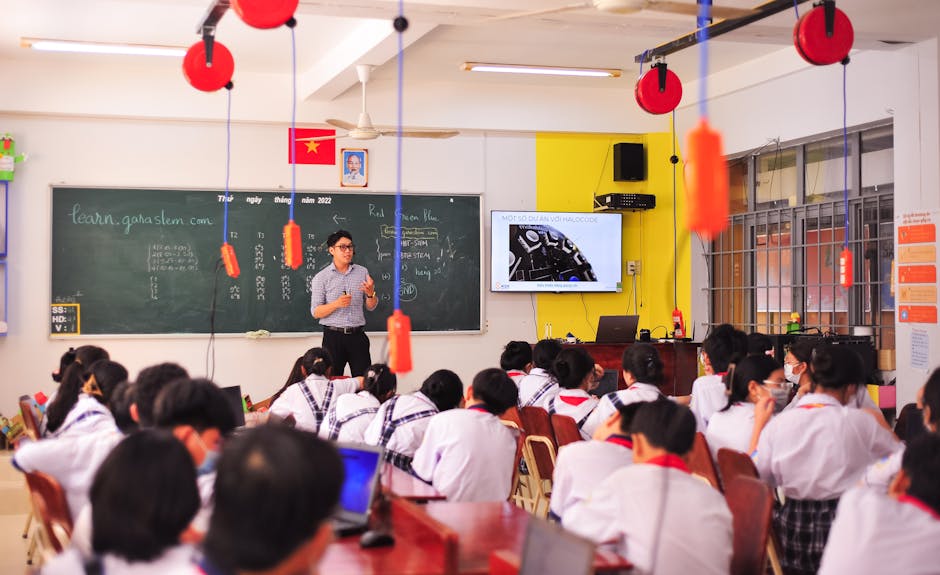
    children playing sensory learning classroom 2026 developmental psychology

    Why 2026 Feels Like a Turning Point for Early Childhood Education

    We’re not talking about incremental change here. The convergence of post-pandemic developmental data, advances in neuroscience, and a growing global rethinking of academic pressure has created a genuinely new landscape for ECE. A 2026 OECD report on early learning outcomes across 38 member countries found that children aged 3–6 in play-integrated curricula showed 23% higher executive function scores by age 8 compared to peers in direct instruction-only environments. Executive function — the brain’s air traffic control system for attention, impulse regulation, and flexible thinking — is increasingly recognized as a stronger predictor of long-term academic success than early literacy scores alone.

    Meanwhile, developmental psychologists like Dr. Adele Diamond (whose research on prefrontal cortex development continues to shape ECE policy in 2026) remind us that the brain’s plasticity during ages 2–7 is extraordinary — but it responds best to relational, emotionally safe, and physically active learning experiences, not rote memorization or screen-heavy instruction.

    The 5 Biggest Early Childhood Education Trends Shaping 2026

    • Play-Based Learning Goes Mainstream (Finally): Once considered “soft” or supplementary, play-based pedagogy is now backed by enough longitudinal data that even traditionally academic-focused countries like South Korea and Japan are revising their national ECE frameworks. Korea’s 2026 revised Nuri Curriculum places stronger emphasis on child-initiated play cycles and reduced structured worksheet time for ages 3–5.
    • Emotional Literacy as a Core Subject: Schools in Finland, New Zealand, and increasingly the U.S. are treating emotional regulation as a foundational skill — not a counseling add-on. Programs inspired by the Zones of Regulation framework are being embedded directly into daily classroom routines, helping children identify and manage emotional states before they escalate.
    • Nature-Based and Forest School Expansion: The Forest School movement, which originated in Scandinavia, has expanded dramatically. As of early 2026, there are over 4,200 certified forest school programs operating across Europe, with fast-growing adoption in urban East Asian settings including Seoul, Tokyo, and Singapore. Research consistently links outdoor, unstructured nature time with reduced anxiety, improved motor development, and stronger social collaboration skills.
    • Tech-Integrated but Tech-Balanced Approaches: Here’s where it gets nuanced. The conversation has matured beyond “screens good or bad.” In 2026, leading ECE programs distinguish between passive consumption (problematic) and creative, collaborative digital engagement (context-dependent). Tools like age-appropriate coding toys and interactive storytelling apps are being used in short, purposeful bursts — never as substitutes for human interaction.
    • Trauma-Informed and Equity-Centered Pedagogy: Post-pandemic data revealed stark disparities in developmental outcomes along socioeconomic lines. In response, 2026 ECE best practices now routinely incorporate trauma-informed care principles — creating classrooms where predictability, co-regulation, and psychological safety are built into the physical and social environment, not just addressed reactively.

    What International and Domestic Programs Are Getting Right

    Let’s look at some concrete examples that go beyond theory.

    Finland’s ECEC Refresh (2025–2026): Finland — already famous for its low-pressure early learning culture — released updated national ECE guidelines in late 2025 that explicitly de-emphasize pre-academic skills before age 6, instead prioritizing what they call “agency and wondering” — fostering curiosity, self-direction, and comfort with uncertainty. Early feedback from Helsinki municipal kindergartens shows improved teacher wellbeing scores alongside higher child engagement metrics.

    South Korea’s Urban Nature Kindergartens: In a fascinating pivot for a country historically associated with high academic pressure from an early age, Seoul’s Eunpyeong district launched 12 nature-integrated preschool classrooms in 2025, embedded within existing urban green spaces. The pilot, now in its expanded second phase in 2026, reports that participating children showed a 31% reduction in behavioral dysregulation incidents within the first semester compared to control groups.

    New Zealand’s Te Whāriki in Practice: New Zealand’s bicultural ECE curriculum, Te Whāriki, has long been a global benchmark. What’s notable in 2026 is how it’s being adapted by other nations — Australia, Canada, and several EU countries are borrowing its emphasis on belonging, wellbeing, exploration, and communication as a holistic developmental framework rather than a skills checklist.

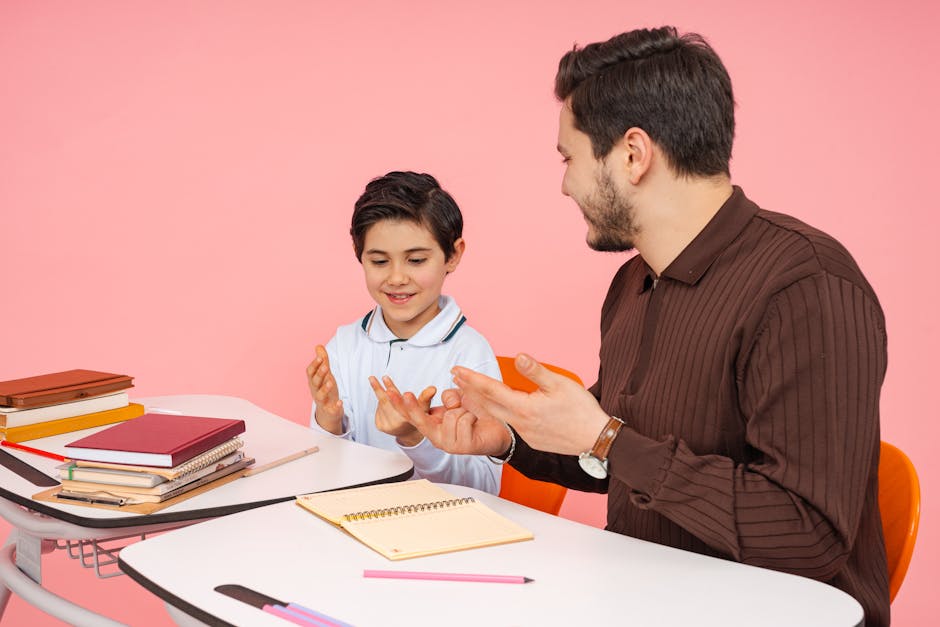
    nature kindergarten outdoor learning children forest school 2026

    A Realistic Guide for Parents: What You Can Actually Do

    Here’s the honest truth: you can’t always control which school your child attends or how well-resourced their classroom is. But developmental psychology gives us a clear picture of what matters most in the home environment — and it’s more accessible than you might think.

    • Prioritize “serve and return” interactions: This is the back-and-forth conversational exchange where you respond meaningfully to your child’s cues. Harvard’s Center on the Developing Child identifies this as one of the most powerful brain-building activities available — and it costs nothing.
    • Resist the résumé-building impulse: More structured enrichment classes before age 6 does not equal better outcomes. Unstructured free play — especially with mixed-age peers or in nature — builds creativity, resilience, and social problem-solving far more effectively.
    • Name emotions out loud: Simply narrating emotional experiences (“You look frustrated that the block tower fell”) builds emotional vocabulary, which research links to better self-regulation and peer relationships in school.
    • Choose ECE programs by feel AND data: When evaluating a preschool, notice whether children look engaged and autonomous, whether teachers are warm and observational (not controlling), and whether the environment allows for mess, movement, and choice.
    • Don’t panic about screens — contextualize them: A 20-minute co-viewing session where you discuss what you’re watching together is developmentally very different from 2 hours of solo passive consumption. The interaction is the variable that matters.

    The Bigger Picture: What This Means for Policy

    At a systemic level, the 2026 ECE conversation is inseparable from equity. Universal access to high-quality early childhood programs remains deeply unequal — both globally and within countries. The developmental science is clear: the children who benefit most from play-based, relationship-rich early education are disproportionately those from under-resourced communities who have the least access to it. Advocacy for public ECE investment isn’t just an education issue — it’s a neuroscience and public health issue.

    Countries investing meaningfully in ECE — including Iceland, Estonia, and increasingly Chile — are seeing measurable long-term returns in reduced remedial education costs, lower rates of childhood anxiety disorders, and stronger workforce readiness a generation out. The ROI on quality early childhood education is one of the most well-documented findings in social economics.

    Conclusion: Raising Kids for 2026 and Beyond

    If there’s one through-line across every trend we’ve explored today, it’s this: children don’t need more information earlier — they need more connection, more freedom to explore, and more adults who understand how their brains actually develop. The best thing the 2026 ECE movement is doing is translating decades of developmental psychology research into practical, humane, and joyful classroom experiences.

    Whether you’re a parent choosing a preschool, a teacher navigating curriculum mandates, or a policymaker weighing budget priorities — the evidence points in the same direction. Invest in relationships. Protect play. Trust the process.

    If your child’s current school feels too rigid or too screen-heavy, advocate for change — and in the meantime, know that your home environment is a powerful developmental ecosystem. Small, consistent shifts in how you interact, respond, and give space can have genuinely lasting neurological impact.

    Editor’s Comment : What excites me most about 2026’s ECE landscape is that the gap between what research tells us and what we’re actually doing in classrooms is finally — finally — narrowing. That doesn’t mean the work is done (equity gaps are real and urgent), but there’s a genuine momentum here worth celebrating. If you’re a parent or educator feeling overwhelmed by conflicting advice, anchor yourself in the fundamentals: warmth, responsiveness, play, and time in nature. The neuroscience has had your back on those for decades.

    태그: [‘early childhood education 2026’, ‘developmental psychology trends’, ‘play-based learning’, ’emotional literacy children’, ‘forest school preschool’, ‘ECE curriculum 2026’, ‘child brain development’]


    📚 관련된 다른 글도 읽어 보세요

  • 2026 유아교육 트렌드 완벽 정리 | 발달 심리 기반으로 우리 아이 교육법 바꿔야 할 이유

    얼마 전, 한 육아 커뮤니티에서 흥미로운 글을 봤어요. 다섯 살 아이를 둔 부모님이 이런 고민을 털어놓으셨더라고요. “영어 유치원을 보내야 하나 고민했는데, 선생님이 ‘지금 우리 아이에게 필요한 건 언어가 아니라 조절 능력’이라고 하셨어요. 그게 무슨 뜻인지 모르겠어서요.” 댓글이 수백 개가 달렸는데, 비슷한 혼란을 겪는 분들이 정말 많았어요. 사실 이 한 마디 안에 2026년 유아교육의 핵심 키워드가 다 들어 있다고 봅니다. 오늘은 최신 발달 심리학 연구들과 국내외 교육 현장의 변화를 함께 살펴보면서, 우리 아이 교육 방향을 어떻게 잡아야 할지 같이 고민해 볼게요.

    toddler learning development play-based education 2026

    📊 숫자로 보는 2026 유아교육의 현주소

    먼저 현황부터 짚어볼게요. 최근 OECD가 발표한 Early Childhood Education and Care 2025 Report에 따르면, 만 3~5세 유아의 정규 교육기관 등록률은 OECD 평균 87.3%에 달했고, 한국은 이보다 높은 약 92%를 기록했어요. 그런데 흥미로운 건 이 수치보다 ‘무엇을 배우는가’에 대한 논의가 훨씬 뜨겁다는 점이에요.

    국내 육아정책연구소가 2026년 초 발표한 조사에서는 학부모의 71.4%가 “유아기에 인지 학습보다 사회·정서 발달이 더 중요하다”고 응답했어요. 불과 5년 전(2021년) 같은 조사에서 이 수치가 52.1%였던 것과 비교하면 무려 19.3%p나 상승한 거예요. 부모들의 인식이 빠르게 바뀌고 있다는 신호라고 볼 수 있죠.

    또한 발달 심리학 저널 Child Development 2025년 12월호에 실린 메타분석 연구는 더 직접적인 메시지를 전해요. 만 3~6세 시기의 실행 기능(Executive Function) — 쉽게 말해 충동 조절, 작업 기억, 인지적 유연성 — 발달 수준이 초등학교 3학년 수학·읽기 성취도와 0.61의 상관계수를 보였거든요. 학습지 한 장보다 블록 쌓기 놀이가 미래 학업 능력을 더 잘 예측할 수 있다는 얘기예요.

    🌍 국내외 교육 현장, 어떻게 바뀌고 있나요?

    핀란드 — 놀이가 곧 교육과정
    핀란드는 2016년부터 유아기 ‘놀이 기반 학습(Play-based Learning)’을 국가 핵심 교육과정으로 공식화했는데, 2026년 현재 이 모델은 전 세계 유아교육의 표준처럼 인용되고 있어요. 핀란드 국립교육청(FNAE) 자료에 따르면, 유아교육 시간의 최소 60% 이상을 구조화된 자유놀이에 할당하고 있어요. ‘구조화된 자유놀이’라는 말이 조금 낯설 수 있는데, 교사가 환경과 맥락을 설계하되 아이가 주도권을 갖는 방식이에요.

    미국 — 사회·정서 학습(SEL)의 제도화
    미국의 경우 2025년부터 캘리포니아, 뉴욕, 일리노이 등 주요 주에서 유아교육 기관의 SEL(Social-Emotional Learning) 커리큘럼 도입을 의무화했어요. SEL이란 자기 인식, 자기 조절, 공감 능력, 관계 형성, 책임감 있는 의사결정을 아우르는 역량인데, 발달 심리학에서는 이를 ‘비인지적 능력(Non-cognitive Skills)’이라고 부르기도 해요.

    한국 — 누리과정의 진화
    국내에서는 2026년 개정 누리과정이 시행 첫해를 맞이하고 있어요. 개정의 핵심은 기존의 5개 영역(신체운동·건강, 의사소통, 사회관계, 예술경험, 자연탐구) 중 사회관계 영역의 비중을 실질적으로 강화하고, 디지털 리터러시 기초 역량을 자연탐구 영역 안에 통합한 점이에요. 단순히 스마트 기기를 다루는 법이 아니라, 정보를 비판적으로 탐색하는 태도를 유아기부터 심어주겠다는 취지라고 봅니다.

    children social emotional learning classroom play blocks Korea

    🧠 발달 심리학이 말하는 2026년의 핵심 키워드

    트렌드를 읽을 때 가장 중요한 건 ‘왜’라는 질문이에요. 왜 지금 이런 방향으로 흘러가고 있는지를 알면, 유행처럼 따라가지 않고 우리 아이에게 맞는 선택을 할 수 있거든요. 발달 심리학이 최근 강조하는 키워드들을 정리해 볼게요.

    • 애착 안정성(Secure Attachment) — 존 볼비(John Bowlby)의 애착 이론은 새로운 게 아니지만, 2026년 현재 신경과학 연구들이 이를 뇌 발달 수준에서 재확인하고 있어요. 안정 애착 형성이 된 아이는 편도체 반응성이 낮고 전전두엽 발달이 촉진된다는 fMRI 연구 결과들이 계속 나오고 있어요. 쉽게 말하면, 충분히 안정감을 느낀 아이가 더 잘 배우고 더 잘 조절한다는 거예요.
    • 공동 주의(Joint Attention) — 부모나 교사와 아이가 같은 대상에 함께 집중하는 이 행위가, 언어 발달과 사회성 발달의 핵심 메커니즘으로 주목받고 있어요. 영상 콘텐츠 단독 시청이 공동 주의 기회를 줄인다는 점에서 스크린 타임 논쟁과도 맞닿아 있어요.
    • 내러티브 능력(Narrative Competence) — 자신의 경험을 이야기로 만들 수 있는 능력이에요. 2025~2026년 사이 발표된 여러 종단 연구에서 이 능력이 높은 유아는 공감 능력, 정서 조절, 심지어 수학 문제 해결력까지 더 높게 나타났어요. 그림책 읽어주기가 단순한 언어 교육을 넘어서는 이유가 여기 있어요.
    • 감각 통합(Sensory Integration) — 촉각, 고유감각, 전정감각 등 다양한 감각을 뇌가 통합 처리하는 능력이에요. 실외 놀이와 신체 활동이 줄어드는 환경에서 감각 통합 문제를 보이는 유아가 증가하고 있어서, 놀이터·흙놀이·신체 활동의 교육적 가치가 재조명되고 있어요.
    • 성장 마인드셋(Growth Mindset) 기초 형성 — 캐럴 드웩(Carol Dweck)의 개념이 유아교육에 본격 적용되고 있어요. 만 4~5세부터도 “나는 아직 못해”가 아니라 “나는 아직 배우는 중이야”라는 언어 습관을 형성해 주는 것이 이후 학습 태도에 유의미한 영향을 미친다는 거예요.

    💡 그래서 실제로 어떻게 해주면 될까요? — 현실적인 대안

    이론은 알겠는데 막막하신 분들을 위해, 일상에서 적용 가능한 방향을 같이 생각해 볼게요. 거창한 프로그램이 필요한 게 아니에요.

    우선 하루 40분의 ‘방해받지 않는 자유놀이’를 확보해 주는 게 생각보다 강력하다고 봐요. 유튜브를 틀어주거나 학습 앱을 켜주는 게 아니라, 블록이든 모래든 인형이든 아이가 원하는 걸 아이 주도로 놀게 놔두는 시간이에요. 부모님이 옆에서 같이 놀아줄 때는 지시보다 ‘따라가기’가 핵심이에요.

    그리고 하루 한 번, 아이의 감정에 이름 붙여주기를 습관화해 보세요. “속상했구나”, “기대가 됐었나 보다”처럼요. 이게 바로 정서 코칭의 가장 기초이고, 앞서 말한 자기 조절 능력과 내러티브 능력을 동시에 키워주는 행위예요.

    사교육 선택에 관해서는 — 영어, 수학, 코딩 등 인지 학습 중심 프로그램을 고민하고 계신다면, 그 기관이 얼마나 놀이적 방식으로 접근하는지를 기준으로 삼으시길 권해요. 커리큘럼 내용보다 교사-아이 상호작용의 질, 아이의 표정과 등원 거부 여부가 훨씬 솔직한 지표예요.

    에디터 코멘트 : 2026년 유아교육 트렌드를 한 문장으로 요약하면 “더 빨리, 더 많이”에서 “더 깊이, 더 안전하게”로의 전환인 것 같아요. 아이의 뇌는 정보를 쌓는 그릇이 아니라, 관계와 경험 속에서 스스로 구조화되는 살아있는 시스템이에요. 조금 느리게 가는 것처럼 보여도, 그 기초가 튼튼한 아이가 결국 더 멀리 간다는 건 발달 심리학이 수십 년간 반복해서 증명해 온 사실이에요. 오늘 이 글이 조금이나마 방향을 잡는 데 도움이 됐으면 좋겠어요. 😊

    태그: [‘2026유아교육트렌드’, ‘발달심리학’, ‘유아발달’, ‘놀이기반학습’, ‘사회정서학습SEL’, ‘누리과정2026’, ‘영유아교육방법’]


    📚 관련된 다른 글도 읽어 보세요

  • Why Girls Still Shy Away from STEM in 2026 — And What We Can Actually Do About It

    Picture this: It’s career day at a middle school, and a female robotics engineer walks in to speak to a class of 12-year-olds. The girls in the room light up — not because they suddenly discovered a passion for circuits, but because many of them had never seen someone who looked like them doing that job before. That one visit, according to the school’s follow-up survey, doubled the number of girls who listed STEM fields as a future interest. Simple? Yes. Rare? Unfortunately, still very much so.

    In 2026, despite decades of conversation around gender equity in education, the STEM participation gap for girls remains stubbornly persistent — especially as students move from elementary into secondary education. But the good news is that we now have more nuanced data, more proven models, and more global momentum than ever before to actually close it. Let’s think through this together.

    girl student coding robotics classroom diversity STEM

    📊 Where the Numbers Actually Stand in 2026

    According to the OECD’s most recent Education at a Glance report (2025 edition), women account for only 35% of STEM graduates globally, a number that has improved only marginally — about 3 percentage points — over the past decade. In computing and engineering specifically, female representation at the university level hovers around 22–28% depending on the region.

    What’s more telling is where the drop-off happens. Research from UNESCO’s 2025 Global Education Monitoring Report identifies what’s often called the “interest cliff” — a measurable decline in girls’ expressed interest in STEM subjects that typically occurs between ages 10 and 14. Before that window? Girls and boys show near-identical curiosity and performance in science and math. After it? The gap widens sharply.

    The culprits are well-documented by now:

    • Stereotype threat: When girls are reminded (subtly or overtly) that “math is a boy thing,” their test performance actually dips — a phenomenon confirmed across dozens of behavioral studies.
    • Lack of visible role models: Textbooks, media, and classroom environments still disproportionately feature male scientists and engineers.
    • Chilly classroom climate: Girls in co-ed STEM settings often report being talked over, having their answers attributed to luck rather than skill, or feeling pressure to underperform to fit in socially.
    • Curriculum relevance gap: STEM subjects are frequently taught in abstract, context-free ways that disconnect from the real-world problem-solving that many students — particularly girls — find motivating.
    • Parental and peer influence: Studies consistently show that parental expectations about gender-appropriate careers remain one of the strongest predictors of a girl’s choice to pursue STEM.

    🌍 What’s Actually Working: Global and Domestic Case Studies

    Here’s where things get genuinely exciting. Across the world, educators, policymakers, and organizations have been running experiments — and some of them are producing real, measurable results.

    Finland’s Integrated STEM Curriculum Reform: Since rolling out its “Phenomenon-Based Learning” model more broadly in the early 2020s, Finland has seen a notable uptick in girls choosing advanced STEM electives at the secondary level. By connecting physics to climate change and biology to public health policy, the curriculum taps into the values-driven motivation that research shows is particularly effective for female learners. As of 2025, Finnish girls outperform the OECD average in science literacy by a significant margin.

    South Korea’s “Girls in STEM” National Initiative (2024–2026): The Korean Ministry of Education launched a structured mentorship pipeline pairing middle school girls with female STEM professionals for semester-long project collaborations. Early outcomes reported by the Korea Educational Development Institute show a 40% increase in girls selecting STEM-track high school curricula among program participants compared to control groups. The key differentiator? Mentors weren’t just lecturing — they were co-creating with students.

    Rwanda’s Tech Girls Program: Often overlooked in Western conversations, Rwanda has quietly built one of Africa’s strongest models for female STEM inclusion. With government-backed all-girls coding bootcamps integrated into the national curriculum and a cultural narrative that explicitly frames tech literacy as a tool for national development, Rwanda’s female STEM enrollment rates at the tertiary level now exceed those of several Western European nations.

    The US-Based “Girls Who Code” Impact Data: Now operating in over 60 countries, Girls Who Code reported in their 2025 Annual Impact Report that alumni are 15 times more likely to study computer science in college than the national average. Crucially, retention — not just recruitment — is their stated focus. Their clubs model emphasizes collaborative, social, and purpose-driven coding projects rather than competitive hackathon-style formats.

    female STEM mentor workshop hands-on science program diverse girls

    🛠️ Practical Strategies Worth Adopting Right Now

    If you’re a parent, teacher, school administrator, or policymaker reading this, the research points to several high-leverage intervention points that don’t require massive budgets to implement:

    • Normalize failure as part of the process: STEM fields involve a lot of trial and error, but many girls (conditioned toward perfectionism by societal expectations) interpret early struggle as a sign they “don’t belong.” Explicitly teaching growth mindset and celebrating productive failure in STEM classrooms makes a measurable difference.
    • Introduce real-world context early and often: Frame a chemistry lesson around food science or skincare chemistry. Connect physics to music production or architectural design. When girls can see the why, their engagement with the how increases dramatically.
    • Audit your classroom environment: Who gets called on? Whose answers get built upon? Whose contributions get attributed? Unconscious bias in teacher behavior, even from well-meaning educators, shapes girls’ sense of belonging in STEM spaces.
    • Create structured near-peer mentorship: Research shows that female students are most influenced by mentors who are only slightly ahead of them — a college junior, not a CEO. Older female students tutoring younger ones creates two-way benefit.
    • Engage parents with data, not guilt: Host family nights where parents explore the actual labor market data for STEM careers in 2026 — demand, salaries, flexibility, social impact. Shift the conversation from “is this appropriate for my daughter” to “what opportunities is she missing out on?”
    • Design for collaboration, not just competition: Replace some individual testing and competitive rankings with team-based projects. This shift in evaluation structure has been shown to improve girls’ STEM participation without reducing boys’ performance.

    💡 The Bigger Picture: It’s Not About “Fixing” Girls

    One important reframe worth making explicit: the most effective approaches in 2026 have moved away from the implicit assumption that girls need to be changed or coached into STEM. The more productive lens is that STEM education and culture need to expand to be genuinely welcoming and relevant to a broader range of learners — including girls. That shift in framing matters enormously for how programs are designed and communicated.

    When we design STEM experiences that are collaborative, context-rich, connected to social impact, and free from stereotype-reinforcing environments, girls don’t just “join” — they often lead. The goal isn’t to make girls more like the current default STEM student. It’s to make STEM education richer, more human, and more effective for everyone.

    The schools and systems making the most progress right now aren’t running “girls in STEM” as a side program. They’re redesigning the core experience. That’s a harder lift — but it’s the one that sticks.

    Editor’s Comment : After going deep on this topic, what strikes me most is how much of the solution is already in plain sight. We have the data, the working models, and the tools. The missing ingredient is usually not innovation — it’s will. Whether you’re a teacher with 25 students or a policymaker shaping curriculum for thousands, there’s a concrete action available to you right now. The 2026 generation of girls doesn’t need us to lower the bar. They need us to finally clear the unnecessary obstacles we’ve been placing in front of it.

    태그: [‘STEM education girls’, ‘girls in STEM 2026’, ‘gender gap in science education’, ‘female STEM participation’, ‘STEM curriculum reform’, ‘women in technology’, ‘STEM role models for girls’]


    📚 관련된 다른 글도 읽어 보세요

  • STEM 교육 여학생 참여 확대 방안 2026 — 왜 아직도 여학생들은 이공계를 망설일까?

    얼마 전 한 중학교 3학년 여학생이 과학 올림피아드 준비를 하다가 포기했다는 이야기를 들었어요. 성적도 충분했고, 흥미도 분명히 있었는데, 주변에서 “여자애가 그걸 왜?”라는 말을 반복적으로 듣다 보니 스스로도 ‘나는 이쪽이 아닌가 보다’라는 생각이 들었다고 하더라고요. 이 에피소드가 단순한 개인 사연처럼 들릴 수도 있지만, 사실 이건 지금도 전 세계 수백만 명의 여학생이 겪고 있는 구조적인 문제의 축소판이라고 봅니다.

    STEM(Science, Technology, Engineering, Mathematics), 즉 과학·기술·공학·수학 분야에서 여성의 참여 비율은 2026년인 지금도 여전히 낮은 수준에 머물러 있어요. 단순히 ‘관심이 없어서’가 아니라, 교육 환경과 사회적 인식, 롤모델 부재 등 복합적인 요인이 얽혀 있는 문제입니다. 그래서 오늘은 이 문제를 데이터로 짚어보고, 실제로 효과가 있었던 국내외 사례를 함께 살펴보면서 현실적인 해결 방향을 모색해 보려 해요.

    female students STEM classroom science experiment

    📊 숫자로 보는 STEM 젠더 갭 — 2026년 현황

    먼저 현황을 냉정하게 짚어볼게요. UNESCO의 최근 보고서에 따르면, 전 세계 고등교육 기관에서 공학 및 컴퓨터 과학 전공 여학생 비율은 약 28~33% 수준에 머물고 있는 것으로 나타납니다. 특히 인공지능(AI)·로보틱스·반도체 등 첨단 분야로 갈수록 이 비율은 더욱 낮아지는 경향이 있어요.

    국내 상황도 크게 다르지 않습니다. 한국교육개발원 자료를 바탕으로 보면, 2025년 기준 국내 공과대학 신입생 중 여학생 비율은 약 22~24%에 불과하며, 이공계 상위권 대학원의 경우 그 비율은 더 줄어들어요. 반면 생물학·화학 같은 생명과학 계열은 여학생 비율이 50%를 넘기도 합니다. 이는 흥미롭게도 STEM 내에서도 젠더 편향이 ‘분야별로 다르게’ 작동하고 있다는 걸 보여줘요.

    또 한 가지 중요한 지표는 ‘흥미 감소 시점’입니다. 연구에 따르면 여학생들이 수학·과학에 대한 흥미를 잃기 시작하는 시점은 평균적으로 초등 고학년~중학교 1~2학년 사이로 나타나요. 이 시기가 바로 개입이 가장 효과적인 골든 타임이라고 볼 수 있습니다.

    🌍 국내외 성공 사례 — 무엇이 실제로 효과가 있었을까?

    ① 핀란드의 ‘Girls in Tech’ 교육 커리큘럼
    핀란드는 2020년대 초부터 중학교 과정에 코딩과 공학적 사고를 통합한 프로젝트 기반 학습(PBL)을 도입하면서, 여학생의 기술·공학 과목 이수율이 약 18%p 상승한 것으로 보고되고 있어요. 특히 단순 이론 교육이 아니라 ‘실생활 문제를 공학적으로 해결하는 팀 프로젝트’ 방식이 여학생의 참여도를 높이는 데 효과적이었다는 분석이 있습니다.

    ② 미국 ‘Girls Who Code’ 프로그램
    2012년에 시작된 이 비영리 단체 프로그램은 현재 누적 참여자가 50만 명을 넘어섰어요. 핵심은 또래 커뮤니티와 멘토링입니다. 컴퓨터공학을 전공한 여성 멘토와의 정기적인 교류가 여학생들의 진로 선택에 직접적인 영향을 미친다는 점이 여러 추적 연구를 통해 확인됐어요.

    ③ 국내 ‘이공계 여성 인재 육성 사업’
    한국여성과학기술인육성재단(WISET)은 여중·여고생 대상 과학 캠프, 여성 연구자 멘토링 프로그램 등을 꾸준히 운영하고 있어요. 참가 학생들의 이공계 진학 의향이 프로그램 참여 전 대비 유의미하게 높아지는 경향이 있는 것으로 보입니다.

    girls coding workshop mentoring technology

    🔍 왜 여학생들은 STEM을 멀리하게 될까? — 구조적 원인 분석

    데이터와 사례를 보면서 자연스럽게 드는 질문이 있어요. “흥미는 있는데 왜 포기하게 되는 걸까?” 여기에는 몇 가지 얽힌 원인이 있는 것 같아요.

    • 고정관념 위협(Stereotype Threat): ‘수학은 남자들이 잘한다’는 사회적 고정관념을 의식하는 순간, 실제 시험 성과가 낮아지는 심리적 현상입니다. 스탠퍼드대 클로드 스틸 교수의 연구로 널리 알려진 개념이에요.
    • 롤모델 부재: 교과서 속 과학자·발명가의 대다수가 남성이고, 주변에서 이공계 분야 여성 전문가를 접할 기회 자체가 적어요. ‘나도 저렇게 될 수 있다’는 상상이 어려워지는 환경입니다.
    • 소속감(Belonging) 부족: 이공계 수업 분위기나 동아리 문화가 암묵적으로 남학생 중심으로 형성되어 있는 경우, 여학생들이 ‘내가 여기 어울리는 사람인가’를 의심하게 되는 경향이 있어요.
    • 가정·교사의 무의식적 편견: 여자아이가 수학을 잘해도 “열심히 했네”라고, 남자아이가 잘하면 “역시 머리가 좋네”라고 평가하는 귀인(attribution) 방식의 차이가 쌓이면서 여학생 스스로의 자기효능감이 낮아집니다.
    • 진로 정보 격차: AI·반도체·우주항공 등 새로운 STEM 직군이 빠르게 생겨나고 있지만, 여학생들이 이 분야를 구체적인 직업으로 탐색할 기회 자체가 적은 편이에요.

    💡 현실적으로 효과 있는 참여 확대 방안

    문제의 원인이 다층적인 만큼, 해결책도 단일하지 않아야 한다고 봐요. 가정·학교·사회 차원에서 동시에 접근하는 게 핵심입니다.

    • 초등 단계부터 ‘문제 해결형’ STEM 경험 설계: 공식 암기 중심이 아니라, 환경 오염 해결·스마트 텃밭 설계 등 여학생들이 공감할 수 있는 맥락의 프로젝트를 통해 STEM의 실용성을 느끼게 해주는 것이 효과적입니다.
    • 여성 STEM 멘토와의 정기적 교류 프로그램 확대: 한 연구에 따르면 같은 성별의 롤모델을 접한 여학생이 그렇지 않은 경우보다 이공계 진학 의향이 약 2배 이상 높게 나타났어요.
    • 교사 대상 젠더 감수성 연수 의무화: 교사의 무의식적 편견을 줄이는 것만으로도 여학생의 수학·과학 자기효능감이 유의미하게 높아진다는 연구 결과가 있습니다.
    • 미디어·교과서 속 여성 과학자 표상 강화: 교과서 개편 시 여성 과학기술인의 업적을 균형 있게 포함하고, 유튜브·SNS 등 디지털 채널을 통해 현직 여성 연구자들의 일상을 콘텐츠화하는 접근도 의미 있어요.
    • 여학생 전용 해커톤·코딩 대회 활성화: 혼성 팀에서 발언권을 얻기 어려워하는 경우를 고려해, 여학생 전용 공간을 일부 마련하는 것도 단기적으로 유효한 전략입니다.

    물론 ‘여학생 전용 공간’이 장기적 해결책이 되어서는 안 되겠죠. 궁극적으로는 혼성 환경에서도 누구나 평등하게 목소리를 낼 수 있는 문화를 만드는 게 목표여야 합니다. 전용 프로그램은 그 과정에서 자신감을 키우는 ‘디딤돌’ 역할로 보는 게 적절하다고 봐요.


    에디터 코멘트 : STEM 분야의 여학생 참여 문제는 결국 ‘능력의 문제’가 아니라 ‘기회와 환경의 문제’라는 게 데이터가 일관되게 보여주는 메시지인 것 같아요. 2026년, AI와 반도체가 국가 경쟁력의 핵심이 된 지금, 인재 풀의 절반을 스스로 좁히고 있는 건 사회 전체의 손실이기도 합니다. 거창한 정책도 물론 중요하지만, 지금 당장 옆에 있는 여학생에게 “너 이쪽 잘 맞겠다”는 한마디를 건네는 것부터 시작할 수 있지 않을까요.

    태그: [‘STEM교육’, ‘여학생STEM참여’, ‘이공계여성’, ‘젠더교육격차’, ‘과학교육2026’, ‘여성과학기술인’, ‘STEM젠더갭’]


    📚 관련된 다른 글도 읽어 보세요

  • Is Your Child Ready? The Ultimate Social Skills Checklist Before Starting Elementary School in 2026

    Picture this: It’s the first week of first grade, and little Maya bursts through the front door after school. Instead of the excited chatter you hoped for, she’s quiet and a little teary. ‘Nobody wanted to play with me at recess,’ she says. Sound familiar? Or maybe you’re a parent nervously wondering — does my child have what it takes to navigate the social world of elementary school?

    Here’s the thing: academic readiness gets all the attention (Can they count to 20? Do they know their ABCs?), but social readiness is equally — some researchers argue more — predictive of long-term school success. Let’s walk through what the research actually says, what to look for, and what you can realistically do if your child isn’t quite there yet.

    child playing with friends at preschool, social skills development kindergarten

    Why Social Skills Matter More Than You Might Think

    A landmark 2026 report from the American Journal of Child Development tracking over 3,000 children across 12 years found that children who demonstrated strong social competency before age 6 were 54% more likely to graduate high school on time and twice as likely to hold stable employment by their mid-20s compared to peers with lower social readiness scores. In South Korea, the Ministry of Education’s 2026 School Readiness Framework similarly emphasizes social-emotional learning (SEL) as a core pillar alongside literacy and numeracy.

    So what exactly does ‘social readiness’ mean for a kindergartener or first-grader? It’s not about being the most outgoing kid in the room. It’s about a foundational set of skills that help a child function cooperatively within a group.

    The 2026 Elementary Social Readiness Checklist: 12 Key Indicators

    Work through this list honestly. A checkmark doesn’t mean perfection — it means your child demonstrates the behavior most of the time in familiar environments.

    • Can say their full name and age — Basic self-identification is the foundation of peer interaction.
    • Initiates play with other children — Not just responding, but actually approaching others and proposing an activity.
    • Takes turns without significant meltdown — Board games, playground swings, shared toys. This is huge.
    • Can express a basic emotion verbally — ‘I’m sad,’ ‘I’m frustrated,’ ‘I don’t like that’ — verbal emotional expression prevents physical acting out.
    • Listens while someone else is speaking — Eye contact isn’t required, but waiting without interrupting is a key skill for classroom life.
    • Follows 2–3 step instructions from an adult — ‘Put your shoes on, grab your backpack, and wait by the door.’ This directly mirrors classroom routines.
    • Can separate from a caregiver without prolonged distress — Brief sadness is normal; 30-minute crying episodes that prevent engagement are worth addressing.
    • Recovers from conflict within a reasonable time — Disagreements happen. The question is: can they bounce back and re-engage within roughly 10–15 minutes?
    • Understands basic ‘fairness’ concepts — ‘It’s your turn now’ and ‘We should share’ are concepts they should grasp, even if they don’t always love them.
    • Shows empathy in basic situations — Noticing when a friend is crying, offering a toy, saying ‘are you okay?’ — simple, but meaningful.
    • Can play independently for 15–20 minutes — Counter-intuitive, but self-directed play is actually a social skill. It prevents clingy behavior and supports classroom independence.
    • Uses words instead of physical actions when upset — Hitting, biting, or pushing as a first response (rather than talking) signals an area to work on before entry.

    International Benchmarks: What Are Other Countries Doing?

    Finland — consistently ranked among the top education systems globally — doesn’t formally start structured academics until age 7, but their preschool curriculum from ages 3–6 is almost entirely focused on collaborative play, conflict resolution, and emotional vocabulary building. The result? Finnish children typically enter first grade with exceptionally strong turn-taking and group problem-solving skills.

    In Japan, hoikuen (nursery schools) use a practice called soji (communal cleaning) as early as age 4, where children work together to clean their classrooms. This isn’t just tidiness training — it’s structured cooperation with shared responsibility, which directly builds the ‘group functioning’ muscles needed for school life.

    South Korea’s updated 2026 누리과정 (Nuri Curriculum) for ages 3–5 now explicitly includes a ‘Relationship Skills’ domain, with teachers tracking each child’s ability to negotiate, express needs verbally, and participate in group decisions. This is a notable shift from earlier versions that leaned more heavily on cognitive development.

    children cooperative play classroom activity social emotional learning

    What If Your Child Isn’t Checking Many Boxes?

    First — breathe. A checklist is a diagnostic tool, not a verdict. Children develop at genuinely different rates, and the goal here is to identify where to focus your energy before school starts, not to panic.

    Here are realistic, low-pressure strategies depending on what you’re seeing:

    • For children struggling with turn-taking: Simple board games like Uno Junior or Snakes and Ladders played daily are surprisingly powerful. The structured ‘my turn / your turn’ format builds the neural habit.
    • For children who struggle to express emotions verbally: Try an ’emotion check-in’ at dinner — not forced, just modeling. ‘I felt frustrated in traffic today because…’ Children absorb emotional vocabulary by hearing it used naturally.
    • For children who hit or push when upset: Role-play is your best friend. Act out scenarios: ‘What do we do when someone takes our toy?’ Physically rehearsing the verbal response (‘That’s mine, please give it back’) makes it more accessible under stress.
    • For separation anxiety: Practice gradual, short separations — playdates where you leave for 30 minutes, then an hour. Build the evidence base in their nervous system that ‘you always come back.’
    • For children who rarely initiate with peers: Parallel play setups (two children doing the same activity side by side without forced interaction) are a gentler on-ramp than structured group play.

    When to Consider Professional Support

    If your child consistently struggles with 5 or more items on the checklist despite regular practice, or if behaviors like hitting, extreme withdrawal, or severe separation distress are intensifying rather than improving, it’s worth a conversation with your pediatrician or a child development specialist. Early intervention — whether through play therapy, occupational therapy for sensory-related social challenges, or school-based support — is dramatically more effective before formal schooling begins than after.

    This isn’t about labeling. It’s about giving your child the best possible runway.

    The transition to elementary school is one of the most significant social leaps a young child makes. A little intentional preparation now — even just 15 minutes of focused play a day — can genuinely shift the trajectory of how your child experiences those first crucial weeks. And remember: a child who walks in socially prepared doesn’t need to be perfect. They just need enough of a toolkit to start building relationships. The rest? They’ll figure out together.

    Editor’s Comment : As someone who’s spent years thinking about how children grow into confident social beings, the checklist above isn’t meant to create anxiety — it’s meant to create direction. The most powerful thing a parent can do in the months before school isn’t drilling letters or numbers. It’s playing board games, talking through feelings at dinner, and narrating the social world around you. That quiet, consistent investment pays dividends that last a lifetime.

    태그: [‘elementary school readiness 2026’, ‘social skills checklist for kids’, ‘kindergarten social development’, ‘preschool emotional learning’, ‘child social readiness’, ‘SEL for young children’, ‘school transition tips for parents’]


    📚 관련된 다른 글도 읽어 보세요

  • 초등 입학 전 사회성 발달 체크리스트 2026 | 우리 아이, 학교 생활 준비 됐을까요?

    지난해 봄, 한 맘 카페에서 꽤 오래 기억에 남는 글을 읽었어요. 막 초등학교에 입학한 아이를 둔 엄마가 올린 글이었는데, 내용이 이랬어요. “아이가 한글도 잘 읽고 수 개념도 있는데, 왜 자꾸 선생님한테 ‘친구가 내 말을 안 들어요’라고 울면서 달려가는 걸까요?” 댓글이 수백 개가 달렸고, 비슷한 경험을 가진 부모님들의 공감이 쏟아졌죠.

    이 에피소드가 시사하는 바가 꽤 크다고 봅니다. 우리는 흔히 초등 입학 준비를 ‘학습 준비’와 동일시하는 경향이 있어요. 하지만 실제 교실에서 아이들이 가장 먼저 맞닥뜨리는 장벽은 덧셈이나 받아쓰기가 아니라, ‘관계’인 경우가 정말 많거든요. 오늘은 2026년 기준으로 전문가들이 제시하는 사회성 발달 기준과 함께, 우리 아이의 준비도를 직접 점검해볼 수 있는 체크리스트를 같이 살펴보려 해요.

    elementary school children playing together classroom social skills

    📊 본론 1 | 숫자로 보는 초등 사회성 발달 — 생각보다 구체적인 기준이 있어요

    발달심리학에서는 만 5~7세를 ‘사회적 자아 형성의 결정적 시기(Critical Period for Social Self)’로 봅니다. 이 시기에 또래 집단 안에서 자신의 역할을 인식하고, 규칙을 내면화하는 능력이 급격히 발달한다고 알려져 있어요.

    미국 아동발달연구학회(SRCD)의 2023년 종단 연구에 따르면, 초등 1학년 적응도를 예측하는 요인 중 사회정서적 능력이 전체 변수의 약 42%를 차지했고, 학업 선행 학습은 약 18%에 그쳤다고 합니다. 국내에서도 한국아동패널연구(PSKC)의 2024년 보고서는 초등 입학 초기 부적응 아동의 61%가 ‘또래 상호작용 미숙’을 주요 원인으로 꼽았다고 밝혔어요.

    그렇다면 구체적으로 어떤 능력이 갖춰져야 할까요? 발달 전문가들은 입학 전 아동이 갖춰야 할 핵심 사회성 지표를 크게 5가지 영역, 총 20개 세부 항목으로 구분합니다. 체크리스트 형태로 함께 보시죠.

    ✅ 본론 2 | 영역별 사회성 발달 체크리스트 (만 6~7세 기준)

    아래 항목들을 읽으며 “우리 아이는 어떨까?” 하고 떠올려 보세요. ‘대체로 할 수 있다’면 ✅, ‘아직 어렵다’면 ⬜로 체크해 보시면 돼요. 모든 항목을 완벽히 충족해야 한다는 의미는 아니고, 어느 영역에 더 지원이 필요한지 파악하는 것이 목적이에요.

    🔵 영역 1 | 자기 조절 능력 (Self-Regulation)

    • 하고 싶은 활동을 잠깐 멈추고 다른 사람의 순서를 기다릴 수 있어요.
    • 원하는 것을 즉시 얻지 못했을 때 울거나 떼쓰기보다 말로 표현하려는 시도를 해요.
    • 규칙이 있는 게임(보드게임, 술래잡기 등)에서 규칙을 이해하고 따를 수 있어요.
    • 화가 났을 때 친구를 때리거나 물건을 던지는 행동을 스스로 억제하는 편이에요.

    🟢 영역 2 | 의사소통 능력 (Communication Skills)

    • 낯선 어른(선생님, 친척 등)에게 자신의 이름과 간단한 필요(“화장실 가도 돼요?”)를 말할 수 있어요.
    • 친구와 대화할 때 일방적으로 말하기보다 상대의 말을 듣고 반응하는 주고받기가 어느 정도 가능해요.
    • 갈등 상황에서 “싫어”, “그건 내 거야” 정도의 의사 표현을 언어로 할 수 있어요.
    • 단체 상황에서 발표하거나 자기 의견을 말해야 할 때 극도로 위축되지 않아요.

    🟡 영역 3 | 공감 능력 및 감정 인식 (Empathy & Emotional Literacy)

    • 친구가 울거나 다쳤을 때 “왜 그래?” “괜찮아?” 같은 반응을 보여요.
    • 기쁨, 슬픔, 화남, 무서움 등 기본 감정을 이름으로 구분할 수 있어요.
    • “내가 이렇게 하면 친구가 싫을 수도 있겠다”는 식의 간단한 역할 조망이 가능해요.
    • 다른 친구가 칭찬받을 때 함께 기뻐하거나, 적어도 심한 질투 반응 없이 넘길 수 있어요.

    🟠 영역 4 | 협력 및 집단 적응 능력 (Cooperation & Group Adaptation)

    • 2~3명이 함께하는 놀이나 과제에서 역할을 나누고 협동하는 경험이 있어요.
    • 자신이 원하지 않는 역할(예: 술래, 조연)을 받더라도 크게 거부하지 않고 참여할 수 있어요.
    • 집단 속에서 선생님이나 어른의 지시를 따르는 것에 익숙해요.
    • 처음 보는 또래 집단에 들어가 어느 정도 어울리려는 시도를 해요.

    🔴 영역 5 | 자립 및 분리 능력 (Independence & Separation)

    • 부모와 분리되는 상황(유치원 등원 등)에서 과도한 불안 없이 적응하는 편이에요.
    • 화장실, 식사, 외투 입기 등 기본 생활을 큰 도움 없이 스스로 처리해요.
    • 물건을 잃어버리거나 문제가 생겼을 때 어른에게 도움을 요청할 수 있어요.
    • 학교처럼 정해진 일과가 있는 구조적 환경에서 지나치게 불안해하지 않아요.
    child development checklist parent reviewing social emotional learning

    🌍 본론 3 | 국내외 사례 — 핀란드와 서울의 접근법을 비교해 보면

    핀란드는 오래전부터 초등 입학 전 1년을 ‘에시코울루(Esikoulu, 예비학교)’로 운영해요. 이 과정의 핵심은 읽기나 쓰기가 아니라, “내 감정을 말로 표현하기”와 “친구와 갈등을 해결하는 연습”이에요. 핀란드 교육청(OPH)의 커리큘럼을 보면 전체 수업 시간의 약 35%가 사회정서학습(SEL, Social-Emotional Learning)에 할당되어 있다고 봐요.

    반면 국내의 경우, 2026년 현재 교육부가 ‘유·초 연계 강화 방안’을 통해 만 5세 누리과정 후반부에 ‘학교 생활 경험 프로그램’을 확대하고 있어요. 서울시교육청도 2025년부터 일부 병설 유치원을 대상으로 초1 교사와 유치원 교사가 함께 아이의 사회성 발달을 공유하는 ‘연계 포트폴리오 시스템’을 시범 운영 중이라고 합니다. 방향 자체는 긍정적이지만, 아직 현장 적용은 제한적인 것이 사실이에요.

    이런 간극 속에서 가정에서의 역할이 그만큼 크다고 볼 수 있겠죠. 기관 차원의 지원만 기다리기보다는, 부모가 일상에서 아이의 사회성을 키울 수 있는 구체적인 방법을 찾아보는 것이 현실적이에요.

    💡 결론 | 체크리스트 결과, 어떻게 활용할까요?

    체크리스트를 해보셨다면, 어느 영역에 ⬜가 몰려 있는지 확인해 보세요. 몇 가지 현실적인 접근법을 정리해 드릴게요.

    • ⬜가 1~5개: 대부분의 영역에서 발달이 잘 이루어지고 있는 것으로 봐도 괜찮아요. 취약한 한두 가지 항목은 놀이 속에서 자연스럽게 연습할 기회를 만들어 주세요.
    • ⬜가 6~10개: 특정 영역에 집중 지원이 필요할 수 있어요. 해당 영역과 연결된 그림책 읽기, 역할극 놀이, 소그룹 놀이 경험을 늘려보시길 권해요.
    • ⬜가 11개 이상: 단순히 “아직 어려서 그래”로 넘기기보다는, 발달 전문가(아동심리전문가, 소아청소년과 발달 클리닉)와 상담해 보는 것을 고려해 보세요. 빠른 발견이 훨씬 효과적이에요.
    • 어느 영역이든: 아이를 다그치거나 비교하는 방식은 오히려 사회적 불안을 높일 수 있어요. “넌 왜 못 해?”보다 “같이 연습해볼까?”가 훨씬 효과적이라고 봅니다.

    무엇보다 중요한 건, 이 체크리스트가 아이를 평가하는 도구가 아니라 부모가 아이를 더 잘 이해하기 위한 지도라는 점이에요. 아이마다 발달 속도는 다르고, 어떤 아이는 낯선 환경에 적응하는 데 조금 더 시간이 필요할 뿐이거든요.


    에디터 코멘트 : 저도 주변 지인들의 아이들을 보면서 느끼는 건데, 학교 적응을 잘하는 아이들의 공통점이 꼭 ‘공부를 잘해서’가 아니더라고요. “싫어\

    태그: []


    📚 관련된 다른 글도 읽어 보세요

  • Best AI-Powered Personalized Learning Platforms in 2026: Which One Actually Fits Your Learning Style?

    A few months ago, a friend of mine — a 34-year-old marketing manager — told me she’d tried three different online learning platforms and quit all of them within two weeks. Not because the content was bad, but because she felt like she was being handed a textbook rather than a tutor. Sound familiar? That frustration is exactly what AI-powered personalized learning platforms are designed to solve. And in 2026, they’ve gotten remarkably good at it.

    So let’s think through this together: what does “personalized learning” actually mean in practice, which platforms are genuinely delivering on that promise, and — most importantly — which one might actually work for you?

    AI personalized learning platform 2026 student using adaptive technology

    Why Personalization Matters More Than Ever in 2026

    Here’s the thing about traditional e-learning: it assumes everyone learns at the same pace, in the same sequence, with the same motivational triggers. But neuroscience research published as recently as early 2026 consistently shows that adaptive learning — where content adjusts in real time based on your performance and behavior — improves knowledge retention by up to 40–60% compared to static course formats. A 2026 EdTech Market Report by HolonIQ estimates the global AI-in-education market will surpass $32 billion by the end of this year, up from roughly $20 billion in 2023. That’s not hype — that’s investment following real results.

    What’s driving this? A combination of large language models (LLMs) capable of nuanced conversation, improved learner analytics (tracking not just quiz scores but reading speed, re-engagement patterns, and even emotional cues via optional biometric integrations), and finally — platforms that have had enough user data to actually train their models well.

    How AI Personalization Actually Works Under the Hood

    Before diving into specific platforms, it helps to understand the two main AI mechanisms most platforms use:

    • Adaptive sequencing: The platform reshuffles the order of topics and materials based on what you already know or struggle with. Think of it as a GPS that reroutes in real time instead of forcing you to follow a fixed map.
    • Generative feedback loops: Powered by LLMs, these systems can explain a concept five different ways until one clicks. Instead of “Wrong. Try again,” you get “Here’s why that answer is close but misses this key distinction — let me show you with an analogy.”
    • Spaced repetition integration: AI tracks which concepts are fading from your memory and resurfaces them at scientifically optimal intervals (this is based on the Ebbinghaus Forgetting Curve — essentially, you review things just before you’d forget them).
    • Learning style profiling: Some platforms now use behavioral data to detect whether you’re a visual learner, a reader, someone who needs project-based application, etc. — and adjust content format accordingly.
    • Conversational tutoring: The most advanced platforms in 2026 offer AI tutors you can literally have a back-and-forth dialogue with, asking follow-up questions mid-lesson.

    Top AI-Powered Personalized Learning Platforms to Consider in 2026

    Let’s look at who’s actually doing this well right now, both globally and within more localized markets.

    1. Khan Academy (Khanmigo 3.0)
    Khan Academy’s AI tutor Khanmigo has matured significantly. By 2026, it’s moved well beyond simple Q&A into full Socratic dialogue — it asks you questions to guide your thinking rather than just giving answers. It’s particularly strong for K–12 and early college learners, and it remains largely free, which is a massive advantage. The trade-off? It’s less effective for professional skill development or niche vocational training.

    2. Coursera Coach (Coursera’s AI Layer)
    Coursera integrated its AI coaching layer deeply into its professional certificate programs in late 2025, and by 2026 it’s a genuinely useful feature for adult learners pivoting careers. It analyzes your job market goals, current skill gaps, and recommends learning paths dynamically — including which modules you can safely skip. It’s especially strong for tech, data science, and business learners. Pricing sits around $59–$79/month for full access.

    3. Riiid (South Korean EdTech Pioneer)
    If you’re not familiar with Riiid, it’s worth paying attention to. This Seoul-based company is arguably one of the most technically sophisticated AI learning platforms globally. Originally built for Korean standardized test prep (TOEIC, CSAT), Riiid’s AI engine — called Santa — uses a proprietary knowledge tracing model to predict with striking accuracy which questions a learner will get wrong before they even attempt them, then prioritizes study accordingly. In 2026, they’ve expanded into corporate training and English language learning across Southeast Asia and the U.S. market. For learners focused on test preparation or structured skill certification, Riiid is hard to beat on pure efficiency.

    4. Duolingo Max
    Duolingo has always been gamification-first, but Duolingo Max (their premium AI tier) now includes roleplay conversations powered by GPT-class models and “Explain My Answer” features that give genuine grammatical and contextual breakdowns. For language learning specifically, it’s one of the most accessible and polished experiences available in 2026. The limitation is obvious: it’s language-only. Don’t expect it to help you learn Python or financial modeling.

    5. Synthesis (Originally Built for SpaceX Kids)
    Synthesis started as a problem-solving curriculum for SpaceX employees’ children and has since gone mainstream. It focuses on collaborative problem-solving, systems thinking, and mathematical reasoning through AI-driven simulations and games. It’s uniquely positioned for learners aged 8–18 who need to develop critical thinking alongside academic content. Parents report it feels less like studying and more like playing a very smart puzzle game — which is kind of the point.

    adaptive learning AI dashboard data visualization education technology

    Matching the Platform to Your Situation — Let’s Think This Through

    Here’s where I want to be honest with you: no single platform is the best for everyone. The “right” choice depends on a few key variables.

    • If you’re a K–12 student or parent: Start with Khan Academy (free, comprehensive) and consider Synthesis if your child needs deeper critical thinking development.
    • If you’re a professional upskilling or changing careers: Coursera Coach is your strongest bet, especially if you want credentials employers recognize. Pair it with LinkedIn Learning’s AI recommendations for broader exploration.
    • If you’re prepping for a standardized test: Riiid/Santa is scientifically optimized for exactly this. It might feel intense, but it’s efficient.
    • If language learning is your goal: Duolingo Max for casual-to-intermediate learners; iTalki with AI-assisted matching for those who want human tutors enhanced by AI scheduling and progress tracking.
    • If budget is a hard constraint: Khan Academy remains the most robust free option. Many public libraries also now offer free Coursera access — worth checking locally.

    A Realistic Note on What AI Learning Platforms Can’t Do (Yet)

    Let’s be real: even the best AI tutors in 2026 can’t replicate the mentorship, accountability, and human intuition of a great teacher who knows you personally. AI platforms excel at efficiency — delivering the right content at the right time. They’re weaker at recognizing when a learner needs emotional encouragement, a change of scenery, or a fundamental rethink of their goals. The ideal setup for most serious learners is a hybrid approach: use an AI platform for structured, self-paced skill building, and supplement with human connection through study groups, mentors, or community forums.

    Also worth noting: data privacy varies significantly between platforms. If you’re using biometric or behavioral tracking features, it’s worth reading each platform’s data policy — particularly for children’s accounts.

    Editor’s Comment : The most exciting thing about AI-powered learning in 2026 isn’t any single platform — it’s the shift from “learning as consumption” to “learning as conversation.” For the first time, technology can approximate the Socratic dialogue that used to require an expensive private tutor. But like any tool, its value depends entirely on how intentionally you use it. Start with one platform that matches your specific goal, give it at least 30 days of consistent use before judging it, and remember: the AI adapts to you, but you still have to show up.

    태그: [‘AI personalized learning’, ‘adaptive learning platforms 2026’, ‘EdTech recommendations’, ‘online learning AI’, ‘Khanmigo Coursera Duolingo’, ‘AI education technology’, ‘personalized e-learning’]


    📚 관련된 다른 글도 읽어 보세요

  • 2026년 AI 기반 개인화 학습 플랫폼 추천 – 내 수준에 딱 맞는 공부법이 따로 있다

    얼마 전 지인 중 한 명이 이런 말을 했어요. “영어 공부 앱을 세 개나 깔았는데, 결국 다 비슷한 것 같아서 다 지워버렸어.” 그 말이 꽤 오래 마음에 남았습니다. 사실 문제는 앱이 아니라, 그 앱들이 ‘내 수준’을 전혀 몰랐다는 데 있지 않을까요? 모두에게 똑같은 커리큘럼을 제공하는 방식은 이제 시대에 뒤처진 이야기가 됐습니다. 2026년 현재, AI 기반 개인화 학습 플랫폼은 학습자의 응답 패턴, 오답 유형, 심지어 학습 시간대까지 분석해 ‘나만의 커리큘럼’을 실시간으로 재구성해주는 수준에 이르렀어요.

    그렇다면 어떤 플랫폼이 정말 내 상황에 맞는 걸까요? 함께 살펴보겠습니다.

    AI personalized learning platform interface 2026

    📊 숫자로 보는 AI 학습 플랫폼 시장 – 얼마나 성장했을까?

    글로벌 에듀테크 리서치 기관 HolonIQ의 2026년 1분기 보고서에 따르면, AI 기반 개인화 학습 시장 규모는 약 847억 달러(한화 약 113조 원)에 달하며, 2023년 대비 연평균 성장률(CAGR) 34.2%를 기록 중이라고 봅니다. 특히 주목할 만한 건 학습 완료율(Completion Rate)의 변화인데요.

    • 일반 온라인 강의(MOOC) 평균 학습 완료율: 약 5~15%
    • AI 개인화 학습 플랫폼 적용 시 완료율: 평균 52~68%로 상승
    • 국내 에듀테크 스타트업의 AI 학습 기능 도입 비율: 2024년 38% → 2026년 71%로 급증

    이 수치들이 의미하는 건 단순히 ‘기술이 발전했다’는 게 아니에요. 학습자가 중간에 포기하지 않도록 동기 부여 설계(Motivational Design)와 AI가 결합되기 시작했다는 신호라고 봅니다. 맞춤형 난이도 조절, 적시(適時) 복습 알림, 약점 중심 문제 배치 등이 그 핵심 기능이에요.

    🌍 국내외 주목할 만한 AI 개인화 학습 플랫폼 사례

    ① 칸미고(Khanmigo) – Khan Academy, 미국
    칸 아카데미가 OpenAI와 협력해 출시한 AI 튜터 ‘칸미고’는 단순 Q&A를 넘어, 학생이 왜 틀렸는지를 소크라테스식 문답법으로 유도해 스스로 깨닫게 만드는 구조를 택했어요. 2026년 현재 전 세계 누적 사용자 수는 약 4,200만 명을 넘어섰습니다. 단순히 정답을 알려주는 게 아니라 ‘사고 과정’을 코칭한다는 점이 차별점이라고 봐요.

    ② 산타토익(SANTA) – 뤼이드(Riiid), 한국
    국내 AI 에듀테크의 선두주자인 뤼이드의 산타토익은 사용자의 문제 풀이 데이터를 분석해 ‘예상 점수’를 실시간으로 보여주고, 최단 시간 안에 목표 점수에 도달할 수 있는 문제만 골라서 풀게 해줍니다. 강화학습(Reinforcement Learning) 기반 AI가 핵심인데, 실제로 평균 학습 시간 대비 점수 상승 효율이 기존 학원 방식 대비 약 2.3배 높다는 내부 데이터가 공개된 바 있어요.

    ③ 듀오링고 맥스(Duolingo Max) – 미국
    GPT-4o 기반으로 업그레이드된 듀오링고 맥스는 ‘롤플레이(Roleplay)’ 기능을 통해 실제 원어민과 대화하는 상황을 시뮬레이션해요. 2026년 초 기준 월간 활성 사용자(MAU) 1억 3천만 명을 돌파하며 어학 학습 앱 부동의 1위를 유지 중입니다.

    ④ 클래스팅 AI – 한국
    교사·학생·학부모를 연결하는 국내 플랫폼 클래스팅이 2025년 말 선보인 AI 학습 분석 기능은 초중고 교육 현장에서 주목받고 있어요. 학생의 학습 패턴을 교사에게 리포트 형식으로 제공하고, 개별 보충 과제를 자동 생성해 주는 방식인데, 교육부 AI 교육 선도학교 시범 사업에도 채택된 것으로 알려져 있습니다.

    student studying with AI tutor on laptop personalized education

    🛠️ 플랫폼 선택 전, 이것만큼은 따져봐야 해요

    • 학습 목적이 명확한가? – 시험 점수 향상이 목적이라면 산타토익처럼 데이터 중심 플랫폼이 유리하고, 언어 감각을 키우고 싶다면 듀오링고 맥스나 칸미고처럼 대화 기반 플랫폼이 더 맞을 수 있어요.
    • AI가 ‘진짜’ 개인화를 하는지 확인할 것 – 단순히 ‘레벨 테스트 후 코스 분류’는 개인화가 아니에요. 실시간으로 풀이 패턴을 반영해 다음 콘텐츠를 바꿔주는지가 핵심입니다.
    • 피드백의 질을 봐야 해요 – ‘틀렸습니다’ 한 마디보다, 왜 틀렸는지 설명해 주는 플랫폼이 장기적인 실력 향상에 훨씬 효과적이라고 봅니다.
    • 데이터 보안 정책 확인 – 학습 데이터는 매우 민감한 개인정보예요. 특히 미성년자 자녀에게 사용시킬 계획이라면 개인정보 처리 방침을 반드시 읽어봐야 합니다.
    • 무료 체험 기간 충분히 활용하기 – 대부분의 플랫폼이 7~30일 무료 체험을 제공해요. 적어도 2~3주는 써봐야 AI가 나를 ‘파악’하는 느낌이 오기 시작합니다.

    💡 결론 – 나에게 맞는 플랫폼을 고르는 현실적인 기준

    솔직히 말하면, 어떤 AI 학습 플랫폼도 ‘만능’은 없다고 봅니다. 중요한 건 플랫폼의 기술력보다도 내가 얼마나 꾸준히 데이터를 쌓아줄 수 있는가예요. AI 개인화 엔진은 사용자의 학습 기록이 쌓일수록 정교해지는 구조거든요. 처음 2주가 가장 어색하고 비효율적으로 느껴질 수 있지만, 그 시기를 버텨야 비로소 ‘맞춤형’ 경험이 시작된다는 점을 기억해 주세요.

    목적이 명확하다면 산타토익처럼 특화된 플랫폼을, 전반적인 학습 습관을 만들고 싶다면 칸미고나 클래스팅처럼 피드백 중심 플랫폼을, 어학이 목표라면 듀오링고 맥스를 우선 순위에 놓는 게 현실적인 선택이라고 봐요.

    에디터 코멘트 : AI가 아무리 정교해도, 결국 학습의 주도권은 사람에게 있다는 걸 잊지 말았으면 해요. 플랫폼은 ‘내 공부를 대신해 주는 도구’가 아니라, ‘내가 더 잘 공부할 수 있도록 길을 닦아주는 도구’에 가깝습니다. 2026년엔 AI를 잘 쓰는 사람이 아니라, AI와 함께 꾸준히 성장하는 사람이 진짜 경쟁력을 갖게 될 거라고 생각해요.

    태그: [‘AI학습플랫폼’, ‘개인화학습’, ‘에듀테크2026’, ‘AI튜터추천’, ‘온라인학습앱’, ‘산타토익’, ‘듀오링고맥스’]


    📚 관련된 다른 글도 읽어 보세요

  • Your Child’s Emotional World: The Parent’s Role in Early Childhood Emotional Development (2026 Guide)

    Picture this: Your three-year-old is on the floor, completely melting down because you cut their sandwich into triangles instead of squares. You’re exhausted, a little baffled, and honestly — maybe a tiny bit amused. But here’s the thing: that dramatic moment? It’s actually one of the most important emotional learning opportunities your child will ever have. And you are the teacher.

    The Korean concept of 유아 정서 발달 부모 역할 — roughly translated as “the parent’s role in infant and toddler emotional development” — has gained serious traction in global early childhood research circles. And for good reason. What parents do (and don’t do) in those first five years shapes the emotional architecture a child carries into adulthood. Let’s think through this together.

    toddler emotional development, parent child bonding, early childhood feelings

    Why the First Five Years Are Neurologically Non-Negotiable

    Here’s where the science gets genuinely fascinating. According to the Harvard Center on the Developing Child (2026 update), over 1 million new neural connections form every second in a child’s brain during the first few years of life. The prefrontal cortex — the area responsible for emotional regulation, empathy, and decision-making — is actively being sculpted during this window.

    A landmark study published in Child Development Perspectives (early 2026) found that children who experienced consistent emotional validation from caregivers before age five were:

    • 43% more likely to show healthy peer relationships by age eight
    • Significantly less prone to anxiety disorders in adolescence
    • Better equipped at self-regulation — the ability to calm themselves without external help
    • More resilient in the face of academic and social challenges
    • Higher in measured emotional intelligence (EQ) scores throughout childhood

    So that sandwich meltdown? Your response to it is literally rewiring your child’s brain. No pressure — but also, actually, a little pressure. The good kind.

    The Four Parental Roles That Actually Move the Needle

    Researchers at Seoul National University’s Child Development Lab conducted a multi-year longitudinal study (published in late 2025, with 2026 follow-up data now available) tracking 1,200 Korean families. They identified four distinct parental emotional roles that correlated most strongly with positive child outcomes:

    1. The Emotion Coach
    This is the parent who doesn’t dismiss feelings but names them. Instead of “Stop crying, it’s not a big deal,” they say, “You’re really upset right now. That sandwich thing felt really wrong to you, didn’t it?” This approach — popularized by Dr. John Gottman’s “emotion coaching” framework — teaches children that emotions are information, not performances.

    2. The Safe Harbor
    Attachment theory, pioneered by John Bowlby and refined through decades of research, tells us that children need a secure base. When parents are predictable, warm, and available — not perfect, but present — children develop what’s called secure attachment. Securely attached toddlers explore more boldly, recover from distress faster, and form healthier adult relationships.

    3. The Emotional Mirror
    Mirroring is the practice of reflecting your child’s emotions back to them through your face, voice, and body language. Think of it as emotional karaoke — you’re singing back what they’re feeling so they can hear it clearly. This is a core technique in play therapy and is remarkably easy to practice at home.

    4. The Regulated Adult
    Perhaps the most underrated role. Children co-regulate before they self-regulate — meaning they literally borrow your calm. If you can manage your own stress response during your child’s big moments (even imperfectly), you’re modeling the exact skill you want them to develop. This is why parental mental health isn’t a luxury — it’s part of the child development equation.

    Global Examples: What Different Cultures Get Right

    One of the most interesting ways to understand parental roles in emotional development is to look across cultures — because no single approach has a monopoly on getting it right.

    Denmark’s “Empathy Curriculum”: Danish schools have integrated social-emotional learning into the classroom since the 1990s, but 2026 data from the OECD’s Education at a Glance report shows Denmark consistently ranking in the top three globally for student wellbeing. The key? Parents and teachers use aligned language around emotions — making the home-school emotional vocabulary seamless for kids.

    Japan’s “Amae” Framework: The Japanese concept of amae (甘え) describes a healthy emotional dependence between parent and child — where the child is allowed to lean into the parent’s indulgence as a form of security. Far from spoiling, researchers now argue this creates a deep trust scaffold that children draw from as they develop independence.

    South Korea’s Evolving Approach: Historically, Korean parenting culture emphasized academic achievement and emotional stoicism. But there’s been a significant cultural shift. Programs like the Seoul Metropolitan Government’s Emotional Parenting Initiative (now in its fourth year in 2026) have trained over 80,000 parents in emotion coaching techniques, showing measurable reductions in childhood behavioral issues across participating schools.

    Canada’s Indigenous Parenting Circles: In many First Nations communities, emotional development is understood as a communal responsibility — not just a parent’s job. The concept of the “village raising the child” isn’t metaphorical; it’s structural. Research from the University of British Columbia (2025-2026) found that children in these community-supported models showed exceptional emotional resilience and identity stability.

    diverse parenting styles, emotional coaching toddler, parent child communication

    Realistic Alternatives: What If You Don’t Have It All Figured Out?

    Here’s the honest truth most parenting blogs won’t tell you: no one is doing all of this perfectly. You’re going to lose your patience. You’re going to dismiss a feeling when you’re tired. You’re going to cut the sandwich into the wrong shape again. And that’s actually… okay.

    Research on “rupture and repair” — a concept from attachment theory — suggests that it’s not the absence of conflict or emotional missteps that builds secure children. It’s the repair afterward. When you lose your cool and then come back and say, “I’m sorry I snapped. I was frustrated, and that wasn’t fair,” you’re teaching something incredibly powerful: relationships can be broken and fixed. Emotions pass. Adults take accountability.

    Here are some realistic, low-barrier strategies for parents at different stages:

    • For overwhelmed parents: Start with just one emotion word per day. “You look frustrated.” “That made you proud, didn’t it?” Small vocabulary building has outsized impact.
    • For parents with limited time: Bedtime is golden. A five-minute emotional check-in — “What was the hardest part of your day? What made you smile?” — creates a daily ritual that compounds over years.
    • For parents managing their own mental health: Seek support first. Whether it’s therapy, a support group, or honest conversations with a partner or friend — your regulated nervous system is the single greatest gift to your child’s emotional world.
    • For parents unsure about “doing it right”: Read alongside your child. Books like The Whole-Brain Child by Siegel and Bryson, or Korean parenting resources from organizations like the Korean Institute of Child Care and Education (KICCE), offer accessible, evidence-based frameworks without judgment.
    • For parents in non-traditional family structures: The data is clear — what matters isn’t the configuration of your family, but the consistency and warmth within it. Single parents, same-sex couples, grandparents as caregivers — all of these can and do produce emotionally thriving children.

    A Quick Note on Screen Time and Emotional Development in 2026

    It would be irresponsible to discuss early childhood emotional development in 2026 without addressing our digital reality. The American Academy of Pediatrics’ updated 2026 guidelines emphasize not just limits on screen time, but the importance of co-viewing and emotional commentary. Watching a show together and talking about what a character is feeling — “Why do you think she’s crying right now?” — turns passive screen time into an emotional literacy exercise. It’s not about eliminating technology. It’s about staying present within it.

    Editor’s Comment : What strikes me most about researching this topic is how the science keeps circling back to something beautifully simple: children need to feel felt. They need adults who are willing to slow down enough to look at them, really look — and say, “I see what’s happening inside you.” In a world that’s moving faster than ever in 2026, that kind of intentional presence might be the most radical parenting act of all. You don’t need to be a perfect parent. You need to be a present one — and that’s something all of us can work toward, one sandwich triangle at a time.

    태그: [‘early childhood emotional development’, ‘parenting toddlers 2026′, ’emotion coaching for parents’, ‘child emotional intelligence’, ‘secure attachment parenting’, ‘infant emotional development’, ‘parental role in child development’]


    📚 관련된 다른 글도 읽어 보세요

  • 유아 정서 발달, 부모가 정말 중요한 이유 – 2026년 최신 연구로 알아보는 핵심 역할

    어느 날 친구에게서 이런 이야기를 들었어요. 세 살짜리 딸아이가 블록 쌓기에 실패하자마자 바닥에 드러누워 엉엉 울기 시작했고, 자신은 어떻게 반응해야 할지 몰라 그냥 “울지 마, 괜찮아”라고 말했다고 하더라고요. 그런데 아이는 오히려 더 크게 울었고, 친구는 당황해서 스마트폰을 건네주고 말았대요. “내가 잘못한 건지, 아니면 그냥 애가 예민한 건지” 모르겠다는 말에 저도 한참을 같이 고민했어요.

    사실 이 상황은 수많은 부모들이 매일 반복적으로 마주하는 장면이라고 봅니다. 그리고 이 짧은 순간 속에 유아의 정서 발달을 좌우하는 결정적인 요소들이 다 담겨 있어요. 오늘은 유아 정서 발달에서 부모가 어떤 역할을 하는지, 왜 그게 중요한지를 함께 찬찬히 살펴보려 합니다.

    parent comforting toddler emotional development

    📊 숫자로 보는 유아 정서 발달의 결정적 시기

    먼저 숫자 몇 가지를 짚고 넘어가는 게 좋을 것 같아요. 유아기, 특히 생후 0~6세는 뇌 발달의 관점에서 보면 정말 특별한 시기입니다.

    • 생후 3년 안에 뇌 신경 연결망의 약 85%가 형성된다고 알려져 있어요. 이 시기에 형성된 감정 처리 회로는 이후 학습, 사회성, 심리적 탄력성(resilience)에 직접 영향을 줍니다.
    • 하버드 대학교 아동발달센터(Center on the Developing Child)에 따르면, 생후 초기 스트레스 반응 시스템이 과활성화될 경우 이후 불안 장애, 충동 조절 어려움, 학습 부진으로 이어질 위험이 최대 2~3배 높아진다고 합니다.
    • 2026년 발표된 국내 육아정책연구소의 조사에서는, 만 4세 이하 유아를 둔 부모 중 61.3%가 아이의 감정 폭발 상황에서 “적절한 대응 방법을 모른다”고 응답했어요. 절반이 훌쩍 넘는 수치라는 점에서, 이건 개인의 문제가 아니라 사회적 지원이 필요한 영역이라는 걸 알 수 있습니다.
    • 반면 부모가 감정 코칭(Emotion Coaching) 방식으로 반응할 경우, 유아의 정서 조절 능력이 약 40% 향상된다는 존 고트먼(John Gottman) 박사의 연구 결과도 있어요.

    이 수치들이 말해주는 건 단순해요. 유아기 정서 발달은 타고나는 것만으로 결정되지 않고, 부모와의 일상적인 상호작용이 그 방향을 크게 좌우한다는 겁니다.

    🌍 국내외 사례로 보는 부모 역할의 실제

    핀란드의 ‘감정 언어’ 교육

    핀란드에서는 유아 교육 과정에 ‘감정 언어화(Emotional Labeling)’가 정식으로 포함되어 있어요. 아이가 화가 났을 때 “지금 화가 났구나, 그 느낌이 어떤 건지 말해줄 수 있어?”라고 묻는 방식인데, 이걸 가정에서도 부모가 함께 연습하도록 권장합니다. 핀란드 교육부 자료에 따르면, 이 방식을 꾸준히 실천한 가정의 아이들은 초등학교 진학 후 또래 관계에서 갈등 해결 능력이 유의미하게 높게 나타났다고 해요.

    한국의 ‘공감 육아’ 확산

    국내에서는 2024년 이후부터 ‘공감 육아’라는 개념이 부모 커뮤니티를 중심으로 빠르게 퍼지고 있어요. 핵심은 아이의 행동을 교정하기 전에 감정을 먼저 받아주는 것입니다. 예를 들어 블록이 무너져서 우는 아이에게 “울지 마, 다시 쌓으면 돼”라고 말하는 대신, “아, 열심히 쌓았는데 무너졌구나. 많이 속상하겠다”라고 먼저 공감해 주는 방식이에요. 소아정신과 전문가들은 이런 반응이 아이의 편도체(amygdala) 과활성화를 줄이고, 전두엽 기반의 감정 조절 능력을 키우는 데 실질적으로 도움이 된다고 봅니다.

    미국의 부모-자녀 애착 프로그램 사례

    미국 캘리포니아주에서 운영 중인 ‘Circle of Security(안전의 원’ 프로그램은 부모가 아이의 ‘안전 기지(secure base)’ 역할을 할 수 있도록 훈련하는 커리큘럼이에요. 8주 과정으로 진행되는 이 프로그램의 참가자 추적 연구에서, 참여 후 아이의 불안 애착(anxious attachment) 비율이 약 30% 감소했다는 결과가 나왔습니다. 특히 주목할 점은, 부모 자신이 어린 시절 받은 양육 방식을 인식하고 반성적으로 바라보는 과정이 핵심이었다는 거예요.

    mother child secure attachment bonding home

    🧩 부모가 실천할 수 있는 정서 발달 지원 방법

    이론적으로는 알겠는데, 현실에서 어떻게 적용하냐는 게 항상 어렵죠. 아래에 일상에서 바로 써볼 수 있는 방법들을 정리해봤어요.

    • 감정에 이름 붙여주기 (Emotion Labeling): 아이가 감정적으로 반응할 때 “지금 슬픈 거야?”, “속상한 거야?”처럼 감정 단어를 제시해 주세요. 이 과정이 반복되면 아이 스스로 자신의 감정을 인식하고 표현하는 능력이 길러집니다.
    • 감정을 행동과 분리하기: “화난 건 괜찮아. 하지만 물건을 던지는 건 안 돼”처럼 감정 자체를 부정하지 않되, 행동의 한계는 명확하게 알려주는 게 포인트예요.
    • 부모의 자기 감정 표현: “엄마도 지금 좀 피곤해서 짜증이 나고 있어”처럼 부모가 자신의 감정을 솔직하게 표현하는 것도 아이에게 훌륭한 모델링이 됩니다. 감정은 숨기는 게 아니라 표현하는 것임을 보여주는 거예요.
    • 스크린 없는 공감의 시간 확보: 하루 20~30분이라도 스마트폰을 내려놓고 아이의 놀이에 함께 집중해 보세요. ‘함께한 시간의 양’보다 ‘함께한 시간의 질’이 애착 형성에 더 중요하다고 봅니다.
    • 수면과 루틴 안정화: 정서 조절은 신체와 깊이 연결되어 있어요. 충분한 수면과 예측 가능한 일과가 유지될 때 아이의 감정 폭발 빈도도 줄어드는 경향이 있습니다.
    • 부모 자신의 정서 건강 챙기기: 부모가 지쳐 있을 때 감정적으로 일관된 반응을 하기란 매우 어렵습니다. ‘자기 돌봄(self-care)’은 이기적인 게 아니라, 아이의 정서 발달을 위한 전제 조건이에요.

    💬 결론 – 완벽한 부모보다 ‘충분히 좋은 부모’가 목표

    소아과 의사이자 정신분석가였던 도널드 위니컷(D.W. Winnicott)은 오래전에 이런 말을 했어요. 아이에게 필요한 건 ‘완벽한 부모(perfect parent)’가 아니라 ‘충분히 좋은 부모(good enough parent)’라고요. 이 말이 지금도 유효한 이유는, 부모의 실수 자체가 아이에게 나쁜 게 아니라, 그 실수 이후 어떻게 관계를 회복하느냐가 더 중요하기 때문입니다.

    아이의 울음에 항상 완벽하게 반응하지 못해도 돼요. 짜증이 나서 목소리가 높아졌다면, 나중에 “아까 엄마가 너무 크게 말해서 미안해”라고 말해주는 그 장면이 오히려 아이에게 ‘관계는 회복될 수 있다’는 걸 가르쳐 주는 것 같아요.

    에디터 코멘트 : 유아 정서 발달에서 부모의 역할을 이야기할 때, 흔히 ‘뭘 더 해야 한다’는 방향으로 접근하기 쉬운데요. 저는 오히려 ‘덜 해야 할 것’을 아는 게 더 중요할 수도 있다고 봐요. 감정을 빠르게 해결하려 들지 않는 것, 아이의 감정을 교정하려 들지 않는 것 – 이 두 가지만 의식적으로 줄여도 아이와의 관계가 눈에 띄게 달라질 수 있습니다. 완벽한 부모가 되려는 부담을 잠깐 내려놓고, 오늘 하루 아이의 감정 옆에 그냥 조용히 앉아주는 것부터 시작해 보는 건 어떨까요.

    태그: [‘유아정서발달’, ‘부모역할’, ‘감정코칭’, ‘공감육아’, ‘애착형성’, ‘육아팁2026’, ‘영유아발달’]


    📚 관련된 다른 글도 읽어 보세요