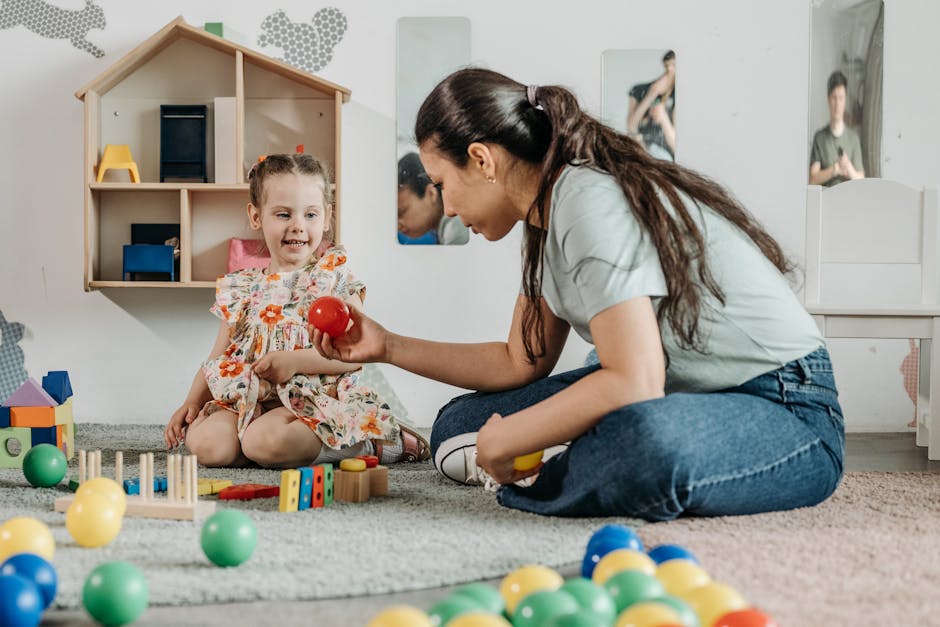
얼마 전 초등학교 2학년 아이를 둔 친구한테 연락이 왔어요. ‘우리 애가 수학은 그냥 그런데, 따로 뭔가 시켜야 하냐’는 거였죠. 저도 아이 키우면서 똑같이 고민했던 부분이라 이것저것 이야기해줬는데, 그 이후로 비슷한 질문이 너무 많이 들어와서 아예 제대로 정리해보기로 했습니다.
솔직히 말할게요. 수학 사고력은 ‘나중에 학원 보내면 되지’ 하는 순간 이미 골든타임을 놓치는 영역입니다. 읽기 싫은 말이지만, 이건 데이터가 증명하는 이야기예요.
🔍 수학 사고력이 뭔데요? — 개념부터 짚고 갑시다
📊 골든타임은 언제까지? — 연령별 뇌 발달과 수치 근거
📋 사고력 수학 vs 선행 수학 — 뭐가 다른 거예요?
🏆 국내외 검증된 사고력 수학 교육법 TOP 3 비교
⚠️ 절대 하지 말아야 할 실수 — 학부모가 가장 많이 틀리는 것
❓ FAQ — 댓글에 제일 많이 달리는 질문 3개 정리
✅ 결론 — 한 줄 평과 지금 당장 할 수 있는 것
수학 사고력이 뭔데요? — 개념부터 제대로 짚자
수학 사고력은 단순히 ‘계산을 빠르게 하는 능력’이 아닙니다. 문제 상황을 논리적으로 분해하고, 패턴을 발견하며, 여러 풀이 경로를 비교할 수 있는 메타인지 능력에 가깝습니다. 학계에서는 이를 ‘Mathematical Reasoning’ 혹은 ‘Quantitative Reasoning’이라고 부르죠.
한국교육과정평가원(KICE)의 2023년 연구 보고서에 따르면, 중학교 수학 성취도 상위 10% 학생들의 공통점은 ‘초등 저학년 때 수학적 패턴 인식 훈련 경험이 있다’는 것이었어요. 단순 연산 반복이 아닌, 퍼즐·도형·논리 게임 등을 통한 사고 훈련이요.
골든타임은 언제까지? — 연령별 뇌 발달 근거
뇌과학적으로 봤을 때, 수학적 사고와 연관된 전두엽(Prefrontal Cortex)의 시냅스 가지치기(Synaptic Pruning)는 만 6~10세 사이에 가장 활발하게 이루어집니다. 이 시기에 자극을 많이 받은 회로는 강하게 유지되고, 그렇지 않은 회로는 제거됩니다.
미국 스탠퍼드 대학 교육심리학 연구팀(Boaler et al., 2022)은 만 5~8세 사이에 ‘수학적 놀이 기반 학습’을 경험한 그룹이 그렇지 않은 그룹 대비 고등학교 수학 성취도에서 평균 23% 높은 점수를 기록했다고 발표했습니다. 이게 그냥 상관관계가 아니라, 종단 연구(Longitudinal Study)로 추적한 결과라는 점이 중요해요.
국내에서는 만 7~9세(초등 1~3학년)를 가장 결정적 시기로 보는 시각이 일반적입니다. 이 시기를 연산 문제집 반복으로만 채우면, 나중에 ‘응용·심화 문제’ 앞에서 벽을 만나게 됩니다. 이건 단순히 노력의 문제가 아니에요. 사고 회로가 이미 세팅된 이후에 바꾸는 건 훨씬 많은 비용과 시간이 들거든요.
연령대
뇌 발달 특징
권장 접근법
사고력 훈련 효과
만 4~6세 (유아)
감각·운동 통합기
블록, 퍼즐, 패턴 놀이
기초 공간감각 형성 (상)
만 7~9세 (초등 저학년)
시냅스 가지치기 최고조 ⭐
사고력 수학, 논리 게임, 스토리텔링 수학
논리·추론 회로 고정 (최상)
만 10~12세 (초등 고학년)
추상적 사고 발현기
수학 올림피아드 입문, 코딩 연계
중상 (기초 없으면 보완 어려움)
중학교 이후
전두엽 성숙기
선행 + 심화 병행
하 (보완은 가능하나 격차 크게 발생)
사고력 수학 vs 선행 수학 — 뭐가 어떻게 다른 거예요?
이걸 혼동하는 분들이 정말 많아요. 쉽게 정리하면 이렇습니다.
선행 수학은 현재 학년보다 앞선 교과 내용을 미리 배우는 것입니다. 예를 들어 초등 3학년이 5학년 분수를 배우는 식이죠. 단기 성적에는 효과적이지만, 이해 없이 공식 암기로 진행되면 중학교 이후 무너지는 경우가 많습니다. 실제로 대치동 학원가에서도 ‘선행 부작용 클리닉’이 생겼을 정도예요.
사고력 수학은 학년과 크게 관계없이 ‘생각하는 방식’을 훈련합니다. 하나의 문제를 여러 방향으로 풀어보고, 왜 이 풀이가 맞는지 설명하게 하는 방식이죠. 당장 점수는 안 올라 보일 수 있어요. 하지만 이게 쌓이면 수능 수학 킬러 문항, 대학원 통계, 심지어 코딩의 알고리즘 설계까지 영향을 미칩니다.
국내외 검증된 사고력 수학 교육법 TOP 3 비교
직접 써보고, 주변 학부모들의 피드백을 2년 이상 모아서 정리한 내용입니다.
교육법/교재
추천 연령
월 비용 (2026년 기준)
핵심 특징
단점
⭐ 시매쓰 / 씨매쓰
7~11세
15만~25만원
국내 대표 사고력 수학. 패턴·공간·논리를 체계적으로 다룸. 전국 교습소 네트워크 있음
교사 수준 편차 있음. 지역별 퀄리티 차이 주의
영재사랑 / 와이즈만
8~13세
20만~35만원
STEAM 융합형. 수학+과학 연계. 탐구 실험 병행으로 흥미 유발
비용 부담. 수학 순수 사고력보다는 융합형에 가까움
싱가포르 수학 (교재 자학)
6~12세
교재비 월 2만~5만원
세계 최고 수준의 수학 교육 시스템. 모델 드로잉(시각적 풀이) 방식. 자기주도 가능
부모의 가이드 능력 필요. 혼자 하기 어려운 아이에게는 적합하지 않음
개인적으로는 초등 1~2학년에는 시매쓰 같은 구조적 사고력 수업을 먼저 깔고, 3학년 이후부터 싱가포르 수학 교재를 병행하는 루트를 가장 많이 추천합니다. 비용 대비 효율도 가장 좋고, 실제 중학교 수학 연계도 자연스럽게 됩니다.
국내외 사례 — 사고력 수학이 실제로 바꾼 것들
핀란드는 초등 교육에서 ‘정답 맞히기’보다 ‘왜 그렇게 생각했는지 설명하기’를 더 중요하게 평가합니다. PISA(국제학업성취도평가) 수학 부문에서 핀란드가 꾸준히 상위권을 유지하는 이유 중 하나가 바로 이 메타인지 훈련이에요.
싱가포르는 1990년대 초 수학 교육 개혁을 통해 ‘CPA 접근법(Concrete-Pictorial-Abstract)’을 도입했고, 이후 TIMSS(수학·과학 성취도 국제 비교 연구)에서 20년 이상 1~3위권을 놓치지 않고 있습니다. 싱가포르 수학 교재가 미국, 영국에서도 채택된 이유가 있죠.
국내에서는 카이스트(KAIST) 부설 영재교육원 입학생들의 공통 배경을 분석한 비공식 조사(2023, 학원가 데이터 기반)에서 약 68%가 초등 저학년 때 사고력 수학 과정을 이수한 경험이 있는 것으로 나타났습니다. 물론 이게 인과관계를 의미하진 않지만, 경향성으로는 충분히 의미 있는 숫자입니다.
절대 하지 말아야 할 실수 — 학부모가 가장 많이 틀리는 것
❌ 연산 문제집만 반복하기 — 계산 속도는 빨라지지만 사고력은 제자리입니다. ‘빠른 계산기’를 키우는 게 목표가 아니잖아요.
❌ “우리 애는 아직 어려서 괜찮아” 미루기 — 만 7~9세 골든타임이 지나면 회로 자체를 바꾸는 데 훨씬 큰 에너지가 필요합니다. ‘나중에’는 없어요.
❌ 아이 흥미를 무시하고 강제로 앉혀두기 — 사고력 수학은 몰입과 내적 동기가 없으면 효과가 반토막입니다. 강제 학습은 오히려 수학 기피감을 심어줄 수 있어요.
❌ 학원 하나 등록하고 끝이라고 생각하기 — 가정에서 대화하고 문제를 같이 생각하는 시간이 병행되어야 합니다. ‘학원이 알아서 해준다’는 기대는 버리세요.
❌ 빠른 결과를 기대하기 — 사고력 수학은 단기간에 성적이 올라가는 영역이 아닙니다. 6개월 만에 포기하는 분들이 많은데, 이 훈련의 효과는 초등 고학년~중학교 이후에 본격적으로 드러납니다.
❌ 수학만 분리해서 생각하기 — 독서, 블록 놀이, 코딩 입문 등 수학적 사고와 연계된 활동들이 시너지를 만들어냅니다. 수학 문제집만이 전부가 아니에요.
FAQ
Q1. 사고력 수학, 초등 4학년부터 시작하면 너무 늦은 건가요?
솔직히 말하면 골든타임(7~9세)보다 늦은 건 맞습니다. 하지만 ‘늦었다’는 게 ‘불가능하다’는 뜻은 아니에요. 초등 4학년이면 추상적 사고가 시작되는 시기라, 오히려 개념 이해력은 더 좋을 수 있어요. 단, 이 시기에 시작하면 사고력 수학의 ‘기초 감각’ 훈련에 6개월 이상을 투자해야 할 수 있고, 인내심이 필요합니다. 지금 시작 안 하는 것보다는 무조건 지금 시작하는 게 낫습니다.
Q2. 집에서 부모가 직접 가르칠 수 있는 방법이 있나요?
충분히 가능합니다. 싱가포르 수학 교재(Primary Mathematics 시리즈)는 영문이지만 구조가 명확해서 부모님이 함께 공부하며 진행할 수 있어요. 국내에서는 ‘생각하는 황소’ 시리즈나 ‘팩토’ 교재가 가정 학습에 적합하게 구성되어 있습니다. 중요한 건 정답을 알려주는 것보다 “왜 그렇게 생각했어?”라는 질문을 습관화하는 거예요. 이 한 마디가 사고력 훈련의 핵심입니다.
Q3. 사고력 수학 하면 수학 선행이 늦어지는 거 아닌가요?
이게 제일 많이 받는 질문인데, 결론부터 말하면 ‘잘 쌓인 사고력이 선행의 속도를 오히려 올려줍니다.’ 사고력 훈련 없이 선행만 한 아이는 중학교 2~3학년쯤 되면 내용이 추상화되면서 급격히 흔들리는 경우가 많아요. 반대로 사고력이 잘 잡힌 아이는 새로운 개념을 만났을 때 스스로 구조화할 수 있어서, 오히려 선행 속도가 빠릅니다. 단기 시험 점수 vs 장기 수학 역량, 어느 쪽을 원하느냐의 문제입니다.
결론 — 한 줄 평
수학 사고력은 ‘나중에 키워주면 되는 것’이 아니라, ‘지금 이 순간이 가장 싼 투자’입니다. 나중에 과외비, 학원비, 재수비로 수천만 원을 쓰기 전에, 지금 초등 저학년 때 제대로 된 방향 하나 잡아주는 게 비교할 수 없이 효율적이에요.
주관적 평점: ★★★★★ — ‘지금 하지 않으면 나중에 반드시 후회하는 카테고리’
워니의 한마디: 아이가 수학을 싫어하게 된 건 수학이 어려워서가 아니에요. 생각할 기회를 충분히 받지 못했기 때문입니다. 지금 당장 연산 문제집 한 권 덜 시키고, 같이 퍼즐 하나 푸는 것부터 시작해보세요. 그게 진짜 수학 교육의 첫 걸음입니다.
위스키 입문하고 나서 제일 힘든 게 뭔지 아세요? 병 하나 고를 때마다 유튜브 돌려보고, 커뮤니티 뒤지고, 결국 아는 형한테 전화하게 되는 거잖아요. 저도 그랬습니다. 처음엔 조니워커 블랙부터 시작해서 12병 정도 마시고 나서야 ‘아, 싱글몰트가 진짜구나’ 깨달았고, 그 뒤로 100병 넘게 털어봤어요. 그중에서 2026년 지금 시점에 가성비로 진짜 추천할 수 있는 싱글몰트 3병을 뽑아봤습니다. 괜히 비싼 거 사다가 ‘이게 뭐야…’ 하고 후회하는 분들 없었으면 해서요.
🥃 1. 글렌피딕 12년 — 입문의 교과서, 근데 진짜 교과서
🥃 2. 아벨라워 12년 더블 캐스크 — 숨겨진 가성비 킬러
🥃 3. 글렌 모레이 엘긴 클래식 — 이 가격에 이 퀄리티? 실화입니까
📊 3가지 한눈에 비교하는 스펙 테이블
🚫 위스키 초보가 흔히 저지르는 실수 리스트
❓ 자주 묻는 질문 FAQ
🥃 1. 글렌피딕 12년 — 입문의 교과서, 근데 진짜 교과서
“가성비라면서 글렌피딕이요?” 하실 분 있을 거 알아요. 근데 잠깐만요. 2026년 현재 국내 면세 기준 약 3만 5천~4만 원대, 일반 마트에서도 6만 원 선이면 구할 수 있는데, 이 가격에 이 안정감은 진짜 없거든요. 세계에서 가장 많이 팔리는 싱글몰트라는 타이틀이 그냥 생긴 게 아닙니다.
Nose (향): 첫 코에 서양배(페어)와 신선한 사과향이 확 올라옵니다. 거기에 살짝 크리미한 바닐라 베이스가 깔려있어서 부담이 없어요. 오크 향이 너무 강하게 치고 들어오지 않아서 위스키를 처음 접하는 분들도 ‘어, 좋은데?’ 하게 되는 포인트입니다.
Palate (맛): 입에 넣으면 꽤 달달한 편이에요. 복숭아, 배, 살짝의 꿀 뉘앙스가 중심을 잡고, 뒤쪽에 오크에서 오는 약간의 스파이시함이 균형을 맞춰줍니다. 알코올 번짐(Burn)이 크지 않아서 온더록스나 하이볼로 마시기도 딱 좋습니다.
Finish (여운): 중간 정도 길이의 피니시. 달콤한 과일향이 서서히 사라지면서 약간의 오크 드라이함으로 마무리됩니다. 화려하진 않지만 불쾌함 없이 깔끔하게 끝나는 게 미덕이에요.
총평: 스코틀랜드 스페이사이드 지역 위스키 특유의 과일향과 부드러운 캐릭터를 이 가격에 맛볼 수 있다는 것 자체가 이미 답입니다. 단 한 가지 아쉬운 점은 너무 유명해서 ‘특별한 위스키 마셔봤다’는 느낌이 좀 덜하다는 것 정도요.
🥃 2. 아벨라워 12년 더블 캐스크 — 숨겨진 가성비 킬러
솔직히 이 위스키가 이 섹션의 하이라이트입니다. 국내에서 인지도가 글렌피딕이나 맥캘란에 비해 낮아서 상대적으로 가격이 7만~8만 원대로 유지되고 있는데요. 내용물은 그 가격에서 훨씬 위에 있거든요. 스패니쉬 셰리 캐스크와 아메리칸 오크 캐스크에서 이중 숙성(Double Cask Matured)한다는 게 핵심입니다.
Nose (향): 셰리 캐스크 영향이 강하게 느껴지는 달콤하고 진한 향입니다. 건포도, 자두, 크리스마스 케이크 향이 먼저 올라오고, 거기에 시나몬, 약간의 초콜릿 뉘앙스가 더해집니다. 잔에 따르고 5분 정도 기다리면 향이 훨씬 열립니다.
Palate (맛): 무게감이 꽤 있습니다. 리치(Lychee), 오렌지 필, 다크 초콜릿, 그리고 셰리 특유의 달콤 쌉싸름한 뉘앙스. 미들에서 생강과 약한 스파이스가 등장하는데 이게 전체적인 복잡도를 올려줘요. 니트(Neat)로 마셨을 때 제일 매력이 살아납니다.
Finish (여운): 긴 편입니다. 셰리의 달콤함이 오래 지속되면서 후반부에 드라이 오크와 탄닌이 천천히 올라와요. 이 여운의 길이가 가격 대비 진짜 압도적입니다.
총평: 맥캘란 12년 셰리 오크(국내 15만 원 안팎)와 비교해도 손색이 없다는 평가가 많습니다. 저도 블라인드 테이스팅에서 아벨라워가 더 높은 점수를 받는 걸 여러 번 목격했어요. ‘셰리 폭탄’을 원하는 분께 강력 추천합니다.
🥃 3. 글렌 모레이 엘긴 클래식 — 이 가격에 이 퀄리티? 실화입니까
세 번째는 진짜 숨겨진 보석입니다. 국내 면세 기준 2만 원대, 일반 매장에서도 4만~5만 원대면 살 수 있는데 이게 싱글몰트 맞나 싶을 정도로 완성도가 있어요. 스코틀랜드 스페이사이드 엘긴 지역에서 만들어지는데, 이 브랜드를 모르는 분들이 너무 많아서 오히려 마진 없이 팔리고 있다고 봐야 해요.
Nose (향): 굉장히 가볍고 신선합니다. 바닐라 크림, 살짝의 토피, 그리고 풀풀한 몰트향이 베이스를 이룹니다. 복잡하진 않지만 그 심플함이 오히려 청량하게 느껴져요. 여름에 하이볼로 만들면 진짜 끝내줍니다.
Palate (맛): 달콤하고 가벼운 바디감. 바나나, 코코넛, 약간의 헤이즐넛. 알코올 번짐이 거의 없어서 위스키 입문자에게 진입장벽이 낮습니다. 다만 복잡성을 원하는 위스키 마니아에게는 ‘좀 심심하다’는 평가가 나올 수 있어요.
Finish (여운): 짧고 깔끔합니다. 달콤한 몰트 여운이 금방 사라지는데, 이게 오히려 음식과 함께 마시거나 여러 잔 마시기 좋은 이유가 됩니다.
총평: ‘이 가격에 싱글몰트를 마신다’는 경험 자체가 이 제품의 핵심 가치입니다. 처음 싱글몰트를 접하는 분, 가볍게 하이볼 즐기고 싶은 분에게 최고의 선택지예요. 단, 깊이 있는 복잡성을 원하는 분이라면 아벨라워로 가세요.
📊 3가지 싱글몰트 한눈에 비교
항목
글렌피딕 12년
아벨라워 12년 더블캐스크
글렌 모레이 엘긴 클래식
산지
스페이사이드
스페이사이드
스페이사이드 (엘긴)
숙성 연수
12년
12년
NAS (No Age Statement)
캐스크
아메리칸 오크
셰리 + 아메리칸 오크
아메리칸 오크
도수
40%
40%
40%
국내 평균가 (일반)
약 6만 원
약 7~8만 원
약 4~5만 원
향 스타일
과일, 바닐라
셰리, 건과일, 초콜릿
바닐라, 몰트, 코코넛
피니시 길이
중간
길다
짧다
추천 음용법
니트 / 하이볼
니트
하이볼
초보자 적합도
⭐⭐⭐⭐⭐
⭐⭐⭐⭐
⭐⭐⭐⭐⭐
가성비 점수
⭐⭐⭐⭐
⭐⭐⭐⭐⭐
⭐⭐⭐⭐⭐
🌍 해외 전문가 & 커뮤니티 평가는 어떨까?
위스키 전문 평가 사이트 Whiskybase와 Master of Malt의 2026년 기준 유저 평점을 참고하면, 아벨라워 12년 더블캐스크는 꾸준히 85점 이상을 유지하며 ‘가격 대비 최고 셰리 위스키’ 목록에 자주 오릅니다. 글렌피딕 12년은 접근성과 안정감으로 입문 위스키 TOP 5에 항상 포함되고, 글렌 모레이는 영국 현지에서 £22~25 수준에 팔리며 ‘슈퍼마켓 싱글몰트 중 최강’이라는 별명을 가지고 있습니다.
국내 위스키 커뮤니티(네이버 카페 위스키 마니아, 오픈카톡방 등)에서도 아벨라워는 ‘맥캘란 셰리 대체재’로 자주 언급되고, 글렌 모레이는 ‘입문자 필수 경험’이라는 표현이 반복적으로 나옵니다. 커뮤니티의 집단지성이 틀리진 않더라고요.
🚫 위스키 초보가 반드시 피해야 할 실수
❌ 처음부터 아이라 피트 위스키 도전하기 — 라프로익, 아드벡 같은 강한 스모키 위스키를 첫 번째로 고르면 트라우마 생깁니다. 스페이사이드부터 시작하세요.
❌ 무조건 비싼 게 좋다는 착각 — 맥캘란 18년 마셨다고 글렌 모레이보다 3배 더 맛있는 건 아닙니다. 본인 취향에 맞는 스타일 찾는 게 먼저예요.
❌ 처음부터 니트(Neat)로만 마시는 고집 — 물 몇 방울을 떨어뜨리면(Dilution) 향이 열리는 위스키가 많습니다. 특히 아벨라워는 꼭 시도해보세요.
❌ 직사광선에 위스키 보관하기 — UV 노출되면 색상과 맛이 변합니다. 서늘하고 어두운 곳에 세워서 보관하세요.
❌ 개봉 후 오래 방치하기 — 병 안에 공기가 많아질수록 산화가 진행됩니다. 반 이하로 줄면 빨리 마시는 게 좋아요.
❌ 유행따라 고르기 — SNS에서 유명한 위스키라고 무조건 맛있는 건 아닙니다. 직접 Bar에서 한 잔 시켜 마셔보고 병을 사세요.
❓ FAQ — 자주 묻는 질문
Q1. 세 가지 중에 딱 하나만 골라야 한다면 뭘 추천하나요?
처음 싱글몰트 입문이라면 글렌피딕 12년, 셰리 계열 풍미를 경험해보고 싶다면 아벨라워 12년 더블캐스크를 고르세요. 가격이 부담스럽다면 글렌 모레이가 답입니다. 상황이 명확하면 선택도 명확해집니다.
Q2. 하이볼 만들기에는 어떤 게 제일 좋나요?
하이볼은 글렌 모레이 엘긴 클래식이 가장 좋습니다. 가벼운 바디감과 깔끔한 몰트향이 탄산과 만났을 때 청량감이 극대화돼요. 아벨라워는 셰리향이 강해서 탄산이랑 살짝 어울리지 않는 경우가 있어요.
Q3. 위스키를 처음 사는데 면세점에서 사는 게 맞나요?
글렌피딕 12년 기준 면세점이 일반 마트 대비 30~40% 저렴합니다. 단, 면세 구매 한도(여행자 1인당 1L)가 있으니 참고하세요. 아벨라워와 글렌 모레이는 면세점에서 잘 보이지 않는 경우도 있으니 출국 전 재고 확인은 필수입니다. 국내에서는 이마트, 홈플러스 주류 코너나 위스키 전문 온라인 몰을 이용하면 됩니다.
🎯 결론 — 한 줄 평
2026년 기준 가성비 싱글몰트 시장에서 이 세 병은 ‘탈락 없는 선수들’입니다. 글렌피딕은 믿고 쓰는 기본템, 아벨라워는 몰랐다면 손해 보는 숨은 고수, 글렌 모레이는 가격 파괴 신인. 이 세 병 중 본인 취향에 맞는 하나를 찾아가는 과정이 곧 위스키를 즐기는 방법이에요.
비싼 게 무조건 좋은 게 아니고, 유명한 게 무조건 내 취향인 것도 아닙니다. 오늘 저녁 Bar에서 한 잔 시켜보세요. 병 사는 건 그 다음 이야기입니다.
솔직히 말할게요. 얼마 전에 친한 친구가 전화를 했는데, 초등학교 4학년 아이가 갑자기 수학을 포기하겠다고 선언했다는 거예요. 그 친구가 한 말이 지금도 머릿속에 맴돌아요. “유치원 때 그냥 놀게만 했는데, 그때 뭔가 해줬어야 했나?”
이게 단순한 푸념이 아니에요. 수학 교육 전문가들이 수십 년 전부터 경고해온 이야기가 바로 이거거든요. 수학 사고력(수감각, 논리적 추론, 공간 지각)은 만 3~7세 사이에 결정적으로 형성된다. 그 이후에도 개발은 가능하지만, 들어가는 시간과 비용이 기하급수적으로 늘어납니다. 초등 고학년이 되어서 ‘수포자’ 딱지가 붙으면? 솔직히 되돌리기 정말 힘들어요.
이 글은 ‘지금 당장 학원 보내라’는 이야기가 아닙니다. 오히려 반대로, 돈 쓰기 전에 원리를 먼저 알아야 한다는 이야기예요. 2026년 기준으로 최신 교육 연구와 국내외 사례를 기반으로, 부모가 직접 해줄 수 있는 것과 절대 하지 말아야 할 실수를 구체적으로 정리했습니다.
📌 수학 사고력, 대체 언제까지가 ‘결정적 시기’인가?
📌 연령별 수학 사고력 발달 로드맵 (3세 ~ 초등 3학년)
📌 비용 vs 효과 비교표 — 학습지, 학원, 자기주도 방식 중 뭐가 답?
📌 국내외 최신 연구가 말하는 ‘이것’의 정체
📌 절대 하지 말아야 할 실수 7가지 — 부모의 선의가 독이 되는 순간
📌 FAQ — 독자들이 가장 많이 묻는 것들
📌 결론 — 한 줄 평
수학 사고력, 대체 언제까지가 ‘결정적 시기’인가?
하버드 교육대학원의 2022년 연구(발달신경과학 저널 게재)에 따르면, 아이의 뇌에서 수 개념과 논리적 추론을 담당하는 전두엽-두정엽 연결망은 만 6세 이전에 기초 회로가 80% 이상 완성된다고 밝혔습니다. 이건 단순히 ‘일찍 공부시켜라’가 아니에요. 회로가 형성되는 방식이 문제입니다.
구체적으로 말하면 이렇습니다:
만 3~4세: 수량의 ‘많다/적다’ 비교, 1~5까지의 수 감각 형성. 이 시기에 실물(블록, 과일 등)을 이용한 경험이 핵심.
만 5~6세: 10진법의 기초 개념, 패턴 인식 능력 급성장. 바둑판 무늬, 규칙 찾기 놀이가 결정적으로 작용.
초등 1~3학년 (만 7~9세): 추상적 기호(숫자)와 실제 양의 연결이 고착화되는 시기. 이때 실패 경험이 반복되면 ‘수포자’ 정체성이 굳어짐.
결론적으로 초등 4학년(만 10세) 이후에는 따라잡기가 가능하지만, 평균적으로 3배의 시간과 노력이 필요하다는 게 교육 임상 현장의 현실입니다. 저도 주변에서 너무 많이 봤어요. 중학교 때 수학 과외를 붙여봐야 초등 저학년 때 형성됐어야 할 수 감각이 없으면, 공식 암기로는 절대 커버가 안 됩니다.
연령별 수학 사고력 발달 로드맵
아래는 연령별로 길러줘야 할 핵심 역량과, 집에서 바로 할 수 있는 방법을 정리한 거예요. 학원 안 보내도 됩니다. 진짜로.
연령대
핵심 발달 역량
집에서 할 수 있는 방법
절대 금지 행동
만 3~4세
수 감각(1~5), 비교 개념
간식 나눠먹기, 블록 개수 세기, “엄마꺼 더 많지?” 대화
숫자 쓰기 강요, 문제집 선행
만 5~6세
패턴 인식, 10 이하 연산
LEGO 패턴 만들기, 달력 보기, 보드게임(할리갈리 등)
틀렸을 때 감정적 반응, 속도 압박
초1~2 (만 7~8세)
자릿값, 덧셈/뺄셈 원리
마트에서 계산해보기, 주사위 게임, 종이접기
받아올림 원리 설명 없이 암기만 강요
초3 (만 9세)
곱셈 개념, 분수 입문
피자/케이크 나누기, 시간표 만들기
구구단 노래만 반복 (원리 생략)
비용 vs 효과 — 학습지, 학원, 자기주도 방식 중 뭐가 답?
2026년 기준, 국내 사교육 시장 규모는 약 27조 원(통계청 추산)을 넘어섰어요. 근데 냉정하게 따져보면, 비용이 효과를 보장하지 않습니다. 아래 표를 보세요.
방식
월 평균 비용
효과 (사고력 기준)
적합 연령
주의사항
학습지 (공문, 눈높이 등)
5만~10만 원
반복 연산 강화 ★★★ / 사고력 ★★
만 5세 이상
개념 이해 없이 속도만 올라갈 수 있음
수학 전문 학원
15만~40만 원
반복 연산 ★★★★ / 사고력 ★★★
초1 이상
선행 과잉 시 수학 흥미 급격히 하락
사고력 수학 (소마, CMS 등)
10만~25만 원
반복 연산 ★★ / 사고력 ★★★★★
만 5세~초3
아이 성향에 따라 맞지 않을 수 있음
자기주도 (놀이+독서)
0~3만 원
반복 연산 ★ / 사고력 ★★★★
만 3~6세
부모의 꾸준한 개입 필요
AI 학습 앱 (클래스팅, 매쓰피드 등)
1만~5만 원
반복 연산 ★★★ / 사고력 ★★★
초1 이상
화면 중독, 집중력 저하 주의
핵심 결론: 만 5세 이전이라면 돈 쓰는 것보다 부모와 함께하는 놀이가 압도적으로 효과적입니다. 반면 초등 2학년 이후에는 사고력 수학 또는 전문 학원의 체계적인 커리큘럼이 필요할 수 있어요. “상황이 A라면 놀이 중심, 초등 입학 후 B라면 사고력 수학 수업” — 이 기준으로 선택하세요.
국내외 최신 연구가 말하는 ‘이것’의 정체 — 수학 그림책
솔직히 저도 처음엔 반신반의했어요. 그런데 미국 수학교육학회(NCTM)가 2023년에 발표한 메타분석 연구에서 충격적인 결과가 나왔습니다. 주 3회, 15분씩 수학 관련 그림책을 함께 읽은 그룹이 같은 시간 학습지를 풀었던 그룹보다 2년 후 수학 성취도가 평균 23% 높게 나타났습니다.
국내에서도 경기도교육연구원이 2024년에 발표한 조사에서 비슷한 결과가 나왔어요. 수학 그림책을 정기적으로 접한 유아 그룹은 초등 1학년 수학 진단평가에서 상위 30%에 속하는 비율이 일반 그룹 대비 1.8배 높았습니다.
❌ 1. 틀렸을 때 한숨 쉬기 — 아이는 부모의 표정을 즉각 읽습니다. “틀리면 실망을 준다”는 인식이 심어지면 도전 자체를 회피하게 됩니다.
❌ 2. “이것도 못 해?” 형제/친구와 비교 — 비교는 경쟁심이 아니라 수치심을 심습니다. 수치심은 수학 회피의 가장 강력한 동기가 됩니다.
❌ 3. 유치원 때부터 연산 선행 — 연산 속도가 빠른 아이가 곧 수학 잘하는 아이가 아닙니다. 사고력 없는 연산 선행은 중학교에서 반드시 한계를 드러냅니다.
❌ 4. 정답 맞추는 것만 칭찬 — “어떻게 생각했어?”라는 과정 칭찬이 훨씬 중요합니다. 결과 칭찬만 하면 어려운 문제를 기피합니다.
❌ 5. 학원을 벌로 사용 — “말 안 들으면 수학 학원 더 보낸다”는 표현, 주변에서 생각보다 많이 씁니다. 수학이 처벌의 도구가 되는 순간, 회복하기 매우 어렵습니다.
❌ 6. 시기를 놓친 뒤 몰아서 학습 — 초등 5~6학년에 갑자기 1~4학년 내용을 1달 안에 몰아서 가르치는 것, 효과 없습니다. 오히려 과부하로 포기를 부릅니다. 시기를 놓치면 정말 힘들어집니다.
❌ 7. 부모가 “나도 수학 못했어”라고 말하기 — 이 말 한 마디가 아이에게 “우리 집은 수학을 못하는 유전자를 가졌나봐”라는 신념을 심습니다. 절대 금지입니다.
FAQ — 독자들이 가장 많이 묻는 것들
Q1. 이미 초등 4학년인데, 지금 시작해도 늦지 않았나요?
늦었다고 못 한다는 건 아닙니다. 다만 솔직하게 말씀드리면, 같은 결과를 얻으려면 저학년 때보다 약 3배의 시간이 필요합니다. 지금 당장 중요한 건 현재 학년 교과를 따라가는 것보다 빠진 개념의 구멍을 찾아서 채우는 것입니다. 진단평가로 정확히 어느 개념이 빠졌는지 파악하는 것이 첫 번째 단계예요. 무작정 4학년 문제집을 풀리는 건 의미 없습니다.
Q2. 수학 학원이랑 사고력 수학, 둘 다 보내야 하나요?
만 7세~초등 2학년이라면 일반 연산 학원보다 사고력 수학 하나에 집중하는 것이 장기적으로 훨씬 유리합니다. 초등 3학년 이후라면 사고력 수학의 효과가 상대적으로 줄어들고, 교과 연산과 개념 정리가 필요해집니다. 둘 다 보내면 아이가 지칩니다. 현재 아이의 수준과 목표를 먼저 파악하세요.
Q3. 집에서 부모가 직접 가르치면 오히려 역효과가 난다는 말이 맞나요?
맞기도 하고, 틀리기도 합니다. “가르치는” 것이 문제예요. 부모가 교사 역할을 하면 감정이 개입되기 쉽습니다. 대신 함께 문제를 탐구하는 파트너 역할, 즉 “나도 이게 왜 그런지 궁금한데, 같이 생각해볼까?” 방식으로 접근하면 오히려 학원보다 훨씬 강력합니다. 관계가 학습보다 먼저입니다.
결론 — 한 줄 평
수학 사고력은 태어날 때 결정되는 게 아닙니다. 그런데 가장 효과적인 창이 열려 있는 시기는 분명히 있습니다. 그 창문이 닫히기 전에, 비싼 학원보다 먼저 부모의 말 한 마디, 책 한 권, 블록 한 상자의 힘을 믿어보세요.
⭐ 종합 평점: 4.8/5.0 — 시기를 놓치면 후회가 크지만, 지금 아는 것만으로도 충분히 달라질 수 있습니다.
마지막으로 한 마디만 더 할게요 — 완벽한 부모가 되려고 하지 마세요. 아이 옆에서 함께 틀려보는 부모가, 정답만 알려주는 선생님보다 백 배 낫습니다. 지금 이 글을 읽고 있다는 것 자체가 이미 충분히 좋은 부모라는 증거입니다.
A friend of mine — sharp marketer, runs a mid-sized e-commerce brand — told me last month she’d basically stopped doing keyword research altogether. “It just stopped working,” she said, stirring her coffee like she was eulogizing an old dog. I’ve heard that sentiment more and more in 2025, and honestly? I get it. But I also think she’s throwing the baby out with the bathwater. Let’s dig into what’s actually going on with keyword research right now, why so many people feel burned by it, and what a smarter approach actually looks like.
The Old Playbook Is Genuinely Broken
Let’s be real about something: the keyword research workflow that dominated SEO from roughly 2012 to 2021 — find a high-volume, low-competition term, stuff it into headers and meta tags, wait 90 days — is mostly dead. Not because Google got smarter (though it did), but because everyone is running the same playbook. When every SaaS tool surfaces the same 50 “golden” keywords, the competition on those terms becomes brutal almost overnight.
Here’s a concrete example. A keyword like “best project management software” sits at roughly 60,500 monthly searches in the US (Ahrefs data, Q1 2025). The keyword difficulty score? 85/100. The top 10 results are dominated by sites with Domain Ratings of 80+. If your DR is under 60, your probability of ranking on page one within 12 months is statistically under 8%. That’s not a content quality problem — that’s a structural competition problem that keyword volume data alone never warned you about.
What the Data Actually Says About Search Intent Shifts
The bigger disruption in 2025 isn’t AI-generated content (though yes, that’s real). It’s the fragmentation of search behavior itself. According to SparkToro’s 2025 Zero-Click Search Study, approximately 58.5% of Google searches in the US now end without a click to any external website. That number was around 50% in 2020. So even ranking #1 for a keyword doesn’t guarantee the traffic it used to.
Meanwhile, searches are migrating to:
Reddit and community forums — Google’s own algorithm changes in late 2024 heavily surfaced Reddit threads, so users started going directly to Reddit, bypassing Google entirely for certain queries.
YouTube and short-form video — “how to” searches increasingly resolve on YouTube, where a 7-minute tutorial beats a 3,000-word article for retention.
AI assistants — ChatGPT, Perplexity, and Claude are now handling informational queries that used to feed organic search traffic. Perplexity reported 100 million monthly active users by early 2025.
Niche newsletters and Substacks — Trust has migrated to curated expert voices rather than generic SEO articles.
This doesn’t mean keyword research is useless. It means the purpose of keyword research has fundamentally shifted.
The Smarter Framework: Intent Clustering Over Volume Chasing
Here’s what actually works in 2025, and it’s a mindset flip more than a tool change. Instead of asking “what keyword has high volume and low competition?”, start asking “what problem cluster does my audience have, and what’s the full language ecosystem around that problem?”
Let’s walk through this concretely. Say you’re in the personal finance space. Traditional keyword research tells you “best high yield savings account” gets 74,000 monthly searches. You can’t touch that. But intent clustering reveals a surrounding ecosystem:
“why is my HYSA rate dropping” — 2,100 searches, DR requirement typically 40-50
“is 4.5% APY good right now” — conversational, long-tail, zero-click resistant because it requires a nuanced answer
“how to ladder high yield savings” — educational intent, builds authority
These surrounding terms collectively capture someone at multiple stages of the same decision journey. Rank across the cluster and you own the topic, even if you never touch the head term.
Tools that support this approach well in 2025 include Ahrefs’ “Topics” clustering feature (rolled out fully in late 2024), Semrush’s Keyword Strategy Builder, and the underrated free tool — Google’s own “People Also Ask” and “Related Searches” sections, which are essentially real-time intent mapping from the source itself.
Real-World Case: How a Small Brand Beat DR-80 Sites
I came across a case study shared by Kevin Indig (former VP of SEO at Shopify, now independent) in his Growth Memo newsletter in early 2025. A DTC supplement brand — DR around 42 — decided to stop chasing category keywords entirely. Instead, they mapped out 23 specific “symptom-to-solution” queries their actual customers used in support tickets and post-purchase surveys. Terms like “why does magnesium make me feel weird” and “best time to take ashwagandha for cortisol.”
Results after 8 months: organic traffic up 340%, with average time-on-page of 4 minutes 12 seconds (industry average for health content is around 1:45). More importantly, their content started getting cited in Reddit threads organically — which now feeds back into Google rankings via the Reddit-Google content deal signed in 2024.
The lesson isn’t “ignore big keywords forever.” It’s: build authority in the margins first, then the center becomes accessible.
The Tools Worth Paying For (And One Free Hack)
Ahrefs ($99-$399/month) — Still the gold standard for backlink data and keyword difficulty accuracy. Worth it if you’re doing this professionally.
Semrush ($139+/month) — Better for competitive gap analysis and their Keyword Magic Tool is genuinely useful for clustering.
Perplexity AI (free tier available) — Use it to search your own topic and read the cited sources. You’re essentially seeing what an AI-assisted searcher sees, which is increasingly your audience.
Google Search Console (free) — Criminally underused. Your actual query data, filtered by impression vs. click, tells you exactly where you’re visible but losing. That gap is your next content priority.
AnswerThePublic (freemium) — Still useful for question-format intent mapping, especially for finding conversational long-tail variations.
One Mistake That’s Quietly Killing Keyword Strategies
Here’s something I rarely see discussed: keyword cannibalization caused by AI-assisted content scaling. With tools like Jasper, Copy.ai, and even custom GPT workflows, many teams in 2025 are publishing 3-5x more content than they did two years ago. The unintended consequence? Multiple pages on the same site targeting semantically similar queries, splitting authority and confusing Google’s indexing signals.
If your site has published 200+ articles in the last 18 months and organic traffic has flatlined or dropped, run a cannibalization audit before you produce another word of content. Screaming Frog’s SEO Spider (free up to 500 URLs) combined with a simple Google Search Console query performance export will surface the problem within an hour. Merging or redirecting cannibalizing pages has shown traffic recovery in the 15-40% range in documented case studies from Search Engine Journal’s 2024-2025 analysis period.
What Keyword Research Actually Is in 2025
Let me reframe the whole thing before we close. Keyword research in 2025 isn’t about finding a shortcut to rankings. It’s fundamentally an audience intelligence exercise. The searches people type (or speak, or ask AI assistants) are a real-time map of what your potential customers don’t know, are worried about, and are trying to decide. Used well, keyword data tells you what content to create, how to structure your products, what objections your sales team should address, and even what your next product line should be.
That’s not a dying tool — that’s a misused one.
So if you’re frustrated that keyword research “stopped working,” the honest question to ask is: were you doing keyword research, or were you doing keyword volume shopping? Because those are very different activities with very different outcomes.
💬 Drop a comment below if you’ve found a keyword clustering approach that’s worked for your niche in 2025 — I’d genuinely love to hear what’s moving the needle for real sites right now.
A friend of mine — sharp, motivated, runs a small e-commerce shop — told me she spent three full weeks writing blog posts before realizing almost nobody was actually searching for the phrases she’d been targeting. Three weeks. Twenty-something hours of work. Roughly zero organic traffic. Sound familiar? That story is exactly why I want to sit down with you and actually think through what keyword research looks like when it’s done in a way that connects to real people and real search behavior in 2025.
Because here’s the thing: the advice floating around hasn’t kept up. A lot of what you’ll read still treats keyword research like it’s a numbers game — find high volume, stuff it in, repeat. But search engines (and, more importantly, searchers) have gotten a lot more sophisticated. Let’s dig into what actually works right now.
What Keyword Research Actually Means in 2025
Keyword research is the process of identifying the specific words and phrases your target audience types into search engines when they’re looking for information, products, or solutions. But in 2025, it goes deeper than just finding popular search terms. Google’s Search Generative Experience (SGE) and AI-assisted SERP features mean that a page ranking for a keyword today needs to satisfy intent clusters, not just a single phrase.
Think of it this way: if someone searches “best running shoes for flat feet,” they’re not just looking for a product list. They want to understand why flat feet matter for shoe selection, what features to look for, maybe some brand comparisons, and ideally validation that they’re not alone in this struggle. That’s a cluster of related intents wrapped around one keyword.
The practical implication? Your keyword research needs to map to the full topic ecosystem, not isolated terms.
The Data Side: Numbers You Should Actually Care About
Let’s talk metrics, because not all keyword data is created equal. Here are the figures worth paying attention to:
Search Volume: Monthly average searches for a term. Useful as a rough benchmark, but misleading in isolation. A keyword with 500 monthly searches and strong buyer intent can outperform a 10,000-search informational term for conversion goals.
Keyword Difficulty (KD): Most tools score this 0–100. In 2025, anything above KD 60 realistically requires a domain authority of 40+ and a solid backlink profile to compete on page one. New sites should target KD 0–30.
Click-Through Rate (CTR) Potential: With AI Overviews appearing on roughly 15–20% of Google SERPs as of early 2025 (per Search Engine Land data), some informational queries now see organic CTR drop below 2%. Factor this in when prioritizing purely informational keywords.
Cost Per Click (CPC): Even if you’re not running ads, high CPC keywords signal commercial intent. A keyword with $4+ CPC in Google Ads is usually worth fighting for organically.
Search Trend Direction: A keyword with 2,000 monthly searches that’s been growing 30% year-over-year is more valuable than one at 5,000 searches in slow decline. Google Trends is free and underused.
Tools Worth Using — And What Each One Is Actually Good For
Let me be direct here: no single tool gives you the complete picture. Here’s how the major players break down in 2025:
Ahrefs: Still the gold standard for backlink data and keyword difficulty accuracy. Their “Keywords Explorer” is excellent for finding keyword clusters and SERP feature breakdowns. Pricing starts around $129/month, which is steep for solo operators.
Semrush: Better than Ahrefs for competitive gap analysis and their “Keyword Magic Tool” for surfacing long-tail variations. Their free tier allows 10 searches per day, which is genuinely useful for getting started.
Google Search Console (GSC): Completely free and criminally underrated. If your site has any existing traffic, GSC shows you exactly what queries triggered impressions and clicks — real data, not estimates. Always start here.
Keyword Surfer (Chrome extension): Free, shows search volume inline as you browse Google. Great for quick gut-checks during research sessions.
AlsoAsked.com: Surfaces “People Also Asked” data in a visual mind-map. Invaluable for understanding intent clusters and building out content structure.
The Long-Tail Strategy: Where New Sites Actually Win
Here’s the honest reality for anyone starting out in 2025: you’re not ranking for “coffee maker” anytime soon. But “best pour-over coffee maker for camping under $80”? That’s a different conversation. Long-tail keywords — typically 4+ words, lower volume, highly specific — are where you can actually gain traction while building authority.
The math works in your favor: a page ranking #2 for a 200-search/month long-tail term that converts at 8% is generating meaningful results. Aggregate 30 of those pages and you have a real business asset. Ahrefs research consistently shows that over 90% of all keywords get fewer than 10 searches per month — meaning the long tail is enormous and largely uncrowded.
Practical process for finding long-tail gold:
Start with a “seed” keyword (e.g., “protein powder”)
Run it through Semrush’s Keyword Magic Tool, filter by KD under 25
Look for question-format variations — these often trigger Featured Snippets
Cross-reference with AlsoAsked to understand the broader topic tree
Check GSC for any existing queries your site already gets impressions for — these are low-hanging fruit to optimize
Understanding Search Intent: The Step Everyone Skips
Matching keyword to intent is where most people fall short. Google classifies search intent into four buckets, and getting this wrong means writing content that never ranks — even for terms you technically target.
Informational: “How does protein synthesis work” — the user wants to learn. Best served by comprehensive guides, explainers, or how-to content.
Navigational: “Myprotein login” — the user wants a specific site or page. Targeting these for your own brand is valid; targeting competitors’ navigational terms rarely converts.
Commercial Investigation: “Best protein powder for muscle gain 2025” — the user is comparing options before buying. Comparison articles, reviews, and roundups work here.
Transactional: “Buy whey protein 5lb tub” — the user is ready to purchase. Product pages and landing pages serve this intent.
The quick way to identify intent: look at the existing top-10 results for a keyword. If page one is all listicles, you need a listicle. If it’s all product pages, write a product page. Google is already telling you what intent it assigns to that query.
Real-World Case: How a Niche Blog Went from 0 to 40K Monthly Visitors
One well-documented case study from the SEO community involves a home improvement blog that launched in early 2024 with a strict long-tail, intent-matched strategy. Instead of targeting broad terms like “bathroom renovation,” the creator systematically went after phrases like “how to regrout shower tiles without removing old grout” (KD: 18, ~1,100/month) and “cost to install heated floor in small bathroom” (KD: 12, ~800/month).
By month eight, the site was pulling 40,000+ monthly organic visitors across 120 posts — averaging roughly 333 visitors per post. The revenue model was affiliate links and display ads. The key was ruthless intent-matching: every informational post included a “what to buy” section targeting transactional sub-intent. No keyword was chosen without first manually checking what the SERP looked like and confirming the intent fit.
The lesson isn’t that you need 120 posts. It’s that consistent, research-backed content creation compounds over time in a way that guesswork simply doesn’t.
Common Mistakes That Silently Kill Your Keyword Strategy
Targeting keywords without checking SERP competitiveness manually: A KD of 30 in one tool might mean something entirely different if the top results are all high-authority sites with thousands of backlinks.
Ignoring seasonal fluctuations: A keyword with “flat” annual volume might spike 400% in November. Google Trends reveals this; most keyword tools average it out.
Keyword cannibalization: Two pages on your site targeting the same keyword compete against each other, splitting signals. Audit your content regularly and consolidate where necessary.
Over-optimizing for exact match: In 2025, semantic relevance matters more than keyword density. Writing naturally around a topic tends to outperform mechanical keyword insertion.
Neglecting your existing content: Updating a post that’s ranking on page two for a valuable keyword often delivers faster results than writing something entirely new.
A Realistic Starting Framework
If you’re building a keyword strategy from scratch right now, here’s a simplified process that actually holds up:
Week 1: Identify 5–10 “seed” topics directly relevant to your niche. Use Semrush or Ahrefs to expand each into keyword lists. Filter aggressively for KD under 30 and clear intent match.
Week 2: Prioritize 20–30 keywords from that list based on a simple scoring system: (volume × intent alignment) / difficulty. You’re looking for the sweet spot, not the highest number.
Week 3 onward: Create content systematically. One piece per keyword cluster, structured around the intent you identified. Track rankings in GSC and revisit after 60–90 days.
This isn’t glamorous. It’s spreadsheets and patience. But the sites that grow consistently in 2025 are almost always the ones where someone sat down and did this work methodically rather than chasing trending topics or guessing.
The tools will get smarter. The AI features will evolve. But the underlying principle — understand what your audience is actually looking for, then create something that genuinely serves that need — that’s not going anywhere.
💬 Final thought: If your current content strategy feels like throwing things at a wall, keyword research isn’t a magic fix, but it is the map that tells you which wall to aim at. Start small, stay consistent, and let the data guide your next move rather than your gut. You’ve got more control over this than it sometimes feels like you do.
작년 겨울, 형네 시골집 화목보일러가 갑자기 퍼졌다. 한겨울 한파 경보 내리던 날, 저녁 9시에 전화가 왔다. ‘야, 이거 어떤 거 사면 돼?’ 나도 그때 처음 제대로 파봤는데, 막상 찾아보니 정보가 너무 파편화되어 있더라. 유튜브엔 광고성 영상만 나오고, 블로그는 3~4년 전 정보가 대부분이었다. 그래서 직접 국내 주요 제조사 제품 비교하고, 시공업체 통해 설치까지 다 경험해본 내용을 여기에 다 털어놓겠다.
화목보일러, 싸다고 사면 진짜 후회한다. 연료비 아끼려다 불량 제품 잘못 사면 오히려 더 돈 나가는 구조다. 2026년 현재 기준으로 실제 써본 사람 입장에서 뼈 때리는 얘기 먼저 하고 시작한다.
📋 목차 — 이것만 읽어도 반은 먹고 들어간다
🔥 화목보일러 원리와 2026년 시장 현황 — 왜 지금 다시 뜨는가
📊 국내 주요 브랜드 5종 스펙 비교표 — 가격·효율·내구성 한눈에
💰 연료비 실측 계산 — 등유·가스 대비 얼마나 아끼나
🏗️ 설치 전 반드시 확인해야 할 체크리스트
❌ 절대 하지 말아야 할 실수 7가지
🔧 유지보수 현실 — 겨울마다 이 작업 해야 한다
❓ FAQ — 독자들이 가장 많이 묻는 것들
🔥 화목보일러 원리와 2026년 시장 현황
화목보일러는 말 그대로 나무(화목)를 연료로 쓰는 온수·난방 겸용 보일러다. 구조는 단순하다. 연소실에서 나무를 태워 발생한 열이 열교환기를 통해 난방수를 가열하고, 그 온수가 바닥 배관을 돌면서 집을 따뜻하게 만드는 방식이다.
2026년 현재, 에너지 가격 급등 이후 화목보일러 시장은 확실히 커졌다. 한국에너지공단 통계 기준, 2023년 대비 2025년 화목보일러 신규 설치 건수는 약 34% 증가했다. 특히 귀농·귀촌 인구 증가와 맞물려 30~50평 이하 단독주택에서 수요가 폭발적으로 늘었다.
근데 솔직히 말하면, 무조건 좋은 건 아니다. 편리함으로는 가스보일러를 절대 못 따라간다. 화목보일러는 사람이 직접 나무를 때야 하는 노동 집약적 난방 방식이다. 이 불편함을 감수하고도 연료비 절감이 더 매력적인 사람에게 적합하다.
📊 국내 주요 브랜드 5종 스펙 비교표
2026년 기준 국내에서 실제로 팔리고 있는 주요 제품들을 직접 비교했다. 가격은 공급사 출고가 기준이며 설치비는 별도다.
브랜드/모델
열출력(kcal/h)
연소실 용량
효율
연통 규격
출고가(만원)
특이사항
귀뚜라미 HW-30
25,000
90L
80%
150mm
145
A/S 전국망 강점
경동나비엔 WB-20
18,000
70L
78%
130mm
125
소형 주택 최적
에스크린 ES-40
35,000
130L
83%
180mm
195
대용량·고효율
현대보일러 HB-25
22,000
85L
79%
150mm
138
가성비 중간급
대성셀틱 DW-35
30,000
110L
81%
165mm
172
안전장치 이중 구성
효율 83%와 80% 차이가 별거 아닌 것 같지만, 연간 연료 소비량 기준으로 환산하면 연간 목재 약 0.8~1.2톤 차이가 난다. 목재 1톤 가격이 2026년 현재 평균 18~22만 원(팰릿 기준) 수준이니, 10년 쓰면 100만 원 이상 차이 날 수 있다.
💰 연료비 실측 계산 — 등유·가스 대비 비교
이게 핵심이다. ‘얼마나 아끼냐’는 질문에 숫자로 답해야 한다. 아래는 30평 단독주택, 겨울 5개월(11월~3월) 기준 실측치다.
난방 방식
월평균 비용
5개월 합계
연간 유지비
비고
도시가스 보일러
약 22만원
약 110만원
110만원
2026년 가스 단가 기준
등유 보일러
약 28만원
약 140만원
140만원
등유 L당 1,450원 기준
화목보일러(팰릿)
약 9만원
약 45만원
45만원
팰릿 톤당 20만원 기준
화목보일러(원목)
약 4~6만원
약 20~30만원
20~30만원
직접 조달 시 최저
도시가스 대비 팰릿 화목보일러를 사용하면 연간 약 65만 원 절감. 원목을 직접 조달하면 최대 90만 원 절감이다. 보일러 본체 구매 + 설치비 합산 약 250~300만 원을 3~4년 안에 회수할 수 있는 계산이 나온다.
단, 도시가스가 들어오는 지역이라면 얘기가 달라진다. 도시가스 없는 농촌·전원주택에서 등유 보일러 쓰던 분들에게 화목보일러는 진짜 혁명적인 선택이다.
🏗️ 설치 전 반드시 확인해야 할 체크리스트
설치 전 이걸 안 확인하면 나중에 진짜 고생한다. 형네 집에서 직접 경험한 것들이다.
연통 경로 확인: 천장 구조나 지붕 형태에 따라 연통 설치 가능 여부가 달라진다. 경사 지붕의 경우 연통 각도 15도 이내 유지가 필요하며, 굴곡이 많으면 배기 불량으로 역풍 발생 가능성 있음.
보일러실 공간: 최소 가로 1.5m × 세로 2m 이상 공간이 필요하다. 연료 보관 공간도 별도로 고려해야 함. 밀폐된 공간에 설치 시 일산화탄소 중독 위험 — 반드시 환기구 설치 필수.
기존 난방 배관 연결 호환성: 구식 주철 배관이 있는 집은 압력 차이로 누수 발생 가능. 배관 전체 점검 후 교체 여부 확인 필요.
소방·안전 규정: 연면적 200㎡ 이상 주택은 화재 안전 신고 대상. 지자체별로 다르니 미리 확인 요망.
목재 보관 공간: 겨울 한 시즌 기준 팰릿 약 2~3톤 필요. 창고나 야외 보관 공간 없으면 운영 자체가 힘들어진다.
❌ 절대 하지 말아야 할 실수 7가지
이거 하나만 제대로 읽어도 몇십만 원 아낀다. 진짜로.
실수 1. 생나무 때기: 수분 함량 30% 이상인 생목을 태우면 불완전 연소로 타르가 연통에 쌓인다. 최소 1년 이상 건조된 목재만 사용해야 한다. 생나무 쓰다가 연통 화재 난 사례가 매년 나온다.
실수 2. 과부하 연소: 한 번에 너무 많은 나무를 넣어 급격히 온도를 올리면 열팽창으로 본체 균열 발생 가능. 특히 초기 점화 후 30분은 서서히 온도를 올릴 것.
실수 3. 연통 청소 안 하기: 타르와 크레오소트가 쌓이면 연통 화재 발생. 시즌 시작 전, 시즌 중 2회 이상 연통 청소는 필수다.
실수 4. 가격만 보고 최저가 제품 선택: 100만 원 이하 제품은 열교환기 두께가 얇아 3~5년 내 부식 가능성이 높다. 초기 투자비 아끼다가 본체 교체 비용이 더 나온다.
실수 5. 환기 무시: 보일러실 환기 불량은 일산화탄소 중독으로 이어질 수 있다. 이건 돈 문제가 아니라 목숨 문제다.
실수 6. 겨울철 동파 방치: 장기 외출 시 난방수를 빼지 않으면 배관 동파 발생. 부동액 주입 또는 최소 온도 유지 필수.
실수 7. 혼자 설치: 유튜브 보고 DIY 설치하다 연통 불량, 배관 누수로 A/S 불가 판정 받은 사례가 있다. 공식 시공업체를 통해 설치해야 제조사 AS 보증이 유효하다.
🔧 유지보수 현실 — 겨울마다 이 작업이 기다린다
화목보일러는 가스보일러와 달리 ‘사람 손’이 많이 간다. 이걸 낭만으로 볼 수도 있고, 귀찮음으로 볼 수도 있다. 솔직하게 정리하면 이렇다.
매일: 재 청소(재받이 비우기), 연료 보충. 1일 2~3회 나무 투입 기준.
주 1회: 연소실 내부 그을음 제거, 유리창 세척(시야 확보).
월 1회: 연통 중간부 점검, 배관 압력 확인(정상 범위: 1.0~1.5bar).
시즌 시작 전: 연통 전체 청소, 열교환기 스케일 제거, 안전밸브 동작 확인.
시즌 종료 후: 난방수 수질 검사, 부식 방지제 보충.
연간 유지보수 비용은 소모품 포함 약 5~10만 원 수준이다. 전문 업체 청소를 맡기면 1회 8~15만 원 선. 가스보일러 대비 확실히 손이 더 간다. 근데 그 대신 연료비가 이만큼 싸다는 걸 기억하자.
❓ FAQ
Q1. 아파트에도 화목보일러 설치 가능한가요?
현실적으로 불가능하다. 아파트는 집합건물이라 독립적인 연통 설치가 구조적으로 불가능하고, 소방 규정상도 허용되지 않는다. 화목보일러는 단독주택, 전원주택, 농가 주택에 한정된 선택지다. 아파트에서 에너지비 아끼고 싶으면 다른 방법을 찾아야 한다.
Q2. 화목보일러로 온수도 같이 사용할 수 있나요?
가능하다. 대부분의 화목보일러는 난방수 겸 온수 공급이 가능한 구조다. 다만 온수 수압과 온도 안정성은 가스 온수기보다 낮을 수 있다. 대용량 온수 탱크(200~300L)를 별도로 연결하면 안정적인 온수 공급이 가능하다. 설치 시 이 부분 반드시 시공업체와 협의할 것.
Q3. 보조금이나 지원 사업이 있나요?
2026년 기준, 농림축산식품부 ‘농촌 에너지 이용 효율화 사업’ 을 통해 농가 기준 설치비의 50~70%를 지원받을 수 있는 경우가 있다. 단, 지자체별로 예산 소진 시 조기 마감되므로 매년 3~4월 신청 시기에 맞춰 군청·읍면사무소에 확인하는 게 제일 빠르다. 일반 주택의 경우 한국에너지공단의 신재생에너지 주택지원 사업을 참고하면 된다.
🎯 결론 — 한 줄 평
화목보일러는 ‘돈 아끼는 대신 부지런함을 파는 계약’이다. 귀찮음을 감수할 자신 있고, 도시가스 없는 농촌·전원주택에 살고 있다면 이건 거의 최선의 선택이다. 반대로 편의성이 중요하고, 장기 출장이 잦은 1인 가구라면 솔직히 권하기 어렵다.
2026년 기준 에너지 가격 추이를 보면 화목보일러의 경제성은 앞으로도 더 좋아면 좋아졌지 나빠지진 않을 거다. 단, 제품 선택은 절대 최저가로 타협하지 마라. 열교환기 두께, 안전장치 구성, 제조사 A/S 네트워크 — 이 세 가지가 5년 뒤 경험의 질을 결정한다.
솔직히 말하면, 귀찮은 거 싫으면 시작도 하지 마세요. 근데 한번 맛 들이면 겨울이 기다려진다는 사람들이 왜 그런 말 하는지는 직접 때봐야 알 수 있어요.
A few months back, I was chatting with a parent at a robotics club meetup — her daughter had just won a regional coding competition, and instead of celebrating, the mom looked genuinely worried. “What’s the point?” she said. “By the time she graduates, AI will have taken half those jobs anyway.” That conversation stuck with me. It perfectly captures the anxiety millions of families are wrestling with right now: How do we prepare kids for jobs that don’t exist yet?
It’s a fair concern. But here’s the thing — the answer isn’t to panic and pivot away from STEM. The answer is to rethink how we’re teaching it. Let’s dig into that together.
Why the “Old” STEM Playbook No Longer Works
For most of the 2010s, STEM education strategy was pretty straightforward: teach kids to code, get them into math competitions, push toward engineering or computer science degrees. That made sense at the time. But the labor market of 2026 looks radically different.
According to the World Economic Forum’s Future of Jobs Report 2026, approximately 85 million jobs will be displaced by automation by 2030, but 97 million new roles are projected to emerge — roles that blend technical skills with human-centered competencies. Meanwhile, a McKinsey Global Institute analysis released earlier this year found that generative AI tools now handle roughly 40% of routine coding and data analysis tasks that junior developers used to perform.
What does this mean practically? Simply drilling kids in syntax or rote formulas isn’t going to cut it. The STEM education conversation needs to evolve from “what” to “how” and “why.”
The 4 Pillars of Future-Oriented STEM Education in 2026
After years of watching educational trends, sitting in on curricula reviews, and honestly — being a parent myself who’s gone through trial and error — here’s what I believe the framework needs to look like:
Computational Thinking Over Syntax Memorization: Teaching kids how to break problems into logical steps matters far more than memorizing Python commands. Tools like AI copilots (GitHub Copilot, Google Gemini Code Assist) already handle syntax — but they can’t replace structured problem-solving instincts.
Cross-disciplinary Integration (STEAM+): The “A” for Arts isn’t just fluff. Research from Stanford’s d.school shows that students who combine design thinking with STEM principles produce solutions with significantly higher real-world applicability. Add in social sciences and ethics — we’re now talking STEAM+ frameworks.
AI Literacy as a Core Competency: Kids need to understand AI not just as a tool but as a system with biases, limitations, and societal implications. MIT’s AI Education project (ai4k12.org) has produced excellent K-12 frameworks around this, freely available for educators.
Human-Centered Skills Embedded in STEM Contexts: Communication, collaboration, ethical reasoning — these aren’t “soft” add-ons anymore. The U.S. Bureau of Labor Statistics projects that roles requiring a combination of technical expertise AND interpersonal skills will grow 2.5x faster than purely technical roles through 2032.
Project-Based Learning (PBL) with Real Stakes: Simulated projects are fine for basics, but genuine community-connected problems (local environmental data analysis, accessibility design for schools) create motivation and depth that worksheets simply can’t replicate.
Early Exposure to Emerging Fields: Quantum computing fundamentals, biotech engineering, climate tech, and spatial computing (AR/VR development) are no longer niche — they’re the frontier where jobs are being created right now.
What Schools and Programs Are Actually Doing Right in 2026
Let’s ground this in real examples, because theory without proof is just noise.
Finland’s National Curriculum Refresh (2025–2026): Finland — already a global benchmark for education — rolled out its updated curriculum in late 2025, embedding AI literacy and sustainability-focused engineering projects starting at age 9. Early feedback from the Finnish National Agency for Education shows a 32% improvement in student engagement scores in STEM subjects within the first academic year.
Singapore’s Smart Nation Junior Program: Singapore’s Ministry of Education expanded its Smart Nation Junior initiative, introducing quantum computing awareness modules at the secondary school level. Students work with IBM Quantum’s educational platform (quantum-computing.ibm.com) to run actual quantum circuits — simplified, but real. It’s remarkable what 14-year-olds can grasp when you stop underestimating them.
Khan Academy’s Khanmigo for STEM Tutoring: In the U.S., Khan Academy’s AI tutor Khanmigo has been integrated into over 15,000 schools as of early 2026. What’s interesting is the pedagogical approach: Khanmigo is deliberately designed NOT to give direct answers, but to ask Socratic questions — reinforcing the computational thinking pillar we talked about earlier.
South Korea’s SW·AI Education Mandatory Policy: South Korea made software and AI education compulsory across all grade levels by 2025. The Korean Ministry of Education reported that schools using maker-space environments alongside traditional AI instruction saw students develop 40% stronger collaborative problem-solving metrics compared to lecture-only cohorts.
Practical Strategies for Parents and Educators Starting Today
You don’t need to wait for policy changes or curriculum overhauls. Here’s what you can act on immediately:
Introduce AI tools transparently, not as cheating tools: Let kids use ChatGPT or Claude — but challenge them to critique, fact-check, and improve the AI’s output. This builds critical AI literacy organically.
Find local maker spaces: Websites like Makerspaces.com and your local library systems often have free or low-cost access to 3D printers, laser cutters, and electronics kits.
Prioritize programs like FIRST Robotics or VEX IQ: These aren’t just robot competitions — they’re project management, teamwork, and engineering design rolled into one. The skills transfer is exceptional.
Explore online platforms with depth: MIT OpenCourseWare (ocw.mit.edu), Coursera’s university-level STEM courses, and Brilliant.org all offer rigorous content with self-paced flexibility for motivated learners of any age.
Ask “what problem does this solve?” — constantly: This one habit shifts a child’s relationship with technology from passive consumer to active creator. It’s deceptively simple and incredibly powerful.
The Jobs You Should Actually Be Preparing For
Without getting too speculative, the roles that are genuinely growing — and will continue growing through 2030 — include:
AI Prompt Engineers and AI Systems Auditors — quality-controlling AI outputs is a major growth area
Biotech and Computational Biology Specialists — the intersection of biology and data science
Human-AI Interaction Designers — UX but deeply specialized for AI-driven interfaces
Quantum Computing Technicians — still emerging, but already being hired by IBM, Google, and IonQ
Spatial Computing Developers — building for AR/VR/MR environments as Apple Vision Pro and its successors reshape interfaces
Notice that every single one of these roles requires not just technical knowledge, but the ability to communicate, collaborate, and think ethically. That mom at the robotics meetup was right to think critically — but the solution isn’t to abandon STEM. It’s to teach STEM differently: with more emphasis on thinking frameworks, human skills, and adaptability.
The goal was never to produce the best Python scripter in the room. The goal is to raise someone who can walk into an unfamiliar problem, think clearly, work with others, and create something new. That’s always been valuable. It’s just more visible now.
Editor’s Comment : If there’s one thing I’d encourage you to take away from all of this, it’s that the anxiety around AI displacing jobs is real but manageable — if we treat education as a living, evolving practice rather than a fixed checklist. The families and schools winning right now aren’t the ones with the most expensive gadgets or the most advanced coursework. They’re the ones asking better questions, building in more flexibility, and connecting STEM learning to things kids actually care about. Start there, and the rest tends to follow naturally.
태그: STEM education strategies, future jobs 2026, AI literacy for kids, STEAM learning, computational thinking, career-ready education, future skills children
얼마 전 초등학교 3학년 아이를 둔 지인이 카카오톡으로 메시지를 보내왔다. “야, 요즘 코딩 학원 보내야 하냐? 옆집 애는 이미 파이썬 한다던데.” 솔직히 처음엔 웃어넘겼다. 근데 그 지인이 보내준 링크 하나 때문에 내가 밤새 자료를 뒤지게 됐다. 세계경제포럼(WEF) 2026 미래 직업 보고서에 따르면, 2030년까지 현재 일자리의 85%가 재편된다고 한다. 재편이라는 말이 무섭다. 없어지는 게 아니라 완전히 다른 형태로 바뀐다는 거니까.
15년 동안 엔지니어로 일하면서 신입 뽑는 기준이 어떻게 바뀌는지 직접 봐왔다. 2015년만 해도 “Java 할 줄 압니까?”가 전부였는데, 이제는 “LLM 파인튜닝 해본 적 있냐”, “엣지 컴퓨팅 아키텍처 설계 가능하냐”를 묻는다. 그러면 지금 당장 아이에게 뭘 가르쳐야 하나? 코딩 학원 보내면 끝인가? 절대 아니다. 그게 오늘 이 글을 쓰는 이유다.
📌 1. 2026년 기준, 사라지는 직업 vs 폭발적으로 성장하는 직업 (수치 포함)
📌 2. STEM이 뭔지도 모르고 학원 보내면 생기는 일
📌 3. 연령대별 최적 STEM 교육 로드맵 (초등 ~ 고등)
📌 4. 국내외 STEM 교육 플랫폼 비교표 (비용·커리큘럼·효과)
📌 5. 절대로 하지 말아야 할 STEM 교육 실수 7가지
📌 6. FAQ: 부모들이 가장 많이 물어보는 질문 3가지
1. 2026년 기준, 사라지는 직업 vs 폭발적으로 성장하는 직업
WEF의 Future of Jobs Report 2026과 맥킨지 글로벌 인스티튜트(MGI) 자료를 직접 뜯어봤다. 결론부터 말하면, 겁주려는 게 아니라 방향을 잡아주려는 것이다.
2030년까지 사라지거나 대폭 축소되는 직군:
단순 데이터 입력/처리 사무직 → 자동화율 92%
콜센터 상담원 → AI 대체율 78%
회계 보조, 단순 세무 처리 → 자동화율 85%
물류·창고 단순 작업직 → 로봇 대체율 70% (쿠팡 물류센터 현황만 봐도 답 나온다)
반대로 2026~2035년 폭발적으로 성장하는 직군:
AI/ML 엔지니어: 전 세계 수요 연 40% 성장, 국내 인력 부족률 67%
바이오인포매틱스 전문가: 삼성바이오로직스·셀트리온 채용 공고 2년 새 3.2배 증가
기후테크/에너지 시스템 엔지니어: 2026년 국내 관련 스타트업 투자액 2.3조 원 돌파
사이버보안 전문가: 국내 보안 인력 부족분 연 3만 명 이상 (과기정통부 2026 발표)
로보틱스/자율시스템 개발자: HD현대·LG전자·네이버랩스 3사 합산 채용 목표 5,000명+
보이는가? 공통점이 있다. 전부 STEM 기반이다. Science, Technology, Engineering, Mathematics. 이 4개의 축이 미래 직업의 뼈대다.
2. STEM이 뭔지도 모르고 학원 보내면 생기는 일
여기서 뼈 때리는 얘기 하나 하겠다. 부모 10명 중 7명이 “코딩 학원 = STEM 교육”으로 착각한다. 이건 틀렸다.
STEM은 단순히 “컴퓨터 언어 배우기”가 아니다. 핵심은 문제 해결 사고 체계(Computational Thinking + Scientific Inquiry)를 뇌에 심는 것이다. 스크래치로 고양이 움직이게 만드는 게 STEM이 아니라는 말이다. 물론 출발점은 될 수 있다. 하지만 거기서 멈추면 돈 낭비다.
진짜 STEM 교육의 4축:
S (Science): 가설 → 실험 → 검증의 과학적 사고 습관
T (Technology): 도구 사용 능력 + 디지털 리터러시 (AI 프롬프트 설계 포함)
E (Engineering): 제약 조건 안에서 설계하고 만들어보는 경험 (메이커 교육)
M (Mathematics): 통계·확률·데이터 해석 능력 (단순 연산 말고)
그리고 요즘엔 여기에 A(Arts, 예술적 창의성)를 더한 STEAM 개념까지 주류가 됐다. MIT 미디어랩이 2026년 발표한 연구에서 STEAM 통합 교육을 받은 학생의 문제해결력이 STEM 단독 교육 대비 31% 높았다는 결과가 나왔다.
3. 연령대별 최적 STEM 교육 로드맵
“몇 살부터 시작해야 해요?”가 가장 많이 받는 질문이다. 정답은 “빠를수록 좋지만, 억지로 시키면 역효과”다. 연령별로 뇌 발달 단계에 맞는 접근법이 다르다.
추천 도구: 파이썬(Python) 기초, 라즈베리파이(Raspberry Pi), 카글(Kaggle) 입문 데이터셋 분석
핵심: 이 시기에 “내가 만든 것이 실제 문제를 해결했다”는 경험이 진로를 결정짓는다.
🔹 14~16세 (중2~고1): 전문화 시작
목표: 관심 분야 집중 (AI, 바이오, 에너지, 사이버보안 등)
추천 도구: 텐서플로우(TensorFlow)/파이토치(PyTorch) 입문, 깃허브(GitHub) 포트폴리오 구축, 국내외 해커톤 참가
핵심: 입시용 스펙이 아니라 실제 작동하는 프로젝트 포트폴리오를 만들어라. 대학 입시관도, 기업 채용담당자도 이걸 본다.
🔹 17~19세 (고2~고3): 실전 + 대학 연계
목표: 오픈소스 기여, 논문 읽기/리뷰, 인턴십/R&D 프로그램 참가
추천: KAIST 영재원, 포스텍 Science Fellowship, 삼성 드림클래스 테크 트랙, MIT OpenCourseWare 수강
핵심: 이 나이에 깃허브 스타 100개짜리 오픈소스 프로젝트 하나 있으면 대입/취업 판도가 달라진다. 진짜다.
4. 국내외 STEM 교육 플랫폼 비교표
직접 써보거나 주변 아이들이 실제로 사용한 플랫폼 기준으로 정리했다. 광고비 한 푼 안 받았다.
플랫폼
대상 연령
월 비용
핵심 강점
단점
추천 대상
코드잇 (Codeit)
12세 이상
2.9만 원~
한국어 완전 지원, 파이썬·AI 커리큘럼 체계적
하드웨어/메이킹 없음
중학생 이상 코딩 입문자
엘리스 (Elice)
14세 이상
4.5만 원~
AI/데이터사이언스 특화, 실습 환경 최강
난이도 급상승 구간 존재
고등학생~대입 준비생
칸 아카데미 (Khan Academy)
전 연령
무료
수학·과학 기초 최강, 체계적 커리큘럼
영어 기반, 동기 유지 어려움
수학 기초 다지기
스크래치 (Scratch / MIT)
7~12세
무료
블록 코딩 입문, 커뮤니티 공유 활발
성장 한계 명확, 텍스트 코딩 이전 단계에서 멈춤
초등 저학년 입문
코세라 (Coursera) – STEM 트랙
15세 이상
5~8만 원 (강좌별)
MIT·스탠퍼드 정규 강의 수강 가능, 수료증 발급
완전 영어, 자기주도 필수
고등학생 이상 자기주도 학습자
메이커스페이스 (국내 지역별)
전 연령
무료~3만 원 (공공시설)
3D프린터·레이저커터·아두이노 실물 체험, 멘토링
지역 편차 심함, 프로그램 일관성 부족
하드웨어/메이킹 관심 아이
로블록스 에듀케이션 (Roblox Education)
8~14세
무료
게임 기반 루아(Lua) 코딩 학습, 동기 유지율 최고
게임 중독 위험, 심화 커리큘럼 부재
코딩 거부감 있는 아이 입문용
5. 국내외 사례: 잘하는 나라는 뭐가 다른가
핀란드는 2023년부터 초등 1학년부터 ‘현상 기반 학습(Phenomenon-Based Learning)’을 전면 도입했다. 기후변화 같은 실제 사회 문제를 과학·수학·국어가 경계 없이 통합 접근한다. 2026년 PISA 예비 결과에서 핀란드 학생의 과학적 문제해결력이 OECD 평균 대비 41점 높았다.
싱가포르는 더 극단적이다. 2026년 기준 중학교 과정에 ‘AI 리터러시’가 필수 교과로 지정됐다. 통계·확률을 실제 AI 모델 평가에 적용하는 방식으로 수학을 가르친다. 삼성·구글·딥마인드가 싱가포르에 R&D 거점을 늘리는 이유가 없지 않다.
국내는? 2026년 교육부가 발표한 ‘AI 디지털 교과서 전면 도입’ 계획이 초등 3학년~중학교 전 학년에 적용됐다. 하지만 솔직히 말하면, 교과서 디지털화와 STEM 역량 강화는 별개다. 교사 역량과 학교별 인프라 편차가 너무 크다. 공교육만 믿으면 안 된다는 얘기를 에둘러 하는 거다.
국내에서 모범 사례로 꼽히는 건 서울 소재 KAIST 부설 과학영재학교와 경기과학고의 R&E(Research and Education) 프로그램이다. 학생이 직접 연구 주제를 설정하고 외부 대학 연구실과 협업해 논문을 쓰는 방식인데, 이 모델을 일반고에서도 부분 적용하는 학교가 2026년 기준 전국 87개교로 늘었다. 내 아이 학교가 그 87개 안에 드는지 당장 확인해봐라.
6. 절대로 하지 말아야 할 STEM 교육 실수 7가지
❌ “코딩 학원 = STEM 완성”으로 착각하기: 앞에서도 말했지만, 코딩은 STEM의 T 한 축일 뿐이다. 나머지 S·E·M이 빠지면 반쪽짜리다.
❌ 아이 흥미 무시하고 부모 직업 기준으로 방향 설정: 아버지가 의사라고 바이오 STEM 억지로 밀어 넣으면, 열에 아홉은 번아웃 온다. 아이가 뭘 좋아하는지 먼저 관찰해라.
❌ 수료증·자격증 모으기에 집중: 2026년 채용 시장에서 코딩 자격증은 서류 필터링 기준도 안 된다. 포트폴리오(실제 작동하는 프로젝트)가 전부다.
❌ 한 가지 언어/도구에만 고집: “파이썬이 최고야”라는 생각으로 5년 뒤까지 파이썬만 붙들면 곤란하다. 개념 중심으로 가르쳐야 언어가 바뀌어도 적응한다.
❌ 성적 중심 평가 적용: STEM 프로젝트를 “몇 점 받았어?”로 평가하는 순간 창의적 사고는 죽는다. 과정과 실패에서 배운 것을 물어라.
❌ 혼자 다 해결하려는 학습: STEM의 본질은 협업이다. 팀 프로젝트, 해커톤, 메이커 동아리가 혼자 공부 100시간보다 값지다.
❌ “아직 어리니까 나중에”라는 미루기: 뇌과학적으로 논리적 사고 회로는 초등 시절에 가장 빠르게 형성된다. “중학교 가서 시작해도 돼”는 말을 믿지 마라.
FAQ ① “아이가 수학을 너무 싫어하는데 STEM 교육이 가능한가요?”
가능하다. 오히려 순서가 잘못된 경우가 많다. 수학이 싫은 이유는 대부분 “왜 배우는지 모르기 때문”이다. 아두이노로 온도 센서 데이터를 그래프로 만들어보면, 평균·표준편차가 갑자기 살아있는 개념이 된다. 수학 먼저가 아니라 프로젝트 먼저, 수학은 자연스럽게 따라오게 설계해라. 칸 아카데미의 “수학 → 실생활 문제” 연결 커리큘럼이 이 방식을 잘 구현했다.
FAQ ② “영어를 못하면 STEM 교육에 한계가 있나요?”
솔직하게 말하면, 중급 이상부터는 영어가 벽이 된다. 최신 AI 논문, 깃허브 문서, 스택오버플로우(Stack Overflow) 커뮤니티가 전부 영어다. 하지만 초~중등 단계에서는 국내 플랫폼(코드잇, 엘리스)이 충분히 커버한다. 영어와 STEM을 동시에 키우는 전략이 현실적이다. 영어 유튜브 채널(“3Blue1Brown”, “Mark Rober”)은 영어+STEM 흥미를 동시에 자극하는 최고의 콘텐츠다.
FAQ ③ “STEM 교육에 한 달에 얼마나 투자해야 하나요?”
무조건 비쌀 필요 없다. 스크래치·칸 아카데미·MIT OpenCourseWare는 무료다. 아두이노 스타터 키트는 쿠팡에서 2~3만 원이면 산다. 라즈베리파이 5는 9만 원대다. 처음에는 도구에 돈 쓰기보다 부모가 같이 앉아서 30분 탐구하는 시간이 어떤 학원비보다 값지다. 프리미엄 학원이 필요한 시점은 아이가 스스로 “더 배우고 싶다”고 할 때부터다.
결론: 2026년 STEM 교육, 한 줄 평
미래 직업 시장은 “STEM을 아는 사람”이 아니라 “STEM으로 문제를 풀어본 경험이 있는 사람”을 원한다. 자격증 쌓기도, 학원 순례도, 부모의 불안감 해소를 위한 소비도 아니다. 아이가 실제 세상의 문제를 보고, 가설을 세우고, 만들어보고, 실패하고, 다시 만드는 사이클을 경험하게 해라. 그게 STEM 교육의 전부다.
⭐ 에디터 종합 점수: 9.2 / 10 — 방향만 제대로 잡으면 비용 대비 ROI가 어떤 교육 투자보다 높다. 단, 잘못된 방향으로 열심히 가면 그냥 돈 낭비다.
에디터 코멘트 : 솔직히 15년 전 내가 신입이었을 때 이 글을 읽었다면 커리어가 달라졌을 거다. 지금 아이를 키우고 있다면, 오늘 당장 아두이노 키트 하나 사서 같이 LED 하나 켜보는 것부터 시작해라. 그 LED 하나가 10년 뒤 아이 인생의 방향을 바꿀 수 있다. 농담 아니다.
A friend of mine — let’s call her Sarah — called me in a mild panic last spring. Her 2-year-old son had maybe five words in his vocabulary, while her neighbor’s kid the same age was already stringing together full sentences. “Is something wrong with him? Am I doing something wrong?” she asked. That conversation stuck with me, because honestly, I’ve heard some version of it dozens of times from parents over the years. Language delay in infants and toddlers is one of the most emotionally loaded topics a parent can face — and also one of the most misunderstood.
So let’s dig into this together — not from a place of alarm, but from a place of real, grounded understanding. Whether your little one is 18 months and still babbling, or a 3-year-old whose sentences feel shorter than expected, there’s a lot we can unpack here.
What Counts as “Normal” Language Development — and When Should You Be Concerned?
First, let’s set a baseline. Pediatric language development follows a broad spectrum, and the goalposts shift rapidly in the first few years of life. Here’s a rough guide based on current clinical benchmarks:
12 months: 1–3 recognizable words (“mama”, “dada”, “no”); responds to their name; babbles with intention
18 months: At least 10–25 words; points to objects when named; follows simple one-step instructions
24 months: 50+ words; begins combining two words (“more milk”, “daddy go”); strangers can understand about 50% of speech
36 months: 200–1,000 word vocabulary; uses 3–4 word sentences; 75–80% intelligible to strangers
48 months: Tells simple stories; uses past tense; understood by most people outside the family
According to the American Speech-Language-Hearing Association (ASHA), approximately 1 in 10 children experience some form of language delay. In South Korea, a 2023 national health screening study published by the Korea Disease Control and Prevention Agency (KDCA) found that about 7.8% of children under age 6 showed measurable speech or language delays — a figure that has been trending slightly upward since 2020, which researchers partly attribute to pandemic-era social isolation effects still rippling through developmental timelines.
The Root Causes: It’s Rarely Just One Thing
Here’s where parents often get confused — they’re looking for a single culprit. But language development is a beautifully (and sometimes frustratingly) complex ecosystem. Let’s break down the most common contributing factors:
1. Hearing Impairment
This is always the first thing a pediatric speech-language pathologist (SLP) will want to rule out. Even mild, partial hearing loss — the kind a child might not obviously react to — can dramatically slow vocabulary acquisition. The National Institute on Deafness (NIDCD) estimates that 2–3 out of every 1,000 children in the US are born with detectable hearing loss in one or both ears, and many more develop it later due to recurrent ear infections (otitis media).
2. Neurological and Developmental Conditions
Autism Spectrum Disorder (ASD), intellectual disabilities, and conditions like Childhood Apraxia of Speech (CAS) all have language delay as a core or associated feature. In 2026, ASD prevalence in the US sits at roughly 1 in 36 children (CDC data), making it one of the more common underlying explanations for significant language delay — though certainly not the only one.
3. Environmental and Sociolinguistic Factors
This one is huge and often underestimated. Children learn language by being immersed in it — through “serve and return” conversations, reading aloud, and rich verbal interaction. Research from Hart & Risley’s landmark study (updated and replicated multiple times since) shows that children from lower-verbal households hear millions fewer words by age 4 than peers in higher-verbal environments. Screen time is also a real factor: a 2022 JAMA Pediatrics study found that children with high screen exposure (4+ hours/day) at age 1 had measurably lower language scores at age 2.
4. Bilingual or Multilingual Home Environments
This is a really important one to address — because it’s wildly misunderstood. Bilingual children sometimes appear delayed when measured in one language alone. But when both languages are assessed together, their total vocabulary is typically on par with monolingual peers. Multilingualism is NOT a cause of language delay — it’s a developmental difference that requires proper assessment tools.
5. Prematurity and Perinatal Factors
Babies born before 37 weeks are at higher risk for language delays. The brain’s language circuits undergo significant development in the third trimester, and preterm birth can interrupt that process. Corrected age (adjusting for prematurity) should always be used when assessing language milestones in these children.
6. Oral-Motor Issues
Sometimes the machinery for speech — tongue, lips, palate — isn’t working optimally. Tongue tie (ankyloglossia), cleft palate, or oral-motor coordination difficulties can impede clear articulation even when receptive language (understanding) is perfectly intact.
Real-World Research: What’s Working in 2026
Let’s look at some concrete data and case examples from around the world that are shaping how we approach intervention today.
The Hanen Centre in Canada (hanen.org) has been pioneering parent-led language intervention for decades. Their “It Takes Two to Talk” program trains parents directly — not just therapists — to become more effective communication partners. A 2024 meta-analysis in the Journal of Speech, Language, and Hearing Research confirmed that parent-implemented naturalistic language interventions produced effect sizes comparable to direct SLP therapy for children with mild-to-moderate delays, especially when started before age 3.
In South Korea, the Korea Institute of Child Care and Education (KICCE) has been rolling out community-based language screening programs since 2022, with early intervention referral pathways built into routine pediatric check-ups. Their preliminary 2025 outcome data shows that children who received intervention before age 2.5 had language scores within normal range by school entry 68% of the time, compared to 41% for those who started intervention after age 3.5.
The NICU Follow-Up Program at Boston Children’s Hospital has documented that preterm infants enrolled in their early language stimulation program from discharge showed language scores only 0.3 standard deviations below full-term peers at age 4 — a dramatic improvement from historical cohorts who received no early support.
Practical Solutions: What Can Parents Actually Do Right Now?
Okay, this is the part everyone really wants. And I want to be honest with you — there’s no magic app or flashcard system that replaces genuine human interaction. But here’s what the evidence actually supports:
Talk more, in real time: Narrate what you’re doing. “Now I’m washing your hands — the water is warm! Here comes the soap!” This is called “self-talk” and it’s one of the simplest high-impact tools.
Follow the child’s lead: Instead of drilling vocabulary, comment on what your child is already interested in. If they’re staring at a dog, say “Dog! Big fluffy dog!” Don’t redirect to flashcards.
Reduce screen time, increase face time: This doesn’t mean zero screens — it means prioritizing back-and-forth conversation over passive consumption, especially under age 2.
Read together daily: Even 15 minutes of shared book reading per day significantly boosts vocabulary. Point, name, and pause — don’t just read the words.
Don’t complete their sentences too quickly: Leave a pause. Give them 5–10 seconds to attempt communication. This is harder than it sounds but incredibly powerful.
Expand, don’t correct: If your child says “doggy go,” you say “Yes! The doggy is going for a walk!” — expanding without criticizing.
Seek a Speech-Language Pathologist (SLP) evaluation: If you have genuine concerns, don’t wait for your pediatrician to bring it up. Request a referral. Early intervention is almost always better than watchful waiting.
Check hearing first: Request an audiological evaluation before or alongside speech therapy. It’s non-invasive and essential.
When “Wait and See” Is the Wrong Advice
One thing I feel strongly about: the old “boys talk later” or “Einstein didn’t talk until he was 4” reassurances have caused real harm by delaying intervention for children who genuinely needed it. While some late talkers do catch up independently (research suggests about 50–70% of late talkers at age 2 normalize without formal intervention), that still leaves a substantial group who won’t — and losing those early years is costly in terms of literacy, social development, and self-esteem.
The American Academy of Pediatrics (AAP) updated its guidance in 2025 to recommend that any child not meeting language milestones at well-child visits should be referred for evaluation without a waiting period. This is a meaningful policy shift away from “let’s check again in 6 months.”
If your child is showing regression (losing words they previously had), that’s always a red flag warranting immediate evaluation — not reassurance.
Helpful Resources Worth Bookmarking
ASHA (American Speech-Language-Hearing Association): asha.org — has a professional finder tool and milestone guides
Hanen Centre: hanen.org — evidence-based parent programs and free resources
Zero to Three: zerotothree.org — developmental milestone guides and parent-friendly content
KICCE (Korea): kicce.re.kr — for Korean-language resources and domestic research
Going back to my friend Sarah — she did get her son evaluated. Turned out he had mild fluid in his ears that was affecting his hearing just enough to slow word acquisition. After tubes were placed and six months of SLP-guided parent coaching, the kid was talking in full sentences. The earlier they caught it, the faster he bounced back. That outcome stuck with me as a perfect example of why early, specific action beats anxious waiting every time.
Editor’s Comment : Language delay is rarely a life sentence — it’s a developmental signal asking for your attention. The most important thing you can do as a parent isn’t to become a speech therapist yourself, but to become a curious, proactive observer of your child. Trust your gut, get the evaluation, and remember: the window for early intervention is golden, but it doesn’t close overnight. You’ve got more time — and more tools — than anxiety tends to tell you.
태그: toddler speech delay, infant language development, speech therapy for toddlers, late talker solutions, early childhood language milestones, pediatric speech delay causes, language development intervention
작년에 친한 동생이 카톡을 보내왔다. “언니, 우리 애가 28개월인데 아직도 ‘엄마’ 밖에 못 해. 근처 소아과 갔더니 ‘조금 더 기다려 보자’는 말만 하는데 진짜 기다리면 되는 거야?” 그 메시지를 보고 나도 아찔했다. 왜냐면 나도 첫째 때 딱 그 소리 들었거든. 기다리다 골든타임 놓칠 뻔했다.
결론부터 말한다. ‘조금 더 기다려 보자’는 말은 상황에 따라 독이 될 수 있다. 언어 발달 지연은 원인이 최소 7가지 이상이고, 원인에 따라 접근법이 완전히 다르다. 원인도 모르고 기다리는 건 그냥 시간 낭비다. 지금부터 현실적으로 파헤쳐 보겠다.
📊 언어 발달 정상 범주, 숫자로 확인해라
소아과에서 막연하게 “좀 늦는 편이에요”라는 말을 들으면 아무것도 모르는 것과 같다. 아래 수치를 기준으로 우리 아이 위치를 먼저 파악해야 한다.
12개월: 의미 있는 단어 1~2개 이상 (‘엄마’, ‘아빠’ 등)
18개월: 최소 10개 이상의 단어 사용 가능
24개월: 두 단어 조합 가능 (‘밥 줘’, ‘엄마 가’) / 어휘 50개 이상
36개월: 세 단어 이상 문장 구성 / 낯선 사람도 약 75% 이해 가능
미국소아과학회(AAP) 2026 가이드라인 기준으로, 18개월에 단어 10개 미만, 24개월에 두 단어 조합 불가능이면 전문 평가를 받아야 한다. ‘기다려 보자’가 허용되는 건 이 수치 경계에서 아주 살짝 벗어난 경우에만 해당한다.
🔍 언어 발달 지연 원인 7가지 완전 분석
① 청력 문제 (가장 먼저 확인해야 하는 원인)
말을 못 하는 게 아니라, 제대로 못 듣고 있는 경우다. 중이염이 반복되는 아이의 경우 특히 위험하다. 국내 연구에 따르면 언어 지연 아동의 약 15~20%에서 청력 이상이 발견된다. 소아과보다 이비인후과나 청각센터에서 ABR(청성뇌간반응) 검사를 먼저 받는 게 순서다.
② 구강 근육 발달 미숙 (말운동장애)
머릿속에서는 말하고 싶은데 혀, 입술, 턱 근육이 따라오지 못하는 경우다. 음식을 유독 질긴 것만 피하거나, 침을 많이 흘리거나, 발음이 심하게 부정확한 아이에게 의심해볼 수 있다. 이 경우 언어치료 중에서도 구강운동치료(OMT) 접근이 필요하다.
③ 언어 자극 부족 (환경적 요인)
가장 흔하면서도 부모들이 제일 받아들이기 싫어하는 원인이다. 스마트폰 노출, 맞벌이로 인한 상호작용 감소, 유아기 영어 영상 과노출 등이 여기 해당된다. 2026년 국내 한 연구에서 하루 2시간 이상 미디어에 노출된 영아그룹은 그렇지 않은 그룹보다 어휘 발달이 평균 3.2개월 지연된다는 결과가 나왔다.
④ 자폐 스펙트럼 장애(ASD) 관련
언어 지연이 ASD의 단독 증상인 경우는 드물다. 눈 맞춤 회피, 이름을 불러도 반응이 없음, 반향어(같은 말 반복), 또래 관심 없음 등 다른 사회적 신호가 함께 나타난다. 이런 경우는 발달 전문의 평가가 필수다.
⑤ 인지 발달 지연
언어는 인지 발달과 깊이 연결되어 있다. 개념 이해, 사물 영속성, 원인-결과 이해 등의 인지 영역이 전반적으로 느린 경우 언어도 함께 늦어진다. 이 경우 언어치료와 함께 인지 발달 치료를 병행해야 한다.
⑥ 이중 언어 환경 (오해 많은 원인)
다문화 가정이나 영어 교육 때문에 두 언어를 동시에 노출시키는 경우, 일시적으로 각 언어의 어휘 수가 적어 보일 수 있다. 하지만 두 언어를 합산한 어휘는 정상 범주여야 한다. 합산해도 부족하다면 이중 언어가 원인이 아니라 다른 문제가 있는 것이다.
⑦ 단순 언어 지연 (SLI)
다른 발달 영역은 정상인데 언어만 늦는 경우다. 이를 특수언어장애(Specific Language Impairment)라고 부른다. 전체 아동의 약 7~8%에서 나타나며, 조기 언어치료 개입 시 예후가 매우 좋다.
📋 원인별 접근법 비교표
원인
확인 방법
1차 전문가
주요 치료/개입
개입 시 예후
청력 이상
ABR, OAE 검사
이비인후과
보청기, 이관 수술, 언어치료
조기 발견 시 매우 좋음
구강 근육 미숙
구강 운동 기능 평가
언어재활사
구강운동치료(OMT)
치료 반응 빠름
언어 자극 부족
미디어 노출 시간 확인
언어재활사 + 부모 코칭
환경 조성, 상호작용 훈련
6개월 내 뚜렷한 향상
자폐 스펙트럼
ADOS-2, CARS 검사
소아정신과/발달 전문의
ABA, 언어치료, 사회성 치료 병행
조기 집중 개입이 핵심
인지 발달 지연
K-BSID, 발달 검사
발달 전문의
인지 + 언어 치료 병행
병행 치료 시 효과적
이중 언어 환경
두 언어 합산 어휘 확인
언어재활사
주 언어 강화, 노출 비율 조정
대부분 자연 해소
단순 언어 지연(SLI)
표준화 언어 검사(PRES 등)
언어재활사
언어치료 (주 2~3회)
조기 치료 시 예후 좋음
🌐 국내외 최신 사례 및 연구 인용 (2026 기준)
미국 소아과학회(AAP) 2026 업데이트에서는 기존의 ‘관망(watch and wait)’ 접근을 대폭 수정했다. 18개월 이상에서 언어 이정표 미달 시 즉시 전문 평가를 권고하는 방향으로 지침이 강화됐다. ‘기다려 보자’가 공식적으로 줄어든 것이다.
국내 건강보험심사평가원 2026년 통계에 따르면, 언어 발달 지연으로 언어치료를 받는 아동은 최근 3년 사이 약 38% 증가했다. 인식이 높아진 것도 있지만, 실제 미디어 과노출로 인한 환경적 언어 지연 아동이 늘어난 영향도 크다.
서울아산병원 소아청소년발달센터 연구팀의 2026년 코호트 연구에서는 24개월 이전에 언어치료를 시작한 그룹이 36개월 이후 시작한 그룹보다 12개월 기준 언어 발달 점수가 평균 22점 높았다고 보고했다. 골든타임이 진짜 있다는 뜻이다.
🚫 절대로 하지 말아야 할 실수 리스트
❌ “남자아이라서 원래 늦어” 믿기 — 성별 차이는 있지만 그걸 핑계로 평가를 미루면 안 된다. 남아도 18개월 기준은 동일하다.
❌ 유튜브를 ‘교육 영상’으로 착각하기 — 아이가 반응하고 좋아한다고 해서 언어 자극이 되는 게 아니다. 상호작용이 없는 일방적 영상 노출은 언어 발달에 도움이 안 된다.
❌ “첫째도 늦었는데 잘 컸잖아” 일반화 — 형제자매의 발달 궤적은 완전히 다를 수 있다. 이전 아이 기준으로 현재 아이를 판단하지 마라.
❌ 언어치료사 한 명 의견으로 결론 내기 — 가능하면 발달 전문의 평가와 언어 검사를 함께 받아야 한다. 단일 전문가 의견만으로 치료 방향을 결정하는 건 위험하다.
❌ 가정 내 ‘대신 말해주기’ — 아이가 손가락으로 가리키기만 해도 원하는 걸 다 해주면, 아이 입장에서 말할 필요를 못 느낀다. 말을 유도하는 환경이 필요하다.
❌ 치료 비용 아까워서 관망 — 만 0~6세 발달 재활 서비스 바우처를 활용하면 본인 부담이 크게 줄어든다. 복지로(bokjiro.go.kr) 기준 2026년 현재 월 최대 22만 원 지원된다.
❌ 조기 영어 노출이 언어 발달을 앞당긴다는 착각 — 모국어가 탄탄하지 않은 상태에서의 외국어 노출은 오히려 언어 혼란을 가중시킬 수 있다.
❓ FAQ
Q1. 언어치료는 몇 살부터 받을 수 있나요?
법적으로 만 0세부터 가능하다. 현실적으로는 18개월 이상에서 평가가 가능하고, 언어 자극 프로그램은 그보다 어린 시기부터 시작할 수 있다. “아직 너무 어리지 않나?”라고 걱정할 시간에 평가를 먼저 받는 게 맞다. 발달 문제는 빠를수록 개입 효과가 크다. 골든타임을 놓치는 건 부모가 하는 가장 비싼 실수다.
Q2. 어린이집이나 유치원에 보내면 자연스럽게 늘지 않나요?
또래 자극은 분명히 도움이 된다. 하지만 이미 언어 지연이 있는 아이는 또래 환경에서 오히려 위축될 수 있다. 단체 생활은 개별화된 언어 자극을 제공하기 어렵다. 어린이집 병행 + 언어치료 세트가 가장 효과적이다. 어느 하나를 대체제로 생각하지 마라.
Q3. 집에서 부모가 할 수 있는 가장 효과적인 방법이 있나요?
있다. ‘평행 발화(Parallel Talk)’라는 기법이다. 아이가 하는 행동을 엄마/아빠가 말로 실시간 중계해주는 것이다. “지금 공을 굴리고 있네. 공이 굴러가네. 와, 멀리 갔다!” 식으로. 아이에게 질문을 던지거나 말을 강요하는 것보다 훨씬 효과적이다. 하루 20분만 꾸준히 해도 6주 안에 변화가 생긴다. 단, 스마트폰 내려놓고 눈 맞추며 해야 한다.
✅ 결론
언어 발달 지연은 창피한 게 아니다. 하지만 모르고 있는 건 문제다. 원인이 다르면 해결책도 다르다. 그냥 기다리는 건 전략이 아니다. 평가 → 원인 파악 → 전문가 개입 → 가정 내 실천. 이 순서를 최대한 빨리 밟는 게 아이한테 줄 수 있는 가장 실용적인 선물이다.
전략적 한 줄 평: “우리 애는 괜찮겠지”라는 희망은 감정이고, “검사해보겠다”는 행동이다. 부모는 감정보다 행동으로 증명해야 한다.
에디터 코멘트 : 이 글을 끝까지 읽었다면 이미 평균보다 빠르게 움직이고 있는 부모다. 근처 언어발달 전문 기관이나 복지로에서 바우처 신청부터 시작해라. 검색 5분이 골든타임을 지킨다.