Blog

  • How to Use ChatGPT in School Classrooms in 2026: A Teacher’s Practical Guide That Actually Works

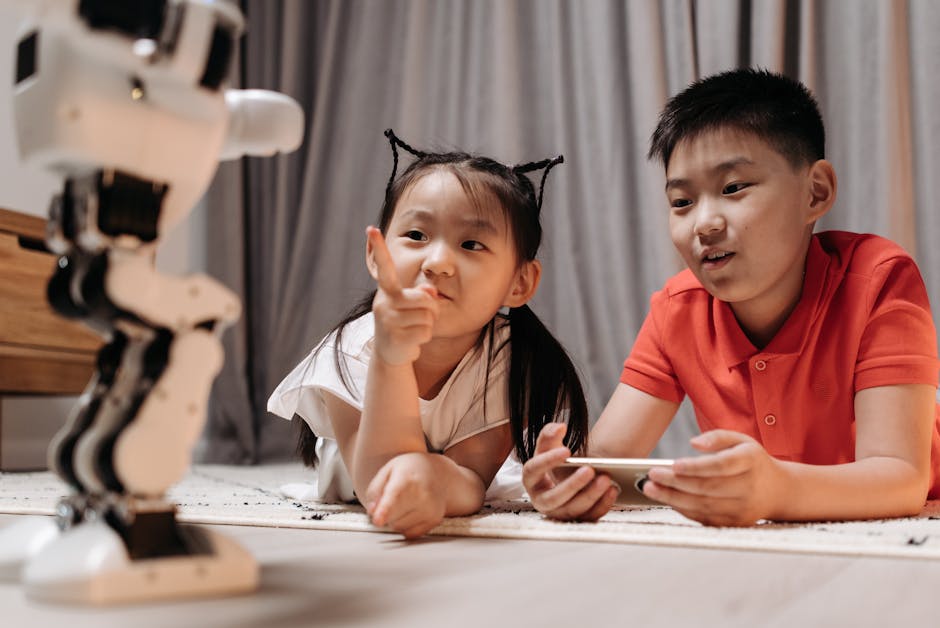
    Picture this: It’s a Tuesday morning in a middle school English class. A teacher named Ms. Park asks her students to write a persuasive essay about climate change. Instead of the usual groans and blank stares, half the class opens their laptops and starts a conversation with ChatGPT โ€” not to copy answers, but to brainstorm counterarguments they hadn’t considered before. By the end of class, the essays are richer, the debates are livelier, and Ms. Park is smiling. Sound too good to be true? In 2026, this scene is playing out in classrooms across the globe, and the teachers making it work have a few smart strategies in common.

    So let’s think through this together โ€” because using ChatGPT in a school setting isn’t as simple as handing students a powerful tool and stepping back. There’s real craft involved, and honestly, it’s one of the most exciting pedagogical puzzles educators are solving right now.

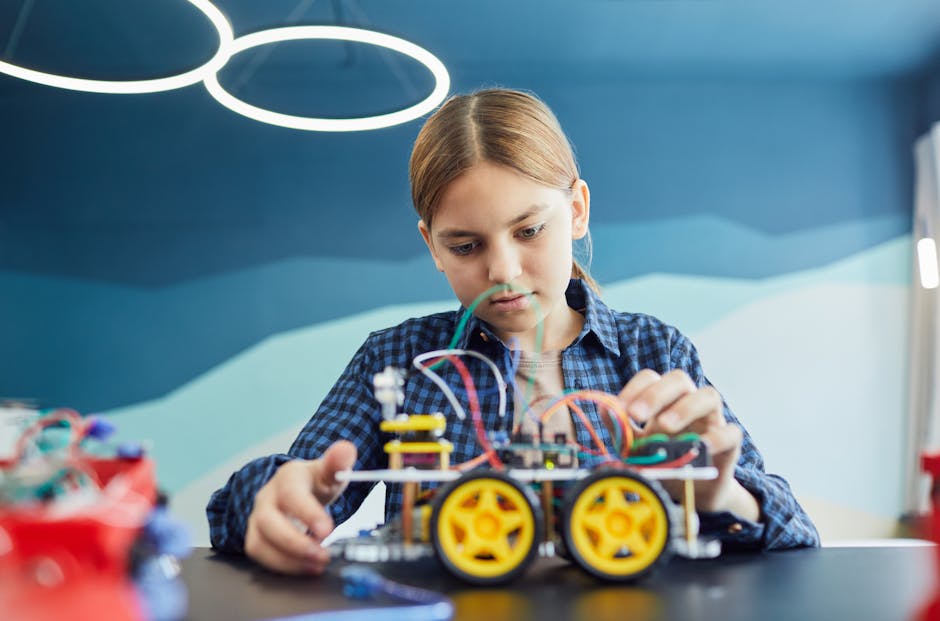
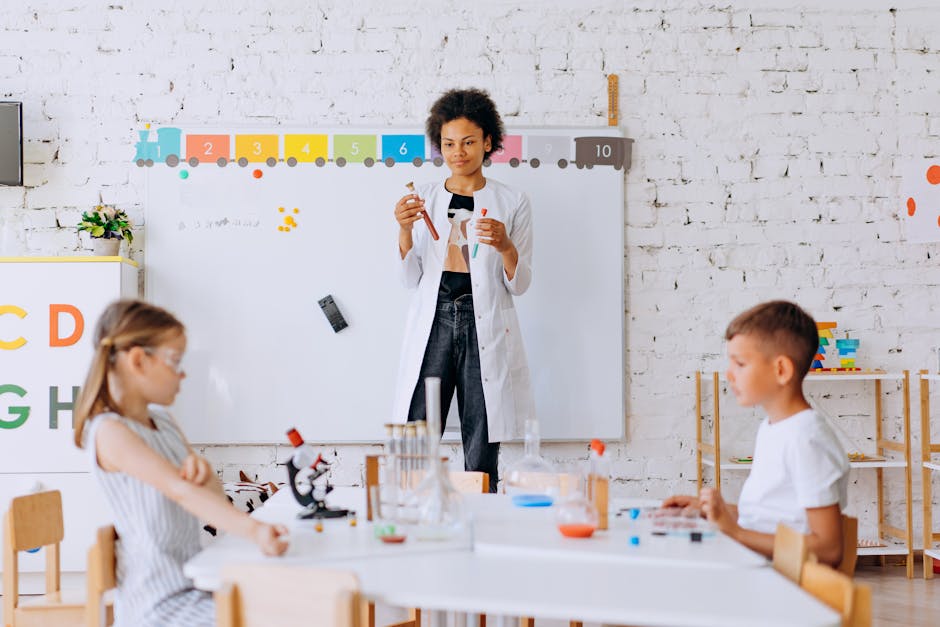
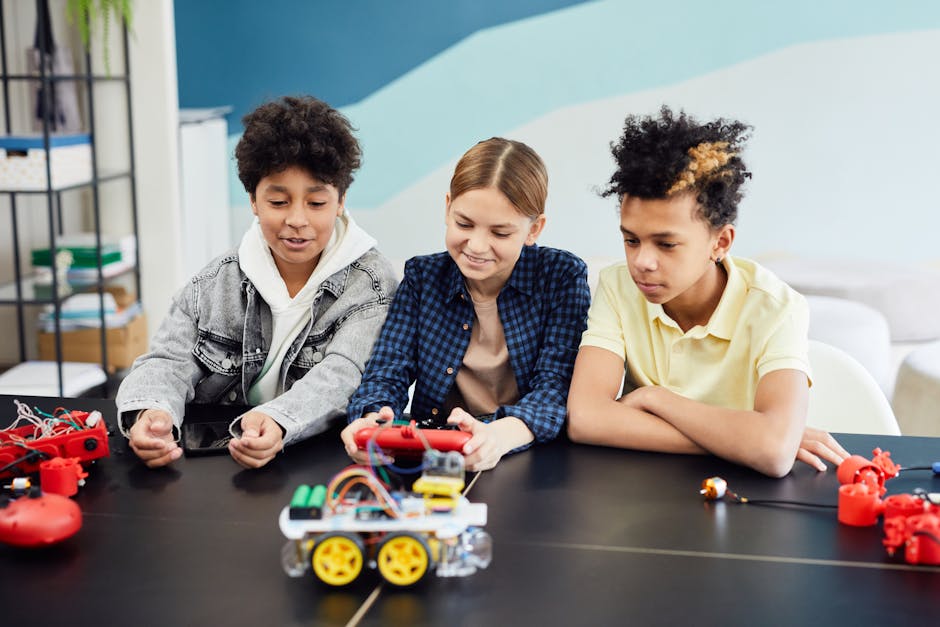
    teacher and students using AI laptop classroom 2026

    ๐Ÿ“Š Why ChatGPT in the Classroom Is No Longer Optional

    According to a 2026 report by the OECD Education at a Glance survey, over 68% of secondary schools in OECD member countries have adopted some form of AI-assisted learning tool in their curriculum โ€” up from just 29% in 2023. In South Korea alone, the Ministry of Education’s 2026 Digital Education Transformation Initiative has officially integrated AI tutoring tools, including large language models, into national curriculum guidelines for grades 7 through 12.

    Meanwhile, a Stanford Graduate School of Education study published in early 2026 found that students who used AI tools with guided instruction showed a 23% improvement in critical thinking scores compared to control groups โ€” but only when teachers actively structured how the AI was used. That last part is key. Unstructured AI use in classrooms actually correlated with slightly lower retention. The tool matters less than the method.

    ๐Ÿง  The Core Principle: AI as a Thinking Partner, Not a Ghost Writer

    Here’s the mindset shift that separates effective ChatGPT integration from academic chaos: the goal is to use ChatGPT as a Socratic sparring partner, not an answer machine. When students ask ChatGPT “What is photosynthesis?” they get a Wikipedia-style summary. But when they ask “Can you challenge my explanation of photosynthesis and find the weakest part of my argument?” โ€” that’s where real learning ignites.

    This distinction maps onto Bloom’s Taxonomy beautifully. ChatGPT excels at helping students move from the lower tiers (recall, comprehension) into the higher-order skills (analysis, evaluation, creation) โ€” if teachers design prompts and tasks accordingly.

    ๐ŸŒ Real Classroom Examples from Around the World

    Finland โ€” Project-Based Inquiry: Schools in Helsinki have embedded ChatGPT into project-based learning modules where students use the AI to generate “devil’s advocate” perspectives on their research topics. Teachers report that students now anticipate objections to their arguments before presenting, a skill that used to take years to develop naturally.

    South Korea โ€” Personalized Feedback Loops: Under the 2026 AI-Education pilot program in Gyeonggi Province, teachers assign written drafts and have students run their work through a structured ChatGPT prompt โ€” “Give me three specific suggestions to improve this paragraph’s logical flow” โ€” before peer review. This two-step process has reduced teacher grading time by roughly 30% while increasing student revision rates.

    United States (New York City Public Schools): After briefly banning AI tools in 2023, NYC schools reversed course and now require all 9th-grade teachers to complete a 12-hour “AI Pedagogy” certification. Classrooms use ChatGPT for Socratic seminars, where AI-generated counterarguments are printed and debated without students knowing which side was AI-written โ€” sharpening their ability to evaluate source quality.

    Singapore: The Ministry of Education’s “AI Literacy” framework, updated in 2026, teaches students to critically audit ChatGPT’s outputs for bias and factual accuracy as a core component of digital citizenship class.

    students debating AI-generated content critical thinking classroom

    โœ… Practical ChatGPT Teaching Methods You Can Use Tomorrow

    • The “Prompt Design” Assignment: Have students write a complex prompt for ChatGPT, then evaluate whether the output matches what they intended. This teaches precision in communication and exposes how vague thinking leads to vague results.
    • AI Devil’s Advocate: Students submit their thesis statement; ChatGPT generates the strongest possible counterargument. Students must then write a rebuttal โ€” without AI help.
    • Reverse Engineering Lesson: Give students a ChatGPT-generated paragraph on a topic they’ve studied. Ask them to fact-check every claim. What’s accurate? What’s missing? What’s subtly wrong?
    • Collaborative Storytelling with Constraints: In creative writing, students write odd-numbered paragraphs; ChatGPT writes even ones. Students must then revise the AI’s paragraphs to match their voice and intent.
    • Differentiated Learning Support: Struggling students can ask ChatGPT to “explain this concept three different ways” or “use a sports analogy to describe this math concept” โ€” personalizing explanations without demanding extra teacher bandwidth.
    • Exit Ticket Reflection: At the end of class, students write a 3-sentence reflection: What did I learn? What did I ask ChatGPT? Would I trust its answer? Why or why not?

    โš ๏ธ Realistic Challenges and How to Navigate Them

    Let’s not pretend this is all smooth sailing. Three legitimate concerns come up repeatedly in teacher communities in 2026:

    1. Academic Integrity: The concern is real, but the solution isn’t prohibition โ€” it’s task redesign. Assignments that require personal reflection, in-class oral defense, or documented process portfolios are far harder to outsource entirely to AI. Think of it less as “can I catch AI use?” and more as “have I designed a task where AI use alone isn’t sufficient?”

    2. Digital Equity: Not every student has consistent internet access or devices. Schools implementing ChatGPT tools need to pair them with offline alternatives โ€” structured debate cards, printed prompt worksheets โ€” so no student is disadvantaged by connectivity gaps.

    3. Over-Reliance: There’s a real risk of students losing confidence in their own thinking. The antidote is building in frequent “AI-free” drafting sessions where students must produce initial ideas independently before consulting the tool. Think of ChatGPT as a second draft resource, not a first draft crutch.

    ๐Ÿ”„ Realistic Alternatives for Different School Contexts

    Not every school is ready for full ChatGPT integration โ€” and that’s completely okay. Here are tiered alternatives depending on your context:

    • Low-tech alternative: Use printed ChatGPT conversation transcripts (generated by the teacher beforehand) as classroom discussion materials. Students analyze, critique, and debate without needing devices.
    • Moderate integration: Allow ChatGPT access only during specific “research phases” of a project, with clear documentation requirements (students must log every prompt they used and why).
    • Full integration: Develop a classroom AI use policy co-created with students โ€” this itself is a powerful critical thinking exercise about ethics, consent, and intellectual responsibility.

    The beauty of this tool in 2026 is that it’s flexible enough to meet teachers where they are, not the other way around. Whether you’re a veteran educator cautiously dipping a toe in, or a tech-forward teacher ready to redesign your entire curriculum, there’s a version of this that works for you.

    Editor’s Comment : The schools winning with ChatGPT in 2026 aren’t the ones with the most devices or the biggest budgets โ€” they’re the ones where teachers have been given time, trust, and training to think creatively about what learning is actually for. ChatGPT doesn’t replace the magic of a great teacher. But in the hands of one? It’s a remarkable amplifier.

    ํƒœ๊ทธ: [‘ChatGPT in classroom 2026’, ‘AI teaching methods’, ‘ChatGPT education guide’, ‘AI tools for teachers’, ‘classroom technology 2026’, ‘critical thinking with AI’, ‘digital literacy education’]


    ๐Ÿ“š ๊ด€๋ จ๋œ ๋‹ค๋ฅธ ๊ธ€๋„ ์ฝ์–ด ๋ณด์„ธ์š”

  • ์ฑ—GPT ํ™œ์šฉ ํ•™๊ต ์ˆ˜์—… ๋ฐฉ๋ฒ• ์ด์ •๋ฆฌ | 2026๋…„ ๊ต์‚ฌยทํ•™์ƒ ๋ชจ๋‘๋ฅผ ์œ„ํ•œ ์‹ค์ „ ๊ฐ€์ด๋“œ

    ์ž‘๋…„ ๋ง, ํ•œ ์ค‘ํ•™๊ต ๊ตญ์–ด ์„ ์ƒ๋‹˜์ด ์ €์—๊ฒŒ ์ด๋Ÿฐ ๊ณ ๋ฏผ์„ ํ„ธ์–ด๋†“์•˜์–ด์š”. “์ˆ˜์—… ์ค€๋น„์— ์ฑ—GPT๋ฅผ ์“ฐ๊ณ  ์‹ถ์€๋ฐ, ํ•™์ƒ๋“ค์ด ์ˆ™์ œ๋ฅผ ํ†ต์งธ๋กœ ๋งก๊ฒจ๋ฒ„๋ฆด๊นŒ๋ด ๋ฌด์„œ์›Œ์„œ ์—„๋‘๋ฅผ ๋ชป ๋‚ด๊ฒ ์–ด์š”.” ๊ทธ ๋ง์„ ๋“ฃ๊ณ  ํ•œ์ฐธ ์ƒ๊ฐํ–ˆ์Šต๋‹ˆ๋‹ค. ์‚ฌ์‹ค ์ด ๊ณ ๋ฏผ์€ ์ „๊ตญ ๊ต์‚ฌ์˜ ๊ณตํ†ต๋œ ๋”œ๋ ˆ๋งˆ์ธ ๊ฒƒ ๊ฐ™์•„์š”. ๋ง‰์œผ๋ ค๊ณ  ํ•ด๋„ ๋ง‰์„ ์ˆ˜ ์—†๊ณ , ๊ทธ๋ ‡๋‹ค๊ณ  ๋ฌด์ž‘์ • ํ—ˆ์šฉํ•˜์ž๋‹ˆ ๊ต์œก์  ํšจ๊ณผ๊ฐ€ ๊ฑฑ์ •๋˜๋Š” ์ƒํ™ฉ์ด์ฃ . 2026๋…„ ํ˜„์žฌ, ์ฑ—GPT๋ฅผ ๋น„๋กฏํ•œ ์ƒ์„ฑํ˜• AI๋Š” ๊ต์‹ค ์•ˆ์œผ๋กœ ์ด๋ฏธ ๋“ค์–ด์™€ ์žˆ์Šต๋‹ˆ๋‹ค. ์ด์ œ ์งˆ๋ฌธ์€ “์“ธ ๊ฒƒ์ด๋ƒ ๋ง ๊ฒƒ์ด๋ƒ”๊ฐ€ ์•„๋‹ˆ๋ผ “์–ด๋–ป๊ฒŒ ์˜ฌ๋ฐ”๋ฅด๊ฒŒ ํ™œ์šฉํ•  ๊ฒƒ์ด๋ƒ”๋กœ ๋ฐ”๋€Œ๊ณ  ์žˆ๋Š” ๊ฒƒ ๊ฐ™์Šต๋‹ˆ๋‹ค.

    students using AI chatbot in classroom school learning 2026

    ๐Ÿ“Š ์ˆซ์ž๋กœ ๋ณด๋Š” ์ฑ—GPT ๊ต์œก ํ˜„ํ™ฉ โ€” 2026๋…„ ๊ธฐ์ค€

    ๋จผ์ € ํ˜„ํ™ฉ์„ ๊ตฌ์ฒด์ ์ธ ์ˆ˜์น˜๋กœ ์‚ดํŽด๋ณผ๊ฒŒ์š”. 2026๋…„ ์ดˆ ๊ต์œก๋ถ€๊ฐ€ ๋ฐœํ‘œํ•œ ‘AI ๊ต์œก ํ™œ์šฉ ์‹คํƒœ์กฐ์‚ฌ’์— ๋”ฐ๋ฅด๋ฉด, ๊ตญ๋‚ด ์ค‘ยท๊ณ ๋“ฑํ•™์ƒ์˜ ์•ฝ 74%๊ฐ€ ํ•™์Šต ๋ชฉ์ ์œผ๋กœ ์ƒ์„ฑํ˜• AI๋ฅผ ์ฃผ 1ํšŒ ์ด์ƒ ์‚ฌ์šฉํ•œ๋‹ค๊ณ  ์‘๋‹ตํ–ˆ์Šต๋‹ˆ๋‹ค. ์ด ์ค‘ 41%๋Š” ๊ต์‚ฌ์˜ ์•ˆ๋‚ด ์—†์ด ์ž์ฒด์ ์œผ๋กœ ํ™œ์šฉํ•˜๊ณ  ์žˆ๋Š” ๊ฒƒ์œผ๋กœ ๋‚˜ํƒ€๋‚ฌ์–ด์š”. ๋ฐ˜๋ฉด ๊ต์‚ฌ์˜ ๊ฒฝ์šฐ, ์ˆ˜์—…์— AI๋ฅผ ์ •๊ธฐ์ ์œผ๋กœ ํ™œ์šฉํ•œ๋‹ค๋Š” ์‘๋‹ต์€ 28%์— ๊ทธ์ณค์Šต๋‹ˆ๋‹ค. ํ•™์ƒ๊ณผ ๊ต์‚ฌ ์‚ฌ์ด์— ์•ฝ 46%ํฌ์ธํŠธ์˜ ํ™œ์šฉ ๊ฒฉ์ฐจ๊ฐ€ ์กด์žฌํ•˜๋Š” ์…ˆ์ž…๋‹ˆ๋‹ค.

    ๊ธ€๋กœ๋ฒŒ ์ˆ˜์น˜๋„ ๋ˆˆ๊ธธ์„ ๋•๋‹ˆ๋‹ค. ๋ฏธ๊ตญ ๊ต์œก ์กฐ์‚ฌ๊ธฐ๊ด€ RAND Corporation์˜ 2026๋…„ 1๋ถ„๊ธฐ ๋ฆฌํฌํŠธ์— ๋”ฐ๋ฅด๋ฉด, ์ฑ—GPT ๋“ฑ AI ํŠœํ„ฐ๋ฅผ ์ •๊ทœ ์ˆ˜์—…์— ํ†ตํ•ฉํ•œ ๋ฏธ๊ตญ ๊ณต๋ฆฝํ•™๊ต์˜ ํ•™์ƒ๋“ค์€ ๊ทธ๋ ‡์ง€ ์•Š์€ ํ•™๊ต ํ•™์ƒ๋“ค ๋Œ€๋น„ ์ˆ˜์—… ์ฐธ์—ฌ๋„๊ฐ€ ํ‰๊ท  33% ๋†’์•˜๊ณ , ๊ธ€์“ฐ๊ธฐ ์—ญ๋Ÿ‰ ํ‰๊ฐ€ ์ ์ˆ˜๋Š” 19% ํ–ฅ์ƒ๋œ ๊ฒƒ์œผ๋กœ ๋ณด๊ณ ๋์–ด์š”. ๋‹จ, ์ด ์ˆ˜์น˜๋Š” ๊ต์‚ฌ์˜ ์ ์ ˆํ•œ ๊ฐ€์ด๋“œ๋ผ์ธ์ด ๋ณ‘ํ–‰๋์„ ๋•Œ์˜ ์ˆ˜์น˜๋ผ๋Š” ์ ์„ ๊ผญ ์งš๊ณ  ์‹ถ์Šต๋‹ˆ๋‹ค.

    ๐ŸŒ ๊ตญ๋‚ด์™ธ ์ฑ—GPT ์ˆ˜์—… ํ™œ์šฉ ์‚ฌ๋ก€

    ํ•€๋ž€๋“œ โ€” ‘์†Œํฌ๋ผํ…Œ์Šค AI ํ† ๋ก ’ ์ˆ˜์—… ๋ชจ๋ธ
    ํ•€๋ž€๋“œ ํ—ฌ์‹ฑํ‚ค ์†Œ์žฌ์˜ ํ•œ ๊ณ ๋“ฑํ•™๊ต๋Š” 2025๋…„๋ถ€ํ„ฐ ‘์†Œํฌ๋ผํ…Œ์Šค AI ํ† ๋ก ’ ๋ฐฉ์‹์„ ๋„์ž…ํ–ˆ์Šต๋‹ˆ๋‹ค. ํ•™์ƒ๋“ค์ด ํŠน์ • ์ฃผ์ œ์— ๋Œ€ํ•ด ์ฑ—GPT์™€ ๋จผ์ € 1:1 ํ† ๋ก ์„ ๋‚˜๋ˆ„๊ณ , ๊ทธ ๋Œ€ํ™” ๋กœ๊ทธ๋ฅผ ์ˆ˜์—… ์‹œ๊ฐ„์— ๊ฐ€์ ธ์™€ ๋ฐ˜ ์ „์ฒด๊ฐ€ ํ•จ๊ป˜ ๋ถ„์„ํ•˜๋Š” ๋ฐฉ์‹์ด์—์š”. ํฅ๋ฏธ๋กœ์šด ์ ์€ AI์˜ ๋‹ต๋ณ€์—์„œ ๋…ผ๋ฆฌ์  ํ—ˆ์ ์„ ์ฐพ๋Š” ๊ฒƒ์ด ์ˆ˜์—…์˜ ํ•ต์‹ฌ ๋ชฉํ‘œ๋ผ๋Š” ๊ฒƒ์ž…๋‹ˆ๋‹ค. AI๋ฅผ ๋‹ต์„ ์–ป๋Š” ๋„๊ตฌ๊ฐ€ ์•„๋‹Œ ๋น„ํŒ์  ์‚ฌ๊ณ  ํ›ˆ๋ จ์˜ ์ƒ๋Œ€๋กœ ํ™œ์šฉํ•˜๋Š” ์ ‘๊ทผ์ด๋ผ๊ณ  ๋ณผ ์ˆ˜ ์žˆ์–ด์š”.

    ๊ตญ๋‚ด โ€” ๊ฒฝ๊ธฐ๋„ A ์ค‘ํ•™๊ต์˜ ‘ํ”„๋กฌํ”„ํŠธ ์„ค๊ณ„’ ๊ตญ์–ด ์ˆ˜์—…
    ๊ฒฝ๊ธฐ๋„ ์†Œ์žฌ A ์ค‘ํ•™๊ต๋Š” 2026๋…„ 1ํ•™๊ธฐ๋ถ€ํ„ฐ ๊ตญ์–ด ์ˆ˜์—…์— ‘ํ”„๋กฌํ”„ํŠธ ์„ค๊ณ„ ํ™œ๋™’์„ ๋„์ž…ํ–ˆ์Šต๋‹ˆ๋‹ค. ํ•™์ƒ๋“ค์—๊ฒŒ ๊ฐ™์€ ์ฃผ์ œ๋กœ ์ฑ—GPT์— ์งˆ๋ฌธ์„ ๋˜์ง€๋˜, ์–ผ๋งˆ๋‚˜ ์ •๊ตํ•˜๊ฒŒ ์งˆ๋ฌธ์„ ์„ค๊ณ„ํ•˜๋А๋ƒ์— ๋”ฐ๋ผ ๊ฒฐ๊ณผ๋ฌผ์ด ์–ด๋–ป๊ฒŒ ๋‹ฌ๋ผ์ง€๋Š”์ง€๋ฅผ ๋น„๊ต ๋ถ„์„ํ•˜๊ฒŒ ํ•ฉ๋‹ˆ๋‹ค. ์ด๋ฅผ ํ†ตํ•ด ํ•™์ƒ๋“ค์€ ์ž์—ฐ์Šค๋Ÿฝ๊ฒŒ ์–ธ์–ด ํ‘œํ˜„๋ ฅ๊ณผ ๋…ผ๋ฆฌ ๊ตฌ์„ฑ ๋Šฅ๋ ฅ์„ ๊ธฐ๋ฅด๊ณ , AI ์ถœ๋ ฅ ๊ฒฐ๊ณผ๋ฅผ ๋งน๋ชฉ์ ์œผ๋กœ ์ˆ˜์šฉํ•˜์ง€ ์•Š๋Š” ํƒœ๋„๋ฅผ ๊ฐ–๊ฒŒ ๋œ๋‹ค๊ณ  ํ•ด์š”.

    ๋ฏธ๊ตญ โ€” MIT ๋ง์ปจ ์Šค์ฟจ์˜ ‘์—ญํ• ๊ทน ์‹œ๋ฎฌ๋ ˆ์ด์…˜’ ์—ญ์‚ฌ ์ˆ˜์—…
    ๋ฏธ๊ตญ ๋ณด์Šคํ„ด์˜ MIT ๋ง์ปจ ์Šค์ฟจ์€ ์—ญ์‚ฌ ์ˆ˜์—…์—์„œ ํ•™์ƒ๋“ค์—๊ฒŒ ์ฑ—GPT๋ฅผ ‘์—ญ์‚ฌ์  ์ธ๋ฌผ’๋กœ ์„ค์ •ํ•ด ์ธํ„ฐ๋ทฐํ•˜๋Š” ํ”„๋กœ์ ํŠธ๋ฅผ ์šด์˜ํ•˜๊ณ  ์žˆ์–ด์š”. ์˜ˆ๋ฅผ ๋“ค์–ด ํ•™์ƒ์ด ๋ง์ปจ ๋Œ€ํ†ต๋ น์˜ ๊ด€์ ์œผ๋กœ ์„ค์ •๋œ AI์™€ ๋Œ€ํ™”ํ•˜๋ฉด์„œ, AI์˜ ๋‹ต๋ณ€์ด ์—ญ์‚ฌ์  ์‚ฌ์‹ค๊ณผ ์–ผ๋งˆ๋‚˜ ์ผ์น˜ํ•˜๋Š”์ง€ ์ง์ ‘ ๊ฒ€์ฆํ•˜๋Š” ๊ณผ์ •์„ ๊ฑฐ์นฉ๋‹ˆ๋‹ค. ์ด ๋ฐฉ๋ฒ•์€ ํ•™์ƒ๋“ค์˜ ์—ญ์‚ฌ์  ์‚ฌ๊ณ ๋ ฅ๊ณผ ์ •๋ณด ๋ฆฌํ„ฐ๋Ÿฌ์‹œ๋ฅผ ๋™์‹œ์— ํ‚ค์›Œ์ค€๋‹ค๋Š” ํ‰๊ฐ€๋ฅผ ๋ฐ›๊ณ  ์žˆ์Šต๋‹ˆ๋‹ค.

    teacher guiding students AI learning activity classroom Korea

    ๐Ÿ› ๏ธ ์ˆ˜์—… ํ˜„์žฅ์—์„œ ๋ฐ”๋กœ ์“ธ ์ˆ˜ ์žˆ๋Š” ์ฑ—GPT ํ™œ์šฉ๋ฒ•

    • ์ดˆ์•ˆ โ†’ ํ”ผ๋“œ๋ฐฑ โ†’ ์ˆ˜์ • ๋ฃจํ”„ ๊ธ€์“ฐ๊ธฐ: ํ•™์ƒ์ด ๋จผ์ € ์Šค์Šค๋กœ ์ดˆ์•ˆ์„ ์ž‘์„ฑํ•œ ๋’ค, ์ฑ—GPT์—๊ฒŒ ํ”ผ๋“œ๋ฐฑ์„ ์š”์ฒญํ•˜๊ณ  ๊ทธ๊ฒƒ์„ ๋ฐ”ํƒ•์œผ๋กœ ์ˆ˜์ •ํ•˜๋Š” 3๋‹จ๊ณ„ ๊ตฌ์กฐ์˜ˆ์š”. AI๊ฐ€ ๊ธ€์„ ๋Œ€์‹  ์จ์ฃผ๋Š” ๊ฒƒ์ด ์•„๋‹ˆ๋ผ ‘์ฝ”์น˜’ ์—ญํ• ์„ ํ•˜๊ฒŒ ๋ฉ๋‹ˆ๋‹ค.
    • ๊ฐœ๋… ์„ค๋ช… ์š”์ฒญ ํ›„ ์˜ค๋ฅ˜ ์ฐพ๊ธฐ: ์ˆ˜ํ•™์ด๋‚˜ ๊ณผํ•™ ๊ฐœ๋…์„ ์ฑ—GPT์—๊ฒŒ ์„ค๋ช…ํ•˜๊ฒŒ ํ•œ ๋’ค, ํ•™์ƒ๋“ค์ด ๊ทธ ์„ค๋ช… ์† ์˜ค๋ฅ˜๋‚˜ ๋ถˆ์™„์ „ํ•œ ๋ถ€๋ถ„์„ ์ฐพ์•„ ๊ต์‚ฌ์—๊ฒŒ ๋ณด๊ณ ํ•˜๋Š” ํ™œ๋™. ๋ฉ”ํƒ€์ธ์ง€ ๋Šฅ๋ ฅ ํ–ฅ์ƒ์— ํƒ์›”ํ•˜๋‹ค๊ณ  ๋ด…๋‹ˆ๋‹ค.
    • ๋‹ค๊ตญ์–ด ๋ฒˆ์—ญ ๋น„๊ต ํ•™์Šต: ์˜์–ด ๊ต๊ณผ์—์„œ ๊ฐ™์€ ๋ฌธ์žฅ์„ ์ฑ—GPT, ๊ตฌ๊ธ€ ๋ฒˆ์—ญ, ํŒŒํŒŒ๊ณ ๋กœ ๊ฐ๊ฐ ๋ฒˆ์—ญํ•ด ์ฐจ์ด๋ฅผ ๋น„๊ต ๋ถ„์„ํ•˜๊ฒŒ ํ•˜๋ฉด, ๋ฒˆ์—ญ์˜ ๋งฅ๋ฝ๊ณผ ๋‰˜์•™์Šค๋ฅผ ์ž์—ฐ์Šค๋Ÿฝ๊ฒŒ ๋ฐฐ์šธ ์ˆ˜ ์žˆ์–ด์š”.
    • ํ† ๋ก  ์ฃผ์ œ ์–‘์ชฝ ์ž…์žฅ ์ƒ์„ฑ: ์ฑ—GPT์—๊ฒŒ ํŠน์ • ๋…ผ์ œ์— ๋Œ€ํ•ด ์ฐฌ์„ฑยท๋ฐ˜๋Œ€ ๋…ผ๊ฑฐ๋ฅผ ๊ฐ๊ฐ 5๊ฐœ์”ฉ ์ƒ์„ฑํ•˜๋„๋ก ์‹œํ‚จ ๋’ค, ํ•™์ƒ๋“ค์ด ์ถ”๊ฐ€ ์กฐ์‚ฌ๋ฅผ ํ†ตํ•ด ๊ทผ๊ฑฐ๋ฅผ ๋ณด๊ฐ•ํ•˜๋Š” ๋ฐฉ์‹์œผ๋กœ ํ† ๋ก  ์ˆ˜์—…์— ํ™œ์šฉํ•  ์ˆ˜ ์žˆ์Šต๋‹ˆ๋‹ค.
    • ๊ต์‚ฌ์šฉ โ€” ๋งž์ถคํ˜• ๋ฌธ์ œ ์ƒ์„ฑ: ๊ต์‚ฌ๊ฐ€ ํŠน์ • ๋‹จ์›์˜ ํ•ต์‹ฌ ๊ฐœ๋…์„ ์ž…๋ ฅํ•˜๋ฉด, ์ฑ—GPT๊ฐ€ ๋‚œ์ด๋„๋ณ„ ๋ฌธ์ œ๋ฅผ ์ž๋™ ์ƒ์„ฑํ•ด ์ค˜์š”. ์ˆ˜์—… ์ค€๋น„ ์‹œ๊ฐ„์„ ํฌ๊ฒŒ ์ค„์ด๋ฉด์„œ๋„ ๋‹ค์–‘ํ•œ ์ˆ˜์ค€์˜ ํ•™์Šต์ž๋ฅผ ๋ฐฐ๋ คํ•  ์ˆ˜ ์žˆ์Šต๋‹ˆ๋‹ค.
    • ํ•™์ƒ ํฌํŠธํด๋ฆฌ์˜ค ์ž๊ธฐ ์ ๊ฒ€: ํ•™์ƒ์ด ์ž‘์„ฑํ•œ ๋ณด๊ณ ์„œ๋‚˜ ๋ฐœํ‘œ ์ž๋ฃŒ๋ฅผ ์ฑ—GPT์—๊ฒŒ ๋ณด์—ฌ์ฃผ๊ณ  “์ด ๊ธ€์—์„œ ๋…ผ๋ฆฌ์ ์œผ๋กœ ๋นˆ์•ฝํ•œ ๋ถ€๋ถ„์€ ์–ด๋””์ธ๊ฐ€์š”?”๋ผ๊ณ  ์งˆ๋ฌธํ•˜๊ฒŒ ํ•จ์œผ๋กœ์จ, ์ œ์ถœ ์ „ ์ž๊ธฐ ์ ๊ฒ€ ์Šต๊ด€์„ ๊ธฐ๋ฅผ ์ˆ˜ ์žˆ์Šต๋‹ˆ๋‹ค.

    โš ๏ธ ๋ฐ˜๋“œ์‹œ ํ•จ๊ป˜ ๋…ผ์˜ํ•ด์•ผ ํ•  ๋ถ€๋ถ„๋“ค

    ๋ฌผ๋ก  ์ฑ—GPT๋ฅผ ์ˆ˜์—…์— ๋„์ž…ํ•  ๋•Œ ์ฃผ์˜ํ•ด์•ผ ํ•  ์ง€์ ๋„ ๋ถ„๋ช…ํžˆ ์žˆ๋Š” ๊ฒƒ ๊ฐ™์•„์š”. ์šฐ์„  AI ํ™˜๊ฐ(Hallucination) ๋ฌธ์ œ๋Š” ์—ฌ์ „ํžˆ ์ง„ํ–‰ํ˜•์ž…๋‹ˆ๋‹ค. ์ฑ—GPT๊ฐ€ ๊ทธ๋Ÿด๋“ฏํ•˜๊ฒŒ ๋“ค๋ฆฌ๋Š” ์ž˜๋ชป๋œ ์ •๋ณด๋ฅผ ์ž์‹  ์žˆ๊ฒŒ ์ œ์‹œํ•˜๋Š” ๊ฒฝ์šฐ๊ฐ€ ์žˆ๊ธฐ ๋•Œ๋ฌธ์—, ํ•™์ƒ๋“ค์—๊ฒŒ AI์˜ ์ถœ๋ ฅ๊ฐ’์€ ๋ฐ˜๋“œ์‹œ ๊ต์ฐจ ๊ฒ€์ฆ์ด ํ•„์š”ํ•˜๋‹ค๋Š” ๊ฒƒ์„ ๋ช…ํ™•ํžˆ ๊ต์œกํ•ด์•ผ ํ•ฉ๋‹ˆ๋‹ค. ๋˜ํ•œ ์‚ฌ๊ณ ์˜ ์œ„์ž„ ํ˜„์ƒ, ์ฆ‰ ์Šค์Šค๋กœ ์ƒ๊ฐํ•˜์ง€ ์•Š๊ณ  AI์—๊ฒŒ ์˜์กดํ•˜๋Š” ์Šต๊ด€์ด ๊ตณ์–ด์ง€๋Š” ๋ฌธ์ œ๋„ ๊ต์œก ํ˜„์žฅ์—์„œ ๊ณ„์† ๊ฑฐ๋ก ๋˜๊ณ  ์žˆ์–ด์š”. ์ด๋ฅผ ๋ฐฉ์ง€ํ•˜๋ ค๋ฉด AI ์‚ฌ์šฉ ์ „์— ๋ฐ˜๋“œ์‹œ ์ž์‹ ๋งŒ์˜ ์ƒ๊ฐ์„ ๋จผ์ € ์ •๋ฆฌํ•˜๋Š” ๋‹จ๊ณ„๋ฅผ ์ˆ˜์—… ๊ตฌ์กฐ ์•ˆ์— ๋ช…์‹œ์ ์œผ๋กœ ์„ค๊ณ„ํ•ด์•ผ ํ•œ๋‹ค๊ณ  ๋ด…๋‹ˆ๋‹ค.

    โœ… ๊ฒฐ๋ก  โ€” ๋„๊ตฌ๊ฐ€ ์•„๋‹ˆ๋ผ ‘๊ต์œก ์„ค๊ณ„’์˜ ๋ฌธ์ œ

    ์ฑ—GPT๊ฐ€ ์ข‹์€ ๊ต์œก ๋„๊ตฌ๊ฐ€ ๋ ์ง€, ํ•™์Šต์„ ๋ฐฉํ•ดํ•˜๋Š” ์š”์†Œ๊ฐ€ ๋ ์ง€๋Š” ๊ฒฐ๊ตญ ์ˆ˜์—…์„ ์–ด๋–ป๊ฒŒ ์„ค๊ณ„ํ•˜๋А๋ƒ์— ๋‹ฌ๋ ค ์žˆ๋Š” ๊ฒƒ ๊ฐ™์Šต๋‹ˆ๋‹ค. AI๋ฅผ ๋ฌด์ž‘์ • ๊ธˆ์ง€ํ•˜๊ฑฐ๋‚˜, ๋ฐ˜๋Œ€๋กœ ์•„๋ฌด๋Ÿฐ ๊ธฐ์ค€ ์—†์ด ํ—ˆ์šฉํ•˜๋Š” ๊ฒƒ ๋ชจ๋‘ ์ข‹์€ ๋ฐฉ๋ฒ•์€ ์•„๋‹ ๊ฒƒ ๊ฐ™์•„์š”. ํ•ต์‹ฌ์€ ํ•™์ƒ์ด AI์™€ ์ƒํ˜ธ์ž‘์šฉํ•˜๋Š” ๊ณผ์ • ์ž์ฒด๊ฐ€ ํ•™์Šต์ด ๋˜๋„๋ก ์ˆ˜์—… ๊ตฌ์กฐ๋ฅผ ๋งŒ๋“œ๋Š” ๊ฒƒ์ž…๋‹ˆ๋‹ค. ์ฑ—GPT๋Š” ์ด๋ฏธ ์šฐ๋ฆฌ ๊ต์‹ค ์•ˆ์— ์™€ ์žˆ์–ด์š”. ์ด์ œ๋Š” ์ด๊ฒƒ์„ ์–ด๋–ป๊ฒŒ ๊ต์œก์ ์œผ๋กœ ์˜๋ฏธ ์žˆ๊ฒŒ ์“ธ์ง€๋ฅผ ๊ต์‚ฌ์™€ ํ•™์ƒ, ํ•™๋ถ€๋ชจ๊ฐ€ ํ•จ๊ป˜ ๊ณ ๋ฏผํ•ด์•ผ ํ•  ์‹œ์ ์ด๋ผ๊ณ  ์ƒ๊ฐํ•ฉ๋‹ˆ๋‹ค.

    ์—๋””ํ„ฐ ์ฝ”๋ฉ˜ํŠธ : ์ˆ˜์—…์— ์ฑ—GPT๋ฅผ ์ฒ˜์Œ ๋„์ž…ํ•˜์‹ ๋‹ค๋ฉด, ๊ฑฐ์ฐฝํ•œ ํ”„๋กœ์ ํŠธ๋ณด๋‹ค ‘ํ”ผ๋“œ๋ฐฑ ์š”์ฒญ’์ฒ˜๋Ÿผ ์ž‘๊ณ  ๋ช…ํ™•ํ•œ ์—ญํ• ๋ถ€ํ„ฐ ์‹œ์ž‘ํ•ด๋ณด์‹œ๊ธธ ๊ถŒํ•ด์š”. ํ•™์ƒ๋“ค์ด AI์˜ ๋‹ต๋ณ€์„ ๋ฌด๋น„ํŒ์ ์œผ๋กœ ๋ฐ›์•„๋“ค์ด์ง€ ์•Š๊ณ  ๋ถ„์„ํ•˜๋Š” ๊ฒฝํ—˜์„ ํ•œ ๋ฒˆ์ด๋ผ๋„ ํ•ด๋ณด๋Š” ๊ฒƒ์ด ๊ฐ€์žฅ ์ค‘์š”ํ•œ ์ฒซ ๊ฑธ์Œ์ธ ๊ฒƒ ๊ฐ™์Šต๋‹ˆ๋‹ค. ๊ต์‚ฌ๊ฐ€ ๋จผ์ € ์ฑ—GPT์™€ ์นœํ•ด์ง€๋Š” ๊ฒƒ, ๊ทธ๊ฒŒ ๊ฒฐ๊ตญ ๊ฐ€์žฅ ํ˜„์‹ค์ ์ธ ์‹œ์ž‘์ ์ด๋ผ๊ณ  ๋ด…๋‹ˆ๋‹ค. ๐Ÿ˜Š

    ํƒœ๊ทธ: [‘์ฑ—GPT์ˆ˜์—…ํ™œ์šฉ’, ‘AI๊ต์œก2026’, ‘์ฑ—GPTํ•™๊ตํ™œ์šฉ๋ฒ•’, ‘์ƒ์„ฑํ˜•AI๊ต์œก’, ‘๊ต์‚ฌ์ฑ—GPTํ™œ์šฉ’, ‘ํ•™๊ตAI์ˆ˜์—…’, ‘ํ”„๋กฌํ”„ํŠธ๊ต์œก’]


    ๐Ÿ“š ๊ด€๋ จ๋œ ๋‹ค๋ฅธ ๊ธ€๋„ ์ฝ์–ด ๋ณด์„ธ์š”

  • Play Therapy for Toddlers: Real Development Cases & What the 2026 Research Actually Shows

    A few months ago, I spoke with a mother named Sarah whose 3-year-old son, Leo, had almost completely stopped speaking after the family moved across the country. He wasn’t diagnosed with any speech disorder โ€” he was simply shut down. Pediatricians reassured her it was a phase. But after eight weeks of play therapy, Leo was not only talking again โ€” he was initiating conversations, laughing, and even bossing his toy dinosaurs around with full sentences. That story stuck with me, because it captures something essential: play isn’t just fun for young children โ€” it’s their primary psychological language.

    So let’s think through this together. What is play therapy actually doing inside a young child’s developing brain? What do the numbers say, and what do real cases show us? And if play therapy isn’t accessible to you right now, what are the realistic alternatives?

    toddler play therapy session child psychologist colorful toys

    What Is Play Therapy, and Why Does It Work for Young Children?

    Play therapy is a structured, theoretically grounded approach used primarily with children aged 3โ€“12, where the therapist uses toys, art, sand, role-play, and creative materials as the medium for communication. The core idea? Children don’t yet have the cognitive architecture to verbalize complex emotions the way adults do โ€” but they can act them out.

    In clinical terms, play therapy activates the limbic system (the brain’s emotional processing center) in a low-threat environment, allowing children to externalize internal conflicts safely. The therapist observes patterns, gently redirects, and โ€” depending on the model โ€” either follows the child’s lead (non-directive, Rogerian) or introduces structured scenarios (directive approach).

    What the 2026 Data Tells Us

    Research has been building steadily, and by 2026, the evidence base for play therapy is more robust than ever. Here’s what the data landscape looks like:

    • Meta-analytic findings: A landmark meta-analysis tracking over 100 controlled studies consistently places play therapy’s effect size between 0.70 and 0.80 โ€” considered a large effect in psychological research. To put that in plain terms: children receiving play therapy showed significantly more improvement than children in control groups across anxiety, behavioral issues, and social development.
    • Duration matters: Research suggests that meaningful change typically emerges after 12โ€“24 sessions, with optimal outcomes around 25โ€“35 sessions for children with moderate developmental concerns.
    • Age sweet spot: Children aged 3โ€“6 show the highest responsiveness to non-directive play therapy, largely because their symbolic play is developmentally peaking during this window.
    • Attachment outcomes: A 2026 longitudinal study from Seoul National University’s Child Development Lab found that children who completed a 20-week play therapy program showed statistically significant improvements in secure attachment scores โ€” with effects still measurable 18 months later.
    • Co-regulation benefits: When parents are included (filial therapy model), outcomes improve by approximately 35% compared to child-only sessions, according to current clinical consensus.

    Real Cases: What Does Transformation Actually Look Like?

    Let’s ground this in real examples โ€” because statistics don’t cry or throw tantrums, but children do.

    Case 1 โ€” Korea (Domestic): A 2025โ€“2026 clinical case published by the Korean Play Therapy Association followed a 5-year-old girl, “Jiyeon,” who exhibited severe separation anxiety and selective mutism after her parents’ divorce. After 16 sand tray therapy sessions, her teachers reported she had begun speaking voluntarily in class and her cortisol levels (a biological stress marker measured via saliva testing) had dropped by 28%. Her therapist noted that the turning point came when Jiyeon began burying and then rescuing tiny figures in the sand โ€” a clear symbolic processing of loss and recovery.

    Case 2 โ€” United States: A 2026 report from a Chicago-based early intervention center followed “Marcus,” a 4-year-old with trauma history and aggressive behavioral episodes averaging 6โ€“8 per day in preschool. After 22 sessions of directive trauma-focused play therapy, his aggressive episodes dropped to fewer than 1 per day on average. His teachers noted he had developed what they called “emotional vocabulary” โ€” he’d say things like “I’m feeling like the volcano toy” instead of erupting.

    Case 3 โ€” United Kingdom: A NHS-supported pilot program in Manchester (results published early 2026) introduced group play therapy for 4-to-6-year-olds in post-pandemic social reintegration programs. Children who participated showed a 42% reduction in social withdrawal behaviors compared to the waitlist control group. Notably, the program required only 10 group sessions โ€” making it a highly cost-efficient model for public health settings.

    child sand tray therapy emotional development developmental psychology

    Who Benefits Most โ€” and Who Might Need a Different Approach?

    Play therapy is genuinely versatile, but it’s not a one-size-fits-all solution. Let’s think through this honestly:

    • Strong candidates: Children with anxiety, social withdrawal, trauma exposure, speech delays tied to emotional causes, adjustment disorders (after divorce, relocation, new sibling), and selective mutism.
    • Moderate benefit: Children on the autism spectrum can benefit, though structured/directive approaches tend to outperform non-directive methods in this population.
    • Requires augmentation: Children with neurological or physiological components (e.g., ADHD with biological markers, sensory processing disorders) typically need play therapy alongside occupational therapy or medication assessment โ€” not instead of it.
    • Important note for parents: If a child shows regression in multiple developmental domains simultaneously, a full developmental evaluation should precede or accompany play therapy enrollment.

    Realistic Alternatives If Play Therapy Isn’t Currently Accessible

    Here’s where I want to be genuinely useful rather than just inspirational. Play therapy delivered by a licensed therapist is the gold standard โ€” but it’s also expensive, not universally available, and often involves long waitlists. So what can you realistically do?

    • Filial Therapy Training for Parents: Programs like CPRT (Child-Parent Relationship Therapy) teach parents the foundational skills of non-directive play sessions at home. Studies show parent-delivered filial sessions, when properly trained, yield outcomes close to therapist-led sessions for mild-to-moderate cases. In 2026, many accredited online CPRT training programs exist โ€” look for ones tied to university extension programs.
    • Structured Imaginative Play Scheduling: Even without formal therapy, dedicating 30 minutes daily to uninterrupted, child-led play (no screens, no parental agenda) activates many of the same neurological pathways. The key word is child-led โ€” you follow their story, not correct it.
    • Bibliotherapy: Picture books that mirror a child’s emotional situation (a new sibling, moving homes, loss) give children a symbolic container for feelings. Your local children’s librarian is genuinely one of the most underrated developmental resources you have.
    • Community-based programs: In Korea, many community children’s centers (์ง€์—ญ์•„๋™์„ผํ„ฐ) now offer subsidized play therapy through government mental health initiatives. In the US, Head Start programs and school-based early intervention services increasingly embed play-based emotional support. Ask โ€” these resources are often not well-advertised.
    • Telehealth play therapy: A growing and validated option as of 2026. While the purist might argue a physical space is ideal, research shows telehealth sessions are effective for children 4+ when parents are present to facilitate the environment at home.

    A Note on Choosing a Qualified Therapist

    This matters more than most parents realize. Look for credentials like RPT (Registered Play Therapist) issued by the Association for Play Therapy (APT), or equivalent national certifications in your country (in Korea, ํ•œ๊ตญ๋†€์ด์น˜๋ฃŒํ•™ํšŒ certification). A warm, qualified therapist will always do a parent intake interview first, explain their theoretical approach, and set realistic goals with measurable benchmarks. If a therapist can’t articulate what they’re doing and why โ€” that’s a yellow flag worth noting.

    Play therapy isn’t magic. But it is one of the most developmentally intelligent tools we have for helping young children process a world that can sometimes feel very big and very confusing. And for children like Leo, and Jiyeon, and Marcus โ€” it was the thing that helped them find their voice again.

    Editor’s Comment : What struck me most in researching this piece is that the children who benefited most weren’t necessarily the ones with the most severe issues โ€” they were the ones whose parents stayed curious and involved. Play therapy works best when it’s a partnership, not a drop-off. If your child is struggling emotionally and you’re not sure where to start, the most powerful first step is simply sitting on the floor with them, following their play with no agenda, and letting them know their inner world is worth your full attention. That costs nothing, and it plants the seed for everything else.

    ํƒœ๊ทธ: [‘play therapy toddlers’, ‘child psychological development’, ‘early childhood mental health’, ‘filial therapy’, ‘toddler emotional development 2026’, ‘play therapy case studies’, ‘infant psychology’]


    ๐Ÿ“š ๊ด€๋ จ๋œ ๋‹ค๋ฅธ ๊ธ€๋„ ์ฝ์–ด ๋ณด์„ธ์š”

  • ๋†€์ด์น˜๋ฃŒ ํšจ๊ณผ, ์œ ์•„ ์‹ฌ๋ฆฌ ๋ฐœ๋‹ฌ์— ์ •๋ง ๋„์›€์ด ๋ ๊นŒ? ์‹ค์ œ ์‚ฌ๋ก€๋กœ ์•Œ์•„๋ณด๊ธฐ [2026]

    ์–ด๋ฆฐ์ด์ง‘์—์„œ ์œ ๋… ํ˜ผ์ž ๋…ธ๋Š” ์•„์ด, ๋“ฑ์›ํ•  ๋•Œ๋งˆ๋‹ค ์šธ์Œ์„ ํ„ฐ๋œจ๋ฆฌ๋Š” ์•„์ด, ๋˜๋ž˜ ์นœ๊ตฌ์—๊ฒŒ ์ด์œ  ์—†์ด ๊ณต๊ฒฉ์ ์ธ ํ–‰๋™์„ ๋ณด์ด๋Š” ์•„์ด. ์ด๋Ÿฐ ๋ชจ์Šต์„ ๋ณด๋Š” ๋ถ€๋ชจ๋‹˜์ด๋ผ๋ฉด ํ•œ ๋ฒˆ์ฏค ‘์šฐ๋ฆฌ ์•„์ด๊ฐ€ ๊ดœ์ฐฎ์€ ๊ฑธ๊นŒ?’ ํ•˜๊ณ  ๋งˆ์Œ์ด ๋ฌด๊ฑฐ์›Œ์ง€์…จ์„ ๊ฑฐ์˜ˆ์š”. ์ €๋„ ๋น„์Šทํ•œ ๊ณ ๋ฏผ์„ ํ•˜๋Š” ์ง€์ธ๋“ค์„ ๋ณด๋ฉด์„œ, ๋†€์ด์น˜๋ฃŒ๋ผ๋Š” ์„ ํƒ์ง€๋ฅผ ์ง„์ง€ํ•˜๊ฒŒ ๋“ค์—ฌ๋‹ค๋ณด๊ฒŒ ๋์Šต๋‹ˆ๋‹ค. ์˜ค๋Š˜์€ ๋‹จ์ˆœํžˆ ‘์ข‹๋‹ค๋”๋ผ’๋Š” ์ด์•ผ๊ธฐ๋ฅผ ๋„˜์–ด, ์‹ค์ œ๋กœ ์–ด๋–ค ์›๋ฆฌ๋กœ ์ž‘๋™ํ•˜๊ณ , ์–ด๋–ค ๋ณ€ํ™”๋ฅผ ์ด๋Œ์–ด๋‚ด๋Š”์ง€ ํ•จ๊ป˜ ์‚ดํŽด๋ณด๋ ค๊ณ  ํ•ด์š”.

    child play therapy session colorful toys psychologist

    ๋†€์ด์น˜๋ฃŒ, ๊ทธ๊ฒŒ ์ •ํ™•ํžˆ ๋ญ”๊ฐ€์š”? ์ˆ˜์น˜๋กœ ๋จผ์ € ์‚ดํŽด๋ณด๊ธฐ

    ๋†€์ด์น˜๋ฃŒ(Play Therapy)๋Š” ๋ง๋กœ ์ž์‹ ์˜ ๊ฐ์ •์„ ํ‘œํ˜„ํ•˜๊ธฐ ์–ด๋ ค์šด ์œ ์•„์™€ ์•„๋™์ด ๋†€์ด๋ผ๋Š” ๋งค๊ฐœ์ฒด๋ฅผ ํ†ตํ•ด ๋‚ด๋ฉด์˜ ์‹ฌ๋ฆฌ์  ๊ฐˆ๋“ฑ์„ ํ‘œ์ถœํ•˜๊ณ  ํ•ด์†Œํ•  ์ˆ˜ ์žˆ๋„๋ก ๋•๋Š” ์‹ฌ๋ฆฌ์น˜๋ฃŒ ๊ธฐ๋ฒ•์ด์—์š”. ์„ฑ์ธ์—๊ฒŒ๋Š” ์–ธ์–ด๊ฐ€ ์†Œํ†ต์˜ ์ฃผ์š” ์ˆ˜๋‹จ์ด์ง€๋งŒ, ๋งŒ 2~7์„ธ ์•„์ด๋“ค์—๊ฒŒ๋Š” ๋†€์ด ์ž์ฒด๊ฐ€ ์–ธ์–ด์ธ ์…ˆ์ด๋ผ๊ณ  ๋ด…๋‹ˆ๋‹ค.

    ์ˆ˜์น˜๋กœ ๋ณด๋ฉด ๊ทธ ํšจ๊ณผ๊ฐ€ ๊ฝค ๋ช…ํ™•ํ•˜๊ฒŒ ๋“œ๋Ÿฌ๋‚˜๋Š” ํŽธ์ด์—์š”. ๋ฏธ๊ตญ๋†€์ด์น˜๋ฃŒํ•™ํšŒ(Association for Play Therapy, APT)๊ฐ€ ๋ฐœํ‘œํ•œ ๋ฉ”ํƒ€๋ถ„์„ ์—ฐ๊ตฌ์— ๋”ฐ๋ฅด๋ฉด, ๋†€์ด์น˜๋ฃŒ๋ฅผ ๋ฐ›์€ ์•„๋™์˜ ์•ฝ 71~73%์—์„œ ๊ธ์ •์ ์ธ ํ–‰๋™ ๋ณ€ํ™”๊ฐ€ ๊ด€์ฐฐ๋๋‹ค๊ณ  ํ•ด์š”. ๊ตญ๋‚ด์—์„œ๋„ 2020๋…„๋Œ€ ์ดˆ๋ฐ˜๋ถ€ํ„ฐ ์•„๋™ ์ •์‹ ๊ฑด๊ฐ•์— ๋Œ€ํ•œ ์‚ฌํšŒ์  ๊ด€์‹ฌ์ด ๋†’์•„์ง€๋ฉด์„œ, 2026๋…„ ํ˜„์žฌ ๊ธฐ์ค€์œผ๋กœ ์ „๊ตญ ์‚ฌ์„ค ๋ฐ ๊ณต๊ณต ์‹ฌ๋ฆฌ์ƒ๋‹ด ๊ธฐ๊ด€์—์„œ ๋†€์ด์น˜๋ฃŒ๋ฅผ ์ •์‹ ์„œ๋น„์Šค๋กœ ์ œ๊ณตํ•˜๋Š” ๊ณณ์ด 3,000์—ฌ ๊ณณ์„ ๋„˜์–ด์„ฐ๋‹ค๋Š” ์ถ”์‚ฐ์ด ์žˆ์Šต๋‹ˆ๋‹ค.

    ํšŒ๊ธฐ๋ณ„ ํšจ๊ณผ๋„ ์ฃผ๋ชฉํ•  ๋งŒํ•ด์š”. ๋ณดํ†ต ์ฃผ 1ํšŒ, 45~50๋ถ„ ์„ธ์…˜ ๊ธฐ์ค€์œผ๋กœ ์ตœ์†Œ 12~16ํšŒ๊ธฐ๋ฅผ ๊ถŒ์žฅํ•˜๋Š”๋ฐ, ์ „๋ฌธ๊ฐ€๋“ค์— ๋”ฐ๋ฅด๋ฉด ์ด ์ •๋„ ๊พธ์ค€ํžˆ ์ง„ํ–‰ํ–ˆ์„ ๋•Œ ์•„์ด์˜ ์ •์„œ ์กฐ์ ˆ ๋Šฅ๋ ฅ๊ณผ ๋˜๋ž˜ ๊ด€๊ณ„ ๊ฐœ์„ ์—์„œ ์œ ์˜๋ฏธํ•œ ๋ณ€ํ™”๊ฐ€ ๋‚˜ํƒ€๋‚˜๋Š” ๊ฒฝ์šฐ๊ฐ€ ๋งŽ๋‹ค๊ณ  ํ•ฉ๋‹ˆ๋‹ค. ๋ฌผ๋ก  ์•„์ด์˜ ๊ธฐ์งˆ, ํ™˜๊ฒฝ, ๋ฌธ์ œ ์œ ํ˜•์— ๋”ฐ๋ผ ์ฐจ์ด๊ฐ€ ํฌ๊ธฐ ๋•Œ๋ฌธ์— ์ด ์ˆ˜์น˜๊ฐ€ ์ ˆ๋Œ€์ ์ธ ๊ธฐ์ค€์€ ์•„๋‹ˆ๋ผ๋Š” ์ ๋„ ํ•จ๊ป˜ ๋ง์”€๋“œ๋ ค์•ผ ํ•  ๊ฒƒ ๊ฐ™์•„์š”.

    ๊ตญ๋‚ด์™ธ ์‹ค์ œ ์‚ฌ๋ก€๋กœ ๋ณด๋Š” ๋†€์ด์น˜๋ฃŒ์˜ ๋ณ€ํ™”

    ์ด๋ก ๋ณด๋‹ค๋Š” ์‹ค์ œ ์ด์•ผ๊ธฐ๊ฐ€ ๋” ์™€๋‹ฟ์„ ๊ฒƒ ๊ฐ™์•„์„œ ๋ช‡ ๊ฐ€์ง€ ์‚ฌ๋ก€๋ฅผ ๊ฐ€์ ธ์™”์–ด์š”.

    ๐Ÿ“Œ ๊ตญ๋‚ด ์‚ฌ๋ก€ โ€” ๋ถ„๋ฆฌ๋ถˆ์•ˆ์„ ๋ณด์ธ ๋งŒ 4์„ธ ์—ฌ์•„
    ์„œ์šธ์˜ ํ•œ ์•„๋™๋ฐœ๋‹ฌ์„ผํ„ฐ์—์„œ ๊ณต๊ฐœํ•œ ์‚ฌ๋ก€์ธ๋ฐ์š”. ๋ถ€๋ชจ๋‹˜์ด ์‹œ์•ผ์—์„œ ์‚ฌ๋ผ์ง€๊ธฐ๋งŒ ํ•˜๋ฉด ๊ทน์‹ฌํ•œ ๊ณตํ™ฉ ๋ฐ˜์‘์„ ๋ณด์ด๋˜ ์—ฌ์•„๊ฐ€ ๋ชจ๋ž˜ ๋†€์ด(Sandplay Therapy)์™€ ์ธํ˜•๊ทน ๋†€์ด๋ฅผ ์ ‘๋ชฉํ•œ ํ”„๋กœ๊ทธ๋žจ์„ 20ํšŒ๊ธฐ ์ง„ํ–‰ํ•œ ํ›„, ์–ด๋ฆฐ์ด์ง‘ ๋“ฑ์› ๊ฑฐ๋ถ€ ๋ฐ˜์‘์ด ํ˜„์ €ํžˆ ์ค„์–ด๋“ค์—ˆ๋‹ค๊ณ  ํ•ฉ๋‹ˆ๋‹ค. ์น˜๋ฃŒ์‚ฌ๋Š” “์•„์ด๊ฐ€ ์ธํ˜•์„ ํ†ตํ•ด ‘์ด๋ณ„๊ณผ ์žฌํšŒ’์˜ ์„œ์‚ฌ๋ฅผ ๋ฐ˜๋ณต์ ์œผ๋กœ ์—ฐ์ถœํ•˜๋ฉด์„œ, ํ—ค์–ด์ง์ด ๊ณง ์˜์›ํ•œ ์ƒ์‹ค์ด ์•„๋‹ˆ๋ผ๋Š” ๊ฒƒ์„ ์Šค์Šค๋กœ ์ฒด๋“ํ•œ ๊ฒƒ์œผ๋กœ ๋ณด์ธ๋‹ค”๊ณ  ์„ค๋ช…ํ–ˆ์–ด์š”. ์ด๊ฒŒ ๋†€์ด์น˜๋ฃŒ์˜ ํ•ต์‹ฌ ๋ฉ”์ปค๋‹ˆ์ฆ˜์ธ ๊ฒƒ ๊ฐ™์•„์š”. ์น˜๋ฃŒ์‚ฌ๊ฐ€ ์ง์ ‘ ๊ฐ€๋ฅด์น˜๋Š” ๊ฒŒ ์•„๋‹ˆ๋ผ, ์•„์ด๊ฐ€ ๋†€์ด ์•ˆ์—์„œ ์Šค์Šค๋กœ ๋‹ต์„ ์ฐพ์•„๊ฐ€๋Š” ๊ตฌ์กฐ๋ผ๋Š” ์ ์ด์š”.

    ๐Ÿ“Œ ํ•ด์™ธ ์‚ฌ๋ก€ โ€” ์™ธ์ƒ(ํŠธ๋ผ์šฐ๋งˆ)์„ ๊ฒช์€ ๋งŒ 5์„ธ ๋‚จ์•„, ๋ฏธ๊ตญ
    ๋ถ€๋ชจ์˜ ์ดํ˜ผ ๊ณผ์ •์—์„œ ๊ฐ€์ •ํญ๋ ฅ์„ ๋ชฉ๊ฒฉํ•œ ๋‚จ์•„๊ฐ€ ์•„๋™์‹ฌ๋ฆฌ ์ „๋ฌธ๊ฐ€ Garry Landreth ๋ฐ•์‚ฌ์˜ ์—ฐ๊ตฌํŒ€์ด ๊ฐœ๋ฐœํ•œ CCPT(Child-Centered Play Therapy, ์•„๋™์ค‘์‹ฌ ๋†€์ด์น˜๋ฃŒ) ํ”„๋กœ๊ทธ๋žจ์— ์ฐธ์—ฌํ•œ ์‚ฌ๋ก€์˜ˆ์š”. ์ดˆ๊ธฐ์—๋Š” ๊ณต๊ฒฉ์ ์ธ ๋†€์ด ํŒจํ„ด์„ ๋ณด์˜€์ง€๋งŒ, ์น˜๋ฃŒ์‚ฌ๊ฐ€ ๋น„ํŒ ์—†์ด ๊ทธ ํ–‰๋™์„ ์ˆ˜์šฉํ•˜๊ณ  ๋ฐ˜์˜ํ•ด ์ฃผ๋Š” ๊ณผ์ •์„ ๊ฑฐ์น˜๋ฉด์„œ ์ ์ฐจ ํ˜‘๋ ฅ์ ์ธ ์—ญํ• ๊ทน์œผ๋กœ ๋†€์ด ๋ฐฉ์‹์ด ์ „ํ™˜๋๋‹ค๊ณ  ํ•ด์š”. ์ตœ์ข…์ ์œผ๋กœ ๊ณต๊ฒฉ์„ฑ ์ฒ™๋„(CBCL ๊ธฐ์ค€)์—์„œ 30% ์ด์ƒ ๊ฐ์†Œ๊ฐ€ ์ธก์ •๋์Šต๋‹ˆ๋‹ค.

    toddler emotional development sand play therapy indoor

    ์–ด๋–ค ์•„์ด์—๊ฒŒ ํŠนํžˆ ๋„์›€์ด ๋ ๊นŒ์š”?

    ๋†€์ด์น˜๋ฃŒ๊ฐ€ ๋ชจ๋“  ์•„์ด์—๊ฒŒ ๋งŒ๋Šฅ ํ•ด๋ฒ•์€ ์•„๋‹ˆ์—์š”. ํ•˜์ง€๋งŒ ๋‹ค์Œ๊ณผ ๊ฐ™์€ ์‹ ํ˜ธ๊ฐ€ ๋ณด์ธ๋‹ค๋ฉด ํ•œ ๋ฒˆ์ฏค ์ „๋ฌธ๊ฐ€ ์ƒ๋‹ด์„ ๊ณ ๋ คํ•ด ๋ณผ ๋งŒํ•˜๋‹ค๊ณ  ๋ด…๋‹ˆ๋‹ค.

    • ๐Ÿ“ ๋ถ„๋ฆฌ๋ถˆ์•ˆ์ด ์‹ฌํ•ด์„œ ์–ด๋ฆฐ์ด์ง‘ยท์œ ์น˜์› ๋“ฑ์› ์ž์ฒด๊ฐ€ ๋ถˆ๊ฐ€๋Šฅํ•œ ๊ฒฝ์šฐ
    • ๐Ÿ“ ๋˜๋ž˜ ๊ด€๊ณ„์—์„œ ๋ฐ˜๋ณต์ ์œผ๋กœ ๊ณ ๋ฆฝ๋˜๊ฑฐ๋‚˜ ๊ณต๊ฒฉ์ ์ธ ํ–‰๋™์„ ๋ณด์ด๋Š” ๊ฒฝ์šฐ
    • ๐Ÿ“ ๊ฐ€์ • ๋‚ด ํฐ ๋ณ€ํ™”(๋ถ€๋ชจ ์ดํ˜ผ, ์ด์‚ฌ, ๋™์ƒ ์ถœ์ƒ ๋“ฑ) ์ดํ›„ ๊ธ‰๊ฒฉํ•œ ํ–‰๋™ ๋ณ€ํ™”๊ฐ€ ์ƒ๊ธด ๊ฒฝ์šฐ
    • ๐Ÿ“ ์–ธ์–ด ๋ฐœ๋‹ฌ์ด ๋А๋ ค ๊ฐ์ • ํ‘œํ˜„์„ ๋ง๋กœ ํ•˜๊ธฐ ์–ด๋ ค์šด ๊ฒฝ์šฐ
    • ๐Ÿ“ ์„ ํƒ์  ํ•จ๊ตฌ์ฆ(Selective Mutism)์ฒ˜๋Ÿผ ํŠน์ • ํ™˜๊ฒฝ์—์„œ ์•„์˜ˆ ๋ง์„ ํ•˜์ง€ ์•Š๋Š” ๊ฒฝ์šฐ
    • ๐Ÿ“ ๋ฐ˜๋ณต์ ์ธ ์•ผ๋‡จ์ฆ, ์ˆ˜๋ฉด ์žฅ์• , ๋‘ํ†ต ๋“ฑ ์‹ ์ฒด ์ฆ์ƒ์ด ์‹ฌ๋ฆฌ์  ์›์ธ์œผ๋กœ ์˜์‹ฌ๋˜๋Š” ๊ฒฝ์šฐ

    ๋ฌผ๋ก  ์ด ๋ชฉ๋ก์ด ๋ฌด์กฐ๊ฑด ‘์น˜๋ฃŒ๊ฐ€ ํ•„์š”ํ•˜๋‹ค’๋Š” ์‹ ํ˜ธ๋Š” ์•„๋‹ˆ์—์š”. ์•„์ด์˜ ๊ธฐ์งˆ์  ํŠน์„ฑ์ผ ์ˆ˜๋„ ์žˆ๊ณ , ์ผ์‹œ์ ์ธ ๋ฐœ๋‹ฌ ๊ณผ์ •์˜ ํ•˜๋‚˜์ผ ์ˆ˜๋„ ์žˆ๊ฑฐ๋“ ์š”. ํ•˜์ง€๋งŒ ์ด๋Ÿฐ ๋ชจ์Šต์ด 6์ฃผ ์ด์ƒ ์ง€์†๋˜๊ณ  ์ผ์ƒ์ƒํ™œ์— ์˜ํ–ฅ์„ ์ค€๋‹ค๋ฉด ์†Œ์•„์ •์‹ ๊ฑด๊ฐ•์˜ํ•™๊ณผ๋‚˜ ์•„๋™๋ฐœ๋‹ฌ์„ผํ„ฐ์—์„œ ์ •๋ฐ€ ํ‰๊ฐ€๋ฅผ ๋ฐ›์•„๋ณด๋Š” ๊ฒŒ ๋งž๋Š” ๊ฒƒ ๊ฐ™์•„์š”.

    ๋†€์ด์น˜๋ฃŒ, ํ˜„์‹ค์ ์œผ๋กœ ์–ด๋–ป๊ฒŒ ์‹œ์ž‘ํ•˜๋ฉด ๋ ๊นŒ์š”?

    ๋ง‰์ƒ ‘ํ•ด๋ณด์ž’๊ณ  ๋งˆ์Œ๋จน์–ด๋„ ์–ด๋””์„œ๋ถ€ํ„ฐ ์‹œ์ž‘ํ•ด์•ผ ํ• ์ง€ ๋ง‰๋ง‰ํ•œ ๋ถ„๋“ค์ด ๋งŽ์œผ์‹ค ๊ฑฐ์˜ˆ์š”. ํ˜„์‹ค์ ์ธ ์ ‘๊ทผ๋ฒ•์„ ์ •๋ฆฌํ•ด ๋“œ๋ฆด๊ฒŒ์š”.

    • โœ… ๊ณต๊ณต ๊ธฐ๊ด€ ๋จผ์ € ํ™•์ธ: ์ „๊ตญ ์œก์•„์ข…ํ•ฉ์ง€์›์„ผํ„ฐ, ๊ฑด๊ฐ•๊ฐ€์ •์ง€์›์„ผํ„ฐ, ์ง€์—ญ ์ •์‹ ๊ฑด๊ฐ•๋ณต์ง€์„ผํ„ฐ์—์„œ๋Š” ์ €๋ ดํ•˜๊ฑฐ๋‚˜ ๋ฌด๋ฃŒ๋กœ ์ดˆ๊ธฐ ์ƒ๋‹ด ๋ฐ ๋†€์ด์น˜๋ฃŒ ํ”„๋กœ๊ทธ๋žจ์„ ์šด์˜ํ•˜๋Š” ๊ฒฝ์šฐ๊ฐ€ ์žˆ์–ด์š”. 2026๋…„ ํ˜„์žฌ ์ง€์ž์ฒด๋ณ„๋กœ ‘์•„๋™์‹ฌ๋ฆฌ์ง€์› ๋ฐ”์šฐ์ฒ˜’ ์ œ๋„๋ฅผ ์šด์˜ํ•˜๋Š” ๊ณณ๋„ ๋Š˜์–ด๋‚œ ์ƒํ™ฉ์ด์—์š”.
    • โœ… ์น˜๋ฃŒ์‚ฌ ์ž๊ฒฉ ํ™•์ธ: ํ•œ๊ตญ๋†€์ด์น˜๋ฃŒํ•™ํšŒ(KAPT) ๊ณต์ธ ‘๋†€์ด์‹ฌ๋ฆฌ์ƒ๋‹ด์‚ฌ’ ์ž๊ฒฉ ๋˜๋Š” ํ•œ๊ตญ์ƒ๋‹ดํ•™ํšŒ ์ž๊ฒฉ์ฆ ๋ณด์œ  ์—ฌ๋ถ€๋ฅผ ํ™•์ธํ•˜๋Š” ๊ฒŒ ์ข‹์•„์š”.
    • โœ… ๋ถ€๋ชจ ์ƒ๋‹ด ๋ณ‘ํ–‰ ์—ฌ๋ถ€ ์ฒดํฌ: ์ข‹์€ ๋†€์ด์น˜๋ฃŒ ๊ธฐ๊ด€์ด๋ผ๋ฉด ์•„์ด ์น˜๋ฃŒ์™€ ํ•จ๊ป˜ ๋ถ€๋ชจ ์ƒ๋‹ด(๋ถ€๋ชจ ์ฝ”์นญ)๋„ ๋ณ‘ํ–‰ํ•˜๋Š” ๊ฒฝ์šฐ๊ฐ€ ๋งŽ์•„์š”. ์•„์ด์˜ ๋ณ€ํ™”๋Š” ๊ฐ€์ • ํ™˜๊ฒฝ๊ณผ ๋งž๋ฌผ๋ฆด ์ˆ˜๋ฐ–์— ์—†์œผ๋‹ˆ๊นŒ์š”.
    • โœ… ๋ฌด๋ฆฌํ•œ ๊ธฐ๋Œ€ ๊ธˆ์ง€: ๋‹จ ๋ช‡ ํšŒ๊ธฐ๋งŒ์œผ๋กœ ๊ทน์ ์ธ ๋ณ€ํ™”๋ฅผ ๊ธฐ๋Œ€ํ•˜๋Š” ๊ฑด ์•„์ด์—๊ฒŒ๋„, ์น˜๋ฃŒ์‚ฌ์—๊ฒŒ๋„ ๋ถ€๋‹ด์ด์—์š”. ์žฅ๊ธฐ์ ์ธ ํ˜ธํก์œผ๋กœ ์ ‘๊ทผํ•˜๋Š” ๊ฒŒ ์ค‘์š”ํ•˜๋‹ค๊ณ  ๋ด…๋‹ˆ๋‹ค.

    ์—๋””ํ„ฐ ์ฝ”๋ฉ˜ํŠธ : ๋†€์ด์น˜๋ฃŒ๋Š” ‘๋ฌธ์ œ ์žˆ๋Š” ์•„์ด’๋ฅผ ๊ณ ์น˜๋Š” ๋„๊ตฌ๊ฐ€ ์•„๋‹ˆ๋ผ, ์•„์ด๊ฐ€ ์ž๊ธฐ ๋ฐฉ์‹์œผ๋กœ ์„ธ์ƒ๊ณผ ๊ด€๊ณ„ ๋งบ๋Š” ๋ฒ•์„ ์ฐพ์•„๊ฐ€๋„๋ก ์•ˆ์ „ํ•œ ๊ณต๊ฐ„์„ ๋‚ด์–ด์ฃผ๋Š” ๊ณผ์ •์ด๋ผ๊ณ  ์ƒ๊ฐํ•ด์š”. ์•„์ด์˜ ํ–‰๋™ ๋’ค์— ์–ด๋–ค ๊ฐ์ •์ด ์ˆจ์–ด ์žˆ๋Š”์ง€ ๊ถ๊ธˆํ•˜๋‹ค๋ฉด, ์น˜๋ฃŒ์˜ ๋ชฉ์ ๋ณด๋‹ค๋Š” ‘์ดํ•ด’์˜ ์ถœ๋ฐœ์ ์œผ๋กœ ์ ‘๊ทผํ•ด ๋ณด์‹œ๋Š” ๊ฒŒ ์–ด๋–จ๊นŒ ์‹ถ์Šต๋‹ˆ๋‹ค. ์™„๋ฒฝํ•œ ๋ถ€๋ชจ๊ฐ€ ์•„๋‹ˆ์–ด๋„ ๊ดœ์ฐฎ์•„์š”. ๊ณ ๋ฏผํ•œ๋‹ค๋Š” ๊ฒƒ ์ž์ฒด๊ฐ€ ์ด๋ฏธ ์ถฉ๋ถ„ํžˆ ์ข‹์€ ๋ถ€๋ชจ๋ผ๋Š” ์ฆ๊ฑฐ์ด๋‹ˆ๊นŒ์š”.

    ํƒœ๊ทธ: [‘๋†€์ด์น˜๋ฃŒ’, ‘์œ ์•„์‹ฌ๋ฆฌ๋ฐœ๋‹ฌ’, ‘์•„๋™์‹ฌ๋ฆฌ์น˜๋ฃŒ’, ‘๋ถ„๋ฆฌ๋ถˆ์•ˆ’, ‘๋†€์ด์น˜๋ฃŒํšจ๊ณผ’, ‘์•„๋™์ •์„œ๋ฐœ๋‹ฌ’, ‘๋ถ€๋ชจ์œก์•„๊ณ ๋ฏผ’]


    ๐Ÿ“š ๊ด€๋ จ๋œ ๋‹ค๋ฅธ ๊ธ€๋„ ์ฝ์–ด ๋ณด์„ธ์š”

  • Women in STEM 2026: How the Latest Talent Development Programs Are Rewriting the Rules

    Picture this: It’s 2019, and Dr. Lena Park is sitting in a university lecture hall โ€” the only woman in a graduate-level robotics seminar. Fast forward to 2026, and she’s running a $12M AI lab in Seoul with a team that’s 48% female. What changed? A combination of targeted mentorship, structural policy shifts, and frankly, some brilliantly designed STEM women’s talent programs that stopped treating inclusion as an afterthought and started treating it as a competitive advantage.

    That shift didn’t happen by accident. Let’s think through what’s actually driving it โ€” and more importantly, how you (whether you’re a student, a parent, a policymaker, or an educator) can plug into these opportunities in 2026.

    women scientists laboratory 2026 diverse STEM team

    ๐Ÿ“Š Where We Actually Stand in 2026: The Data Tells a Complex Story

    Let’s be honest with the numbers first, because blind optimism helps no one. According to the OECD’s 2026 Education at a Glance report, women now represent 45% of STEM bachelor’s degree graduates globally โ€” up from roughly 35% in 2015. That’s meaningful progress. But here’s where it gets nuanced:

    • Engineering & Computer Science still lag significantly, hovering around 28โ€“32% female enrollment in most countries.
    • Biological and life sciences have actually achieved near-parity (51% female), suggesting the “women can’t do STEM” narrative is demonstrably false โ€” it’s a pipeline and culture problem, not a capability one.
    • The leadership gap persists: Women hold only 22% of senior STEM leadership roles globally despite comprising 40%+ of entry-level STEM workforces.
    • Pay disparities in tech-heavy STEM fields remain at roughly 14โ€“18% in developed economies, though Korea and Germany have made notable strides with mandatory pay transparency laws enacted in 2024โ€“2025.

    So we’re making real progress in enrollment. The battle now is in retention, advancement, and culture โ€” which is exactly what the 2026 generation of programs is targeting.

    ๐ŸŒ What’s Actually Working: Domestic & International Program Spotlights

    Here’s where it gets exciting. Let me walk you through some programs that are moving the needle right now.

    ๐Ÿ‡ฐ๐Ÿ‡ท Korea: WISET (Women Into Science, Engineering & Technology) 2.0
    Korea’s government-backed WISET program has been around since 2004, but its 2025 restructuring is genuinely impressive. The updated model now includes industry-embedded research tracks where female STEM students spend 6-month rotations inside partner companies like Samsung SDI, Kakao, and Hyundai Motor โ€” getting paid, getting mentored, and building professional networks before graduation. In 2026, over 14,000 women are enrolled across 89 partner universities. Crucially, the program now tracks 5-year career outcomes, so we’re seeing real accountability for results, not just enrollment numbers.

    ๐Ÿ‡บ๐Ÿ‡ธ United States: NSF ADVANCE Program Expansion
    The National Science Foundation’s ADVANCE initiative, which funds institutional transformation grants, was renewed and expanded in 2025 with a $340M commitment over five years. The 2026 focus is on intersectionality โ€” specifically addressing the compounding barriers faced by women of color in STEM. Participating universities are required to implement algorithmic bias audits in hiring systems, which is a genuinely novel policy lever.

    ๐Ÿ‡ช๐Ÿ‡บ European Union: She Leads Deep Tech
    Launched under the EU’s Horizon Europe framework in late 2025, this program specifically targets women in deep tech sectors โ€” quantum computing, biotech, and advanced manufacturing. It pairs female founders and researchers with โ‚ฌ150,000 innovation grants AND structured executive coaching. Early 2026 cohort data shows 67% of participants have advanced into leadership roles or founded ventures within 18 months. That’s a compelling ROI for public investment.

    ๐Ÿ‡ฏ๐Ÿ‡ต Japan: Diversity Innovation Hubs
    Japan faces a unique demographic challenge โ€” a shrinking workforce means it genuinely cannot afford to underutilize female STEM talent. In 2026, the Ministry of Education has mandated that all national universities establish “Diversity Innovation Hubs” offering childcare integration, flexible research scheduling, and female faculty mentorship ratios. It’s policy-as-necessity, which creates a different kind of commitment than voluntarism.

    STEM women mentorship program workshop coding diversity 2026

    ๐Ÿ” Why Some Programs Fail (And What We Can Learn)

    Not every initiative delivers. It’s worth thinking critically about what separates effective programs from well-intentioned window dressing. Research from McKinsey’s 2026 Women in the Workplace report identifies a few consistent patterns among underperforming programs:

    • “Pipeline washing” โ€” recruiting women heavily at entry level without fixing mid-career attrition. Women leave STEM at 2x the rate of men between ages 28โ€“35, often correlated with early parenthood years.
    • Mentorship without sponsorship โ€” having a mentor who gives advice is useful; having a sponsor who actively advocates for your promotion is transformative. Programs that conflate the two tend to produce satisfied participants but limited career advancement.
    • One-size-fits-all curriculum โ€” a 22-year-old engineering student and a 38-year-old researcher returning after a career break have radically different needs. The best 2026 programs use adaptive learning pathways.
    • Ignoring workplace culture โ€” no talent pipeline survives a toxic destination. Programs that focus exclusively on training women without addressing organizational culture are essentially sending people into a burning building with better fire suits.

    ๐Ÿงญ Realistic Pathways: What’s Actually Available to You in 2026

    Let’s get practical. Depending on where you are in your journey, here are realistic entry points:

    • High school students: Look into Girls Who Code (now active in 63 countries), Korea’s WISET Junior Academy, or the EU’s Digital Girls initiative. Most are free or heavily subsidized.
    • University students: Apply for NSF’s Research Experiences for Undergraduates (REU) with a diversity focus, or WISET’s industry rotation tracks. These build your CV and your network simultaneously.
    • Early-career professionals (0โ€“5 years): The Society of Women Engineers (SWE) has massively expanded its Asia-Pacific presence in 2025โ€“2026 and offers both virtual and in-person cohort programs with real mentorship matching.
    • Mid-career researchers or professionals: The EU’s She Leads Deep Tech program, or Japan’s Return-to-Research grants for women re-entering academia. Also worth exploring: corporate-sponsored programs at companies like Bosch, LG, and Microsoft that now offer “returnship” tracks with STEM upskilling.
    • Educators and policymakers: The UNESCO STEM & Gender Advancement (SAGA) toolkit, updated in 2026, is frankly one of the most comprehensive free resources available for designing inclusive STEM education policy.

    One thing I’d encourage you to think about: you don’t have to wait for the perfect program. Many of the most impactful moves are community-level โ€” starting a coding club, connecting two people who should know each other, or advocating within your own institution for transparent hiring data. Systemic change and individual action aren’t mutually exclusive; they reinforce each other.

    ๐Ÿ’ก The Bigger Picture: Why This Is Also an Economic Argument

    If you ever need to make the case to a skeptical stakeholder (a budget committee, a school board, a corporate leadership team), here’s the framing that tends to land: McKinsey estimates that closing the gender gap in STEM workforces could add $1.7 trillion to global GDP by 2035. Companies with gender-diverse engineering teams consistently outperform on innovation metrics. This isn’t charity โ€” it’s competitive strategy. The countries and organizations that figure this out first gain a structural advantage that compounds over time.

    Korea’s semiconductor and AI industries, in particular, are at an inflection point in 2026 where talent scarcity is a genuine constraint on growth. Failing to develop female STEM talent isn’t just an equity failure โ€” it’s a strategic one.


    Editor’s Comment: What strikes me most about the 2026 landscape is how the conversation has matured. We’ve moved past “women belong in STEM” (yes, obviously) to the far more interesting question of how we design systems โ€” from university curricula to corporate cultures to government incentives โ€” that make that belonging feel real and sustainable. The programs doing this well share a common thread: they treat women not as problems to be fixed, but as assets to be invested in. That reframe changes everything. If you’re building, funding, or participating in one of these programs, I’d genuinely love to hear what’s working. Drop a comment below โ€” let’s think this through together.

    ํƒœ๊ทธ: [‘women in STEM 2026’, ‘STEM talent development programs’, ‘gender diversity in science’, ‘WISET Korea 2026’, ‘female engineers leadership’, ‘STEM education policy’, ‘women technology careers’]


    ๐Ÿ“š ๊ด€๋ จ๋œ ๋‹ค๋ฅธ ๊ธ€๋„ ์ฝ์–ด ๋ณด์„ธ์š”

  • STEM ์—ฌ์„ฑ ์ธ์žฌ ์–‘์„ฑ ํ”„๋กœ๊ทธ๋žจ 2026: ์ง€๊ธˆ ์ฃผ๋ชฉํ•ด์•ผ ํ•  ๊ตญ๋‚ด์™ธ ํ•ต์‹ฌ ์‚ฌ๋ก€์™€ ํ˜„์‹ค์  ๊ฐ€์ด๋“œ

    ์–ผ๋งˆ ์ „, ํ•œ ์ง€์ธ์ด ๊ณ ๋“ฑํ•™์ƒ ๋”ธ ์ด์•ผ๊ธฐ๋ฅผ ๊บผ๋ƒˆ์–ด์š”. ์ˆ˜ํ•™๊ณผ ๊ณผํ•™์„ ์ข‹์•„ํ•˜๋Š”๋ฐ ์ฃผ๋ณ€์—์„œ ‘์—ฌ์ž์• ๊ฐ€ ๊ณต๋Œ€๋ฅผ ์™œ ๊ฐ€๋ƒ’๋Š” ๋ง์„ ์•„์ง๋„ ๋“ฃ๋Š”๋‹ค๊ณ ์š”. 2026๋…„์ธ๋ฐ๋„์š”. ๊ทธ ์ด์•ผ๊ธฐ๋ฅผ ๋“ฃ๊ณ  ๋‚˜์„œ ์ž์—ฐ์Šค๋Ÿฝ๊ฒŒ ์ƒ๊ฐ์ด ์ด์–ด์กŒ์Šต๋‹ˆ๋‹ค. ์šฐ๋ฆฌ ์‚ฌํšŒ๊ฐ€ STEM(๊ณผํ•™ยท๊ธฐ์ˆ ยท๊ณตํ•™ยท์ˆ˜ํ•™) ๋ถ„์•ผ์—์„œ ์—ฌ์„ฑ ์ธ์žฌ๋ฅผ ์œก์„ฑํ•˜๊ธฐ ์œ„ํ•ด ์‹ค์ œ๋กœ ์–ด๋–ค ๋…ธ๋ ฅ์„ ํ•˜๊ณ  ์žˆ๋Š”์ง€, ๊ทธ๋ฆฌ๊ณ  ๊ทธ ๋…ธ๋ ฅ์ด ์ถฉ๋ถ„ํ•œ์ง€๋ฅผ์š”.

    ์˜ค๋Š˜์€ ๋‹จ์ˆœํžˆ ‘์ด๋Ÿฐ ํ”„๋กœ๊ทธ๋žจ์ด ์žˆ์–ด์š”’๋ฅผ ๋‚˜์—ดํ•˜๋Š” ๊ฒŒ ์•„๋‹ˆ๋ผ, ์™œ ์ด ํ๋ฆ„์ด ์ค‘์š”ํ•œ์ง€, ์–ด๋””์„œ ์ฒด๊ฐํ•  ์ˆ˜ ์žˆ๋Š”์ง€๋ฅผ ํ•จ๊ป˜ ์‚ดํŽด๋ณด๋ ค ํ•ฉ๋‹ˆ๋‹ค.

    women in STEM education lab science technology 2026

    ๐Ÿ“Š ์ˆซ์ž๋กœ ๋ณด๋Š” 2026๋…„ STEM ์  ๋” ๊ฒฉ์ฐจ ํ˜„ํ™ฉ

    ๋จผ์ € ๋ฐ์ดํ„ฐ๋ถ€ํ„ฐ ์งš์–ด๋ณด๋Š” ๊ฒŒ ์ข‹์„ ๊ฒƒ ๊ฐ™์•„์š”. ํ˜„์žฌ ์ƒํ™ฉ์„ ์ •ํ™•ํžˆ ์•Œ์•„์•ผ ๋ฐฉํ–ฅ๋„ ๋ณด์ด๋‹ˆ๊นŒ์š”.

    • OECD 2025๋…„ ๋ณด๊ณ ์„œ ๊ธฐ์ค€, ์ „ ์„ธ๊ณ„ STEM ๊ด€๋ จ ๊ณ ๋“ฑ๊ต์œก ์กธ์—…์ƒ ์ค‘ ์—ฌ์„ฑ ๋น„์œจ์€ ์•ฝ 35%์— ๋ถˆ๊ณผํ•ฉ๋‹ˆ๋‹ค.
    • ๊ตญ๋‚ด ๊ธฐ์ค€์œผ๋กœ๋Š” 2025๋…„ ์ด๊ณต๊ณ„ ๋Œ€ํ•™์› ์—ฌ์„ฑ ์žฌํ•™์ƒ ๋น„์œจ์ด 30.2%๋กœ, 10๋…„ ์ „(22.4%)์— ๋น„ํ•ด ๊ฐœ์„ ๋์ง€๋งŒ ์—ฌ์ „ํžˆ ์œ ๋ฆฌ์ฒœ์žฅ์€ ๋‘๊ป์Šต๋‹ˆ๋‹ค.
    • ํŠนํžˆ AIยท๋ฐ˜๋„์ฒดยท์šฐ์ฃผํ•ญ๊ณต ๋ถ„์•ผ์˜ ์—ฌ์„ฑ ์—ฐ๊ตฌ์ง ๋น„์œจ์€ ์ „์ฒด์˜ 18~22% ์ˆ˜์ค€์œผ๋กœ, ์ฒจ๋‹จ ๋ถ„์•ผ์ผ์ˆ˜๋ก ๊ฒฉ์ฐจ๊ฐ€ ๋” ๋ฒŒ์–ด์ง€๋Š” ๊ฒฝํ–ฅ์ด ์žˆ์–ด์š”.
    • ๋ฐ˜๋ฉด ์ƒ๋ช…๊ณผํ•™ยทํ™˜๊ฒฝ๊ณตํ•™ ๋ถ„์•ผ๋Š” ์—ฌ์„ฑ ๋น„์œจ์ด 45% ์ด์ƒ์œผ๋กœ ์ƒ๋Œ€์ ์œผ๋กœ ๊ท ํ˜• ์žกํžŒ ํŽธ์ž…๋‹ˆ๋‹ค.

    ์ด ์ˆ˜์น˜๊ฐ€ ๋งํ•ด์ฃผ๋Š” ๊ฑด ๋‹จ ํ•˜๋‚˜๋ผ๊ณ  ๋ด…๋‹ˆ๋‹ค. ๋ถ„์•ผ๋งˆ๋‹ค ํ™˜๊ฒฝ๊ณผ ๋ฌธํ™”๊ฐ€ ๋‹ค๋ฅด๊ณ , ๊ทธ์— ๋”ฐ๋ผ ์ •์ฑ…์˜ ์ ‘๊ทผ ๋ฐฉ์‹๋„ ๋‹ฌ๋ผ์ ธ์•ผ ํ•œ๋‹ค๋Š” ์ ์ด์—์š”.

    ๐ŸŒ ๊ตญ๋‚ด์™ธ ์ฃผ์š” STEM ์—ฌ์„ฑ ์ธ์žฌ ์–‘์„ฑ ํ”„๋กœ๊ทธ๋žจ ์‚ฌ๋ก€

    ๐Ÿ‡บ๐Ÿ‡ธ ๋ฏธ๊ตญ โ€“ NSF ADVANCE ํ”„๋กœ๊ทธ๋žจ
    ๋ฏธ๊ตญ ๊ตญ๋ฆฝ๊ณผํ•™์žฌ๋‹จ(NSF)์ด ์šด์˜ํ•˜๋Š” ADVANCE ์ด๋‹ˆ์…”ํ‹ฐ๋ธŒ๋Š” 2026๋…„ ํ˜„์žฌ 3์„ธ๋Œ€ ๊ฐœํŽธ์„ ๊ฑฐ์ณ, ๋‹จ์ˆœ ์žฅํ•™๊ธˆ ์ง€์›์„ ๋„˜์–ด ๋Œ€ํ•™ ๋‚ด ์กฐ์ง๋ฌธํ™” ๋ณ€ํ™”๋ฅผ ์œ ๋„ํ•˜๋Š” ๋ฐ ์ดˆ์ ์„ ๋งž์ถ”๊ณ  ์žˆ์–ด์š”. ๋ฉ˜ํ† ๋ง, ์œ ์—ฐ๊ทผ๋ฌด์ œ ์—ฐ๊ตฌํ™˜๊ฒฝ ๊ตฌ์ถ•, ์—ฌ์„ฑ ์—ฐ๊ตฌ์ž ๋„คํŠธ์›Œํฌ ํ˜•์„ฑ์ด 3๋Œ€ ํ•ต์‹ฌ ์ถ•์ž…๋‹ˆ๋‹ค. ์„ฑ๊ณผ๋„ ๋ˆˆ์— ๋„๋Š”๋ฐ, ADVANCE ์ฐธ์—ฌ ๋Œ€ํ•™์˜ ์—ฌ์„ฑ STEM ์ข…์‹ ๊ต์ˆ˜ ๋น„์œจ์ด ๋น„์ฐธ์—ฌ ๋Œ€ํ•™ ๋Œ€๋น„ ํ‰๊ท  12%p ๋†’๋‹ค๋Š” ๋ถ„์„์ด ๋‚˜์™€ ์žˆ์–ด์š”.

    ๐Ÿ‡ฉ๐Ÿ‡ช ๋…์ผ โ€“ Digital Female Leader Academy
    ๋…์ผ์€ 2026๋…„ ํ˜„์žฌ ์—ฐ๋ฐฉ ๋””์ง€ํ„ธ๋ถ€(BMDV) ์ฃผ๋„๋กœ, ๋งŒ 16~25์„ธ ์—ฌ์„ฑ์„ ๋Œ€์ƒ์œผ๋กœ ํ•˜๋Š” ๋””์ง€ํ„ธยท์—”์ง€๋‹ˆ์–ด๋ง ๋ถ„์•ผ ํŠนํ™” ์•„์นด๋ฐ๋ฏธ๋ฅผ ์šด์˜ ์ค‘์ž…๋‹ˆ๋‹ค. ๊ธฐ์—… ์ธํ„ด์‹ญ๊ณผ ์—ฐ๊ณ„๋œ ‘๋“€์–ผ ํŠธ๋ž™’ ๋ฐฉ์‹์ด๋ผ ์ด๋ก ๊ณผ ์‹ค๋ฌด๋ฅผ ๋™์‹œ์— ์Œ“์„ ์ˆ˜ ์žˆ์–ด์š”. ํŠนํžˆ ๊ธฐ์—… ํŒŒํŠธ๋„ˆ์‹ญ(SAP, Siemens, Bosch ๋“ฑ ์ฐธ์—ฌ)์„ ํ†ตํ•ด ๊ต์œก ์ดํ›„ ์ทจ์—… ์—ฐ๊ณ„์œจ์ด ์•ฝ 68%์— ๋‹ฌํ•œ๋‹ค๊ณ  ํ•˜๋Š”๋ฐ, ์ด๊ฑด ๊ฝค ์ธ์ƒ์ ์ธ ์ˆ˜์น˜๋ผ๊ณ  ๋ด…๋‹ˆ๋‹ค.

    ๐Ÿ‡ฐ๐Ÿ‡ท ๊ตญ๋‚ด โ€“ ๊ณผํ•™๊ธฐ์ˆ ์ •๋ณดํ†ต์‹ ๋ถ€ ‘์ด๊ณต๊ณ„ ์—ฌ์„ฑ ์ธ์žฌ ์œก์„ฑ ์ข…ํ•ฉ๊ณ„ํš 2.0’
    2026๋…„ ์‹œํ–‰ ์ค‘์ธ ์ด ๊ณ„ํš์€ ๊ธฐ์กด ์žฅํ•™๊ธˆ ์ค‘์‹ฌ ์ •์ฑ…์—์„œ ๋ฒ—์–ด๋‚˜ ๊ฒฝ๋ ฅ ๋‹จ์ ˆ ์˜ˆ๋ฐฉ๊ณผ ๋ณต๊ท€ ์ง€์›๊นŒ์ง€ ์•„์šฐ๋ฅด๋Š” ๋ผ์ดํ”„์‚ฌ์ดํดํ˜• ์ง€์› ์ฒด๊ณ„๋ฅผ ํ‘œ๋ฐฉํ•˜๊ณ  ์žˆ์–ด์š”. ๊ตฌ์ฒด์ ์œผ๋กœ๋Š” ์ถœ์‚ฐยท์œก์•„ ์ค‘ ์—ฐ๊ตฌ ๊ณต๋ฐฑ์„ ๋ฉ”์šฐ๋Š” ‘๋ฆฌ์„œ์น˜ ๋ธŒ๋ฆฌ์ง€’ ์ œ๋„์™€, ์—ฌ์„ฑ STEM ์ธ์žฌ๋ฅผ ์œ„ํ•œ ์ „๋ฌธ ์ปค๋ฆฌ์–ด ์ฝ”์นญ ๋ฐ”์šฐ์ฒ˜๊ฐ€ ์ƒˆ๋กญ๊ฒŒ ํฌํ•จ๋์Šต๋‹ˆ๋‹ค.

    ๐Ÿ‡ฏ๐Ÿ‡ต ์ผ๋ณธ โ€“ JST ์—ฌ์„ฑ์—ฐ๊ตฌ์ž์—ฐ๊ตฌํ™œ๋™์ง€์›์‚ฌ์—…
    ์ผ๋ณธ๊ณผํ•™๊ธฐ์ˆ ์ง„ํฅ๊ธฐ๊ตฌ(JST)๋Š” ์—ฐ๊ตฌ ๊ธฐ๊ด€ ๋‹จ์œ„๋กœ ์ง€์›๊ธˆ์„ ๊ต๋ถ€ํ•ด ํ™˜๊ฒฝ ์ž์ฒด๋ฅผ ๋ฐ”๊พธ๋Š” ๋ฐฉ์‹์„ ์ทจํ•˜๊ณ  ์žˆ์–ด์š”. ์—ฌ์„ฑ ์—ฐ๊ตฌ์ž ๋น„์œจ์ด ์ผ์ • ๋ชฉํ‘œ์น˜๋ฅผ ๋‹ฌ์„ฑํ•œ ๊ธฐ๊ด€์— ์ถ”๊ฐ€ ์ธ์„ผํ‹ฐ๋ธŒ๋ฅผ ์ฃผ๋Š” ‘๋‹น๊ทผํ˜• ์ •์ฑ…’์ธ๋ฐ, ์‹ค์ œ๋กœ ์ฐธ์—ฌ ๊ธฐ๊ด€์˜ ์—ฌ์„ฑ ์—ฐ๊ตฌ์ž ๋น„์œจ์ด 5๋…„ ์ƒˆ ํ‰๊ท  6.3%p ์ƒ์Šนํ–ˆ๋‹ค๋Š” ๊ฒฐ๊ณผ๊ฐ€ ์žˆ์Šต๋‹ˆ๋‹ค.

    female engineer coding robotics workshop team diversity

    ๐Ÿ” ํ”„๋กœ๊ทธ๋žจ์„ ๊ณ ๋ฅผ ๋•Œ ๋†“์น˜๊ธฐ ์‰ฌ์šด ์ฒดํฌํฌ์ธํŠธ

    ์ˆ˜๋งŽ์€ ํ”„๋กœ๊ทธ๋žจ์ด ์กด์žฌํ•˜์ง€๋งŒ, ๋ง‰์ƒ ์ฐธ์—ฌ๋ฅผ ๊ณ ๋ฏผํ•˜๋ฉด ์–ด๋””์„œ๋ถ€ํ„ฐ ์‹œ์ž‘ํ•ด์•ผ ํ• ์ง€ ๋ง‰๋ง‰ํ•˜์ฃ . ์•„๋ž˜ ๊ธฐ์ค€์œผ๋กœ ์ ‘๊ทผํ•ด ๋ณด๋ฉด ์กฐ๊ธˆ ๋” ๋ช…ํ™•ํ•ด์งˆ ๊ฒƒ ๊ฐ™์•„์š”.

    • ๊ต์œก ์ดํ›„ ์—ฐ๊ณ„์„ฑ ํ™•์ธ: ๋‹จ๋ฐœ์„ฑ ๊ต์œก์œผ๋กœ ๋๋‚˜๋Š”์ง€, ์ทจ์—…ยท์ฐฝ์—…ยท๋ฉ˜ํ† ๋ง๊นŒ์ง€ ์ด์–ด์ง€๋Š” ๊ตฌ์กฐ์ธ์ง€๊ฐ€ ํ•ต์‹ฌ์ž…๋‹ˆ๋‹ค.
    • ๋ถ„์•ผ ํŠนํ™” ์—ฌ๋ถ€: AI, ๋ฐ”์ด์˜ค, ๊ธฐํ›„ํ…Œํฌ ๋“ฑ ์š”์ฆ˜ ์„ฑ์žฅํ•˜๋Š” ๋ถ„์•ผ์— ํŠนํ™”๋œ ์ปค๋ฆฌํ˜๋Ÿผ์ด ์žˆ๋Š” ํ”„๋กœ๊ทธ๋žจ์ด ์žฅ๊ธฐ์ ์œผ๋กœ ์œ ๋ฆฌํ•ฉ๋‹ˆ๋‹ค.
    • ๋„คํŠธ์›Œํฌ ์ž์‚ฐ: ๋™๋ฌธ ์ปค๋ฎค๋‹ˆํ‹ฐ, ์—…๊ณ„ ์—ฐ๊ฒฐ๋ง์ด ์žˆ๋Š” ํ”„๋กœ๊ทธ๋žจ์€ ๋ฌดํ˜•์˜ ์ž์‚ฐ์ด ๋ฉ๋‹ˆ๋‹ค. ‘์–ด๋””์„œ ๋ˆ„๊ตฌ์™€ ํ•จ๊ป˜ํ–ˆ๋Š”์ง€’๊ฐ€ ์ด ๋ถ„์•ผ์—์„œ ๊ฝค ์ค‘์š”ํ•˜๊ฑฐ๋“ ์š”.
    • ์ง€์› ๋Œ€์ƒ ์—ฐ๋ น๋Œ€์™€ ๋‹จ๊ณ„: ์ค‘๊ณ ๋“ฑํ•™์ƒ์šฉ ์ง„๋กœ ํƒ์ƒ‰ํ˜•, ๋Œ€ํ•™์ƒ ์—ญ๋Ÿ‰ ๊ฐ•ํ™”ํ˜•, ๊ฒฝ๋ ฅ ๋‹จ์ ˆ ์—ฌ์„ฑ ๋ณต๊ท€ํ˜• ๋“ฑ ๋‹จ๊ณ„๋ณ„๋กœ ๊ตฌ๋ถ„ํ•ด ์ฐพ์•„์•ผ ๋‚ญ๋น„ ์—†์ด ํ™œ์šฉํ•  ์ˆ˜ ์žˆ์–ด์š”.
    • ์šด์˜ ์ฃผ์ฒด์˜ ์ง€์†์„ฑ: ์ •๋ถ€ ๊ณต๋ชจ์‚ฌ์—… ํ˜•ํƒœ๋Š” ์—ฐ๋„๋งˆ๋‹ค ๋ฐ”๋€” ์ˆ˜ ์žˆ์œผ๋‹ˆ, ์žฌ๋‹จ์ด๋‚˜ ๊ธฐ์—…์ด ์žฅ๊ธฐ ์šด์˜ํ•˜๋Š” ํ”„๋กœ๊ทธ๋žจ์„ ๋ณ‘ํ–‰ํ•ด์„œ ๋ณด๋Š” ๊ฒŒ ์ข‹์Šต๋‹ˆ๋‹ค.

    ๐Ÿ’ก ๊ฒฐ๋ก : ๊ตฌ์กฐ๊ฐ€ ๋ฐ”๋€Œ์–ด์•ผ ๊ฐœ์ธ์˜ ๋…ธ๋ ฅ์ด ๋น›๋‚œ๋‹ค

    STEM ์—ฌ์„ฑ ์ธ์žฌ ์–‘์„ฑ ๋ฌธ์ œ๋Š” ‘๊ฐœ์ธ์ด ๋” ์—ด์‹ฌํžˆ ํ•˜๋ฉด ๋œ๋‹ค’๋Š” ์‹์œผ๋กœ ์ ‘๊ทผํ•˜๋ฉด ๊ฒฐ๊ตญ ํ•œ๊ณ„์— ๋ถ€๋”ชํžŒ๋‹ค๊ณ  ๋ด์š”. ์ง€๊ธˆ๊นŒ์ง€์˜ ์‚ฌ๋ก€๋“ค์ด ๊ณตํ†ต์ ์œผ๋กœ ๋ณด์—ฌ์ฃผ๋Š” ๊ฑด, ๊ฐœ์ธ์˜ ์—ญ๋Ÿ‰ ๊ฐ•ํ™”์™€ ํ•จ๊ป˜ ์กฐ์งยท์ œ๋„ยท๋ฌธํ™” ์ „๋ฐ˜์ด ํ•จ๊ป˜ ๋ฐ”๋€Œ์–ด์•ผ ํ•œ๋‹ค๋Š” ์ ์ž…๋‹ˆ๋‹ค.

    2026๋…„ ํ˜„์žฌ ๊ตญ๋‚ด์—์„œ ํ™œ์šฉ ๊ฐ€๋Šฅํ•œ ํ˜„์‹ค์ ์ธ ๊ฒฝ๋กœ๋ฅผ ์ •๋ฆฌํ•ด ๋ณด๋ฉด, ๊ณผ๊ธฐ๋ถ€ ๋ฐ”์šฐ์ฒ˜ ์ง€์›์‚ฌ์—…(๊ฒฝ๋ ฅ ๋‹จ์ ˆ ์—ฌ์„ฑ ๋Œ€์ƒ), KAISTยทํฌ์Šคํ… ๋“ฑ ์ฃผ์š” ์ด๊ณต๊ณ„ ๋Œ€ํ•™์˜ ์—ฌ์„ฑ ์นœํ™” ์žฅํ•™์ œ๋„, ๊ทธ๋ฆฌ๊ณ  ์‚ผ์„ฑยทLGยทSK ๋“ฑ ๋Œ€๊ธฐ์—…์ด ์šด์˜ํ•˜๋Š” ์‚ฌ๋‚ด์™ธ STEM ๊ต์œก ํ”Œ๋žซํผ์ด ๋น„๊ต์  ์ ‘๊ทผ์„ฑ์ด ๋†’์€ ํŽธ์ž…๋‹ˆ๋‹ค. ๋ฏผ๊ฐ„ ์Šคํƒ€ํŠธ์—… ์ƒํƒœ๊ณ„ ์ชฝ์—์„œ๋Š” ‘์—ฌ์„ฑ ์ฐฝ์—… STEM ํŠธ๋ž™’์„ ์šด์˜ํ•˜๋Š” ์•ก์…€๋Ÿฌ๋ ˆ์ดํ„ฐ๋„ ๋Š˜๊ณ  ์žˆ์–ด์š”.

    ์–ด๋””์„œ ์‹œ์ž‘ํ•˜๋“ , ์™„๋ฒฝํ•œ ํ”„๋กœ๊ทธ๋žจ์„ ์ฐพ๊ธฐ๋ณด๋‹ค ์ง€๊ธˆ ๋‚ด ๋‹จ๊ณ„์— ๋งž๋Š” ํ•œ ๊ฑธ์Œ์„ ๋จผ์ € ๋‚ด๋”›๋Š” ๊ฒŒ ๋” ์ค‘์š”ํ•œ ๊ฒƒ ๊ฐ™์Šต๋‹ˆ๋‹ค.


    ์—๋””ํ„ฐ ์ฝ”๋ฉ˜ํŠธ : ์ทจ์žฌํ•˜๋“ฏ ์—ฌ๋Ÿฌ ํ”„๋กœ๊ทธ๋žจ์„ ์‚ดํŽด๋ณด๋ฉด์„œ ๋А๋‚€ ๊ฑด, ์ข‹์€ ํ”„๋กœ๊ทธ๋žจ์€ ๋ถ„๋ช… ๋Š˜๊ณ  ์žˆ๋Š”๋ฐ ์ •์ž‘ ํ•„์š”ํ•œ ์‚ฌ๋žŒ์—๊ฒŒ ๋‹ฟ์ง€ ๋ชปํ•˜๋Š” ๊ฒฝ์šฐ๊ฐ€ ์—ฌ์ „ํžˆ ๋งŽ๋‹ค๋Š” ์ ์ด์—์š”. ์ •๋ณด ์ ‘๊ทผ์„ฑ ์ž์ฒด๊ฐ€ ๋˜ ํ•˜๋‚˜์˜ ๋ถˆํ‰๋“ฑ์ธ ์…ˆ์ด์ฃ . ์ด ๊ธ€์ด ๊ทธ ๊ฐ„๊ทน์„ ์กฐ๊ธˆ์ด๋ผ๋„ ๋ฉ”์šฐ๋Š” ๋ฐ ๋„์›€์ด ๋์œผ๋ฉด ํ•ฉ๋‹ˆ๋‹ค. ์ฃผ๋ณ€์— STEM์„ ๊ฟˆ๊พธ๋Š” ์—ฌ์„ฑ ์ฒญ์†Œ๋…„์ด๋‚˜ ์ง€์ธ์ด ์žˆ๋‹ค๋ฉด, ์ด ๊ธ€์„ ๊ณต์œ ํ•ด ์ฃผ์„ธ์š”. ์ž‘์€ ์—ฐ๊ฒฐ์ด ๋ˆ„๊ตฐ๊ฐ€์˜ ์ง„๋กœ๋ฅผ ๋ฐ”๊ฟ€ ์ˆ˜ ์žˆ์œผ๋‹ˆ๊นŒ์š”.

    ํƒœ๊ทธ: [‘STEM์—ฌ์„ฑ์ธ์žฌ’, ‘์—ฌ์„ฑ๊ณตํ•™์ž’, ‘์ด๊ณต๊ณ„์—ฌ์„ฑ’, ‘STEM๊ต์œก2026’, ‘์—ฌ์„ฑ๊ณผํ•™์ž์ง€์›’, ‘์—ฌ์„ฑ์ธ์žฌ์–‘์„ฑํ”„๋กœ๊ทธ๋žจ’, ‘์  ๋”๊ฒฉ์ฐจSTEM’]


    ๐Ÿ“š ๊ด€๋ จ๋œ ๋‹ค๋ฅธ ๊ธ€๋„ ์ฝ์–ด ๋ณด์„ธ์š”

  • Infant Sleep Development & Sleep Training in 2026: What Every Tired Parent Needs to Know

    It’s 3 a.m., and you’re swaying in the dark for the fourth time tonight, wondering if this is just… your life now. If you’ve been there โ€” or you’re there right now โ€” you’re absolutely not alone. Sleep deprivation is practically a rite of passage for new parents, but here’s the thing: understanding why your baby sleeps the way they do can make the whole journey feel a lot less like surviving and a lot more like navigating.

    Let’s think through infant sleep development and sleep training together โ€” what the science actually says, what works in the real world, and what realistic options look like depending on your family’s unique situation.

    sleeping baby crib nightlight peaceful nursery

    Why Do Babies Sleep So Differently From Adults?

    First, a little biology โ€” because this context changes everything. Newborns spend roughly 50% of their sleep in REM (Rapid Eye Movement) sleep, compared to about 20โ€“25% in adults. REM sleep is neurologically active sleep, which is critical for brain development. It’s also the phase where babies are most easily roused โ€” which is why that perfectly asleep baby in your arms suddenly wakes the moment you lower them into the crib. Sound familiar?

    According to the American Academy of Pediatrics (AAP), newborns typically need 14โ€“17 hours of sleep per day, but this is fragmented across many short cycles of 45โ€“60 minutes each. A consolidated 6-hour stretch doesn’t typically appear until around 3โ€“6 months of age, and even then, it varies enormously between individual babies.

    Here’s a quick age-based sleep snapshot to anchor your expectations:

    • 0โ€“3 months: 14โ€“17 hours/day, no circadian rhythm yet โ€” day and night are genuinely the same to them.
    • 3โ€“6 months: 12โ€“15 hours/day, melatonin production begins, longer nighttime stretches start to emerge.
    • 6โ€“12 months: 12โ€“14 hours/day, most babies can physiologically sleep through the night โ€” though many still don’t!
    • 1โ€“2 years: 11โ€“14 hours/day, two naps transition to one, separation anxiety can cause sleep regressions.
    • 2โ€“3 years: 10โ€“13 hours/day, single nap, but bedtime resistance often peaks around this stage.

    Sleep Regressions: The Developmental Disruptions Nobody Warns You About

    Just when you feel like you’ve cracked the code, your baby’s sleep falls apart again. Welcome to sleep regressions โ€” and yes, they’re real, not just bad luck. Major regressions typically cluster around 4 months, 8โ€“10 months, 12 months, and 18 months, coinciding with significant developmental leaps: rolling, crawling, walking, language acquisition.

    The 4-month regression is particularly notorious because it’s actually permanent. At this stage, a baby’s sleep architecture shifts to more closely resemble adult sleep cycles. The good news? This is exactly the window when sleep training becomes both developmentally appropriate and, for many families, most effective.

    Sleep Training Methods: A Logical Comparison

    Sleep training is one of the most hotly debated topics in parenting โ€” and in 2026, the conversation is more nuanced than ever. Let’s break down the major approaches without judgment, because the “best” method is genuinely the one that fits your family’s temperament, lifestyle, and values.

    • Extinction (Cry It Out / CIO): Baby is placed in the crib awake and parents do not return until morning. Research โ€” including a landmark 2016 study from Flinders University and follow-up longitudinal data โ€” consistently shows no long-term psychological harm and rapid results (often within 3โ€“7 nights). Not for every family, but scientifically well-supported.
    • Ferber Method (Graduated Extinction): Parents check in at increasing intervals (5 min โ†’ 10 min โ†’ 15 min). Offers a middle ground โ€” some parental presence, progressive independence. Works well for parents who struggle emotionally with full CIO.
    • Chair Method (Sleep Lady Shuffle): Parent sits in a chair next to the crib and gradually moves it further away over 1โ€“2 weeks. Slower process, but excellent for highly attachment-sensitive families.
    • Fading / Pick Up-Put Down: Gradual reduction of parental intervention over time. Lower stress for baby but requires significant consistency and patience โ€” often takes several weeks.
    • No-Cry Solutions (Elizabeth Pantley method): Focuses on gentle adjustments to routines, feeding associations, and environment. Can work beautifully but is genuinely slower โ€” realistic timeline is 4โ€“8 weeks of very consistent effort.
    parent baby bedtime routine reading nighttime routine toddler

    Global Perspectives: How Different Cultures Approach Infant Sleep

    It’s worth zooming out, because Western approaches to sleep training are not the global norm โ€” and that’s a fascinating piece of context.

    In Japan and South Korea, co-sleeping (bed-sharing or room-sharing) remains extremely common, sometimes continuing well into toddlerhood. Korean developmental research has emphasized the role of parental proximity in emotional regulation development, and critics of Western sleep training often cite these cultures’ strong child wellbeing outcomes.

    In contrast, Scandinavian countries โ€” particularly Denmark and Sweden โ€” have a fascinating tradition of putting babies in prams outside to nap in cold weather, believing fresh air promotes deeper, more restorative sleep. Studies from Nordic pediatric sleep researchers support the idea that cooler temperatures (around 16โ€“20ยฐC / 60โ€“68ยฐF) do correlate with longer sleep cycles.

    Meanwhile, in the Netherlands, structured routines and independent sleep are introduced early and culturally normalized, contributing to what researchers have called the “Dutch Baby Advantage” โ€” a statistically significant difference in infant sleep duration compared to American counterparts.

    The takeaway? There is genuinely no universal right answer. Cultural context, family structure, living situation (apartment vs. house), parental work schedules โ€” all of these shape what “success” looks like.

    Practical Building Blocks That Work Across All Methods

    Regardless of which sleep training philosophy resonates with you, certain environmental and routine-based strategies consistently show up in the research as beneficial:

    • Consistent bedtime routine: A predictable sequence (bath โ†’ feed โ†’ book โ†’ song โ†’ crib) signals the brain to begin melatonin release. Aim for 20โ€“30 minutes, same order every night.
    • Wake windows: Putting a baby to bed at the right time โ€” not too early, not overtired โ€” is perhaps the single most underrated factor. An overtired baby produces cortisol, making sleep harder, not easier.
    • Dark, cool room: Blackout curtains are genuinely worth the investment. Light suppresses melatonin; even a nightlight can make a meaningful difference for sensitive sleepers.
    • White noise: Mimics the womb environment. Research supports 65 dB (about the level of a shower) as effective without risking hearing concerns.
    • Safe sleep environment (AAP 2026 guidelines): Firm, flat surface; no loose bedding; baby on their back; room-sharing without bed-sharing for the first 6 months is the current recommendation.

    When Sleep Training Isn’t Working: Realistic Alternatives to Consider

    Sometimes sleep doesn’t improve despite doing everything “right” โ€” and that deserves honest conversation. If your baby is past 6 months, you’ve been consistent for 2โ€“3 weeks with a chosen method, and sleep is still significantly disrupted, it’s worth exploring:

    • Pediatric sleep consultant: A certified pediatric sleep consultant (look for IPHI or CPS certification) can assess your specific situation. Many now offer virtual consultations, which has made this resource far more accessible in 2026.
    • Ruling out medical causes: Reflux, milk protein intolerance, iron deficiency, and obstructive sleep apnea in infants are real, diagnosable, and treatable conditions that masquerade as behavioral sleep problems.
    • Adjusting expectations temporarily: If your baby is in the middle of a developmental leap, illness, or major transition (new childcare, moving), pausing sleep training and returning to it in 2โ€“3 weeks is a legitimate, thoughtful choice โ€” not giving up.
    • Parental sleep optimization: This is underrated. Splitting overnight shifts with a partner, strategic napping, and even temporary formula supplementation to allow one parent a longer sleep block are all valid survival strategies while you work toward a longer-term solution.

    The most important reframe? Sleep training is a tool, not a moral test of parenting. Some babies respond to gentle methods beautifully. Others need more structured approaches. Your job isn’t to follow a philosophy perfectly โ€” it’s to find what genuinely works for your specific baby and your specific family, then do that consistently.

    Sleep will come. It really will. And when it does, you’ll be amazed at how different everything looks on the other side of a full night’s rest.

    Editor’s Comment : After diving deep into infant sleep research and real-world family experiences, what strikes me most is how much pressure parents put on themselves to do sleep “correctly.” The honest truth in 2026 is that we have better science than ever before โ€” and it tells us that multiple paths lead to well-rested, securely attached children. Start with your baby’s developmental stage, build a consistent routine, and choose a method that you can actually sustain. The perfect sleep training plan is the one you’ll stick with. You’ve got this.

    ํƒœ๊ทธ: [‘infant sleep training 2026’, ‘baby sleep development’, ‘sleep regression babies’, ‘newborn sleep schedule’, ‘toddler sleep tips’, ‘pediatric sleep guide’, ‘sleep training methods’]


    ๐Ÿ“š ๊ด€๋ จ๋œ ๋‹ค๋ฅธ ๊ธ€๋„ ์ฝ์–ด ๋ณด์„ธ์š”

  • ์œ ์•„ ์ˆ˜๋ฉด ๋ฐœ๋‹ฌ ์™„์ „ ์ •๋ณต: ์›”๋ น๋ณ„ ์ˆ˜๋ฉด ๊ต์œก ๊ฐ€์ด๋“œ (2026๋…„ ์ตœ์‹ )

    ์ƒˆ๋ฒฝ ๋‘ ์‹œ, ๋˜ ์šธ์Œ์†Œ๋ฆฌ๊ฐ€ ๋“ค๋ฆฝ๋‹ˆ๋‹ค. ๊ฐ“ ๋Œ์ด ์ง€๋‚œ ์•„์ด๋ฅผ ๋‘” ๋ถ€๋ชจ๋ผ๋ฉด ์ด ์žฅ๋ฉด์ด ๋‚ฏ์„ค์ง€ ์•Š์„ ๊ฑฐ์˜ˆ์š”. ‘์šฐ๋ฆฌ ์•„์ด๋Š” ์™œ ์ด๋ ‡๊ฒŒ ์ž ์„ ๋ชป ์ž๋Š” ๊ฑธ๊นŒ?’ ํ•˜๋ฉฐ ์ธํ„ฐ๋„ท์„ ๋’ค์ง€๋‹ค ๋ณด๋ฉด ‘์ˆ˜๋ฉด ๊ต์œก’์ด๋ผ๋Š” ํ‚ค์›Œ๋“œ๋ฅผ ๋งˆ์ฃผ์น˜๊ฒŒ ๋˜์ฃ . ๊ทธ๋Ÿฐ๋ฐ ๋ง‰์ƒ ์ฐพ์•„๋ณด๋ฉด ์ •๋ณด๊ฐ€ ๋„ˆ๋ฌด ๋งŽ๊ณ , ์„œ๋กœ ์ƒ์ถฉ๋˜๋Š” ๋‚ด์šฉ๋„ ๋งŽ์•„์„œ ๋” ํ˜ผ๋ž€์Šค๋Ÿฌ์›Œ์ง€๋Š” ๊ฒฝํ—˜, ๋‹ค๋“ค ํ•œ ๋ฒˆ์ฏค ํ•ด๋ณด์…จ์„ ๊ฒƒ ๊ฐ™์Šต๋‹ˆ๋‹ค.

    ์ˆ˜๋ฉด ๊ต์œก์€ ๋‹จ์ˆœํžˆ ์•„์ด๋ฅผ ‘๋นจ๋ฆฌ ์žฌ์šฐ๋Š” ๊ธฐ์ˆ ’์ด ์•„๋‹ˆ๋ผ, ์•„์ด์˜ ๋ฐœ๋‹ฌ ๋‹จ๊ณ„์— ๋งž๋Š” ์ˆ˜๋ฉด ๋ฆฌ๋“ฌ์„ ์ดํ•ดํ•˜๊ณ  ํ•จ๊ป˜ ๋งž์ถฐ๊ฐ€๋Š” ๊ณผ์ •์ด๋ผ๊ณ  ๋ด…๋‹ˆ๋‹ค. ์˜ค๋Š˜์€ ์œ ์•„ ์ˆ˜๋ฉด ๋ฐœ๋‹ฌ์˜ ๊ณผํ•™์  ๊ทผ๊ฑฐ๋ถ€ํ„ฐ ์‹ค์ œ ์ ์šฉ ๊ฐ€๋Šฅํ•œ ์ˆ˜๋ฉด ๊ต์œก ๋ฐฉ๋ฒ•๊นŒ์ง€, ์ฐจ๊ทผ์ฐจ๊ทผ ๊ฐ™์ด ์‚ดํŽด๋ณผ๊ฒŒ์š”.

    newborn baby sleeping peacefully in crib soft light

    ๐Ÿ“Š ์ˆซ์ž๋กœ ๋ณด๋Š” ์œ ์•„ ์ˆ˜๋ฉด ๋ฐœ๋‹ฌ: ์›”๋ น๋ณ„ ๊ถŒ์žฅ ์ˆ˜๋ฉด ์‹œ๊ฐ„

    ๋ฏธ๊ตญ ์ˆ˜๋ฉด ์˜ํ•™ ์•„์นด๋ฐ๋ฏธ(AASM)์™€ ๊ตญ๋‚ด ์†Œ์•„์ฒญ์†Œ๋…„๊ณผ ํ•™ํšŒ์˜ ๊ฐ€์ด๋“œ๋ผ์ธ์„ ์ข…ํ•ฉํ•ด ๋ณด๋ฉด, ์œ ์•„๊ธฐ ๊ถŒ์žฅ ์ˆ˜๋ฉด ์‹œ๊ฐ„์€ ๋‹ค์Œ๊ณผ ๊ฐ™์Šต๋‹ˆ๋‹ค.

    • ์‹ ์ƒ์•„ (0~3๊ฐœ์›”): ํ•˜๋ฃจ 14~17์‹œ๊ฐ„. ์ด ์‹œ๊ธฐ๋Š” ์ˆ˜๋ฉด-๊ฐ์„ฑ ์ฃผ๊ธฐ๊ฐ€ ์•ฝ 45~60๋ถ„์œผ๋กœ ๋งค์šฐ ์งง๊ณ , ๋‡Œ์—์„œ ์ผ์ฃผ๊ธฐ ๋ฆฌ๋“ฌ(circadian rhythm)์„ ๊ด€์žฅํ•˜๋Š” ์‹œ์Šคํ…œ์ด ์•„์ง ๋ฏธ์„ฑ์ˆ™ํ•œ ์ƒํƒœ์˜ˆ์š”. ๋‚ฎ๊ณผ ๋ฐค์˜ ๊ตฌ๋ถ„์ด ์—†๋Š” ๊ฒƒ์ด ์ •์ƒ์ž…๋‹ˆ๋‹ค.
    • ์˜์•„ (4~11๊ฐœ์›”): ํ•˜๋ฃจ 12~16์‹œ๊ฐ„. ์ƒํ›„ 4๊ฐœ์›” ์ „ํ›„๋กœ ์ˆ˜๋ฉด ๊ตฌ์กฐ๊ฐ€ ์„ฑ์ธ๊ณผ ์œ ์‚ฌํ•œ ํ˜•ํƒœ๋กœ ์žฌํŽธ๋˜๋Š” ‘4๊ฐœ์›” ์ˆ˜๋ฉด ํ‡ดํ–‰’ ์‹œ๊ธฐ๋ฅผ ๊ฑฐ์ณ์š”. ์ด๋•Œ ๋‚ฎ์ž ์ด 2~3ํšŒ๋กœ ์ •์ฐฉ๋˜๊ธฐ ์‹œ์ž‘ํ•ฉ๋‹ˆ๋‹ค.
    • ๊ฑธ์Œ๋งˆ๊ธฐ (1~2์„ธ): ํ•˜๋ฃจ 11~14์‹œ๊ฐ„. ๋‚ฎ์ž ์ด ํ•˜๋ฃจ 1ํšŒ๋กœ ์ค„์–ด๋“ค๊ณ , ๋ฐค ์ˆ˜๋ฉด์ด 9~11์‹œ๊ฐ„์œผ๋กœ ์ง‘์ค‘๋˜๋Š” ๊ฒฝํ–ฅ์„ ๋ณด์ž…๋‹ˆ๋‹ค.
    • ๋ฏธ์ทจํ•™ ์•„๋™ (3~5์„ธ): ํ•˜๋ฃจ 10~13์‹œ๊ฐ„. ๋งŒ 3์„ธ ์ „ํ›„๋กœ ๋‚ฎ์ž ์ด ์ž์—ฐ์Šค๋Ÿฝ๊ฒŒ ์†Œ์‹ค๋˜๋Š” ์•„์ด๊ฐ€ ๋Š˜์–ด๋‚˜์š”. ํ•˜์ง€๋งŒ ๋‚ฎ์ž ์„ ๊ณ„์† ์ž๋Š” ์•„์ด๋„ ์™„์ „ํžˆ ์ •์ƒ ๋ฒ”์ฃผ์ž…๋‹ˆ๋‹ค.
    • ํ•™๋ น๊ธฐ (6~12์„ธ): ํ•˜๋ฃจ 9~12์‹œ๊ฐ„. ์•ผ๊ฐ„ ์ˆ˜๋ฉด๋งŒ์œผ๋กœ ํ•„์š” ์ˆ˜๋ฉด๋Ÿ‰์„ ์ฑ„์šฐ๋Š” ์‹œ๊ธฐ์ž…๋‹ˆ๋‹ค.

    ์ฃผ๋ชฉํ•  ๋งŒํ•œ ์ˆ˜์น˜๊ฐ€ ์žˆ์–ด์š”. 2026๋…„ ๊ตญ๋‚ด ์†Œ์•„ ์ˆ˜๋ฉด ์‹คํƒœ ์—ฐ๊ตฌ์— ๋”ฐ๋ฅด๋ฉด, ๊ตญ๋‚ด 12~36๊ฐœ์›” ์˜์œ ์•„์˜ ์•ฝ 42%๊ฐ€ ๊ถŒ์žฅ ์ˆ˜๋ฉด ์‹œ๊ฐ„์„ ์ถฉ์กฑํ•˜์ง€ ๋ชปํ•˜๋Š” ๊ฒƒ์œผ๋กœ ๋‚˜ํƒ€๋‚ฌ์Šต๋‹ˆ๋‹ค. ์ˆ˜๋ฉด ๋ถ€์กฑ์€ ๋‹จ์ˆœํ•œ ํ”ผ๋กœ๊ฐ์„ ๋„˜์–ด์„œ, ์„ฑ์žฅ ํ˜ธ๋ฅด๋ชฌ ๋ถ„๋น„ ์ €ํ•˜, ๋ฉด์—ญ๋ ฅ ๊ฐ์†Œ, ์–ธ์–ดยท์ธ์ง€ ๋ฐœ๋‹ฌ ์ง€์—ฐ๊ณผ๋„ ์—ฐ๊ด€์„ฑ์ด ์žˆ๋‹ค๊ณ  ์•Œ๋ ค์ ธ ์žˆ์–ด์š”. ๊ทธ๋งŒํผ ์œ ์•„ ์ˆ˜๋ฉด์€ ‘๋ฒ„ํ‹ฐ๋Š” ๋ฌธ์ œ’๊ฐ€ ์•„๋‹Œ ‘๊ฑด๊ฐ•์˜ ๋ฌธ์ œ’์ธ ๊ฒƒ ๊ฐ™์Šต๋‹ˆ๋‹ค.

    ๐ŸŒ ๊ตญ๋‚ด์™ธ ์ˆ˜๋ฉด ๊ต์œก ์ ‘๊ทผ๋ฒ•: ์–ด๋–ค ๋ฐฉ์‹์ด ์šฐ๋ฆฌ ์•„์ด์—๊ฒŒ ๋งž์„๊นŒ?

    ์ˆ˜๋ฉด ๊ต์œก ๋ฐฉ๋ฒ•๋ก ์€ ํฌ๊ฒŒ ‘์†Œ๊ฑฐ๋ฒ•(Extinction)’๊ณผ ‘์ ์ง„์  ์ ‘๊ทผ๋ฒ•’, ๊ทธ๋ฆฌ๊ณ  ‘๋ฌด๊ฐœ์ž… ์ ‘๊ทผ๋ฒ•’์œผ๋กœ ๋‚˜๋ˆŒ ์ˆ˜ ์žˆ์–ด์š”.

    ํผ๋ฒ„๋ฒ• (Ferber Method, ๋ฏธ๊ตญ)์€ ‘์ ์ง„์  ์†Œ๊ฑฐ๋ฒ•’์˜ ๋Œ€ํ‘œ ์ฃผ์ž์ž…๋‹ˆ๋‹ค. ๋ฏธ๊ตญ ๋ณด์Šคํ„ด ์•„๋™๋ณ‘์›์˜ ๋ฆฌ์ฒ˜๋“œ ํผ๋ฒ„ ๋ฐ•์‚ฌ๊ฐ€ ์ œ์•ˆํ•œ ๋ฐฉ๋ฒ•์œผ๋กœ, ์•„์ด๊ฐ€ ์šธ ๋•Œ ์ผ์ • ๊ฐ„๊ฒฉ(5๋ถ„ โ†’ 10๋ถ„ โ†’ 15๋ถ„)์„ ๋‘๊ณ  ๋ถ€๋ชจ๊ฐ€ ๋“ค์–ด๊ฐ€์„œ ๋‹ฌ๋ž˜๋˜ ์•ˆ์•„ ์˜ฌ๋ฆฌ์ง€ ์•Š๊ณ  ๋‹ค์‹œ ๋‚˜์˜ค๋Š” ๋ฐฉ์‹์ด์—์š”. 2026๋…„์—๋„ ๋ฏธ๊ตญ ์†Œ์•„๊ณผ ํ•™ํšŒ(AAP)๋Š” ์ƒํ›„ 6๊ฐœ์›” ์ดํ›„ ์˜์•„์—๊ฒŒ ์ด ๋ฐฉ๋ฒ•์ด ๋‹จ๊ธฐ์ ยท์žฅ๊ธฐ์ ์œผ๋กœ ์‹ฌ๋ฆฌ์  ํ•ด๋ฅผ ๋ผ์นœ๋‹ค๋Š” ์ฆ๊ฑฐ๊ฐ€ ์—†๋‹ค๊ณ  ์žฌํ™•์ธํ•œ ๋ฐ” ์žˆ์Šต๋‹ˆ๋‹ค.

    ํ•œ๊ตญ์‹ ‘๋™๋ฐ˜ ์ˆ˜๋ฉด(Co-sleeping)’ ๋ฌธํ™”๋Š” ์„œ์–‘์˜ ๊ฐœ๋ณ„ ์ˆ˜๋ฉด ๊ต์œก๊ณผ ๋Œ€์กฐ๋˜๋Š” ์ ‘๊ทผ์ด์—์š”. ๊ตญ๋‚ด์—์„œ๋Š” ๋ถ€๋ชจ์™€ ์•„์ด๊ฐ€ ๊ฐ™์€ ๊ณต๊ฐ„์—์„œ ์ž ๋“œ๋Š” ๊ฒƒ์„ ์ž์—ฐ์Šค๋Ÿฝ๊ฒŒ ๋ฐ›์•„๋“ค์ด๋Š” ๊ฒฝํ–ฅ์ด ๊ฐ•ํ•ฉ๋‹ˆ๋‹ค. ์‹ค์ œ๋กœ ์„œ์šธ๋Œ€ ์†Œ์•„์ฒญ์†Œ๋…„๊ณผ ์—ฐ๊ตฌํŒ€์˜ ์กฐ์‚ฌ์—์„œ๋„ ๊ตญ๋‚ด 3์„ธ ๋ฏธ๋งŒ ์˜์œ ์•„์˜ ์•ฝ 58%๊ฐ€ ๋ถ€๋ชจ์™€ ํ•จ๊ป˜ ์ž๋Š” ๊ฒƒ์œผ๋กœ ๋‚˜ํƒ€๋‚ฌ์–ด์š”. ์ด ๋ฐฉ์‹์€ ์• ์ฐฉ ํ˜•์„ฑ์— ๊ธ์ •์ ์ธ ๋ฉด์ด ์žˆ์ง€๋งŒ, ์žฅ๊ธฐ์ ์œผ๋กœ ๋…๋ฆฝ์  ์ˆ˜๋ฉด ๋Šฅ๋ ฅ(์ž๊ฐ€ ์ˆ˜๋ฉด ๊ฐœ์‹œ, self-soothing) ๋ฐœ๋‹ฌ์— ์˜ํ–ฅ์„ ์ค„ ์ˆ˜ ์žˆ๋‹ค๋Š” ์ ๋„ ํ•จ๊ป˜ ๊ณ ๋ คํ•  ํ•„์š”๊ฐ€ ์žˆ์Šต๋‹ˆ๋‹ค.

    ์ผ๋ณธ์˜ ‘์ดํ‚ค-์‹œํ‚ค’ ์ˆ˜๋ฉด ๋ฌธํ™”๋„ ํฅ๋ฏธ๋กœ์šด ์ฐธ๊ณ  ์‚ฌ๋ก€์ž…๋‹ˆ๋‹ค. ๋‚ฎ ๋™์•ˆ ์•„์ด๋ฅผ ์ตœ๋Œ€ํ•œ ํ™œ๋™์ ์œผ๋กœ ์ž๊ทนํ•˜๊ณ , ๋ชฉ์š•๊ณผ ์ˆ˜์œ  ๋“ฑ ์ •ํ•ด์ง„ ์ทจ์นจ ๋ฃจํ‹ด์„ ํ†ตํ•ด ‘์ˆ˜๋ฉด ์—ฐ์ƒ(sleep association)’์„ ํ˜•์„ฑํ•˜๋Š” ๋ฐฉ์‹์œผ๋กœ, ๋ณ„๋„์˜ ‘์šธ๋ฆฌ๋Š”’ ์ˆ˜๋ฉด ๊ต์œก ์—†์ด๋„ ์•ˆ์ •์ ์ธ ์•ผ๊ฐ„ ์ˆ˜๋ฉด์„ ์œ ๋„ํ•˜๋Š” ๋ฐ ์ดˆ์ ์„ ๋งž์ถฅ๋‹ˆ๋‹ค.

    mother comforting baby bedtime routine warm nursery

    ๐Ÿ›๏ธ ์‹ค์ œ๋กœ ์ ์šฉํ•  ์ˆ˜ ์žˆ๋Š” ์ˆ˜๋ฉด ๊ต์œก ์›์น™

    ์–ด๋–ค ๋ฐฉ๋ฒ•์„ ์„ ํƒํ•˜๋“  ๊ณตํ†ต์ ์œผ๋กœ ์ ์šฉ๋˜๋Š” ํ•ต์‹ฌ ์›์น™๋“ค์ด ์žˆ์Šต๋‹ˆ๋‹ค. ๋ฐฉ๋ฒ•๋ก ๋ณด๋‹ค ์ด ์›์น™์„ ์ดํ•ดํ•˜๋Š” ๊ฒŒ ๋” ์ค‘์š”ํ•˜๋‹ค๊ณ  ๋ด์š”.

    • ์ทจ์นจ ๋ฃจํ‹ด ๋งŒ๋“ค๊ธฐ: ๋ชฉ์š• โ†’ ์ˆ˜์œ /๊ฐ„์‹ โ†’ ์ฑ… ์ฝ๊ธฐ โ†’ ์ทจ์นจ ์ˆœ์„œ๋ฅผ ๋งค์ผ ๊ฐ™์€ ์ˆœ์„œ์™€ ์‹œ๊ฐ„๋Œ€์— ๋ฐ˜๋ณตํ•ด ์ฃผ์„ธ์š”. ๋‡Œ๋Š” ‘ํŒจํ„ด’์„ ์ธ์‹ํ•ด ๋ฉœ๋ผํ† ๋‹Œ ๋ถ„๋น„๋ฅผ ์ค€๋น„ํ•ฉ๋‹ˆ๋‹ค. ๋ฃจํ‹ด์€ 20~30๋ถ„ ๋‚ด์™ธ๊ฐ€ ์ ๋‹นํ•ด์š”.
    • ์ ์ ˆํ•œ ์ˆ˜๋ฉด ํ™˜๊ฒฝ ์กฐ์„ฑ: ์‹ค๋‚ด ์˜จ๋„ 18~22๋„, ์–ด๋‘์šด ์กฐ๋ช…(๋ธ”๋ž™์•„์›ƒ ์ปคํŠผ ๊ถŒ์žฅ), ํ™”์ดํŠธ ๋…ธ์ด์ฆˆ๋‚˜ ์ž์—ฐ ์†Œ์Œ ํ™œ์šฉ์ด ๋„์›€์ด ๋ฉ๋‹ˆ๋‹ค. ํŠนํžˆ ๋‚ฎ์ž  ์‹œ ์ปคํŠผ์„ ์น˜๋ฉด ๋‚ฎ๋ฐค ๋ฆฌ๋“ฌ ํ˜•์„ฑ์— ํšจ๊ณผ์ ์ด์—์š”.
    • ‘์กธ๋ฆด ๋•Œ’ vs ‘์ด๋ฏธ ์ž ๋“  ํ›„’ ๋ˆ•ํžˆ๊ธฐ: ์•„์ด๊ฐ€ ์™„์ „ํžˆ ์ž ๋“  ํ›„ ๋ˆ•ํžˆ๋ฉด ๊นจ์–ด๋‚ฌ์„ ๋•Œ ํ™˜๊ฒฝ ๋ณ€ํ™”๋กœ ์ธํ•œ ๋ถˆ์•ˆ์ด ์ƒ๊ฒจ์š”. ์กฐ๊ธˆ ์กธ๋ฆฐ ์ƒํƒœ์—์„œ ๋ˆ•ํ˜€ ์Šค์Šค๋กœ ์ž ๋“œ๋Š” ๊ฒฝํ—˜์„ ์Œ“๊ฒŒ ํ•ด์ฃผ๋Š” ๊ฒƒ์ด ์ž๊ฐ€ ์ˆ˜๋ฉด ๋Šฅ๋ ฅ์˜ ํ•ต์‹ฌ์ž…๋‹ˆ๋‹ค.
    • ์ผ๊ด€์„ฑ ์œ ์ง€: ์ˆ˜๋ฉด ๊ต์œก์—์„œ ๊ฐ€์žฅ ์ค‘์š”ํ•œ ๊ฒƒ์€ ์–ด๋–ค ๋ฐฉ๋ฒ•์ด๋ƒ๊ฐ€ ์•„๋‹ˆ๋ผ, ์„ ํƒํ•œ ๋ฐฉ๋ฒ•์„ ์ผ๊ด€๋˜๊ฒŒ ์ง€์†ํ•˜๋Š” ๊ฑฐ์˜ˆ์š”. 3~7์ผ ์ •๋„๊ฐ€ ์ ์‘ ๊ธฐ๊ฐ„์œผ๋กœ ๋ด์•ผ ํ•ฉ๋‹ˆ๋‹ค.
    • ๋‚ฎ ํ™œ๋™๋Ÿ‰ ๊ด€๋ฆฌ: ํ–‡๋น› ๋…ธ์ถœ, ์‹ ์ฒด ํ™œ๋™, ๊ทœ์น™์ ์ธ ๋‚ฎ์ž  ์‹œ๊ฐ„์ด ์•ผ๊ฐ„ ์ˆ˜๋ฉด์˜ ์งˆ์„ ์ง์ ‘์ ์œผ๋กœ ์ขŒ์šฐํ•ฉ๋‹ˆ๋‹ค. ๋‚ฎ์ž ์„ ๋„ˆ๋ฌด ๋Šฆ๊ฒŒ ์žฌ์šฐ๋ฉด ๋ฐค ์ˆ˜๋ฉด ์‹œ์ž‘์ด ๋Šฆ์–ด์งˆ ์ˆ˜ ์žˆ์–ด์š”.

    โš ๏ธ ์ˆ˜๋ฉด ๊ต์œก, ์ด๋Ÿด ๋• ์ „๋ฌธ๊ฐ€ ์ƒ๋‹ด์„ ๋จผ์ €

    ์ˆ˜๋ฉด ๊ต์œก์„ ์‹œ์ž‘ํ•˜๊ธฐ ์ „, ์•„์ด์˜ ์ˆ˜๋ฉด ๋ฌธ์ œ๊ฐ€ ๋ฐœ๋‹ฌ์  ์ด์œ ๊ฐ€ ์•„๋‹Œ ์˜ํ•™์  ์ด์œ ์ผ ์ˆ˜ ์žˆ๋‹ค๋Š” ์ ๋„ ๊ผญ ์งš์–ด์•ผ ํ•  ๊ฒƒ ๊ฐ™์•„์š”.

    • ์ฝ”๊ณจ์ด๊ฐ€ ์‹ฌํ•˜๊ฑฐ๋‚˜ ์ˆ˜๋ฉด ์ค‘ ๋ฌดํ˜ธํก ์ฆ์ƒ์ด ๋ณด์ด๋Š” ๊ฒฝ์šฐ (์ˆ˜๋ฉด ๋ฌดํ˜ธํก์ฆ ๊ฐ€๋Šฅ์„ฑ)
    • ๊ทน์‹ฌํ•œ ์•ผ๊ฒฝ์ฆ(night terror)์ด ์ฃผ 2~3ํšŒ ์ด์ƒ ๋ฐ˜๋ณต๋  ๋•Œ
    • ํŠน์ • ์Œ์‹ ์„ญ์ทจ ํ›„ ์œ ๋… ์ˆ˜๋ฉด์ด ๋ถˆ์•ˆ์ •ํ•ด์งˆ ๋•Œ (์œ„์‹๋„ ์—ญ๋ฅ˜ ๊ฐ€๋Šฅ์„ฑ)
    • ์ˆ˜๋ฉด ๊ต์œก์„ 2์ฃผ ์ด์ƒ ์ผ๊ด€๋˜๊ฒŒ ์‹œ๋„ํ•ด๋„ ์ „ํ˜€ ๊ฐœ์„ ์ด ์—†๋Š” ๊ฒฝ์šฐ

    ์ด๋Ÿฐ ๊ฒฝ์šฐ์—๋Š” ์ˆ˜๋ฉด ๊ต์œก๋ณด๋‹ค ์†Œ์•„์ฒญ์†Œ๋…„๊ณผ ๋˜๋Š” ์†Œ์•„ ์ˆ˜๋ฉด ํด๋ฆฌ๋‹‰ ์ƒ๋‹ด์„ ๋จผ์ € ๋ฐ›๋Š” ๊ฒƒ์ด ๋ฐ”๋žŒ์งํ•ฉ๋‹ˆ๋‹ค.


    ์—๋””ํ„ฐ ์ฝ”๋ฉ˜ํŠธ : ์ˆ˜๋ฉด ๊ต์œก์„ ๋‘˜๋Ÿฌ์‹ผ ๋…ผ์Ÿ์€ 2026๋…„์ธ ์ง€๊ธˆ๋„ ์—ฌ์ „ํžˆ ์ง„ํ–‰ ์ค‘์ด์—์š”. ‘์šธ๋ ค๋„ ๋˜๋ƒ, ์•ˆ ๋˜๋ƒ’์˜ ์ด๋ถ„๋ฒ•๋ณด๋‹ค ์ค‘์š”ํ•œ ๊ฑด ์šฐ๋ฆฌ ์•„์ด์˜ ๊ธฐ์งˆ, ๊ฐ€์กฑ์˜ ์ƒํ™œ ํŒจํ„ด, ๋ถ€๋ชจ์˜ ์‹ฌ๋ฆฌ์  ์—ฌ์œ ๋ฅผ ์ข…ํ•ฉ์ ์œผ๋กœ ๊ณ ๋ คํ•˜๋Š” ๊ฒƒ ๊ฐ™์Šต๋‹ˆ๋‹ค. ์™„๋ฒฝํ•œ ์ˆ˜๋ฉด ๊ต์œก๋ฒ•์€ ์—†์–ด์š”. ์•„์ด๊ฐ€ ์•ˆ์ •์ ์œผ๋กœ ์ž๊ณ , ๋ถ€๋ชจ๋„ ์ถฉ๋ถ„ํžˆ ์‰ด ์ˆ˜ ์žˆ๋‹ค๋ฉด ๊ทธ๊ฒƒ์ด ์šฐ๋ฆฌ ๊ฐ€์กฑ์—๊ฒŒ ๋งž๋Š” ์ตœ์„ ์˜ ๋ฐฉ๋ฒ•์ด๋ผ๊ณ  ๋ด์š”. ์˜ค๋Š˜ ๋ฐค๋„ ์ˆ˜๊ณ  ๋งŽ์œผ์…จ์Šต๋‹ˆ๋‹ค. ๐ŸŒ™

    ํƒœ๊ทธ: [‘์œ ์•„์ˆ˜๋ฉด๊ต์œก’, ‘์•„๊ธฐ์ˆ˜๋ฉด๋ฐœ๋‹ฌ’, ‘์›”๋ น๋ณ„์ˆ˜๋ฉด์‹œ๊ฐ„’, ‘ํผ๋ฒ„๋ฒ•’, ‘์‹ ์ƒ์•„์ˆ˜๋ฉด’, ‘์˜์œ ์•„์ˆ˜๋ฉด’, ‘์•„๊ธฐ์ž ํˆฌ์ •ํ•ด๊ฒฐ’]


    ๐Ÿ“š ๊ด€๋ จ๋œ ๋‹ค๋ฅธ ๊ธ€๋„ ์ฝ์–ด ๋ณด์„ธ์š”

  • AI Coding Curriculum for Elementary Schools in 2026: What Parents and Educators Need to Know Right Now

    Picture this: a 9-year-old confidently explaining to her grandmother how she built a simple chatbot that recommends weekend activities. That’s not a scene from a tech camp brochure anymore โ€” it’s happening in regular elementary school classrooms in 2026. When my neighbor’s daughter casually mentioned that her third-grade class spent the afternoon “training a mini AI model” to sort fruit images, I realized we’ve crossed a genuine threshold. AI coding education isn’t the future of elementary school โ€” it’s the present, and it’s moving faster than most of us expected.

    So let’s think through this together: what does a solid AI coding curriculum for elementary school actually look like, why does it matter, and what should you realistically expect if you’re a parent, teacher, or school administrator navigating this space right now?

    elementary school children coding AI classroom technology 2026

    Why Elementary School? Isn’t That Too Young?

    This is the most common pushback, and it’s a fair one. The concern usually goes: “Shouldn’t kids be learning reading and arithmetic first?” The short answer is โ€” yes, and also this. Research from the MIT Media Lab and follow-up studies published through 2025 show that children between ages 6 and 11 are in a critical window for computational thinking, the foundational logic layer that makes both coding and AI literacy possible. It’s less about syntax and more about structured problem-solving.

    According to a 2026 OECD report on digital education readiness, countries that introduced computational thinking at the elementary level saw measurably higher STEM engagement scores by middle school โ€” roughly 34% higher problem-solving confidence scores compared to cohorts that started in secondary school. That’s not a small gap.

    What a Well-Designed AI Coding Curriculum Actually Covers

    Here’s where it gets interesting, because “AI coding curriculum” can mean wildly different things depending on the school. Let me break down what a thoughtful, age-appropriate program in 2026 typically includes across grade bands:

    • Grades 1โ€“2 (Ages 6โ€“8): Unplugged Computational Thinking โ€” No screens required. Activities like sorting algorithms with physical cards, pattern recognition games, and “if-then” decision trees using real-world scenarios. The goal is building logical sequencing in the brain before any device is introduced.
    • Grades 3โ€“4 (Ages 8โ€“10): Block-Based Coding + AI Concepts โ€” Platforms like Scratch 4.0 (updated in late 2025 with AI modules) and MIT App Inventor allow students to drag-and-drop logic blocks. Crucially, newer versions include simple machine learning demonstrations โ€” kids can train image classifiers with their own drawings.
    • Grades 5โ€“6 (Ages 10โ€“12): Text-Based Introduction + Ethical AI โ€” Students begin exploring Python basics through guided environments like micro:bit or Google’s Teachable Machine. Equally important: structured discussions about bias in AI, data privacy, and what it means when an algorithm makes a decision.

    The Ethics Layer โ€” Often Missing, Always Critical

    Here’s something that separates an adequate curriculum from an excellent one: the inclusion of AI ethics as a core subject, not an afterthought. A 10-year-old who can build a simple image classifier but has never been asked “what happens if your training data only includes one type of person?” is technically capable but conceptually incomplete. The best programs in 2026 weave ethical reasoning into every unit, not just a standalone “digital citizenship” module at the end of the year.

    Global and Domestic Examples Worth Paying Attention To

    Let’s look at what’s actually working out in the real world, because that’s where theory gets tested:

    South Korea’s AI Convergence Education Initiative (2026 Expansion): South Korea mandated AI literacy education nationwide across all elementary grades starting in 2025, with a significant curriculum expansion in 2026. The program uses a scaffolded approach where AI concepts are embedded into existing subjects โ€” science classes use AI-powered data collection tools, and even art classes explore generative AI as a creative medium while discussing authorship.

    Finland’s Cross-Disciplinary Model: Finland, consistently a global leader in education innovation, doesn’t treat AI coding as a standalone subject. Instead, computational thinking is woven into project-based learning across subjects. A unit on ecology might involve students building a simple environmental data tracker using sensors and basic code. The result: kids don’t see coding as “computer class” โ€” they see it as a tool for understanding the world.

    Singapore’s AI for Students Framework: Singapore’s Ministry of Education rolled out an updated AI literacy framework in early 2026 that explicitly distinguishes between using AI tools and understanding AI systems. Elementary students are assessed on both โ€” can they use an AI tool effectively, and can they explain in simple terms what’s happening under the hood? This dual-track approach is worth emulating.

    United States (Patchwork Progress): The U.S. remains inconsistent, with strong pockets of excellence โ€” districts in Colorado, Massachusetts, and Washington state have robust AI coding programs โ€” but significant gaps in rural and lower-income areas. The CS for All initiative has expanded funding in 2026, but implementation quality varies enormously by district.

    AI coding curriculum elementary school global comparison 2026

    What Tools and Platforms Are Schools Actually Using?

    • Scratch 4.0 โ€” Updated with AI/ML modules, free, browser-based, massive global community
    • Google’s Teachable Machine โ€” Allows kids to train real machine learning models using webcam, microphone, or file inputs โ€” no code required initially
    • micro:bit v3
    • โ€” Physical computing device used widely in UK and increasingly in Asia; excellent for bridging digital and physical worlds

    • Code.org AI Courses โ€” Structured curriculum with teacher guides; free; aligned to U.S. standards but usable globally
    • Tynker AI โ€” Subscription-based but school-friendly; includes dedicated AI and machine learning modules for elementary levels

    Realistic Alternatives for Different Situations

    Not every school is ready to roll out a comprehensive AI curriculum tomorrow, and that’s okay. Let’s think through realistic paths forward based on where you actually are:

    If your school has limited tech resources: Start with unplugged computational thinking โ€” no devices needed. CS Unplugged (csunplugged.org) offers free, printable activities that build the same foundational skills. Once the conceptual groundwork is laid, even a single shared tablet per classroom can support meaningful block-based coding exploration.

    If you’re a parent wanting to supplement at home: Platforms like Scratch, Khan Academy’s computing courses, and the free tiers of Tynker are excellent starting points. More importantly, encourage your child to ask “why” about every AI tool they encounter โ€” voice assistants, recommendation algorithms on streaming platforms, autocomplete. That critical questioning habit is the foundation of true AI literacy.

    If you’re a teacher with curriculum flexibility but limited training: Code.org offers free professional development programs that have been updated for 2026, including specific AI and machine learning educator tracks. You don’t need to be a programmer โ€” you need to be a curious learner alongside your students, which is actually a pedagogically powerful position to be in.

    If you’re a school administrator building a program from scratch: Resist the urge to purchase a single “AI curriculum in a box” solution and call it done. The most effective programs in 2026 are built around teacher capacity, not just software licenses. Invest in professional development first, pilot in two or three classrooms, measure outcomes carefully, and scale what works.

    Editor’s Comment : What strikes me most about the current moment in elementary AI education is that the gap between schools doing this thoughtfully and schools doing it superficially is already becoming visible โ€” and it will only widen. The goal was never to produce elementary school programmers. It’s to raise a generation of people who understand, question, and shape the AI systems that will define their adult lives. The schools getting this right aren’t just teaching kids to code; they’re teaching them to think critically about power, bias, and design. That’s the real curriculum, and honestly, it’s one adults could use too.

    ํƒœ๊ทธ: [‘AI coding curriculum elementary school’, ‘elementary school AI education 2026’, ‘computational thinking for kids’, ‘coding for children’, ‘AI literacy education’, ‘STEM education primary school’, ‘teaching AI to elementary students’]


    ๐Ÿ“š ๊ด€๋ จ๋œ ๋‹ค๋ฅธ ๊ธ€๋„ ์ฝ์–ด ๋ณด์„ธ์š”

  • 2026๋…„ ์ดˆ๋“ฑํ•™๊ต AI ์ฝ”๋”ฉ ๊ต์œก ์ปค๋ฆฌํ˜๋Ÿผ ์™„๋ฒฝ ์ •๋ฆฌ โ€” ์šฐ๋ฆฌ ์•„์ด ๋ญ˜ ๋ฐฐ์šฐ๊ณ  ์žˆ์„๊นŒ?

    ์–ผ๋งˆ ์ „ ์ดˆ๋“ฑํ•™๊ต 3ํ•™๋…„ ์ž๋…€๋ฅผ ๋‘” ์ง€์ธ์ด ์ด๋Ÿฐ ๋ง์„ ํ–ˆ์–ด์š”. “ํ•™๊ต์—์„œ AI ์ฝ”๋”ฉ ์ˆ˜์—…์„ ํ•œ๋‹ค๋Š”๋ฐ, ๋„๋Œ€์ฒด ์• ๋“ค์ด ๋ญ˜ ๋ฐฐ์šฐ๋Š” ๊ฑด์ง€ ๋ชจ๋ฅด๊ฒ ์–ด. ๊ทธ๋ƒฅ ๊ฒŒ์ž„ ํ•˜๋Š” ๊ฑฐ ์•„๋ƒ?” ์†”์งํžˆ ๊ทธ ๋งˆ์Œ, ์ถฉ๋ถ„ํžˆ ์ดํ•ด๊ฐ€ ๋ผ์š”. ์ฝ”๋”ฉ์ด๋ผ๋Š” ๋‹จ์–ด ์ž์ฒด๊ฐ€ ์–ด๋ฅธ๋“ค์—๊ฒŒ๋„ ๋‚ฏ์„ค์—ˆ๋˜ ๊ฒŒ ๋ถˆ๊ณผ ๋ช‡ ๋…„ ์ „์ธ๋ฐ, ์ด์ œ๋Š” ์ดˆ๋“ฑํ•™๊ต ๊ต์‹ค์— ‘AI’๋ผ๋Š” ๋‹จ์–ด๊นŒ์ง€ ๋“ค์–ด์™”์œผ๋‹ˆ๊นŒ์š”. ์˜ค๋Š˜์€ 2026๋…„ ํ˜„์žฌ ์šฐ๋ฆฌ๋‚˜๋ผ ์ดˆ๋“ฑํ•™๊ต์—์„œ ์‹ค์ œ๋กœ ์–ด๋–ค AI ์ฝ”๋”ฉ ๊ต์œก์ด ์ด๋ฃจ์–ด์ง€๊ณ  ์žˆ๋Š”์ง€, ์™œ ์ด๋Ÿฐ ๋ฐฉํ–ฅ์œผ๋กœ ํ˜๋Ÿฌ๊ฐ€๊ณ  ์žˆ๋Š”์ง€ ํ•จ๊ป˜ ์‚ดํŽด๋ณด๋ ค๊ณ  ํ•ฉ๋‹ˆ๋‹ค.

    elementary school AI coding education children classroom

    ๐Ÿ“Š ์ˆซ์ž๋กœ ๋ณด๋Š” 2026๋…„ ์ดˆ๋“ฑ AI ์ฝ”๋”ฉ ๊ต์œก ํ˜„ํ™ฉ

    2025๋…„ ๊ฐœ์ • ๊ต์œก๊ณผ์ •์ด ๋ณธ๊ฒฉ ์ ์šฉ๋˜๋ฉด์„œ, 2026๋…„ ํ˜„์žฌ ์ดˆ๋“ฑํ•™๊ต ์ •๋ณด ๋ฐ AI ๊ด€๋ จ ์ˆ˜์—… ์‹œ์ˆ˜๋Š” ์ด์ „ ๋Œ€๋น„ ๋ˆˆ์— ๋„๊ฒŒ ๋Š˜์—ˆ์–ด์š”. ๊ตฌ์ฒด์ ์œผ๋กœ ์‚ดํŽด๋ณด๋ฉด ์ด๋ ‡์Šต๋‹ˆ๋‹ค.

    • 3~4ํ•™๋…„๊ตฐ: ์—ฐ๊ฐ„ ์ตœ์†Œ 17์‹œ๊ฐ„ ์ด์ƒ์˜ ์ •๋ณดยทAI ๊ธฐ์ดˆ ํ™œ๋™ ํŽธ์„ฑ (2023๋…„ ๋Œ€๋น„ ์•ฝ 2๋ฐฐ ์ฆ๊ฐ€)
    • 5~6ํ•™๋…„๊ตฐ: ์—ฐ๊ฐ„ 34์‹œ๊ฐ„ ์ด์ƒ์œผ๋กœ ํ™•๋Œ€, AI ์›๋ฆฌ ํƒ๊ตฌ ๋ฐ ๋ฐ์ดํ„ฐ ๋ฆฌํ„ฐ๋Ÿฌ์‹œ ํฌํ•จ
    • ๊ต์› ์—ฐ์ˆ˜: ๊ต์œก๋ถ€ ๊ธฐ์ค€ 2025~2026๋…„ ์‚ฌ์ด ์ „๊ตญ ์ดˆ๋“ฑ ๊ต์‚ฌ์˜ ์•ฝ 78%๊ฐ€ AI ๊ต์œก ๊ด€๋ จ ์ง๋ฌด ์—ฐ์ˆ˜ ์ด์ˆ˜ ์™„๋ฃŒ
    • ๋””์ง€ํ„ธ ๊ธฐ๊ธฐ ๋ณด๊ธ‰๋ฅ : 2026๋…„ ๊ธฐ์ค€ ์ „๊ตญ ์ดˆ๋“ฑํ•™๊ต ํ•™์ƒ 1์ธ๋‹น ๋””๋ฐ”์ด์Šค ๋ณด๊ธ‰๋ฅ  ์•ฝ 91%, ์—๋“€ํ…Œํฌ ํ”Œ๋žซํผ ํ™œ์šฉ ์ˆ˜์—… ๋น„์œจ ๊ธ‰์ฆ

    ๋‹จ์ˆœํžˆ ์‹œ๊ฐ„์ด ๋Š˜์–ด๋‚œ ๊ฒƒ๋งŒ์ด ์•„๋‹ˆ๋ผ, “AI๋ฅผ ์ด์šฉํ•˜๋Š” ์‚ฌ๋žŒ”์—์„œ “AI๋ฅผ ์ดํ•ดํ•˜๋Š” ์‚ฌ๋žŒ”์œผ๋กœ ๊ต์œก ์ฒ ํ•™ ์ž์ฒด๊ฐ€ ์ „ํ™˜๋˜๊ณ  ์žˆ๋‹ค๋Š” ์ ์ด ํ•ต์‹ฌ์ธ ๊ฒƒ ๊ฐ™์•„์š”. ๋„๊ตฌ๋ฅผ ์“ธ ์ค„ ์•„๋Š” ๊ฒƒ๊ณผ, ๊ทธ ๋„๊ตฌ๊ฐ€ ์–ด๋–ป๊ฒŒ ์ž‘๋™ํ•˜๋Š”์ง€ ์•„๋Š” ๊ฒƒ์€ ์™„์ „ํžˆ ๋‹ค๋ฅธ ์ฐจ์›์˜ ์ด์•ผ๊ธฐ๋‹ˆ๊นŒ์š”.

    ๐ŸŒ ๊ตญ๋‚ด์™ธ ์ดˆ๋“ฑ AI ์ฝ”๋”ฉ ๊ต์œก ์‚ฌ๋ก€ ๋น„๊ต

    [ ๊ตญ๋‚ด ] ํ•œ๊ตญ์˜ ๊ฒฝ์šฐ 2026๋…„ ํ˜„์žฌ ์†Œํ”„ํŠธ์›จ์–ด ๊ต์œก ์„ ๋„ํ•™๊ต๋ฅผ ์ค‘์‹ฌ์œผ๋กœ ์—”ํŠธ๋ฆฌ(Entry), ์Šคํฌ๋ž˜์น˜(Scratch) ๊ธฐ๋ฐ˜์˜ ๋ธ”๋ก ์ฝ”๋”ฉ์—์„œ ํ•œ ๋‹จ๊ณ„ ๋” ๋‚˜์•„๊ฐ€, ๋จธ์‹ ๋Ÿฌ๋‹ ๊ฐœ๋…์„ ์ฒดํ—˜ํ•  ์ˆ˜ ์žˆ๋Š” ML4Kids(Machine Learning for Kids)๋‚˜ ํ‹ฐ์ฒ˜๋ธ” ๋จธ์‹ (Teachable Machine) ๊ฐ™์€ ๋„๊ตฌ๋ฅผ ์ˆ˜์—…์— ์ ‘๋ชฉํ•˜๋Š” ํ•™๊ต๊ฐ€ ๋น ๋ฅด๊ฒŒ ๋Š˜๊ณ  ์žˆ์–ด์š”. ์•„์ด๋“ค์ด ์ง์ ‘ ์ด๋ฏธ์ง€ ๋ฐ์ดํ„ฐ๋ฅผ ์ˆ˜์ง‘ํ•˜๊ณ , AI ๋ชจ๋ธ์„ ํ•™์Šต์‹œํ‚ค๋Š” ๊ฒฝํ—˜์„ ํ•˜๋Š” ๊ฑฐ์ฃ . ์„œ์šธ์‹œ๊ต์œก์ฒญ์€ 2025๋…„๋ถ€ํ„ฐ ‘AI ์ฑŒ๋ฆฐ์ง€ ํ”„๋กœ์ ํŠธ’๋ฅผ ์šด์˜ํ•˜๋ฉฐ, ํ•™๋…„๋ณ„ ์ˆ˜์ค€์— ๋งž๋Š” AI ์ฒดํ—˜ ๊ณผ์ œ๋ฅผ ์ œ๊ณตํ•˜๊ณ  ์žˆ๊ธฐ๋„ ํ•ฉ๋‹ˆ๋‹ค.

    [ ํ•€๋ž€๋“œ ] ํ•€๋ž€๋“œ๋Š” ์ด๋ฏธ 2019๋…„๋ถ€ํ„ฐ Elements of AI ํ”„๋กœ๊ทธ๋žจ์„ ์ „ ๊ตญ๋ฏผ ๋Œ€์ƒ์œผ๋กœ ์šด์˜ํ•ด ์™”๋Š”๋ฐ, ์ตœ๊ทผ์—๋Š” ์ด๋ฅผ ์ดˆ๋“ฑํ•™์ƒ ๋ฒ„์ „์œผ๋กœ ์žฌ๊ตฌ์„ฑํ•œ AI Kids ์ปค๋ฆฌํ˜๋Ÿผ์„ ํ™•๋Œ€ ์šด์˜ ์ค‘์ด์—์š”. ํŠนํžˆ ‘๊ณต์ •์„ฑ(Fairness)’๊ณผ ‘ํŽธํ–ฅ(Bias)’์„ ์–ด๋ฆฐ์ด ๋ˆˆ๋†’์ด์—์„œ ์ดํ•ด์‹œํ‚ค๋Š” AI ์œค๋ฆฌ ๊ต์œก์„ ํ•จ๊ป˜ ๋‹ค๋ฃฌ๋‹ค๋Š” ์ ์ด ์ธ์ƒ์ ์ด๋ผ๊ณ  ๋ด…๋‹ˆ๋‹ค.

    [ ๋ฏธ๊ตญ ] ๋ฏธ๊ตญ์€ ์ฃผ(State)๋ณ„๋กœ ํŽธ์ฐจ๊ฐ€ ์žˆ์ง€๋งŒ, CSTA(Computer Science Teachers Association)์˜ K-12 ๊ฐ€์ด๋“œ๋ผ์ธ์— ๋”ฐ๋ผ ์ดˆ๋“ฑ ์ €ํ•™๋…„๋ถ€ํ„ฐ ์–ธํ”Œ๋Ÿฌ๊ทธ๋“œ ํ™œ๋™(์ปดํ“จํ„ฐ ์—†์ด ์ปดํ“จํŒ… ์‚ฌ๊ณ ๋ฅผ ์ตํžˆ๋Š” ๋ฐฉ์‹)์„ AI ๊ฐœ๋…๊ณผ ์—ฐ๊ฒฐํ•˜๋Š” ๋ฐฉ์‹์ด ํ™•์‚ฐ๋˜๊ณ  ์žˆ์–ด์š”. ‘๋กœ๋ด‡์—๊ฒŒ ์ƒŒ๋“œ์œ„์น˜ ๋งŒ๋“œ๋Š” ๋ฒ• ์„ค๋ช…ํ•˜๊ธฐ’์ฒ˜๋Ÿผ ์ผ์ƒ์ ์ธ ๋งฅ๋ฝ ์†์—์„œ ์•Œ๊ณ ๋ฆฌ์ฆ˜ ์‚ฌ๊ณ ๋ฅผ ์ž์—ฐ์Šค๋Ÿฝ๊ฒŒ ์ตํžˆ๊ฒŒ ํ•˜๋Š” ๋ฐฉ์‹์ด์ฃ .

    AI machine learning kids block coding teachable machine

    ๐Ÿงฉ 2026๋…„ ์ดˆ๋“ฑ AI ์ฝ”๋”ฉ ์ปค๋ฆฌํ˜๋Ÿผ, ํ•™๋…„๋ณ„๋กœ ๋ญ˜ ๋ฐฐ์šฐ๋‚˜?

    ํ•™๋…„๋ณ„๋กœ ์–ด๋–ค ๋‚ด์šฉ์„ ๋ฐฐ์šฐ๋Š”์ง€ ์ •๋ฆฌํ•ด ๋ณด๋ฉด ์•„๋ž˜์™€ ๊ฐ™์•„์š”. ๋ฌผ๋ก  ํ•™๊ต๋งˆ๋‹ค, ๊ต์‚ฌ๋งˆ๋‹ค ๋‹ค์†Œ ์ฐจ์ด๊ฐ€ ์žˆ์„ ์ˆ˜ ์žˆ๋‹ค๋Š” ์ ์€ ๊ฐ์•ˆํ•ด ์ฃผ์„ธ์š”.

    • 1~2ํ•™๋…„: ๋””์ง€ํ„ธ ๊ธฐ๊ธฐ ๊ธฐ์ดˆ ํ™œ์šฉ, ์–ธํ”Œ๋Ÿฌ๊ทธ๋“œ ํ™œ๋™(์ˆœ์„œ๋Œ€๋กœ ๋ช…๋ นํ•˜๊ธฐ, ํŒจํ„ด ์ฐพ๊ธฐ), AI์˜ ๊ฐœ๋…์„ ๋™ํ™”์™€ ๊ฒŒ์ž„์œผ๋กœ ์ ‘๊ทผ
    • 3~4ํ•™๋…„: ๋ธ”๋ก ์ฝ”๋”ฉ(์—”ํŠธ๋ฆฌ, ์Šคํฌ๋ž˜์น˜) ์ž…๋ฌธ, ์ˆœ์ฐจยท๋ฐ˜๋ณตยท์กฐ๊ฑด ๋“ฑ ํ”„๋กœ๊ทธ๋ž˜๋ฐ ๊ธฐ๋ณธ ๊ฐœ๋… ์ดํ•ด, AI ์Šคํ”ผ์ปคยท๋ฒˆ์—ญ๊ธฐ ๋“ฑ ์ƒํ™œ ์† AI ํƒ์ƒ‰
    • 5~6ํ•™๋…„: ๋ฐ์ดํ„ฐ ์ˆ˜์ง‘ยท๋ถ„๋ฅ˜ยท๋ถ„์„ ์ฒดํ—˜, ๋จธ์‹ ๋Ÿฌ๋‹ ๊ธฐ์ดˆ(์ด๋ฏธ์ง€ ๋ถ„๋ฅ˜, ์Œ์„ฑ ์ธ์‹ ์›๋ฆฌ), ํ‹ฐ์ฒ˜๋ธ” ๋จธ์‹ ยทML4Kids ๋“ฑ ํ™œ์šฉ, AI ์œค๋ฆฌ์™€ ๊ฐœ์ธ์ •๋ณด ๋ณดํ˜ธ ํ† ๋ก 

    ๋ˆˆ์— ๋„๋Š” ์ ์€, ๋‹จ์ˆœํžˆ ‘์ฝ”๋“œ๋ฅผ ์งœ๋Š” ๊ฒƒ’๋ณด๋‹ค ‘๋ฐ์ดํ„ฐ๋ฅผ ์–ด๋–ป๊ฒŒ ๋ณด๋А๋ƒ’์— ์ ์  ๋” ๋ฌด๊ฒŒ๊ฐ€ ์‹ค๋ฆฌ๊ณ  ์žˆ๋‹ค๋Š” ๊ฑฐ์˜ˆ์š”. ๋ฐ์ดํ„ฐ ๋ฆฌํ„ฐ๋Ÿฌ์‹œ, ์ฆ‰ ๋ฐ์ดํ„ฐ๋ฅผ ์ฝ๊ณ  ํ•ด์„ํ•˜๊ณ  ๋น„ํŒ์ ์œผ๋กœ ๋ฐ”๋ผ๋ณด๋Š” ๋Šฅ๋ ฅ์ด AI ์‹œ๋Œ€์˜ ํ•ต์‹ฌ ์—ญ๋Ÿ‰์ด๋ผ๋Š” ์ธ์‹์ด ์ปค๋ฆฌํ˜๋Ÿผ์—๋„ ๋ฐ˜์˜๋˜๊ธฐ ์‹œ์ž‘ํ•œ ๊ฑฐ๋ผ๊ณ  ๋ด์š”.

    ๐Ÿค” ๊ทธ๋ ‡๋‹ค๋ฉด ๊ฐ€์ •์—์„œ๋Š” ์–ด๋–ป๊ฒŒ ์—ฐ๊ณ„ํ•  ์ˆ˜ ์žˆ์„๊นŒ?

    ํ•™๊ต ๊ต์œก๋งŒ์œผ๋กœ๋Š” ๋ถ„๋ช… ํ•œ๊ณ„๊ฐ€ ์žˆ์–ด์š”. ์ฃผ 1~2์‹œ๊ฐ„์˜ ์ˆ˜์—…๋งŒ์œผ๋กœ AI ๊ฐ๊ฐ์„ ํ‚ค์šฐ๊ธฐ์—” ํ˜„์‹ค์ ์œผ๋กœ ๋ถ€์กฑํ•œ ๊ฒƒ์ด ์‚ฌ์‹ค์ด๋‹ˆ๊นŒ์š”. ๊ทธ๋ ‡๋‹ค๊ณ  ๋ฌด์ž‘์ • ์‚ฌ๊ต์œก์— ์˜์กดํ•˜๋Š” ๊ฒƒ๋„ ๋Šฅ์‚ฌ๋Š” ์•„๋‹ˆ๋ผ๊ณ  ์ƒ๊ฐํ•ด์š”. ์˜คํžˆ๋ ค ์ผ์ƒ ์†์—์„œ ์ž์—ฐ์Šค๋Ÿฝ๊ฒŒ AI์™€ ์ฝ”๋”ฉ์— ๋Œ€ํ•œ ํ˜ธ๊ธฐ์‹ฌ์„ ์œ ์ง€์‹œ์ผœ ์ฃผ๋Š” ๋ฐฉ์‹์ด ํ›จ์”ฌ ํšจ๊ณผ์ ์ธ ๊ฒƒ ๊ฐ™์Šต๋‹ˆ๋‹ค.

    • ์—”ํŠธ๋ฆฌ(entry.org): ๊ต์œก๋ถ€๊ฐ€ ๊ณต์‹ ์ง€์›ํ•˜๋Š” ๋ฌด๋ฃŒ ํ”Œ๋žซํผ์œผ๋กœ, ์ง‘์—์„œ๋„ ํ•™๊ต ์ˆ˜์—…๊ณผ ์—ฐ๊ณ„๋œ ํ”„๋กœ์ ํŠธ๋ฅผ ์ด์–ด์„œ ํ•  ์ˆ˜ ์žˆ์–ด์š”.
    • ๊ตฌ๊ธ€ ํ‹ฐ์ฒ˜๋ธ” ๋จธ์‹ : ๋ธŒ๋ผ์šฐ์ €๋งŒ ์žˆ์œผ๋ฉด ๋ฐ”๋กœ ์‚ฌ์šฉ ๊ฐ€๋Šฅ. ์•„์ด๊ฐ€ ์ง์ ‘ ๋ฐ์ดํ„ฐ๋ฅผ ๋ชจ์•„ AI๋ฅผ ‘ํ›ˆ๋ จ’์‹œํ‚ค๋Š” ๊ฒฝํ—˜์„ ํ•ด๋ณผ ์ˆ˜ ์žˆ์–ด์š”.
    • code.org: ์˜์–ด ๊ธฐ๋ฐ˜์ด์ง€๋งŒ ํ•œ๊ตญ์–ด ์ง€์›์ด ์ž˜ ๋˜์–ด ์žˆ๊ณ , ๋‹จ๊ณ„๋ณ„ ๋ฏธ์…˜ ํ˜•์‹์ด๋ผ ์•„์ด๋“ค์ด ๊ฒŒ์ž„์ฒ˜๋Ÿผ ์ ‘๊ทผํ•  ์ˆ˜ ์žˆ์–ด์š”.
    • AI ๊ด€๋ จ ๊ทธ๋ฆผ์ฑ…ยท๋„์„œ: ์ €ํ•™๋…„์ด๋ผ๋ฉด ๊ฐœ๋… ๋„์„œ๋กœ ๋จผ์ € ์นœ์ˆ™ํ•จ์„ ๋งŒ๋“ค์–ด ์ฃผ๋Š” ๊ฒƒ๋„ ์ข‹์€ ์ ‘๊ทผ์ด๋ผ๊ณ  ๋ด์š”.
    • ์ผ์ƒ ์† ๋Œ€ํ™”: “์œ ํŠœ๋ธŒ๊ฐ€ ์™œ ์ด ์˜์ƒ์„ ์ถ”์ฒœํ–ˆ์„๊นŒ?”์ฒ˜๋Ÿผ ์ผ์ƒ์ ์ธ ์งˆ๋ฌธ์„ ๋˜์ ธ ๋ณด๋Š” ๊ฒƒ๋งŒ์œผ๋กœ๋„ ํ›Œ๋ฅญํ•œ AI ์‚ฌ๊ณ  ํ›ˆ๋ จ์ด ๋ผ์š”.

    ์—๋””ํ„ฐ ์ฝ”๋ฉ˜ํŠธ : ์†”์งํžˆ ๋งํ•˜๋ฉด, AI ์ฝ”๋”ฉ ๊ต์œก์—์„œ ๊ฐ€์žฅ ์ค‘์š”ํ•œ ๊ฑด ‘๋ฌด์—‡์„ ์ฝ”๋”ฉํ•˜๋А๋ƒ’๊ฐ€ ์•„๋‹ˆ๋ผ ‘์™œ ์ด ๋ฌธ์ œ๋ฅผ ํ•ด๊ฒฐํ•˜๋ ค๊ณ  ํ•˜๋А๋ƒ’๋ฅผ ์Šค์Šค๋กœ ์ƒ๊ฐํ•ด ๋ณด๋Š” ํƒœ๋„์ธ ๊ฒƒ ๊ฐ™์•„์š”. ์ปค๋ฆฌํ˜๋Ÿผ์ด ์•„๋ฌด๋ฆฌ ์ž˜ ์งœ์—ฌ ์žˆ์–ด๋„, ์•„์ด๊ฐ€ ํฅ๋ฏธ๋ฅผ ์žƒ์œผ๋ฉด ์˜๋ฏธ๊ฐ€ ์—†๊ณ  ๋ฐ˜๋Œ€๋กœ ์ปค๋ฆฌํ˜๋Ÿผ์ด ์กฐ๊ธˆ ๋ถ€์กฑํ•ด๋„ ํ˜ธ๊ธฐ์‹ฌ์ด ์‚ด์•„ ์žˆ๋Š” ์•„์ด๋Š” ์Šค์Šค๋กœ ์ฐพ์•„๊ฐ€๊ฑฐ๋“ ์š”. ๋ถ€๋ชจ๋‹˜๋“ค์ด ๋„ˆ๋ฌด ๋ถˆ์•ˆํ•ดํ•˜์ง€ ์•Š์œผ์…จ์œผ๋ฉด ํ•ด์š”. ์™„๋ฒฝํ•œ ์ปค๋ฆฌํ˜๋Ÿผ๋ณด๋‹ค, ์•„์ด์˜ ์ž‘์€ ์งˆ๋ฌธ์— ํ•จ๊ป˜ “์–ด, ๊ทธ๋Ÿฌ๊ฒŒ, ์™œ ๊ทธ๋Ÿด๊นŒ?” ํ•˜๊ณ  ๋ฐ˜์‘ํ•ด ์ฃผ๋Š” ๊ฒƒ์ด ์–ด์ฉŒ๋ฉด ๊ฐ€์žฅ ์ข‹์€ AI ๊ต์œก์˜ ์‹œ์ž‘์ผ ์ˆ˜ ์žˆ๋‹ค๊ณ  ์ƒ๊ฐํ•ฉ๋‹ˆ๋‹ค. ๐Ÿ˜Š

    ํƒœ๊ทธ: [‘์ดˆ๋“ฑํ•™๊ตAI๊ต์œก’, ‘์ฝ”๋”ฉ๊ต์œก์ปค๋ฆฌํ˜๋Ÿผ’, ‘2026AI๊ต์œก’, ‘์ดˆ๋“ฑ์ฝ”๋”ฉ’, ‘๋จธ์‹ ๋Ÿฌ๋‹์–ด๋ฆฐ์ด’, ‘๋ฐ์ดํ„ฐ๋ฆฌํ„ฐ๋Ÿฌ์‹œ’, ‘์†Œํ”„ํŠธ์›จ์–ด๊ต์œก’]


    ๐Ÿ“š ๊ด€๋ จ๋œ ๋‹ค๋ฅธ ๊ธ€๋„ ์ฝ์–ด ๋ณด์„ธ์š”